The plan, in the order the decisions settle it
A Kyoto trip is five decisions, and each one narrows the next. Make them in this order:
- Where you arrive from. From Tokyo it is one Shinkansen ride: without a Japan Rail Pass, ¥13,320 non-reserved at the station or ¥13,970 for a reserved Nozomi seat on smartEX. From Kansai Airport, the Haruka reaches Kyoto Station in about 80 minutes.
- Where you sleep. Downtown Kyoto for evenings, Kyoto Station if trains carry the trip, or Osaka if that is where most of your days are.
- How many days, and which leave Kyoto. Uji and Kurama are half days from Kyoto; Nara and Himeji take the whole day.
- How you get around. In the city, a ¥1,100 subway-and-bus day pass. Between cities, single fares often come in under the railway passes, and the JR Kansai Area Pass is no longer sold.
- Which dates. On eight periods in 2026–27 every Nozomi seat is reserved, and Kyoto adds a lodging tax per person, per night.
Prices are for one adult. Each figure from a linked page was checked on the date that page shows.
Coming from Tokyo, no Japan Rail Pass, and your travel day is fixed?
Tokyo to Kyoto Shinkansen Tickets on Klook
Klook sells Tokyo to Kyoto Shinkansen tickets: non-reserved, reserved and Green Car seats on Nozomi, Hikari and Kodama trains, with a QR code you scan at the gate.
Check Tokyo–Kyoto Shinkansen tickets on Klook →Sold on Klook (Klook Travel Technology Limited), an online travel agency. The same trains are sold by the rail operators themselves at JR ticket offices and machines, and online through smartEX, where a regular-season Nozomi reserved seat from Tokyo to Kyoto is ¥13,970 (smartEX price sheet as of April 1, 2025, checked September 30, 2026). Before you pay, check on the listing: the train and seat, the total in your currency, how you receive the ticket, and the change and cancellation terms.
First: where you arrive from
From Tokyo
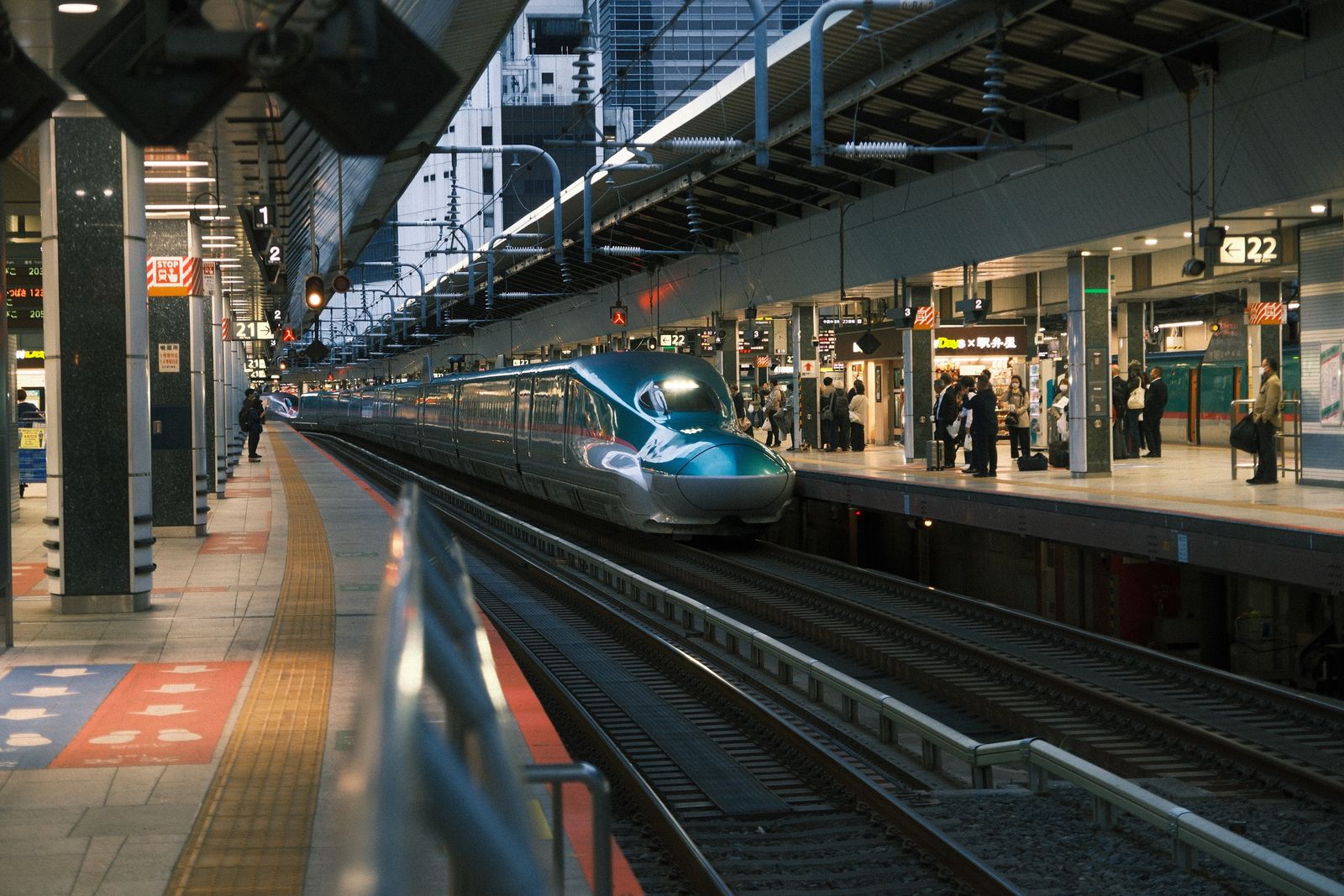
Tokyo to Kyoto is one ride on the Tokaido Shinkansen, no change. JR Central gives 2 hours 21 minutes as the fastest Tokyo to Shin-Osaka time, and Kyoto is the stop before Shin-Osaka.
A Japan Rail Pass decides the rest. In the pass’s own words, it “is not valid for any seats, reserved or non-reserved, on ‘NOZOMI’ and ‘MIZUHO’ trains.” A pass holder reserves a Hikari, or buys the pass holders’ NOZOMI ticket for ¥4,960. Whether the pass pays for your trip is a separate sum: Is the Japan Rail Pass worth it?
Without a pass, regular season:
| Ticket, Tokyo → Kyoto | Station | smartEX |
|---|---|---|
| Non-reserved seat | ¥13,320 | — |
| Reserved seat, Hikari or Kodama | ¥13,850 | ¥13,650 |
| Reserved seat, Nozomi | ¥14,170 | ¥13,970 |
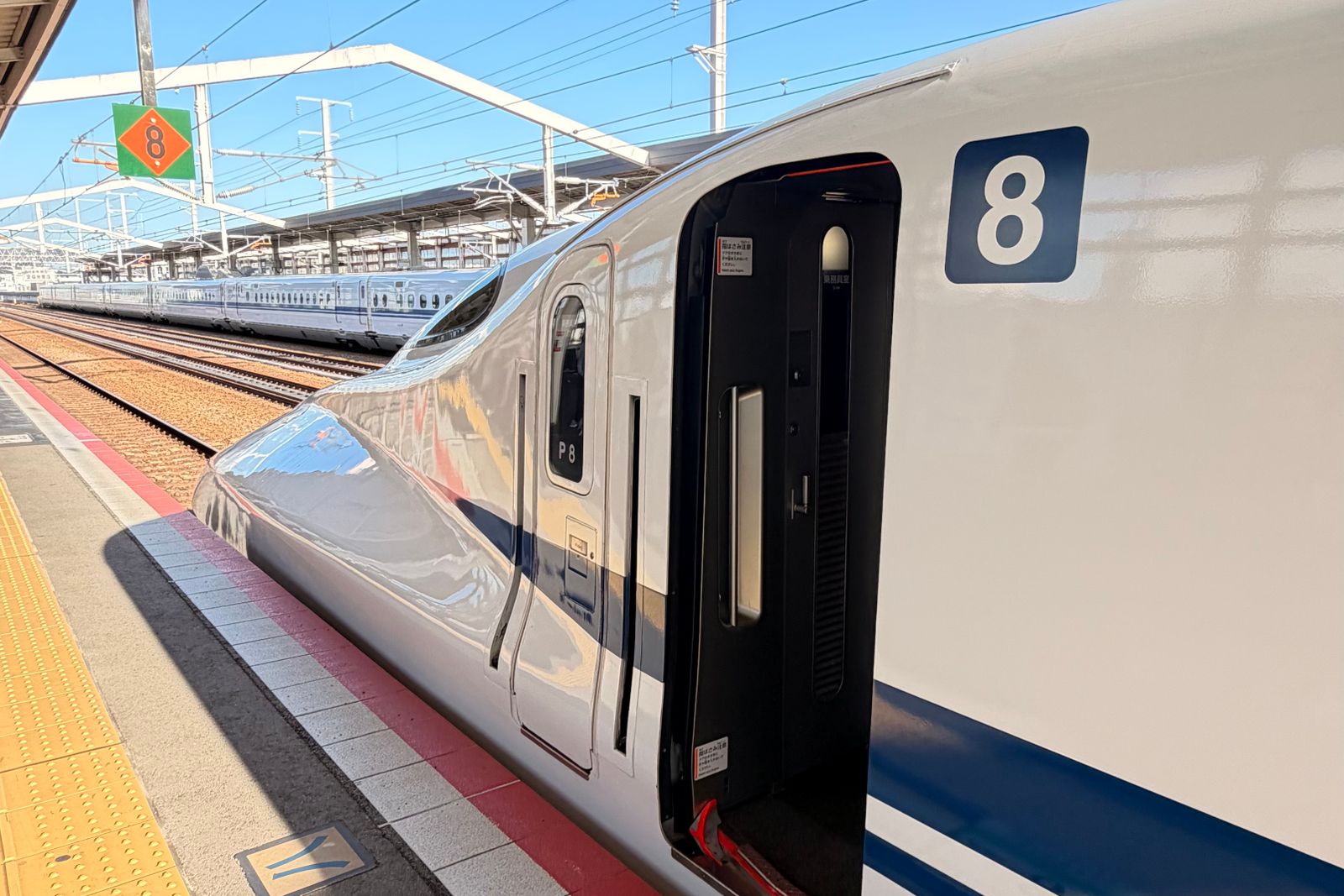
If your time is flexible and your date is ordinary, buy a non-reserved ticket on the day and take the next train. If your time is fixed, your date is one of the all-reserved periods below, or your suitcase is over 160 cm in total dimensions, book a reserved seat ahead: at a JR ticket office or machine, on smartEX, or through a reseller such as Klook. Bags of 161 to 250 cm need a seat with an oversized baggage area, reserved in advance. The three channels, their change rules and the seat letter for Mt. Fuji are on How to book Shinkansen tickets from Tokyo to Kyoto.
Booking a reserved seat ahead, without a Japan Rail Pass?
Tokyo to Kyoto Shinkansen Tickets on Klook
Klook's Tokyo to Kyoto listing sells reserved and Green Car seats on Nozomi, Hikari and Kodama. On smartEX the same regular-season Nozomi seat is ¥13,970, so compare the total in your currency and the change terms.
Check Tokyo–Kyoto seats on Klook →Sold on Klook (Klook Travel Technology Limited), an online travel agency. The same trains are sold by the rail operators themselves at JR ticket offices and machines, and online through smartEX, where a regular-season Nozomi reserved seat from Tokyo to Kyoto is ¥13,970 (smartEX price sheet as of April 1, 2025, checked September 30, 2026). Before you pay, check on the listing: the train and seat, the total in your currency, how you receive the ticket, and the change and cancellation terms.
From Kansai Airport
JR West’s Haruka limited express runs from the airport to Kyoto Station: the 12:14 departure on JR West’s timetable arrives at 13:34. The last Haruka leaves at 22:16 and reaches Kyoto at 23:32. Visitors on a foreign passport can buy the HARUKA One-way Ticket to Kyoto for ¥2,200. It is not sold at stations in Japan: buy it on JR West’s online reservation site or from a travel agency outside Japan.
Nankai’s Rapi:t is the other airport train, and it runs to Namba in Osaka, not to Kyoto. Which one fits the hour you land and your hotel’s station: Haruka or Rapi:t?
Second: where you sleep
The Kyoto stay page compares areas on one number you can check: how late you can get back to bed.
- Downtown / Shijo-Kawaramachi. The subway and Hankyu run to about midnight from stations you walk to.
- Gion / Southern Higashiyama. The lanes most visitors picture. The last bus out leaves before 22:00, then it is a walk to Downtown’s stations.
- Kyoto Station. Fits when the Shinkansen, the Haruka or JR day trips carry the trip. Downtown evenings mean the Karasuma subway two stops north; the last train back down leaves about 23:57.
The full ranking, the two areas declined by name and the lodging tax per head: Where to stay in Kyoto.
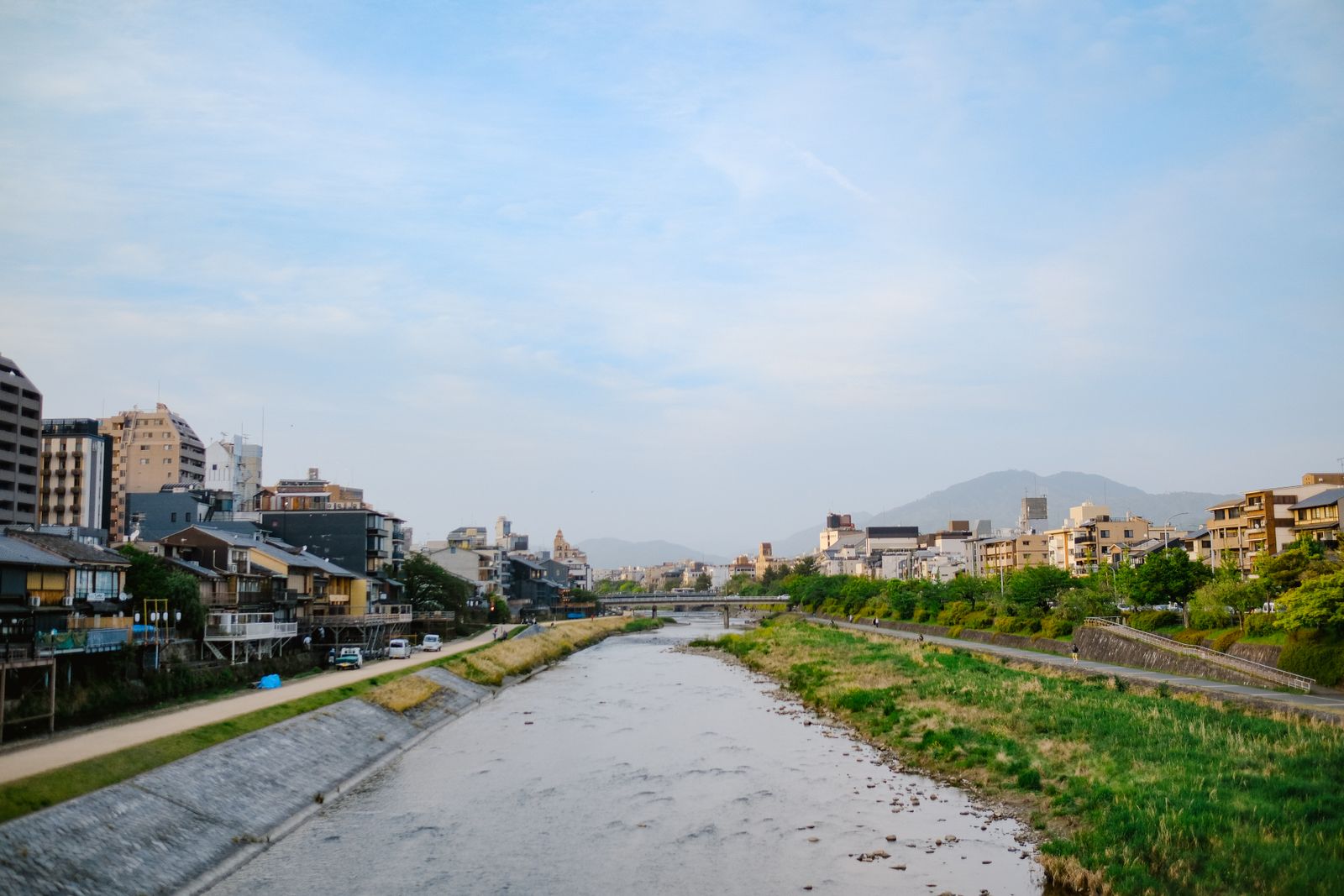
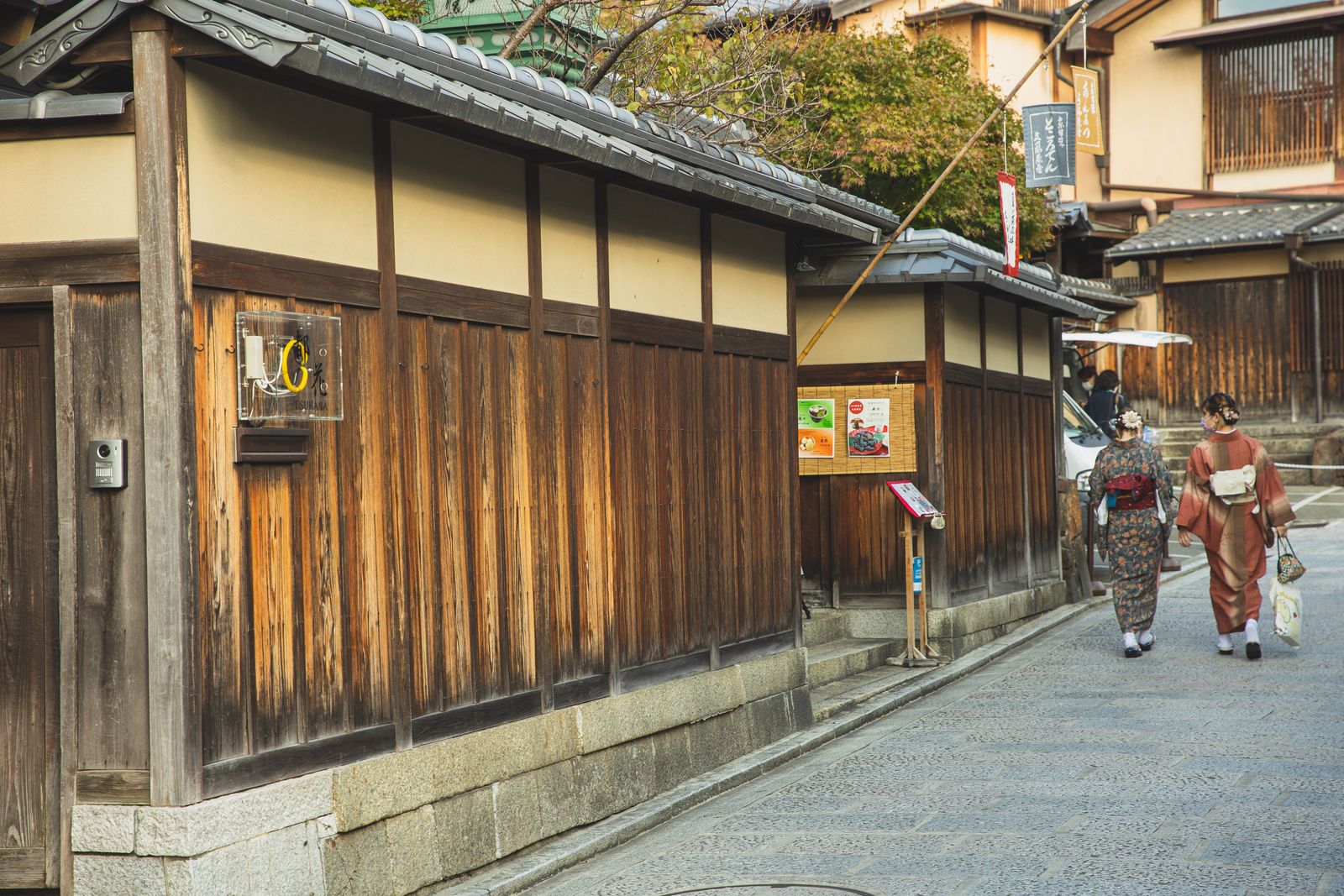
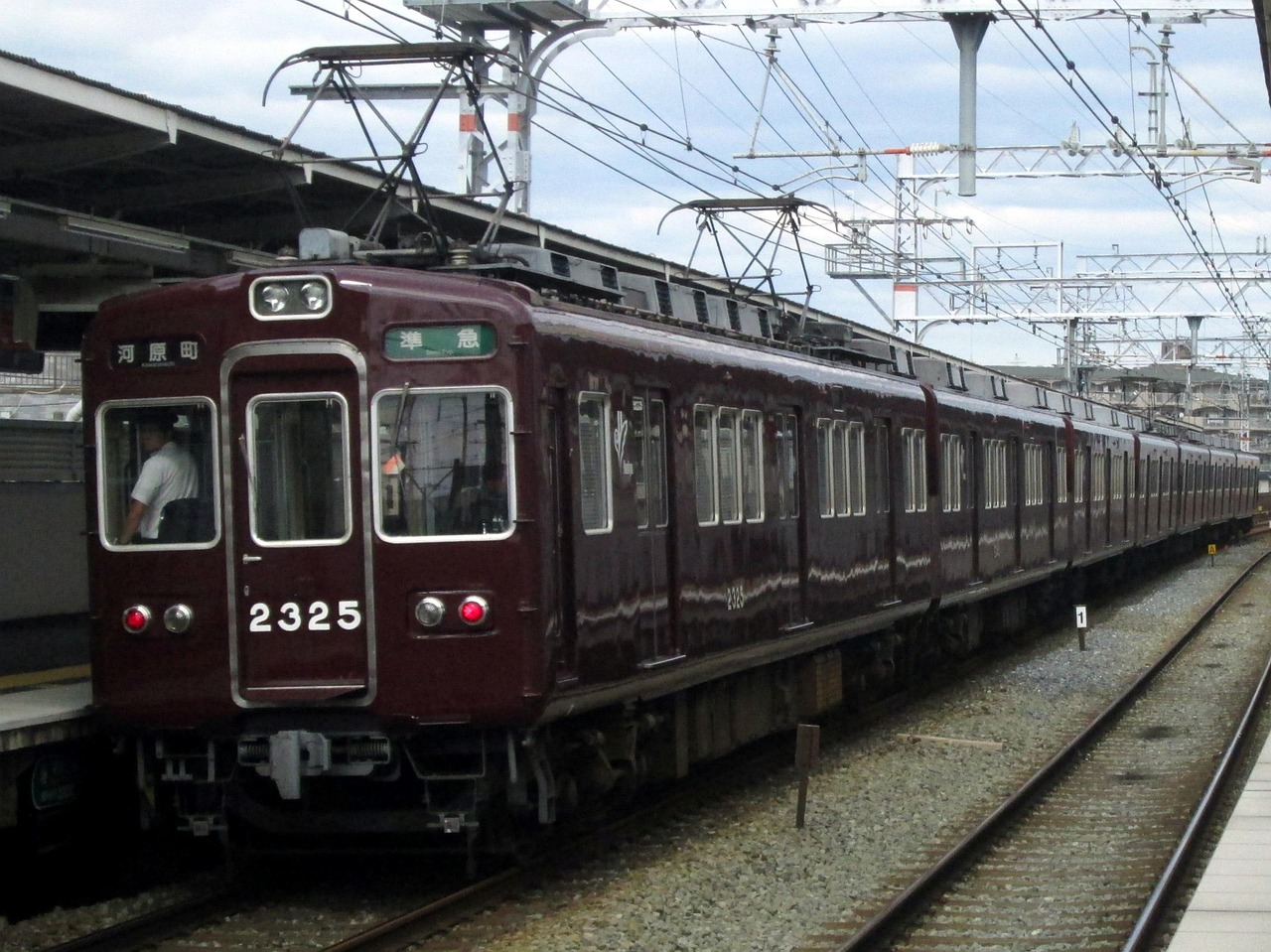
Osaka works as the bed too. Hankyu’s Kyoto Line starts at Osaka-umeda, and Osaka-umeda to Kyoto-kawaramachi is ¥410. Keihan runs from Yodoyabashi to Gion-Shijo for ¥490. The Shinkansen stops at Shin-Osaka, the stop after Kyoto. Which Osaka area, and how each one sits for Kyoto: Where to stay in Osaka.
Third: how many days, and which of them leave Kyoto
Guides on page one put Kyoto at anything from two to seven days, and agree most often on about three. The number that fits you is arithmetic: the days you have in Kansai, minus the arrival day, minus each day trip at its size.
| Trip from Kyoto | Size | What ends the day | How you get there |
|---|---|---|---|
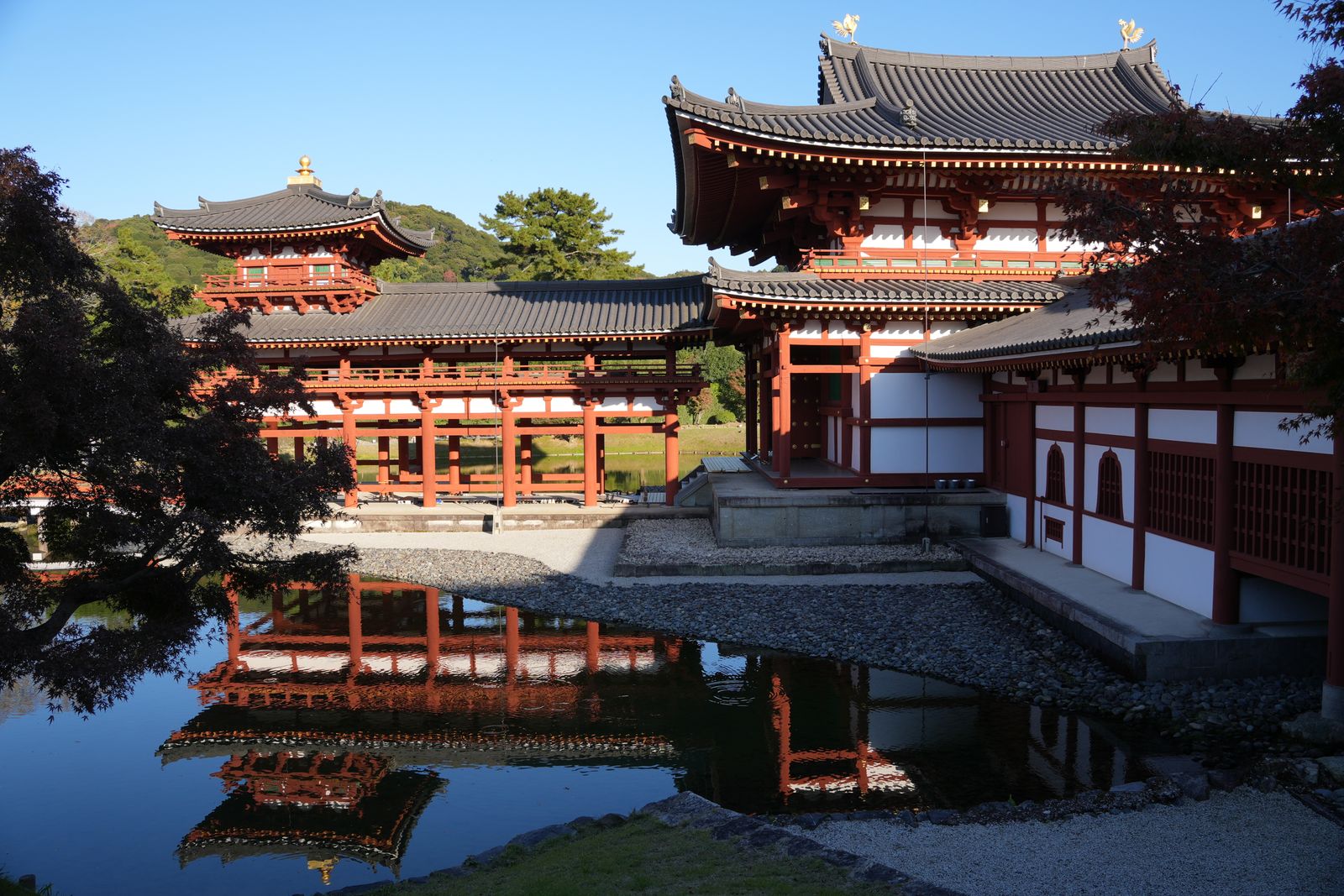
| Uji | Half day | Phoenix Hall interior stops admitting at 16:10 | JR from Kyoto Station, or Keihan |
| Kurama and Kibune | Half day | Treasure hall to 16:00; shut Tuesdays and through winter | Eizan Railway from Demachiyanagi (¥470) |
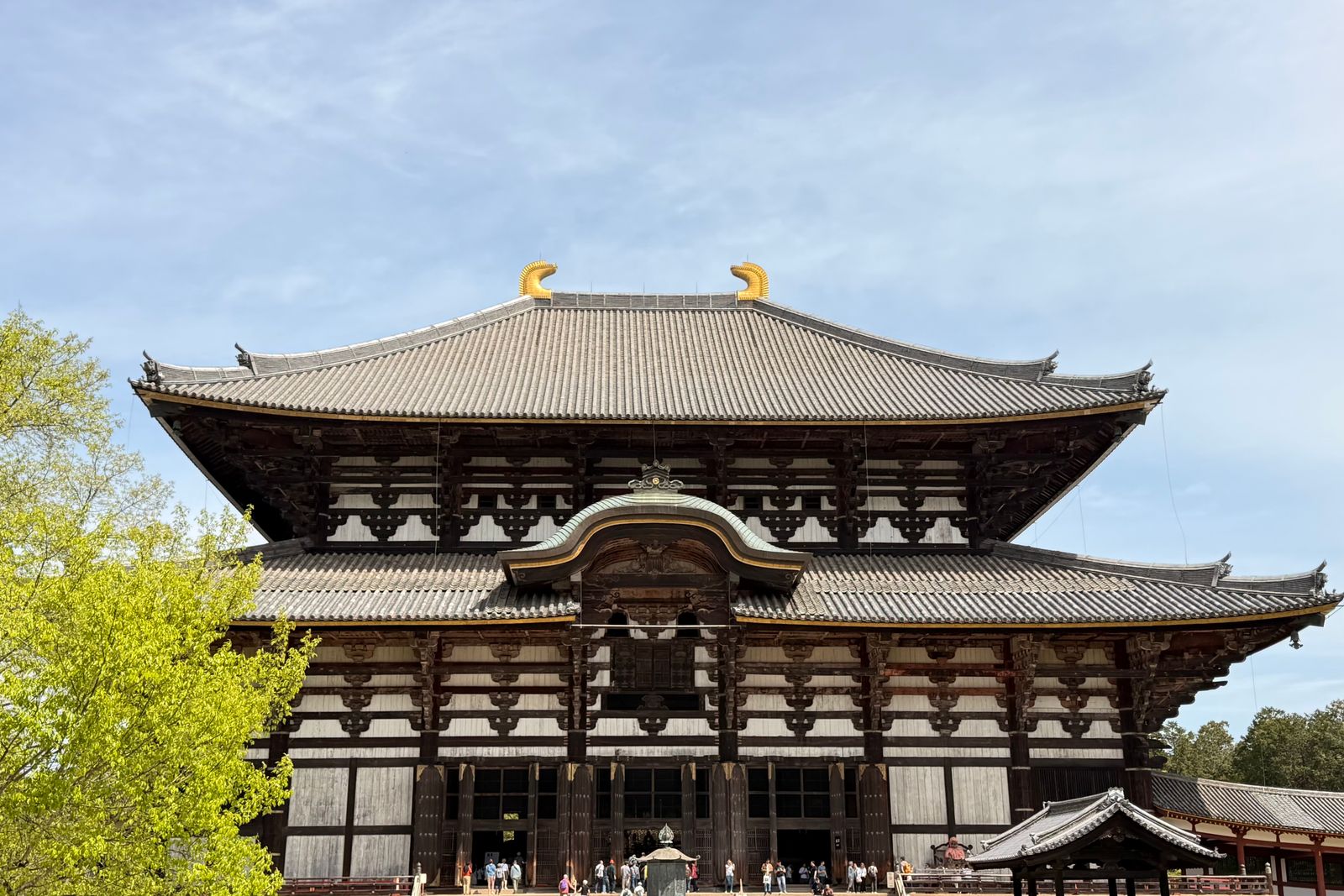
| Nara | Whole day | Todai-ji’s Great Buddha Hall: 17:30 April–October, 17:00 November–March | Kintetsu, about 35 minutes (¥760 + ¥520 limited express), or JR Nara Line |
| Himeji | Whole day | Castle last admission 16:00 | JR from Kyoto Station |
Those four are ranked on that clock, and the trips not ranked are named with their reasons, in Day trips from Kyoto, ranked.
Nara is the one most guides add first. Whether to do it on a guided Kyoto-and-Nara tour, on your own by Kintetsu or JR, or not at all: Nara from Kyoto: day tour or on your own?. The Kintetsu Rail Pass is ¥1,900 for a day and includes no limited express seat; Kyoto to Nara and back without the limited express is ¥1,520 in single fares. Where that pass starts to pay: Is the Kintetsu Rail Pass worth it?
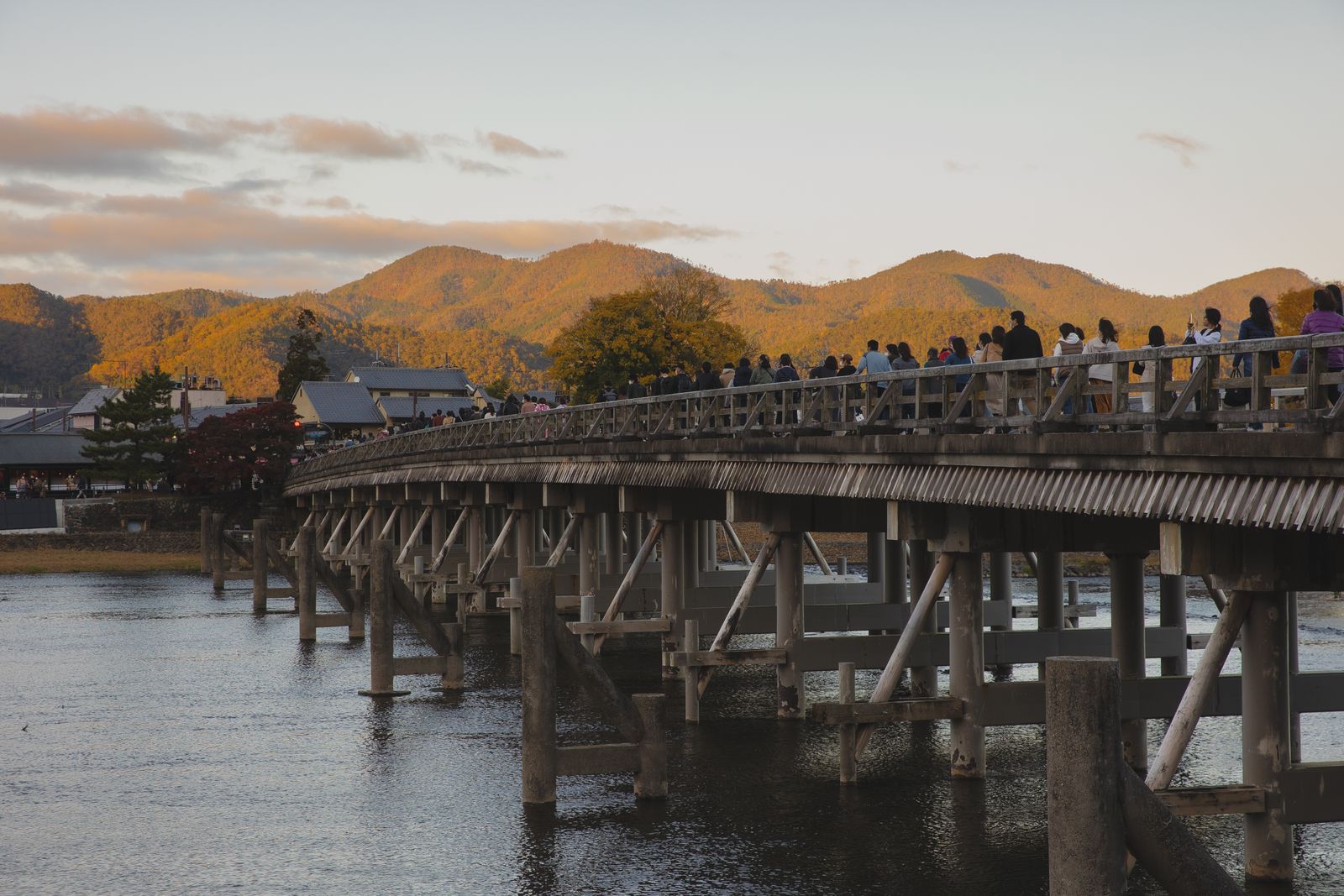
Arashiyama is inside the city, so it is a city day, not a day trip. Two paid rides start or end there. The Sagano Romantic Train is about 25 minutes and ¥880 one way, from Arashiyama up the gorge to Kameoka: Is the Sagano Romantic Train worth it?. The Hozugawa boat ride runs about 16 km from Kameoka back down to Arashiyama in about two hours, ¥6,000 per adult: Is the Hozugawa River boat ride worth it?
Universal Studios Japan is a whole day in Osaka. Admission (the Studio Pass) and the Express Pass are two separate products, both bought for a date: The USJ Express Pass.
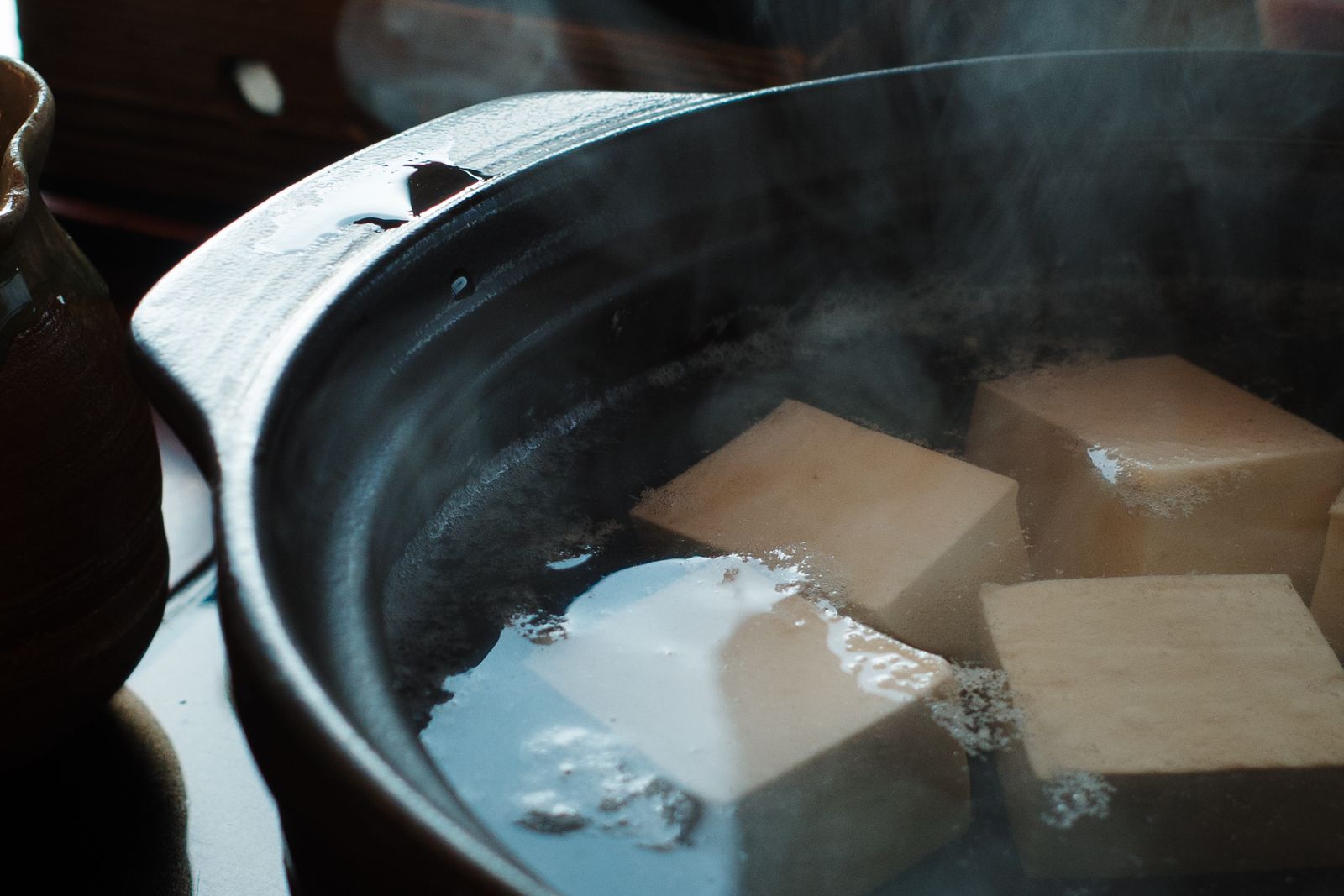
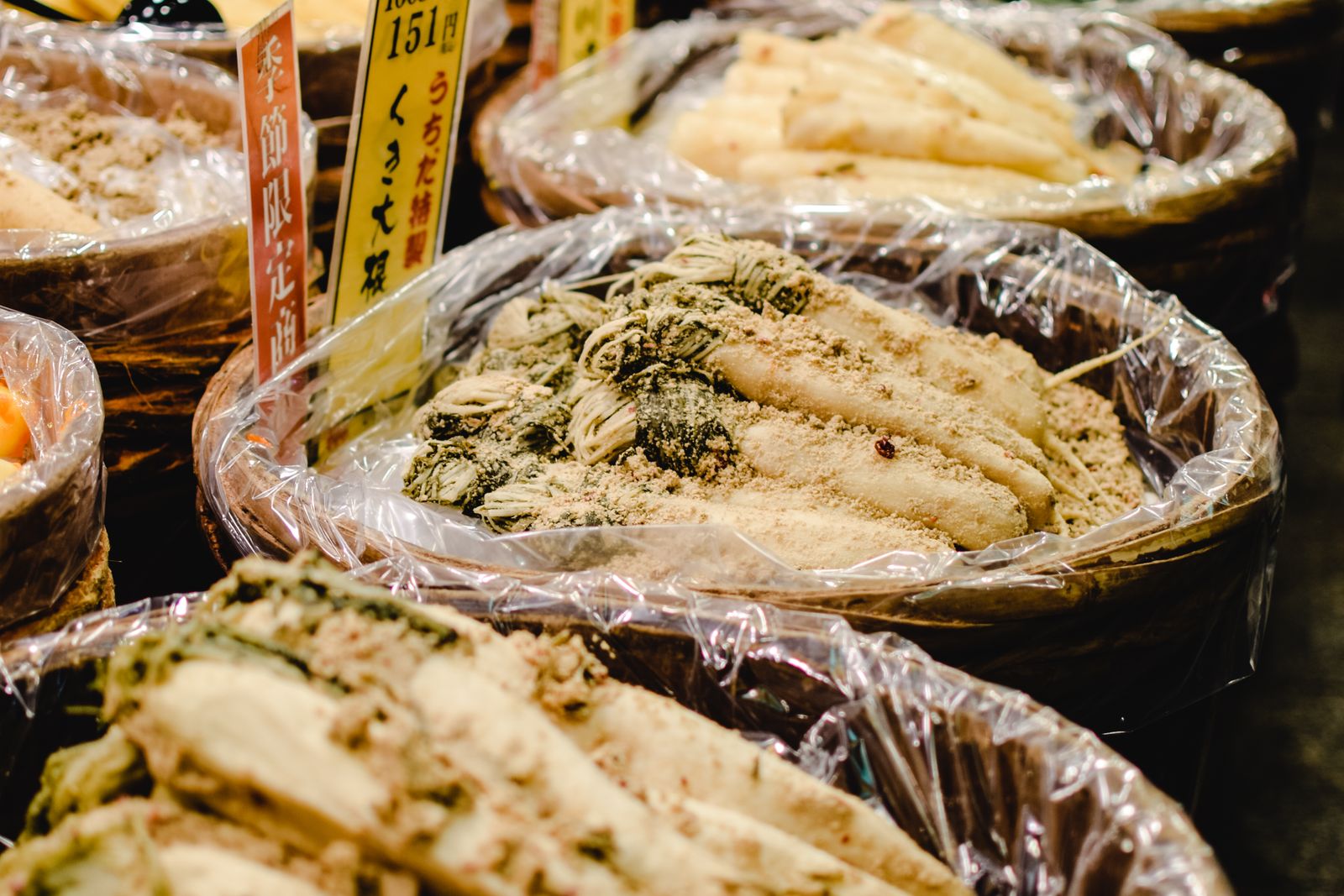
Meals are part of the count. What earns one of your Kyoto meals, from kaiseki to the tofu course to Nishiki Market: Kyoto food, ranked. If Osaka gets an evening: Osaka street food, ranked.
Fourth: how you get around
Inside Kyoto, Kyoto City’s Subway & Bus 1-Day Pass is ¥1,100 for an adult and ¥550 for a child. It covers both subway lines, every city bus route and some other operators’ buses, on the day you first put it through a gate. That is the calendar day, not 24 hours. Subway stations and information centers sell it, and so do the buses, where the city warns it may sell out.
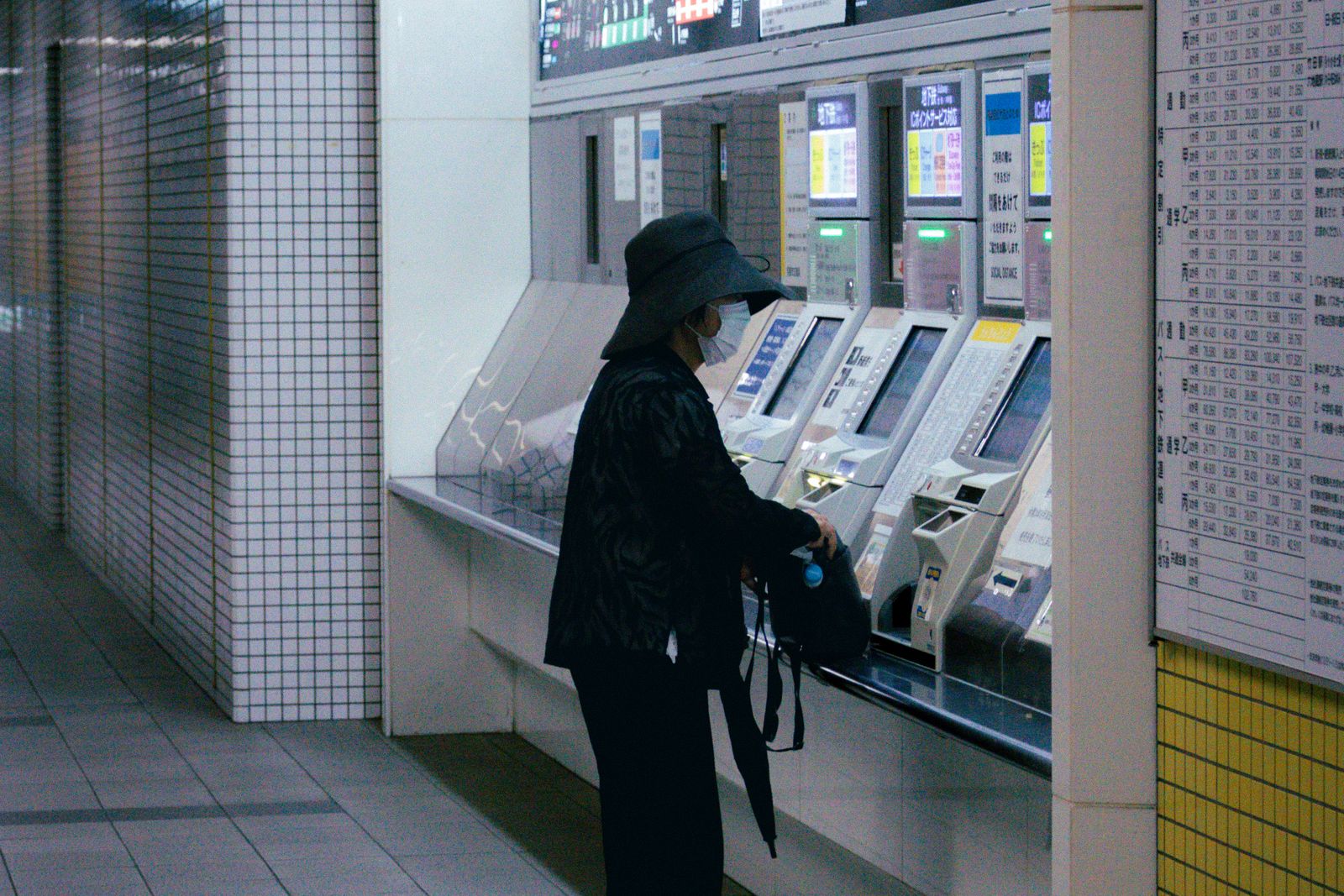
Between Kyoto, Osaka and Nara, each private railway sells a day pass. On the classic day, the first three cost more than the single fares; the Osaka Amazing Pass turns on a count:
| Pass | Price | The classic day in single fares |
|---|---|---|
| Keihan Kyoto-Osaka Sightseeing Pass, 1 day | ¥1,650 | Fushimi Inari and Gion from Osaka: ¥1,210 |
| Hankyu One-Day Pass | ¥1,300 | Arashiyama and Kawaramachi from Osaka-umeda: ¥1,060 |
| Kintetsu Rail Pass, 1 day | ¥1,900 | Kyoto to Nara and back: ¥1,520 |
| Osaka Amazing Pass | ¥3,500 (1 day), ¥5,000 (2 days) | Depends on how many covered paid spots your day holds |
Each pass pays only on a fuller day. The legs that tip it are priced on each page: Keihan, Hankyu, Kintetsu, Osaka Amazing Pass.
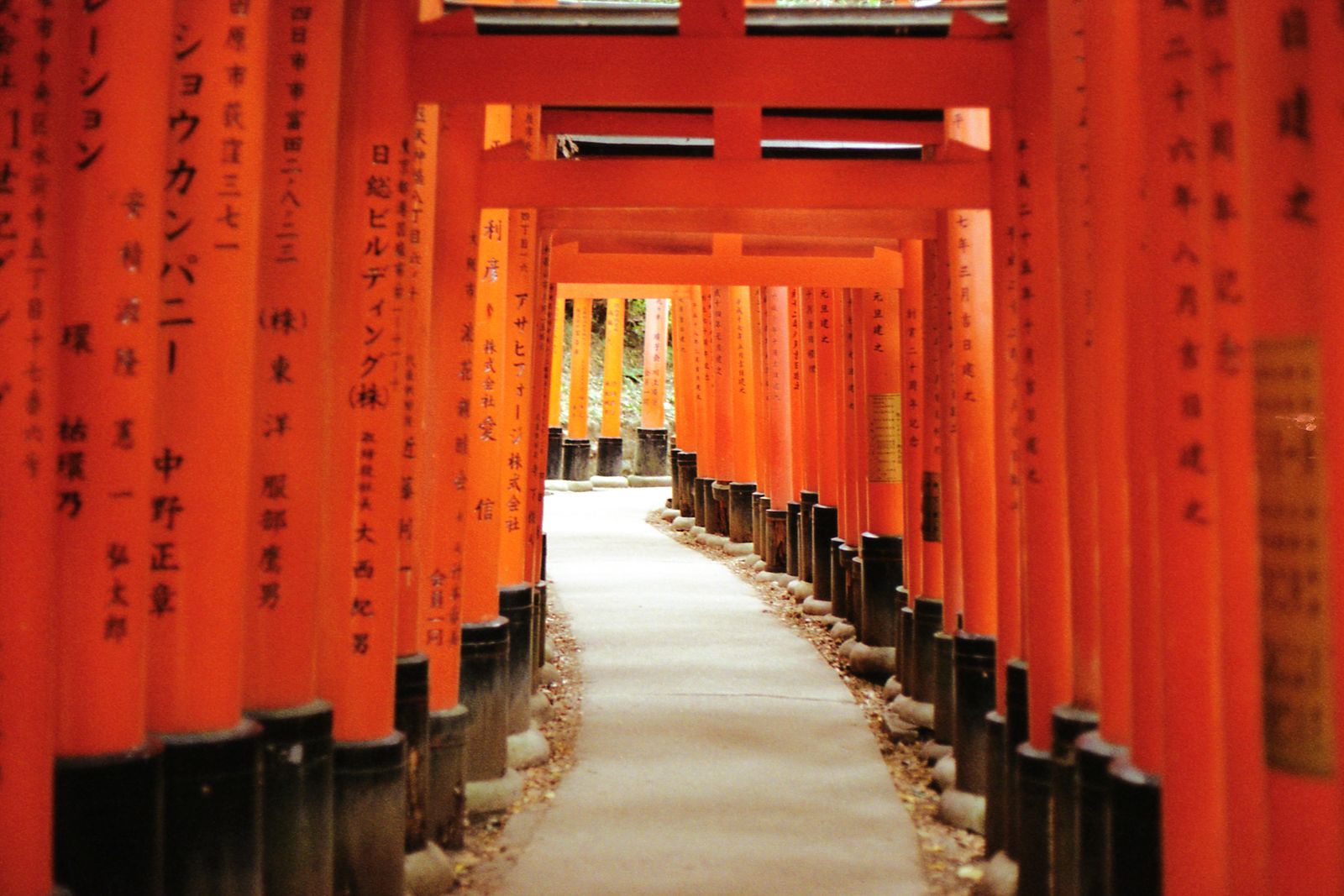
On JR, the Kansai Area Pass stopped selling on September 30, 2026; passes bought by then stay valid. What to use instead, from a pass you already hold to the one long day trip that makes the Kansai WIDE Area Pass pay: JR Kansai Area Pass.
Fifth: which dates
The Shinkansen. On JR Central’s all-reserved dates every Nozomi seat is reserved. A non-reserved ticket then only gets you standing room in a Nozomi’s deck area, while Hikari and Kodama keep their non-reserved cars. The periods left in the 2026 fiscal year:
| All-reserved Nozomi period | Dates |
|---|---|
| Labor Thanksgiving weekend | November 21–23, 2026 |
| Year-end and New Year | December 25, 2026 – January 5, 2027 |
| Coming of Age Day weekend | January 9–11, 2027 |
| Vernal Equinox weekend | March 20–22, 2027 |
The lodging tax. Kyoto City charges it per guest, per night, by the room-only rate divided by the guests in the room. From ¥6,000 to under ¥20,000 a head it is ¥400 each, per night; the bands changed on March 1, 2026. The full band table is on the Kyoto stay page.
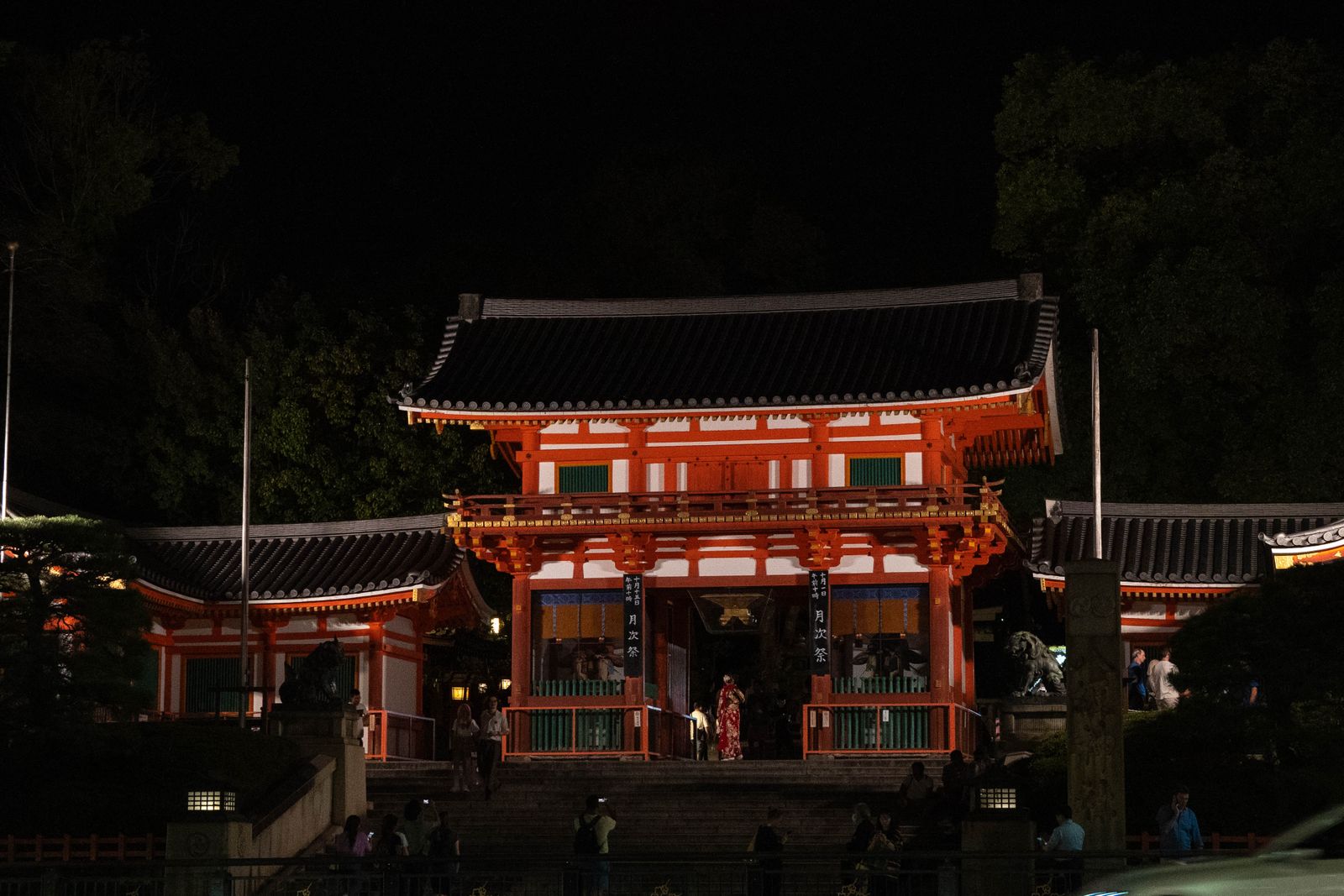
The season. Which months to aim for and which to avoid: The best time to visit Japan. What the cheap months save, and what they cost you: The cheapest time to visit Japan.
A worked example: four nights in Kyoto, from Tokyo
One adult, an ordinary date, a fixed train, four nights in Downtown Kyoto at an example rate of ¥14,000 a head, room-only. One day goes to Nara by Kintetsu limited express; three days use the subway-and-bus pass, Arashiyama included.
| Line | Yen |
|---|---|
| Tokyo → Kyoto, Nozomi reserved seat, smartEX | 13,970 |
| Subway & Bus 1-Day Pass × 3 | 3,300 |
| Kintetsu Kyoto ↔ Nara with limited express, both ways | 2,560 |
| Todai-ji Great Buddha Hall | 800 |
| Kyoto lodging tax, ¥400 × 4 nights | 1,600 |
| Total, before rooms, meals and the leg out | 22,230 |
Add ¥880 for the Sagano Romantic Train and ¥6,000 for the Hozugawa boat if the Arashiyama day takes them. Rooms and the rest of the trip are priced line by line in What a Japan trip costs.
Next
Once the arrival is set, it narrows the bed (the station you land at), and the bed narrows the days. If you come from Tokyo on a fixed day, book that seat first: Shinkansen tickets from Tokyo to Kyoto. If Kyoto is one stop of a longer first trip, the order for the whole country is on First trip to Japan.
Information checked October 11, 2026: JR Central’s all-reserved Nozomi dates and Kyoto City’s Subway & Bus 1-Day Pass. Other figures carry the check date of the linked page they come from. Fares, timetables and opening hours change; confirm with the operator before you travel.