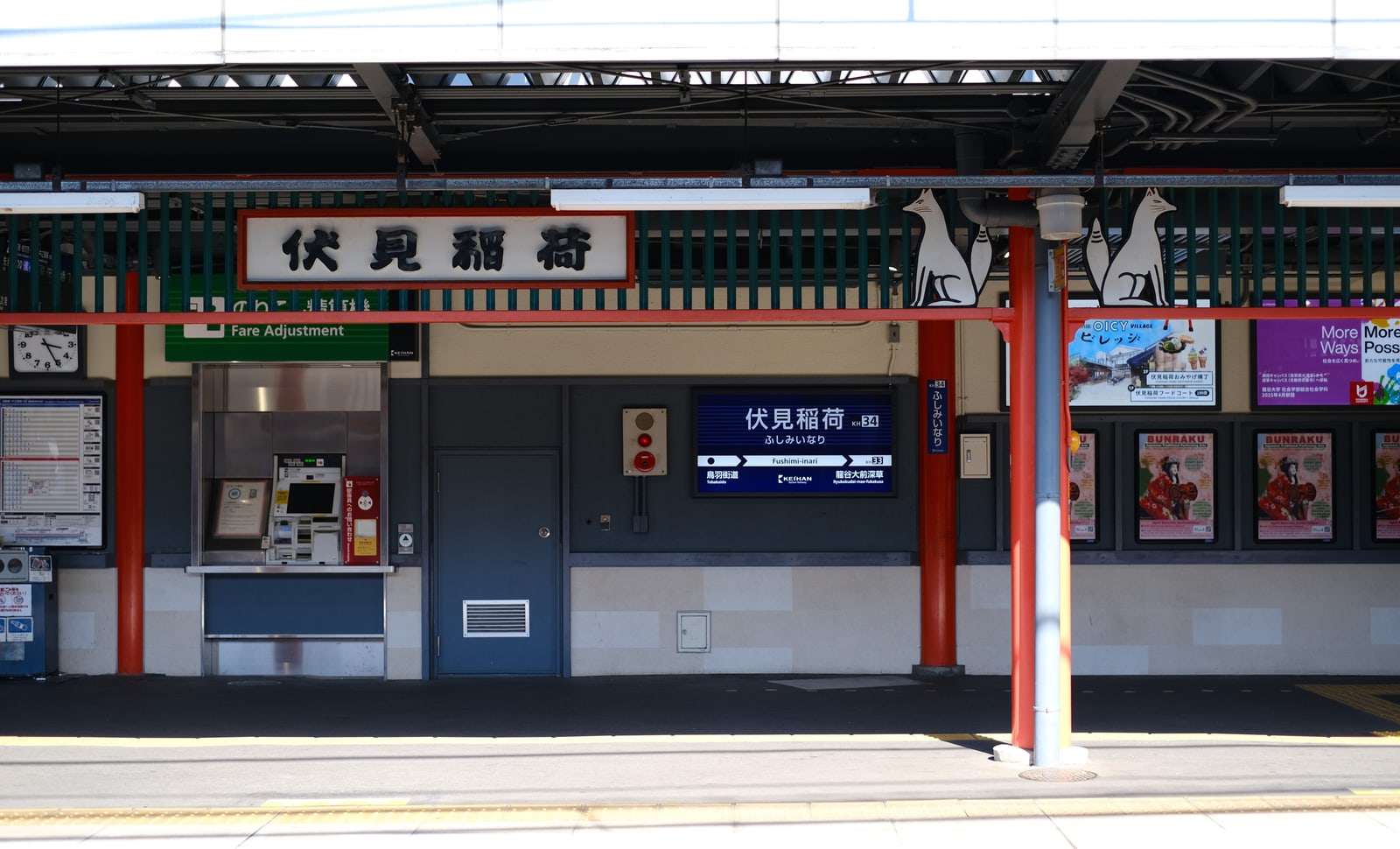
For the day most first trips plan from Osaka, no. Keihan’s 1-day Kyoto-Osaka Sightseeing Pass costs ¥1,650 (Keihan’s price, checked October 8, 2026). Yodoyabashi to Fushimi-Inari, on to Gion-Shijo, and back to Yodoyabashi costs ¥1,210 in Keihan’s own single fares. The pass starts to pay at about five Keihan rides, such as Uji, Gion-Shijo and Demachiyanagi plus one more hop, or on a Kurama day with a Gion stop, in the ¥2,100 Kurama & Kibune version.
Four conditions decide it, in this order: how many Keihan rides your day really has; whether Kurama or Kibune is in it; whether your Osaka end needs the Metro; and which railway your hotel sits on. The first one settles most trips.
Uji, Gion and Demachiyanagi in one day, or Kurama?
Kyoto-Osaka Sightseeing Pass on Klook
That is the day the pass can cover more than its price in Keihan's fares. Klook lists Keihan's Kyoto-Osaka Sightseeing Pass; check which version the listing sells and how the QR ticket reaches you.
Check the Kyoto-Osaka Sightseeing Pass on Klook →Sold on Klook (Klook Travel Technology Limited), an online travel agency; the pass and the trains are Keihan Electric Railway's. Before you pay, check on the listing which version you are buying (1-day, 24-hour, Osaka Metro or Kurama & Kibune), how the QR ticket reaches you, and the cancellation terms.
First: count your Keihan rides, not your sights
The pass is Keihan only: the main line between Osaka and Demachiyanagi, the Uji and Katano lines and the Iwashimizu-hachimangu cable car. The Otsu Line is not included. Keihan’s Kyoto end is Gion-Shijo, Sanjo and Demachiyanagi, with Kiyomizu-Gojo and Fushimi-Inari on the way in. It has no station at Kyoto Station.
So the question is not how many places you see. It is how many times you board a Keihan train. These are Keihan’s adult single fares, effective since October 1, 2025:
| Your day (adult, from Yodoyabashi) | Keihan rides | Single fares | Pass ¥1,650 |
|---|---|---|---|
| Fushimi-Inari, Gion-Shijo, back | 3 | ¥480 + ¥240 + ¥490 = ¥1,210 | singles ¥440 cheaper |
| Same, plus Demachiyanagi | 4 | ¥480 + ¥240 + ¥240 + ¥550 = ¥1,510 | singles ¥140 cheaper |
| Uji, Gion-Shijo, Demachiyanagi, back | 4 | ¥490 + ¥360 + ¥240 + ¥550 = ¥1,640 | singles ¥10 cheaper |
| The Uji day, plus any further ride | 5 or more | above ¥1,650 | pass cheaper |
Kyoto-end hops are short. Gion-Shijo to Kiyomizu-Gojo is ¥180, to Fushimi-Inari or Demachiyanagi ¥240. That is why a classic sightseeing day falls short: once you are in Kyoto, most rides are cheap ones. The pass pays when you add a fifth ride, or a second long ride, such as Uji and back on top of an Osaka round trip.
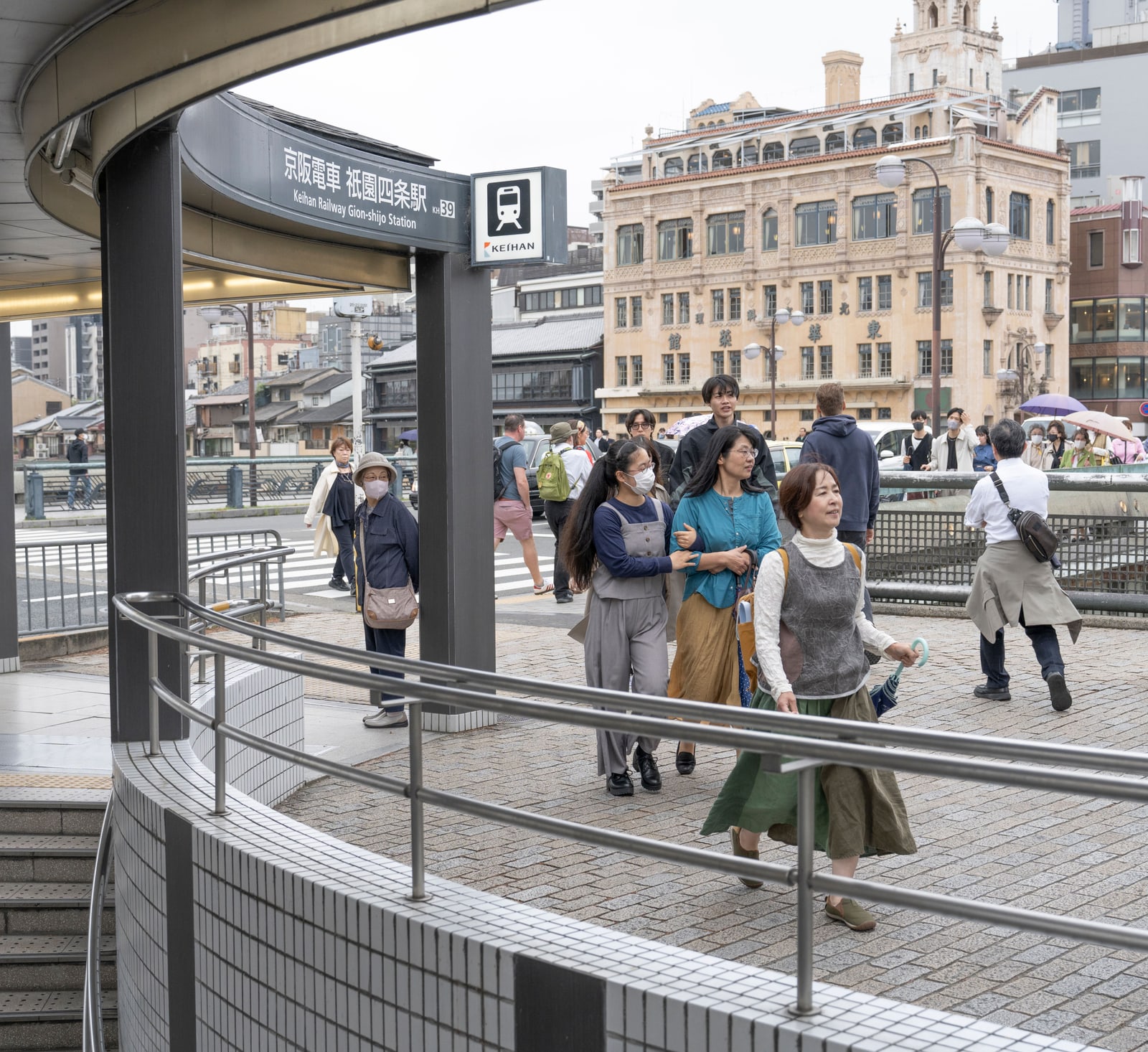
Staying in Kyoto instead? Keihan’s Kyoto Sightseeing Pass (¥1,100) covers Demachiyanagi to Iwashimizu-hachimangu and the Uji Line. Gion-Shijo to Uji and back is ¥720, and to Fushimi-Inari and back ¥480. Both in one day, as separate round trips, is ¥1,200, just over the pass.
Second: is Kurama or Kibune in the day?
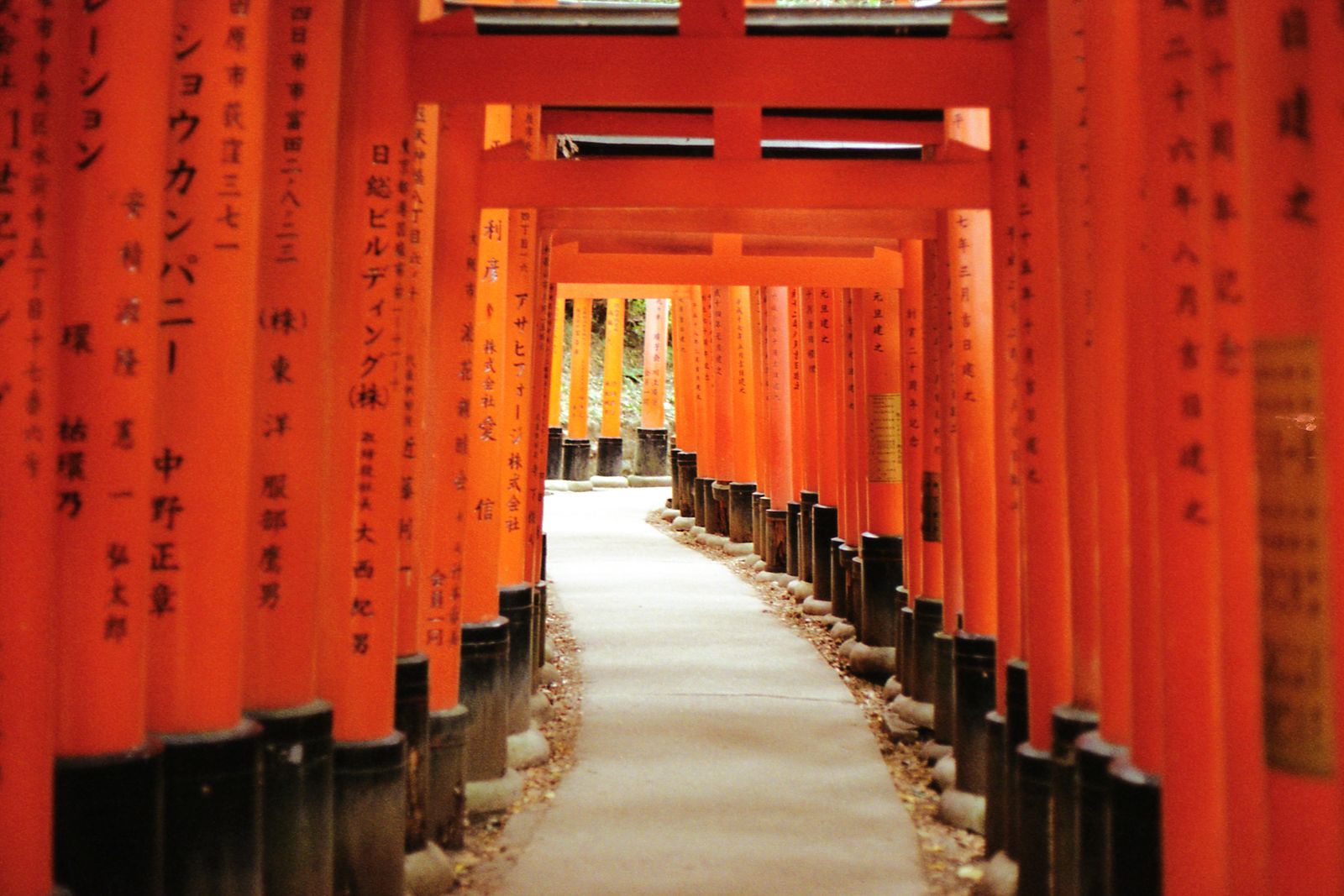
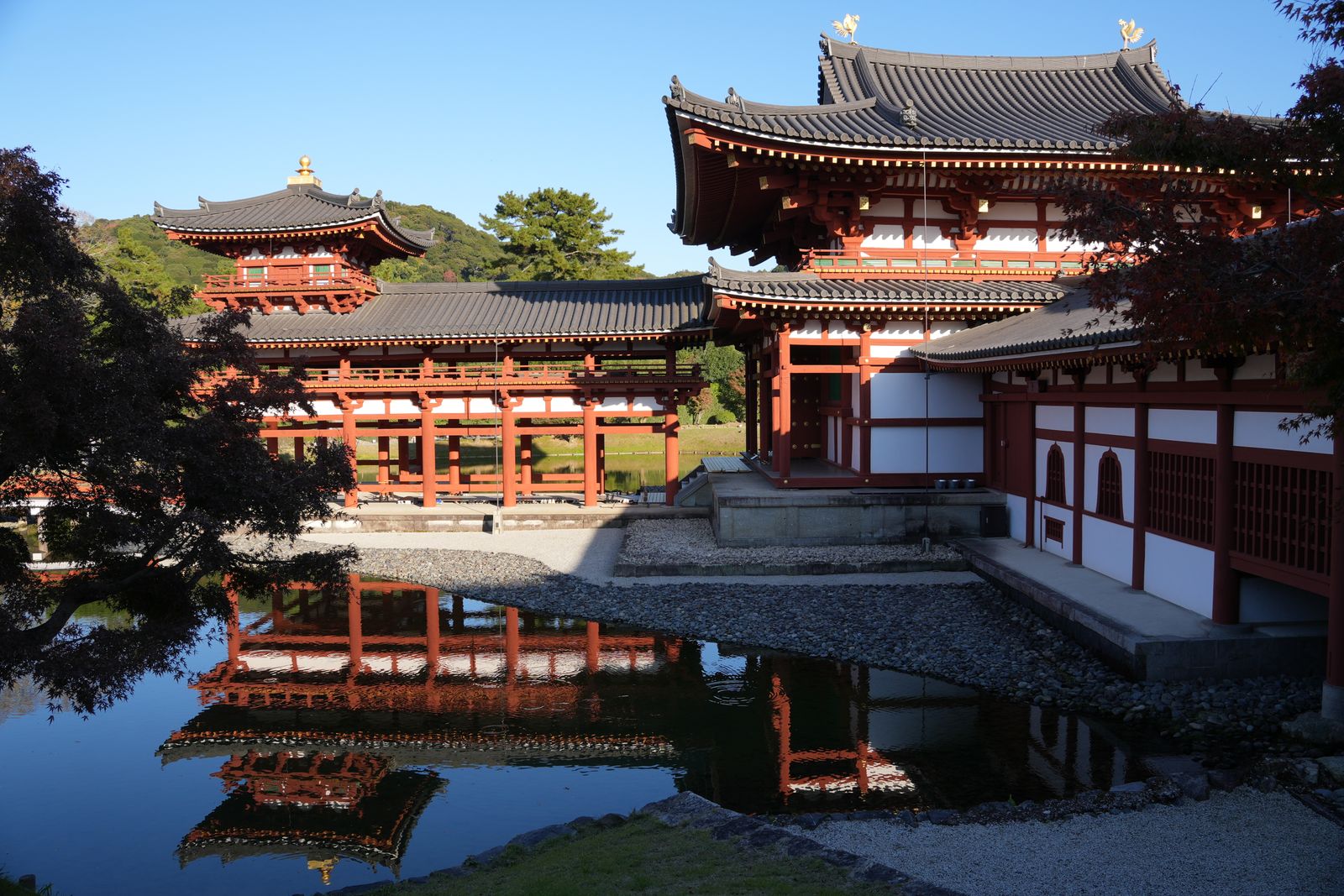
Kurama and Kibune are on the Eizan Railway, which starts at Demachiyanagi, Keihan’s last stop. The standard pass does not cover Eizan. The Kurama & Kibune version (¥2,100) adds it: ¥450 more than the standard pass.
Eizan’s fare from Demachiyanagi to Kurama or to Kibuneguchi is ¥470, so out and back is ¥940. Price the whole day:
- Yodoyabashi to Demachiyanagi, Eizan out and back, straight back to Yodoyabashi: ¥550 + ¥940 + ¥550 = ¥2,040. Single fares are ¥60 cheaper.
- The same day with a Gion-Shijo stop on the way home: ¥550 + ¥940 + ¥240 + ¥490 = ¥2,220. The pass is ¥120 cheaper.
If you were going to buy the standard pass anyway, the Kurama version always wins on a Kurama day: ¥450 against ¥940 of Eizan fares.
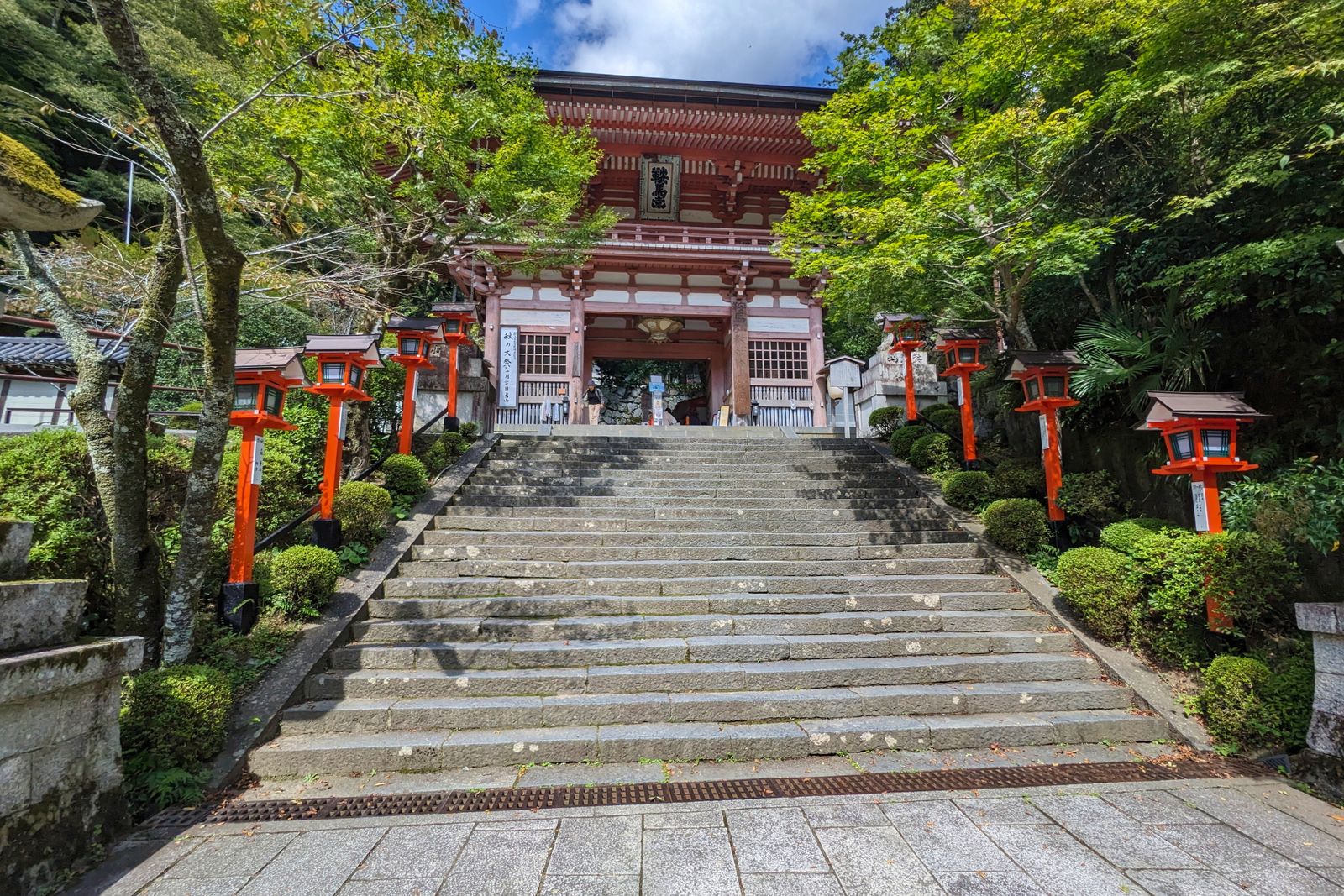
Based in Kyoto with no Osaka leg? Keihan also lists a separate Subway & Eizan Kurama-Kibune day ticket (¥2,100, adults only): all of Kyoto’s subway, all of Eizan, and Keihan between Sanjo and Demachiyanagi. It is sold at Kyoto’s city bus and subway information offices, Eizan’s Demachiyanagi station and Kansai Tourist Information Center Kyoto; Keihan lists no online sale. That is the Kyoto-hotel version of this question.
Third: does your Osaka end need the Metro?
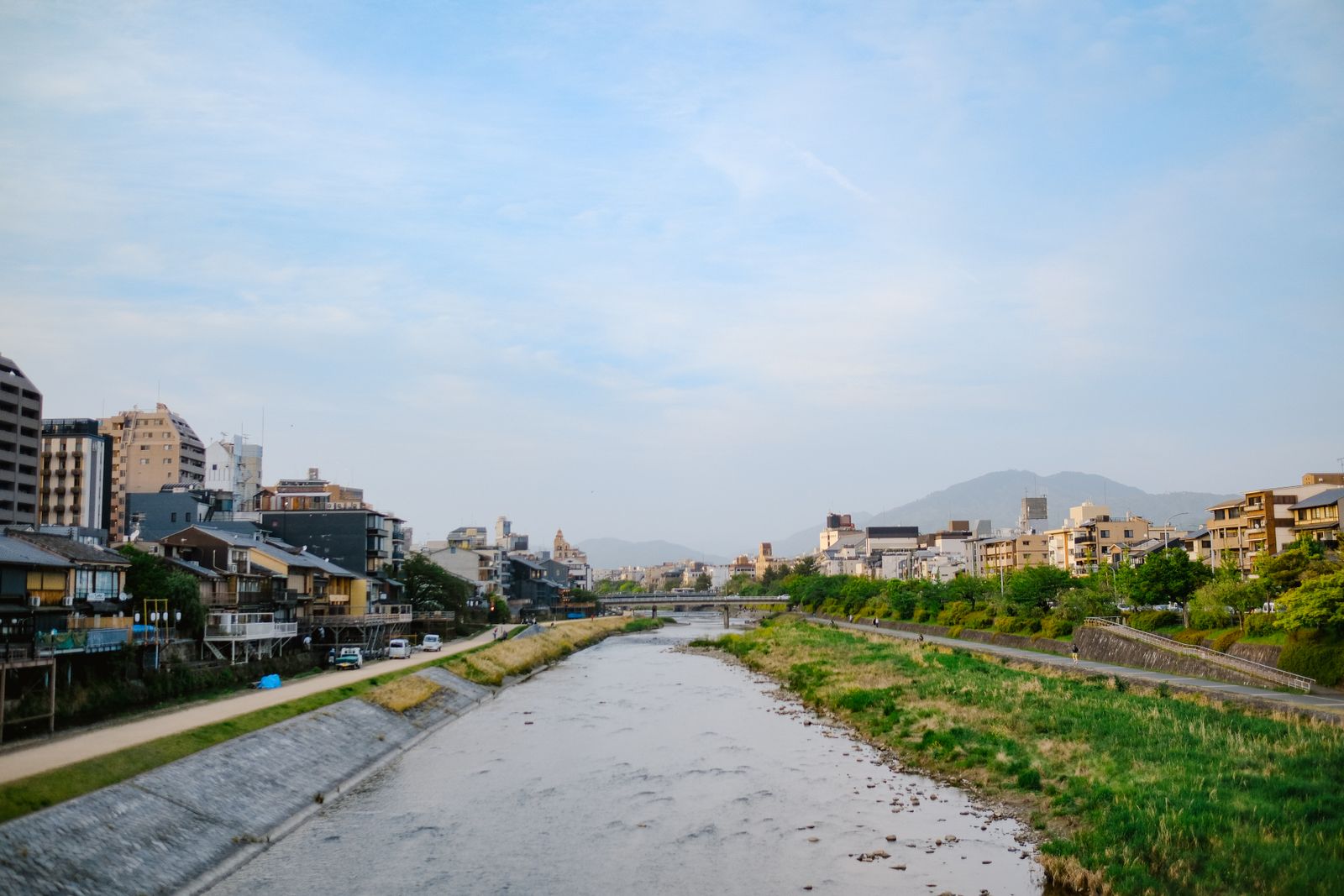
Keihan’s central Osaka stations include Yodoyabashi, Kitahama, Temmabashi and Kyobashi. Staying in Namba or Shinsaibashi means a subway ride to reach them, and another back.
The Osaka Metro version (¥2,160) is the standard pass plus Osaka Metro and Osaka City Bus (some bus routes excluded). It costs ¥510 more. Osaka Metro fares run ¥190, ¥240, ¥290, ¥340 or ¥390 by distance. So:
- Two Metro rides at ¥240 come to ¥480. Buy the standard pass, or none.
- Three rides at ¥190, or two at ¥290, come to ¥570 or ¥580. The Metro version covers them.
Add your Metro fares to your Keihan fares from the first table. If the total is above ¥2,160, the Metro version pays. The Keihan part still has to be a full day; the Metro rides do not rescue a ¥1,210 day on their own.
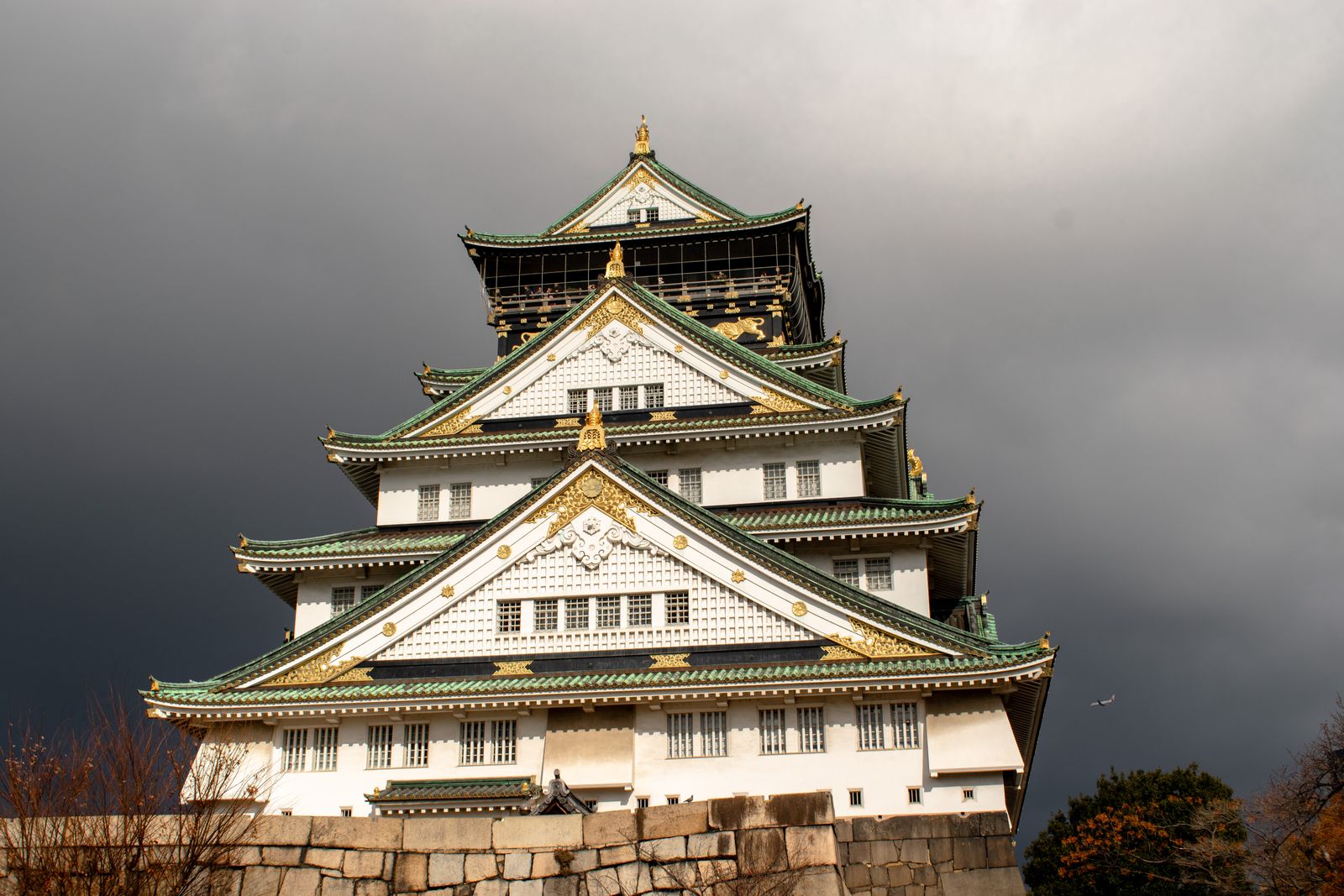
The Osaka Amazing Pass covers Keihan only within Osaka city, so it does not get you to Kyoto. See our Osaka Amazing Pass page for that one.
Fourth, the tie-break: which railway your hotel sits on
If the fares come out close, the station nearest your hotel settles it.
- Near JR Osaka Station or on a JR line: JR runs Osaka to Kyoto for ¥580 and reaches Kyoto Station, which Keihan does not serve. Getting to Keihan first means a transfer. The Keihan pass rarely fits this hotel.
- Near Hankyu’s Osaka-umeda: Hankyu runs to Kyoto-kawaramachi, Keihan’s transfer point at Gion-Shijo. The Keihan pass does not cover Hankyu. Hankyu suits Gion and Kawaramachi days; Fushimi Inari, Uji and Demachiyanagi are Keihan’s.
- Near Yodoyabashi, Kyobashi or Kitahama: Keihan is your door. This is the hotel where the pass is easiest to make pay.
The JR Kansai Area Pass, which once bundled one-day Keihan and Hankyu vouchers, stopped selling on September 30, 2026. Passes bought by then stay valid; there is no new one to buy. Our JR Kansai Area Pass page has the detail.
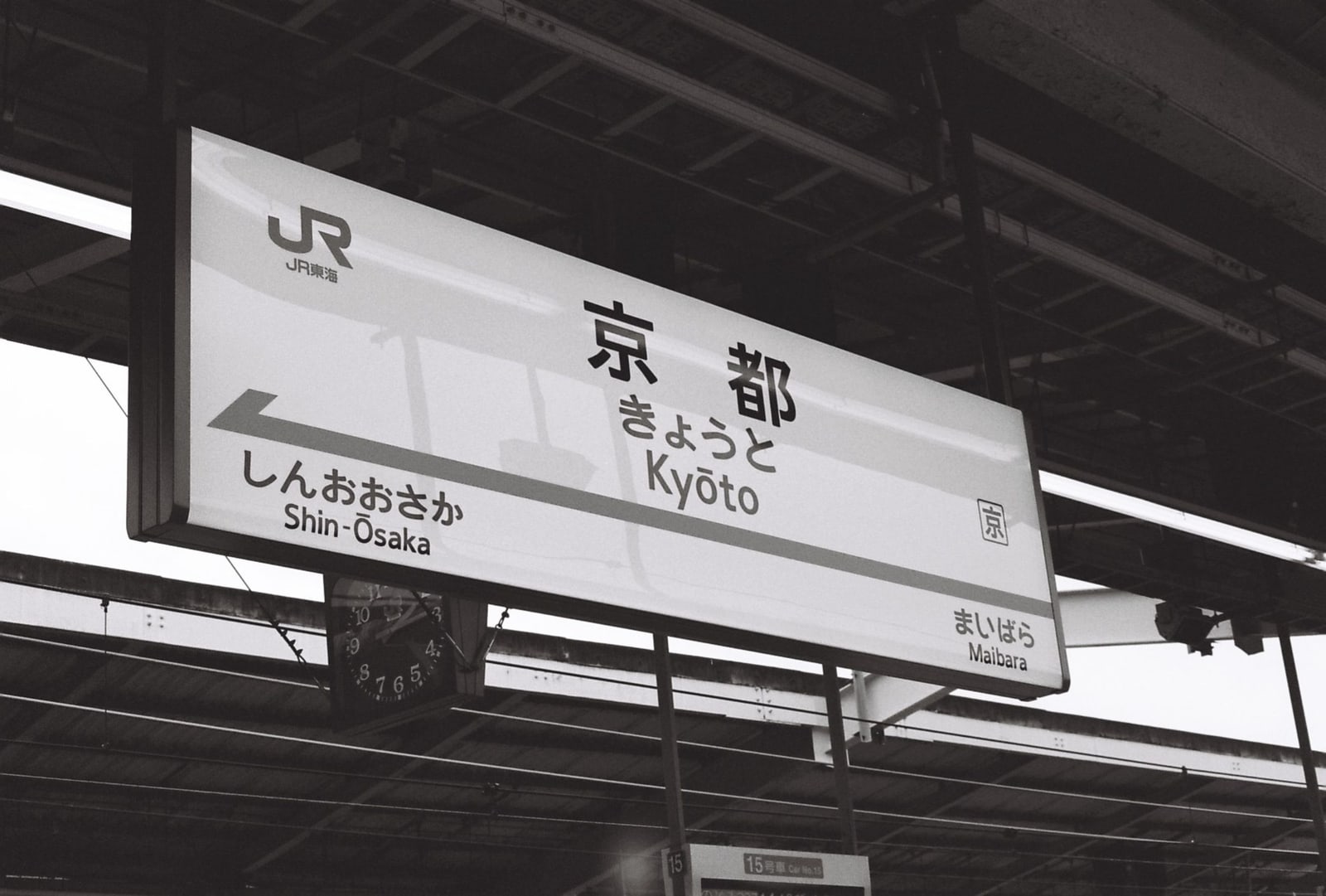
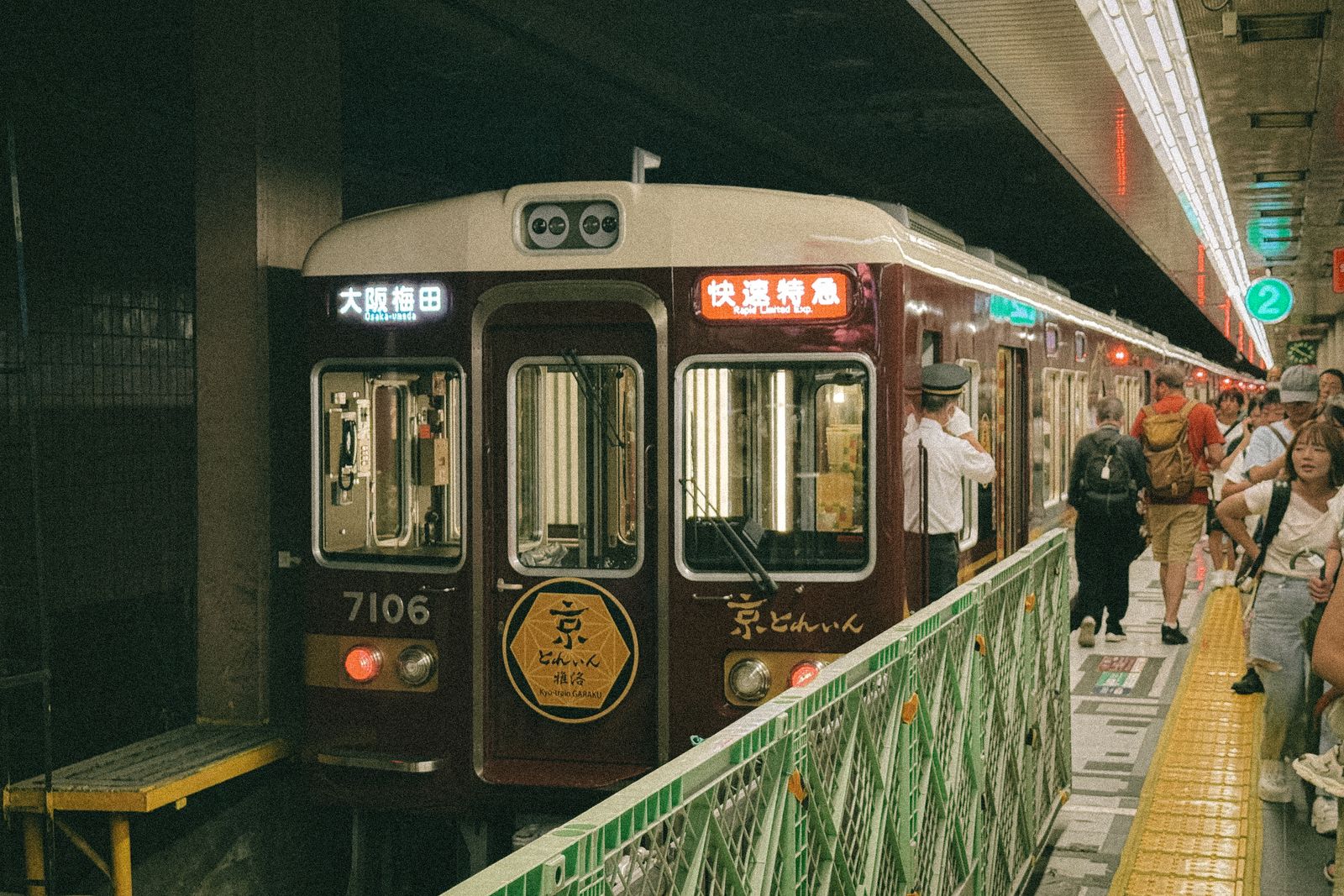
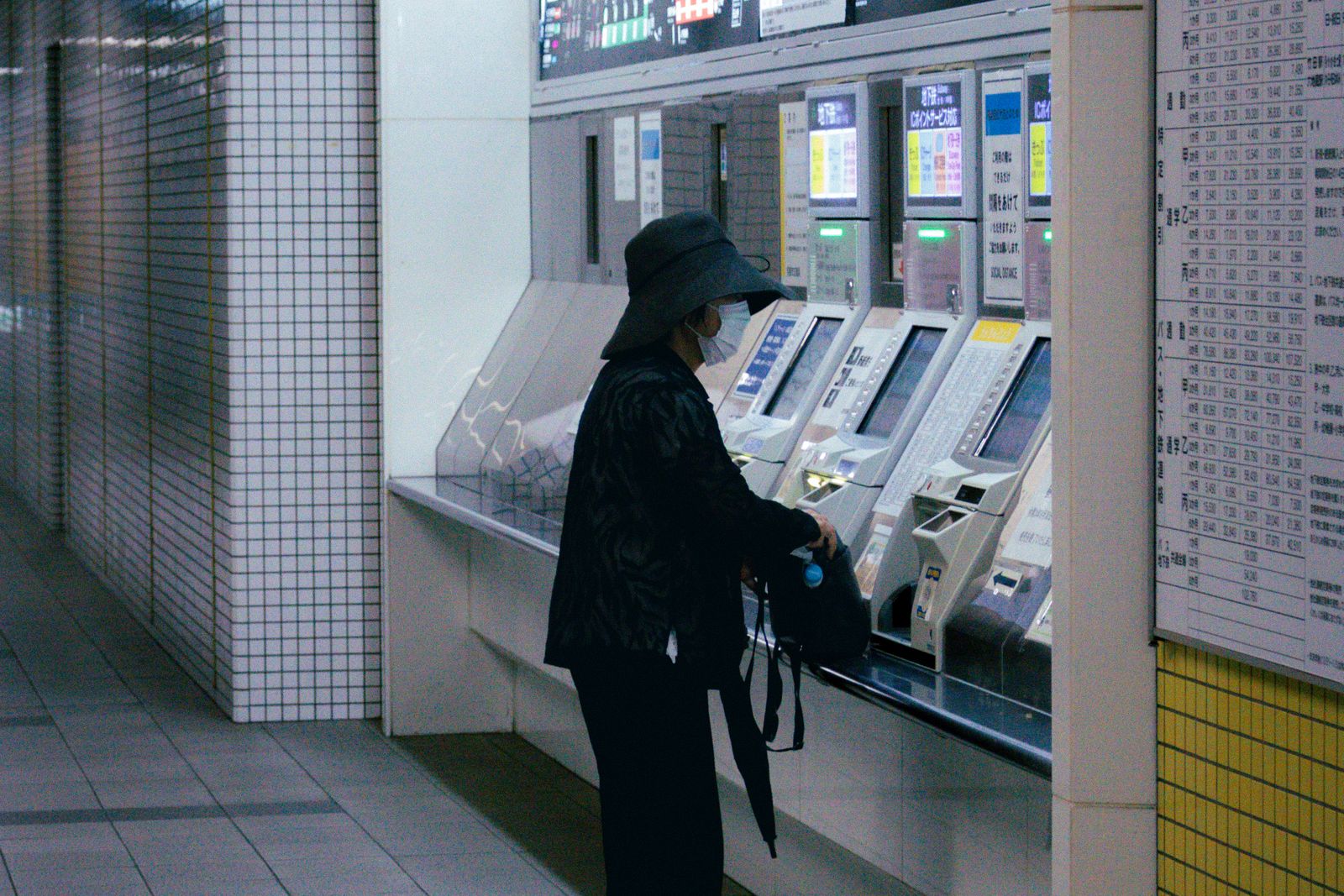
Paying ride by ride needs no planning: tap an IC card such as ICOCA at the gate. Keihan’s single-fare table is what you are comparing the pass against.
So it works when you land: the fine print, and a worked day
- Which day. The 1-day pass runs one calendar day, starting after 3 a.m. The 24-hour version (¥1,850, digital only) starts when you first use it. It suits a day that begins at noon and ends with a morning ride.
- Which versions exist. As of October 8, 2026, Keihan’s own pass list shows 1-day and 24-hour versions, the Osaka Metro and Kurama & Kibune versions and a Kyoto-only pass. It lists no 2-day pass.
- The gate. Keihan’s digital pass is a QR code. Scan it at a QR-enabled automatic ticket gate; Keihan’s page says vouchers with a QR code are scanned directly at the gate too.
- Premium Car. Not covered. A pass holder pays only the Premium Car ticket, ¥500 from Yodoyabashi or Kyobashi to Gion-Shijo, Sanjo or Demachiyanagi.
- Fushimi-Inari. Limited express trains skip it. Plan the Inari leg on a train that stops there.
- Price check. Keihan’s Japanese ticket site also sells an Osaka-Kyoto 1-day ticket with the same Keihan coverage at ¥1,650 (member registration and a credit card required).
Worked day, from a hotel near Yodoyabashi: Uji in the morning (¥490), back to Gion-Shijo (¥360), up to Demachiyanagi (¥240) and home (¥550): ¥1,640. Add one hop, Gion-Shijo to Fushimi-Inari and back for ¥480, and the day is ¥2,120 in single fares against ¥1,650 for the pass.
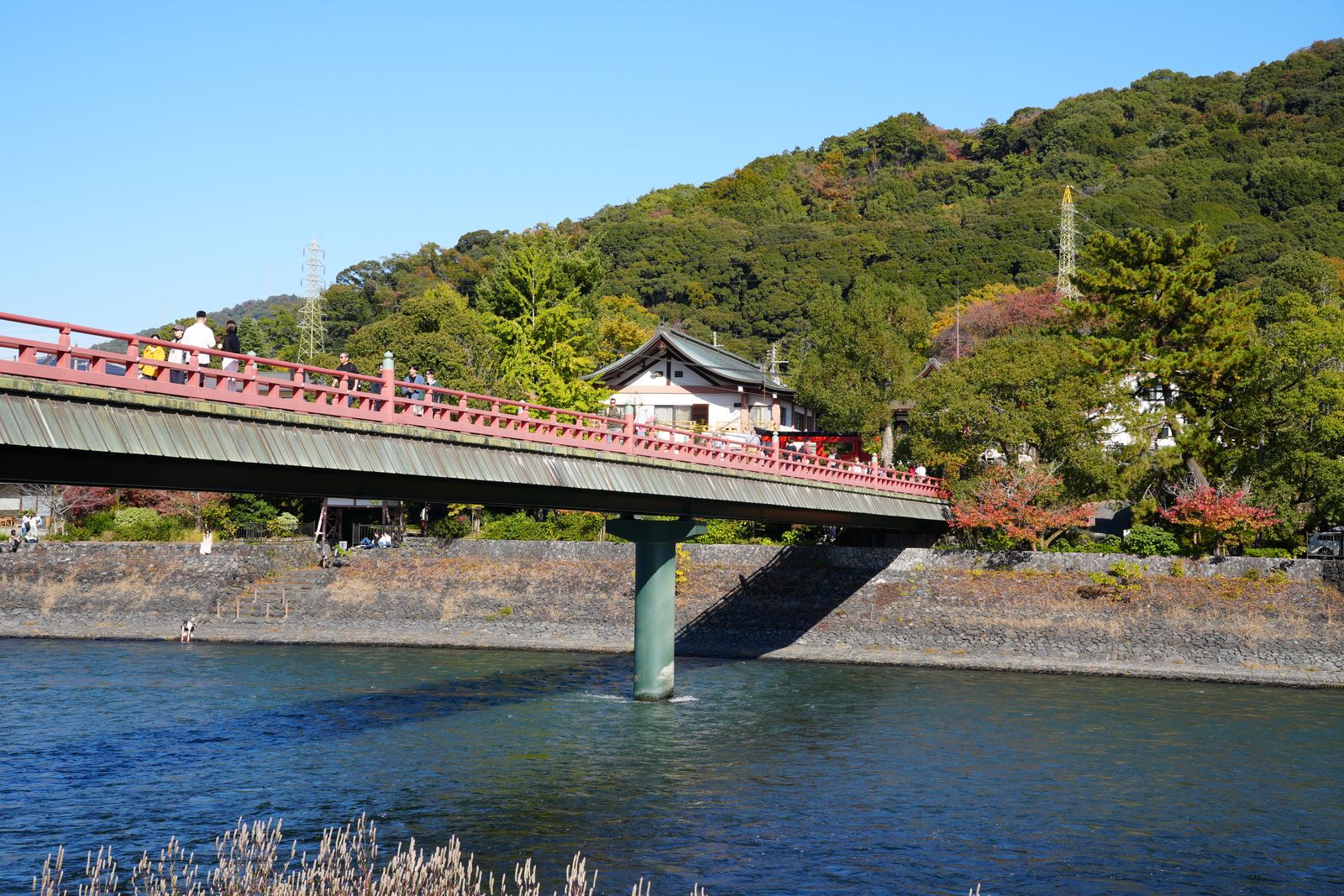
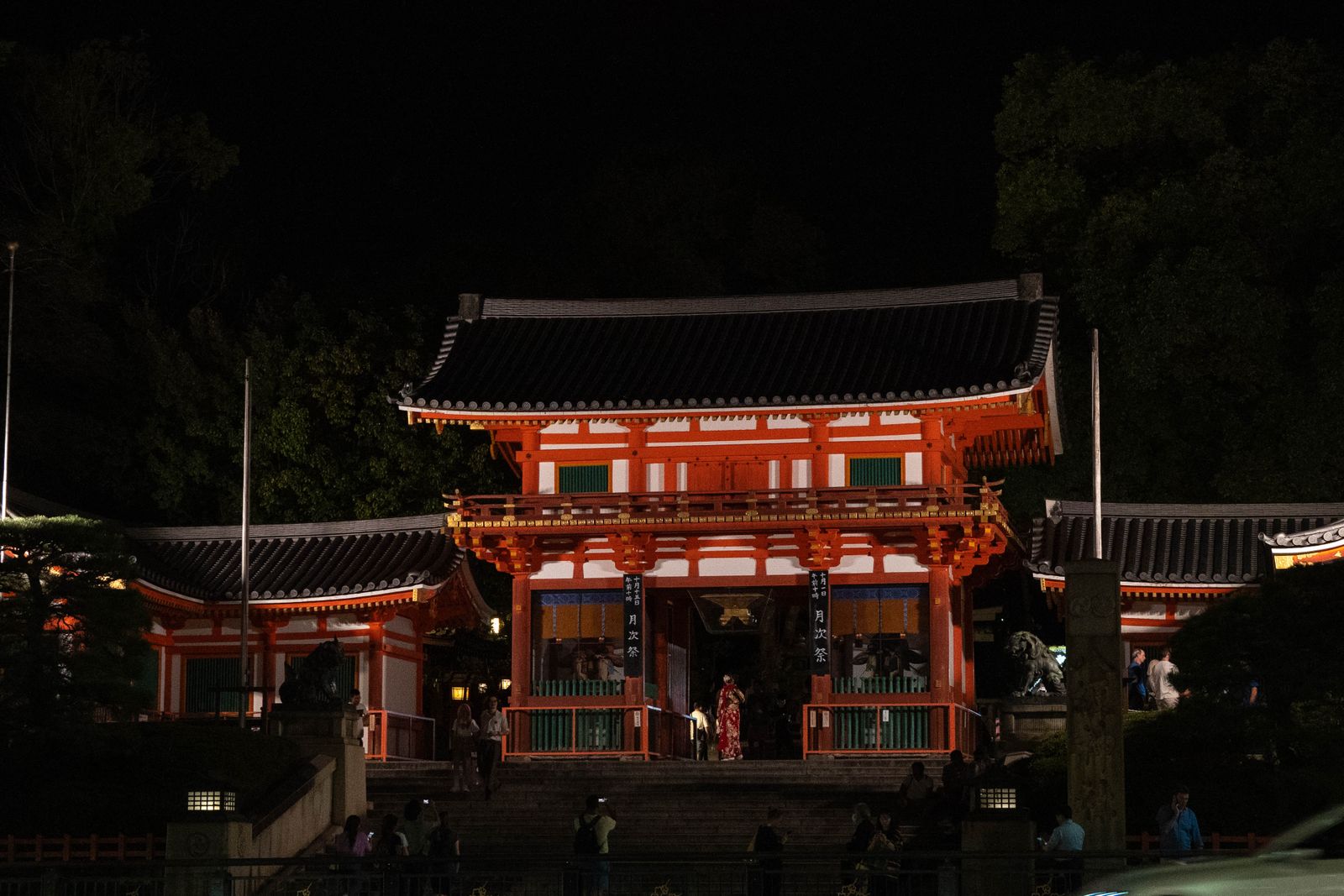
So: write down every Keihan ride your day has, add Eizan if Kurama is in it and Metro if your hotel needs it, and compare the total with ¥1,650, ¥2,100 or ¥2,160. Five or more rides, Uji plus Demachiyanagi, or Kurama with a Gion stop: buy the version that matches. Three rides to Inari and Gion: pay as you go.
Your Keihan fares come to more than the pass?
Kyoto-Osaka Sightseeing Pass on Klook
On Keihan's fares, a six-ride day from Yodoyabashi with Uji, Fushimi-Inari and Demachiyanagi is ¥2,120 against ¥1,650. Check on the listing which version you are buying and its cancellation terms before you pay.
Check the Kyoto-Osaka Sightseeing Pass on Klook →Sold on Klook (Klook Travel Technology Limited), an online travel agency; the pass and the trains are Keihan Electric Railway's. Before you pay, check on the listing which version you are buying (1-day, 24-hour, Osaka Metro or Kurama & Kibune), how the QR ticket reaches you, and the cancellation terms.
Next
The dominant condition is the ride count, and the ride count comes from where you sleep. If you have not booked yet, where to stay in Osaka shows which neighborhoods sit on which railway. If your Kyoto day might become a trip out of the city, our day trips from Kyoto ranking covers Uji and Kurama.