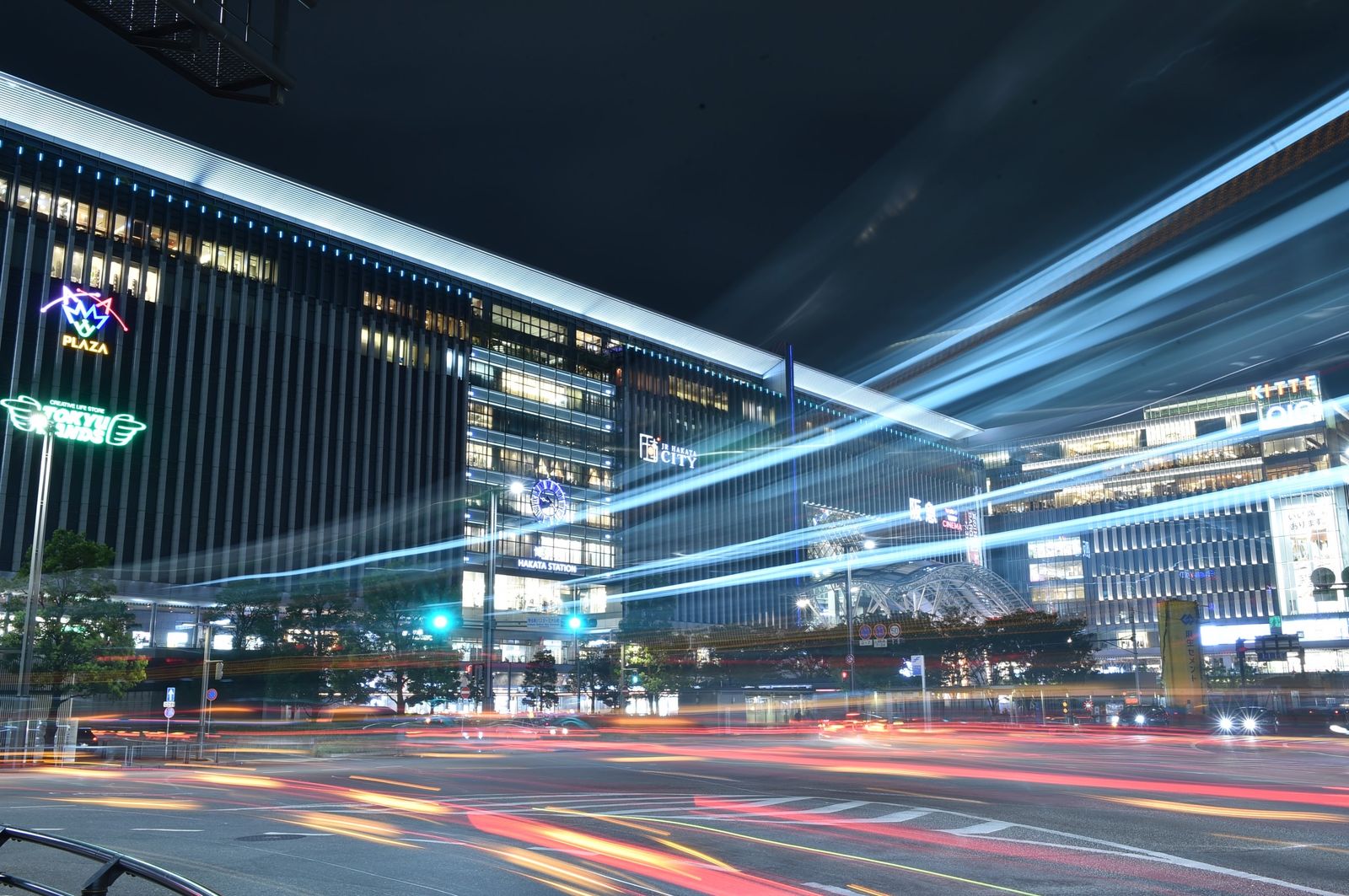
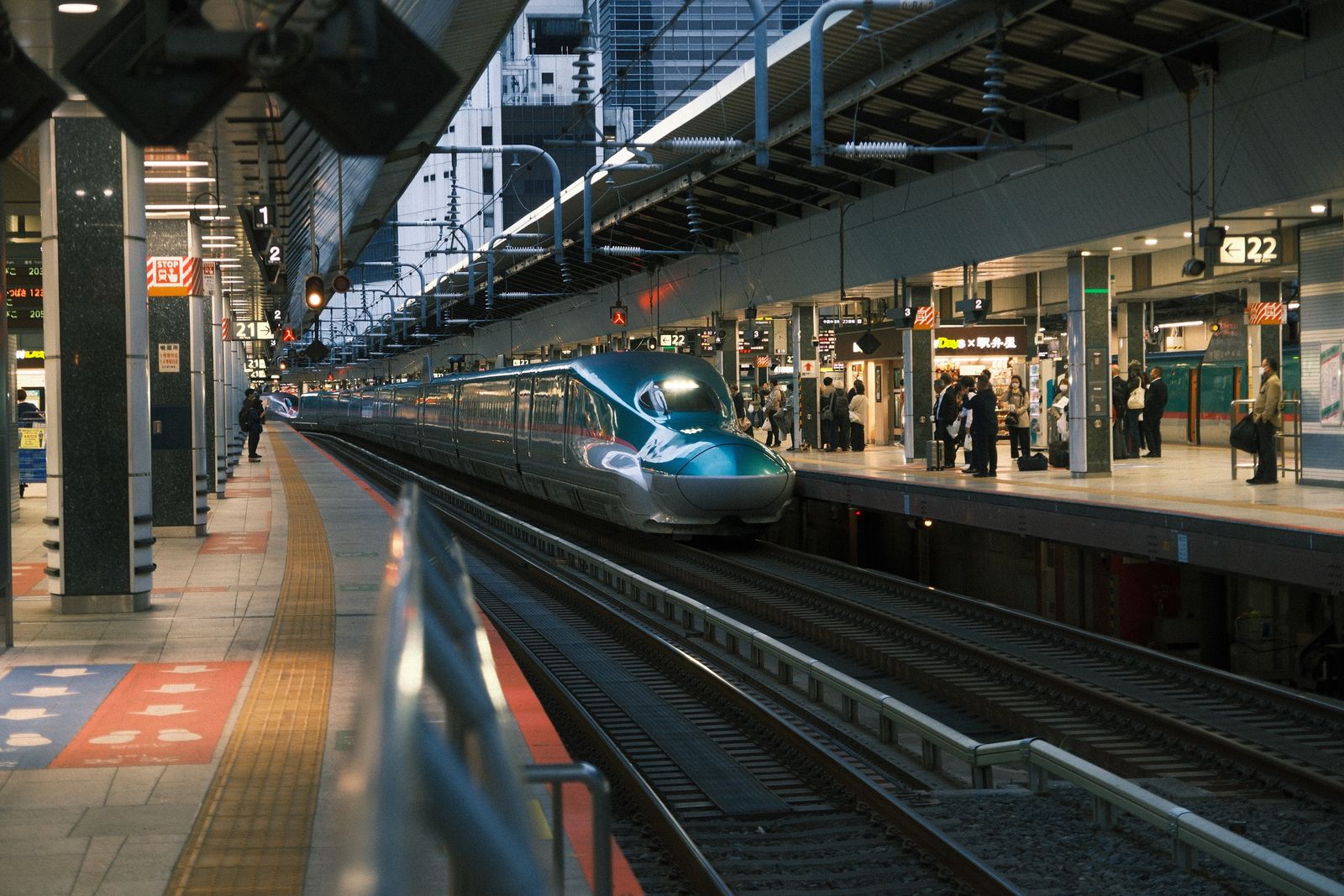
Explore Japan The same country, two ways of looking at it. Switch between the Japan people travel for today and the Japan that is still standing and still open.
Modern Japan What you go for now Historic Japan What is still standing
Showing Modern Japan.
Click a region on the map — or the Okinawa inset — to explore it.Kyushu and Okinawa are one region.
Hokkaido Tohoku Kanto Chubu Kansai Chugoku Shikoku Kyushu & Okinawa Okinawa
Coastlines and prefecture boundaries from Natural Earth (public domain). Okinawa is shown in an inset. Simplified for display.
Hokkaido Tohoku Kanto Chubu Kansai Chugoku Shikoku Kyushu & Okinawa Hokkaido The northern island — wide open, cold, and unlike the rest of Japan.
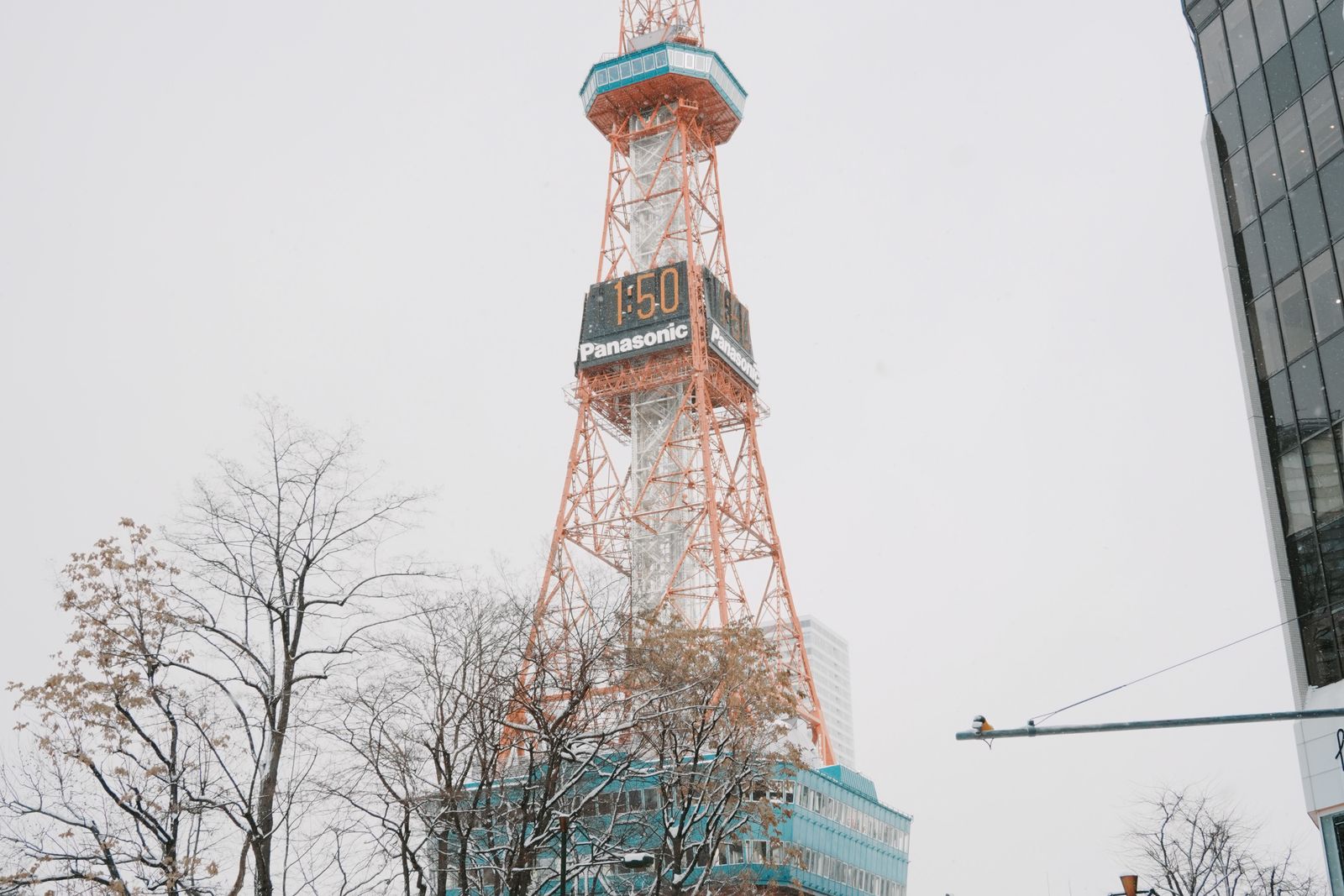
Modern Japan Sapporo The largest city in the north. Winter sports Deep snow through the winter season. Seafood A region known across Japan for what comes out of its waters. Historic Japan Goryokaku Fort, Hakodate Japan's first Western-style star fort, now a public park you can walk. Nothing written about this side of Hokkaido yet. The places above are orientation — none of them links to a page that does not exist.
Tohoku The quiet north of the main island. Mountains, hot springs, deep winters.
Modern Japan Sendai The largest city in the region. Onsen towns Hot spring towns scattered through the mountains. Nothing written about this side of Tohoku yet. The places above are orientation — none of them links to a page that does not exist.
Historic Japan Chuson-ji, Hiraizumi A temple complex in Iwate, inscribed by UNESCO in 2011 and open to visitors. Nothing written about this side of Tohoku yet. The places above are orientation — none of them links to a page that does not exist.
Kanto Tokyo and everything within reach of it. Where most first trips begin.
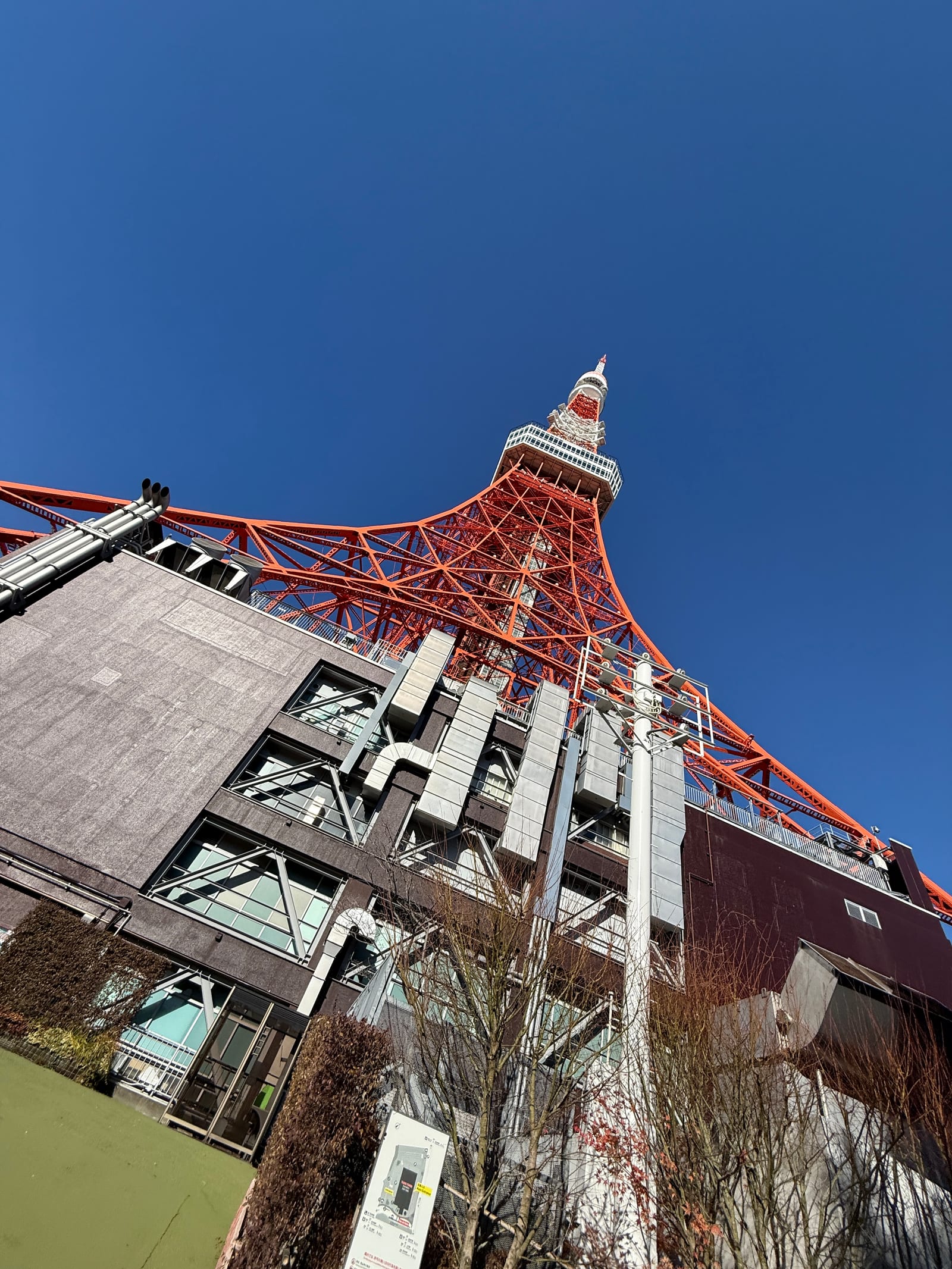
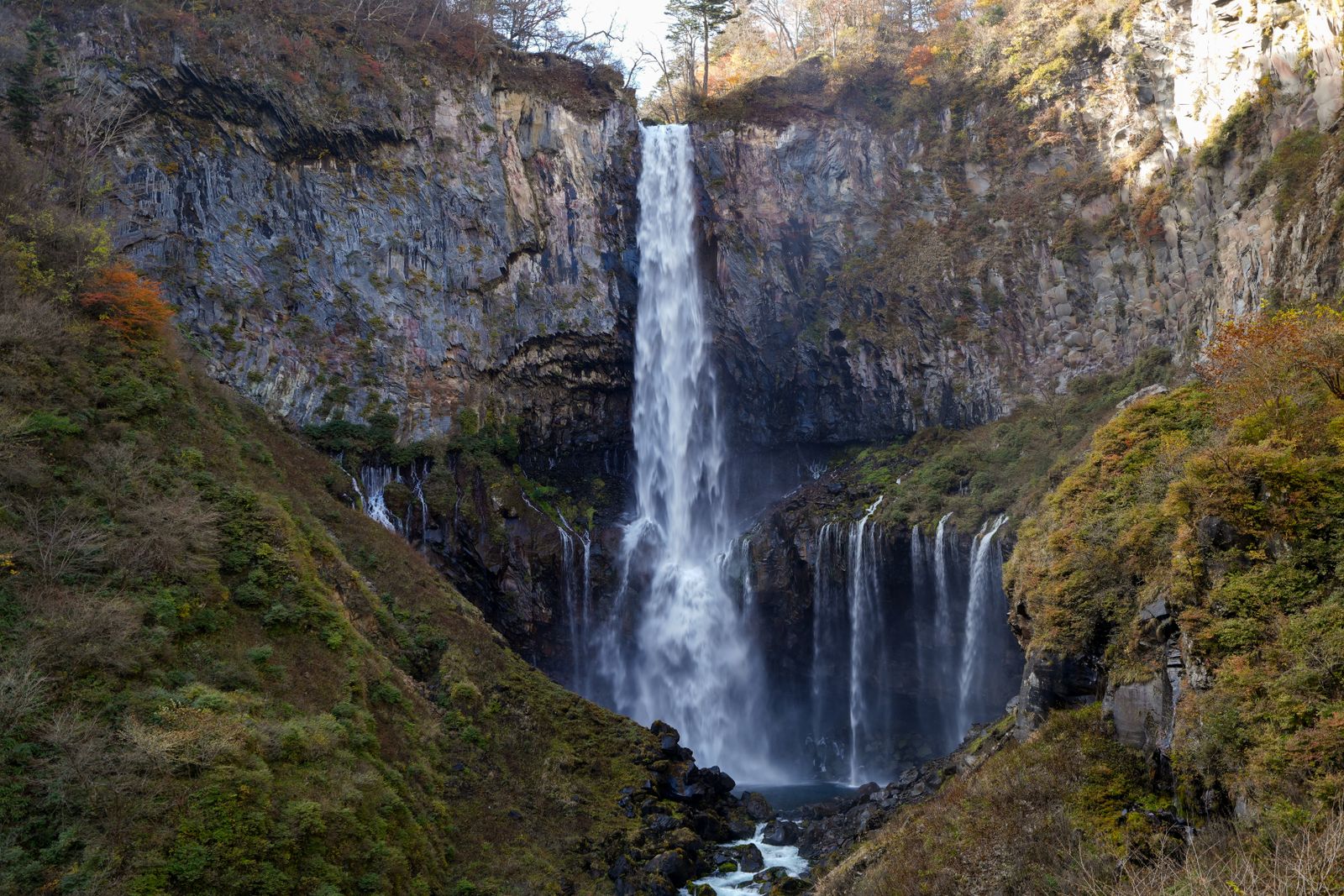
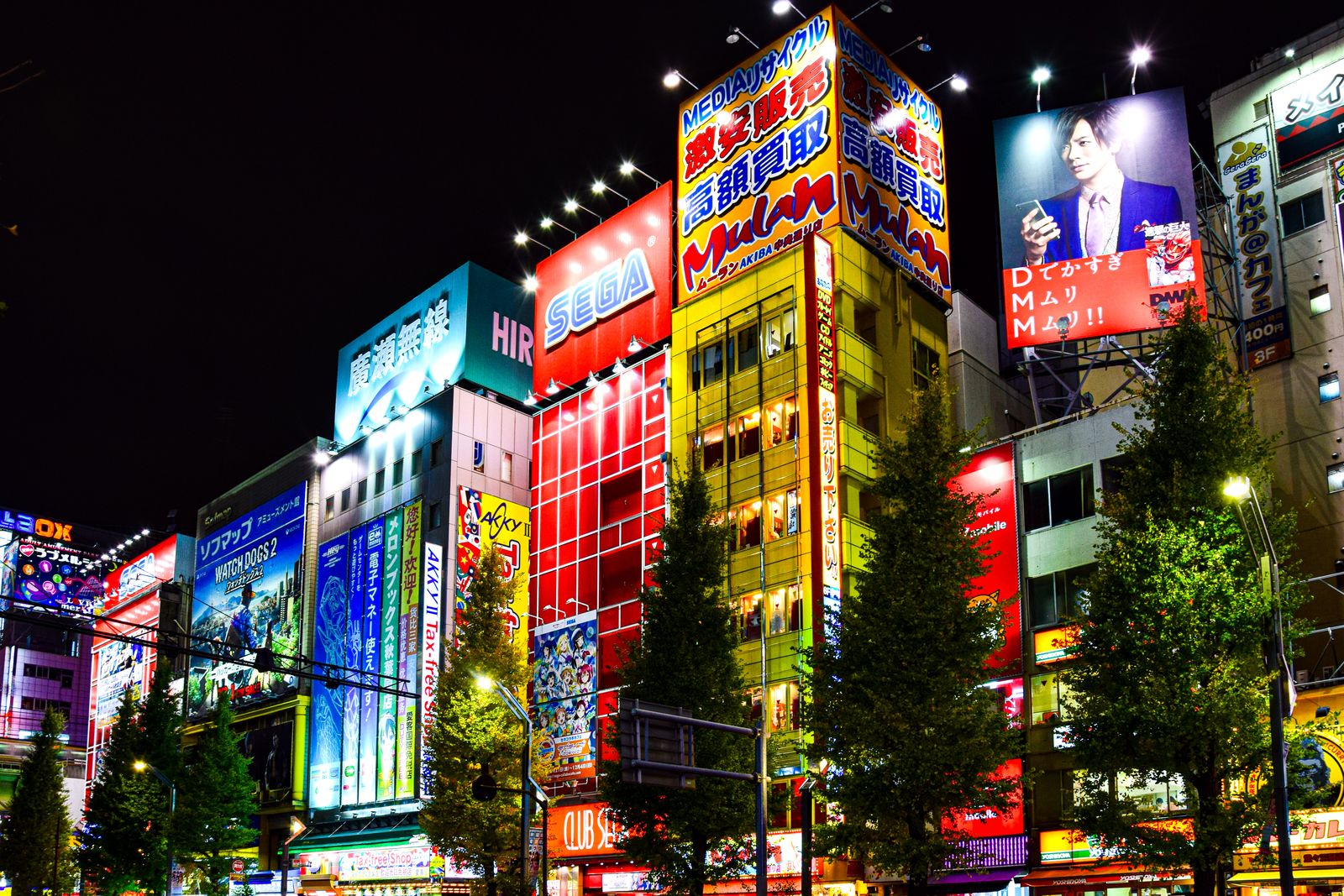
Modern Japan Tokyo The capital, and the usual entry point to the country. Yokohama A large port city next to Tokyo. Day trips Much of the region is reachable and back within a day. Historic Japan Shrines and Temples of Nikko A UNESCO site in Tochigi. The individual religious sites are open to the public. Chubu The mountainous middle. Between Tokyo and Kyoto, and often skipped.
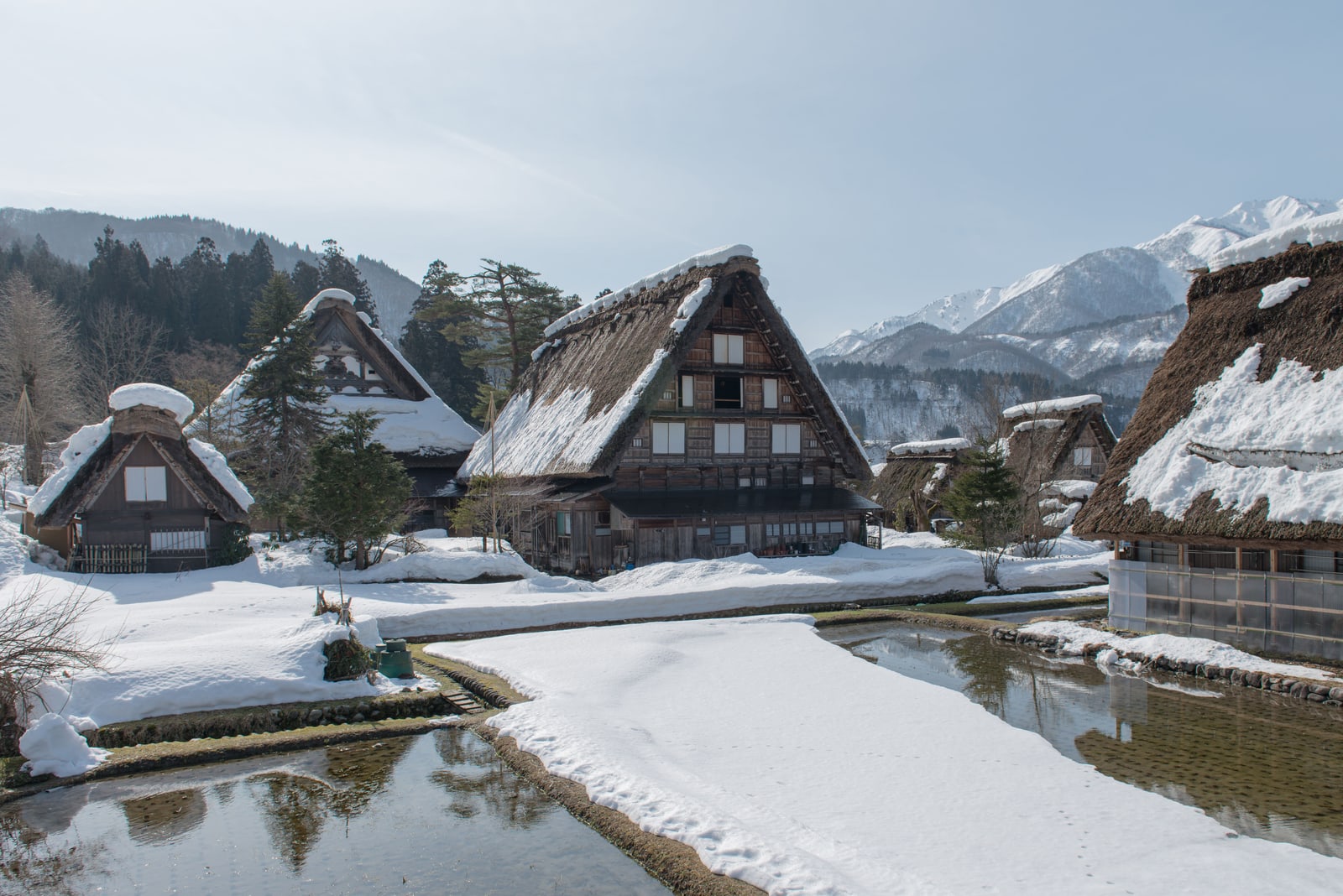
Modern Japan Nagoya The largest city in central Japan. The Japanese Alps High mountains running through the region. Historic Japan Historic Villages of Shirakawa-go Gassho-style farmhouses in Gifu, inscribed by UNESCO in 1995. Kansai Kyoto, Osaka, Nara. The densest concentration of old Japan still standing.
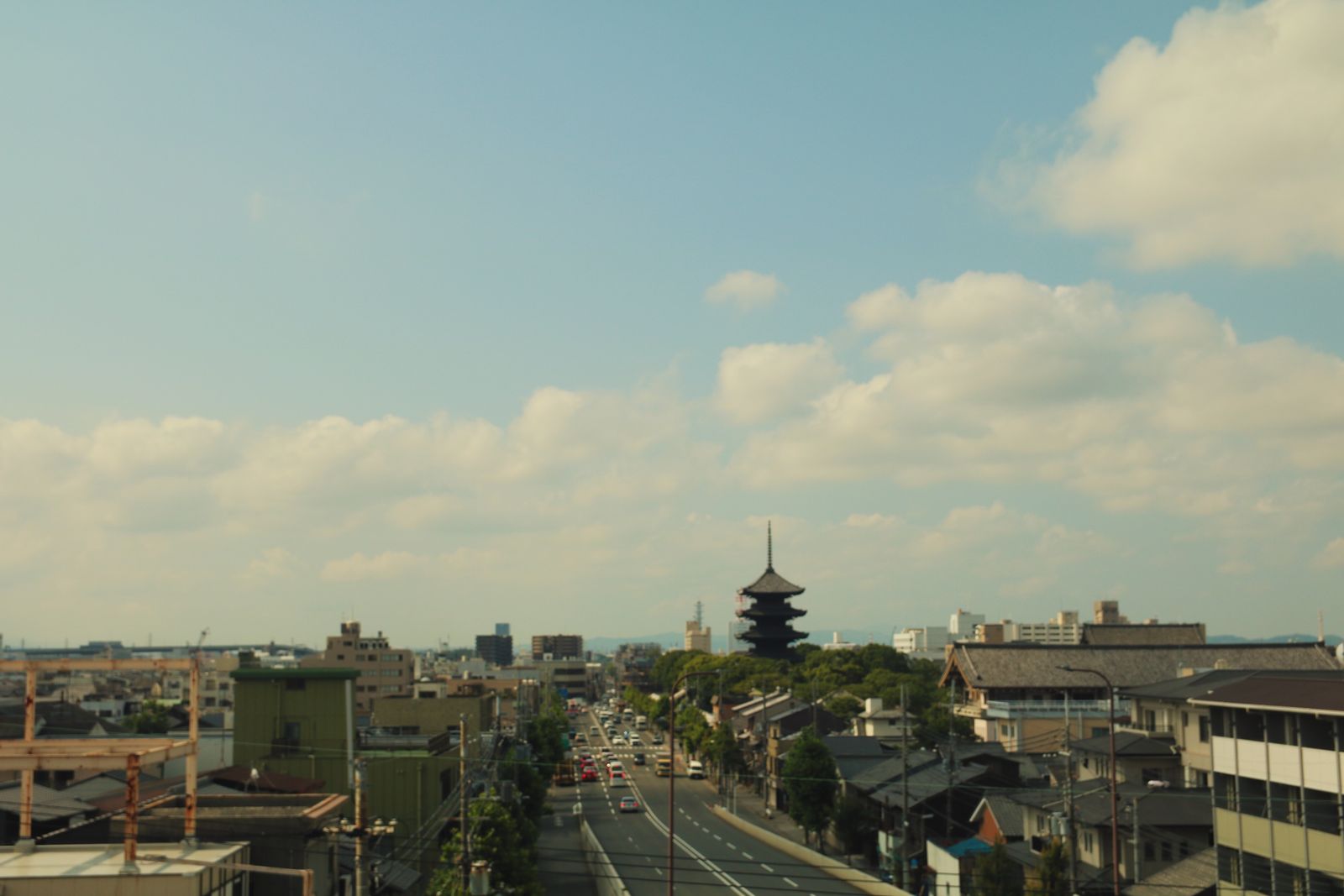
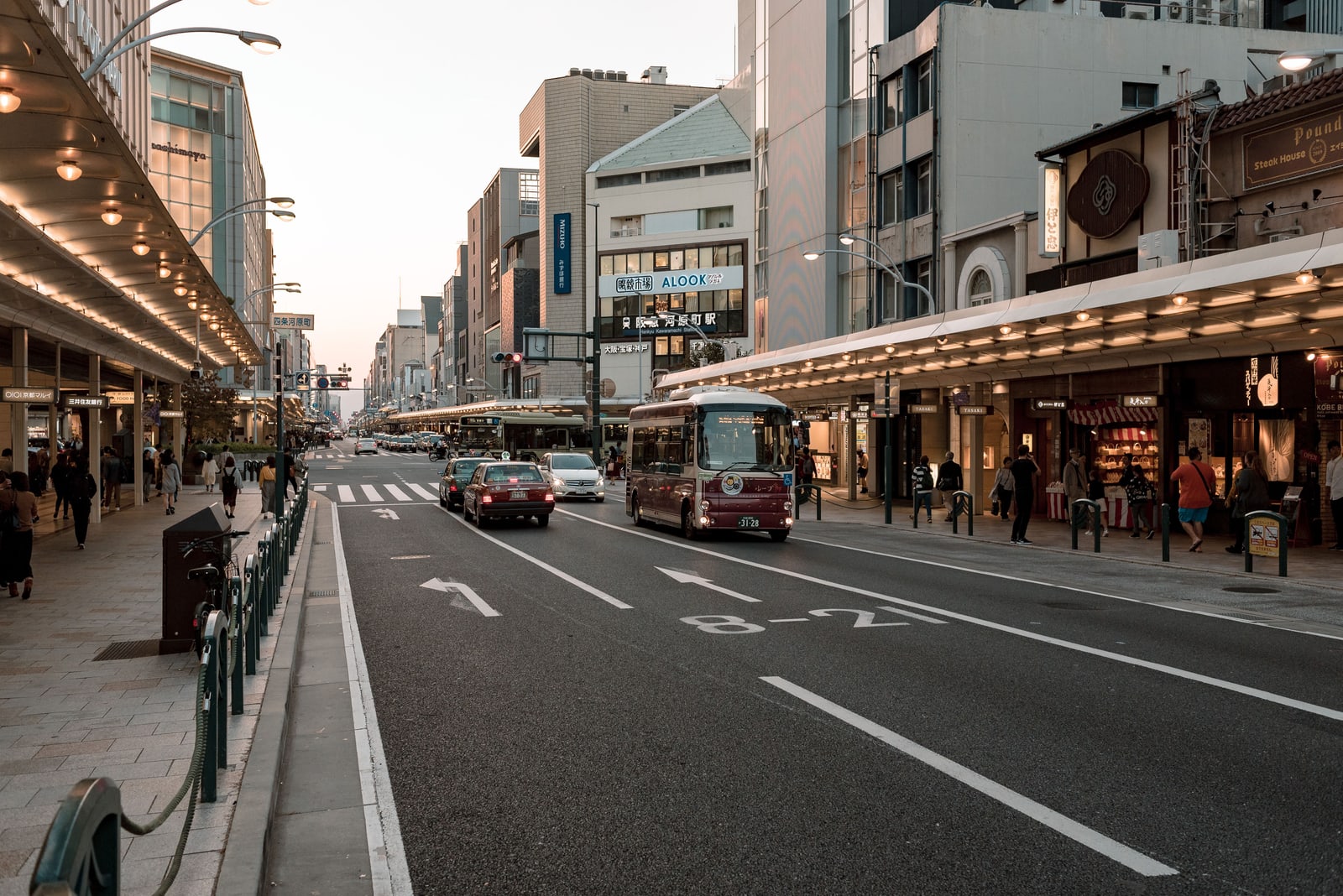
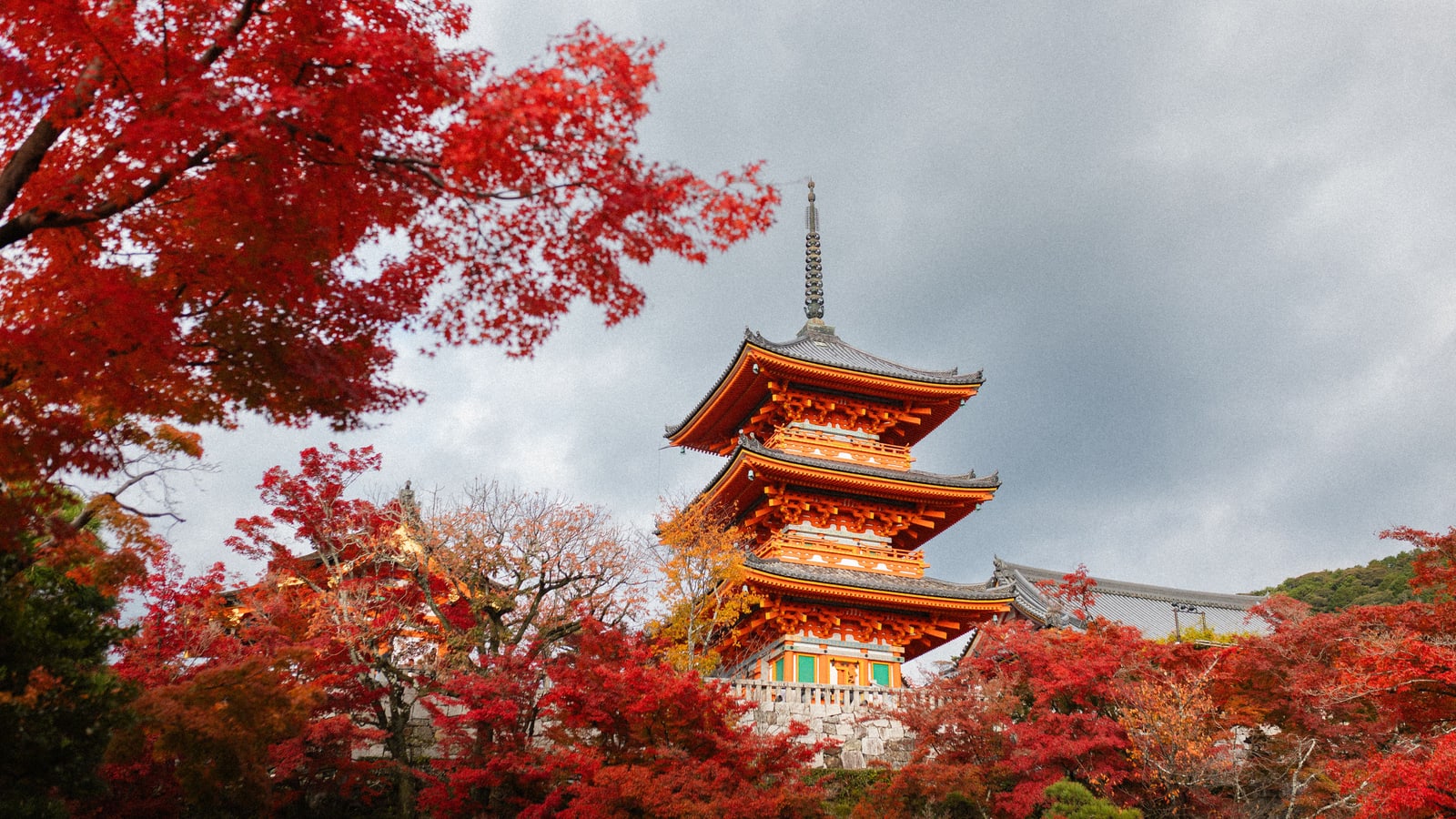
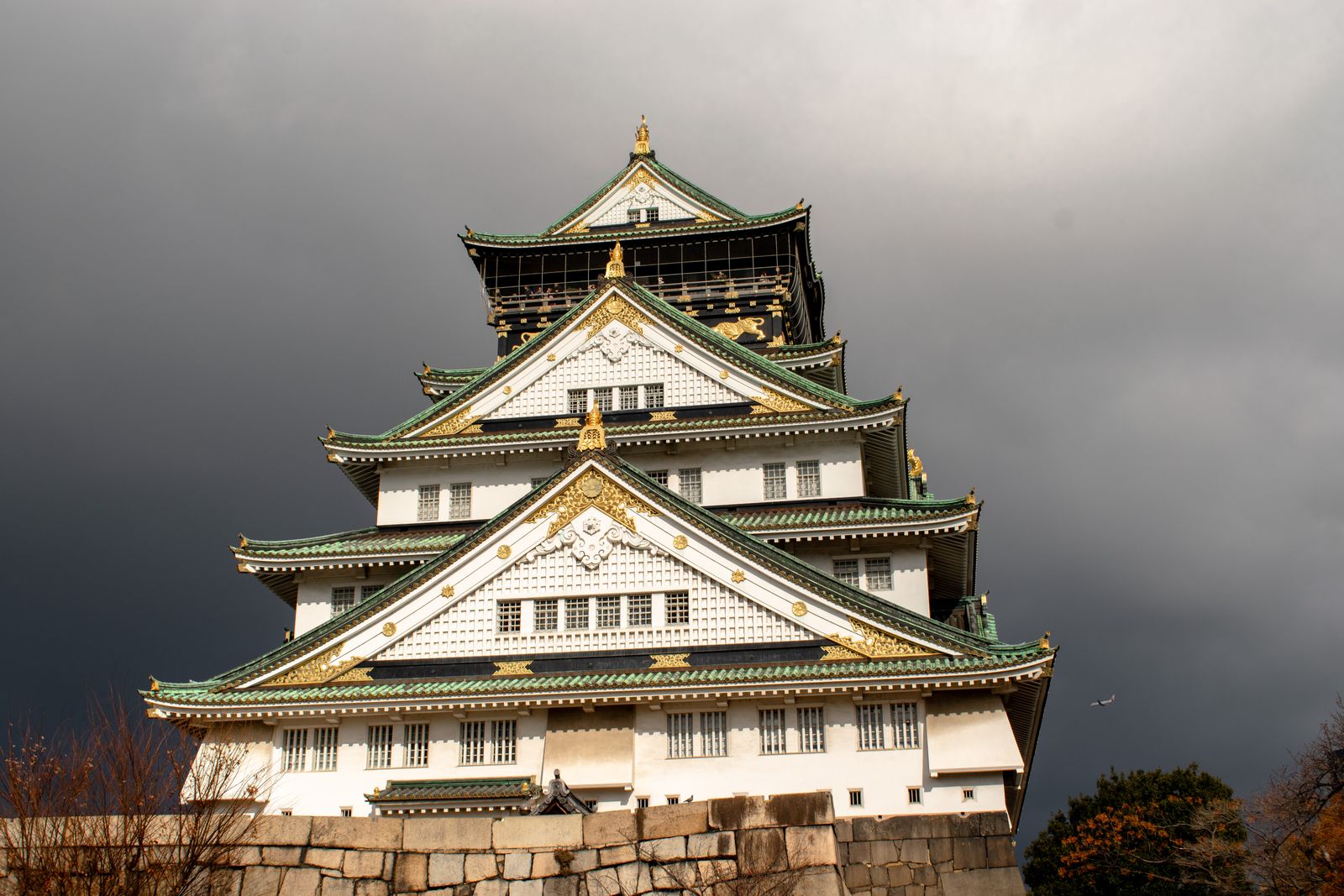
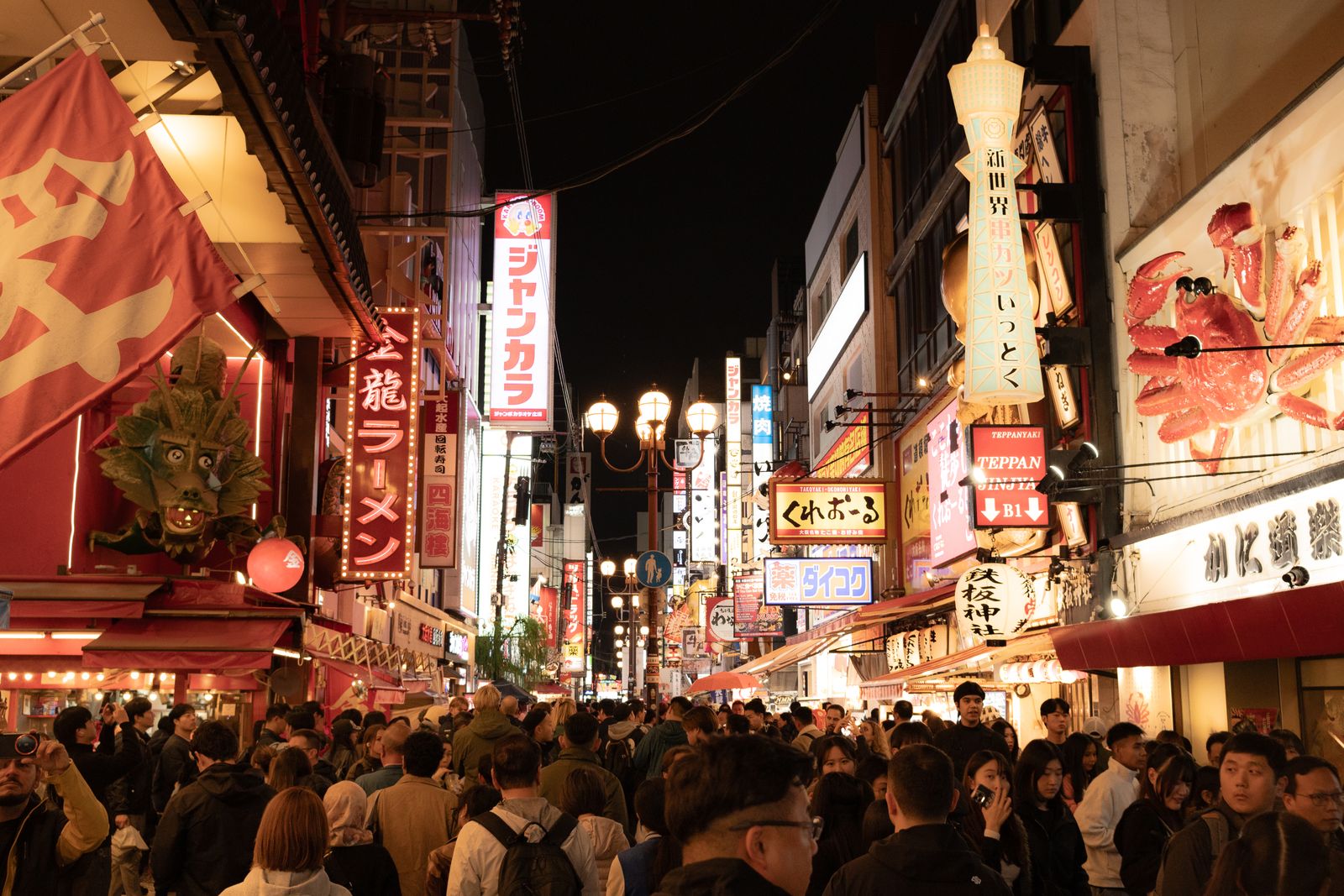
Modern Japan Osaka Known within Japan for its food and its street life. Kyoto A city where the historic sites are inside the city itself. Historic Japan Kiyomizu-dera One of the UNESCO-listed sites in and around Kyoto. Todai-ji, Nara Houses the world's largest seated bronze Buddha statue. Himeji Castle In Hyogo. A National Treasure and one of the first Japanese UNESCO sites, listed in 1993. Chugoku The western end of the main island, along the Seto Inland Sea.
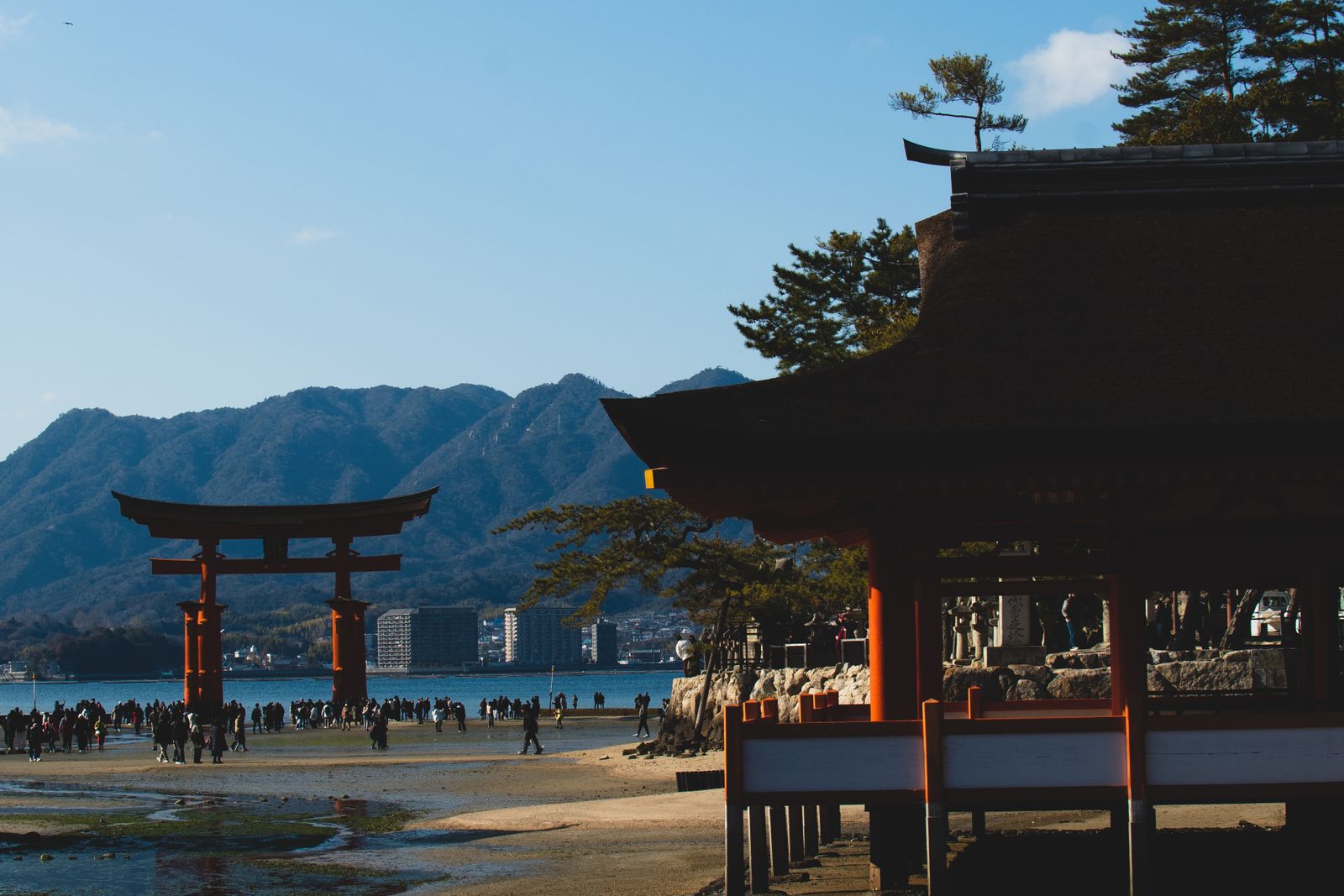
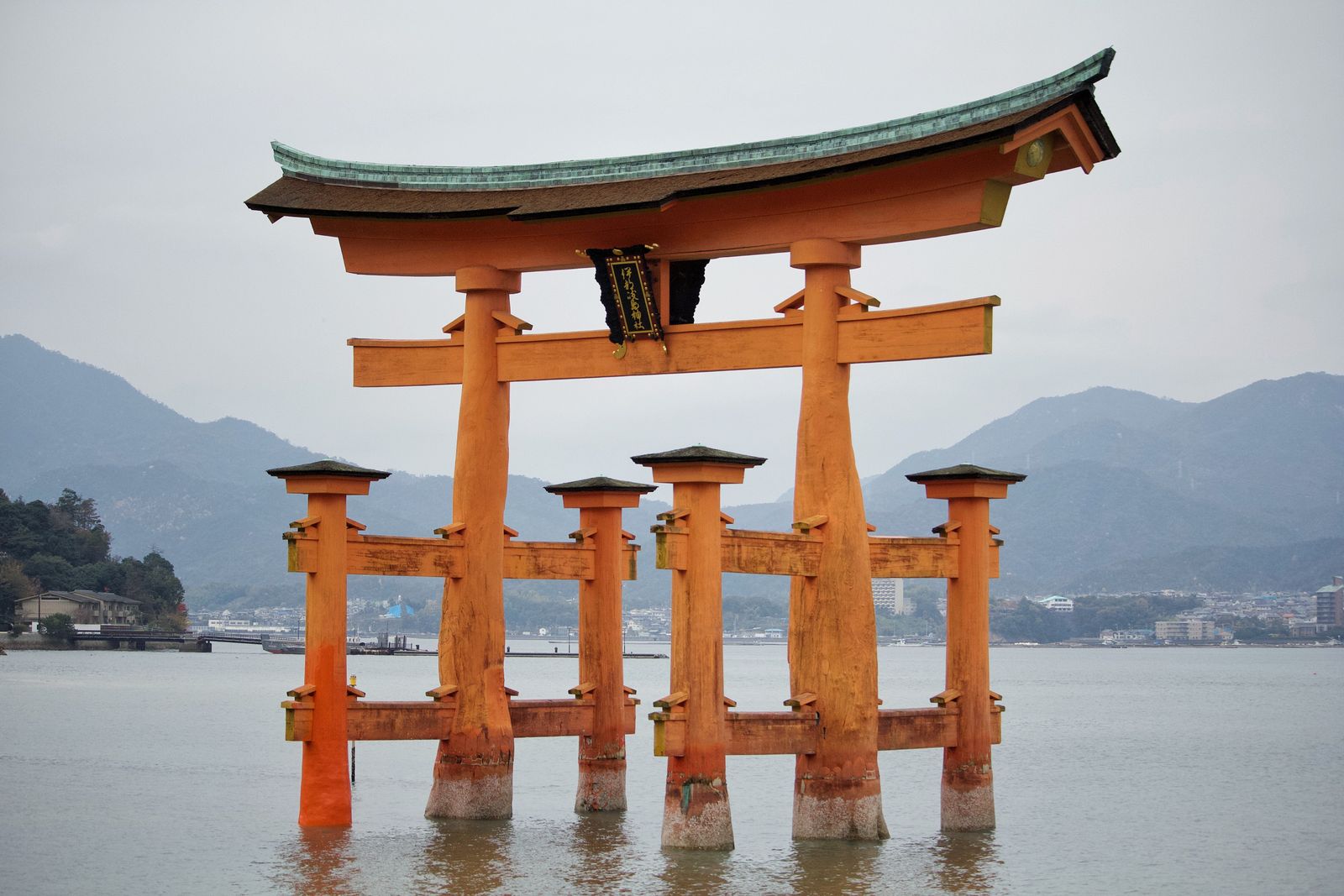
Modern Japan Hiroshima The largest city in the region. Seto Inland Sea Island-dotted water between three of the four main islands. Historic Japan Itsukushima Shrine, Miyajima On an island off Hiroshima, known for its "floating" torii gate. Shikoku The smallest of the four main islands, and the least travelled by visitors.
Modern Japan Matsuyama The largest city on the island. Coastal routes The island is small enough to circle. Nothing written about this side of Shikoku yet. The places above are orientation — none of them links to a page that does not exist.
Historic Japan Matsuyama Castle In Ehime. One of the twelve original castle keeps, reached by ropeway, chairlift or on foot. Nothing written about this side of Shikoku yet. The places above are orientation — none of them links to a page that does not exist.
Kyushu & Okinawa The south. Volcanoes and hot springs, then a subtropical island chain.
Modern Japan Fukuoka The largest city in Kyushu. Okinawa A subtropical island chain far to the south. Historic Japan Dazaifu Tenmangu, Fukuoka A major shrine with extensive grounds planted with plum trees. Kumamoto Castle Damaged in the 2016 earthquake; the main keep reopened to visitors in 2021. Nothing written about this side of Kyushu & Okinawa yet. The places above are orientation — none of them links to a page that does not exist.
Browse by subject:Travel · Food & Souvenirs · Culture & Daily Life

 Food & SouvenirsSapporo Food, Ranked: Miso Ramen, Soup Curry, Jingisukan and the Seafood — Which Ones Are Worth a Seat
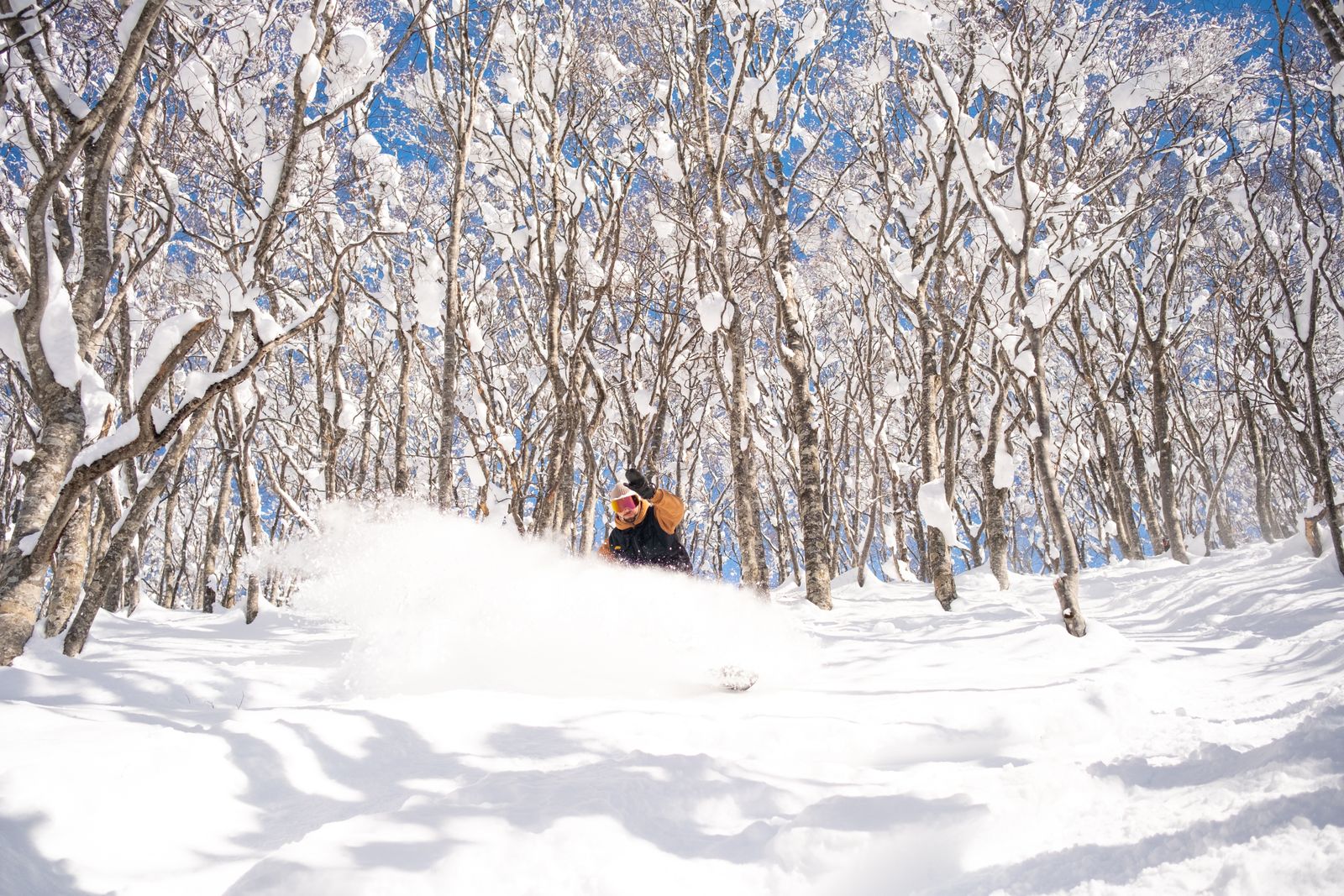 TravelSkiing in Japan for the First Time: Niseko or Hakuba, and How Far Ahead You Really Need to Book