Three railways run from central Osaka to Kyoto, and each ends in a different part of the city. The one you can walk to from your hotel settles more of the day than any list of sights.
The answer, in the order the conditions decide it (fares and hours checked October 2026):
- Your hotel’s line. JR from Osaka Station arrives at Kyoto Station. Hankyu from Osaka-umeda arrives downtown at Kawaramachi. Keihan from Yodoyabashi passes Fushimi Inari and stops at Gion-Shijo.
- One half of Kyoto. East is Fushimi Inari, Kiyomizu-dera and Gion. West is Arashiyama. Each side’s gated temple wants the morning.
- Single fares before a pass. The usual Keihan east day is ¥1,210. The pass is ¥1,650.
- The train home. Hankyu’s last through train from Kawaramachi to Umeda leaves at 23:15.
Uji and Fushimi Inari on the same Keihan day?
Kyoto-Osaka Sightseeing Pass on Klook
That is the day shape where Keihan's 1-day pass covers more than its ¥1,650 price in single fares. Klook lists Keihan's Kyoto-Osaka Sightseeing Pass; check which version the listing sells.
Check the Kyoto-Osaka Sightseeing Pass on Klook →Sold on Klook (Klook Travel Technology Limited), an online travel agency; the pass and the trains are Keihan Electric Railway's. Keihan prices the 1-day pass at ¥1,650 on its own site (checked October 8, 2026). Before you book, check on the listing which version you are buying (1-day, 24-hour, Osaka Metro or Kurama & Kibune), how the QR ticket reaches you, and the cancellation terms.
First: the line your hotel is on
Kyoto City’s travel guide gives the ride from each Osaka terminal. No two of these lines share a Kyoto station.
| Your Osaka station | Line | Arrives in Kyoto at | Ride | Fare, one way |
|---|---|---|---|---|
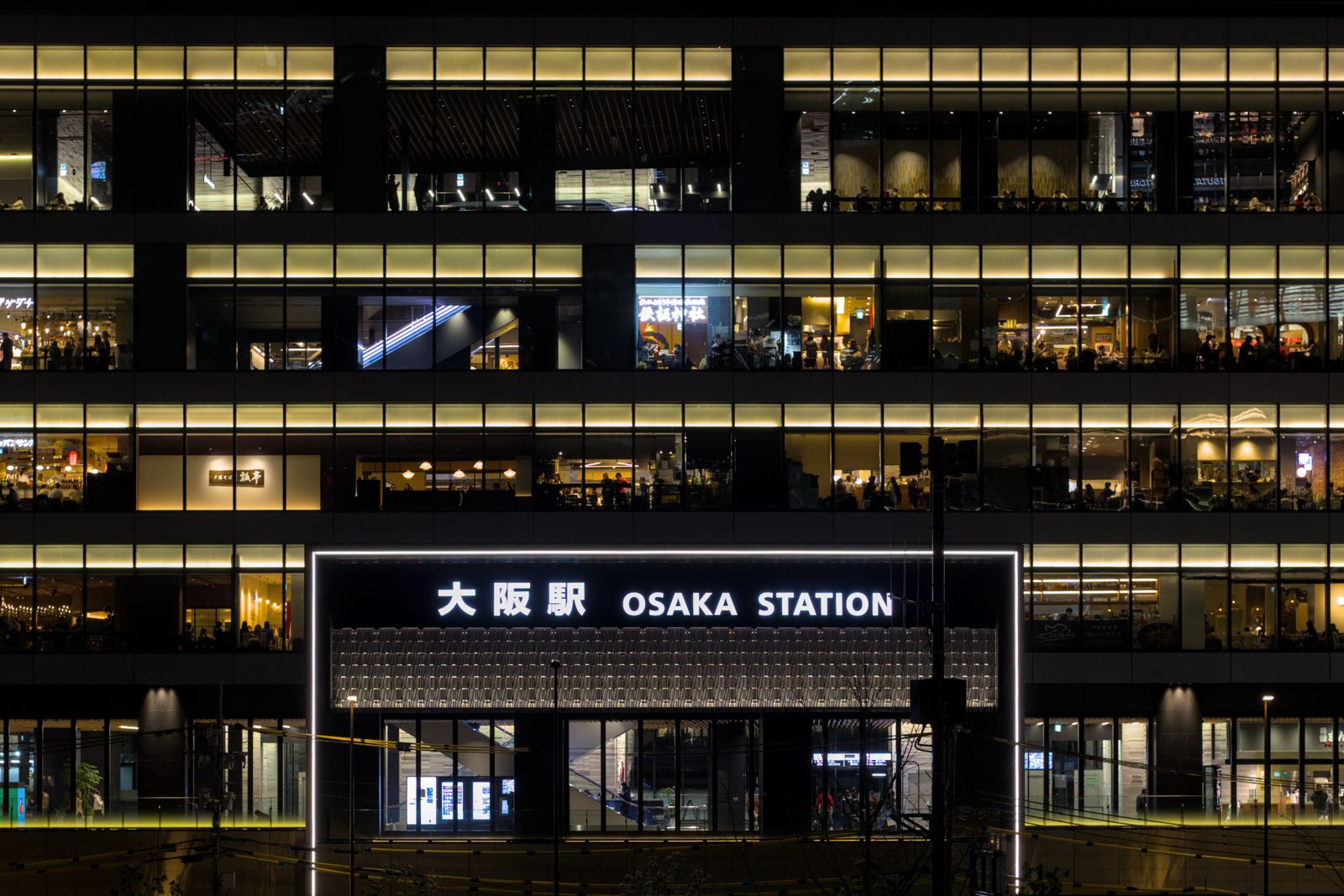
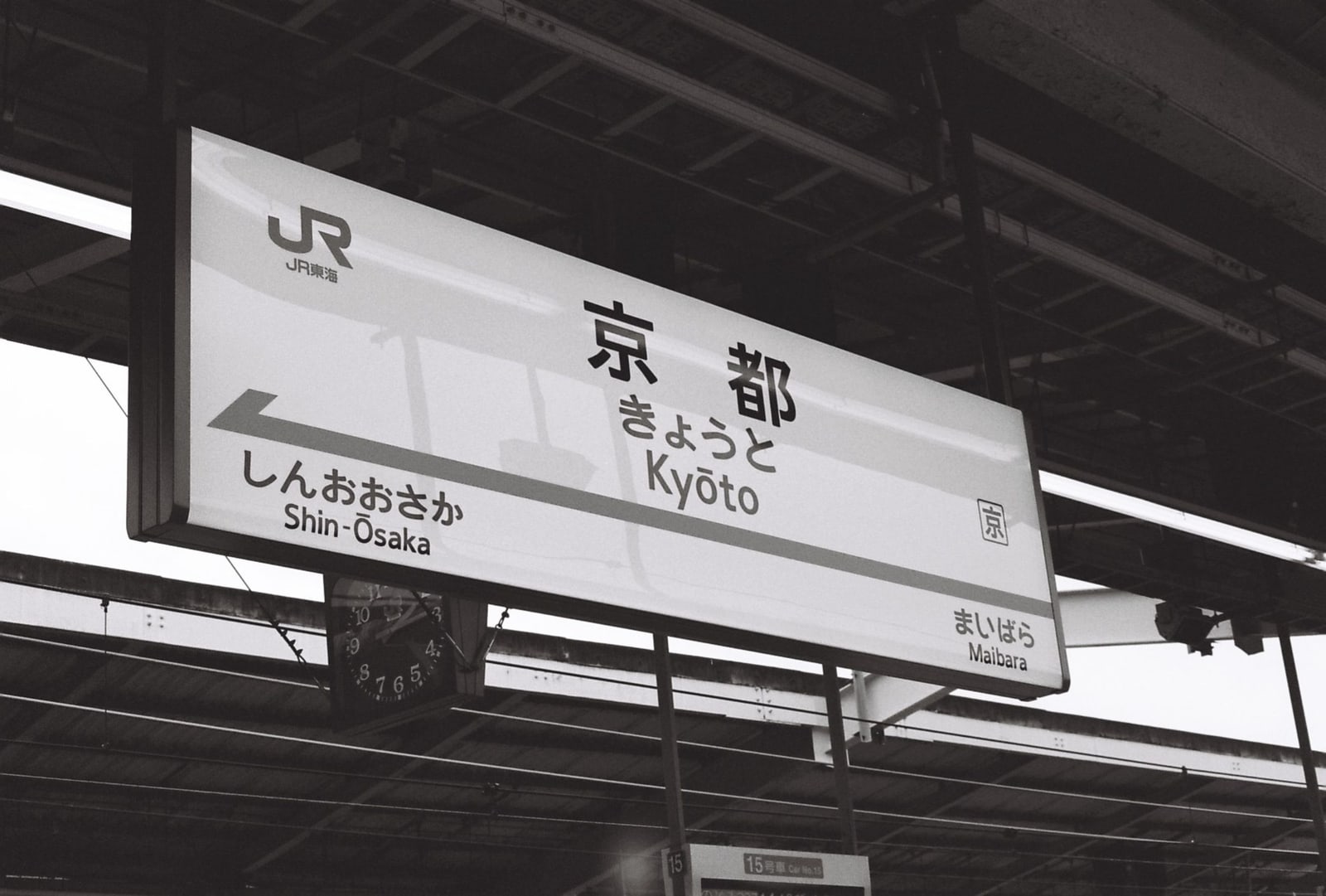
| Osaka (JR) | JR Special Rapid | Kyoto Station | about 30 min | ¥580 |
| Osaka-umeda | Hankyu Kyoto Line | Kyoto-kawaramachi, downtown | about 45 min | ¥410 |
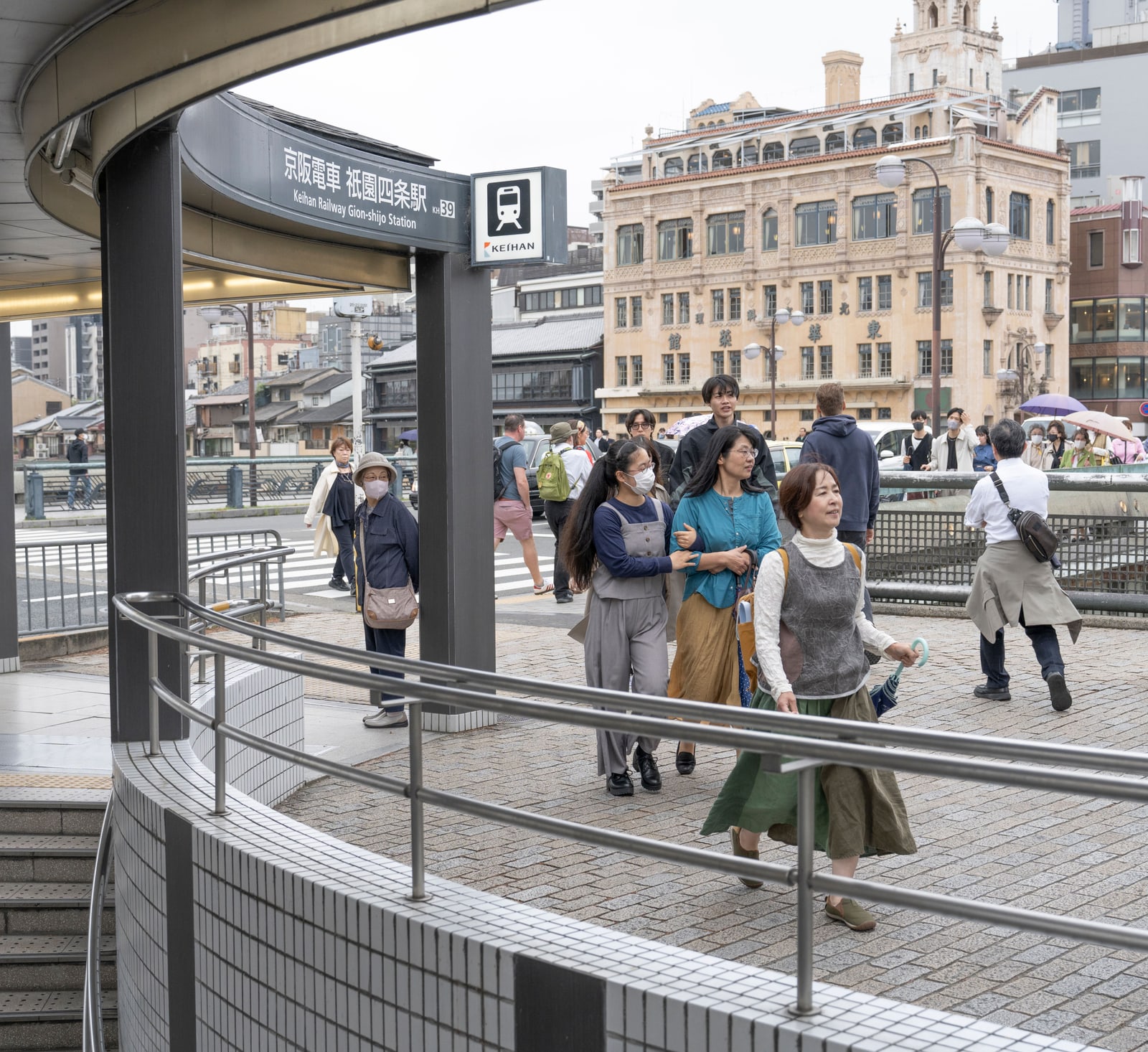
| Yodoyabashi | Keihan Limited Express | Gion-Shijo, Sanjo | about 48 min | ¥490 |
Ride times from the Kyoto City Tourism Association’s “Getting to Kyoto” page. Fares: JR from NAVITIME (October 1, 2026), Hankyu from its fare search (October 9), Keihan from its fare table (October 8).
JR goes on from Kyoto Station in short hops. Inari, at the foot of Fushimi Inari, is 5 minutes and ¥150 further. Saga-Arashiyama is about 11 minutes and ¥240 on the Sagano Line, which Kyoto City’s guide warns is crowded.
Hankyu charges the same ¥410 to Arashiyama as to Kawaramachi, with a change at Katsura. Kawaramachi sits across the river from Gion-Shijo, where Keihan lists its Hankyu interchange. Hankyu has no line to Fushimi Inari.
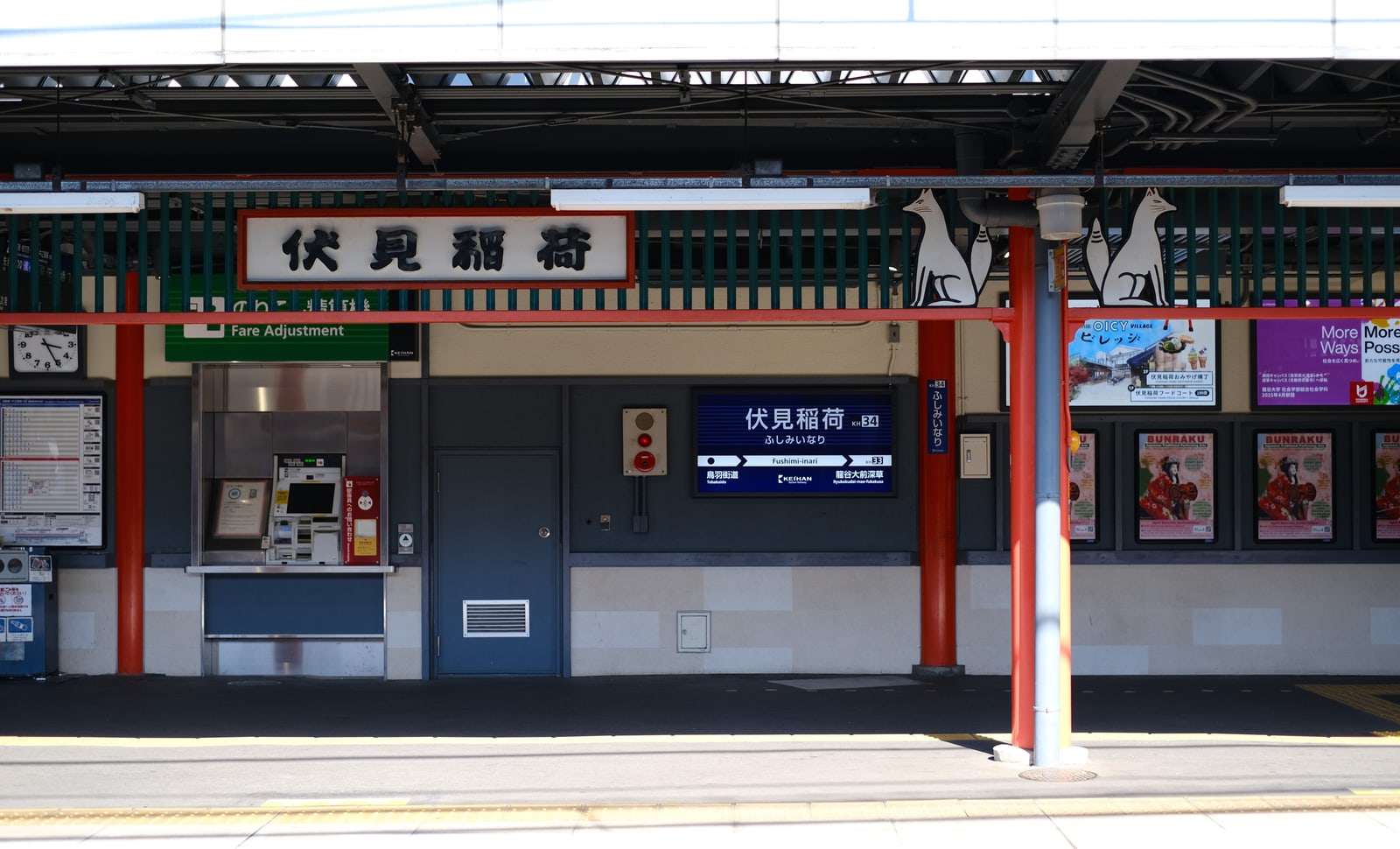
Keihan runs through Fushimi-Inari station (¥480 from Yodoyabashi) on the way to Gion-Shijo, but the Limited Express does not stop there, so take a train that does. Keihan has no station at JR Kyoto Station and no line to Arashiyama.
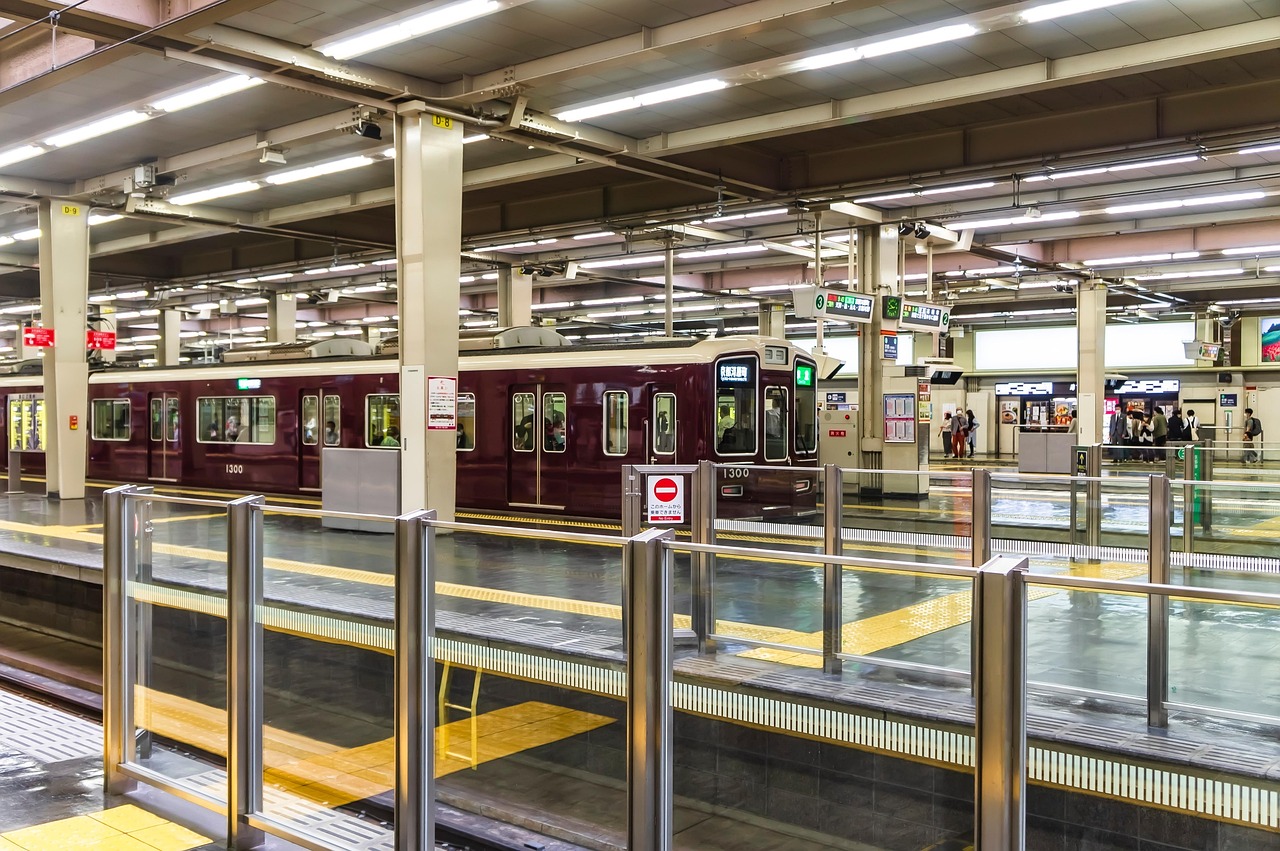
A hotel in Umeda has two of these: JR Osaka Station and Hankyu’s Osaka-umeda are both there. The half of Kyoto breaks the tie. JR if the day pairs Fushimi Inari with Arashiyama, Hankyu if it is Arashiyama and downtown.
From Namba or Shinsaibashi, no Kyoto line starts at your door. The Osaka Metro Midosuji Line runs north to Yodoyabashi for Keihan and to Umeda for Hankyu and JR, at ¥190 to ¥390 a ride by distance.
The Shinkansen to Kyoto leaves from Shin-Osaka, not Osaka Station, and needs an express ticket on top of the fare. It shortens the day only if you sleep at Shin-Osaka.
Second: east or west, because each side has its own morning
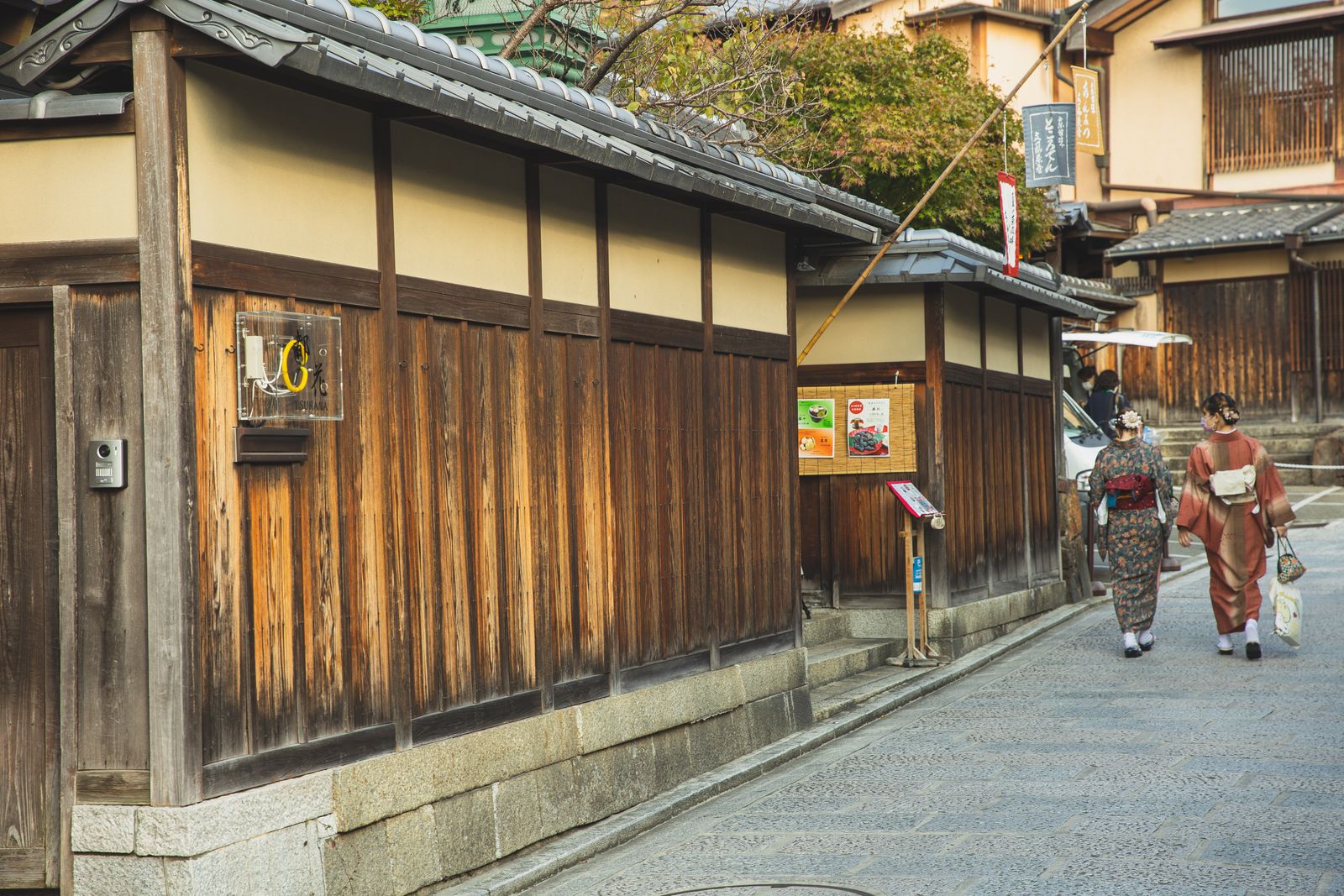
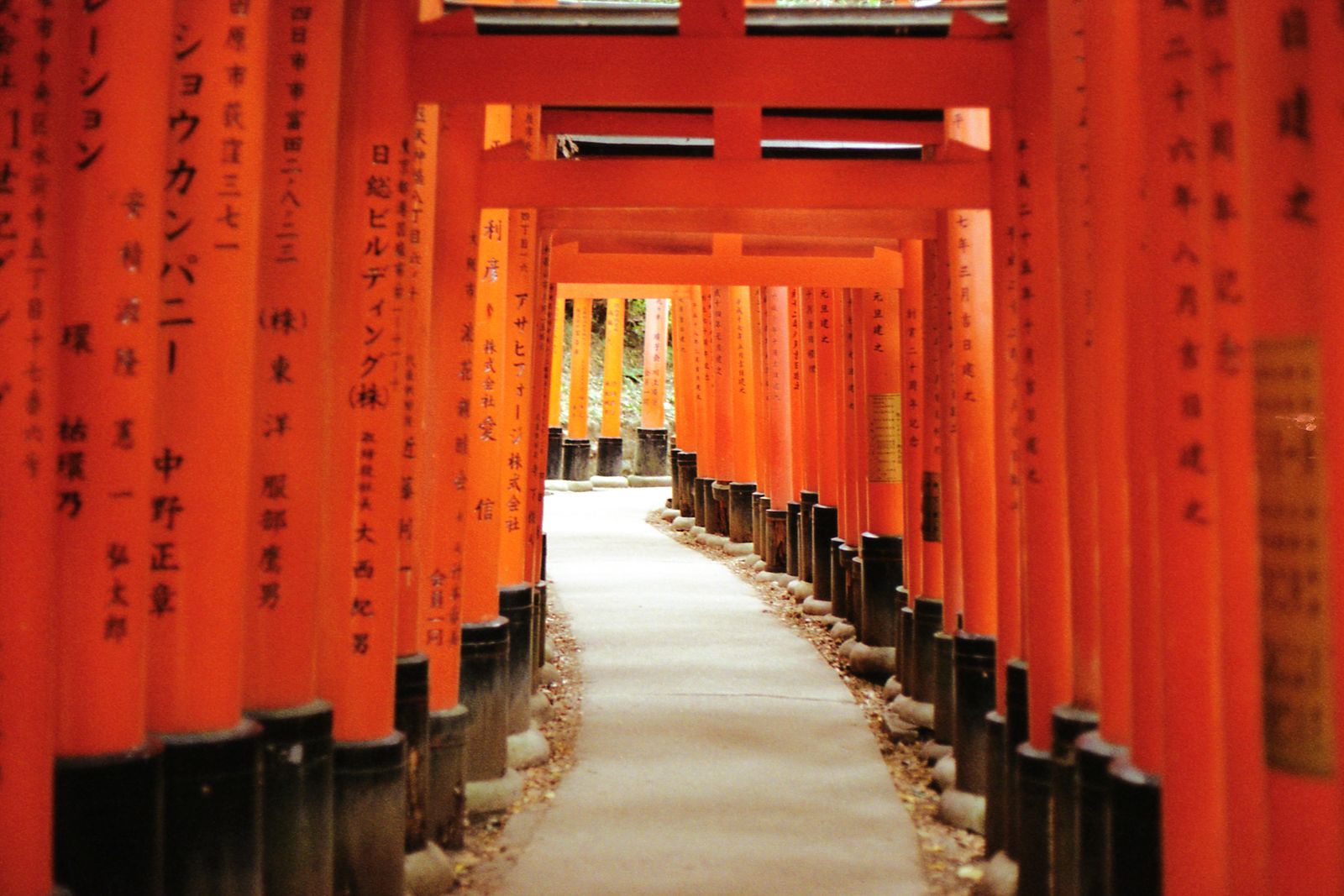
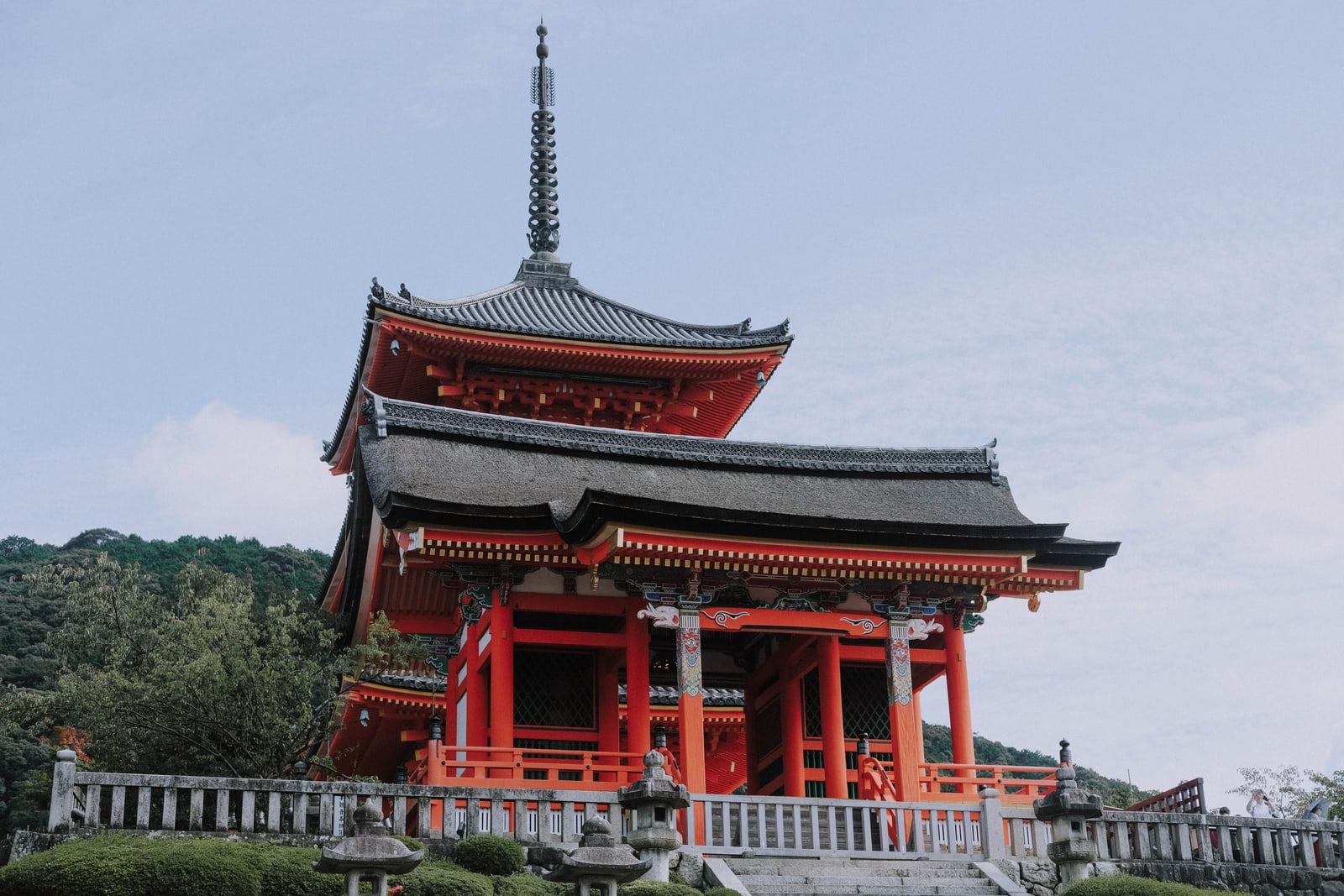
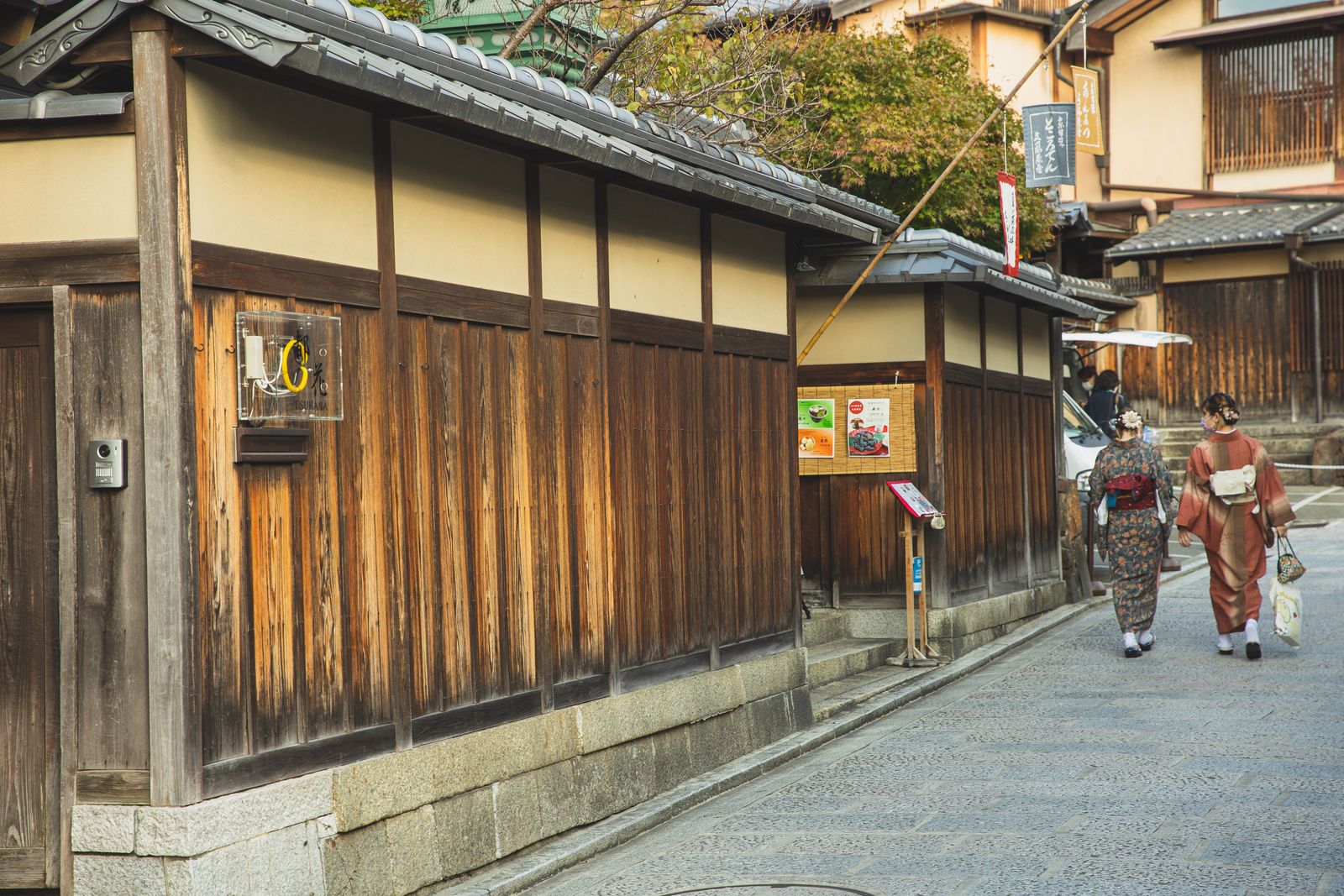
East. Kiyomizu-dera opens its gate at 6:00 and closes at 18:00 (18:30 in July and August). Fushimi Inari Taisha gives no opening hour on its access page, so it can sit at either end of the day. Gion is between them. Keihan runs Gion-Shijo to Fushimi-Inari in about 22 minutes for ¥240, and Kiyomizu-dera is uphill from Gion on foot, by Ninenzaka and Sannenzaka.
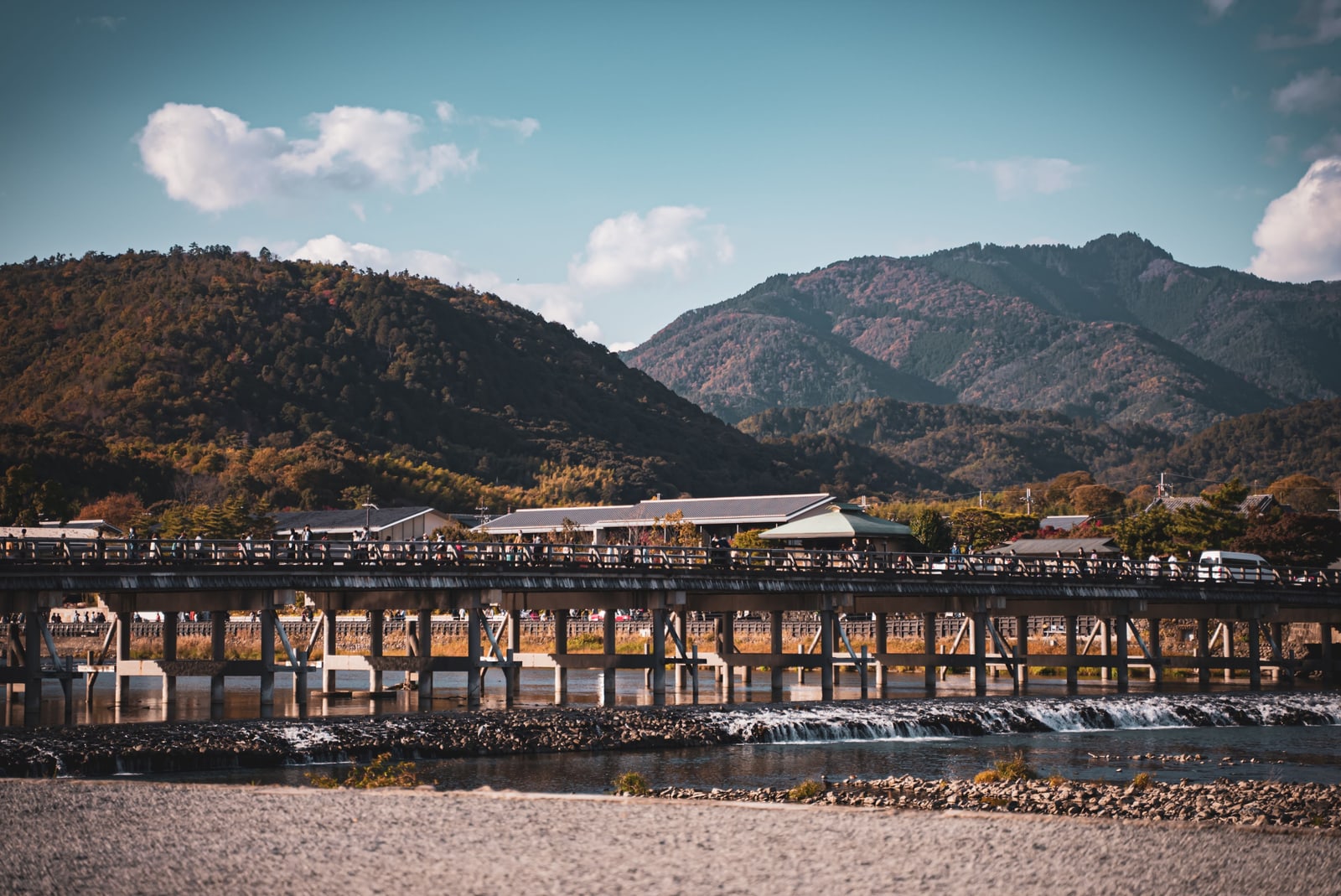
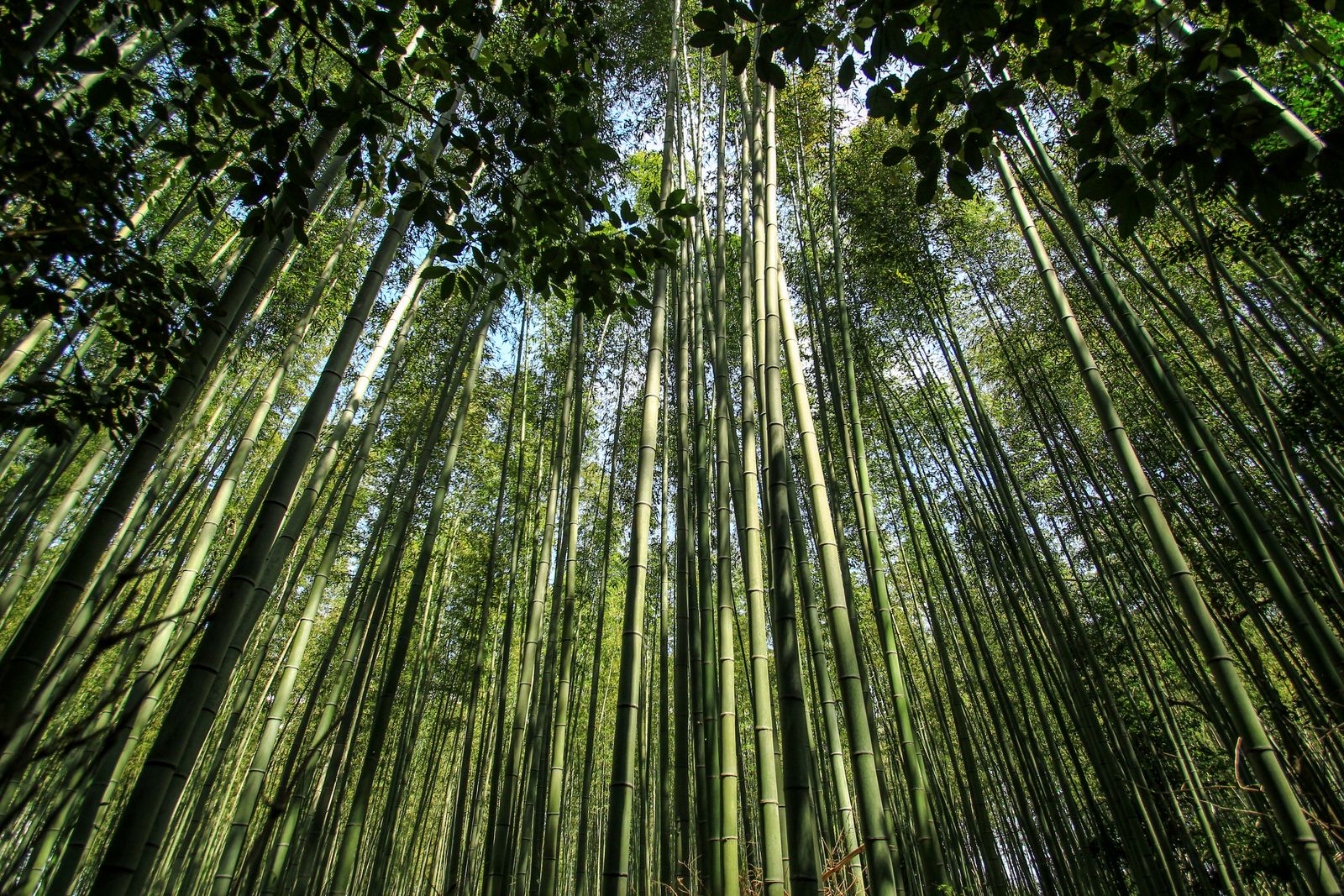
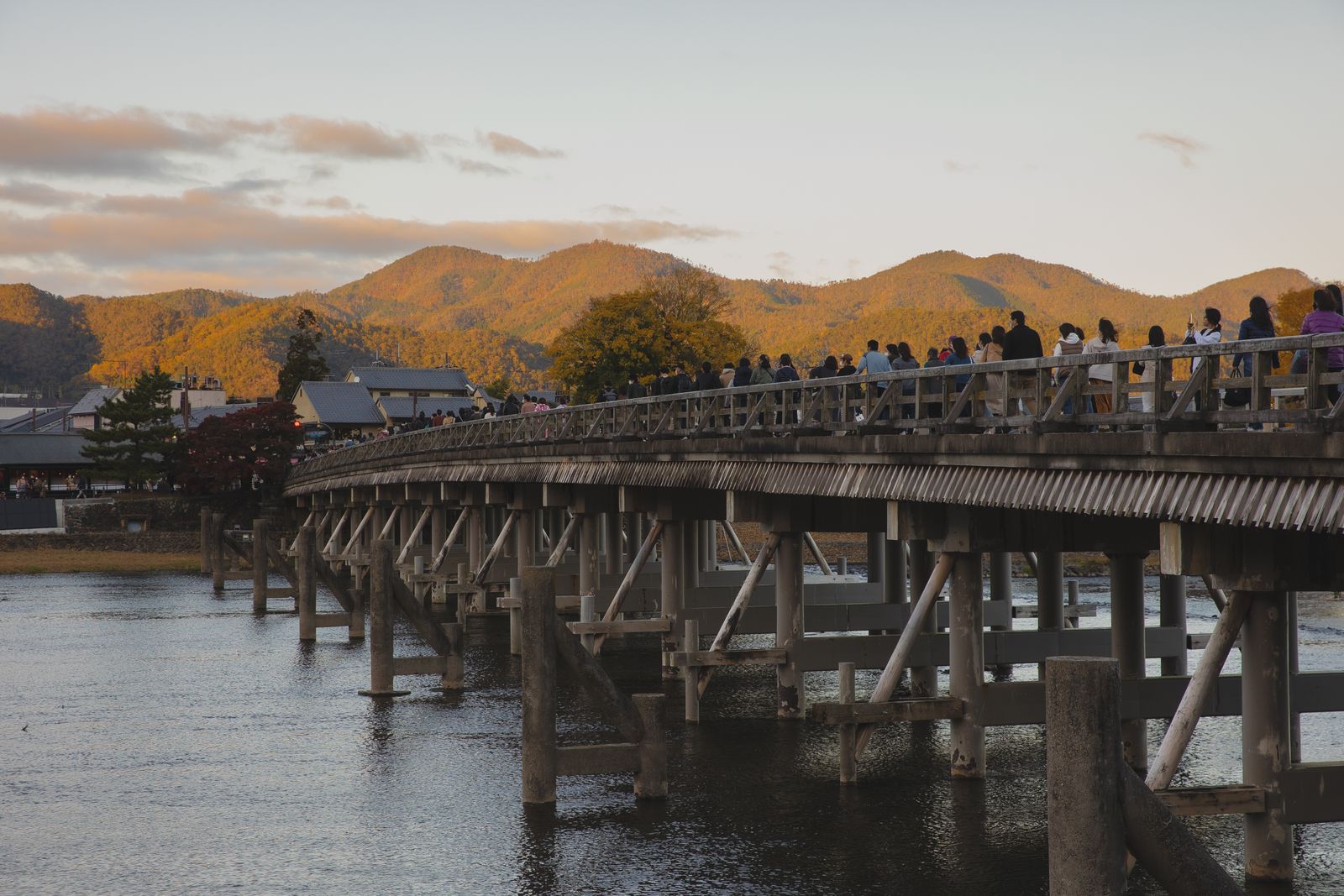
West. The bamboo path has no published hour and is about 10 minutes’ walk from Saga-Arashiyama. Tenryu-ji’s garden opens at 8:30 and takes its last visitors at 16:50; from November 14 to 30, 2026, it opens at 7:30. Kinkaku-ji, open 9:00 to 17:00, is a bus ride north, not a walk.
Both halves in one day. The ride from Osaka takes 30 to 48 minutes before the first sight. With one gated temple on your list, the day fits around it. With one on each side, say Kiyomizu-dera and Tenryu-ji, both close between 17:00 and 18:00, and the crossing runs back through Kyoto Station on JR or Katsura on Hankyu. Kyoto City’s guide calls the buses from Kyoto Station to Arashiyama crowded and time-consuming. One of the two temples gets what is left of the afternoon.
One cross-town pair avoids that: Fushimi Inari and the bamboo path, both on JR. Neither publishes a gate hour, and each is a short ride from Kyoto Station.
Third: price both legs, then the pass
Add up the rides your day actually has. These are adult single fares against each railway’s own one-day pass.
| Your day | Single fares | Day pass |
|---|---|---|
| Keihan: Fushimi-Inari, Gion-Shijo, back to Yodoyabashi | ¥1,210 | ¥1,650: singles ¥440 cheaper |
| Keihan: the same, plus Demachiyanagi | ¥1,510 | singles ¥140 cheaper |
| Keihan: Uji, Gion-Shijo, Demachiyanagi, back | ¥1,640 | singles ¥10 cheaper |
| Keihan: that Uji day, plus Fushimi-Inari and back from Gion-Shijo | ¥2,120 | pass ¥470 cheaper |
| Hankyu: Kawaramachi and back | ¥820 | ¥1,300: singles ¥480 cheaper |
| Hankyu: Arashiyama, Kawaramachi, back | ¥1,060 | singles ¥240 cheaper |
| JR: Kyoto Station and back | ¥1,160 | none compared here |
Keihan fares from Keihan (October 8, 2026), Hankyu from Hankyu (October 9). The Keihan pass page and the Hankyu pass page price every leg.
On a Kyoto-only day, Hankyu’s pass does not pay. No leg from Osaka-umeda costs more than ¥410, so Arashiyama and Kawaramachi together stop at ¥1,060. Hankyu’s own pass is the Hankyu One-Day Pass, ¥1,300 for adults: a QR code bought online after you register as a member, not sold at station windows.
Keihan’s Kyoto-Osaka Sightseeing Pass is ¥1,650 for one calendar day, starting after 3 a.m. The 24-hour version is ¥1,850, digital only. It covers the Keihan Main Line and the Uji Line. Eizan, the line to Kurama, needs the Kurama & Kibune version at ¥2,100. Staying in Namba? The Osaka Metro version is ¥2,160; add your Metro fares to your Keihan fares, and above that it pays.
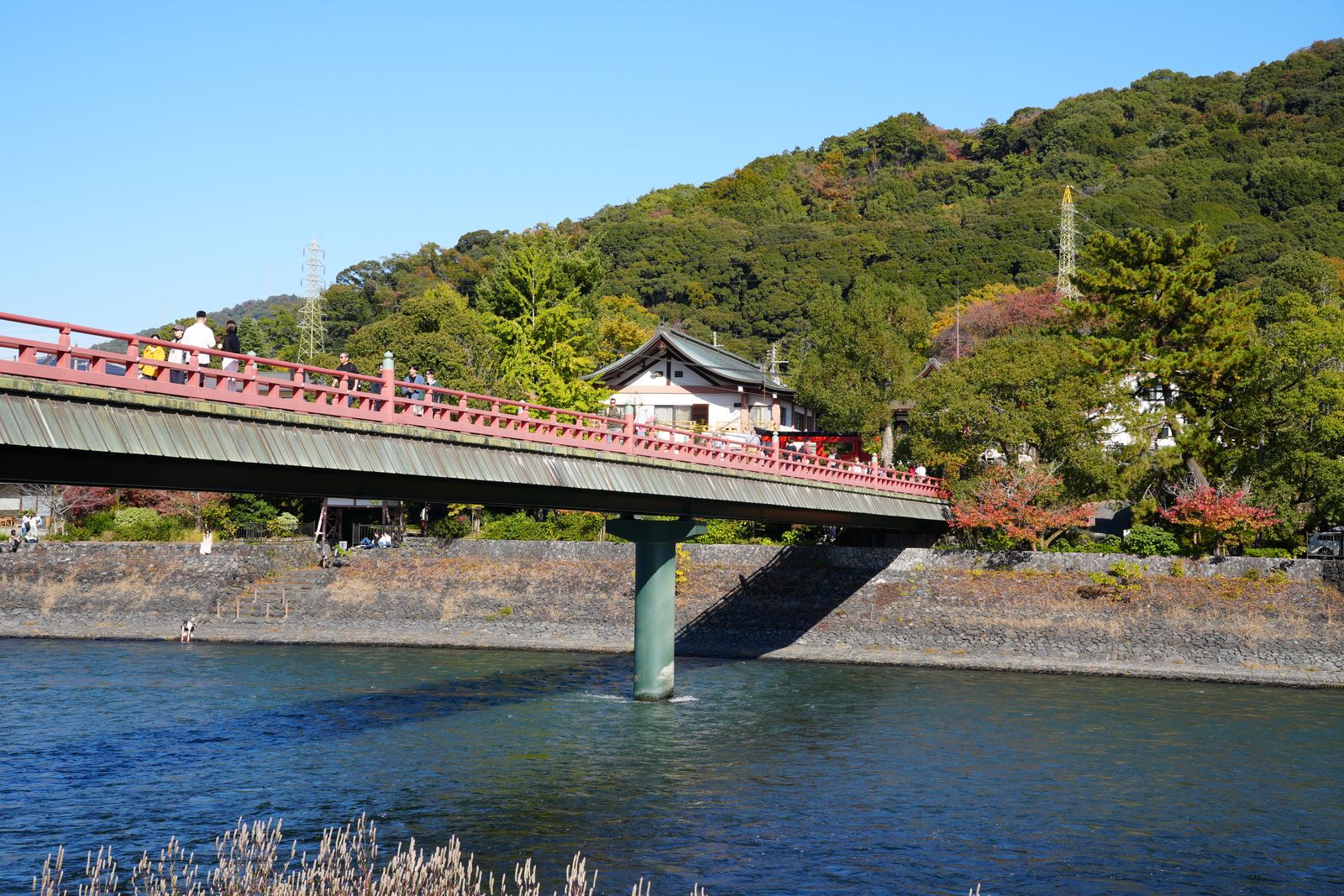
So the pass question comes up on Keihan only, and only for a day of five or more rides: Uji in the morning, then Gion-Shijo, Demachiyanagi and one more hop. Three rides to Fushimi Inari and Gion: pay ride by ride.
Five Keihan rides or more in your day?
Kyoto-Osaka Sightseeing Pass on Klook
On Keihan's fares, Uji, Gion-Shijo, Demachiyanagi and a Fushimi-Inari round trip from Yodoyabashi come to ¥2,120 against ¥1,650. Check on the listing which version you are buying and its cancellation terms.
Check the Kyoto-Osaka Sightseeing Pass on Klook →Sold on Klook (Klook Travel Technology Limited), an online travel agency; the pass and the trains are Keihan Electric Railway's. Keihan prices the 1-day pass at ¥1,650 on its own site (checked October 8, 2026). Before you book, check on the listing which version you are buying (1-day, 24-hour, Osaka Metro or Kurama & Kibune), how the QR ticket reaches you, and the cancellation terms.
Fourth: the last train back
Hankyu’s last through train from Kyoto-kawaramachi to Osaka-umeda is the 23:15 Semi-Limited Express, on weekdays and on weekends and holidays alike (Hankyu’s timetable, checked October 13, 2026). The trains after it stop short of Osaka, at Ibaraki-shi or Takatsuki-shi, Shojaku or Katsura.
The temples close well before that: Tenryu-ji and Kinkaku-ji at 17:00, Kiyomizu-dera at 18:00. The last train matters only for an evening you add after the gates, such as dinner in Gion, or Kiyomizu-dera’s autumn night opening, November 21 to 30, 2026, open until 21:30 with last entry at 21:00.
Keihan publishes its station timetables as images, and JbJ could not read Keihan’s last departures for Yodoyabashi or JR’s last train to Osaka for this page. Check them at the station, or in the railway’s own timetable, on the day.
Two worked days
From Yodoyabashi, east. Keihan to Fushimi-Inari (¥480) in the morning. Keihan on to Gion-Shijo (¥240), then walk up to Kiyomizu-dera before its 18:00 close and back down through Higashiyama to Gion. Home from Gion-Shijo (¥490). The day is ¥1,210.
From Osaka-umeda, west. Hankyu to Arashiyama, changing at Katsura (¥410). The bamboo path first, then Tenryu-ji from 8:30, then Togetsukyo. After lunch, Hankyu to Kawaramachi (¥240) and across the river into Gion on foot. Home from Kawaramachi (¥410) by the 23:15. The day is ¥1,060.
From Osaka Station, a Fushimi Inari and Arashiyama day runs on JR: ¥580 to Kyoto, ¥150 to Inari, ¥240 to Saga-Arashiyama, each priced as its own leg.
Next
Write down every ride your one day has, on the line nearest your hotel, and add the fares. Under ¥1,650 on Keihan or ¥1,300 on Hankyu, buy nothing in advance. If the day grows into two, Kyoto in 2 days gives each half its own morning, and the day trips from Kyoto ranking covers Uji and Nara.