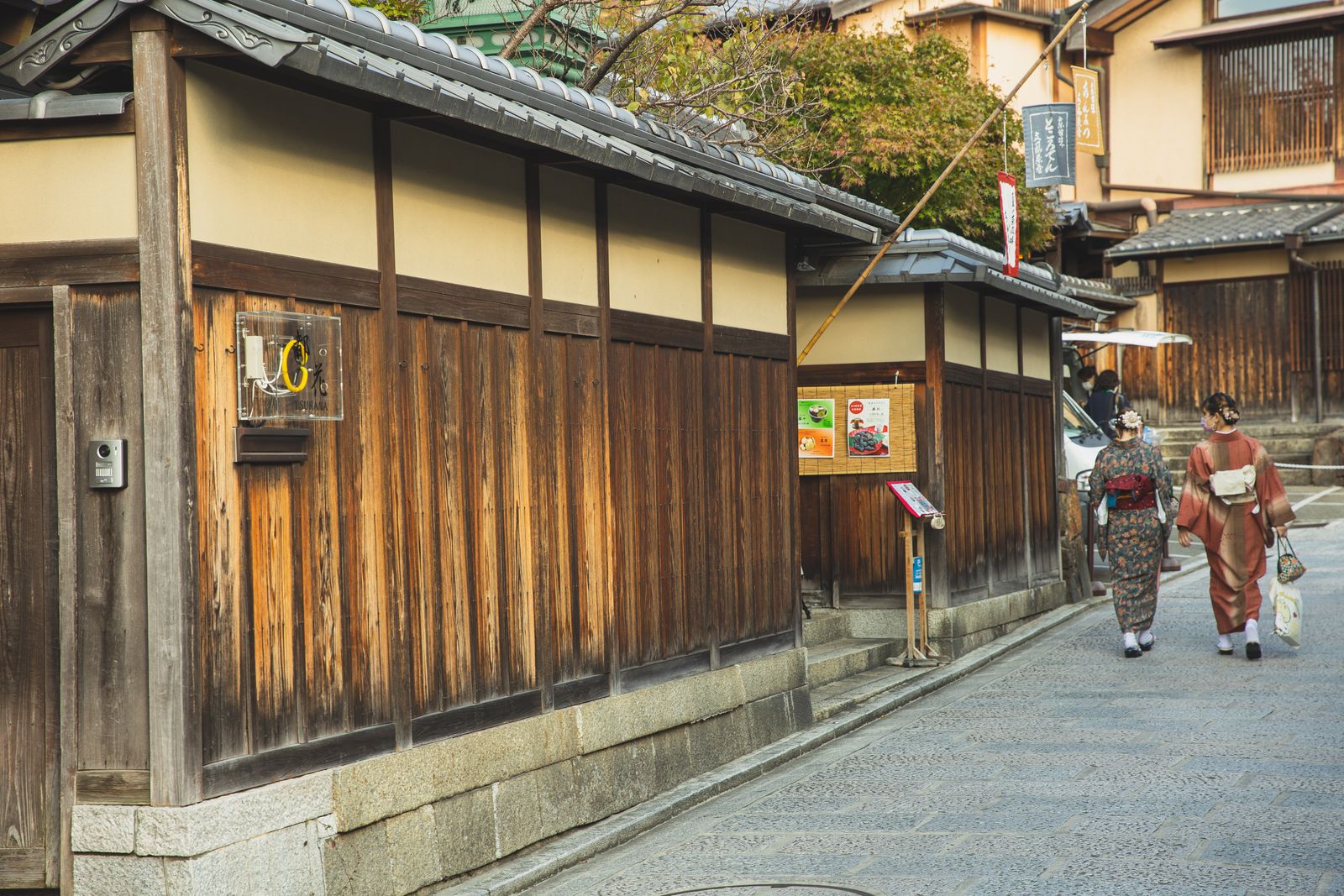
You want to rent a kimono for a day of your trip. You are also carrying a second question, the one you have not typed into a search box.
This page answers both, in that order, because that is the order they arrive in. The embarrassed one first, and it takes one screen. Then the booking: three named shops, what each of them was displaying when we read their pages, and the hour each one wants the clothes back. Then the day itself — what it is physically made of, and the two places where what you do with a camera matters more than what you are wearing.
The question you didn’t want to type
JBJ'S TAKE
Wear it. That's the answer.
You're allowed to want this, and JbJ isn't going to make you earn it first.
Nothing on this page turns on where you're from or what you look like. What it does ask about is conduct and place — where you walk, what you point a camera at.
So book the shop. The rest of this page is about the day, not about your right to have it.
The answer above is a position, ours, and it is labeled as one.
So: the booking. What it costs, when it ends, and the two things worth knowing before you are out in it.
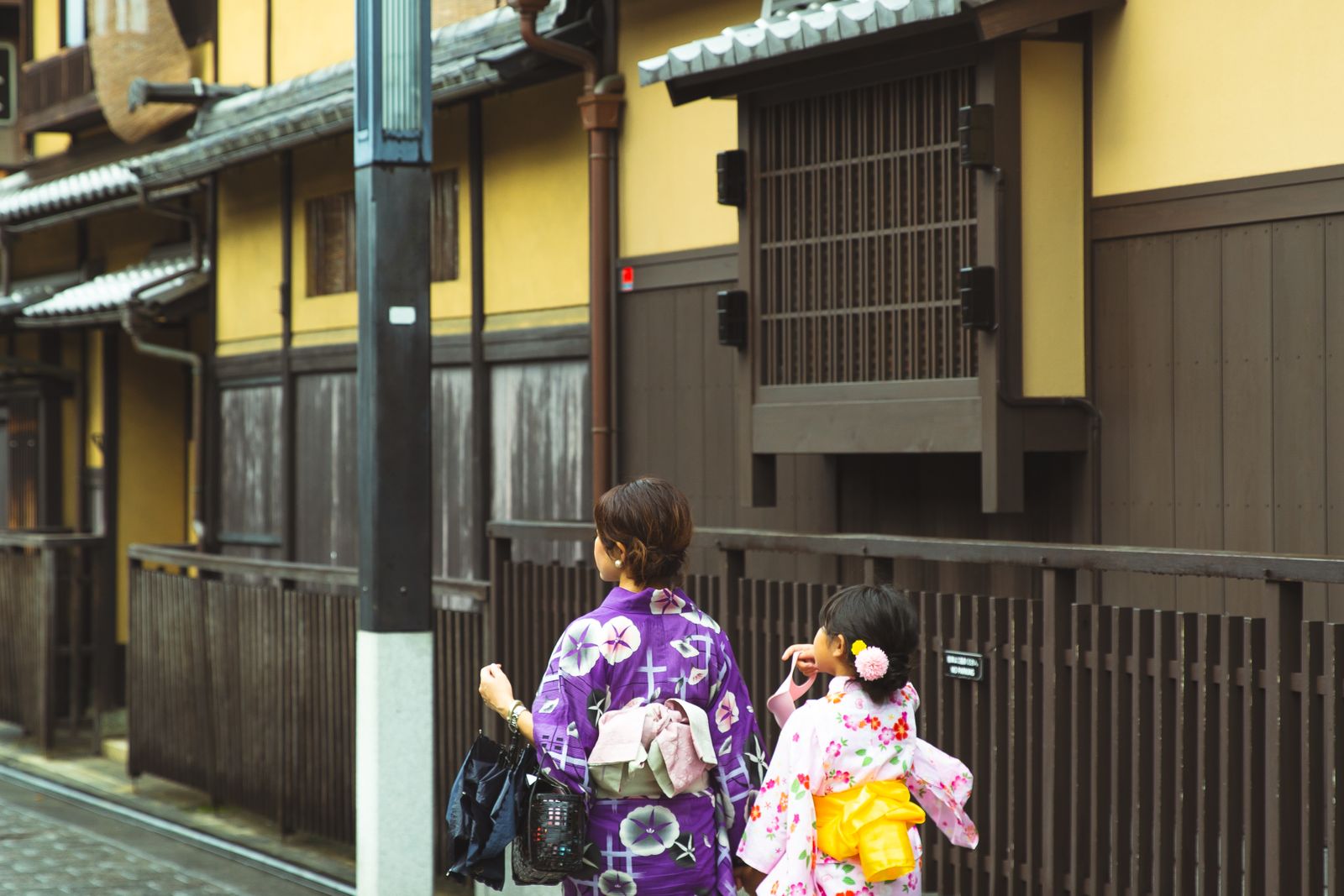
Three shops, three prices, three deadlines
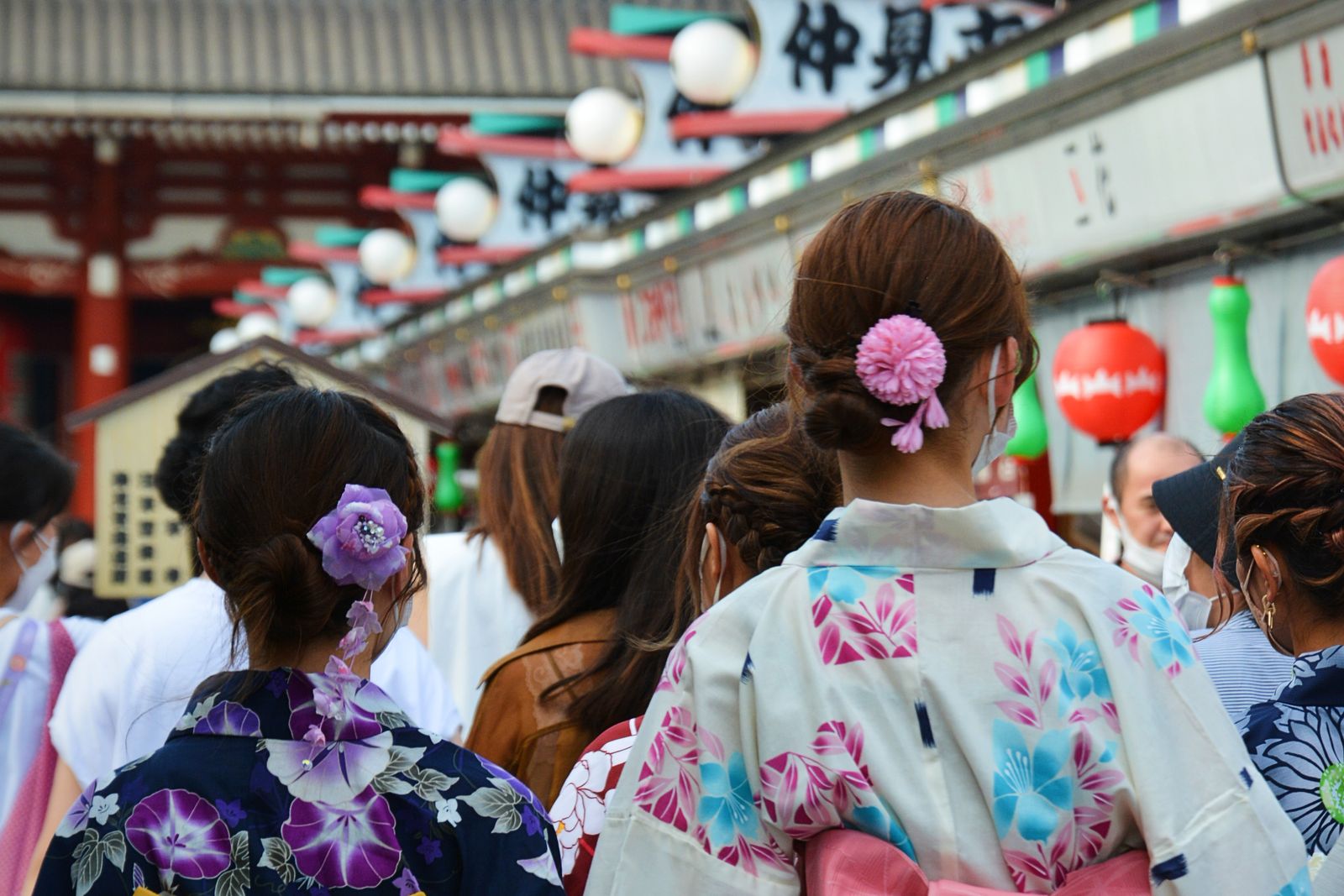
These three are not ranked and were not compared with each other. Each is here because it publishes its own terms, in English, on its own site.
| Shop | Where | Plan, as displayed 10 September 2026 | Back by |
|---|---|---|---|
| REN | Asakusa, Tokyo | Women’s Standard Plan (Without hair set) 3,500yen → reservation discount 2,500yen | 17:00 — reserve after 13:00 and it extends 30 minutes, free |
| Yumeyakata | Kyoto | Standard Plan 5,280yen → 4,180yen | 17:30 |
| wargo | Asakusa, Tokyo | Standard plan 3,300 JPY (tax included)~ | 18:00 — open 10:00–18:00, last dressing 17:30 |
The deadline is a time of day, not a number of hours. None of these is a six-hour rental. Arrive at two o’clock and you have paid the same as the person who arrived at ten, for less of the day.
Yumeyakata lists what its Standard Plan includes: kimono, belt, Tabi (socks), Zouri (Japanese sandals), a Japanese bag and an underslip. That is one shop’s list in its own words — read the other two on their own pages.
Every figure above was read on that shop’s own site on 10 September 2026: REN, Yumeyakata, wargo. Prices and hours change. Check them on the page when you book. And if Kyoto is the city, where you sleep decides how much of that deadline you spend on trains.
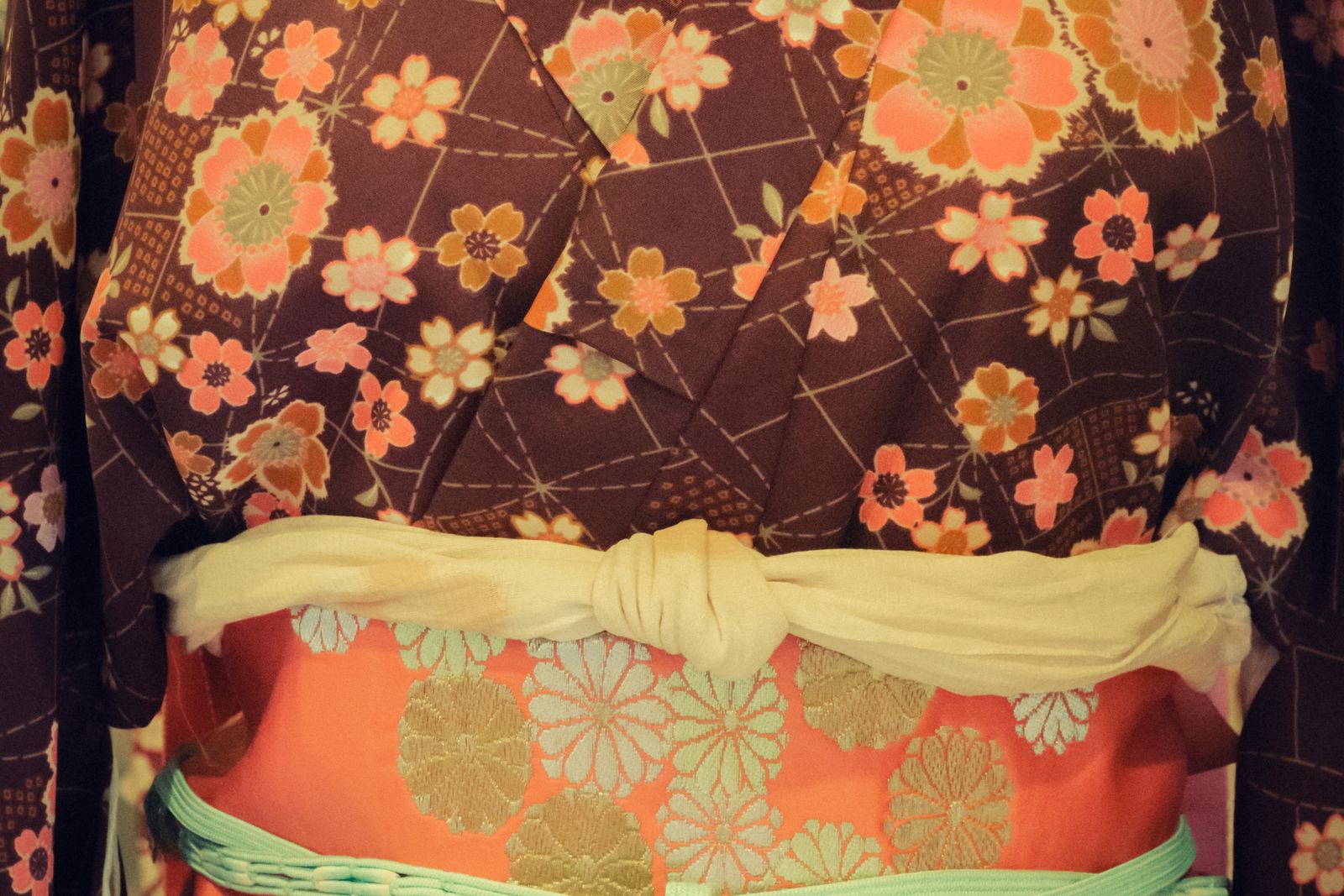
The number in the ad is not the number you pay
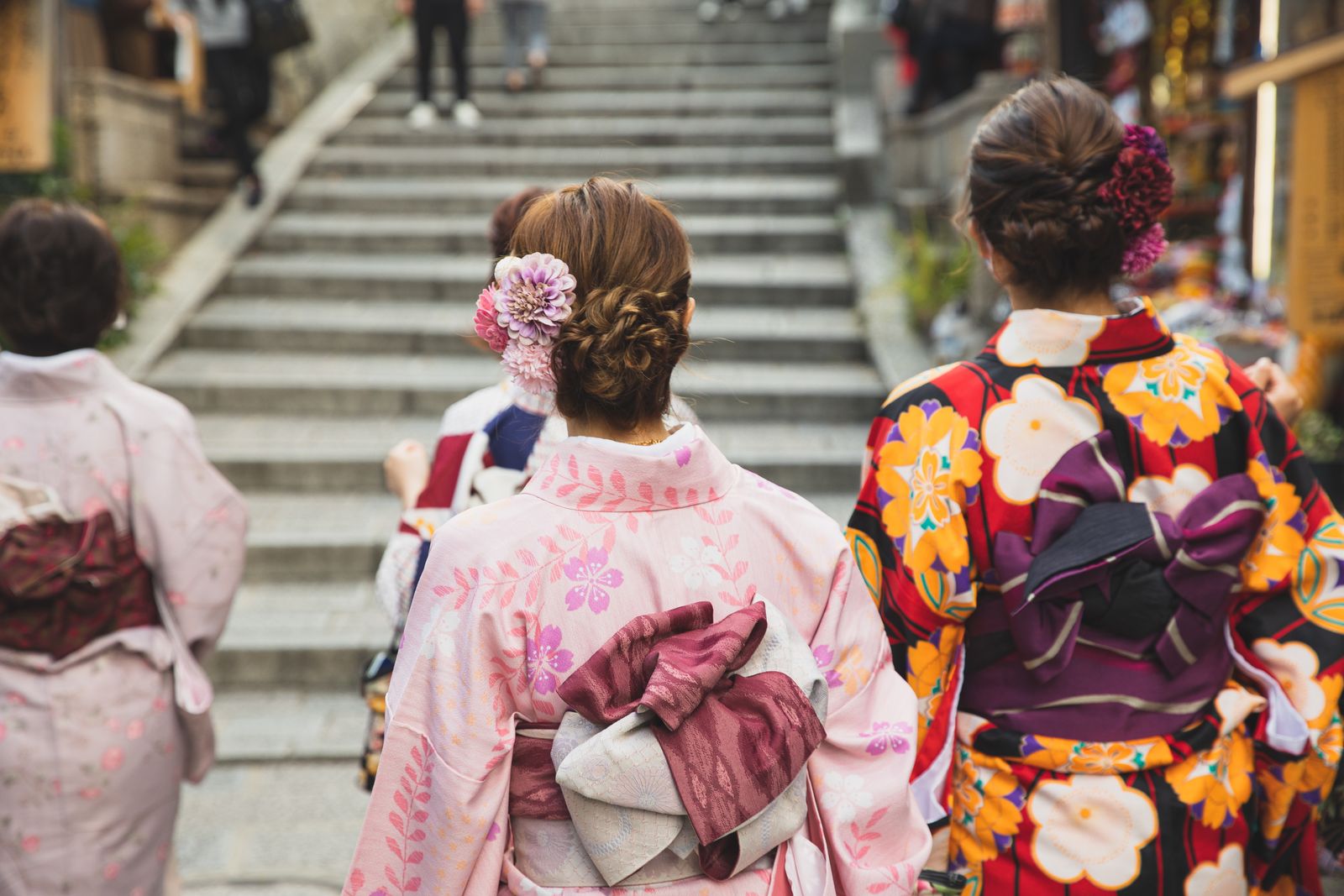
REN’s women’s plan is called, in full, Women’s Standard Plan (Without hair set). The exclusion is in the title. The figure is not misleading anyone — it is answering a narrower question than the one you asked it.
Yumeyakata’s headline does the other version: 5,280yen struck through, 4,180yen beside it. That pair tells you what the shop is doing with its own price today. It does not tell you what your day costs.
So read the plan name before you read the number. The number is what the shop is doing today. The name is what you are actually buying.
The day runs on a clock, and you are wearing sandals
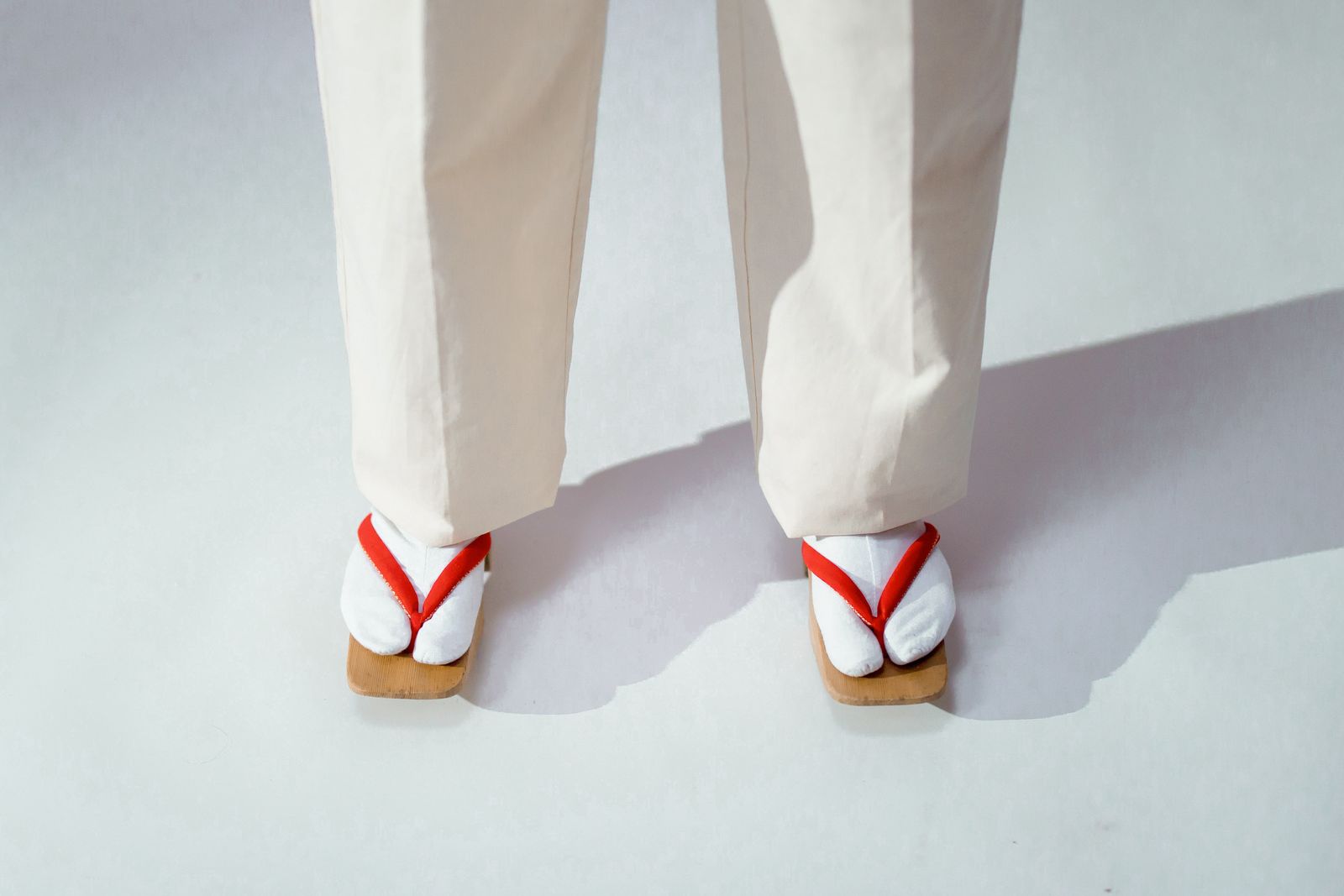
A rental is not a number of hours. It is a fixed time at a fixed counter, and the whole day fits inside that.
REN puts dressing at 10 minutes, and dressing plus a hair set at about 40 to 60 minutes for one or two people. Yumeyakata splits its own hour into roughly 20 minutes choosing, 20 dressing and 20 on hair, and says plainly that these are estimates and that you may wait when it is crowded. Both were read on those shops’ own pages on 10 September 2026.
- Arrive early rather than late. Each of the three deadlines above is a time of day. It is not a countdown that starts when you walk in.
- You are dressed at the shop, and that has its own cut-off. wargo’s page sets its last dressing at 17:30 against that 18:00 return — the dressing stops before the shop does.
- One shop rewards a late start. REN states that if you reserve after 1:00 pm, the return time is extended 30 minutes, free.
- You walk in tabi and zouri. Yumeyakata’s Standard Plan names them: Tabi (socks) and Zouri (Japanese sandals). That is the footwear the afternoon happens in.
- You come back to the same counter. The deadline belongs to the shop that dressed you.
Which means the trip back is inside the rental, not after it — and it is the half of the arrangement that rarely gets written down. Find out where that counter is before you plan the far end of the afternoon, because a fixed return time and a day trip out of the city are not the same day.
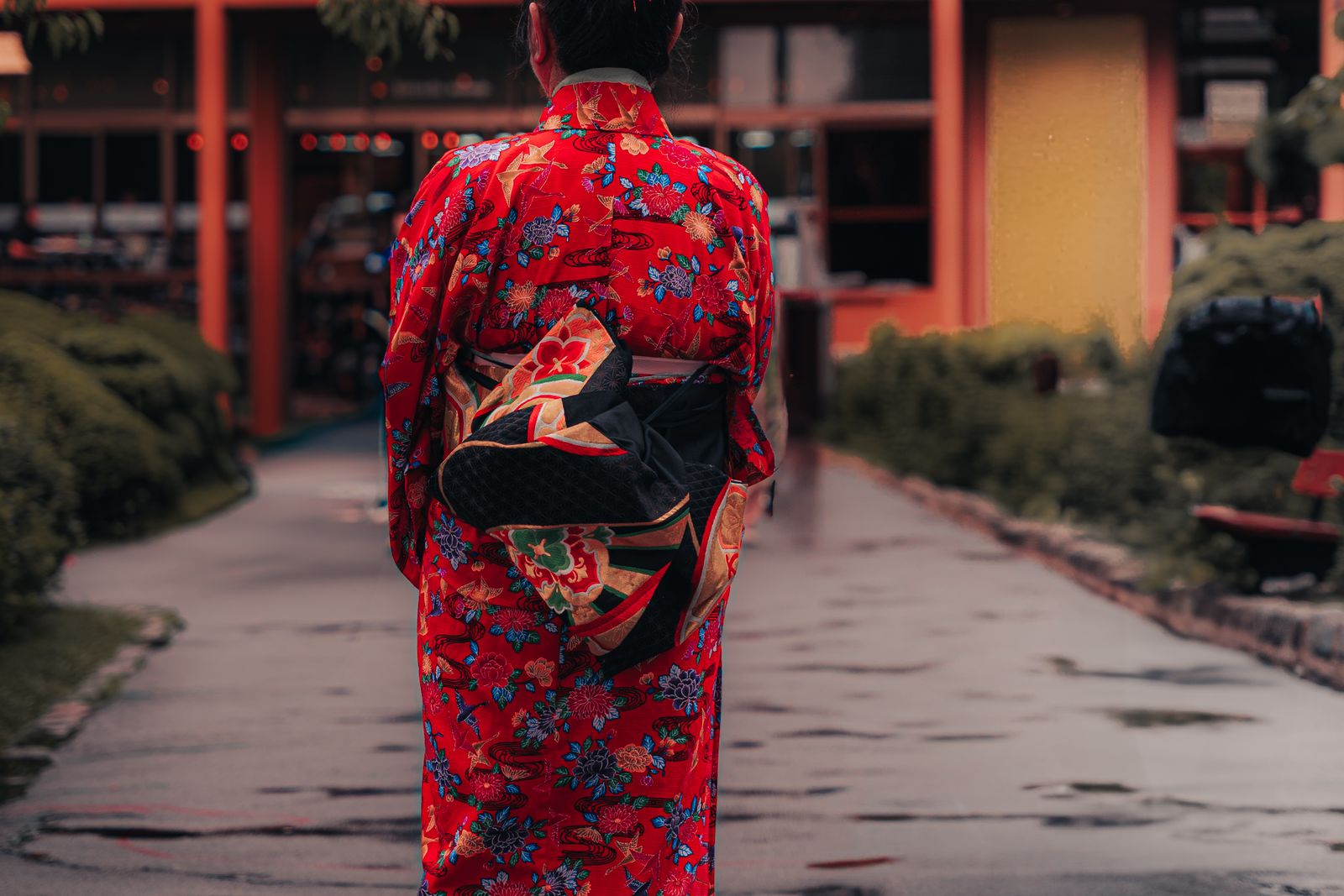
JBJ'S TAKE
Morning slot, and plan the day backwards.
You don't get to choose how long you have. You only choose when it starts — so start early, in any city.
Then work backwards from the shop. Your last stop of the afternoon should be the nearest one to it, not the best one. You have to get back there in zouri.
That trip isn't the end of the day. It's still the rental.
You are now the thing people photograph
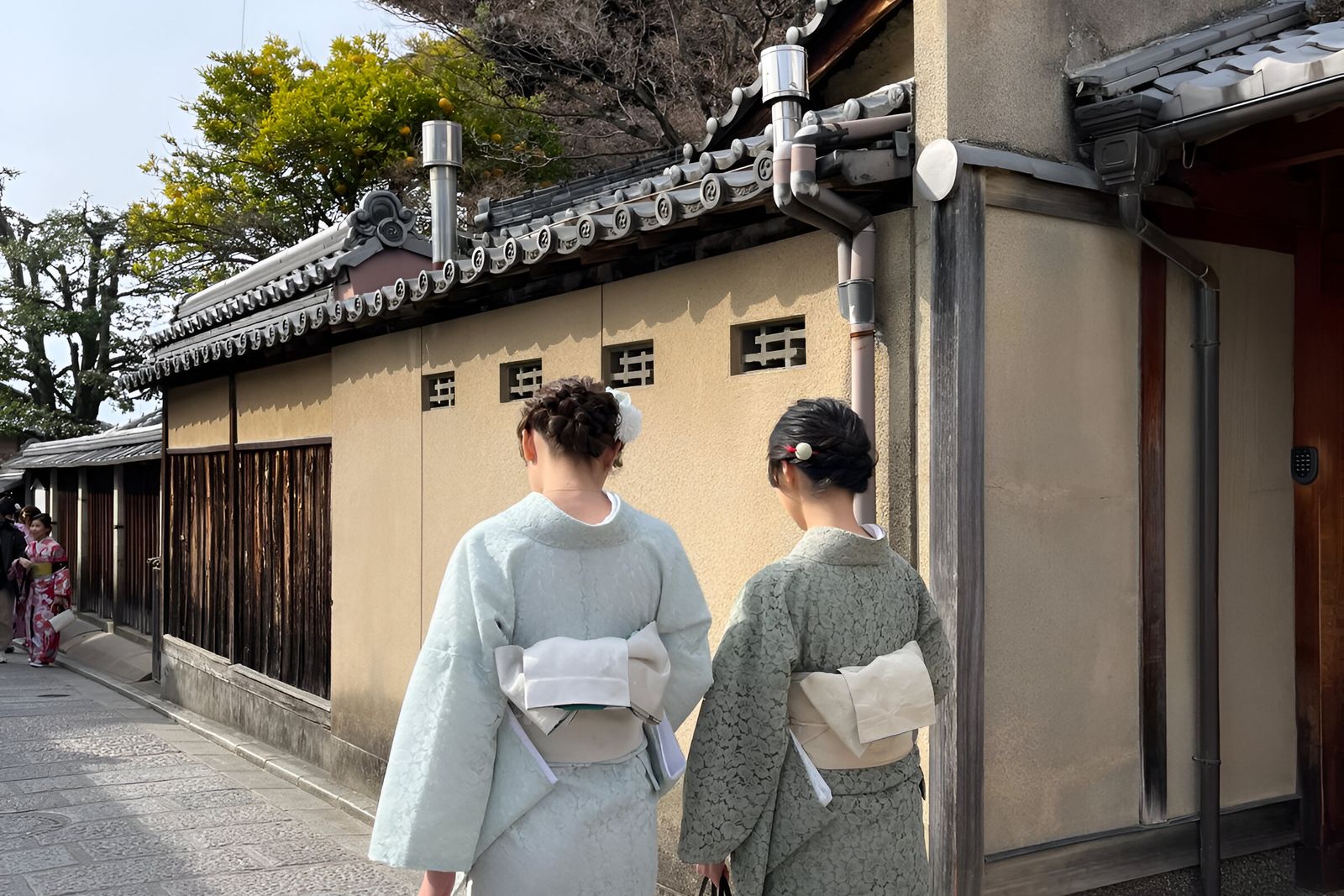
Two places in Kyoto have written down what they want, and both are about cameras rather than clothes.
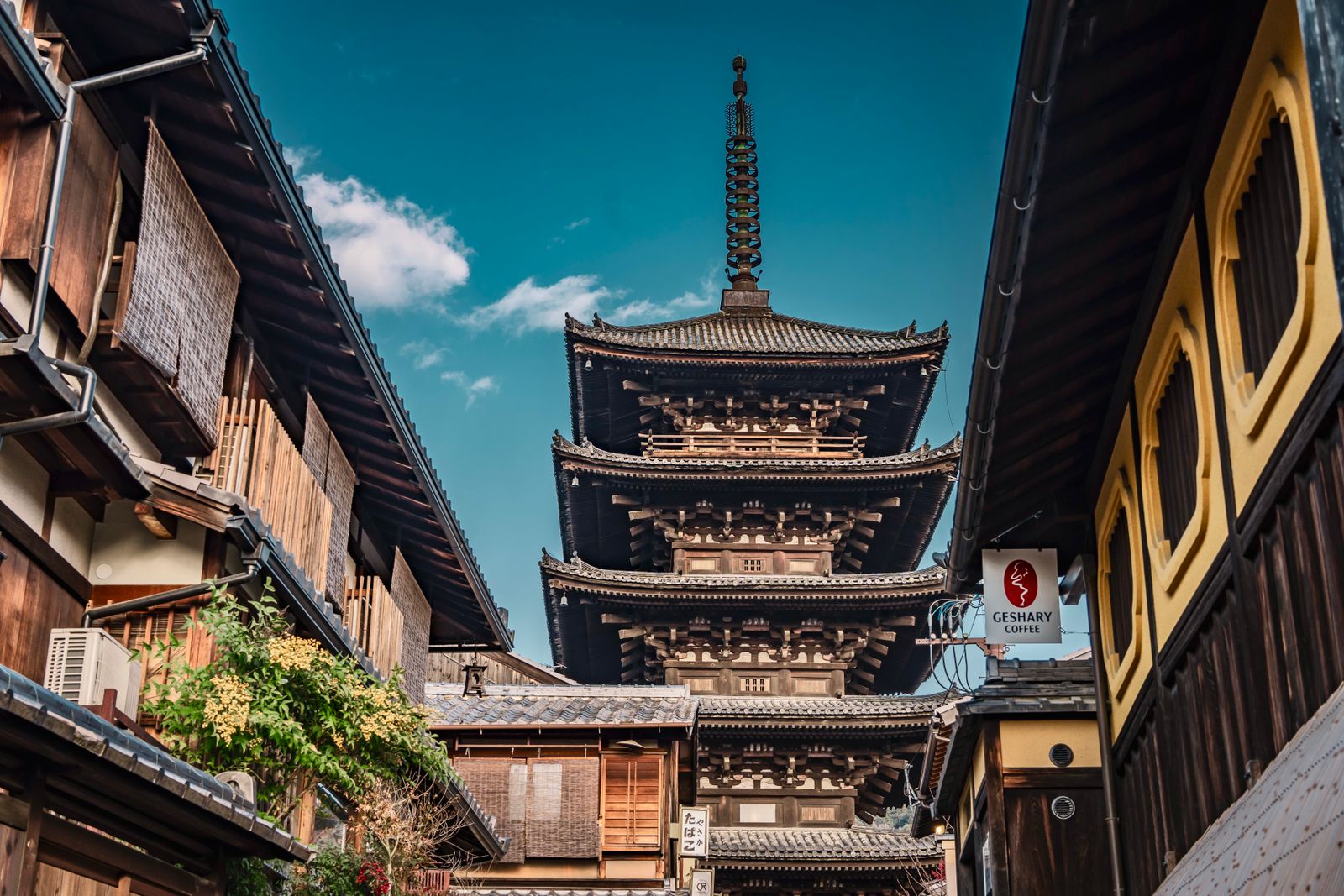
The first is Gion. The district’s own association asks visitors not to enter its private road, and names it: Kosodekoji is closed to visitors. Hanamikoji, the main street, is a public road. The official visitor guidance from Kyoto City Tourism Association, current as of 11 March 2026, lists among prohibited actions: touching, chasing or taking photos of geiko and maiko without permission, and entering private properties.
Nobody is policing any of it. It is asked — by the residents’ district, and by the city — and that is how a great deal of Japanese public space works.
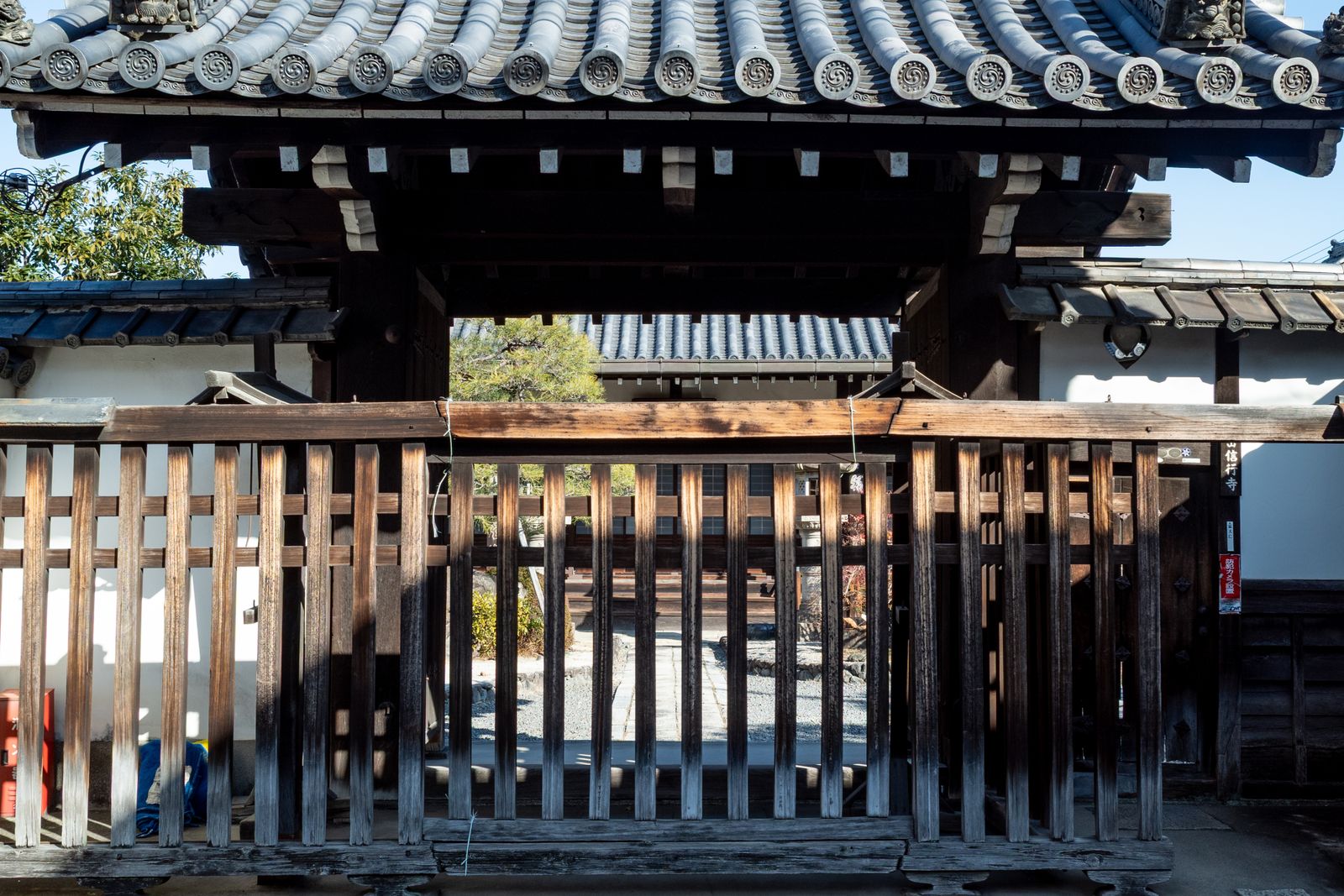
The second is Kenninji. In a notice posted on its own site on 14 October 2025, still live when we read it on 10 September 2026, the temple prohibits photography and video by visitors wearing costume including Japanese dress, and states that admission may in some cases be refused.
Read that twice, because the distinction inside it is the whole thing. It restricts photography. It does not restrict clothing. A visitor in a kimono is not being turned away for wearing a kimono — the rule is about what she does with a camera once she is through the gate.
JBJ'S TAKE
You're in the frame now. Both sides of it.
That isn't a warning, and it isn't a guess — somebody already wrote it down.
So start with your own camera. Ask before you point it at a person, and take no for an answer.
And if one comes back the other way, you owe them nothing. No pose, no smile, no explanation. Walk on.
Before you book
Four things, and all four are on the page of the shop you are actually booking rather than on this one.
- Today’s price. Ours were read on 10 September 2026.
- What the plan says it includes, item by item.
- The return time, as a clock time — and how far that counter is from wherever you want to be at four in the afternoon.
- Its own yukata dates, if a yukata is what you want, for the month you are traveling.
All three shops’ pages are linked under the table above.
JBJ'S TAKE
Ask what the day is for. Then pay for that.
You've got the shop. The last thing to decide is whether you add back what the standard plan leaves out.
Photographs? Add it back. That's the thing you came for, and it's the one you'll still have next year.
Just want to spend an afternoon walking around dressed like that? Don't add anything. Book the plain one and go.
Questions people ask before they book
Can I rent a yukata instead?
A yukata is the summer garment, and the casual one. REN describes its own as one of the casual kimono for summer — May, June, July, August, September — which is REN describing REN’s product, not a national season. Shops set their own dates, so read the page of the one you are booking, for the month you are traveling. The yukata folded in a ryokan room is a different garment doing a different job.
How many hours do I actually get?
However many you take. The end is fixed and it belongs to the shop: REN 17:00, Yumeyakata 17:30, wargo 18:00.
Will a temple turn me away?
Not for the kimono. Kenninji’s notice restricts photography and video by visitors wearing costume including Japanese dress, and says admission may in some cases be refused. The restriction is on the camera.
Do I need to book ahead?
REN publishes a lower figure for its standard plan with a reservation than without one, so booking is worth something there in itself. And wargo takes its last dressing at 17:30, however you arrive.