Search for things not to do in Japan and you will be handed twenty rules, or twenty-five, all in the same typeface at the same size.
Somewhere in that list is a criminal offense. Somewhere else in it is which hand to hold your chopsticks in. Nothing tells you which is which, and that is why people arrive already worried.
So here they are sorted by what actually happens.
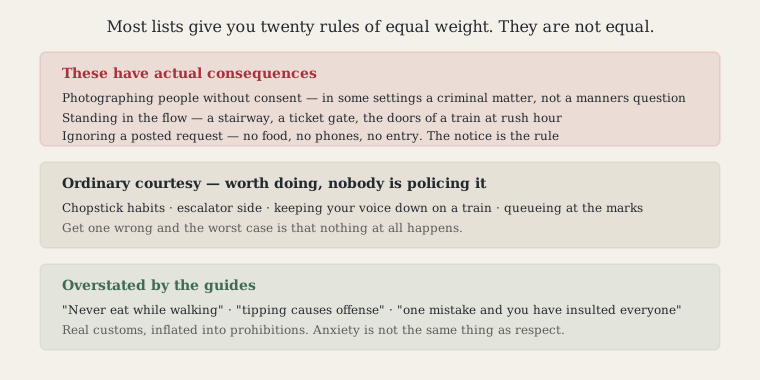
The three that actually matter
1. Do not photograph people without their consent
This is the one that is genuinely not about manners. In some settings — a bathing area, a changing room, anywhere someone is undressed — photographing a person without consent is a criminal matter in Japan, and has been under a dedicated national law since July 2023.
Even well outside those settings, pointing a camera at a stranger’s face, a shop’s staff, or a child is not a neutral act here. Ask, or do not take it.
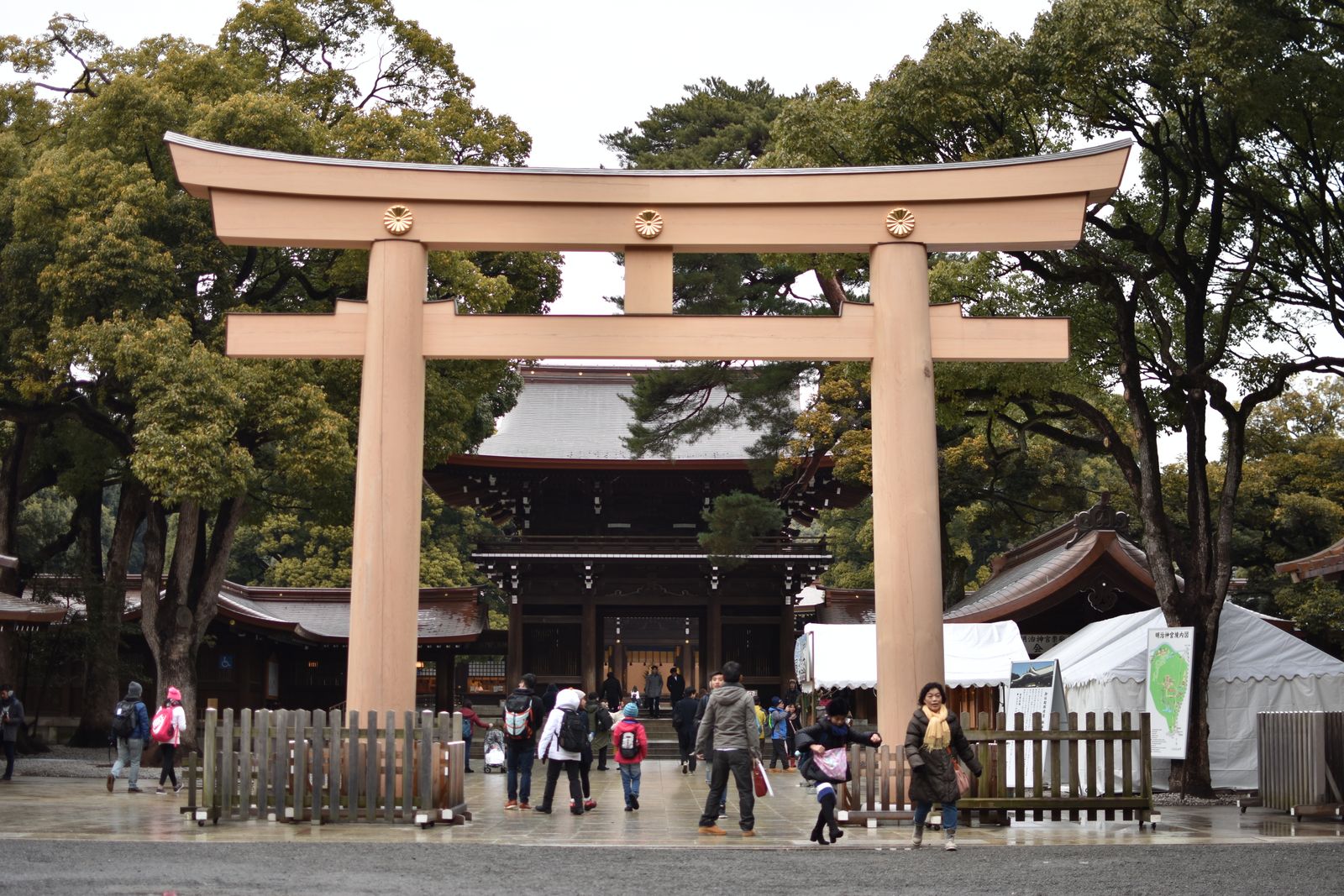
The corollary is practical: if a place has a no-photography notice, it means it. Temples, some museums, many shops, most performances.
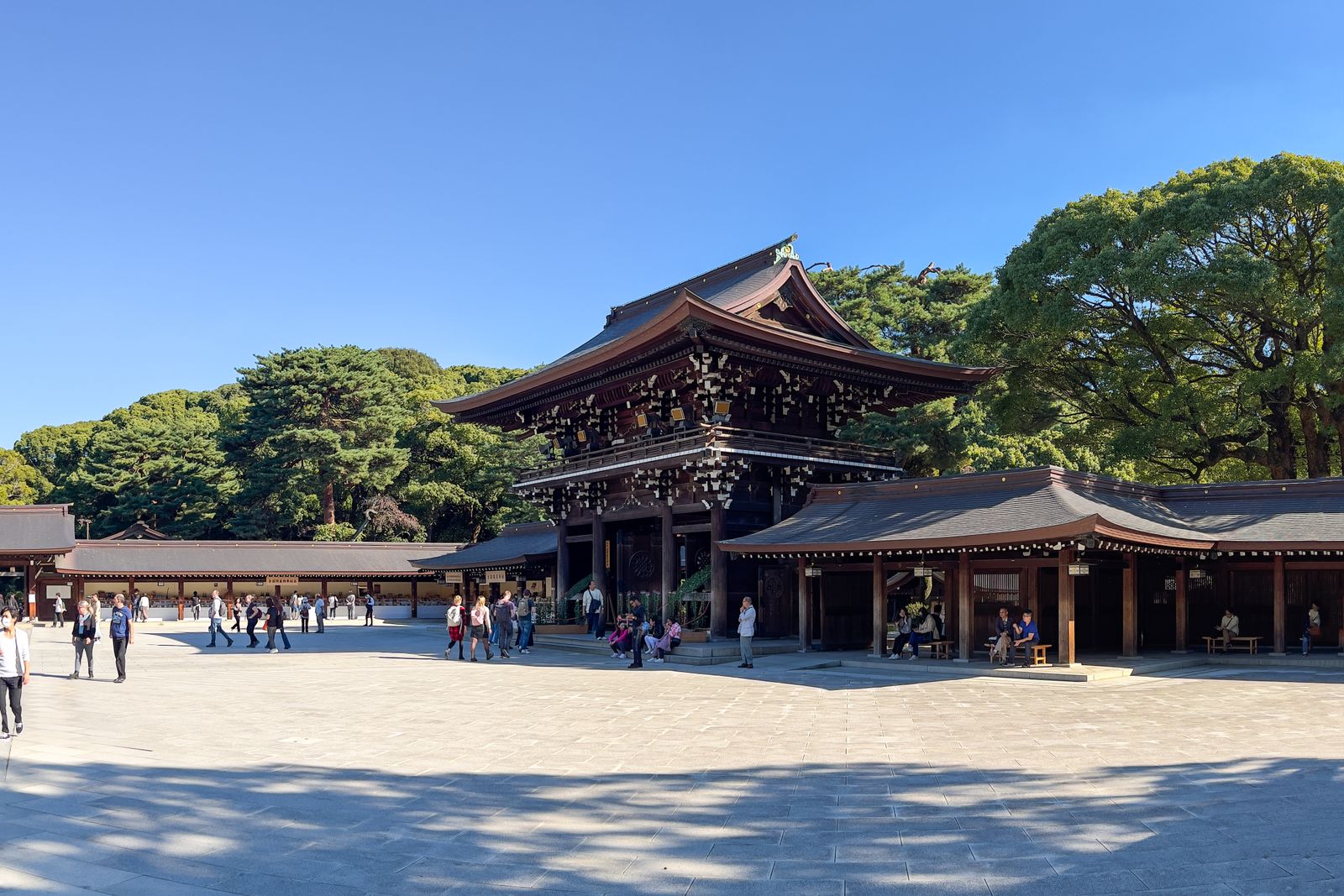
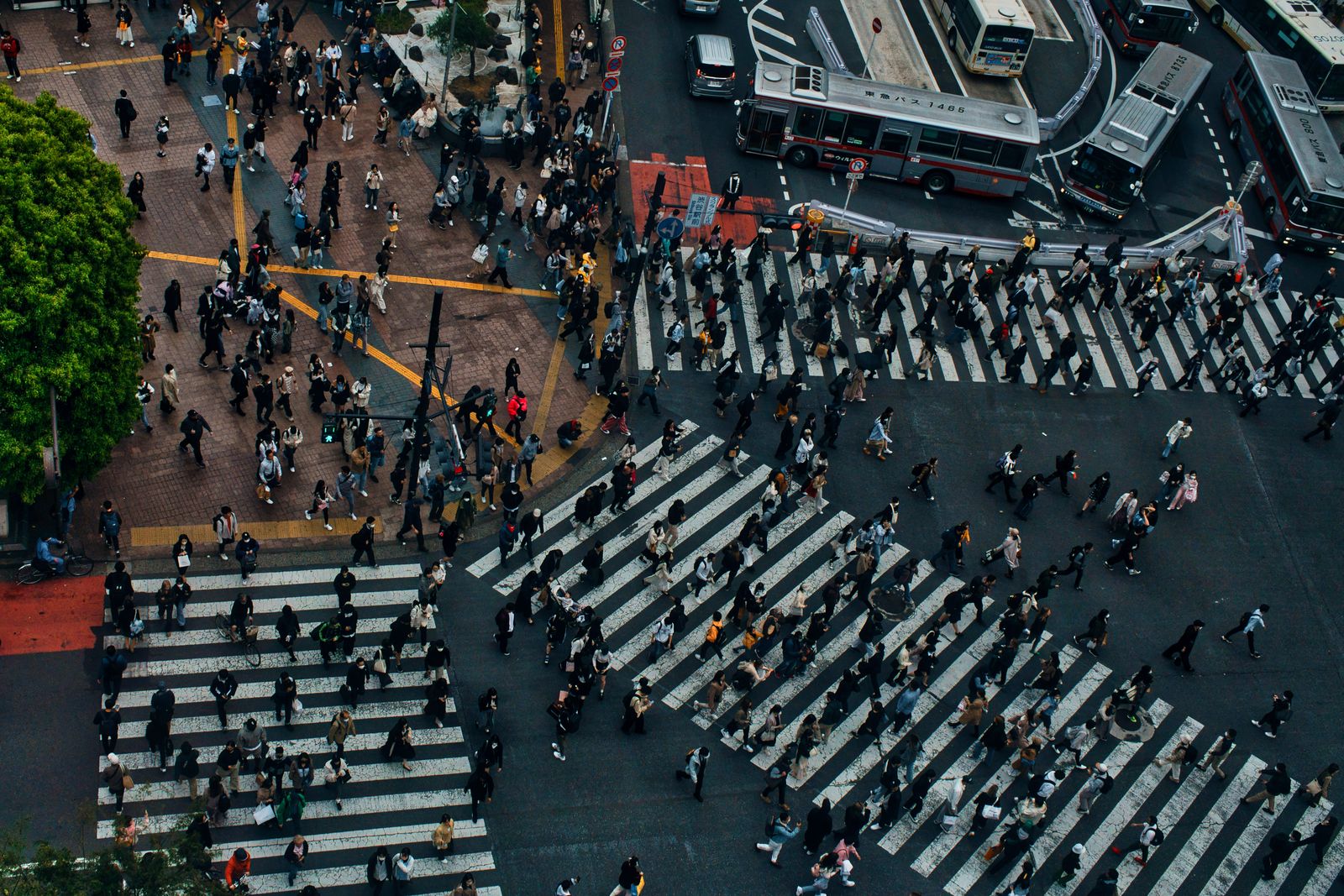
2. Do not stand in the flow
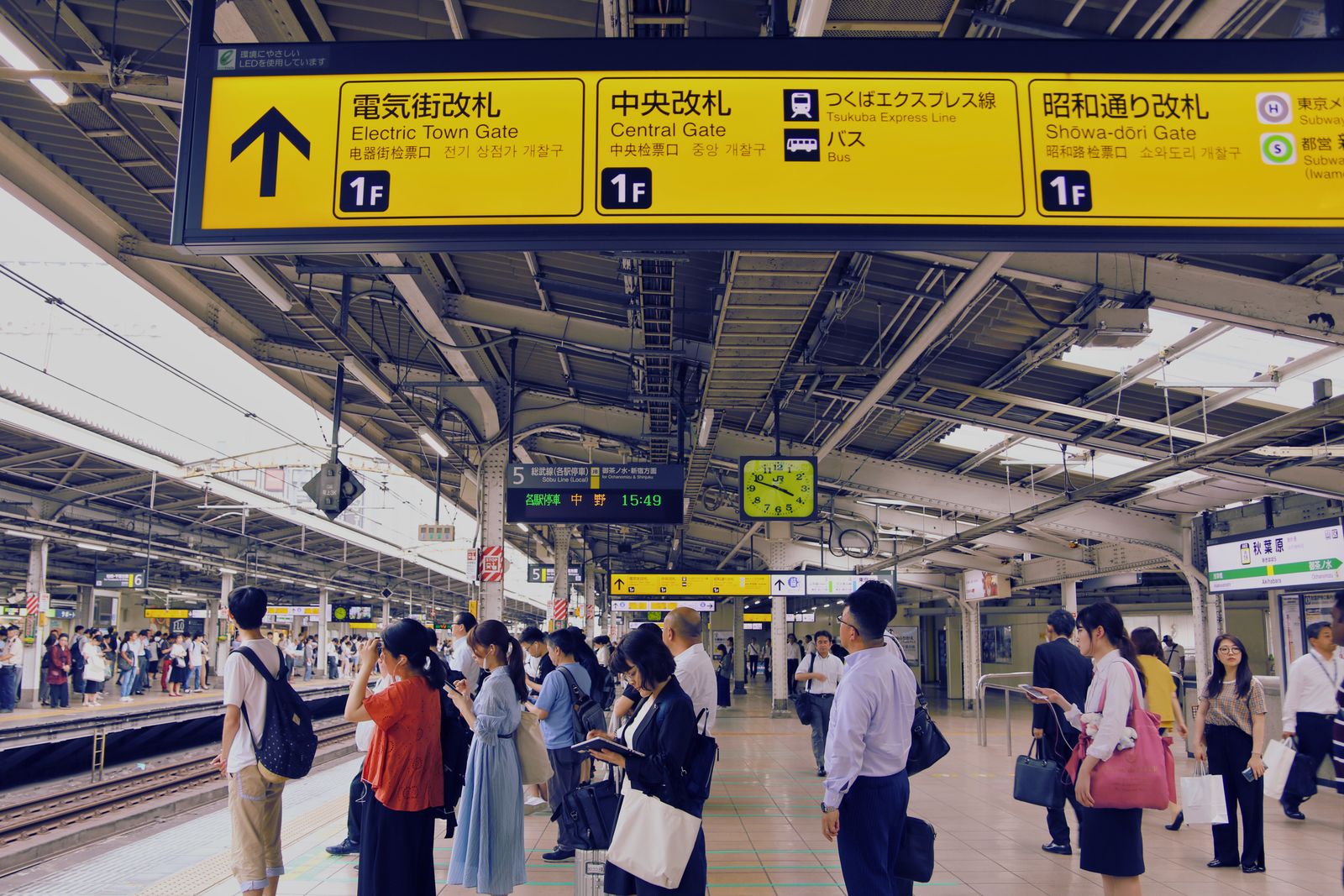
This is the one visitors break constantly without ever knowing, and it is the one that genuinely inconveniences people.
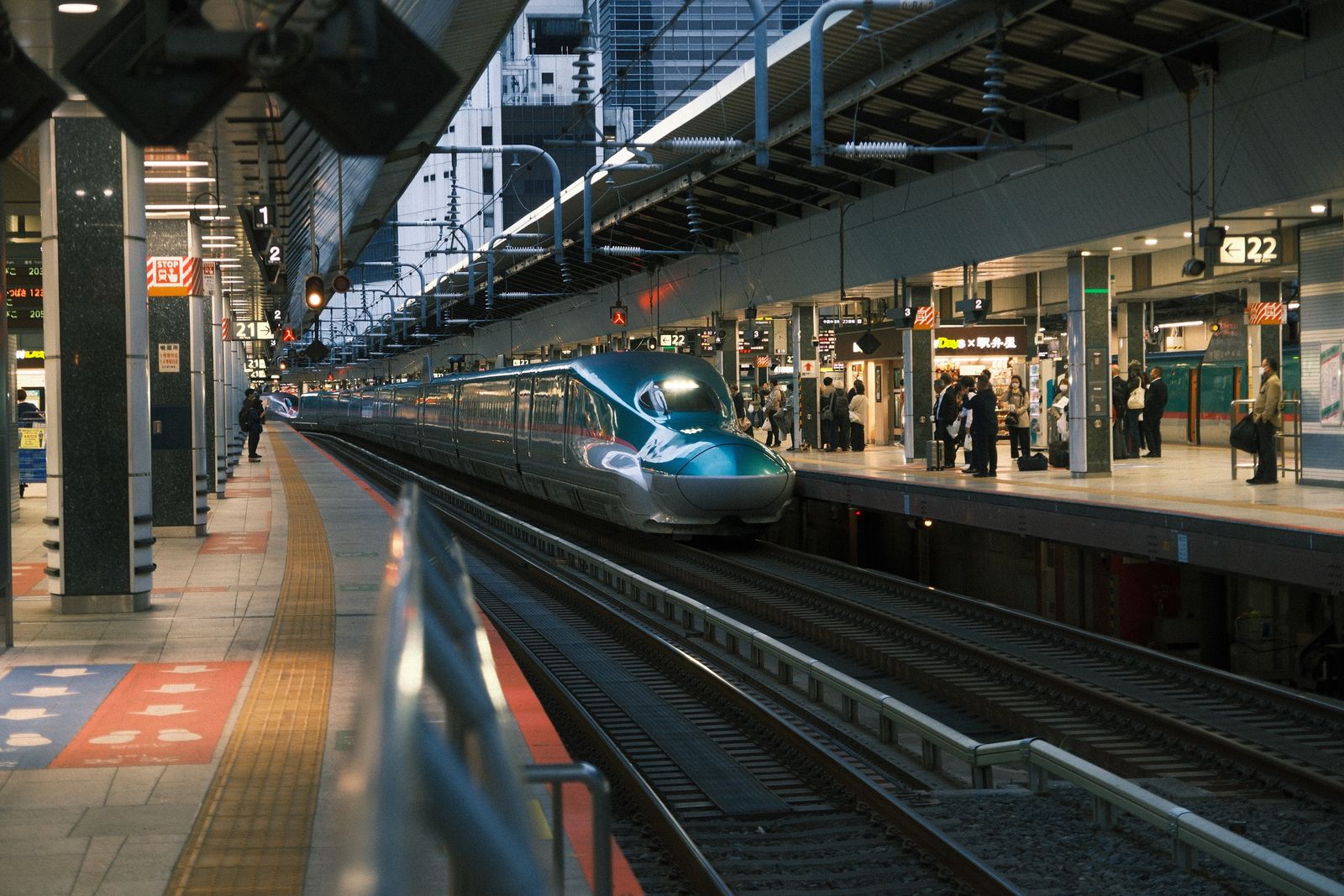
Stopping at the top of a staircase to check your phone. Standing across a ticket gate. Setting a suitcase down in a doorway. Blocking the train doors at rush hour while deciding.
Nobody will say anything. That is exactly why it keeps happening.
Step aside first, then look at your phone. That single habit covers most of it.
3. Obey the posted notice
If a sign says no food, no drinks, no phones, no entry, no photographs — it is not a suggestion, and it is not aimed at somebody else.
Japanese public space runs on posted requests that are followed without enforcement. The absence of anyone checking is not evidence that nobody minds.
JBJ'S TAKE
Three rules, not twenty.
If JbJ could delete everything else from every etiquette list on the internet and leave three lines, it would be these: don't photograph people, don't stand in the way, and read the sign.
Those three cover the situations where getting it wrong actually costs someone something — a stranger's privacy, a commuter's morning, a place's ability to keep functioning without a guard on the door.
Everything below this line is worth doing. None of it is worth being anxious about, and a visitor who spends their trip worried about chopsticks while standing in a doorway has got the priorities exactly backwards.
The ordinary courtesies
Worth doing. Nobody is policing them, and the worst case for getting one wrong is that nothing at all happens.
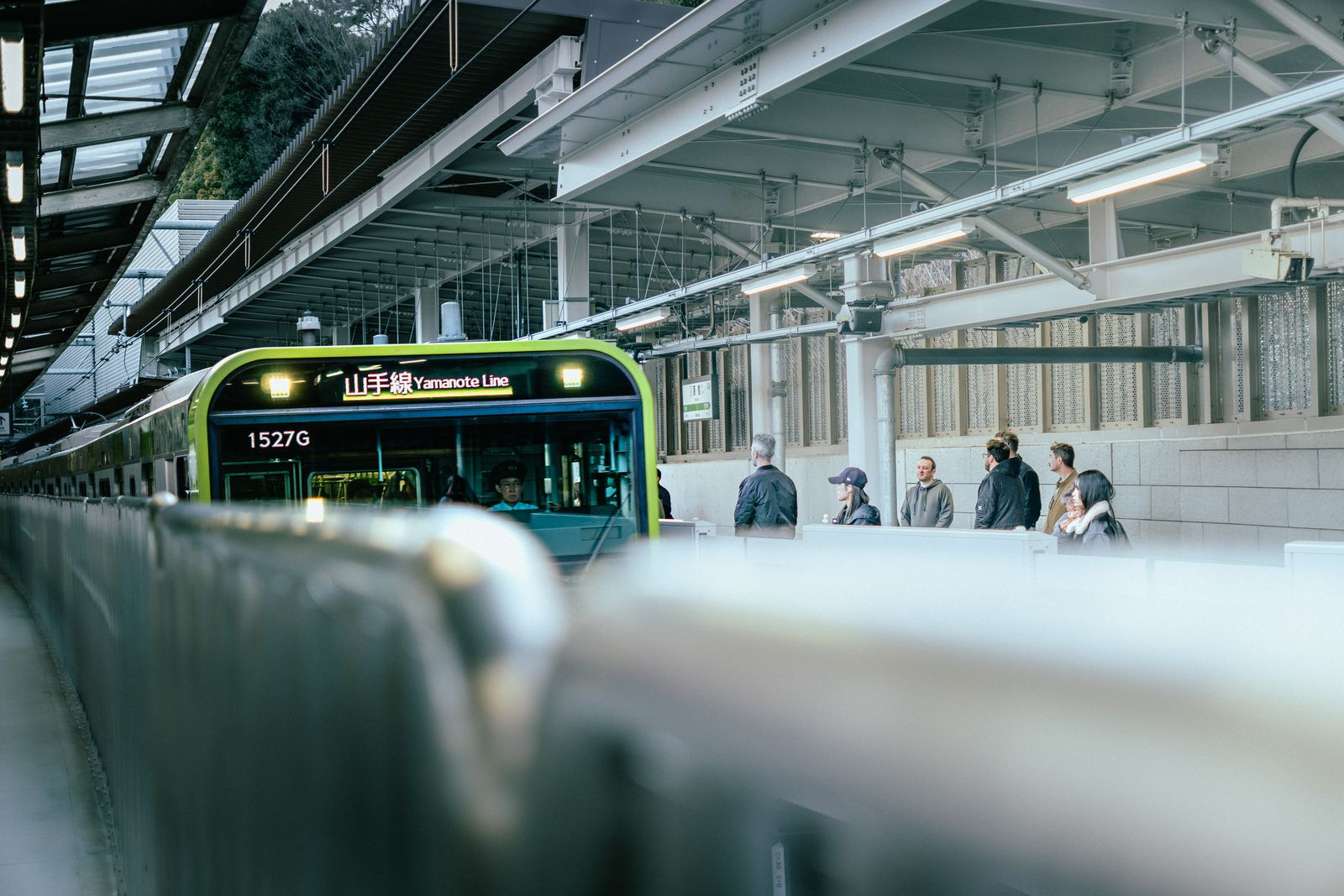
Keep your voice down on trains, and take phone calls off the carriage. This is real and consistent. It is also not absolute silence — conversation happens.
Queue at the marks on the platform, and let people off before boarding.
Escalators: stand on one side, walk on the other. Which side depends on the city, and both Tokyo and Osaka have official campaigns asking people to stand on both sides and not walk at all. Watch what the line in front of you is doing.
Chopsticks: don’t stand them upright in rice, don’t pass food chopstick-to-chopstick. Both resemble funeral practice. Beyond those two, you are fine.
Shoes off where there is a step up, a rack of slippers, or tatami. The floor level tells you.
Cash tray at the register. Money goes on the little tray, not into the hand.
The ones the guides have inflated
“Never eat while walking.” It is uncommon and it is not forbidden. Some specific streets — a crowded market with signs asking you not to — genuinely mean it. A convenience-store onigiri on a quiet street is not an incident.
“Tipping causes offense.” Tipping is not practiced and will usually be politely refused or chased down and returned. That is not offense, it is confusion. Don’t tip; nobody is upset with you.
“One mistake and you have insulted everyone.” No. Visitors are visibly visitors, and the ordinary reaction to a foreigner getting something slightly wrong is nothing at all.
JBJ'S TAKE
Anxiety isn't respect.
The etiquette-list genre has a structural problem: a page that says "most of this doesn't matter much" is less shareable than one promising twenty-five ways to embarrass yourself. So the lists get longer and more alarming, and the reader arrives braced for a test.
JbJ's position is that the anxiety is not respect and is not read as respect. Watching what people around you do, and stepping out of the way when you need to think, will carry you further than memorizing a list of prohibitions.
You will get some of it wrong. Everyone does, including Japanese people in unfamiliar situations. The recovery is the same everywhere: notice, adjust, move on.
Before you go
Read the sign, don’t photograph strangers, don’t stand in the doorway. The rest will come from watching.
If a specific venue is what’s worrying you, onsen etiquette covers the one place where the rules genuinely are strict and the reasons behind them are worth understanding. If the trip itself isn’t planned yet, start here.
Information checked: August 2026. The photography law referred to is Japan’s national offense in force since 13 July 2023; escalator campaigns and local rules vary by city and change.
FAQ
What is the most important rule for visitors to Japan?
Don’t photograph people without consent — in some settings it is a criminal matter rather than a manners question. After that, don’t block the flow of people, and follow posted notices.
Is it rude to eat while walking in Japan?
It is uncommon rather than forbidden. Certain crowded shopping streets post requests not to, and those are worth following. Eating a convenience-store snack on an ordinary street is not an incident.
Should I tip in Japan?
No. Tipping is not practiced and will usually be returned to you. That is not offense — it is simply not how it works here.
Which side of the escalator do I stand on?
It varies by city, and both Tokyo and Osaka now run campaigns asking people to stand on both sides rather than walk. Follow the line in front of you.
What happens if I get an etiquette rule wrong?
Almost always nothing. Visitors are obviously visitors and small errors are met with nothing at all. The exceptions are the three at the top of this page, which are worth getting right.