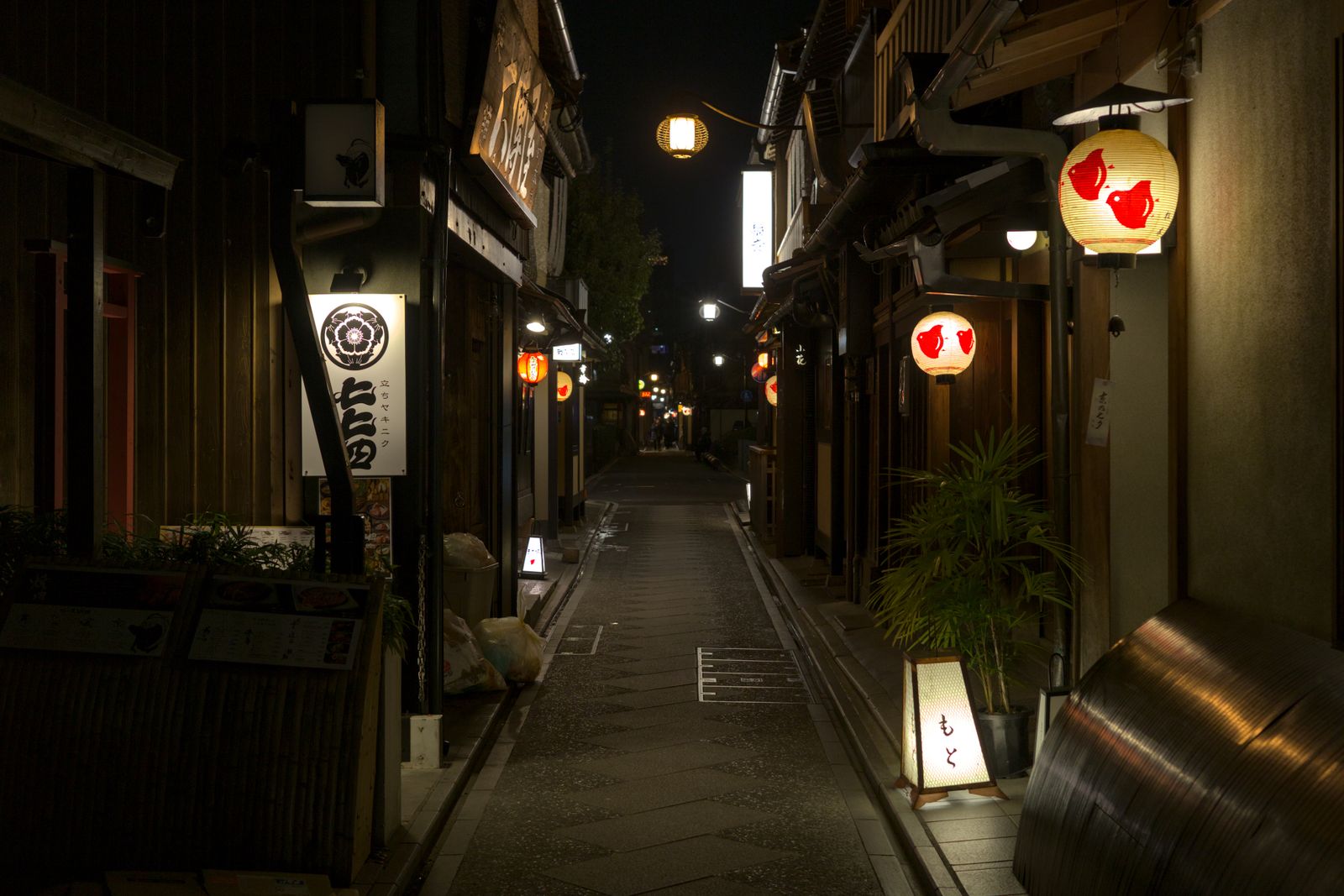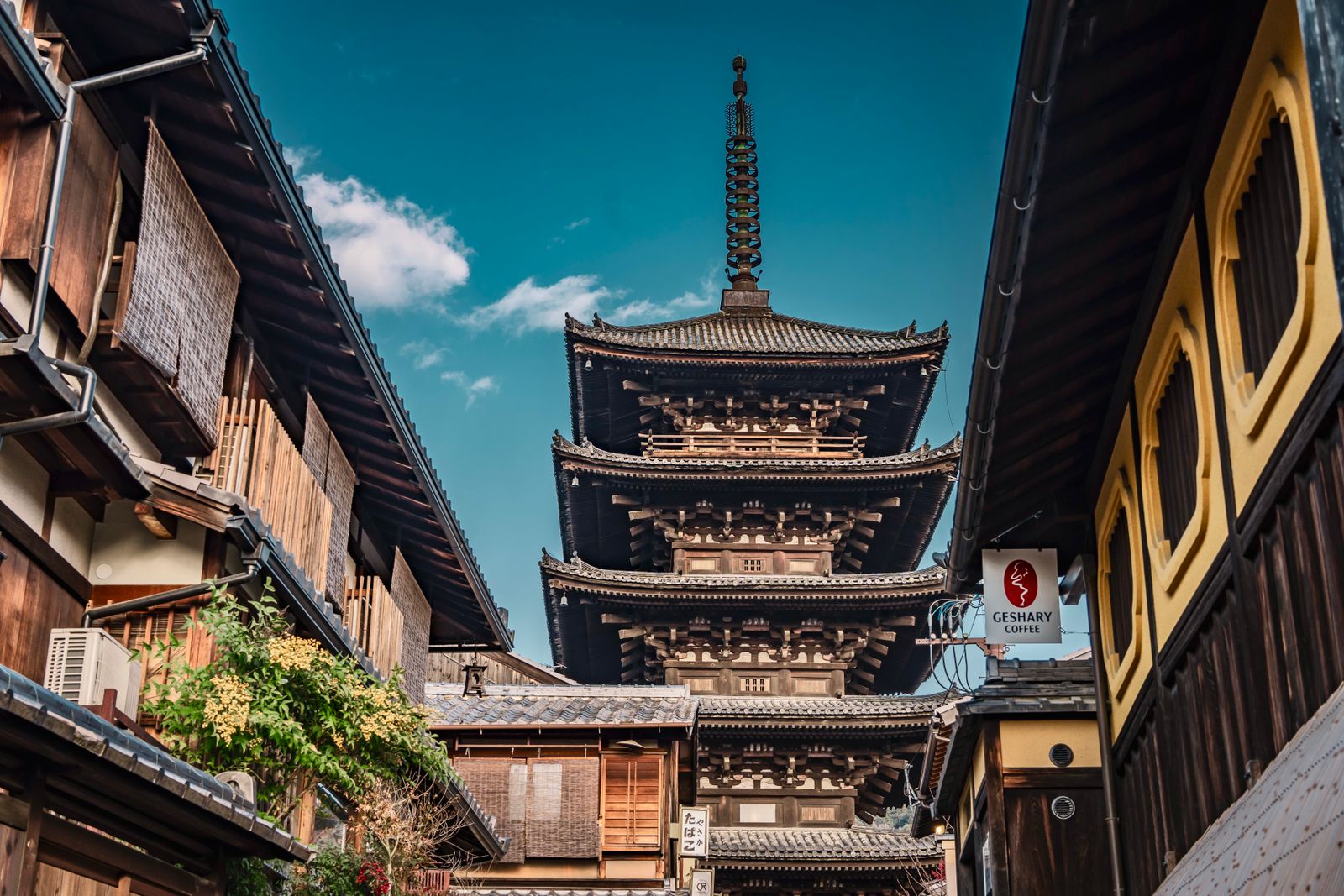
The five-story Yasaka Pagoda rising at the top of a narrow Kyoto lane lined with wooden machiya storefronts.

Kyoto is decided and the nights are counted. What’s open on the screen is a list of hotels, and every one of them sits in an area — Downtown, Gion, Kyoto Station, Arashiyama — that you’re apparently supposed to have an opinion on already. This page ranks three of those areas on one number you can check, declines two by name, and works out what the City’s lodging tax adds to the rate in front of you, per person, per night, since the bands changed on 1 March 2026. If the trip itself isn’t planned yet, the dates come first — start with the trip; this page assumes they’re done.

The order, first

Ranked on how late you can still get home to bed on a service the operator publishes a last run for. The details are under each area.

  1. Downtown / Shijo-Kawaramachi — the subway and the Hankyu run to about midnight from stations you walk to, and the rest of the city’s evening is a walk from here.
  2. Gion / Southern Higashiyama — the lanes you’re picturing, with a last bus out before 22:00; after that, the way home is the walk to Downtown’s stations.
  3. Kyoto Station — conditional: only if the Shinkansen, the Haruka or JR day trips carry your trip. It sits south of the center, and the evenings feel it.

Arashiyama and Okazaki are declined by name further down, with the reason for each.

And the tax, before anything else. Take the room-only rate — before consumption tax, service charge included — and divide it by the number of you in the room. If that lands at ¥6,000 or more and under ¥20,000 a head, the City adds ¥400 each, per night. Two of you, three nights: ¥2,400.

Kyoto is not laid out the way the map pin suggests

Kyoto Station is not the center. It sits south of it, at the southern edge of Shimogyo ward — the ward runs from Shijo-dori in the north down to the JR line — and the Hachijo side beyond the tracks is already Minami ward. The center you mean when you say “central Kyoto” is Shijo: the street, the subway stop, and the bridge where Shijo-dori crosses the Kamo river.

Gion begins at the east end of that bridge, in Higashiyama ward. Arashiyama is the other direction entirely, west across the Katsura river, and the Katsura is a ward boundary — Ukyo on the JR side, Nishikyo across the water. Hold those four facts and the rest of the page reads faster.

The name on this page, the ward on your booking site

A booking site doesn’t sell you “Downtown.” It sells you a ward, a station name, or a pin. Before you go looking for any area below, here is how each name on this page maps onto a label your site is likelier to know. If your site filters by ward, the ward column is the one to use; if it filters by station, the third column.

Name on this pageWardScored station or stop nearbyWhere it sits
Downtown / Shijo-KawaramachiShimogyo (south of Shijo-dori) · Nakagyo (north of it)Shijo on the Karasuma line; Karasuma-Oike and Kyoto-Shiyakusho-mae on the Tozai line; Hankyu Kyoto-KawaramachiThe center: both sides of Shijo-dori, west bank of the Kamo
Gion / Southern HigashiyamaHigashiyamaCity bus 206 at Gion; Hankyu Kyoto-Kawaramachi about 8 min on foot from Yasaka ShrineEast bank of the Kamo, from the east end of the Shijo bridge
Kyoto StationShimogyo (the station) · Minami (Hachijo side, south of the JR line)Kyoto Station: Karasuma line, JR, Shinkansen, city bus 206South of the center, two subway stops below Shijo
ArashiyamaUkyo (JR side) · Nishikyo (across the Katsura)Not scored — city bus 28 only, see belowWest, across the Katsura river
Okazaki / Northern HigashiyamaSakyoNot scored — the Tozai line heads that way from Sanjo-KeihanThe northern end of the Higashiyama side

This table is for finding the block, not choosing it. The choosing is below.

What this page ranks on — and what it costs out

One axis. How late can you still get back to your bed without paying for a taxi. A last-train time only counts if the train stops near where you sleep, and only if the time comes off the operator’s own timetable.

That second condition does real work. The scored services are the Karasuma and Tozai subway lines, city buses 206 and 28, and the Hankyu line at Kyoto-Kawaramachi, because their last runs are on the operators’ published pages. Keihan, the Randen, the Hankyu Arashiyama branch and the JR Sagano line aren’t scored: their last trains can’t be read from operator material, so they count for nobody. An area next to a Keihan station gets no credit for it here, and an area that leans on the Randen gets no score at all.

Price is not an axis. Nobody publishes a rate for an area, and this page won’t make one up. What it does with price is narrower and more useful: every recommended area below takes a rate — an example rate, labeled as one — and shows what the City adds to it, per person, per night. The arithmetic is the same whichever area you pick; only the rate you plug in changes.

The five bands, per person, since 1 March 2026

Kyoto’s accommodation tax is charged per guest, per night, and the band is set by the per-person charge, not by the room’s total.

Room-only rate per person, per nightTax per person, per night
Under ¥6,000¥200
¥6,000 to under ¥20,000¥400
¥20,000 to under ¥50,000¥1,000
¥50,000 to under ¥100,000¥4,000
¥100,000 and above¥10,000

The City’s method is division: the room’s rate divided by the number of guests in it is the per-person figure that picks the band. The rate that counts is the room-only rate — before consumption tax, with any service charge included, and with meals left out. The current table is on Kyoto City’s accommodation-tax page.

Two edges matter for most rooms: ¥6,000 a head, below which it’s ¥200, and ¥20,000 a head, at which it becomes ¥1,000. Everything between them is ¥400.

JBJ'S TAKE

Charm can't be checked against a timetable. A last bus can.

This page ranks on one thing: how late you can still get back to your bed without paying for a taxi, on a service whose last run the operator itself publishes, and that actually stops near where you sleep. Not on atmosphere. Atmosphere is real. It's also the one thing here you can't verify before you book, so it doesn't decide the order.

That rule cuts both ways. Keihan and the Arashiyama lines aren't scored, because their last trains couldn't be read from operator material — so they don't count for anyone, including the areas that would've looked better with them. A rule you relax for the areas you like isn't a rule.

And price isn't an axis, because an area doesn't have a rate — a room does — and JbJ won't invent a district price to rank with. What this page does instead is take the rate you're already looking at and tell you what the City adds to it, per head, per night. That's arithmetic, not opinion.

The areas, ranked

1. Downtown / Shijo-Kawaramachi — Shimogyo ward south of Shijo, Nakagyo north

For the reader whose evenings are the point, and who wants the most ways home from them.

Every scored service that runs to about midnight stops inside this block. The Karasuma subway line is at Shijo, and the last southbound train — the one toward Kyoto Station — leaves at about 23:57. The Tozai line crosses at Karasuma-Oike and Kyoto-Shiyakusho-mae; its last runs are read one stop east at Sanjo-Keihan, about 23:49 westbound toward those two stations and about 23:58 eastbound. Hankyu’s Kyoto-Kawaramachi is where the line to Osaka-Umeda begins, and local trains toward Katsura leave until about midnight on every day type. Across the Shijo bridge is Keihan’s Gion-Shijo, where the Limited Express stops — not scored, so treat it as extra rather than as a reason. Yasaka Shrine is about eight minutes on foot from Hankyu Kyoto-Kawaramachi, and that eight is the number the next block turns on.

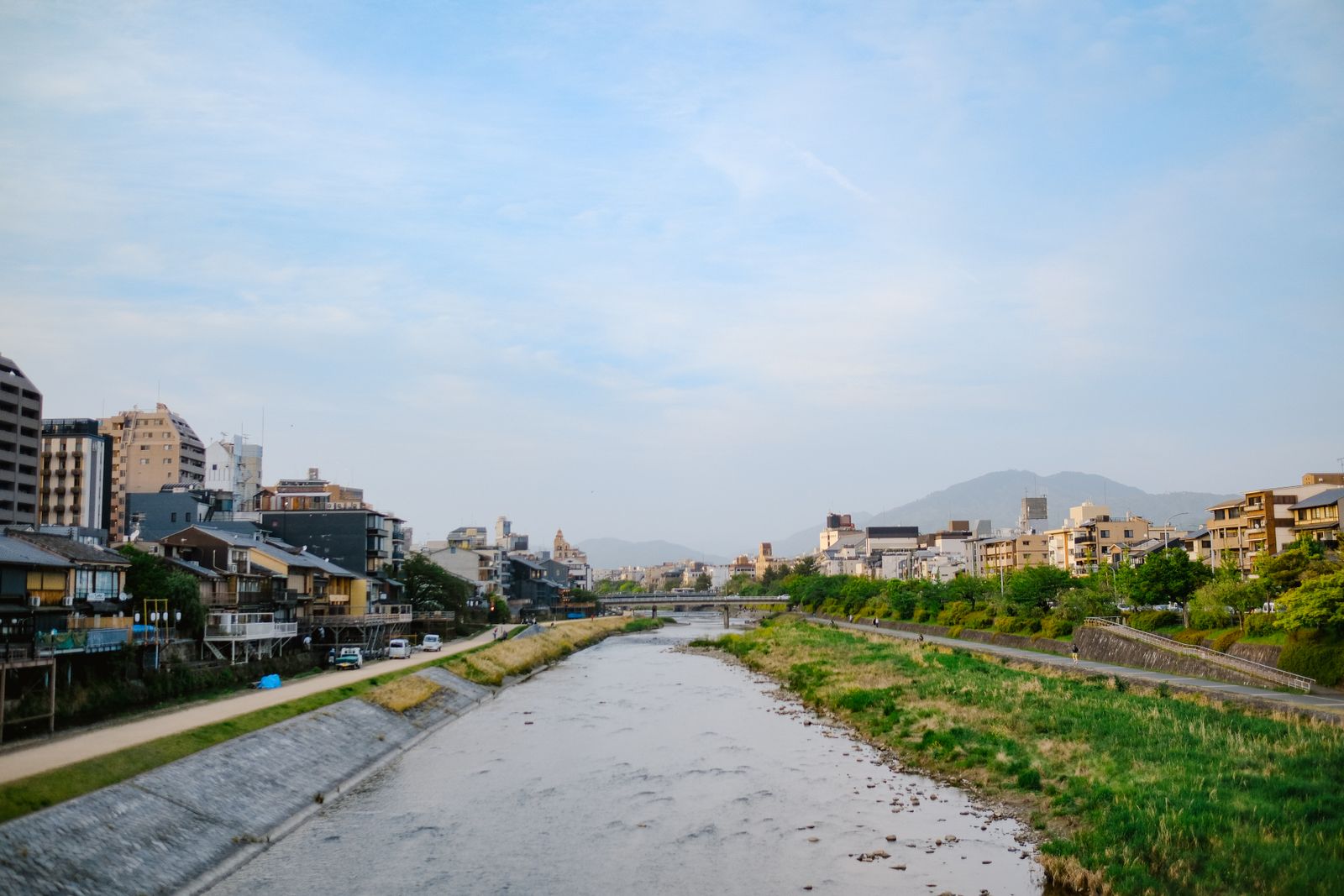
The Kamo river seen from a bridge, gravel bed and embankment paths on both banks, restaurant terraces and mid-rise hotels along the west bank and the Higashiyama hills behind.
The Kamo from the Shijo side: Downtown's restaurants and hotels on the near bank, Gion starting at the far end of the bridge.

Who should look elsewhere: anyone who wants to wake up inside the temple lanes rather than walk to them. Eight minutes gets you to the shrine; it doesn’t put the lane outside your door, and if that’s what Kyoto means to you, the next block is yours.

At the rate you’re seeing here — take a ¥20,000 twin as the example, room-only, before consumption tax, service charge included, two of you in it — that’s ¥10,000 a head, in the ¥6,000-to-under-¥20,000 band: ¥400 each per night, ¥800 for the room, on the current table applied the City’s way. The ¥20,000 is an example rate, not what Downtown costs. Put your own rate in and the steps are the same.

If your evenings are the trip, this is the base. Every service on this page that runs to about midnight stops in this block, and the last leg home is a walk.

Search stays under Shimogyo or Nakagyo ward, or simply “Shijo-Kawaramachi”, and you’re in this block.

2. Gion / Southern Higashiyama — Higashiyama ward

For the reader who chose Kyoto for the lanes, and whose evenings either end before ten or end with a walk.

Gion’s own service back to Kyoto Station is city bus 206, and the last one from the Gion stop leaves at 21:56 on weekdays and 21:58 on the Saturday and holiday timetable — before 22:00 on every day type. In the other direction the last 206 from Kyoto Station toward Gion leaves at 23:06, so getting into Gion late is easier than getting out of it. After 22:00 the way home from Gion is on foot to Downtown’s stations, which run to about midnight: Yasaka Shrine is about five minutes from Keihan Gion-Shijo and about eight from Hankyu Kyoto-Kawaramachi. That walk is what puts Gion second and not first. Keihan runs along the river side of the district — Gion-Shijo, where the Limited Express stops, and Kiyomizu-Gojo, where only sub-express and local trains do — on one line through to Osaka. It isn’t scored here.

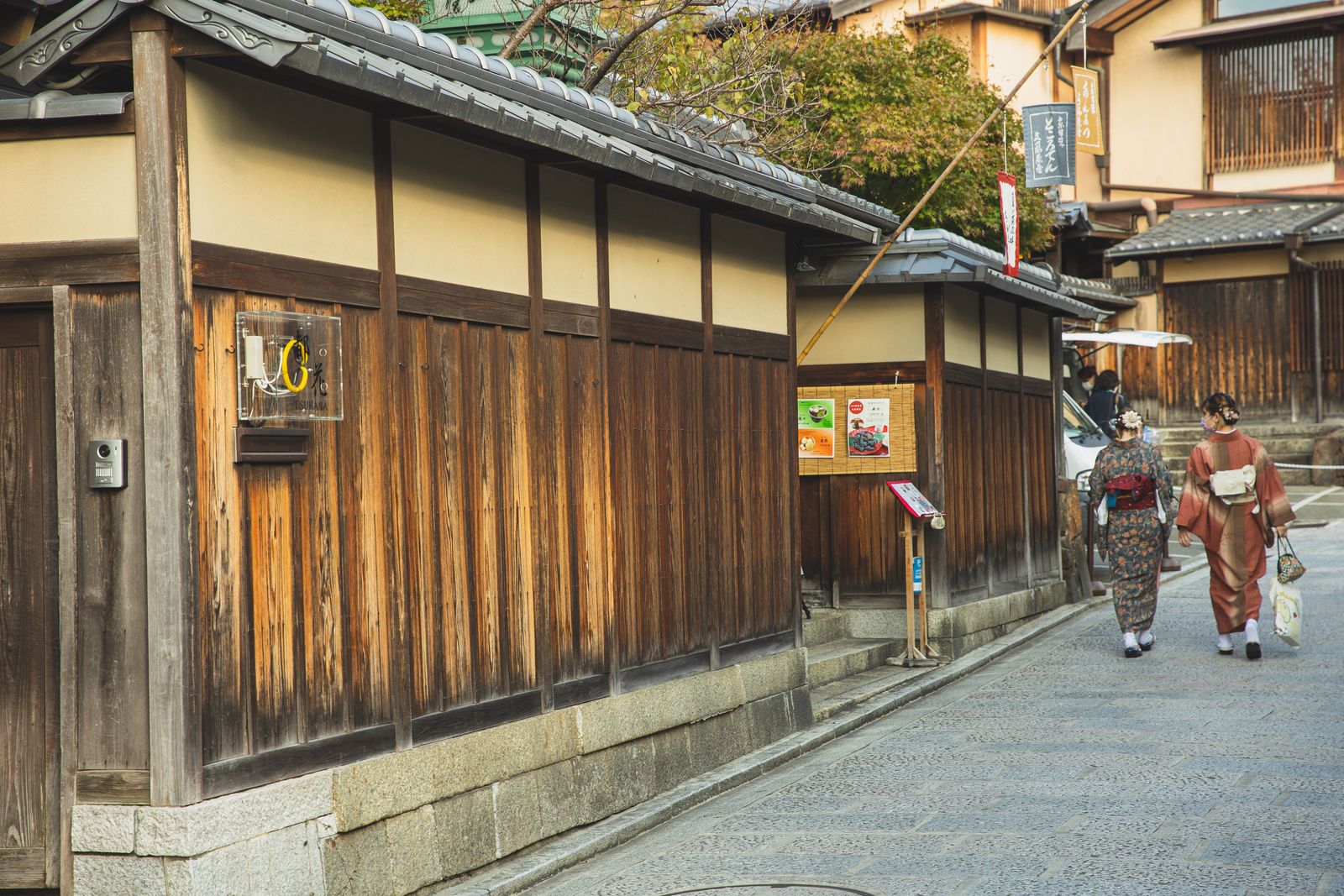
A stone-paved lane in Kyoto's preserved Higashiyama district, wooden lattice walls and tiled eaves on both sides, two women in kimono walking away from the camera.
The preserved lanes of Southern Higashiyama. After about 22:00, leaving them by bus is over for the night; the walk to Downtown's stations is not.

Who should look elsewhere: anyone whose evenings run past ten and whose room is deep in the district rather than near the Shijo bridge. The walk to the last train is counted from Yasaka Shrine, and a room further from the bridge makes it longer every night.

At the rate you’re seeing here — a ¥60,000 twin as the example, room-only, before consumption tax, service charge included, two of you — that’s ¥30,000 a head, in the ¥20,000-to-under-¥50,000 band: ¥1,000 each per night, ¥2,000 for the room. One thing to check first: if the rate includes dinner, the meal comes out before you divide, because the tax is on room and service charge only. And ¥60,000 is an example, not a Gion price.

If waking up inside the lanes is the reason you chose Kyoto, stay here — and choose the room by its distance from the Shijo bridge, because after 22:00 that distance is the way home.

Search stays under Higashiyama ward, or simply “Gion”, and you’re in this block.

3. Kyoto Station — Shimogyo ward (Minami on the Hachijo side)

Recommended on one condition, and the condition is about your itinerary, not your taste: the trip is bracketed by the Shinkansen or by the Haruka — Kyoto to Kansai Airport in about 80–85 minutes — or it’s built on JR day trips, with Inari two stops down the Nara line in about 5–6 minutes and Saga-Arashiyama about 11–15 minutes out on the Sagano line. If that describes your days, this block is a fair pick. If it doesn’t, the rest of it is the case against.
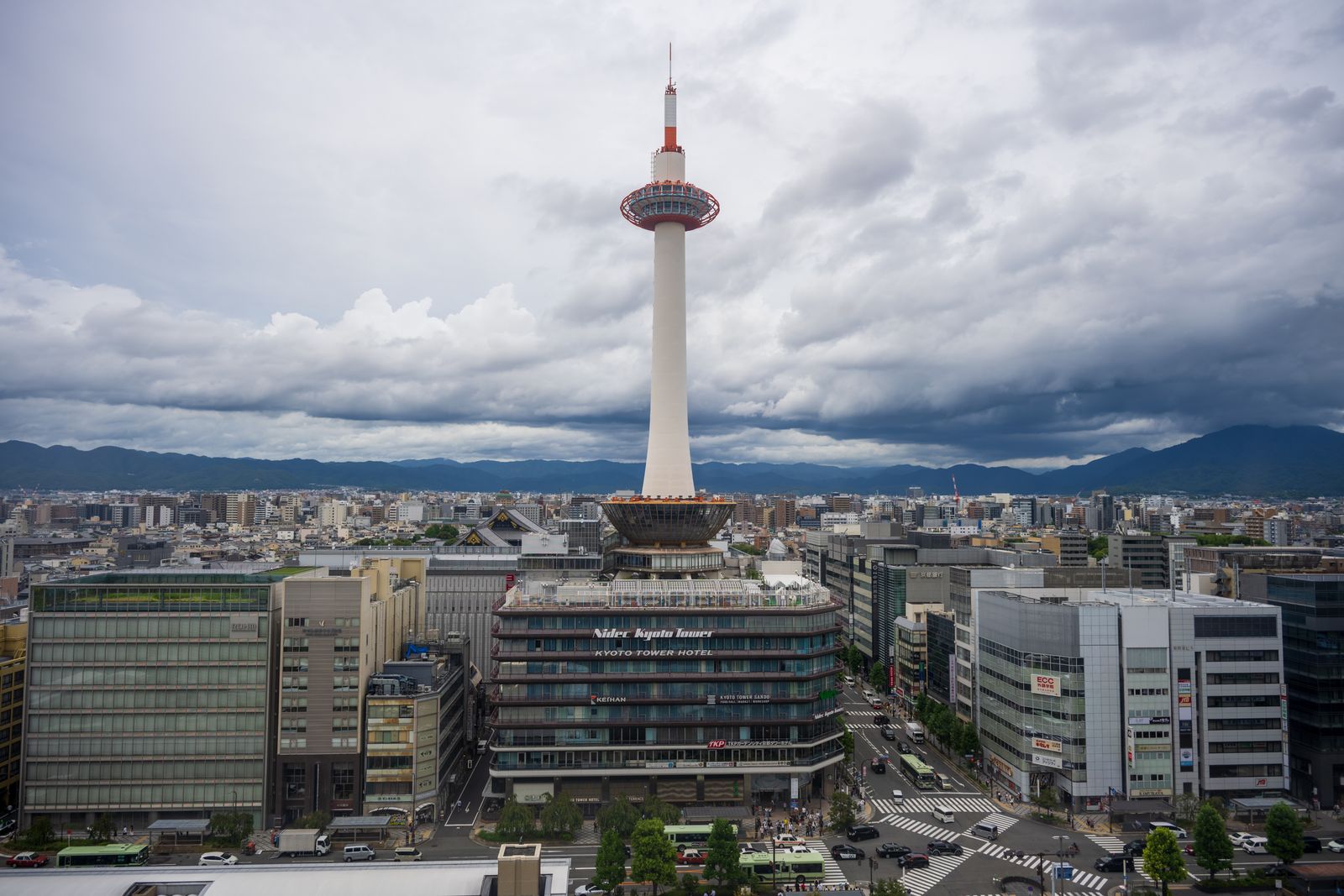
The station sits south of the center, at the southern edge of Shimogyo, with Minami ward starting on the Hachijo side of the tracks. The Karasuma line runs two stops north to Shijo; the last train up leaves Kyoto Station at about 23:47, and the last one back down from Shijo is about 23:57. Gion is a bus ride: the 206 from Kyoto Station runs toward Gion until 23:06, but the last one back from Gion leaves before 22:00 on every day type, so a Gion evening ends with the walk to Shijo and the subway down. City buses take a large suitcase on request and at the driver’s discretion — it isn’t a right, and there’s no luggage fee. If you’d rather not gamble on it with a full bag, the lockers and counters are the other route.

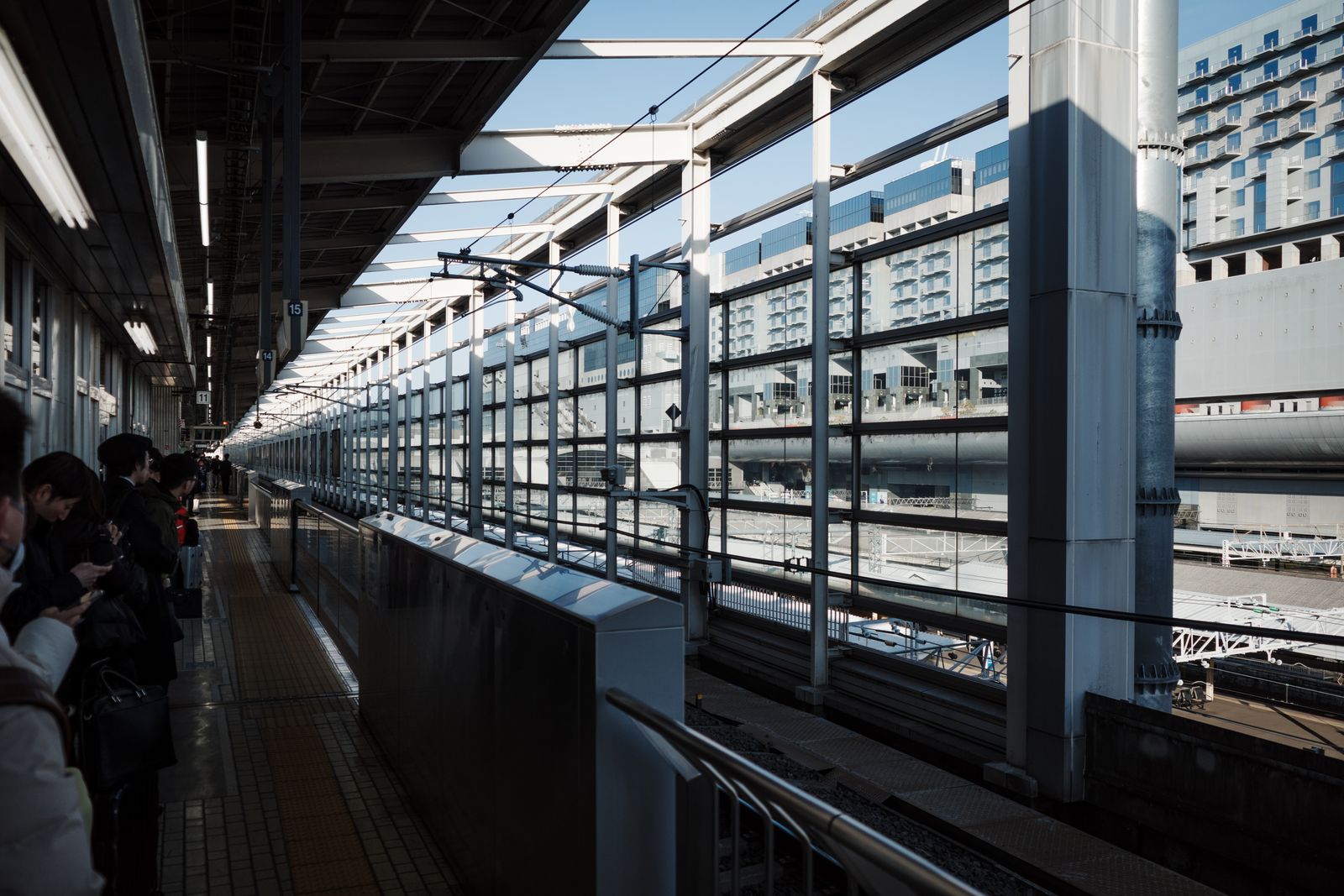
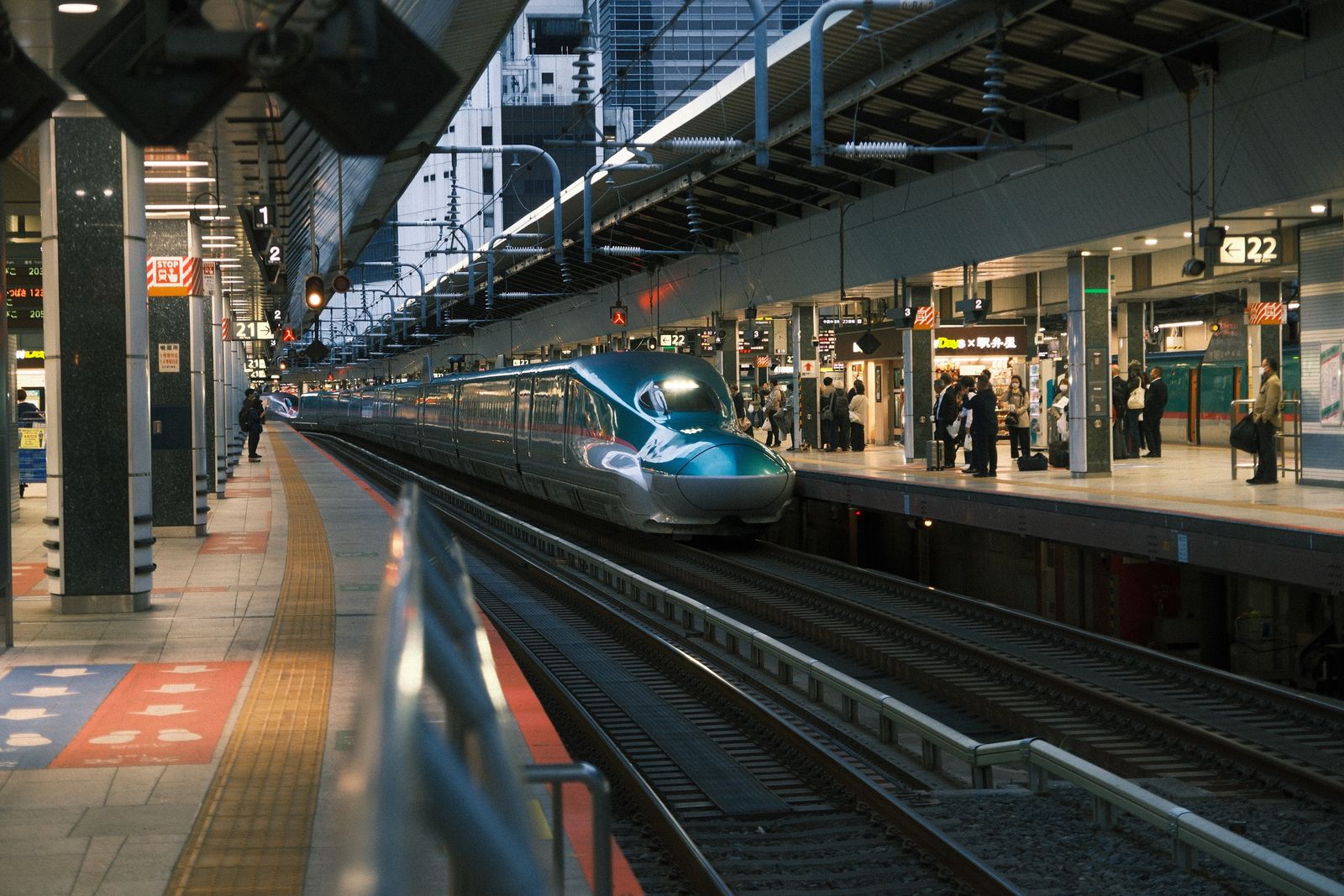
An elevated Shinkansen platform at Kyoto Station with full-height platform doors, car-stop markers hanging from the canopy, and the glass station building and hotel tower rising behind.
The Shinkansen platform at Kyoto Station, hotel tower behind it. This is the argument for the area, and it's the whole argument.

Who should look elsewhere: anyone who arrives by Haruka, drops the bag, and then spends every evening across the river. The bracket is two days. The evenings are all of them.

At the rate you’re seeing here — a ¥40,000 room for four, room-only, before consumption tax, service charge included — that’s ¥10,000 a head: ¥400 each per night, ¥1,600 for the room. A bunk at under ¥6,000 per person is the bottom band, ¥200 a night. Both are example rates; neither is what the area costs.

Stay here if the Shinkansen, the Haruka or JR day trips are the spine of the trip. If they aren’t, the platform is the only thing this area has over the two above it.

If that condition holds, search stays under Shimogyo ward, or simply “Kyoto Station”, and you’re in this block.

JBJ'S TAKE

Kyoto Station wins the arrival day and the departure day. Count the evenings.

Sleeping beside the train buys you the two days that bracket the trip — off the Shinkansen or the Haruka and into your room without a second train — and it buys every JR morning out to Inari, two stops, or Saga-Arashiyama, about 11–15 minutes. If those days carry your trip, the condition holds and the area is a fair pick.

What it costs is evenings. The station sits south of the center, and the last 206 back from Gion leaves before 22:00 on every day type. So a Gion evening ends with a walk to Shijo and the subway back, which runs to about midnight. Manageable once. It's the shape of every night you spend out.

So don't decide this one by night count. The guides that hand you a number don't agree with each other, and none of them can see your itinerary. Decide it by what your days are made of. If the Shinkansen and the JR day trips carry the trip, stay here. If the evenings do, stay where the evenings are.

Two areas this page will not recommend as a first base, by name

Arashiyama — Ukyo ward on the JR side, Nishikyo across the Katsura

The one return this page can put a time on is city bus 28 to Kyoto Station, and its last run is 21:58 on the Saturday and holiday timetable — the weekday last run isn’t on this page. The Randen runs from Arashiyama to Shijo-Omiya in 24 minutes at a flat ¥250, and the Hankyu branch reaches Katsura for the Kyoto line, but neither line’s last train can be read from the operator, so the area can’t be scored. On this page’s axis that counts against it, not for it.

Then the label trap. One name covers two wards and stations on two operators: JR Saga-Arashiyama is in Ukyo, about eight minutes on foot from the Togetsukyo area; the Randen’s Arashiyama is about four minutes from it; and a listing tagged Nishikyo is across the Katsura from the JR station. “Arashiyama” on a filter can be any of them.
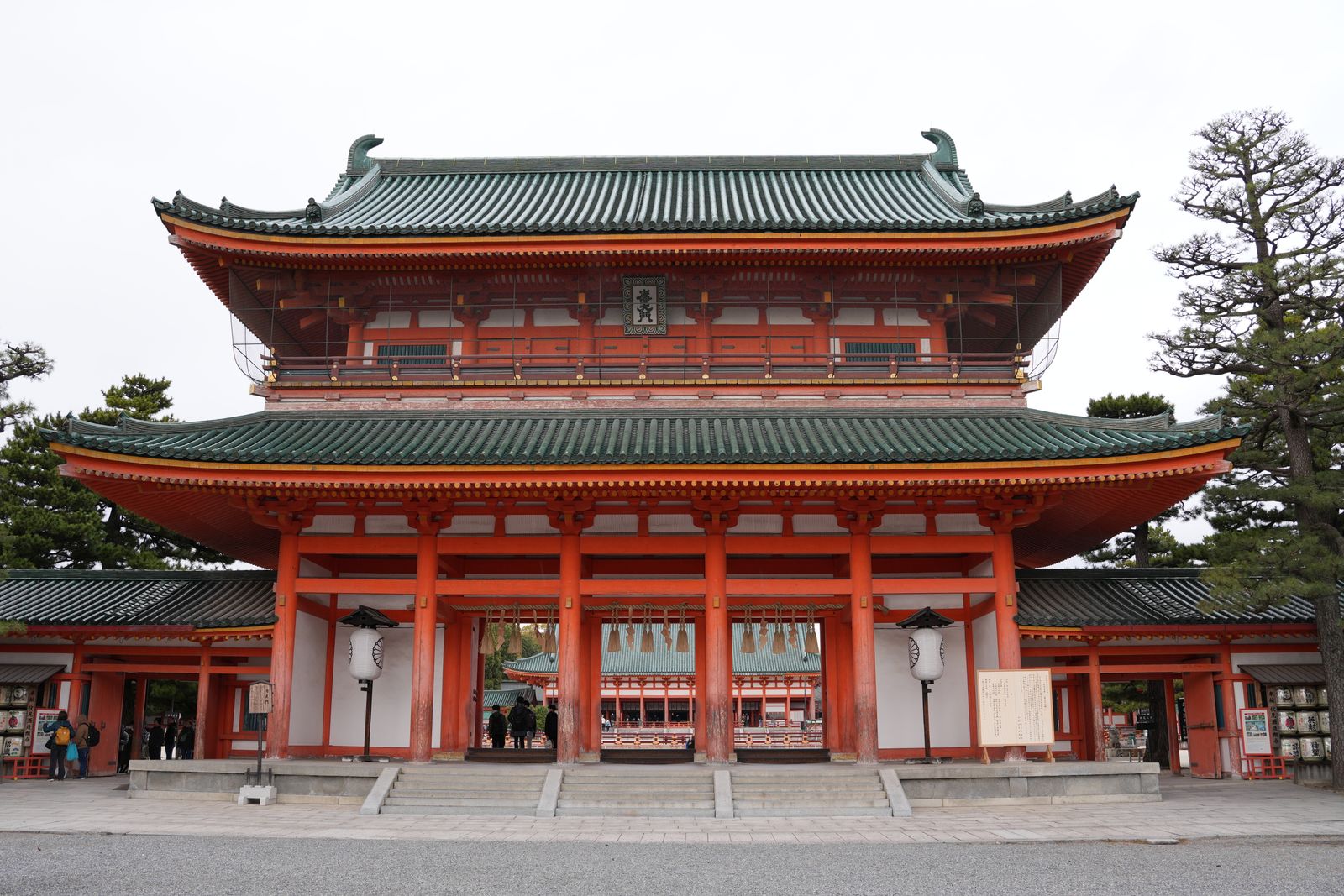
Tall bamboo stems seen from below, the canopy closing overhead.
A bamboo grove. The reason Arashiyama is on the shortlist at all — and a day-trip reason, not a sleeping one.

Okazaki / Northern Higashiyama — Sakyo ward

The Tozai line runs toward it, but the last-run times this page scores on are read at Sanjo-Keihan and no closer, and there’s no walking figure to tie Okazaki to a scored station. It was never in the tie either. Declined on the axis, not on the area.

Reading the price on your booking site against the band

The band comes off the room-only rate, and the number a booking site shows you first may not be it. Five traps, each worth one check.

The tax-inclusive price isn’t the base. A ¥40,000 tax-inclusive price for two is about ¥36,364 before the 10% consumption tax, which is ¥18,182 a head — the ¥400 band, not the ¥1,000 band that ¥20,000 a head would put you in. Strip the consumption tax before you divide.

Service charge counts; meals don’t. A service charge is part of the room rate for this purpose. A dinner-inclusive rate has to be split before you divide, and only the room-and-service part goes in.

A charged child is taxed. The tax doesn’t turn on age; it turns on whether a charge applies. A child who has a room charge is counted like anyone else.

The band is set by the date you stay, not the date you booked. A booking made before March for a stay on or after 1 March 2026 pays the current rate, and a guest who prepaid at the old rate pays the difference.

Then multiply. Per person, per night — so by heads and by nights. ¥400 for two over three nights is ¥2,400; the same couple in the ¥1,000 band is ¥6,000.

The band is fixed. The rate you’re dividing is the part that moves, and it moves with the calendar — the cheap months are their own page.

JBJ'S TAKE

¥10,000 is the number that travels. ¥400 is the one you'll pay.

The figure that gets passed around is the top band: ¥10,000 a night, per person, and only once the room-only rate is ¥100,000 a head. Tenfold is true up there — it was ¥1,000. It has nothing to do with a couple in a ¥20,000 twin.

Your number sits in the middle band. Divide the room-only rate by heads; if that lands between ¥6,000 and ¥20,000, it's ¥400 each, per night. Two of you, three nights: ¥2,400. That band did double in March — it was ¥200 — so the change is real. It just isn't dramatic.

The guides on this question don't put that arithmetic beside the area they tell you to book — JbJ couldn't find the two connected anywhere it looked. So it's done here, on every recommended area, on the rate you're holding. Budget ¥400 a head a night for a mid-range room. The ¥10,000 belongs to somebody else's room.

FAQ

Is Kyoto’s accommodation tax per person or per room?

Per person, per night. Divide the room-only rate — before consumption tax, service charge included — by the number of guests, find the band, then multiply by heads and by nights. A child who is charged for the room is taxed like an adult.

Do I need to stay near Kyoto Station?

Only if the condition in block 3 holds: the Shinkansen, the Haruka or JR day trips carry the trip. Otherwise the station is two subway stops south of the center, and the last bus back from Gion leaves before 22:00 — for a trip built on evenings, that’s the reason to be in Downtown or Gion instead.

Kyoto or Osaka as the base?

This page assumes Kyoto is decided. For the reader still weighing it, two lines run direct between the areas above and Osaka: Hankyu from Kyoto-Kawaramachi through to Osaka-Umeda, and Keihan from Gion-Shijo through to Yodoyabashi. The decision itself is a different question, and it belongs on a different page.

Can I take a suitcase on a Kyoto city bus?

On request, at the driver’s discretion. The Transportation Bureau’s guide says very large or very numerous bags may be refused at the driver’s judgment, and points you to lockers and baggage services instead. There’s no luggage fee. If the bus is the only way to your hotel and the bag is big, the lockers and counters are the safer plan.

Before you book

Downtown, then Gion, then Kyoto Station on its condition — in that order, on how late you can still get home to bed on a published last run. Arashiyama and Okazaki are declined by name on the same axis, and the reason for each is above. The tax is per person, per night, off the room-only rate, and the arithmetic for your own rate is in the band table.

Three pages sit beside this one. If your dates aren’t fixed, when to go is the earlier decision, and what the cheap months actually cost is the price half of it. If Tokyo is the other end of the trip, the Tokyo version of this page ranks on a different axis, for a different city. And if none of it is planned yet, start with the trip.

Information checked: 2026-09-05. Subway last-run times are the Kyoto Municipal Transportation Bureau’s station timetables dated 2025-02-22, as the Bureau serves them today; city-bus times are the Bureau’s timetables in force from 2026-03-20; the tax bands are Kyoto City’s rates page, updated 2026-03-27. Timetables get revised — check the operator’s page for the minute before you build a night on it.