There are two halves to the cheapest-time question, and only one of them can honestly live on a page.
Which weeks Japan’s own rail operators designate as low-demand is published, checkable, and fixed a year ahead. What your flight and your room will actually cost is not — that number exists only in a fare tool pointed at your route and your dates. Any page quoting one is showing you a stale screenshot.
So this page does the half it can do. Japan’s quiet weeks are quiet for reasons, and the whole decision is which reason you can live with.
The short answer
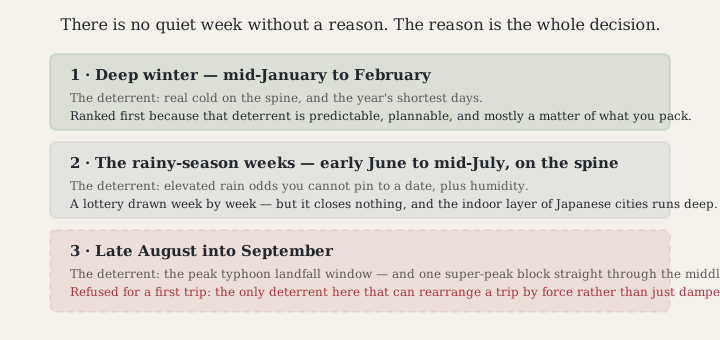
Three windows, each with the deterrent that created it. There is no quiet week without one.
JBJ'S TAKE
Deep winter.
Of the three, deep winter is the one JbJ would hand a first trip.
Cold is the only deterrent on this list that's predictable, plannable, and mostly a matter of what you pack. Rain is a lottery drawn week by week. The typhoon tail can rewrite an itinerary by force.
Cold just asks for a coat.
And what you get for it is a country running completely normally on weeks its own rail operator has marked down. Short days and real chill make the best trade on this board, and it isn't close.
What “cheap” actually means here
Nobody publishes what Japanese flights and rooms cost by season. There is exactly one official seasonal price rule, it belongs to the railways, and everything on this page rests on it.
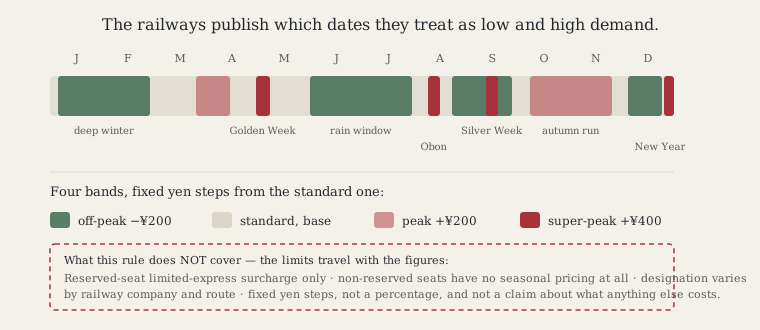
The value isn’t the ¥200. It’s the calendar attached to it: JR publishes, a year ahead, exactly which dates it treats as low and high demand. That’s the only thing on the Japanese travel calendar that behaves like a published price signal.
Every date on this page comes from the current fiscal-year calendar, which runs to March 31, 2027. How the following April is designated is published separately and isn’t quoted here.
One thing the arrivals data kills before we start: the story that foreign demand piles onto Japan’s domestic holidays. Japan received about 42.7 million overseas visitors in 2025, and spread across the year those arrivals are comparatively flat. January 2025 ran at 121,974 a day, above the year’s average of 116,941. August 2025 — the month of the domestic homecoming — ran at 110,581, below both.
What moves on a fixed schedule is domestic demand, because the law moves it.
The Monday-to-Thursday rule
This is the most useful fact on the page, and it takes ten seconds to act on.
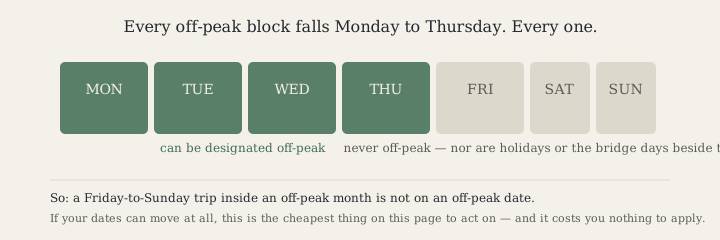
Every off-peak block falls Monday to Thursday. Weekends, national holidays and the bridge days beside them are never designated off-peak.
So a Friday-to-Sunday trip taken inside an off-peak month is not on an off-peak date. If your dates can shift at all, shift them mid-week before you do anything else.
The three windows
Deep winter — mid-January to February
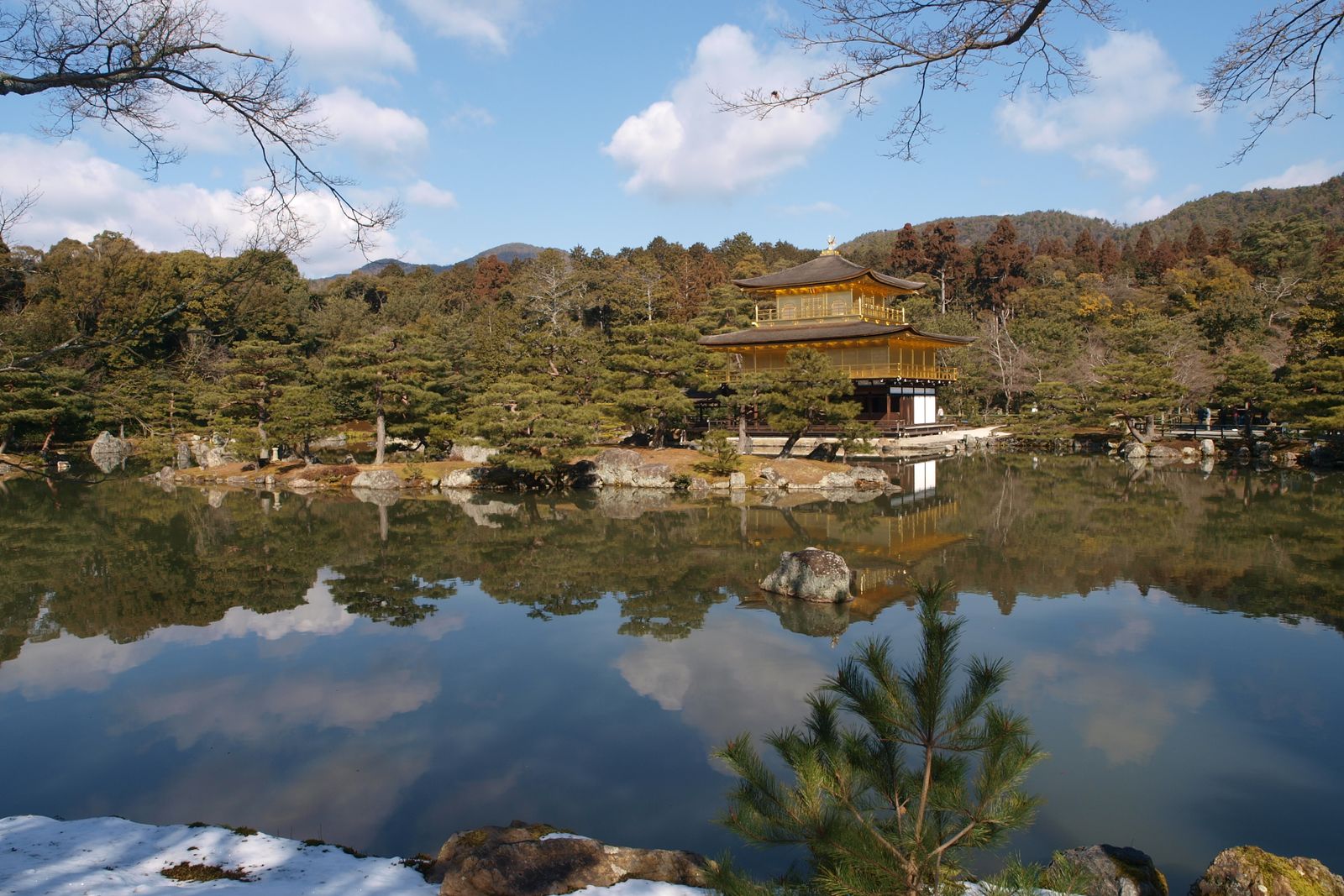
The mechanism is absence. After the New Year period closes, nothing makes the whole country travel at once for weeks. JR’s calendar agrees on paper: the off-peak designation resumes January 6, 2027 and then takes nearly every Monday–Thursday block into early March.
And here is the myth to drop before you book: the world does not stay away in deep winter. January 2025 was the largest single month of inbound arrivals Japan had ever recorded to that point — 3,781,200, up 40.6% year on year. What goes quiet is the Japanese domestic calendar, and that is the demand being priced. You are not getting an empty country. You are getting a cheaper one.
What it costs you: real cold on the main-island spine, and the year’s shortest days. What it doesn’t cost you is access — from mid-January the cities are running normally.
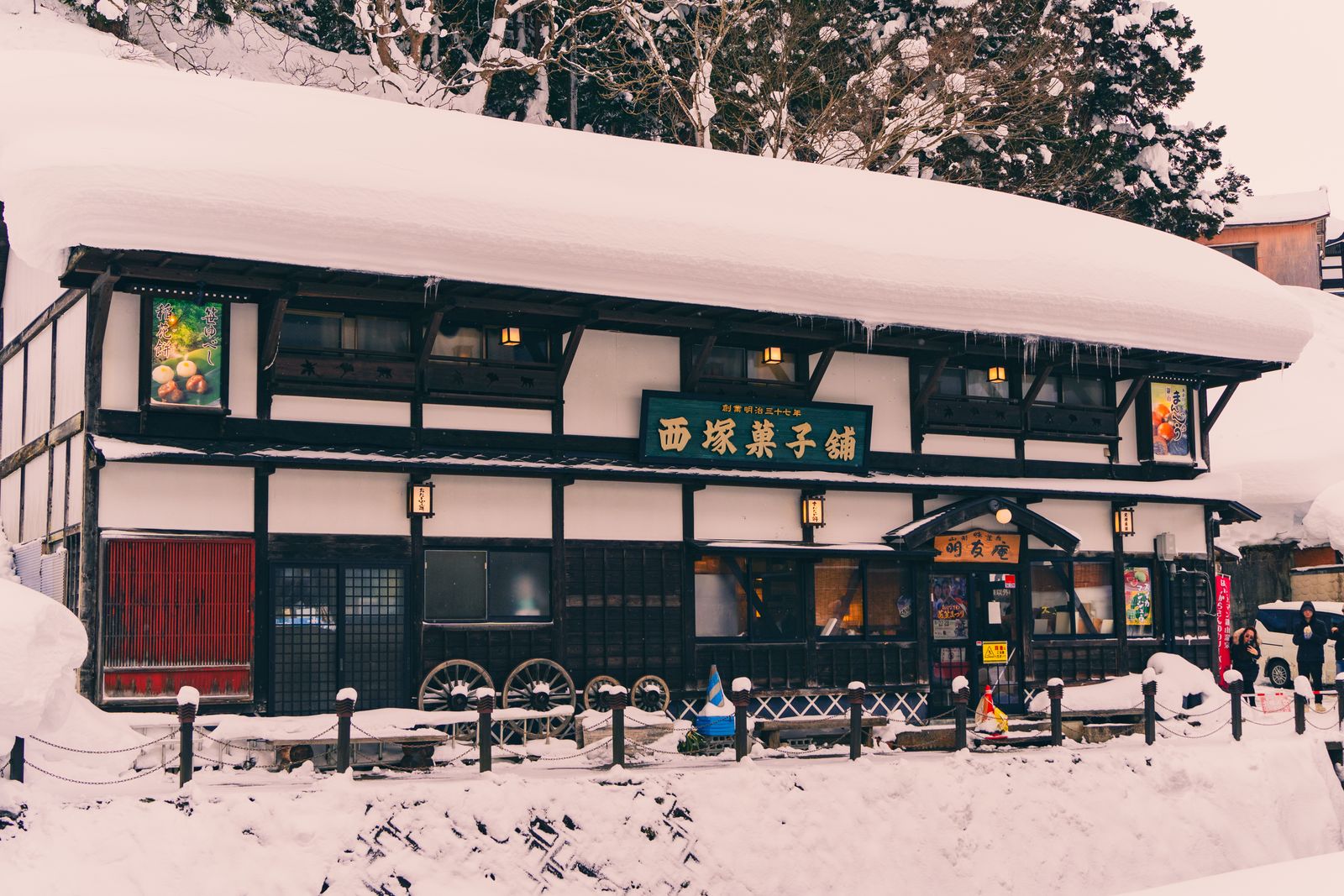
One honesty clause the cheap-Japan lists skip: this pattern lives on the spine. In snow country these same weeks are the season being sold. Quiet on the spine, busy in the mountains.
The rainy-season weeks — early June to mid-July
Weather doing the calendar’s job. Between the holiday run in early May and the summer travel season, the rain window settles over the spine and suppresses leisure demand for roughly six weeks. JR marks that stretch off-peak almost solidly, Monday to Thursday.
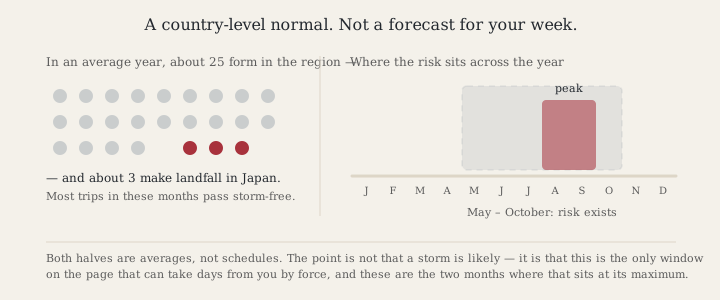
The window (JMA normals, 1991–2020 — regional, declared retrospectively, about five days’ precision): Okinawa ~May 10 – June 21 · Tokyo area ~June 7 – July 19 · northern Tohoku ~June 15 – July 28 · Hokkaido: no official rainy season.
Understand what those dates are: a window, not a schedule. You’re booking a probability band in which any given week may be wet, gray, merely humid, or fine.
What it costs you: rain odds you can’t pin to a date, and humidity. What it doesn’t cost you: the season closes nothing, and the indoor layer of Japanese cities runs deep.

There’s also an escape hatch, and it’s geographic: the rain window is regional, and the north sits outside it. A June trip built around Hokkaido takes the same calendar slot without the spine’s rain math. One caution straight from the scope limits — designation varies by railway company and route, so a northern itinerary is its own check, not a discount you inherit.
Late August into September — the one with a catch
Once the mid-August homecoming ends, domestic demand falls back while the heat keeps casual demand down. JR puts a date on it, and the date is later than most lists assume: off-peak starts August 24, 2026, and the August 21–23 block just before it is still peak-designated.
Then it stops, hard. September 18–23, 2026 is the super-peak band — the top of JR’s four. That’s Silver Week: a Friday and Saturday, then Sunday, then three national holidays back to back.
A reader who books “September” because a page said September is quiet can land inside the top band of the year. Off-peak resumes on September 24 and 28–30 — but the gap is six days wide and it’s the single most expensive mistake this section can save you from.
Then the other catch.
JBJ'S TAKE
JbJ won't sell you this one.
For a first trip, JbJ doesn't take this discount. Not because a typhoon is likely to meet your dates — three landfalls a year says most trips pass storm-free, and in a clear week this trough is quiet, functioning Japan on dates JR itself marks off-peak.
The refusal is about force. This is the only deterrent here that can rearrange a trip rather than just making it wetter or sweatier — and a first trip has no slack to absorb that: one fixed route, one shot at each city, bookings that all assume the trains run on the day they're booked for.
Travelers with slack — a loose route, padding around the dates, an easy relationship with a rearranged day — are who this window is actually for.
If that's not you yet, spend the money and sleep.
The windows never to buy by accident
The other half of protecting a budget is knowing which weeks to stay out of. These are the dates the Japanese calendar itself loads, and the dates marked peak or super-peak on the same JR calendar the quiet windows come from.
- New Year — statutory closure core December 29 – January 3. Worth knowing what sits right before it: early and mid-December carry off-peak weekday blocks, and December 29–30 is super-peak. The same month holds the calendar’s lowest designation and its highest, about a week apart.
- The peak bloom weeks — a year of worldwide demand compressed into about two weeks whose exact dates nobody can promise. March 19–31, 2027 is peak-designated.
- Golden Week — April 29 – May 5. This is when Japan itself travels, and you bid against that whole domestic wave.
- Obon — anchored by the August 11 holiday, customarily taken around August 13–16. The quiet stretch above begins only after it empties, and not until August 24.
- Silver Week and the autumn run — September 18–23 super-peak, then peak-designated blocks scattered across October and November. Scattered, not continuous, so “October is expensive” is too blunt to book by.
One structural note, and this one isn’t a guess: JR assigns its band by the date you travel. Kyoto’s accommodation tax works the same way — per person, per night, by the date of the stay. An itinerary straddling a boundary pays the premium only on the days inside it.
The ranking — with the rows other lists leave out
Same windows, ranked the way a budget decision actually needs them.
| The window | Why demand drops | What it costs you | Who should take it |
|---|---|---|---|
| 1. Deep winter | Nothing on the domestic calendar moves the country — and JR marks nearly every weekday block off-peak into early March | Real cold and short days; snow country runs at high season | Cities, food, museums, onsen — almost anyone, including a first trip. JbJ’s first pick |
| 2. The rainy weeks | The spine’s structural rain window suppresses demand between the spring and summer peaks | Rain odds you can’t pin to a date, plus humidity | Indoor-tolerant travelers and repeat visitors — or anyone willing to route north |
| 3. The late-summer trough | Post-homecoming demand falls back — but Silver Week’s super-peak cuts straight through it | Peak typhoon exposure — the one deterrent that can rewrite a trip by force | Travelers with slack in route and dates. Not a first trip |
| Reference: the aim windows | They aren’t quiet — they’re where the when-to-visit guide sends first-timers, and demand knows it | No low-demand designation to lean on; the fare tool prices them at whatever demand says | Anyone whose budget stretches. What the extra money buys is real |
| Reference: the convergence windows | Demand doesn’t drop at all — the fixed dates above | The top of the seasonal bands, earliest booking pressure, heaviest crowds | Only someone going for the event itself, eyes open. Never bought by accident |
The fixed costs a fare tool won’t show you
Four line items sit outside every fare search and land on the budget anyway. None changes which window is quiet. Two of them change state on a date.
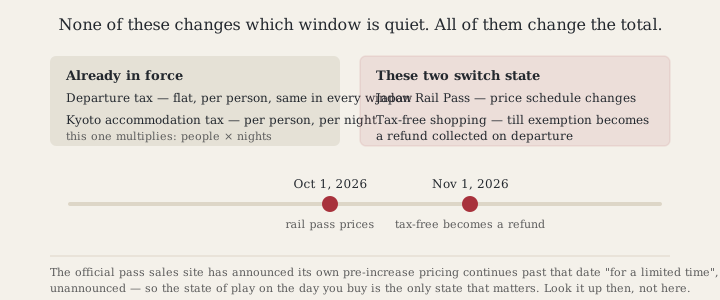
Departure tax. The International Tourist Tax is ¥3,000, applied to departures on or after July 1, 2026 — tickets issued by June 30, 2026 kept the earlier ¥1,000 rate. The airline folds it into the ticket. Flat, per person, identical in every window here.
Kyoto accommodation tax. Applies to stays on or after March 1, 2026, per person, per night, banded by the per-person rate — the room price divided by the people in it, so a ¥20,000 twin is ¥10,000 each — ¥200–¥400 at budget and mid-range rates, rising by tier to ¥10,000 at the top. It multiplies, so a longer cheap-window Kyoto stay should carry it as a real line item.
Japan Rail Pass. The nationwide pass holds its current schedule through September 30, 2026 — 7-day ordinary ¥50,000, 14-day ¥80,000, 21-day ¥100,000 — and moves to ¥53,000 / ¥84,000 / ¥105,000 on October 1, 2026. One wrinkle: the official sales site has announced its own pre-increase pricing continues past that date “for a limited time”, length unannounced. The state of play on the day you buy is the only state that matters.
Tax-free shopping. Through October 31, 2026 the discount happens at the register. From November 1, 2026 it becomes a refund model — you pay the full tax-inclusive price, customs confirms your purchases when you leave, within 90 days of purchase, and the tax comes back afterward. Plan at tax-inclusive prices.
Check it against your own dates
Everything above is the calendar half. Closing the loop takes ten minutes.
Check flights and rooms together. A week is only cheap if flights and rooms agree. The two don’t always dip together, and what you’re minimizing is the trip’s total.
Compare windows, not single dates. Price the identical trip in your top two or three. The comparison is short now — a handful of windows, each with a known reason demand falls.
Test the edges. Price the start and the end of each candidate a few days apart. The edges are where a small shift moves real money.
Shift mid-week. See the rule above. This is free.
And the reverse rule, which is this page’s actual job: a fare tool can tell you a week is cheap. It cannot tell you why — whether the reason is one your trip can live with. That half is everything above this line.
JBJ'S TAKE
Cheap isn't the goal.
One last thing, because this page could be misread as an argument for going cheap.
It isn't. If your budget stretches to the good windows, take them — what the extra money buys is real: weather and calendar leaving you alone at the same time. JbJ won't call those windows cheap to flatter this page.
This page is for the reader who will move their dates to pay less, and only if the trip stays worth taking. That second condition is the whole thing.
A cheap week you spend indoors resenting the rain isn't a bargain. It's a shorter trip you paid for anyway.
FAQ
What is the actual cheapest time to visit Japan?
By demand designation, deep winter — mid-January through February carries the longest run of off-peak weekday blocks. What it costs you is cold and short days.
Is Japan cheaper in the rainy season?
Demand does drop on the spine from early June to mid-July, and JR marks most of those weekdays off-peak. You’re trading it for rain odds you can’t pin to a date.
Is September a cheap month to visit Japan?
Partly, and the exception is expensive. Off-peak starts August 24, but September 18–23 is the super-peak band. Booking “September” without checking those dates is the costliest mistake on this page.
Does the Japan Rail Pass make a trip cheaper?
Only if you’re covering long distances. Add up the individual fares for your actual itinerary and compare — and check the current price on the official site, because the schedule changes in October 2026.
Which months should I avoid entirely?
New Year, the peak bloom weeks, Golden Week, Obon and Silver Week. The worst-time guide ranks them by severity; the when-to-visit guide covers where to aim instead.