You have a booking site open and six or eight area names you cannot tell apart. This page ranks five of them, tells you what the ranking is made of, and names four more it will not recommend. If the trip itself isn’t planned yet, start with the trip — the area comes after the dates.
The five, in order
Ranked on lines first, last trains second, airport last. Nothing below is a tie.
- Shinjuku — the widest set of lines at one station in this comparison.
- Shibuya — nearly as wide, and a direct Narita train.
- Ueno — the second direct Narita route, and a catch that will meet you with your luggage.
- Ikebukuro — where late Yamanote trains still go after they stop running the loop.
- Asakusa — the only area here that isn’t on the loop, and it still earns a place.
Tokyo Station, Shinagawa, Roppongi and Ginza are named further down, with the reason each one didn’t make it.
What this page ranks on
Three criteria, in this order. The weighting is a decision, not a formality — change it and the ranking changes.
1. Lines you’ll actually use, city ones first. Not is it on the Yamanote loop — how many genuinely different directions you can leave the station in. And breadth inside Tokyo beats breadth out of it, because you move around the city daily and leave it once or twice.
2. What the last train does, not when it leaves. A departure time is only advice if you know where that train stops. This is the criterion nobody publishes, and it’s the one that decides your evenings.
3. Airport: direct, or a change. Last, and measured in transfers rather than minutes. You will see why below — the published minute figures do not agree with each other.
JBJ'S TAKE
The airport run is twice. The trains are every day.
JbJ ranks airport access last on purpose. You do that run twice, and you will survive one change of train. You use your local lines every morning and every night of the trip.
And a last train is judged by where it stops, not by when it leaves. A departure time with no terminus attached isn't advice — it's a number that happens to be true.
That's the whole basis of the order below. Disagree with the weighting and you should disagree with the ranking.
The five at a glance
| Area | Why it ranks here | On the Yamanote loop | Airport | Lines at the station |
|---|---|---|---|---|
| 1. Shinjuku | Widest line set here | Yes | Narita direct; Haneda by change | JR Yamanote, Chuo Rapid, Chuo, Chuo-Sobu, Saikyo-Kawagoe, Shonan-Shinjuku, Narita Express · Metro Marunouchi · Toei Shinjuku, Oedo · Keio · Odakyu |
| 2. Shibuya | Second widest, same airport standing | Yes | Narita direct; Haneda by change | JR Yamanote, Saikyo-Kawagoe, Shonan-Shinjuku, Narita Express · Metro Ginza, Hanzomon, Fukutoshin · Keio Inokashira · Tokyu Toyoko, Den-en-toshi |
| 3. Ueno | Direct Narita, narrower city set | Yes | Narita direct by Skyliner, to Keisei Ueno; no Narita Express; Haneda by change | JR Yamanote, Keihin-Tohoku·Negishi, Joban Rapid, Ueno-Tokyo, Utsunomiya, Takasaki, Shinkansen · Metro Ginza, Hibiya · Keisei, at a separate station |
| 4. Ikebukuro | Strong on lines, strongest on last trains | Yes — and a named late-night terminus | Neither airport direct | JR Yamanote, Saikyo-Kawagoe, Shonan-Shinjuku · Metro Marunouchi, Yurakucho, Fukutoshin · Tobu Tojo · Seibu Ikebukuro |
| 5. Asakusa | The only off-loop area that still earns a place | No | Through service toward Haneda; Narita by change | Metro Ginza · Toei Asakusa · Tobu Skytree — no JR at all |
Every line above is read off the operators’ own published lists, checked 2026-08-31. Two columns you might expect are missing on purpose. Price isn’t one of the axes here — hotel rates in Tokyo swing harder by season and by week than they do by neighborhood, so an area-level price band would mislead you more than it helped. And there’s no airport-minutes column, for the reason below.
The five areas, ranked
1. Shinjuku
Five operators — JR, Tokyo Metro, Toei, Keio and Odakyu — and the JR side alone carries the Yamanote loop, two Chuo services, the Chuo-Sobu local, the Saikyo-Kawagoe and Shonan-Shinjuku lines, and the Narita Express. Nothing else here leaves in as many directions, and Narita is one seat away.
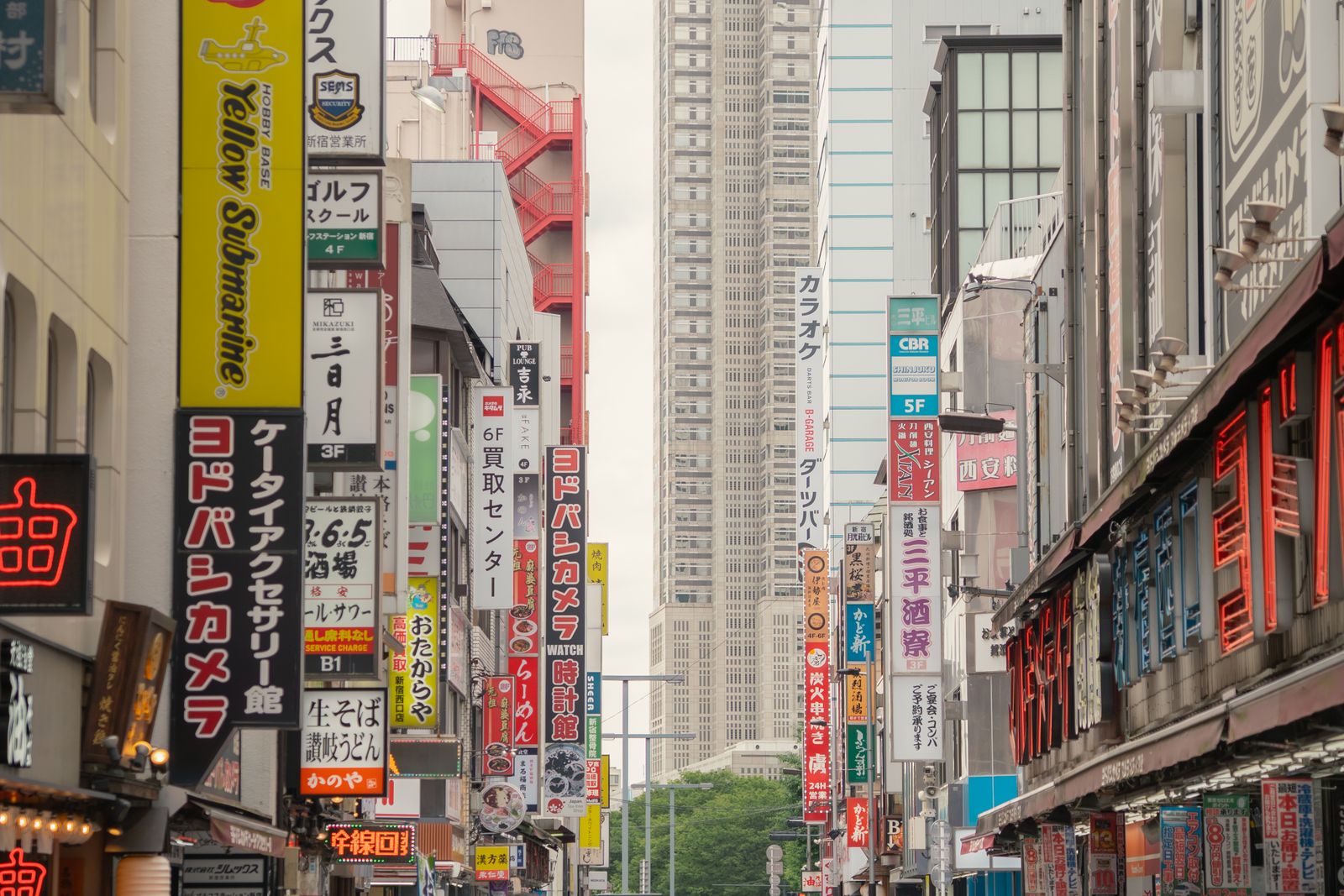
Who should look elsewhere: anyone landing jet-lagged with two suitcases. Guinness World Records lists Shinjuku as the world’s busiest railway station, on a 2022 figure of 2,704,703 passengers a day. Nobody publishes how long it takes to walk out of it, and that is your first clue — arriving here on night one, tired, with luggage, is a genuinely bad idea. Book somewhere smaller for the first night and move in on day three, when you can enjoy it.
2. Shibuya
Three JR line families plus the Narita Express, three Tokyo Metro lines, the Keio Inokashira line and two Tokyu lines. The Ginza Line begins here as G01 and ends at Asakusa as G19; the Fukutoshin Line ties Shibuya (F16) to Ikebukuro (F09). That’s a lot of Tokyo without touching JR.
Who should look elsewhere: anyone flying into Haneda. Neither Haneda rail operator reaches Shibuya directly — Keikyu stops at Shinagawa, the monorail at Hamamatsucho — so you change with your bags either way. Late nights are the other soft spot: what still runs to Shibuya after 23:40 is genuinely hard to pin down, so if you plan to be out late, check the last train on the specific line you’ll use before you book.
3. Ueno
Six JR line families and the Shinkansen, plus the Ginza (G16) and Hibiya (H18) subway lines. It’s also the second direct route from Narita on this list: the Keisei Skyliner runs non-stop from the airport terminals to Nippori, then on to Keisei Ueno.
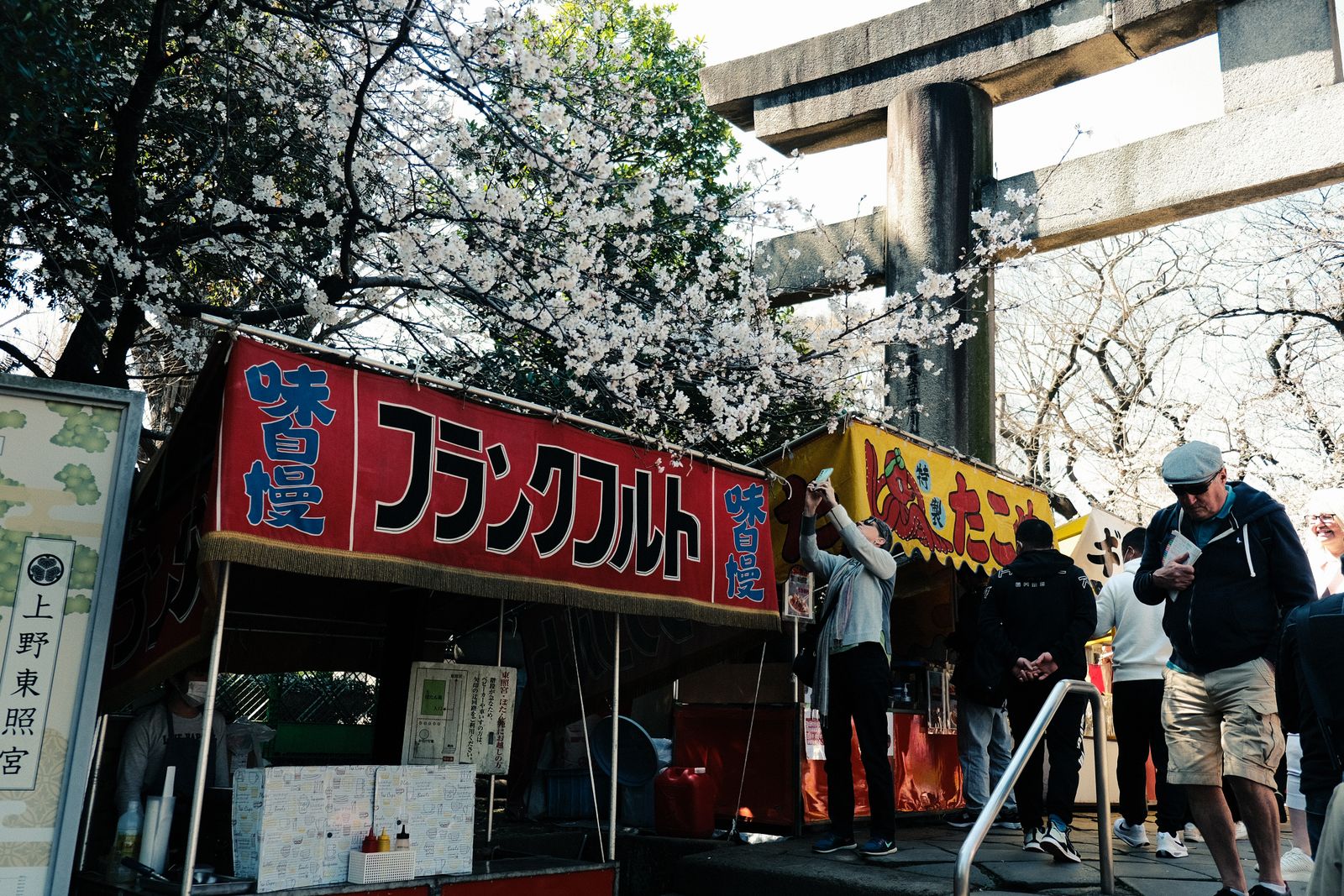
Read that last name again. Keisei Ueno is a separate station from JR Ueno, so the Skyliner does not put you where the JR lines are, and you’ll find that out holding luggage. JR East publishes no Narita Express timetable at Ueno at all — the airport train most first-timers plan around doesn’t come here. Haneda is a change.
4. Ikebukuro
Three JR line families, three Metro lines — Marunouchi (M25), Yurakucho (Y09), Fukutoshin (F09) — and two private lines, Tobu Tojo and Seibu Ikebukuro.
Then the argument that puts it fourth. In JR East’s Yamanote timetable, 池 marks a train terminating at Ikebukuro, and once the loop stops running as a loop, those keep coming. Being a short-turn terminus is worth more at midnight than a wider line list is at noon.
Who should look elsewhere: anyone whose trip is bracketed by flights. No direct airport service reaches Ikebukuro in either direction. Narita and Haneda are both a change.
5. Asakusa
Three operators and not one JR line: the Ginza Line (G19), the Toei Asakusa Line and the Tobu Skytree Line. The Ginza Line alone runs to Ueno and on to Shibuya without a change. Toei Asakusa and Keikyu run through onto each other’s tracks, which gives Asakusa a through service toward Haneda. It isn’t every train.
Who should look elsewhere: anyone planning late nights out. Asakusa has no JR station at all, so the Yamanote last-train logic that makes the rest of this ranking work simply doesn’t apply here — you’re on Metro, Toei or Tobu, and you’ll be checking each one separately. On the axis this ranking weights hardest, Asakusa is the one area that can’t be scored. Treat that as a warning, not a pass.
What the last train actually does
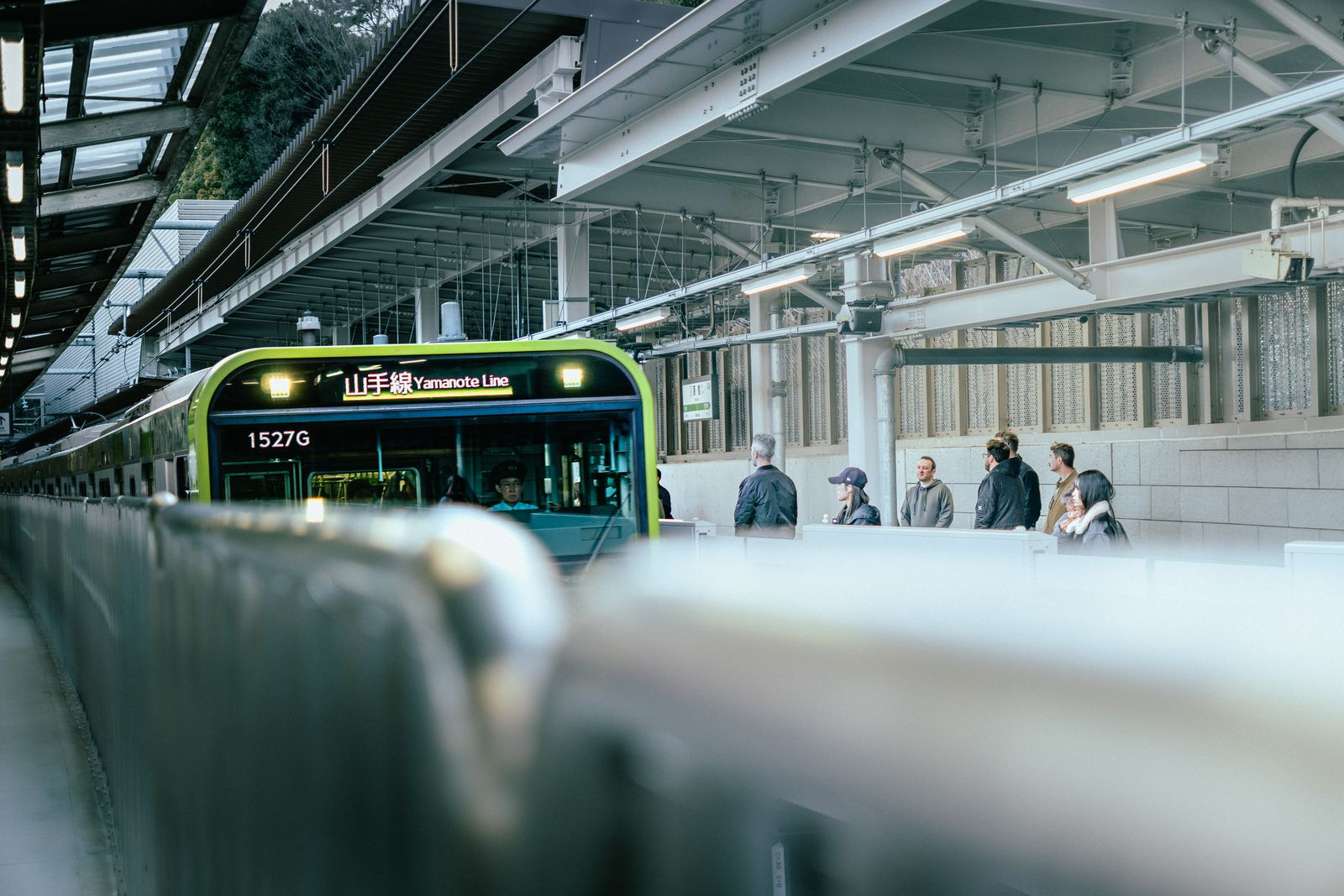
Here’s the number you’ll find everywhere: the last Yamanote departures from Shinjuku on a weekday are 0:41 counterclockwise and 0:44 clockwise. True, and close to useless.
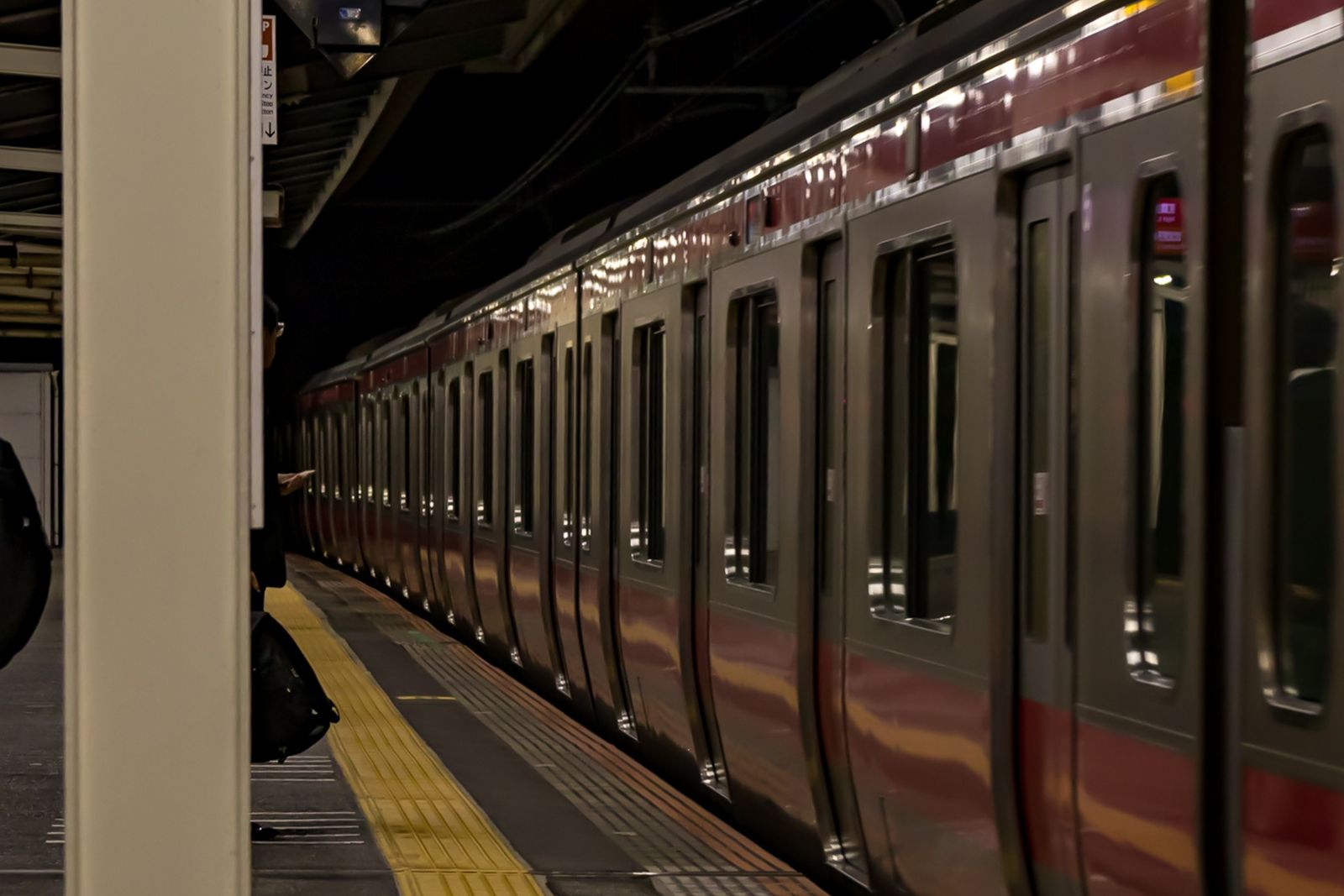
The last train that runs the full loop leaves at 23:32 counterclockwise and 23:34 clockwise. Every departure after roughly 23:40 carries a short-turn mark in JR East’s own timetable — 大 for Osaki, 池 for Ikebukuro, 品 for Shinagawa. Of the fourteen post-midnight departures across both directions, zero run the full loop.
So 0:41 is a real train to Osaki, and 0:44 is a real train to Ikebukuro. If neither is where you’re going, neither is your train. After about 23:35 the question stops being what time is the last train and becomes which direction, and how far — which is why Ikebukuro sits at number four.
Then there’s a genuine gap: nothing from Shinjuku between 0:44 and 4:43. The Tokyo Metropolitan Government’s own advice for that window is a taxi — “with the roads less congested, taxis are the quickest and most convenient way of getting around at night.” Budget for it. A cross-city taxi at 2am is the single most expensive way to get the last hour of a night out wrong. (Times above: JR East’s published Yamanote departures at Shinjuku, weekdays, checked 2026-08-31.)
JBJ'S TAKE
0:41 is a real train. It just isn't yours.
Pick the night before you go out. Either it ends on a train that stops where you sleep, or getting home costs money. Both are fine nights. The bad one is the third, where nobody chose and the 0:44 has already gone.
So find one time and set an alarm on it: the last train that stops at your station, on your line. Not the last one out. After about 23:35 the loop stops being a loop, and the time everyone quotes belongs to a train that terminates at Osaki.
A last-train time with no terminus reads as permission, and permission is the expensive part. It's the difference between ordering one more and standing on a platform at 23:50 doing arithmetic you hadn't planned on. Decide at dinner, not on the platform.
Getting to and from the airport: direct, or a change
Narita. JR East publishes a Narita Express timetable at Tokyo, Shinjuku, Shibuya and Shinagawa — and at none of Ueno, Ikebukuro, Akihabara, Hamamatsucho or Nippori. The other direct route is Keisei’s Skyliner, non-stop from the airport terminals to Nippori and on to Keisei Ueno.
Haneda. Two rail operators serve it: Keikyu, whose Tokyo end is Shinagawa, and the Tokyo Monorail, whose Tokyo end is Hamamatsucho. Both are Yamanote stations. Everywhere else is a change, with Asakusa the one exception on this list — and only on the trains that actually continue through.
And ignore the minutes. Three official sources — the monorail operator, Haneda Airport itself and the Tokyo Metropolitan Government — disagree by 10 to 30 minutes on identical routes, and none says what its figure includes. Haneda’s own page calls its times estimates. So rank on transfers, not on minutes. Whether you change trains with luggage is the thing you’ll actually feel at the end of a flight, and it’s the thing that doesn’t move.
Four areas this page doesn’t recommend, and why
Tokyo Station / Marunouchi
The best long-distance station in this comparison, and it isn’t close: eight JR line families, six Shinkansen lines, the Narita Express. It also has exactly one subway line — Marunouchi. Under this page’s weighting, that’s disqualifying. Exception: a stay built around repeated Shinkansen day trips.
Shinagawa
The only area here with direct trains to both airports — the Narita Express one way, Keikyu (KK01) the other — on the loop, and one of the named late-night short-turn termini. And no Metro or Toei subway line at all. Once the loop stops, your option is a taxi. Exception: a short stay ending in an early Haneda flight.
Roppongi
Central, with two lines at the station: Hibiya (H04) and Toei Oedo. The Chiyoda line that people count is at Nogizaka, a different station, on foot. Off the loop, no direct airport service. It’s also the worst case in the airport-times mess — official sources put Haneda–Roppongi at 19 minutes and at about 50. The convenience it’s sold on is a figure the official sources can’t agree on within half an hour.
Ginza
Three subway lines at Ginza Station — Ginza (G09), Marunouchi (M16), Hibiya (H09) — and no JR. The Yurakucho line is at Ginza-itchome; the Toei Asakusa line is at Higashi-ginza. Different stations, whatever a listing implies. A subway-only base, and the JR access most people mean by “central Tokyo” is at the station this page just declined.
JBJ'S TAKE
Nine areas and no exclusions isn't a ranking.
Most pages on this question name seven or nine areas and rule out none of them. That isn't generosity, it's insurance — you can't be wrong about a list that excludes nothing.
So four areas are declined by name up there, and every one of them is somewhere a first-timer was realistically about to book. If a reason didn't have a real chance of stopping a booking, JbJ left it out.
Who this isn't for: anyone booking purely on price, and anyone who already knows which lines they want. This ranks on access, not on rate — and in Tokyo, access is the thing you cannot fix after you've booked.
The area names on your booking site aren’t the area names here
A listing sells you an area. What you actually need is a station, and the two don’t line up.
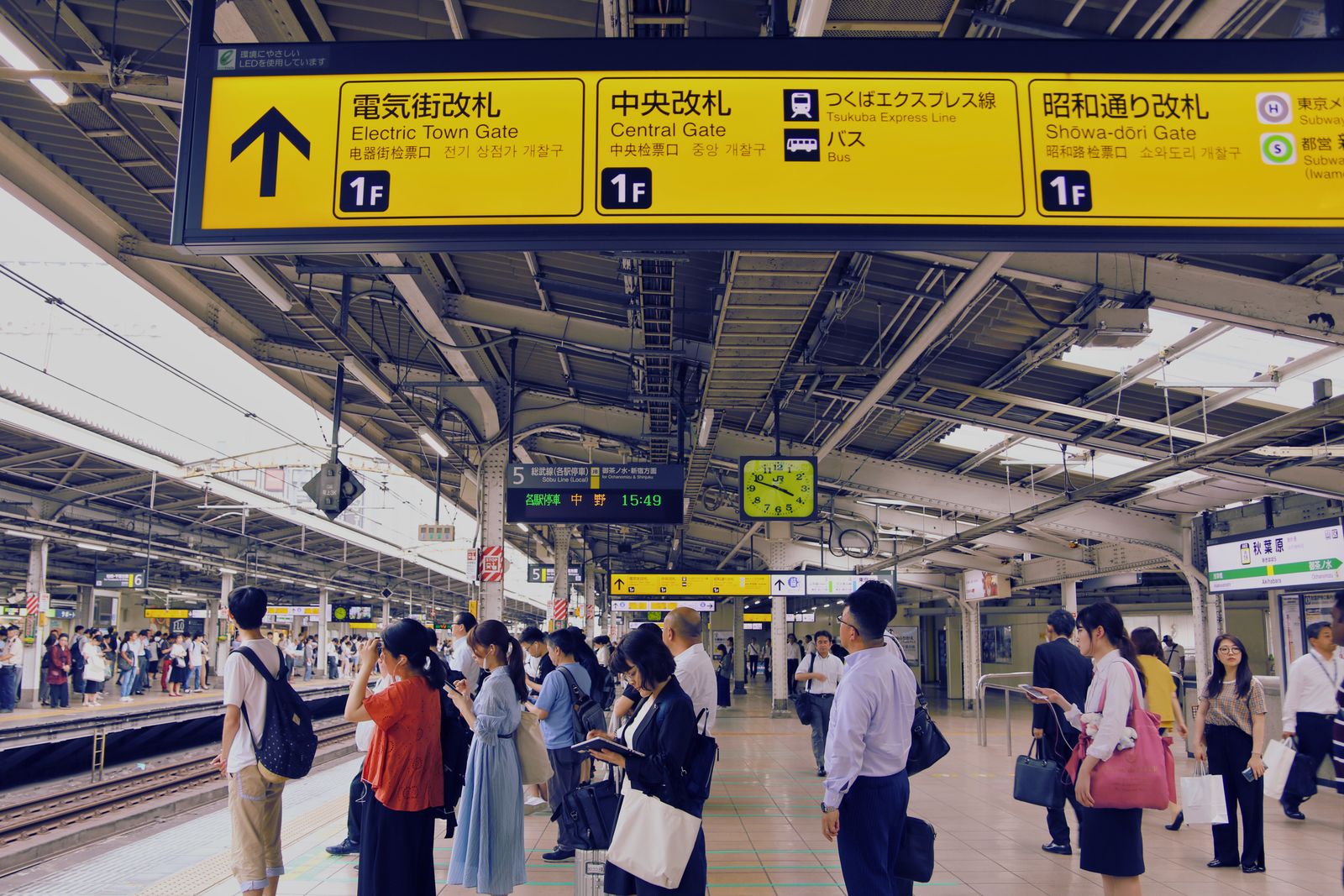
Ueno. The Skyliner from Narita arrives at Keisei Ueno. JR Ueno’s six line families are at JR Ueno. One area name, two stations.
Ginza. Three station names for what a guide calls one place: Ginza Station has the Ginza, Marunouchi and Hibiya lines; the Yurakucho line is at Ginza-itchome; the Toei Asakusa line is at Higashi-ginza. “Ginza” on a listing doesn’t tell you which of the three you’re beside.
Akasaka. At Akasaka Station the line is Chiyoda (C06). The Ginza (G05) and Marunouchi (M13) lines are at Akasaka-mitsuke — a different station. A filter labeled “Akasaka” covers both.
So read the station name in the listing, not the area name. If the listing only gives you an area name, that’s the thing to find out before you pay.
Before you book
Shinjuku, Shibuya, Ueno, Ikebukuro, Asakusa — in that order, on lines first, last trains second, airport last. Four areas declined by name, with the reasons up there to argue with.
Two decisions sit beside this one. If your dates aren’t fixed yet, when to go comes first — it moves your total bill far more than the neighborhood will. And if price is what’s really driving this, what the cheap months actually cost you is the honest version of that answer.
Information checked: 2026-08-31. Train times on this page are JR East’s published Yamanote Line departures at Shinjuku, weekdays only, corroborated at Ueno. Line lists come from JR East, Tokyo Metro and the Tokyo Metropolitan Government. A timetable revision will date the numbers on this page before it dates the argument — so check the operator before you rely on a minute.
FAQ
Is Shinjuku too big to stay in?
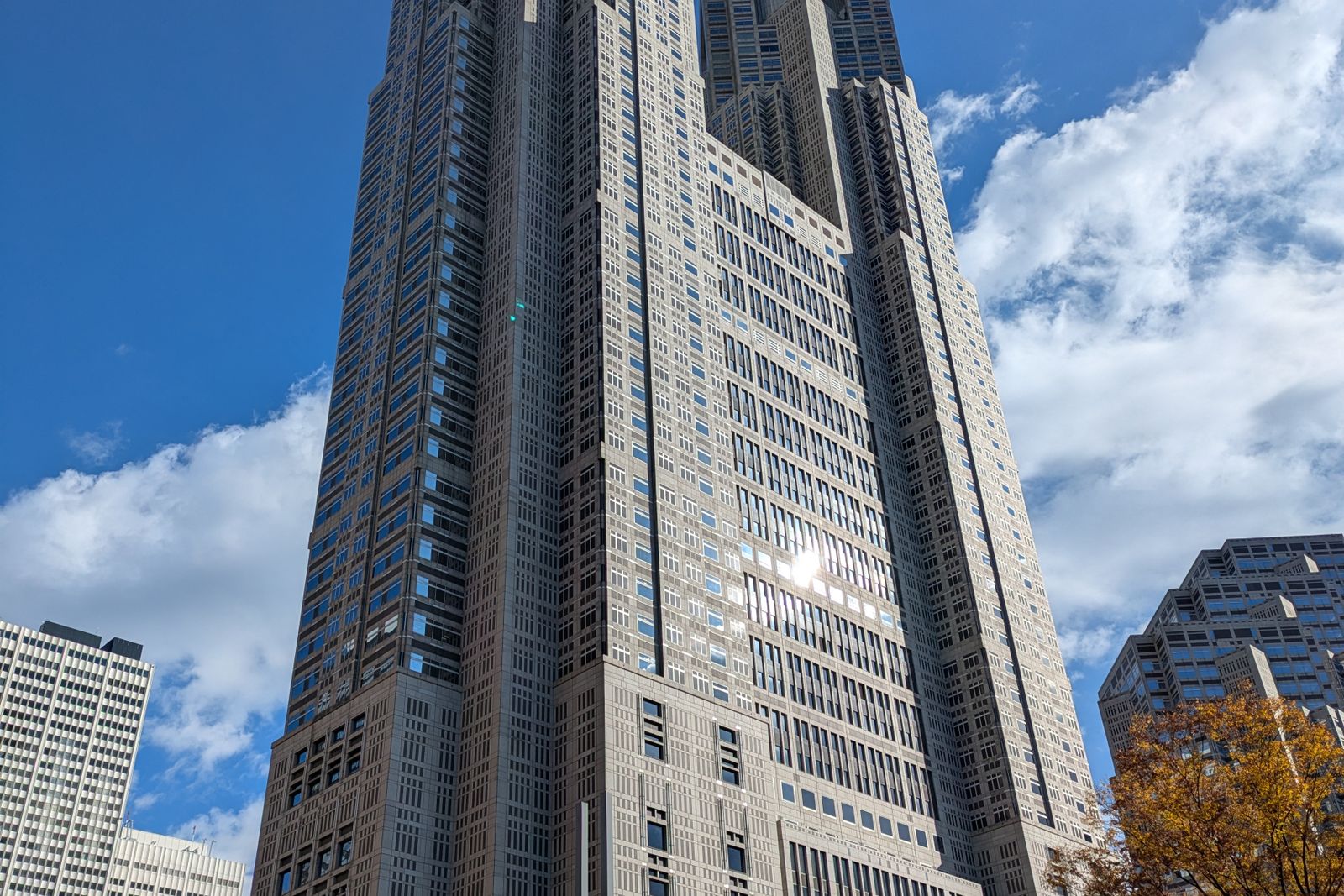
It is the busiest. Guinness World Records lists it as the world’s busiest railway station, on a 2022 figure of 2,704,703 passengers a day. That’s an argument for arriving in daylight, not for booking elsewhere. Nothing on this list replaces what five operators at one station give you.
Is Asakusa too far from everything?
It has no JR station at all, so by the loop’s logic, yes. But the Ginza Line runs from Asakusa to Ueno and on to Shibuya without a change, and there’s a through service toward Haneda. What Asakusa lacks isn’t distance — it’s the loop as a fallback when the evening runs late.
Do I need to be on the Yamanote Line?
Slightly the wrong question. Being on the loop matters less than which loop trains still reach you after 23:40 — and on JR East’s timetable, that’s a shorter list than the loop itself. Asakusa is off the loop entirely and still ranks fifth.