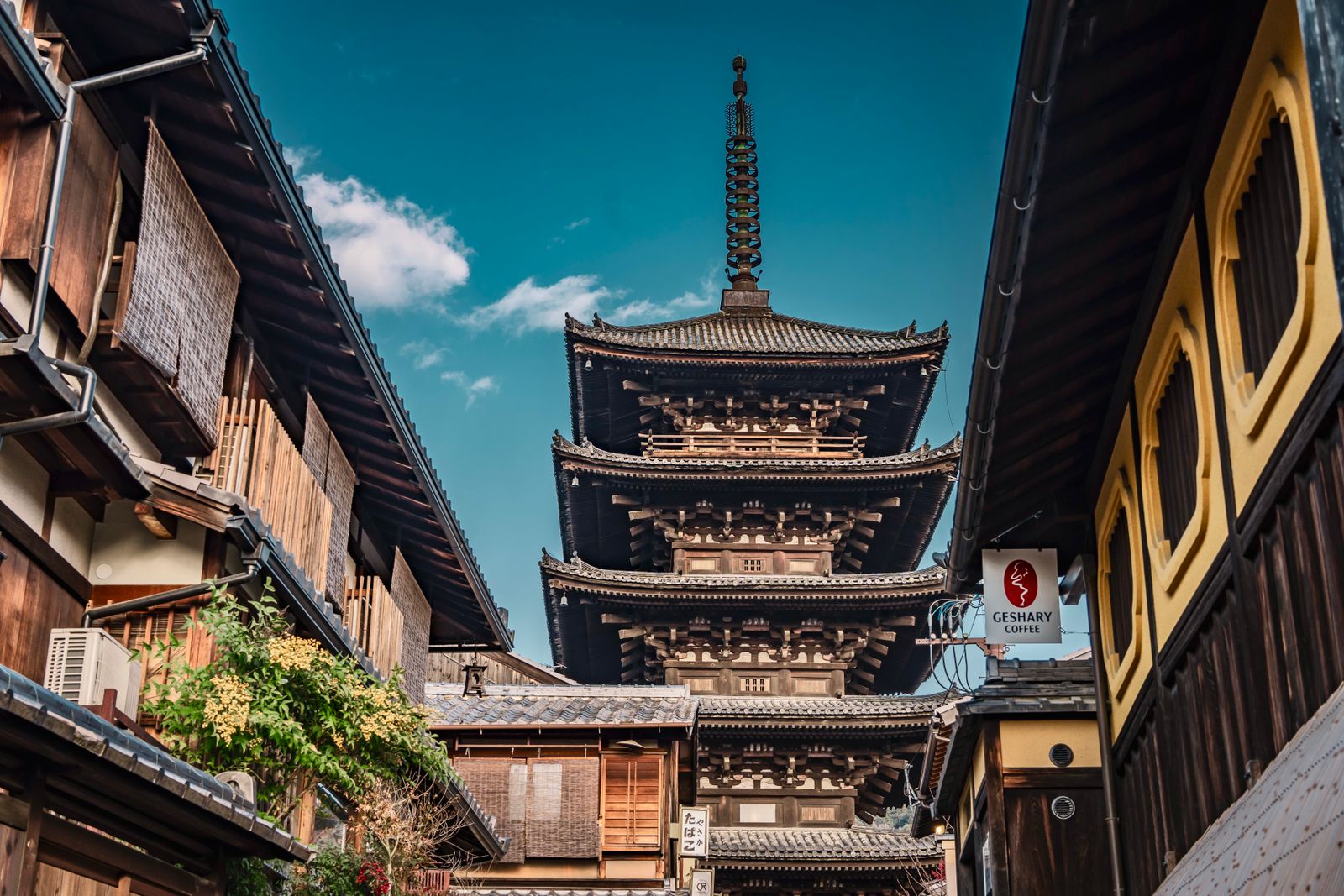
You have Kyoto nights booked and one spare day sitting in the middle of them. This page puts four trips in order on one rule: the hour the thing you came for stops letting people in, and how much of your Kyoto day is still yours when it does. The names it declines are here too, with the reason and somewhere for the day to go instead.
All of it is counted from a Kyoto bed. If you are sleeping in Osaka, that is a different question, and the thing being counted here is a different quantity.
Four trips in order, and the clock that puts them there
- Uji. JR from Kyoto Station, or Keihan by a different route entirely. The Phoenix Hall interior stops admitting at 16:10, and your afternoon and evening stay in Kyoto.
- Nara. The whole day, and the latest gate on this page — the seat to take if you want the day itself to be the trip.
- Kurama and Kibune. The other half day, from Demachiyanagi. Its treasure hall runs to 16:00, and is shut on Tuesdays and through the winter.
- Himeji. The whole day, and the earliest gate here: last admission 16:00.
The rule: each trip is placed by the gate that shuts the thing you went for, and by how much of your Kyoto day is still yours when it does.
Not ranked, each with its reason below: Osaka, Hiroshima and Miyajima, Koyasan, Arashiyama, Kobe, and the theme parks.
JBJ'S TAKE
Ranked on what it costs Kyoto.
The last train is the wrong clock. Where JbJ could check one it leaves so late nobody is choosing by it, and the closer stop has the later train — rank on that and you have ranked by distance.
So the ranking runs on the hour the thing you came for stops admitting, and on how much Kyoto is left when it does. That is why the famous one is not first.
What actually ends the day
The last train back is the obvious candidate, and it does not work. On the JR Nara Line the final departure from Nara for Kyoto is 23:10. From Uji, on the same line, it is 23:47 — later, because Uji boards further up the line and is closer in. Nobody planning a day out is deciding between two destinations on an eleven o’clock boundary, and an order built on those departures would mostly be an order by distance from Kyoto, which you already know.
So the clock that decides is the one at the far end: the hour the hall, the keep or the treasure house stops letting people in.
The other thing to settle before you pick is which platform your day starts on. The JR Nara Line runs from Kyoto Station. Keihan’s Kyoto end is Gion-Shijo, Sanjo and Demachiyanagi. Eizan starts from Demachiyanagi. Not every trip on this page begins where the shinkansen put you down.
1. Uji — half a day, and the hall stops letting people in at 16:10
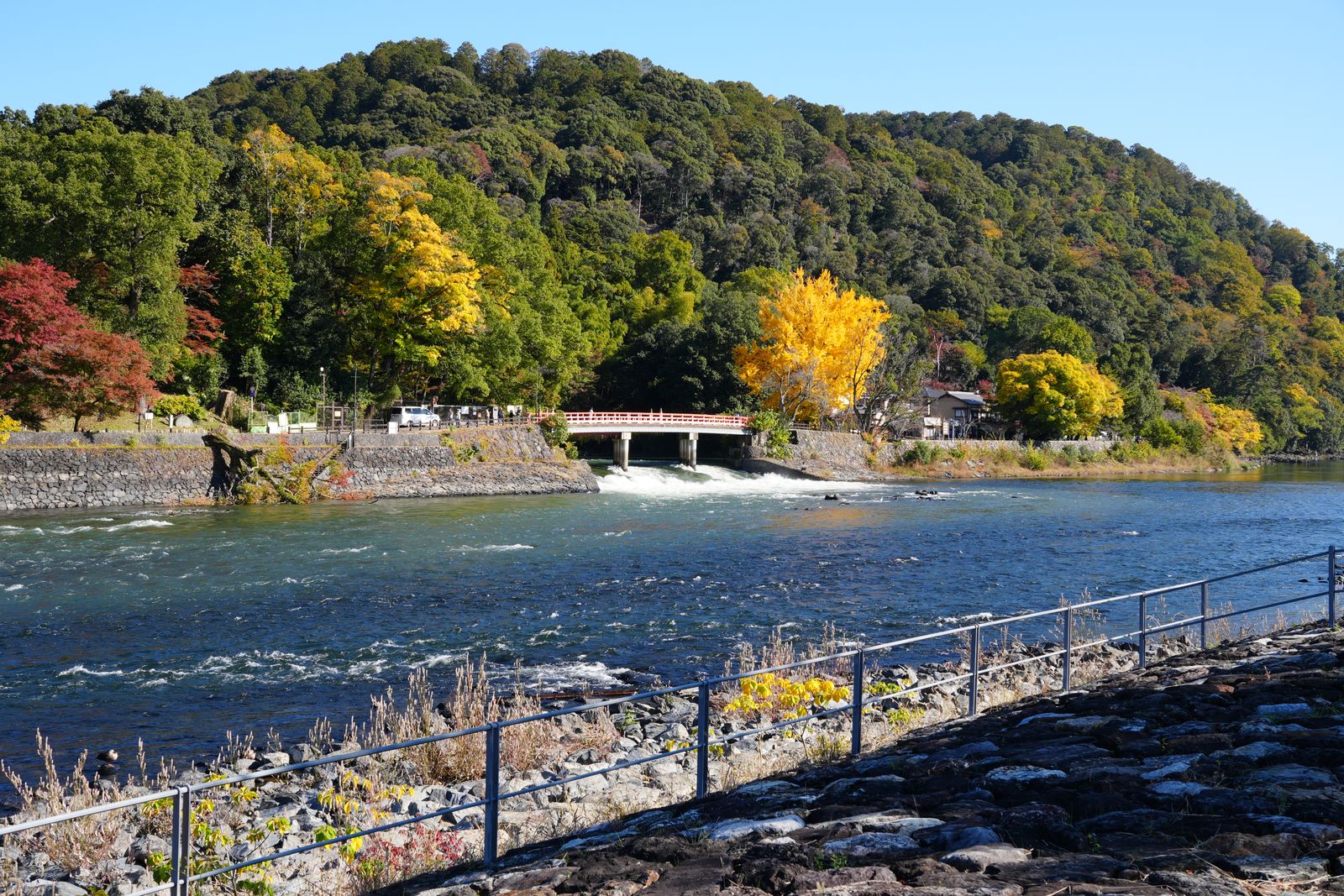
A river, tea, and a temple most people have already seen without knowing it. It is the shortest trip here and the only one you come back from with the day still usable.
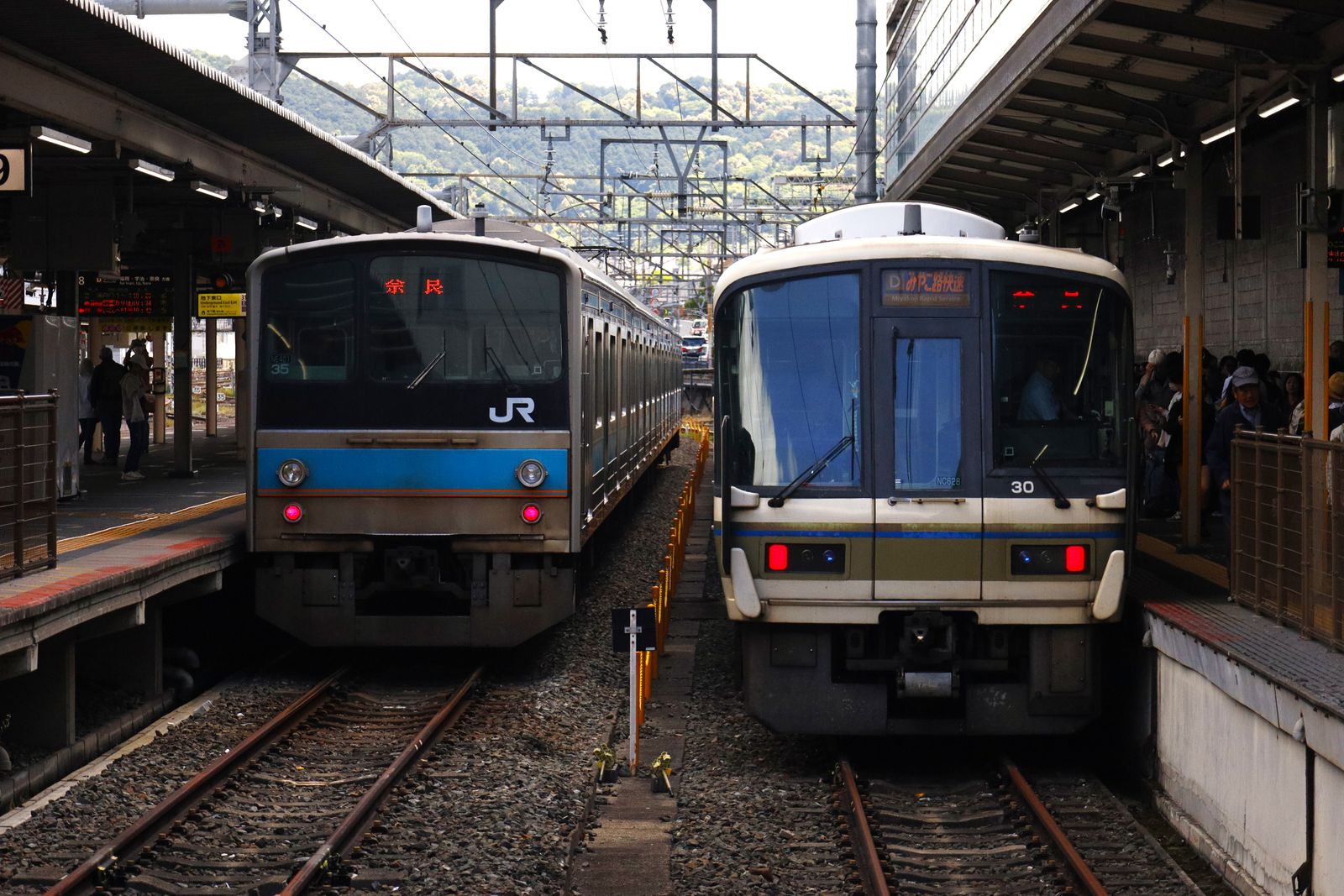
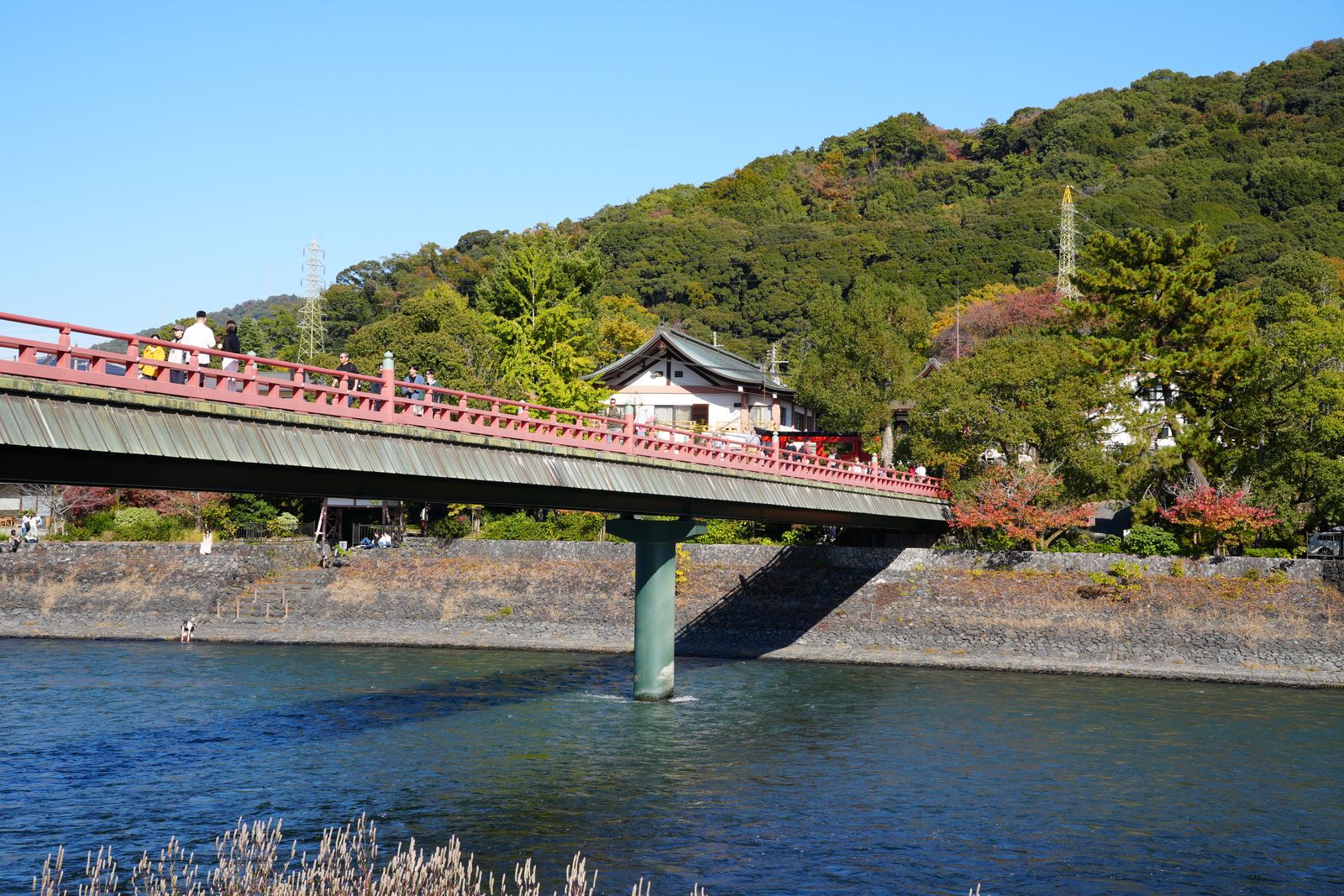
Getting there is the first thing to settle, because Uji has two stations on two operators and they are not interchangeable. JR Uji sits on the JR Nara Line from Kyoto Station. Keihan Uji is the end of the Keihan Uji Line, reached via Chushojima — so it starts from Gion-Shijo, Sanjo or Demachiyanagi, not from Kyoto Station. Byodo-in sits between the two.
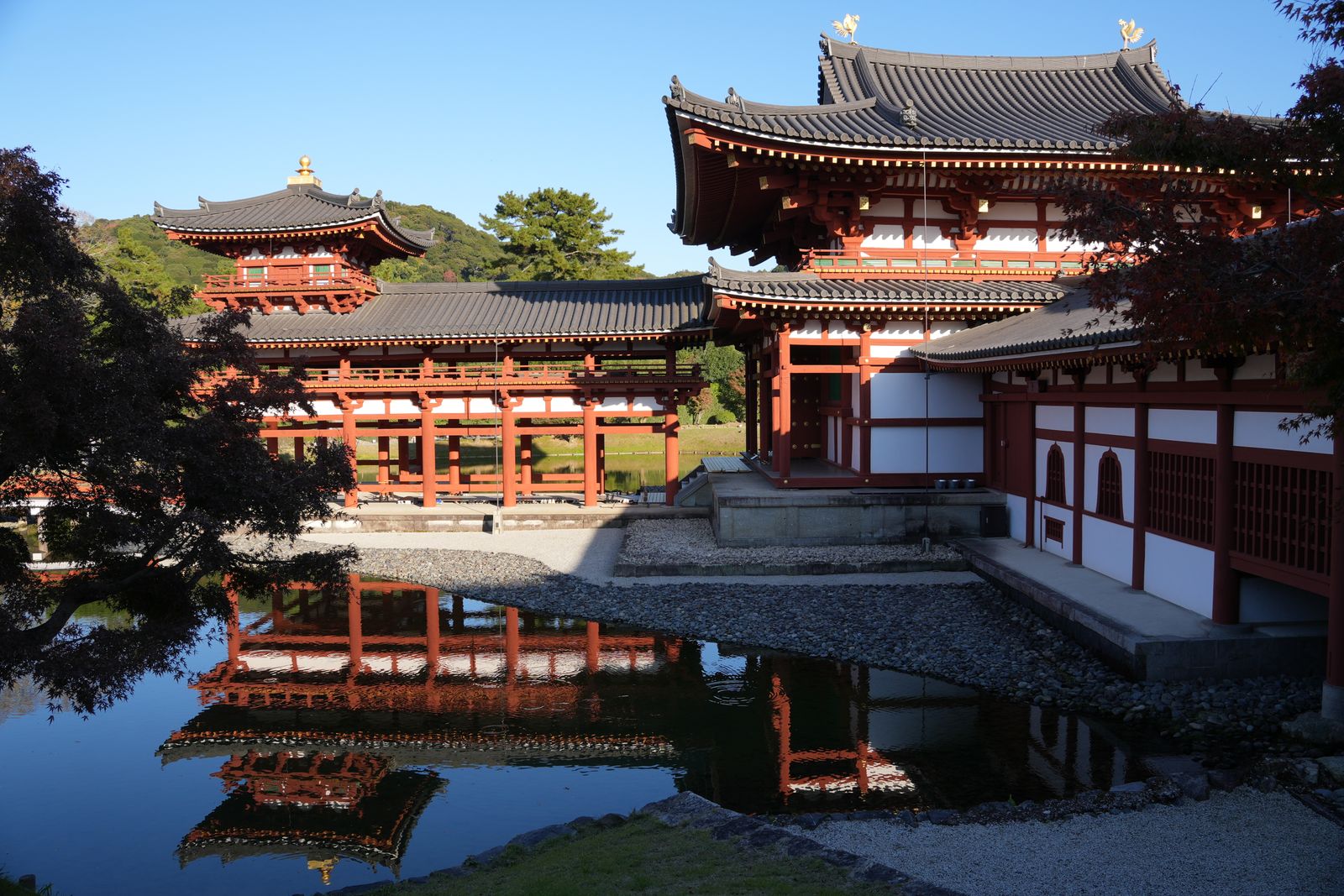
And Byodo-in runs two clocks, not one. The garden takes its last entry at 17:15, which is the figure most pages print. The Phoenix Hall interior — the thing you went for — stops admitting at 16:10, in timed groups of fifty every twenty minutes, on a separate ¥300 ticket bought at the garden reception on top of the ¥700 that covers the garden and museum. Miss 16:10 and you have come to look at the outside of it.
JBJ'S TAKE
Half a day. On purpose.
Half day against full day is the question everyone describes and nobody answers. JbJ answers it: a half day takes the top seat here, and it is not a consolation.
A trip you come back from with the afternoon and the evening still in Kyoto costs the least of the one thing this page counts. Go in the morning, be back for dinner in the city you actually booked.
Which makes the evening a decision you still get to make, rather than one the timetable makes for you — and what to eat in Kyoto is the page for that half of it.
2. Nara — the whole day, and the latest gate on this page
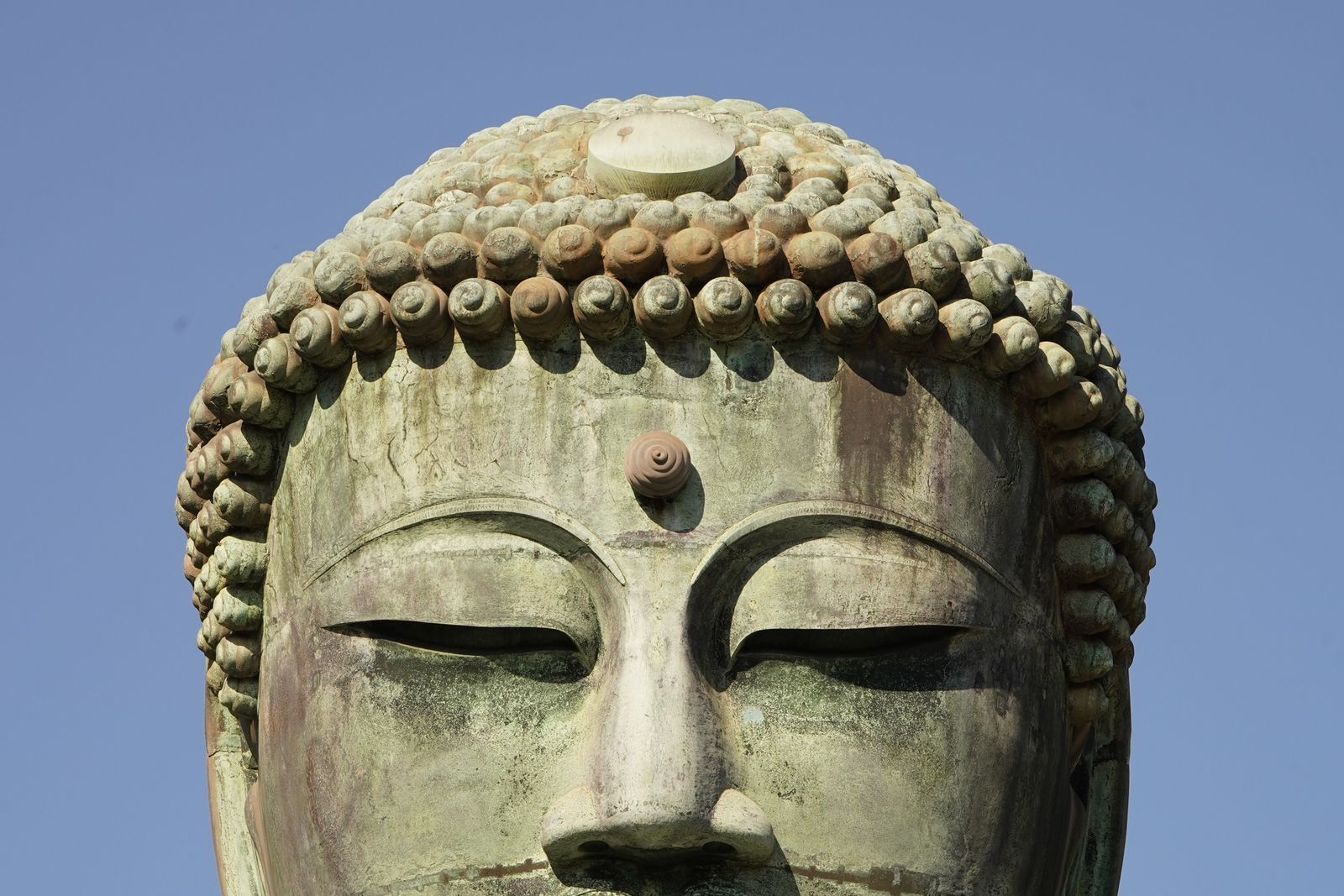
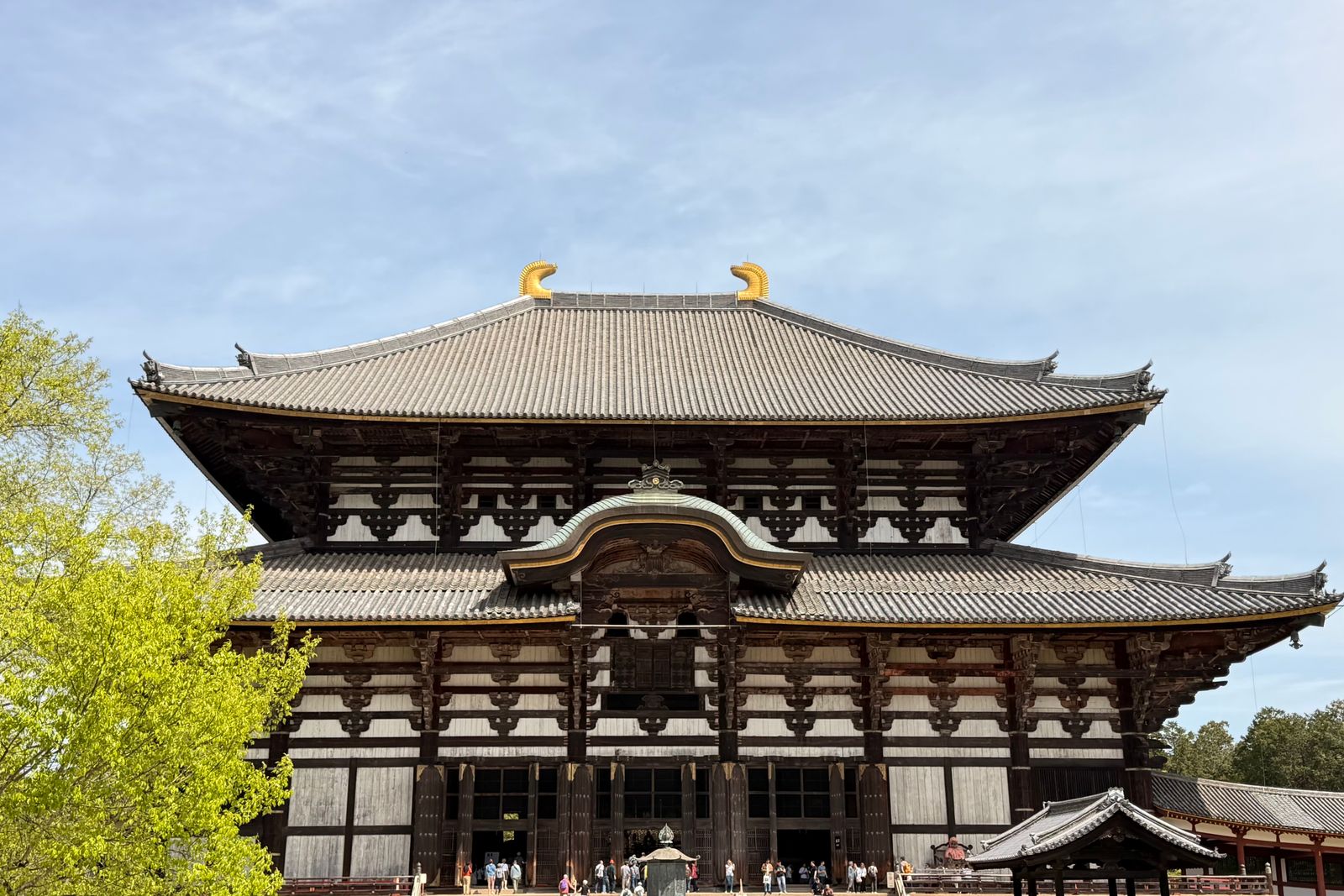
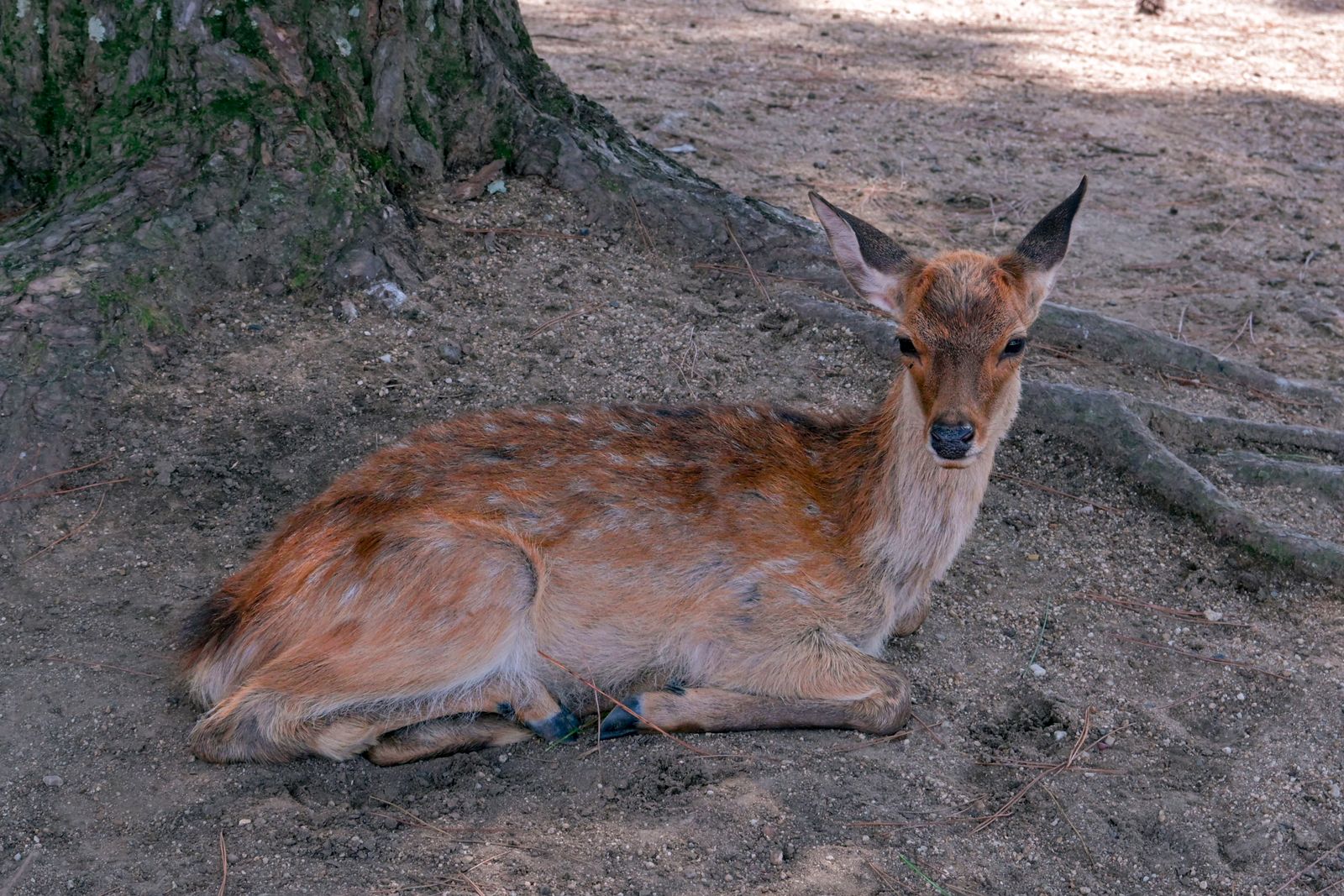
Todai-ji, Kasuga Taisha, the park, the deer, and a great deal of walking. The JR Nara Line runs from Kyoto Station and puts you at JR Nara.
The Daibutsuden closes at 17:30 from April to October and at 17:00 from November to March. Todai-ji publishes no separate last admission, so the closing time is the gate itself. Admission ¥800 for an adult.
If you are planning two things in Nara rather than one, the second gate tells you which of them you will lose: Kasuga Taisha’s Kokuhoden takes its last admission at 16:30. That is a decision with an hour attached to it, which is a better thing to plan against than your own stamina.
JBJ'S TAKE
Ranked second. Not liked less.
Nara is everyone's first pick and JbJ doesn't disagree about Nara. The disagreement is about what is being ranked. This page ranks what the day costs, and Nara costs all of it.
The day itself is the trip here, and its gate is the one that forgives a slow start. That is exactly why it outranks the castle. It is still your whole day, and you only have one.
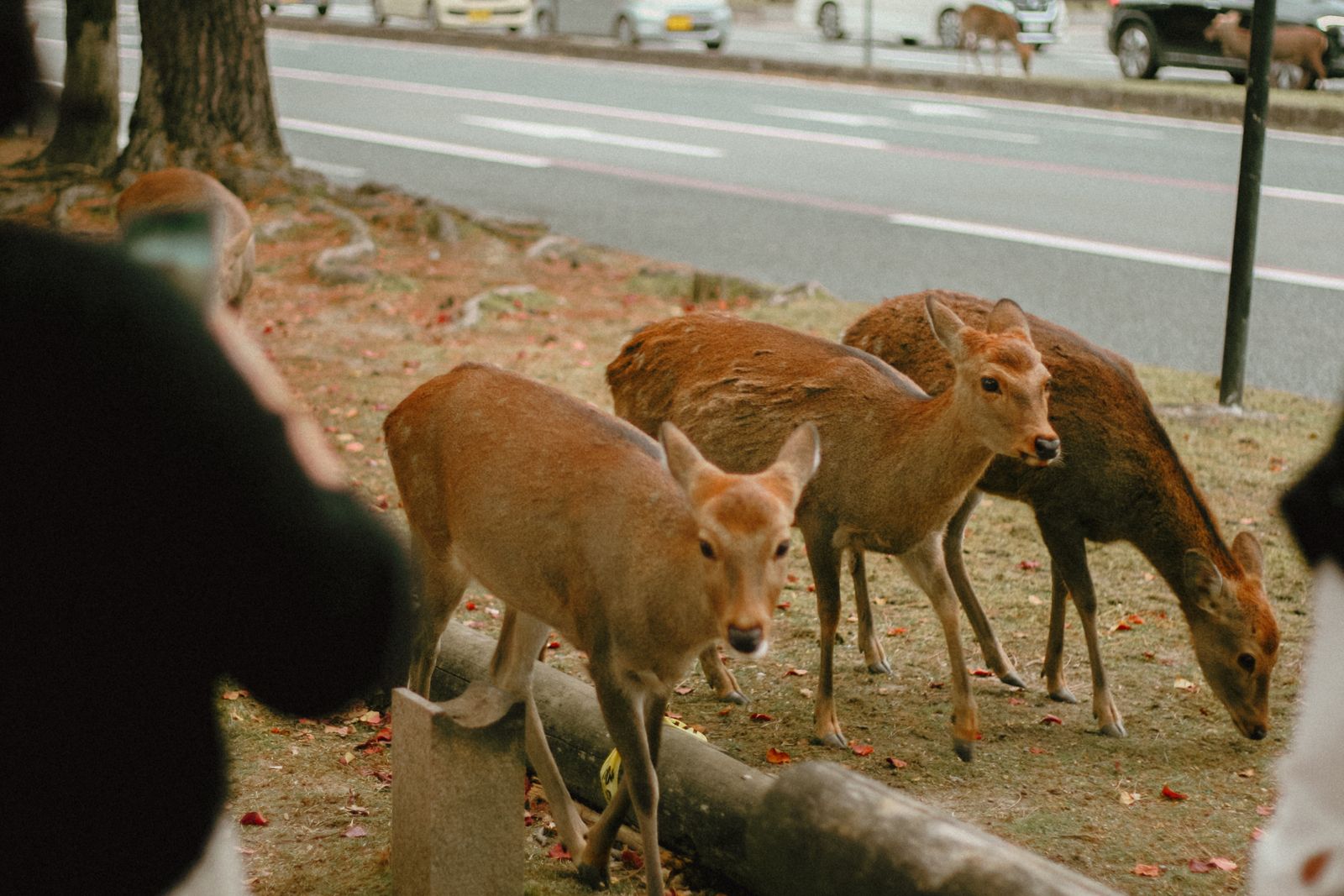
3. Kurama and Kibune — the other half day, when its hall is open
The other half day, and the only trip here that can be shut when you arrive.
Eizan runs from Demachiyanagi rather than Kyoto Station: 31 minutes to Kurama, 28 to Kibuneguchi. Mountain entry at Kurama-dera is ¥500 — a ¥300 figure still circulating on aggregator sites is three years out of date. The cable car is ¥200, which the temple describes as an offering rather than a fare.
The Reihoden, the treasure house, runs 9:00 to 16:00 at ¥200, and closes on Tuesdays — the following day when a Tuesday falls on a holiday — and from 12 December to the end of February. That is the gate, and it is the one gate on this page that is sometimes not there at all. Look at the calendar before you commit the morning.
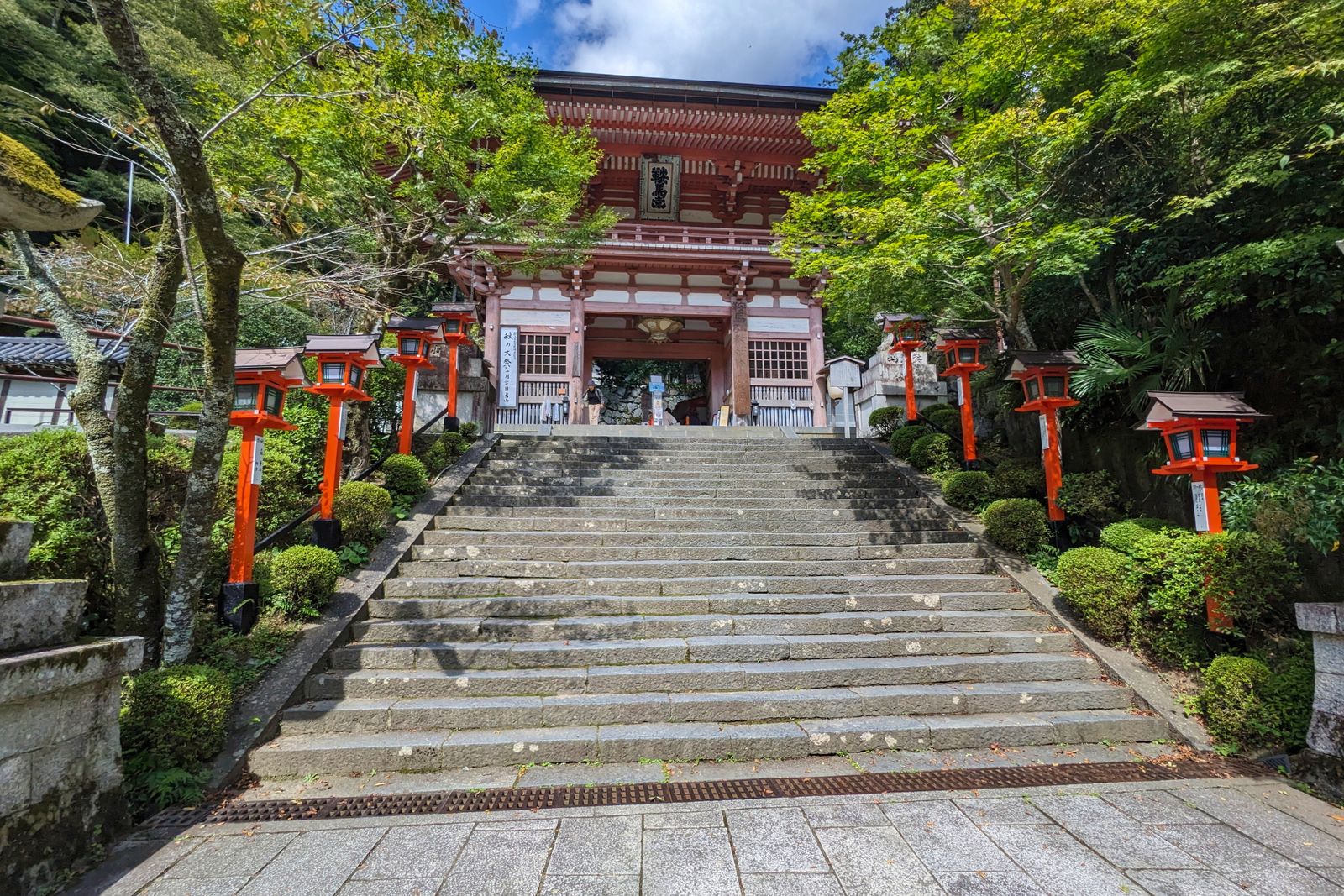
4. Himeji — the whole day, and the earliest gate on this page
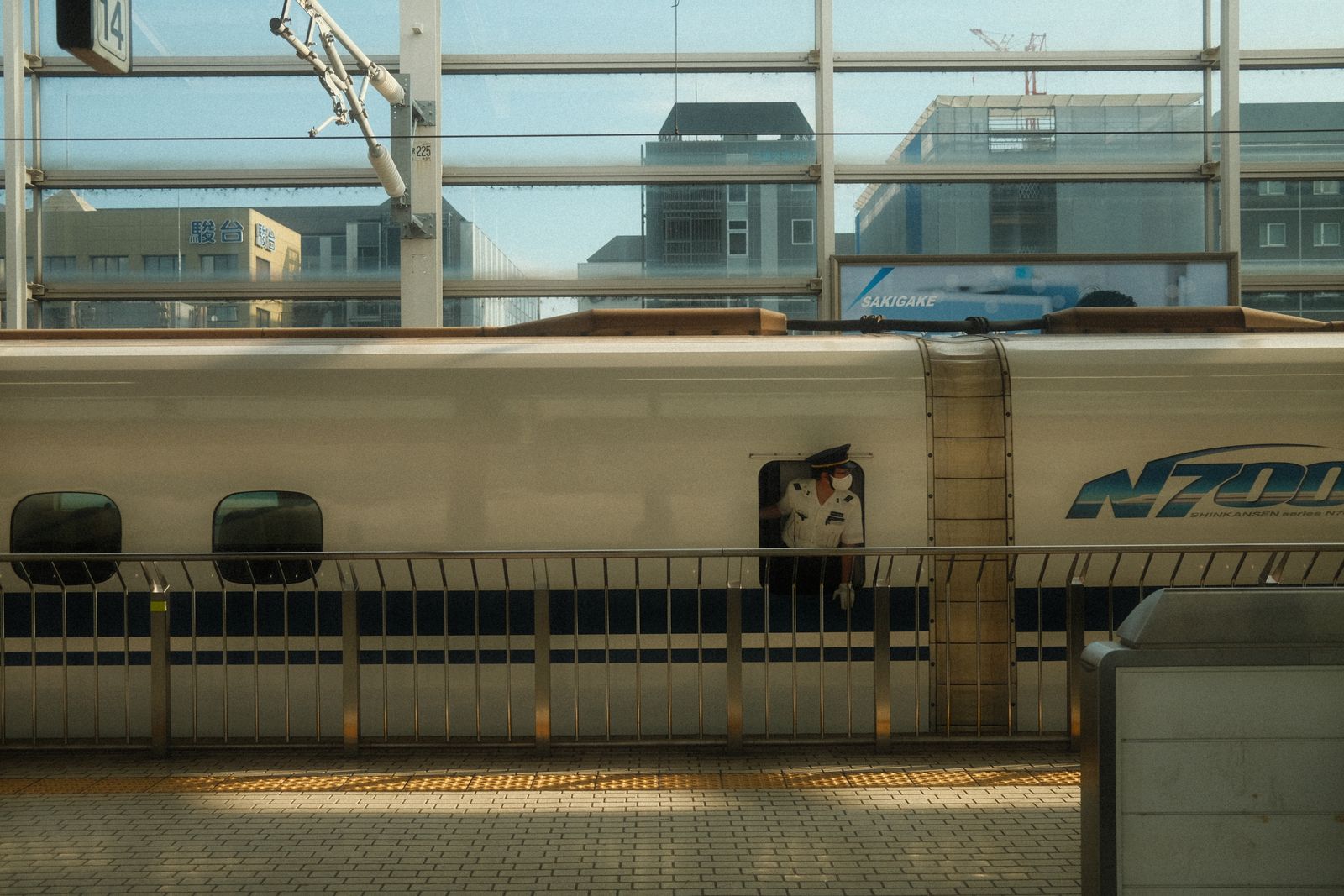
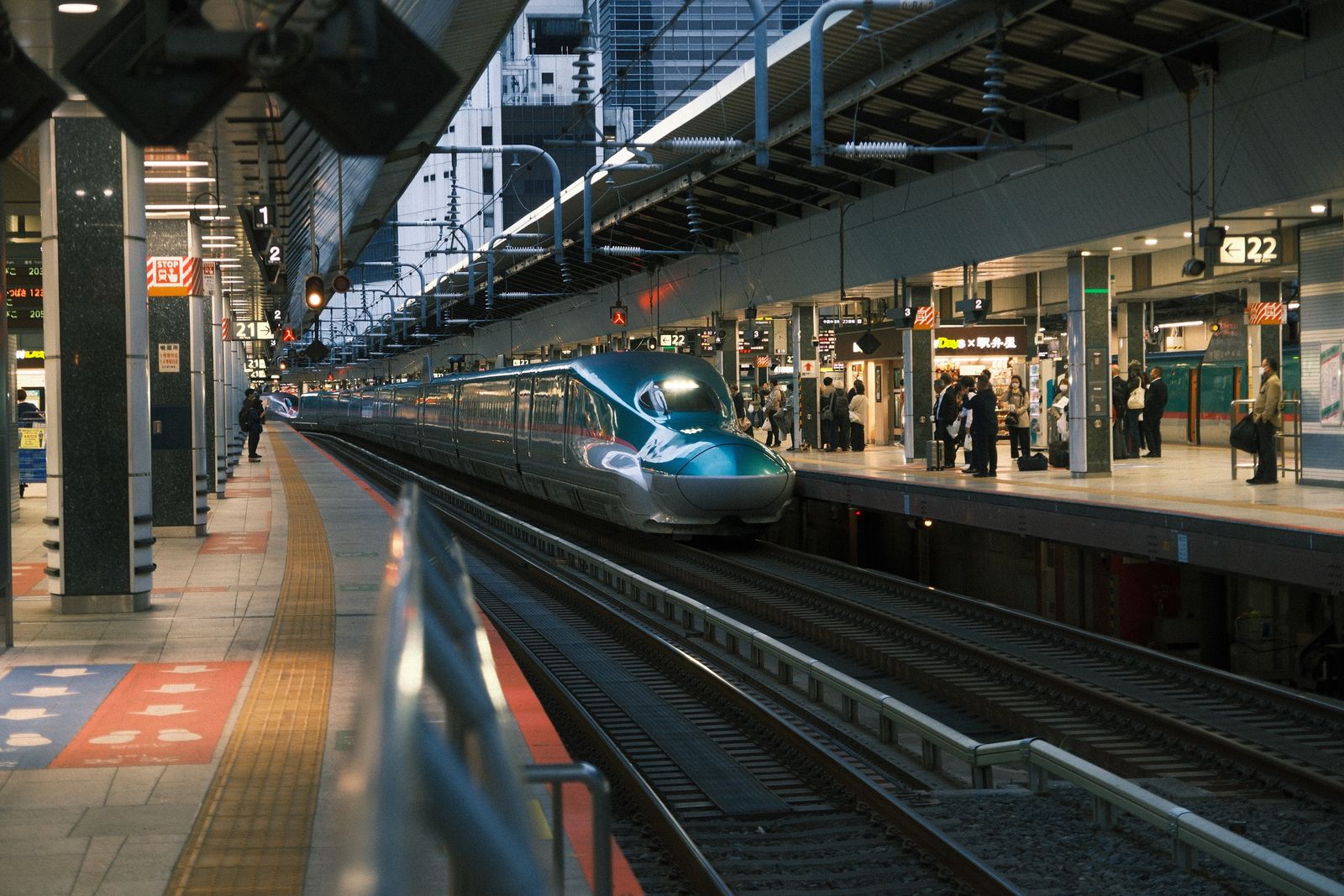
One building, and it takes the whole day to go and stand in front of it. Kyoto to Himeji runs on the Sanyo Shinkansen, and the station you arrive at is Himeji.
The gate is the earliest here. Last admission 16:00, the castle open 9:00 to 17:00, closed on 29 and 30 December. A whole day spent on a single thing behind the earliest cut-off is the least forgiving arrangement on this page: anything that goes wrong in the morning comes out of the one visit you made the trip for.
The admission has a shape worth knowing before you put it in the trip’s budget. Adults who are not Himeji residents pay ¥2,500. Under 18 is free. Himeji residents aged 18 and over pay ¥1,000. The castle together with Koko-en garden is ¥2,600 — a hundred yen more than the castle by itself.
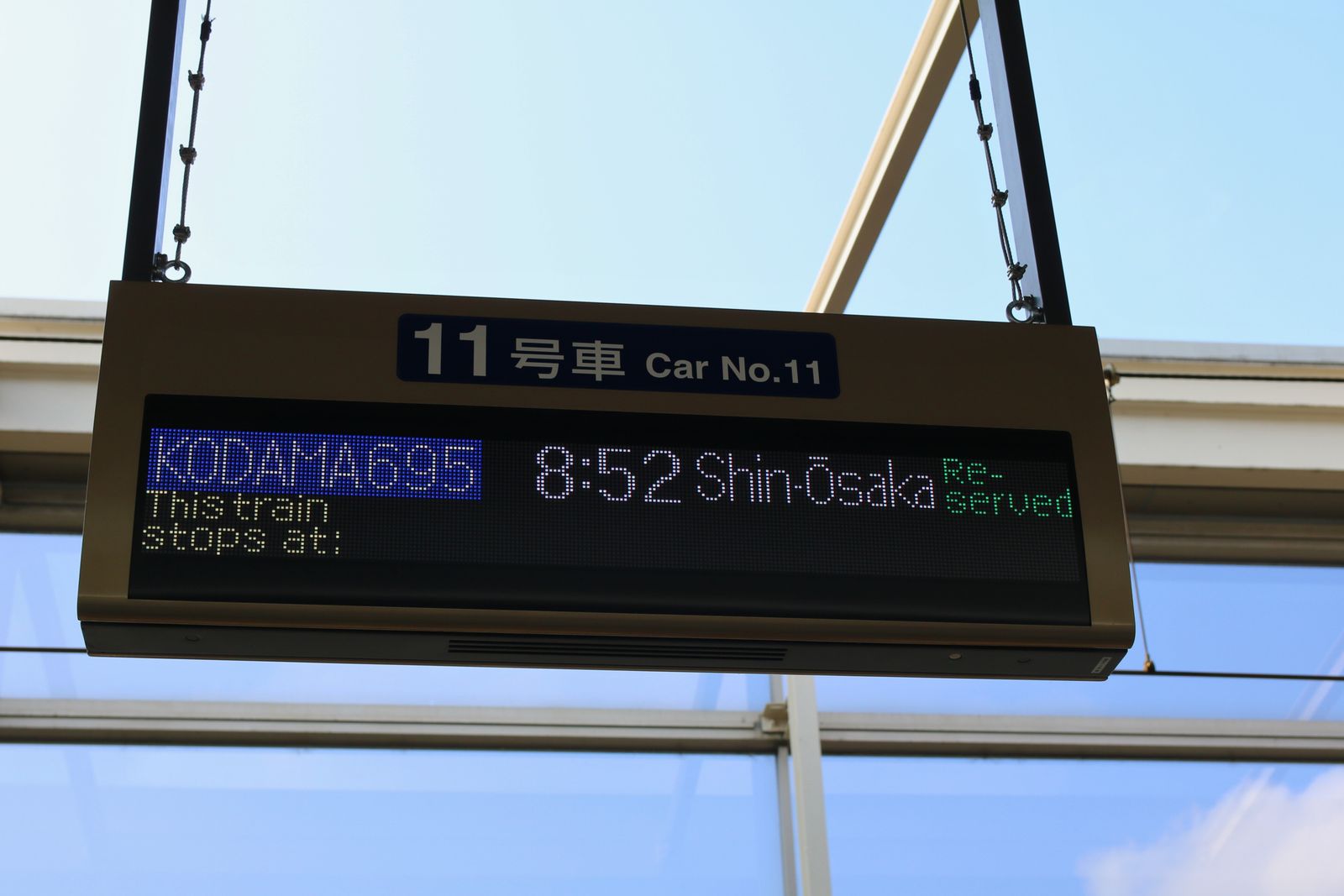
A separate point if you are carrying a rail pass. The Japan Rail Pass is not valid on Nozomi or Mizuho services on the Tokaido, Sanyo and Kyushu Shinkansen; the pass’s own page directs holders to Hikari, Sakura, Kodama and Tsubame. Whether the pass earns its price on your route at all is its own calculation.
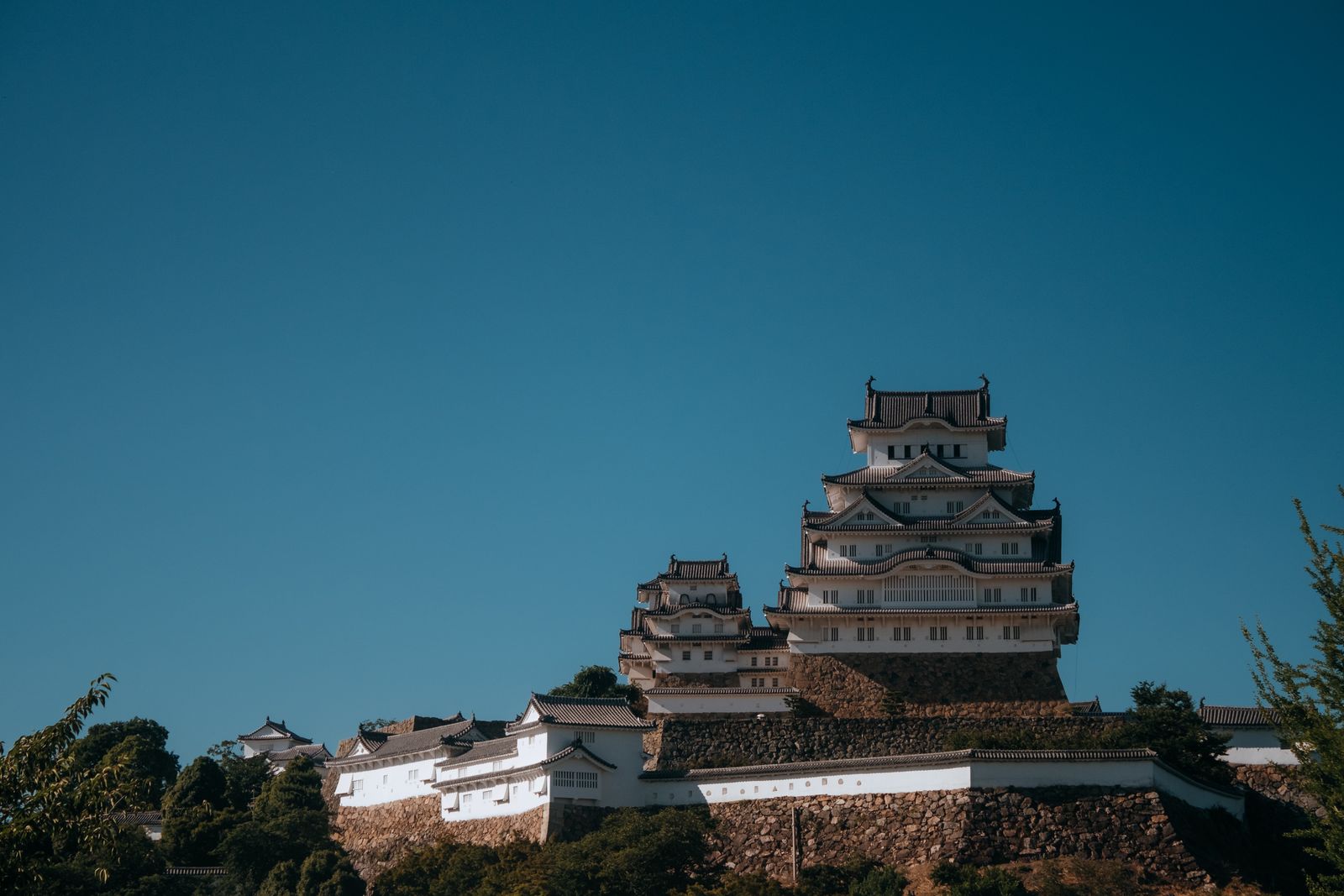
The names this page does not rank
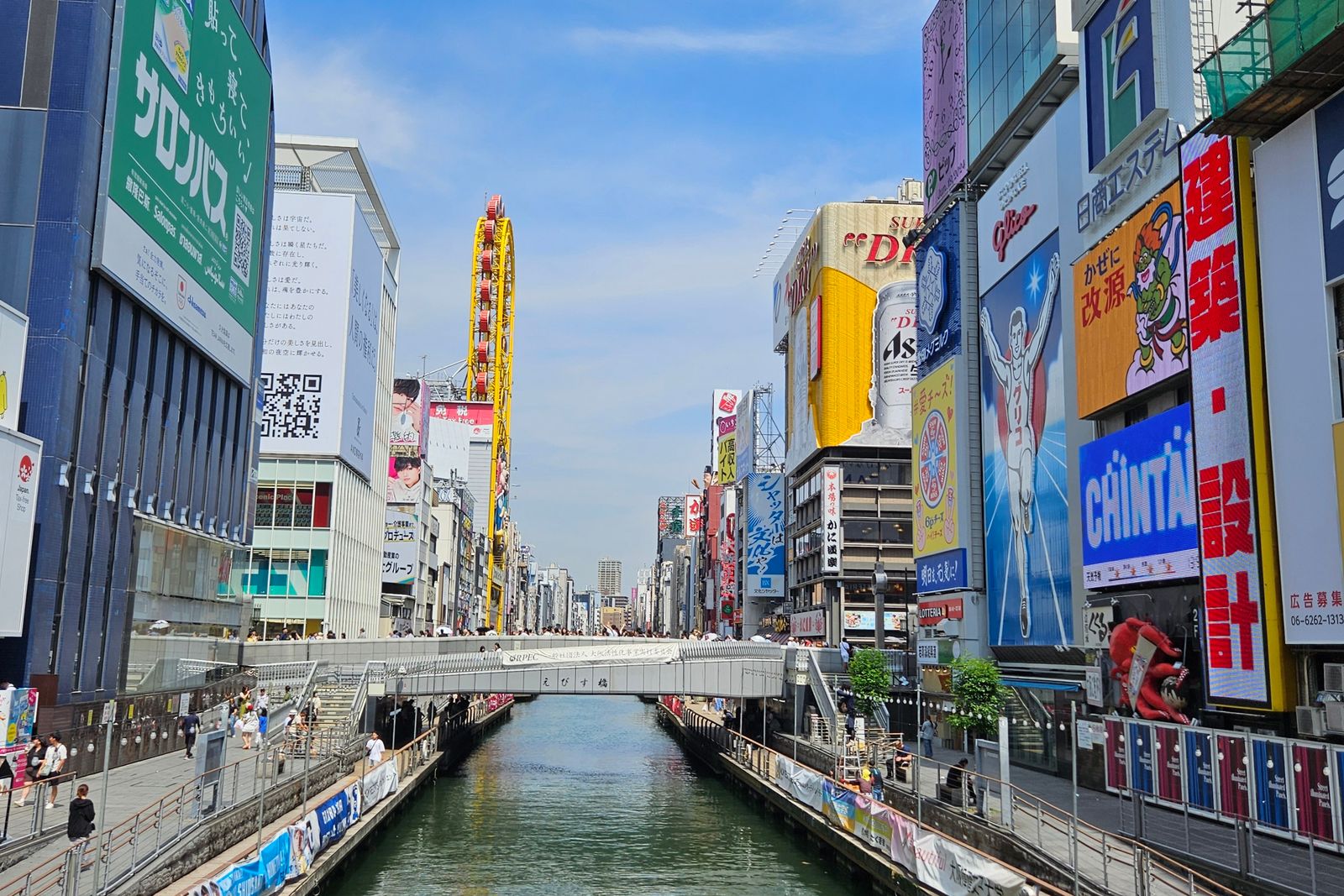
Osaka, unless it is not already on your route
If your trip already has Osaka nights in it, a Kyoto day spent going there buys you nothing you have not already bought, and the day goes to seat 1 instead.
Hiroshima and Miyajima
West of Himeji, with two substantial things at the end of it. One Kyoto day does not hold them both. Give it a night on a different leg of the trip.
Koyasan
An overnight. This page ranks days, and Koyasan is not one.
Arashiyama, which is Kyoto
A category error rather than a weak destination. Arashiyama is in Kyoto — the Kyoto base page treats it as a district, and so does this one.
Kobe
The second stop on a westbound day, and this page ranks one day at a time.
Universal Studios Japan and Ghibli Park
Each is its own day, and neither is being weighed against Todai-ji on what it costs your Kyoto. Out of scope.
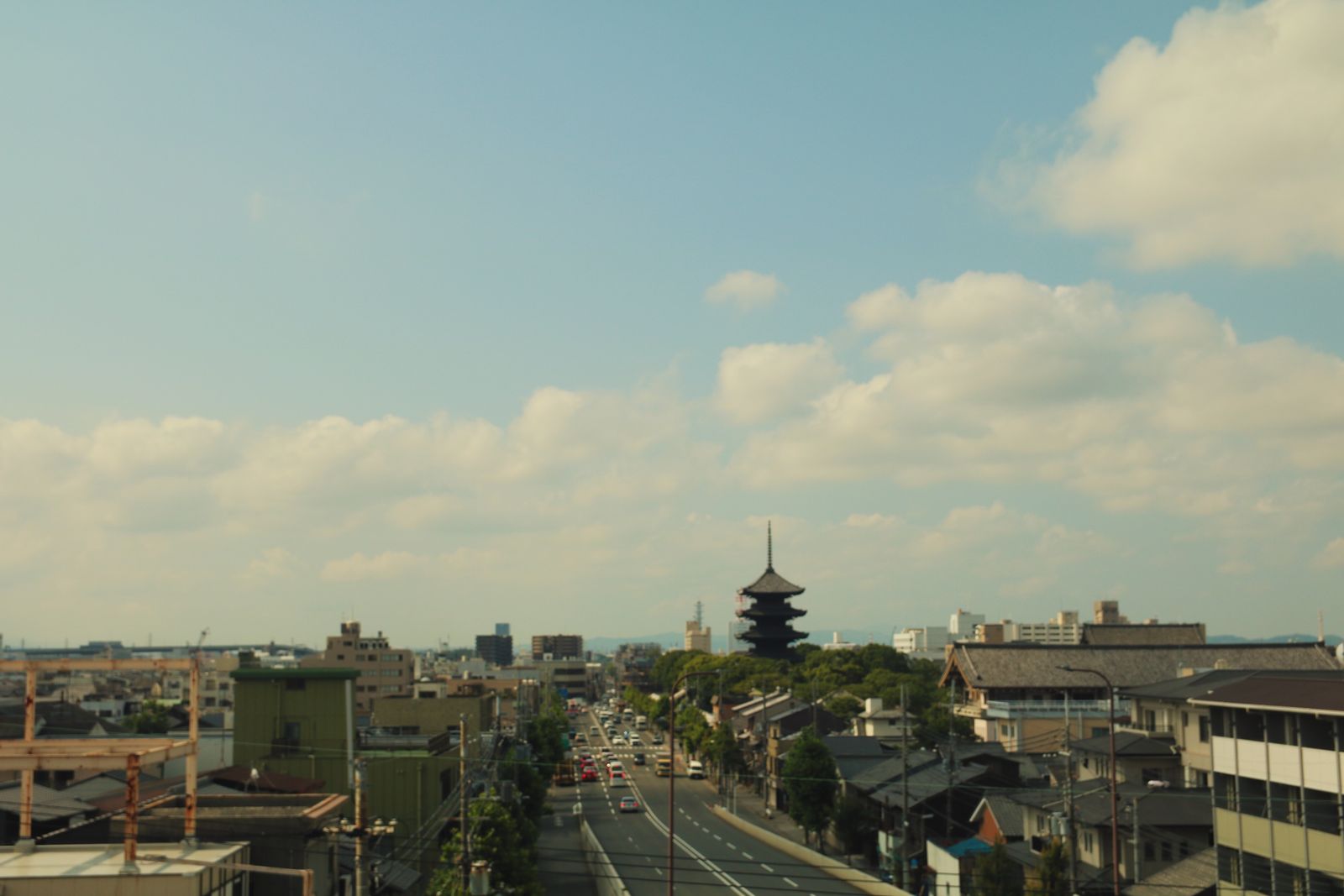
The day that does not leave Kyoto
There is a version of this question where the spare day turns out not to be spare.
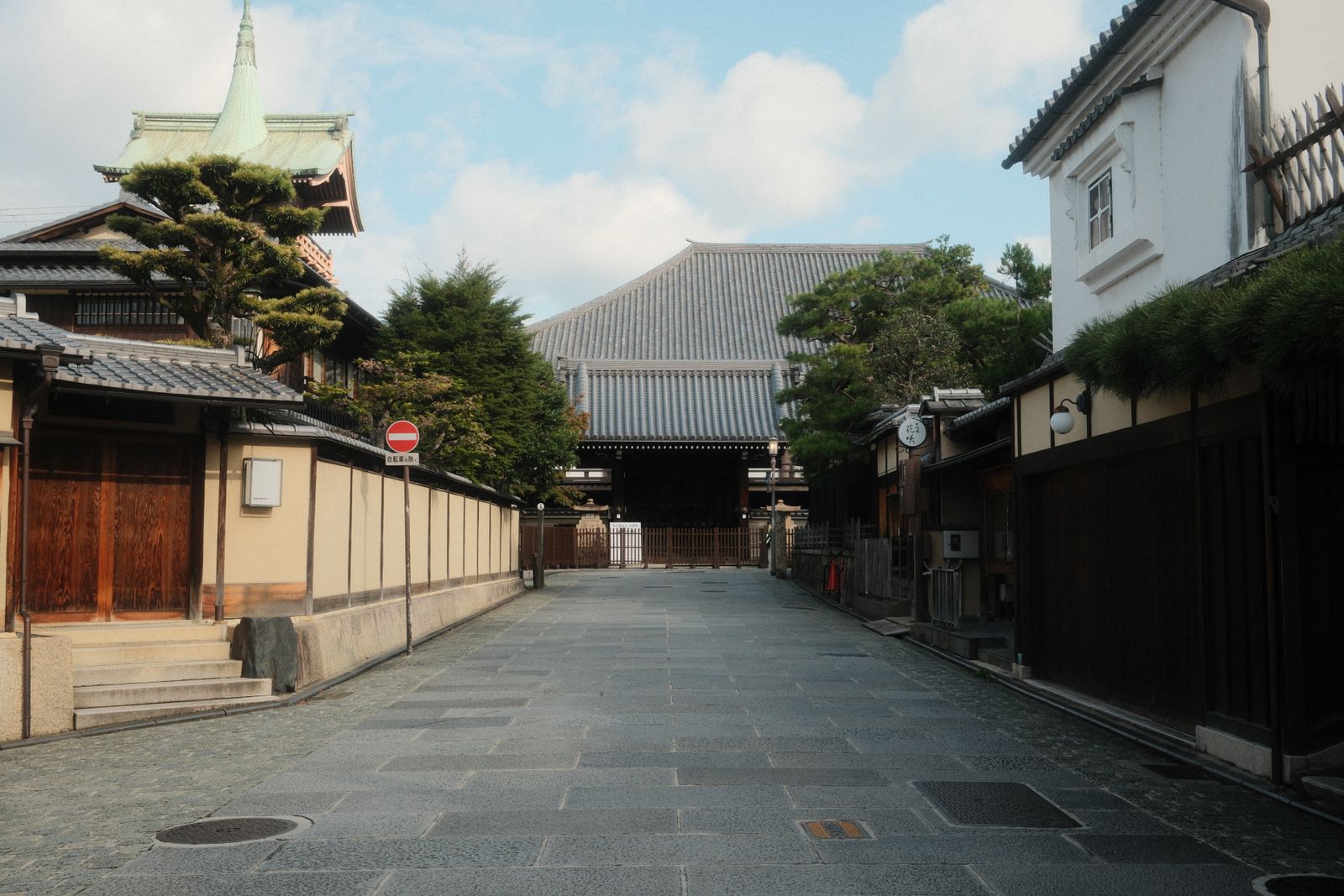
What is left on your Kyoto list is usually the part that takes time rather than distance: a temple approach early enough that nobody else is on it, the walk up through the torii, an afternoon with nothing in it. None of that needs a train, a gate at the far end, or a return you are counting backwards from.
The test is short. Look at what is still unticked in the city, then at what a day trip takes out of it. If cutting the city list is the one that stings, cut the trip instead.
JBJ'S TAKE
Some days, the answer is stay.
Every page that asks whether it is worth it answers yes. JbJ doesn't. If this is your first Kyoto trip and the city's own list is not finished, the day stays here.
A day trip is a subtraction from Kyoto, not an addition to the week. If the subtraction stings when you read it, you already have your answer. Stay.
The one thing to settle tonight
JBJ'S TAKE
Nobody needs to be sold this day.
Almost everyone writing about these four is also selling a tour for one. A tour spends the exact thing this page ranks on — your hours — and hands back a schedule someone else set. JbJ wouldn't book one for any of the four. Buy the ticket yourself and keep the clock.
If the day stays in Kyoto, you are finished — there is nothing left on this page to decide. If it goes, only one of the four can be closed when you arrive, and that is seat 3, so Tuesdays and the winter closure are the calendar check to do before anything else.
And if you came here from the Tokyo version of this page, notice that the clock changed. There the days end on trains. Here they end on gates.
JBJ'S TAKE
Not four choices. One.
Does the spare day leave Kyoto at all? That is the only thing you settle tonight. If the answer is no, you're finished.
If it goes, it goes to Uji, and you are at the gate in the morning. Every one of these ends on somebody else's clock, and none will move it for you. An afternoon start is how people travel for a day and see the outside of the thing.
Attributions: the gates and prices are their owners’ own — Byodo-in’s, Todai-ji’s, Kasuga Taisha’s, Kurama-dera’s, and Himeji Castle’s and Himeji City’s; the last departures are JR West’s Nara Line timetable dated 2026-09-09; the operators, lines and stations are Keihan’s, Eizan’s and JR West’s; the Nozomi and Mizuho rule is the Japan Rail Pass site’s own. Hours and prices get revised. Checked 2026-09-09.