You have Tokyo nights booked and one day with nothing in it. This page puts four day trips in order on one rule you can check against your own hotel: how much of the day is yours before the way home closes. The famous names that lose a seat are named, with the reason and where the day goes instead.
By the end you book one train from one terminal tonight, and one big name waits for the next trip without feeling like a loss.
The order, and what it turns on
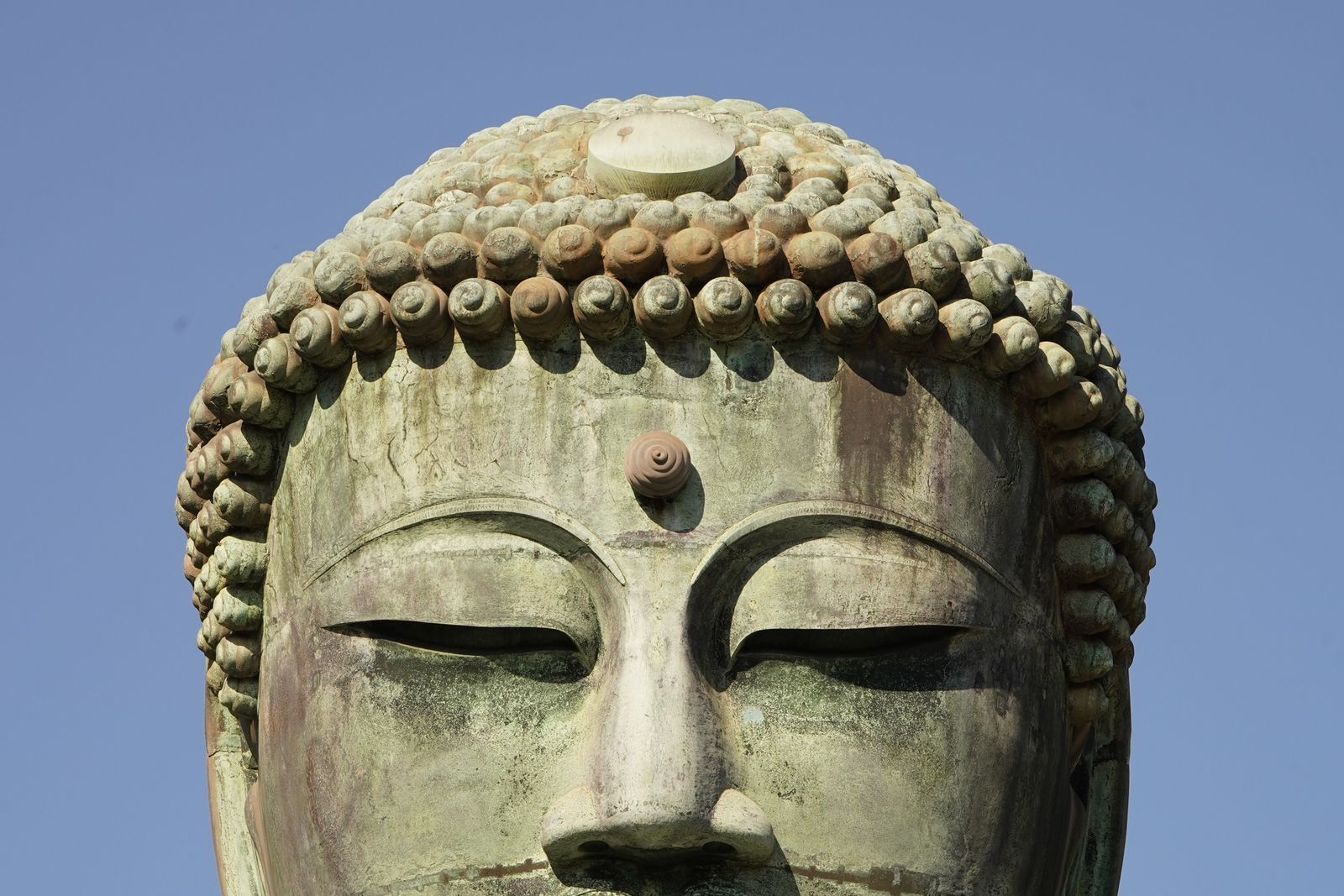
- Kamakura, with Enoshima if the gate allows. Tokyo Station, JR Yokosuka Line. The day ends at Kotoku-in’s gate, 17:30 from April to September and 17:00 from October to March, not at a train time.
- Hakone. Shinjuku, Odakyu. The longest printed way home: the last Romancecar back leaves Hakone-Yumoto at 19:50 on weekdays and 19:52 on weekends (2026-03-14 timetable, checked 2026-09-07). The loop is guaranteed; the mountain is not.
- The Fuji lakes (Kawaguchiko). Shinjuku, the Fuji Excursion train or the highway bus. The shortest printed way home: the last direct train back leaves Kawaguchiko at 17:41 (same timetable, same check). A seat November to February, a gamble in between, a decline June to August on both official records.
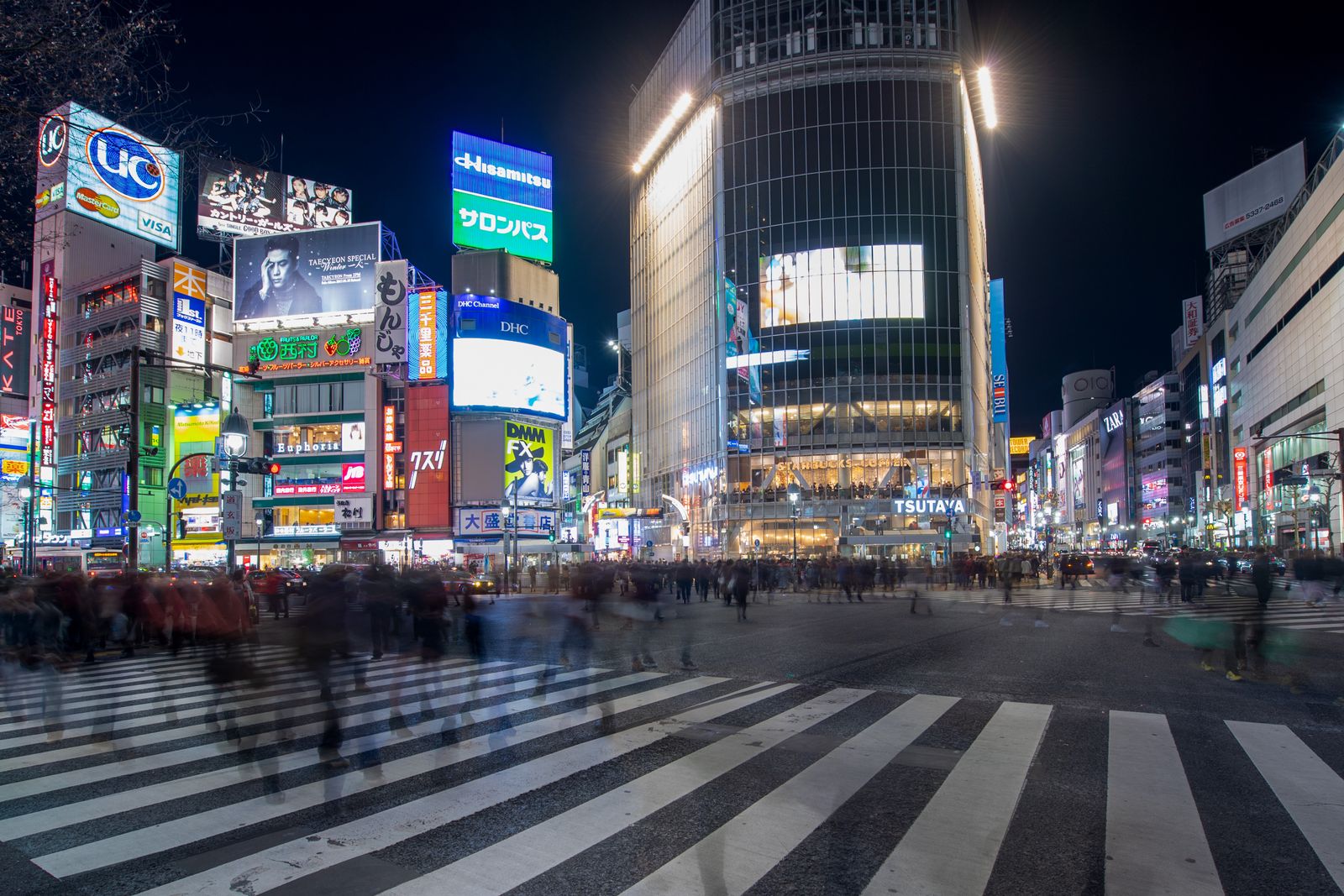
- Yokohama. Tokyo Station or Shinagawa, JR, 25 minutes by the city’s own visitors guide. Last for a whole day, first for half of one.
Left out, with the reason and where the day goes instead: Nikko; Hitachi Seaside Park outside its flower windows; Takao and Kawagoe, which are half-days.
The rule: how much of the day is yours before the way home closes, a printed last train where the operator prints one and a gate where it does not, counted from the terminal your Tokyo base hands you.
JBJ'S TAKE
One clock per seat. Not always a train.
How much of the day is yours before the way home shuts, from the terminal your base hands you. Yours: nothing to check that morning.
Two seats have a printed last train, two a gate, Yokohama neither. So be it. JbJ ranks on the clock each seat has, not on one it can't print.
Sleep in Shinjuku? 1 and 2 swap.
Counting from where you sleep
The order is written from Tokyo Station, and your hotel can move it. Shinjuku is where Odakyu leaves for Hakone and the Fuji Excursion leaves for the lakes, so a Shinjuku sleeper has seats 2 and 3 at the door and seat 1 a ride away. Asakusa is Tobu’s terminus, the best base Nikko gets, which is why the decline below is counted from there. Tokyo Station and Ueno hold the Shinkansen, the JR way to Nikko; Tokyo Station also holds the Yokosuka Line for Kamakura and Yokohama. Which terminal your base hands you is read off the operators’ lists in where to stay in Tokyo. Every time printed here runs from the terminal; the ride to it is yours to count.
1. Kamakura — the day that ends at a gate
A temple-and-coast day with nothing to check on the morning. The JR Yokosuka Line runs from Tokyo Station, about an hour from Tokyo by the Kamakura City Tourism Association’s reckoning. What closes the day is the gate at Kotoku-in, where the Great Buddha sits in the open air: 8:00 to 17:30 from April to September, 8:00 to 17:00 from October to March, ¥300 at the gate. That is the whole condition. No weather breaks it, no volcano sits under it, no month collapses it; the gate just closes half an hour earlier from October.
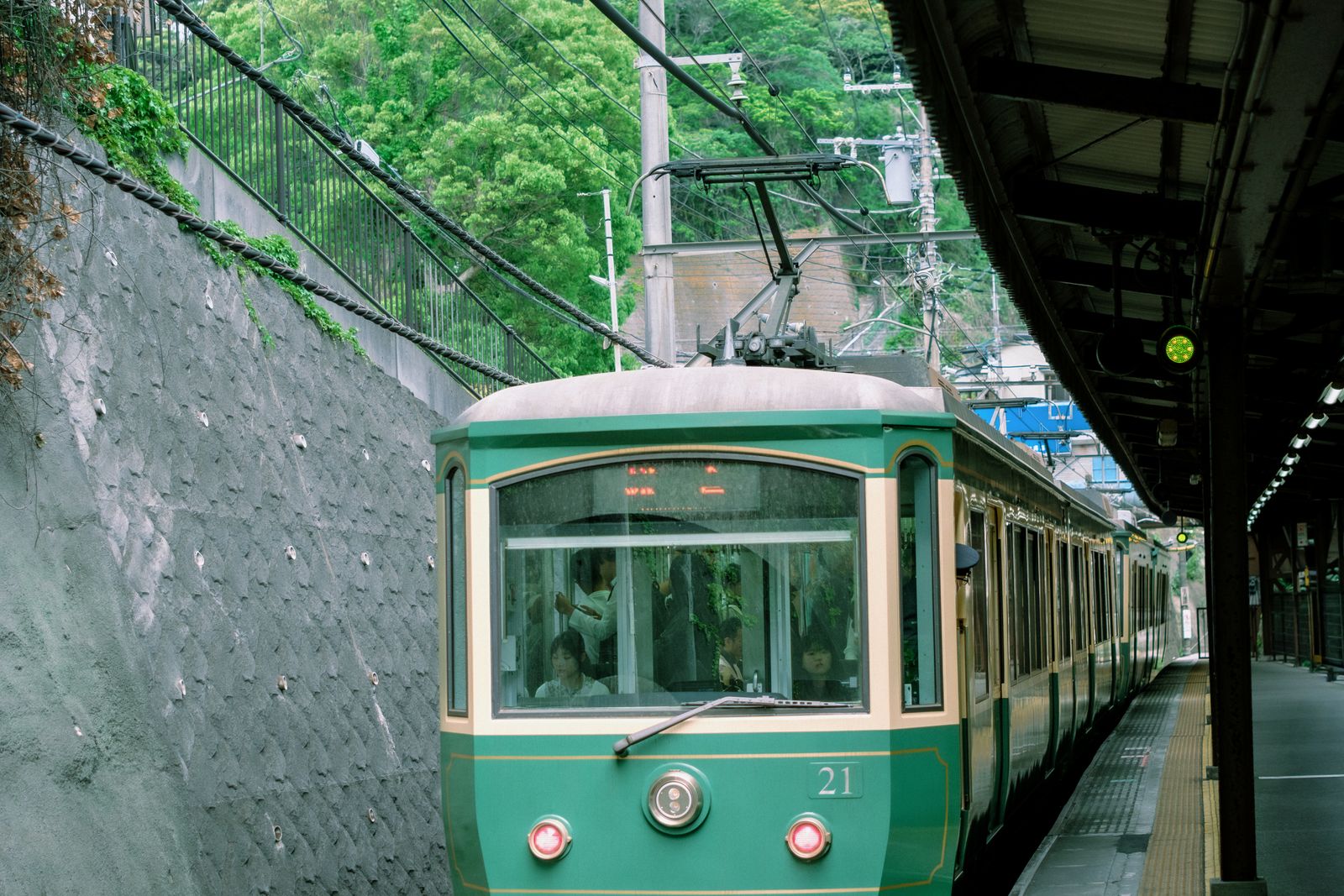
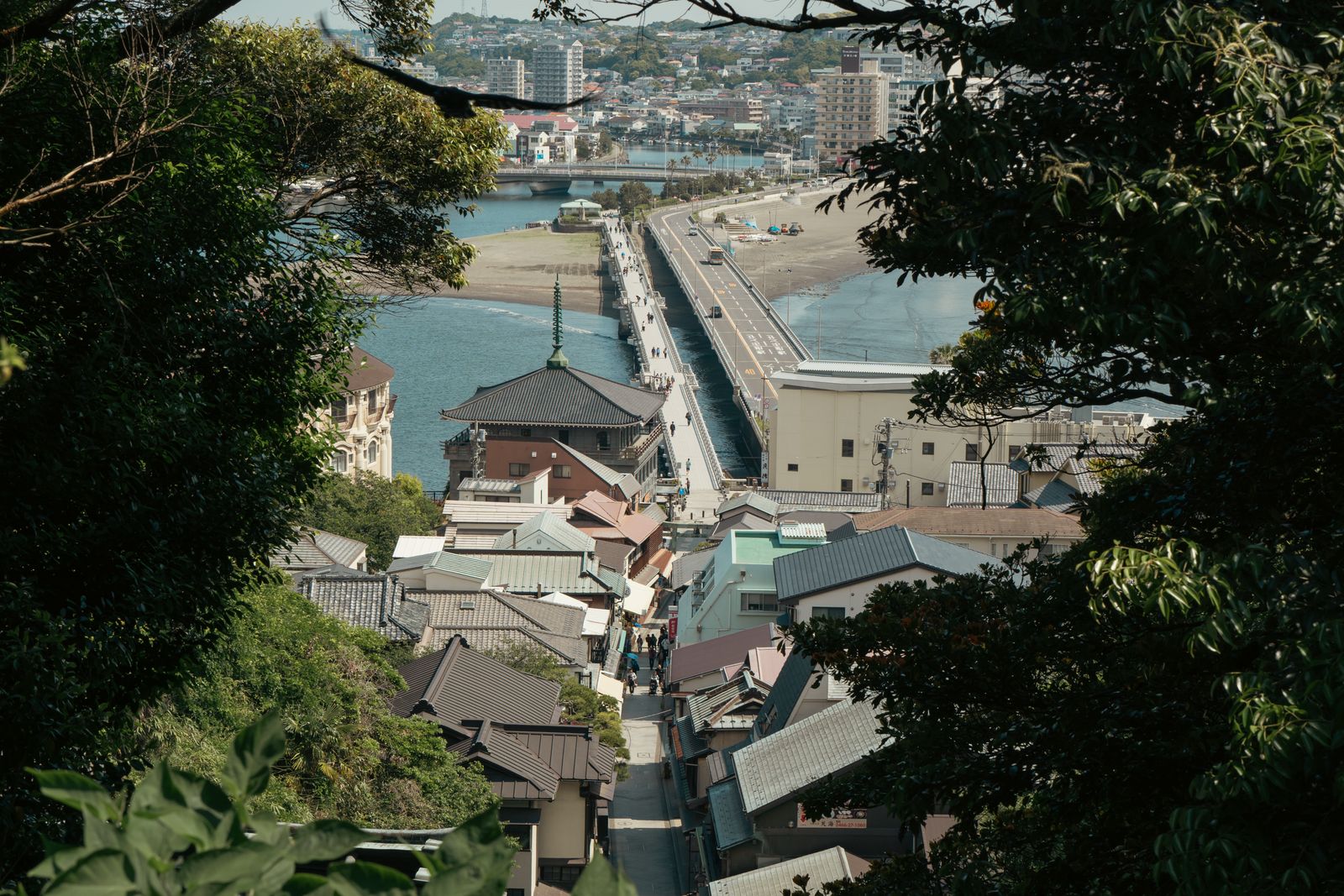
Enoshima is the add-on, down the same coast on the Enoden. It fits inside the gate or it doesn’t; the gate decides, not a train.
2. Hakone — the longest printed day, from Shinjuku
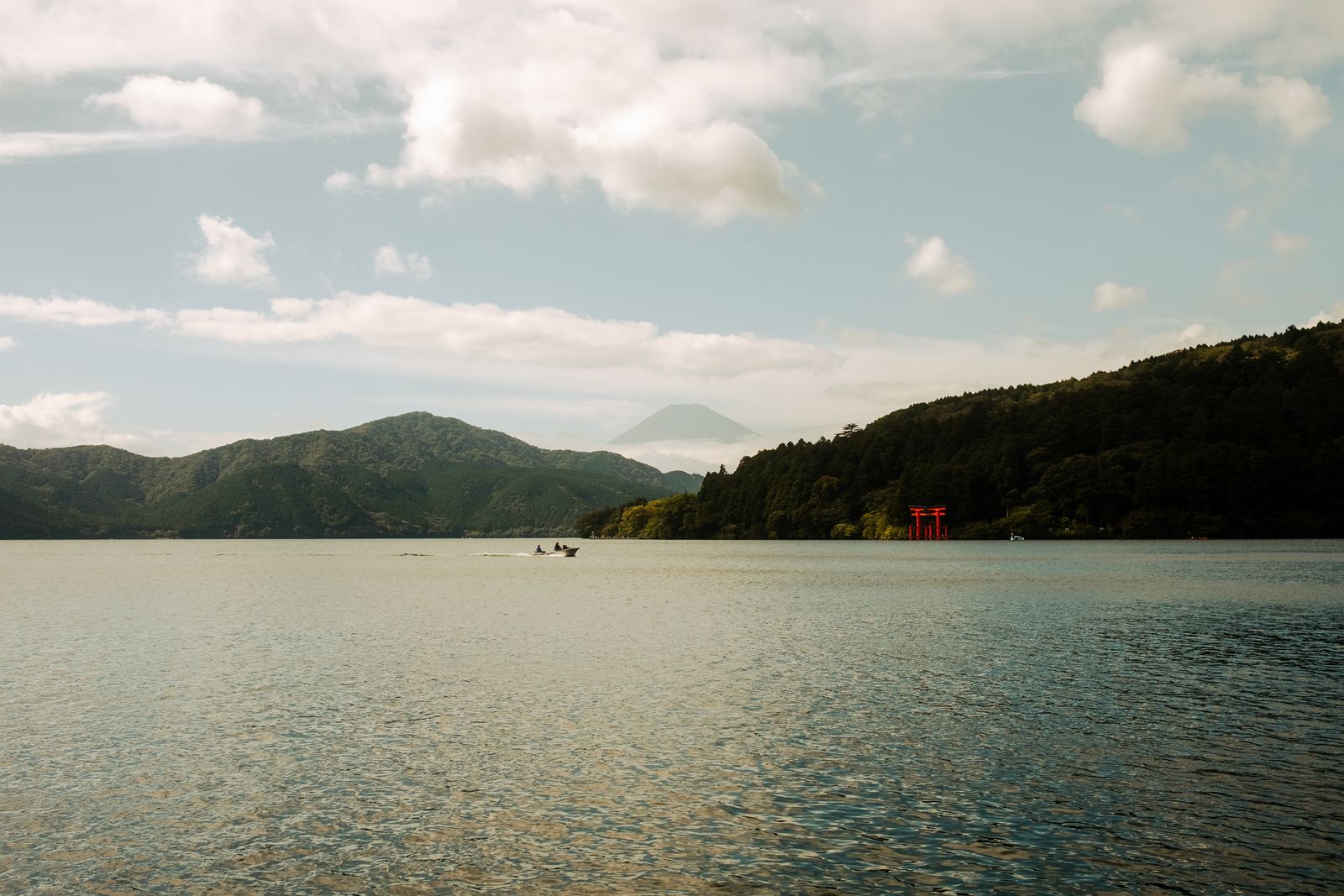
The loop is the guaranteed part. Odakyu from Shinjuku, about 80 minutes on the fastest services; the Hakone Tourist Association’s own day trip starts about 8:30 and has you back in Tokyo around 18:30, and the last Romancecar out of Hakone-Yumoto goes well after that frame: 19:50 weekdays, 19:52 weekends (2026-03-14 timetable, checked 2026-09-07). No other seat prints a way home that late. The one price here is the Hakone Freepass, ¥7,100 for two days from Shinjuku, that price since 2025-10-01, checked 2026-09-07; price your legs first.
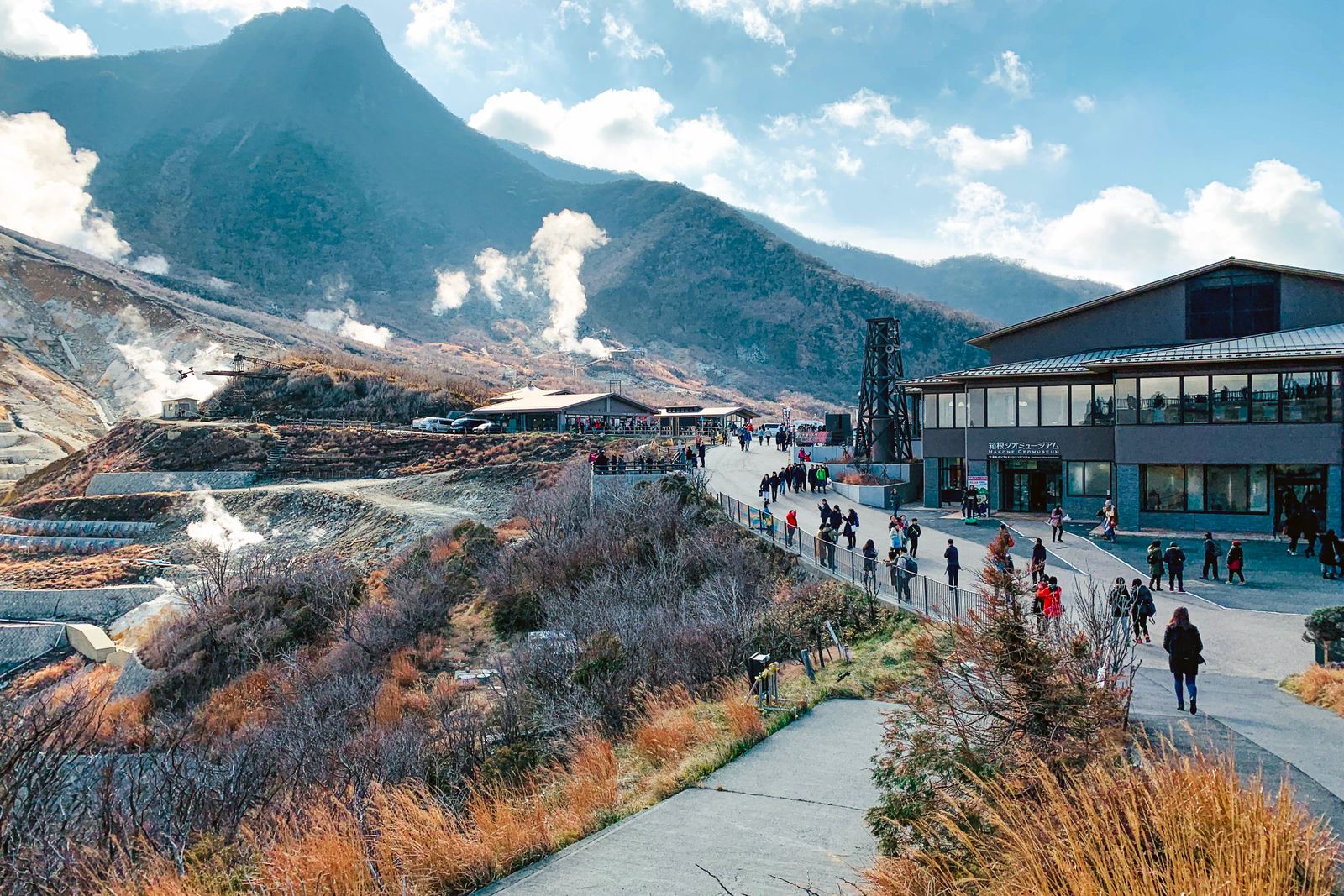
Two things are not guaranteed, and both are morning checks. The mountain across the lake is seat 3’s gamble, and the records there give the months. Owakudani is a live vent: the Japan Meteorological Agency has Hakone at Level 1, the lowest, its latest note dated 24 July 2025 warning of active steam around Owakudani, and the ropeway closes for weather, gas readings and an annual inspection. Check Odakyu Hakone’s status page on the morning. From Shinjuku this seat competes for first; from Tokyo Station or Asakusa, it is a ride to Shinjuku before the 80 minutes begin.
3. The Fuji lakes — a seat in winter, a gamble in between, a decline in summer
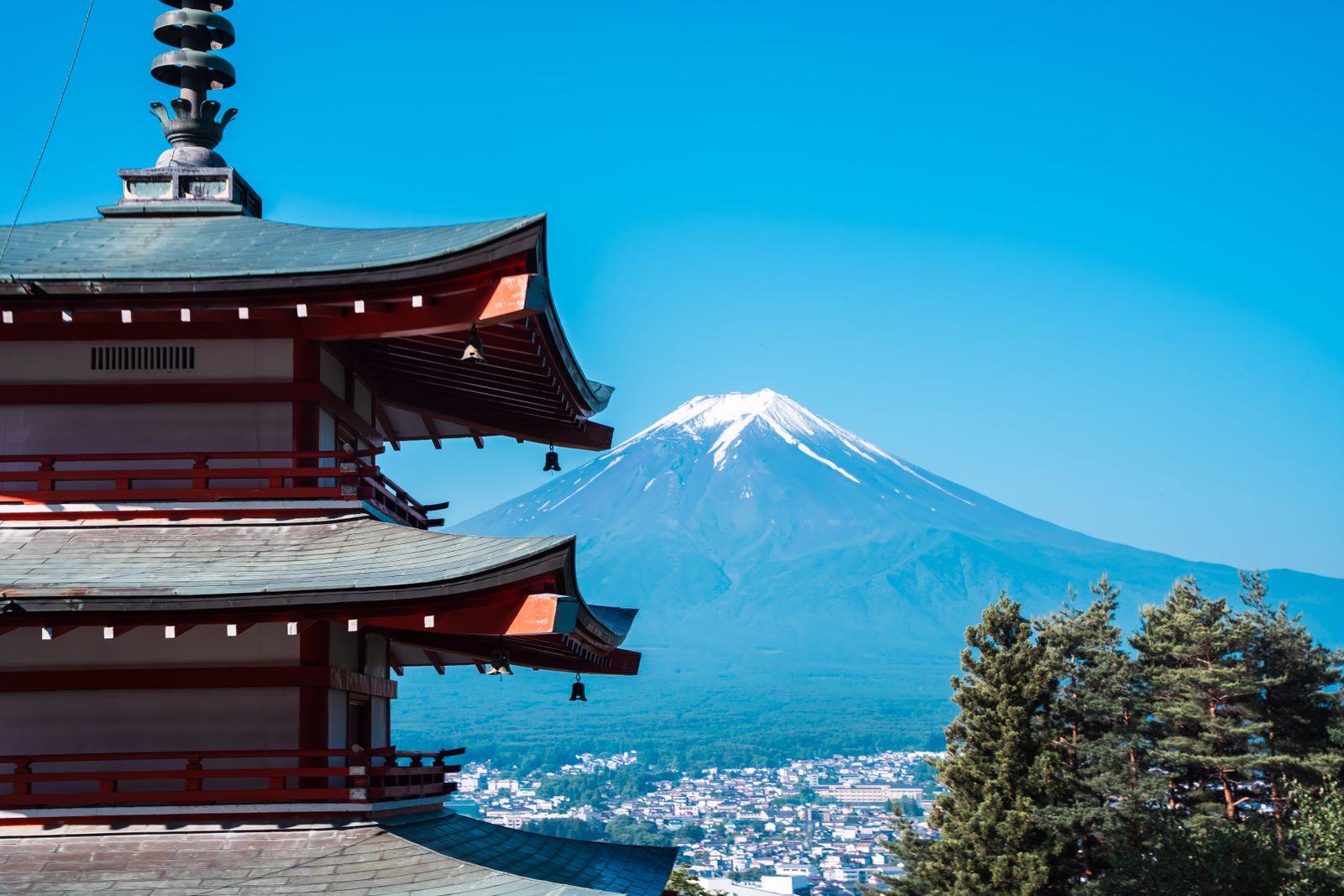
The seat whose payoff is a probability. Kawaguchiko is reached from Shinjuku on the Fuji Excursion, 1 hour 54 minutes by Fujikyu’s headline, and the last direct train back leaves Kawaguchiko at 17:41 (2026-03-14 timetable, checked 2026-09-07), the earliest way home on this page.
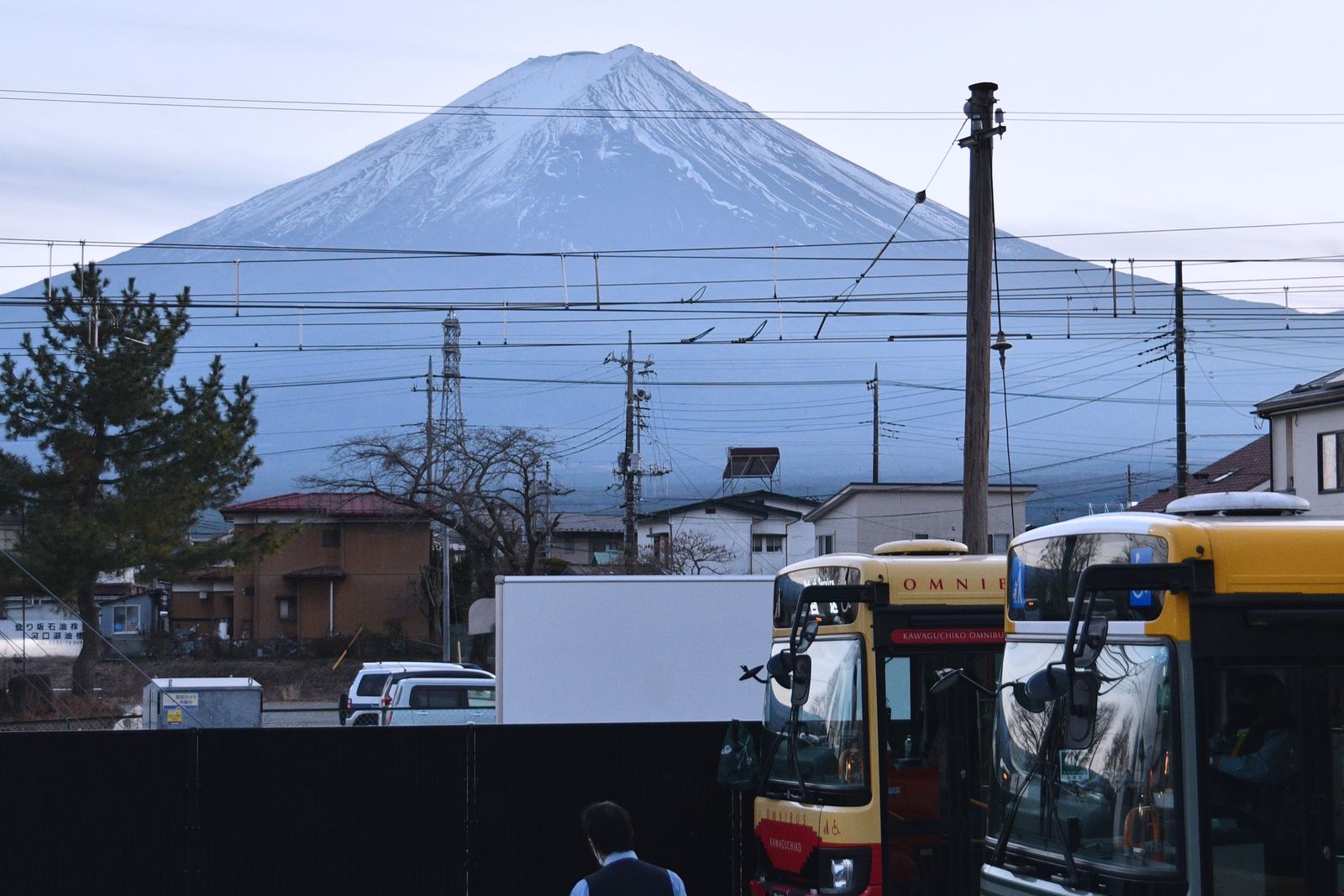
Two official day-counts, from two different places. Tokyo’s, taken from the Metropolitan Government building in Shinjuku at 9:00 and kept by fiscal year, puts December and January at about 18 to 19 days a month on the long-run average, February at about 14, and June, July and August at about two. Fuji City, on the Shizuoka side, has looked at the mountain from its city hall at 8:00 every day since May 1990, and in 2025 the whole mountain showed on 136 mornings: two in June, five in July, three in August, against 19 to 22 in each of November, December, January and February. From the lakes themselves, JbJ could find no equivalent public day-count; Fujiyoshida, Fujikawaguchiko and the prefecture publish live cameras instead.
JBJ'S TAKE
January, go. July, don't bother. Between? Also no.
Winter takes the seat, and pays with a short day: 17:41 is your train home. Buy it the day it goes on sale.
A shoulder month, one day? No. One morning against those counts is a bet, not a day out. Send the day up the list.
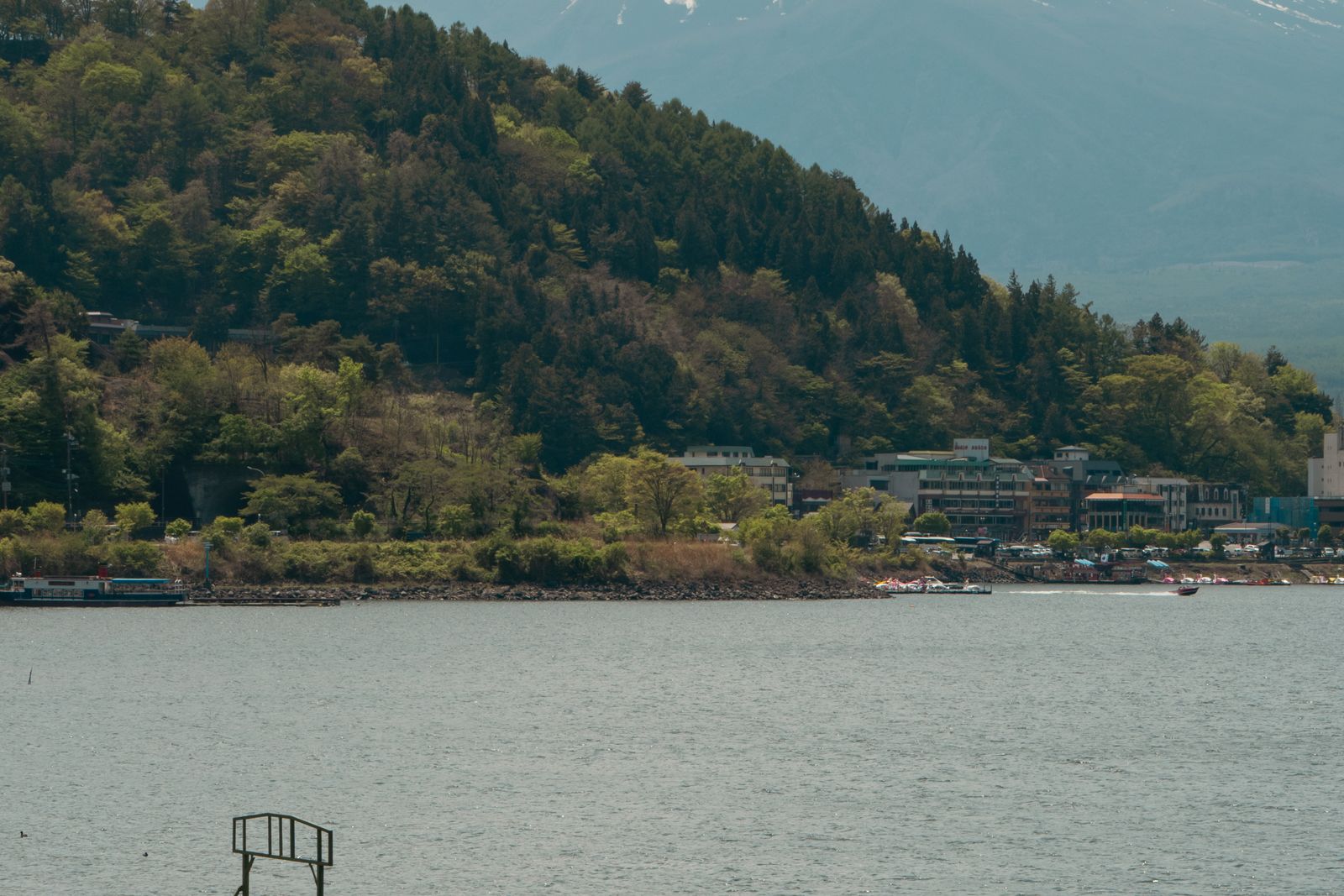
When you do go, expect the view from where the buses stop. Not the postcard.
Two ways up from Shinjuku: the Fuji Excursion, four direct trains a day each way, every seat reserved, on sale a month ahead, ¥4,200 one way; or the Keio highway bus, ¥2,200 one way, about 1 hour 45 minutes (both checked 2026-09-07). The 17:41 train is still the way home.
4. Yokohama — an afternoon, not the day
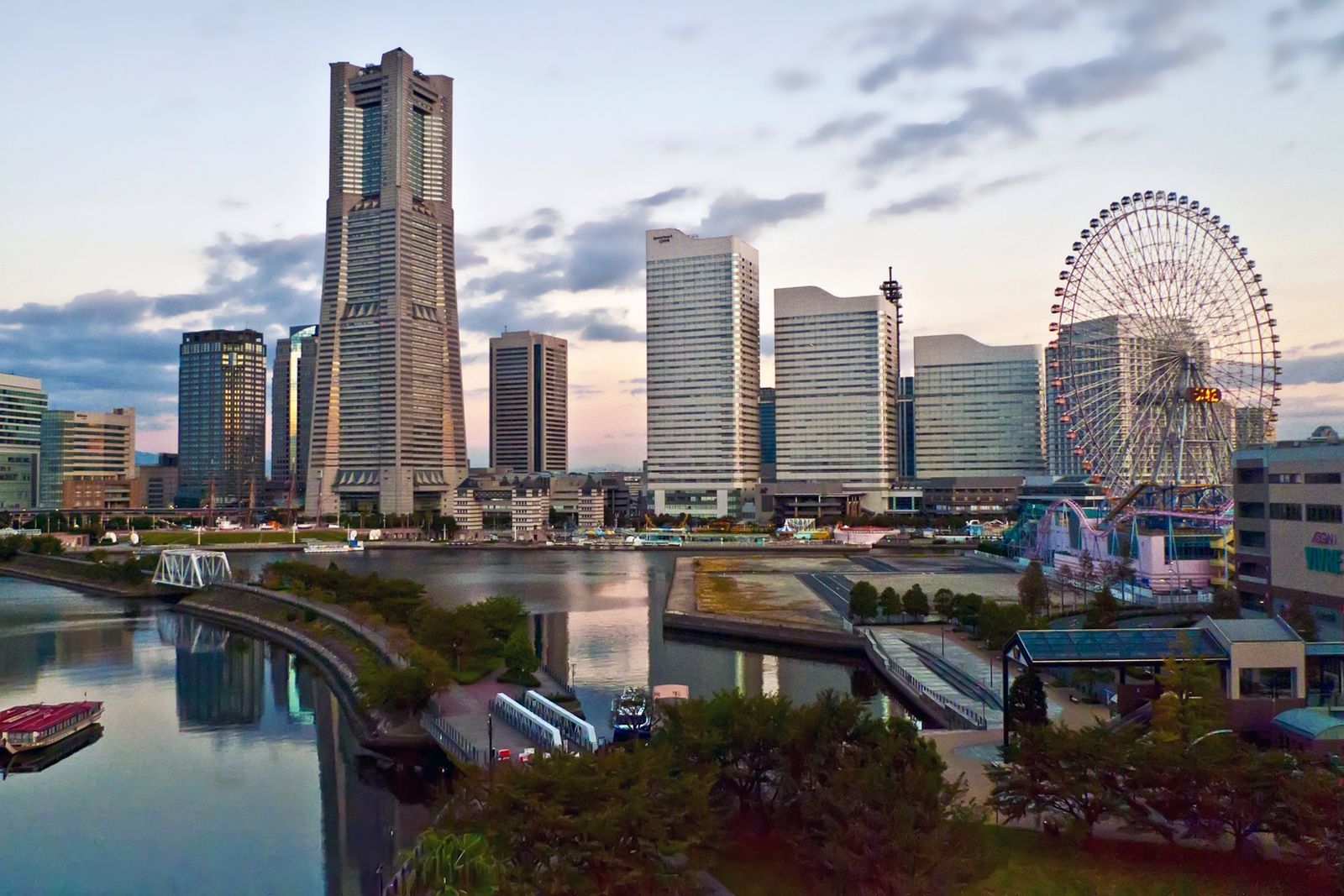
JR from Tokyo Station or Shinagawa, and a position rather than a decline. Yokohama carries no clock this page can hold it to, which is exactly why it is last for a whole spare day and first for half of one: a ride the city’s own visitors guide puts at 25 minutes from Tokyo Station is the only seat here that fits inside a late start or a checkout morning. Sixteen from Shinagawa, by the same source, the Yokohama Official Visitors Guide.
Left out, and where the day goes instead
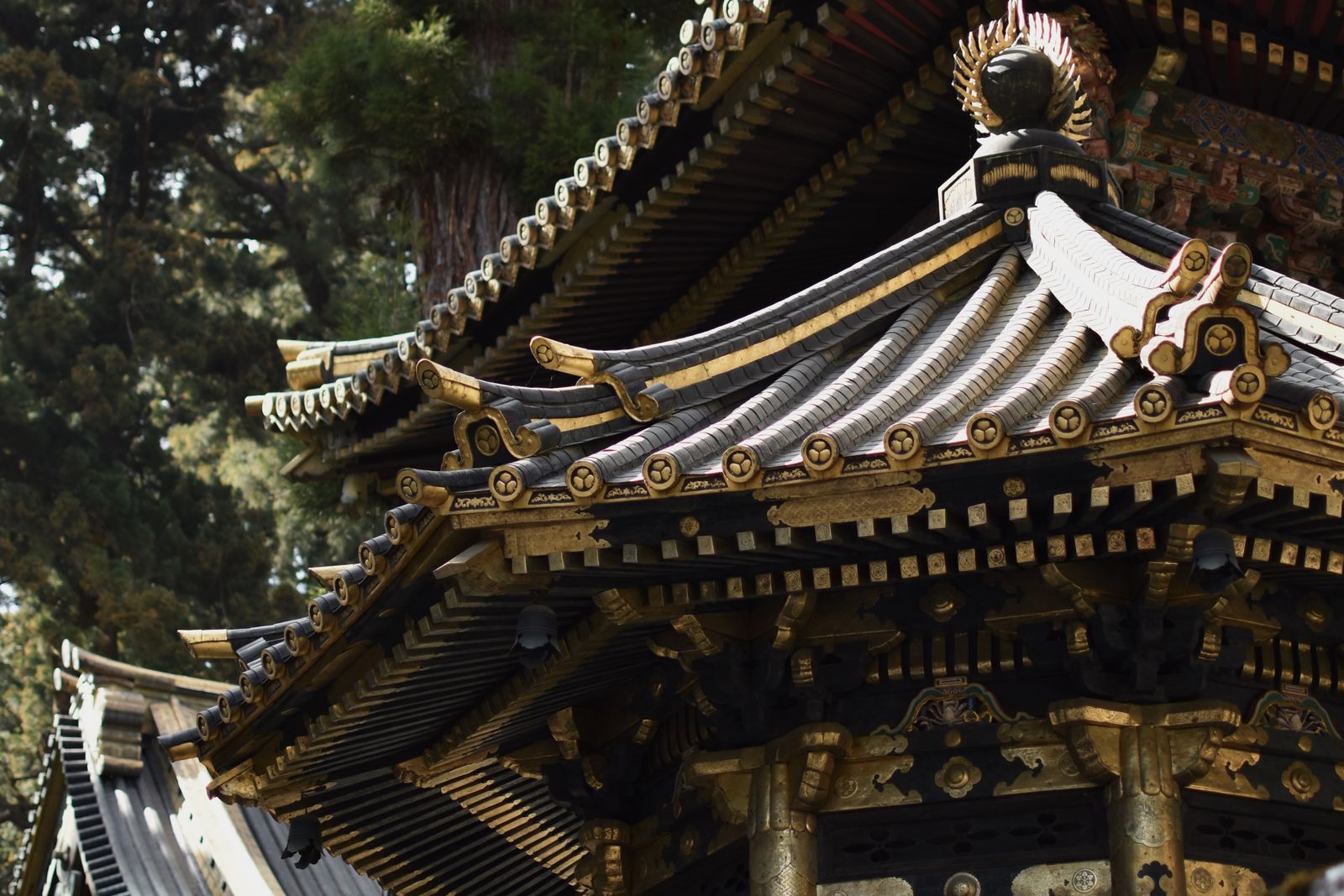
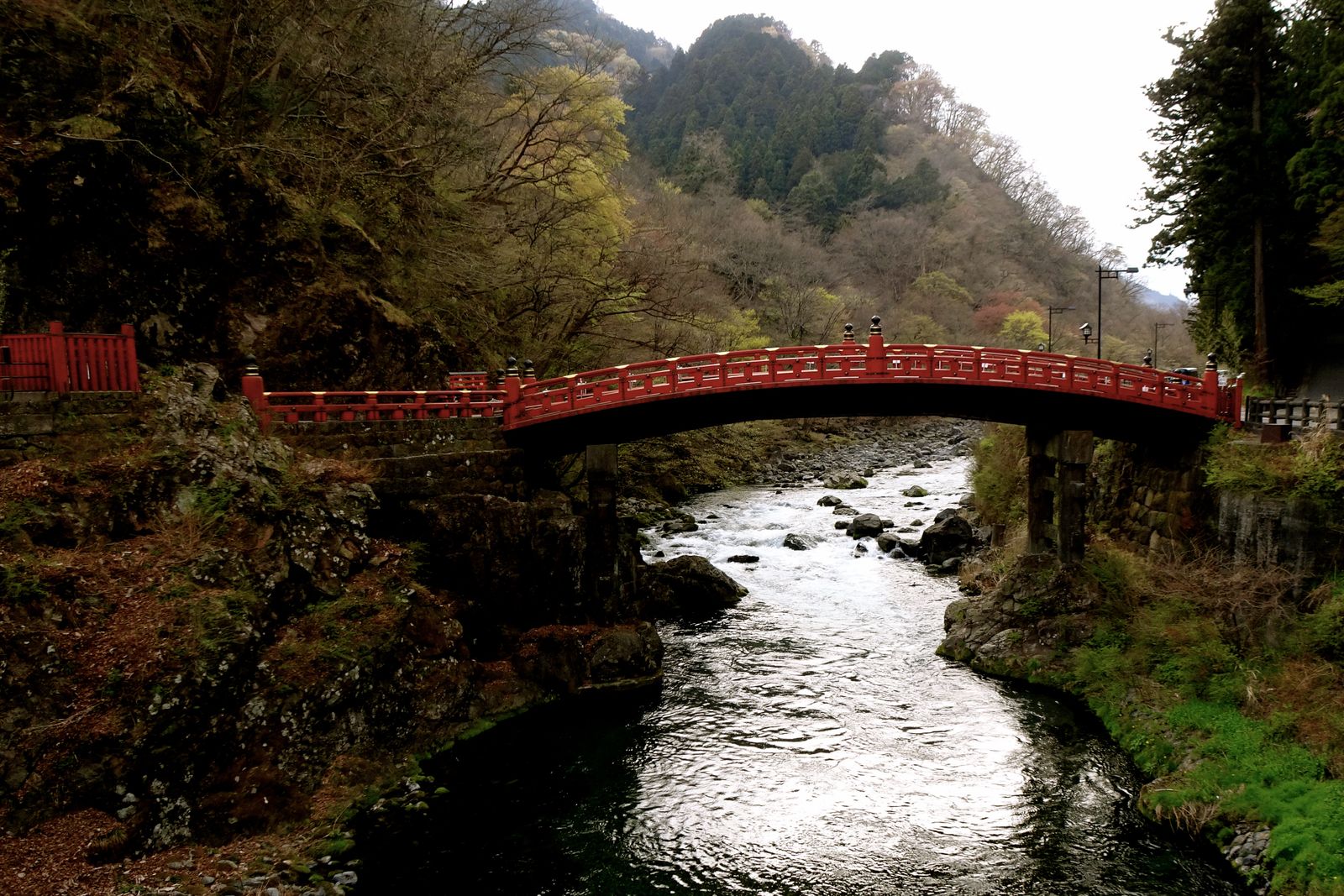
Nikko is the two-day place, counted here from its best case. Asakusa is Tobu’s terminus, and Tobu’s limited express takes about 1 hour 50 minutes from there. The shrine day is framed by Toshogu’s gate: 9:00 to 17:00 from April to October, closing at 16:00 from November to March, last entry 30 minutes before. The other half of Nikko, Lake Chuzenji and the falls, is a further 45-minute bus from Nikko Station, and the Nikko City Tourism Association says that ride runs over four hours from mid-October to mid-November, on the lake road, not at the shrine. The pass is the cost shape, and the pass is sold as two days: the NIKKO PASS World Heritage Area, ¥3,000 for two days, express seat extra, sold to overseas visitors only, checked 2026-09-07. So the spare day goes to seat 1 or 2, and Nikko goes to the next trip with a night, the shape the rail-pass page already prices.
JBJ'S TAKE
Nikko is two halves. One day buys one.
Nearly two hours each way from Asakusa, and that's the best base. A gate that shuts at five, earlier in winter. The lake another bus beyond it. Even the pass is sold as two days.
So no, not with your one day. That day goes to 1 or 2. Nikko goes to the next trip, with a night. It isn't going anywhere.
Hitachi Seaside Park is a park outside its own windows: nemophila mid-April to early May by the park’s own dates, inside Golden Week, and red kochia mid-October, with the park’s caveat that the timing moves with the weather. Inside a window you have checked on the park’s page, it is a seat; outside one, the day goes to seat 1.
Takao and Kawagoe are half-days sold as days. Takao is under an hour from Shinjuku on Keio, 45 minutes on the weekend reserved train; Kawagoe is the same shape. Either is a Tokyo afternoon, and this page ranks whole days.
What to book tonight
None of the four seats needs a coach, and JbJ wouldn’t book one for any of them: each is a single operator from a single terminal, and what a coach takes from you is the clock, which is the one thing this page ranks on. If you have under five Tokyo days, keep the day; the planning page’s allocation stands. And this page is not for a car, a Hakone or lakes overnight, the climb, or the Kansai side. The bag stays in Tokyo; the lockers and counters cover the morning you leave it.
JBJ'S TAKE
Tonight, one train. Then go to bed.
Tokyo Station is your terminal? Then tonight is easy. The Yokosuka Line after breakfast, and Kotoku-in's gate ends the day.
Shinjuku? Reserve a Romancecar seat; your day runs to the last one back. Winter, and it's the mountain you want? Then the Fuji Excursion, a month out.
Nikko is the name that waits. Not lost. Next trip, with a night.
Attributions: journey times are the operators’ own (Odakyu, Fujikyu, Keio Bus, Tobu, Keio) and the Kamakura City Tourism Association’s and Yokohama Official Visitors Guide’s; last trains are Odakyu’s and Fujikyu’s timetables from 2026-03-14; the Hakone day frame is the Hakone Tourist Association’s; the Chuzenji note is the Nikko City Tourism Association’s; the volcano is the Japan Meteorological Agency’s; the two day-counts are the Tokyo Metropolitan Government’s and Fuji City’s; gates, passes and flower windows are Kotoku-in’s, Toshogu’s, Odakyu’s, Tobu’s and Hitachi Seaside Park’s. Timetables get revised. Checked 2026-09-07.