The Japan Rail Pass is one expensive yes-or-no. For the right route it pays for itself; for the wrong one it can cost nearly double what the same trains cost as individual tickets. Which side your trip lands on depends almost entirely on your route — so if your route isn’t settled yet, settle that first: the first-trip planning order is built for exactly that. If your route is set, read on. The conditional answer comes first, then the current price reality, then three real routes priced leg by leg so you can run the same math on yours.
The short answer: it depends on your route, and here’s the split
The pass tends to pay when:
- your route strings together several separate long-distance legs — not one out-and-back — inside a single pass window;
- you extend west to Hiroshima and keep riding on top of that: side trips, doubling back, or continuing further west (the plain Hiroshima loop alone still comes in under, as Scenario 2 shows);
- your long-distance travel is concentrated, so the legs actually fit inside one 7-, 14- or 21-day window;
- you want to change long-distance plans day to day without buying a new ticket each time, and you’ll pay something for that freedom.
The pass tends not to pay when:
- your trip is one city, or one round trip — Tokyo ⇄ Kyoto is the classic case;
- you’re doing the standard Tokyo → Kyoto → Osaka loop and nothing longer;
- you’re based in one city and doing day trips from it;
- your long-distance legs spread across more days than a pass window covers;
- you’re set on the fastest Nozomi trains, which the pass covers only with a paid supplement per ride.
The rest of this page is the proof: the current prices next, then three routes priced leg by leg, then a ten-minute method for pricing your own.
JBJ'S TAKE
Most first trips shouldn't buy it.
JbJ's position, before the tables: for the shape most first trips actually have, the nationwide pass is not worth it.
That is not a warning about the pass. It is arithmetic. The standard Tokyo–Kyoto–Osaka loop comes to a little over half the pass price. A Tokyo–Kyoto round trip is barely more than half. Nothing about seat class closes a gap that size.
The pass has a real shape it wins in — several long-distance legs packed inside one window, or riding west past Hiroshima and continuing. If that is your trip, buy it and stop reading.
What JbJ refuses is the reflex. The pass gets recommended as a default for first-timers, and for the most common first-timer route it is the more expensive choice by a wide margin.
What the pass is, and what it costs right now
The nationwide pass in one paragraph
The Japan Rail Pass is a nationwide ticket for the JR Group’s railways: unlimited riding for 7, 14 or 21 consecutive days from a single start date, with no flexible or split version. It’s the nationwide product — the JR companies also sell regional passes covering one area, which matter later on this page. And it’s strictly a tourist product: you must enter Japan with Temporary Visitor status and have the stamp or sticker in your passport (if you use the automated immigration gates, ask for the stamp — you’ll need it). Residents of Japan aren’t eligible. Japanese nationals who have lived overseas for ten consecutive years or more remain eligible via Exchange Order under a program currently running through December 31, 2027.
The price box: two channels, two dates
What you pay depends on where you buy and when. That’s not a footnote; it’s a fork.
Prices as of 2026-08-28 (ordinary-car and Green passes, adult; children half price):
Pass Current price (both channels, now) Overseas agents, from 2026-10-01 7-day ¥50,000 ¥53,000 14-day ¥80,000 ¥84,000 21-day ¥100,000 ¥105,000 Green 7-day ¥70,000 ¥74,000 Green 14-day ¥110,000 ¥116,000 Green 21-day ¥140,000 ¥147,000
- The 2026-10-01 increase applies to overseas sales agents (local time at the place of purchase).
- The official Japan Rail Pass website keeps the current prices beyond that date for an unannounced period. No end date has been published.
- The official page states that the price in effect when you purchase online, or when your Exchange Order is issued, is the price that applies.
- Context for older articles you may have read: prices rose sharply on 2023-10-01 — by roughly 50–70%, depending on purchase channel.
A correction you’ll see contradicted elsewhere
You will read — on large reference sites and reseller blogs — that Exchange Order and agent sales ended in 2025 and the pass has been website-only since. As of 2026-08-28, that is wrong. Overseas agents are actively selling, the official site publishes an agent price schedule that takes effect on 2026-10-01 — which is incompatible with the channel having closed — and the current official conditions run the Exchange Order window through December 31, 2027 (exchangeable in Japan through March 30, 2028), with arrangements after that date still to be announced. If a page tells you the agent channel is gone, treat the rest of its pricing with suspicion too.
Three real routes, priced against the pass
The assumptions behind every number
Break-even is arithmetic, not doctrine: add up the regular fares for the long-distance legs you’d ride inside one pass window, and compare the sum to the pass price. Any “X rides to break even” rule you meet elsewhere has assumptions baked in silently — how long the rides are, reserved or not, which trains. The assumptions here are explicit:
Assumptions for every table below — fares as of 2026-08-28:
- Fares are regular one-way fares, non-reserved ordinary car unless a column says otherwise. Reserved fares are regular-season figures and move about ±¥200 with the season (up to +¥400 on the highest-demand days); non-reserved fares don’t vary.
- The pass covers Hikari-, Sakura- and Kodama-class shinkansen at no extra cost. Nozomi and Mizuho are different: ride them either on ordinary tickets with no pass, or on the pass plus a paid supplement ticket per ride — Tokyo/Shinagawa ⇄ Kyoto or Shin-Osaka ¥4,960, Tokyo ⇄ Hiroshima ¥6,500.
- The comparison price is the 7-day pass from the price box. Where a total runs close, both price states are shown.
- Tokyo and Shinagawa are priced the same on these routes.
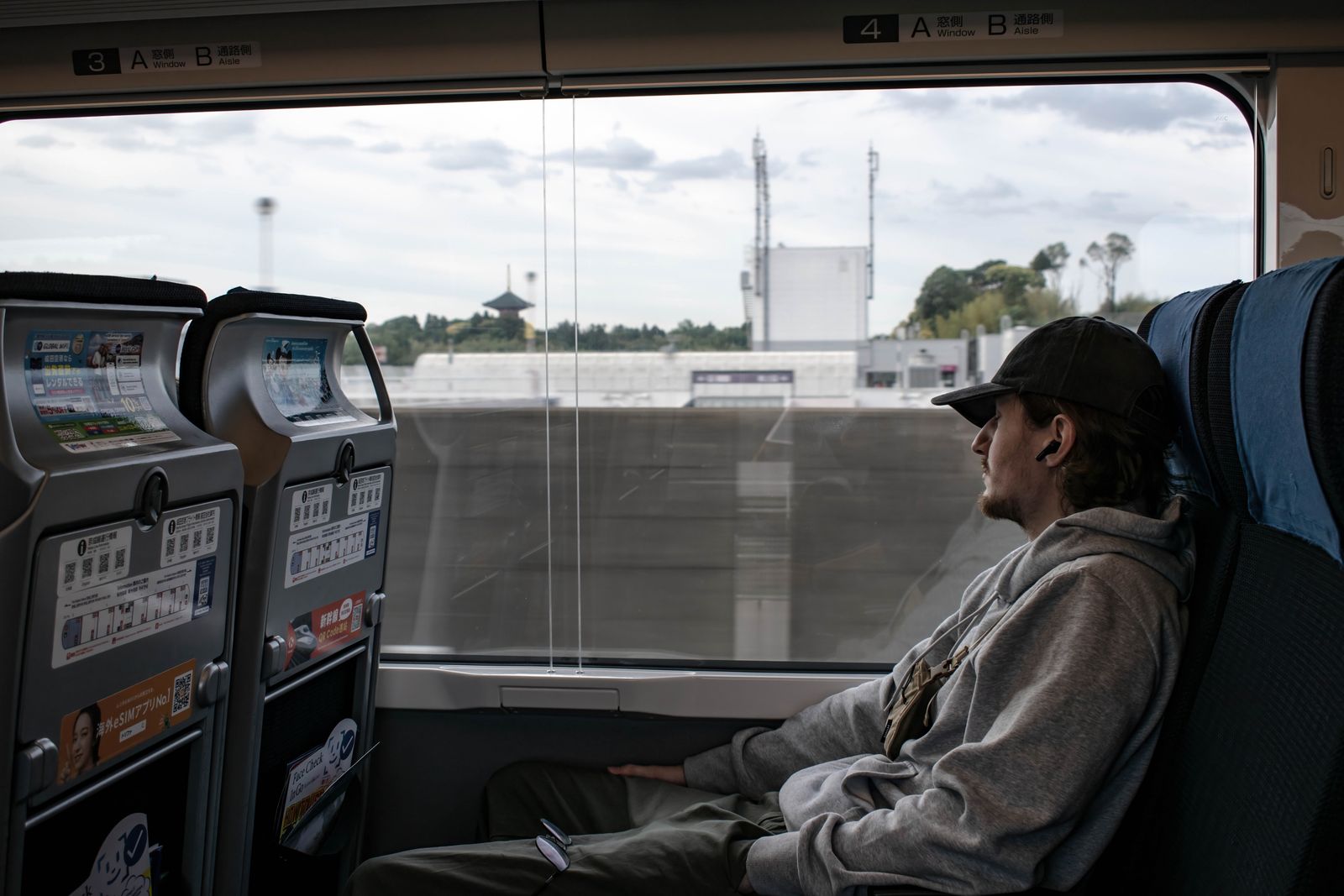
Scenario 1: Tokyo → Kyoto → Osaka → Tokyo, 7 days
The standard first-trip loop: down the Tokaido line, the short hop between Kyoto and Osaka, then back.
Scenario 1, priced leg by leg — regular fares as of 2026-08-28 (non-reserved):
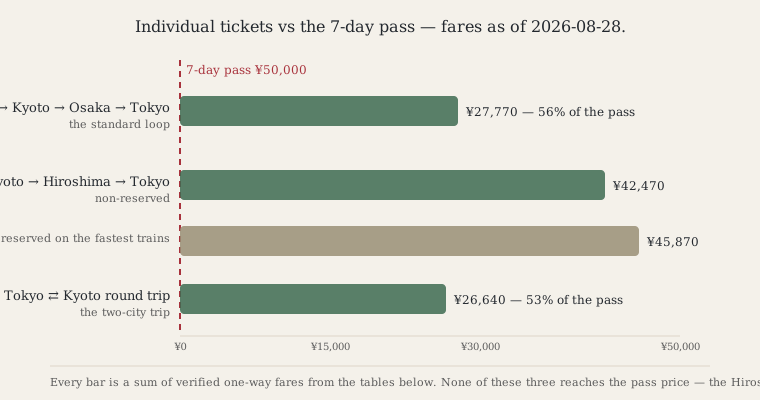
Leg Fare Tokyo → Kyoto (shinkansen, non-reserved) ¥13,320 Kyoto → Osaka / Shin-Osaka (JR local or special rapid) ¥580 Shin-Osaka → Tokyo (shinkansen, non-reserved) ¥13,870 Route total (computed) ¥27,770 Same route with the middle leg by shinkansen instead (non-reserved ¥1,450) ¥28,640 7-day pass, current price ¥50,000 Totals are sums of the one-way fares above — about 56–57% of the pass.
Verdict: not worth it. The entire loop, bought as individual tickets, is a little over half the pass price, and no seating upgrade on these legs closes a gap that size. This one isn’t close enough to need a second price state — the box above covers it.
Scenario 2: Tokyo → Kyoto → Hiroshima → Tokyo
The westward extension — the route most often claimed to flip the answer. Here it is priced on three bases: the cheap basis, and two comfort upgrades bought as ordinary tickets with no pass.
Scenario 2, priced leg by leg — regular fares as of 2026-08-28:
Leg Non-reserved Reserved, Hikari/Sakura-class Reserved, Nozomi Tokyo → Kyoto ¥13,320 ¥13,850 ¥14,170 Kyoto → Hiroshima ¥10,770 ¥11,300 ¥11,940 Hiroshima → Tokyo ¥18,380 ¥18,910 ¥19,760 Route total (computed) ¥42,470 ¥44,060 ¥45,870 Totals are sums of the one-way fares above. Compare against the 7-day pass: ¥50,000 now on both channels; ¥53,000 at overseas agents from 2026-10-01. Reserved fares are regular-season; see the assumptions box.
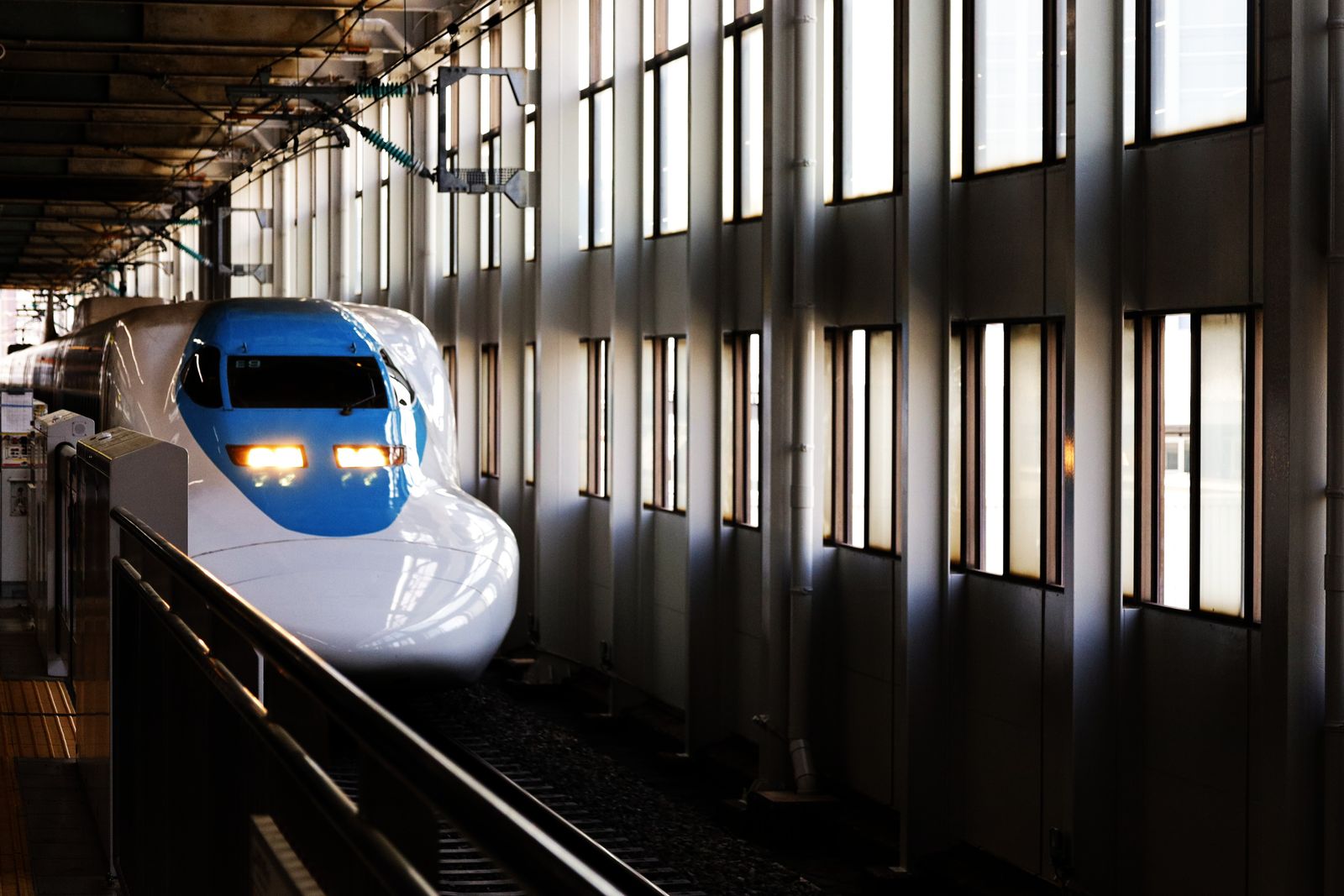
Verdict: individual tickets, in both price states — but this is the closest of the three. Even reserving every seat on the fastest trains, the ticket total stays under the current pass price, and further under the agent price that starts in October. What changes the answer is more riding inside the same window: if you add real long-distance legs on top of this loop, the sum crosses the pass price and the pass starts working. That’s arithmetic, not opinion — run it with your actual legs using the method below.
Scenario 3: Tokyo ⇄ Kyoto only — the minimal two-city trip
Many first trips are exactly this shape: Tokyo, one round trip to Kyoto, home.
Scenario 3 — regular fares as of 2026-08-28 (non-reserved):
Leg Fare Tokyo → Kyoto ¥13,320 Kyoto → Tokyo ¥13,320 Round trip (computed) ¥26,640 7-day pass, current price ¥50,000 The round trip is about 53% of the pass — computed from the one-way fare.
Verdict: clearly not. On this shape the pass costs nearly twice the travel it would be covering. Nothing about seat class or timing changes that.
If your route is none of these: price it in ten minutes
- List your long-distance legs — every shinkansen or long limited-express ride, both directions.
- Find the current regular fare for each, noting non-reserved versus reserved as you go.
- Sum only the legs that fall inside one 7-, 14- or 21-day stretch — that’s what one pass can actually cover.
- Compare the sum to the pass price in the box above; if your dates straddle the channel change, check both states.
- Apply the assumptions: a Nozomi preference means the higher fare or the supplement, and subway or private-railway rides belong on neither side of the comparison.
One extra note for day-trip planners: if your shape is a Tokyo base with excursions, price your specific legs the same way — and make sure the fares you find are current, because JR East revised fares for tickets purchased on or after March 14, 2026.
What the pass doesn’t cover (and what that does to the math)
Two exclusions matter for the decision: the fastest trains, and everything that isn’t JR.
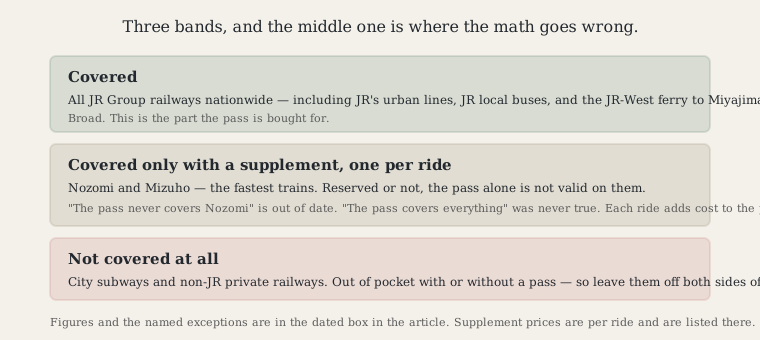
The pass is not valid on Nozomi and Mizuho — any seat, reserved or non-reserved. Since October 1, 2023, though, pass holders can ride them by buying a separate supplement ticket, one per ride. Both halves matter: “the pass never covers Nozomi,” common in pre-2023 advice, is out of date, and “the pass covers everything” was never true. If you’re set on Nozomi, the Scenario 2 table shows the no-pass version of that preference; on the pass, every Nozomi ride adds a supplement to the pass side of your comparison.
Otherwise the coverage is broad: all JR Group railways nationwide, including JR’s urban lines (Tokyo’s Yamanote Line among them), JR local buses (not express buses), the JR-West ferry to Miyajima, and a short list of named non-JR sections — the Tokyo Monorail, and sections of the Aoimori, IR Ishikawa, Ainokaze Toyama and Hapi-Line Fukui railways. What sits outside it: city subways and non-JR private railways. Those rides are out of pocket with or without the pass, so leave them off both sides of your math.
Dated figures for this section — as of 2026-08-28: Nozomi/Mizuho supplement ticket (pass holders only, one per ride): Tokyo/Shinagawa ⇄ Kyoto or Shin-Osaka ¥4,960 · Tokyo ⇄ Hiroshima ¥6,500 — same price for reserved and non-reserved ticket types. Miyajima: the JR-West ferry is covered by the pass; the ¥100 Miyajima Visitor Tax is not.
If the pass isn’t worth it for you: what to do instead
A “no” on the nationwide pass still leaves three good ways to run the same trip.
Buying shinkansen tickets individually
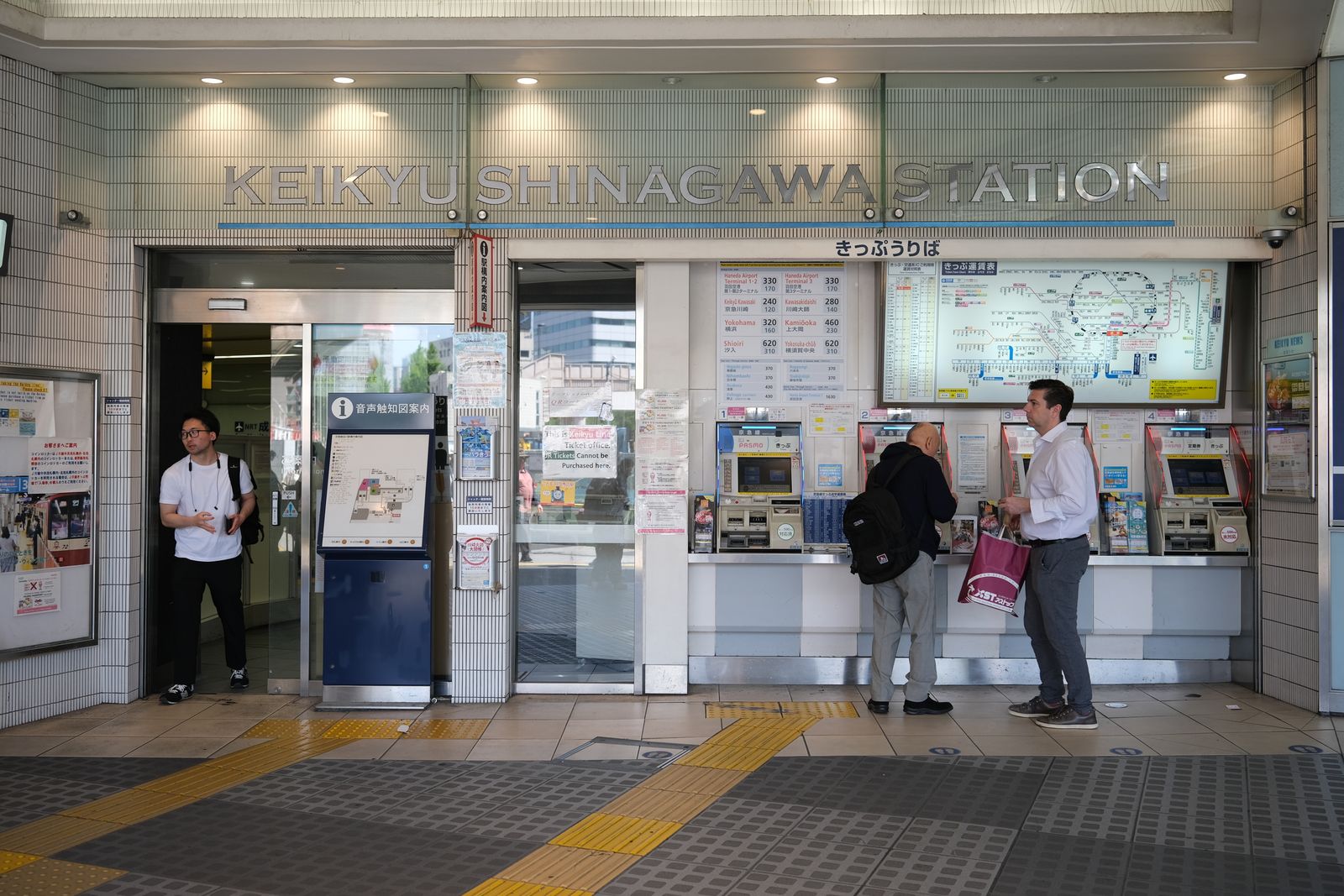
Individual tickets are the default, and the scenario tables above already show what they cost on the standard routes. The decision-level points: you pay only for the legs you actually ride; non-reserved is the cheap basis, and reserving is a per-leg upgrade rather than an all-or-nothing commitment; and there’s no validity window — your long-distance days can sit anywhere in the trip. For Tokyo ⇄ Kyoto, booking through smartEX, the official online reservation service, comes in slightly below the counter fare:
smartEX reference fares, Tokyo ⇄ Kyoto — as of 2026-08-28 (official smartEX fare document dated April 1, 2025; no Tokaido fare revision since): Nozomi reserved ¥13,970 · Hikari reserved ¥13,650 — each the regular reserved fare minus a ¥200 online booking discount.
Regional passes, matched to the three routes
A regional pass covers one area instead of the whole country, and for the routes on this page the relevant set is JR West’s Kansai family plus one Kanto option.
Regional passes — as of 2026-08-28:
Pass Price (adult) Validity Covers JR West Kansai Area ¥2,800 / ¥4,800 / ¥5,800 / ¥7,000 1–4 consecutive days Local JR in the Kansai area, incl. the HARUKA express (2 uses); no shinkansen JR West Kansai WIDE ¥12,000 5 days Sanyo Shinkansen (reserved) Shin-Osaka ⇄ Okayama — does not reach Hiroshima JR West Kansai–Hiroshima ¥17,000 5 days Sanyo Shinkansen (reserved) Shin-Osaka ⇄ Hiroshima; Miyajima ferry JR West Sanyo–San’in ¥23,000 7 days Sanyo Shinkansen (reserved) as far as Hakata; Tokaido and Kyushu Shinkansen excluded JR TOKYO Wide Pass ¥16,000 (price current since 2026-03-14) 3 consecutive days Wide Kanto area, including Nikko and Karuizawa The JR West passes here are, like the nationwide pass, foreign-passport / Temporary Visitor products. The JR TOKYO Wide Pass has its own eligibility rules — check its official page.
Matched to the scenarios: on a Scenario 1 shape, the Kansai Area Pass can cover local JR days in Kansai. On a Scenario 2 shape, the Kansai–Hiroshima pass covers the Sanyo shinkansen west of Shin-Osaka plus the Miyajima ferry — price it against your western legs with the ten-minute method. A Tokyo base with day trips points at the JR TOKYO Wide Pass. A route running further west than these scenarios is what the Sanyo–San’in pass exists for. Note the shape they share: none of the JR West passes here touches the Tokyo ⇄ Kansai legs — those stay individual tickets, or the nationwide pass, either way.
Or just pay as you go
If your long-distance list is short, you may not need any pass at all: an IC card for city travel and individual tickets for the occasional longer ride. IC cards, and getting around generally, are covered in the first-trip guide.
The verdict, one more time
- The Kansai loop (Scenario 1) or a single round trip (Scenario 3): individual tickets. The sums aren’t close.
- The Hiroshima extension (Scenario 2): individual tickets as priced, in both price states — but it’s the closest case, so re-run it if you’re adding long-distance riding inside the same week.
- A base city with day trips: the pass tends not to pay; price your actual legs and check the regional-pass table.
- Several long-distance days packed into one pass window, or travel beyond Hiroshima: the shape where the pass can win — run the ten-minute method.
- Whatever your answer: take the prices from the dated box above at booking time, not from memory. This is a market with two price states and a channel rule that can change.
Every figure above sits in a dated box or table — check the date against your travel month before you commit, because rail pricing moves and a stale number is what turns a good decision into a bad purchase.
JBJ'S TAKE
Price it. Don't trust the reflex.
The Japan Rail Pass has one honest answer and it is not a yes or a no. It is: run your own legs.
Ten minutes of arithmetic beats every rule of thumb on the internet, because the rules of thumb hide their assumptions — how long the rides are, which trains, reserved or not — and yours are different from theirs.
And check the date on whatever you read. This page found large reference sites still saying the agent channel closed in 2025, which is wrong, and pre-2023 advice still saying the pass can never carry you on a Nozomi, which is also wrong. Both errors point the same way: toward a decision made on stale terms.
JbJ would rather send you away with a number you calculated than a verdict you borrowed.