Most two-day Kyoto plans are the same plan: an east day and a west day, starting early. That split is right. What changes from reader to reader is which day is which, what goes first in the morning, and what gets cut. Four things decide it, in this order:
- Where you sleep and arrive from. Kyoto Station: 5 minutes to Fushimi Inari, about 11 to Arashiyama by JR. Gion: Kiyomizu-dera on foot. Osaka: a train ride before every morning.
- Which day carries the luggage. A suitcase day is half a day. Bags handed in at Kyoto Station before 2 pm can reach your hotel the same day.
- The season. In the leaf and cherry weeks some temples change their hours, and the early hour matters more. The Sagano train does not run in winter.
- Tie-break: which place earns a morning. Put a place with a gate at its opening hour. A place with no published gate can take the other end of the day.
East day: Kiyomizu-dera when it opens at 6:00, then Higashiyama and Gion, then Fushimi Inari later. West day: the bamboo path before 8:30, Tenryu-ji at 8:30, then the Sagano train or Kinkaku-ji. Nara takes a whole day, so with two days it does not fit.
Is your Arashiyama day between March and late December?
Sagano Romantic Train Ticket in Kyoto on Klook
The Sagano train is the one seat in a two-day Kyoto plan you can reserve. Every seat is reserved, and online sales open one month before the ride date.
Check the Sagano train ticket on Klook →Sold on Klook (Klook Travel Technology Limited), an online travel agency. The railway also sells seats on its own website from one month before the ride date, and same-day tickets at its stations. Before you book, check on the listing for your date: which train and stations it covers, whether you can choose a car or seat, how you get the ticket, and the cancellation terms.
First: where you sleep, and where you arrive from
This sets everything else, because it decides which morning trip is short.
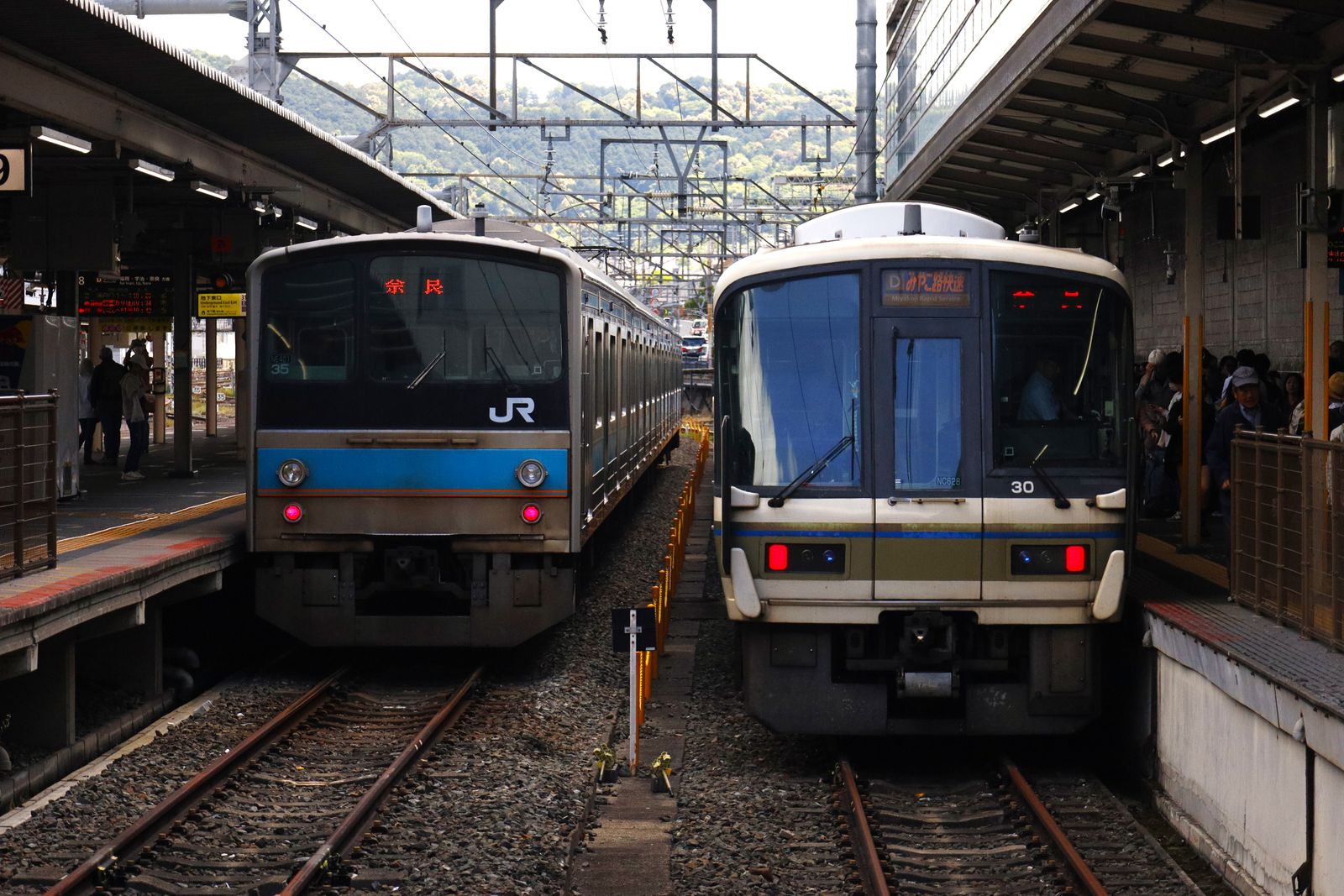
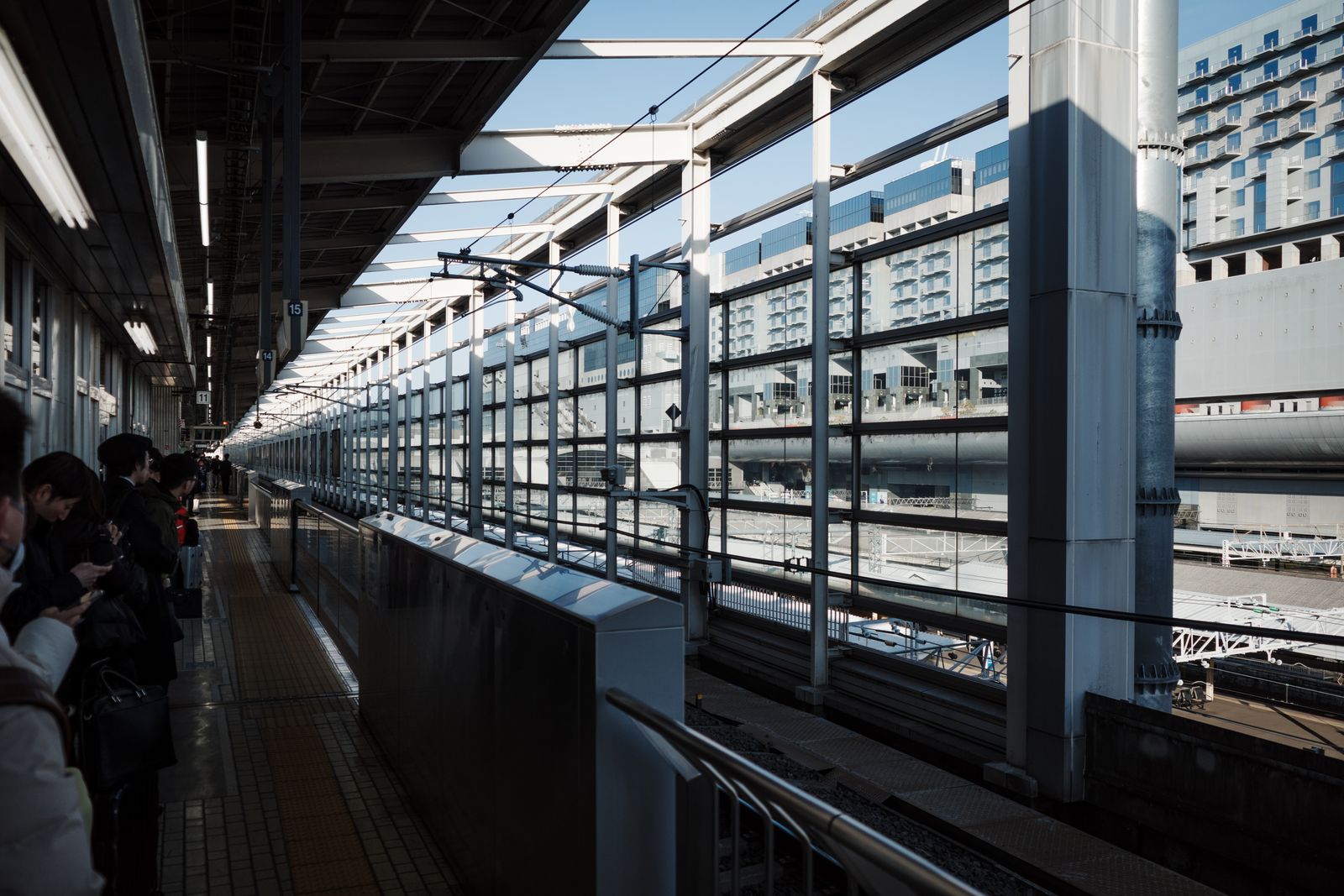
Near Kyoto Station. JR is your fastest way out in both directions. Fushimi Inari Taisha is “right next to Inari Station on the JR Nara Line (2 stations/5 minutes from Kyoto Station)”, in the shrine’s own words. Saga-Arashiyama is about 11 minutes on the JR Sagano Line rapid, according to Kyoto City’s travel guide. The same guide warns that the line is crowded and that the front cars fill first, so board toward the back of the platform. It also says buses from Kyoto Station to Arashiyama are “not only crowded but also time-consuming.” Use the train.
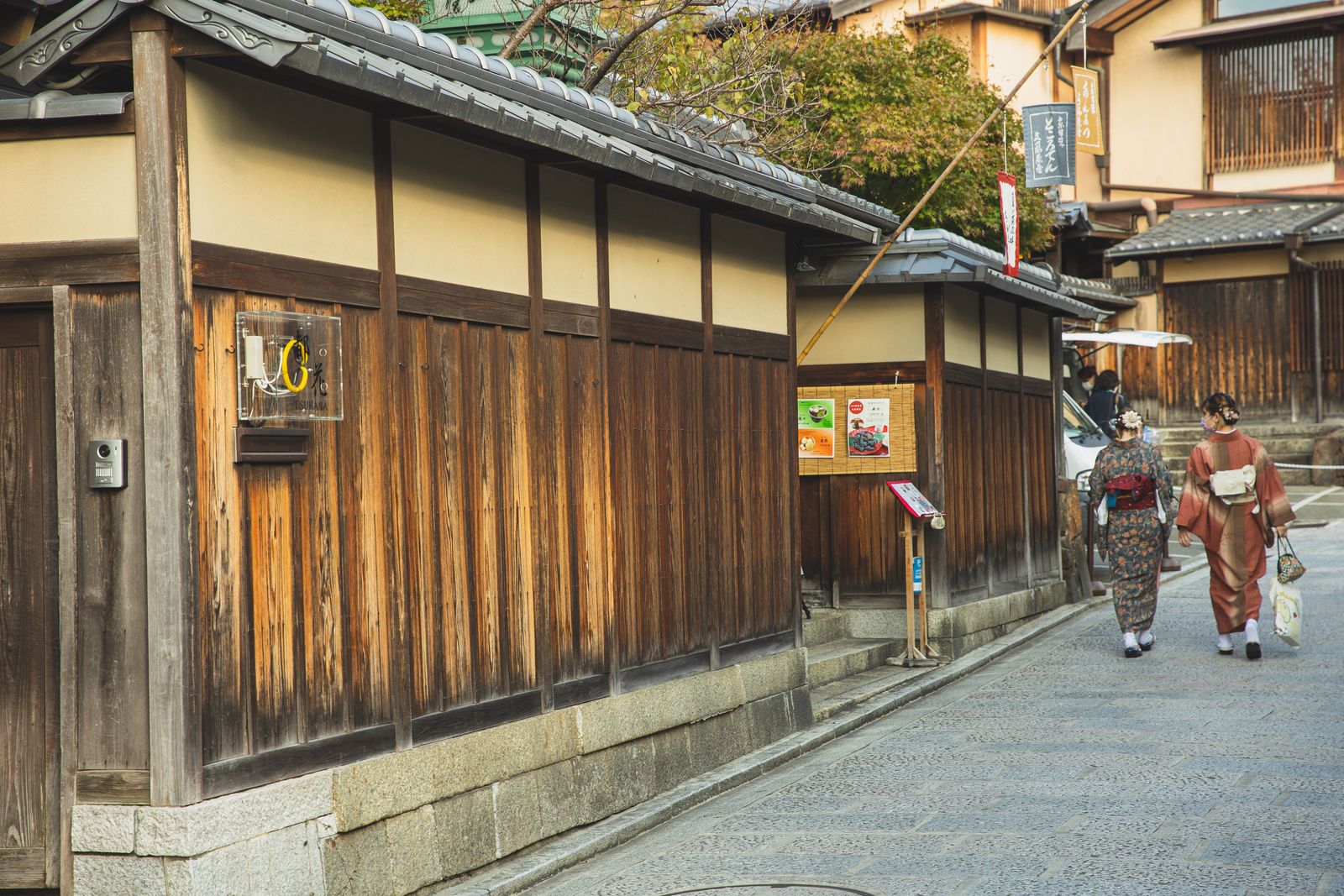
In Gion or Higashiyama. Kiyomizu-dera is up the slopes the city’s guide names: Ninenzaka and Sannenzaka (Sanneizaka), which climb from Kodai-ji to the temple. So you can be at Kiyomizu-dera at 6:00 without a train. Fushimi Inari is the longer trip from here. Keihan runs from Gion-Shijo to Fushimi-Inari station in about 22 minutes, and the limited express does not stop there. Keihan has no station at JR Kyoto Station, so a Gion base reaches the JR lines by bus, subway or taxi.
In Osaka. Each Kyoto morning starts with a train ride from Osaka. Pick your line by which Kyoto end you need. Keihan’s main line runs through Fushimi-Inari on its way to Gion-Shijo and Sanjo. Hankyu reaches Arashiyama by changing at Katsura to the Arashiyama Line. JR goes to Kyoto Station. In practice, a 6:00 Kiyomizu-dera is hard from Osaka, so the gated morning slots go to the places that open later, like Tenryu-ji (8:30) and Kinkaku-ji (9:00). If staying in Osaka is still open for you, the Osaka stay guide and the Kyoto stay guide compare the bases.
Getting around inside Kyoto: the city’s subway and bus one-day pass costs ¥1,100 for adults and ¥550 for children. It covers both subway lines, all Kyoto City buses and some routes of other bus companies. JR, Keihan and Hankyu are not on it.
Line 2: which day carries the luggage
Two days in Kyoto are often an arrival day and a departure day. A suitcase in your hand turns either into half a day, so plan that half first.
Send the bags ahead. Kyoto City’s Hands Free Kyoto service says luggage handed in at Kyoto Station is delivered to your accommodation the same day if you “complete the required procedures before 2 pm”. It also notes that some accommodations are not covered, so check with the delivery company first. Coin lockers at the station “can be used anytime when the station is open.” Our luggage storage guide covers the rest.
What the arrival half-day can hold. If you arrive in the afternoon, gate times rule out a lot. Kiyomizu-dera closes at 18:00 (18:30 in July and August), Kinkaku-ji at 17:00, and Nijo Castle takes its last visitors at 16:00. The two places in this plan with no published opening hour, Fushimi Inari and the Arashiyama bamboo path, still work in the late afternoon. Fushimi Inari is two stops from where the Shinkansen drops you. So: if you arrive by midday, give the arrival afternoon to Fushimi Inari and keep Kiyomizu-dera for a 6:00 start the next morning.
What the departure half-day can hold. Arashiyama is the easy morning on your way out of Kyoto Station: leave your bags in a locker, take JR about 11 minutes out to Saga-Arashiyama, and come back by the same line. Just leave room for the crowded return train.
Line 3: the season
The temples and the railway publish their own dates for the busy weeks. Use those, not a general rule.
- Autumn leaves, 2026. Tenryu-ji opens its garden at 7:30 instead of 8:30 from November 14 to 30, through the main reception only. Kiyomizu-dera holds its autumn night opening from November 21 to 30, open until 21:30 (last entry 21:00).
- Cherry blossom. Kiyomizu-dera’s spring night opening in 2026 ran from March 27 to April 5. Kyoto City’s travel guide says Arashiyama “always” draws large numbers for the cherry blossoms and autumn leaves, and suggests going early in the morning by the quieter route through Kameyama Park.
- Winter. The Sagano train stopped for winter maintenance from December 30, 2025 to February 28, 2026, and started again on March 1. If your Arashiyama day is in that part of the year, plan it without the train. The railway also says the current train is set to retire after this year, with a new one coming in spring 2027.
For any season, the most useful tool is Kyoto City’s Kyoto Travel Congestion Forecast. It rates crowds on a five-point scale, hour by hour from 6:00 to 23:00, for 11 spots. These include Fushimi Inari Taisha, Kiyomizusaka to Nene no Michi, the Bamboo Forest, Togetsukyo bridge, Kinkaku-ji, Hanamikoji Street, Nishiki Market and Kyoto Station. You choose sunny, rainy or heavy rain, and the forecast changes with it. The site says its forecasts get more accurate as the date gets closer. Check it the night before each day, and if the hour you planned shows red, swap the order of that day’s two ends.
Night openings change the evening too. On a Kiyomizu-dera night-opening date, the temple can be the last stop of your east day rather than the first.
Line 4: which place earns a morning (the tie-break)
You have two mornings, and more than two places want them. Here is how the four usual candidates and one alternative compare on their own published gates.
| Place | Gate opens | Gate closes / last entry | From Kyoto Station |
|---|---|---|---|
| Kiyomizu-dera | 6:00 | 18:00 (18:30 Jul–Aug); 21:30 on night-opening dates | City Bus 206 or 100 to Gojozaka, then about 10 min on foot |
| Fushimi Inari Taisha | No hour given on the shrine’s access page | — | JR Nara Line, 5 min to Inari |
| Arashiyama bamboo path + Tenryu-ji | Path: no hour published. Tenryu-ji garden 8:30 (7:30 Nov 14–30, 2026) | Garden 17:00 (last entry 16:50) | JR Sagano Line, about 11 min |
| Kinkaku-ji | 9:00 | 17:00 | City Bus 12, 59, 205 or M1 to Kinkakuji-michi |
| Nijo Castle | 8:45 | Last entry 16:00, closes 17:00 | — |
| Nara: Todai-ji Great Buddha Hall | 7:30 (Apr–Oct), 8:00 (Nov–Mar) | 17:30 (Apr–Oct), 17:00 (Nov–Mar) | A separate trip out of Kyoto |
From the table, the rule is: the morning goes to the place with the earliest gate that you would otherwise reach after the crowds.
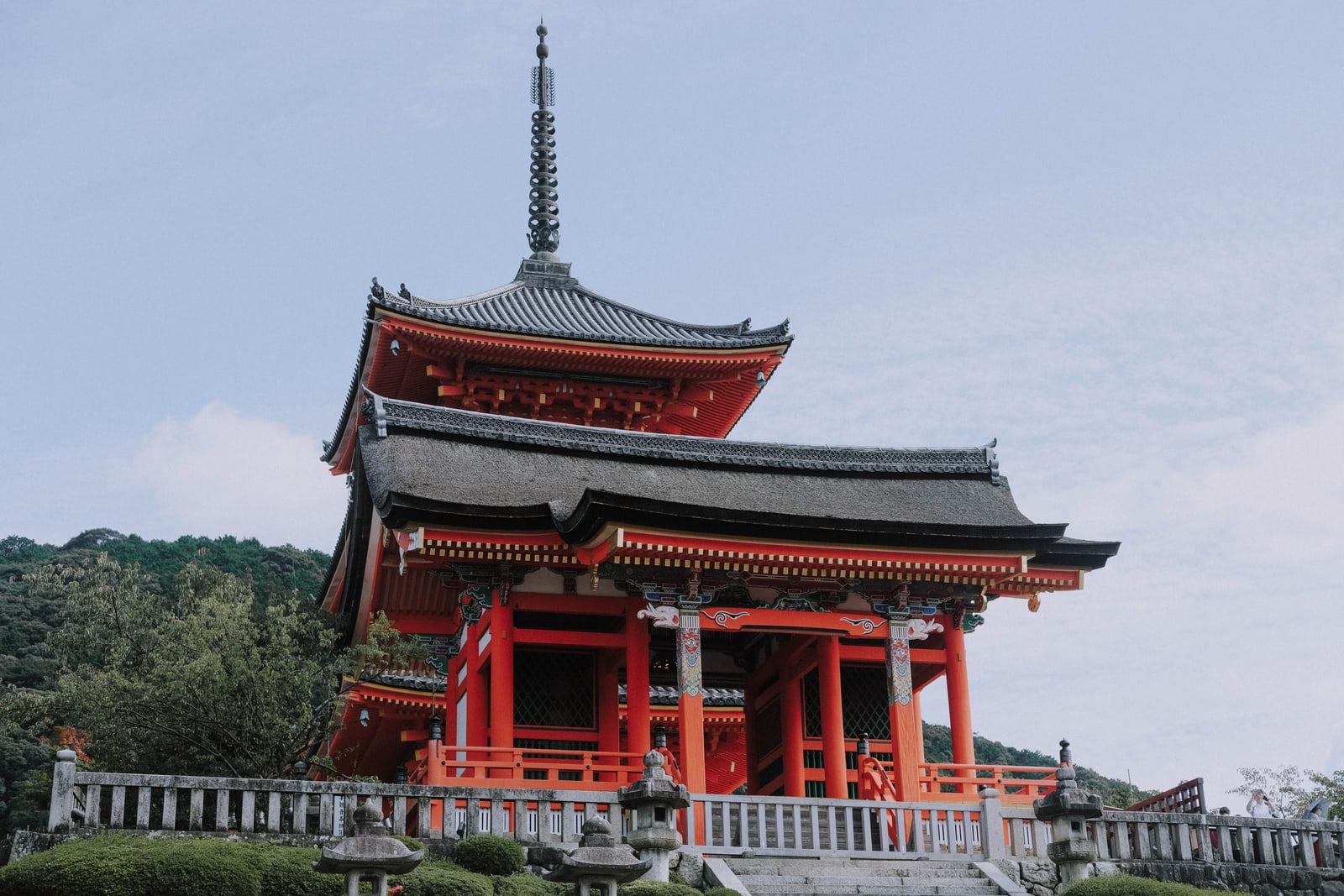
Kiyomizu-dera gets the east morning. Its gate opens at 6:00, earlier than anything else on the list, and the city’s guide says visiting “at a time when there are few people is a smart idea.” Fushimi Inari’s access page gives no opening hour, so it can move to the other end of the day without losing anything a gate would close.
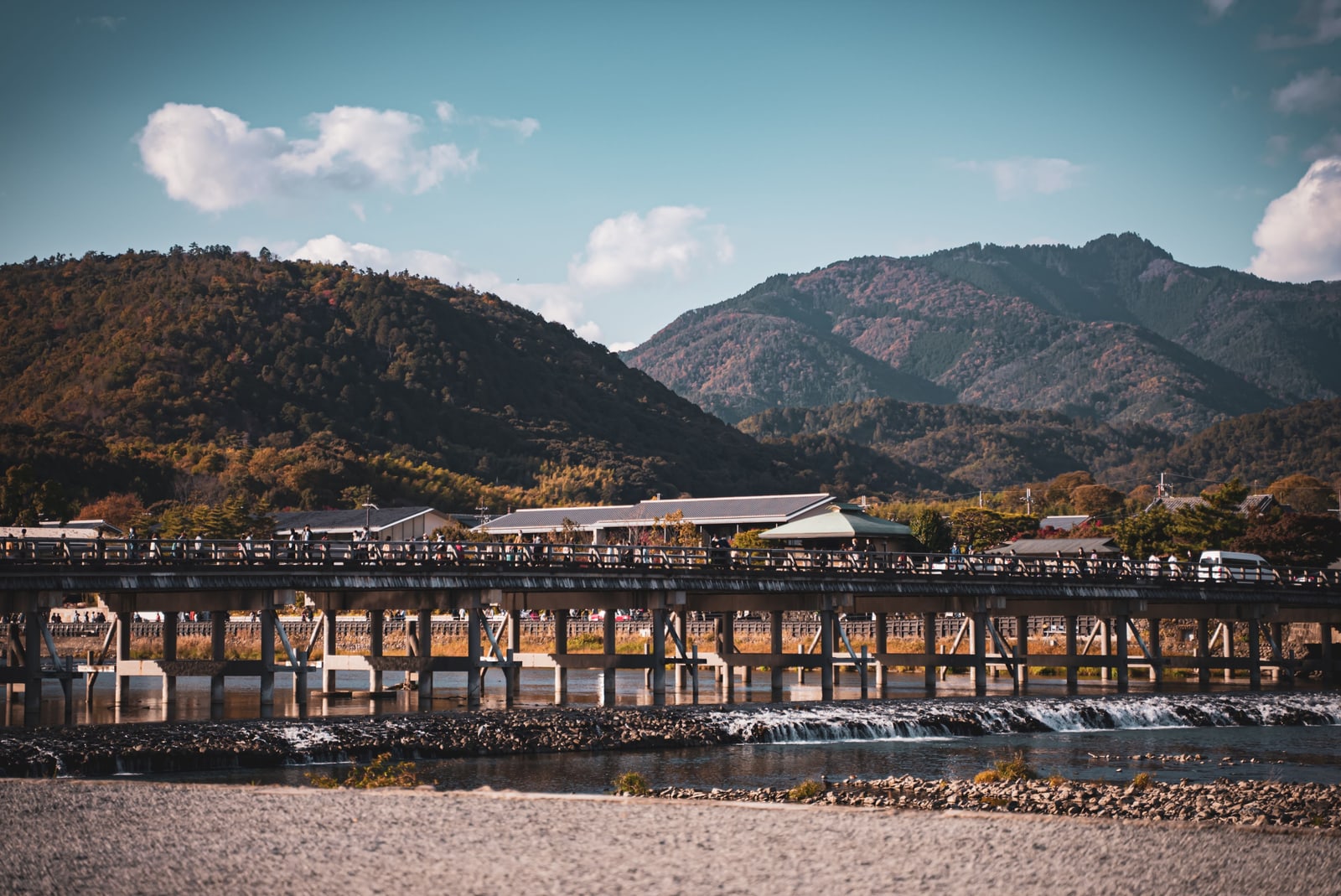
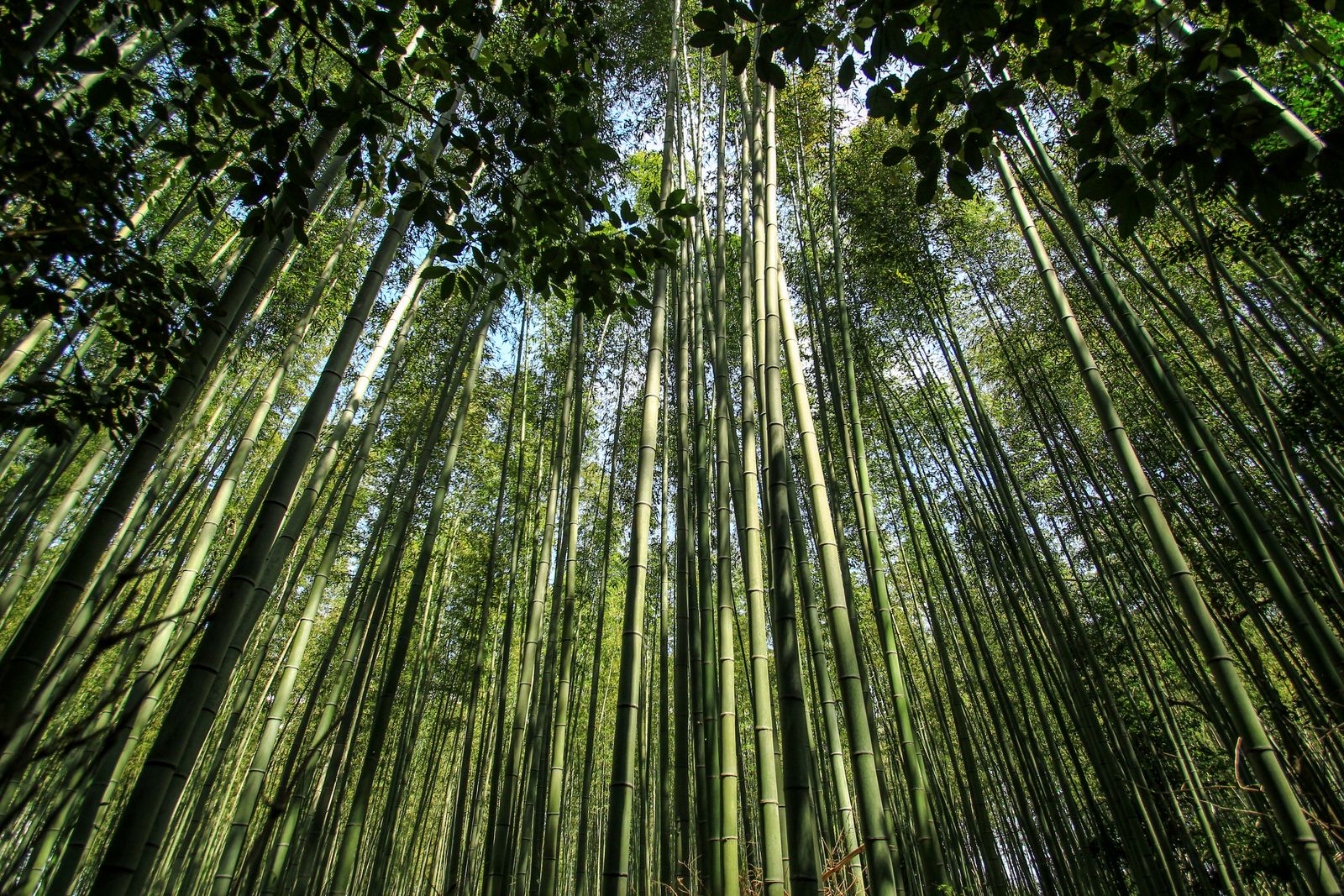
The bamboo path and Tenryu-ji get the west morning. Neither JNTO nor the city’s guide gives the path an opening hour, and the city’s guide sends you there early in the morning, so walk it before Tenryu-ji’s garden opens at 8:30. JNTO’s guide suggests entering the grove from Tenryu-ji’s side gate, which turns the two into one walk. Kinkaku-ji, at 9:00, comes after.
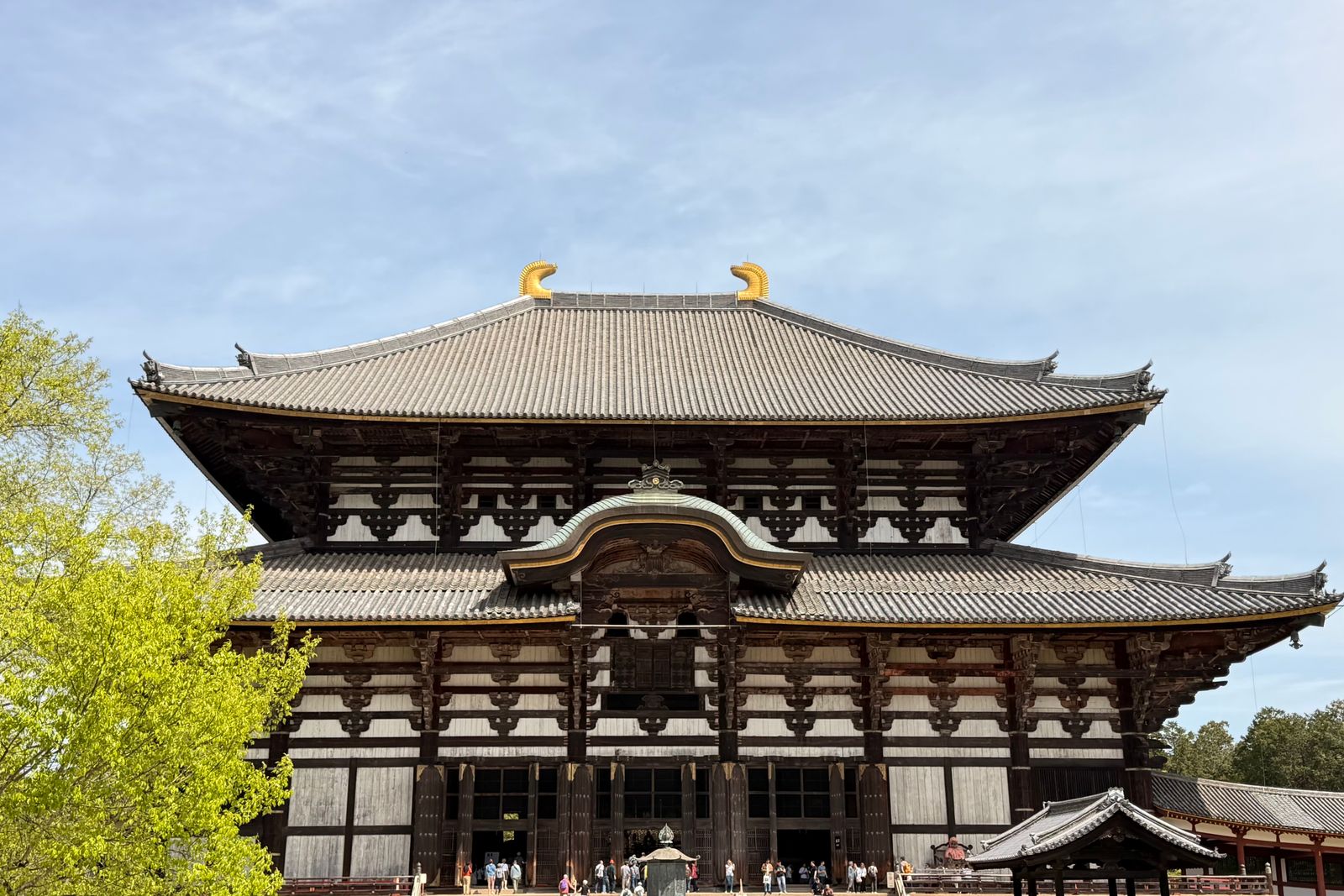
Nara does not get a morning on a two-day trip. It is not a morning trip. The Great Buddha Hall closes at 17:00 or 17:30, so Nara uses the whole day, and a Nara day turns two days in Kyoto into one. If Nara is on your list, the honest fix is a third day. The day-trips ranking orders Nara, Uji and the rest by what each one takes out of Kyoto. If you want something outside the city that only takes half a day, Uji is closer. Note that Uji has two stations on two lines: JR from Kyoto Station and Keihan via Chushojima. Byodo-in sits between them.
The one seat you can reserve: the Sagano train
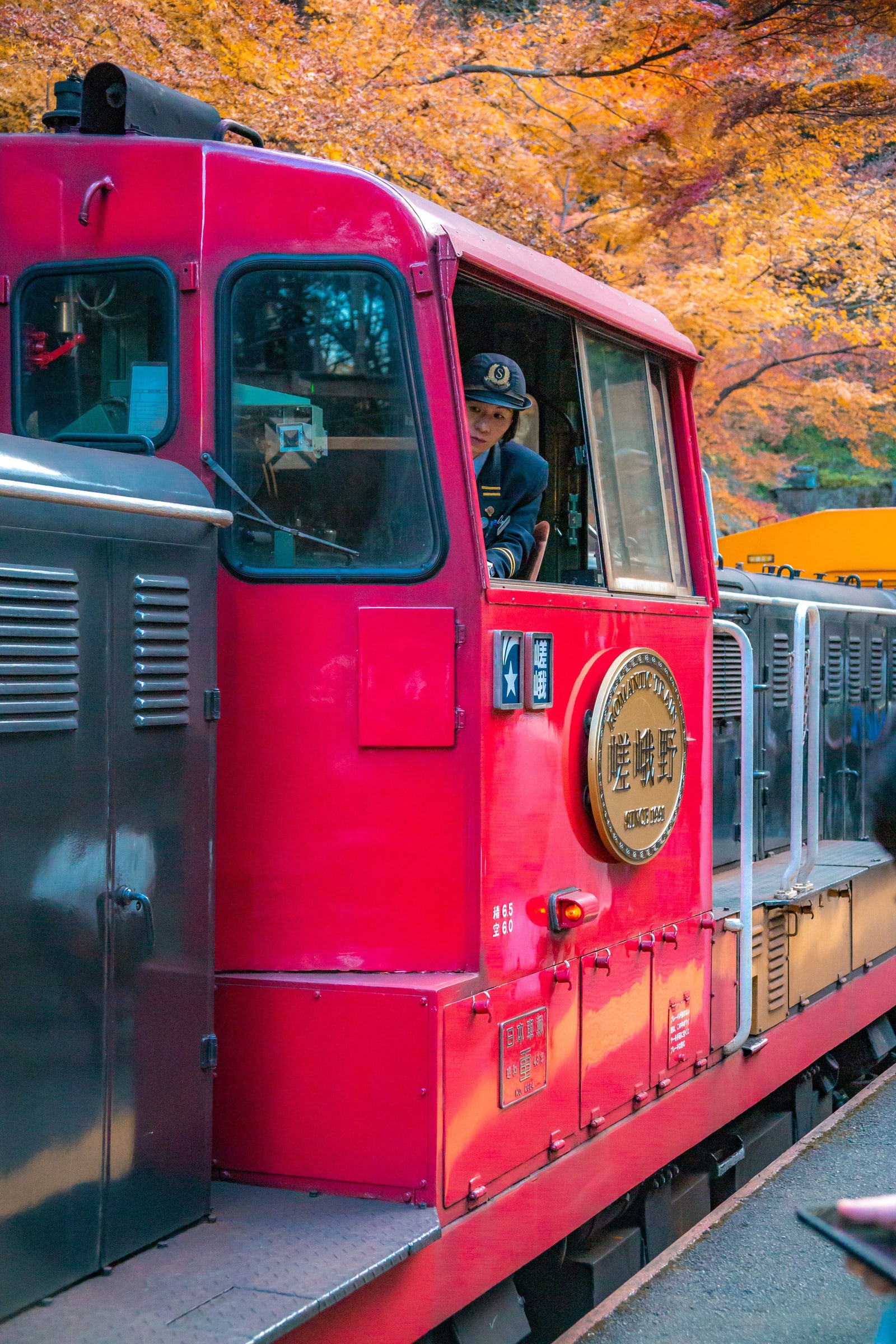
Most of a two-day Kyoto plan needs no booking. The Sagano Romantic Train is the exception. It runs about 25 minutes from Torokko Saga, on the west edge of Kyoto, out along the river gorge to Kameoka. The railway’s own rules are:
- All seats are reserved. If reserved seats sell out, standing tickets go on sale at the stations that day only, and once those are gone the train is full.
- Online sales open at 0:00 Japan time one month before the ride date. Same-day tickets are sold at the counters of Torokko Saga (from about 8:35), Arashiyama and Kameoka stations, first come, first served.
- There are no round-trip tickets. You buy each direction as a separate one-way ticket. To come back, buy a second one-way, or see whether the Hozugawa river boat fits your day.
- Car 5 is open-sided. It has no window glass, umbrellas are not allowed inside, and the railway asks riders to wear a raincoat when it rains.
Here is how that plays out. With a walk on the bamboo path at opening and Tenryu-ji at 8:30, the morning trains are the ones that fit. Same-day tickets only go on sale at Torokko Saga from about 8:35, so if the date is in the leaf or cherry weeks, or a weekend, the same-day counter may already be down to standing tickets. If your Arashiyama day falls between March and late December and the train is on your list, reserve a seat before you arrive. Buying it ahead is the only way to know the morning holds. If your date is in the winter break, or the train is not something you want, skip it: the west day works without it, and Kinkaku-ji gets the late morning instead. Our Sagano train guide covers which side and which car.
Train on your Arashiyama morning?
Sagano Romantic Train Ticket in Kyoto on Klook
One-way seats on the Sagano Romantic Train, for the date you choose. The railway sells the same trains from one month ahead, and same-day at its stations.
Check the Sagano train ticket on Klook →Sold on Klook (Klook Travel Technology Limited), an online travel agency. The railway also sells seats on its own website from one month before the ride date, and same-day tickets at its stations. Before you book, check on the listing for your date: which train and stations it covers, whether you can choose a car or seat, how you get the ticket, and the cancellation terms.
So it works when you land: two days, by the hour
Here is a sample plan for two full days with a base near Kyoto Station or downtown, outside the winter break. The times are the published gates. The gaps between them are yours.
Day 1, east
- 6:00 Kiyomizu-dera opens. From Kyoto Station, City Bus 206 or 100 goes to Gojozaka, then about 10 minutes on foot. From Gion, walk.
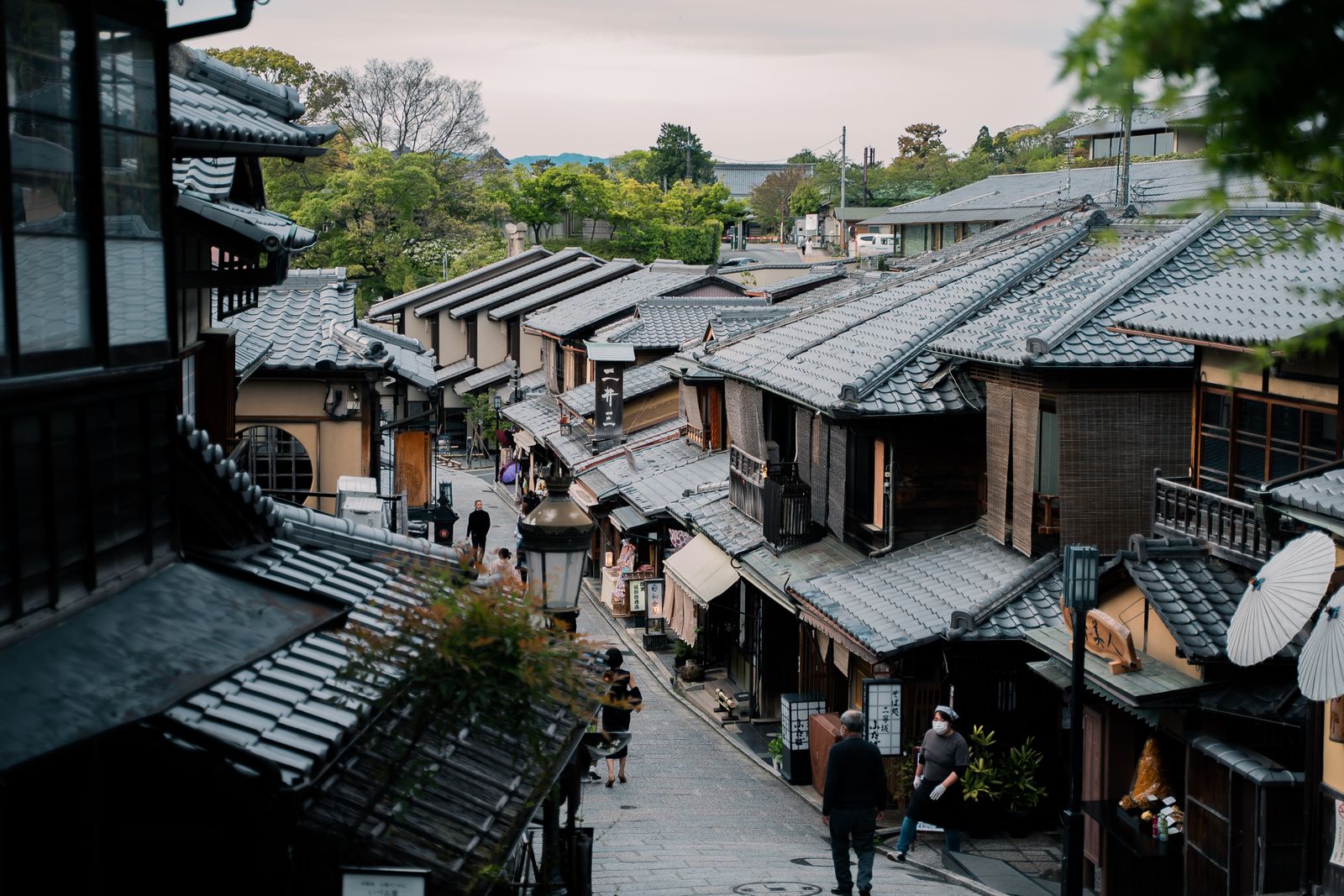
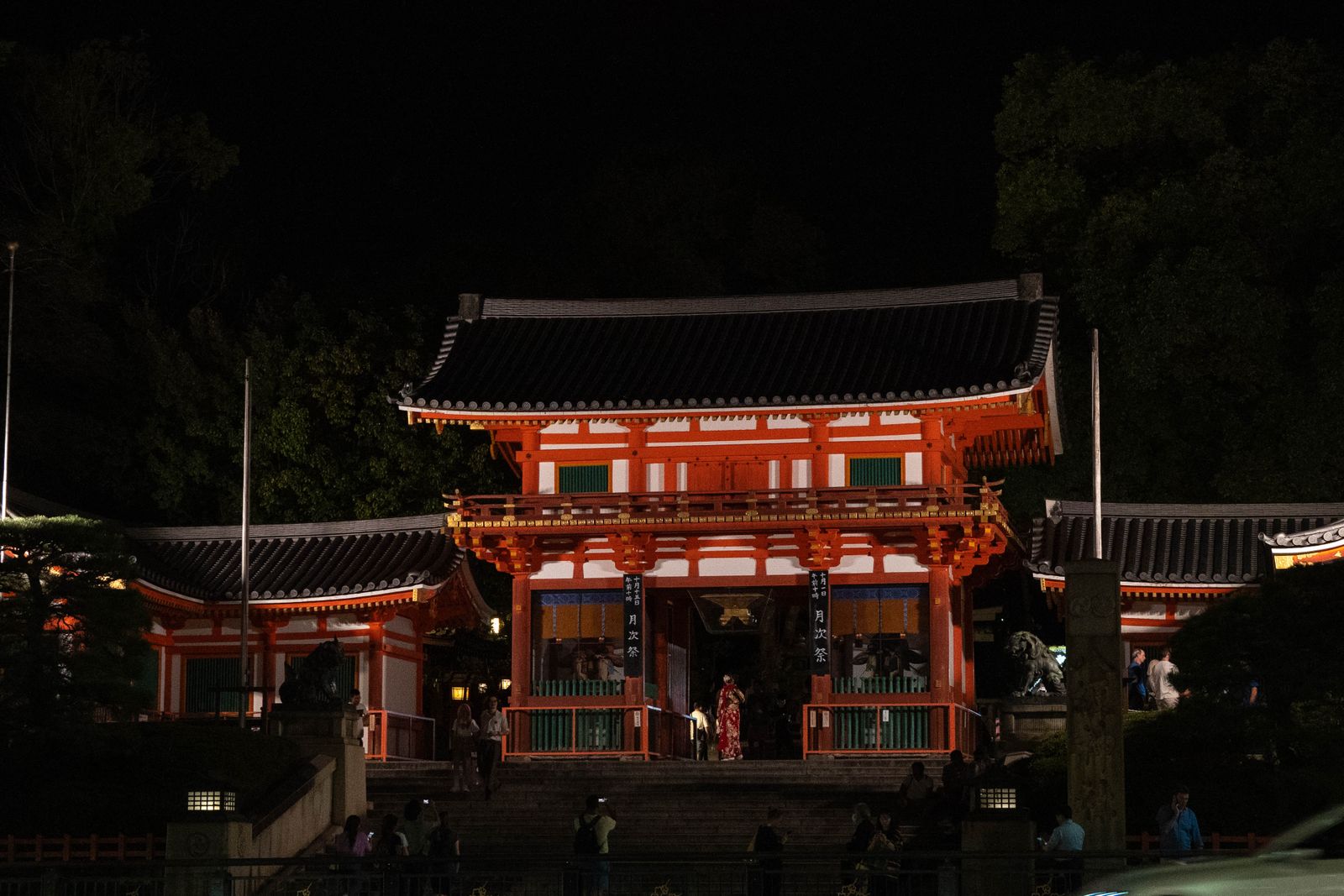
- After the temple, walk down Sannenzaka and Ninenzaka toward Kodai-ji, Yasaka Shrine and Gion while the lanes are still quiet. The city’s guide asks visitors not to smoke on the street, not to litter, and not to spend a long time taking photos there. In Gion, stopping maiko to photograph them, or photographing them without permission, is prohibited.
- Midday Nishiki Market or Nijo Castle (last entry 16:00; palace and grounds ¥1,300 for adults). The Ninomaru Palace closes on Tuesdays in January, July, August and December.
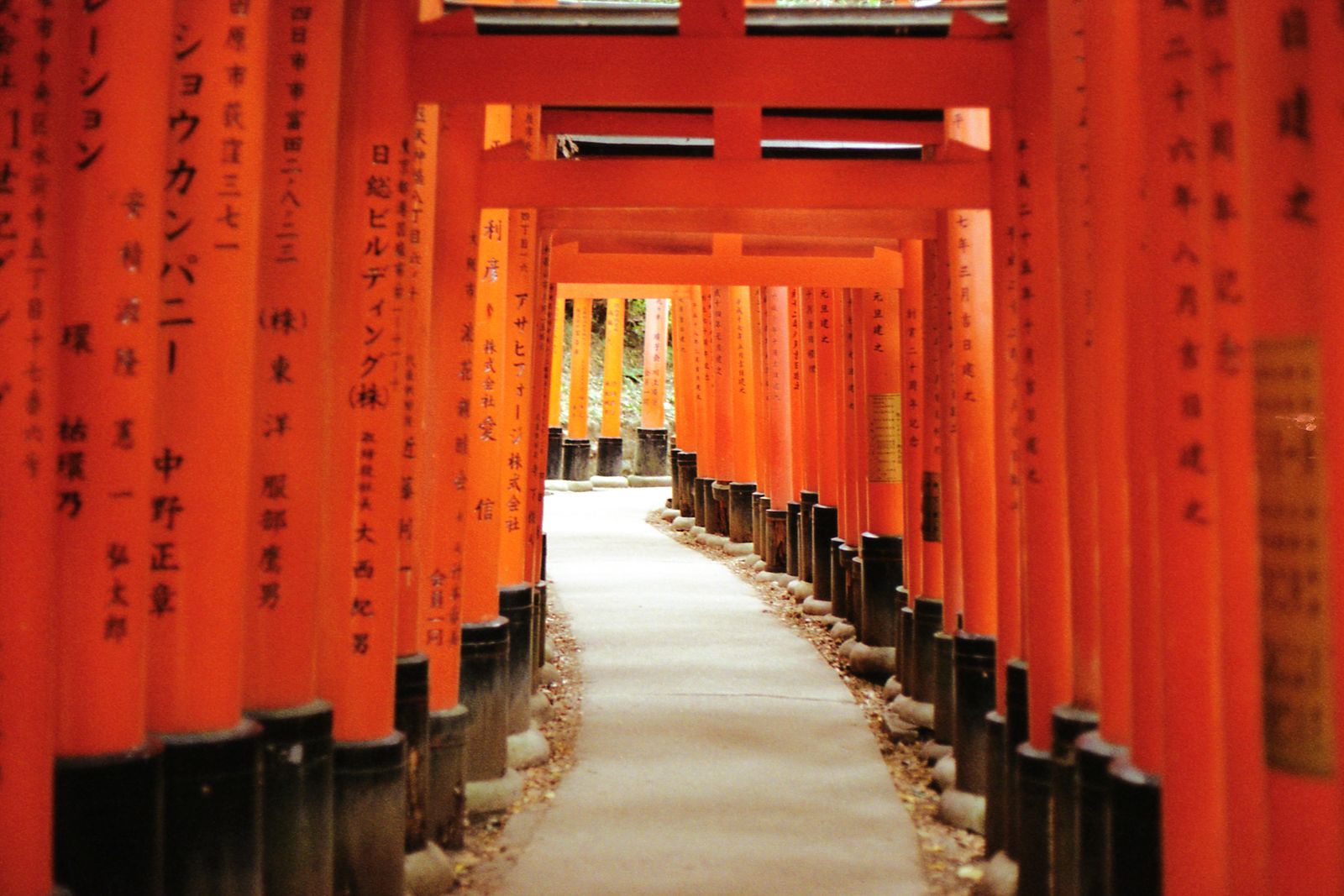
- Late afternoon JR or Keihan to Fushimi Inari. The mountain is 233 m high, so the torii path keeps climbing past the first gates and you can turn back wherever you like.
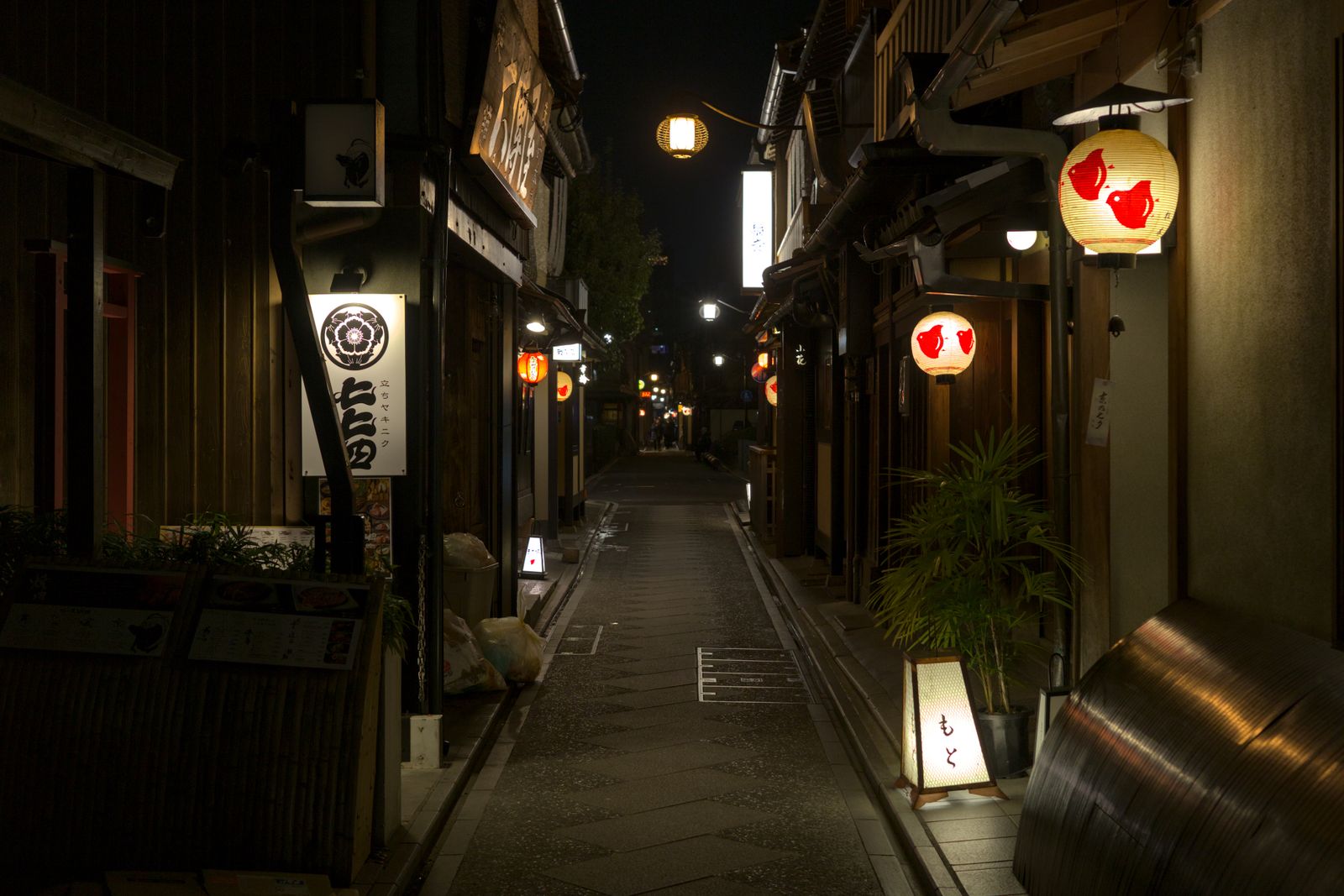
- Evening Pontocho or Gion. Gion’s nearest Keihan station is Gion-Shijo.
Day 2, west
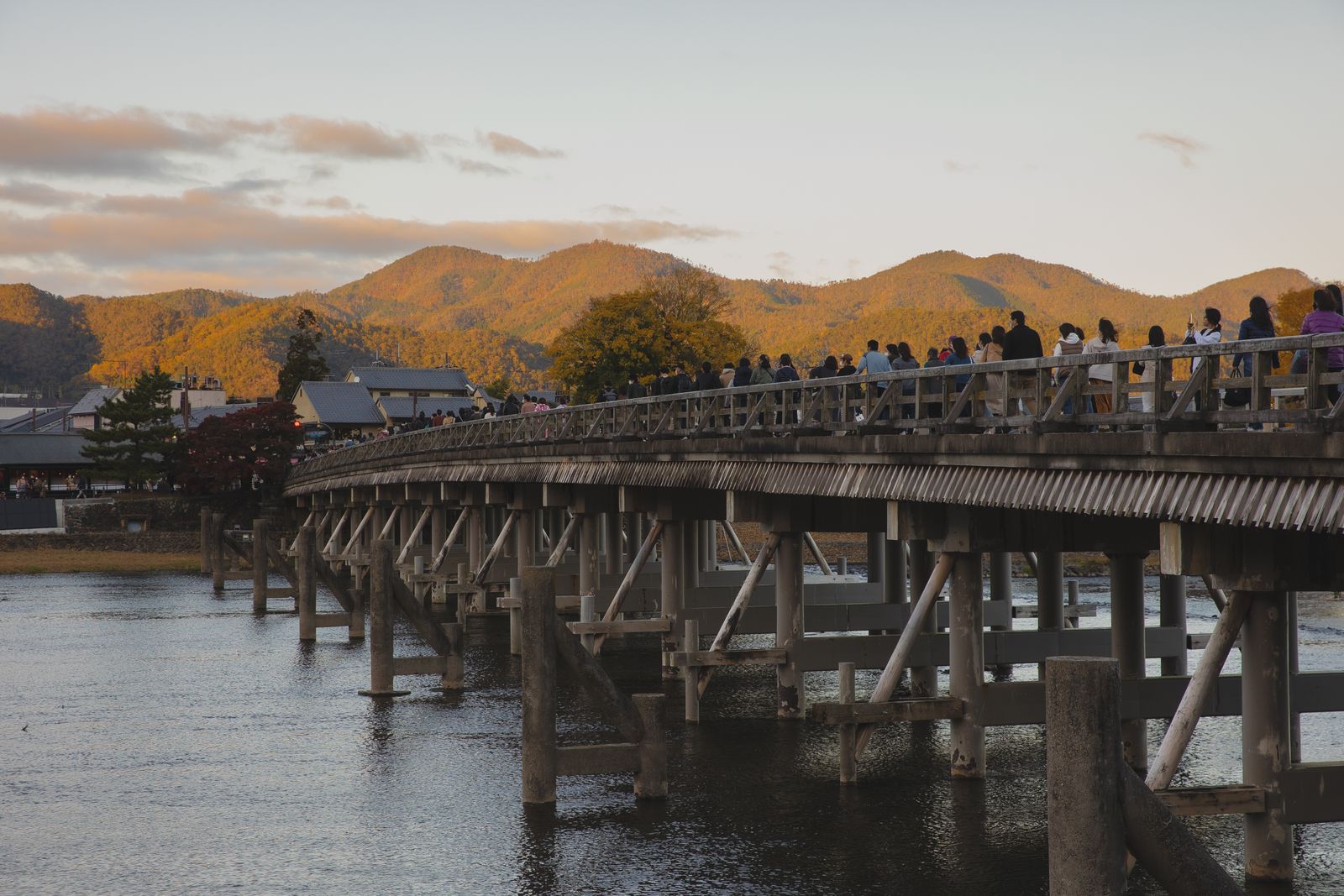
- Early JR Sagano Line to Saga-Arashiyama, about 11 minutes. JNTO puts the grove about 10 minutes’ walk from the station. In the busy weeks, walk the path first, coming through Kameyama Park.
- 8:30 Tenryu-ji garden (7:30 from November 14 to 30, 2026). Adults ¥500, plus ¥300 to enter the buildings.
- Morning The Sagano train from Torokko Saga if you have a seat, then the river boat or a second one-way train back.
- Afternoon Kinkaku-ji, open 9:00 to 17:00, every day, adults ¥500. Its own page lists City Bus 12, 59, 205 and M1 to Kinkakuji-michi.
- Evening Back downtown. Ginkaku-ji (8:30 to 17:00 from March to November; ¥1,000) closes too early to add after this, so it moves to a third day.
Arriving on Day 1 at midday instead? Send the bags from Kyoto Station before 2 pm, spend the afternoon at Fushimi Inari, and move Kiyomizu-dera and Higashiyama to 6:00 on Day 2. Arashiyama then becomes the morning of your departure day, with your bags in a locker at Kyoto Station.
Who needs a third day. You need one if your list has more than these two days hold: Nara, Uji, Ginkaku-ji and the Philosopher’s Path, or Nijo Castle and Kinkaku-ji both done properly. You also need one if both of your “days” are really an arrival half and a departure half. Two days hold the four famous places and nothing else. Seeing Nara as well means a third day, or the day-trips page and a choice.
Next
The first condition decides the rest, so settle it first: where you sleep. If that is still open, the Kyoto stay guide compares the areas by the trains that get you home. If it is already booked, open Kyoto City’s congestion forecast for your two dates tonight, and check whether a Kiyomizu-dera night opening or Tenryu-ji’s early opening falls on them. Then, if your Arashiyama day is between March and late December and you want the Sagano train, reserve the one seat in this plan that can sell out.