The answer, in the order the conditions decide it (checked October 9, 2026):
- Your day’s fare total decides it. The classic day from Osaka-umeda, out to Arashiyama, across to Kyoto-kawaramachi and back, is ¥1,060 in single Hankyu fares. Hankyu’s own one-day pass costs ¥1,300. A Hankyu day pass pays only when the day has a fourth long leg, such as Kyoto and Kobe on the same day (¥1,620).
- It stops at Hankyu’s tracks. No Randen, no Kyoto buses, no Keihan to Fushimi Inari, no JR, and nothing past Kobe-sannomiya.
- Keihan, JR or a plain ICOCA often wins for the other days.
- Know which ticket you are buying. Hankyu’s own ticket list no longer names a “Hankyu Tourist Pass”; its one-day pass is now a QR code on your phone. Resellers still sell a “Hankyu Tourist Pass” voucher, exchanged with your passport at Osaka-umeda.
Already planned a Kyoto-and-Kobe day on Hankyu?
Hankyu Tourist Pass on Klook
Klook lists a Hankyu Tourist Pass voucher, in 1-day or 2-day versions, exchanged in Osaka. It fits only a day whose single fares add up to more than the price shown on the listing.
Check the Hankyu Tourist Pass on Klook →Sold on Klook (Klook Travel Technology Limited), an online travel agency; the trains are Hankyu Railway's. Before you pay, check on the listing whether you are buying 1 or 2 days, where you exchange the voucher, who is eligible, and the cancellation terms. Compare the price with your day's fare total.
First: price your day from Hankyu’s fare table
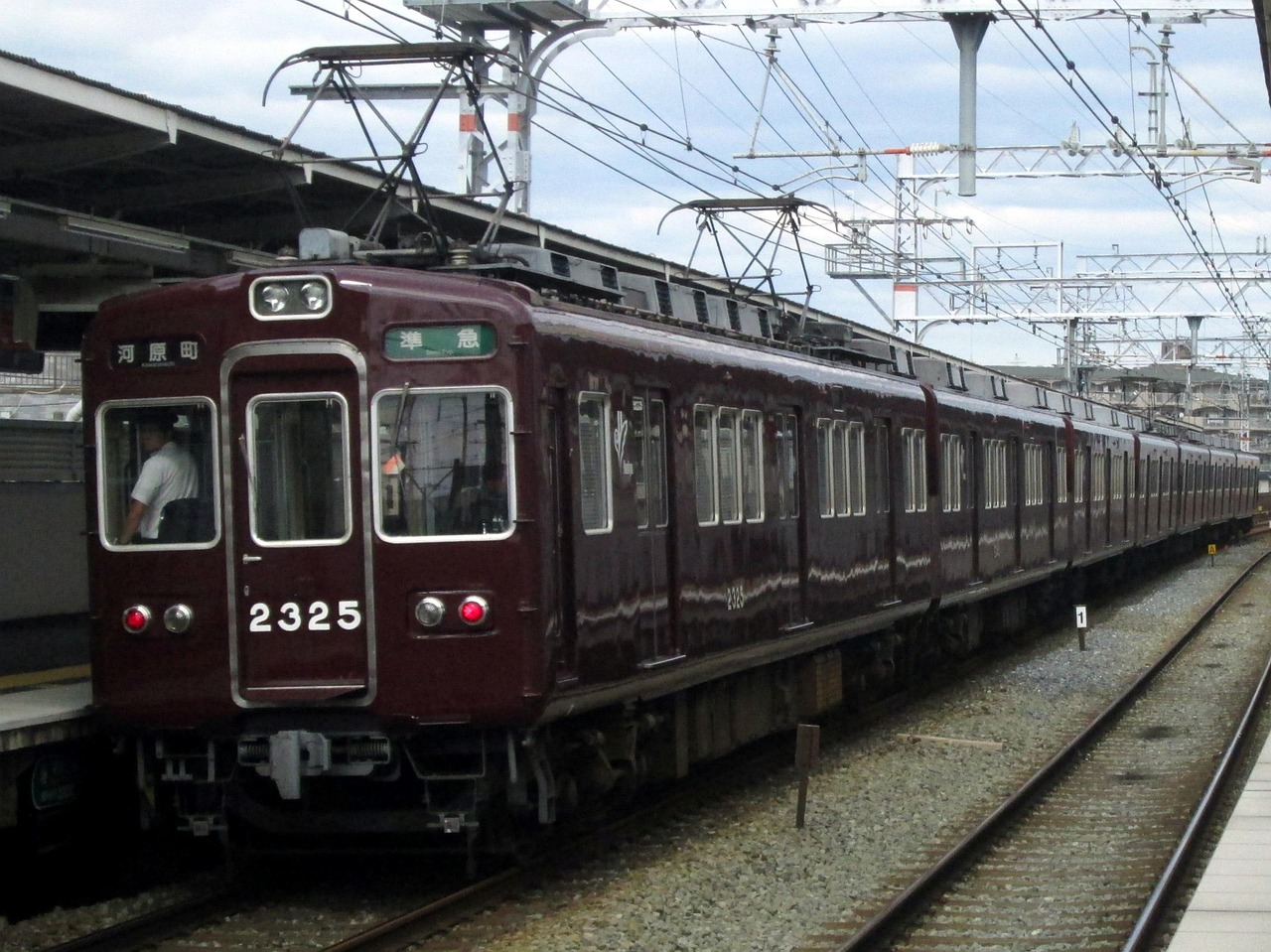
Hankyu runs three main lines out of Osaka-umeda: the Kyoto Line, the Kobe Line and the Takarazuka Line. These are the adult single fares Hankyu’s fare search gives for each leg a first-time visitor usually rides. Children aged 6 to 11 pay half, rounded up to the next ¥10.
| Leg (Hankyu only) | Adult fare |
|---|---|
| Osaka-umeda → Kyoto-kawaramachi (or Karasuma) | ¥410 |
| Osaka-umeda → Arashiyama (change at Katsura) | ¥410 |
| Arashiyama → Kyoto-kawaramachi | ¥240 |
| Osaka-umeda → Kobe-sannomiya | ¥330 |
| Kobe-sannomiya → Kyoto-kawaramachi | ¥640 |
| Osaka-umeda → Minoo | ¥280 |
| Osaka-umeda → Takarazuka | ¥290 |
| Takarazuka → Minoo | ¥280 |
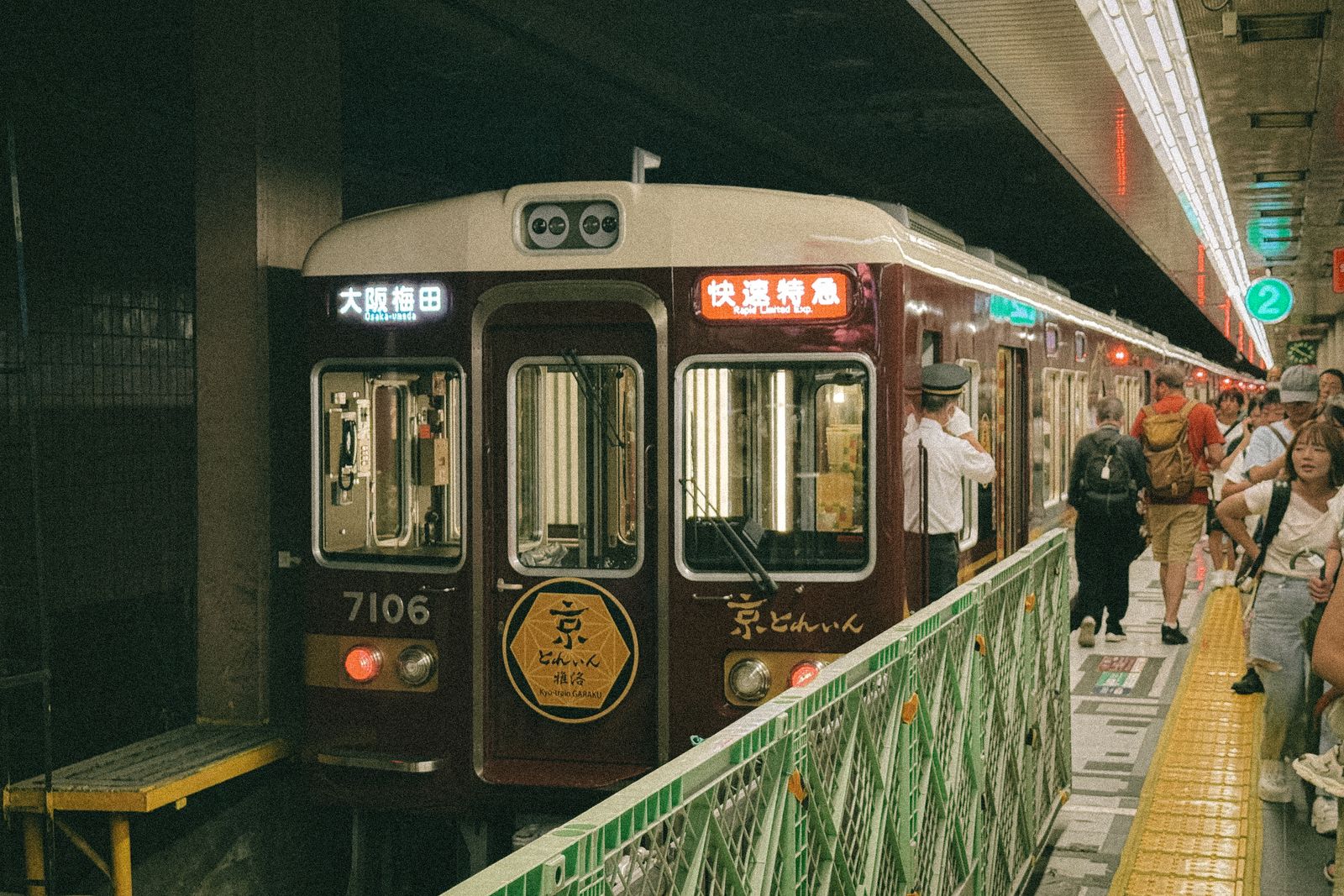
Now add up the days you are actually planning. Compare each total with ¥1,300 for Hankyu’s own pass, or with the price on any reseller listing you are looking at.
| Day shape from Osaka-umeda | Single fares | Against ¥1,300 |
|---|---|---|
| Kyoto-kawaramachi and back | ¥820 | Single fares win by ¥480 |
| Arashiyama, then Kawaramachi, then back | ¥1,060 | Single fares win by ¥240 |
| Kobe-sannomiya and back | ¥660 | Single fares win by ¥640 |
| Minoo, then Takarazuka, then back | ¥850 | Single fares win by ¥450 |
| Arashiyama, Kawaramachi, Kobe-sannomiya, back | ¥1,620 | Pass wins by ¥320 |
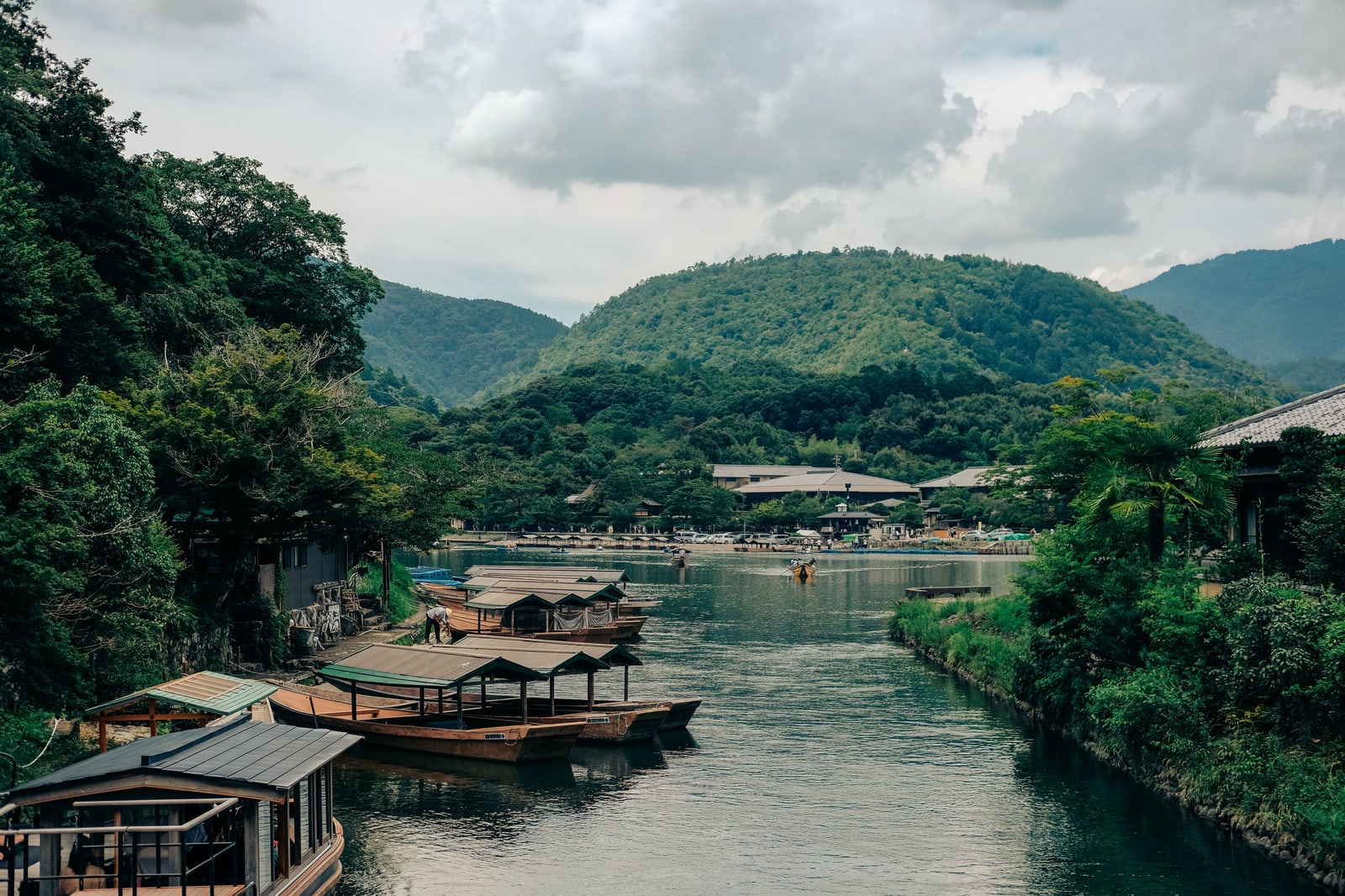
The pattern is plain. A one-destination day never reaches ¥1,300 on Hankyu alone, because no leg from Osaka-umeda costs more than ¥410. Even two Kyoto stops in one day stop at ¥1,060. Only a day that crosses from Kyoto to Kobe passes the line.
Second: what a Hankyu pass does not ride
A Hankyu one-day pass covers Hankyu Railway’s own trains, and not quite all of them. These cost extra:
- Beyond Kobe-sannomiya. Hankyu trains run on to Hanakuma, Kosoku-Kobe and Shinkaichi on the Kobe Kosoku Line, which Hankyu’s pass excludes. Get off at Kobe-sannomiya or pay the extra fare. Hankyu’s Hankyu-Hanshin One-Day Pass (¥1,600) does include the Kobe Kosoku Line.
- Randen and Kyoto buses. The tram from Arashiyama toward Kitano and Shijo-Omiya costs a flat ¥250 per ride, and Kyoto’s city buses are separate.
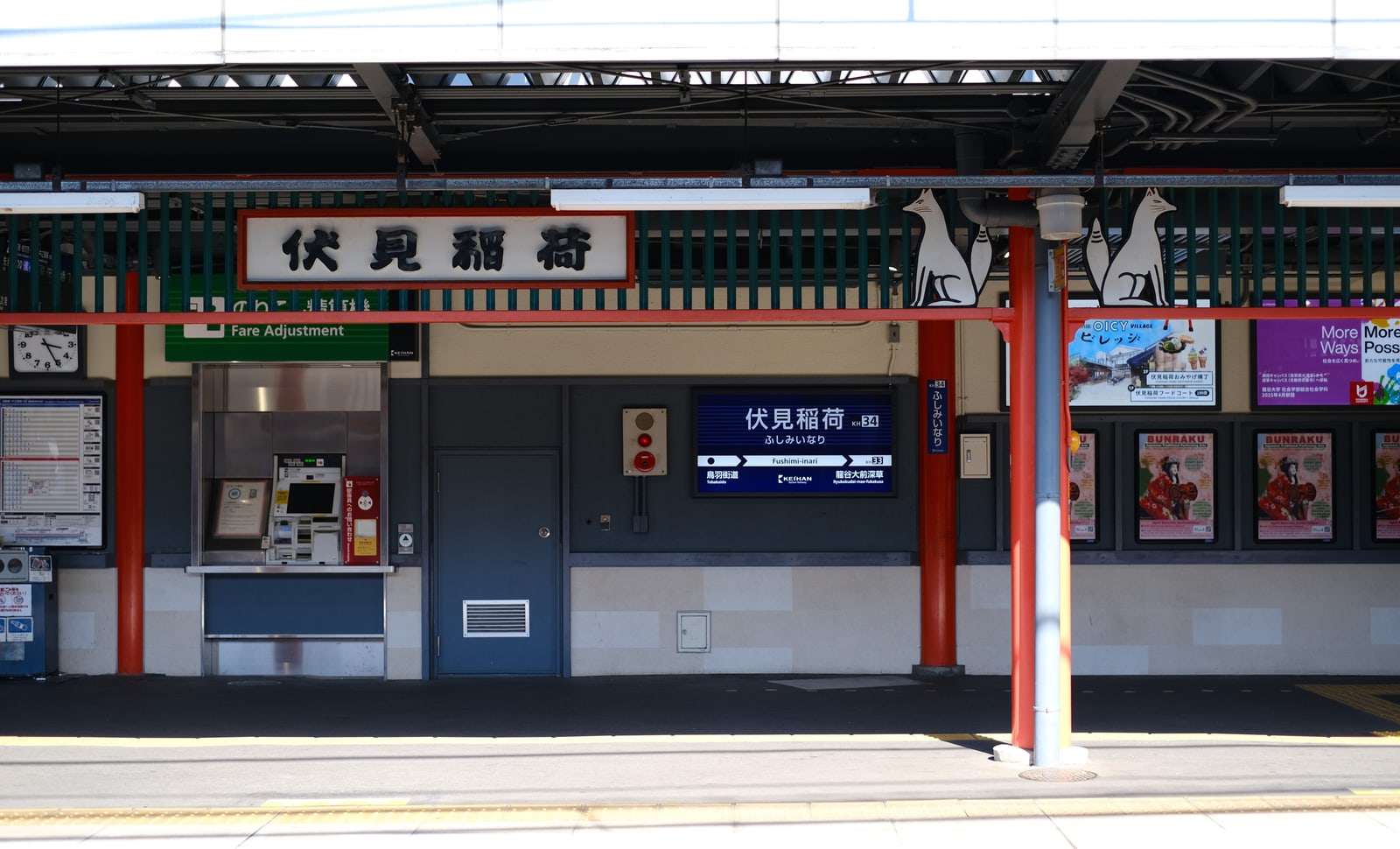
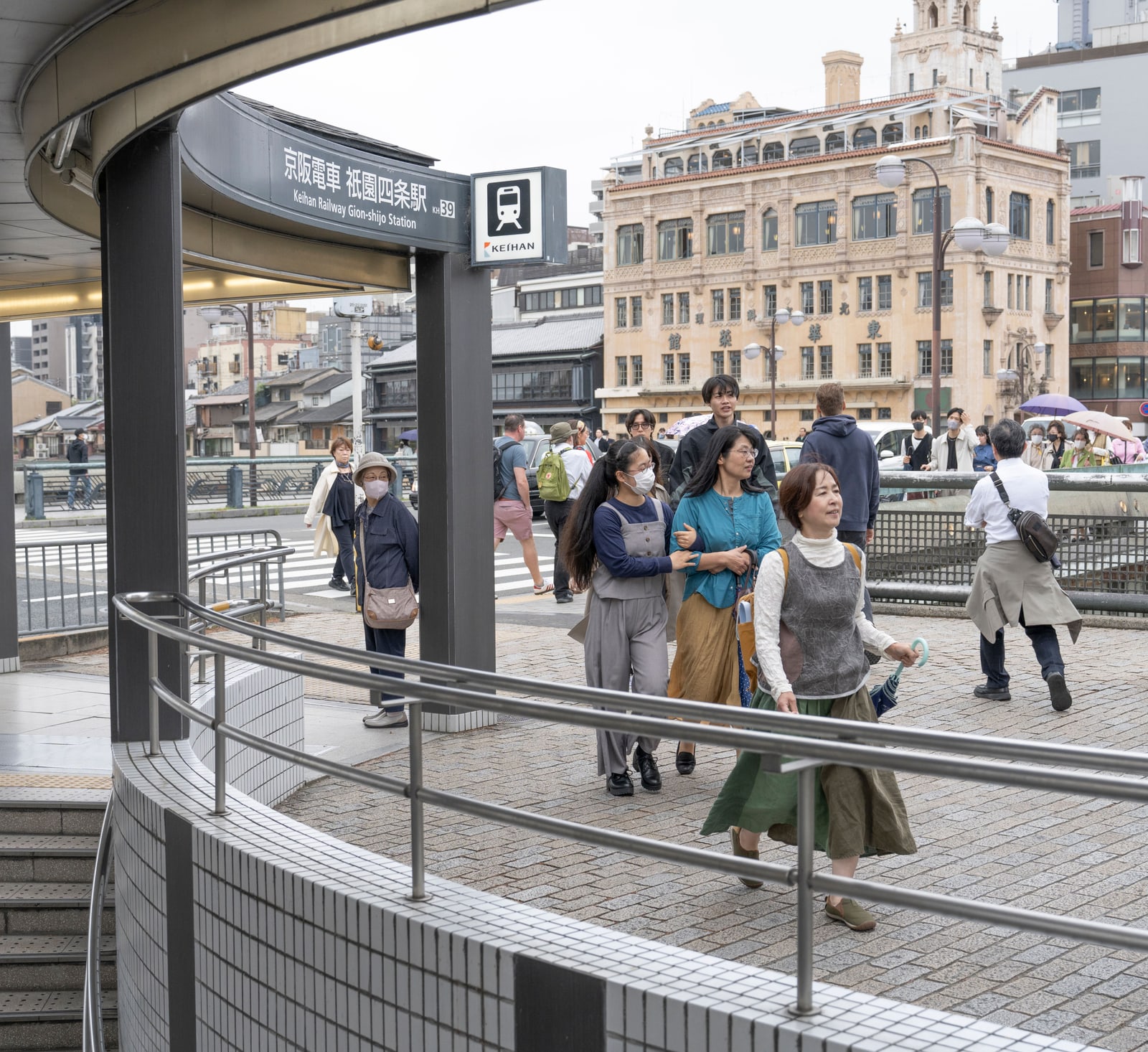
- Fushimi Inari, Kyoto Station and Gion by train. Fushimi Inari is on Keihan and JR, not Hankyu. Kyoto-kawaramachi is a short walk from Keihan’s Gion-Shijo station, but the Keihan ride is not on a Hankyu pass.
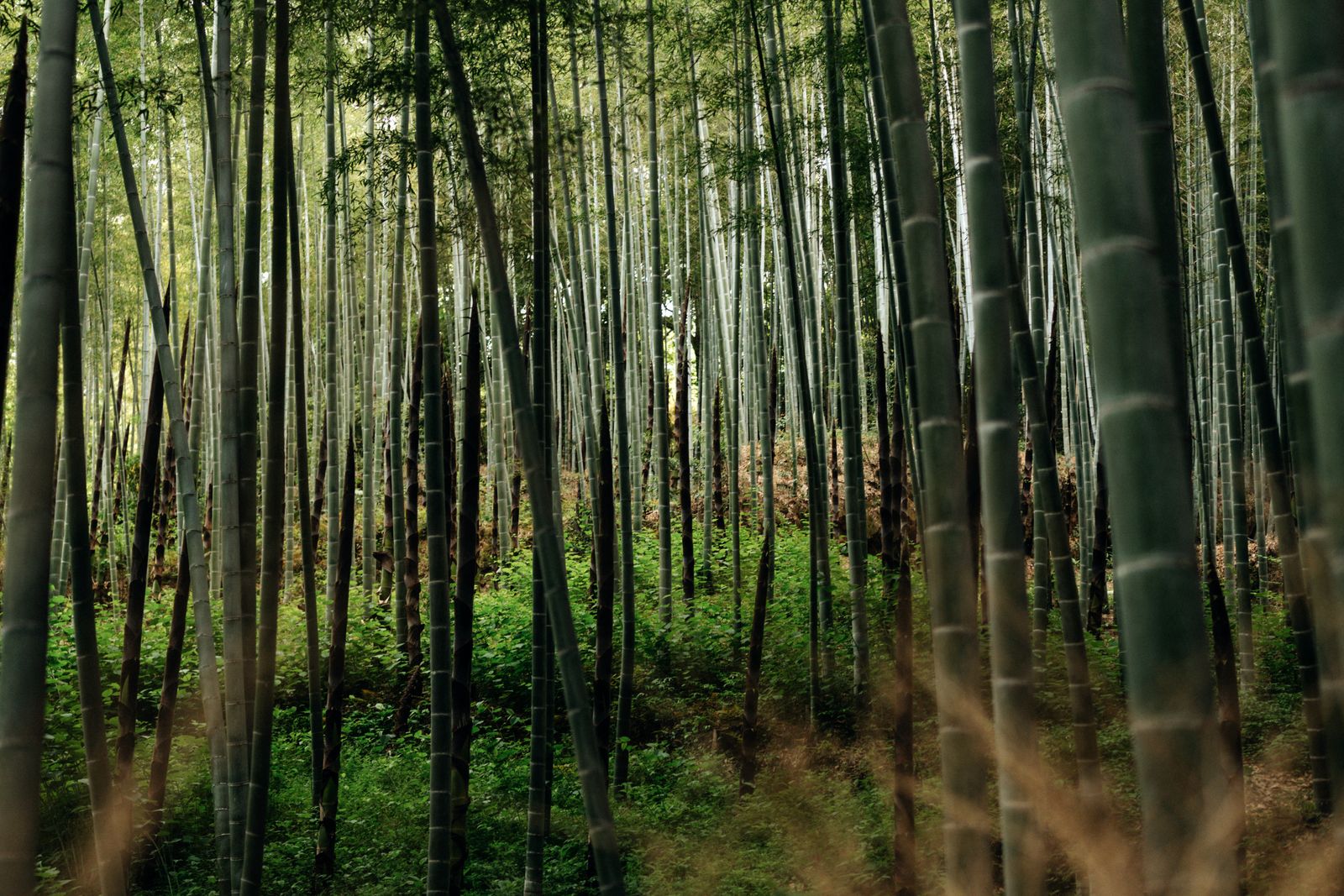
For an Arashiyama day with the tram, Hankyu sells a separate pass this autumn. The Kyoto-Arashiyama 1day Pass (Hankyu version, ¥1,400, sold October 1 to December 20, 2026) adds the Randen Arashiyama and Kitano lines and Kyoto Bus routes around Arashiyama and Saga. Hankyu there and back (¥820) plus two Randen rides (¥500) is ¥1,320, still under ¥1,400. It pays from the third Randen ride or once you add a Kyoto Bus ride.
Third: when Keihan, JR or a plain ICOCA wins
- A plain ICOCA or a contactless credit card works at Hankyu’s gates and pays each ride as you go. On every one-destination day in the table, that is the cheaper way.
- Keihan is the line for Fushimi Inari and Gion. If that is your Kyoto day, Keihan’s Kyoto-Osaka Sightseeing Pass (¥1,650) is the pass to price, not Hankyu’s.
- JR reaches Kyoto Station, and Osaka to Kyoto costs ¥580 on JR against ¥410 Osaka-umeda to Kawaramachi on Hankyu. If your hotel is near JR Osaka station, Kyoto Station is where you want to arrive, or you hold a JR pass, JR can win on convenience even at the higher fare.
- The Osaka Amazing Pass covers Hankyu only within Osaka City, so it does not get you to Kyoto, Kobe or Minoo.
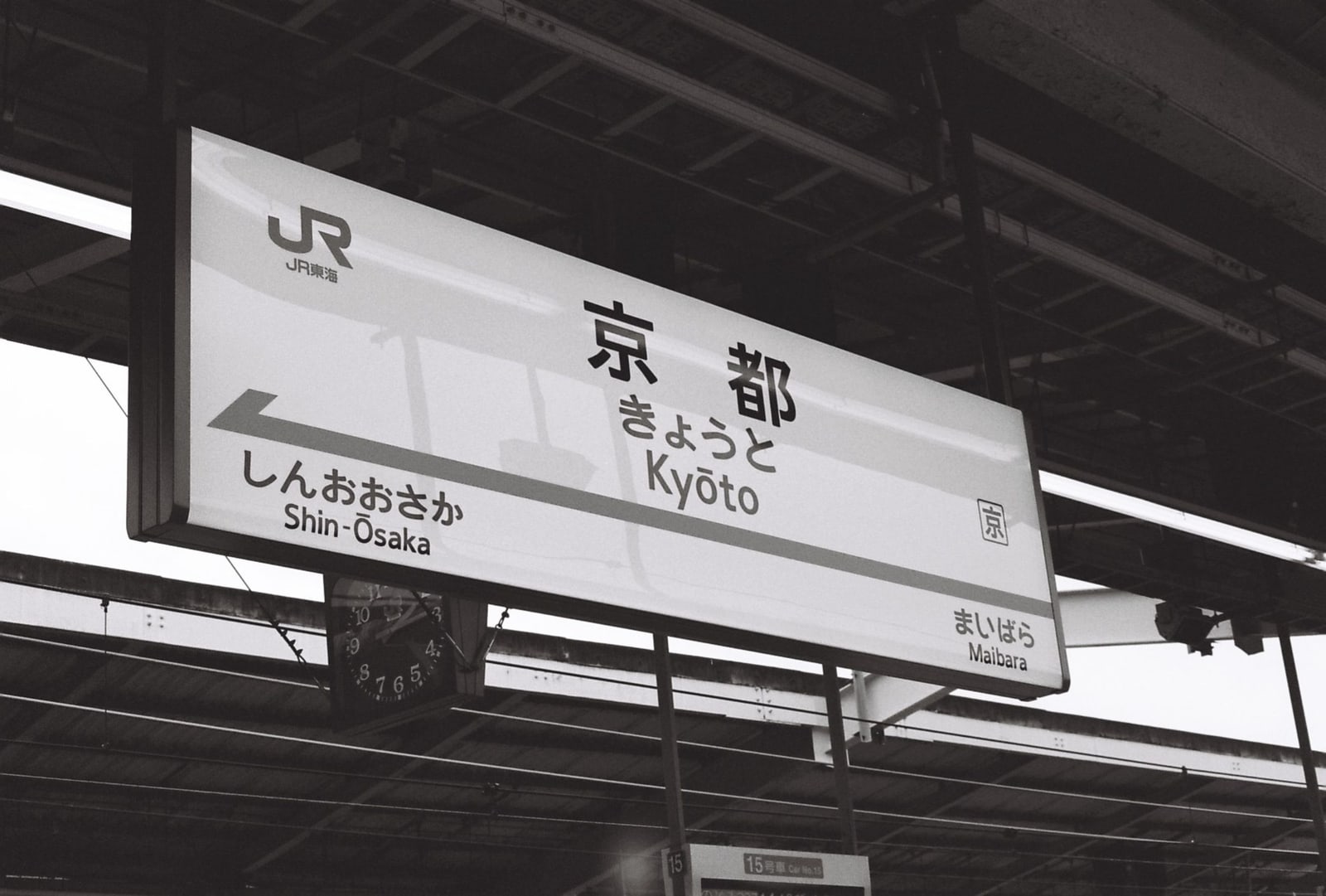
The JR Kansai Area Pass, which came with a Hankyu Kyoto Line one-day voucher, stopped selling on September 30, 2026. If you already hold one, exchange that voucher within the pass’s validity. The Hankyu ride is already in the pass you have.
The tie-break, if your days are close: count the days that cross from Kyoto to Kobe. If there are none, pay ride by ride. If there is one, that day alone is where a Hankyu pass pays.
Fourth: which ticket you are buying, and who may buy it
Hankyu’s own Japanese and English ticket lists, checked October 9, 2026, name no “Hankyu Tourist Pass”, and the pass’s page on Hankyu Hanshin’s visitor site no longer loads. What Hankyu does list:
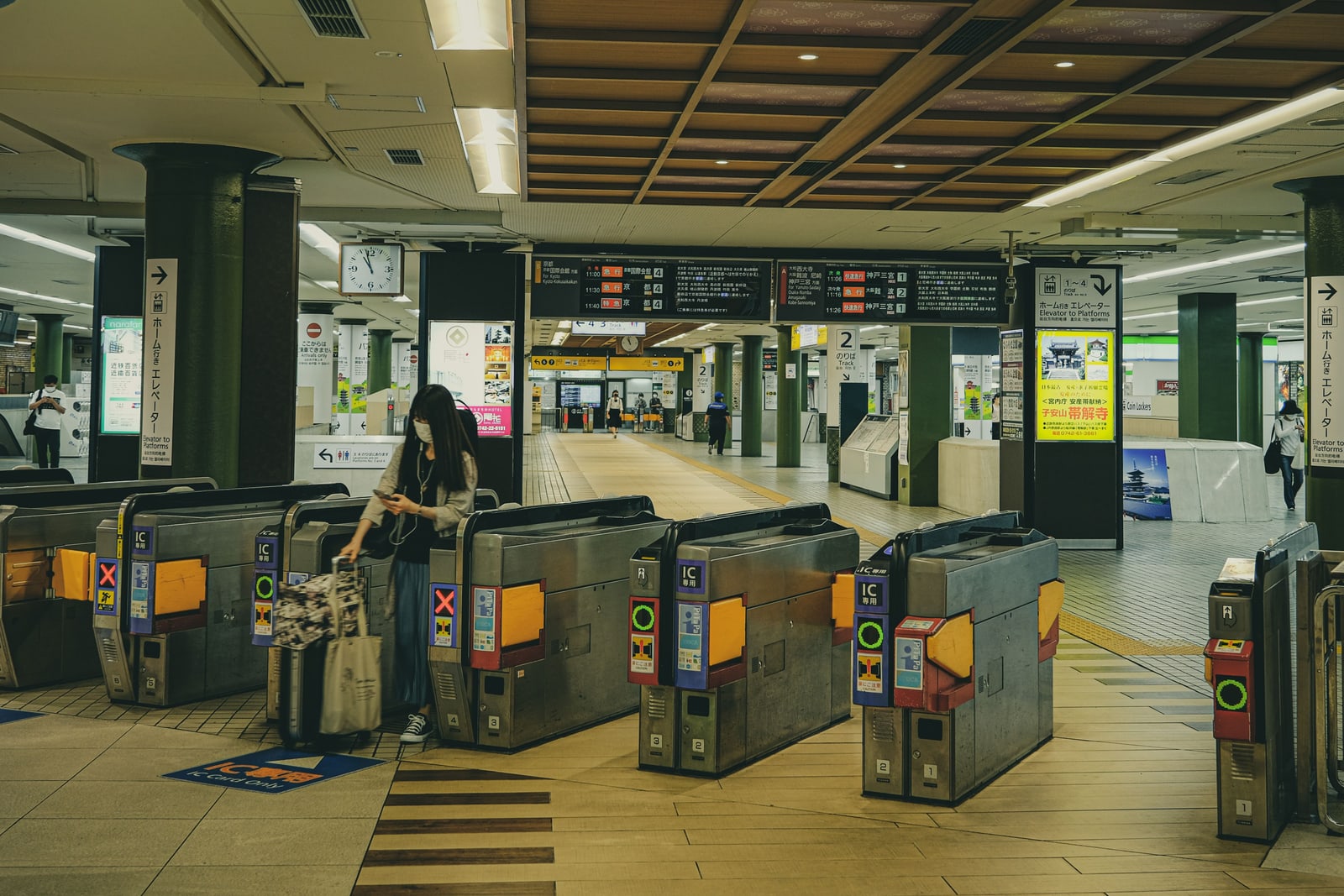
- Hankyu One-Day Pass (FY2026), ¥1,300, adults only. You buy it with a credit card on the Surutto QRtto website or in Hankyu’s app, after registering as a member. It is a QR code on your phone, valid on any one day within three months of purchase, at QR-compatible gates. It is not sold at station windows or at Hankyu’s tourist centers. It cannot be combined with an IC card on the same ride. You can get a refund, with no fee, only before you press the start button.
Resellers, Klook among them, still list a product named “Hankyu Tourist Pass” in 1-day and 2-day versions. The listings we could read describe a voucher you show, with every traveler’s passport, at Hankyu Tourist Center Osaka-umeda (open 8:00 to 17:00). One listing limits it to non-Japanese passport holders visiting on temporary-visitor status. Hankyu’s own pages describe no two-day Hankyu pass in 2026, so read the listing for what the second day is.
So it works when you land: the one day it pays
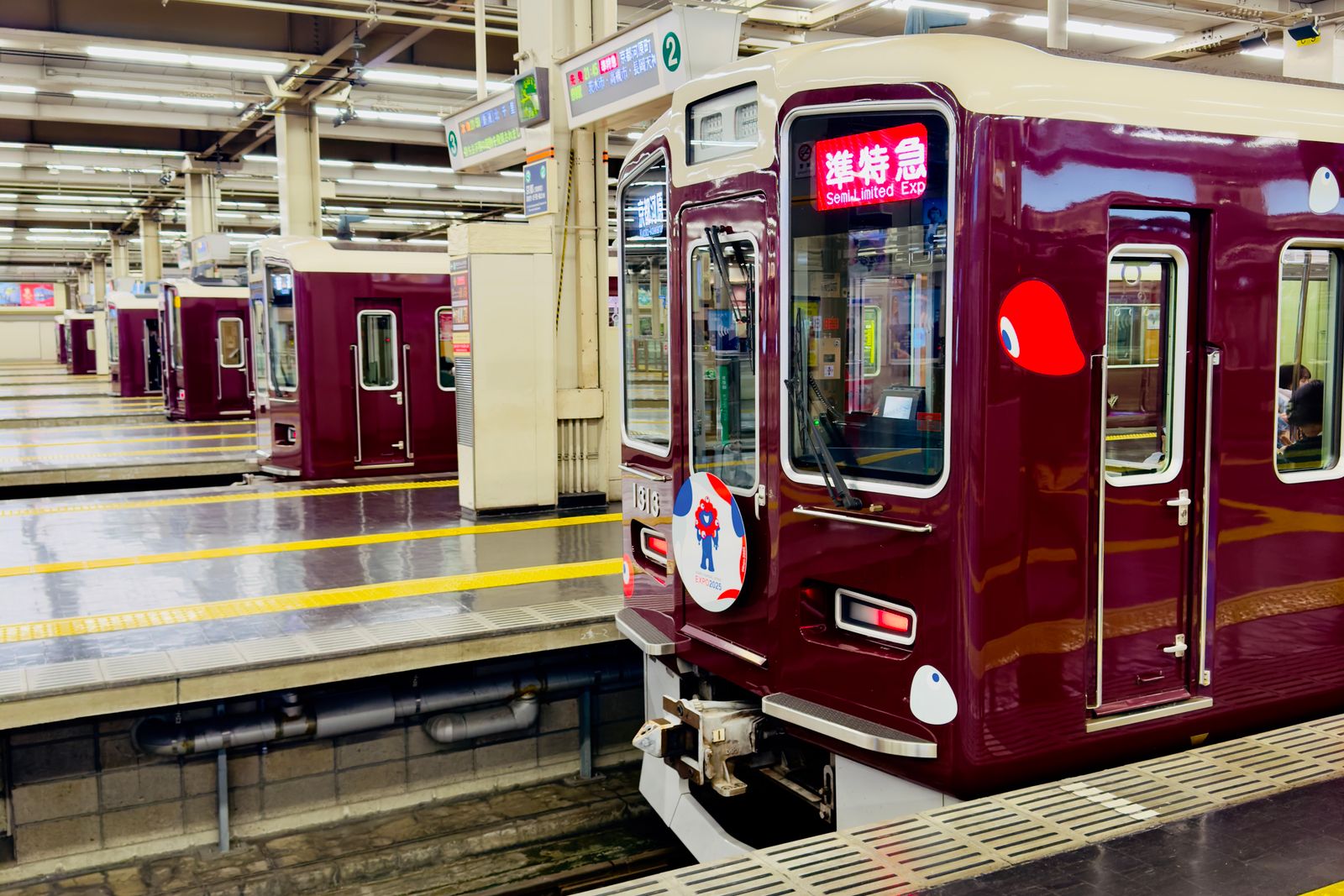
The worked example. You leave Osaka-umeda in the morning for Arashiyama (¥410, change at Katsura), cross to Kyoto-kawaramachi for the afternoon (¥240), take Hankyu to Kobe-sannomiya for the evening (¥640) and return to Umeda (¥330). That is ¥1,620 in single fares against ¥1,300 for Hankyu’s own pass, ¥320 saved. Leave out Kobe and the same day is ¥1,060, and the pass costs you ¥240.
So the purchase is simple. If one of your days is that Kyoto-and-Kobe day, a Hankyu one-day pass pays for that day. Buy Hankyu’s own pass on your phone, or a reseller voucher if you want it settled before the trip, as long as the listing price is under that day’s fare total. If none of your days crosses from Kyoto to Kobe, tap an ICOCA and skip the pass.
Your Kyoto-and-Kobe day adds up to more than the pass?
Hankyu Tourist Pass on Klook
Klook lists a Hankyu Tourist Pass voucher, exchanged in Osaka. Check the price on the listing against your day's fare total, and the exchange point, eligibility and cancellation terms, before you book.
Check the Hankyu Tourist Pass on Klook →Sold on Klook (Klook Travel Technology Limited), an online travel agency; the trains are Hankyu Railway's. Before you pay, check on the listing whether you are buying 1 or 2 days, where you exchange the voucher, who is eligible, and the cancellation terms. Compare the price with your day's fare total.
Next
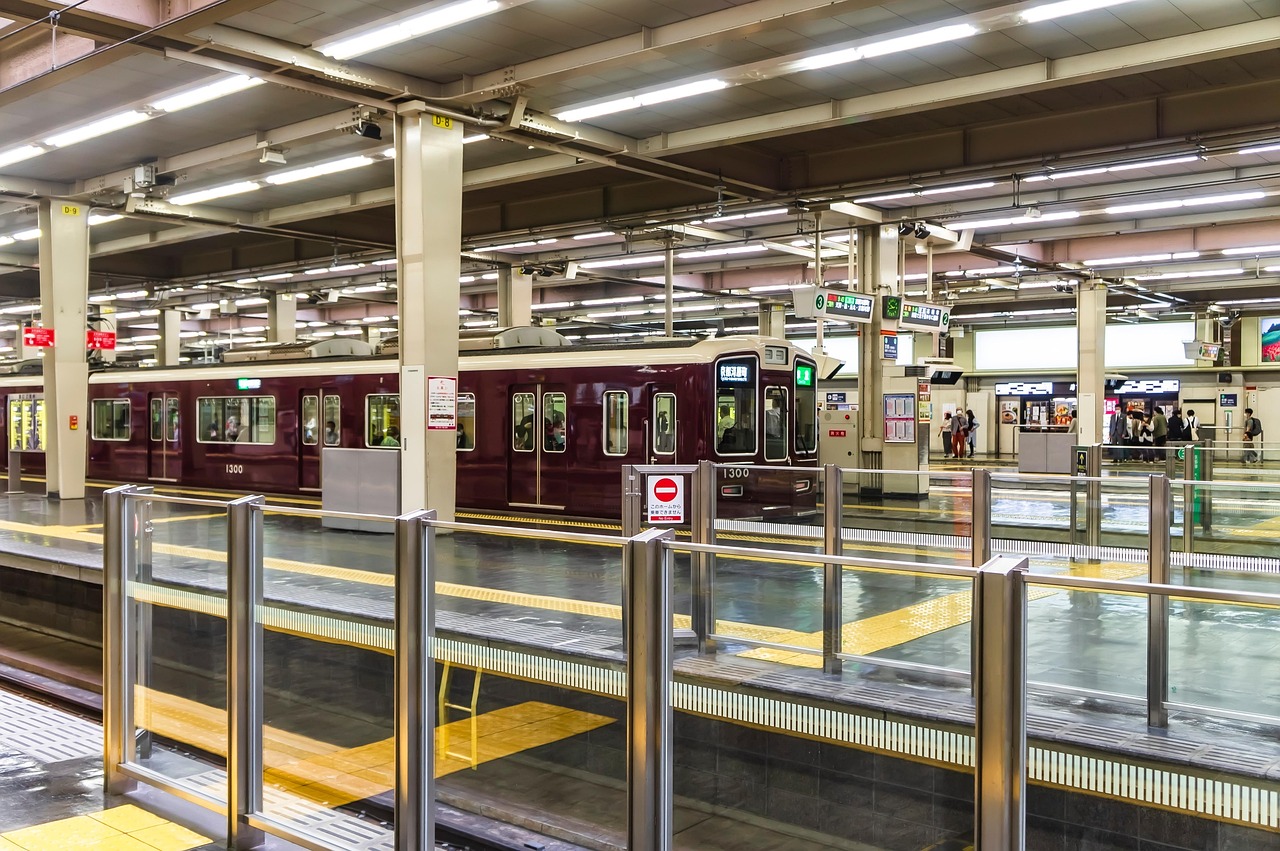
Write your days down as legs, and price each one against the table above. If one day crosses from Kyoto to Kobe, that is the day for a Hankyu pass. If you hold a reseller voucher, exchange it at Osaka-umeda (8:00 to 17:00) before your first ride. If your Kyoto day is Fushimi Inari and Gion instead, price Keihan’s Kyoto-Osaka Sightseeing Pass. If you are still choosing where to sleep, Umeda or Namba decides which railway is on your doorstep.