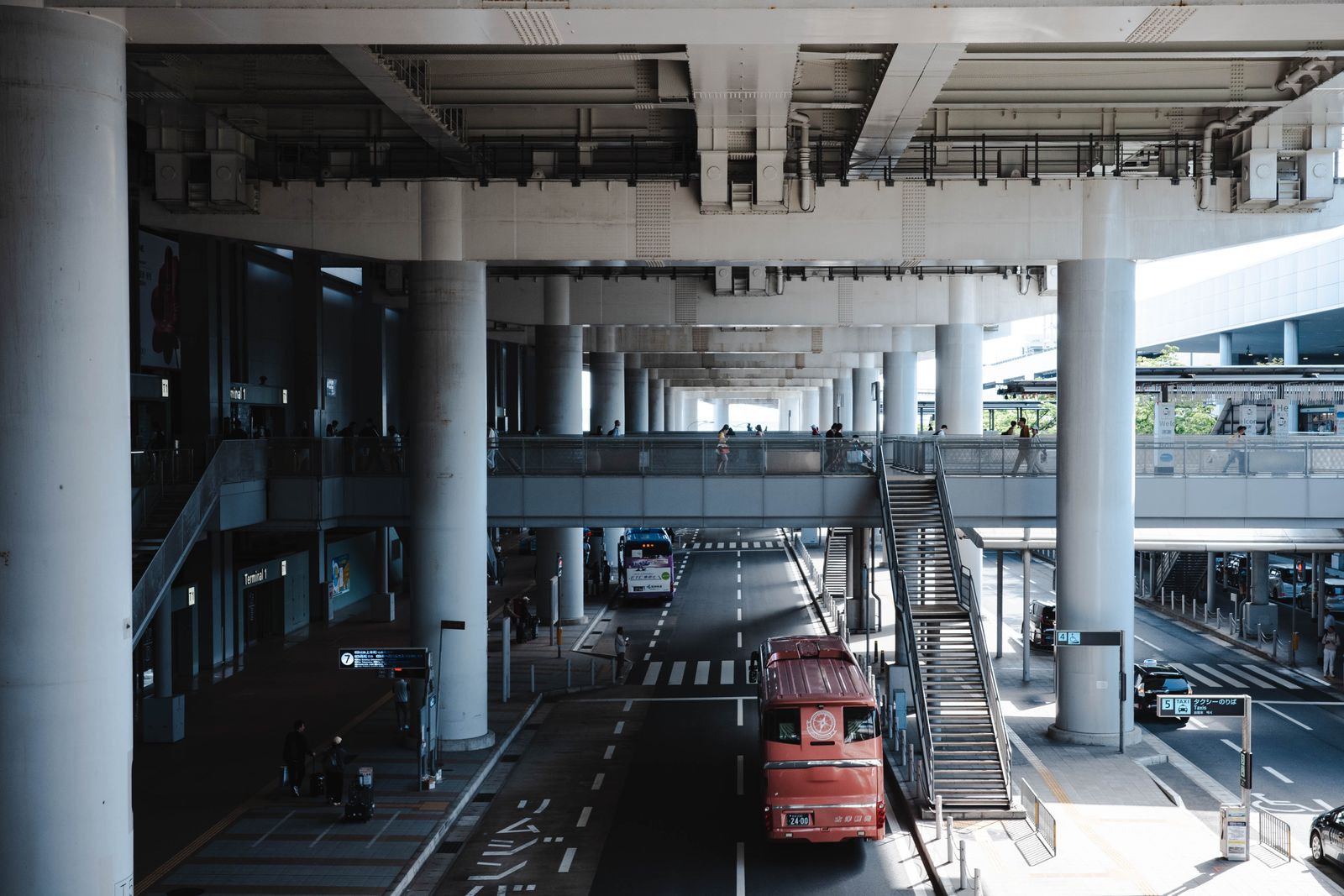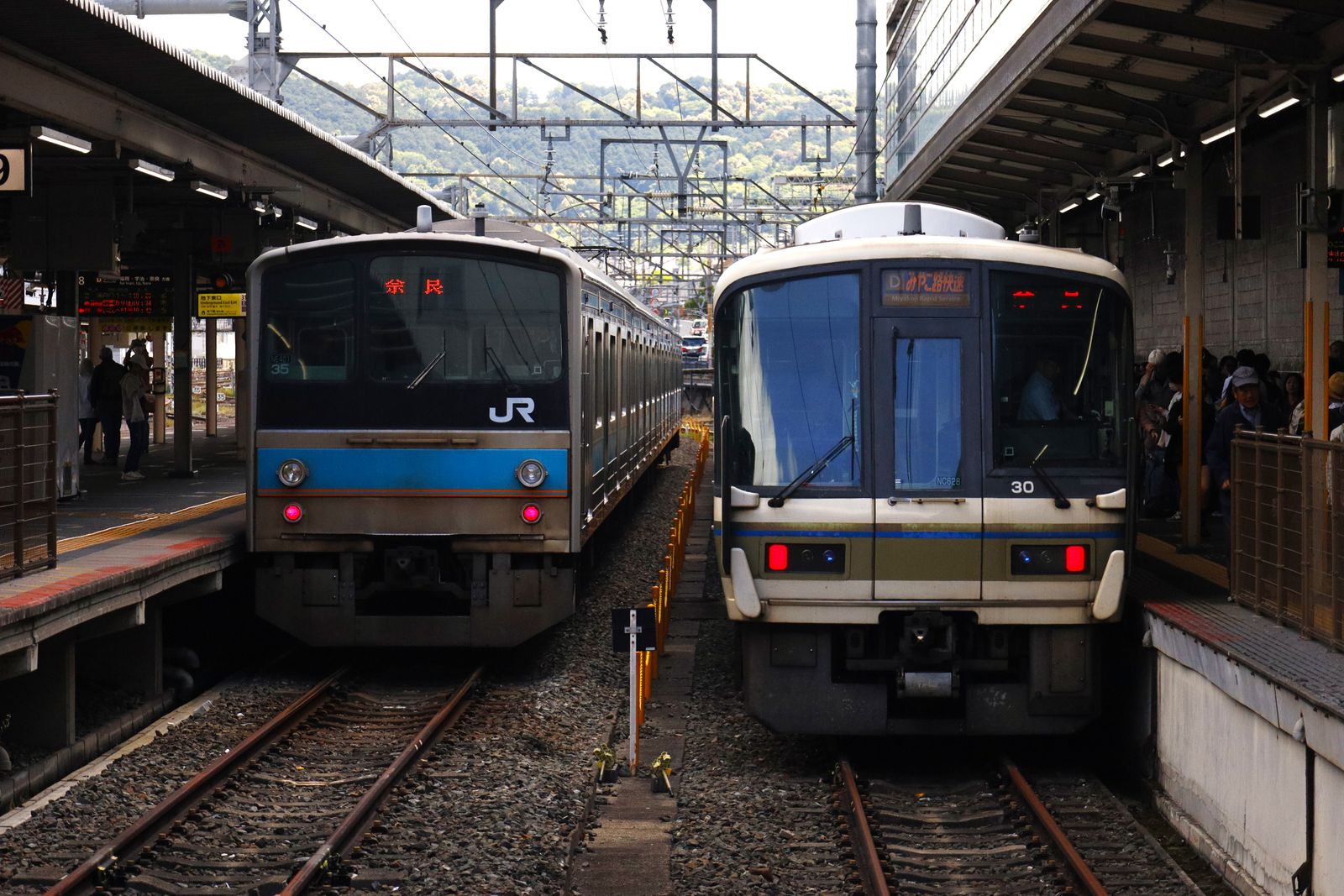
JR West’s Kansai Area Pass was the one-to-four-day pass for Osaka, Kyoto, Kobe, Nara and Himeji, with the airport’s Haruka train included. JR West’s page now reads: “Sales ended as of September 30, 2026.” Passes bought by that date stay valid for their validity period. For trips planned now, the choice is between JR West’s Kansai Mini Pass, its Kansai WIDE Area Pass, one airport ticket and a plain IC card. Four conditions decide it, in this order.
The answer, in the order the conditions decide it
- What you already hold. A Kansai Area Pass bought by September 30, 2026 still works for its days. A Japan Rail Pass covers the Haruka and every JR leg here. Either one settles the days it covers.
- The airport train. Landing at Kansai Airport with a hotel near Kyoto Station, Osaka Station, Shin-Osaka or Tennoji, the Haruka is your train. JR West’s Haruka One-way Ticket for foreign-passport visitors is ¥1,800 to Osaka or Shin-Osaka and ¥2,200 to Kyoto. Of those two passes, only the WIDE includes the Haruka.
- How much of your plan runs on JR. Fushimi Inari, Arashiyama and Nara are on JR from Kyoto Station, at ¥150, ¥240 and ¥720 one way. Dotonbori and Namba are on the subway. Add your JR legs for three days: under ¥3,000, the price of the 3-day Kansai Mini Pass, an IC card is cheaper.
- One long day trip. Kinosaki Onsen, Okayama, Amanohashidate or Takamatsu is what makes the ¥12,000, five-day Kansai WIDE Area Pass pay. The Haruka to Kyoto plus a reserved round trip to Kinosaki Onsen comes to ¥12,540.
Landing at Kansai Airport, hotel on the Haruka's line?
JR Haruka Kansai Airport Express ticket on Klook
The Haruka runs from the airport to Tennoji, Osaka, Shin-Osaka and Kyoto with no change. JR West's one-way ticket for foreign-passport visitors is ¥1,800 to Osaka or Shin-Osaka and ¥2,200 to Kyoto (JR West prices as of February 5, 2025).
Check the Haruka ticket on Klook →Sold on Klook (Klook Travel Technology Limited), an online travel agency; the train is run by JR West. Before you pay, check on the listing: which station the ticket runs to, that it is one-way from the airport, how the voucher becomes a ticket at a JR West station (JR West asks to see your passport), and the cancellation terms.
First: what you already hold
If you bought a Kansai Area Pass on or before September 30, 2026, JR West says it stays valid for its whole validity period. It covers JR West’s special rapid, rapid and local trains in the area; the Haruka, in non-reserved seats and in reserved seats up to two times; no shinkansen. The days run back to back, from 0:00 on the first day to 24:00 on the last.
The pass also comes with vouchers for a one-day pass each on the Kyoto City Subway, Keihan Railway and Hankyu Railway. You exchange them at those railways’ stations, with the pass, on a day inside its validity. JR West does not reissue a lost voucher.
Holding a travel agency’s exchange voucher, not yet the pass? JR West’s notice gives no separate exchange deadline. Check the one on your voucher or the listing you bought from before you fly.
The Japan Rail Pass is the other thing you might hold. It is valid on JR limited expresses, the Haruka included, and on the JR lines in this article. Whether the nationwide pass pays for itself is a different sum, and that one is here.
All of JR West’s visitor passes, and the Haruka ticket below, are for holders of a foreign passport entering Japan as a Temporary Visitor. You show the passport to collect them.
Second: the airport train
On an Osaka and Kyoto trip, the Haruka to Osaka or Kyoto costs more than any single JR leg in the table further down. The Haruka runs from Kansai Airport to Tennoji, Osaka, Shin-Osaka and Kyoto without a change.
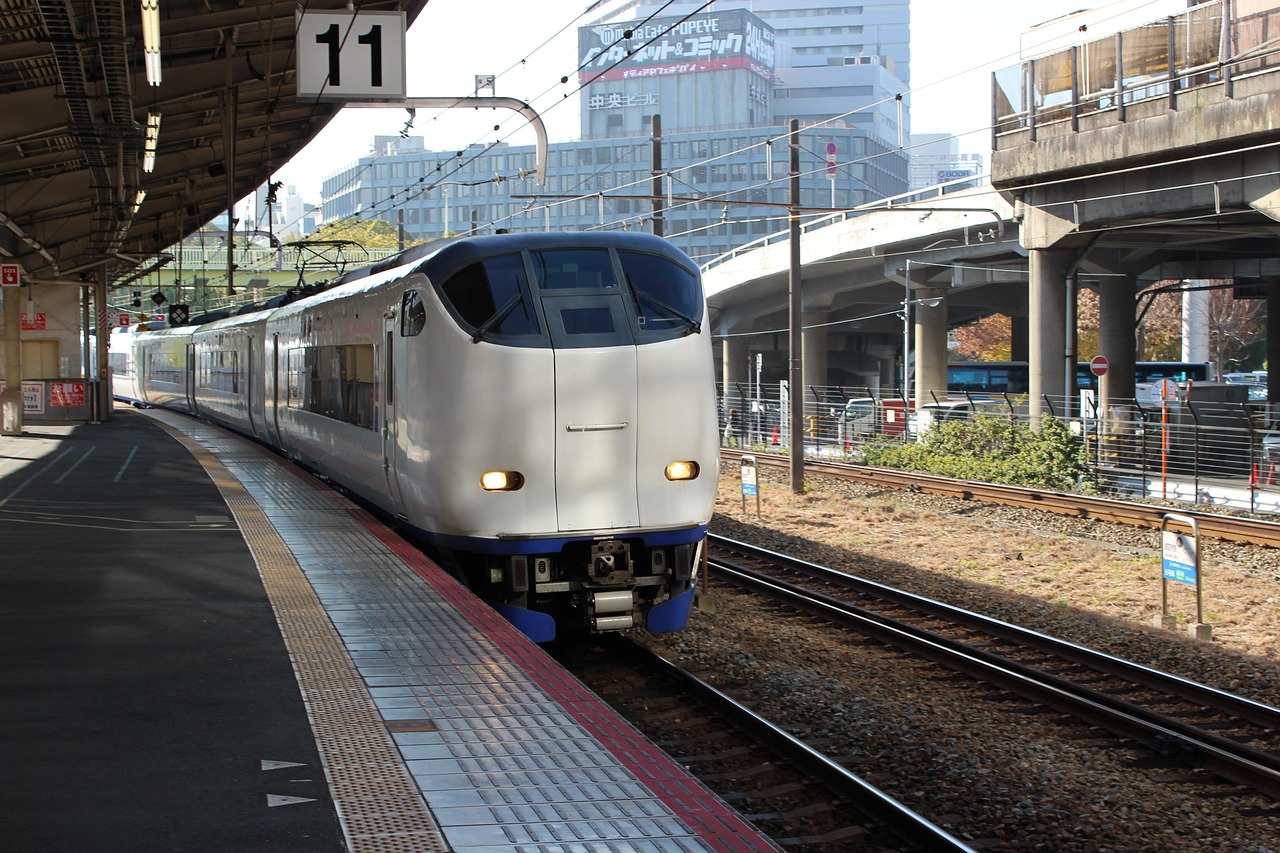
JR West’s Haruka One-way Ticket, for foreign-passport visitors:
| From Kansai Airport to | Adult | Child (6–11) |
|---|---|---|
| Tennoji | ¥1,300 | ¥650 |
| Osaka, Shin-Osaka | ¥1,800 | ¥900 |
| Nara | ¥1,800 | ¥900 |
| Kobe | ¥2,000 | ¥1,000 |
| Kyoto | ¥2,200 | ¥1,100 |
JR West prices, current as of February 5, 2025 by JR West’s page (checked October 1, 2026).
It is not sold at stations in Japan. You buy it from a travel agency outside Japan or on JR West’s online reservation site, then collect it with your passport: at a ticket machine if the passport has an IC chip, at the ticket office if it does not.
The alternative is JR’s regular trains. To Kyoto that is ¥1,860 with a change at Osaka, about 1 hour 40 minutes. So for a Kyoto hotel, the Haruka ticket costs ¥340 more than the regular fare and removes the change.
A hotel in Namba or Shinsaibashi changes the answer: the airport train there is Nankai’s, not JR’s, and Haruka or Rapi:t settles it.
On the passes: JR West says the Kansai Mini Pass needs a separate limited express ticket for the Haruka. The Kansai WIDE Area Pass includes reserved seats on it.
Third: how much of your plan runs on JR
A JR pass pays only on JR trains. In Kyoto, several of the places a first trip goes are on JR lines out of Kyoto Station. In Osaka, the center is mostly subway.
| JR leg, one way | Fare (IC card or ticket) |
|---|---|
| Kyoto → Inari (Fushimi Inari) | ¥150 |
| Kyoto → Saga-Arashiyama | ¥240 |
| Osaka → Kyoto | ¥580 |
| Kyoto → Nara | ¥720 |
| Osaka → Nara | ¥840 |
| Osaka → Himeji (Special Rapid) | ¥1,460 |
Fares from NAVITIME’s route search, checked October 1, 2026.
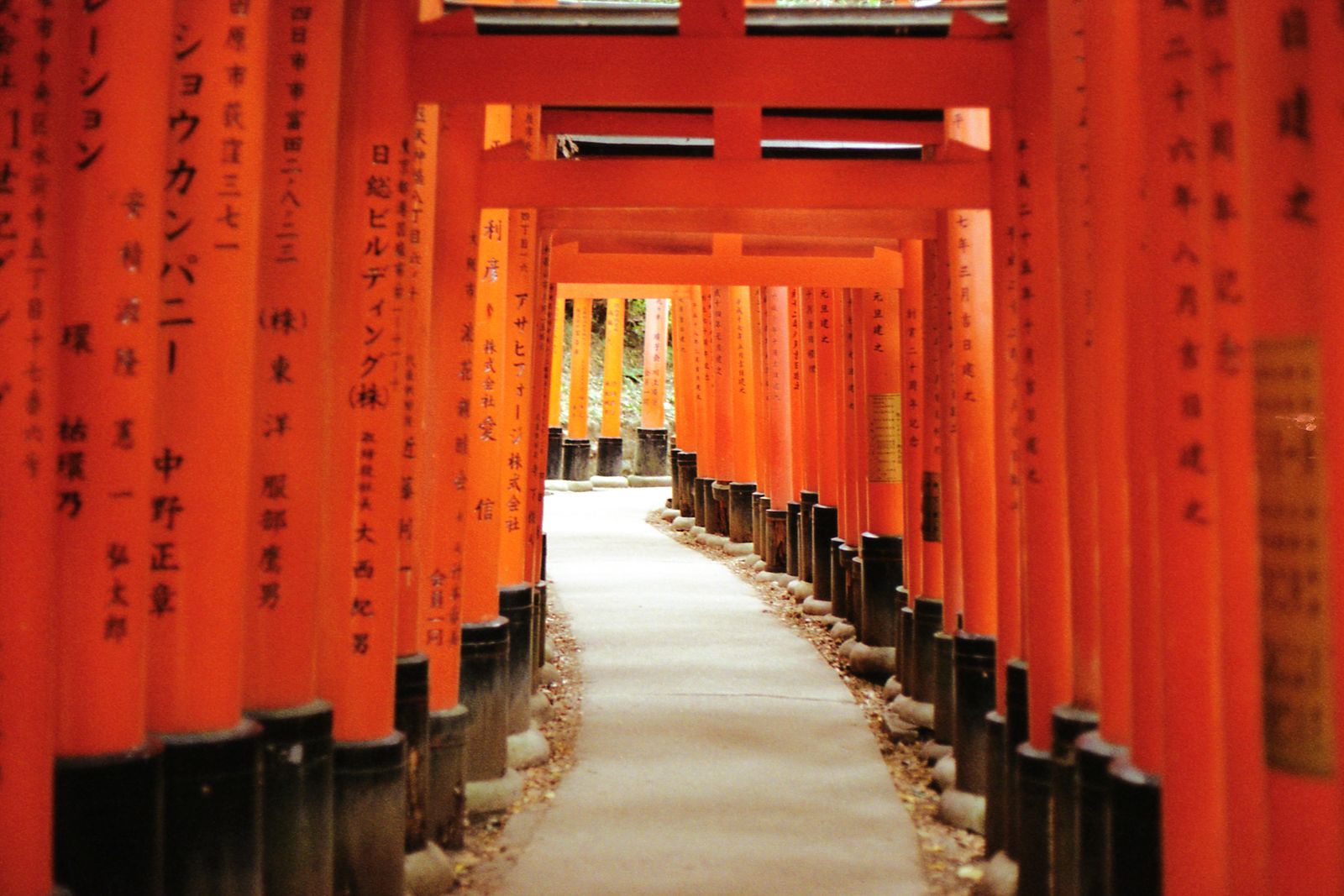
Dotonbori, Namba and Shinsaibashi are on Osaka Metro, which no JR pass covers. Other railways reach the rest: Hankyu runs from Osaka-umeda to Kyoto, and Kintetsu runs from Kyoto to Nara for ¥760 with one change. A day spent on those lines puts nothing on a JR pass.
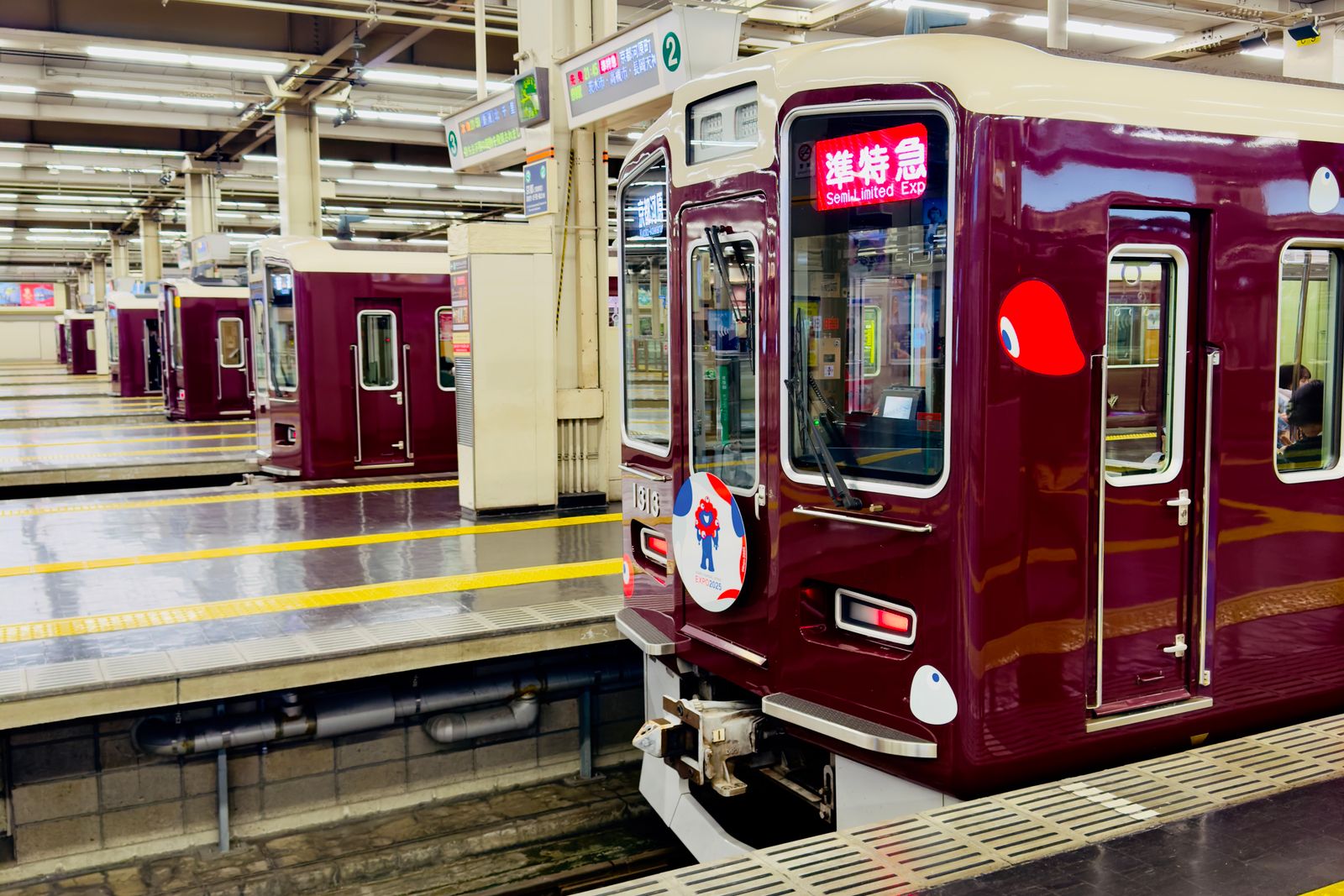
The number to compare against is the Kansai Mini Pass: ¥3,000 for three consecutive days (child ¥1,500) on JR West’s special rapid, rapid and local trains. JR West names its area as Kyoto, Universal Studios Japan, Osaka, Namba, Kobe and Nara, and lists the Kansai Airport Rapid Service among its trains. It excludes the Haruka, other limited expresses and the shinkansen. It is sold only by travel agencies outside Japan, not in Japan and not on JR West’s online site.
Add your JR legs for the three busiest days in a row. Under ¥3,000, pay as you go. Over it, the Mini Pass is cheaper.
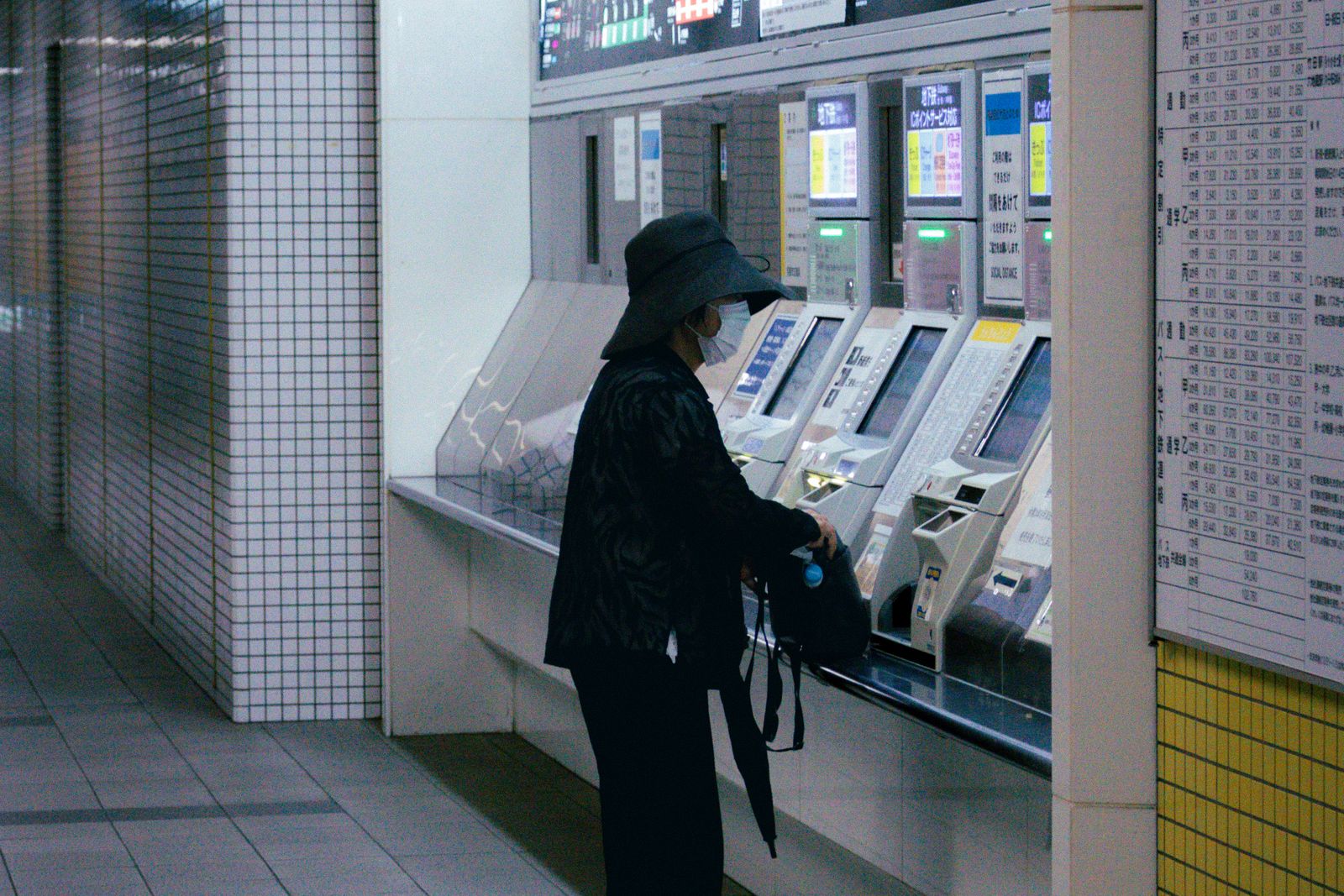
Paying as you go means an IC card. ICOCA is JR West’s: sold from ticket machines and ticket offices at JR West stations, with a ¥500 deposit you get back at a JR ticket office when you return the card. It works on trains and buses across the ICOCA area, and a Suica or PASMO from Tokyo works here too. Physical or mobile is a separate choice.
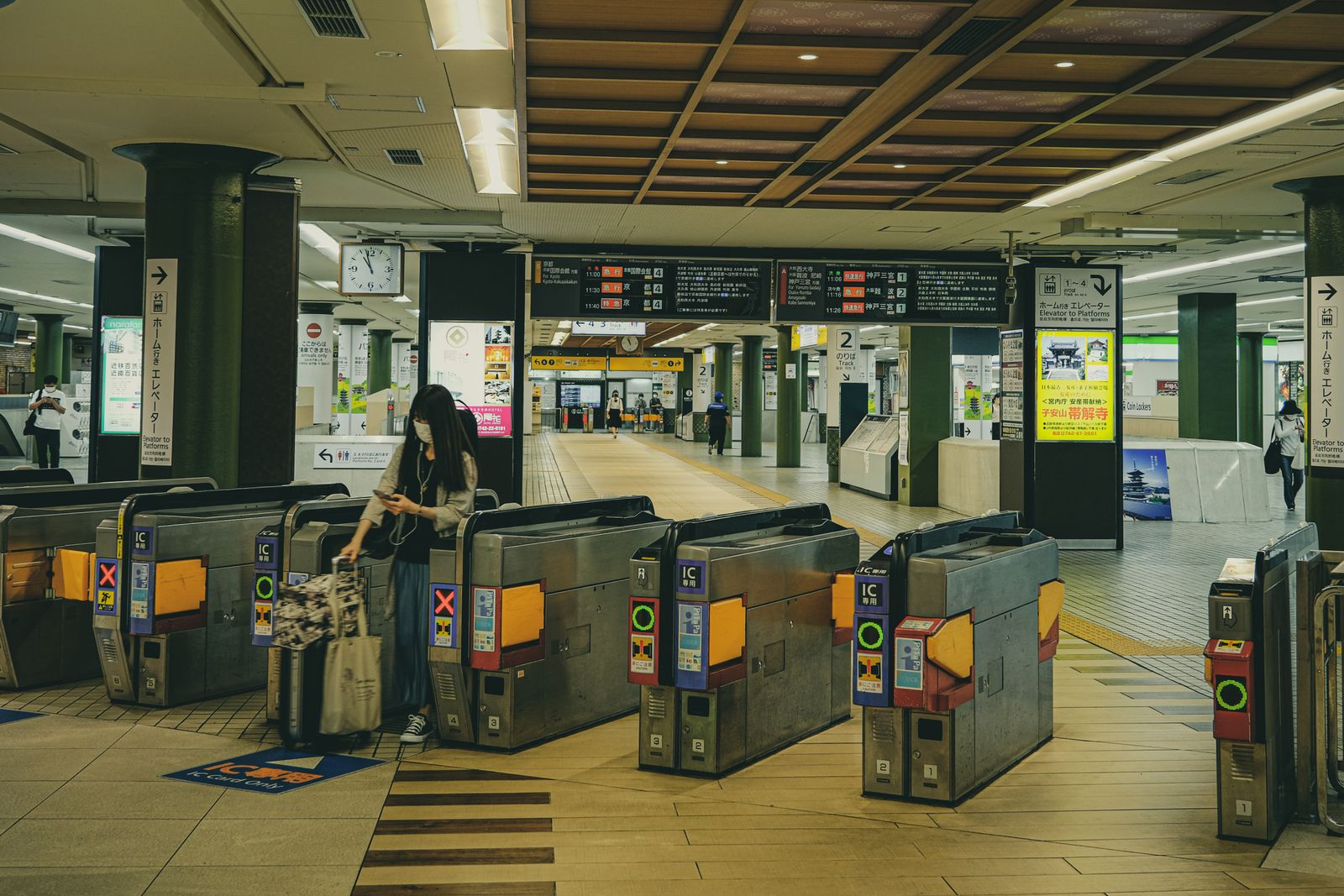
Fourth: the day trip that makes the WIDE pass pay
The Kansai WIDE Area Pass is ¥12,000 for five consecutive days (child ¥6,000). It adds what the Mini Pass leaves out: the Haruka with reserved seats; limited expresses such as the Kuroshio, Konotori and Super Hakuto; and reserved seats on the Sanyo Shinkansen between Shin-Osaka and Okayama. It does not cover the Tokaido Shinkansen to Kyoto or Tokyo, or the Sanyo Shinkansen west of Okayama. JR West names its reach as Okayama, Takamatsu, Kinosaki Onsen, Amanohashidate, Tottori and Shirahama. Prices are current as of August 1, 2024 by JR West’s page.
That list is the condition. Around Osaka, Kyoto and Nara, the fares above do not come near ¥12,000 in five days. One long trip can:
| Inside the same five days, one adult | Separate tickets | WIDE pass |
|---|---|---|
| Haruka to Kyoto + Kyoto ⇄ Kinosaki Onsen, Limited Express Kinosaki, reserved | ¥12,540 | ¥12,000 |
| Haruka to Shin-Osaka + Shin-Osaka ⇄ Okayama, Hikari, reserved | ¥13,680 | ¥12,000 |
| Haruka to Osaka + Osaka ⇄ Himeji, Special Rapid | ¥4,720 | ¥12,000 |
Separate tickets: the Haruka One-way Ticket above; Kinosaki Onsen ¥2,640 fare + ¥2,530 reserved limited express charge each way; Okayama ¥3,080 fare + ¥2,860 reserved Hikari charge each way (NAVITIME, for travel on October 1, 2026).
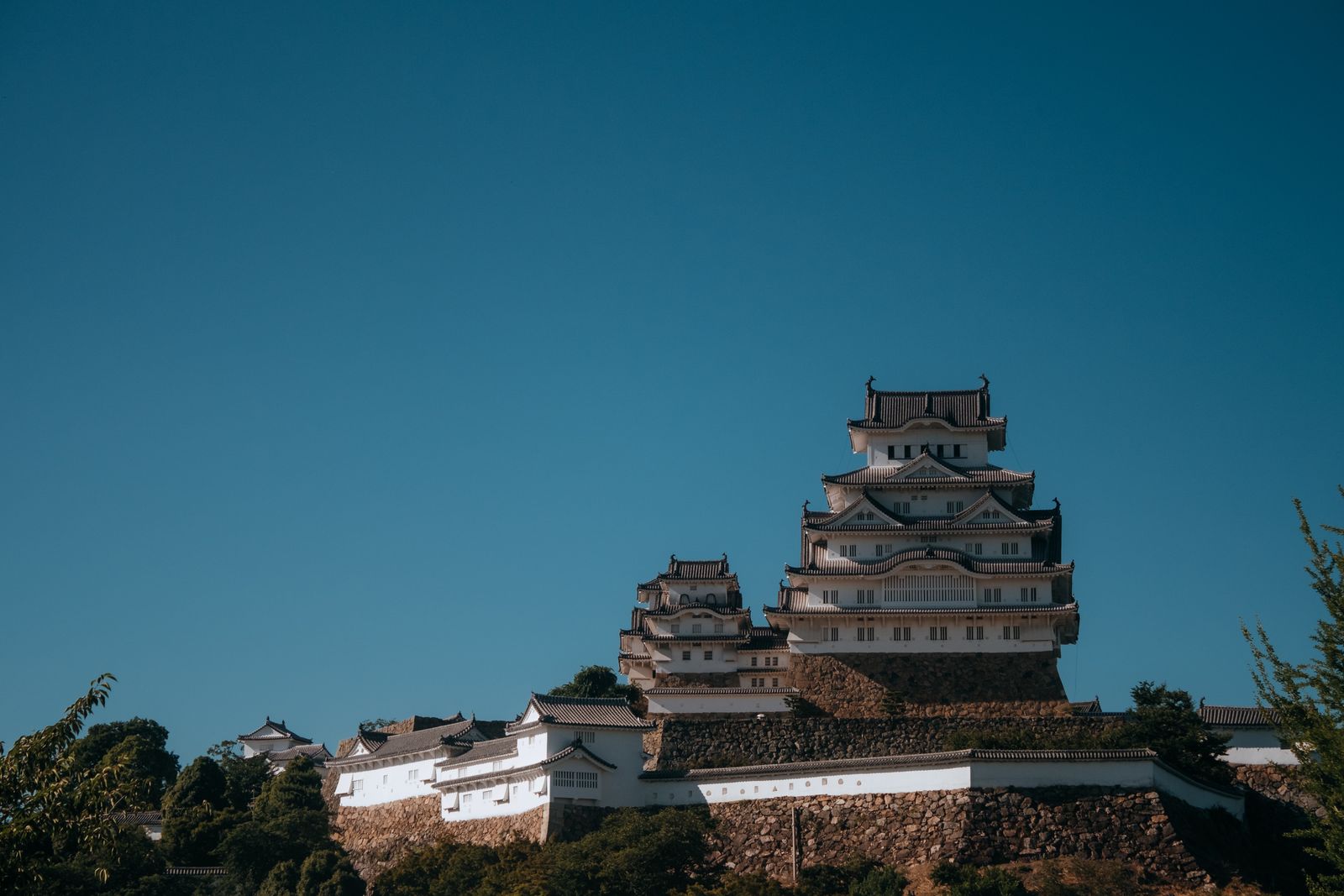
So the WIDE pass is out for a trip that stays in Osaka, Kyoto, Nara, Kobe and Himeji: the third line is the whole story.
The tie-break is the calendar. The five days run back to back, so the airport day and the long day trip have to sit inside the same five. Land on day 1 and go to Kinosaki on day 7, and one pass cannot hold both. Then the day trip alone, ¥10,340, is set against ¥12,000, and separate tickets win.
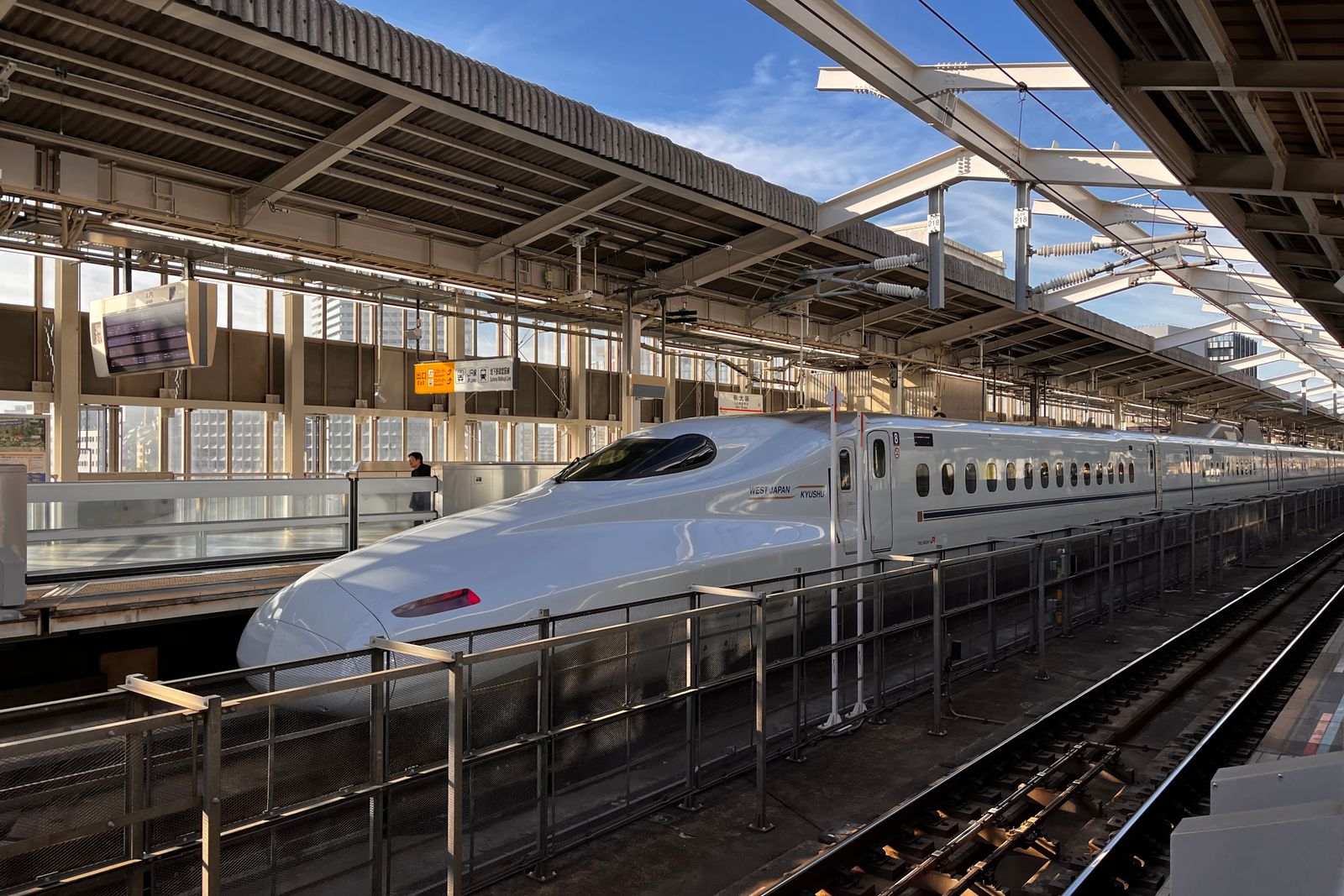
A four-day trip, worked through
Two adults on foreign passports land at Kansai Airport in the afternoon, spend two nights in Kyoto, then two in Osaka.
- Day 1. Haruka One-way Ticket to Kyoto: ¥2,200 each.
- Day 2. Fushimi Inari and Arashiyama from Kyoto Station, there and back: ¥780.
- Day 3. Kyoto to Nara, then Nara to Osaka: ¥1,560.
- Day 4. Dotonbori and Namba: subway, no JR.
After the airport, the JR legs come to ¥2,340 each for days 2 to 4, under the Mini Pass’s ¥3,000. So each person carries an ICOCA and one Haruka ticket: ¥4,540 in JR fares, ¥9,080 for the two. The old 4-day Kansai Area Pass was ¥7,000, so it would not have paid on this trip either.
Swap day 3 for Kinosaki Onsen and the answer moves. The Haruka plus the Kinosaki round trip is ¥12,540 each, and a WIDE pass started on the day they land covers both, and the Kyoto rides, for ¥12,000.
For the whole trip’s budget, the rail lines sit next to rooms and food in what a Japan trip costs.
What to buy before you fly
If your first night is near Kyoto Station, Osaka Station, Shin-Osaka or Tennoji, and no long day trip falls inside the five days from landing, the one thing to buy before you fly is a Haruka One-way Ticket for each adult, because JR West does not sell it at stations in Japan. Everything else goes on an ICOCA from the JR station when you land. If a Kinosaki, Okayama or Takamatsu day does fall inside those five days, buy the Kansai WIDE Area Pass instead and skip the Haruka ticket: the pass includes it.
Your first ride is the Haruka?
JR Haruka Kansai Airport Express ticket on Klook
JR West sells the Haruka One-way Ticket through travel agencies outside Japan and online, not at stations: ¥1,800 to Osaka or Shin-Osaka, ¥2,200 to Kyoto. Check on the listing which station it runs to and how you collect it with your passport.
Check the Haruka ticket on Klook →Sold on Klook (Klook Travel Technology Limited), an online travel agency; the train is run by JR West. Before you pay, check on the listing: which station the ticket runs to, that it is one-way from the airport, how the voucher becomes a ticket at a JR West station (JR West asks to see your passport), and the cancellation terms.
Next
Check which station your first hotel is nearest. If it is Namba or Shinsaibashi, go to Haruka or Rapi:t before you buy anything. If a spare day might leave Kyoto, day trips from Kyoto, ranked shows what each one costs you, and whether it is the one that brings the WIDE pass into play.