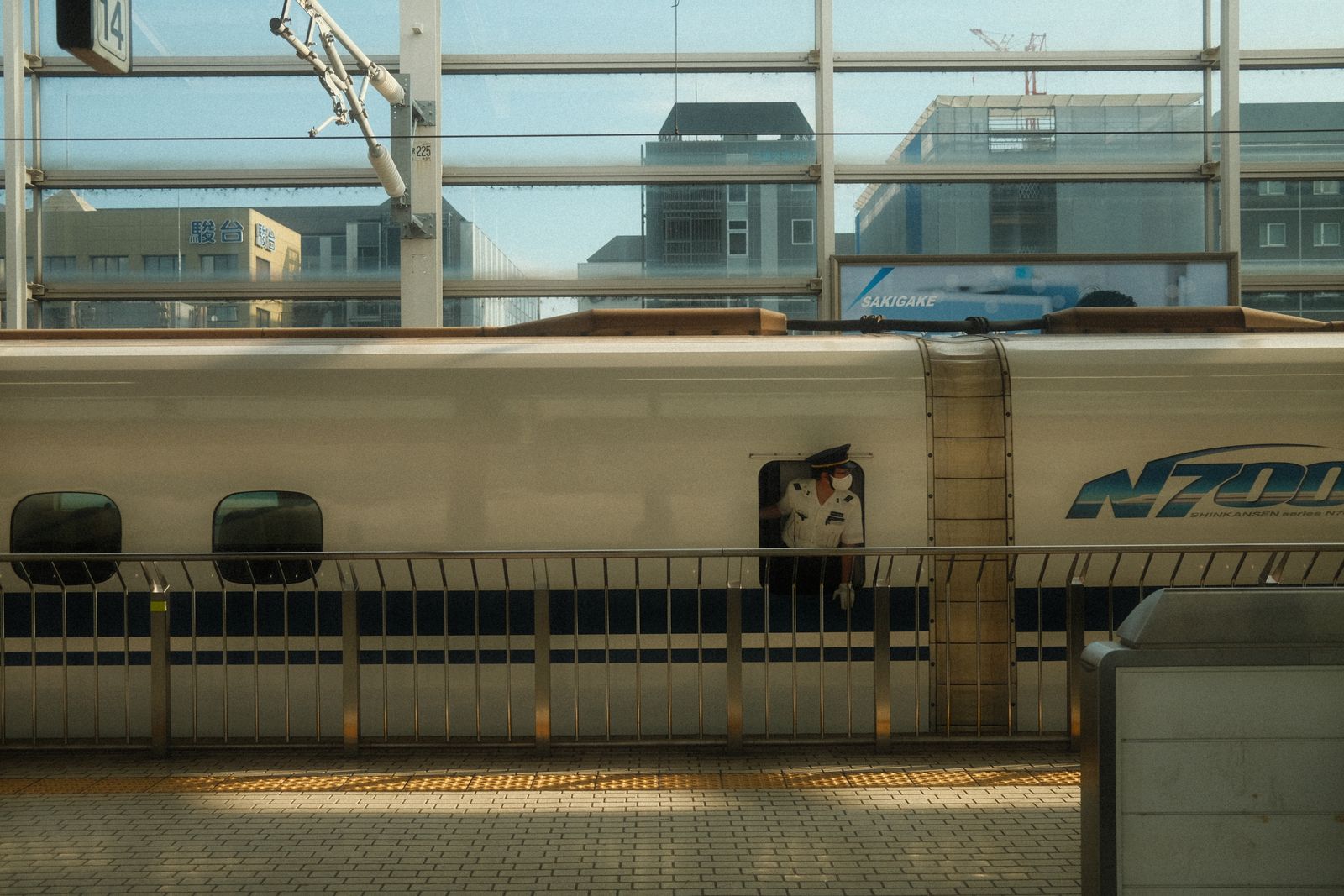
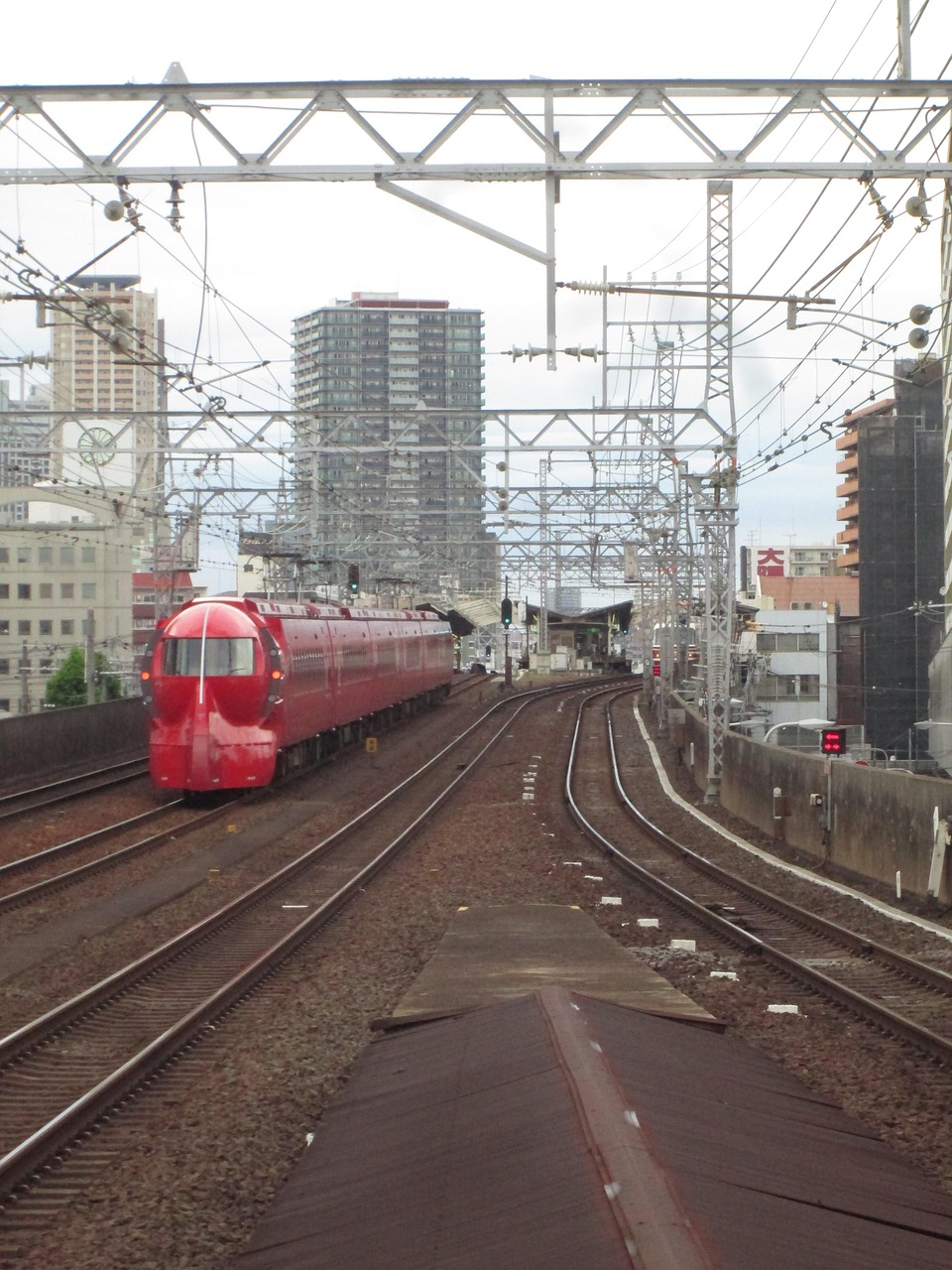
Two airport trains leave Kansai Airport (KIX) for the city. JR West’s Haruka runs to Tennoji, Osaka Station, Shin-Osaka and Kyoto. Nankai’s Rapi:t runs nonstop to one place: Nankai’s Namba station. Each company also runs a cheaper regular train on the same tracks. Which one is yours is decided by four things, in this order.
The answer, in the order the conditions decide it
- A JR pass you already hold. A Japan Rail Pass or JR West’s Kansai Area Pass covers the Haruka. Neither covers Nankai. If the pass is valid on the day you land, the Haruka is already paid for.
- The station your hotel is on. Near Namba, Shinsaibashi or anywhere on Nankai: Rapi:t or Nankai’s regular Airport Express. Near Osaka Station (Umeda), Shin-Osaka, Tennoji or in Kyoto: the Haruka. For Kyoto, it is the only direct train.
- The hour you land. The last Haruka leaves at 22:16. The last Rapi:t leaves at 23:00 on weekdays, and the regular trains run later than both.
- The fare for your party. On a foreign passport, JR West’s Haruka One-way Ticket is ¥1,800 to Osaka or Shin-Osaka. Nankai’s regular train to Namba is ¥970, the Rapi:t ¥1,670. Multiply by your party.
Hotel in Kyoto, Shin-Osaka or Umeda, on a foreign passport?
JR Haruka Kansai Airport Express ticket on Klook
The Haruka runs from the airport to Osaka Station, Shin-Osaka and Kyoto with no change. JR West's one-way ticket for visitors is ¥1,800 to Osaka or Shin-Osaka and ¥2,200 to Kyoto (JR West prices as of February 5, 2025).
Check the Haruka ticket on Klook →Sold on Klook (Klook Travel Technology Limited), an online travel agency; the train is run by JR West. Before you pay, check on the listing: which station the ticket runs to, that it is one-way from the airport, how the voucher becomes a ticket at a JR West station (JR West asks to see your passport), and the cancellation terms.
First: what you already hold
The Japan Rail Pass is valid on the JR Group’s limited express trains, and the Haruka is a JR West limited express. The pass does not cover most private railways, and Nankai is not part of the JR Group, so the Rapi:t and the Airport Express cost full fare to a pass holder.
JR West’s Kansai Area Pass covers the Haruka too: non-reserved seats in the ordinary cars, plus reserved seats up to two times. JR West ended its sales on September 30, 2026; a pass bought by then stays valid for its validity period (JR West’s Kansai Area Pass page, checked October 1, 2026).
A pass only counts if it is valid on the day you land. If yours starts later, skip to the second condition. Whether to buy one at all: Is the Japan Rail Pass Worth It? prices it route by route.
Second: the station your hotel is on
This condition decides most trips. The two trains don’t overlap: they serve different parts of the city.
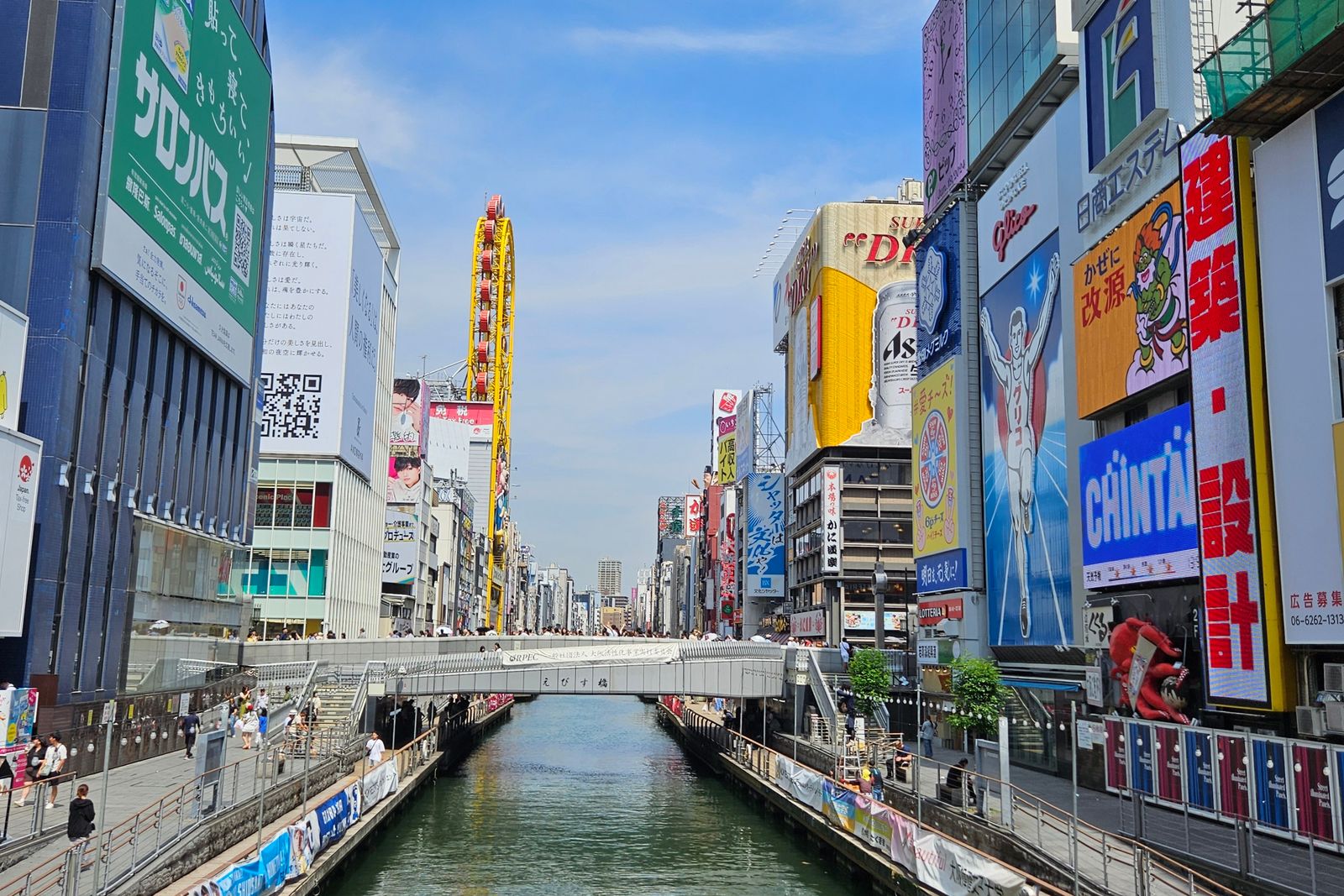
Namba, Shinsaibashi, Dotonbori. The Rapi:t runs nonstop from Kansai Airport to Nankai’s Namba, from 34 minutes by Nankai’s own count. That is a minimum, not a typical time. Nankai’s Airport Express (空港急行) runs to the same station with stops on the way. The Rapi:t ticket comes with an assigned seat, and Nankai lists a luggage space on board. The Haruka does not stop at Namba, so it is out for this hotel. Shinsaibashi is the next stop north of Namba on the Midosuji subway line.
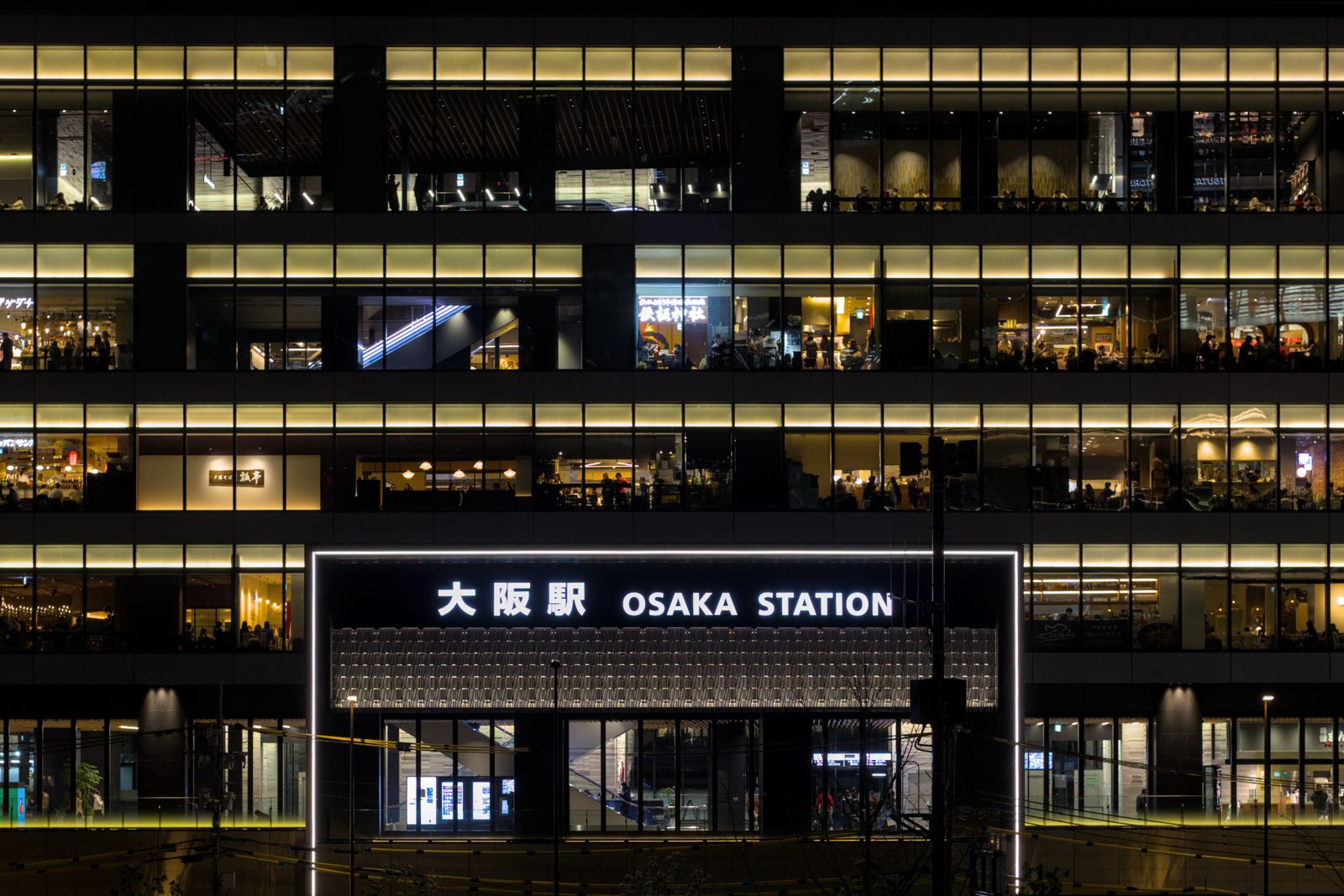
Umeda / Osaka Station. The Haruka stops at JR Osaka Station. The Tuesday 12:14 departure takes 47 minutes to Osaka. JR’s regular Kansai Airport Rapid also runs through to Osaka Station with no change, taking 71 minutes, and it needs no express ticket. From the Rapi:t, Umeda is four more stops north on the Midosuji Line after Namba. “Umeda” covers several stations under different operators, so check which one your hotel means. Where to Stay in Osaka maps them.
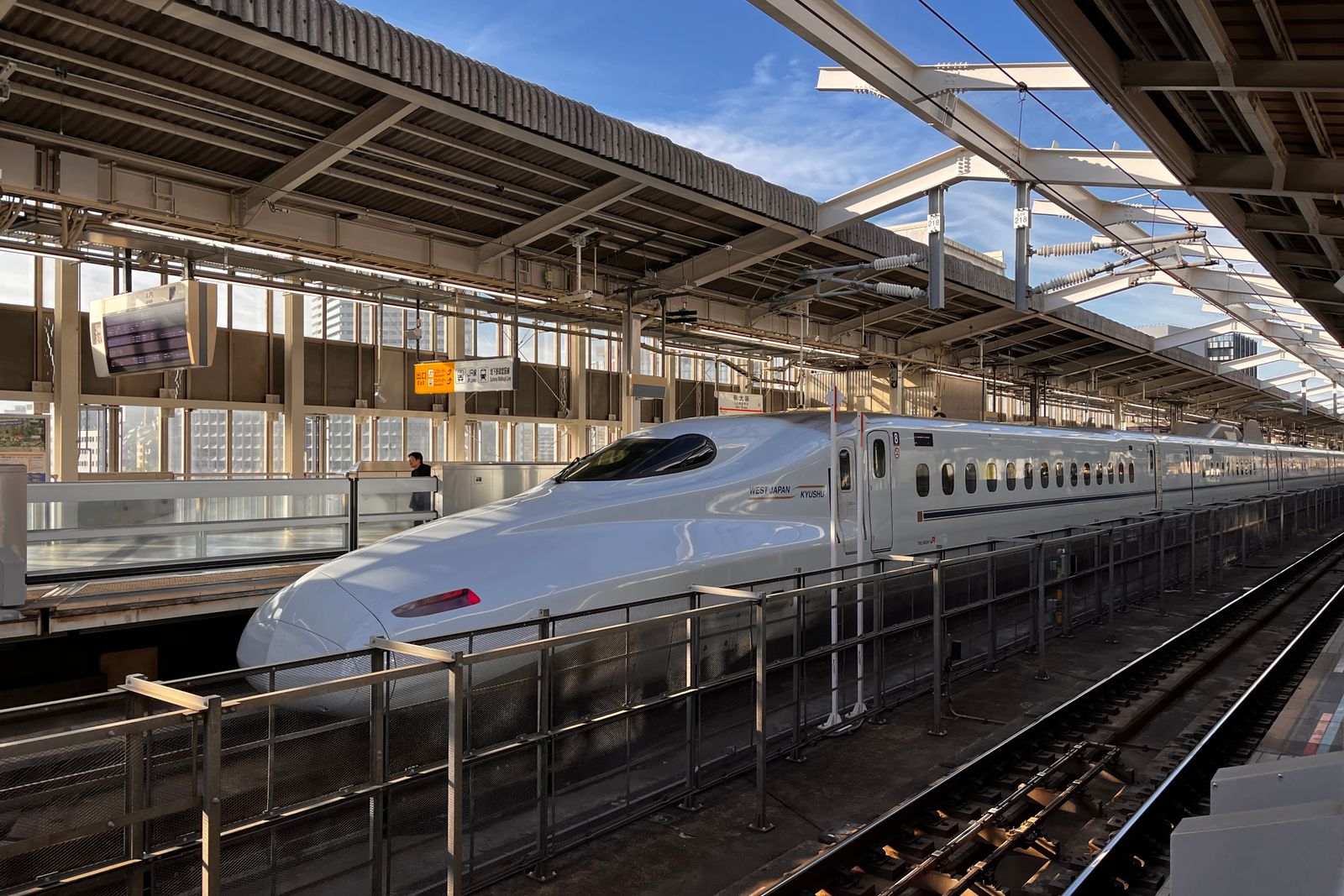
Shin-Osaka. This is the bullet-train station, and the Haruka stops there: 52 minutes on the same 12:14 departure. Take the Haruka if you’re boarding a Shinkansen the next morning or sleeping by the station.
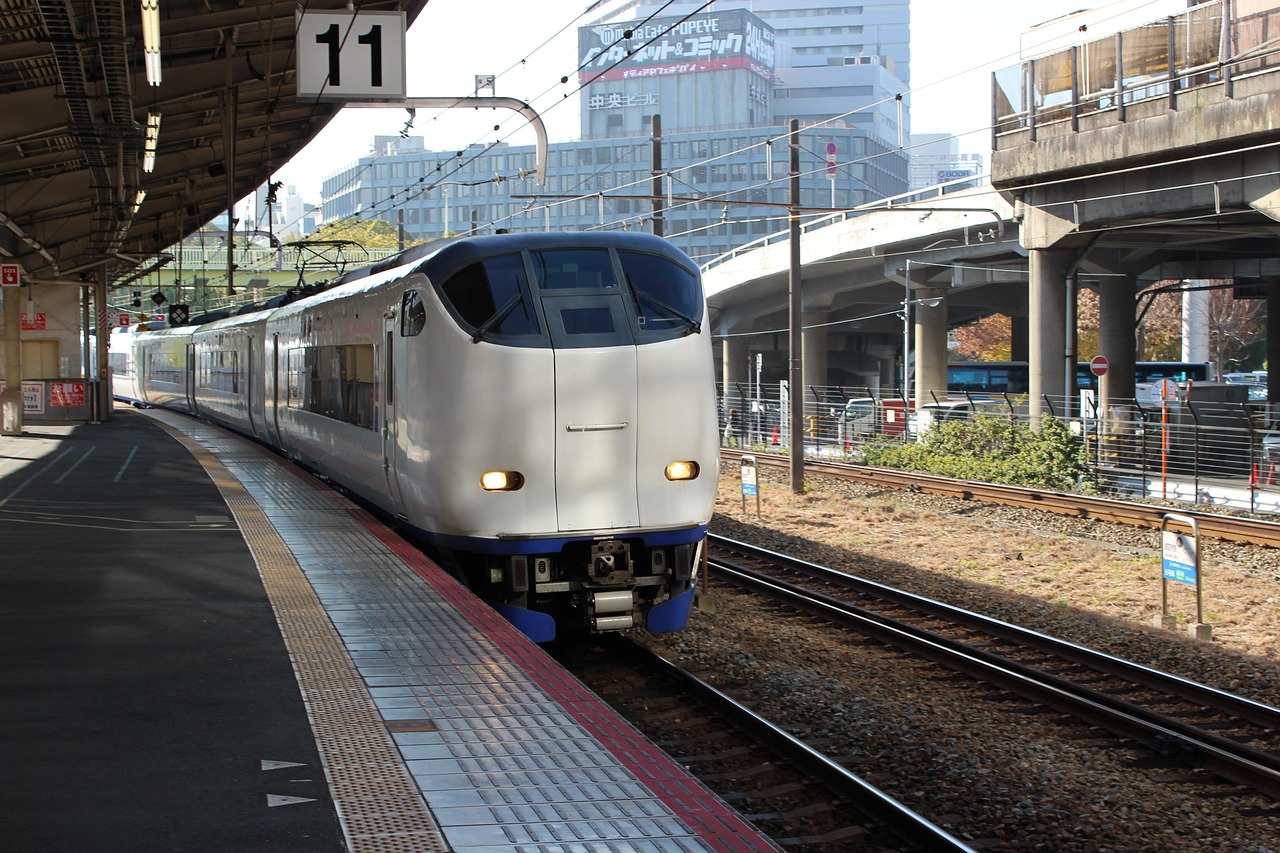
Kyoto. The Haruka is the only direct train: 80 minutes on the 12:14 departure. The Rapi:t goes to Namba only, and JR’s Kansai Airport Rapid ends in Osaka. The Rapi:t is out for Kyoto: from Namba you would still need a second train. For a Kyoto hotel, the question is not which train. It is whether you land before the last Haruka.
Tennoji. Both JR trains stop there. The Haruka took 34 minutes and the Kansai Airport Rapid 53 on the midday timetable.
Third: the hour you land
Build in the time for immigration, customs and the walk to the station. Then compare that time with these last departures from Kansai Airport:
| Train | Last departure from KIX | Arrives |
|---|---|---|
| Haruka (JR) | 22:16 | Osaka 23:03, Shin-Osaka 23:08, Kyoto 23:32 |
| Kansai Airport Rapid (JR) | 23:09 | Osaka 00:15 |
| Rapi:t (Nankai) | 23:00 weekdays, 22:55 weekends and holidays | Namba |
| Airport Express (Nankai) | 23:55 | Namba |
JR times are from JR West’s timetable for Tuesday, September 29, 2026 (timetable revised March 14, 2026). Nankai times are from Nankai’s timetable as of December 21, 2024. Check both again for your date.
What follows: land after about 21:30 with a Kyoto hotel, and the 22:16 is the last direct train, with little margin. Land late with a Namba hotel and you still have the Airport Express until 23:55. After the last Haruka, JR’s Rapid still reaches Osaka Station, just after midnight.
Fourth: the fare for your party
The fares, per adult, one way from the airport:
| Ticket | To | Adult fare |
|---|---|---|
| Haruka One-way Ticket (foreign passport, temporary visitor) | Tennoji | ¥1,300 |
| Haruka One-way Ticket | Osaka / Shin-Osaka | ¥1,800 |
| Haruka One-way Ticket | Kyoto | ¥2,200 |
| Nankai Airport Express (fare only) | Namba | ¥970 |
| Rapi:t regular seat (¥970 fare + ¥700 seat ticket) | Namba | ¥1,670 |
| Rapi:t super seat (¥970 + ¥910) | Namba | ¥1,880 |
| Nankai 関空トク割 Rapi:t ticket, regular seat | Namba | ¥1,560 |
Sources: JR West (Haruka ticket, as of February 5, 2025); Nankai’s fare search and Rapi:t page, checked September 29, 2026. Nankai’s ticketless service sells the Rapi:t seat ticket for ¥150 less.
The Haruka One-way Ticket is for foreign passport holders entering Japan as temporary visitors. It is one-way, airport to city only, and covers reserved or non-reserved seats in the ordinary cars. Japanese nationals can’t use it.
For a Namba hotel, the gap between the Rapi:t and the Airport Express is ¥700 a person, ¥2,100 for three, and what it buys is an assigned seat on a nonstop train. The Airport Express needs no seat ticket and runs about four times an hour at midday; the Rapi:t twice. With suitcases and a tired party, the assigned seat is what you are paying for. With light bags and a train about to leave, the regular one gets you there.
When you land: two cases, worked through
Two adults, foreign passports, no JR pass, hotel in Shinsaibashi, out of arrivals at 21:40 on a weekday. No pass, so the first condition sends them nowhere. The hotel is on the Midosuji Line one stop from Namba: Nankai. The Airport Express leaves at 21:44 and 21:54, and a Rapi:t at 22:01. For two, that is ¥1,940 or ¥3,340 (¥3,120 with the トク割 ticket). Then one stop on the Midosuji Line.
Two adults, foreign passports, hotel near Kyoto Station, landing at 20:30. Kyoto means the Haruka. Out by about 21:15, the 21:25 is theirs, and the 22:16 is the fallback. At JR West’s visitor price that is ¥2,200 each, ¥4,400 for two.
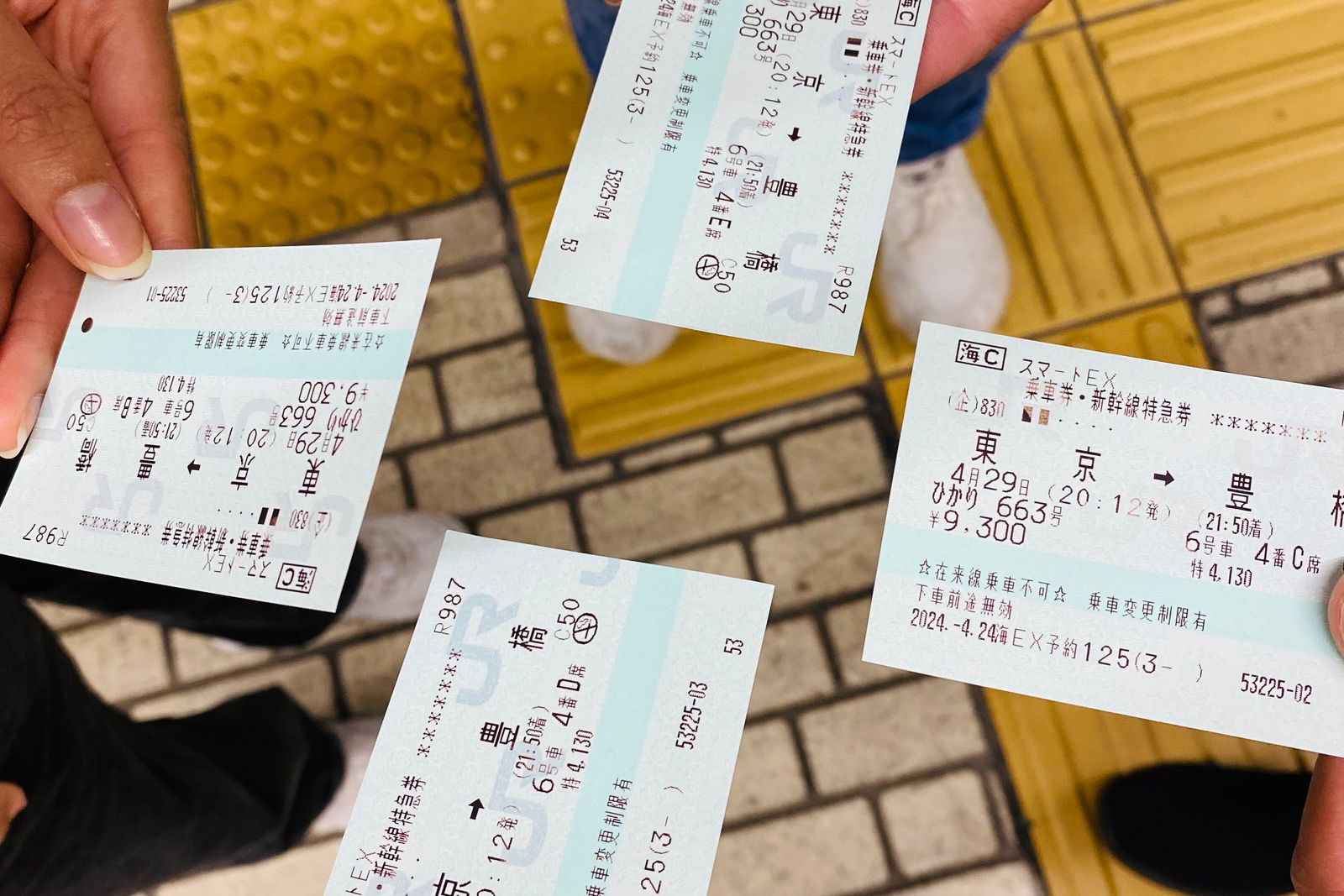
If the Haruka came out as your train, you’re on a foreign passport and you hold no JR pass, sort out the one-way ticket before you fly. JR West sells it on its own online reservation site and through travel agencies outside Japan as an e-ticket. You exchange it at a designated JR West station with your passport, within three months. On a valid JR pass, you need nothing more.
The Haruka is your train?
JR Haruka Kansai Airport Express ticket on Klook
The HARUKA One-way Ticket covers Kansai Airport to your station. JR West's price is ¥1,800 to Osaka or Shin-Osaka and ¥2,200 to Kyoto. Check on the listing how you exchange the voucher at the airport.
Check the Haruka ticket on Klook →Sold on Klook (Klook Travel Technology Limited), an online travel agency; the train is run by JR West. Before you pay, check on the listing: which station the ticket runs to, that it is one-way from the airport, how the voucher becomes a ticket at a JR West station (JR West asks to see your passport), and the cancellation terms.
Next
The station your hotel is on decided most of this. If you haven’t booked the hotel yet, decide that first: Where to Stay in Osaka and Where to Stay in Kyoto. For what the airport leg adds to the whole trip, see What a Japan Trip Costs.