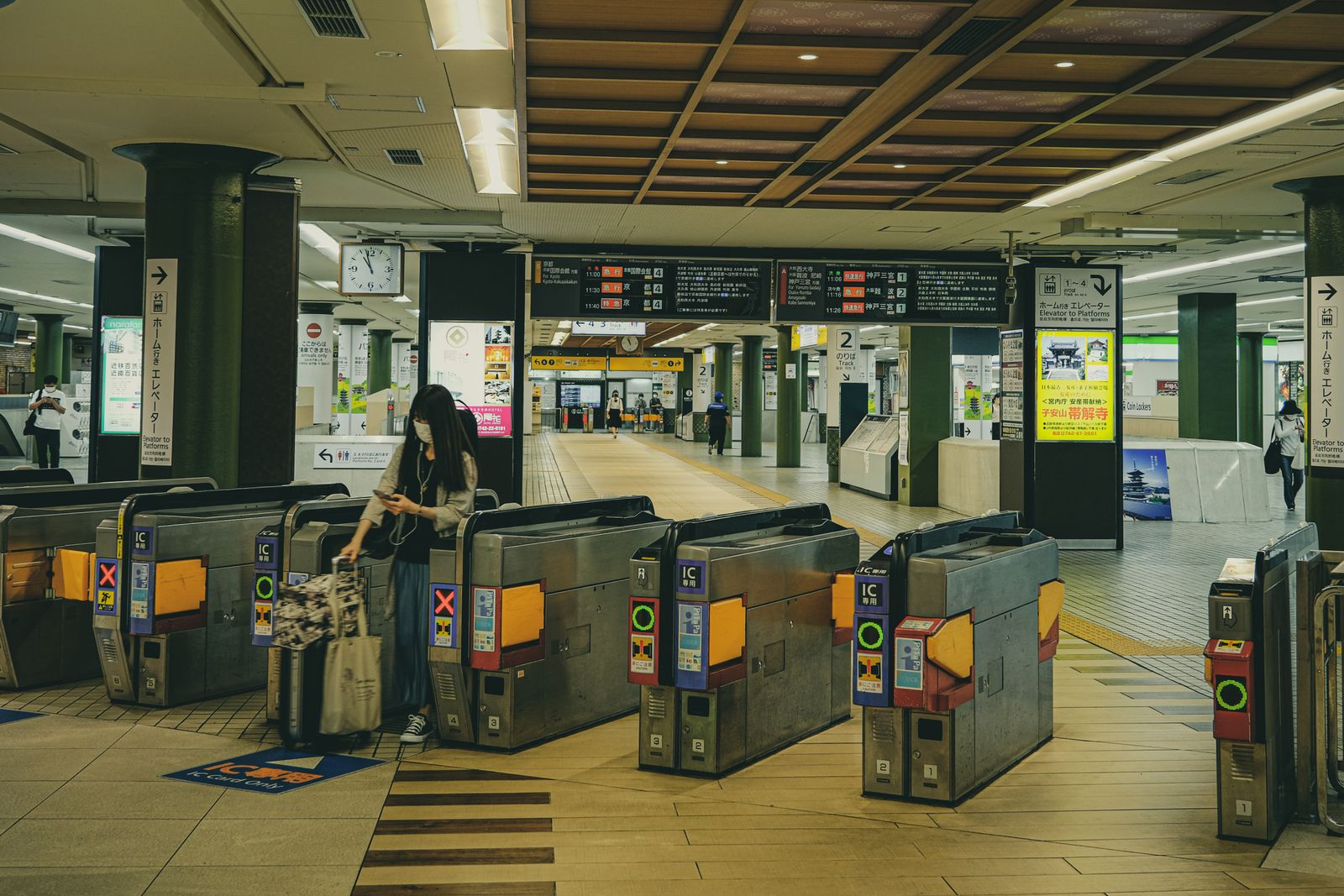
Take either one. For riding trains and buying things, Suica and PASMO do the same job on the same network, and no visitor will find a gate that takes one and refuses the other.
The decision that actually costs you something is the format. On an iPhone, put a Suica in your wallet before you land. On an Android bought outside Japan, assume it will not work and plan on a physical card. If you would rather not involve a phone at all, buy a card at a machine — they are back on sale.
Everything below is what that answer depends on.
Where the brands genuinely do differ
Not on the network. PASMO’s own operator page says a single card works on the ten-card interoperable system nationwide — and adds its own caveat, which is worth carrying: nationwide does not mean every railway and bus line in the country. Rural operators exist that take neither.
They differ on two things a comparison article rarely gets to.
Getting one. The visitor products are no longer a matched pair. PASMO PASSPORT, which half the internet still recommends, was discontinued during 2024 and sold out. Its replacement is TOURIST PASMO, and it is sold only at Narita by Keisei and Haneda by Keikyu. Narita sells one denomination — ¥2,000. It runs 28 days, carries no deposit, and is not refundable, including unused.
There is no PASMO equivalent of Welcome Suica Mobile, which is JR East’s visitor app and iPhone-only.
Getting your money back. This is the one that matters and almost nobody prints it. A Mobile PASMO refund is paid to a designated financial institution account — a Japanese bank account. For most visitors that means the balance on a mobile card is, practically speaking, not coming back. Spend it down.
iPhone: the easy path, with one number to check
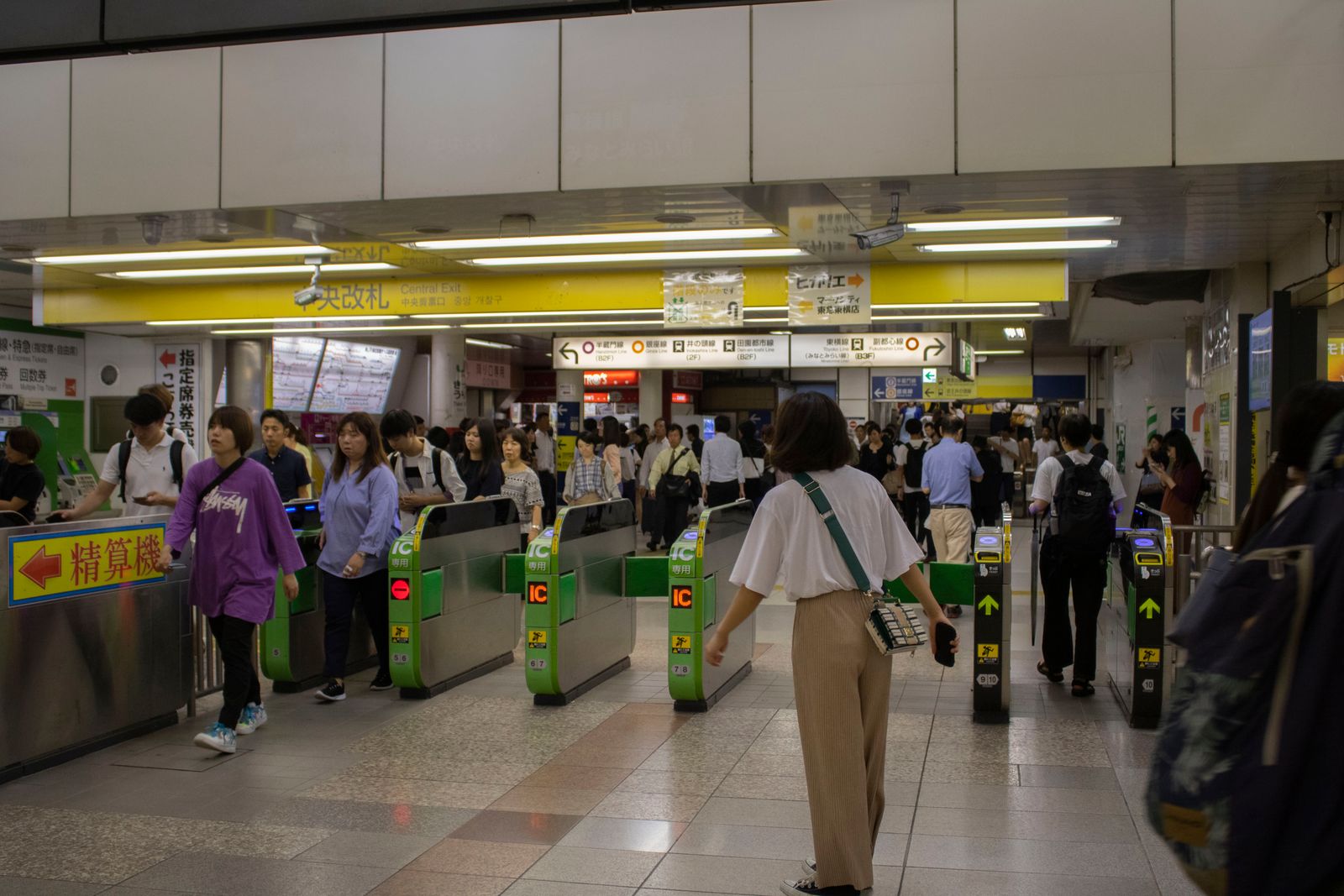
Apple states no Japanese bank account, no Japanese Apple Account and no Japan region requirement for adding Suica or PASMO on an iPhone. iPhone 8 or later, or iPhone 7 for Suica.
There is a “purchased in Japan” clause in Apple’s requirements and it trips people up. It applies only to Apple Watch Series 2. It does not apply to any iPhone.
For topping up, the route matters more than the card. The PASMO app itself says plainly that overseas-issued cards cannot be registered in it. The Apple Wallet route states no issuing-country condition at all — you top up with whatever card is already in your Wallet. That is not a promise that your particular bank will authorize it, but it is the route with no stated restriction, and it is the reason the iPhone answer is simple.
If you want the simplest possible start, Welcome Suica Mobile issues a Suica with no membership registration, no deposit and no issuance fee, and tops up from the card already in Apple Pay. Two catches, and they are different clocks from anything else on this page: it needs iOS 17.2 or later, and the balance expires 180 days after issuance. It is also not refundable.
Android: check the hardware, not the app
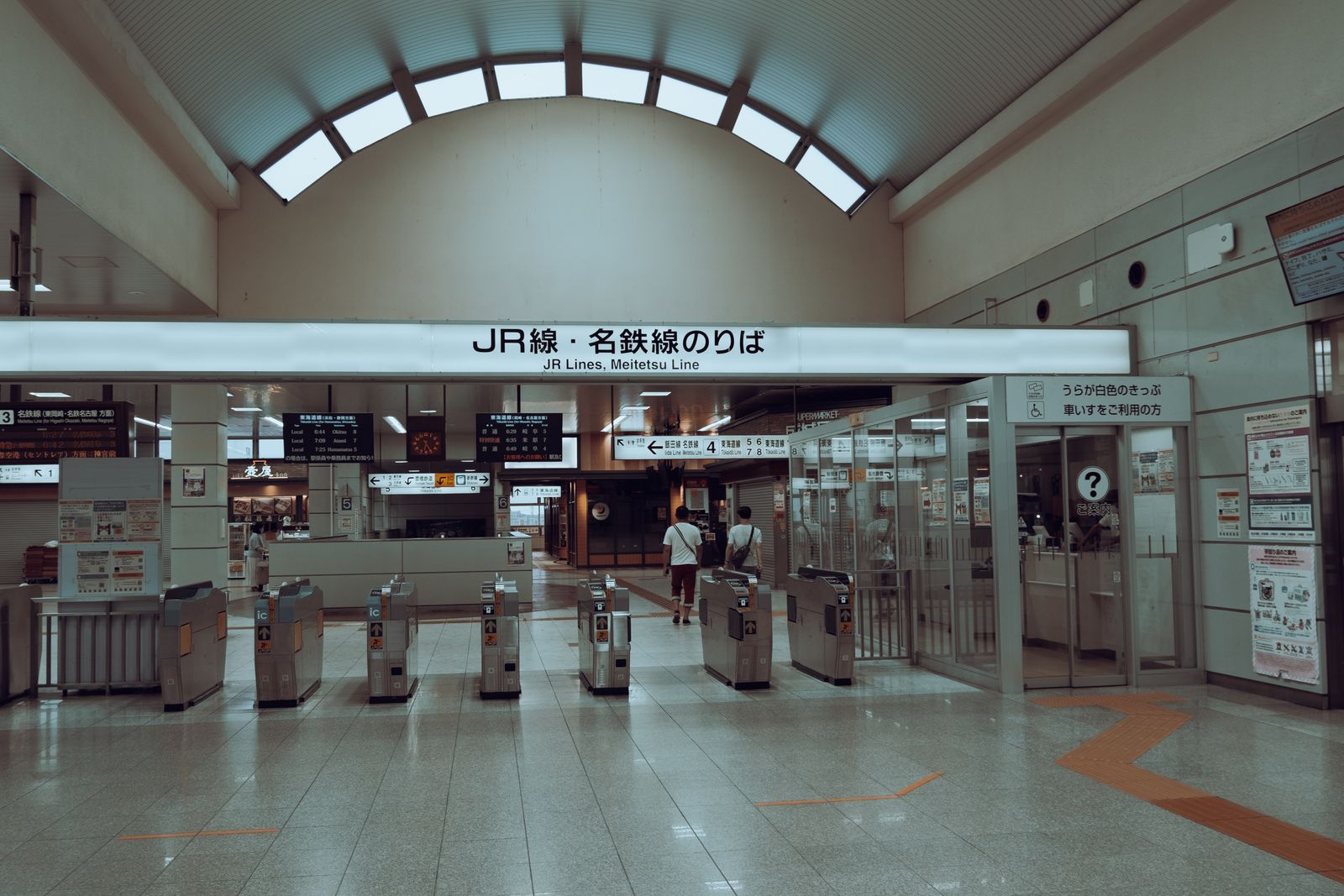
The constraint here is not software and not your bank. Google’s own Japan help pages say a device must support Osaifu-Keitai to add e-money cards, and PASMO’s device page says the same.
That is a hardware property — FeliCa — and in practice it is present on phones built for the Japanese market and absent on most phones bought elsewhere. Nobody will tell you flatly that your phone won’t work, because the operators publish a requirement rather than a blacklist. So check FeliCa against your exact model before you land, not at the gate. Getting this wrong means arriving with no way to pay and no card in your hand.
If it is not there, this is not a problem to solve at the airport. Buy a card.
A physical card: back on sale, and the deposit is real
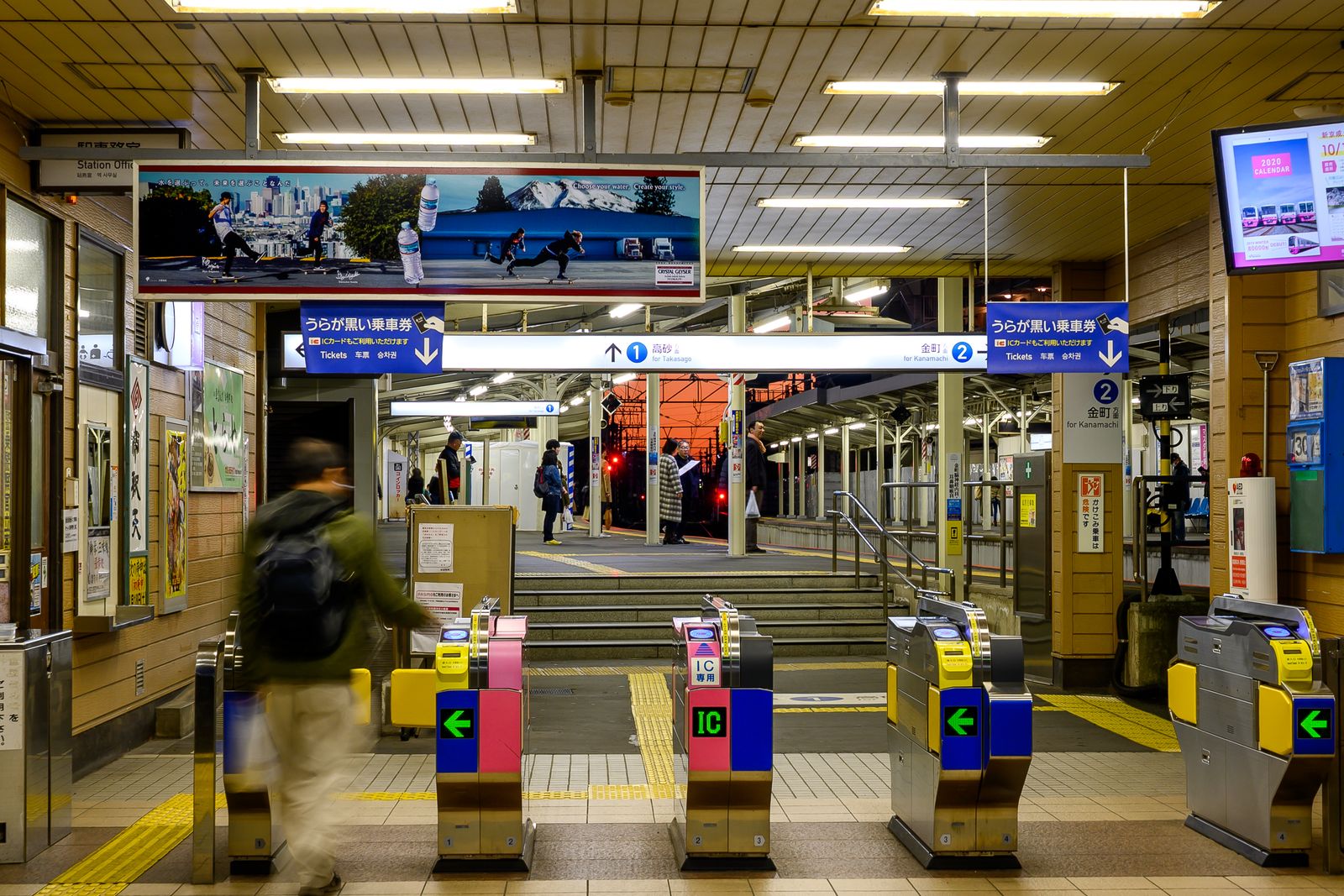
Unregistered Suica and PASMO cards went out of stock during the semiconductor shortage and a great many pages still say so. They resumed sale on 1 March 2025. Registered cards came back the September before that.
A PASMO card carries a ¥500 deposit, and the machines that sell them do not take credit cards — bring cash. Stored value tops out at ¥20,000.
The refund is where the widely-quoted figure is wrong. You will see ¥220 everywhere. PASMO’s operating body does not publish a single handling fee for physical cards; it publishes that the fee varies by operator. The one fee that is fixed and verifiable is ¥210, and it belongs to a Mobile PASMO stored-value refund — a different thing entirely. You also cannot refund the balance and keep the card: it is surrendered.
Which makes the ¥500 an honest question rather than a formality. Getting it back means finding a window that does the refund, on your way out, holding the card.
JBJ'S TAKE
Spend the balance. Do not plan on the refund.
The refund rules are the part of this that a comparison table cannot carry, and they all point one way: the money is easier to spend than to reclaim.
A mobile balance goes to a Japanese bank account you do not have. A visitor card is explicitly non-refundable even unused. A physical card can be refunded, at a fee nobody publishes a single number for, at a window you have to find.
So JbJ would treat the balance as spent the moment it is loaded, and load it in the amounts you actually expect to use. Buy the last coffee at the airport with it. That is the refund.
What is not true yet
JR East has announced teppay, a code-payment service inside Mobile Suica, for autumn 2026, and inside Mobile PASMO for spring 2027. It is not live. No start date has been fixed — the operator says only that it will announce one — and the service’s own site, updated in July 2026, still reads as a future launch.
You may see it described as something you can use. As of this page’s check it is not, and a few features announced alongside it — sending balances, online payment, spending above the ¥20,000 cap — are not available either.
Before you go
Do this now, not at the airport. Check FeliCa against your exact phone model, and if it is not there, plan on a physical card. That single check is the difference between tapping through a gate on arrival and standing at a ticket machine with a queue behind you.
Then two decisions that sit beside this one: whether the rail pass is worth it, which changes what you will actually spend on trains, and where to stay, which decides how often you touch a gate at all.
Checked 2026-09-01, against JR East press releases co-signed with PASMO協議会, the PASMO operating body’s own pages, Keisei, Apple and Google. Card availability, visitor-card terms and teppay’s status all move — check the operator before you rely on a figure here.