Sapporo is on the route for the snow, or for a summer away from the rainy season, and the food gets a day or two: a couple of lunches, a couple of dinners, a cold walk between them. The names you arrive with — miso ramen, soup curry, jingisukan, crab, uni — are all real. What this page settles is which of them are this city’s, which are Hokkaido’s and merely eaten here, and which need a table at all.
JbJ’s position, before the reasoning: soup curry and miso ramen are the two dishes the record says were born in Sapporo, and they take the first two seats. Jingisukan takes the second dinner, for its Sapporo style. The crab and the uni are Hokkaido’s, here in every month, and cost a dinner you may not have. The cone and the parfait cost nothing.
The five, at a glance
- Soup curry — the first seat: a dinner, any month. Born here, still here.
- Miso ramen — the second seat: a lunch counter, any month.
- Jingisukan — the second dinner. Hokkaido’s dish, in the Sapporo style.
- Crab and uni — a third dinner, if there is one. Hokkaido’s, year-round.
- Soft-serve and the shime parfait — no seat.
| Dish | Whose, on the record | Costs a seat? | Does the month matter? |
|---|---|---|---|
| Soup curry | Sapporo’s — the city’s guide, the culture agency’s list | Yes, a dinner | No |
| Miso ramen | Sapporo’s — the agriculture ministry | Yes, a lunch counter | No |
| Jingisukan | Hokkaido’s; the sauce-after style is Sapporo’s | Yes, a dinner | No |
| Crab and uni | Hokkaido’s | Only a third dinner | Less than you think: crab every month; uni fullest in summer |
| Soft-serve, shime parfait | Hokkaido’s milk; a Sapporo custom | No | No |
The rule, and why it is not the island’s
Two questions, in this order.
- Whose dish is it, on the record? The city’s tourism guide and the agriculture ministry’s regional-cuisine database file most of what you were told to eat here under Hokkaido, not under Sapporo. Two dishes are the exception: the records say they were born in this city. They go first.
- Does it need a table? A cone, a stall, a parfait glass after the last drink: none of those competes with the two or three dinners you have. They are eaten. They are not seated.
The rule’s one hard move is on the seafood. The lists put the crab at the top; the record puts it on the island, year-round, and this page puts it fourth — not for quality, for ownership. The order inside the top two is the other call. Soup curry sits above miso ramen because its record is thicker — the city’s, the prefecture’s and a national listing, against the ministry’s one sentence for the miso. The parfait is the wrinkle: a Sapporo custom on the city’s own guide, and still last, because a glass after the last drink takes no seat and this ranks seats.
The same rule-first form runs Tokyo and Fukuoka, where the bowl is tonkotsu.
JBJ'S TAKE
Two of the five are Sapporo's. Start there.
The lists say Hokkaido and mean Sapporo, or say Sapporo and mean Hokkaido. The record doesn't. Two dishes were born in this city. The rest belong to the island, or to nobody anyone can show.
So the two go first. And the crab — the one you flew here thinking about — is a decision, not a given.
1. Soup curry — born here, and still here
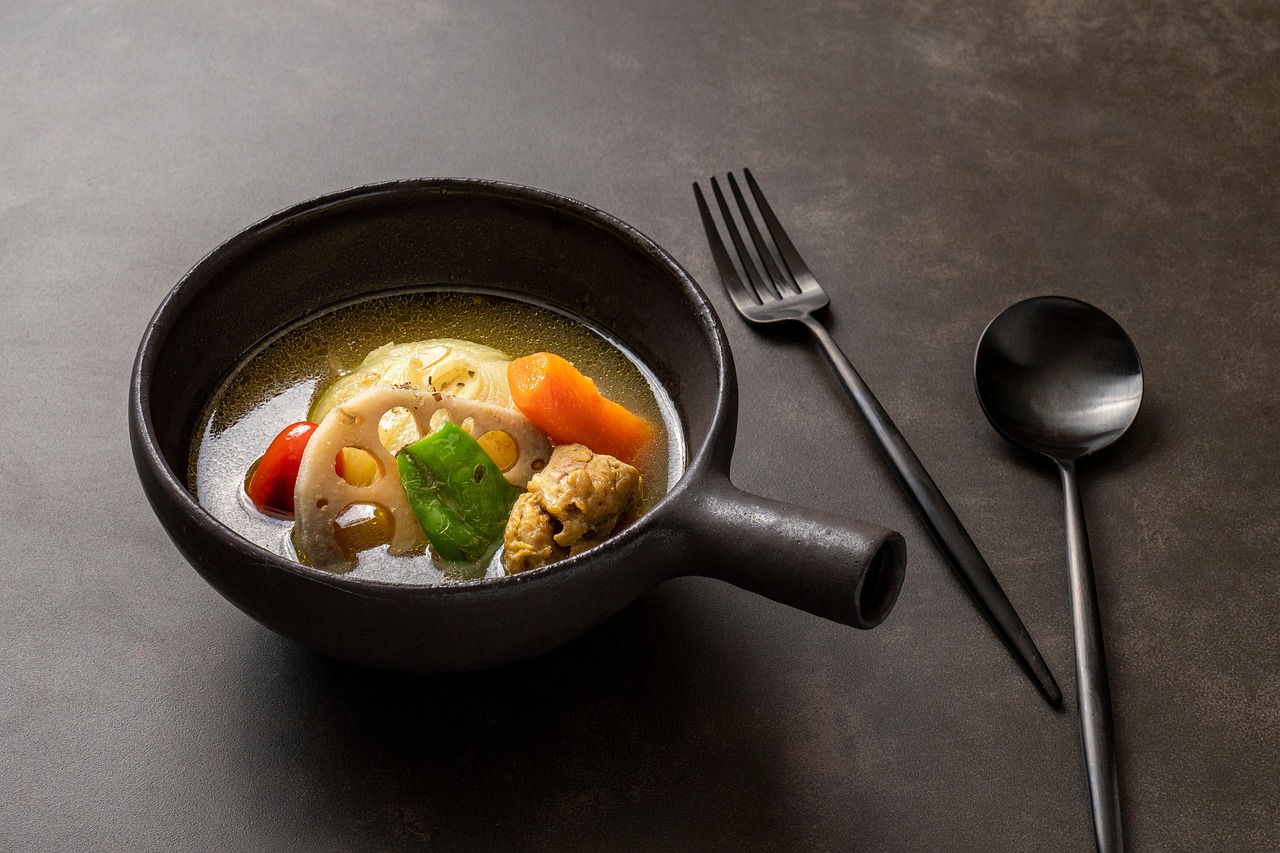
Curry as a soup. A light broth built on many spices, vegetables cut thick, and two choices the counter hands you: which base, and how hot.
The dish is about fifty years old — the city’s and the prefecture’s tourism bodies both put its birth in Sapporo in the 1970s. It is not on the agriculture ministry’s list of Hokkaido’s regional dishes, which carries the island’s older food. It is on the Agency for Cultural Affairs’ list of 100-year foods, in the category for dishes born after the Showa era. Too new for one record, new enough for the other, and the city’s in both.
Any month. Over 200 specialty shops, on the city tourism body’s count — it is the one dish here you will not have to look for.
First seat, a dinner. Born in this city inside living memory, and on the city’s count all over it. If you eat one thing here that the record hands to this city and no other, it is this.
2. Miso ramen — Sapporo’s bowl, not Sapporo’s ramen
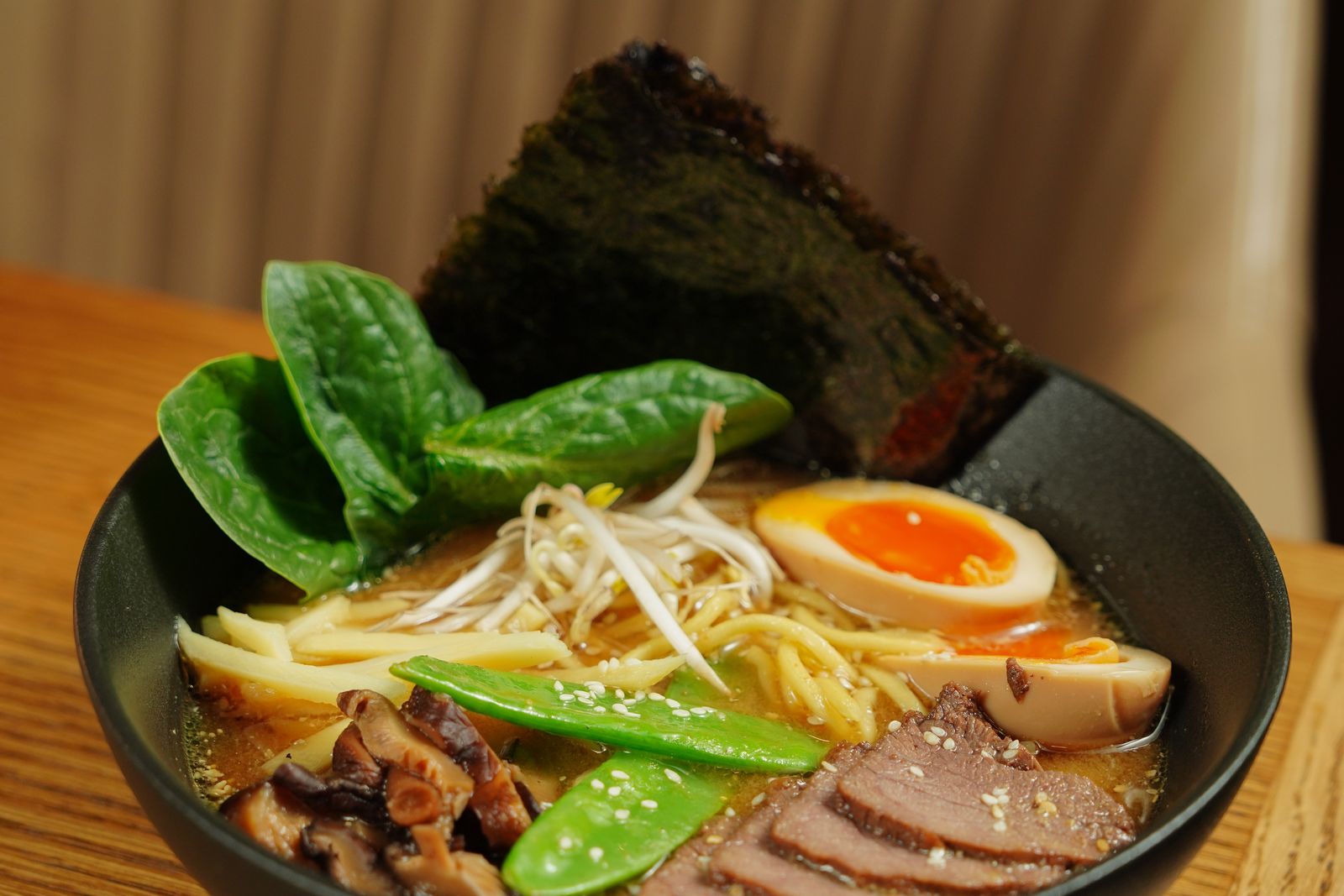
The city’s guide gives the build. Lard melted in the wok; minced pork and garlic, then vegetables, stir-fried before the soup goes in; a thick soup; wavy noodles of medium thickness; chashu on top. The guide recommends butter and corn on it.
The ministry’s database files miso ramen as Sapporo’s regional ramen, born in the city. It files ramen itself under Hokkaido, with the whole island as its area, and hedges the one origin story it names. So the Sapporo part is the miso, not the ramen — which is why Tokyo’s ranking gave ramen no seat at all, and why this one gives it a counter rather than an evening.
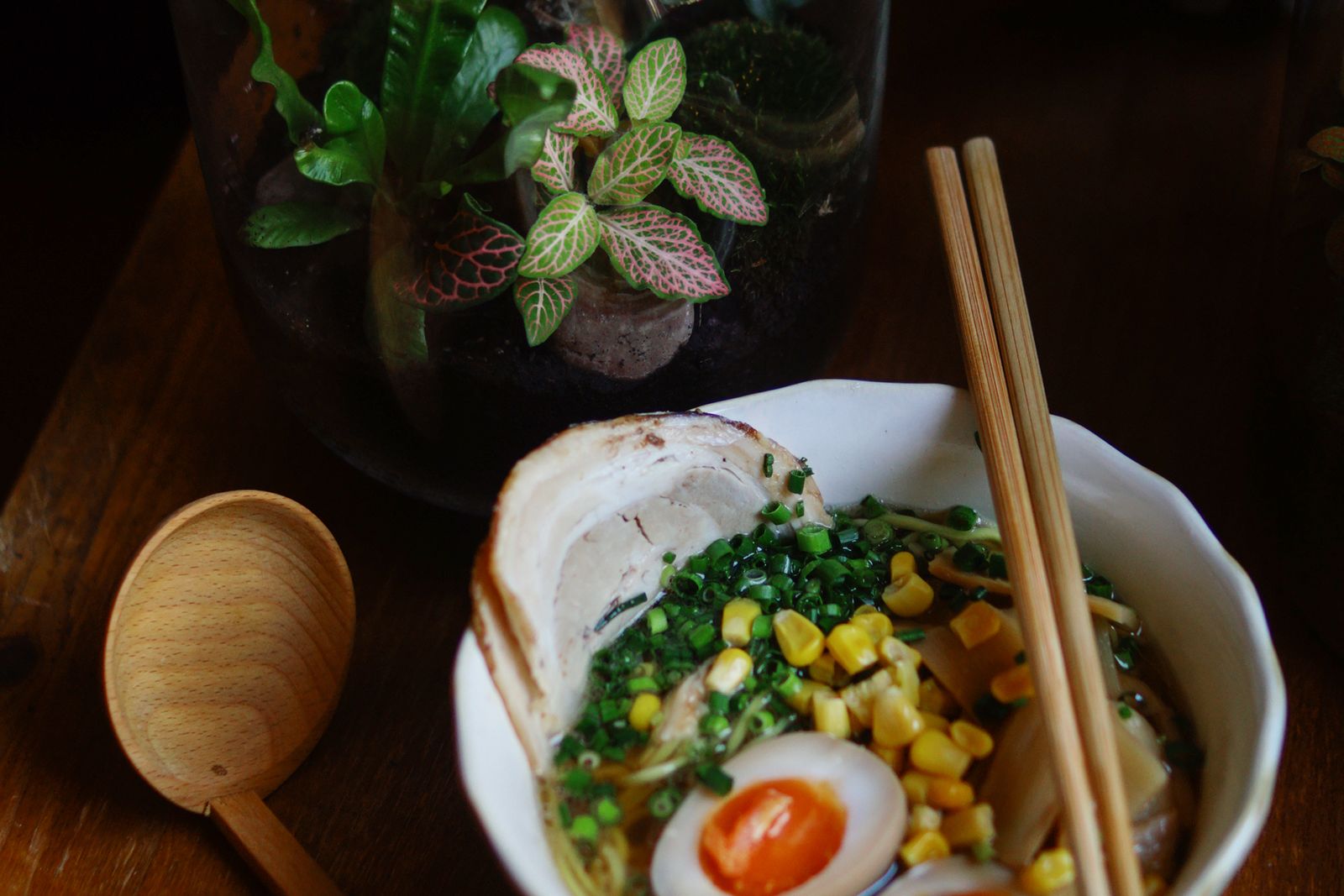
Any month. A counter, and a fast one; the city’s guide lists one alley of ramen counters by name, Ramen Yokocho.
Second seat, and it is a lunch. A bowl of this is a stool and a short wait, not an evening. Spend the coldest lunch of the trip on it, and no dinner.
3. Jingisukan — Hokkaido’s dish, in the Sapporo style
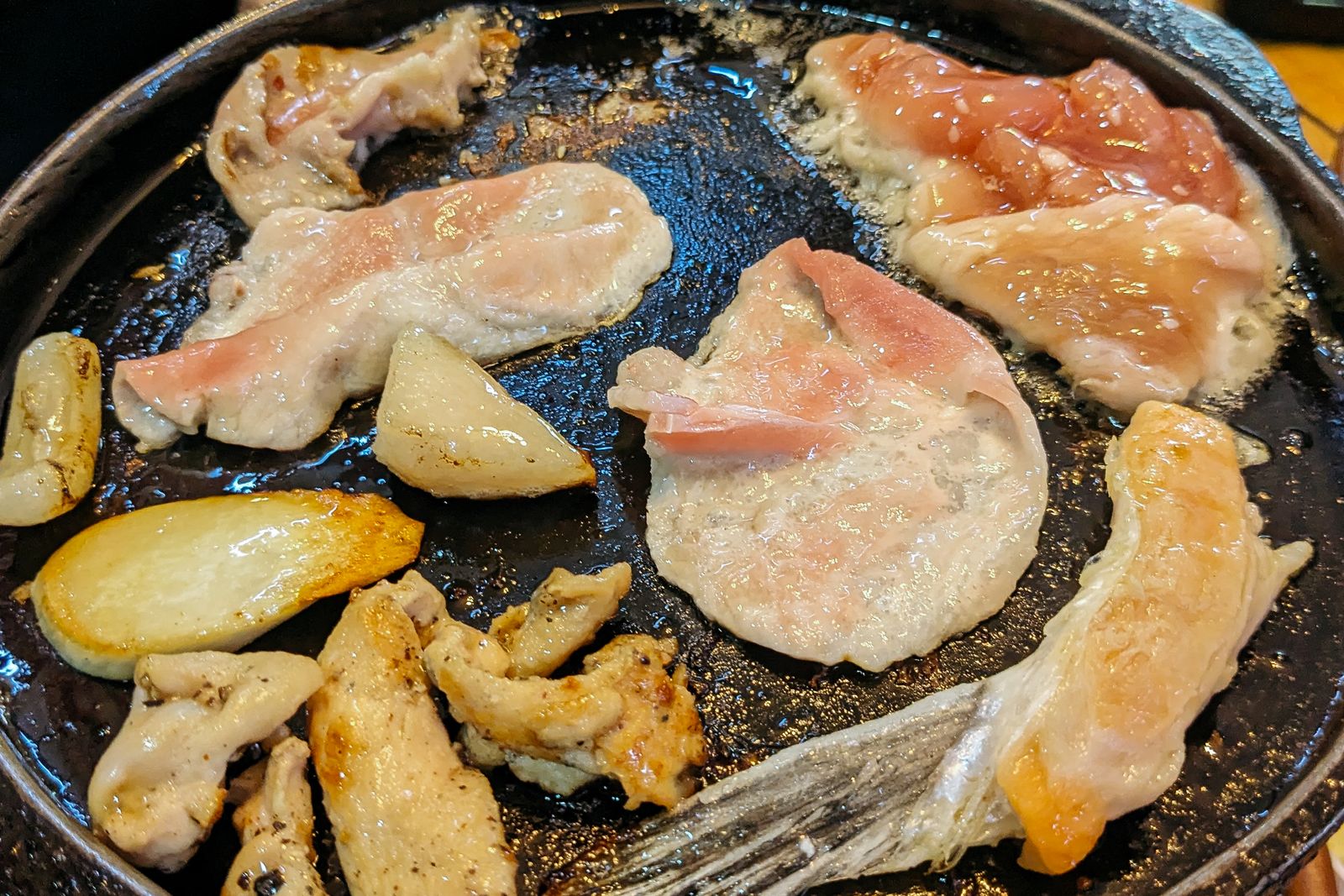
Mutton, grilled, and a sauce — and where the sauce goes is the Sapporo question. The ministry records two styles across the island: the meat grilled plain and dipped after, or marinated in the sauce before it meets the heat. It ties the first to Sapporo and its Tsukisamu district, the second to Takikawa.
The name is the kanji for Genghis Khan, and the ministry’s account of how it got there is hedged. So is the birth: several stories, early Showa, said to be modeled on Chinese grilled mutton. What the ministry states flat is that the dish was born in Hokkaido, not Mongolia. The island has since made it official twice — Hokkaido Heritage in 2004, the ministry’s hundred regional dishes in 2007.
Any month. Tsukisamu is the district the ministry attaches to the Sapporo style; the dip-after form is the one to ask for.
Second dinner. The dish is the island’s; the style is the city’s. It earns the evening because it is one — this is a table’s format, not a stool’s — and it is the dinner the crab has to argue past.
4. Crab and uni — the island’s, in every month
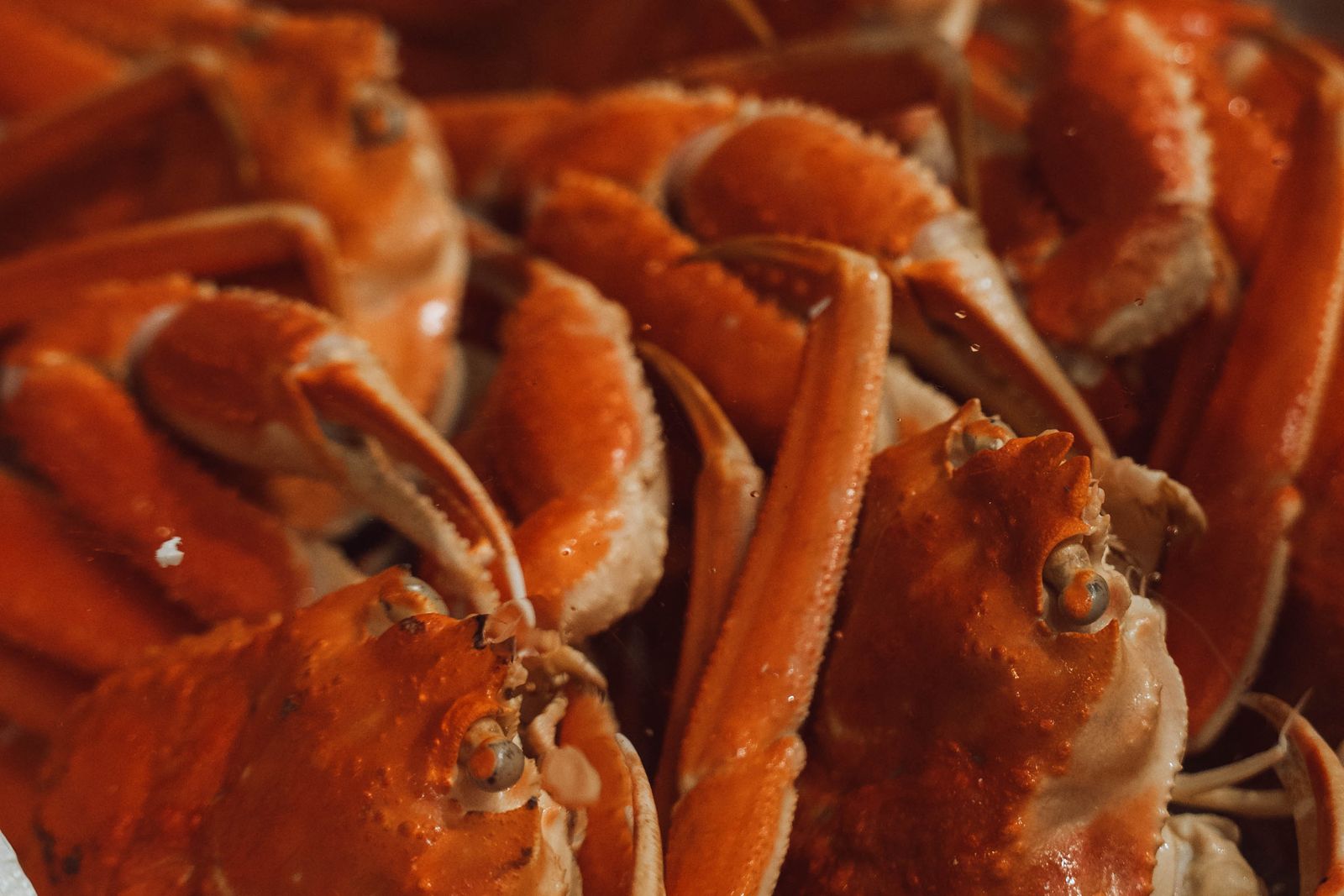
Sapporo’s own guide is plain about the seafood: it is Hokkaido’s, and it is here in every season — crab, the guide says, even in summer. The prefecture’s fisheries calendar agrees. Kegani, the hairy crab, is landed somewhere on the island’s coasts in every month; tarabagani, the king crab, from March to August; zuwaigani, the snow crab, from March to November. The winter-crab idea does not survive the calendar.
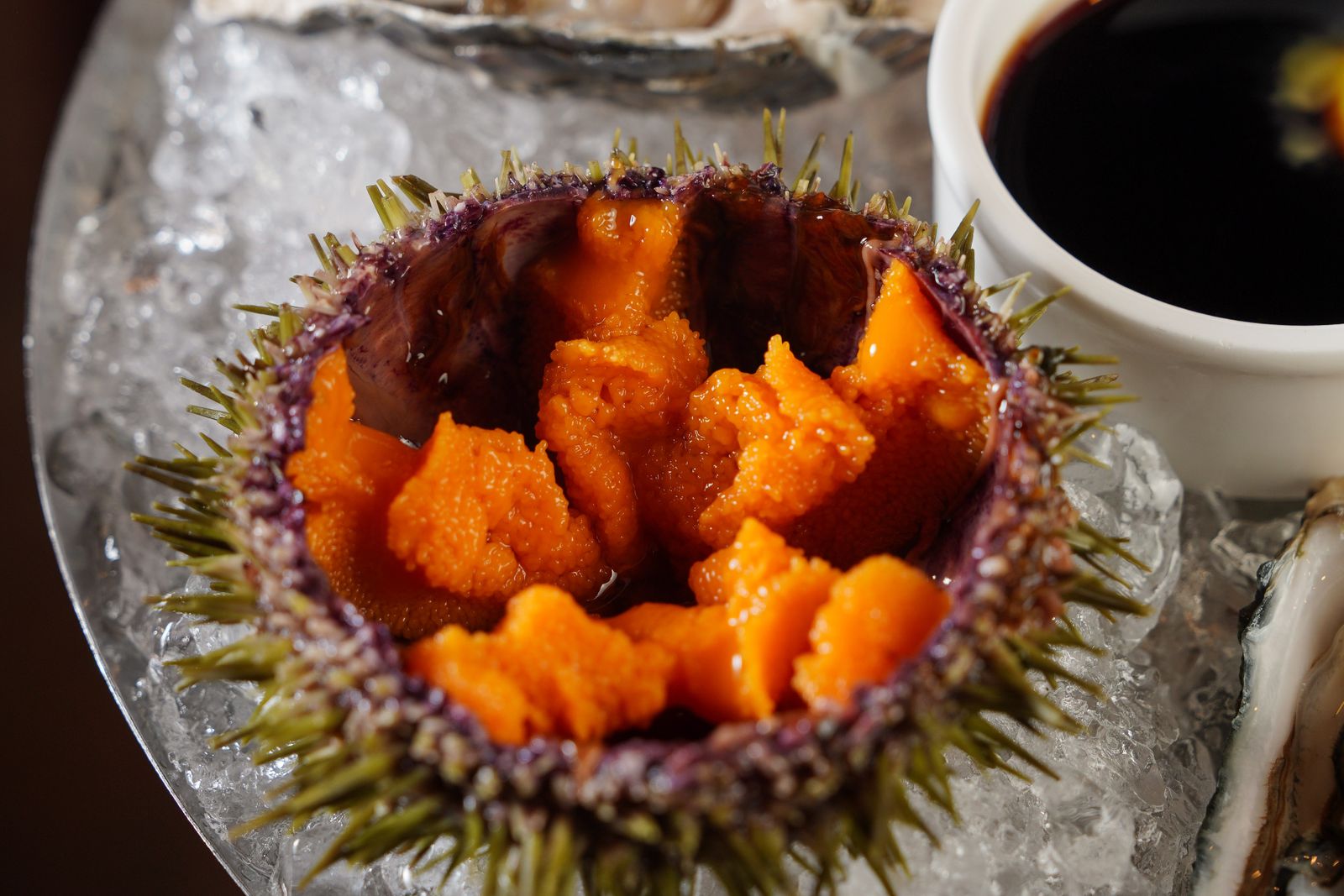
Uni runs by coast, on the prefecture’s published seasons: May to August on the Ishikari and Shiribeshi coasts, April to September on the Soya coast, December to September on the Oshima coast, December to June around Nemuro — and the roe is fullest from June to August.
Nijo Market and the Central Wholesale Market are the two the city’s guide names.
A third dinner, if there is one. The two dinners above carry the city’s name on the record; this one carries the island’s, and it will be there in August and on the next trip north. Summer tilts it to the uni. Winter does not tilt it to the crab.
5. The cone and the parfait — no seat
The cone is on every list because of the milk: more than half of Japan’s raw milk is Hokkaido’s, and the prefecture is the country’s largest producer. The cone is that milk, in daylight, in your hand. It costs no seat.
The shime parfait is the other end of the day. Shime is the dish that closes a night out, and in Sapporo it is a parfait: the city’s guide records the custom as one that started here and has been popular for a little over a decade. It comes after the seat, not instead of one.
No seat, and both stay on the list. The cone at three in the afternoon. The parfait after the jingisukan, when the first thing you want is something cold.
Famous, not seated — two other towns, and a bowl with no home
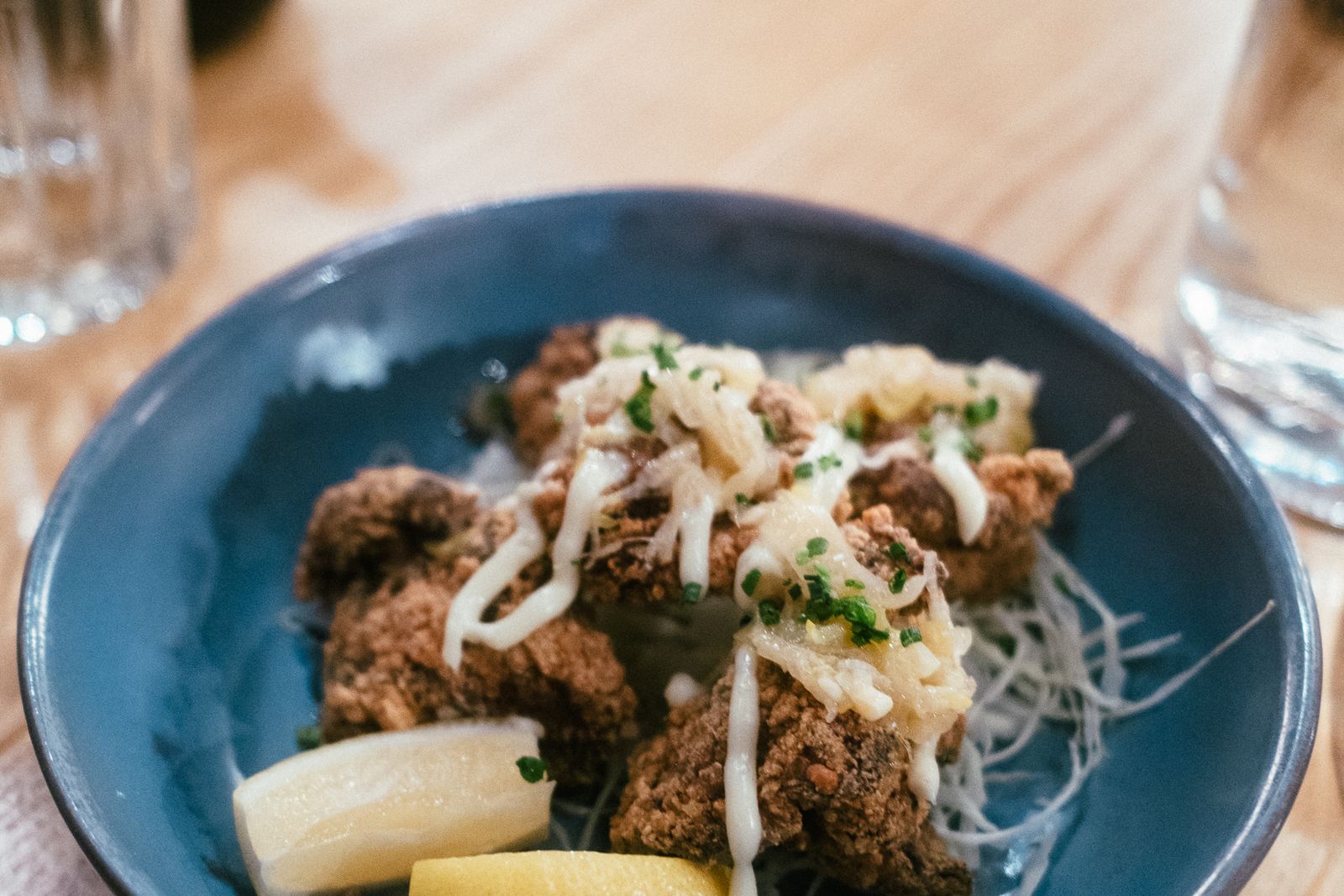
Zangi. Hokkaido’s fried chicken: marinated before frying in a soy-based, sweet-salty mix, seasoned more strongly than ordinary karaage, bone-in or boneless. The ministry gives the whole island as its area and Kushiro, around 1955, as its hedged origin. Not Sapporo’s. Eat it beside a beer. No seat; it never fills one.
Butadon. Tokachi’s — Obihiro, early Showa, on the ministry’s hedged account: pork, loin or belly, charcoal-grilled in an eel-kabayaki-style sauce, shredded leek on top. Another city’s bowl. A train.
Kaisendon. The bowl of raw seafood over rice is on every list and on no record as a Sapporo dish, or as a Hokkaido one: the ministry’s island list does not carry it, and the city’s guide files the seafood itself under Hokkaido. The fish is real; the claim is not. Eat the uni at #4 instead.
By the month you are here
- Any month. Soup curry, miso ramen, jingisukan, the cone, the parfait. The three seats do not move.
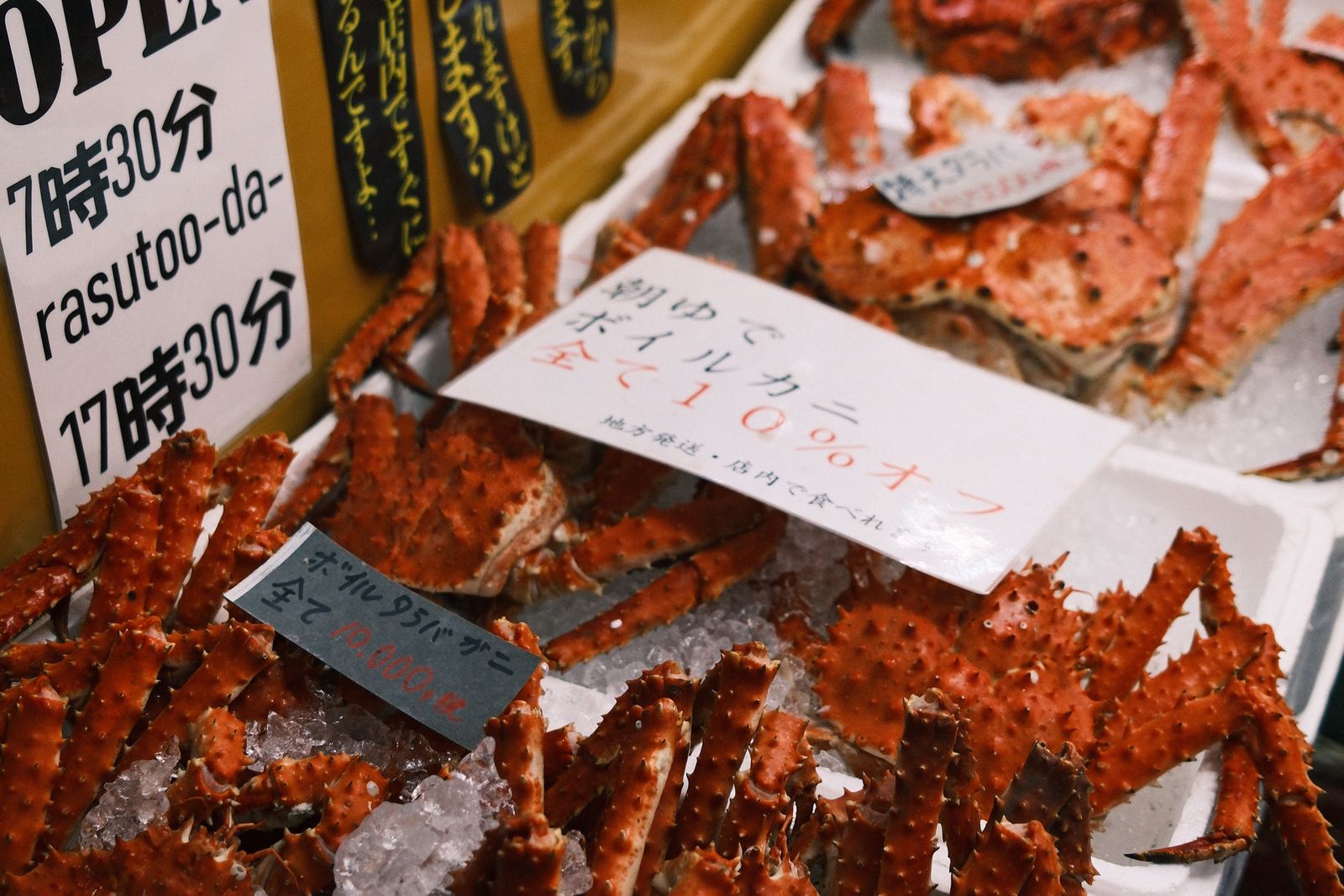
- Crab. Every month — kegani all year on the prefecture’s calendar, king crab March to August, snow crab March to November. The city’s guide says summer too.
- Uni. The prefecture’s coasts run from April or May to August or September, two of them from December; the roe is fullest June to August. A summer visit is the uni visit; a winter one still finds it on some coasts.
- 29 April. Jingisukan day, on the ministry’s record, if you want the dish to have a date.
Whether winter is the right time for Hokkaido at all is when to visit Japan.
If you have one meal in Sapporo
One meal is one seat, and the month does not move it.
JBJ'S TAKE
Soup curry. Even in the snow. Especially.
One meal, and the crab is the temptation. Resist it: crab is the island's, it is here in August, and it will be here next time.
Soup curry was born on these streets, and it is the dish this city has that the rest of your route does not. Sit down for that one.
The decision you leave with
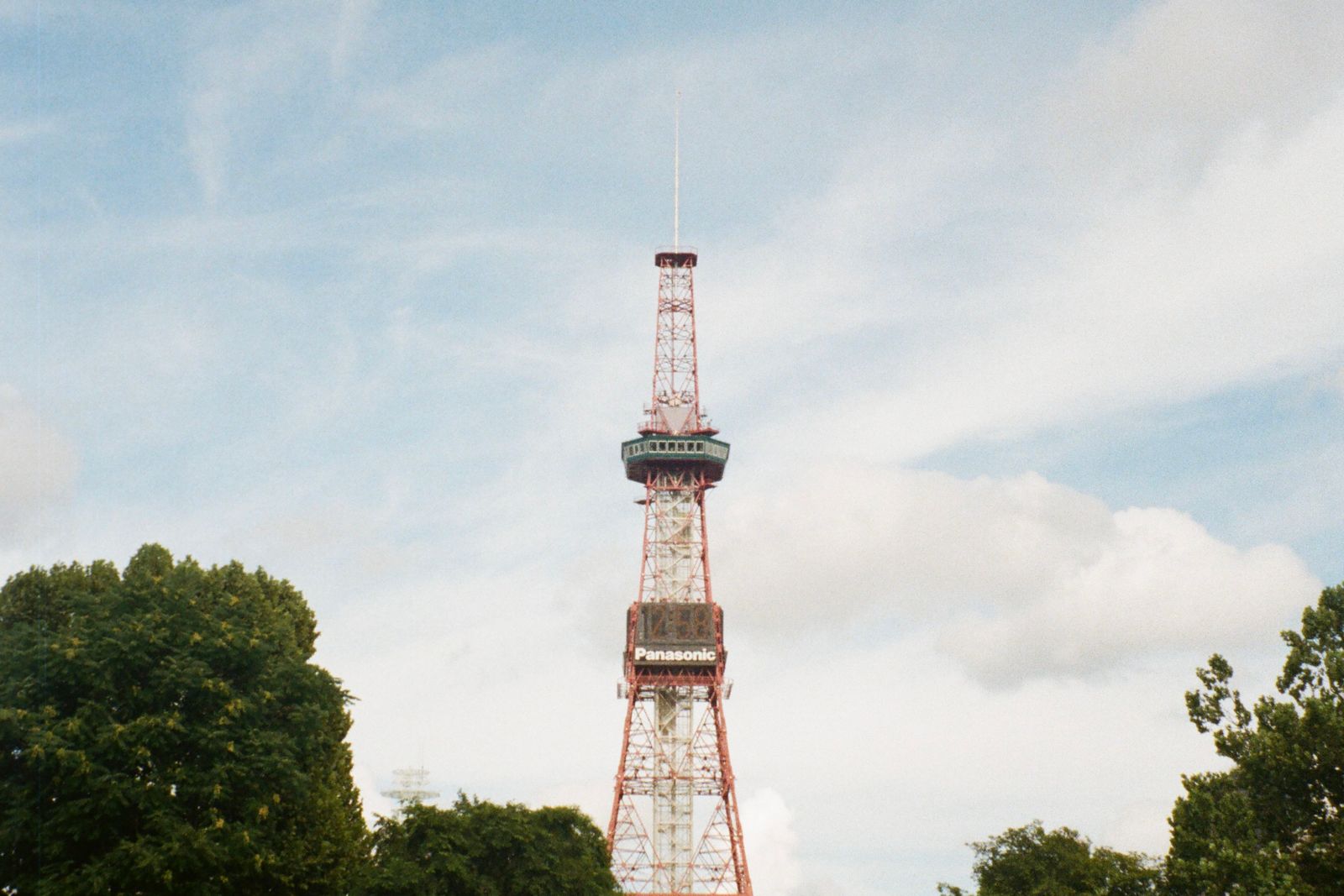
If the snow is what brought you north, the first ski trip is where the days around Sapporo go, and the meal that costs nothing on the way to the slopes is the convenience store. Two days in the city, and the seats are spent.
JBJ'S TAKE
Two days, three seats. The crab is the fourth.
Soup curry the first night, jingisukan the second, miso ramen at whichever lunch is coldest. Two are the city's; the third is done the city's way.
The seafood is the island's, and it keeps — for a third night, or for the next trip north. Leave without the crab and you have lost nothing Sapporo owns.
Checked 2026-09-16. Miso ramen’s origin, jingisukan, zangi and butadon: the Ministry of Agriculture, Forestry and Fisheries’ regional-cuisine database. Miso ramen’s build, soup curry, the seafood, the shime parfait and the two market names: Sapporo’s official tourism guide. The 100-year-food listing: the Agency for Cultural Affairs. Raw milk and the uni and crab seasons: Hokkaido Prefecture, the fisheries pages last dated 2018. The 2004 listing: Hokkaido Heritage.