Four dinners in Tokyo, and every list hands you more dishes than you can eat, without ranking any of them. This page ranks five, on one rule you can check: which of Tokyo’s own dishes never left Tokyo. Each one ends at the ward that still holds it. The most famous item on every other list is declined here by name — and handed a better slot than dinner.
The five, and the one rule that puts them in this order
- Monjayaki — the Tsukishima district of Chuo City, and all of Tokyo. The shops that make it keep their own association, and the association keeps a register.
- Yanagawa-nabe — Asakusa and Komagata in Taito City, Takabashi in Koto City. One of three named loach dishes, and the only one with egg.
- Chankonabe — Sumida City. A pot with a rule about what may not go into it.
- Fukagawa-meshi — Koto City. Fourth because the line broke, and the break is in the record.
- Tsukudani — all of Tokyo. It stayed, and it is the one seat that takes no dinner.
The rule, and you can check it: is there still a place, a definition, or a practice inside the city that fixes what this dish is — or has it dispersed so completely that eating it in Tokyo is just eating it in Japan?
Three days here is about four dinners, and there are five items above; the fifth is a purchase. No restaurant, shop or counter is named anywhere on this page, on purpose. Every item ends at the place the record gives it instead, because under this rule the place is not a substitute for the evidence — it is the evidence. And sushi is not one of the five. It has a section of its own further down, and a call.
The ministry’s Tokyo list has sushi and tempura on it. That is the problem.
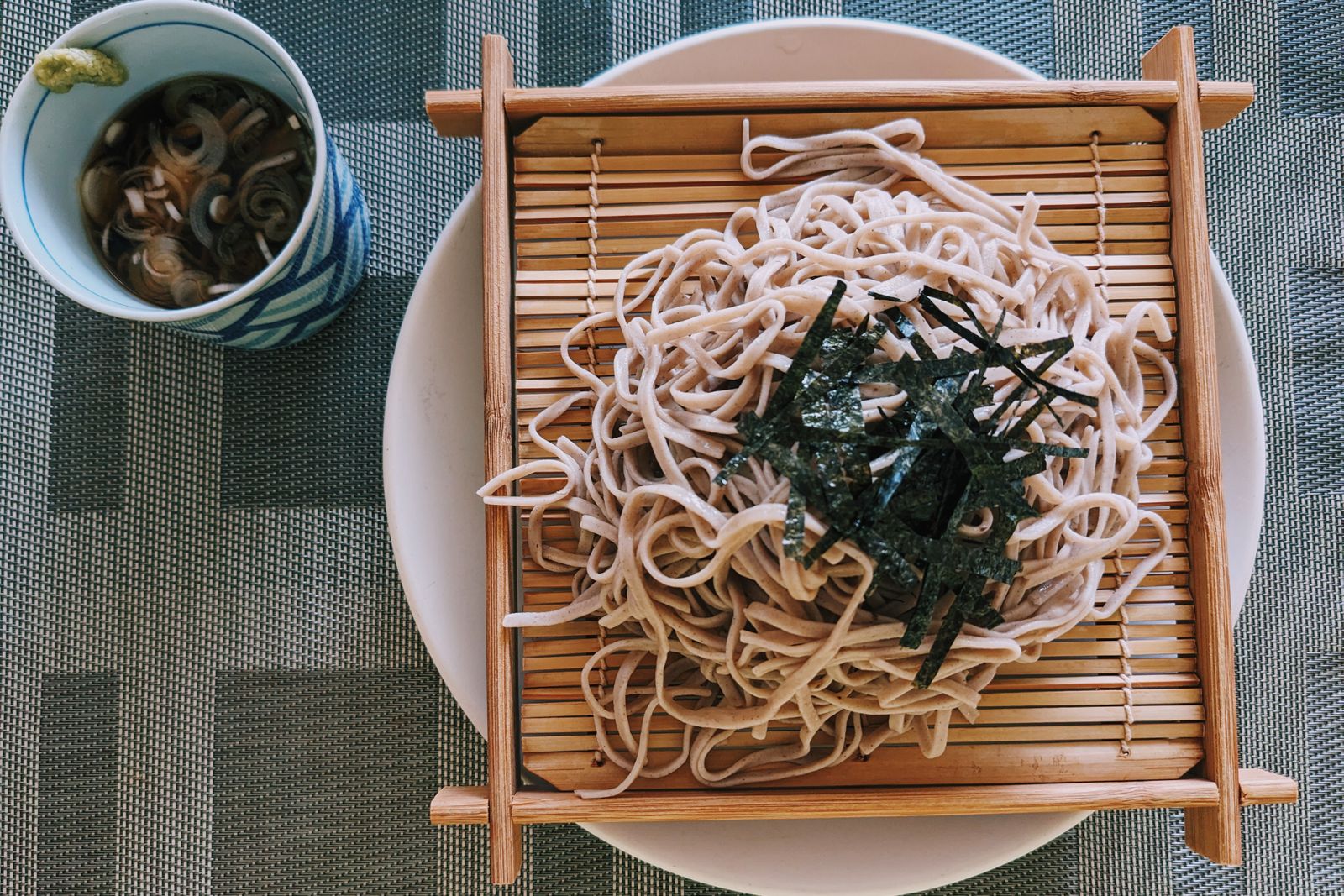
The agriculture ministry keeps a regional-cuisine database organized by prefecture. Tokyo’s runs to thirty dishes, and the contents are the surprise: nigirizushi is on it. So are tempura, soba, sukiyaki, oden, oyakodon and korokke — the dishes most visitors think of as Japanese food rather than Tokyo food. The ministry is recording where they came from, and for most of that list the answer is here.
A list with sushi and tempura on it is not an advantage. It is why every Tokyo list reads the same.
The ministry is not wrong and the lists are not lazy — Tokyo’s food simply succeeded so completely that most of it is now everyone’s. So this page runs the question backwards: not what came from Tokyo, but what never left.
1. Monjayaki — Tsukishima
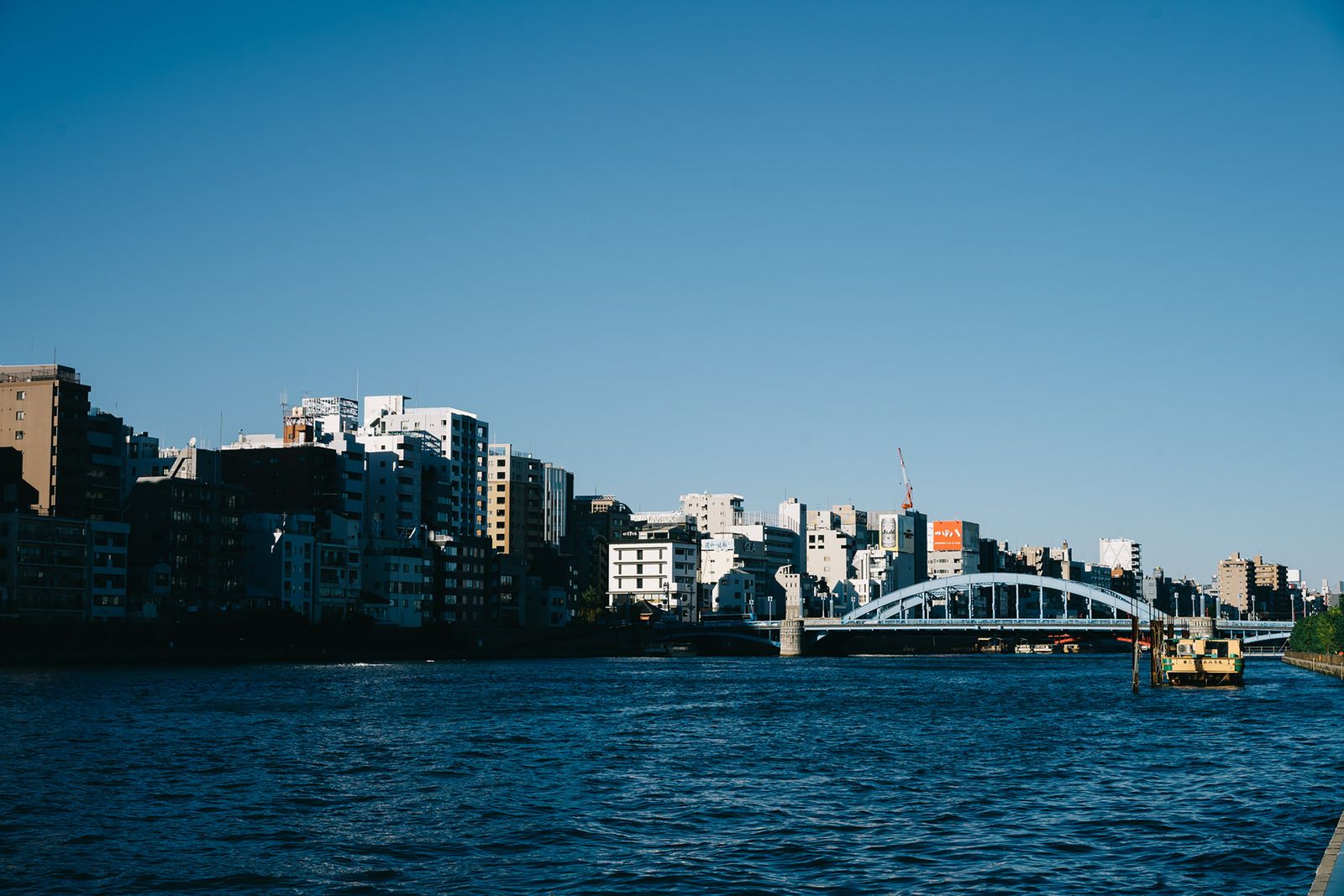
The ministry’s transmission area for monjayaki is two things at once: the Tsukishima district, and all of Tokyo. Both halves are in the record, and the second half is why this is not an origin claim — the ministry does not say the dish was invented in Tsukishima. What it describes is a postwar shortage food that lived in penny-sweet shops, and, when those shops went, a few monjayaki restaurants that brought it back.
What Tsukishima has is what the rule asks about. The shops there run a cooperative association of their own. It says about fifty shops belong to it, and its own directory lists forty-eight registered — a count of the association’s members, not of every griddle in the ward. The directory is also a register you can open and read today.
JBJ'S TAKE
First seat. Not because it's the best thing you'll eat.
Tokyo's own English-language guide calls it less known abroad than Osaka's okonomiyaki, and contested at home. Both true. Neither is what the rule measures.
The rule measures what stayed. One ward carries this dish's own shopkeepers' association, and nothing else on the page is fixed to a place that hard. So it takes a dinner. The ward is the dish.
2. Yanagawa-nabe — Asakusa, Komagata, Takabashi
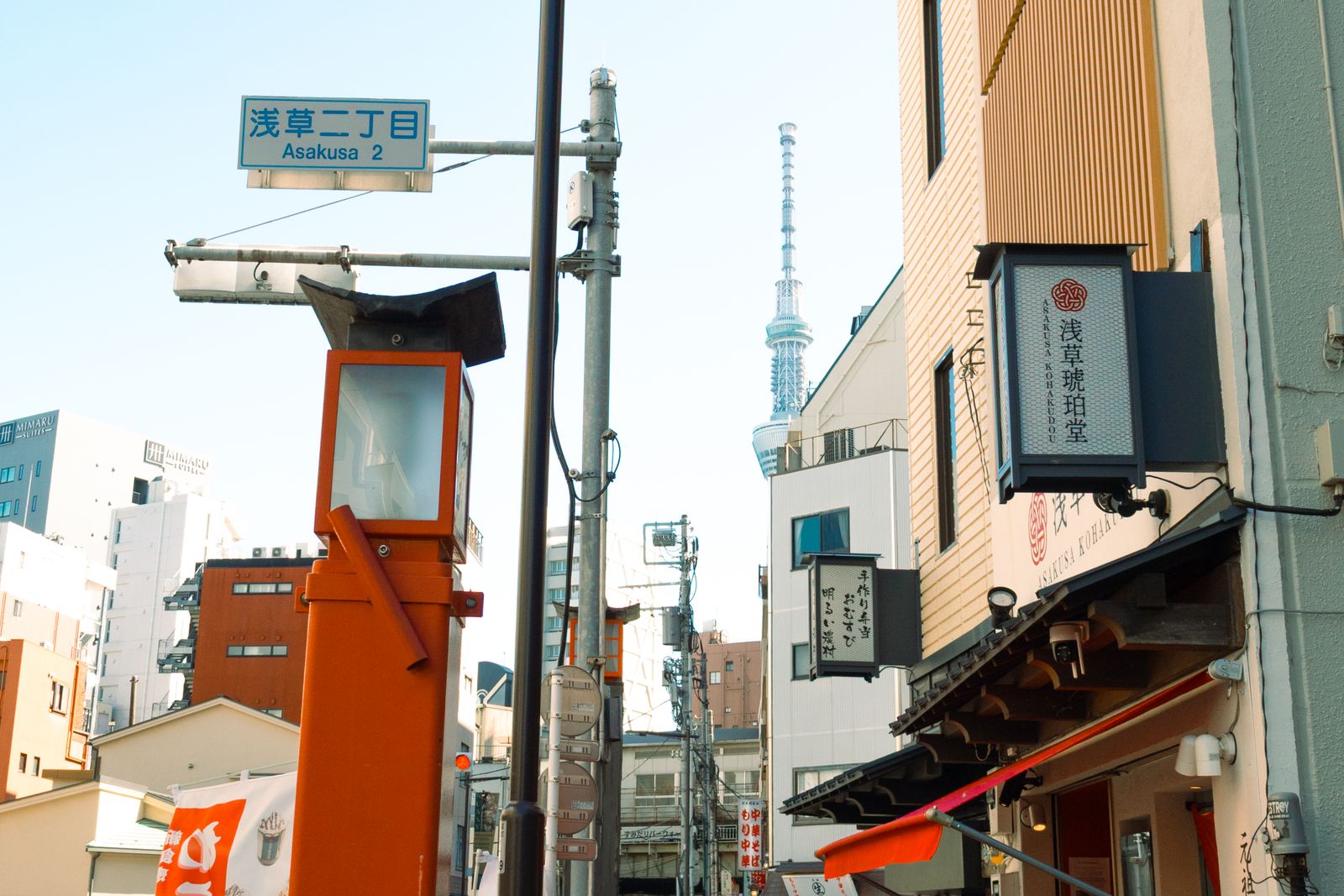
The ministry gives yanagawa-nabe the narrowest home on this page: Asakusa and Komagata in Taito City, Takabashi in Koto City. Three named districts, and no “all of Tokyo” attached to them.
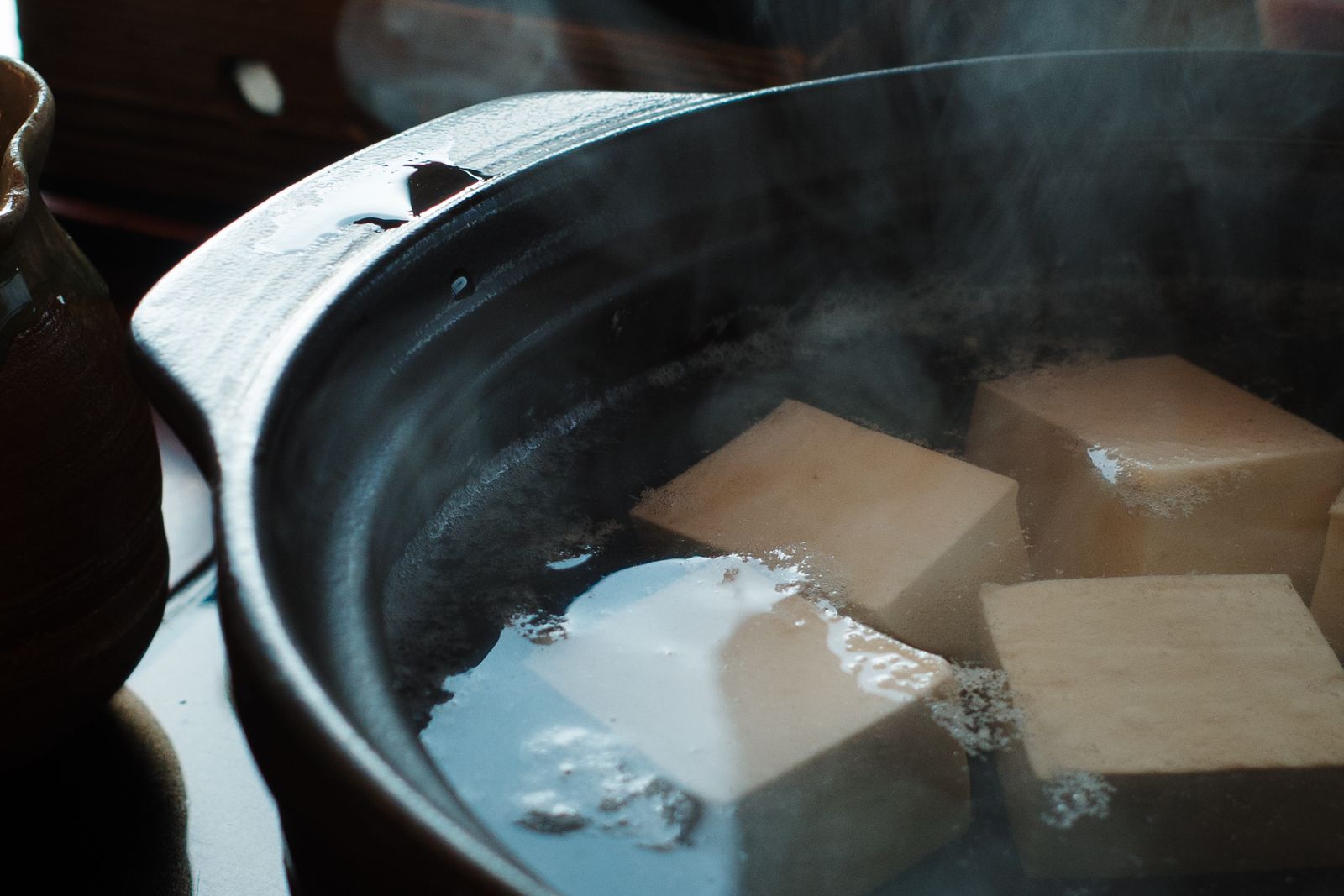
It is also the page’s definition item, and the definition runs three ways. The same entry covers dojo-jiru, loach in two forms: marunabe (丸鍋), whole and unboned, and nukinabe (ぬき鍋), split open along the back, boned and simmered with burdock. Yanagawa-nabe is the third, and the only one bound with egg. The oldest establishment serving it was founded in 1801.
A definition and a date fix what the dish is. They do not, by themselves, show that it is still being made, and that is the whole distance between second place and first.
3. Chankonabe — Sumida
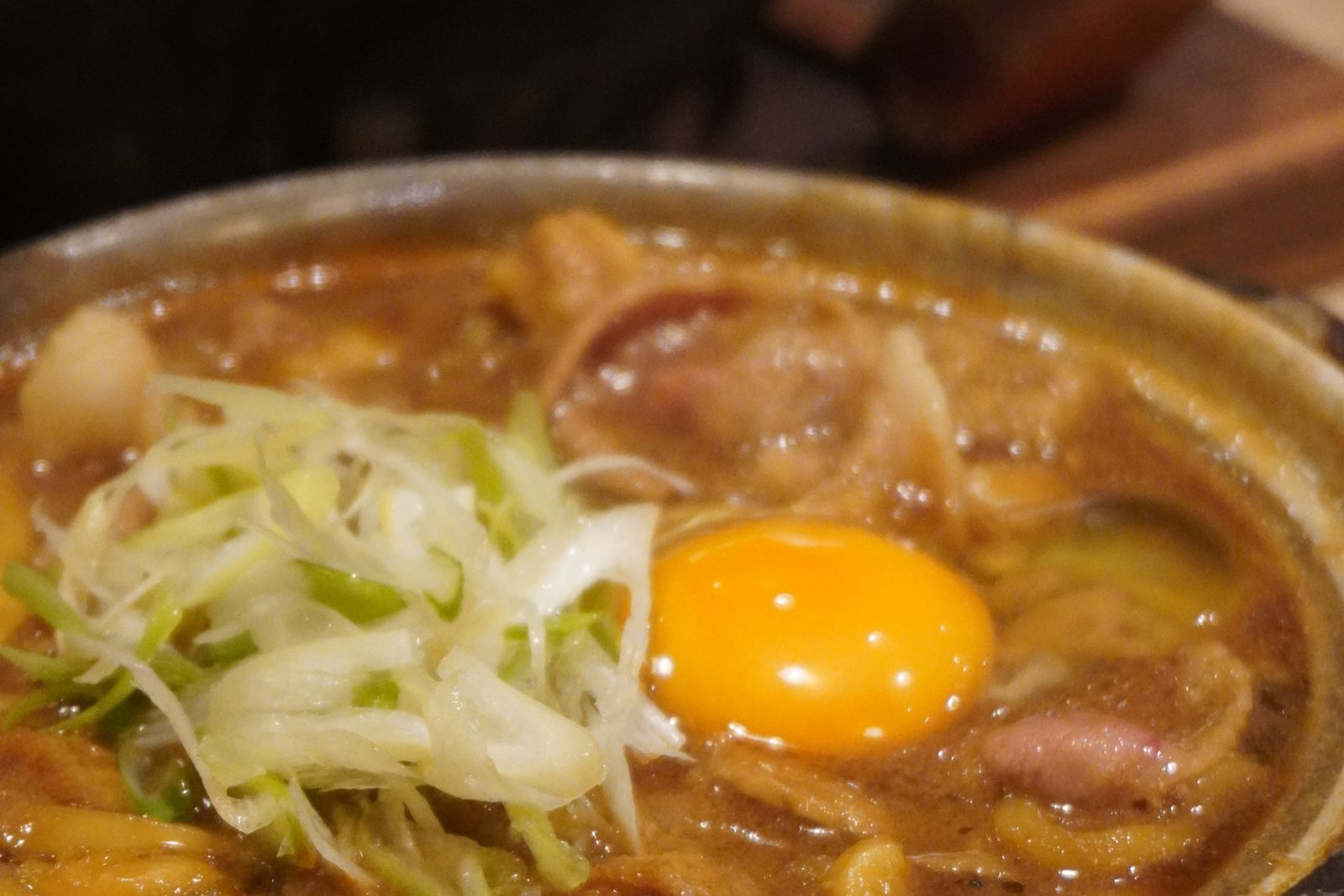
Chankonabe ends at Sumida City. The ministry’s account of its beginnings is hedged, and the hedge stays: it records the dish as said to have started in the Meiji era, which is not the same as recording that it did.
What the record states without hedging is a rule about what stays out of the pot. Four-legged meat was avoided, because an animal that puts its hands to the ground is an animal that has lost. That is a practice rather than a recipe, and a practice is exactly what the rule at the top of this page is looking for.
4. Fukagawa-meshi — Koto
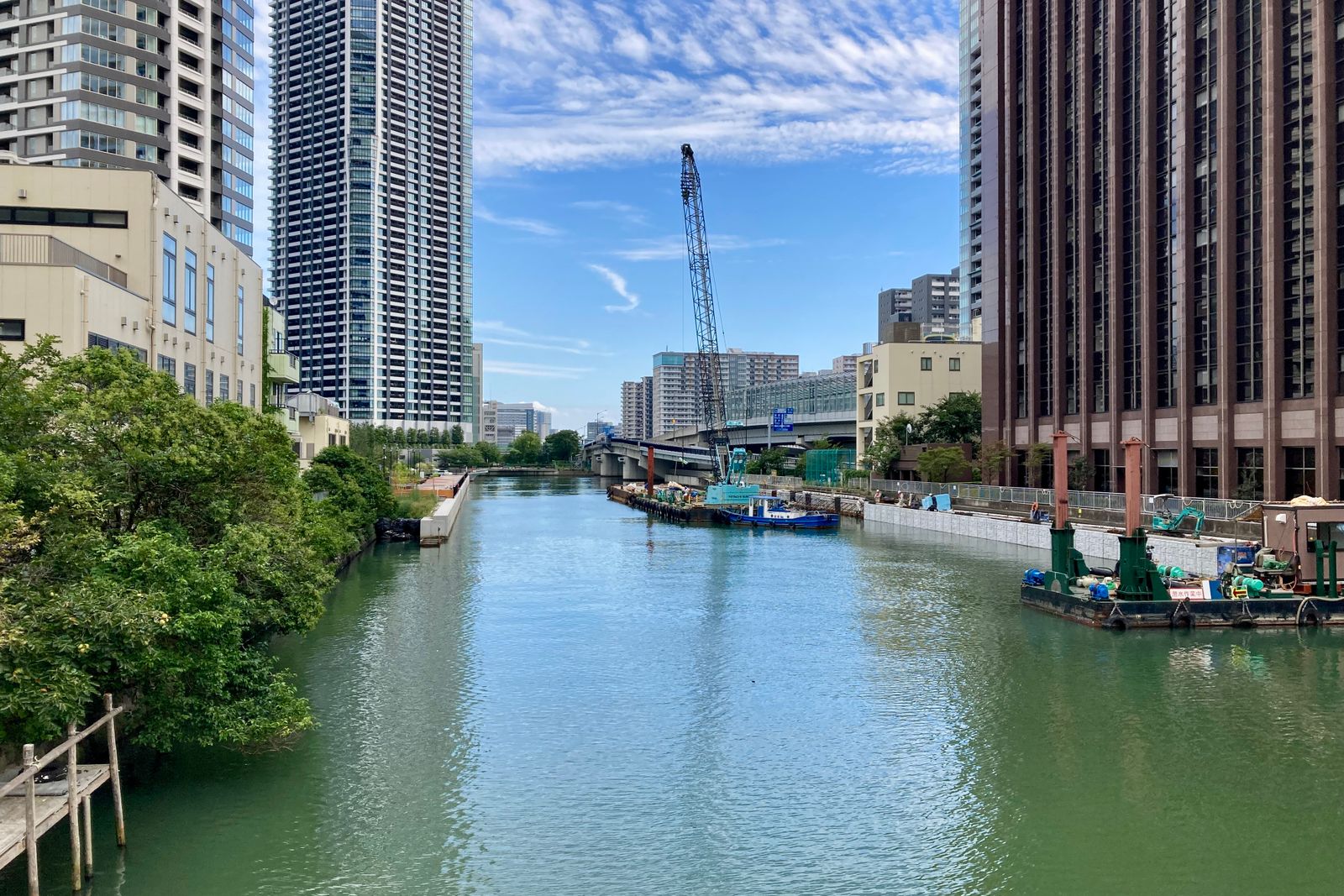
Fukagawa-meshi ends at Koto City, and it is the seat that shows the rule can bite.
The ministry’s account begins in a fishing town — Fukagawa-ura, in the Edo period — with the dish sold at Asakusa stalls into the early Showa years. Then the fishing rights went, between the mid-1950s and the mid-1960s, and the local fishery ended with them. Restaurants brought the dish back.
Everything above this line continued. This one stopped and was restarted, and under a rule that asks what never left, a restart is a penalty. Fourth, and the penalty is the point: a rule that could not demote anything would not be doing any work.
5. Tsukudani — all of Tokyo, and its fishermen came from Osaka
The ministry gives tsukudani the whole of Tokyo as its transmission area. Not one ward, not one island: the record’s answer is the city, and it is an answer rather than a shrug.
Its people and its seasoning came from somewhere else. The shogunate moved fishermen to Edo from Tsukuda village in Settsu — what is now Osaka — and the tamari shoyu came from Kishu. Imported labor, imported seasoning, a preserved food named for the island those fishermen settled, and a product that is Tokyo’s. Which is the page’s own proof that the rule is about staying, not about starting.
JBJ'S TAKE
No dinner. Suitcase.
This is the only item on the page that survives the rule and still doesn't earn a meal. It stayed. It just doesn't need an evening.
So it takes none of the four — it takes bag space, and it is the one thing here that is still Tokyo after you land at home. Buy it. Don't book it.
The one this page will not seat: Edomae sushi
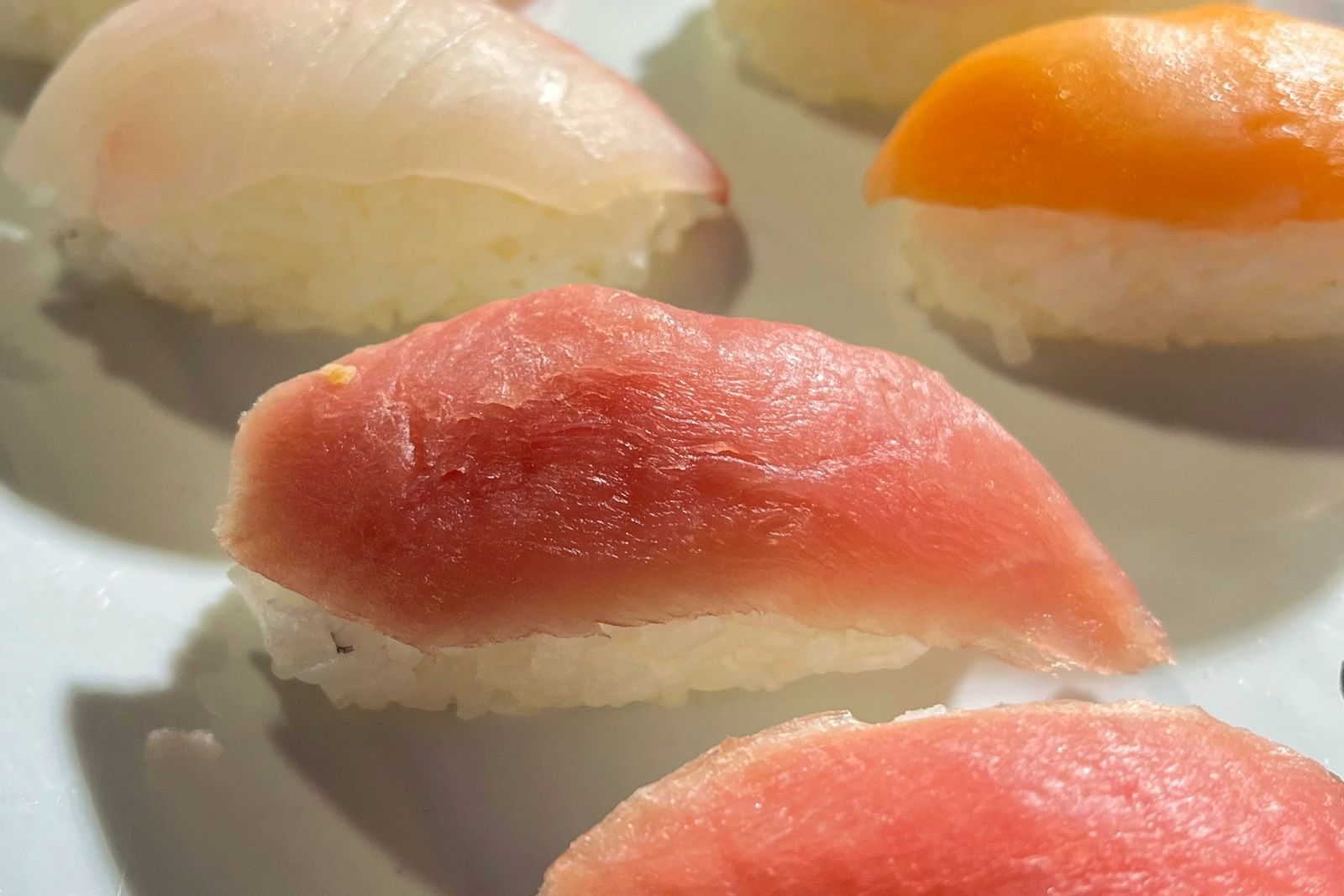
Sushi is the item most readers arrive already planning, and the ministry’s own entry is the argument against giving it one of your four.
The ministry’s account of nigirizushi is largely an account of it spreading. The dish emerges in Edo, and then it travels, until what began here is what the whole country eats. Put it against the rule and nothing holds: there is no ward it stops in, no definition inside the city that fixes it, no practice you can only meet here. It left more completely than anything else on this page, which is a measure of how good it was.
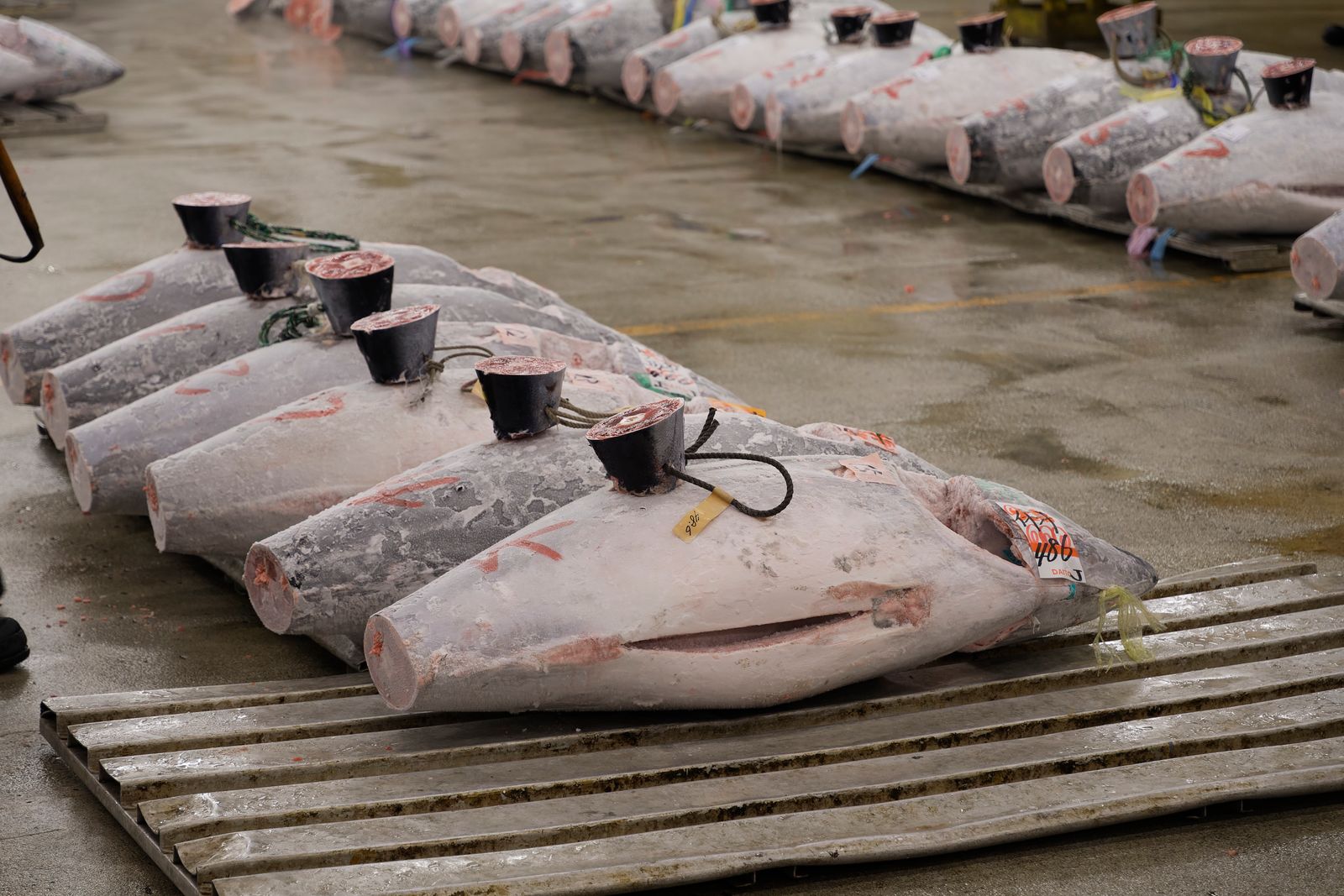
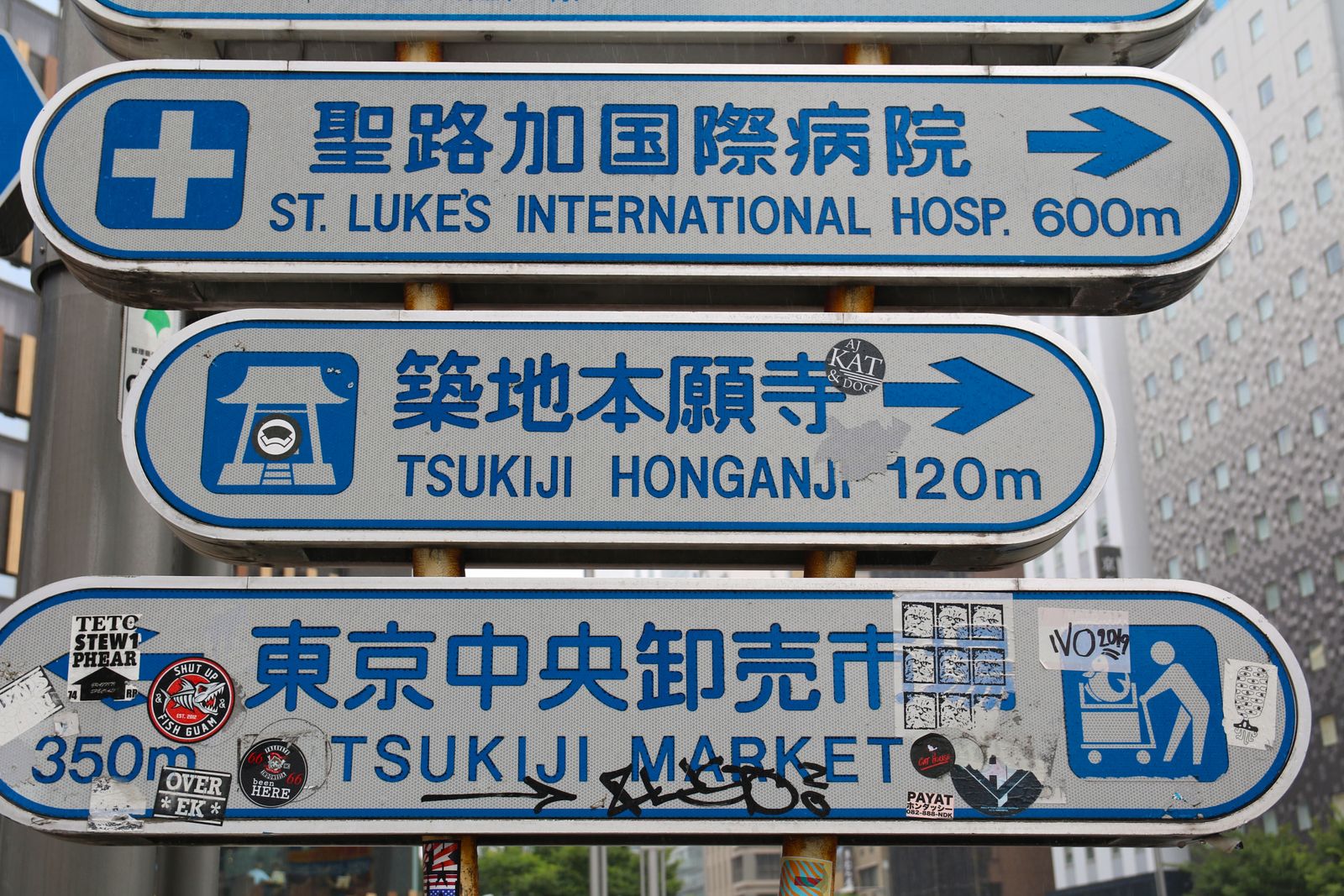
The replacement costs no dinner. The inner wholesale market and the tuna auction moved to Toyosu on 11 October 2018. The outer market at Tsukiji stayed where it was, and Tokyo’s official visitor guide, updated in August 2026, counts around 460 shops in it. That is a morning. The auction is still watchable, but not on impulse: observation runs by advance application and lottery, and it is not first come, first served.
JBJ'S TAKE
Sushi doesn't take one of the four.
If you came to Tokyo for sushi, you came for sushi. This page is not going to argue you out of a plan you built the trip on.
If sushi is one of four dinners, it loses — not for being bad, for being everywhere. Take the morning at the outer market instead. A morning costs no dinner, and it is the half of this you cannot get at home.
The rest of what the lists hand you
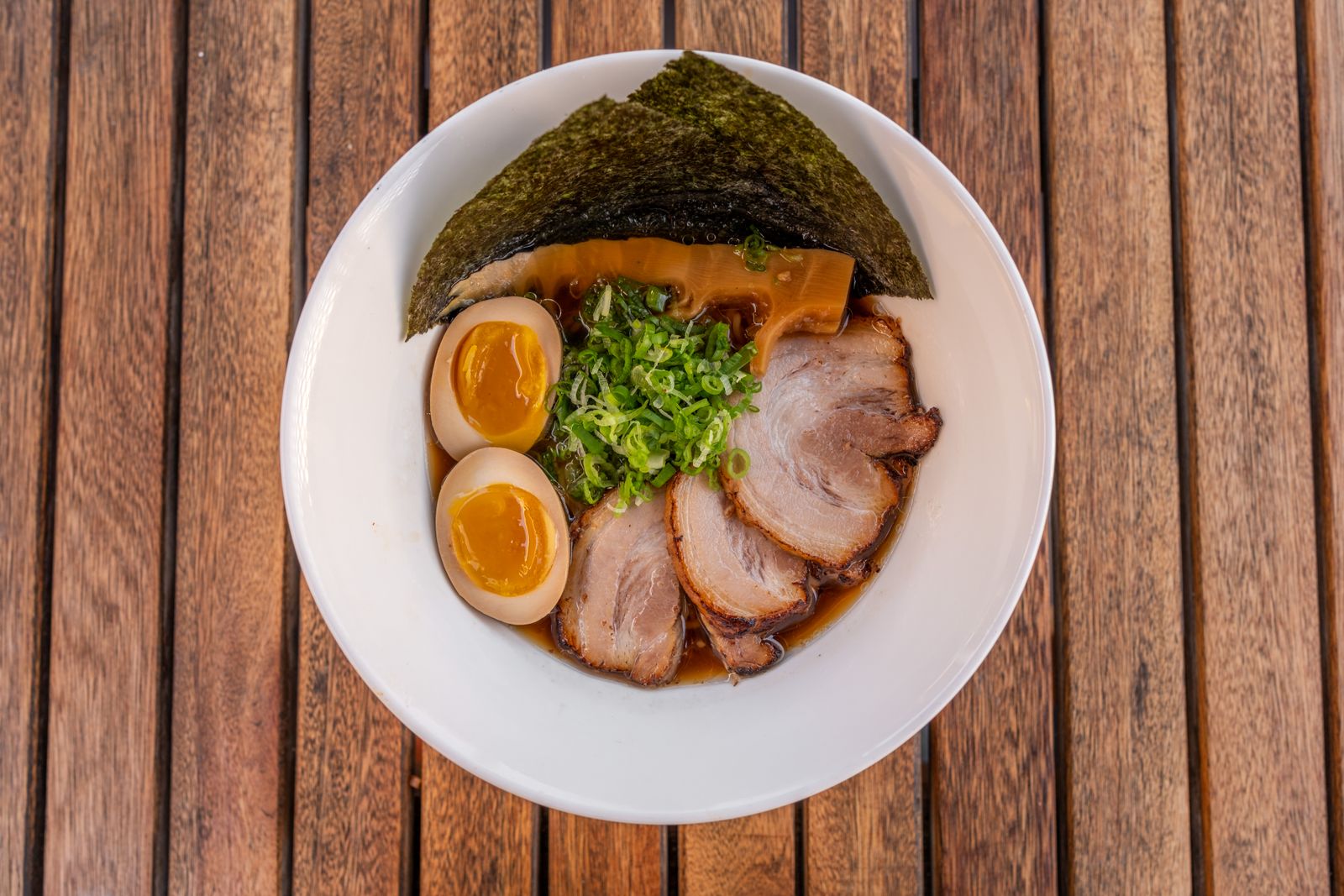
Ramen. The ministry’s Tokyo list has no ramen entry on it. Ramen is filed under Hokkaido, with the whole prefecture as its transmission area, and even there the ministry hedges the one origin story it names. So ramen takes no seat here, and the reason is in the record rather than in a preference.
Tsukemen. Also absent from the Tokyo list, which is a list of regional cuisine.
Takoyaki and kushikatsu. They appear on Tokyo must-eat lists constantly, and both are Osaka’s. The Osaka ranking already settles them.
The two that never left, and are not in the city
Two more items pass the rule and neither gets a seat. Kusaya is a dried fish the Tokyo Metropolitan Government records as a specialty of the Izu Islands; ashitaba is a plant it records as originating on Hachijojima and grown as a specialty across them. The islands are Tokyo — same government, same prefecture. They are a long way out to sea, and the four dinners are being eaten in the city. A rule that gave itself a free pass here would not be a rule.
Four dinners, spent
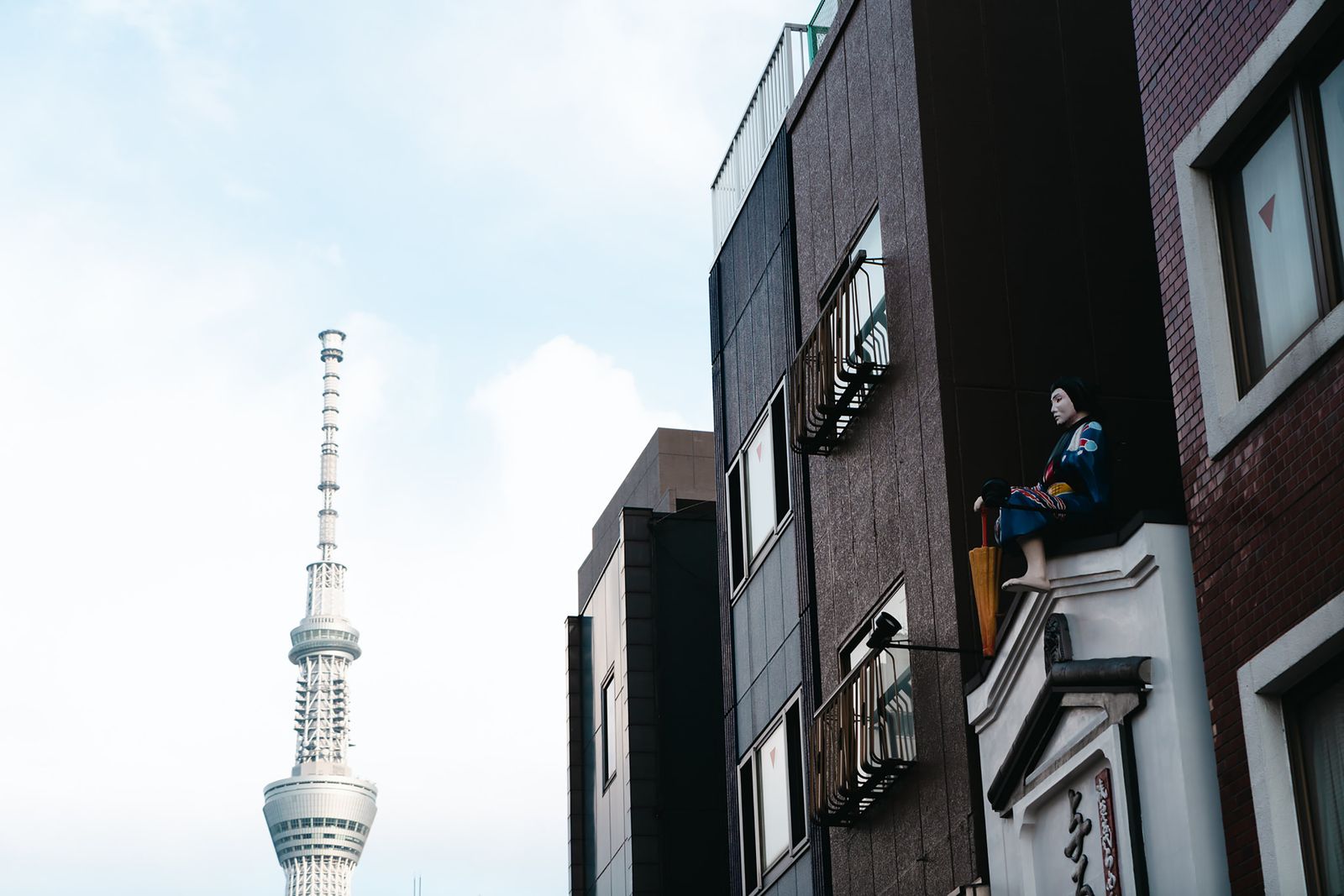
Four evenings, and the page has spent them: monjayaki, yanagawa-nabe, chankonabe, fukagawa-meshi. Tsukudani goes in the bag. Sushi takes a morning. If you want a fifth day out of the city instead of a fifth dish in it, the day trips are ranked too — and where to stay in Tokyo decides how far each of these evenings sits from your bed.
JBJ'S TAKE
The four start in Tsukishima.
The lists hand you dishes and leave you to sequence them. Four dinners, four evenings, and nobody says which to spend first.
This page says: the top of the ranking, night one, Chuo. Not because it's the best meal of the four — because it is the call the rule is surest about, and a first night is the only one you can't lose to a change of plan.
Transmission areas, dish records and the Meiji-era hedge: the Ministry of Agriculture, Forestry and Fisheries. Member and directory counts: the monjayaki shopkeepers’ association in Tsukishima. The 2018 relocation and the auction lottery: the Tokyo Metropolitan Government’s market bureau. The outer market’s shop count: Tokyo’s official visitor guide, updated August 2026. Kusaya and ashitaba: the Tokyo Metropolitan Government. No restaurant’s account was used, and no restaurant is named. Checked 2026-09-09.