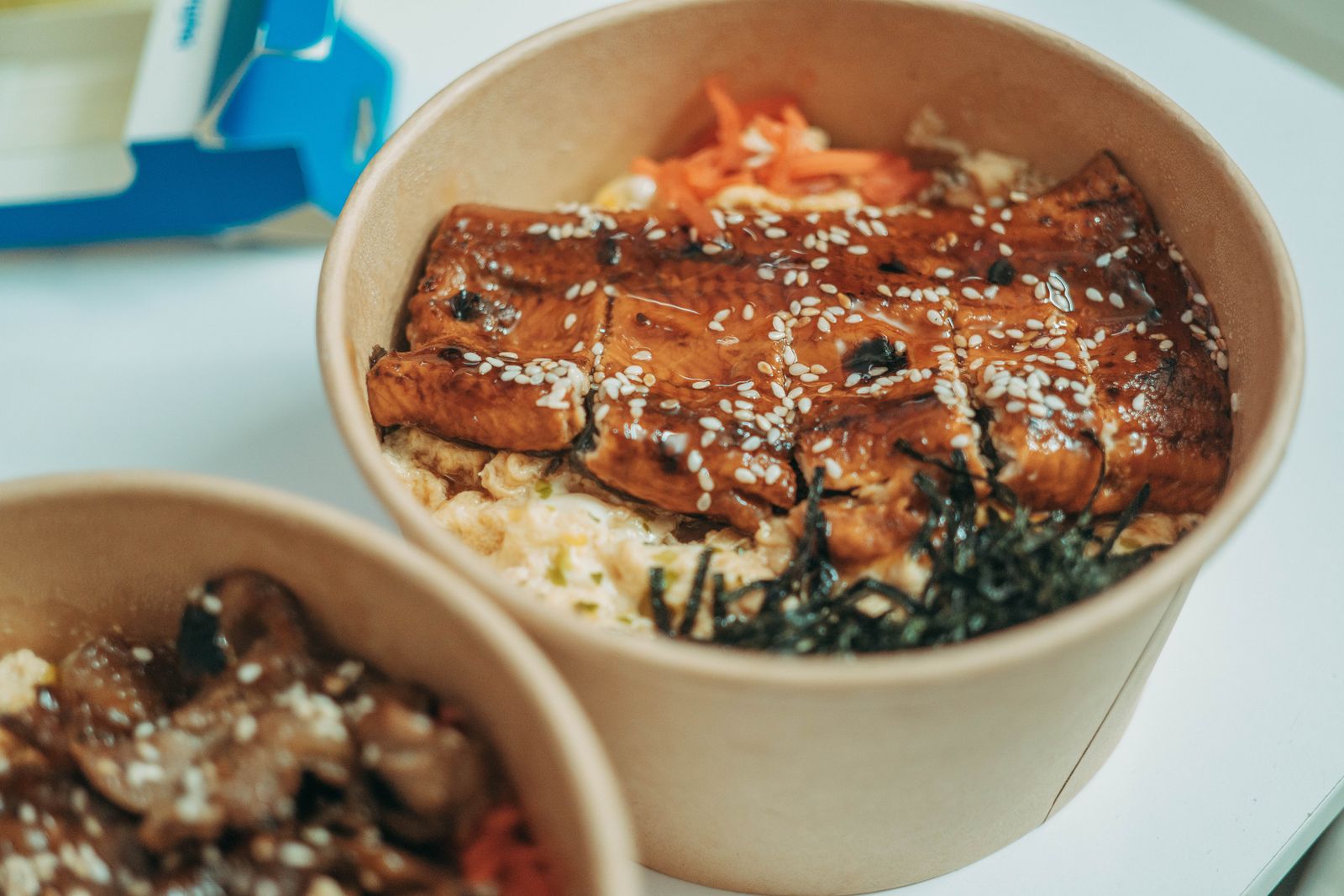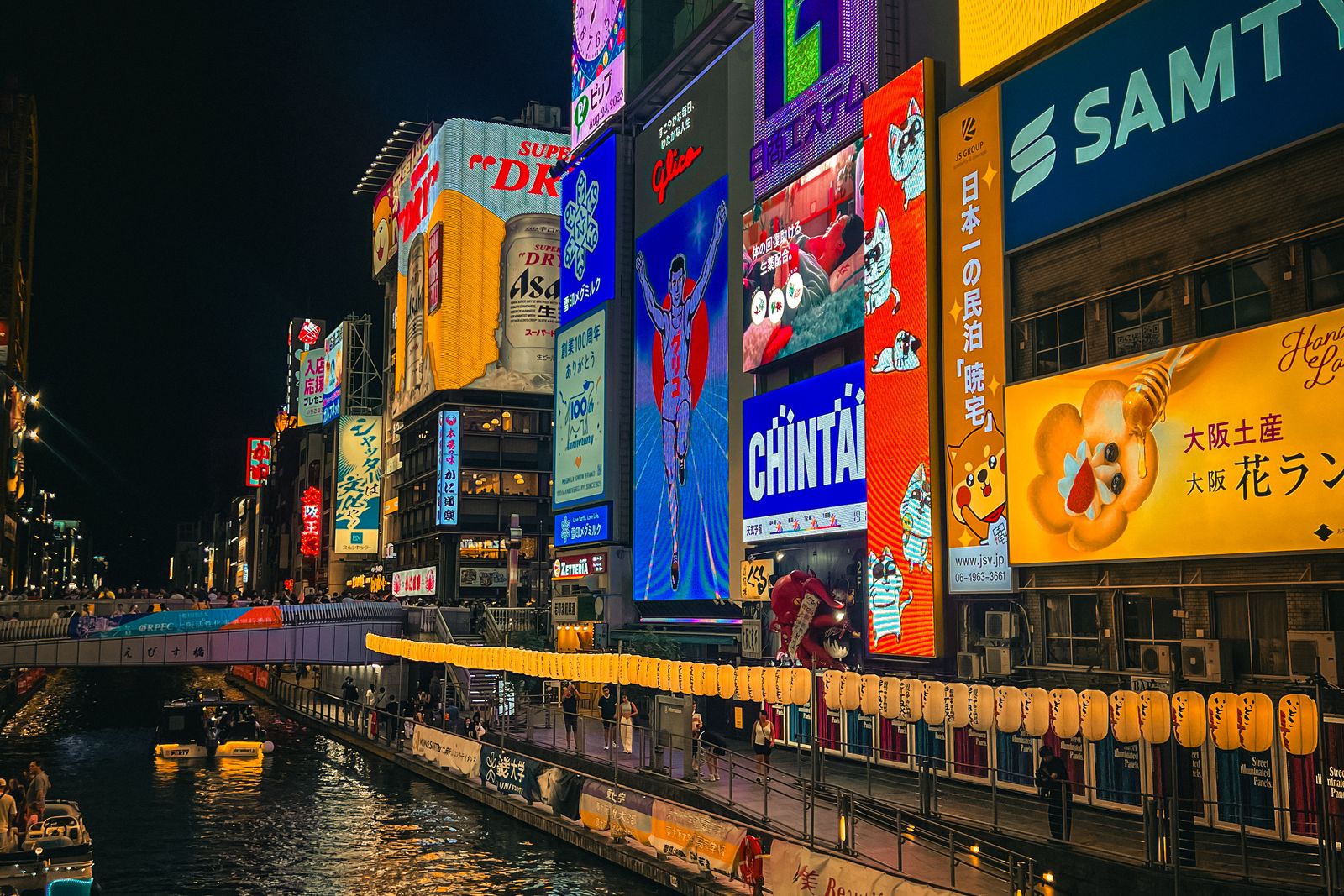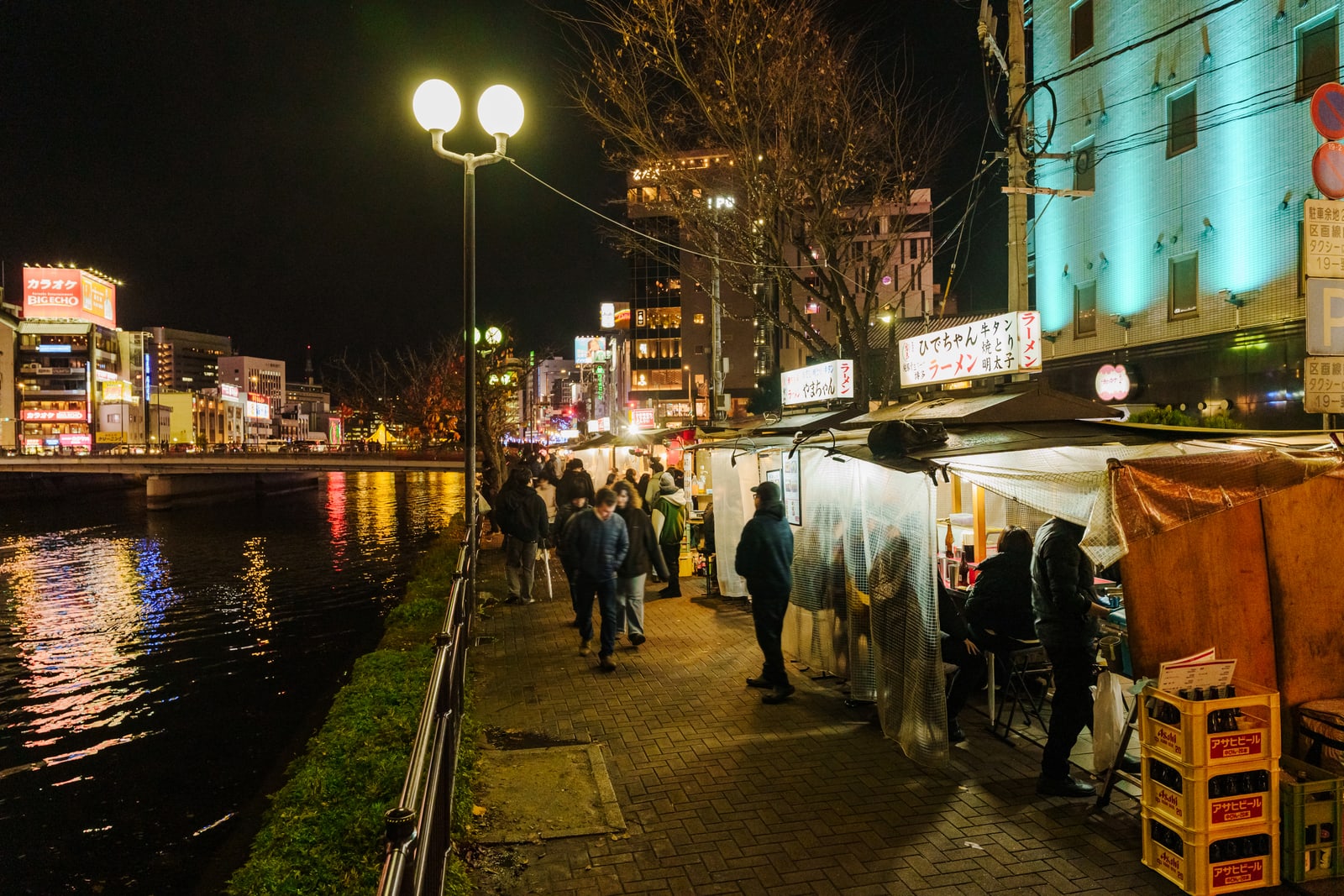
You probably have two or three evenings in Fukuoka, most likely bolted onto a longer run through Kyushu. The dishes everyone names are easy to find. What a list will not tell you is which one to spend a night on — and what separates them is not flavor. It is what each one makes you arrange before you are allowed to eat it: a free seat, a second person, a booking, a particular hour, a forecast that holds. That is the order below, top to bottom.
| Item | How it is sold | What it asks before you eat | Verdict |
|---|---|---|---|
| 1. Yatai | A licensed cart on a public road. Counter only, evenings. | A free stool, and weather that holds. | Spend an early evening on it and you get the one thing here with no indoor equivalent. |
| 2. Motsunabe | By the portion, or as a per-person course. | Nothing for a single pot. The courses are listed from two people — though the shop that publishes that will seat one for a single portion. | By the portion it costs you one meal slot. As a course you have committed the whole evening. |
| 3. Tonkotsu ramen | A counter bowl, at a stall or indoors. | A free seat. | Fits any gap on any day, alone and unplanned — which is also why there is no decision in it. |
| 4. Mizutaki | A per-person set course at a specialist. | A booking made before the day, and two days ahead for the top course at one specialist. | Buys the most arranged meal on the page, and only pays off if the evening was already going to be a sit-down one. |
| 5. Mentaiko | A side dish, or something you carry home. | Nothing. | Costs you nothing either way. The decision it really poses is a shopping decision, not an evening one. |
Two of those are not the same kind of thing — yatai is a way of selling food, tonkotsu ramen is a dish — and both are here because an evening can go to either. The earlier city rankings, Nagoya and Osaka, each sorted on whatever was scarce in that city. In Fukuoka the scarce thing is access.
1. Yatai — go on your first clear evening
A yatai is not a restaurant with the walls taken off. Under the city’s own ordinance it is a vehicle, fitted with a kitchen, licensed to trade on a public road. Whatever one or two people can cook out of a cart, served across a counter to about as many strangers as will fit, between dusk and whenever the operator packs up. Take the format away and there is nothing left to eat. That is why it is first.
JBJ'S TAKE
Yes. On your first clear evening, and for the counter, not the bowl.
A yatai is the one item on this list you cannot get a better version of indoors, because there is no indoor version. It is a way of selling food, and the food exists to fit it.
It is also the most fragile plan in Fukuoka. Nothing holds a seat for you, and nothing holds the weather.
So spend it early. A stall that falls through on your second night is an inconvenience. One that falls through on your last night is a story about rain.
And go for the counter. The food is not the reason this is first.
Doing it tonight
When. The earliest stalls open around six; most are open by half past six or seven. Setup starts after five and takes about an hour, so a street that looks dead at a quarter to six is not closed. Most close around midnight, by the city’s English guide, and closing days are not fixed — the city says that plainly. Rain or strong wind can shut a stall at short notice. Turn up early rather than counting on late.
Seats. About ten people fills a stall. Most take no reservations and seat in the order you arrive. There is no list to get on and nothing to be late for: a stall is open to you when you walk up or it is not, and the answer is the next stall, not the same one later.
Paying. Carry cash, but do not carry the rule: more than 30% of stalls now take QR or cards — the city’s figure as of May 2026, and rising — so check when you sit down. Every stall has to display its prices; that is the city’s yatai regulation, not a courtesy, and the city says there are no charges beyond the list. Some stalls run an otoshi, a small charged starter, or a one-order rule. Some, not all.
What it costs. A bowl of tonkotsu ramen runs 700 to 800 yen on the stall menus the city publishes; skewers around 100 yen; the dishes on the stalls the city features span 200 to 1,400. Nobody publishes an evening figure, so order in rounds and budget by the item.
Where to go
The stalls cluster in three districts: Nakasu, Tenjin and Nagahama — roughly half of them in Tenjin, by the city’s own count. Around a hundred hold permits across the city, which is the useful number: a full counter is a short walk from an open one. Go to whichever cluster your evening is already nearest. Nagahama is the one that takes a plan: subway from Nakasu-Kawabata to Akasaka, about four minutes, then around ten minutes on foot — the city’s own directions.
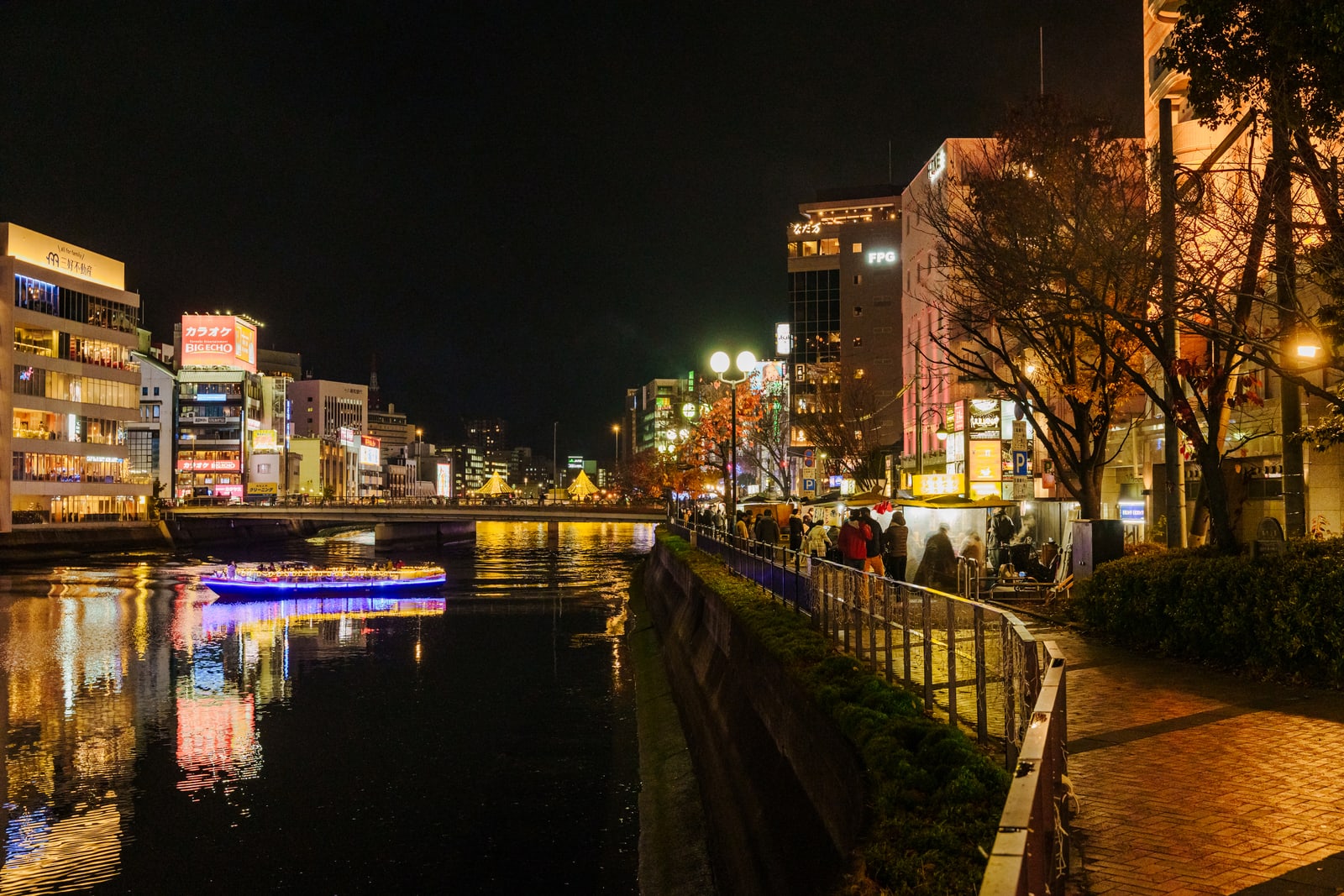
The city keeps a listing of every stall, grouped by district, with hours, menus and the nearest station for each, plus its own yatai guide — both in Japanese. In English there is the city’s yatai page, and a YATAI Concierge desk at the airport’s international terminal, open 08:00 to 21:30. A typical stall listing looks like this: Kawa-chan, in Tenjin, two minutes from Tenjin station exit 6; open to 2:00, to midnight on Sundays, closed Mondays; no cashless; mentaiko omelette 900 yen, motsunabe 1,200, as of April 2026.
2. Motsunabe — take the pot, tonight, alone if you like
Motsunabe is a pot of offal cooked at the table, and the decision is not the flavor. It is the format, and the format forks. One Hakata specialist sells the pot by the portion and also sells courses built around it, and its courses carry a published condition: listed from two people — with one stated exception, that a solo diner is served a single portion. The dish is available to one person either way. What changes is whether you have walked into a pot or an evening.
Know the by-the-portion route exists and you can eat this tonight with nothing arranged. Miss it, land on a course page, read a party-size line, and you quietly write the dish off for the trip. That is why it is second — on knowledge, not on cooking.
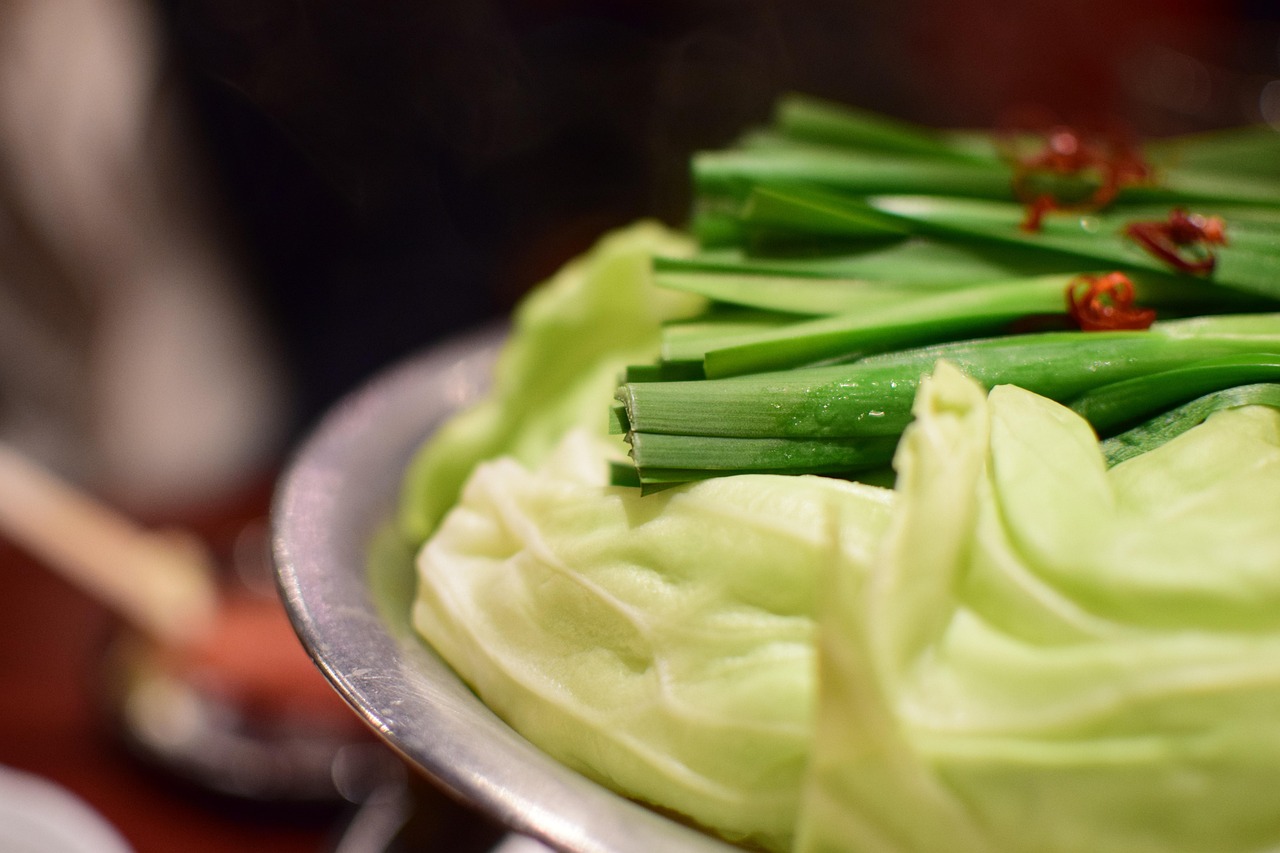
Where. Motsunabe Ooyama, main branch — one portion of the miso pot 2,178 yen including tax, the same for soy and for the mizutaki-style broth; courses from 4,300 yen per person including tax; open 16:00 to 23:00, last food orders 22:00, closed only over New Year. Two minutes from Gofukumachi station, five from Nakasu-Kawabata, by the shop’s own directions. Reservations by phone from 14:00 (092-262-8136) or through the booking link on its own site, taken from the start of the month two months ahead; the page does not say whether the pot alone needs one. Those are the shop’s own figures, read 4 September 2026. Its party rule is its own, not a Fukuoka-wide one — other shops may differ, and the page tells you before you go.
3. Tonkotsu ramen — eat it, don’t plan around it
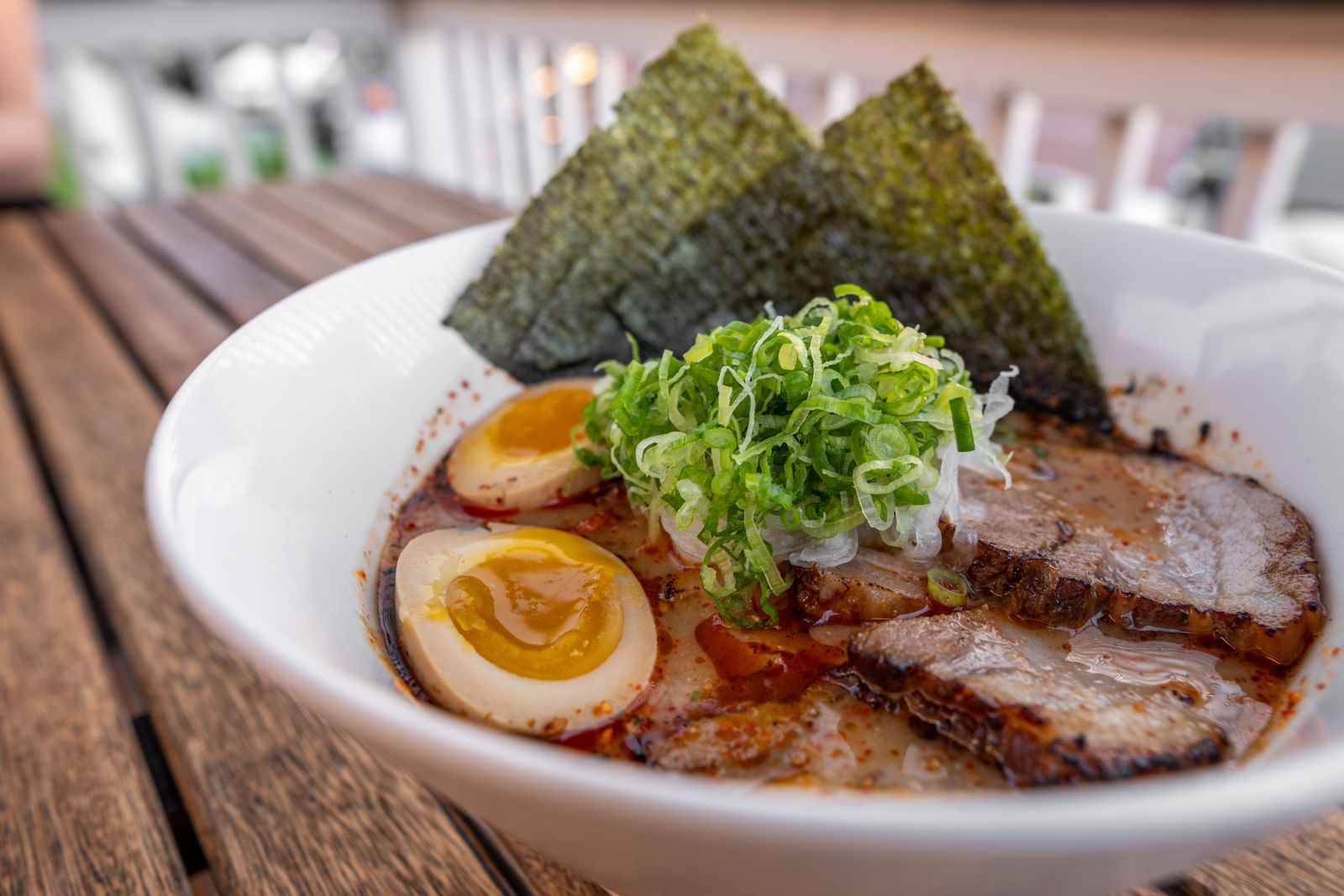
The bowl you came for was not invented here: Fukuoka Prefecture’s own record puts it in Kurume, forty kilometres south, at a street stall in 1937. It is third because it asks for nothing but a seat. It slides into any gap in any day, alone, with nothing booked, and that is exactly why it cannot rank higher — there is no decision inside it, and the two items above are almost entirely decision.
Eat it. Eat it twice. Just do not build an evening around it, because it does not need one.
Where. Any counter with a free seat. At the stalls, the city’s published menus list it at 700 to 800 yen; sit-down shops publish no prices, so none is given here and no comparison is drawn.
4. Mizutaki — book it before you fly, or skip it
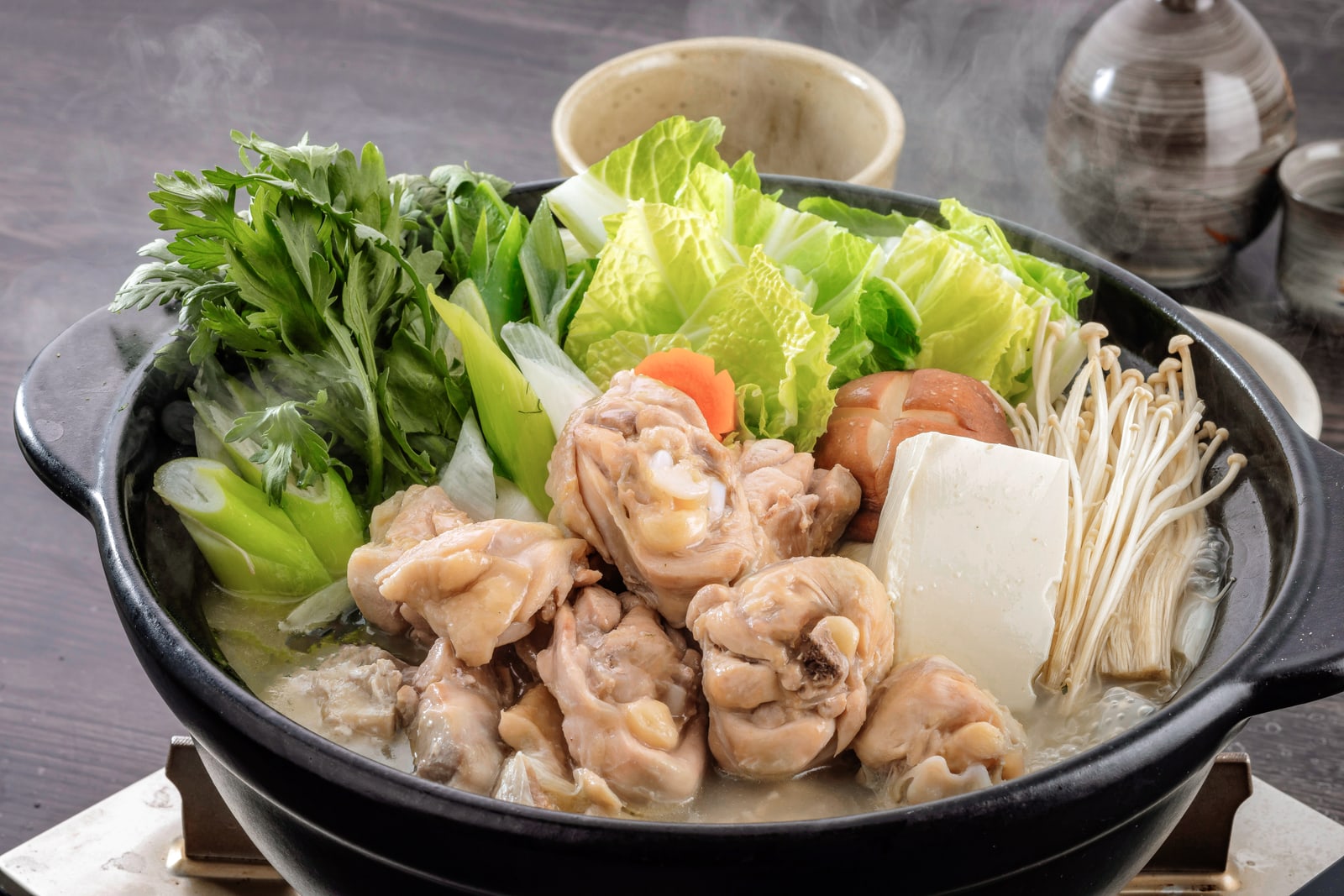
Mizutaki is chicken simmered in water. Nothing in it is hidden, so the houses that do it seriously do it as a set piece and sell it that way: a per-person course, six to ten dishes, at a specialist. It has to exist in your calendar before it can exist on your table. Motsunabe has a smaller door — the pot, by the portion, tonight. Mizutaki does not. And it is the only entry here where what goes wrong goes wrong in advance: if the evening moves, the booking does not move with it.
JBJ'S TAKE
One evening is not enough evenings for a course.
Neither hot-pot is cut from this order, and that is what ranking is for. Mizutaki is the most arranged meal on the page. It is also the one that has to be settled before you arrive.
So the condition is not who you are. It is what your calendar already looks like. If an evening is genuinely committed to sitting still, book the course and let the day arrange itself around it.
If the evenings are still moving, take the motsunabe pot by the portion instead. It is the hot-pot that survives a changed plan.
Where, and what to book. Two Hakata specialists publish their own prices and their own booking routes. Hakata Mizutaki Yamato: courses at 4,400, 5,500 and 6,600 yen per person including tax, six to eight dishes, and a 9,900-yen ten-dish course that must be booked two days ahead. No minimum party is stated. Reservations by phone from 15:00 (050-5434-4451) or through the booking link on its site; same-day by phone only; the site is Japanese only. It sits directly above Nakasu-Kawabata station, exit 4; open 17:00 to midnight, irregular closing days. Hakata Mizutaki Hamadaya: the Hakata mizutaki course is 4,800 yen per person including tax until 30 September 2026 and 5,200 from 1 October — the shop’s own notice, and bookings already made keep the old price. From two people at the main branch, from one at the Tenjin branch (092-401-7878); there is also a branch inside Hakata Station. Reservations by phone or through the booking links on its site, which also carries an English page. All read 4 September 2026. The condition to plan around is the date. Book before you fly.
5. Mentaiko — a purchase that keeps getting listed as a meal
Mentaiko is cured pollock roe, and in Fukuoka it is closer to structural than to special: on rice, in an omelette, folded into whatever is going. It asks nothing of you — no booking, no minimum, no hour, no weather, no format to get wrong. Where it turns up as a dish, it is a side: a 900-yen omelette on one stall’s listing above.
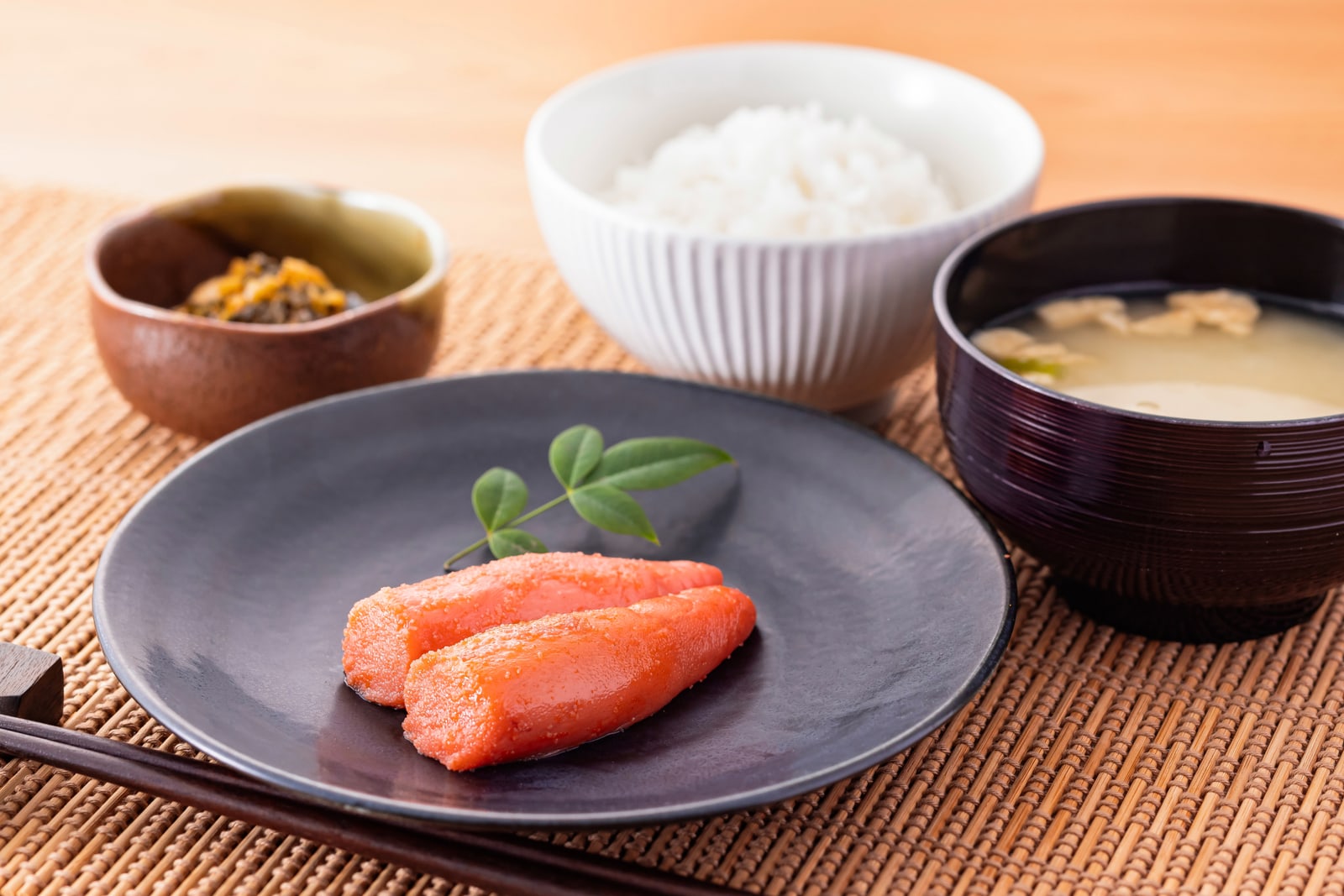
It is last because the real question about mentaiko is not which meal to put it in. It is whether to carry some home — and that has a shop, not an evening. Fukuya, founded in Nakasu in 1948, sold the first of it in Japan on 10 January 1949 by its own account, and is the name you will see most. Its own shops include the Nakasu main shop, open 9:00 to 22:00 on weekdays and 9:30 to 18:00 on weekends and public holidays, with no closing days, one in the Hakata Station underground mall, and one in the domestic terminal at Fukuoka Airport from 6:30 in the morning — so it can be the last thing you buy before the gate. Ordering from outside Japan is narrower: Fukuya ships ambient products only, to six Asian markets, by email order from its overseas page; chilled shipping was suspended at the time of reading.
Not on the list
Hakata udon. Hakata claims udon’s Japanese origin — the city states it flatly, the prefecture hedges — and either way it asks nothing of you and there is no format question in it. It is a lunch, and it stays a lunch.
Hitokuchi gyoza. Small, and a plate of them is an order rather than a plan. Order them when they land beside something you actually came for.
Gomasaba and the Genkai-sea fish. Order it when it is in front of you. It does not decide anything.
The one thing to decide before you land
Four of the five can be decided on the night: a stall, a pot, a bowl, a side — you turn up, you sit down, you eat. The exception is a course. A mizutaki course is a per-person set menu; one specialist’s top tier takes two days’ notice, and the other’s main branch takes courses from two people. Motsunabe courses at the shop that publishes its conditions are listed from two, and booked from two months out. Neither is arrangeable at seven in the evening once your nights are spoken for.
JBJ'S TAKE
Decide the course question at home. One question, one answer: is one of these evenings a booked, sit-down, per-person meal, or is none of them?
If yes, book it before you fly, and let the rest of the trip arrange itself around that one fixed point.
If no, stop pricing courses. Four items are left, and every one of them can be decided on the day.
Left open, it is the only decision on this page that gets more expensive the longer you hold it.
Stall hours, seating, closures and the cashless share are Fukuoka City’s own published guidance, updated 20 May 2026, with the closing hour from its English guide; the price-display rule is the city’s yatai regulation. Stall prices are from the menus the city publishes on 20 May 2026 and one stall’s listing as of April 2026. Restaurant prices, hours, stations and booking routes are each business’s own figures, read on 4 September 2026 — Hamadaya’s course price changes on 1 October 2026 by its own notice. The ramen origin is Fukuoka Prefecture’s official account; the mentaiko dates, shops and shipping are Fukuya’s. Prices and the cashless share move — check anything you are budgeting against.