Five worth sitting down for
- Hitsumabushi — eel, and a documented way of eating it that changes the bowl three times.
- Miso nikomi udon — a noodle made without salt, which is why it will taste wrong to you at first.
- Taiwan ramen — invented in Nagoya, named after the man who made it, and not sold in Taiwan.
- Ankake spaghetti — a 2.2 mm noodle fried in lard under a peppered sauce. It exists nowhere else.
- Tebasaki — chicken wings fried without batter. Excellent, and not a meal.
And four the official list includes that we are not sending you to: ebi fry, miso katsu, kishimen, doteni. Reasons are further down, and one of them comes from Nagoya’s own tourism council.
| Dish | Costs you a meal slot? | What you cannot get elsewhere |
|---|---|---|
| Hitsumabushi | Yes — and it is worth it | Three preparations of one bowl, in a documented order |
| Miso nikomi udon | Yes | Salt-free noodle, served in the pot it cooked in |
| Taiwan ramen | Yes | A dish that exists here and not in its namesake |
| Ankake spaghetti | Yes | 2.2 mm noodle, re-fried in lard, thickened peppered sauce |
| Tebasaki | No — order it with drinks | Unbattered fried wing, sauced and spiced |
What this ranks on
Nagoya publishes an official list of twenty-two dishes, through a council run jointly by Aichi Prefecture, Nagoya City, the Chamber of Commerce and two tourism bodies. It is a good list. It is not a ranking, and if you are breaking a Tokyo–Kyoto trip you have one or two meals, not twenty-two.
So three criteria, in this order.
1. Can you get it — properly — anywhere else? A local sauce on a familiar dish is a variation. A structural difference is a reason to come.
2. Does it need a meal, or will you meet it anyway? Some of these are sides, snacks and station food. They are good. They do not need a slot.
3. Is the local story actually true? Several of these origin stories are folklore, and the official body says so itself. That does not make the food worse. It does change what you are buying.
The five
1. Hitsumabushi
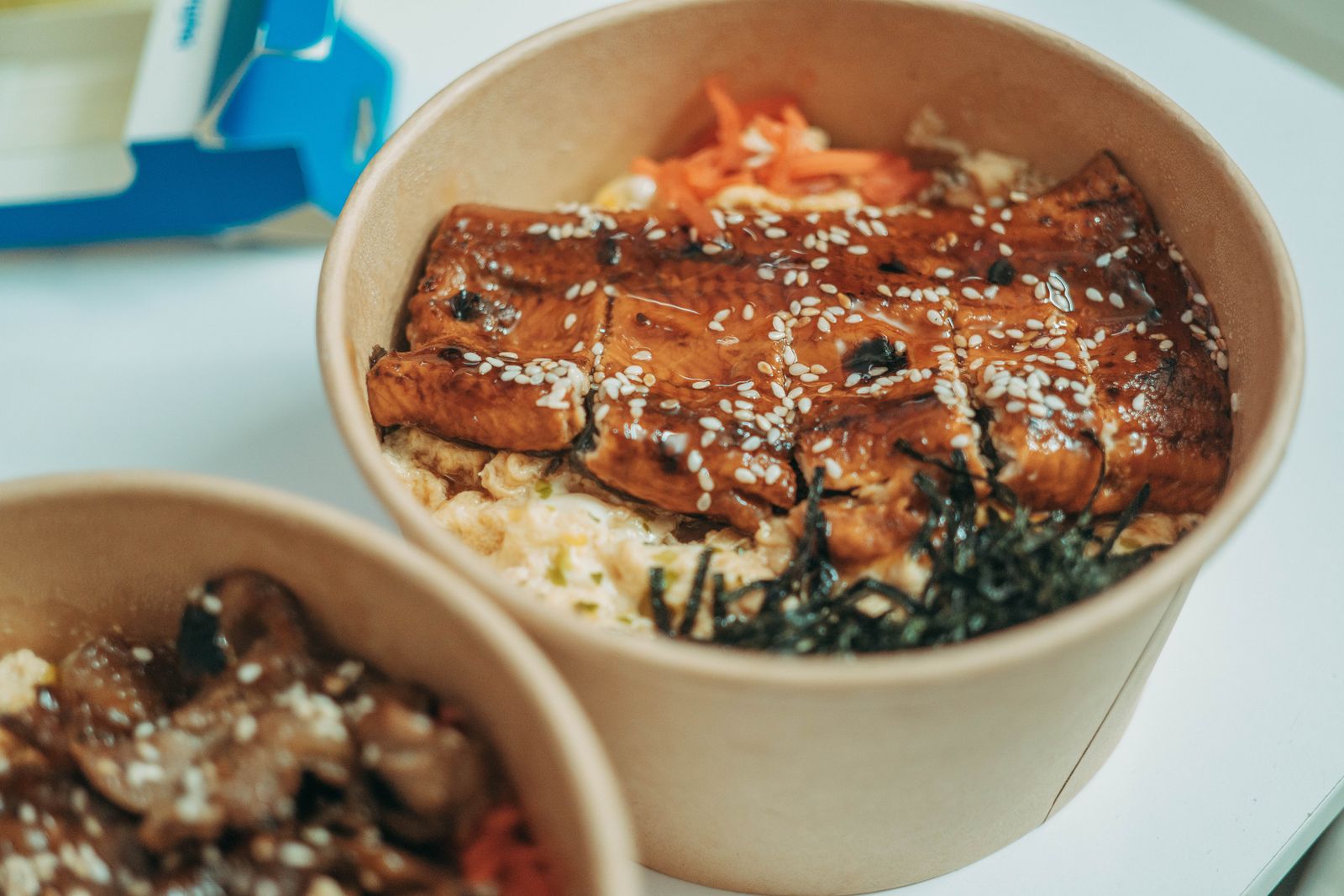
Grilled eel, cut into strips, over hot rice in a wooden ohitsu. What makes it worth the slot is not the eel — it is that the bowl is designed to be eaten three ways, and both the originating restaurant and the official council describe the same order: the first bowl plain, the second with condiments, the third with dashi or tea poured over.
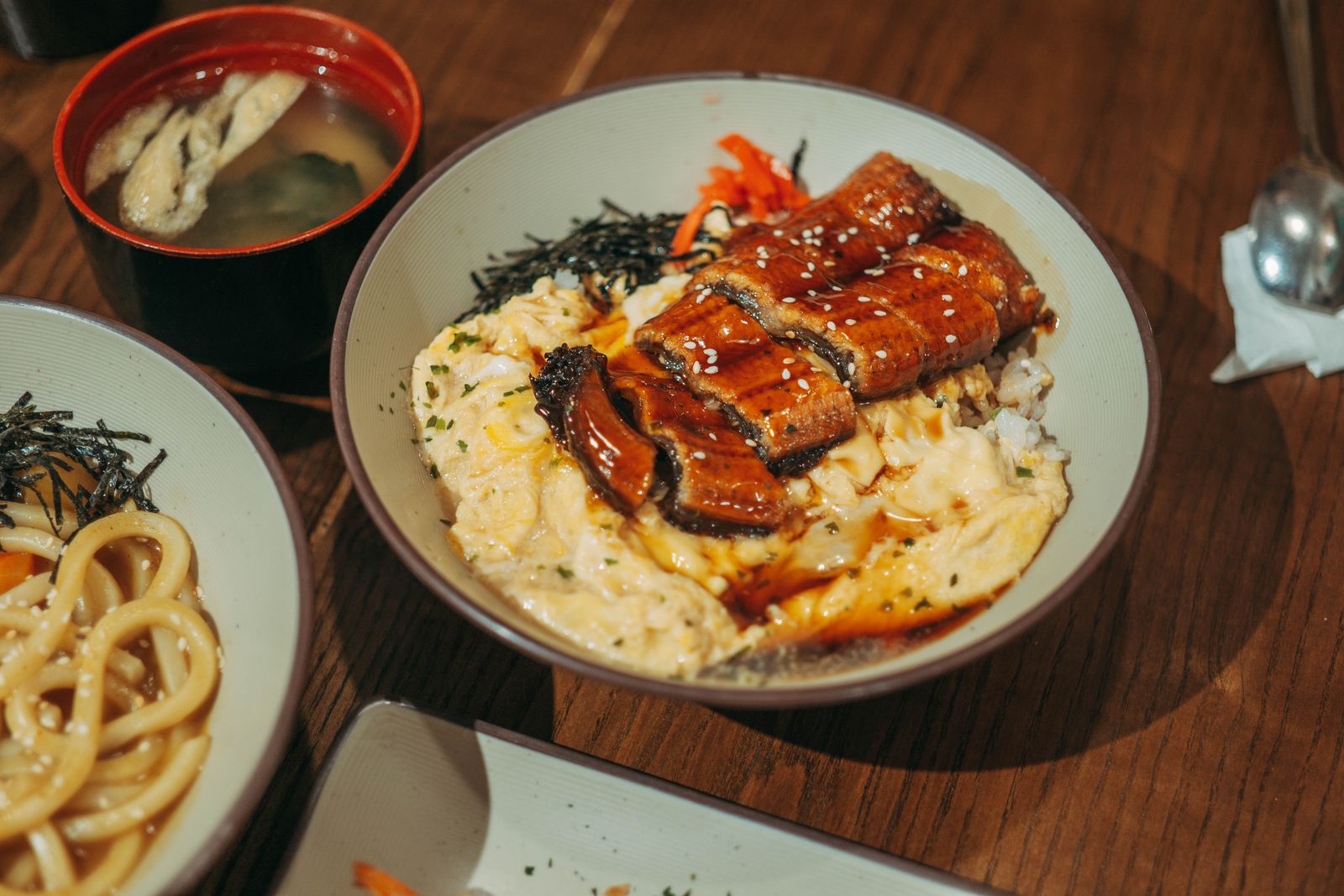
Aichi uses a heavier tamari-based sauce than you will meet elsewhere, which is the reason the third stage works at all — the flavor survives being flooded with dashi.
The restaurant that claims the invention dates itself to 1873 and tells a plain story: delivery bowls kept breaking, so the eel was chopped and mixed through the rice instead. It gives no year for the dish, and the council will only say “late Meiji, as handed down.” That is worth knowing, and it does not cost the dish a place.
2. Miso nikomi udon
The one people come back confused about, and the confusion is the point.
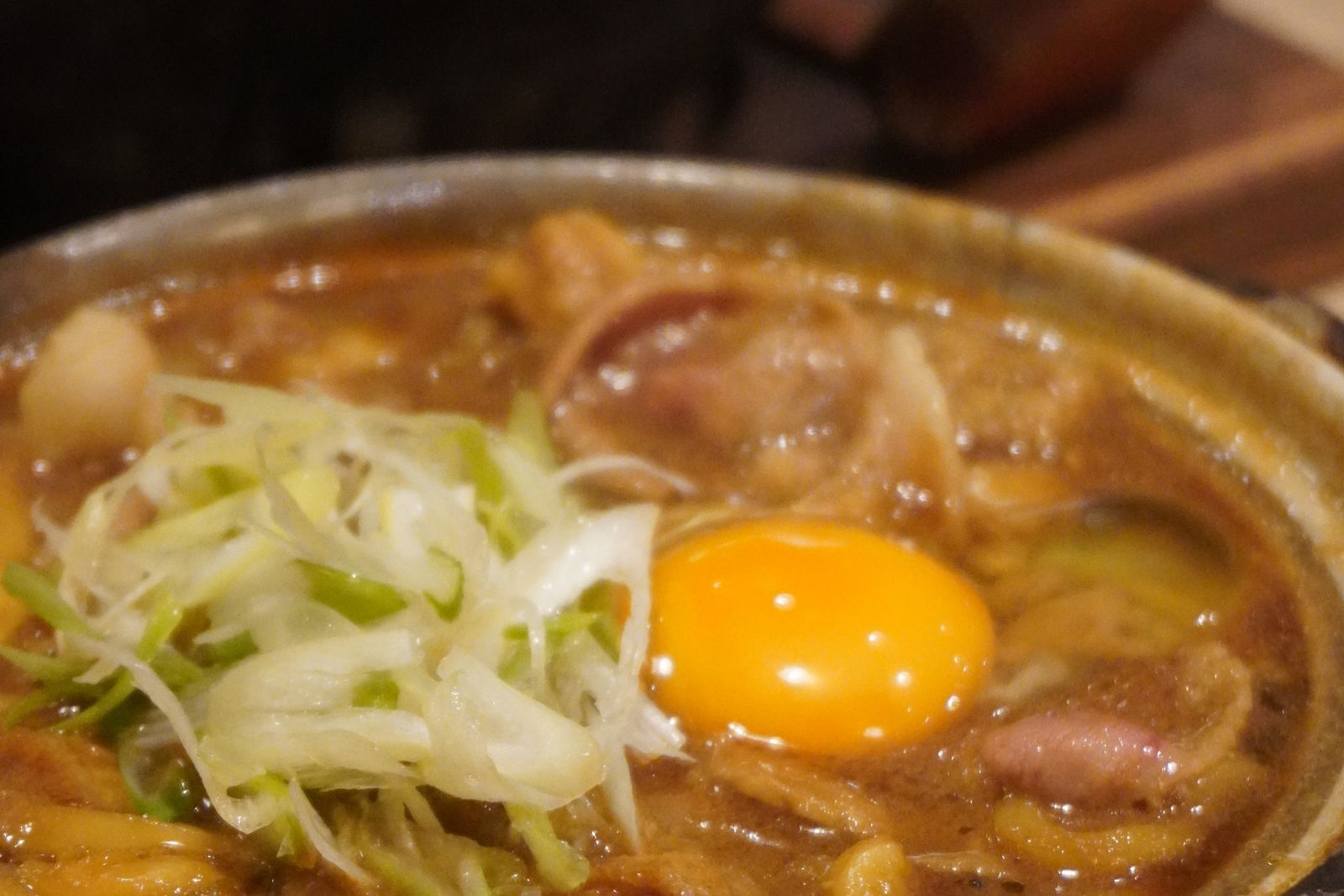
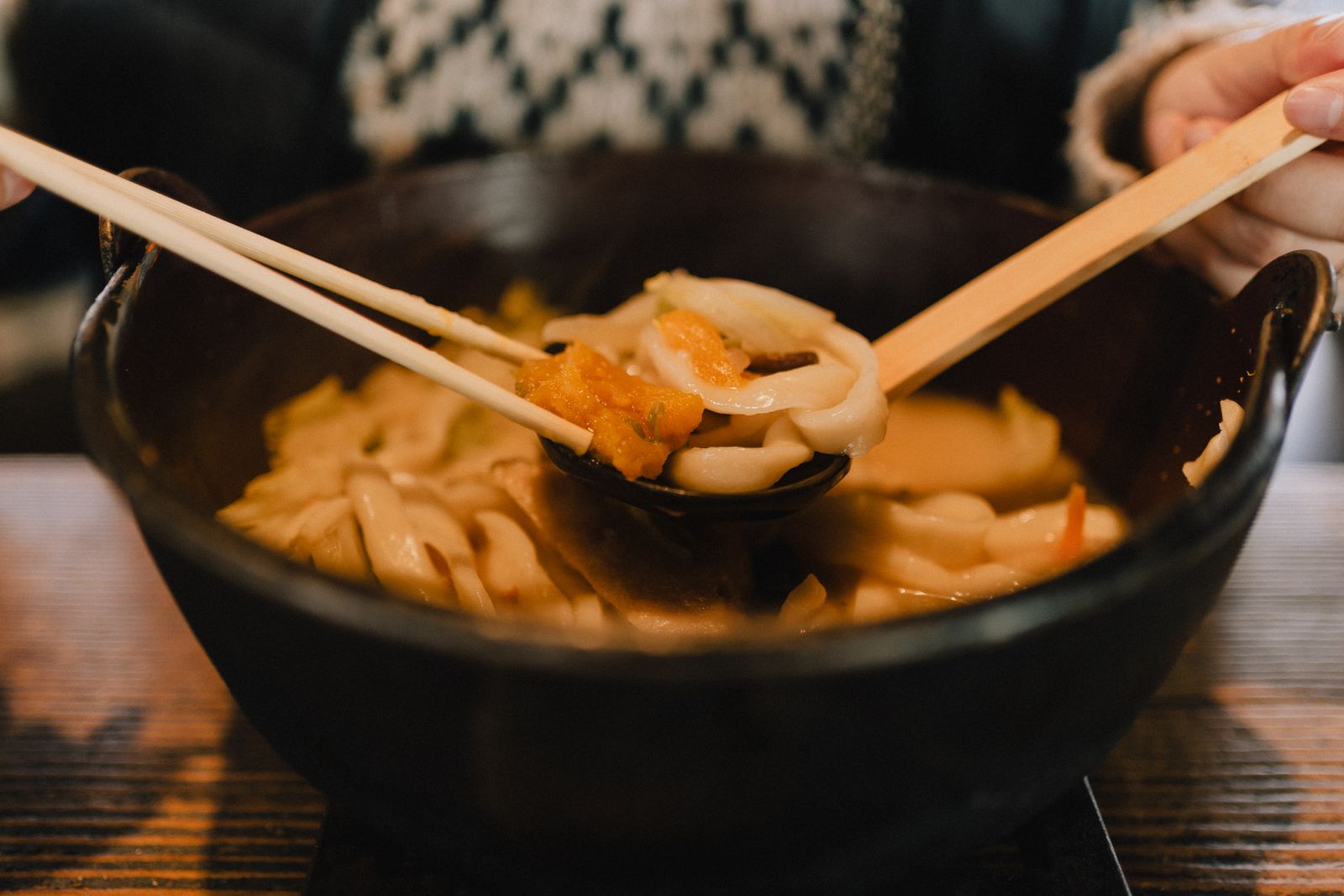
The noodle is made with flour and water and no salt — confirmed independently by the agriculture ministry and by the city’s own council. Salt is what makes udon soft and slippery. Without it the noodle stays firm through a long simmer in soybean-miso broth, and to anyone expecting normal udon it tastes underdone.
It is not underdone. It is a different noodle, built for a pot that never stops boiling, and it arrives in that pot.
This is also one of only two dishes on this page that the national agriculture ministry lists in its traditional regional cuisine database. Most Nagoya meshi is twentieth-century restaurant invention. This one is older than that.
3. Taiwan ramen
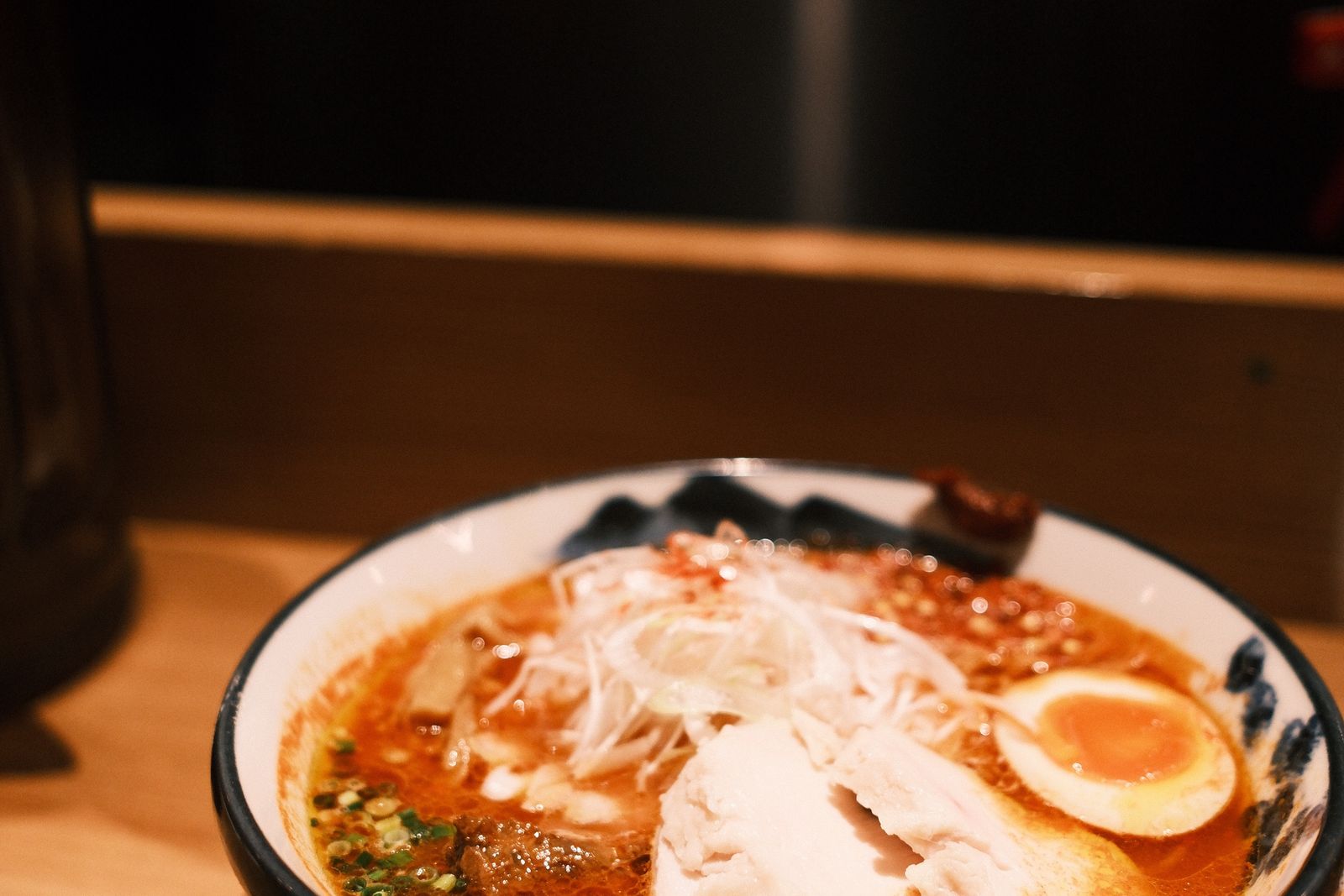
Chicken-bone broth, minced pork stir-fried hard with chilli and garlic, nira and beansprouts. It was created in Nagoya, at a Taiwanese restaurant, as staff food — the founder made it for his own kitchen before customers asked for it.
The name refers to the cook, not the dish. The restaurant is direct about this on its own site: it was born in Nagoya, spread in Nagoya, and Taiwan has a related noodle but not this one. It descends from Tainan’s danzai noodles the way a lot of good food descends from somewhere — honestly, and without pretending.
The council dates it to the Shōwa 40s, which is roughly 1965 to 1974. You will see 1971 quoted a great deal; it traces back to no primary source. Take the decade, not the year.
4. Ankake spaghetti
A 2.2 mm noodle — thicker than anything you would call spaghetti at home — boiled, then fried in lard, then buried under a thickened sauce with enough black pepper to notice.
It was developed in 1961 by a chef studying Italian cooking, who then opened a restaurant, and then two years later opened the one now carrying his name. Nearly every account collapses those into “invented at Spaghetti House Yokoi in 1963,” which his own shop’s history contradicts. The dish came first.
The name came last of all: another restaurant coined ankake spa on television, fifteen or twenty years after the food existed.
5. Tebasaki
Properly tebasaki karaage. The wing tip is mostly gelatine, fat and skin with very little meat on it — the council says so plainly, and notes the cut was once used mainly for feed. It is fried without batter, then painted with a sweet-salty sauce and dusted with pepper and sesame.
It earns fifth place and not higher for one reason: it is drinking food. Order it with beer, at night, alongside other things. If you spend one of two meals on a plate of wings you have spent it badly.
The famous origin — an izakaya took delivery of wings instead of whole birds and had to do something with them — is told by the shop itself. What the shop does not give is a year, and neither does the council. The 1963 you will see everywhere is the year the founder arrived in Nagoya, not the year of the dish.
JBJ'S TAKE
A local sauce is not a local dish.
The test JbJ applied is narrower than 'is it from here'. It is whether the thing in front of you is structurally different from what you can order at home or in Tokyo.
A noodle made without salt is structurally different. A cut of chicken fried with no batter is structurally different. Pork cutlet with a regional sauce on it is a sauce.
That is not a criticism of the sauce. It is a way of spending two meals in a city you are passing through.
Four we are not sending you to
Ebi fry
Deep-fried breaded prawn, and Nagoya’s own tourism council says on its own website that it is not from Nagoya. There are Meiji-era references to it in Japanese food writing and theories placing its invention in Tokyo. What made it a Nagoya dish was a comedian joking on television in the 1980s that ebi fry was the great local delicacy — after which, in the council’s own wording, restaurants cheerfully leaned into it until it became one.
That is a genuinely good story and a genuinely fine prawn. It is not two hours of your stopover.
Miso katsu
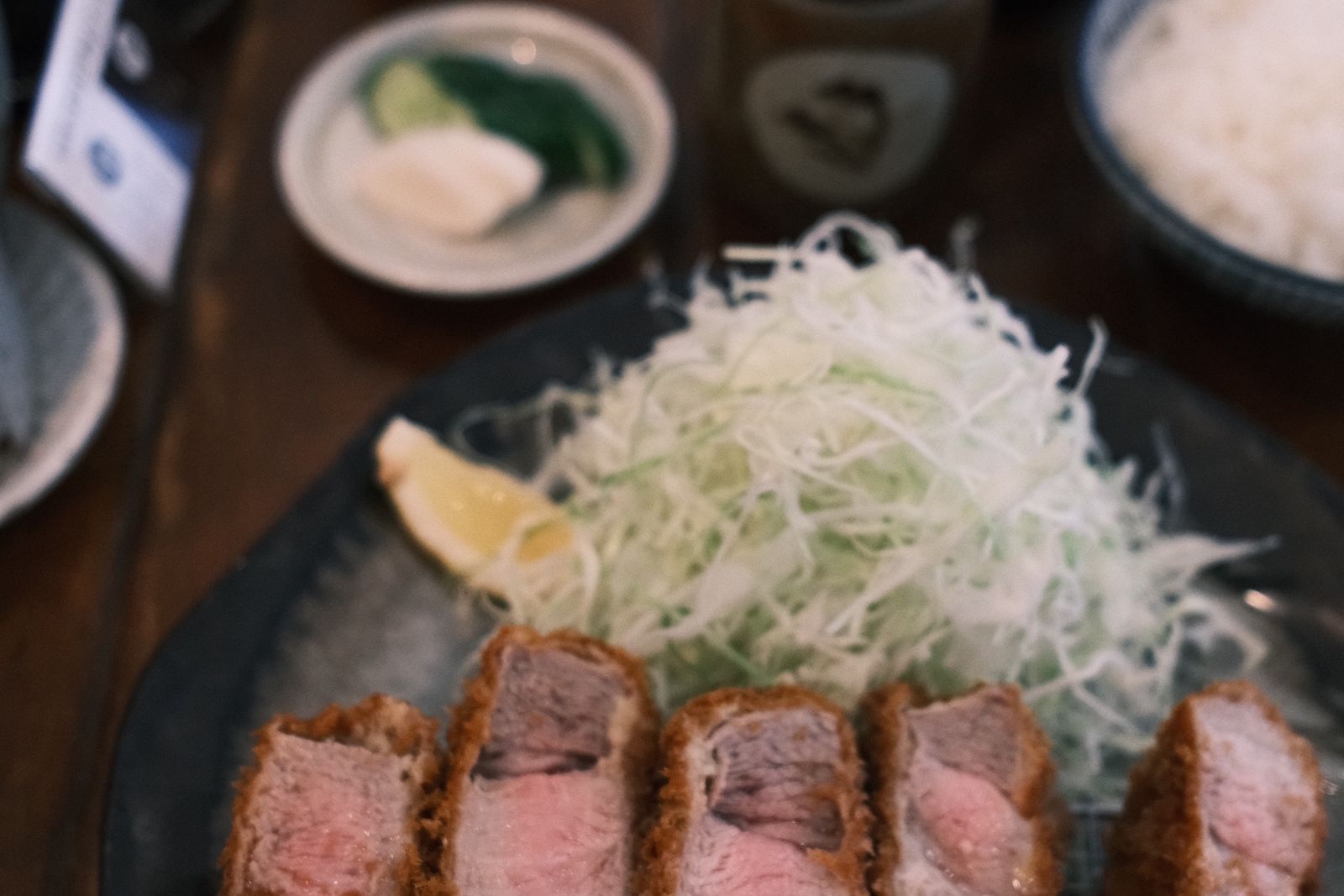
Tonkatsu with a soybean-miso sauce. It is good, and you will meet it without trying — it turns up as a side, in set meals, on top of other things. The origin is undocumented even by the promotion body, which offers only “someone dipped a kushikatsu in a pot of doteni after the war, they say,” and a competing claim sits in a different prefecture entirely.
Eat it. Do not schedule it.
Kishimen
Flat udon, about 1 mm thick and 7 to 8 mm wide, in a broth traditionally built on dried mackerel and tamari. It is the oldest thing here — the only dish on this page with documented pre-modern existence — and it is declined for exactly the reason that makes it lovable: you can eat it standing up on a platform at Nagoya Station in eight minutes, and you should.
Spending a sit-down meal on it is the mistake. Have it while you are waiting for the train.
Doteni
Pork or beef offal simmered slowly in soybean miso, often with konnyaku and daikon. Its origin is not merely undocumented — the official council states outright that the time and the shop are unknown, and that even the Meiji-onward spread is an inference.
It is a side dish and it behaves like one. Order it next to the tebasaki.
JBJ'S TAKE
The official list never promised these were invented here.
Nagoya's own definition of nagoya meshi is worth reading, because it settles an argument the internet keeps having: dishes 'widely accepted and loved in Nagoya and its surroundings, eaten widely in homes and restaurants'.
Acceptance. Not invention. Which is why ebi fry and Taiwan ramen can sit on the same official list with opposite origin facts, and why the thin origin stories behind miso katsu and doteni are not a scandal — nobody official ever claimed otherwise.
So JbJ ranked on what the food is, not on where it was born. A city that adopts a dish and makes it its own has done something real. It just is not the same as having invented it, and the pages that blur the two are selling you a story the city itself does not tell.
If you have one meal
Hitsumabushi, and do the three stages properly.
If you have two, add miso nikomi udon — the two are as far apart as this city’s food gets, and between them you will have eaten something structurally unlike anything waiting for you in Tokyo or Kyoto.
If you have an evening instead of a lunch, go to Osu, order tebasaki and doteni and a beer, and skip the ranking entirely. That is what it is for.
Before you go
Book hitsumabushi if you are stopping for one night. It is the only item here that fills up, and it is the one you came for.
If Nagoya is a break in a longer run, the two other city rankings on this site sort on different scarce resources — Osaka on whether a dish deserves a seat, and Fukuoka on what each dish asks before you can eat it. And if the dates are still open, when to go moves your trip more than any single meal will.
Dish definitions, the official twenty-two-dish list and its acceptance-based definition come from the Nagoya Meshi Promotion Council — Aichi Prefecture, Nagoya City, the Nagoya Chamber of Commerce and two tourism bodies. Noodle composition and dish dimensions come from the Ministry of Agriculture, Forestry and Fisheries. Origin accounts come from the originating establishments’ own material where they exist. Checked 2026-09-01.