Kyoto has two subway lines and a bus network for most of what they miss, so the question is which one carries each leg, and whether the ¥1,100 day pass pays. Four conditions settle it, in order (fares checked October 14, 2026).
- Where the day goes. Kiyomizu-dera, Ginkaku-ji and Kinkaku-ji have no subway station at the gate, so those are bus days, sometimes with a subway leg first. Fushimi Inari and Arashiyama are train days, on JR, Keihan or the Randen tram, and the city’s day pass covers none of those trains.
- How you leave Kyoto Station. The city’s tourism association steers visitors off the direct 206 and 205 buses: take the Karasuma subway line a few stops first, then a less crowded bus.
- Your suitcase and the clock. The city asks riders not to bring large luggage onto buses. The last 206 from Gion back to Kyoto Station leaves before 22:00; the subway runs until about midnight.
- The count. A city bus ride costs ¥230, a subway ride ¥220–360. The Subway & Bus 1-Day Pass costs ¥1,100, so it pays from the fifth bus ride of the day, or sooner when the ¥500 weekend express buses are part of it. Fewer rides, or a JR day: tap an IC card.
Landing at Kansai Airport Terminal 1, with bus days ahead in Kyoto?
Kyoto City Subway and Bus 1 Day Ticket on Klook
Per the listing, this one-day Kyoto subway and bus ticket is collected at a desk in KIX Terminal 1, not in Kyoto. It helps only if you pass that desk on the way in.
Check the Kyoto Subway and Bus 1 Day Ticket on Klook →Sold on Klook (Klook Travel Technology Limited), an online travel agency; the buses and subway are run by Kyoto City. Per the listing, the voucher is exchanged for the pass at the Limon Welcome Desk in Kansai Airport Terminal 1, not in Kyoto. Before you book, check on the listing: the desk's hours, what the ticket covers, the cancellation terms and the price in your currency.
First: where your day goes, and whether a subway station is near it
The Karasuma line runs north to south through Kyoto Station. The Tozai line crosses it east to west. Most of the sights a first visit is built around sit in the east and north of the city, off both lines. This is how each one is reached, according to the temples’ own access pages and the Kyoto City Tourism Association.
| Sight | How it is reached | Covered by the day pass? |
|---|---|---|
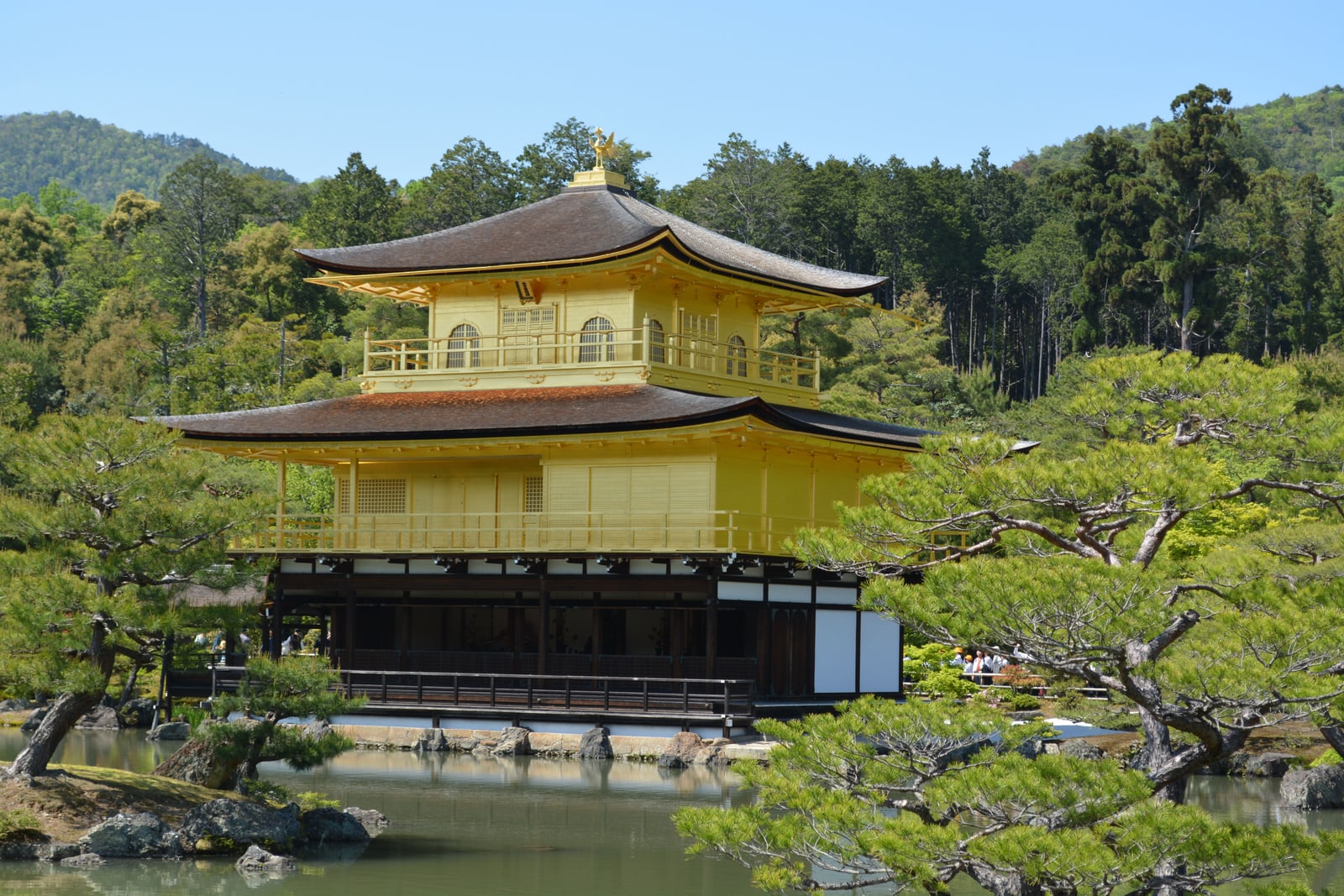
| Kiyomizu-dera | Bus 206 or 100 from Kyoto Station to Gojozaka, then a 10-minute walk; or the Karasuma line to Kujo (¥220, about 2 minutes) and bus 202 or 207 to Gojozaka | Yes |
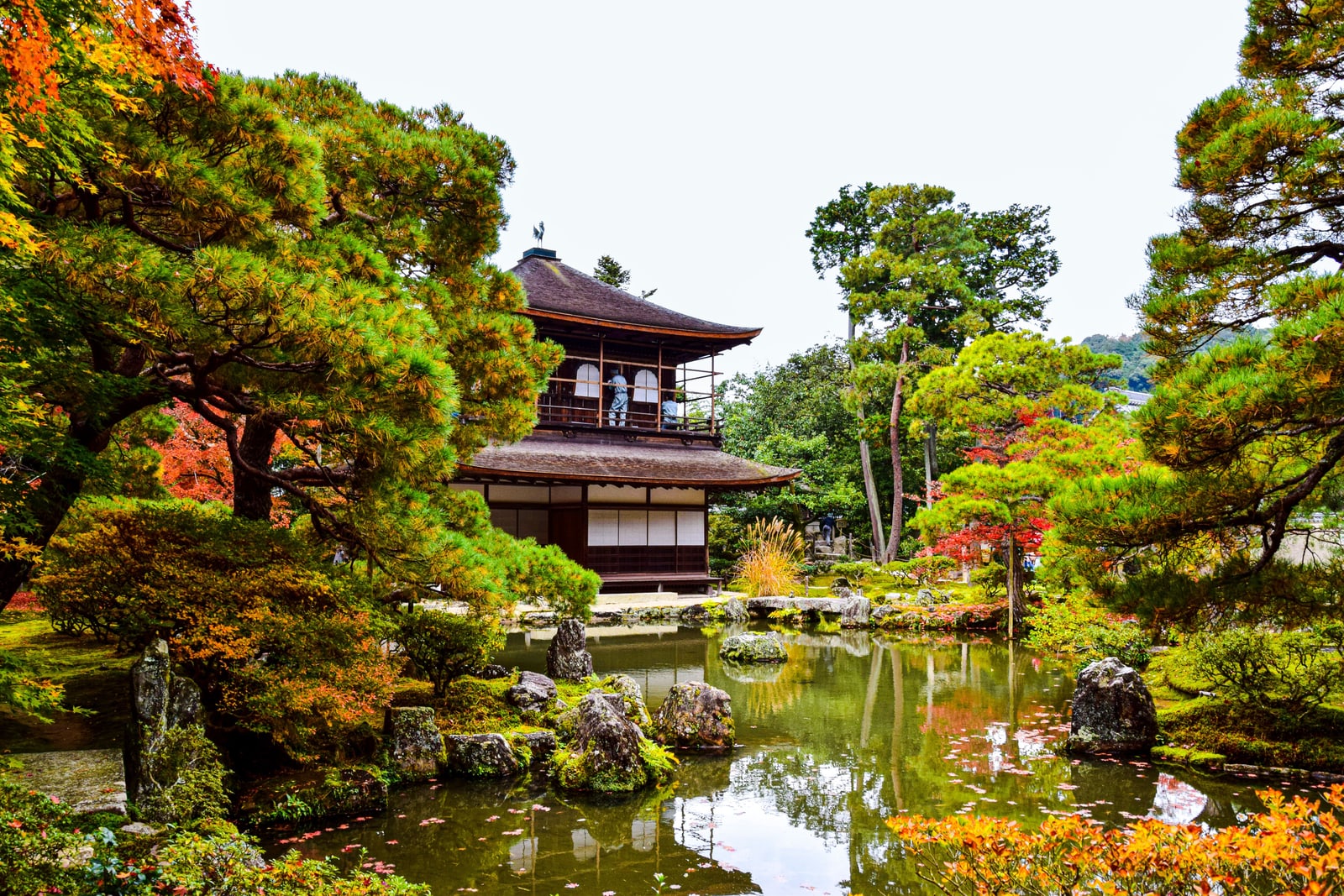
| Ginkaku-ji | Bus only: 5, 7, 32, 102, 203 or 204 to Ginkakuji-michi; EX100 or 105 to Ginkakuji-mae | Yes |
| Kinkaku-ji | Karasuma line to Kitaoji, then bus 204 or 205 for about 11 minutes, then a 5-minute walk | Yes |
| Nijo Castle | Subway from Kyoto Station or Sanjo-Keihan | Yes, and pass holders pay ¥700 instead of ¥800 to enter |
| Fushimi Inari | JR from Kyoto Station to Inari, 5 minutes, ¥150; or Keihan from Gion-Shijo, about 22 minutes, ¥240 | No |
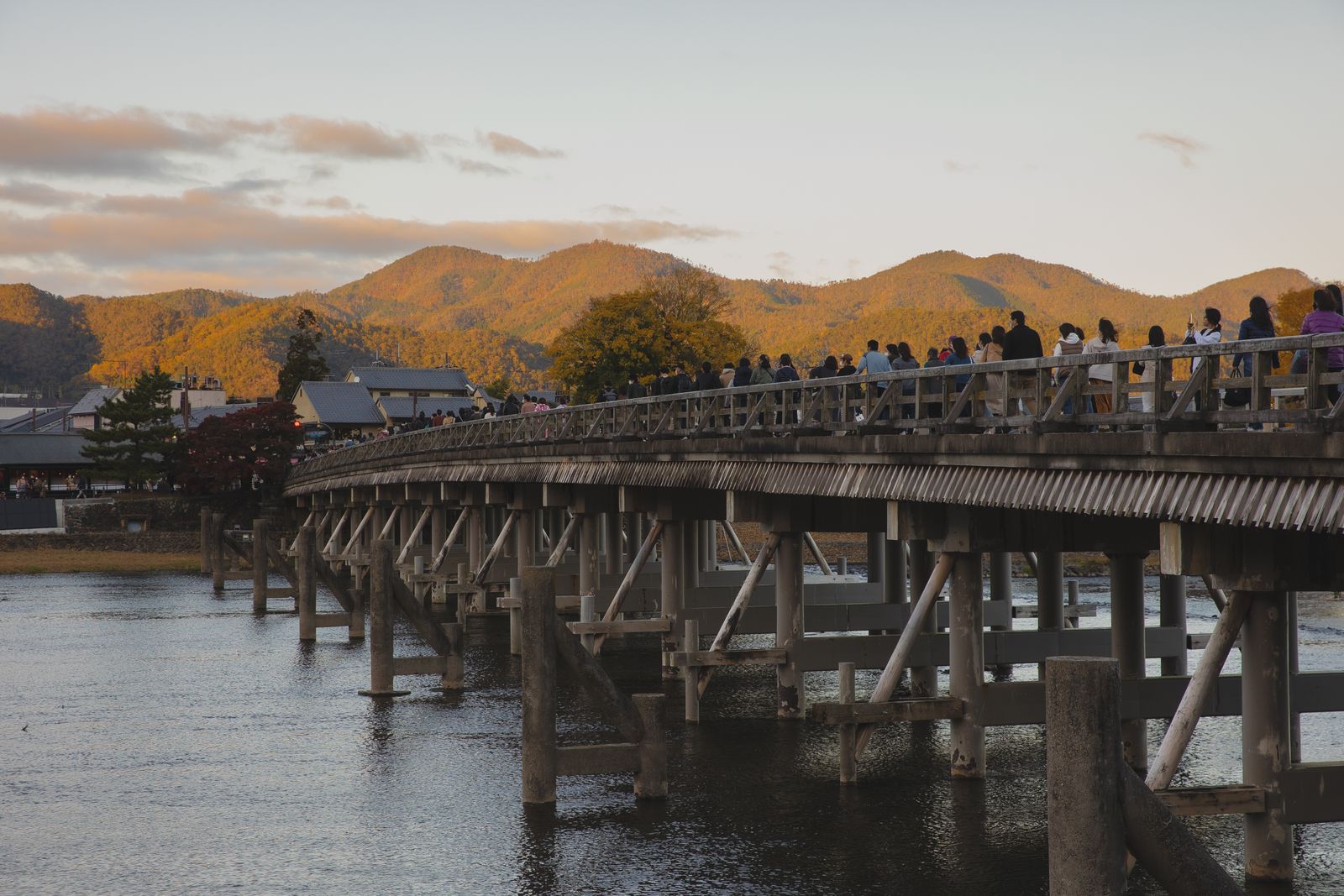
| Arashiyama | JR Sagano line to Saga-Arashiyama, about 11 minutes, ¥240; or the Randen tram from Shijo-Omiya | No (only the bus) |
Ginkaku-ji is the clearest case. Its access page lists bus routes and nothing else, so a day there is a bus day whatever else you do.
Kiyomizu-dera has a train station, but Keihan’s Kiyomizu-Gojo is about 25 minutes on foot from the gate. The subway’s Higashiyama station is about 35 minutes away, along Nene-no-michi, Ninenzaka and Sannenzaka. That walk is a sightseeing route in its own right, not a transfer.
Fushimi Inari and Arashiyama: this is where the bus drops out
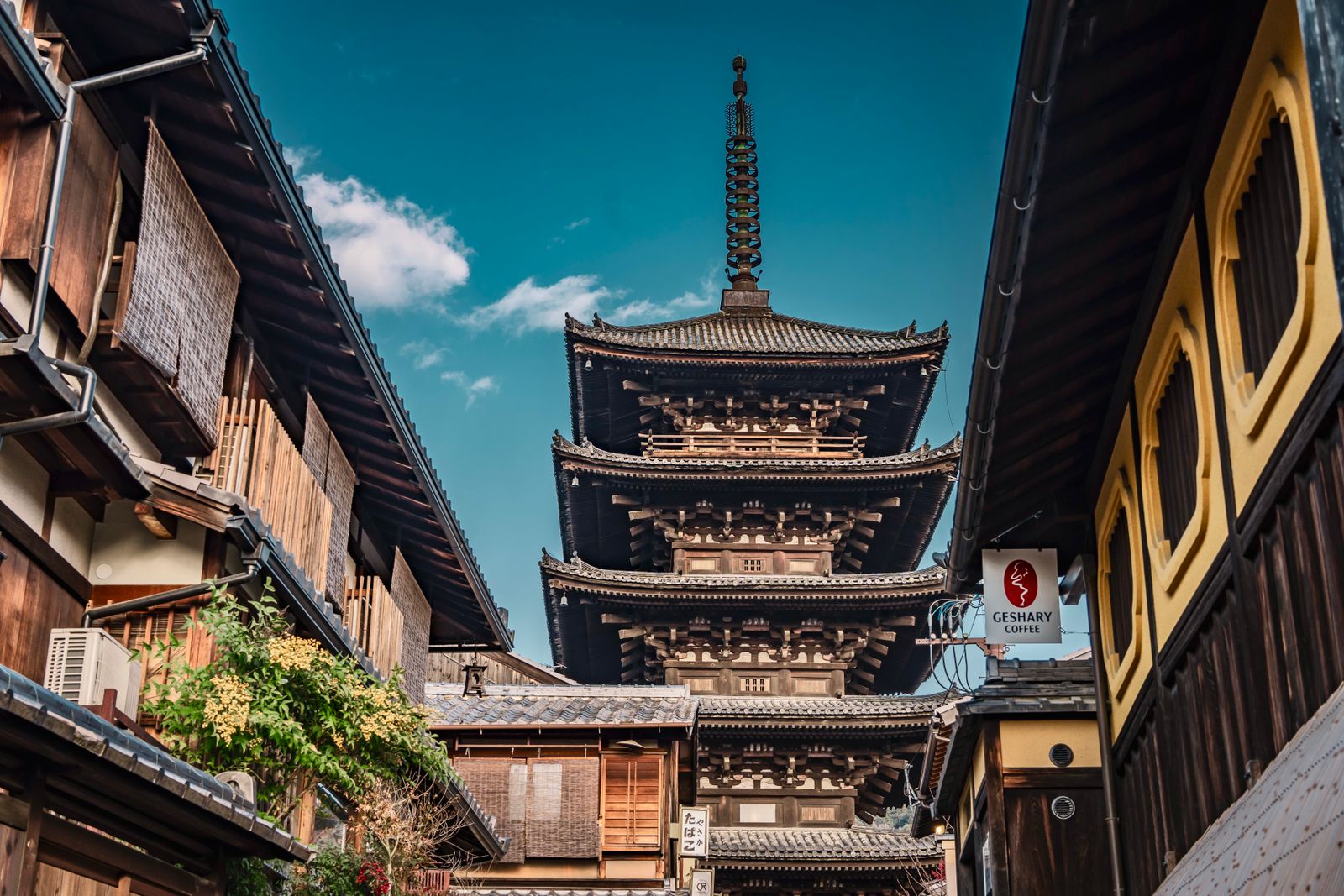
For these two, the bus is the option to leave out. The tourism association describes the buses from Kyoto Station to Arashiyama as crowded and slow. The JR Sagano line covers the same trip in about 11 minutes; it gets crowded too, but it does not sit in traffic. Fushimi Inari is one JR stop, five minutes from Kyoto Station.
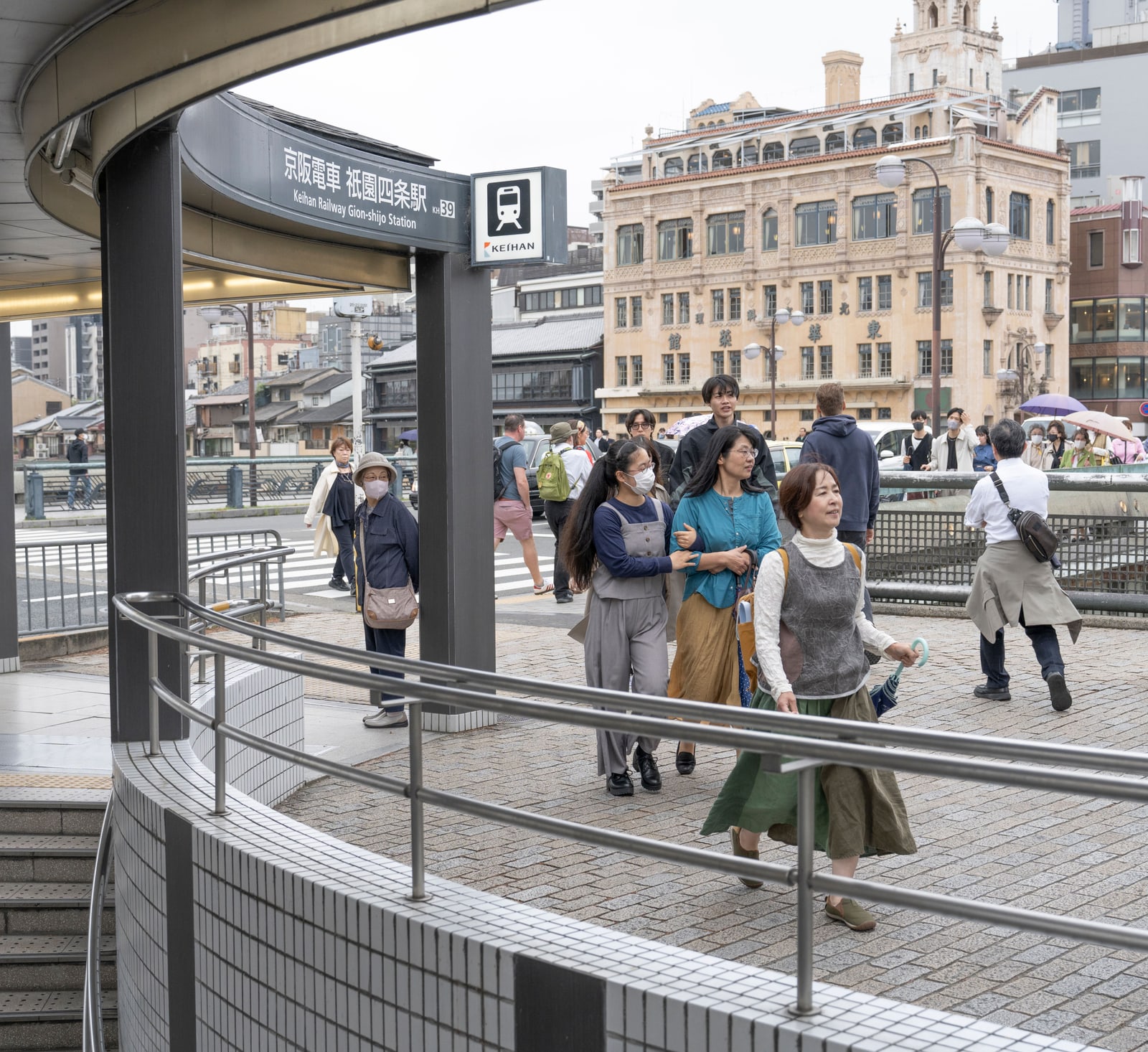
A day built around these two sights is a JR or Keihan day. The day pass covers none of those trains.
Second: leave Kyoto Station by subway, not the 206 or 205
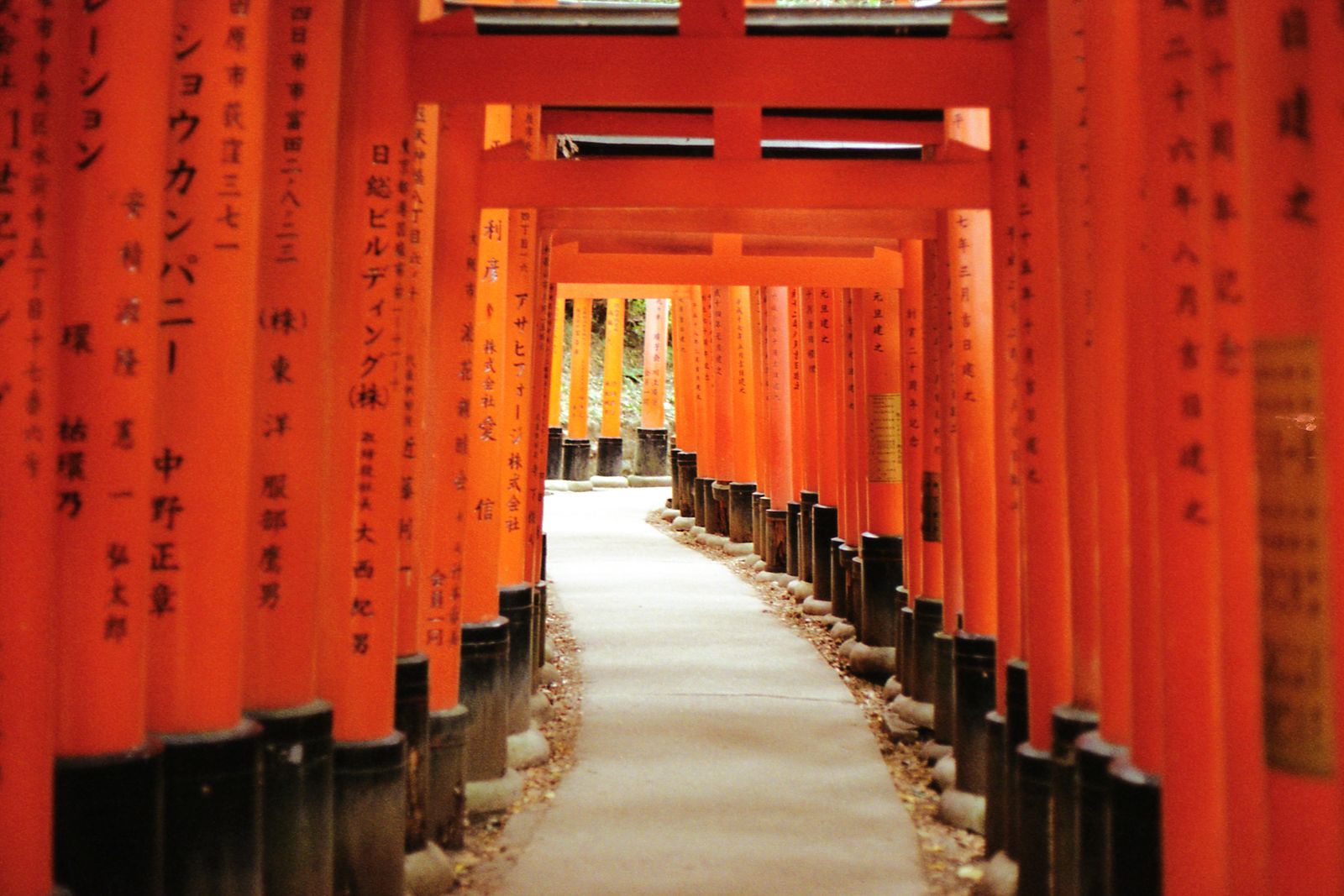
Most sightseeing days start at the bus terminal in front of Kyoto Station. For two of its busiest routes, the tourism association advises against riding the bus all the way.
To Kiyomizu-dera. The 206 “tends to get crowded,” and the bus route to Gojozaka is “frequently congested.” The alternative the association gives: ride the Karasuma line one stop to Kujo, then bus 202 or 207 from the Subway Kujo Sta. (Oishibashi) stop to Gojozaka. It describes that bus as relatively uncrowded.
To Kinkaku-ji. The 205 from the station “takes a very long time” because of its many stops and the crowding. Take the Karasuma line to Kitaoji instead and catch the 204 or 205 at the Blue Bus Stop (stops E to G).
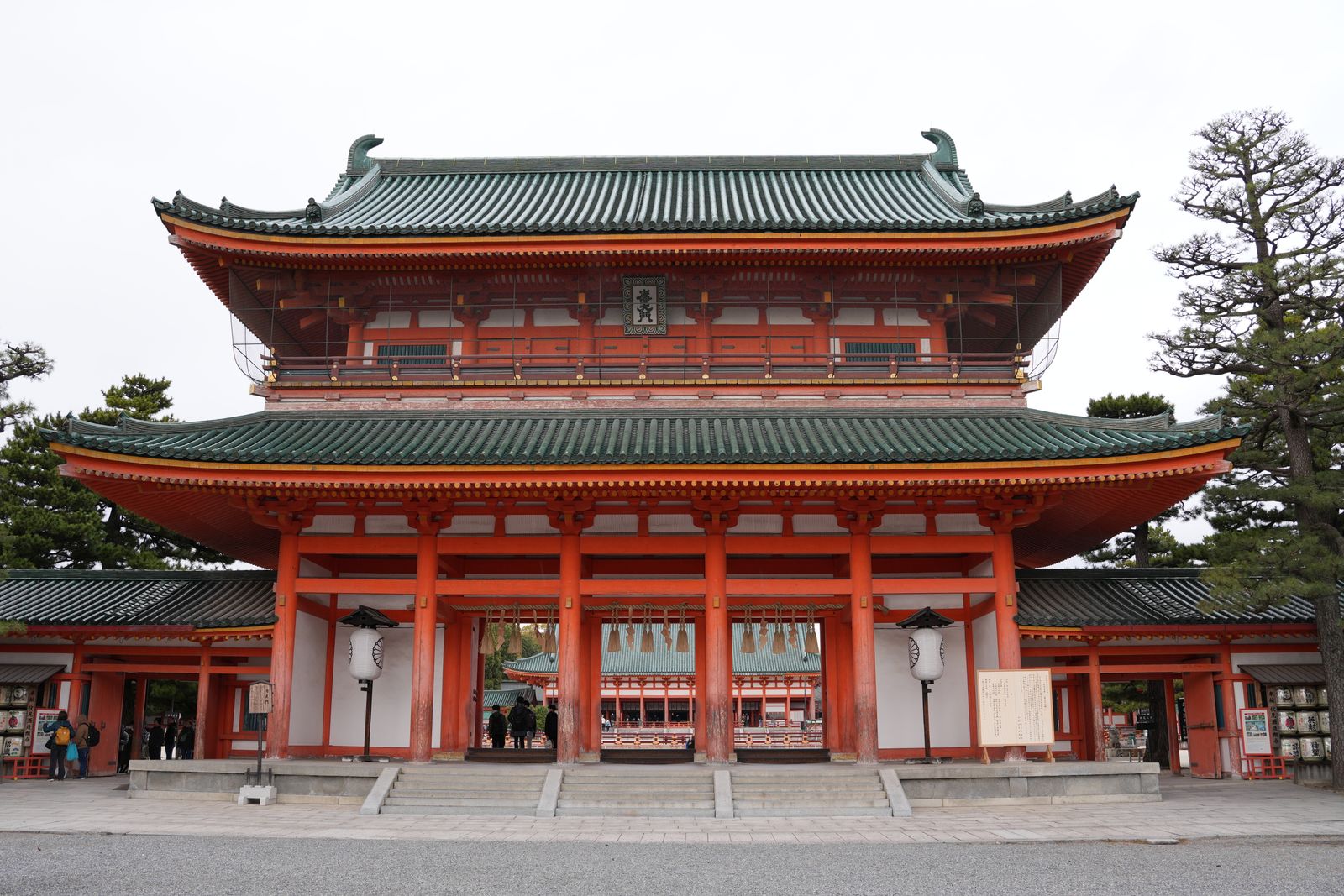
On weekends and holidays the EX100 and EX101 express buses run from Kyoto Station to Gojozaka. The EX100 continues through Gion, Okazaki (for Heian Shrine) and Ginkaku-ji before looping back. A ride costs ¥500, or nothing extra on the day pass. On these buses you board at the front and pay as you get on, the reverse of every other city bus.
Coming back, the association says evening buses from Kiyomizu to Kyoto Station get especially crowded. It suggests taking the 202 or 207 to Kujo and the subway from there. In tourist season the Gojozaka “A” stop is closed, so board at Kiyomizu-michi “D” instead. That advice is from January 2024, so check the stop on the day.
Third: your suitcase, and what time you head back
Luggage. Kyoto’s Transportation Bureau asks passengers not to bring large luggage onto city buses. This is a request, and the driver makes the call: there is no ban and no fee. Still, a full bus at Kyoto Station is a bad place to find out where your driver stands. The city’s hands-free service delivers bags from Kyoto Station to your accommodation the same day if you drop them before 2 p.m. Some accommodations are not covered. If you arrive after the cutoff with bags and your hotel is not near a subway station, a taxi is the door-to-door option left.
The last ride. The last 206 from Gion to Kyoto Station leaves at 21:56 on weekdays and 21:58 on weekends and holidays. On weekends and holidays, the last 28 from Arashiyama leaves at about 22:00. The subway keeps going: the last northbound Karasuma train from Kyoto Station leaves at about 23:47, and the last Tozai trains leave Sanjo-Keihan at about 23:49 westbound and 23:58 eastbound. After a late dinner in Gion, then, you walk to a station. Late-night buses charge an extra fare even on the day pass.
Crowds. The city publishes a congestion forecast for 11 sights. It rates each hour from 6:00 to 23:00 on a five-step scale. Check it before you pick the hour for Kiyomizu-dera.
Fourth: count the rides, then decide where the pass comes from
A city bus ride costs ¥230 in the flat-fare zone. A subway ride costs ¥220 for under 3 km and rises to ¥360 for over 15 km. The EX100 and EX101 cost ¥500.
The Subway & Bus 1-Day Pass is ¥1,100 for adults and ¥550 for children. It covers both subway lines, every city bus route, and some Kyoto Bus, Keihan Bus and JR bus routes. It does not cover JR trains, Keihan trains or the Randen. It is valid for one calendar day, not 24 hours: the date is printed on it the first time it goes through a ticket gate. A subway-only day pass costs ¥800.
| Day | Rides at single fares | Total | Cheaper option |
|---|---|---|---|
| Kiyomizu-dera and Ginkaku-ji, weekday: subway to Kujo, bus to Gojozaka, bus to Ginkaku-ji, bus back | ¥220 + ¥230 × 3 | ¥910 | IC card, by ¥190 |
| The same sights on a weekend: EX101 out, one city bus, EX100 back from Ginkaku-ji | ¥500 + ¥230 + ¥500 | ¥1,230 | Pass, by ¥130 |
| Kinkaku-ji and Ginkaku-ji: subway to Kitaoji, bus to Kinkaku-ji, bus 102 or 204 across, bus back | ¥220–360 + ¥230 × 3 | ¥910–1,050 | IC card; one more ride and the pass wins |
| Fushimi Inari and Arashiyama by JR: Kyoto–Inari and back, Kyoto–Saga-Arashiyama and back | ¥150 × 2 + ¥240 × 2 | ¥780, all JR | IC card; the pass covers none of it |
The line falls at five bus rides, or two express rides plus one more bus. Four rides or fewer, or a train day, and an IC card is cheaper.
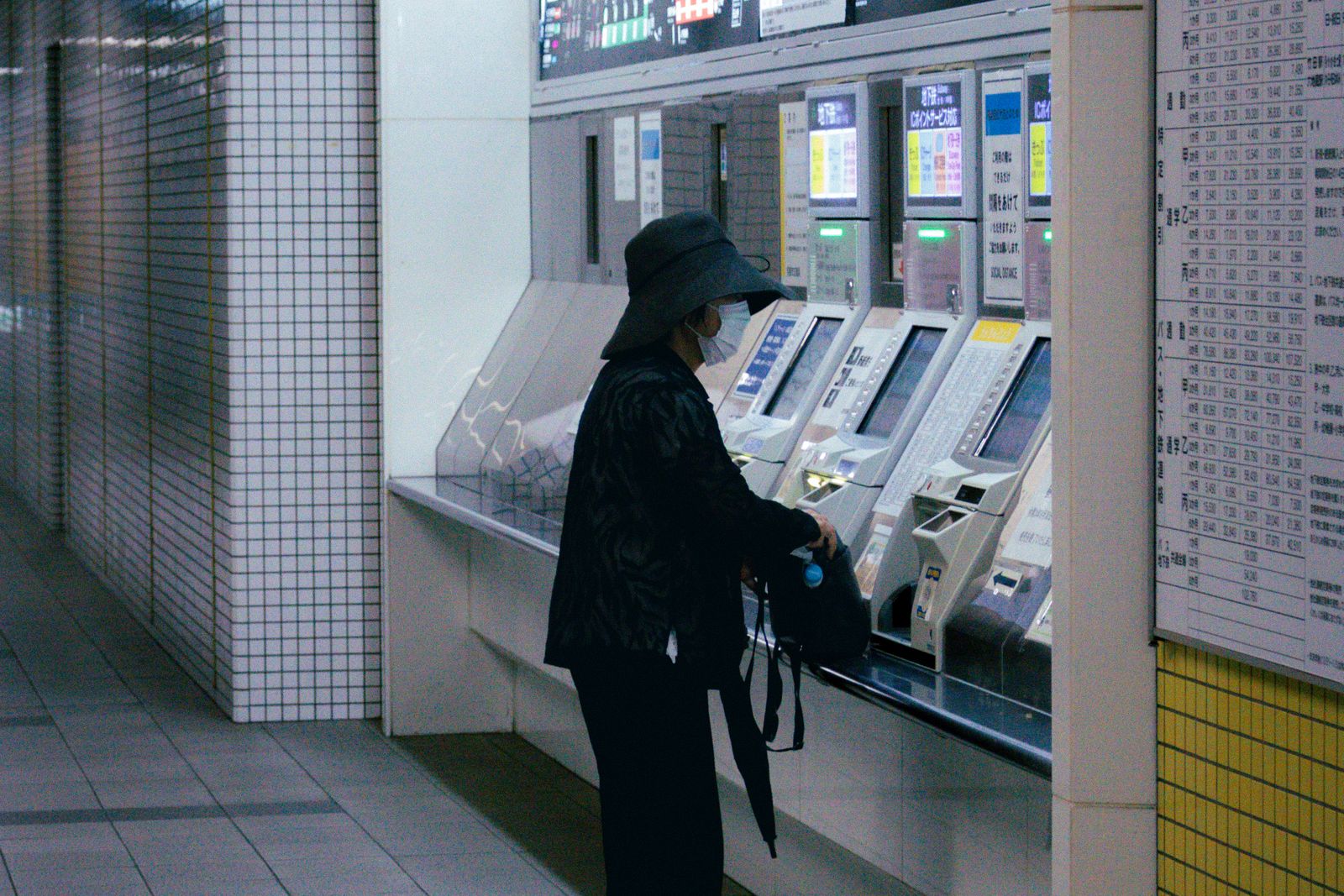
Where the pass comes from. The city sells it for ¥1,100 at subway stations, at the Bus & Subway Information Center, on any city bus (where it can sell out), and at some convenience stores, tourist information centers and hotels. You can buy it ahead, because the date only starts at the first gate. The Klook voucher is different: according to its listing, it is exchanged for the pass at the Limon Welcome Desk in Kansai Airport Terminal 1 and cannot be redeemed in Kyoto.
That gives three cases:
- You land at KIX Terminal 1, and one of your first Kyoto days counts five bus rides or uses the weekend express buses. Collect the pass at the desk on your way to the train. It waits until the day you first put it through a gate.
- You arrive by Shinkansen, do not pass through Terminal 1, or will land outside the desk’s hours (they are on the listing). Buy the pass at a Kyoto subway station on the morning you need it. The city’s price is ¥1,100.
- Your days run under five rides, or mostly on JR and Keihan. Skip the pass and tap an IC card.
Arriving at KIX Terminal 1 with a five-ride bus day planned?
Kyoto City Subway and Bus 1 Day Ticket on Klook
Per the listing, this one-day Kyoto subway and bus ticket is exchanged at the Limon Welcome Desk in Terminal 1 and cannot be redeemed in Kyoto. Check the desk's hours on the listing against your landing time.
Check the Kyoto Subway and Bus 1 Day Ticket on Klook →Sold on Klook (Klook Travel Technology Limited), an online travel agency; the buses and subway are run by Kyoto City. Per the listing, the voucher is exchanged for the pass at the Limon Welcome Desk in Kansai Airport Terminal 1, not in Kyoto. Before you book, check on the listing: the desk's hours, what the ticket covers, the cancellation terms and the price in your currency.
So it works on the first ride
- IC cards. ICOCA, Suica, PASMO, PiTaPa and the other national IC cards work on every city bus and both subway lines. KANSAI ONE PASS, a card sold only to foreign visitors, is available at the Bus & Subway Information Center at Kyoto Station. Credit and debit cards are not accepted on city buses, and neither is the Japan Rail Pass.
- On the bus. Board through the rear door and get off at the front, paying by card, cash or pass as you leave. The fare on the screen at the front is the adult fare. The EX buses work the other way around.
- From the airport. The Haruka takes about 80–85 minutes from KIX to Kyoto Station. Haruka or Rapi:t covers the airport train choice.
Next
Write each day’s sights against the first table, then count that day’s bus rides. Five or more, or the weekend express buses, makes it a pass day. Decide then where you will pick the pass up: the KIX desk if you land at Terminal 1, otherwise a Kyoto subway station that morning. Every other day goes on the IC card.
If your hotel is not booked yet, where to stay in Kyoto ranks areas by how late a train or bus still gets you back. Kyoto in 2 days sequences the sights in the table, and for Fushimi Inari and Uji by Keihan, see whether the Keihan pass pays.