The answer, in the order the conditions decide it (checked October 10, 2026):
- Your five days decide it. The pass is ¥6,500 per adult for five consecutive days from first use. It pays only if the big legs, Nikko and the ride in from Narita, fall inside those five days.
- Nikko is the leg that carries it. Asakusa to Tobu-Nikko and back is ¥2,786 on an IC card. Add the Keisei ride from Narita (¥1,052) or a second day trip, and six to fourteen subway rides cover the rest.
- It does not ride JR, the Tokyo Monorail, the Skyliner’s route, Enoden or the buses in Nikko. Limited-express seats are always extra.
- A city-only week does not pay. You would need about 26 subway rides in five days. The Tokyo Subway Ticket or plain Suica wins.
Nikko or a Narita arrival inside your five days?
Greater Tokyo Pass on Klook
Klook lists the Greater Tokyo Pass: five consecutive days on 13 private railways and subways and Toei buses around Tokyo, no JR. The council's own price is ¥6,500 per adult; compare the listing's price with it.
Check the Greater Tokyo Pass on Klook →Listed on Klook (Klook Travel Technology Limited), an online travel agency; the trains are run by the railways of the Greater Tokyo Pass Council. The council's own price is ¥6,500 per adult. Before you pay, check on the listing how the pass reaches your phone, who is eligible, and the cancellation terms.
First: which five days you have
The pass is sold by the Greater Tokyo Pass Council, a group of 13 railways. Its terms set the limits a planner has to work around.
- Price: ¥6,500 adult, ¥3,250 child (ages 6 to 11).
- Five consecutive days from first use. Each day runs from 3:00 a.m. to 2:59 a.m. the next morning. The voucher stays valid for three months from purchase, so you can buy early.
- Who can use it: non-Japanese visitors to Japan, carrying a passport. On the council’s own sales site, payment must be by a credit card issued outside Japan. One digital pass can hold up to eight people.
- No automatic gates. You press “Use” on your phone and show the in-use screen to station staff at the staffed gate, or to the driver on a tram or bus. A screenshot is not accepted.
- Refunds only before first use, through whoever sold it to you. Once started, no refund or extension, even if trains are cancelled.
The five-day window is the first filter. A week in Tokyo usually puts your arrival and departure more than five days apart, so the pass can cover one airport leg, not both. Start it on the day you land, and your day trips must fall in days two to five.
Line 1: the airport leg, on Keisei’s Main Line
Keisei’s Main Line from Narita Airport to Keisei Ueno is covered. The fare is ¥1,052 by IC card, about an hour and a half on a Main Line limited express. Keisei states that no limited-express fare is needed on that train.
The fast trains are a different matter. The pass excludes the Hokuso Line section between Keisei Takasago and Imba-Nihon-idai. The Skyliner and the Access Express both run that way. The Skyliner, as little as 41 minutes to Keisei Ueno, also carries a seat charge. Take the Skyliner and the pass saves nothing on that leg.
From Haneda, Keikyu is a council member: Haneda Airport Terminal 3 to Shinagawa is ¥327. The Tokyo Monorail is excluded.
Line 2: Nikko, the leg that carries the pass
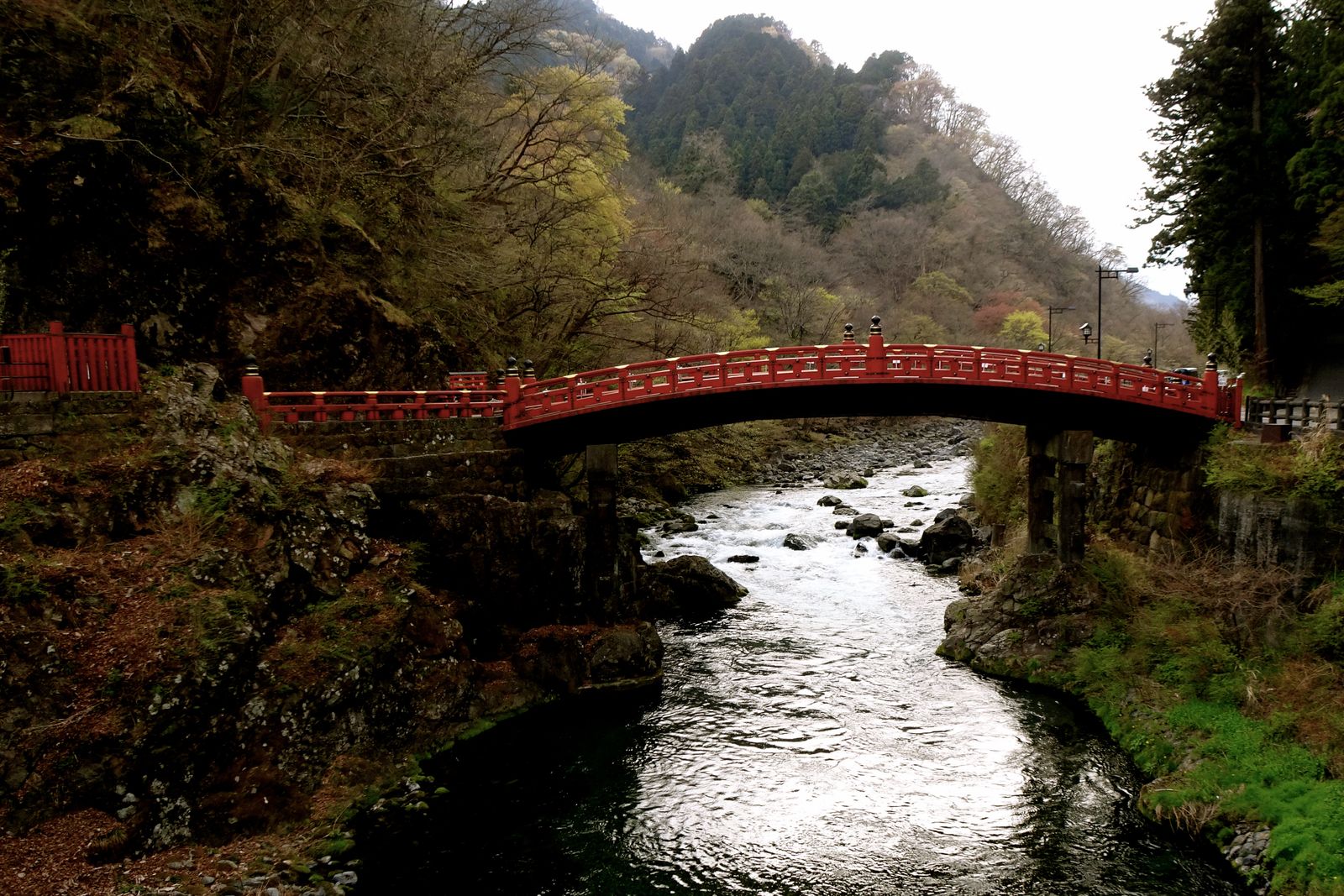
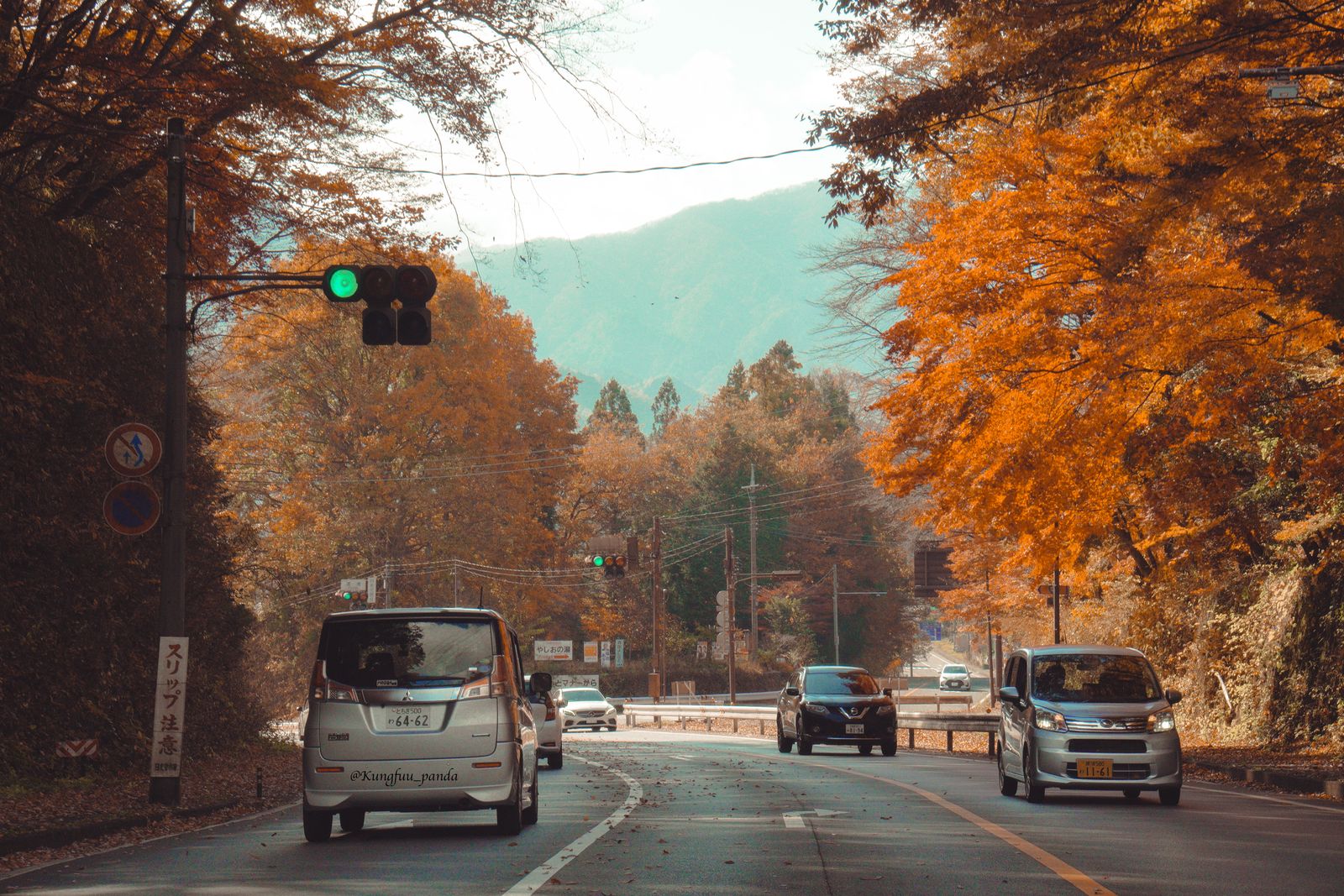
Tobu Railway is a council member, and the council’s own sightseeing map includes Nikko Toshogu. Asakusa to Tobu-Nikko is ¥1,393 each way by IC card, ¥2,786 for the day.
Two things change that number.
- Time. With no surcharge, the trip is a chain of rapid and local trains, about two and three-quarter hours to over three hours each way, with two or three changes. The limited express is faster, but its seat is extra. Ekitan showed ¥1,650 for a Revaty Kegon seat on October 10, 2026; Tobu’s charge varies by train and date.
- The buses in Nikko. The pass covers no bus except Toei’s, and the buses from Tobu-Nikko station to the shrines and up to Lake Chuzenji are Tobu buses.
Tobu’s own NIKKO PASS World Heritage Area is the competitor for a Nikko-only trip. It is ¥3,000 adult for two days: one round trip from Asakusa to Shimo-Imaichi, the Tobu lines to Tobu-Nikko, and the Tobu buses in the World Heritage area. The limited-express ticket is extra here too. If Nikko is your only long trip, that pass covers the buses the Greater Tokyo Pass does not.
Line 3: the shorter day trips
The council’s map names Mt Takao, Enoshima, the Yokoze area in Chichibu, Yokohama and Naritasan. These are the IC fares each way, without limited-express seats:
- Enoshima: Shinjuku to Katase-Enoshima on Odakyu, ¥649, about 1 hour 7 minutes.
- Kawagoe: Ikebukuro to Kawagoe on the Tobu Tojo Line, ¥481, about 33 minutes.
- Chichibu: Ikebukuro to Seibu-Chichibu on Seibu, ¥800, about 1 hour 50 minutes.
- Mt Takao: Shinjuku to Takaosanguchi on Keio, ¥430, about an hour.
- Yokohama: Shibuya to Motomachi-Chukagai on Tokyu and Minatomirai, ¥533.
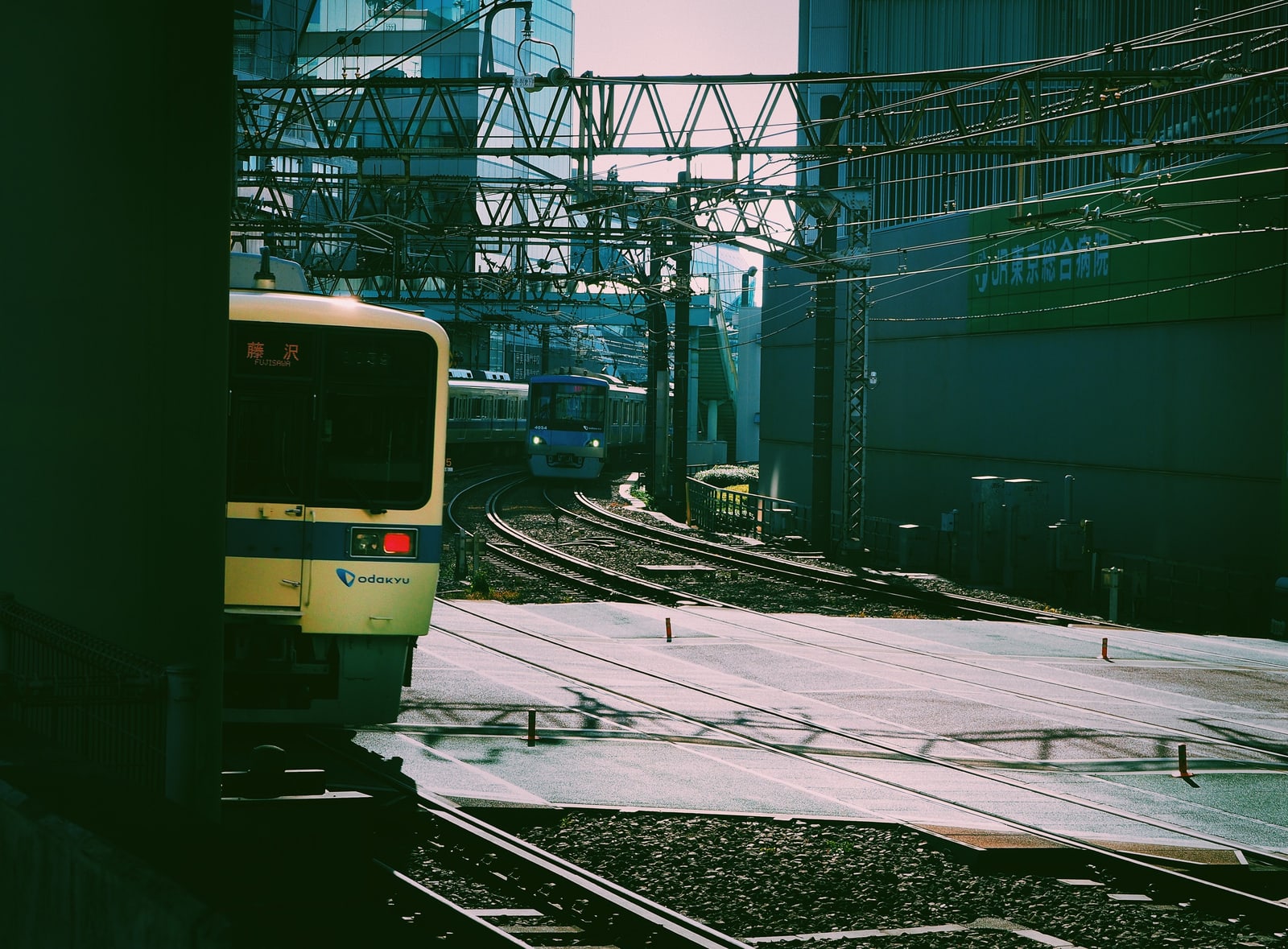
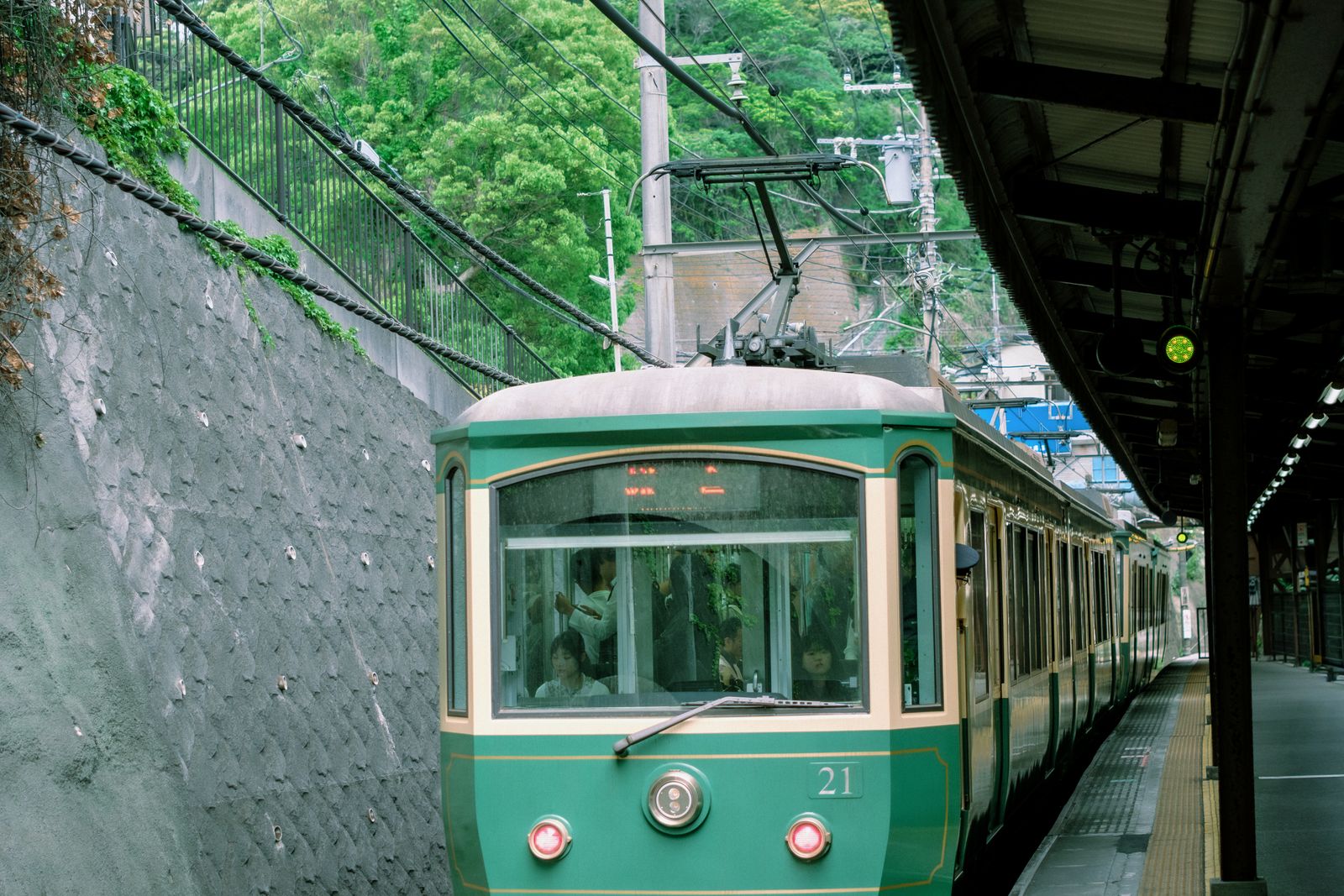
Kamakura is only half covered. Odakyu says the Enoshima Electric Railway (Enoden) and the other transport around Enoshima and Kamakura need separate tickets. Enoshima to Kamakura on Enoden is ¥260. The direct way from Tokyo Station, the JR Yokosuka Line, is JR and not covered at all.
These trips are short and cheap. One of them adds ¥860 to ¥1,600 a day to your fare total, about a quarter of the pass at most. They help only when Nikko or the airport leg is also inside the five days.
Line 4: the city days, and the tie-break
On city days the pass covers every Tokyo Metro and Toei Subway line and all Toei bus routes. A subway ride is cheap: Ueno to Shinjuku-sanchome is ¥209, Asakusa to Shibuya ¥252. JR, including the Yamanote Line, is not covered.
So the tie-break is your subway count. Here is what is left for the city rides to cover in each five-day shape.
| Your five days | Covered legs, single IC fares | Left to reach ¥6,500 | Subway rides at ¥209–252 |
|---|---|---|---|
| Narita both ways (short stay) + Nikko | ¥4,890 | ¥1,610 | 7 to 8 |
| Narita arrival + Nikko + Enoshima | ¥5,136 | ¥1,364 | 6 to 7 |
| Nikko + Kawagoe | ¥3,748 | ¥2,752 | 11 to 14 |
| Enoshima + Kawagoe + Mt Takao | ¥3,120 | ¥3,380 | 14 to 17 |
| Kawagoe only | ¥962 | ¥5,538 | 22 to 27 |
| City only | ¥0 | ¥6,500 | 26 to 32 |
Taking the Skyliner from Narita takes that leg out of the second column.
When something else wins.
- City days only, or one short trip: the Tokyo Subway Ticket covers the same subways for ¥1,000 (24 hours), ¥1,500 (48) or ¥2,000 (72), at Tokyo Metro’s price. Pay any day trip on Suica.
- Your hotel and sights are on JR: Suica, or the JR Tokyo Wide Pass if you have two long JR days. That is ¥16,000 for three consecutive days and also runs JR–Tobu through limited expresses to Nikko from a JR station.
- Nikko is your only long trip: the NIKKO PASS World Heritage Area, ¥3,000, with the Nikko buses.
The decision. If your five days hold Nikko plus either the Keisei arrival from Narita or a second day trip, and you ride the subway two or three times a day, the pass covers more than its ¥6,500 in single fares; buy it for those five days and start it on the first of them. If your five days hold neither Nikko nor the airport leg, it does not pay, and Suica or the Tokyo Subway Ticket costs less.
Your five days hold Nikko and the airport, or two day trips?
Greater Tokyo Pass on Klook
Klook lists the Greater Tokyo Pass. The pass is ¥6,500 at the council's price; check the listing's price, eligibility and how it is delivered against that before you book.
Check the Greater Tokyo Pass on Klook →Listed on Klook (Klook Travel Technology Limited), an online travel agency; the trains are run by the railways of the Greater Tokyo Pass Council. The council's own price is ¥6,500 per adult. Before you pay, check on the listing how the pass reaches your phone, who is eligible, and the cancellation terms.
So it works on the day
A worked example: you land at Narita on a Monday and go to Nikko on Wednesday.
- Monday, at the airport. Press “Use” before you reach the Keisei gate. Show the in-use screen at the staffed gate and take a Keisei Main Line train to Keisei Ueno, not the Skyliner. Days run Monday to Friday.
- Wednesday, Nikko. Start early from Asakusa: the covered trains take close to three hours with changes. A limited-express seat is a separate ticket. At Tobu-Nikko, the bus to the shrines is paid separately.
- Every gate, every day. Use the staffed gate in and out, with your passport on you.
- Friday is the last day. If you leave on Sunday, Suica covers the trip back to the airport.
Next
Write your five days down with each leg’s fare from the table above. If Nikko and the airport sit inside them, compare the pass price on the listing with ¥6,500 and buy it for those days. If not, the Tokyo Subway Ticket or Suica is your ticket. For Nikko without the pass, see Nikko on your own or on a tour. For JR days, see the JR Tokyo Wide Pass.
Sources: the Greater Tokyo Pass Council’s English site (price, terms, valid lines, read October 10, 2026); Tokyo Metro and Odakyu pass pages; Keisei’s Narita access pages; Tobu’s NIKKO PASS page. Fares are adult IC-card fares from Yahoo! Japan’s route search, October 10, 2026, without limited-express or seat charges.