Tokyo Subway Ticket, or an IC card (Suica or PASMO) tapped ride by ride? “About four rides a day” is only true once four other things are settled. Here they are, in the order they decide it.
What it is (checked on Tokyo Metro’s pages, September 25, 2026): unlimited rides on all Tokyo Metro and Toei Subway lines. Adults pay ¥1,000 for 24 hours, ¥1,500 for 48, ¥2,000 for 72; children half. The hours run from your first gate. It is sold to overseas visitors and to Japan residents living outside Tokyo and seven nearby prefectures (listed below).
The quick answer, in order:
- Your hotel station. If it has no Tokyo Metro or Toei line, every day starts and ends with a ride the ticket doesn’t cover. Skip it.
- Your sights. If your days run on JR’s Yamanote Line, the ticket covers the wrong railway. Skip it.
- Your hours. If both of those point to the subway, count rides: 6 short ones in a 24-hour window, 5 a day on the 48-hour ticket, 4 a day on the 72-hour ticket (table below).
- How you arrive. The airport trains aren’t covered, but the arrival lobbies at Narita and Haneda sell the ticket, and you can start the clock later.
Sleeping on a subway line and riding it all day?
Tokyo Subway Ticket (24, 48 or 72 hours) on Klook
One ticket covers every Tokyo Metro and Toei Subway line for 24, 48 or 72 hours from your first gate. It is sold to overseas visitors.
Check the Tokyo Subway Ticket on Klook →Sold on Klook (Klook Travel Technology Limited), an online travel agency; the ticket itself is Tokyo Metro and Toei Subway's. The residency rule applies wherever you buy. Before you pay, check on the listing how you receive the ticket, where, and the cancellation terms.
First: the station you sleep at
The ticket starts paying from the first ride of the day, and the first ride is from your hotel. So look at your hotel’s nearest station before anything else.
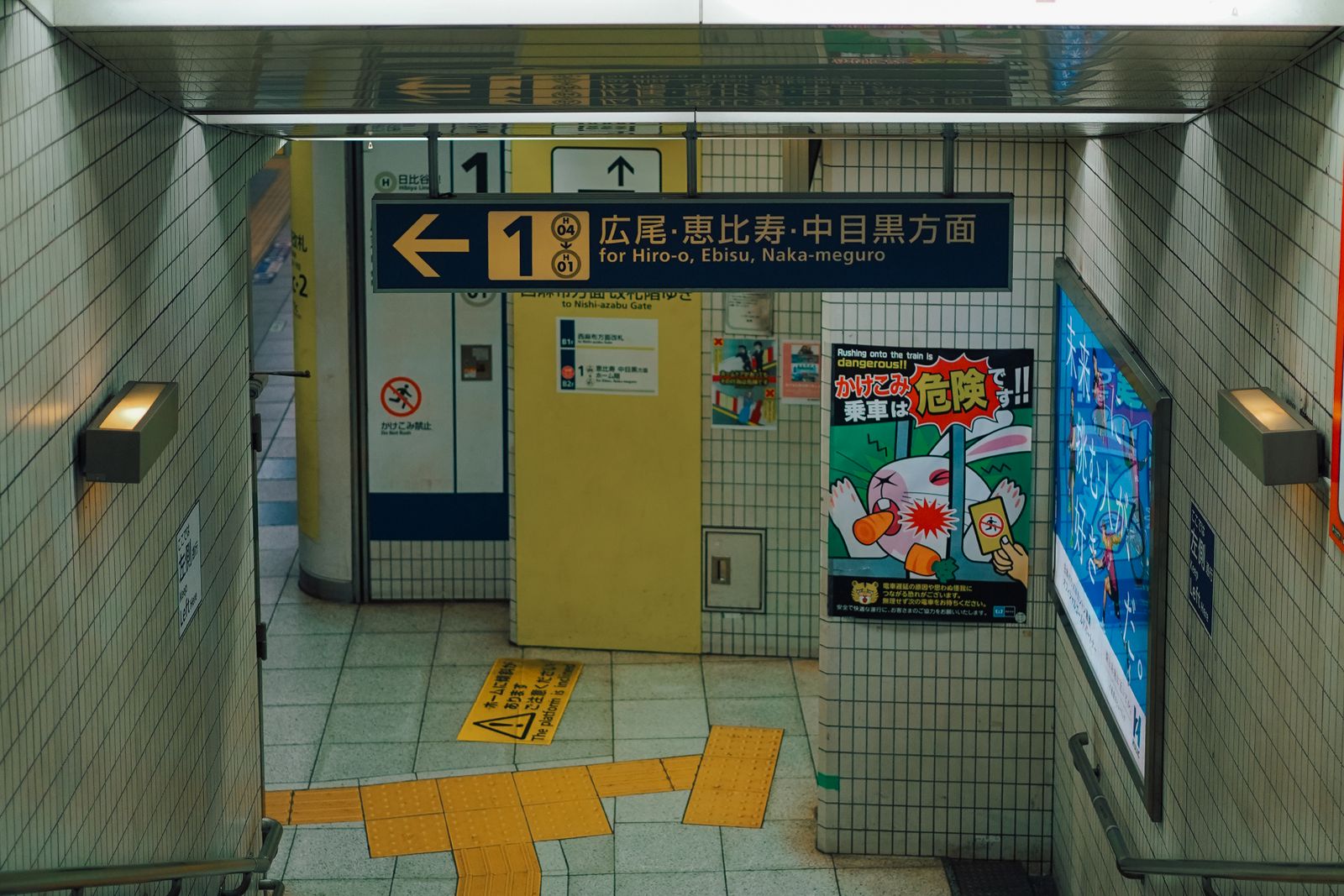
The big Tokyo stations split three ways:
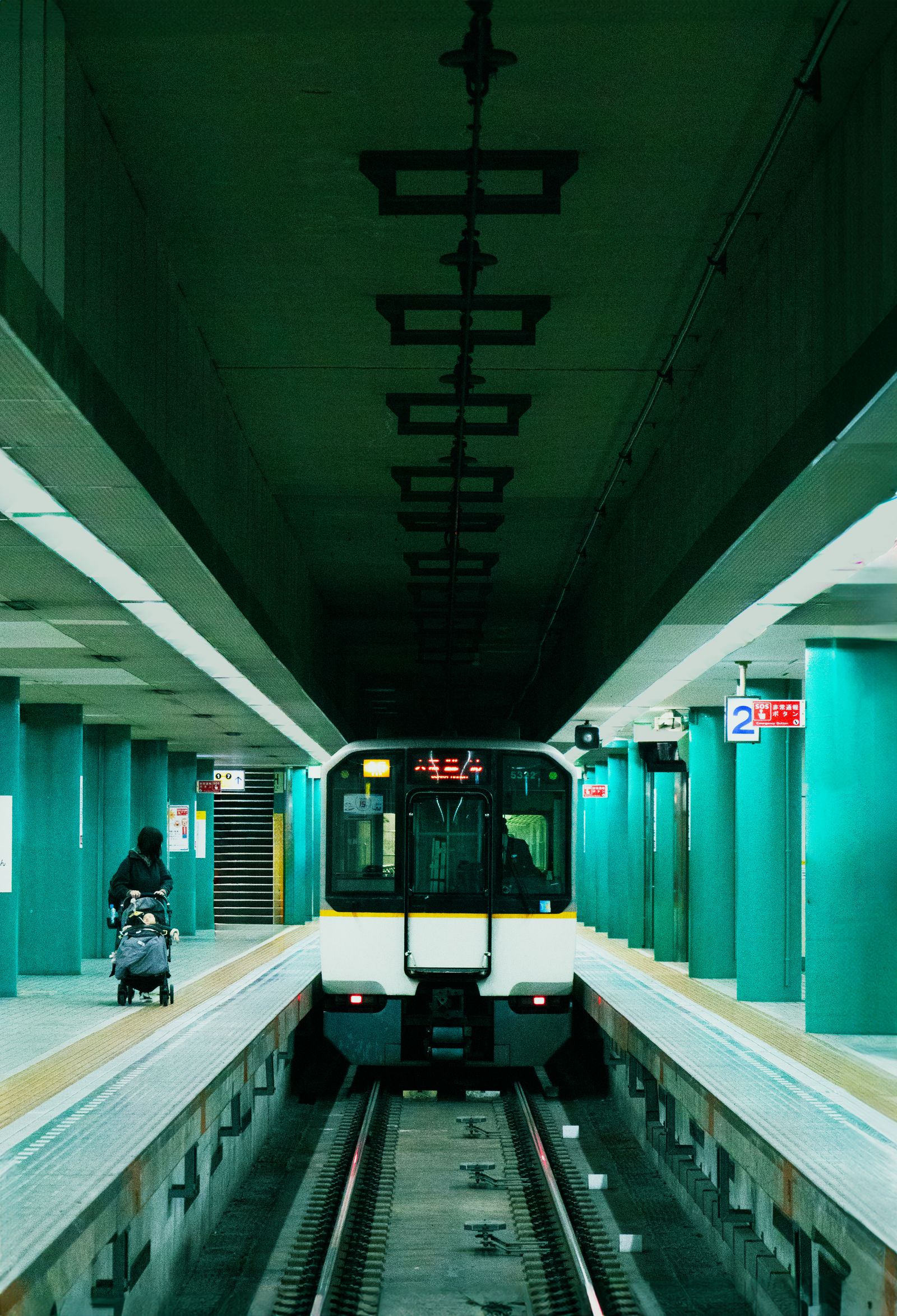
- Subway only, no JR: Asakusa (Tokyo Metro Ginza Line, Toei Asakusa Line), Roppongi (Tokyo Metro Hibiya Line, Toei Oedo Line), Ginza (Tokyo Metro Ginza, Marunouchi and Hibiya lines), Akasaka (Tokyo Metro Chiyoda Line). From here, the subway is how you leave the hotel every morning. The ticket is at its strongest.
- Both: Ueno, Ikebukuro and Tokyo Station have JR lines and Tokyo Metro lines. The ticket works, but you’ll also ride JR on some days, and that part is extra.
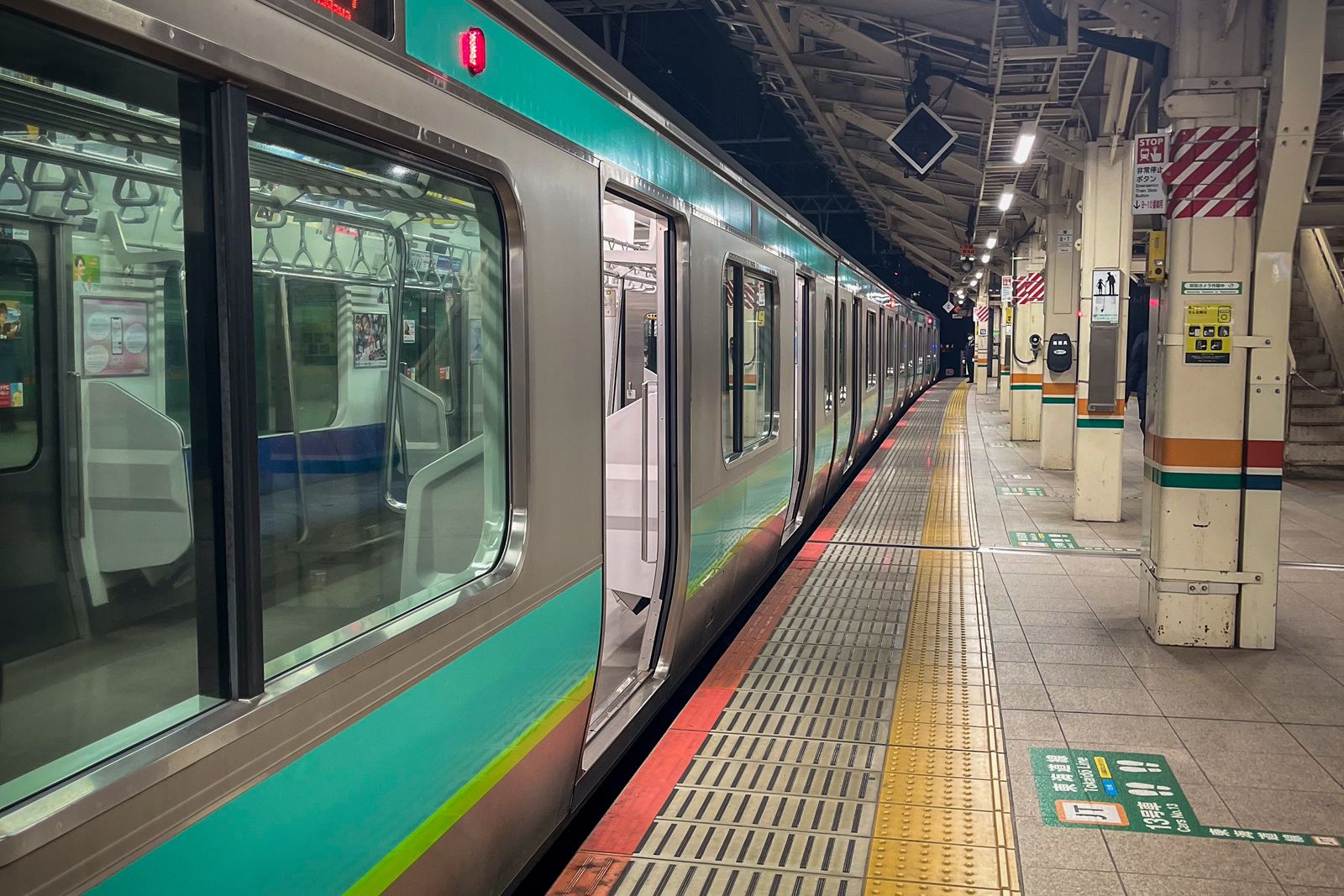
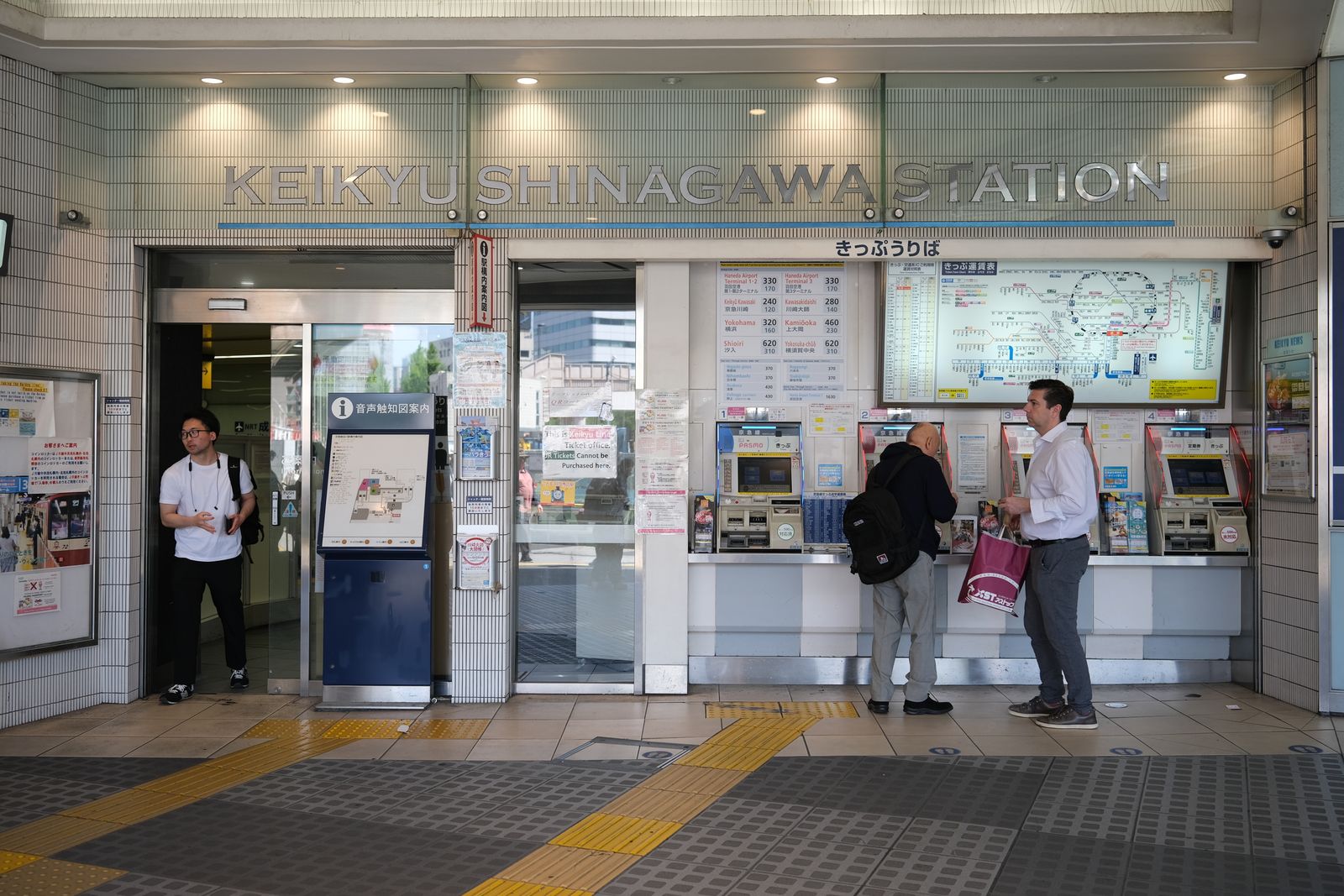
- No Tokyo Metro or Toei line in the station: Shinagawa is JR plus Keikyu. Every day starts on a line the ticket doesn’t cover. Skip the ticket here unless your days are spent somewhere with a subway you reach another way.
Still choosing a hotel? Where to stay in Tokyo lists the lines at each base.
Second: where your sights are
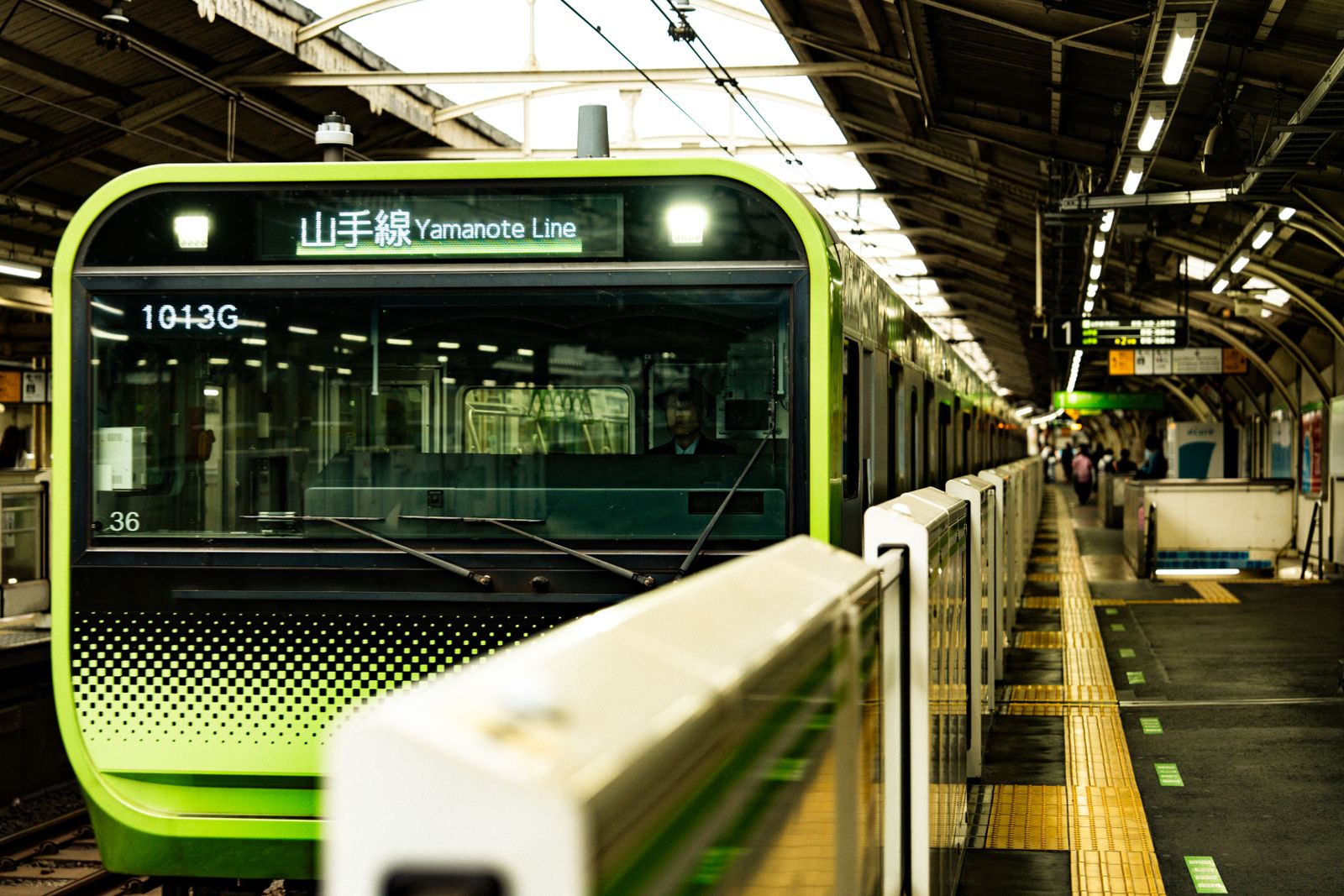
The Tokyo Subway Ticket covers Tokyo Metro and Toei Subway. It doesn’t cover JR, and the Yamanote Line, the loop most first-timers ride, is a JR line. Private railways (Tobu, Keisei, Keikyu and others) are also outside it.
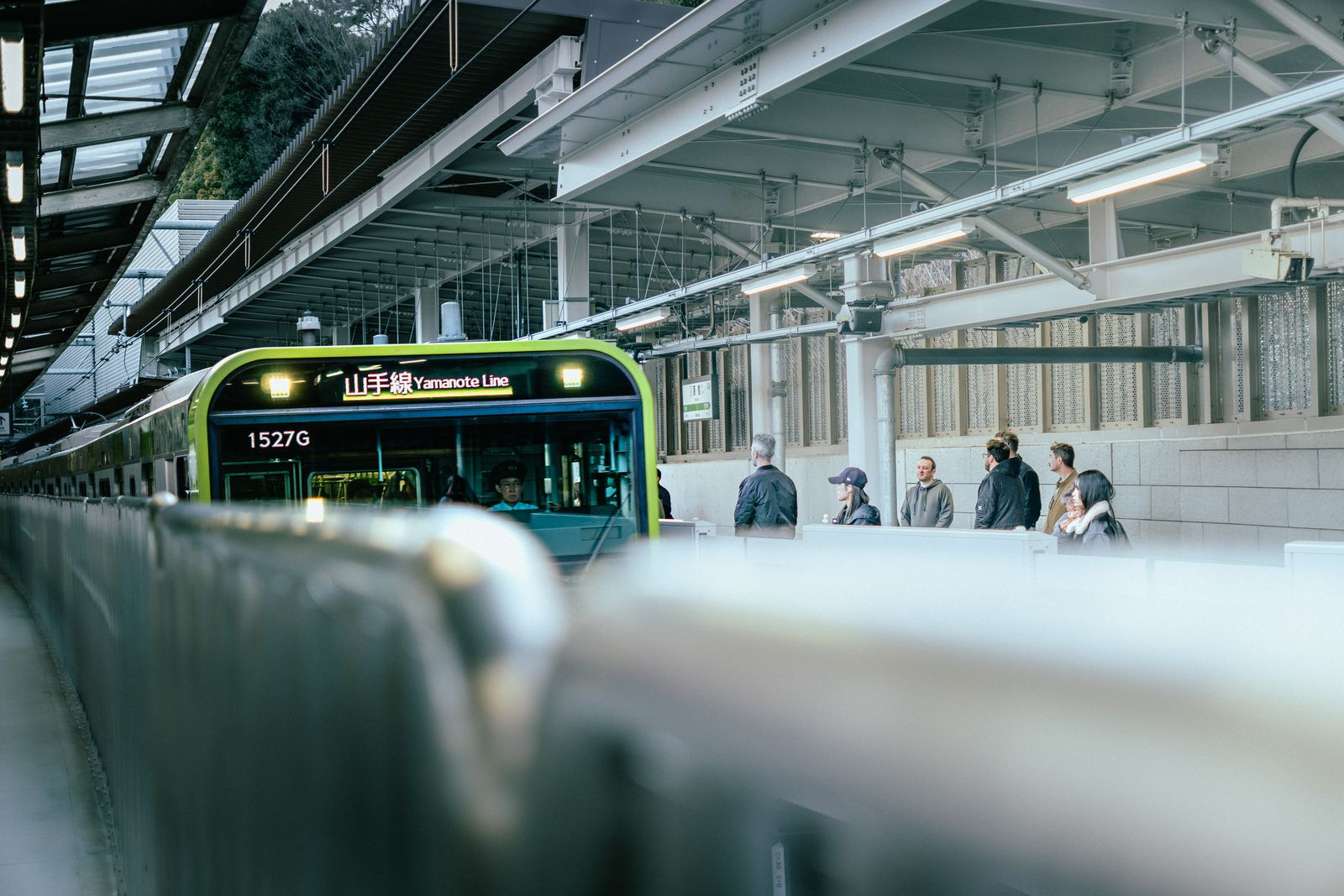
So write down your stops for each day and next to each one, the line you’d take. Then:
- Most of the day on Tokyo Metro or Toei lines (Asakusa, Ginza, Roppongi and the like): the ticket fits that day.
- Most of the day on the Yamanote Line (hopping between big JR stations around the loop): the ticket doesn’t fit that day. Tap an IC card instead.
- Split days: count only the subway rides when you check the table below.
If you hold a Japan Rail Pass, it covers JR’s Tokyo lines, including the Yamanote, but not the city subways. The two tickets don’t overlap. Is the Japan Rail Pass worth it prices that separately.
Third: how the hours fall, and the rides a day it takes
Now the arithmetic. Tokyo Metro’s own IC-card fares for adults are ¥178 for 1–6 km, ¥209 for 7–11 km, ¥252 for 12–19 km, ¥293 for 20–27 km and ¥324 for 28–40 km. Most hops between central sights fall in the first two bands. Toei Subway sets its own fares; this page uses Tokyo Metro’s table only.
| Ticket (adult) | Price | Cost per day | Short rides (¥178) that beat it | ¥209 rides that beat it |
|---|---|---|---|---|
| 24 hours | ¥1,000 | ¥1,000 | 6 | 5 |
| 48 hours | ¥1,500 | ¥750 | 5 a day | 4 a day |
| 72 hours | ¥2,000 | ¥667 | 4 a day | 4 a day |
A day of hotel, three sights and back to the hotel is four rides. On the 72-hour ticket that already pays. On the 24-hour ticket it doesn’t, unless the rides are longer or you add a dinner trip.
The hours are the part most pages skip. The ticket runs from the moment you first pass a gate. A 24-hour ticket started at 2 p.m. covers that afternoon, the evening, and the next morning until 2 p.m. So two half days can fit in one 24-hour ticket. A 72-hour ticket started on the afternoon of your arrival covers until that afternoon three days later, which can be a fourth morning.
Two other tickets are worth knowing. Tokyo Metro’s own 24-hour Ticket is ¥700 and covers Tokyo Metro lines only, with no residency rule. If one day is entirely on Tokyo Metro, it costs less than the ¥1,000 Tokyo Subway Ticket. There is also a one-day ticket covering both Metro and Toei for ¥1,100, valid on the day of use only. These two prices were checked on September 6, 2026.
Fourth: how you arrive
The trains from the airports aren’t covered. The Keisei and Keikyu lines and the Tokyo Monorail belong to other companies, so the ride into the city is paid separately.
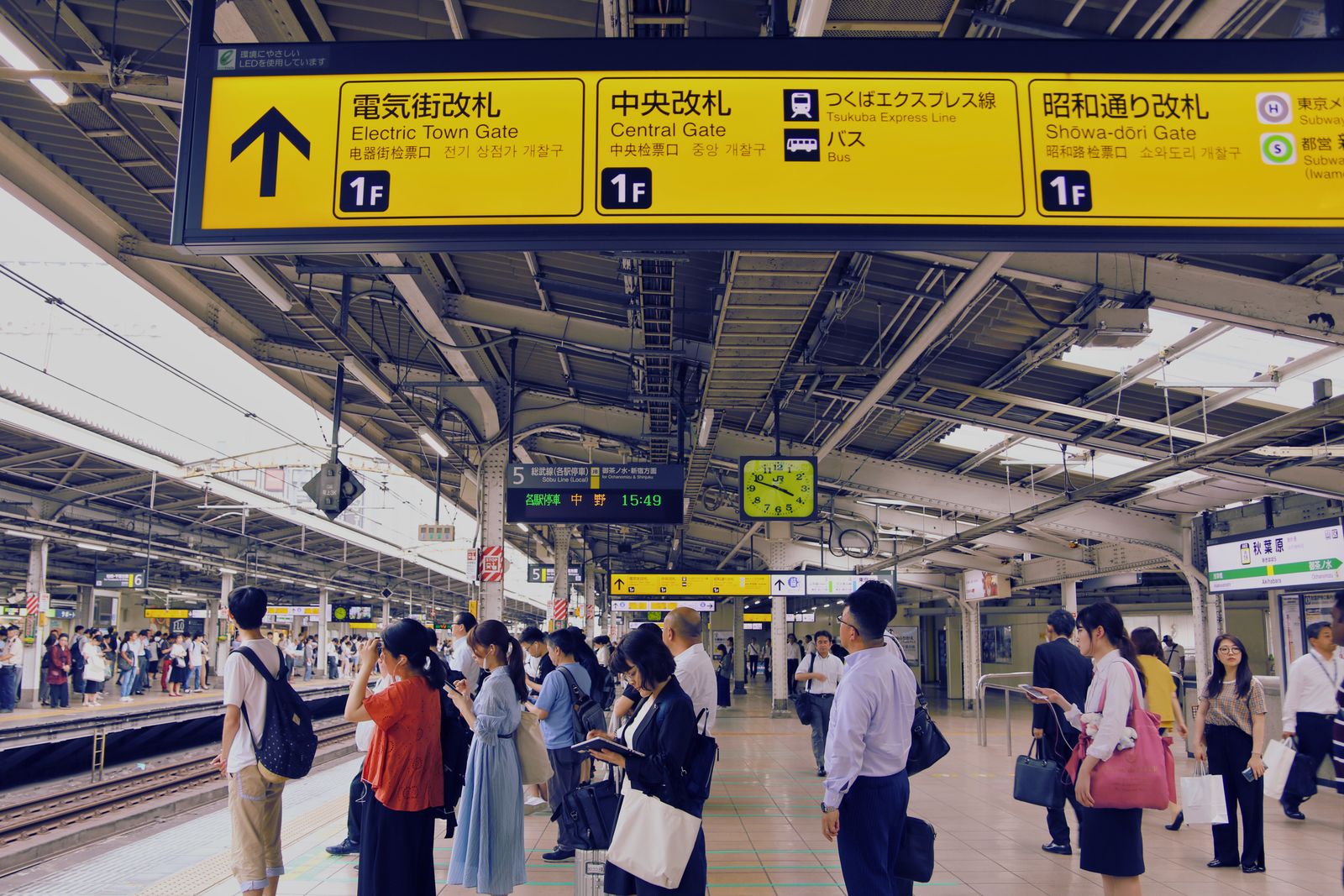
What the airports do give you is a place to buy it. According to Tokyo Metro, it’s sold in the arrival lobbies at Haneda (International Terminal, 2F, Visitor Information Center) and Narita (Terminal 1, 1F; Terminal 2, 1F), and at some stations in the city, including Ueno, Ginza and Shinjuku. When you buy in Japan, you show your passport so your short-term stay status can be checked. Keisei (at Narita) and Keikyu (at Haneda) also sell sets that combine the airport train with the Tokyo Subway Ticket.
Since the clock starts at the first gate, not at purchase, you can buy it on arrival and start it the next morning. If you land in the evening and ride once to the hotel, starting a 72-hour ticket on that ride uses up hours for one trip.
Purchase decision: which one, and where
Put the four conditions together:
- Hotel on a Tokyo Metro or Toei line, sights on the subway, three days: the 72-hour ticket, started on the first full morning. Four rides a day pays for it.
- Same, but two days: the 48-hour ticket, if you’ll make five short rides a day. With four, tap an IC card; the difference is small.
- One day: the 24-hour ticket only for six or more short rides. If the whole day is on Tokyo Metro, the ¥700 Tokyo Metro 24-hour Ticket costs less.
- Hotel on JR only, or days on the Yamanote Line: skip the ticket and tap an IC card. Suica or PASMO, physical or mobile covers that choice.
- You live in Tokyo, Kanagawa, Saitama, Chiba, Ibaraki, Tochigi, Gunma or Yamanashi: you can’t buy it.
If the ticket fits, you can buy it online before you fly (Tokyo Metro sells a QR-code version at the same price) or at the airport on arrival. Buying ahead through Klook is another way; the eligibility rule doesn’t change with where you buy.
Your hotel and your days are on the subway?
Tokyo Subway Ticket (24, 48 or 72 hours) on Klook
The 72-hour ticket pays at four rides a day, the 48-hour at five short ones. Unlimited rides on all Tokyo Metro and Toei Subway lines from your first gate.
Check the Tokyo Subway Ticket on Klook →Sold on Klook (Klook Travel Technology Limited), an online travel agency; the ticket itself is Tokyo Metro and Toei Subway's. The residency rule applies wherever you buy. Before you pay, check on the listing how you receive the ticket, where, and the cancellation terms.
Next
The first condition decides most of this, so the next step is your hotel station. Look it up, note whether it has a Tokyo Metro or Toei line, then list your days against it. For the rest of the trip’s budget, what a Japan trip costs puts local transport next to everything else, and first trip to Japan sets the order for the other decisions.