You land at Narita, your hotel is already booked somewhere in Tokyo, and two express trains leave from under the same terminal: Keisei’s Skyliner and JR East’s Narita Express (N’EX). Most comparisons stop at “Skyliner for Ueno, N’EX for Shinjuku.” That is true as far as it goes. It leaves out the pass you may already hold, the hour your plane lands, and the cases where neither express is the right train.
Four conditions decide it. Take them in this order; the first one that settles your case ends the question.
The answer, in the order the conditions decide it
- You already hold a JR pass that covers the N’EX. Ride the N’EX. You have paid for it; the Skyliner is a Keisei train, and a JR pass does not ride it.
- Your hotel’s station. Near Ueno or Nippori: the Skyliner runs there direct. Near Tokyo Station, Shinagawa, Shibuya, Shinjuku or Yokohama: the N’EX runs there direct. Anywhere else, count the transfers each train leaves you.
- The hour you land. The last Skyliner leaves Narita at 23:00. Land late, add immigration and baggage, and the choice may be neither.
- The fare for your party. The Skyliner is ¥2,580 per adult, one way. Multiply by heads before you compare it with the N’EX fare JR East publishes for your station.
Sleeping near Ueno or Nippori, with no JR pass?
Keisei Skyliner Narita Airport express ticket on Klook
The Skyliner runs direct from Narita to Nippori and Keisei Ueno, about 40 minutes, three trains an hour. The ticket is a reserved seat.
Check the Skyliner ticket on Klook →Sold on Klook (Klook Travel Technology Limited), an online travel agency; the train is run by Keisei Electric Railway. Before you pay, check on the listing: one-way or round trip, which stations it covers, how the voucher becomes a seat ticket at Narita, and the cancellation terms.
First: what you already hold
If you bought a Japan Rail Pass or one of JR East’s regional passes, check whether your pass covers the N’EX, including its reserved seat. If it does, the question is closed before fares come into it: the N’EX is already paid for, and the Skyliner would be a second ticket for the same ride.
The Skyliner belongs to Keisei Electric Railway, a private railway, not JR. No JR pass rides it.
The reverse also holds. If you are planning to buy a pass only for this one airport ride, the ride alone rarely decides a pass; our Japan Rail Pass page runs that arithmetic. Keisei, for its part, sells a Keisei Skyliner & Tokyo Subway Ticket: the Skyliner plus a Tokyo Metro and Toei subway pass. If you already expect to buy a Tokyo Subway Ticket, check that combination on Keisei’s page before you buy the two separately.
Second: the station your hotel is on
This is where the two trains actually differ. They do not go to the same places.
| Your hotel is near | Skyliner | N’EX | What follows |
|---|---|---|---|
| Ueno, Nippori | Direct (Keisei Ueno, Nippori) | No N’EX stop at Ueno | Skyliner |
| Tokyo Station | Transfer | Direct, from about 53 minutes | N’EX |
| Shinagawa, Shibuya, Shinjuku, Yokohama | Transfer | Direct | N’EX |
| Ikebukuro | Transfer | Not verified as direct | Count the transfers either way |
| Asakusa | Transfer | Transfer | Neither express is direct; compare the whole route |
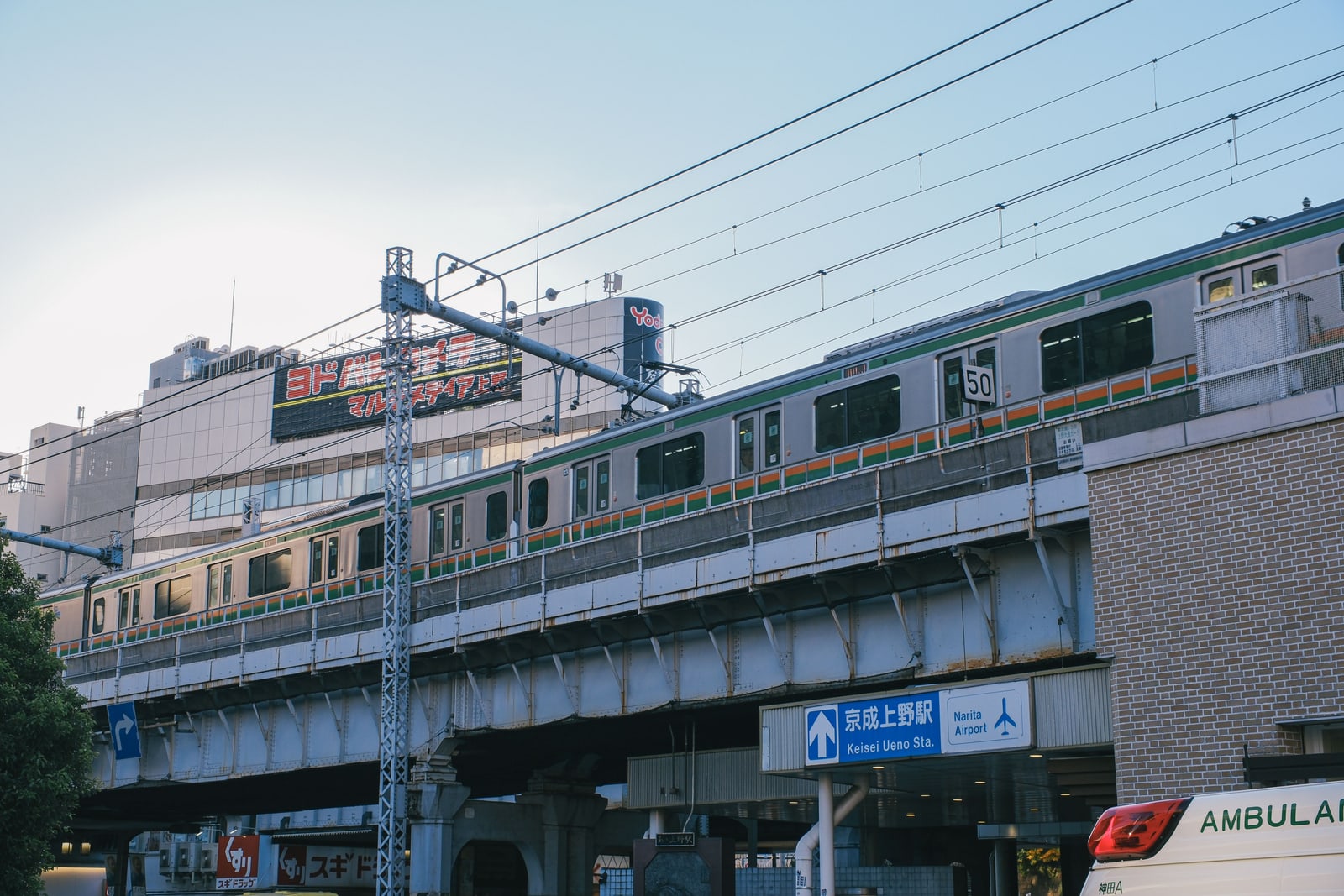
The Skyliner is the shorter ride. Keisei gives about 40 minutes from the airport to central Tokyo, and as little as 36 minutes to Nippori. It stops only at Nippori and Keisei Ueno. That is its strength if you sleep there, and its limit if you do not: from Ueno, a Shinjuku hotel is another train with your luggage.
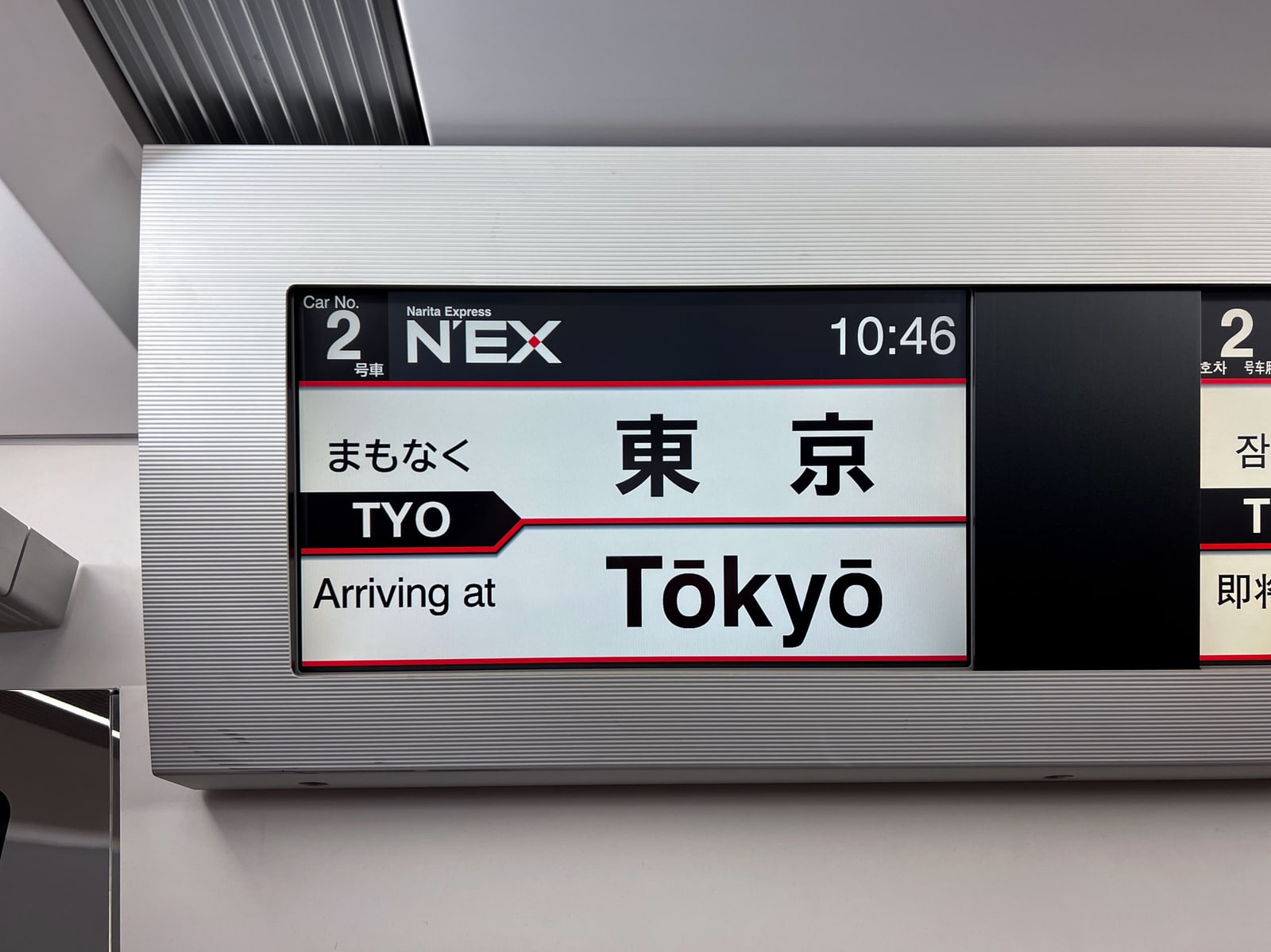
The N’EX is the longer ride, from about 53 minutes to Tokyo Station, but it carries you to the western and southern hubs without a change. JR East runs it to Tokyo Station, Shinjuku and Yokohama about every 30 minutes for most of the day. If your hotel is a short walk from Shinjuku or Shibuya, the minutes the Skyliner saves are usually spent again on the transfer from Ueno.
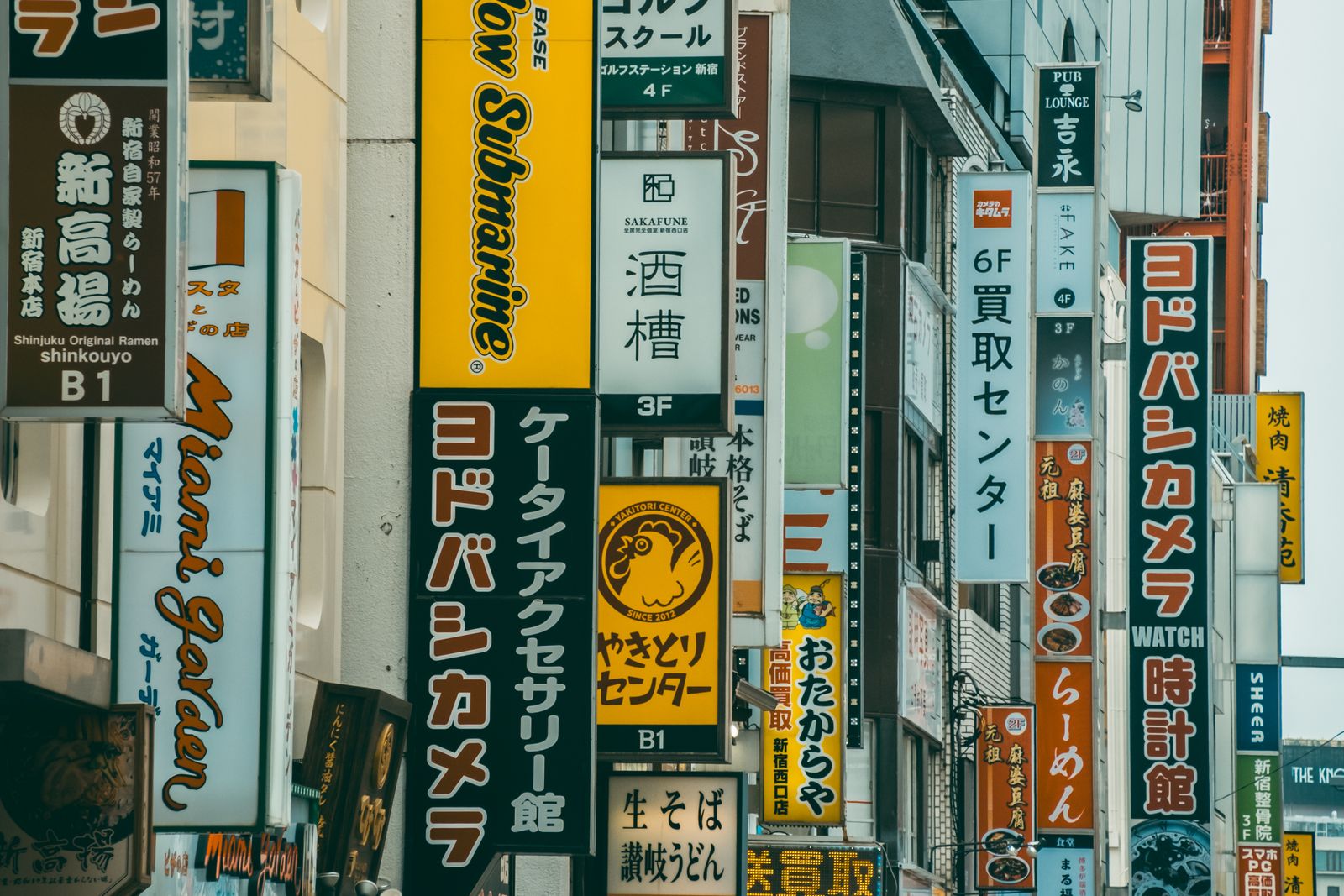
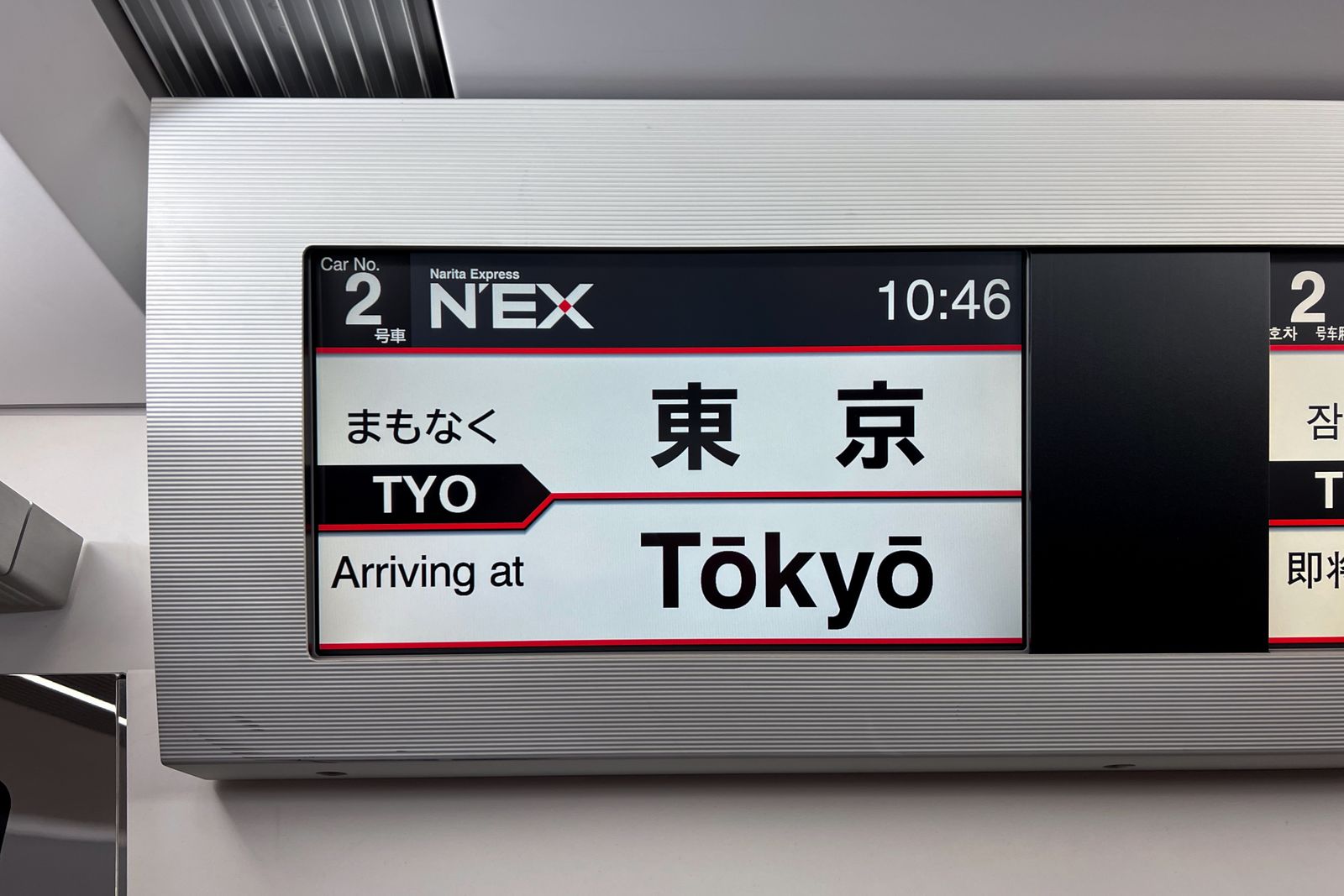
If your hotel is near neither side, write down both routes, door to door, with the transfer in each. The one with fewer changes is the one to take with a suitcase. Our where to stay in Tokyo page ranks areas on exactly these lines.
Third: the hour you land
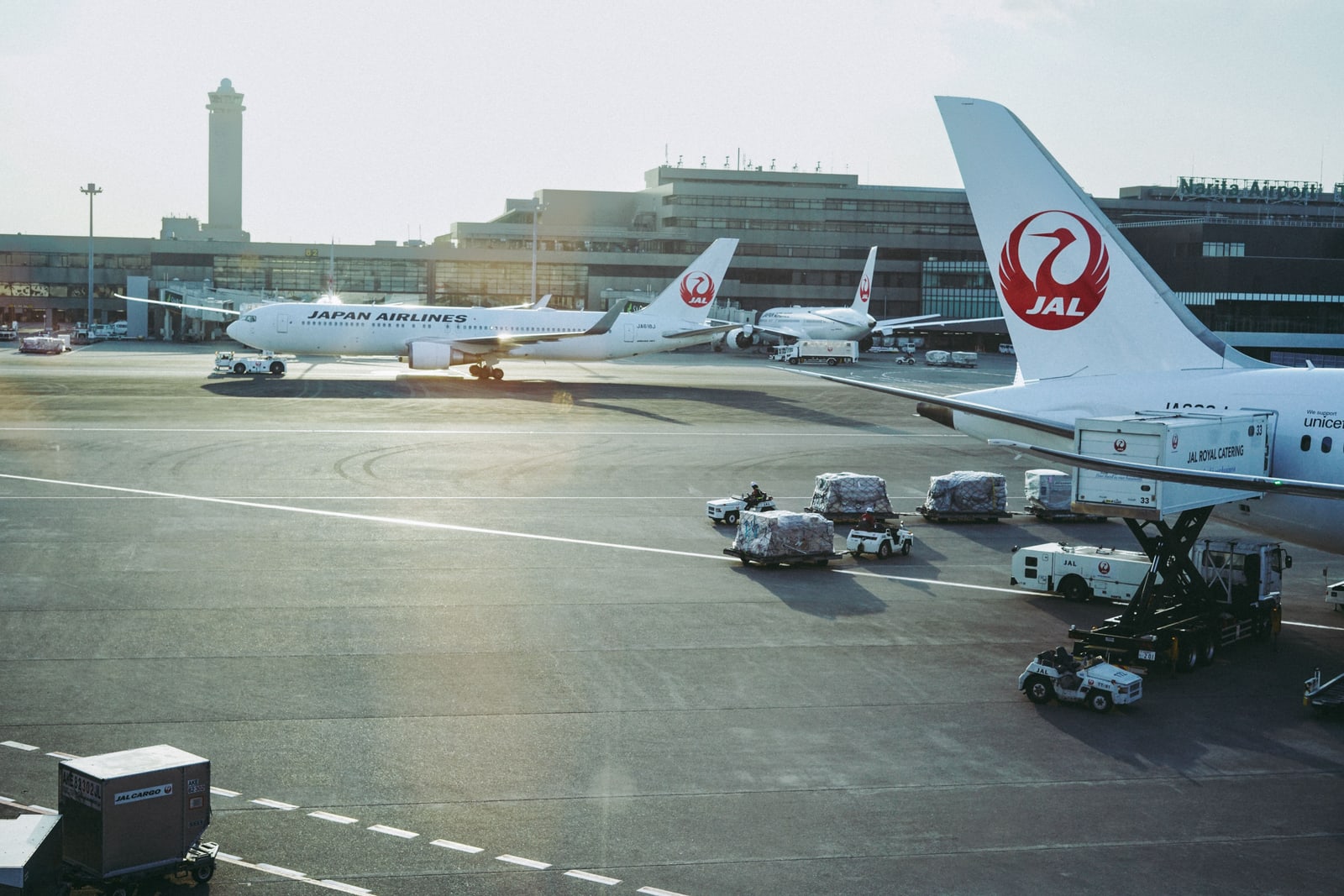
The last Skyliner leaves Narita at 23:00. Narita’s runway also closes at 23:00, in principle. A flight scheduled into the last hour still needs immigration, baggage and customs before you reach the platform, and a single delay can put you there after the train has gone.
The Skyliner runs three trains an hour, so on an ordinary arrival you wait minutes, not an hour. The N’EX runs about every 30 minutes; check JR East’s timetable for the last departure toward your station on your date, since it is not the same for every destination.
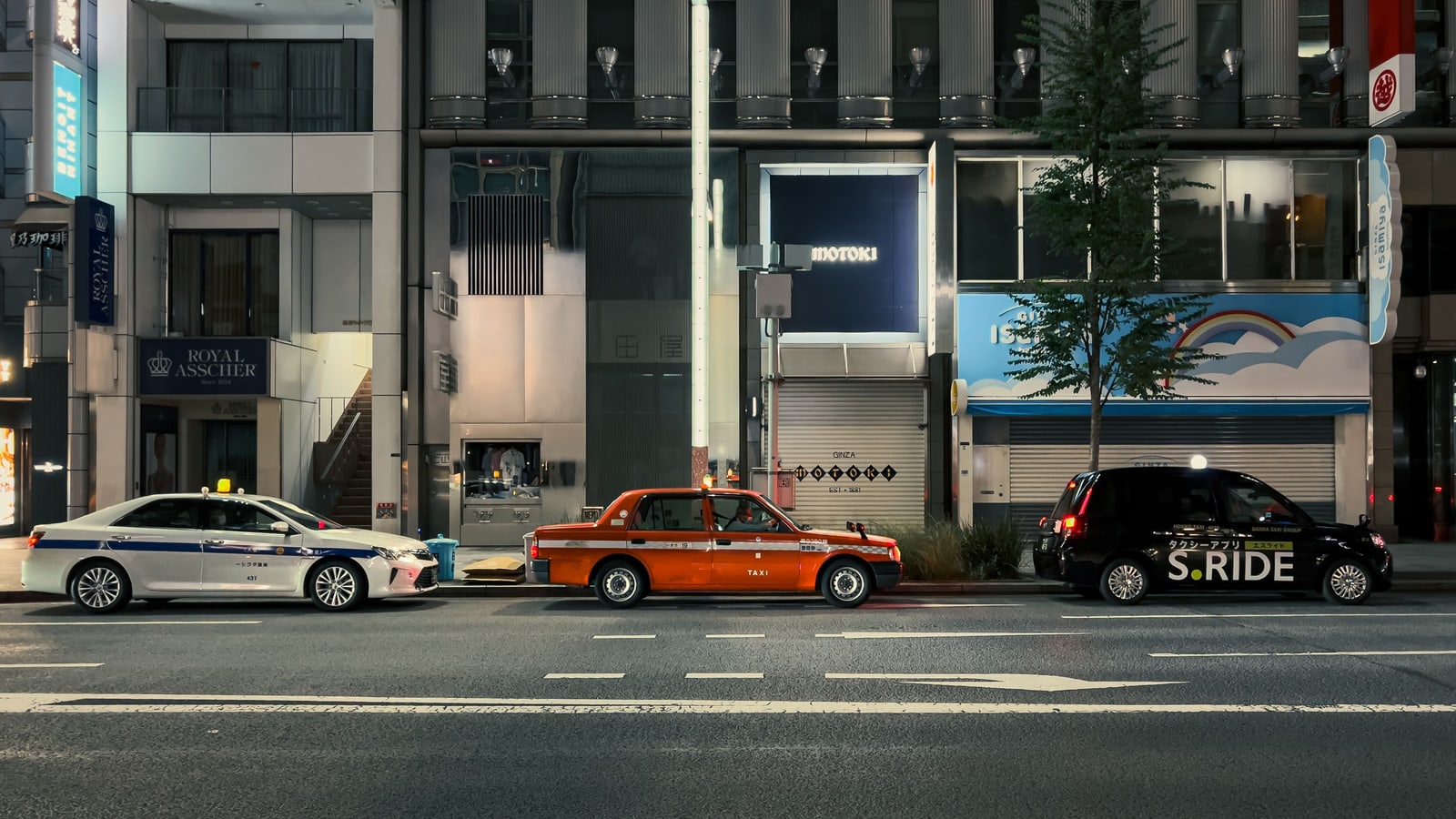
When neither express is the answer: if your flight lands close enough to 23:00 that one delay puts you on the platform after the last Skyliner, do not plan around either express. The fallback from Narita is a fixed-fare taxi from ¥23,500 per car, before tolls. If that sum is the risk you are carrying, land earlier or compare the Haneda fare; our Narita or Haneda page lays out both airports’ last trains.
Fourth: the fare for your party
| Party | Skyliner, one way | Skyliner, both ways |
|---|---|---|
| 1 adult | ¥2,580 | ¥5,160 |
| 2 adults | ¥5,160 | ¥10,320 |
| 4 adults | ¥10,320 | ¥20,640 |
Keisei prices the Skyliner at ¥2,580 per adult: ¥1,280 fare plus a ¥1,300 Skyliner seat ticket. The table only multiplies that figure.
For the N’EX, JR East publishes a one-way fare by destination and a N’EX Tokyo Round Trip Ticket for visitors from overseas. Take the figure for your station from JR East’s page on the day you book and set it against the table. If you will fly home from Narita too, compare round trip against round trip.
The fare only breaks a tie. It does not undo condition 2: a cheaper ticket that leaves you a transfer with four suitcases has not saved you much. If the fare matters more than the minutes, Keisei also runs the slower Access Express and limited express trains to the same airport without the Skyliner seat ticket; it lists their fares on separate pages.
When you land: one case, worked through
Two adults, no JR pass, a hotel a short walk from Ueno station, a flight landing at 17:00.
- Condition 1: no pass, so nothing is already paid.
- Condition 2: Ueno. The Skyliner runs direct to Keisei Ueno; the N’EX does not stop at Ueno. This settles it.
- Condition 3: 17:00 is hours before the 23:00 last train, with three Skyliners an hour.
- Condition 4: ¥5,160 for the two of them, one way.
Change one fact and the answer changes with it. Move the hotel to Shinjuku and the N’EX takes you there direct. Hand them a JR pass that covers the N’EX and it wins at condition 1. Move the landing to 22:40 and neither train is safe to plan on.
Purchase decision: if your conditions stopped at the Skyliner (no JR pass, a hotel on the Ueno or Nippori side, a landing well before 23:00), the one thing to settle before you fly is the ticket, so that at Narita you already know how you collect your seat ticket. If your conditions pointed to the N’EX, buy from JR East; if they pointed to neither, the Skyliner ticket is not the ticket for you.
The Skyliner is your train?
Keisei Skyliner Narita Airport express ticket on Klook
A reserved Skyliner seat from Narita to Nippori or Keisei Ueno, ¥2,580 per adult at Keisei's fare. Check on the listing how you collect the seat ticket at the airport.
Check the Skyliner ticket on Klook →Sold on Klook (Klook Travel Technology Limited), an online travel agency; the train is run by Keisei Electric Railway. Before you pay, check on the listing: one-way or round trip, which stations it covers, how the voucher becomes a seat ticket at Narita, and the cancellation terms.
Next
Write down the station your hotel is nearest to, then read the table in condition 2 again. That one line decides most arrivals. If you have not booked the hotel yet, choose the area first; if you have not booked the flight, choose the airport and the hour first.