Short answer: four checks, in order
The JR TOKYO Wide Pass costs ¥16,000 for three consecutive days (adult; child 6–11 ¥8,000). That is JR East’s price on its pass page, checked October 2, 2026; it was ¥15,000 until March 14, 2026, so older pages do the math on the wrong number.
Whether it pays for a trip based in Tokyo is decided in this order:
- What you already hold. A nationwide JR Pass running on the same days covers the JR part already. A Japanese passport rules the pass out.
- Two long trips inside the three days. One return trip doesn’t reach ¥16,000: Kawaguchiko on the Fuji Excursion is ¥8,400, Karuizawa by reserved Shinkansen ¥12,260. Two long trips do.
- The railway your trip runs on. Kawaguchiko, Karuizawa, GALA Yuzawa, Izu and Nikko (by JR) are covered. Hakone and Tobu’s own trains from Asakusa to Nikko are not.
- The tie-break: the airport ride, and the extras the pass leaves out.
Two long day trips inside three days?
JR Tokyo Wide Pass on Klook
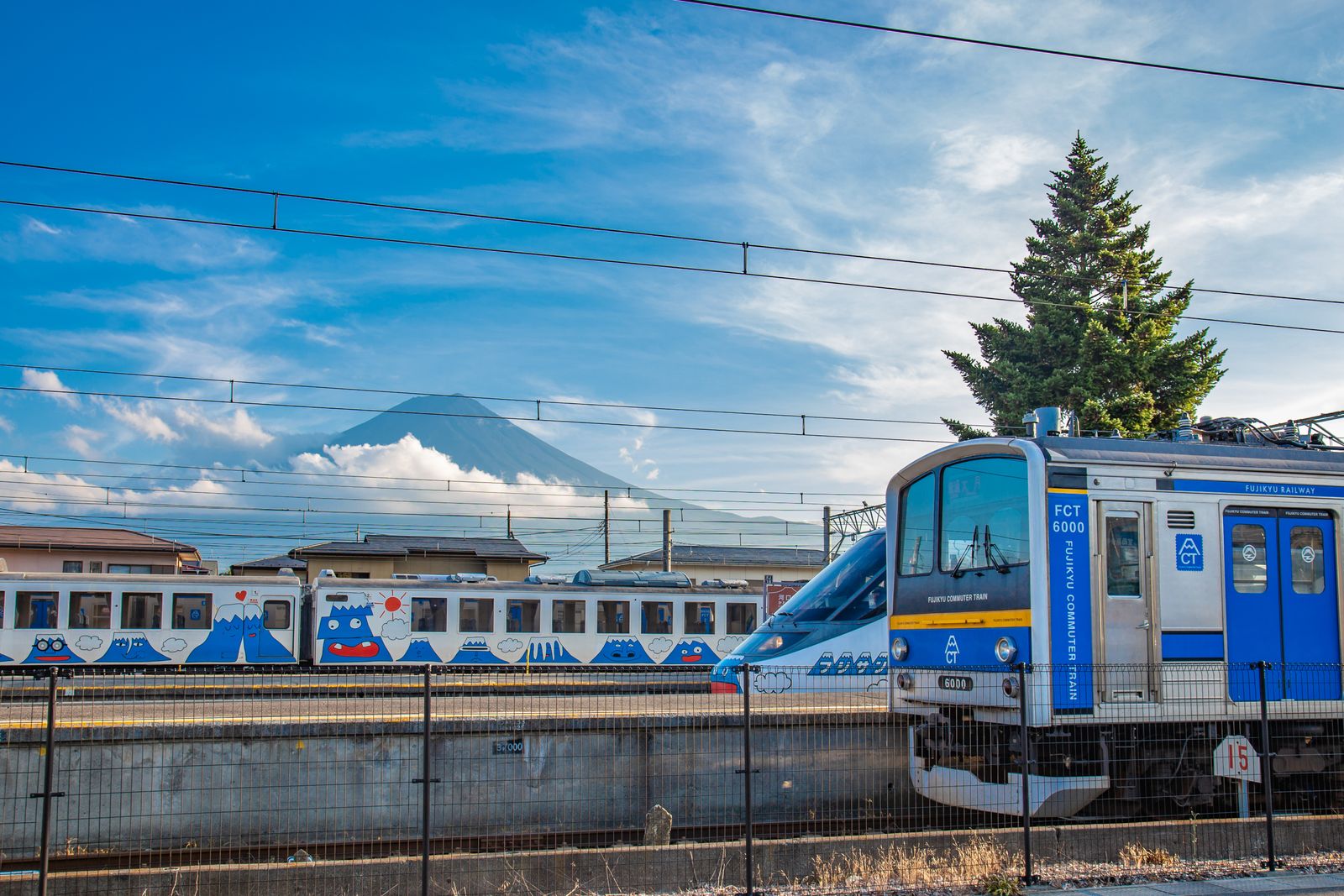
The JR TOKYO Wide Pass covers JR East trains, the Shinkansen to Karuizawa and GALA Yuzawa, and the Fujikyu and Izukyu lines for three consecutive days. ¥16,000 at JR East's price.
Check the JR Tokyo Wide Pass on Klook →Sold on Klook (Klook Travel Technology Limited), an online travel agency; the pass itself is JR East's. Before you pay, check on the listing how the booking becomes a pass (JR East issues it only against your original non-Japanese passport), how you pick your three days, and the cancellation terms.
First: what you already hold
A Japanese passport. JR East’s terms say the pass “is valid only for visitors holding a non-Japanese passport.” You need the original passport to buy it and to have it issued (a photocopy won’t do), the passport has to be valid for all three days, and you carry it while you ride.
A nationwide JR Pass on the same dates. The Japan Rail Pass covers JR Group lines, JR East’s included. So a Wide Pass on top of it buys only the non-JR lines. The JR Pass’s own list of non-JR lines it covers names Tokyo Monorail and four railways outside the Tokyo area; it doesn’t name Fujikyu, Izukyu or Tobu. If your seven days start after your Tokyo stay, the Wide Pass is a separate question, and the rest of this page answers it.
JR East also allows one Wide Pass at a time: you can’t hold two whose days overlap.
Line 1: do two long trips fit in three consecutive days?
The three days run back to back from the day you choose. JR East’s own example: October 2 to 4 works, October 2, 4 and 6 does not. So the question is whether your two longest days sit next to each other, or one day apart.
What a long day trip costs on single tickets, one adult, one way doubled:
| Your three days | Single tickets | With the pass |
|---|---|---|
| Kawaguchiko return on the Fuji Excursion | ¥8,400 | ¥16,000 |
| Karuizawa return, reserved Shinkansen | ¥12,260 | ¥16,000 |
| Both, on two of the three days | ¥20,660 | ¥16,000 |
| JR East’s own example: GALA Yuzawa, then Nikko, reserved seats | about ¥21,500 | ¥16,000 |
The Fuji Excursion figure is Fujikyu’s: ¥2,580 fare plus ¥1,620 express, Shinjuku to Kawaguchiko, checked September 7, 2026. The Karuizawa figure is ¥2,750 fare plus ¥3,380 reserved seat from Tokyo, regular season, as fare-search sites show it after the March 2026 fare change; JR East’s fare pages could not be read for this page, so check the date you travel. The last row is JR East’s own comparison on its pass page, two destinations in one pass; JR East adds that the three days let you stay a night on the way.
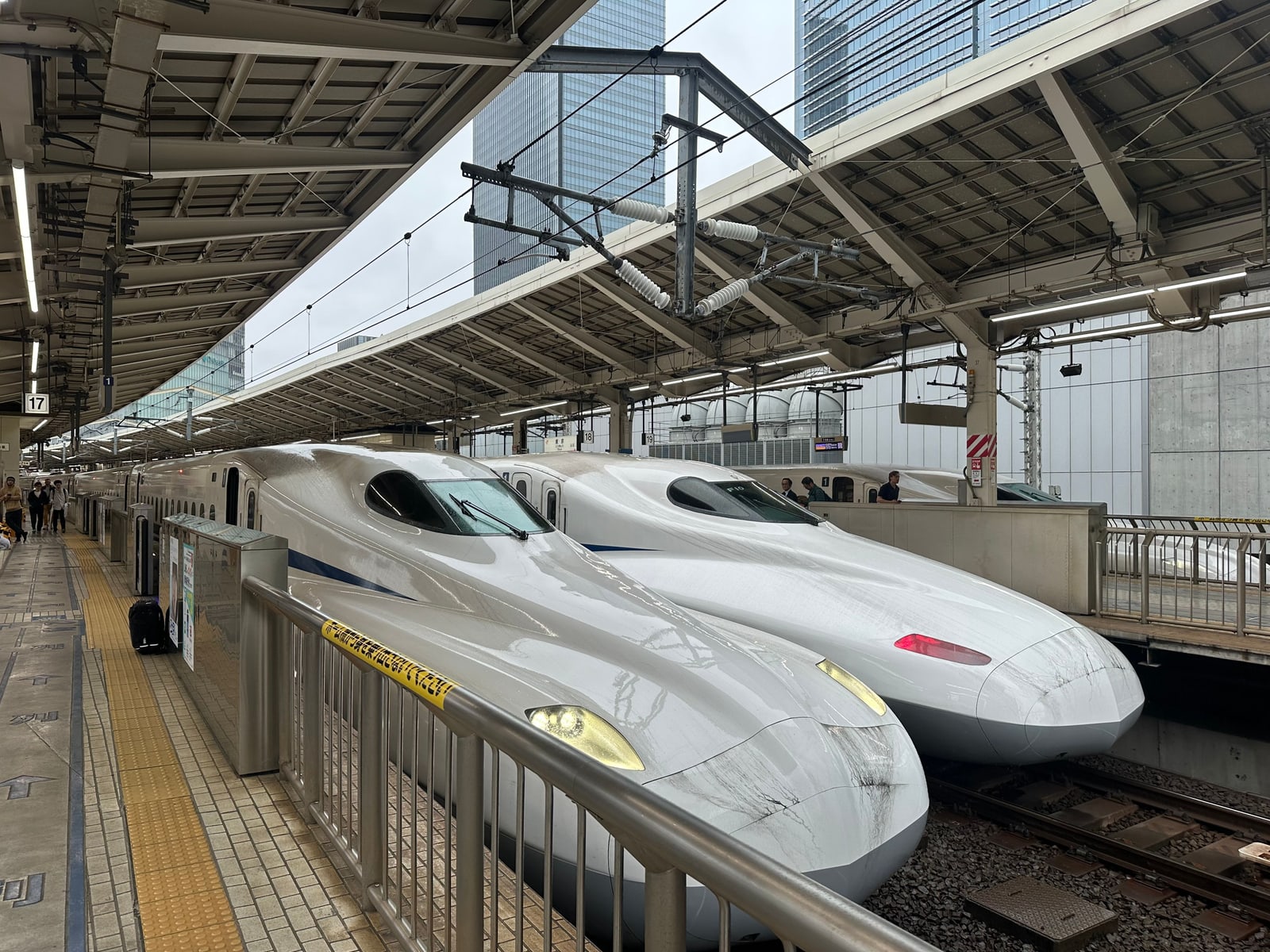
What follows: one long trip plus city days, buy single tickets. Even the Karuizawa return falls ¥3,740 short. Two long trips in the window, the pass pays, by ¥4,660 on the Kawaguchiko-plus-Karuizawa pair, before you count anything you ride on day three.
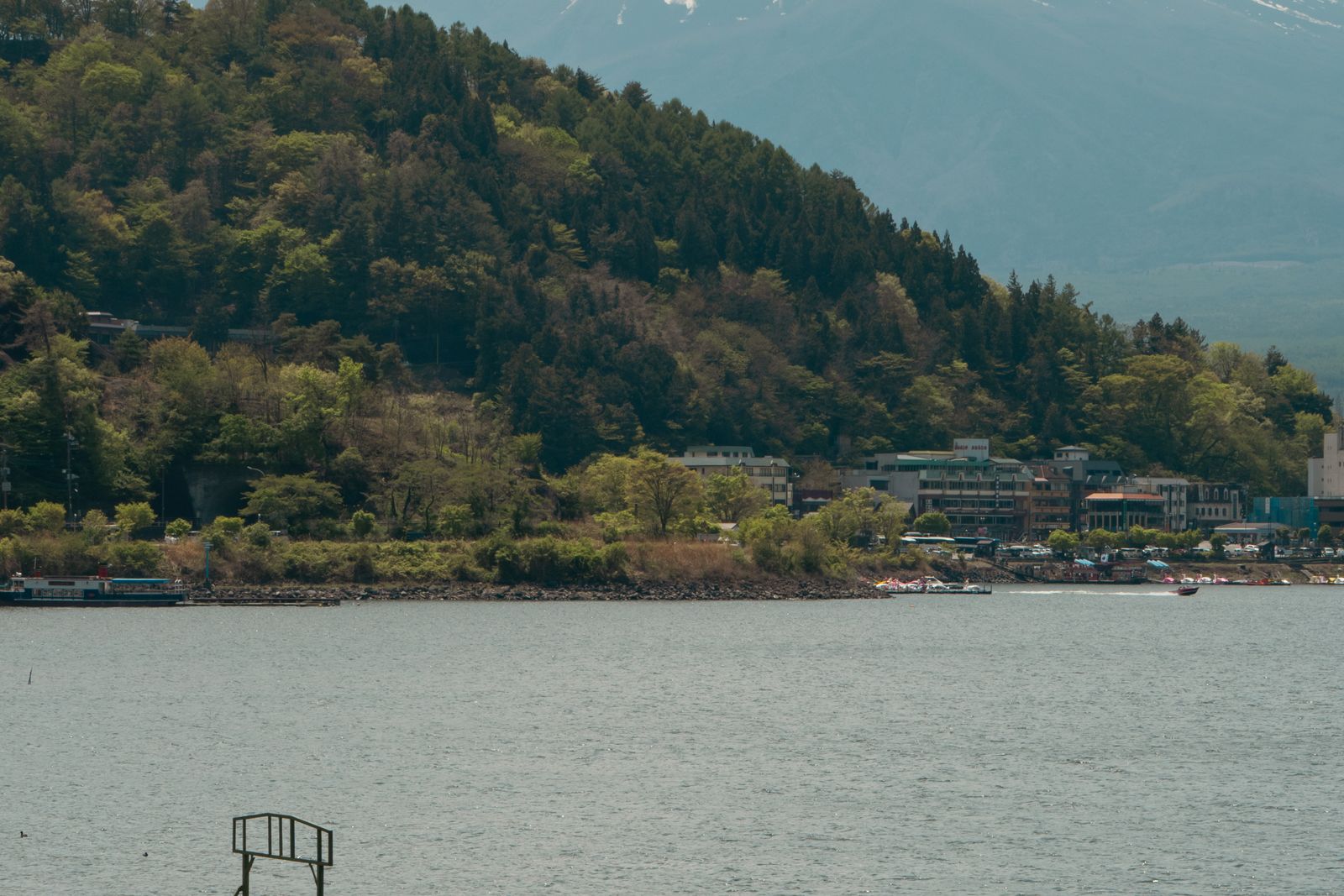
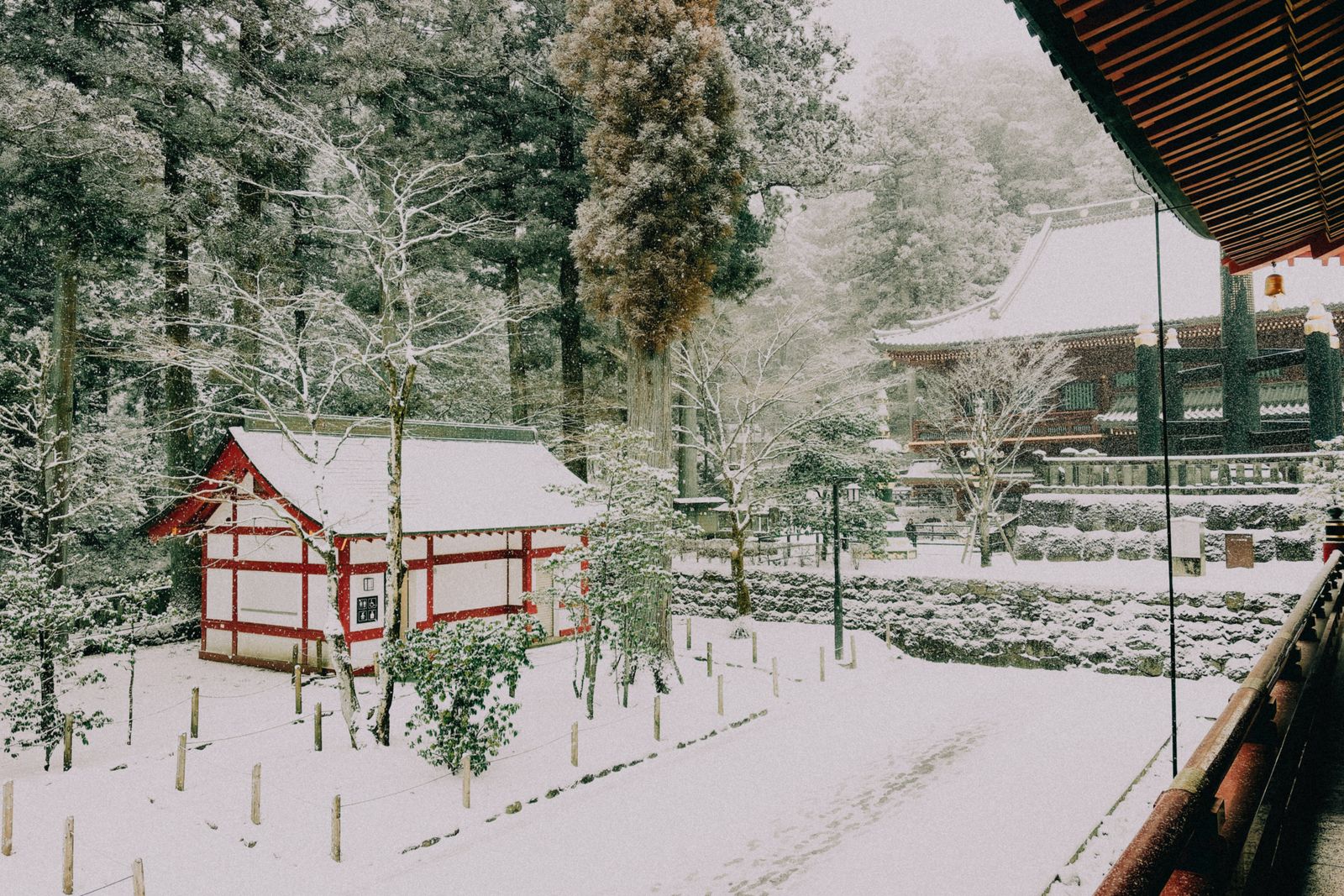
Two long days in a row also have to fit the clock. The last direct Fuji Excursion back to Shinjuku leaves Kawaguchiko at 17:41. Nikko’s Toshogu shrine closes at 17:00 from April to October and at 16:00 from November to March. The Shinkansen to Karuizawa takes about an hour on the fastest trains, so that day is the easy one to pair.
Line 2: is your day trip on a covered railway?
JR East lists what the pass covers: JR East lines (Shinkansen included), Tokyo Monorail, the Izu Kyuko line, Fujikyu Railway, the Joshin Dentetsu line, the Rinkai line, and the New Shuttle from Omiya to the Railway Museum. Everything else is extra. Destination by destination:
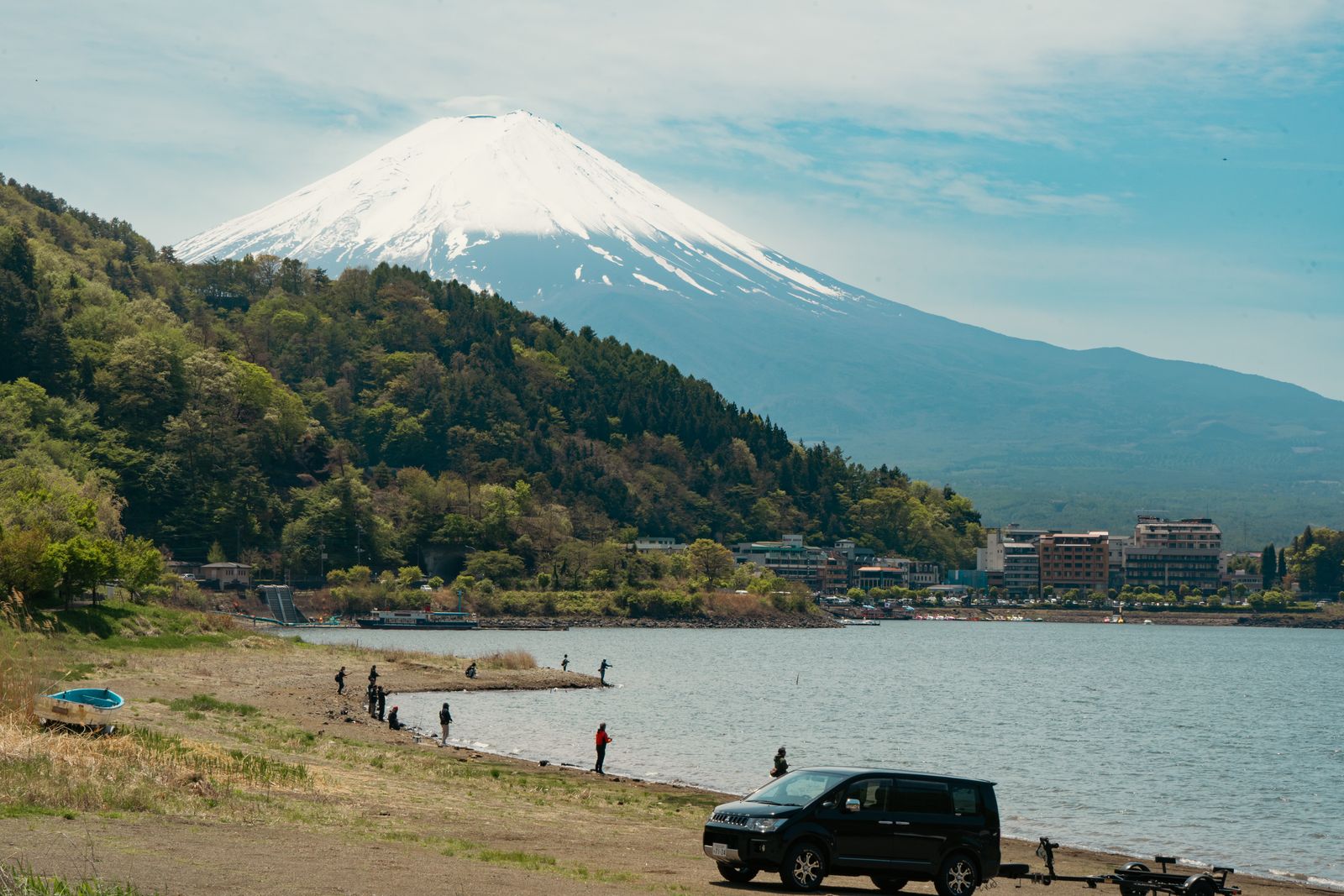
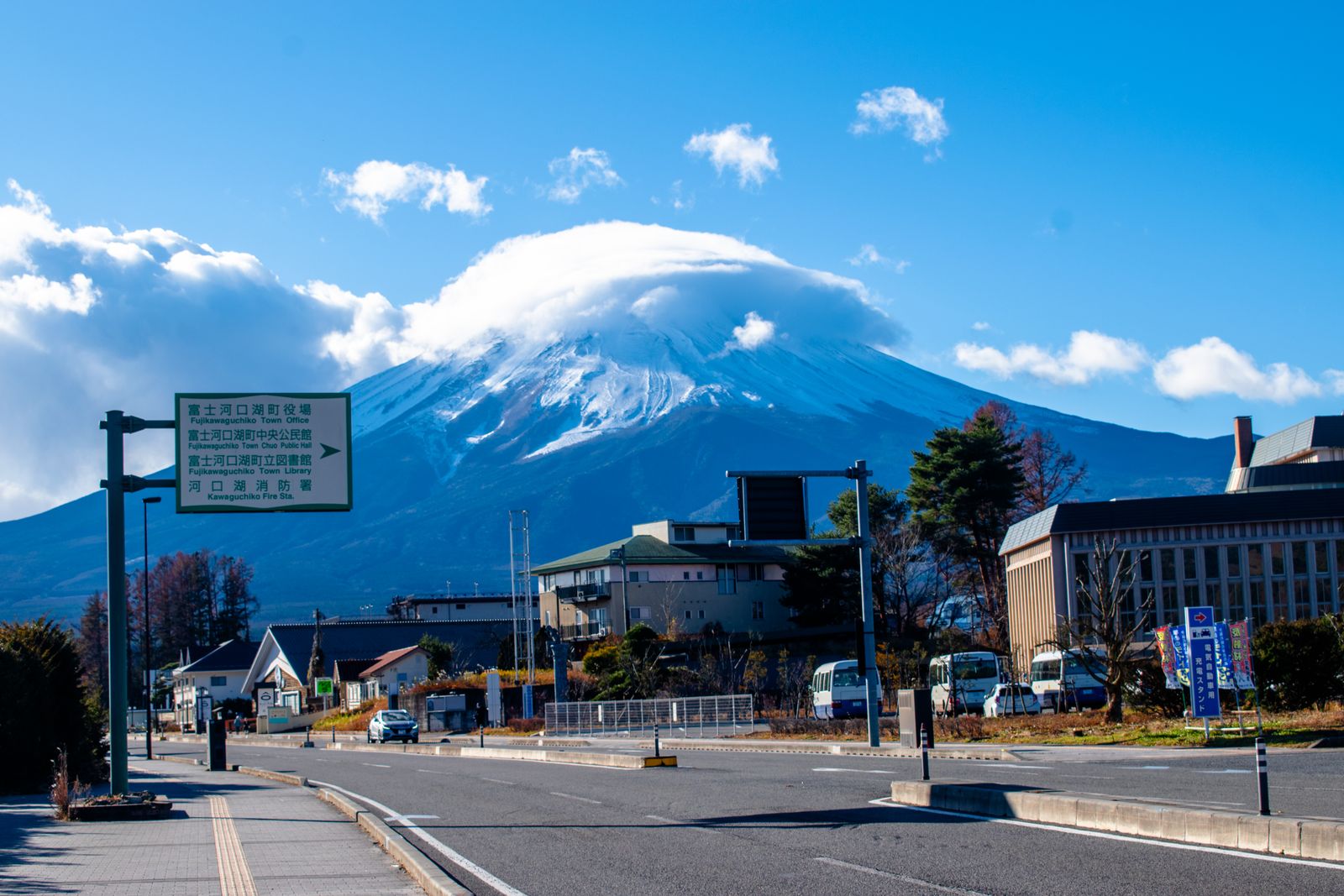
Kawaguchiko and the Fuji lakes: covered, including Fujikyu. JR East’s terms name the Fuji Excursion among the trains you reserve with the pass. It has no unreserved seats and goes on sale a month ahead at 10:00, so get the seat ticket at a JR East machine or ticket office before you board. Extra fees apply to reserved seats on Fujikyu’s own Fujisan Express and Fujisan View Express, and to the Fuji Tozan Densha.
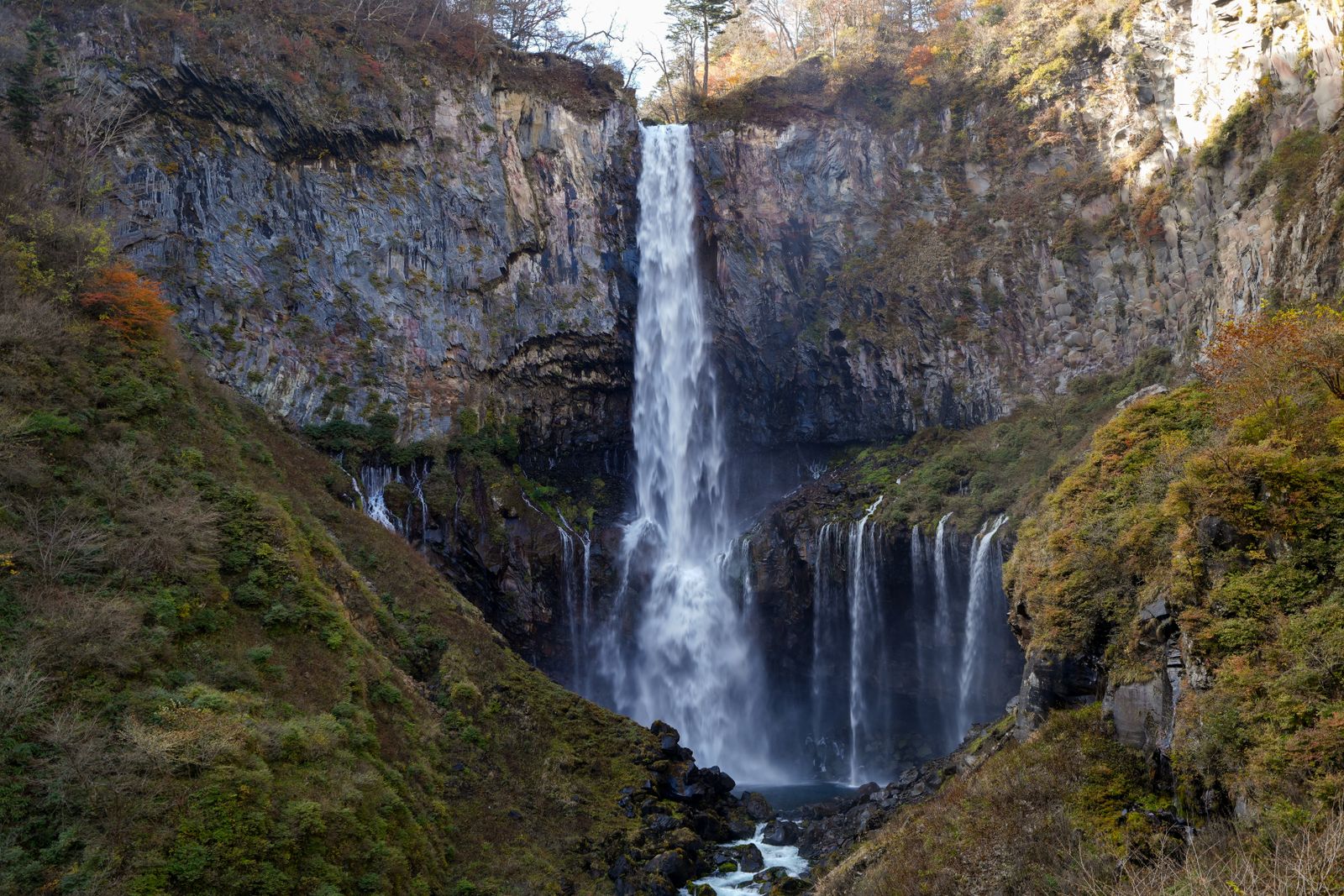
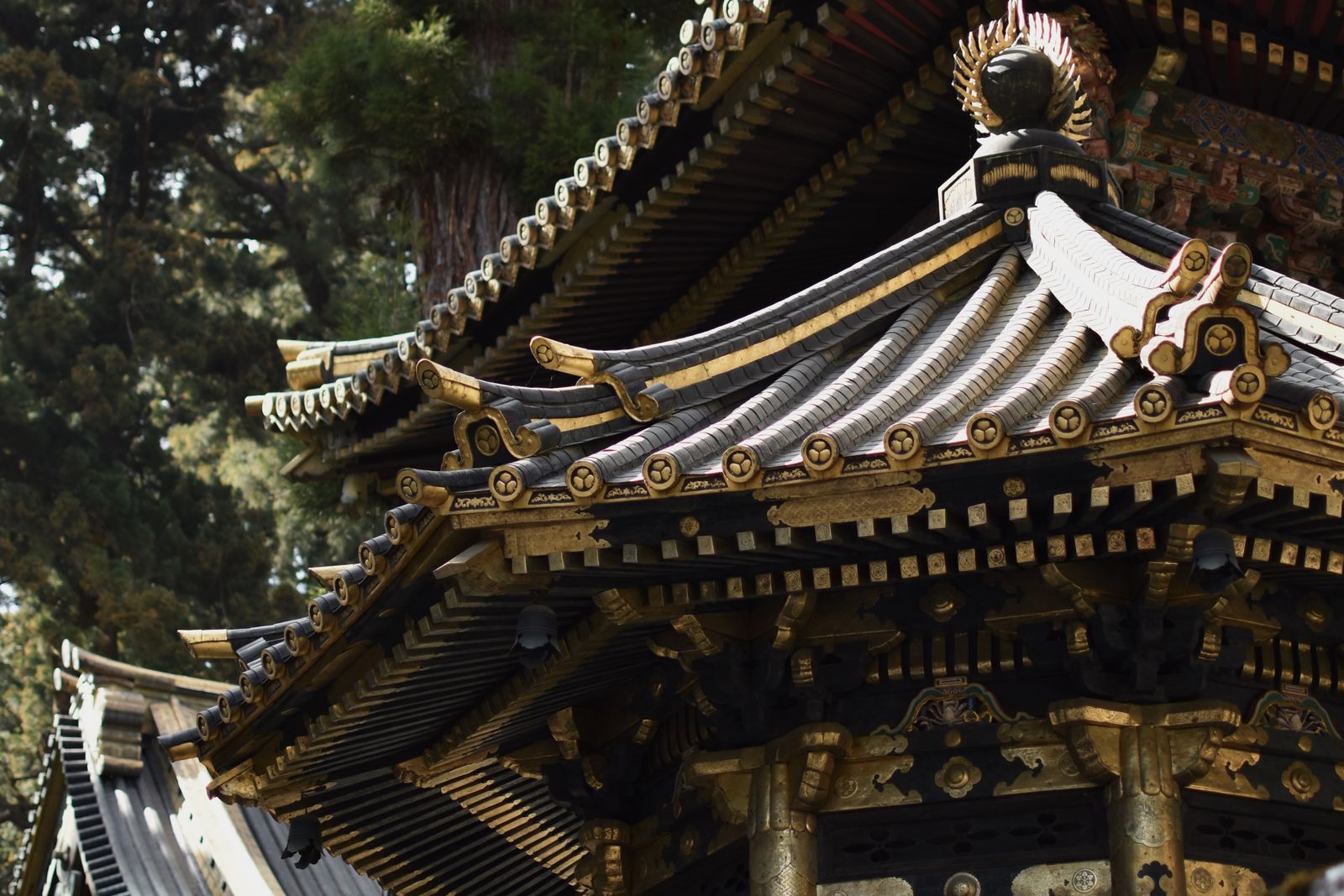
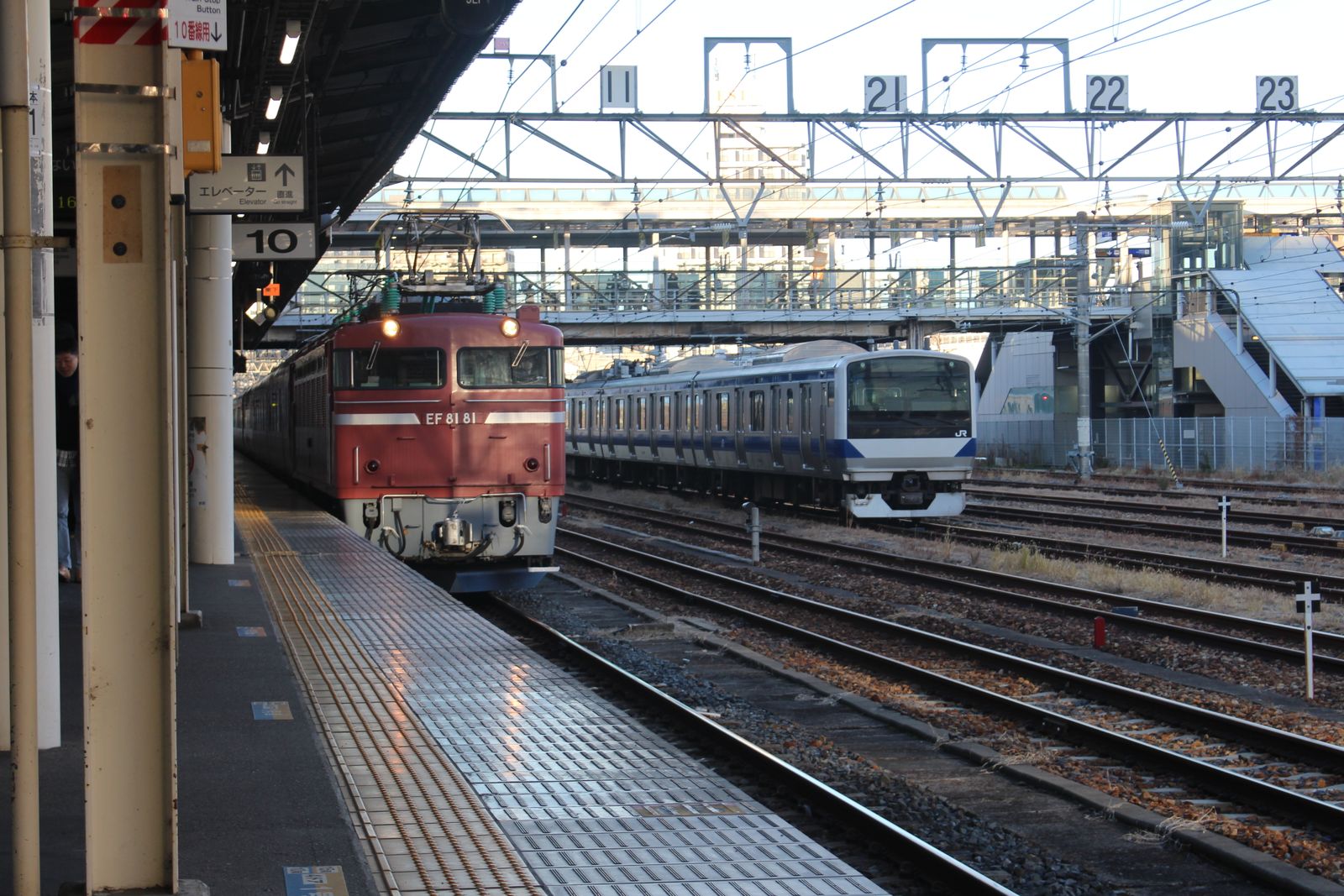
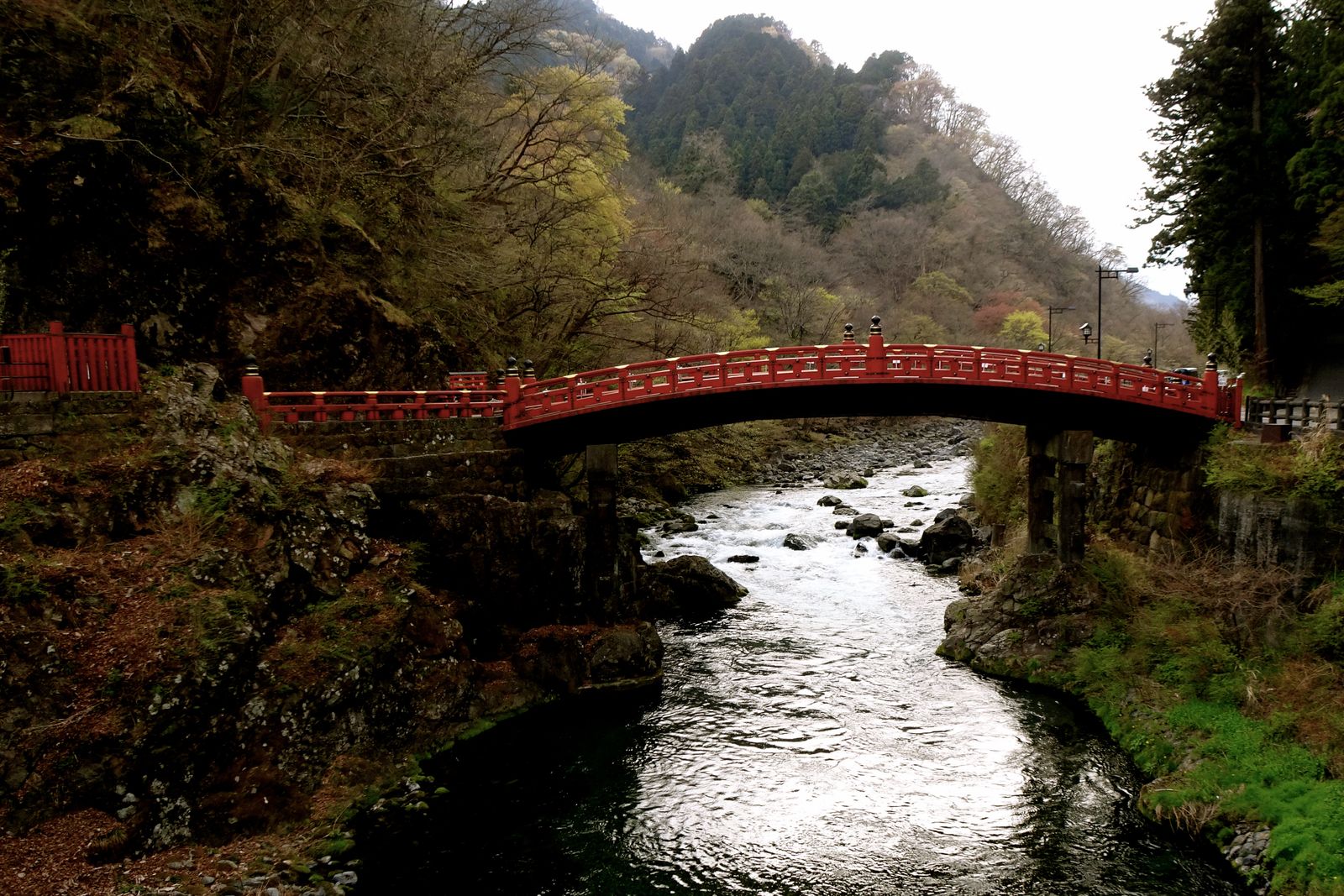
Nikko: covered by JR, not by Tobu from Asakusa. Two routes are covered. One is the Tohoku Shinkansen to Utsunomiya (about 50 minutes, per JR East) and the JR Nikko Line. The other is the through limited expresses Nikko, Kinugawa and SPACIA Kinugawa, which start on JR and run onto Tobu, all seats reserved. Tobu limited expresses that start and end on Tobu, such as those from Asakusa, are not covered; JR East requires a JR station at one end. If you are staying near Asakusa, Tobu’s NIKKO PASS (World Heritage Area, ¥3,000 for two days, foreign travelers only, express seat extra) is the comparison. The Nikko day trip page works through that day.
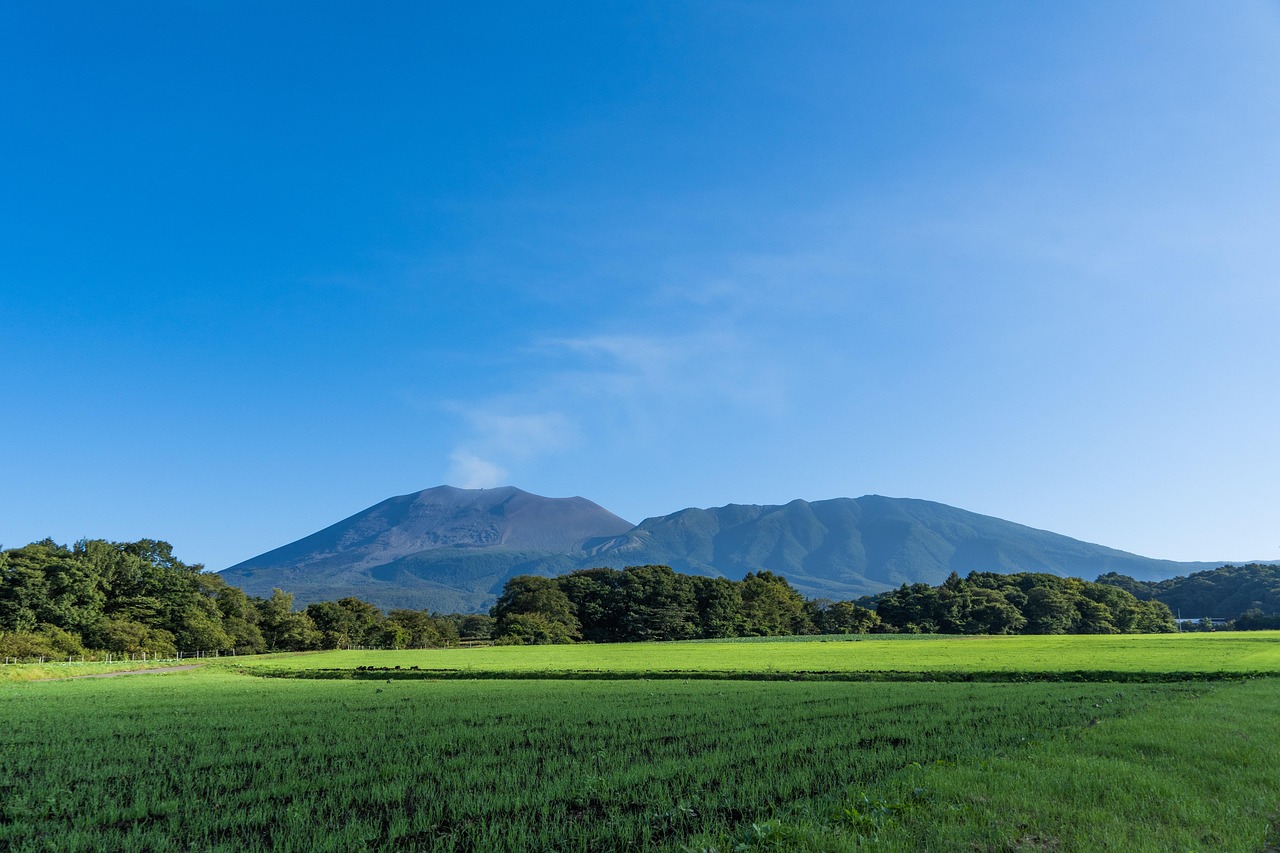
Karuizawa: covered. The pass area runs along the Hokuriku Shinkansen to Sakudaira, one stop past Karuizawa.
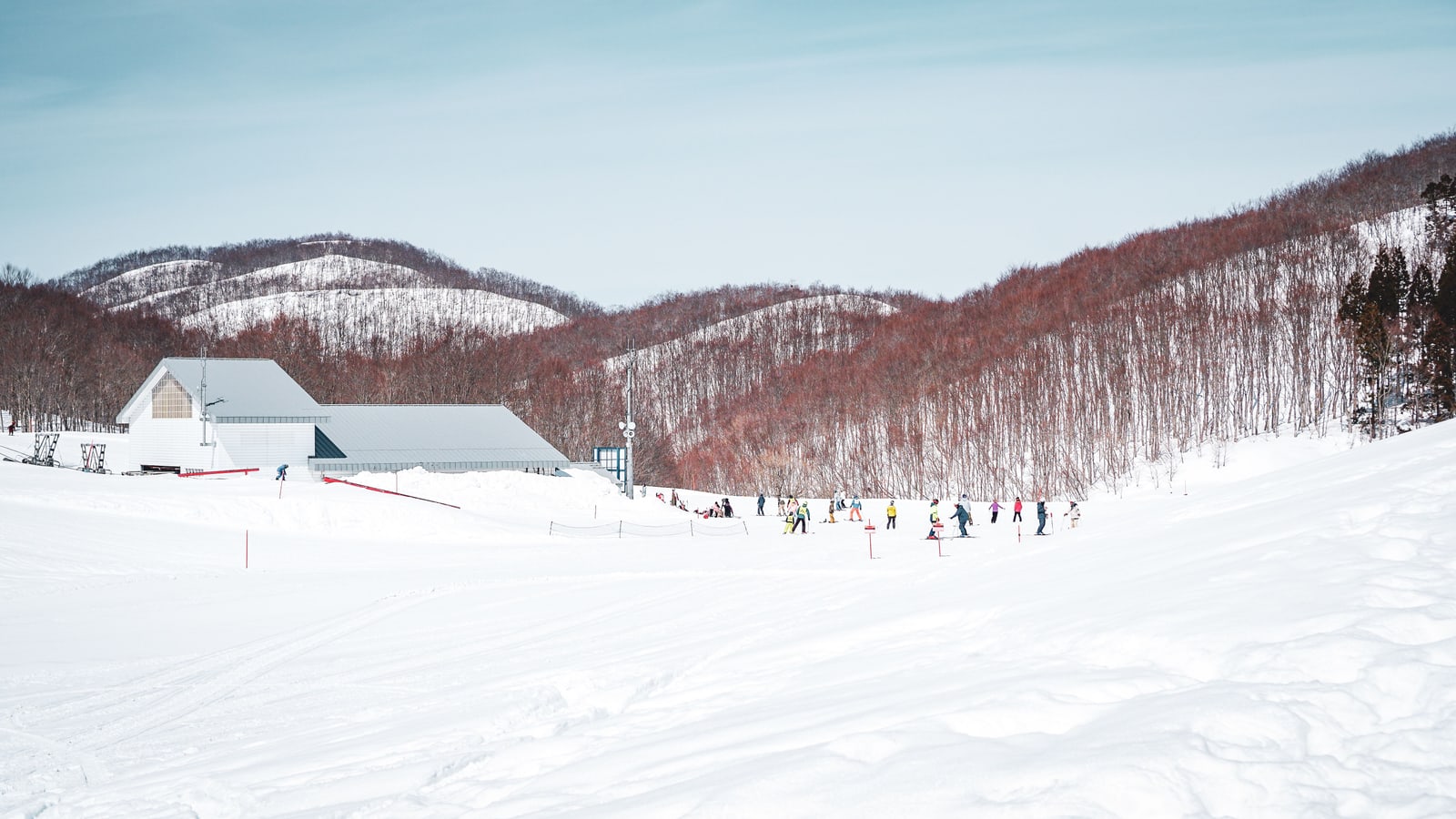
GALA Yuzawa: covered, in season. The Joetsu Shinkansen runs into the ski area’s own station, and JR East notes that GALA Yuzawa station operates only in winter and spring.
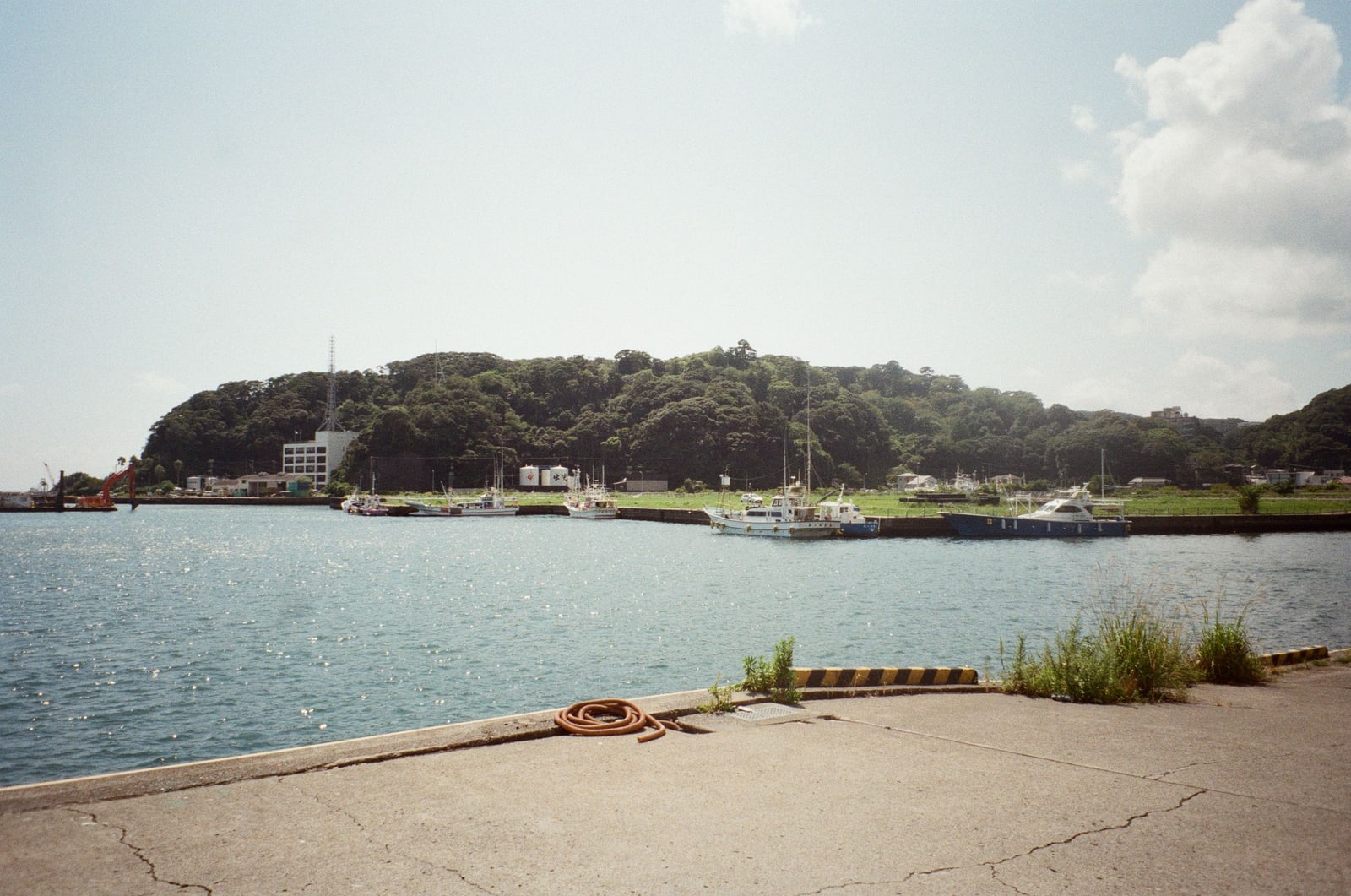
Izu: covered to Shimoda. JR to Ito, then the Izu Kyuko line down to Izukyu-Shimoda.
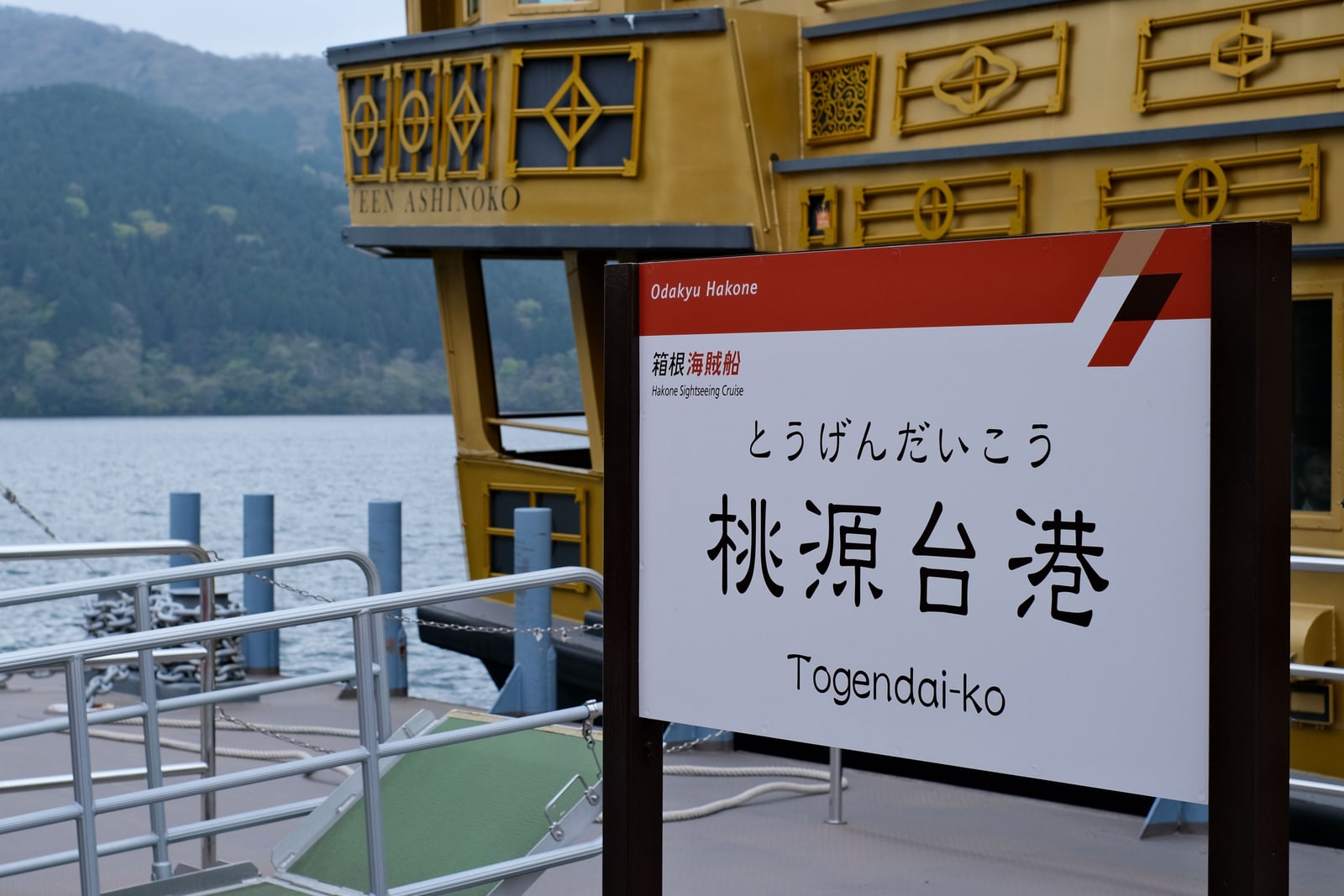
Hakone: not covered. Odakyu and the Hakone railways, ropeway and boats are not on JR East’s list. JR East’s coastal line toward Atami is covered, but nothing in Hakone itself is. A Hakone day belongs to Odakyu’s Hakone Freepass, ¥7,100 for two days from Shinjuku, Romancecar seat extra; the Hakone Freepass page runs that math. If one of your two long days is Hakone, the pass is back to one long trip, and line 1 says single tickets.
The tie-break: the airport ride and the small print
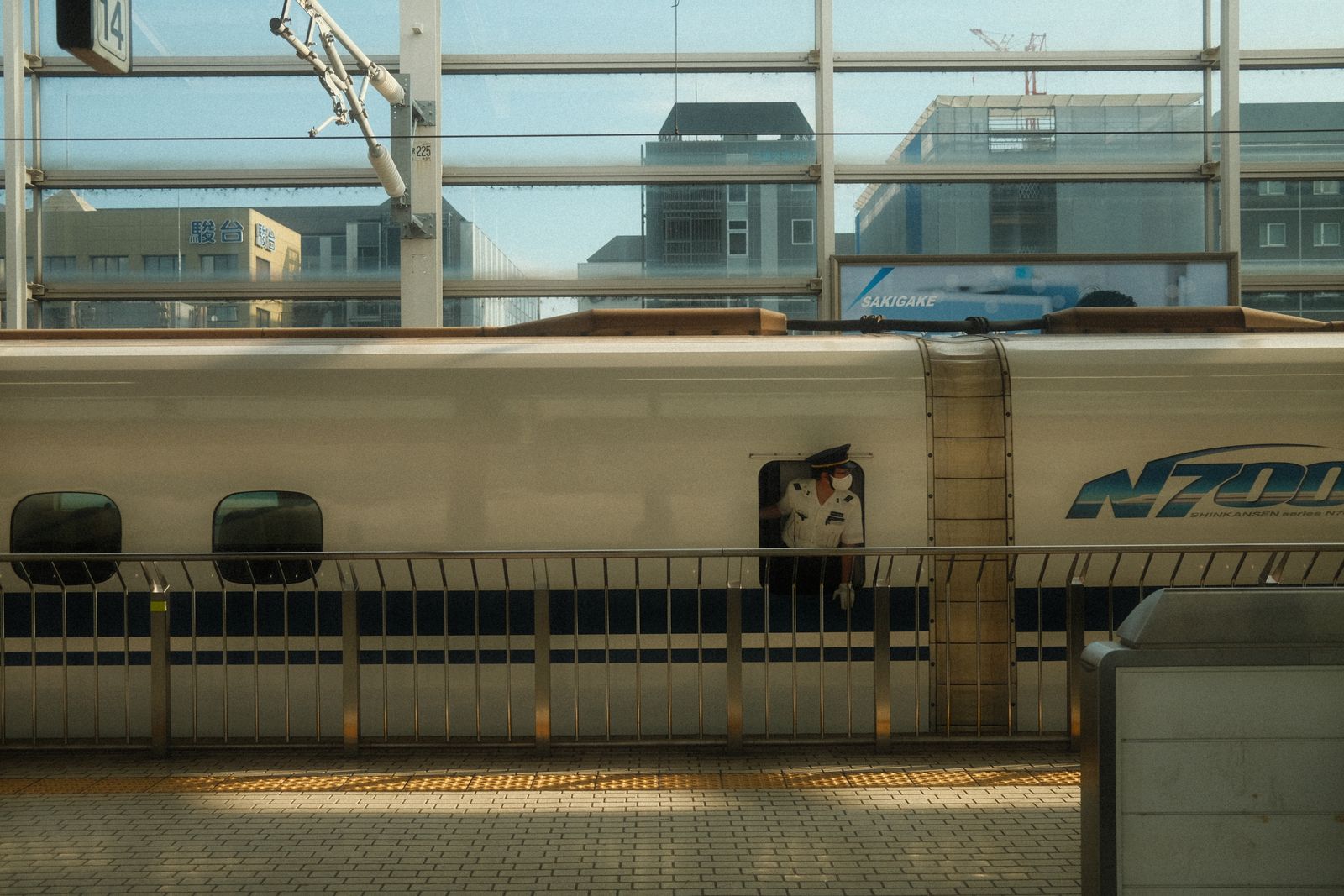
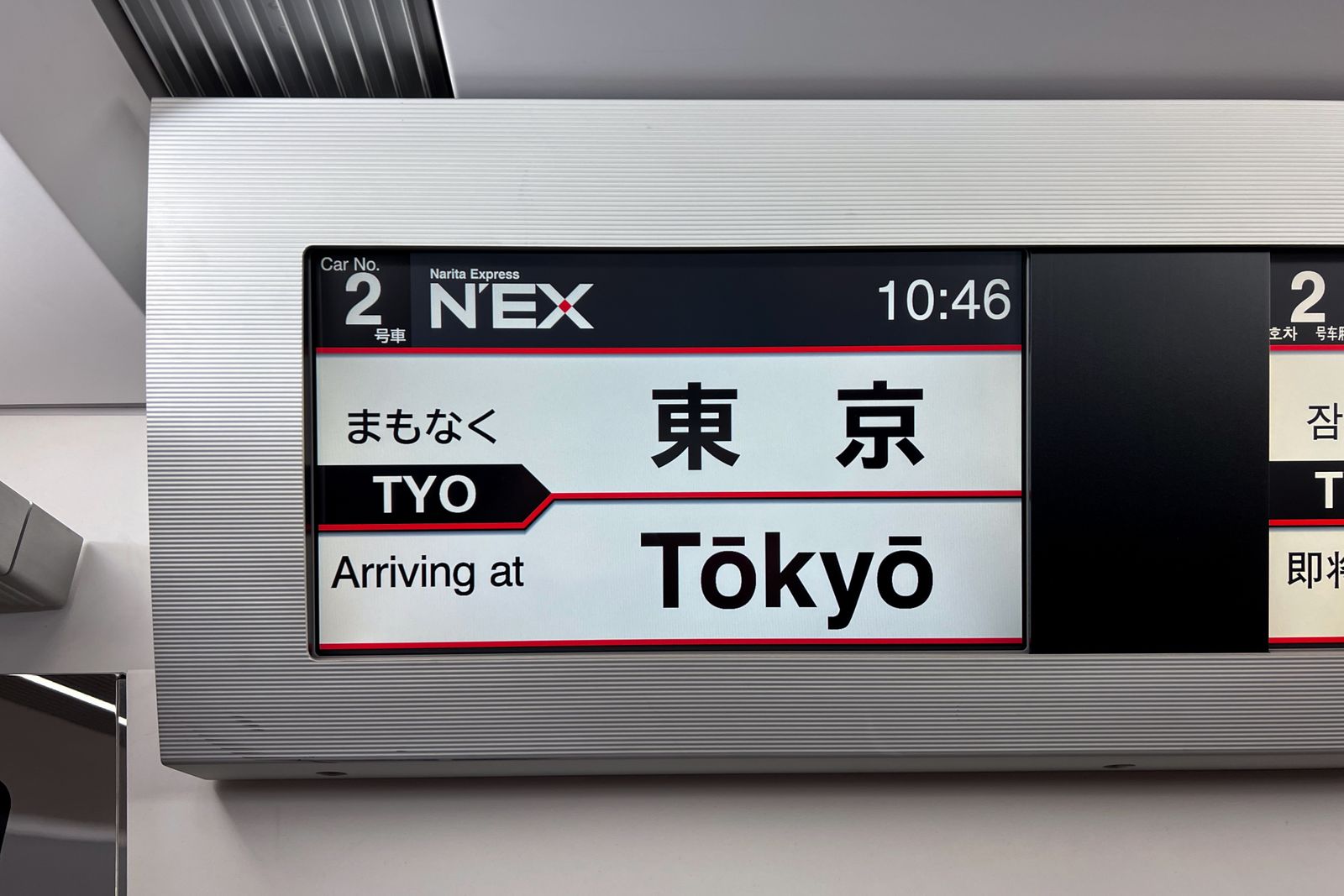
The airport. The Narita Express and Tokyo Monorail (to Haneda) are inside the pass. If your three days include the day you land or leave, that ride costs nothing more. That can tip a close case.
What the pass leaves out. The Green Car and GranClass cost extra. Hayabusa and Komachi trains on the Tohoku Shinkansen are not valid. JR buses are not covered, and none of the local bus lines at Nikko, Kawaguchiko or Hakone appear on the list.
If plans change. An unused pass can be refunded within its validity, only where you bought it, minus 10%. Once you start using it, JR East gives no refund or extension, even when trains are suspended. A lost pass is not reissued, and the dates can’t be changed.
A five-day Tokyo trip, worked through
Say you land on day 1 and stay in Tokyo to day 5, with Kawaguchiko and Karuizawa on your list.
Start the pass on day 2. Day 2, Kawaguchiko on the Fuji Excursion, seat booked a month out (¥8,400 on single tickets). Day 3, Karuizawa (¥12,260). Day 4, whatever JR ride you take is already paid. Single tickets come to ¥20,660 or more; the pass is ¥16,000.
Swap Karuizawa for Hakone and it turns. The only covered long trip left is Kawaguchiko at ¥8,400, and Hakone needs its own ¥7,100 Freepass anyway. Single tickets win.
Swap it for Nikko, and the answer depends on where you sleep. Near a JR line, Nikko by JR joins the pass days. Near Asakusa, Tobu’s NIKKO PASS fits better.
Buying it
If line 1 gave you two long trips inside three days, and line 2 put both on covered lines, buy the pass for exactly those three days. Then reserve the seats you need, starting with the Fuji Excursion, which goes on sale a month ahead. If either check failed, don’t buy it; single tickets and the other passes above cost less. JR East’s pass page links to its own JR-EAST Train Reservation site, and the pass is issued only against your original passport.
Both long days on covered lines?
JR Tokyo Wide Pass on Klook
The pass covers three consecutive days on JR East, Fujikyu and Izukyu lines, ¥16,000 at JR East's price. Check on the listing how it is issued against your passport and how you set the start date.
Check the JR Tokyo Wide Pass on Klook →Sold on Klook (Klook Travel Technology Limited), an online travel agency; the pass itself is JR East's. Before you pay, check on the listing how the booking becomes a pass (JR East issues it only against your original non-Japanese passport), how you pick your three days, and the cancellation terms.
Next
Put your two longest day trips on the calendar side by side. If they fit in three days and both are on the covered list, the next step is the Fuji Excursion seat, which goes on sale one month before, at 10:00. If one of them is Hakone, go to the Hakone Freepass page instead. If Kyoto is on the same trip, price the Japan Rail Pass first.