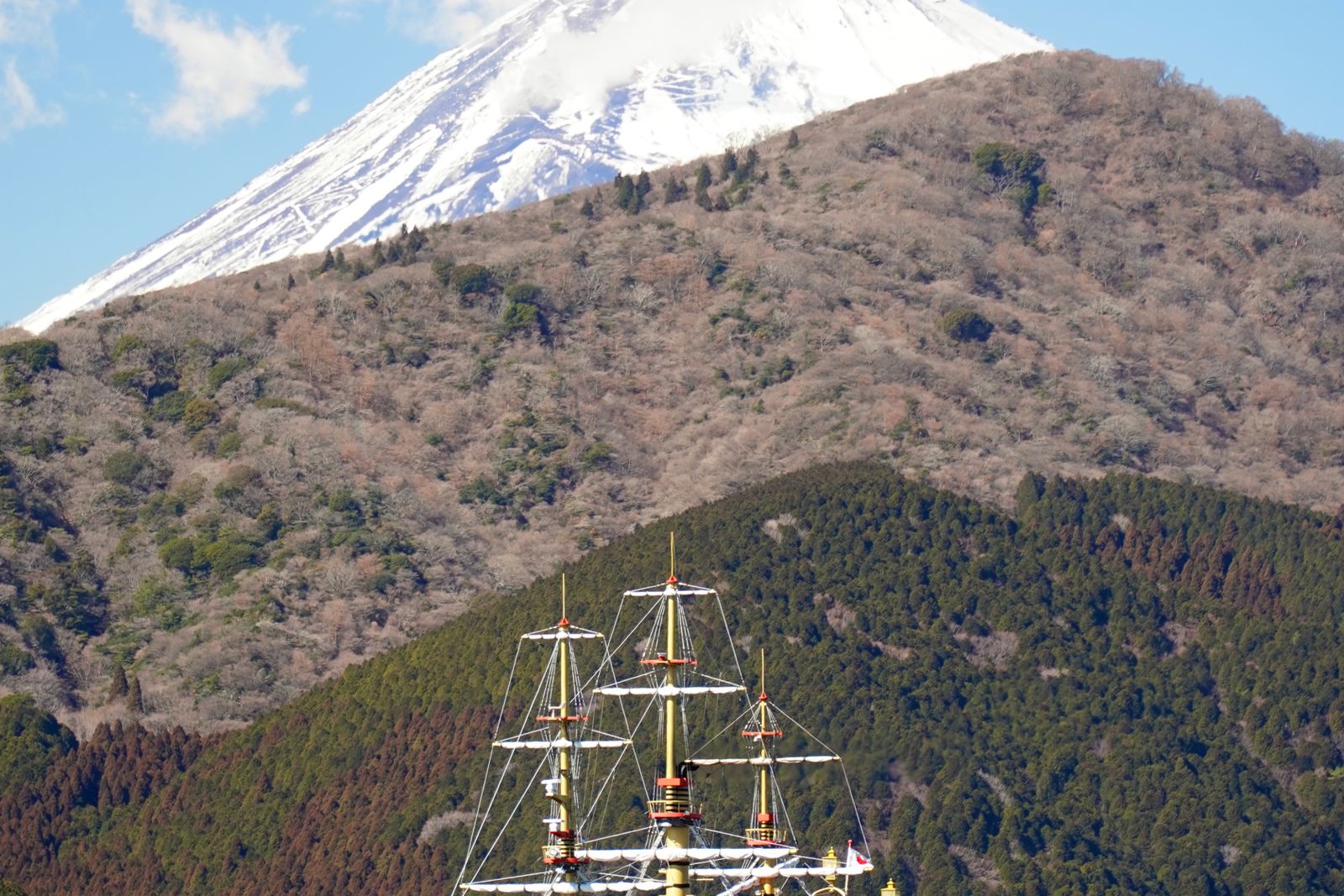
Buy the Hakone Freepass, or pay each fare? Many pages still do the math on the old ¥6,100 price. Since October 1, 2025 it is ¥7,100 for two days from Shinjuku (Odakyu’s page, checked September 25, 2026). The answer depends on your plan:
- You ride the whole loop (train, cable car, ropeway, boat, bus) and return: the pass pays. Odakyu’s own comparison puts the saving at ¥1,060 for that loop from Shinjuku.
- You start at Odawara: buy the Odawara version, ¥6,000.
- You only go to Hakone-Yumoto and back: skip the pass and price the two train tickets.
- Either way, the Romancecar is extra: +¥1,200 each way from Shinjuku.
Riding the whole loop?
Hakone Freepass on Klook
Then the pass pays: Odakyu's own comparison puts the saving at ¥1,060 for the loop from Shinjuku, and you skip a ticket at every leg.
Check the Hakone Freepass on Klook →Sold on Klook (Klook Travel Technology Limited), an online travel agency; the pass itself is issued by Odakyu. Before you pay, check on the listing which departure station (Shinjuku or Odawara) and how many days you are buying, how you redeem it, and the cancellation terms. The Romancecar surcharge is not included.
First: do you ride the loop, or stop at Hakone-Yumoto?
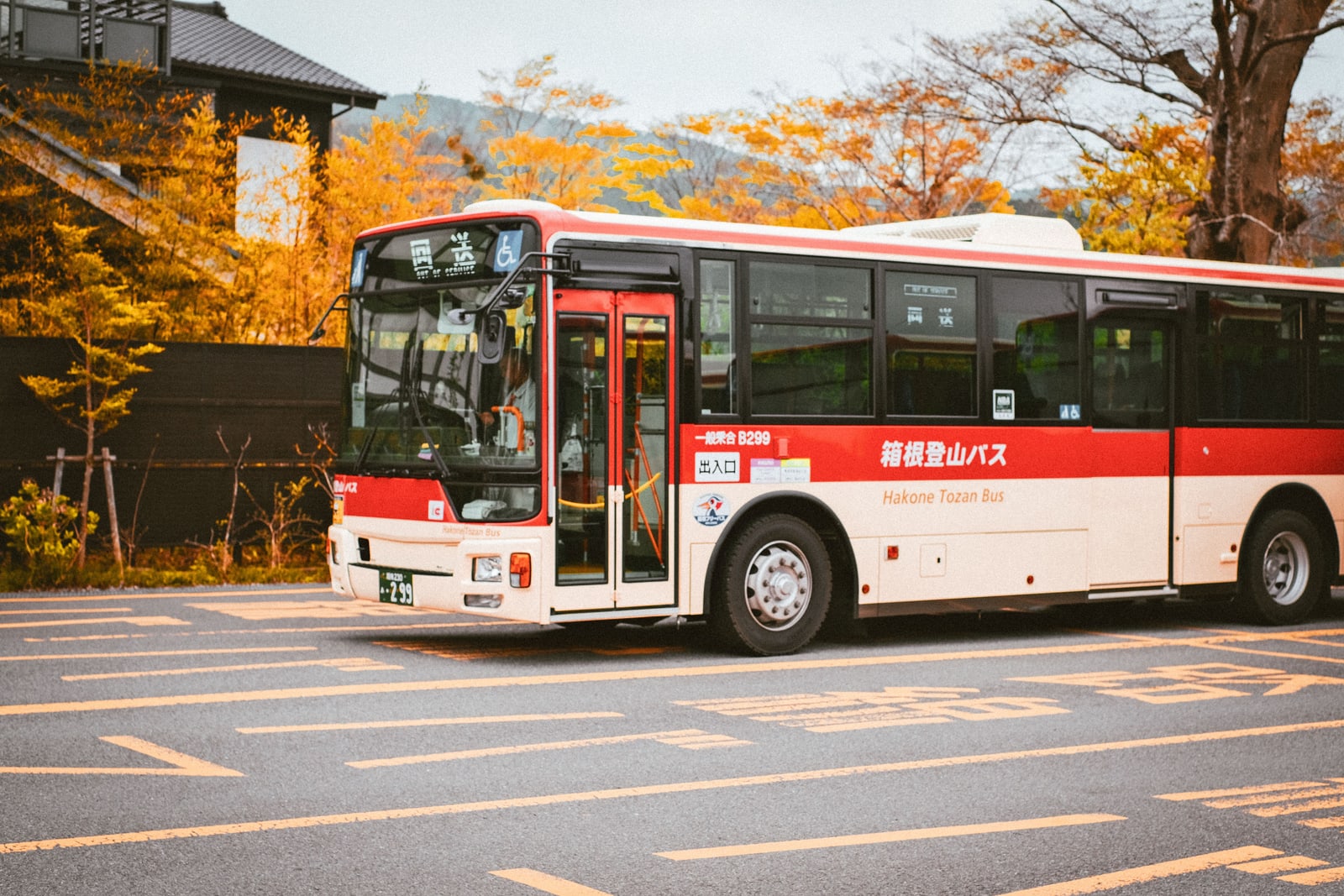
The Freepass covers eight kinds of transport: the Odakyu Line, the Hakone Tozan Train, the Hakone Tozan Cable Car, the Hakone Ropeway, the Hakone Sightseeing Cruise, and buses (Hakone Tozan Bus, the Kanko Shisetsu-meguri Bus, Odakyu Highway Bus and Tokai Bus, each within designated areas). Its value is in riding many of them in a day.
Odakyu shows that the classic loop from Shinjuku, done once, costs ¥1,060 more on single tickets than on the pass. That is the margin, and it follows that it is thin:
- If you ride everything once, the pass saves about ¥1,060 per adult, plus you skip buying a ticket at every leg.
- If you drop legs (no boat, say, or no ropeway), each skipped fare comes out of that ¥1,060. Skip one of the bigger legs and the pass can cost more than single tickets. Add up the single fares for the legs you actually plan to ride.
- If your day is Hakone-Yumoto and back (an onsen, lunch, the shopping street), you use one rail line. The pass is not built for that trip.
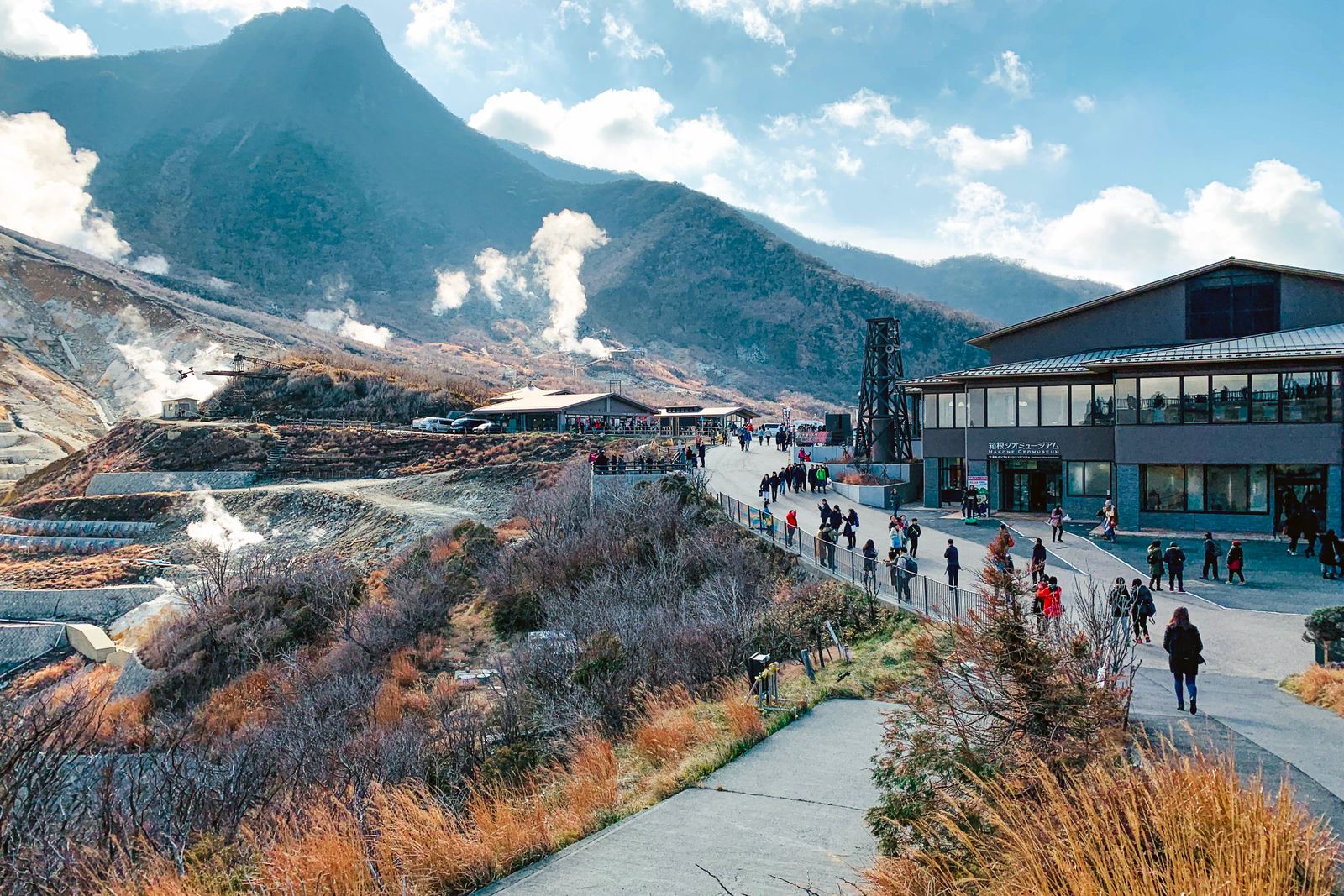
One more loop fact decides the day, not the price: the Hakone Ropeway stops for weather, for volcanic gas readings, and for its annual inspection. If it is not running, the loop breaks at its middle. Check the ropeway’s status on the morning before committing to a plan built on it.
Second: where you start, Shinjuku or Odawara
The pass comes in two starting points. The Shinjuku version includes the Odakyu round trip from Shinjuku to Odawara; the Odawara version starts at Odawara and covers the Hakone area only.
| Version | Adult | Child | Romancecar, each way (adult) | Fits |
|---|---|---|---|---|
| From Shinjuku, 2 days | ¥7,100 | ¥1,600 | +¥1,200 | Day trip or one night from Tokyo on Odakyu |
| From Shinjuku, 3 days | ¥7,500 | ¥1,850 | +¥1,200 | Two nights in Hakone |
| From Odawara, 2 days | ¥6,000 | ¥1,500 | +¥200 (Odawara to Hakone-Yumoto) | You arrive at Odawara another way |
| From Odawara, 3 days | ¥6,400 | ¥1,750 | +¥200 | Two nights, arriving at Odawara |
The two versions are ¥1,100 apart. That difference is what the Shinjuku version charges for the Odakyu round trip to Odawara.
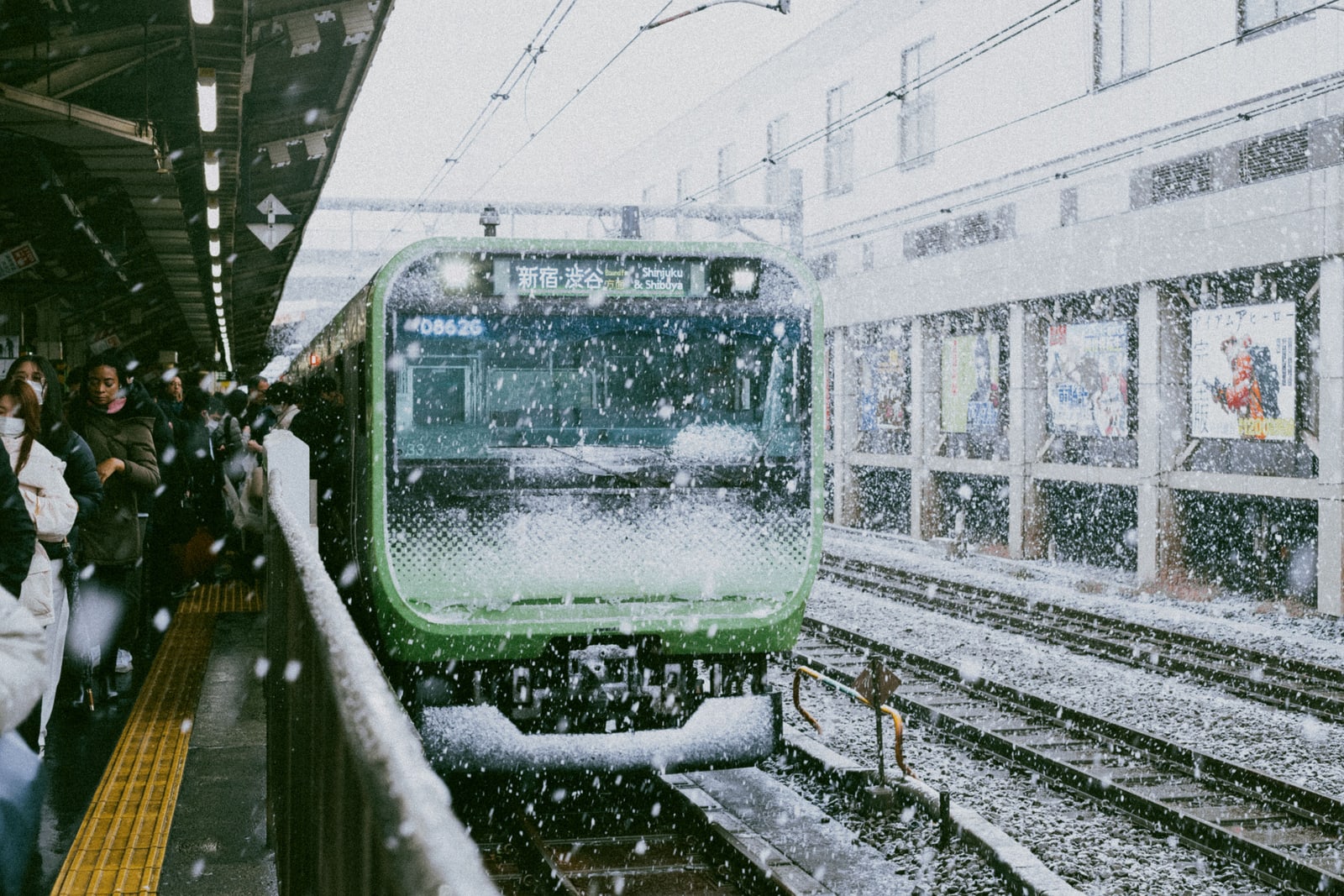
- If you ride Odakyu from Shinjuku, buy the Shinjuku version.
- If you reach Odawara another way (a Shinkansen, a rail pass you already hold), buy the Odawara version. Buying the Shinjuku one would pay for a train you won’t ride.
Third: one day or a night
There is no one-day Hakone Freepass: the shortest is two days. The day you buy it is day one, whatever the hour. A two-day pass runs until the last train or bus of the next day.
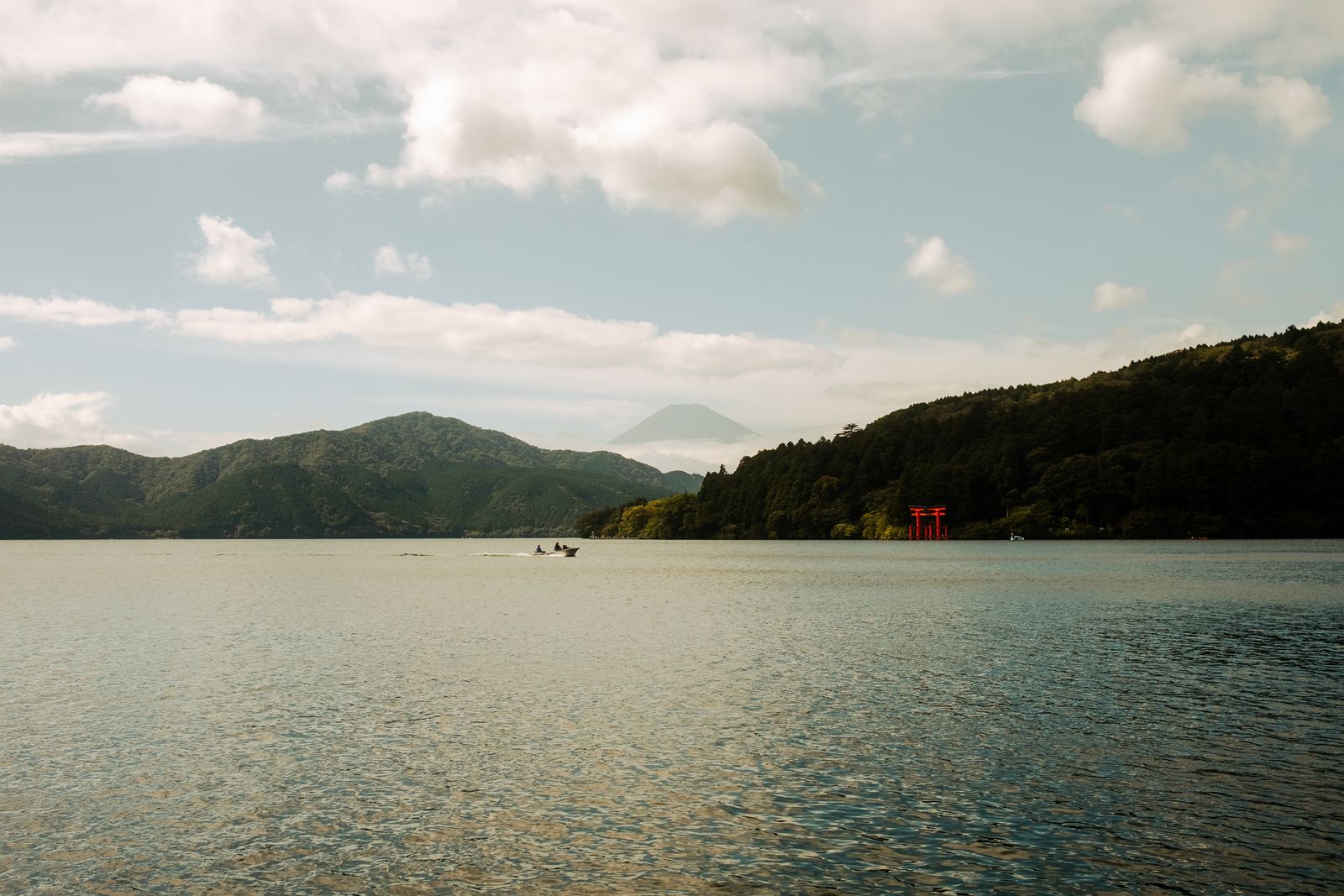
If you go for a day, you pay the two-day price and use one. The loop still saves about ¥1,060 if you ride it all, but the clock gets tight. The Hakone tourist association frames a day in Hakone as roughly 8:30 a.m. to 6:30 p.m. and says the area is best experienced overnight. The last Romancecar back toward Shinjuku leaves at 19:50 on weekdays and 19:52 on weekends (timetable dated March 14, 2026).
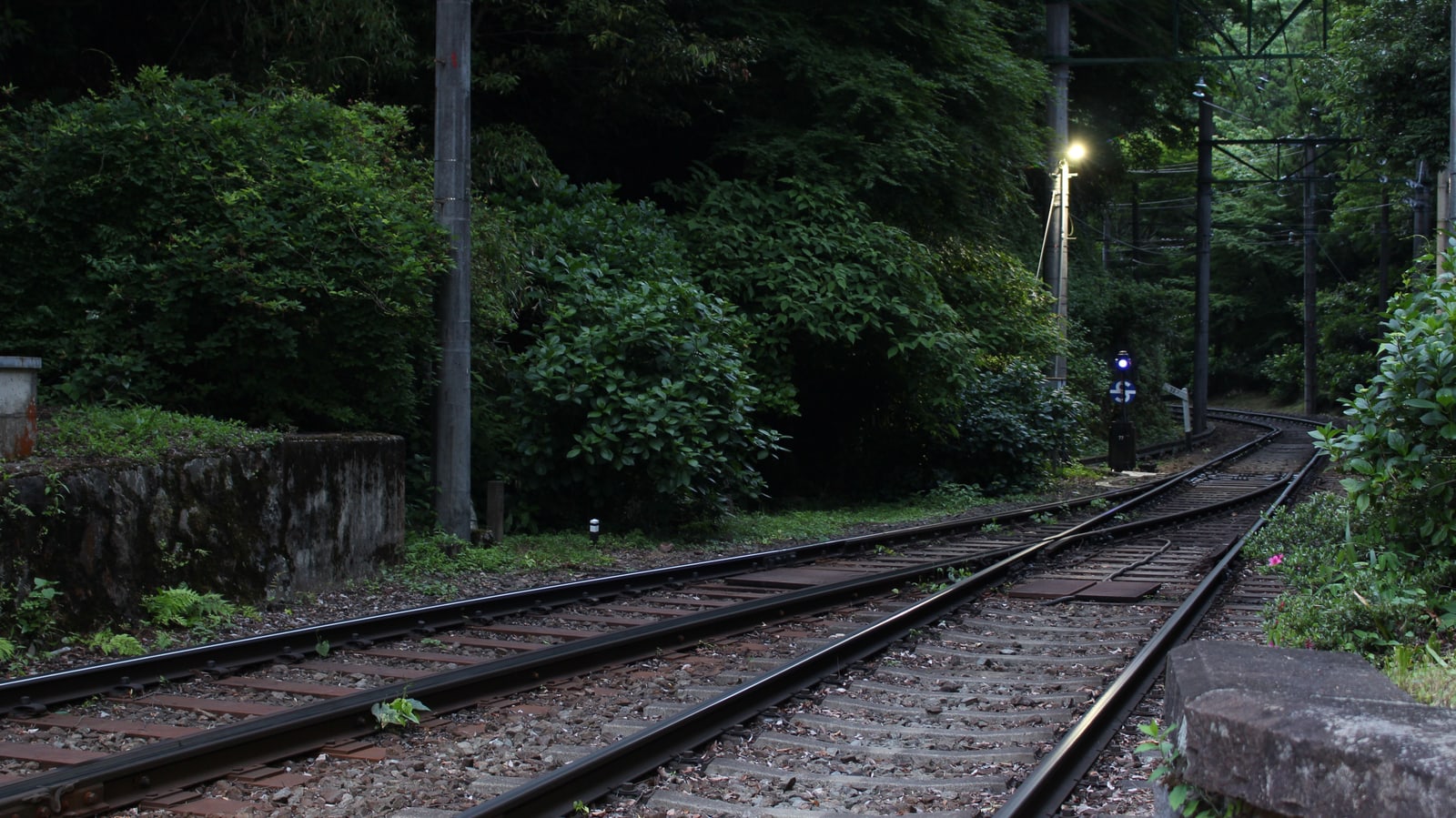
If you stay one night, the same two-day pass covers both days. You can split the loop, ride legs twice, and let the ropeway’s weather choose the day. This is the plan the pass fits best.
If you stay two nights, the three-day version is ¥400 more than the two-day one.
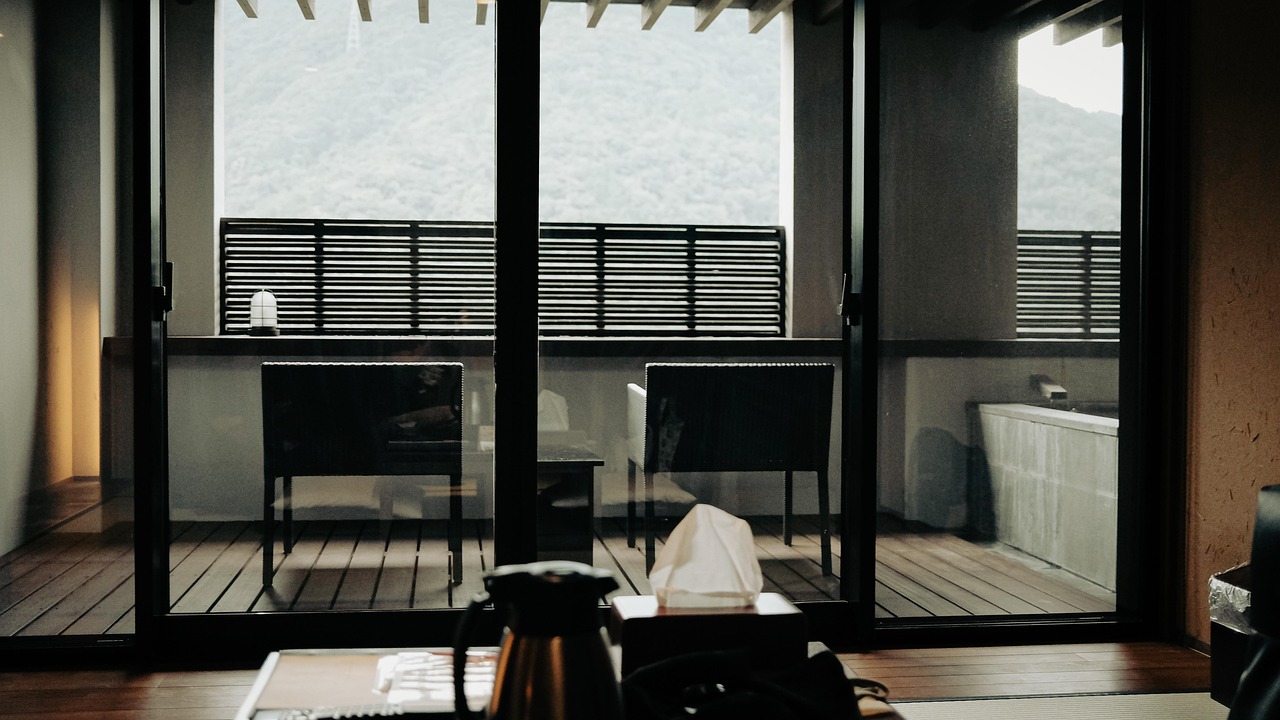
Fourth, the tie-break: the Romancecar is not included
The Romancecar is Odakyu’s limited express, about 80 minutes from Shinjuku to Hakone-Yumoto. The Freepass does not include its surcharge:
- From Shinjuku: +¥1,200 per adult each way (+¥600 per child)
- From Odawara to Hakone-Yumoto: +¥200 (+¥100 per child)
So a Shinjuku day trip with the Romancecar both ways costs ¥9,500 per adult: ¥7,100 for the pass and ¥2,400 in surcharges. The surcharge is the same with or without the pass, so it does not change whether the pass pays. It changes your total, and it changes your day: ordinary Odakyu trains, which the pass covers with no surcharge, take longer.
If your day trip depends on the last Romancecar home, reserve that seat in advance. Odakyu sells Romancecar tickets online for ¥50 less than at the counter.
Buying it: where the decision ends
If the first three conditions pointed to the pass (you ride the loop, you know your start station, and you know your day count), what’s left is where to buy it. Odakyu sells it itself through EMot Online Tickets on your phone, and as a paper ticket from station ticket machines and Odakyu Sightseeing Service Centers. It is also resold by online travel agencies. Whichever seller you use, match the version to your start station and your nights, and remember the Romancecar is a separate ticket.
The pass also gets discounts at about 70 facilities in the area. That’s a bonus, not a reason to buy the pass on its own.
If you’d rather pay in advance with a card and the currency you’re used to, one option is below. The facts above don’t change either way.
The pass fits your plan?
Hakone Freepass on Klook
Pick the departure station (Shinjuku or Odawara) and the number of days on the listing. The Romancecar surcharge is extra either way.
Check the Hakone Freepass on Klook →Sold on Klook (Klook Travel Technology Limited), an online travel agency; the pass itself is issued by Odakyu. Before you pay, check on the listing which departure station (Shinjuku or Odawara) and how many days you are buying, how you redeem it, and the cancellation terms. The Romancecar surcharge is not included.
If your conditions pointed away from the pass (Hakone-Yumoto only, or a loop with the big legs removed), skip it and pay per ride. That is the cheaper plan, and no pass fixes it.
A worked day, from Shinjuku
- Before the day: buy the Shinjuku two-day pass; reserve a Romancecar seat out and back if you want the fast train; check the ropeway.
- Morning: Romancecar to Hakone-Yumoto (about 80 minutes), then the Tozan Train and the Cable Car uphill.
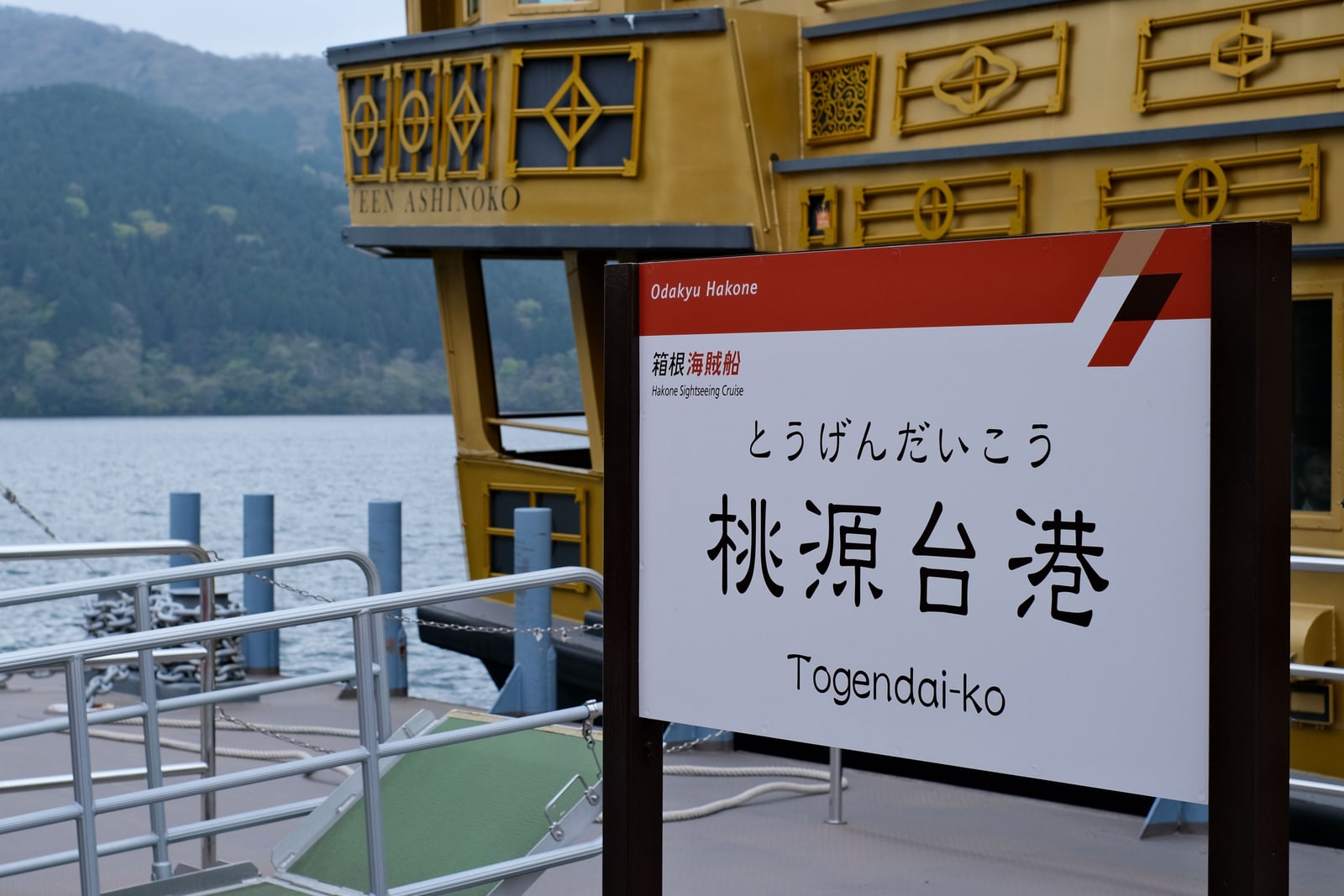
- Midday: the Ropeway, then the boat across Lake Ashi from Togendai-ko.
- Afternoon: the bus back down toward Hakone-Yumoto or Odawara.
- Evening: be on the platform well before the last Romancecar (19:50 weekdays, 19:52 weekends).
- Cost per adult: ¥7,100 pass + ¥2,400 Romancecar = ¥9,500. Against single fares for the same loop, the pass part is about ¥1,060 cheaper.
Next
Your first condition decides your next step. If you ride the loop, pick your start station and buy the matching version. If Hakone is still competing with Kamakura, Nikko or Fuji for your spare day, Day Trips from Tokyo, Ranked sets them side by side. If the last Romancecar is the thing that worries you, Where to Stay in Tokyo ranks areas on their lines and last trains.