The answer, in the order the conditions decide it
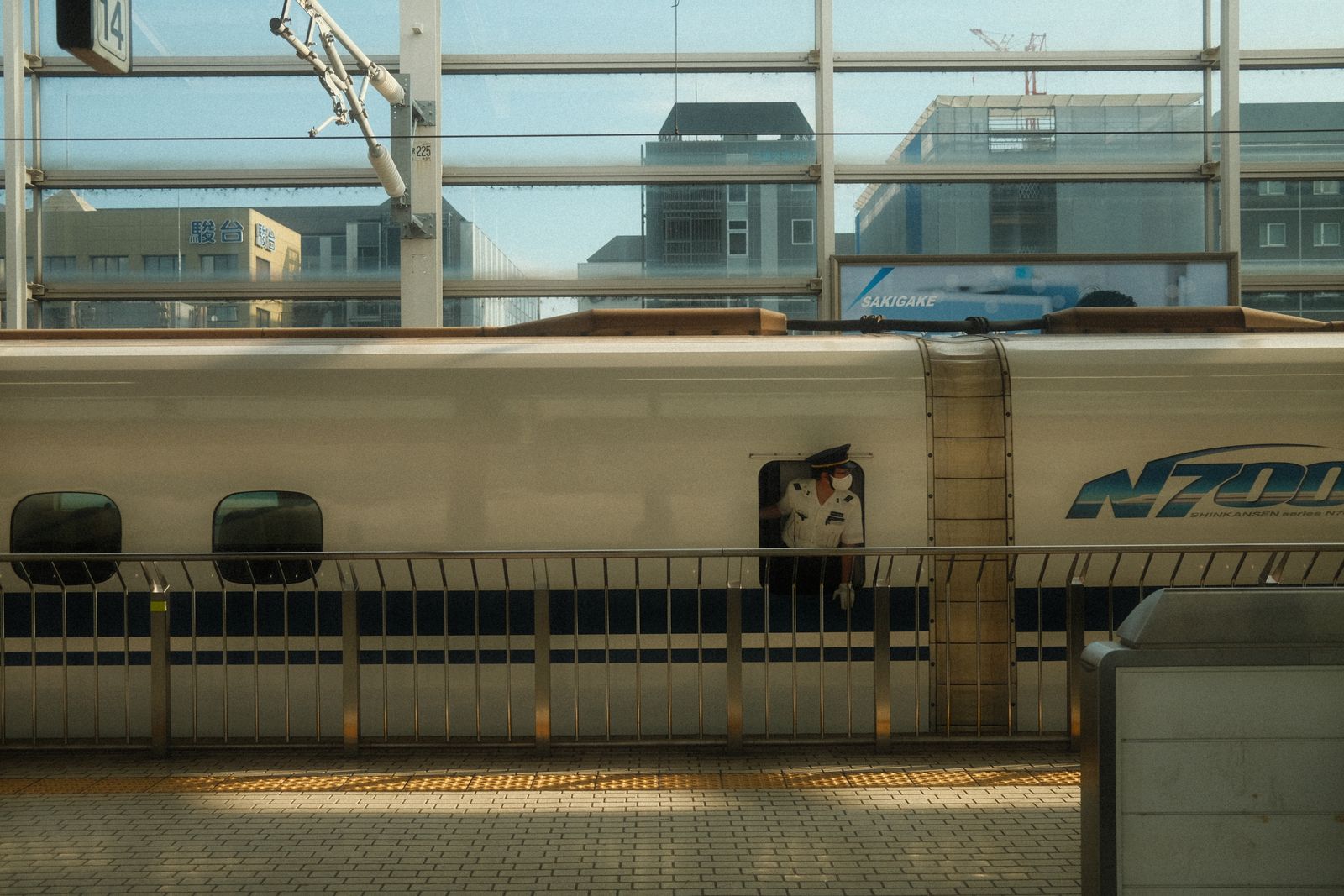
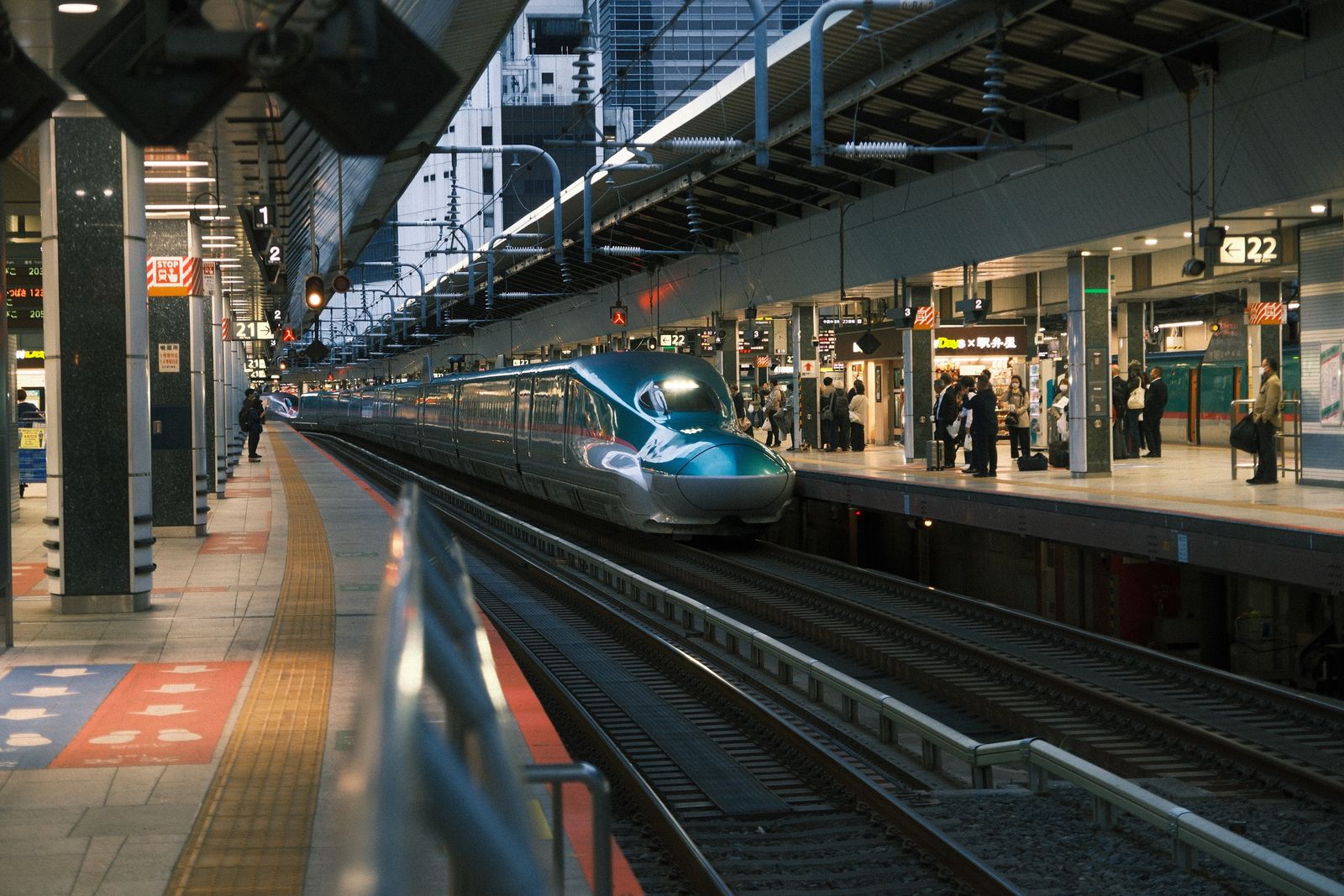
One day, two ways to spend it: a day tour from Osaka that includes the bullet train, or the shinkansen, a local train or streetcar and the ferry on your own. Three of the four conditions below point to going on your own; the fourth is where a tour can win.
- A rail pass in hand. A Japan Rail Pass or a Kansai-Hiroshima Area Pass already pays for the shinkansen and the JR ferry. Go on your own.
- Your date’s tide. If walking out to the great torii, or seeing it standing in the water, is the point, the tide table sets the order of your day. Only a day you plan yourself can follow it.
- The museum’s clock. The Peace Memorial Museum’s early and evening hours are reservation-only slots. A day you plan can be built around one.
- The price for your party. With no pass, the train, the ferry and the shrine come to ¥22,200 per adult. What a tour charges above that pays for the guide and the planning. If running the connections is the part you would rather hand over, that is what you are buying.
If you can move one night to Hiroshima instead, the day-trip question goes away: our Kyoto day-trips page declines this pair as a single day and sends it to a night.
No rail pass, and you'd rather not run the connections?
Day Trip from Osaka to Hiroshima & Miyajima with Bullet Train on Klook
Klook lists a day trip from Osaka to Hiroshima and Miyajima with the bullet train. On your own, the train, ferry and shrine alone come to ¥22,200 per adult at regular-season fares (checked September 29, 2026).
Check the Hiroshima & Miyajima day trip on Klook →Sold on Klook (Klook Travel Technology Limited), an online travel agency. Before you pay, check on the listing for your date: whether the bullet-train tickets are included and whether a guide rides with you, the meeting point, the return time, whether the museum and the shrine admission are included, and the cancellation terms.
First: the rail pass you already hold
The shinkansen is most of this day’s cost, so the first question is who is already paying for it.
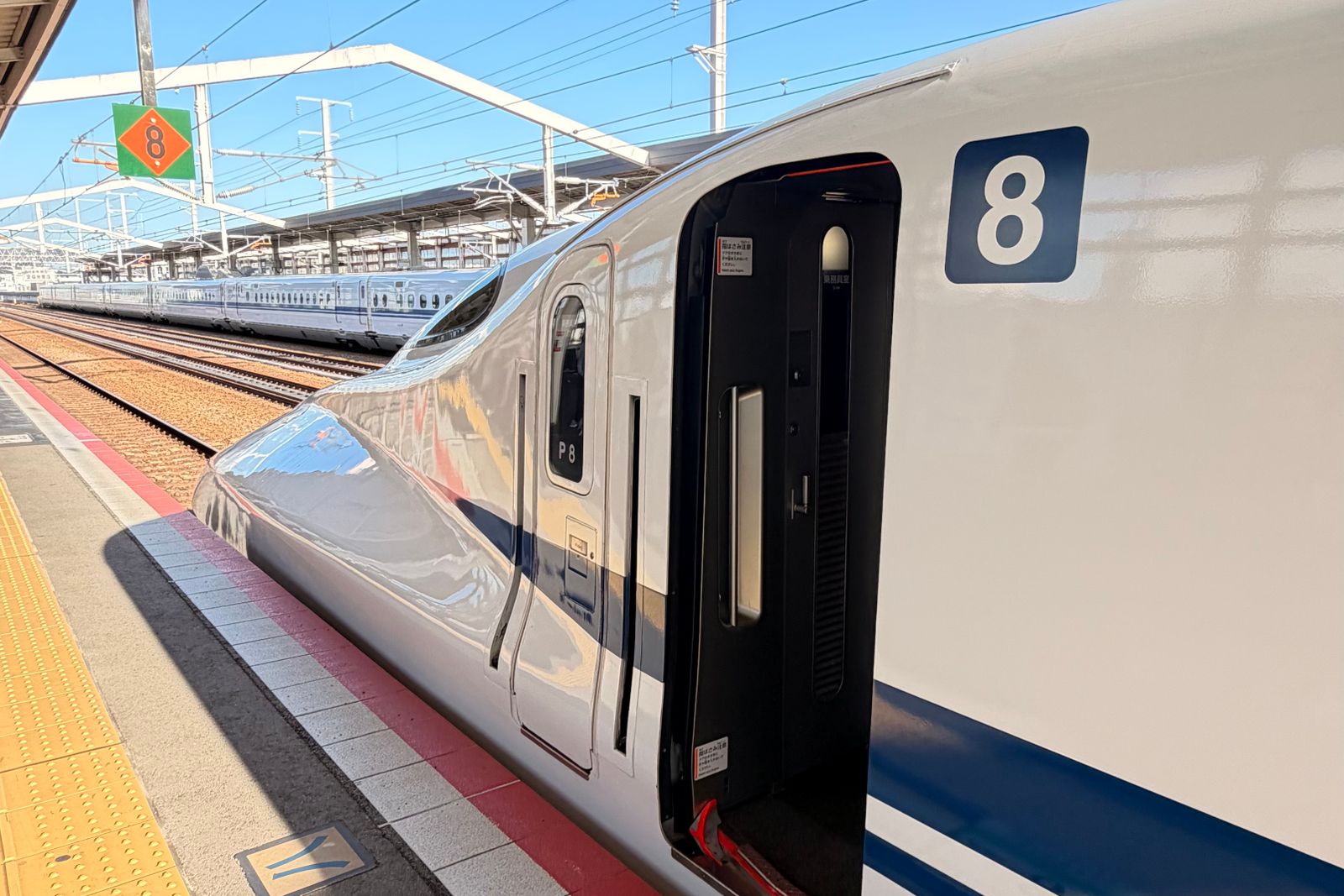
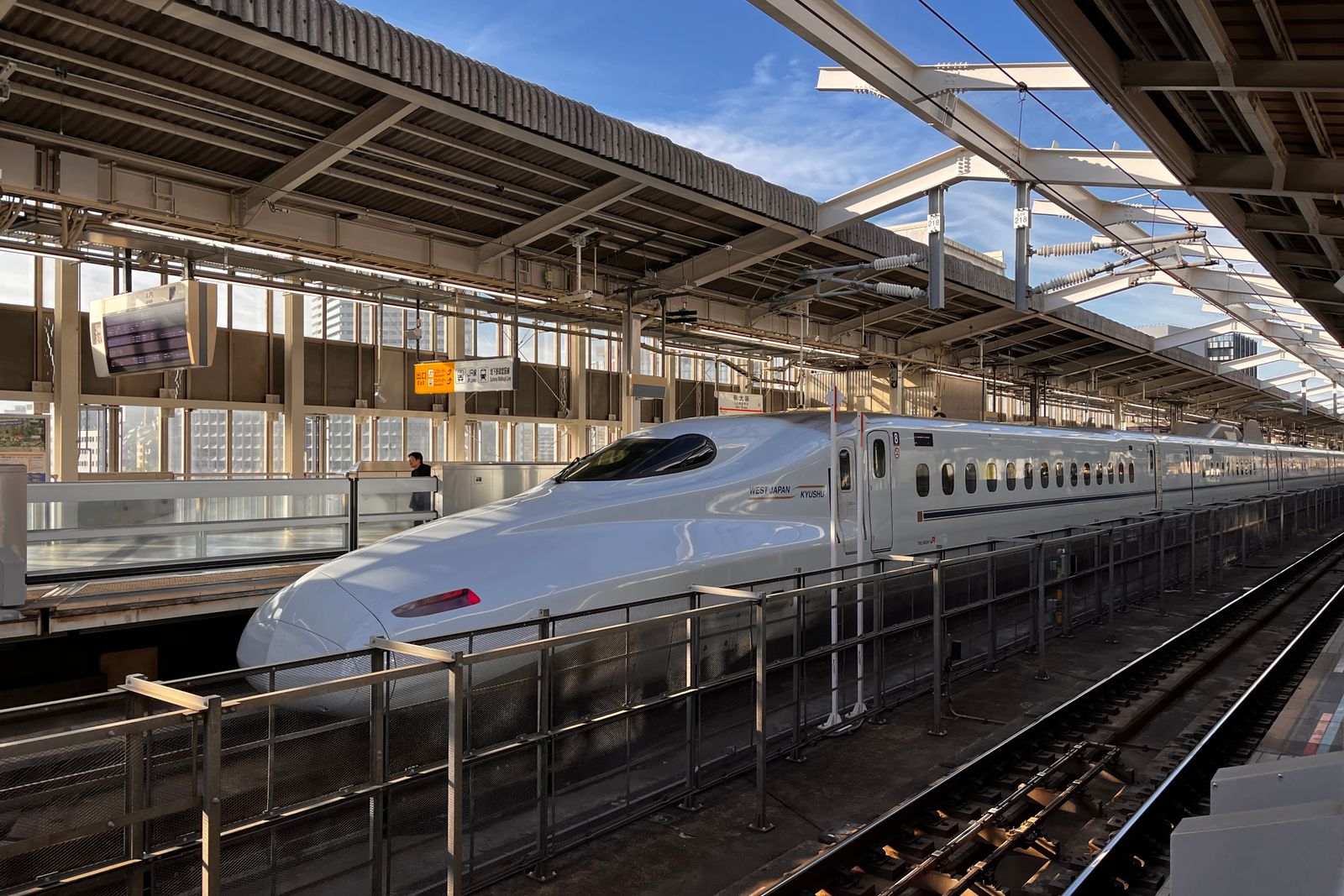
- Japan Rail Pass. It covers Hikari- and Sakura-class trains between Shin-Osaka and Hiroshima at no extra cost, the JR local line to Miyajimaguchi, and the JR ferry to Miyajima. The faster Nozomi and Mizuho need a supplement ticket, ¥4,170 per ride on this section (the same from Kyoto).
- Kansai-Hiroshima Area Pass (JR West, ¥17,000, five consecutive days, for visitors entering Japan as temporary visitors). It covers reserved seats on the Sanyo Shinkansen between Shin-Osaka and Hiroshima, JR West local and rapid trains in its area, and the JR ferry from Miyajimaguchi. One round trip in reserved seats with smartEX is ¥20,440 on Hikari or Sakura and ¥21,500 on the Nozomi, so the pass costs less than this one day’s train tickets either way, and leaves four days. From Kyoto, its shinkansen section still starts at Shin-Osaka; take a JR train there.
If you hold either pass, a tour that includes bullet-train tickets charges you for seats you already have. Unless the listing sells a version that meets you in Hiroshima without the train, rule it out.
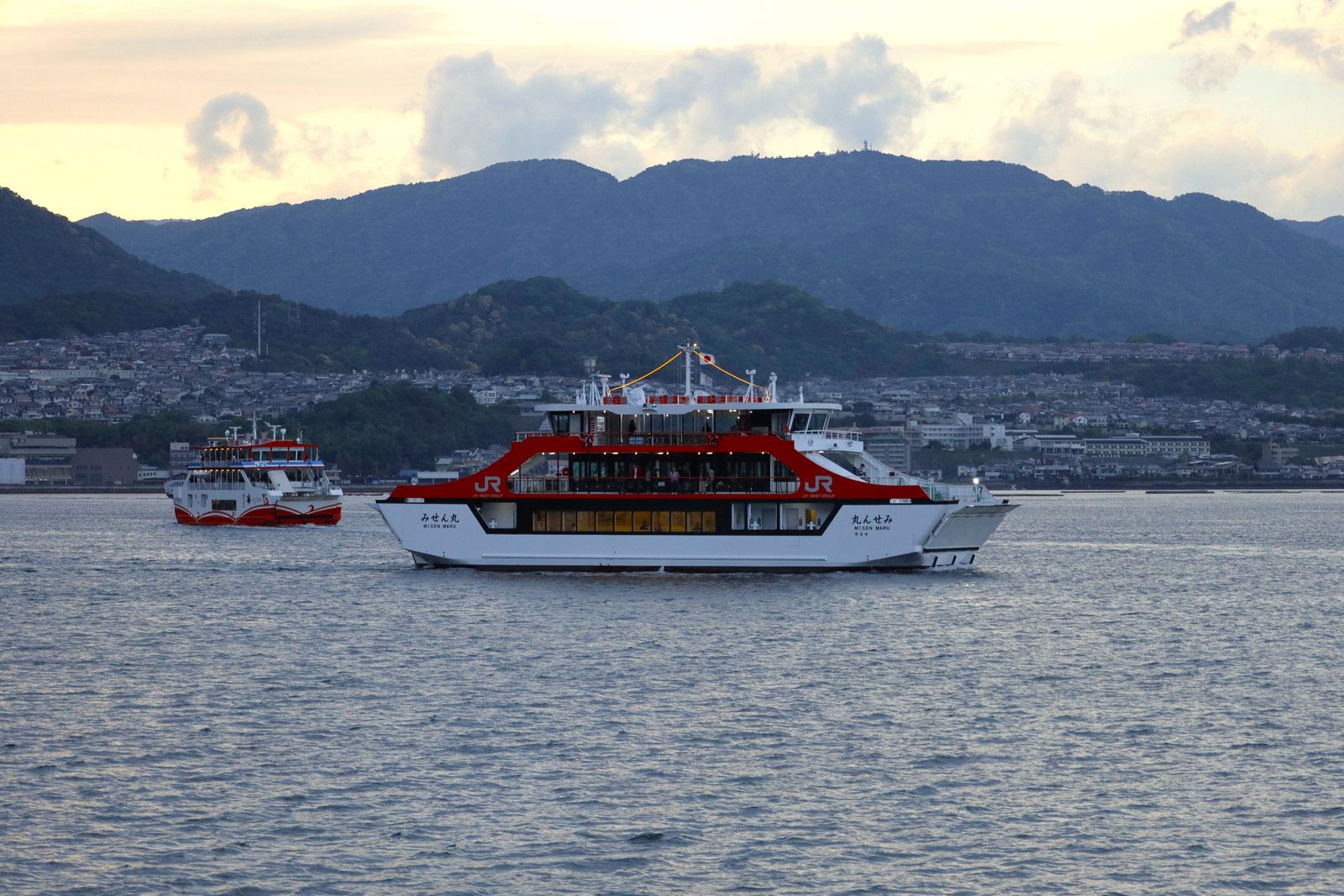
Second: your date, and the tide
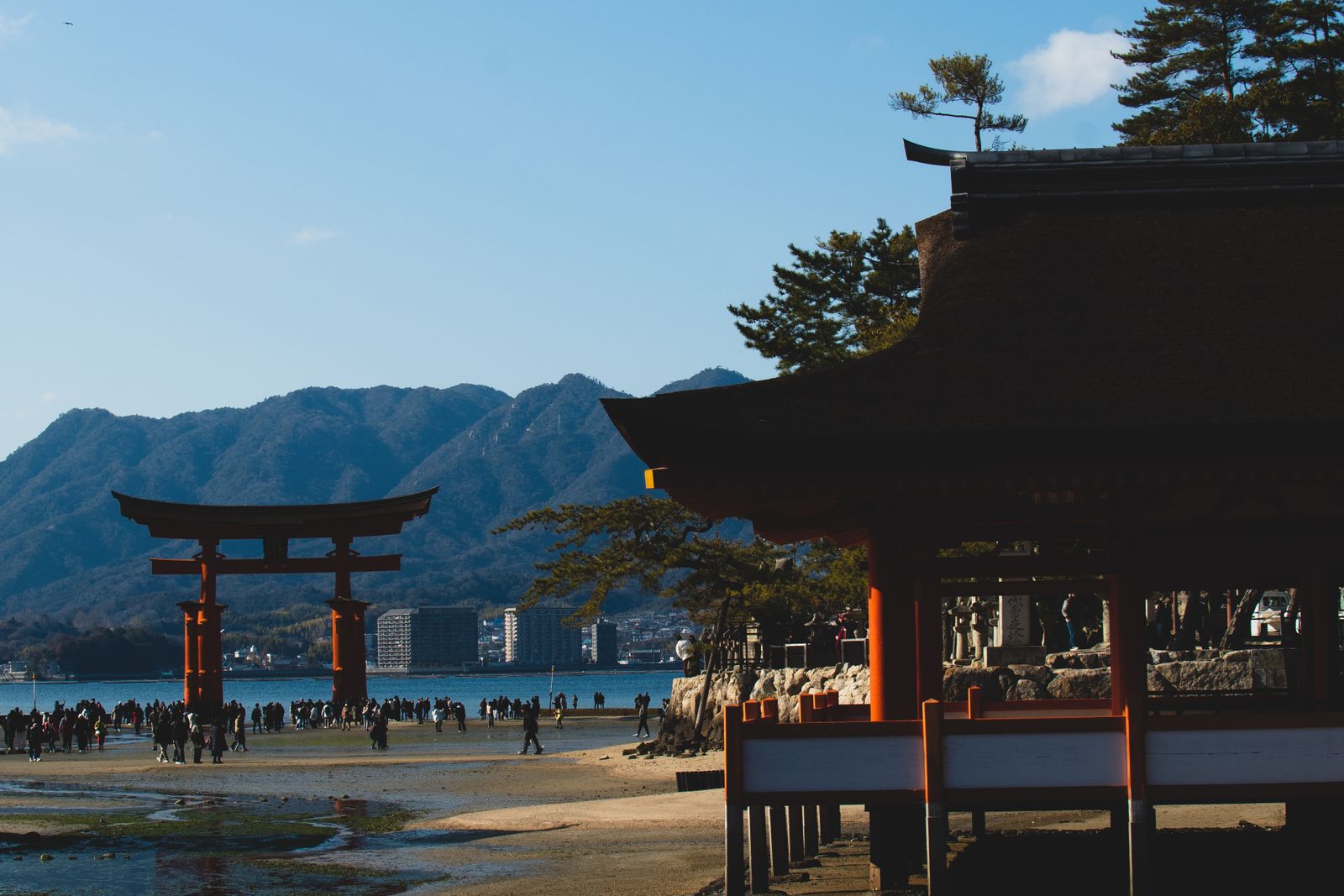
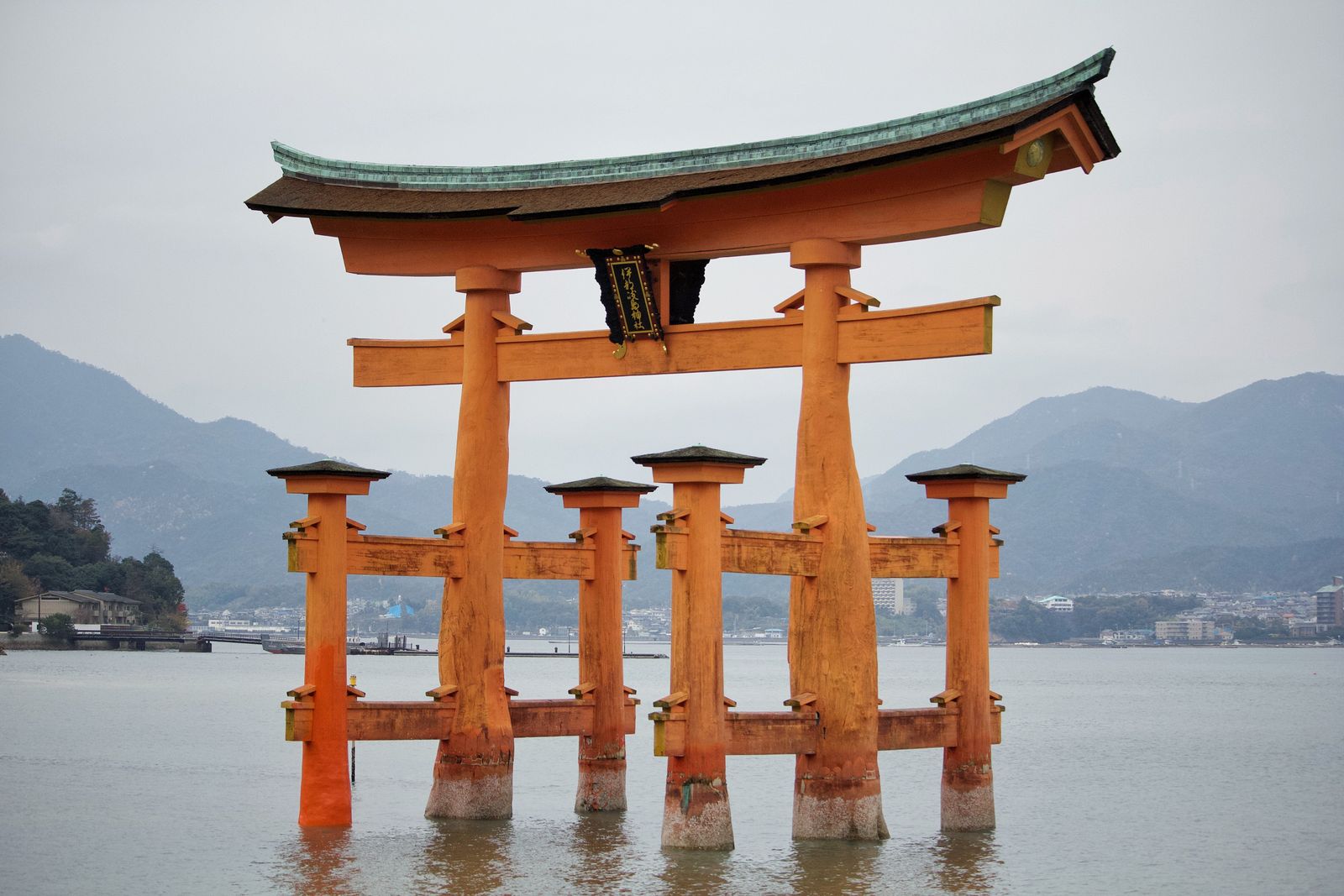
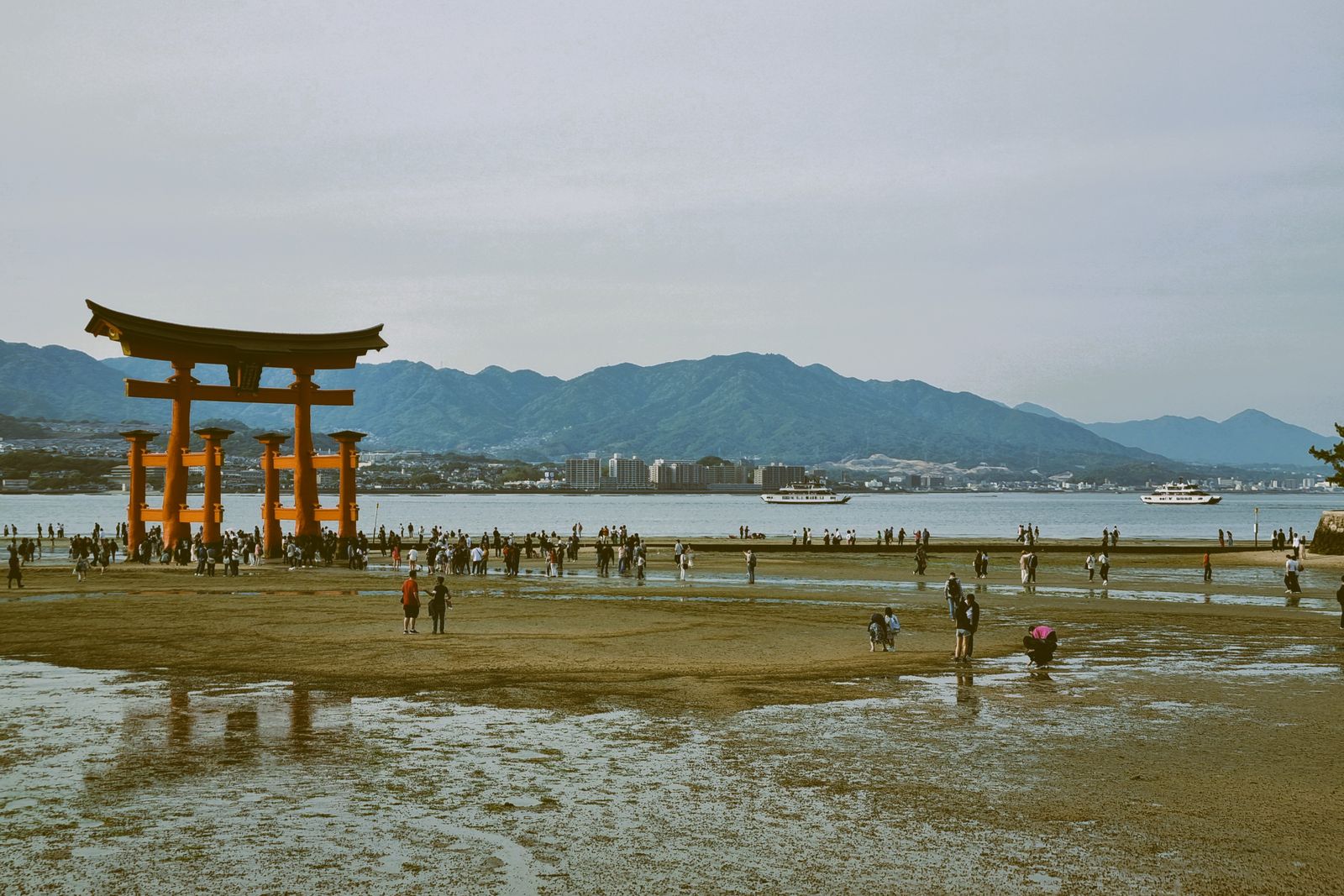
Miyajima’s great torii changes with the tide. The Miyajima Tourist Association puts it in two numbers: at a tide level of 100 cm or less, you can walk out to the torii; at 250 cm or more, the shrine and the torii stand in the water. Most days have two high and two low tides, and some days miss one of the numbers. The association’s tide table prints the levels for every date.
If either view is why you are going, the table sets the order of the day: Miyajima at the tide you want, Hiroshima in the other half. A tour runs one schedule for everyone on it and cannot move for your date’s tide. If the torii only needs to be in your photos, this condition decides nothing.
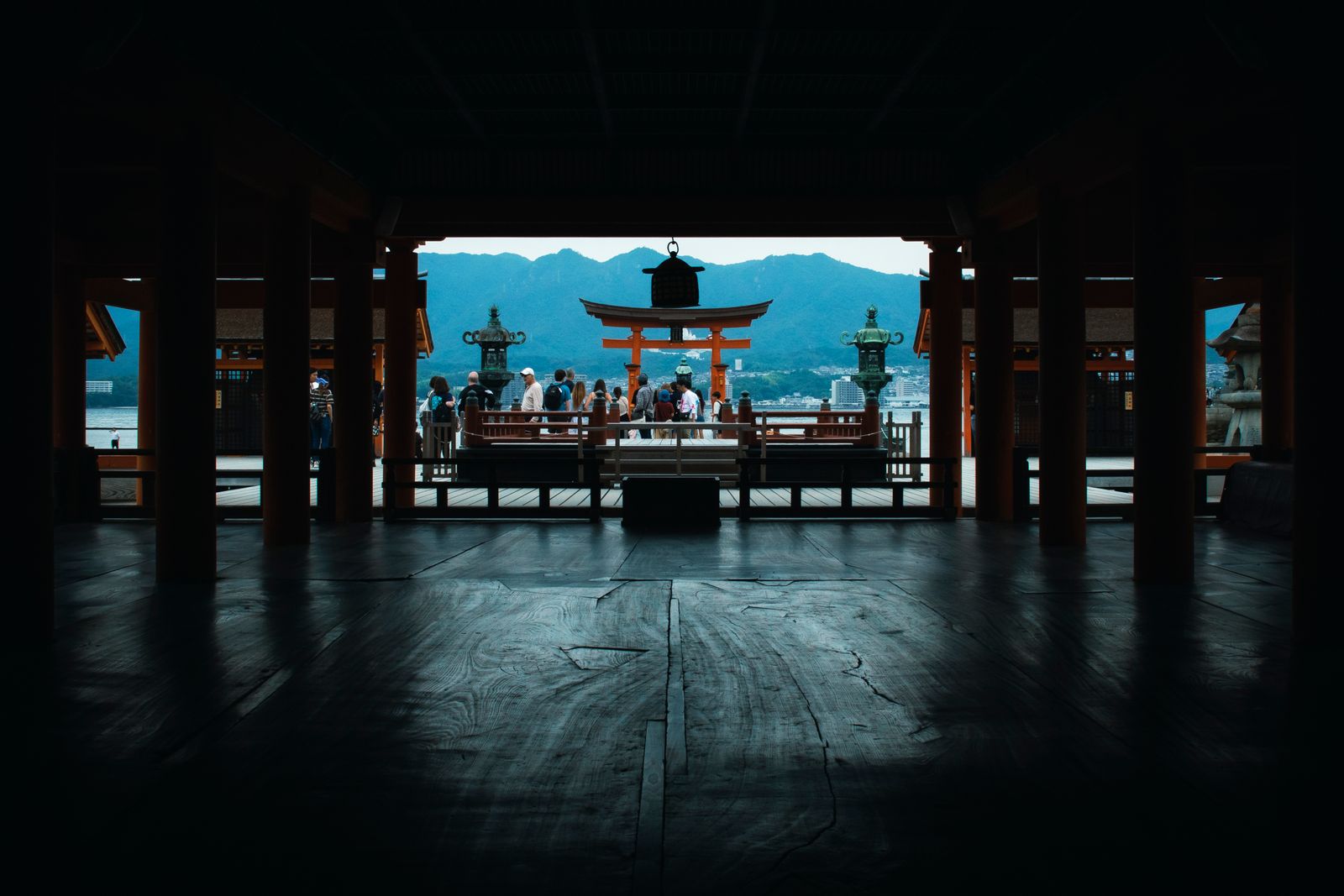
The shrine’s own hours close the island half of the day: 6:30 a.m. to 6 p.m. through October 14, and to 5:30 p.m. from October 15 to November 30. Admission is ¥300. At high tide, the JR ferry’s daytime “Otorii” sailings (9:10 a.m. to 4:10 p.m. from Miyajimaguchi) pass close to the torii on the way over.
Third: the museum’s clock
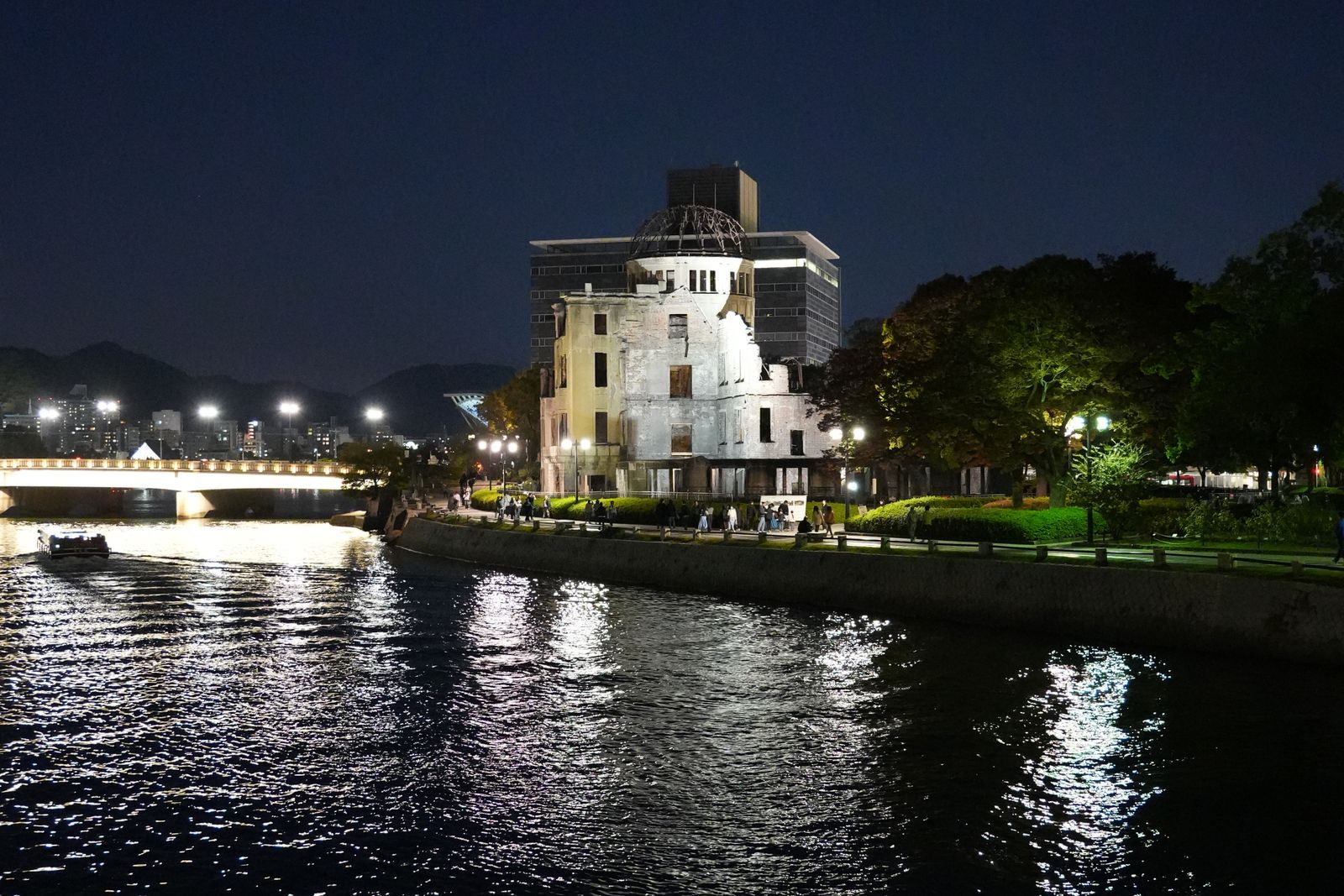
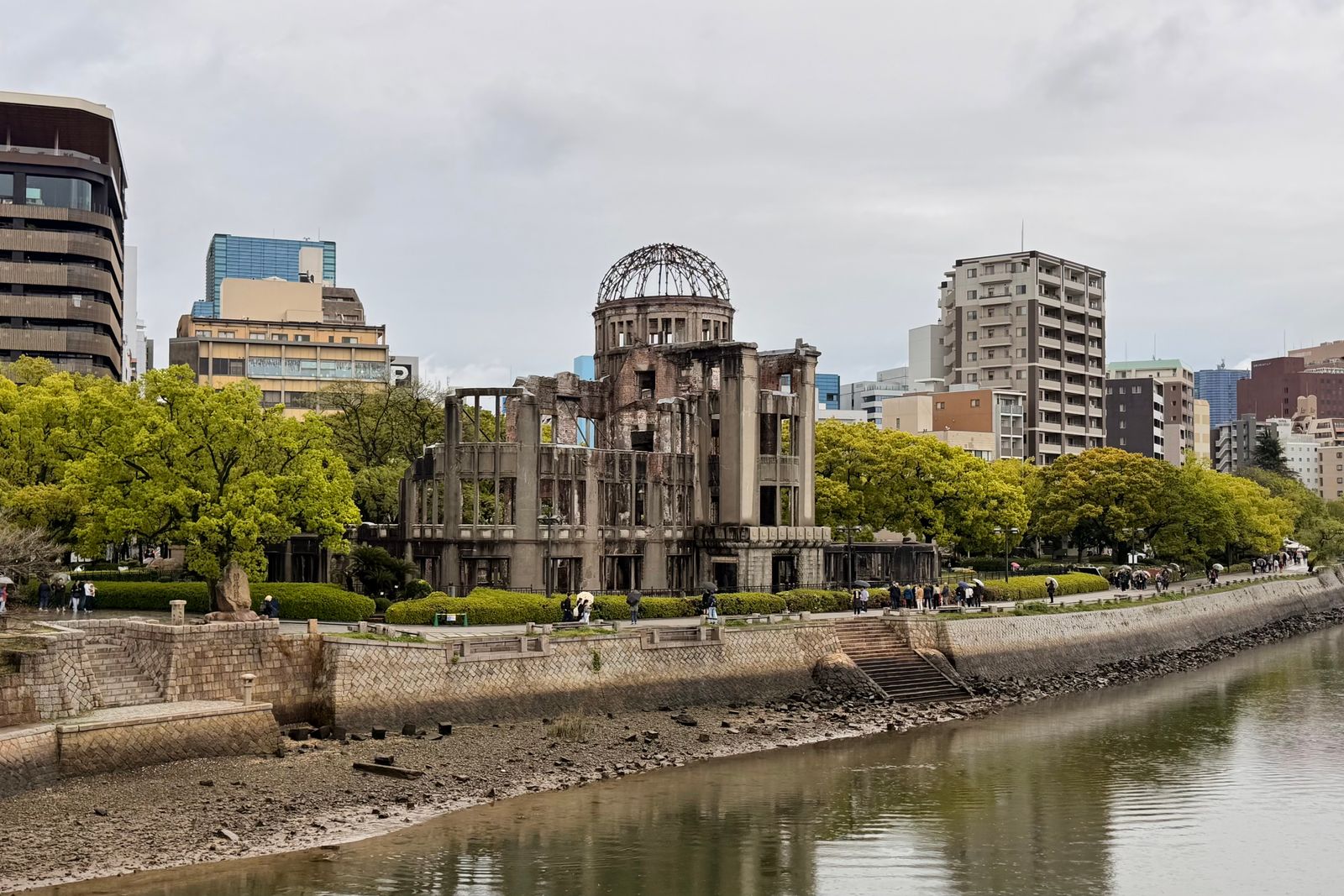
The Hiroshima Peace Memorial Museum (adults ¥200) opens at 7:30 a.m. and closes at 7 p.m. from March to July and from September to November, at 8 p.m. in August, and at 6 p.m. from December to February. Its first hour and a late stretch (5:30 to 6:30 p.m. from September to November) are reservation-only slots for the permanent exhibition: web tickets only, released 90 days ahead, 300 people per slot, none sold at the door in those hours. The museum added those hours in 2024 after long lines formed at its entrance.
The evening slot fits a day run in the other order: Miyajima first, the Peace Park in the late afternoon, the museum in the slot you booked, and a shinkansen back after it closes. On a tour, its schedule decides when you are in the museum and for how long. Check whether the listing includes the museum at all.
Fourth: the price for your party
Per adult, from Shin-Osaka, regular-season fares, going on your own:
| Line | No pass | Kansai-Hiroshima Area Pass | JR Pass already held |
|---|---|---|---|
| Shinkansen, round trip | ¥21,500 (Nozomi, reserved, smartEX) | ¥17,000 (the pass) | ¥0 on Hikari/Sakura · ¥8,340 on Nozomi |
| JR Hiroshima ⇄ Miyajimaguchi | ¥840 | ¥840* | covered |
| JR ferry, both ways | ¥400 | covered | covered |
| Miyajima Visitor Tax | ¥100 | ¥100 | ¥100 |
| Streetcar to the Peace Park and back | ¥480 | ¥480 | ¥480 |
| Museum and shrine | ¥500 | ¥500 | ¥500 |
| Total | ¥23,820 | ¥18,920 | ¥1,080 / ¥9,420 |
*Counted at full fare: JR West’s page lists local trains “in the valid area” without naming Miyajimaguchi. Check the pass’s area map; if it is inside, subtract ¥840.
From Kyoto, the smartEX Nozomi fare is ¥11,740 each way. smartEX fares run ¥200 lower off-peak and ¥200 to ¥400 higher on peak dates (fare table dated April 1, 2025; checked September 29, 2026). JR West’s Sanyo-Shinkansen One-way Ticket (¥7,900, Shin-Osaka to Hiroshima City) is sold only by travel agencies outside Japan, to temporary visitors.
For the tour, the Klook listing’s price and inclusions could not be read when this page was checked. Compare the price for your date with what a bullet-train tour replaces: train, ferry and shrine, ¥22,200 per adult with no pass. What is left is the price of the guide and the planning, and a party of three pays it three times.
“With bullet train” does not always mean a guide on the train. One operator’s own page for its Osaka version (Amigo Tours) sends the tickets the day before, has you ride on your own, and meets you at Hiroshima Station; it lists 11.5 hours.
If no pass, no tide and no museum slot decides your day, the tie-break is how much of the running you want to do yourself: three connections each way (shinkansen, JR or streetcar, ferry), two ticket systems, and a train back to pick. Handing that to someone is what the tour’s margin buys.
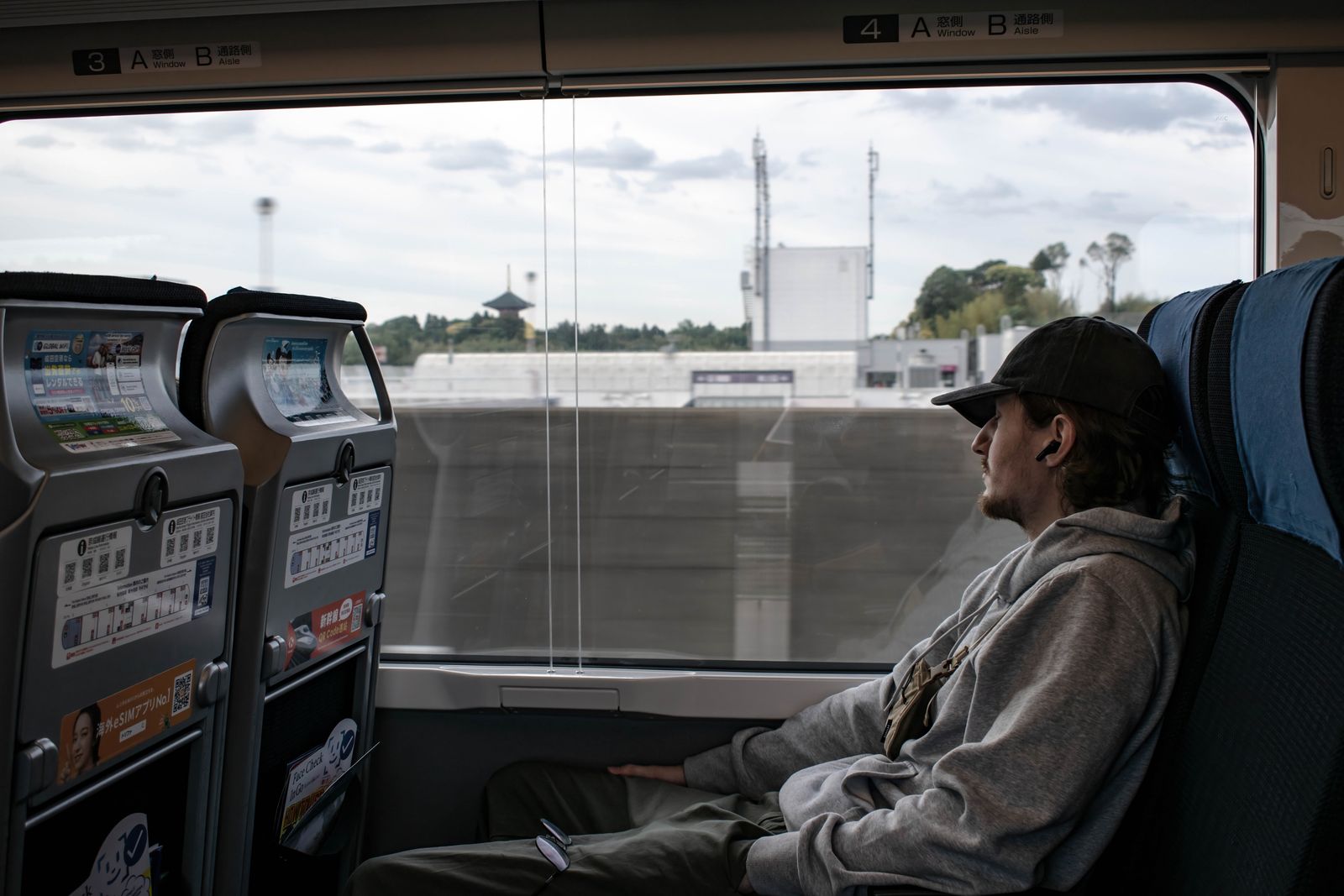
On the day: one day on your own, worked through
- Shin-Osaka to Hiroshima by shinkansen: about 1 hour 20 minutes on the fastest trains.
- To Miyajima. The JR Sanyo Line to Miyajimaguchi takes about 30 minutes (¥420); the pier is about 5 minutes on foot; the ferry takes about 10 minutes and leaves about every 15 minutes in the daytime. The ¥100 tax is added to your fare on the way over.
- On the island: the shrine, and the torii at the tide you picked.
- Across to the Peace Park. Back the way you came, or skip the backtrack: the World Heritage Sea Route boat runs between Miyajima and the Peace Park’s Motoyasu Pier in about 45 minutes (¥2,400 one way).
- The Peace Park and the museum, in the evening slot you booked.
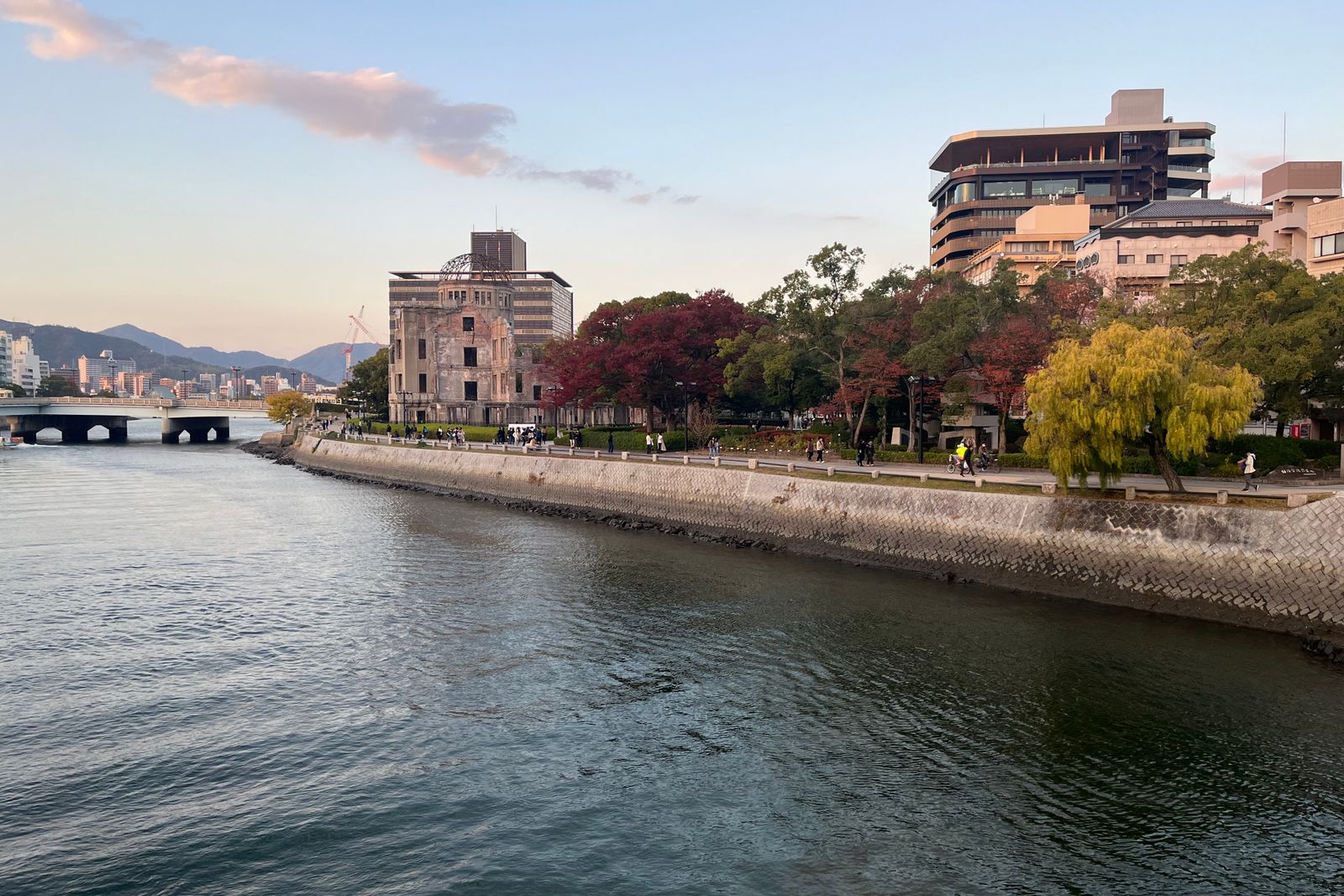
- Back to the station. Streetcar lines 2 and 6 run between the Atomic Bomb Dome and Hiroshima Station in about 20 minutes (¥240, the flat fare on every Hiroden line). Check the last shinkansen for your date when you book.
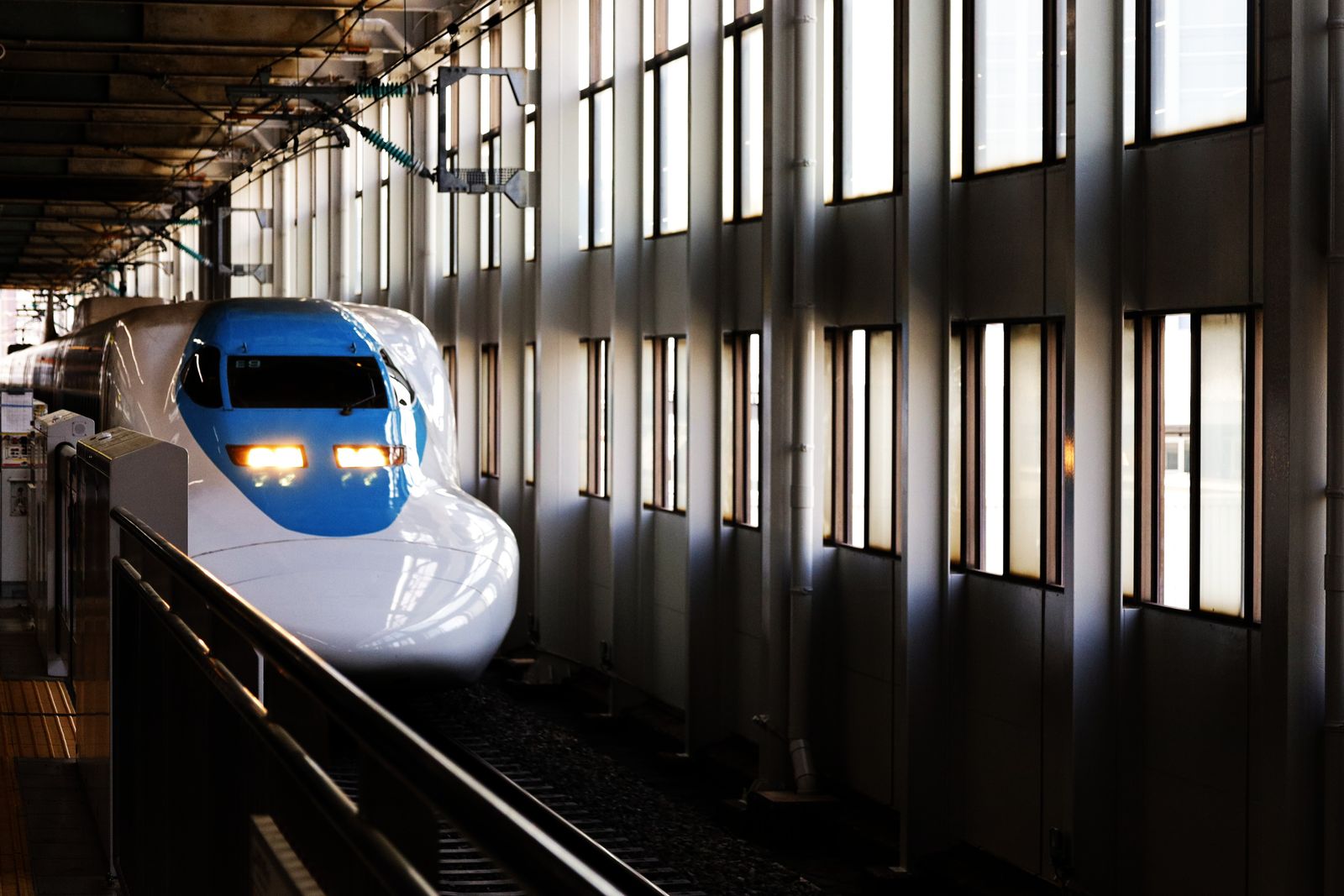
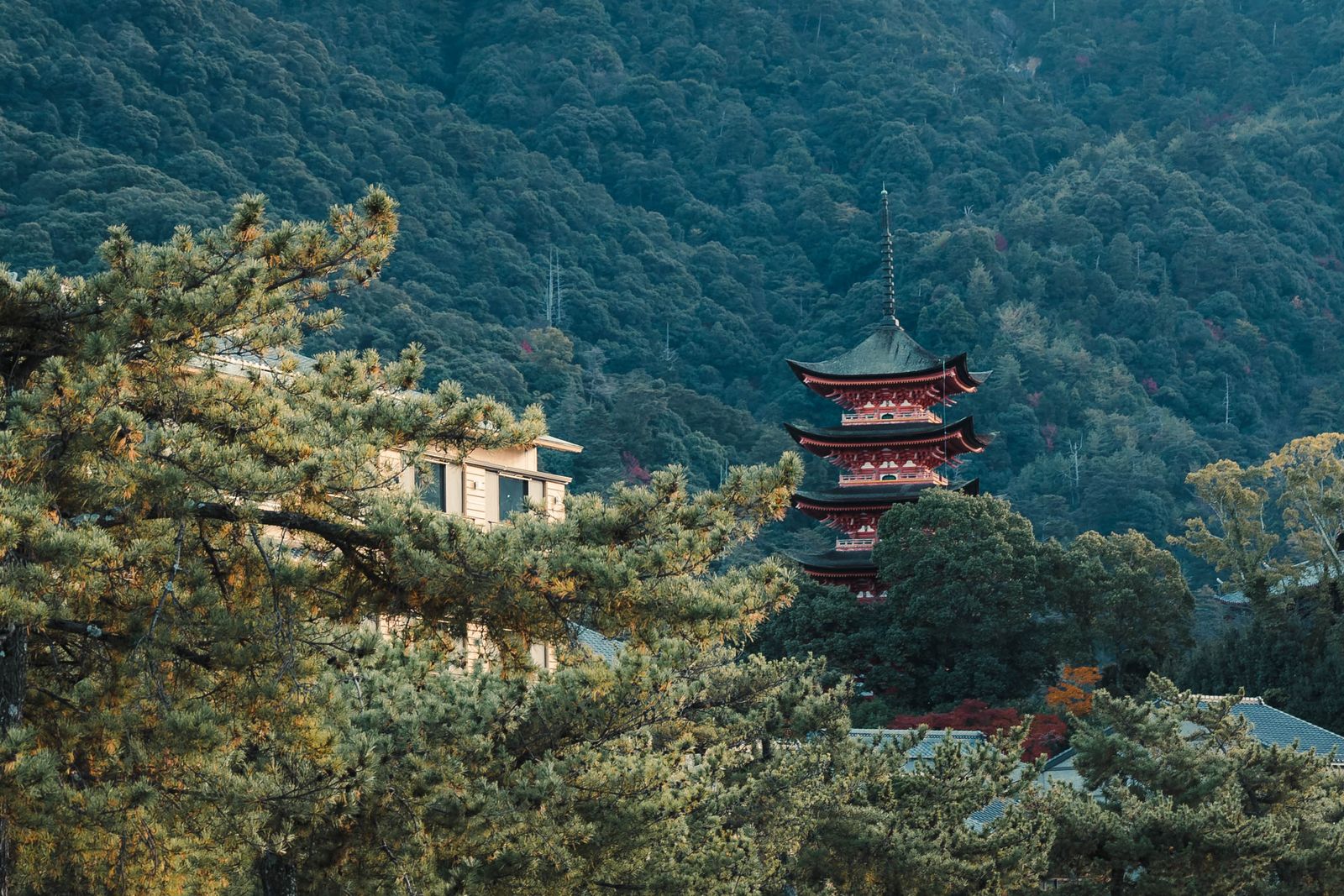
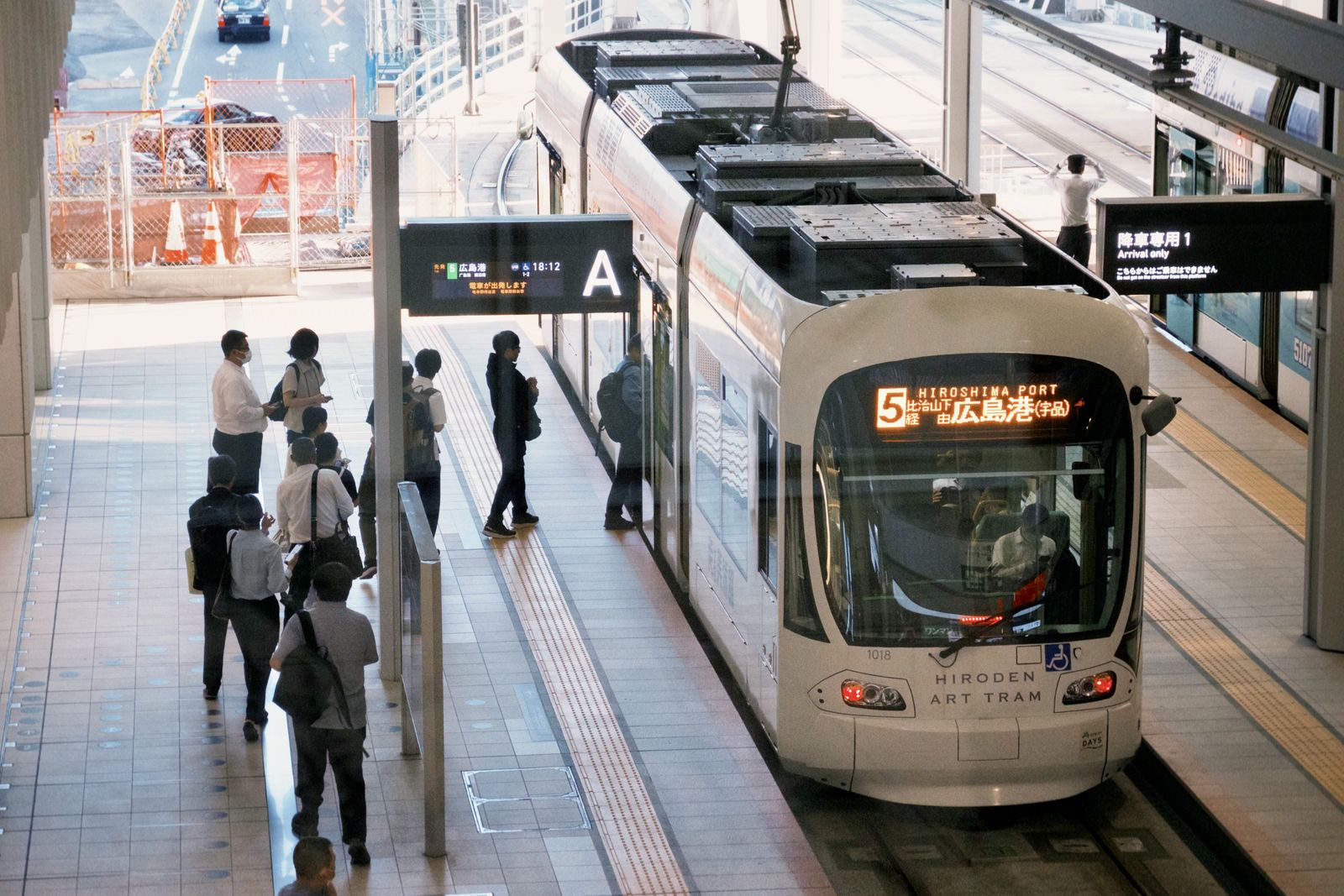
So the purchase comes down to this: no rail pass, no tide you need, no museum slot to plan around, and the connections are the part you would rather not handle. Then the tour is the one to price. Open the listing for your date, check its inclusions against the table above, and compare its price with ¥22,200 per adult.
Handing the connections to a guide?
Day Trip from Osaka to Hiroshima & Miyajima with Bullet Train on Klook
Klook lists a day trip from Osaka to Hiroshima and Miyajima with the bullet train. Check on the listing whether the train tickets, the ferry, the shrine and the museum are included, and compare its price with ¥22,200 per adult for the train, ferry and shrine alone.
Check the Hiroshima & Miyajima day trip on Klook →Sold on Klook (Klook Travel Technology Limited), an online travel agency. Before you pay, check on the listing for your date: whether the bullet-train tickets are included and whether a guide rides with you, the meeting point, the return time, whether the museum and the shrine admission are included, and the cancellation terms.
Next
- Holding or weighing a pass: Is the Japan Rail Pass Worth It?
- Giving it a night instead: Day Trips from Kyoto, Ranked
- Eating while you are there: Hiroshima Food, Ranked
- Before you book anything: open the Miyajima tide table for your date.