You have Hiroshima on the route — a day, or a night — and one or two meals to place in it. The five dishes below are the ones every list gives you. This page ranks them by the one thing you are short of: a seat.
JbJ’s position, before the reasoning: two of the five deserve a seat — the okonomiyaki every month, the oyster from October to May. The other three cost no seat at all, or cost one you do not have. And the okonomiyaki is not the dish you ate in Osaka, so that meal settles nothing here.
The five, at a glance
- Okonomiyaki — the first seat, in any month.
- Oysters — the second seat, October to May.
- The noodle question — two dishes, not one; only a third seat.
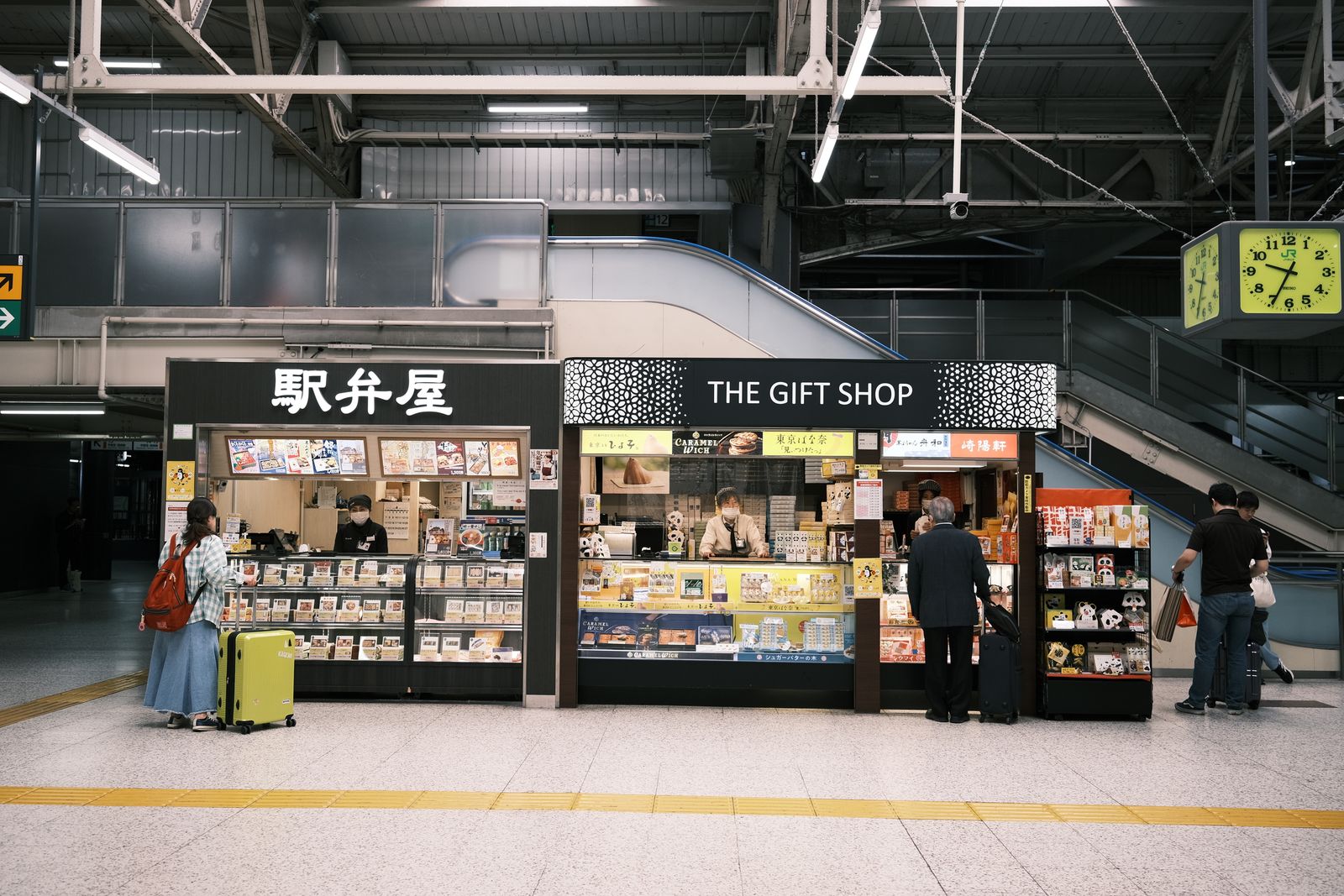
- Anago meshi — a box from the start; no seat.
- Momiji manju — a purchase, not a meal.
| Dish | Costs a seat? | In the city, or a train / ferry? | Does the month matter? |
|---|---|---|---|
| Okonomiyaki | Yes, the first | City | No |
| Oysters | Yes, Oct–May | City | Yes — October to May, best around December to February |
| Noodles (brothless tantanmen, tsukemen) | Only a third | City | No |
| Anago meshi | No (a box from the start) | Miyajima and the city | Any month; said to be best in high summer or November |
| Momiji manju | No (a purchase) | Miyajima | No |
Three of the five never ask for either seat. That is the whole shape of the ranking.
The rule, and why it is the city’s
Two questions, in this order.
- Does it need a seat at all? If it can be eaten from a box or carried home, it is not competing for your one or two meals. Eat it — but it does not rank as a seat.
- If it needs a seat: is this the city’s own form, and is this the month for it?
That rule does not demote either of the two dishes you expected at the top. Its one visible move is anago meshi, which drops below the noodle bowl — not because it is worse, but because it never needed a table. The numbers rank seats, not affection.
It is also the city’s rule, not the prefecture’s. The okonomiyaki, the oysters and both noodle dishes are eaten in Hiroshima itself; anago meshi and momiji manju are tied to Miyajima, the one trip out of the city this page assumes. Saijo, Kure, Onomichi and the lemon are handled at the end, as a group. The earlier city rankings — Tokyo, Kyoto, Nagoya, Osaka, Fukuoka — run on the same rule-first form.
1. Okonomiyaki — the dish, then the Osaka question
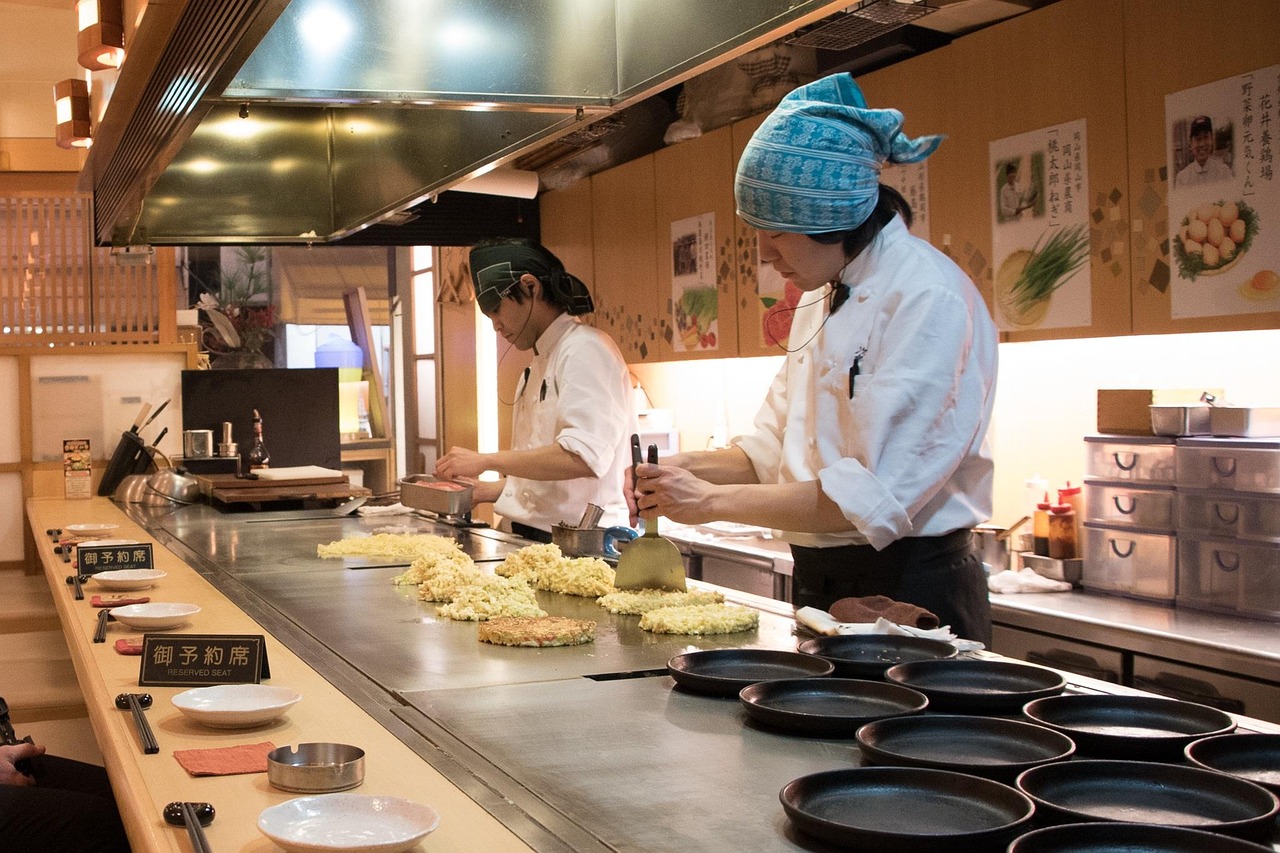
Hiroshima’s okonomiyaki is built in layers on a griddle: a thin round of batter, a heap of cabbage and pork, a bed of noodles — soba or udon — and a thin fried egg on top, the whole thing steam-griddled. As the norm, the shop cooks it, not you. That is why it costs a seat: the seat is at a counter, and the griddle is on the other side of it.
Two things are different, and they are the whole difference
First, the build. In Osaka the batter, cabbage and the rest are mixed in a bowl and poured onto the griddle as one thing, and at most places you cook it yourself. In Hiroshima nothing is mixed: batter first, then the noodles, then the toppings, in layers. Second, the noodles. A bed of them is part of the Hiroshima dish, not an option added on top. The fried egg, and the cook on the far side of the counter, follow from those two.
The dish’s own record is short. The agriculture ministry traces it from a pre-war snack called issen yōshoku, through post-war filling food, to the Shōwa 30s — 1955 to 1964 — when shops began adding noodles and pork. The Osaka side of the record is in our Osaka ranking.
The ministry and the prefecture call it okonomiyaki. So does this page. “Hiroshima-yaki” appears on neither record.
If you have already eaten Osaka’s
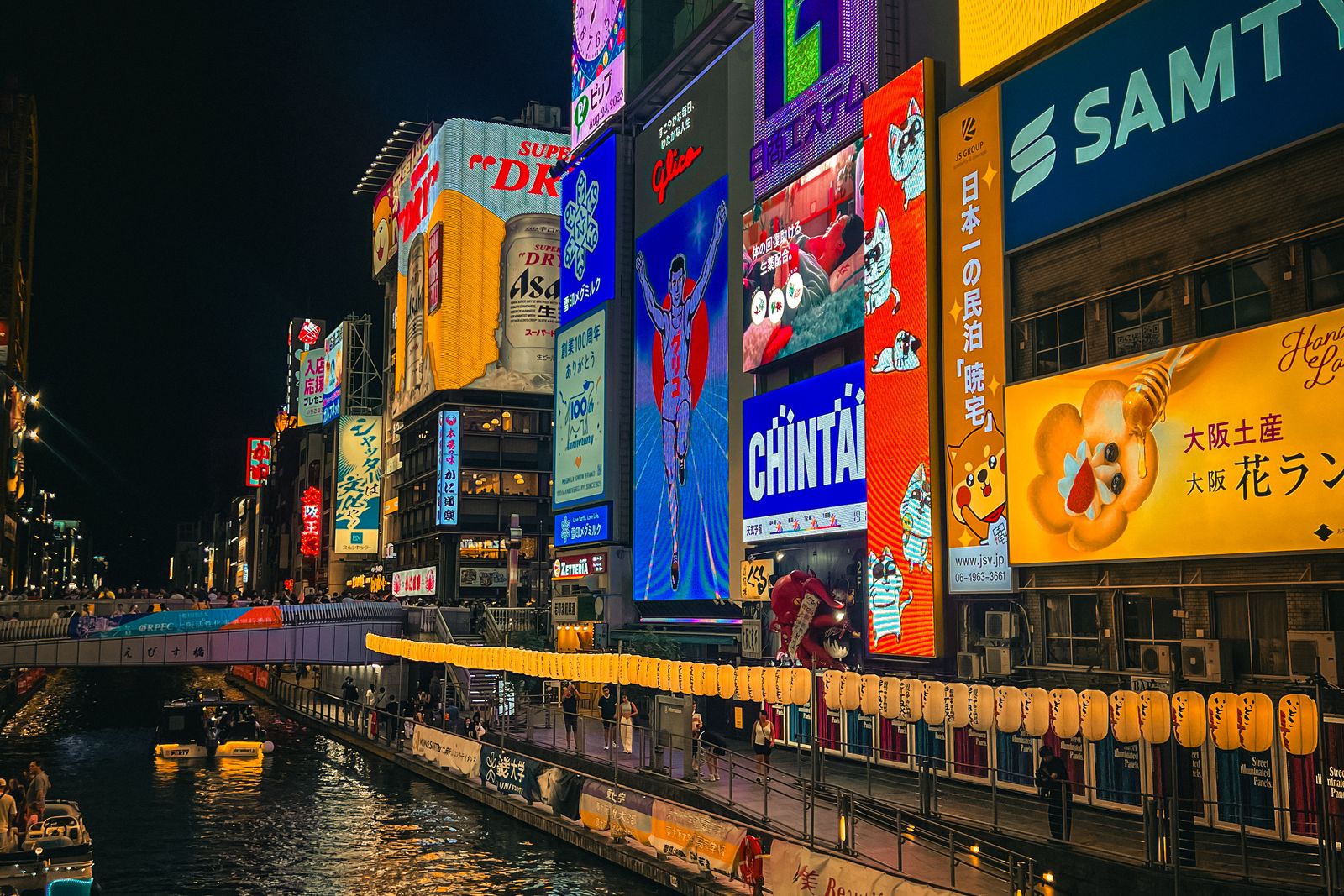
If you ate okonomiyaki in Osaka, you have eaten okonomiyaki in Osaka. It does not cover this one — different build, noodles inside, a shop at the griddle instead of you. Keep the seat. You are not being sent to eat both and compare; the Hiroshima seat is still the okonomiyaki, even the day after Osaka.
Where, and the verdict. Downtown, at counters where the shop cooks — including one building of okonomiyaki counters, floor after floor. The layered form, built in front of you, is the city’s own. First seat, every month.
2. Oysters — October to May, not just winter
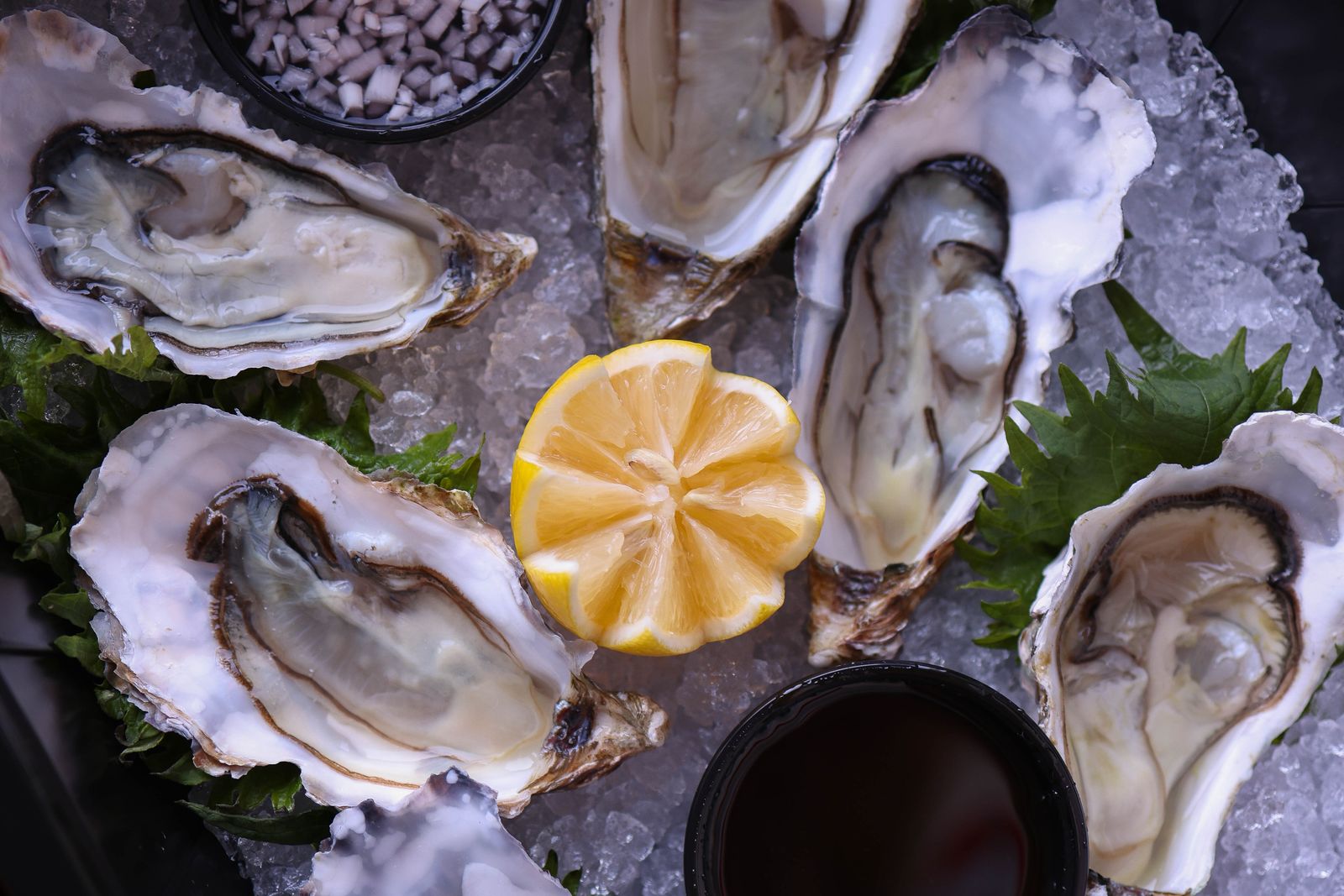
Hiroshima is Japan’s largest oyster producer — about six in ten of the country’s oysters, on the agriculture ministry’s 2020 statistic. In the city it is the second dish that needs a seat.
The season is the part to get right. Hiroshima oysters are harvested and shipped from October to May, and they are at their best from around December to February. If you have seen the season given as ending in March, that is short by two months: a March visit is well inside the window, and so is April.
Between June and September the month changes the seat. The answer for those months is in the by-month section below.
Where, and the verdict. In the city. Second seat, October to May, best in the mid-winter core of that window. Outside it, the second seat goes to the noodle bowl at #3.
3. The noodle question — two dishes, not one
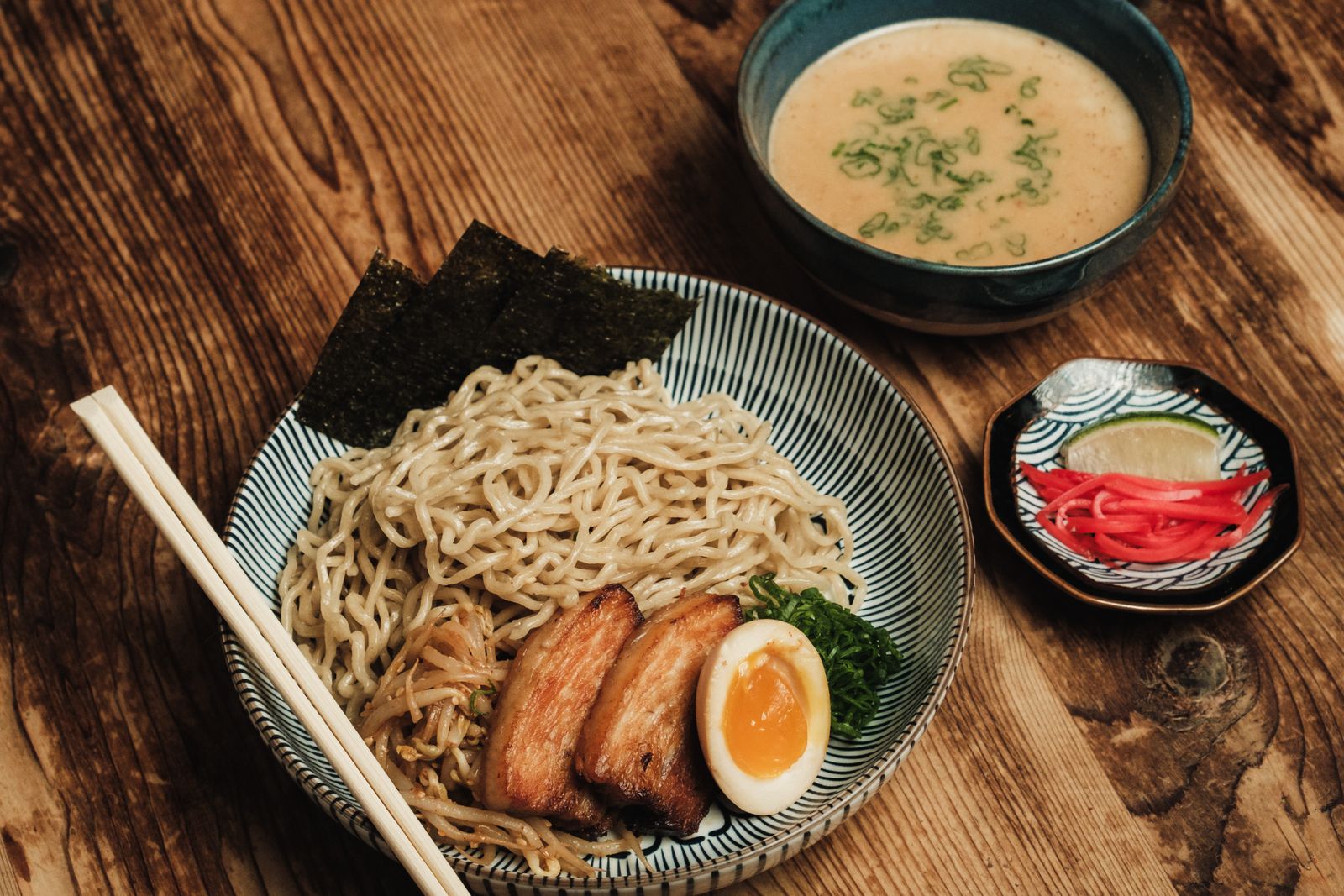
Two Hiroshima noodle dishes travel under one blurred label, and they are not the same bowl.
Brothless tantanmen — shirunashi tantanmen — is hot noodles under a sauce of Sichuan pepper and chili oil, with no broth; you mix it through before you eat. It is a Hiroshima creation of the early 2000s. Hiroshima tsukemen is cold noodles dipped into a spicy soy-sesame-chili sauce — the format in the photograph, noodles and dip apart, but with that sauce in place of a broth.
Both are city dishes; neither needs a train. Onomichi ramen, the third name that gets folded in, is an Onomichi dish and sits with the others in another town, below.
Verdict. Only a third seat, if a night gives you one. JbJ points at the tantanmen — the one with a Hiroshima origin on the record — not because it is better, but because it is the city’s.
4. Anago meshi — the seat that is also a box
Anago meshi is grilled conger eel over rice. Its home, on the agriculture ministry’s record, is Miyajima and the city, and its beginning is dated: it was first sold in 1901 as a station lunch near Miyajimaguchi, the gateway station to the island. It started in a box.
That is the whole reason it sits at #4. It is not a lesser dish; it is a dish that never needed a table, so it does not compete for the one or two you have. Eat it — on the island or in the city — and keep your seats for the two above. Any month, and the eel is said to be at its best in high summer or in November.
5. Momiji manju — the one you carry home
Momiji manju is a small cake shaped like a maple leaf, baked around a filling. The Hatsukaichi tourism association dates it to 1906, made by a confectioner on Miyajima, and the island is where it is from.
It is a thing you buy, not a thing you sit down to, so it costs no seat and is not ranked against the three above. The question it does raise is a carry-home one, and that is the job of what to bring home from Japan.
Famous, not seated — three other towns, and a crop
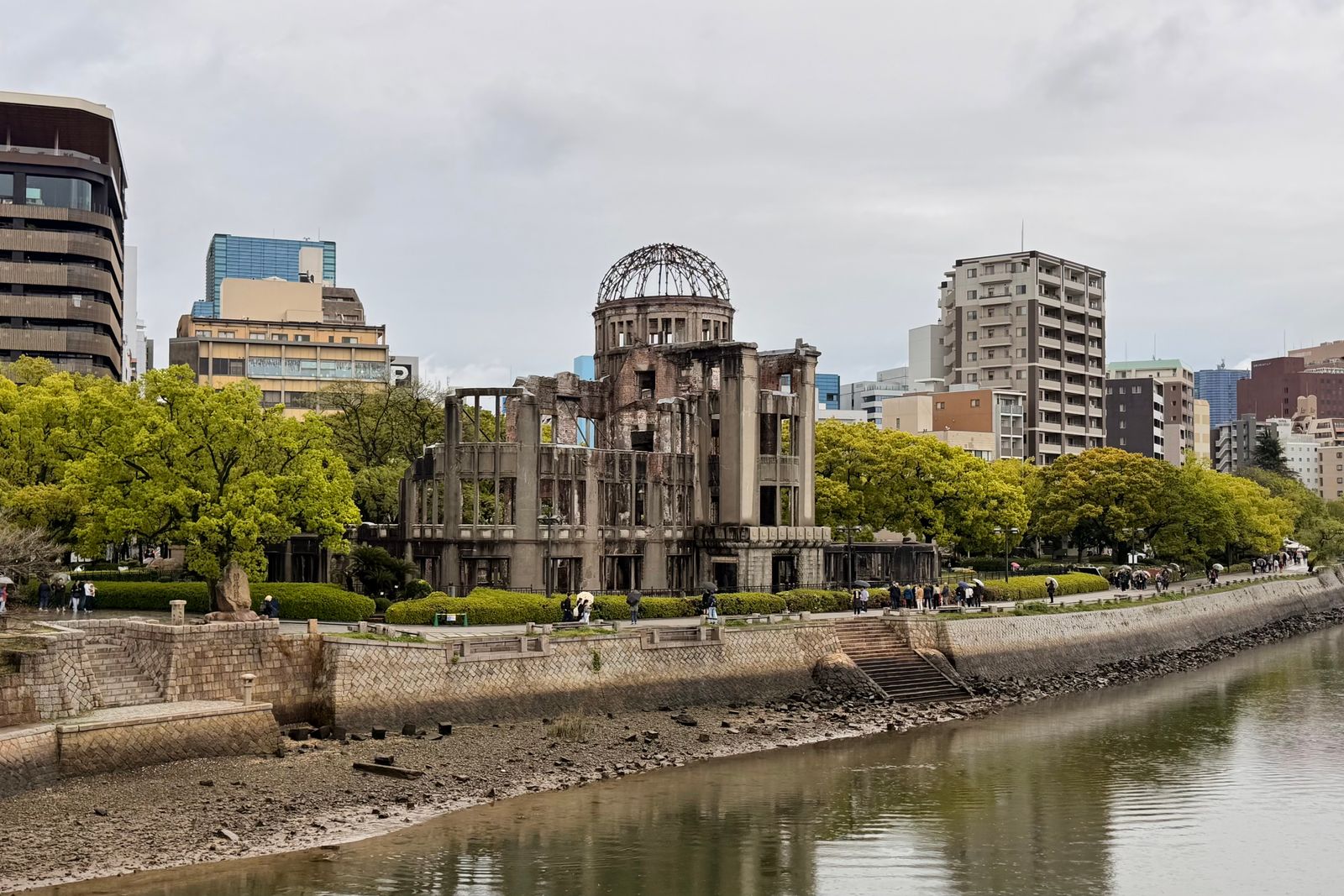
Four names turn up on every Hiroshima list. Three belong to other towns, and one is a crop. On a day or a night in the city they are declined for geography and format, not for quality.
Saijo sake. Saijo, in Higashihiroshima, has seven breweries within walking distance of JR Saijo Station, and the agriculture ministry speaks of it alongside Nada and Fushimi. A brewing town; a train.
Kure curry. Kure’s curry carries the JMSDF’s name, and the base there held a curry festival in autumn 2025. A different city; a train.
Onomichi ramen. An Onomichi dish, and Onomichi is its own city, not this one. A train.
Setouchi lemon. Hiroshima Prefecture is Japan’s largest lemon producer — about half the national crop in 2021 — with green lemons from October and yellow ones through spring. A crop, not a dish, and not a seat.
By the month you are here
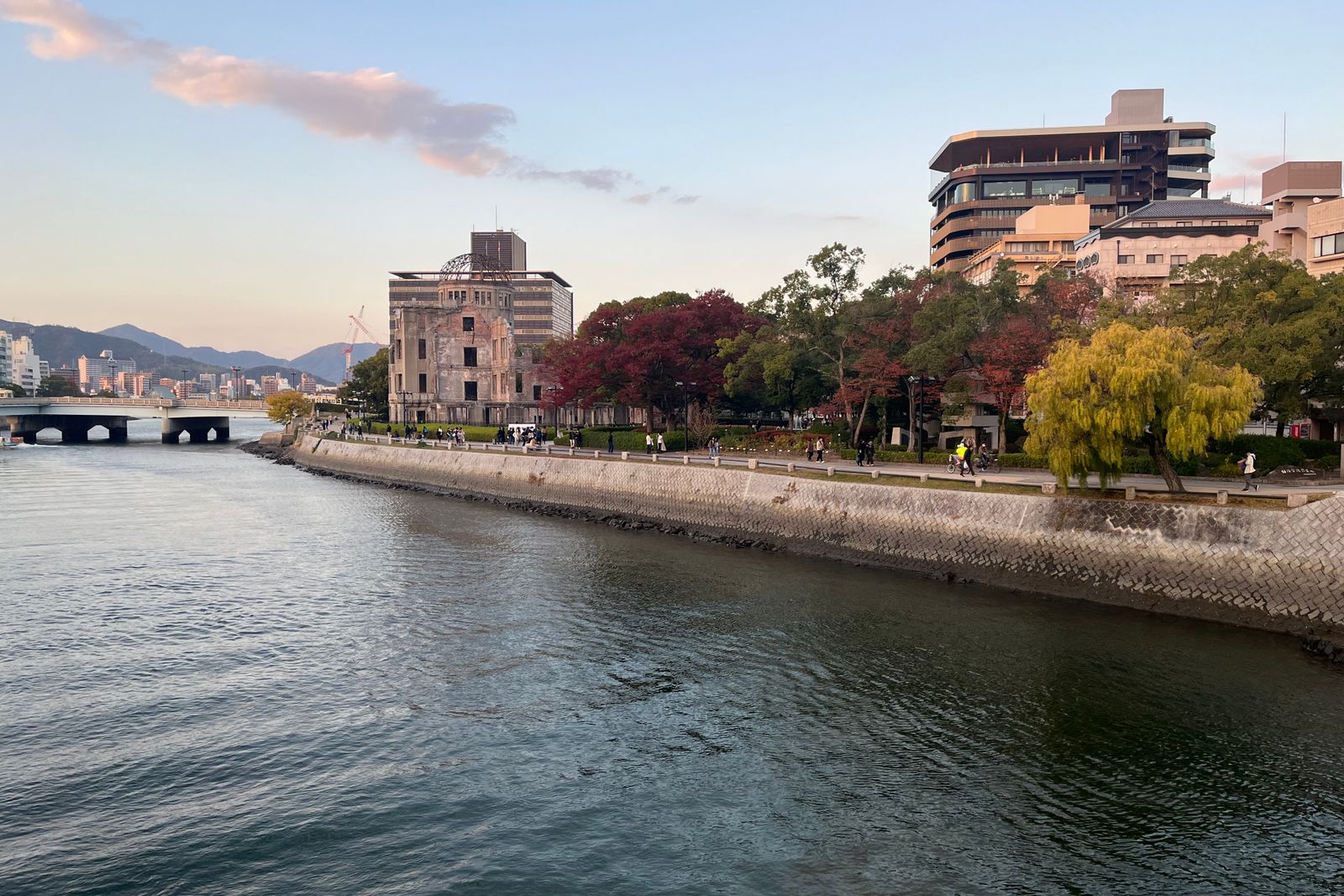
- October to May. Oysters in season, best from around December to February. The second seat is theirs.
- June to September. Outside the window. What makes a summer oyster possible at all is Kaki Komachi, a non-spawning oyster developed in Hiroshima with the prefectural fisheries research center; the fisheries federation puts the meat at about 1.5 times normal size. The second seat goes to the tantanmen. The summer oyster is there if you want it.
- Anago meshi. Any month; said to be best in high summer or in November.
- Okonomiyaki, the noodles, momiji manju. Any month.
If you have one meal in Hiroshima
One meal is one seat, and the month does not change where it goes.
JBJ'S TAKE
Okonomiyaki. Any month. Even January.
Most of Japan's oysters are Hiroshima's already.
The layered okonomiyaki is the other kind of thing: a counter, a shop building it in front of you, the city's own form. That does not ship.
A second meal? Then the oyster, October to May. June to September, the brothless tantanmen instead — and no regrets.
The decision you leave with
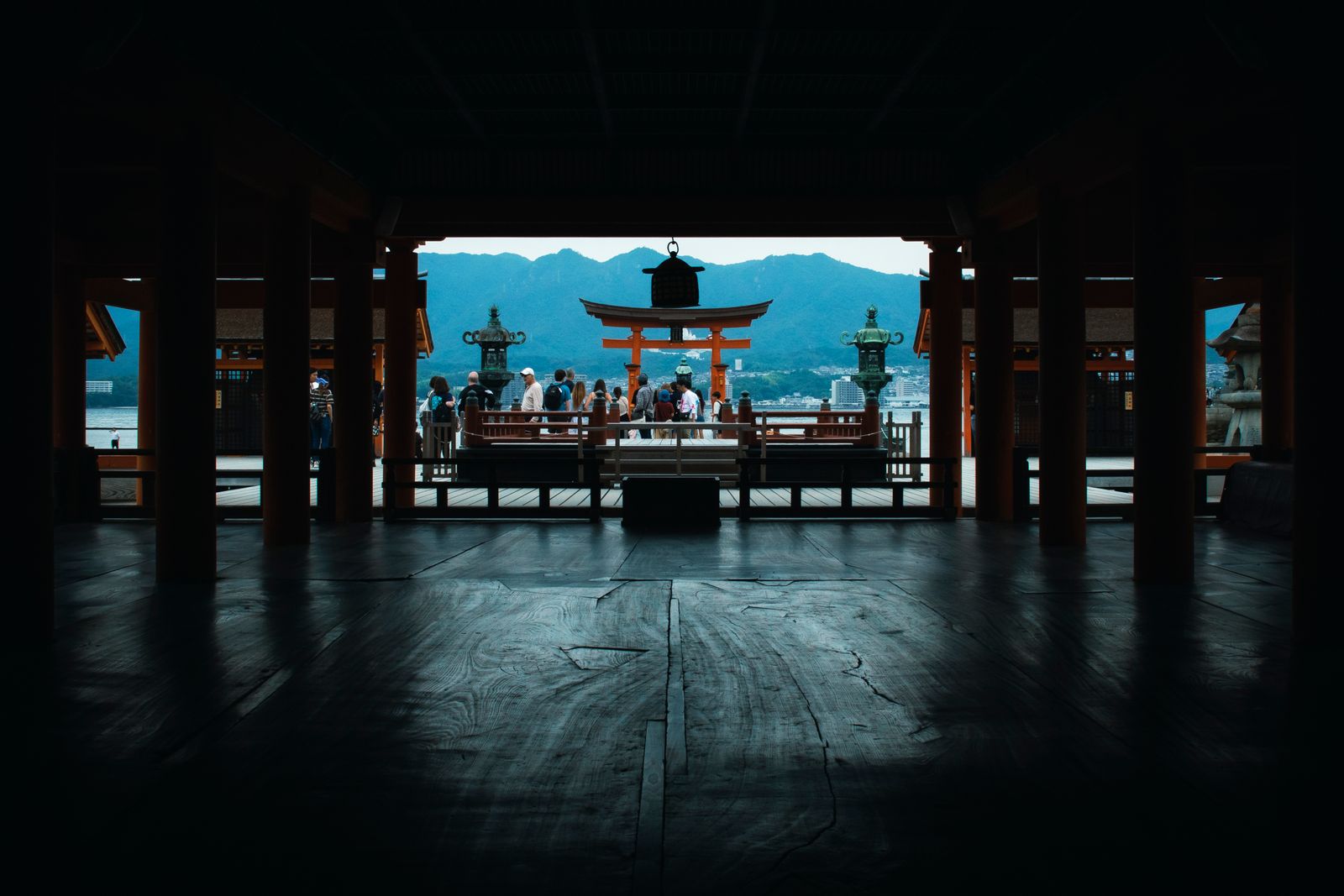
Whether Hiroshima gets a day or a night is the last open question, and our Kyoto day-trips ranking has already answered half of it: it declined Hiroshima as a day trip and told you to give it a night. Whether the detour pays on a pass is in the rail pass article; where Hiroshima sits in a first itinerary is in the first-trip guide; the other half of the okonomiyaki question is in Osaka.
JBJ'S TAKE
A day buys one seat. A night buys the second.
That is the whole argument for staying over, and from October to May it is a good one.
The oyster is what a day trip leaves on the table. Literally.
Summer? Then a day is honest. Sit down for the okonomiyaki and keep moving.
Checked 2026-09-15. The oyster share (2020 statistic) and season, the okonomiyaki lineage and the anago meshi origin: the Ministry of Agriculture, Forestry and Fisheries’ regional-cuisine database. The season and Kaki Komachi: the Hiroshima prefectural fisheries cooperative federation. The two noodle dishes and the lemon figures: Hiroshima Prefecture. Momiji manju: the Hatsukaichi tourism association. Saijo: the Higashihiroshima tourism body. The Osaka–Hiroshima style contrast: JNTO.