You have one or two sightseeing days in Osaka, and you keep reading that the Osaka Amazing Pass is “absolutely worth it.” You also keep reading three different prices for it. This page gives you the current price from the pass’s own site and the order in which your plan decides the question.
The quick answer
The pass site lists the standard pass at ¥3,500 for one day and ¥5,000 for two consecutive days, the same price for adults and children, for the sales period March 25, 2026 to March 31, 2027 (checked September 25, 2026). The ¥3,300 and ¥5,500 figures still circulating belong to an earlier period.
It gives you unlimited rides on Osaka Metro, the New Tram, Osaka City buses (some routes excluded), and Hankyu, Hanshin, Keihan, Kintetsu and Nankai trains mainly within Osaka City, plus entry to about 40 sightseeing spots.
Whether that pays for you comes down to four conditions, in this order:
- How many covered paid spots your day actually holds. This decides it. If the admissions you would pay anyway, plus your train rides, come to less than ¥3,500, skip the pass.
- Whether your Osaka days are back to back. The 2-day pass is ¥2,500 a day, but only across two consecutive days.
- Where you land. Arriving at Itami Airport gives you a separate version; arriving at Kansai Airport does not change the math.
- The tie-break. If the sum comes out close, the difference is what you give up: a phone ticket and a fixed day.
Planning a full day of paid Osaka sights?
Osaka Amazing Pass (1-day or 2-day, digital) on Klook
The pass bundles one or two days of Osaka Metro, city bus and in-city private rail rides with entry to about 40 spots, for ¥3,500 (1 day) or ¥5,000 (2 consecutive days) in the 2026–27 sales period.
Check the Osaka Amazing Pass on Klook →Sold on Klook (Klook Travel Technology Limited), an online travel agency. Before you pay, check on the listing which version you are buying (1-day or 2-day), the price in your currency, how the QR code reaches your phone, and the cancellation terms.
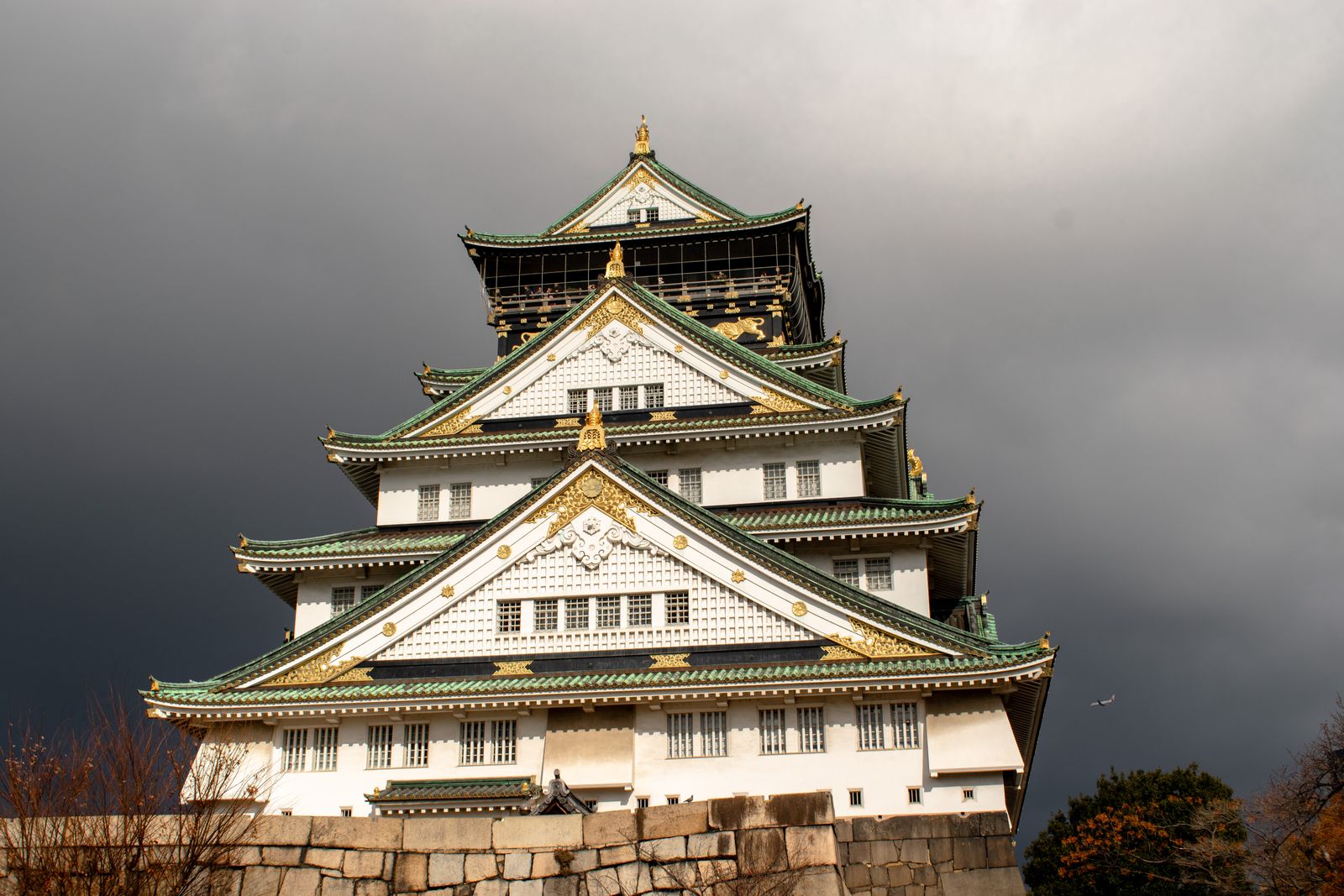
First: how many covered paid spots your day actually holds
The pass is two things sold as one: a day of transport and a bundle of admissions. The transport half is rarely what makes it pay. Osaka’s core is compact on the subway. Umeda and Namba, the two big hubs, are four stops apart on the Midosuji Line, and Shin-Osaka is three more stops north of Umeda. A day spent between Kita and Minami can come to only a handful of rides.
So the admissions do the work. Here is the count, before you buy:
- Write down the paid places you would actually go into that day, not the ones you might.
- Check each against the pass’s current facility list (about 40 spots). Keep only the ones on it.
- Add up what each of those places charges at the door, from its own website.
- Add the train and bus rides you would pay for that day.
If the total is under ¥3,500, the pass costs you money. If it is over, the pass saves you the difference. Nothing else on this page outweighs that number.
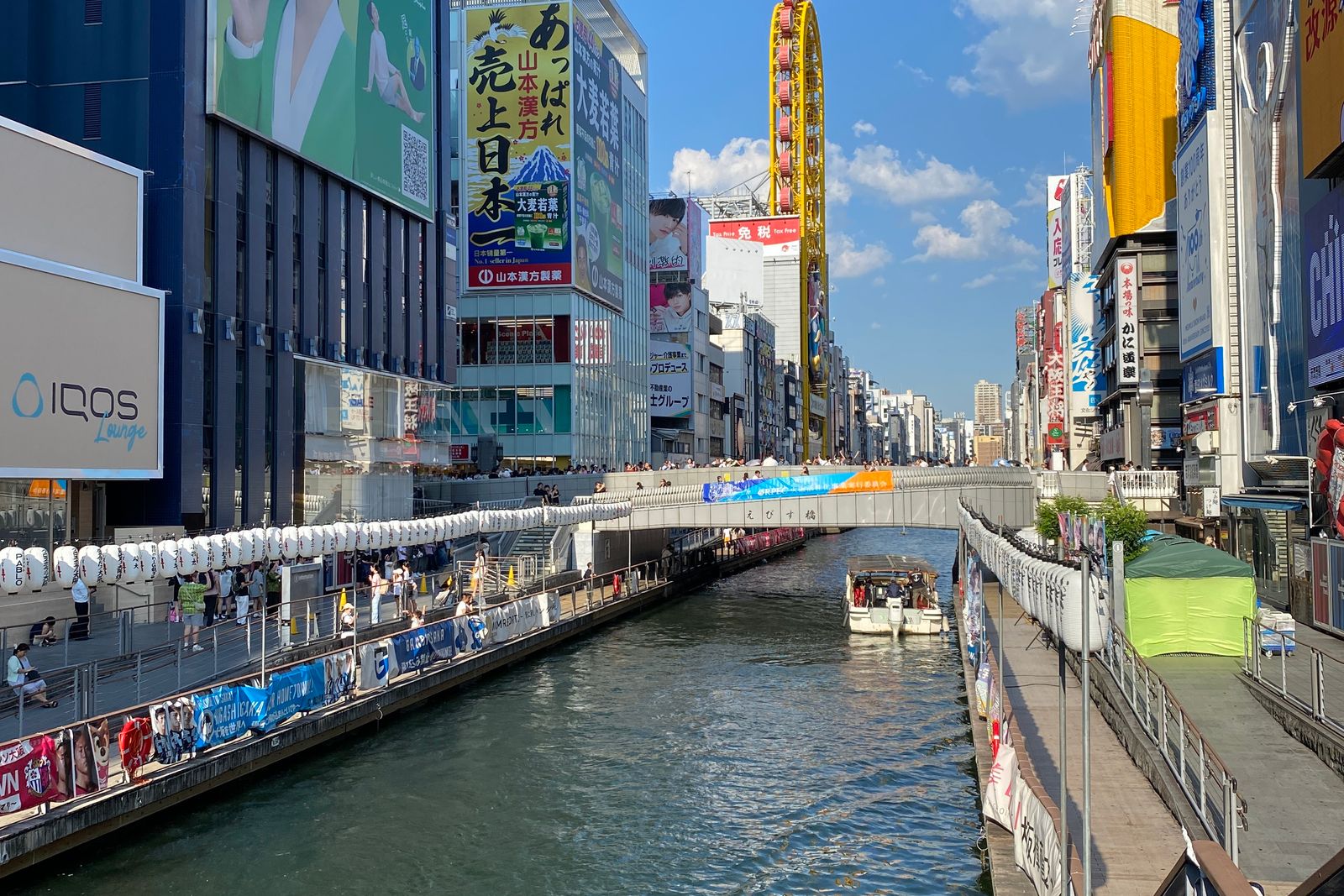
What usually brings the total down is not the price of any one spot. It is how many fit in a day. Every covered place you add means travel, a line, and time inside. A spot you visit only because it is free adds nothing to your savings, because you would not have paid for it.
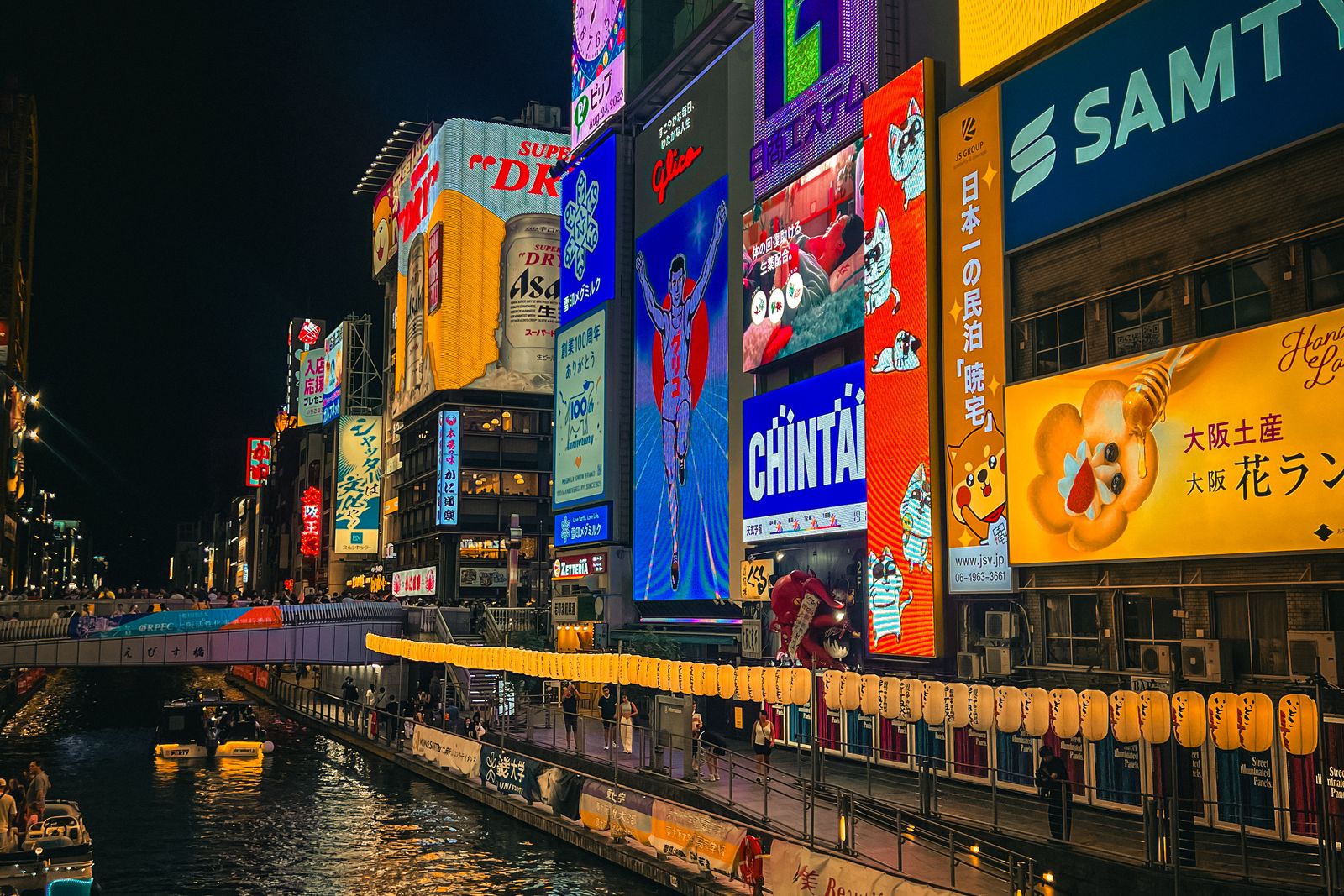
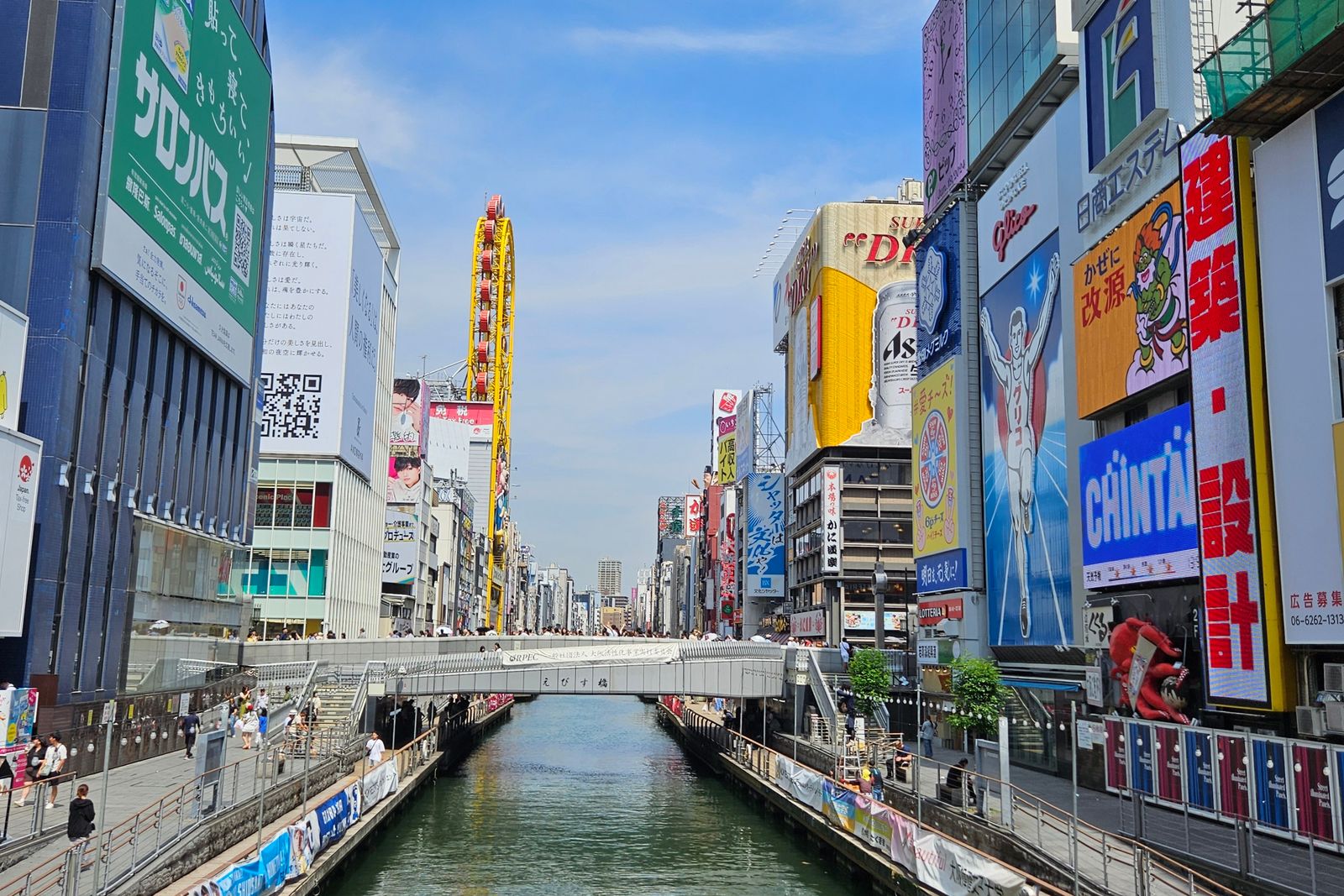
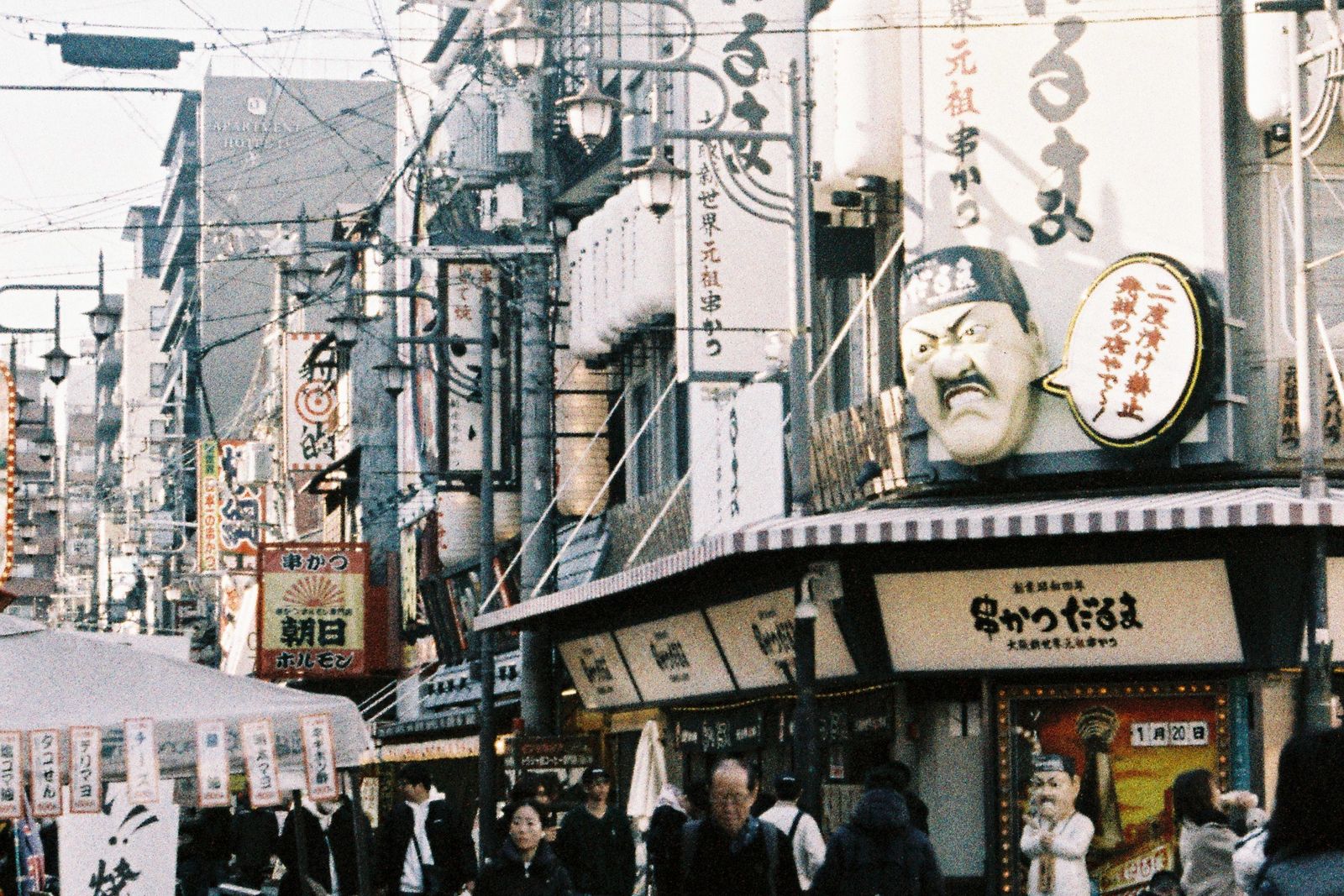
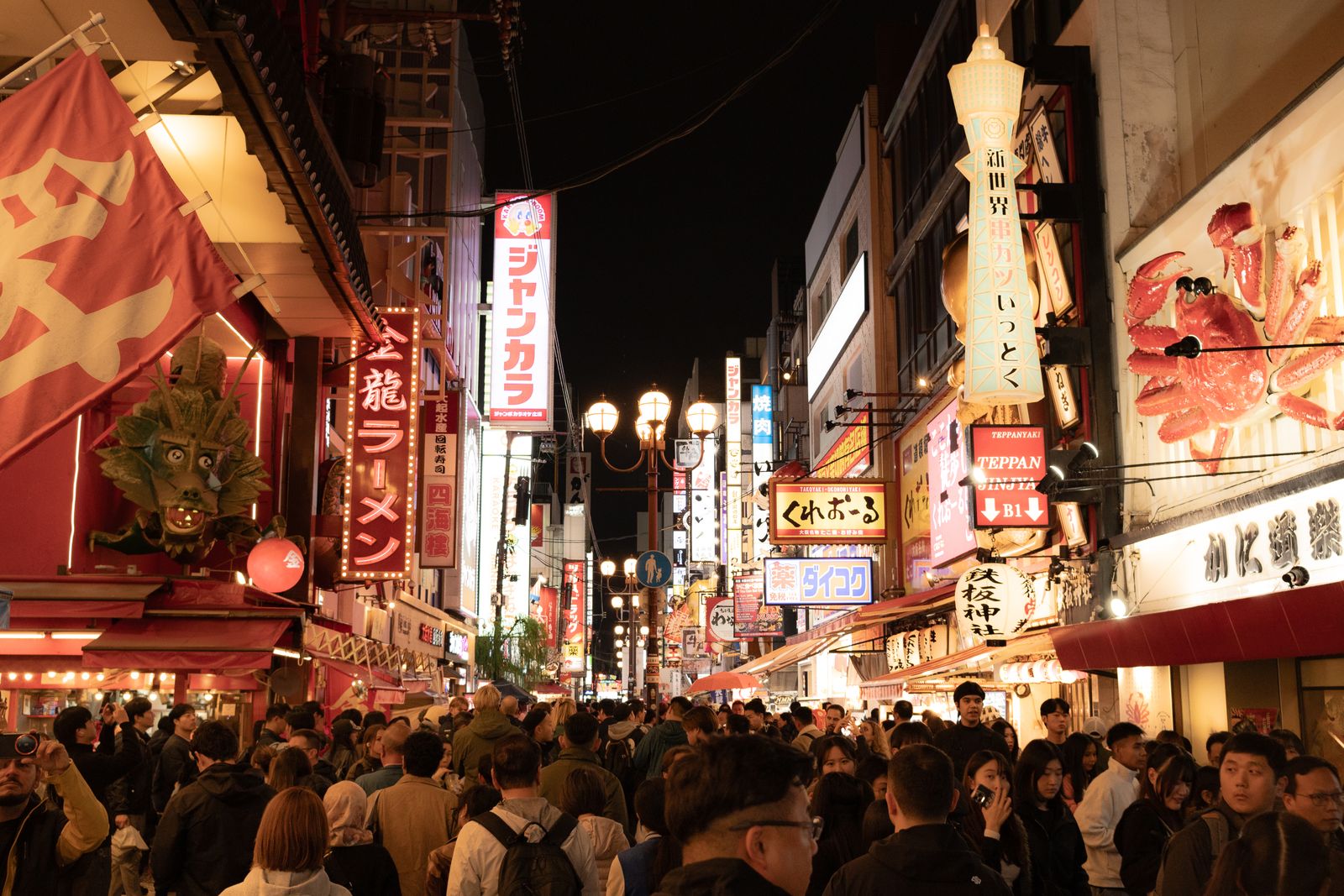
Where the plan is mostly free things — Dotonbori at night, the arcades, street food, a shrine — the pass has nothing to earn back. Eating your way through Minami is a day for the street-food ranking, not for this pass.
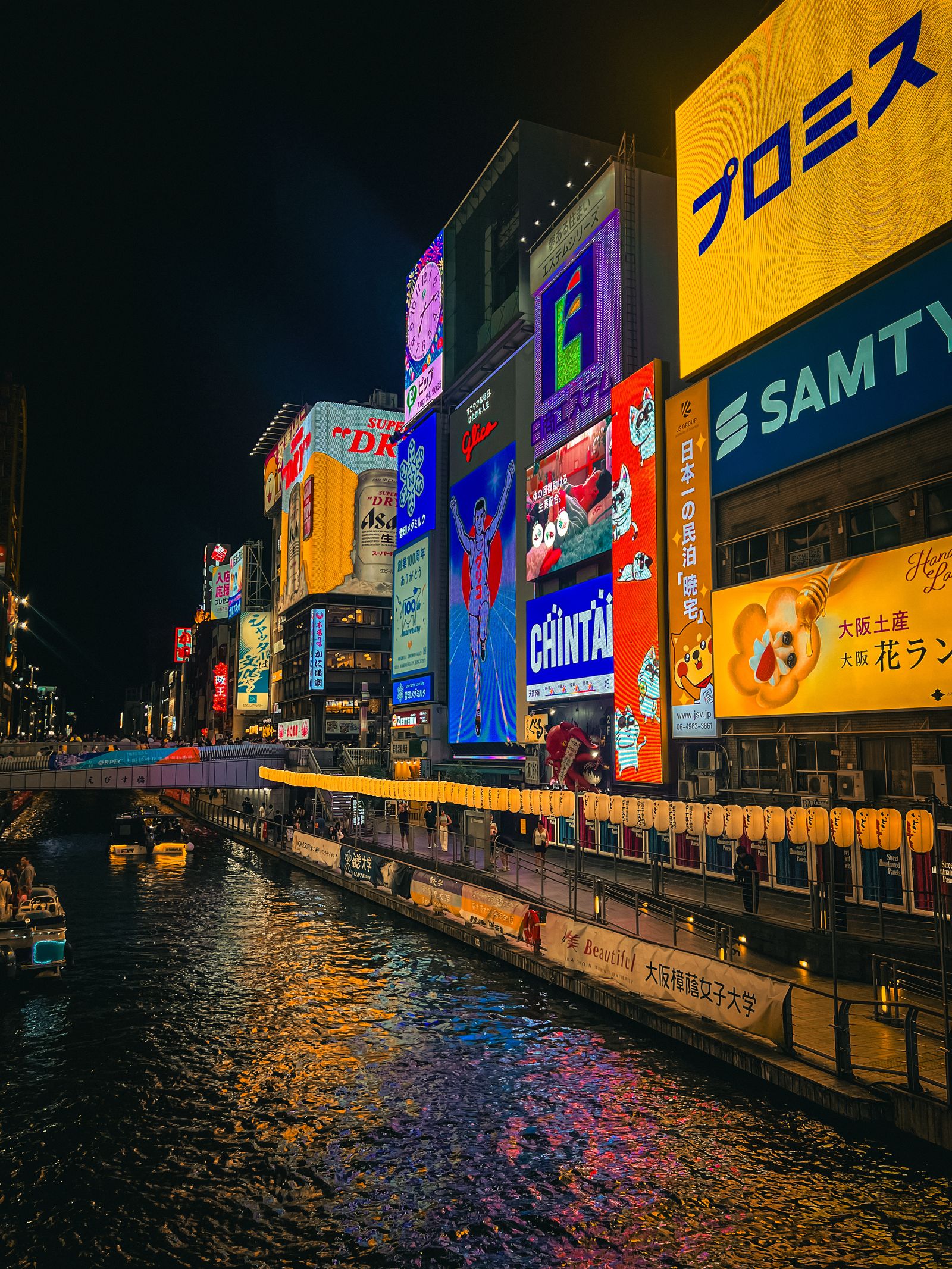
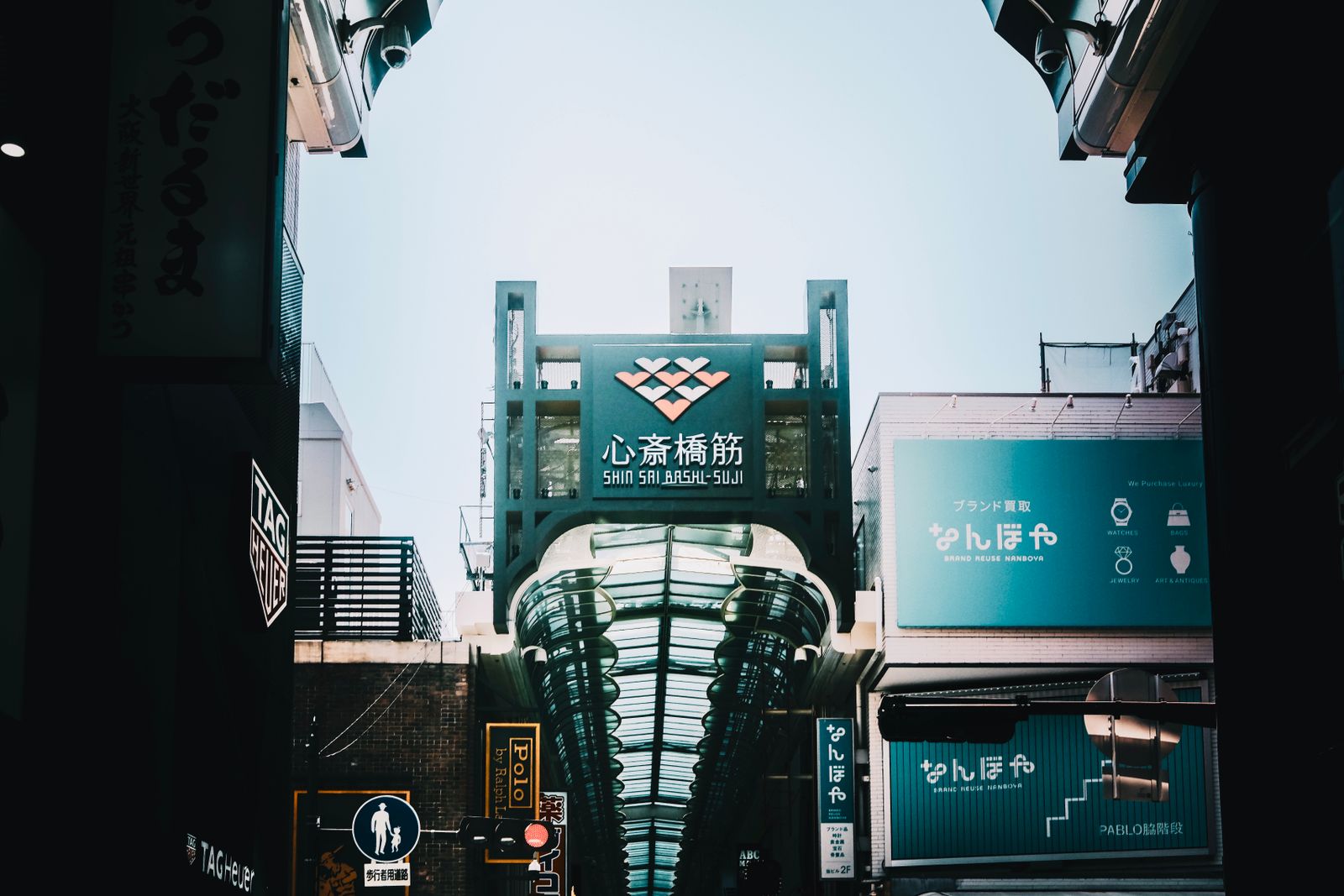
Second: whether your Osaka days are back to back
The site lists the 2-day pass as valid for two consecutive days. At ¥5,000, that is ¥2,500 a day, against ¥3,500 for one day. That lower per-day cost only exists if both days are Osaka sightseeing days, one after the other.
| 1-day pass | 2-day pass | |
|---|---|---|
| Price (adult or child) | ¥3,500 | ¥5,000 |
| Per sightseeing day | ¥3,500 | ¥2,500 |
| Days | 1 | 2, consecutive |
| Transport | Osaka Metro, New Tram, city buses (some routes excluded), five private railways mainly within Osaka City | Same |
| Spots | About 40 | About 40 |
| Must be activated by | March 31, 2027 | March 31, 2027 |
Source: the pass’s own 1-day/2-day page, checked September 25, 2026. Run the count from the first section for each day. Buy the 2-day pass only if the two days together clear ¥5,000.
When the 2-day pass is ruled out. If your second day leaves Osaka City — Kyoto, Kobe, Nara — or goes inside a theme park, the 2-day pass has no second day to earn back. Those cities lie outside Osaka City, and the site describes rail coverage as trains mainly running in Osaka City. Pay for that trip on its own, and look at the 1-day pass for your one city day. If the day is Universal Studios Japan, the questions are the ones on the USJ Express Pass page.
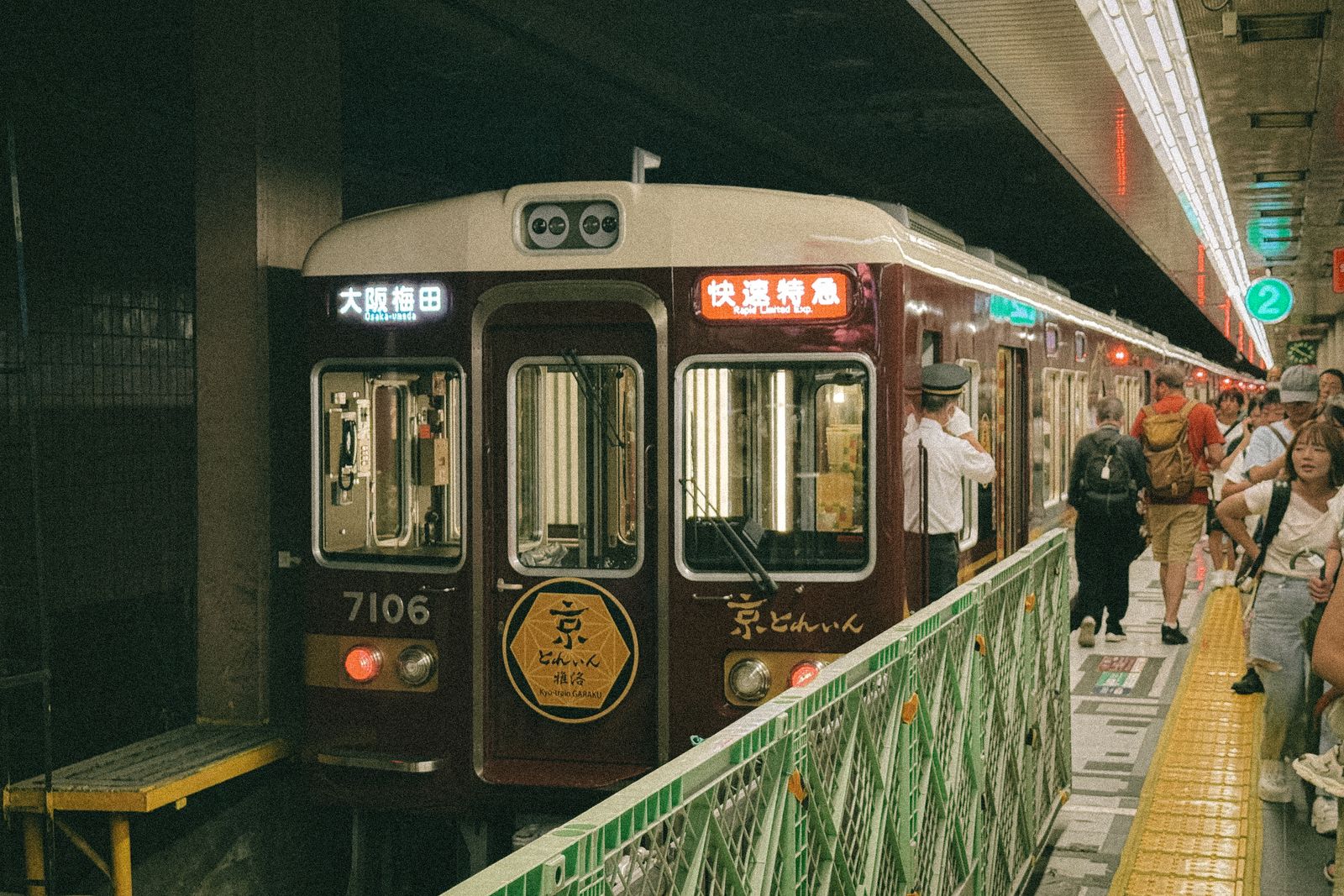
Where you sleep matters for the same reason. If your hotel is in Namba or Umeda, the day’s rides are short and few. Where to stay in Osaka covers which base suits which plan.
Third: where you land
The site lists a separate Osaka Itami Airport (ITM) version at ¥3,800 (1 day) and ¥5,400 (2 days). On top of the standard coverage, it adds the Osaka Monorail from Osaka Airport to Banpaku-kinen-koen, the Kita-Osaka Kyuko between Esaka and Senri-Chuo, and two Hankyu sections. If you fly into Itami and your first day is a sightseeing day, compare that version against the standard pass plus your fare into the city.
If you land at Kansai Airport, nothing changes. The airport lies outside Osaka City, so do not count the airport train in the pass’s favor. Nankai’s Rapi:t from Namba reaches the airport in from 34 minutes, and the limited-express seat carries its own surcharge on top of the fare. Count that trip as its own ticket.
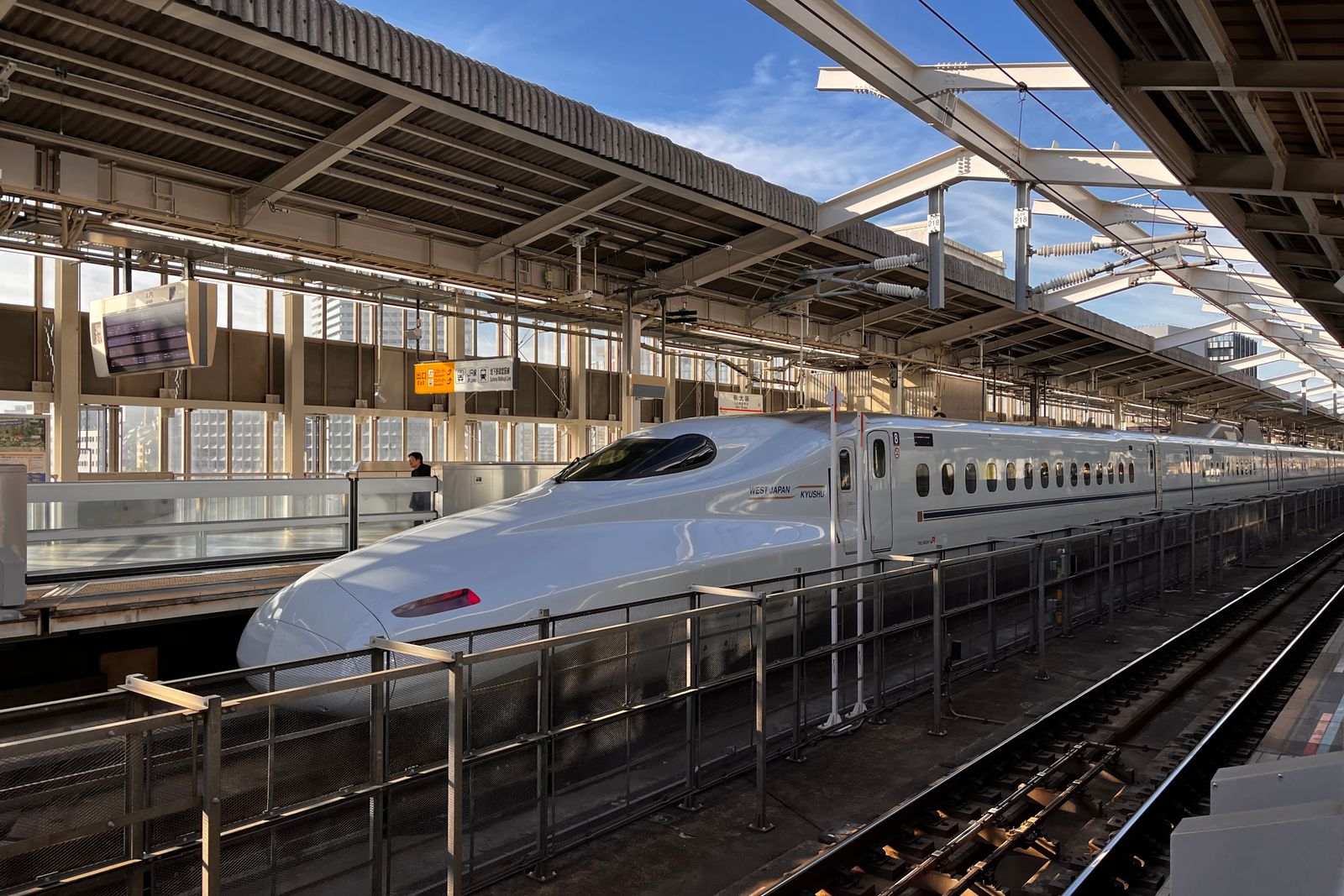
Arriving by Shinkansen works the same way. Shin-Osaka, not Osaka Station, is the Shinkansen stop, and a long-distance rail pass is a separate question. Is the Japan Rail Pass worth it? covers it.
Fourth, the tie-break: the phone and the fixed day
If your count comes out close to ¥3,500 (or ¥5,000 for two days), two facts decide it.
It lives on your phone. The site describes the pass as a digital ticket, bought through the SURUTTO QRtto service it links to, or through resellers. If your phone has no data in Osaka, or its battery won’t last the day, a phone ticket is a risk. Sort out data before you rely on it. eSIM or pocket WiFi covers that choice.
It fixes the day. The site says the pass is valid for three months from purchase and must be activated by March 31, 2027. Once you start it, the day (or both days) counts. Rain, a late start or a slow morning spends pass value you already paid for. Single tickets only cost you for what you actually do.
So if the sum is close and your plan might change, single tickets cost nothing extra. If the sum is close and the plan is fixed, the pass means one QR code instead of a fare at every gate.
The purchase decision
Buy the pass if all of these are true:
- your count of covered admissions plus rides clears ¥3,500 for one day, or ¥5,000 across two consecutive days;
- both days stay inside Osaka City;
- your phone will have data and battery for the whole day.
If any of them is false, skip it and pay as you go.
Once it clears, you can buy through the pass site’s linked service, or through a reseller such as Klook. Check which version you are buying, 1-day or 2-day, standard or Itami. The price and the covered spots above come from the pass’s own site as of September 25, 2026; a reseller’s listing shows its own price in your currency.
Your count clears ¥3,500 a day?
Osaka Amazing Pass (1-day or 2-day, digital) on Klook
Choose the version that matches your count and your days: 1-day, or 2-day for two consecutive Osaka City days. The QR code goes on the phone you will carry.
Check the Osaka Amazing Pass on Klook →Sold on Klook (Klook Travel Technology Limited), an online travel agency. Before you pay, check on the listing which version you are buying (1-day or 2-day), the price in your currency, how the QR code reaches your phone, and the cancellation terms.
A worked count, so it works when you land
Use this as a form the night before. Fill in each line from the facility’s own website and your route.
| Line | What goes in it |
|---|---|
| 1 | Covered spot you would pay for anyway: its door price |
| 2 | Second covered spot: its door price |
| 3 | Third covered spot: its door price |
| 4 | Rides you would take that day: total fare |
| Total | Compare with ¥3,500 (1 day) or ¥5,000 (2 consecutive days) |
If lines 1 to 3 hold one spot, the transport line has to carry the rest. A day between Umeda and Namba is only four Midosuji stops each way, so the ride line stays short. The more of lines 1 to 3 you fill with places you actually wanted, the more the admissions carry the total. Use the door prices, not guesses.
Next
Tonight, make the list of paid places you would enter tomorrow, then check each one against the pass’s facility list. The count will tell you which pass to buy, or that you should buy none. For the rest of the trip budget, what a Japan trip costs puts the numbers side by side.