Short answer: four conditions, in order
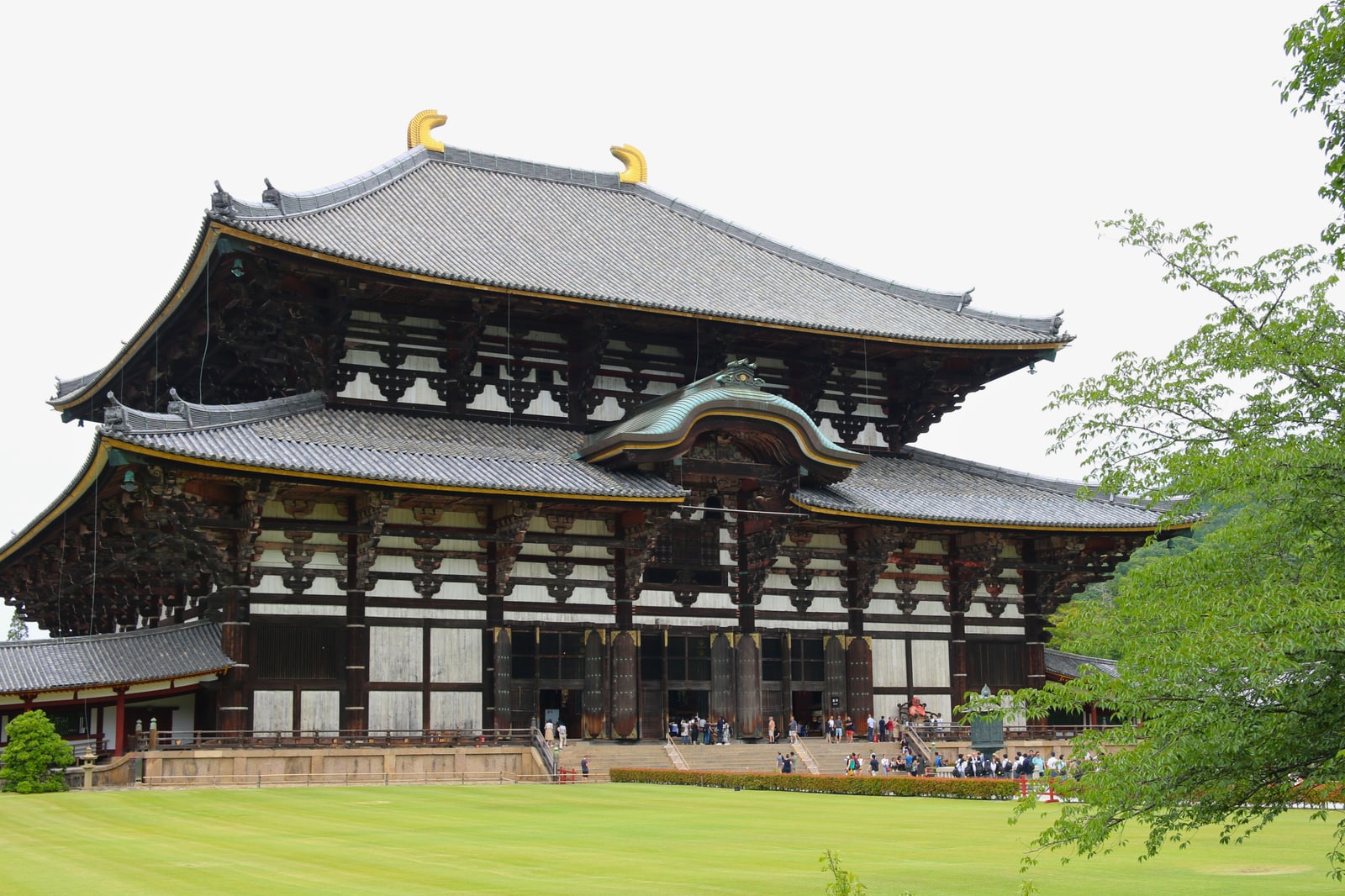
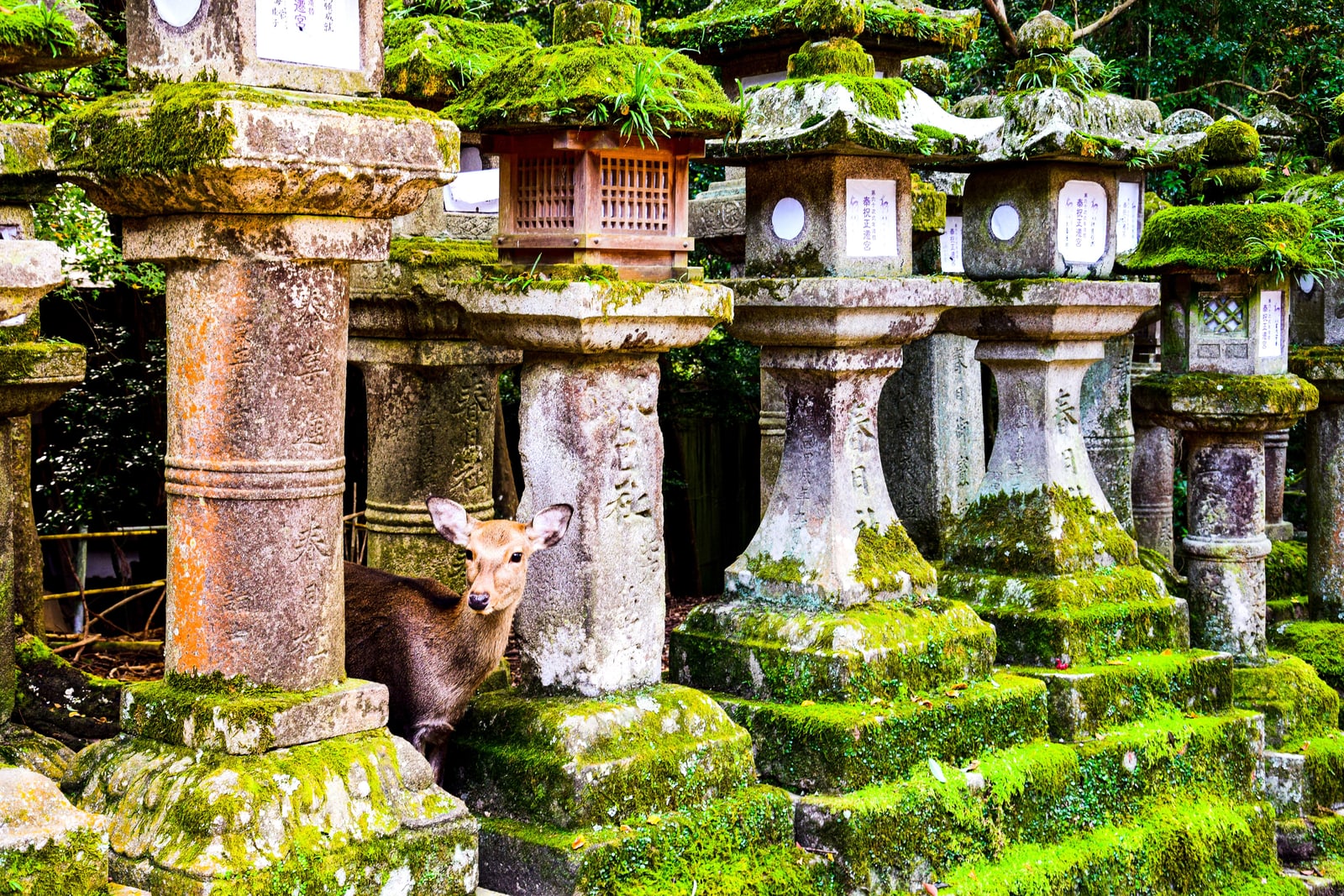
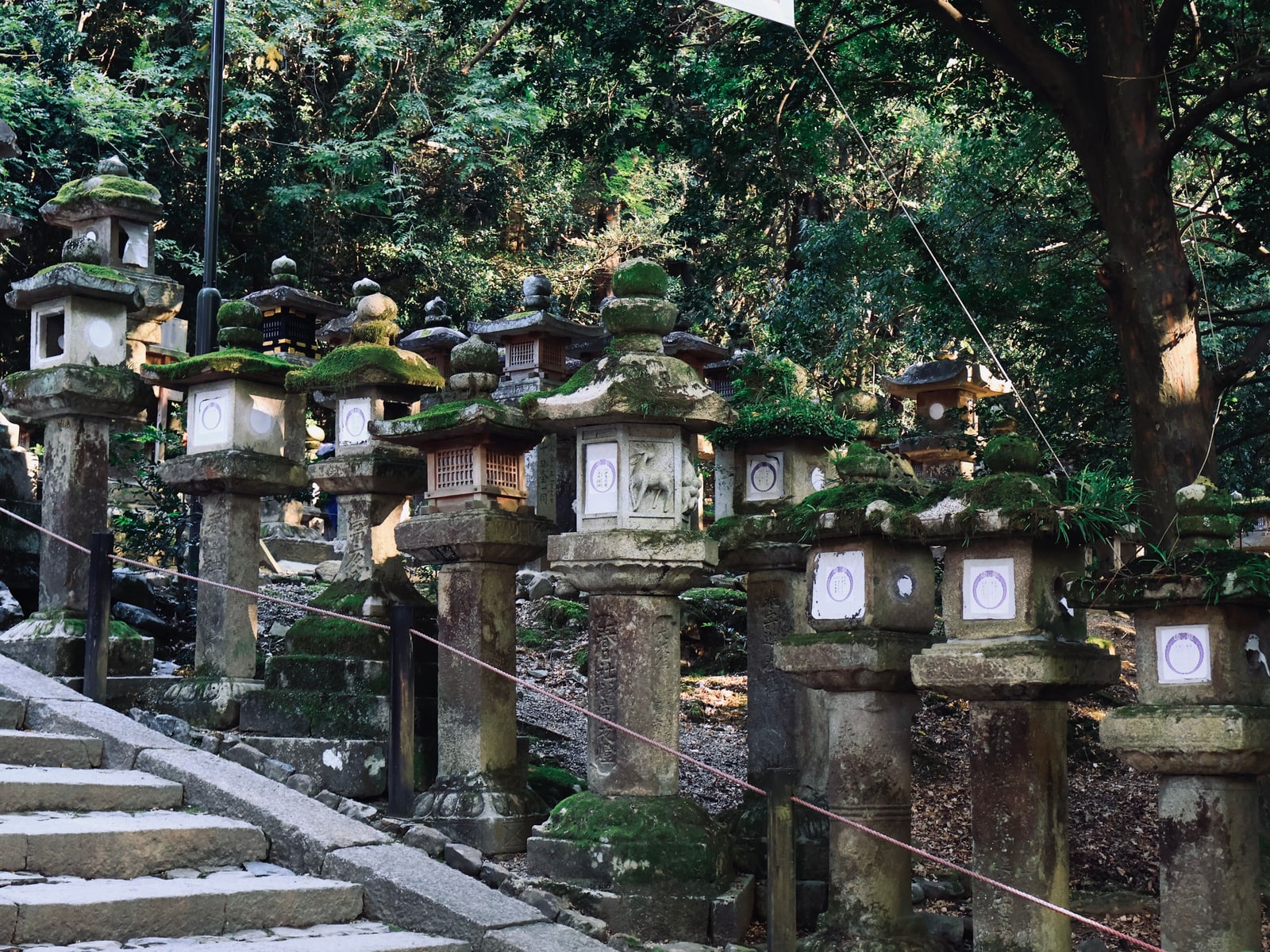
Nara is the old capital south of Kyoto: Todai-ji and its Great Buddha Hall, Kasuga Taisha and its stone lanterns, and the deer of Nara Park around both. Two railways run there directly from Kyoto Station, the JR Nara Line and the Kintetsu Kyoto Line, in about 35 to 45 minutes. That makes Nara one of the simpler day trips to do on your own. A guided day tour is the other way to go, and many of the ones sold from Kyoto pair Nara with Kyoto sights in the same day. Four conditions decide which fits you, in this order:
- What you already have planned in Kyoto. If a combined tour’s Kyoto stops are already on your list, the tour repeats them and Nara gets only part of the day.
- The clock. The Great Buddha Hall closes at 17:30 through October 31 and at 17:00 from November 1. Kasuga Taisha’s museum takes its last visitors at 16:30. The last JR train from Nara to Kyoto leaves at 23:10. The gates end the day, not the train.
- The cost per person. On your own: ¥1,440 to ¥2,560 round trip by train, plus ¥800 for the Great Buddha Hall. A tour’s price is on its listing; set it against those lines.
- Who is going (the tie-break). Children, limited walking and the deer rules apply on either route. A tour removes the navigation, not the walking.
If your Kyoto days are already short, skipping is a real option. Nara takes a whole day either way; our ranked list of day trips from Kyoto counts what each day costs you in Kyoto.
Want Kyoto sights and Nara in one guided day?
Kyoto and Nara day tour on Klook
A Kyoto and Nara day tour sold on Klook. Check on the listing which Kyoto stops it includes, how long it spends in Nara, the meeting point, the return time and the price.
Check the Kyoto and Nara day tour on Klook →Sold on Klook (Klook Travel Technology Limited), an online travel agency. Before you pay, check on the listing for your date: the price, the meeting point and time, which Kyoto stops it includes, how long it spends in Nara, the return time, and the cancellation terms.
First: what you already have planned in Kyoto
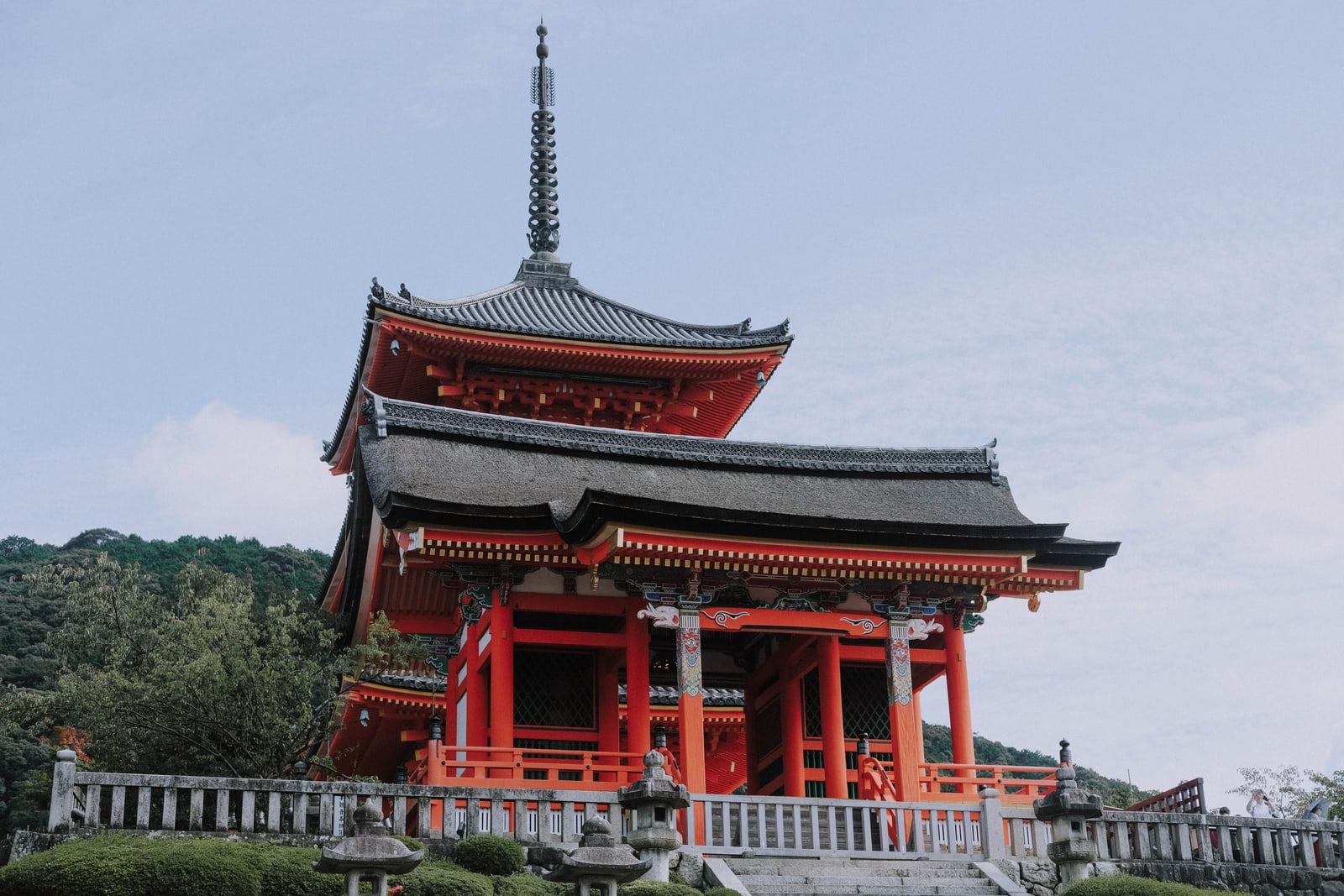
Tour titles say what a combined day contains. On Klook and Viator, Kyoto-and-Nara day tours list Nara Park or Todai-ji alongside Kyoto stops such as Fushimi Inari Taisha, Kiyomizu-dera, Kinkaku-ji or Nijo Castle (titles checked October 3, 2026). Each stop costs travel time between Kyoto and Nara, so the more Kyoto stops a tour has, the less of the day goes to Nara.
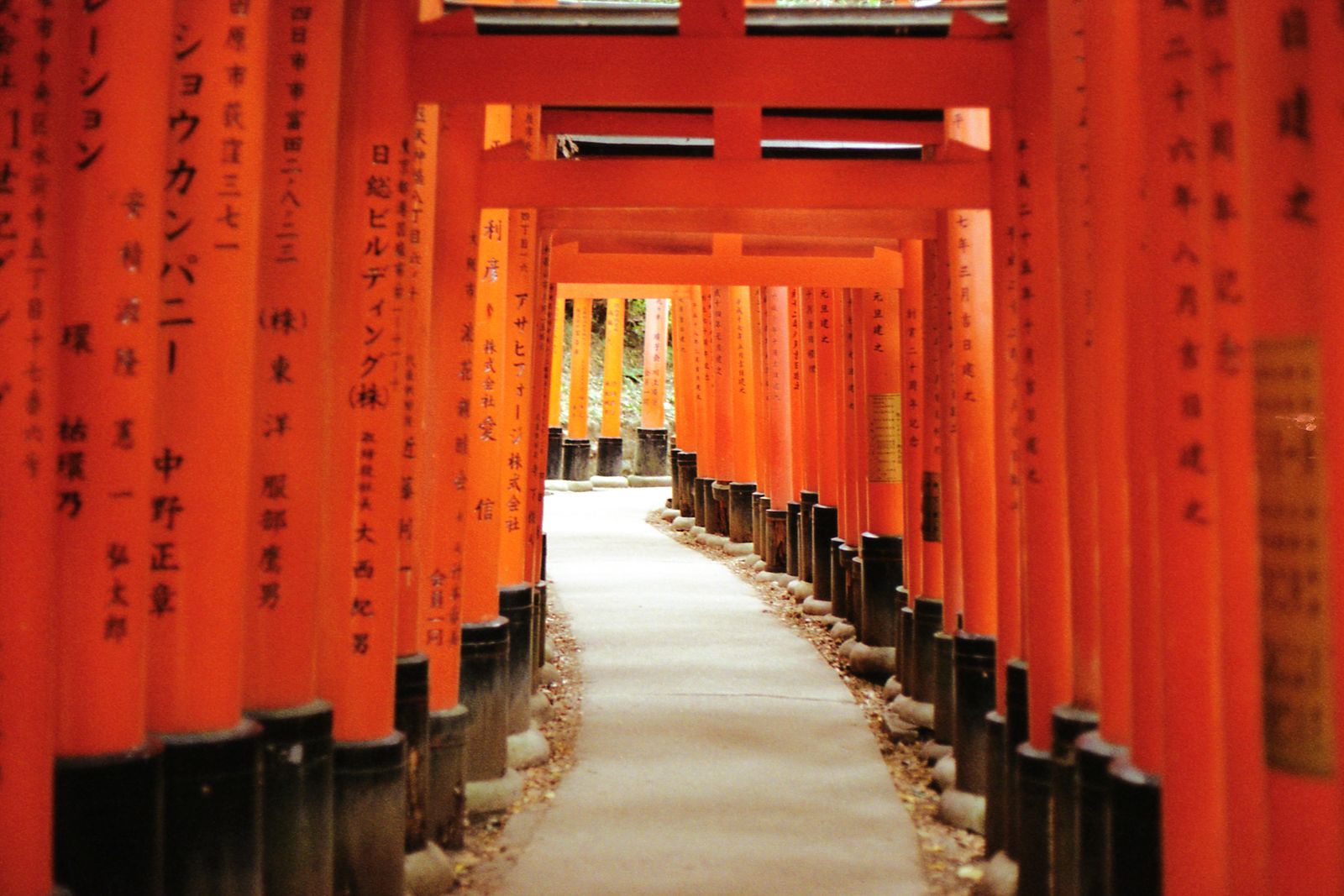
So read the listing’s stops against your own plan:
- The Kyoto stops are already in your plan for other days. The tour repeats them. Going to Nara on your own gives Nara the whole day.
- You have not planned those Kyoto stops and have no other day for them. A combined tour fits those stops and Nara into one day, at the cost of less time in each place.
- The tour is Nara only. This condition drops out; go on to the clock.
Second: the clock
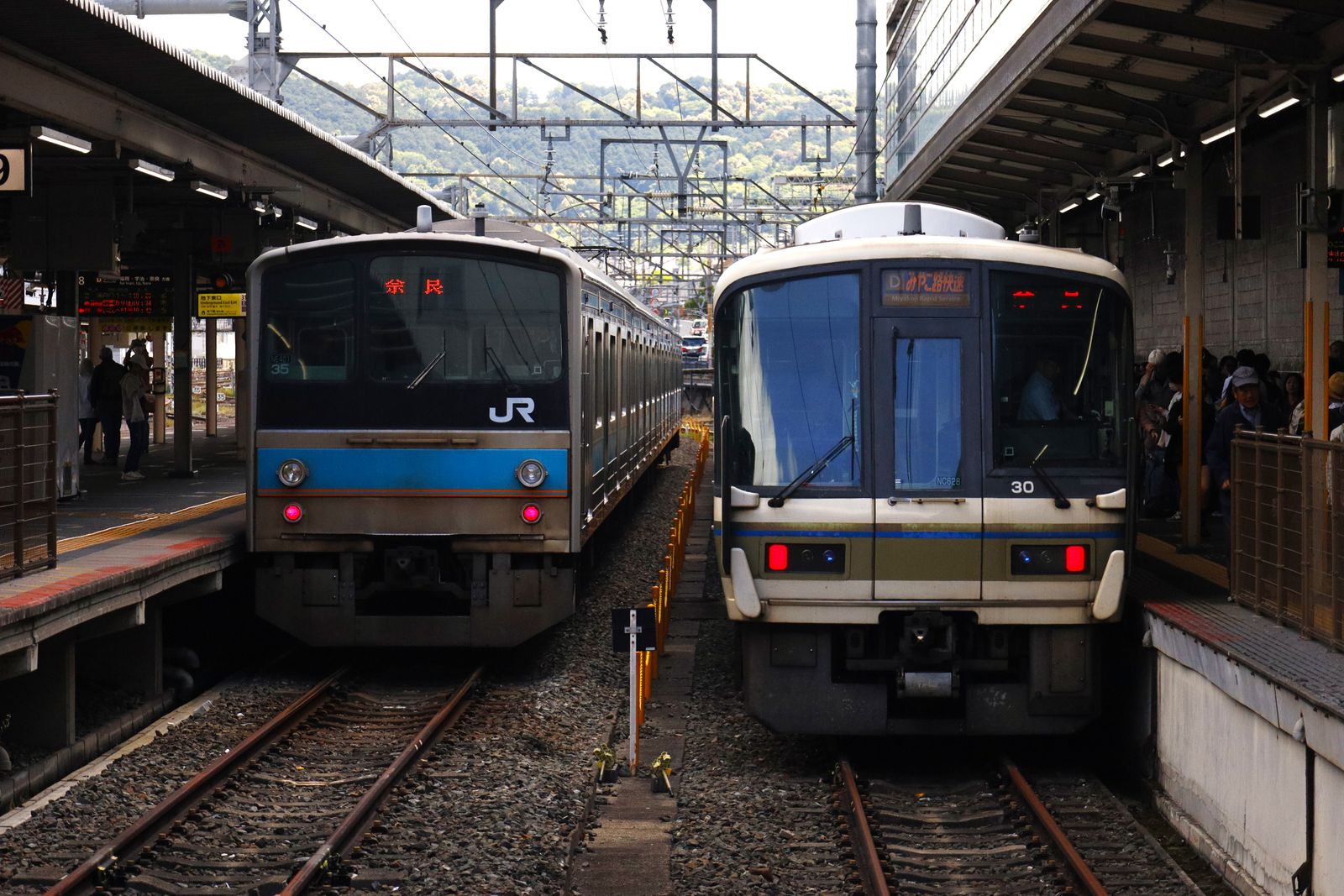
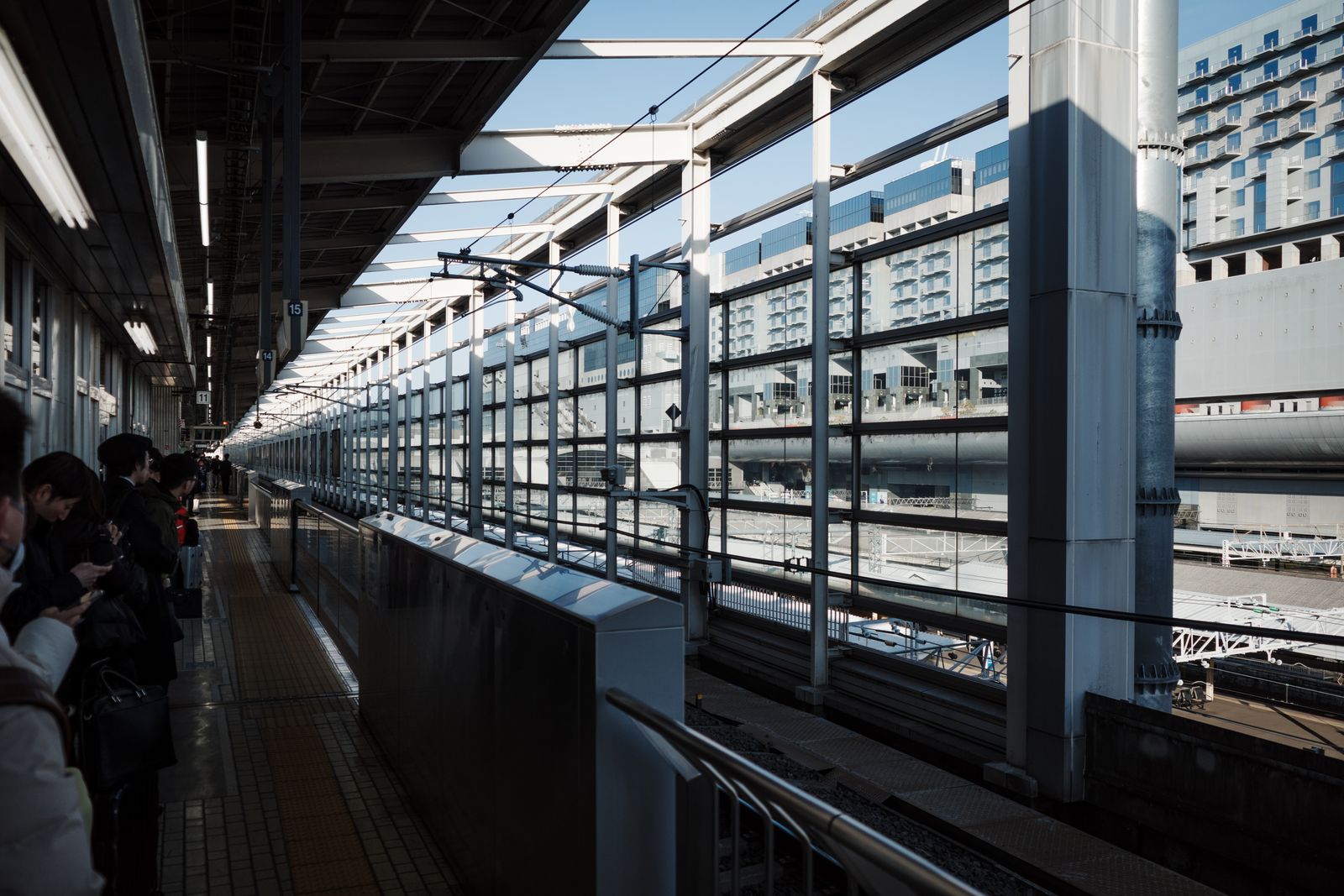
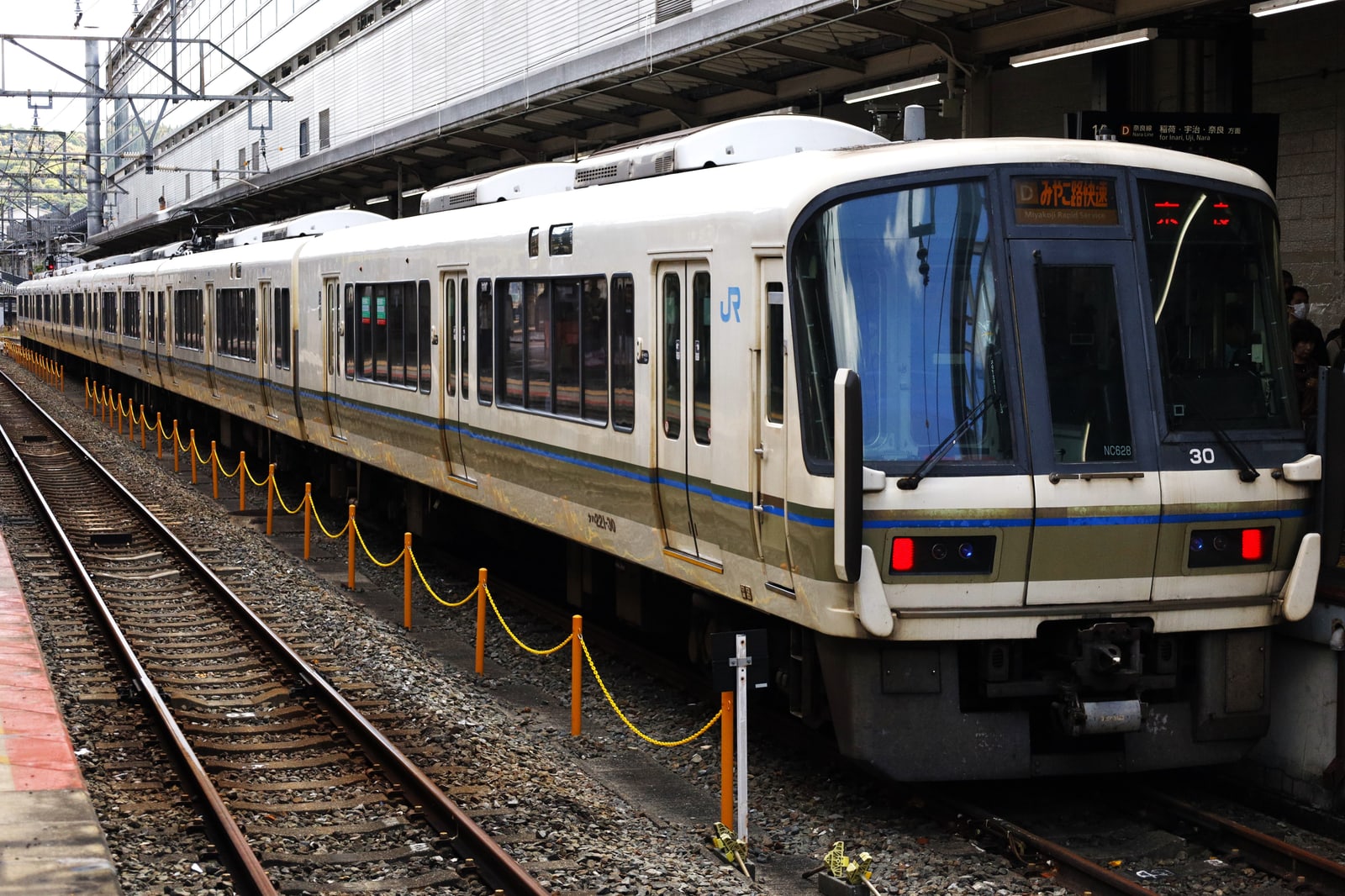
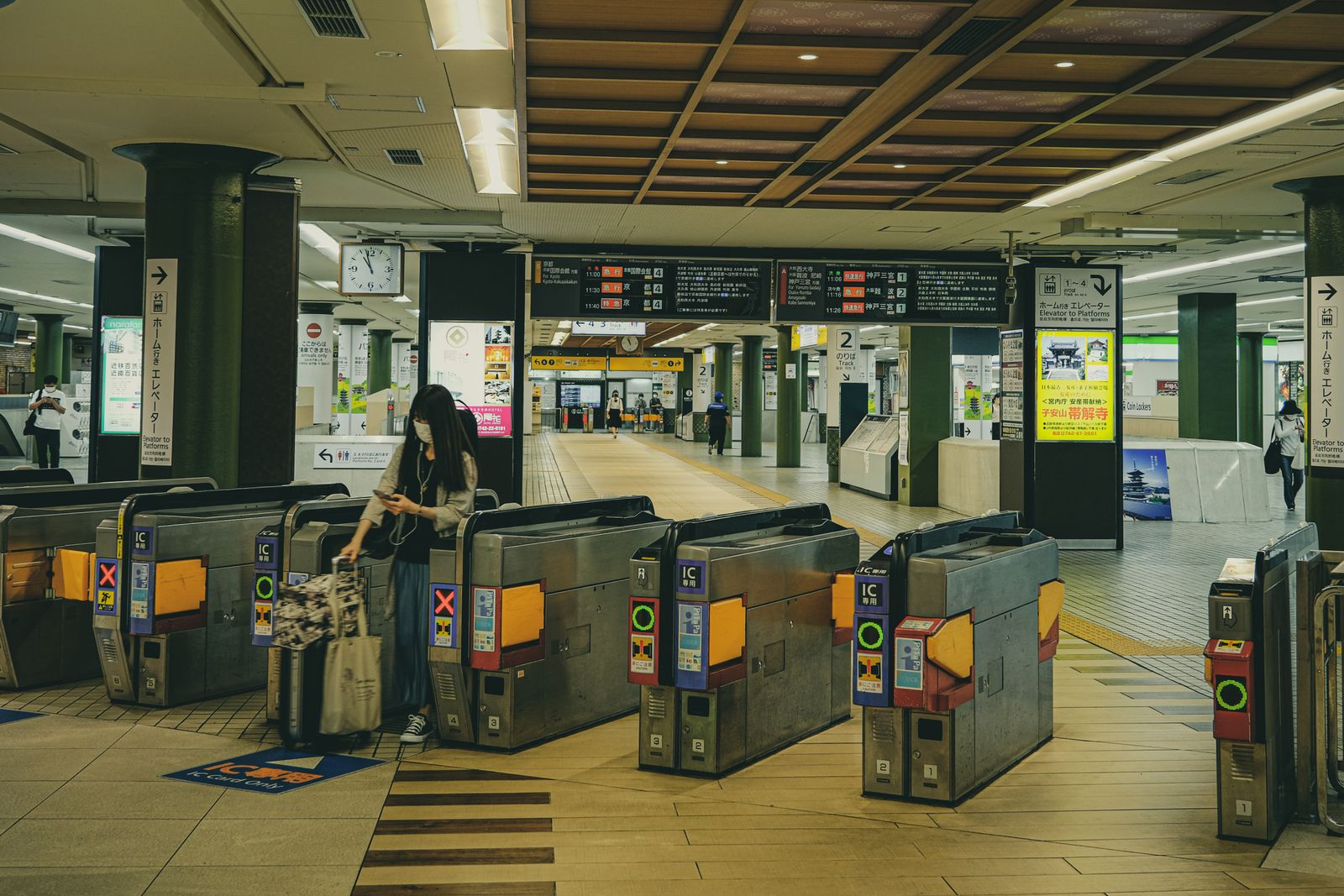
Both railways leave from Kyoto Station, and neither needs a change on its direct trains.
- Kintetsu Kyoto Line to Kintetsu-Nara. Limited express trains take about 35 minutes. Kintetsu-Nara is the closer station to the park: Todai-ji says the walk from there is about 20 minutes, east along Noboriōji.
- JR Nara Line to JR Nara. The Miyakoji Rapid takes about 45 minutes. From JR Nara, Todai-ji points you to the city loop bus to the stop for the Great Buddha Hall and Kasuga Taisha, then a five-minute walk.
The gates in Nara close well before the last train. These are the times that shape the day:
| What | Hours | Note |
|---|---|---|
| Todai-ji, Great Buddha Hall | Apr–Oct 7:30–17:30 · Nov–Mar 8:00–17:00 | ¥800 adults, ¥400 elementary pupils, cash only |
| Todai-ji, Hokke-dō and Kaidan-dō | 8:30–16:00 all year | — |
| Kasuga Taisha, main shrine worship area | Mar–Oct 6:30–17:30 · Nov–Feb 7:00–17:00 | The special visit and the museum are charged separately |
| Kasuga Taisha, inner shrine special visit | 9:00–16:00 | ¥700; not offered around March 8–13, December 20–January 7 and some ceremony days |
| Kasuga Taisha, Kokuhōden museum | 10:00–17:00, last entry 16:30 | ¥700 adults |
| Last JR train, Nara to Kyoto | 23:10 | JR West timetable, checked October 3, 2026 |
What follows from the table:
- From November 1, the Great Buddha Hall closes at 17:00. Plan the hall for the morning and Kasuga Taisha for the afternoon, and the 16:00 and 16:30 cut-offs at Kasuga are the ones to watch.
- On your own, the day ends when the last gate you care about closes. You set the start.
- On a tour, the operator sets both ends. Check on the listing the meeting time, how long the tour stays in Nara and the return time.
Third: the cost per person
The fares below are per adult, one way from Kyoto Station. Kintetsu’s limited express is the base fare of ¥760 plus a limited express charge of ¥520. Its slower trains charge only the base fare.
| Your own day, per adult | Train, round trip | + Great Buddha Hall | + Kasuga special visit and museum | Total |
|---|---|---|---|---|
| JR Nara Line (¥720 each way) | ¥1,440 | ¥800 | ¥1,400 | ¥2,240 to ¥3,640 |
| Kintetsu, slower trains (¥760 each way) | ¥1,520 | ¥800 | ¥1,400 | ¥2,320 to ¥3,720 |
| Kintetsu limited express (¥1,280 each way) | ¥2,560 | ¥800 | ¥1,400 | ¥3,360 to ¥4,760 |
Not in those lines: the loop bus from JR Nara if you ride it, lunch, and the deer crackers. The Japan Rail Pass covers the JR Nara Line, not Kintetsu.
A tour’s price is on its listing and changes by date. Set it against the total above for the sights you would actually pay to enter, and add whatever Kyoto stops it includes that you would otherwise reach on your own. If the tour costs much more than the on-your-own total and you already planned its Kyoto stops, the extra pays for the guide and the navigation.
Fourth, the tie-break: who is going
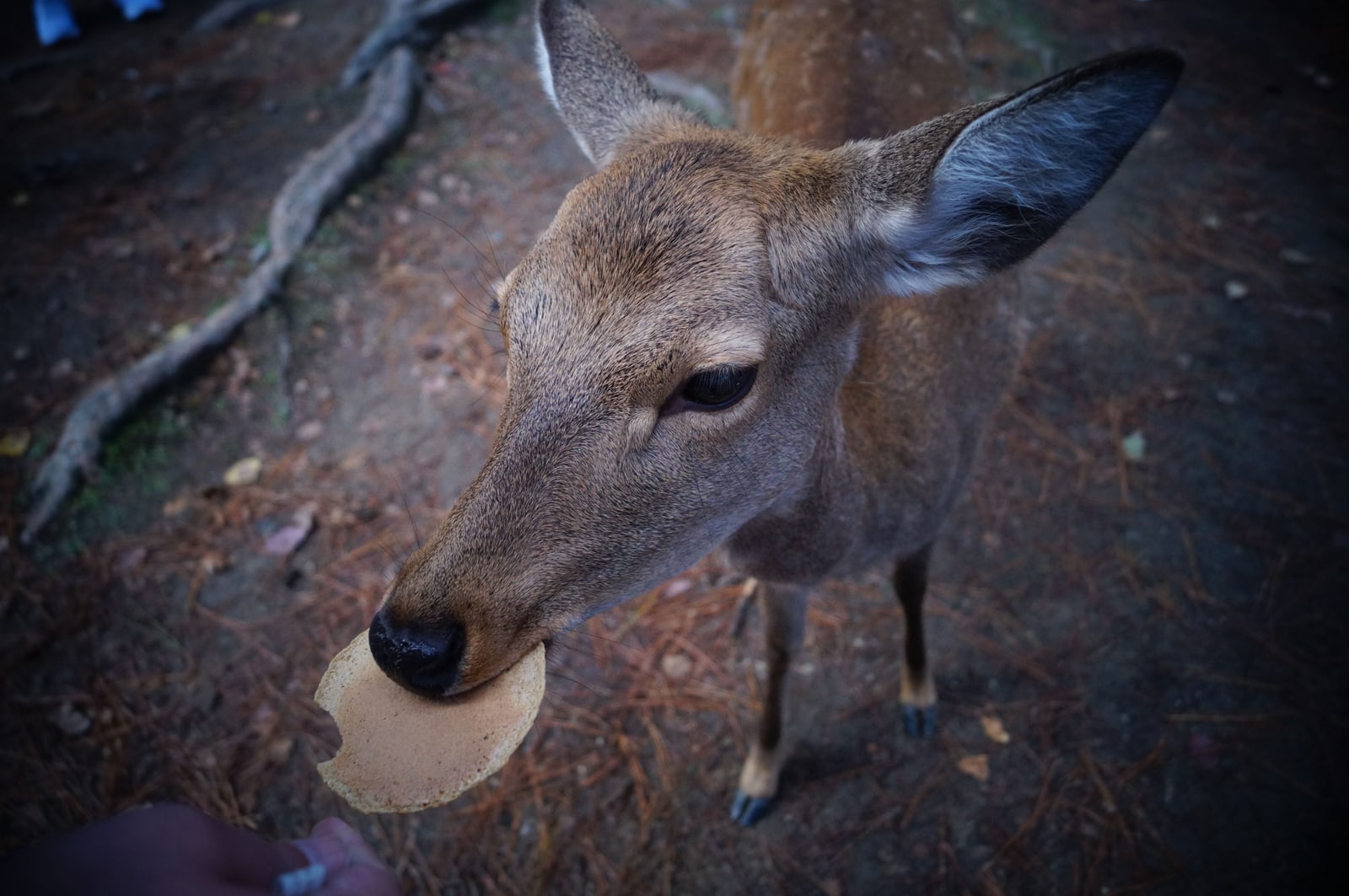
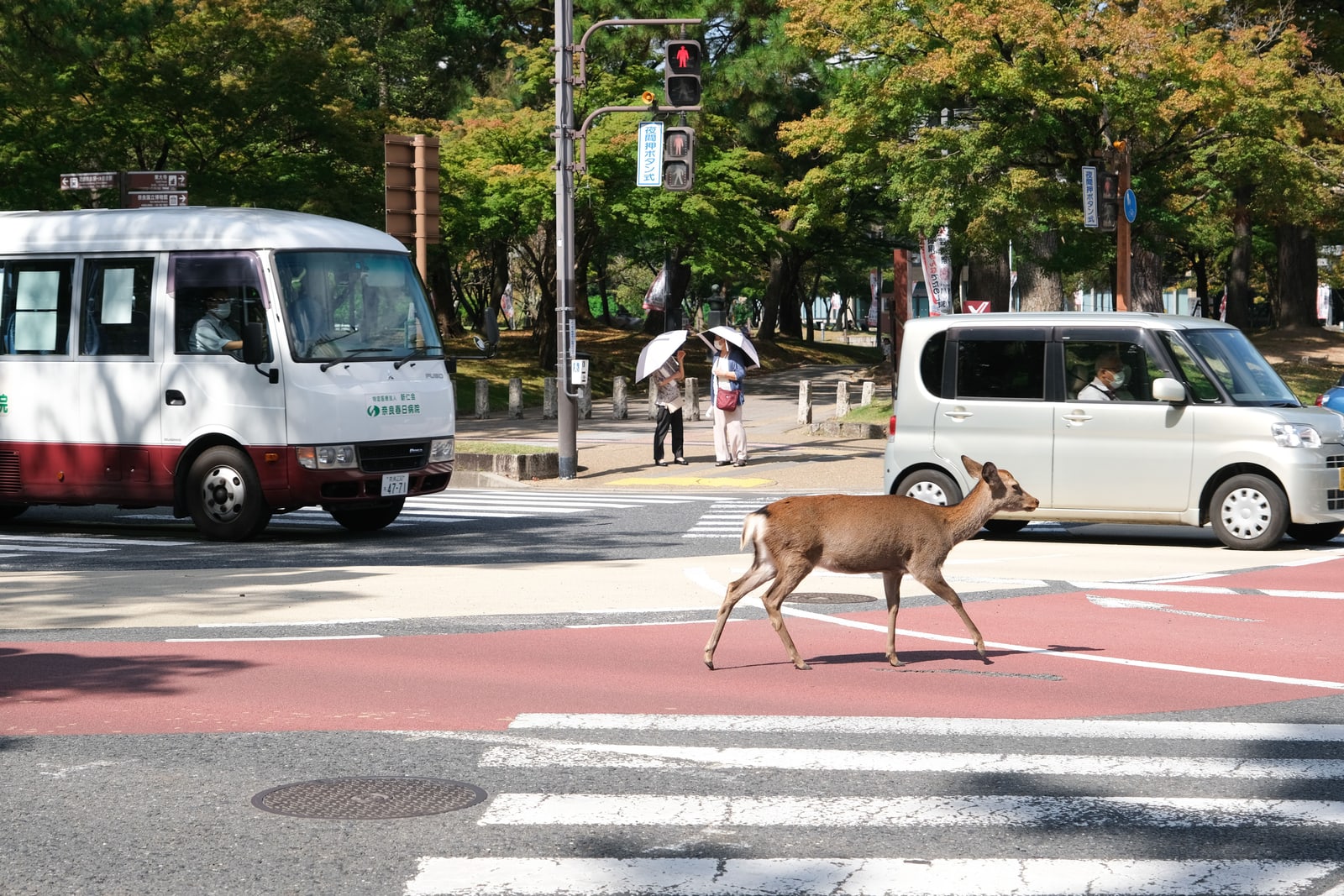
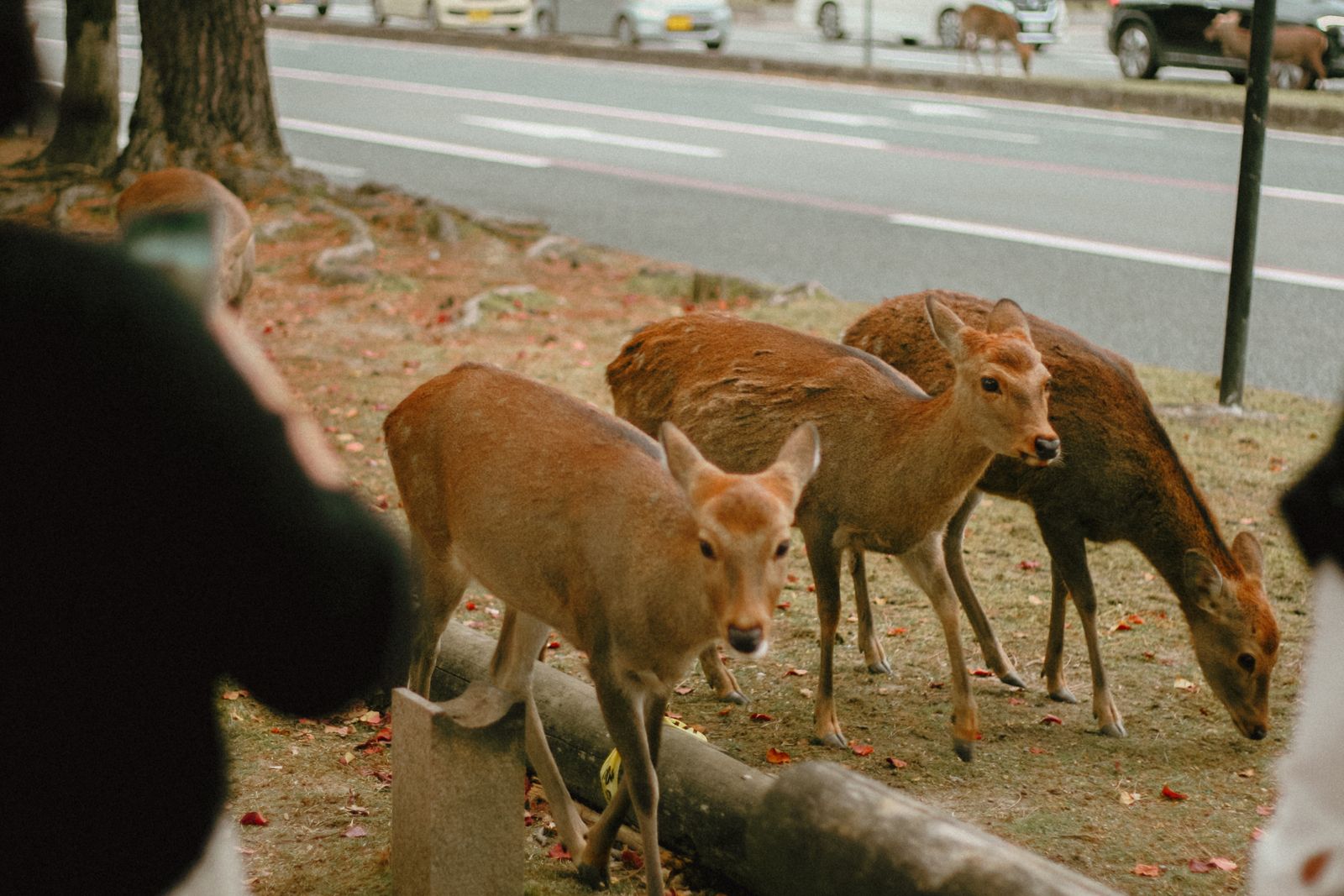
The deer come with rules either way. Nara Prefecture’s Nara Park guidance says:
- Feeding the deer is banned except for deer crackers (shika senbei). Give them nothing else.
- Deer can charge, butt with their antlers, bite and kick. The prefecture warns that mothers protecting fawns in spring and males in the autumn rut can turn aggressive.
- Do not let children approach the deer on their own.
- Deer will eat plastic bags, maps and leaflets from your hand. Keep paper and bags put away.
Then the group:
- Small children, or someone who cannot walk far. From Kintetsu-Nara, Todai-ji is about 20 minutes on foot; the loop bus shortens the walk from JR Nara. A tour removes the navigation, not the walking inside Todai-ji and Nara Park. Check on the listing how much walking it involves.
- A first time on Japanese trains. Both lines are direct from Kyoto Station, so there is no change to manage. A tour still helps if you do not want to handle trains at all.
- You want to stay for the evening. Only your own day allows it; the last JR train back leaves at 23:10.
Booking it: where the decision ends
Put the four conditions together. If you have not planned the Kyoto stops a tour lists, you have no other day for them, and someone in your group would rather not handle trains, a combined tour gives you those Kyoto stops and Nara in one day. Check on the listing which stops it includes, how long it stays in Nara, the meeting point, the return time and the price. If the Kyoto stops are already in your plan, go to Nara on your own; the trains are direct and the day is yours until the gates close.
All four point to the tour?
Kyoto and Nara day tour on Klook
A Kyoto and Nara day tour sold on Klook. Check the listing for your date: which Kyoto stops it includes, how long it spends in Nara, price, meeting point, return time and cancellation.
Check the Kyoto and Nara day tour on Klook →Sold on Klook (Klook Travel Technology Limited), an online travel agency. Before you pay, check on the listing for your date: the price, the meeting point and time, which Kyoto stops it includes, how long it spends in Nara, the return time, and the cancellation terms.
So it works on the day: one worked example
A November weekday, on your own from Kyoto Station, with the Great Buddha Hall on its winter hours:
- Around 9:00, Kintetsu limited express to Kintetsu-Nara (about 35 minutes). ¥1,280.
- Walk east along Noboriōji to Todai-ji (about 20 minutes, with deer along the way). The Great Buddha Hall, ¥800, before lunch.
- After lunch, walk to Kasuga Taisha. The special visit to the inner shrine runs until 16:00; the Kokuhōden museum takes its last visitors at 16:30.
- Back to the station when you are done. The Great Buddha Hall closes at 17:00; trains to Kyoto run into the night.
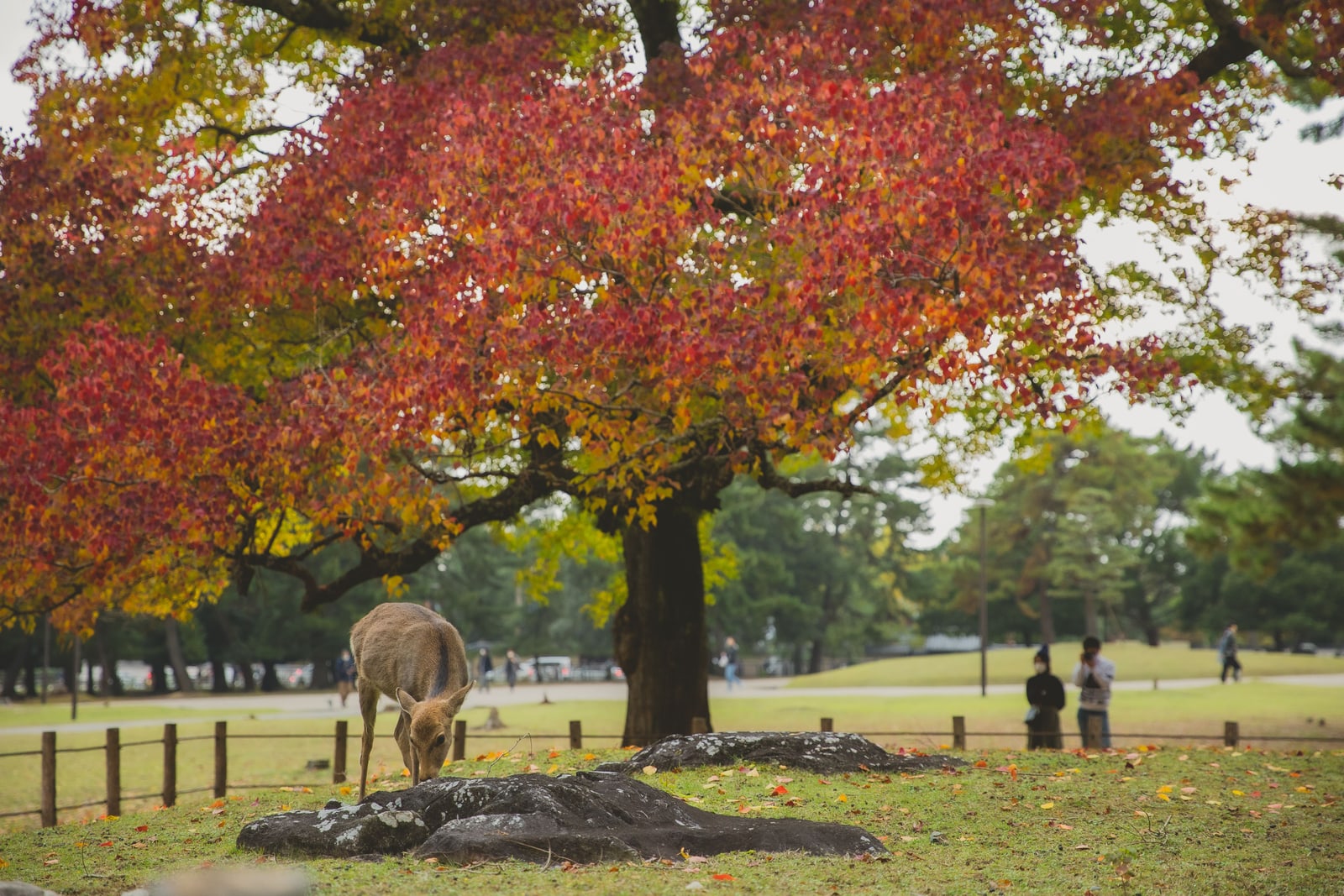
On a tour, the same day is the listing’s schedule. Read it for the time it spends in Nara and whether it goes inside the Great Buddha Hall.
Next
The condition that decides most of these days is the first one: compare a tour’s Kyoto stops with your own plan before you book anything. If you go on your own, check the JR Kansai Area Pass page for what replaces it now that it is no longer sold, and read shrine and temple etiquette before Todai-ji and Kasuga Taisha.