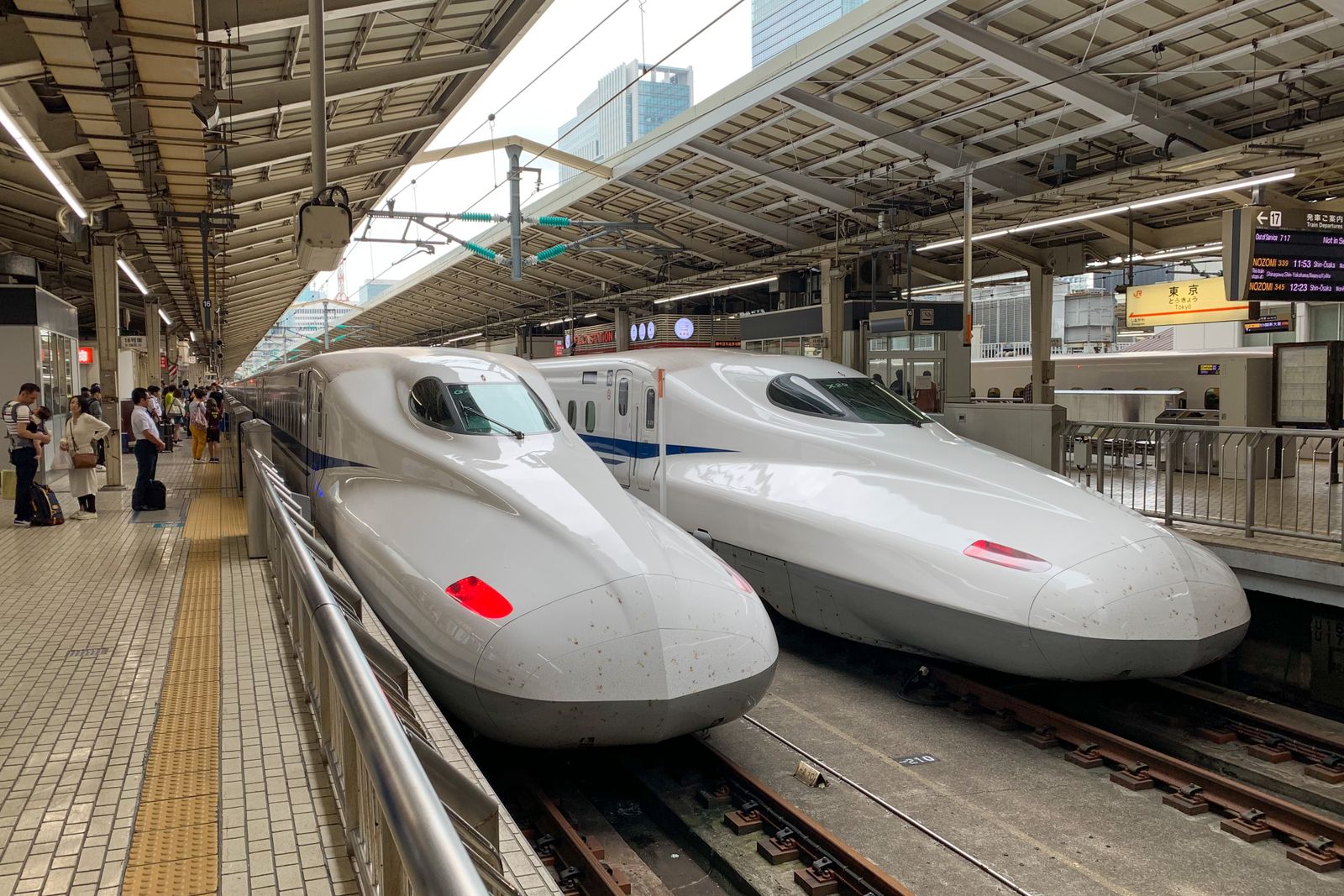
The answer, in the order the conditions decide it
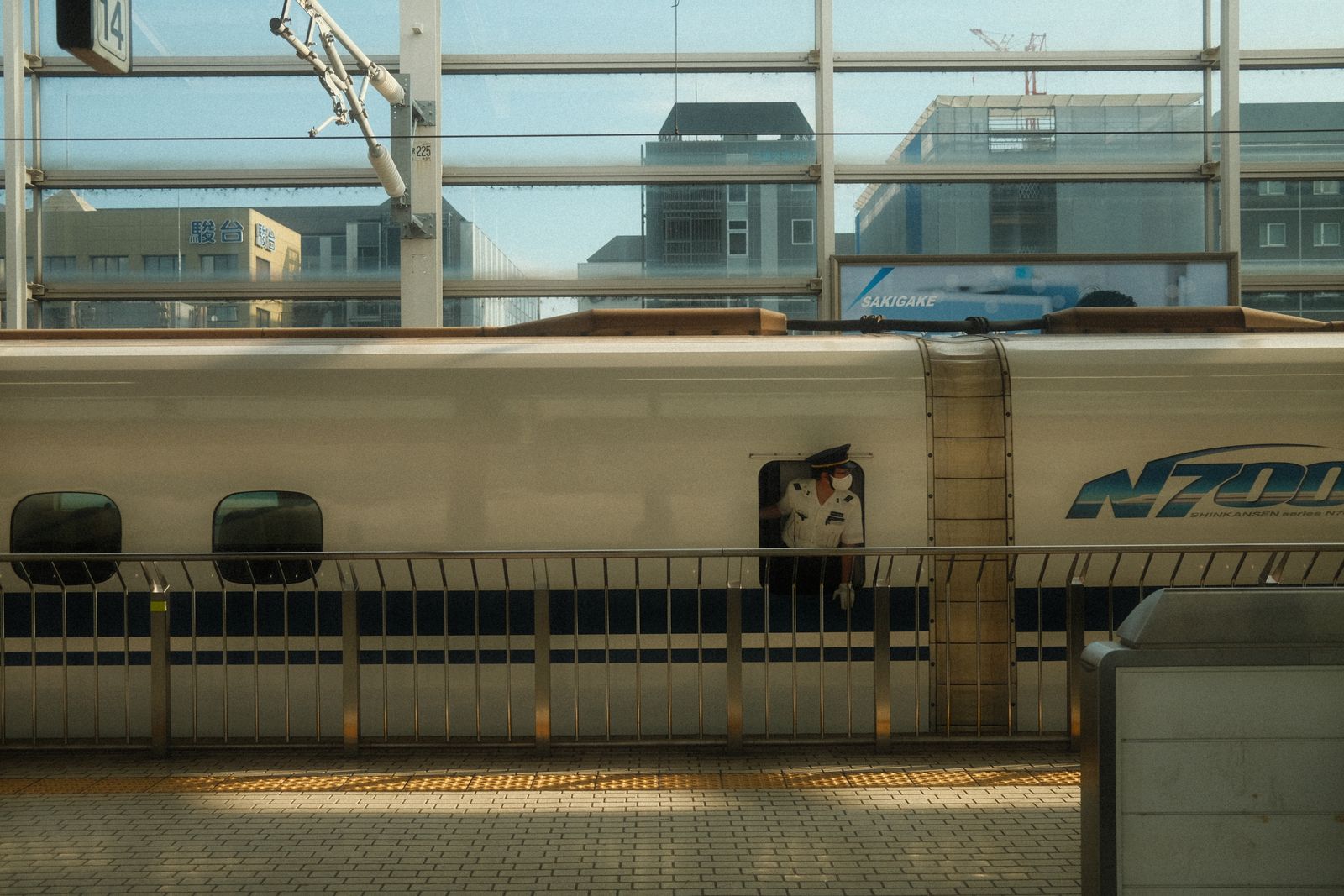
Tokyo to Kyoto is one ride on the Tokaido Shinkansen. The train is the same whoever sells you the seat. What changes is the price, when you can book, and what happens if your plans move. Four conditions decide where and when to book, and they decide in this order:
- Whether you already hold a Japan Rail Pass. This outweighs the rest. With a pass you do not buy a Tokyo–Kyoto ticket at all; you reserve a seat on a Hikari, or pay ¥4,960 extra for a Nozomi.
- How fixed your time is, and whether your date is an all-reserved Nozomi date. Flexible on an ordinary day: a non-reserved ticket (¥13,320) at the station on the morning is enough. Fixed time, or one of the eight 2026–27 periods when every Nozomi seat is reserved: book a reserved seat ahead.
- Your bag. A suitcase over 160 cm in total dimensions needs a seat with an oversized baggage area, booked ahead. If you want Mt. Fuji, the seat letter is E.
- Which channel you book through. Station, smartEX or a reseller such as Klook. The station and smartEX are run by the railways themselves; smartEX is ¥200 cheaper than the station for a Nozomi reserved seat and lets you change for free until departure.
Prices on this page are for one adult, Tokyo to Kyoto, ordinary car, regular season, checked September 30, 2026.
No Japan Rail Pass, and you already know which day you go?
Tokyo to Kyoto Shinkansen Tickets on Klook
Klook sells Tokyo to Kyoto Shinkansen tickets: non-reserved, reserved and Green car seats on Nozomi, Hikari and Kodama, with a QR code to scan at the gate. It also sells seats with an oversized-luggage space.
Check Tokyo–Kyoto Shinkansen tickets on Klook →Sold on Klook (Klook Travel Technology Limited), an online travel agency. The same trains are sold by the rail operators themselves at JR ticket offices and machines, and online through smartEX, where a regular-season Nozomi reserved seat from Tokyo to Kyoto is ¥13,970 (smartEX price sheet as of April 1, 2025, checked September 30, 2026). Before you pay, check on the listing: the train and seat, the total in your currency, how you receive the ticket, and the change and cancellation terms.
First: whether you already hold a Japan Rail Pass
The pass rule is blunt. In the pass’s own words, it “is not valid for any seats, reserved or non-reserved, on ‘NOZOMI’ and ‘MIZUHO’ trains” on the Tokaido, Sanyo and Kyushu Shinkansen. Hikari and Kodama are covered.
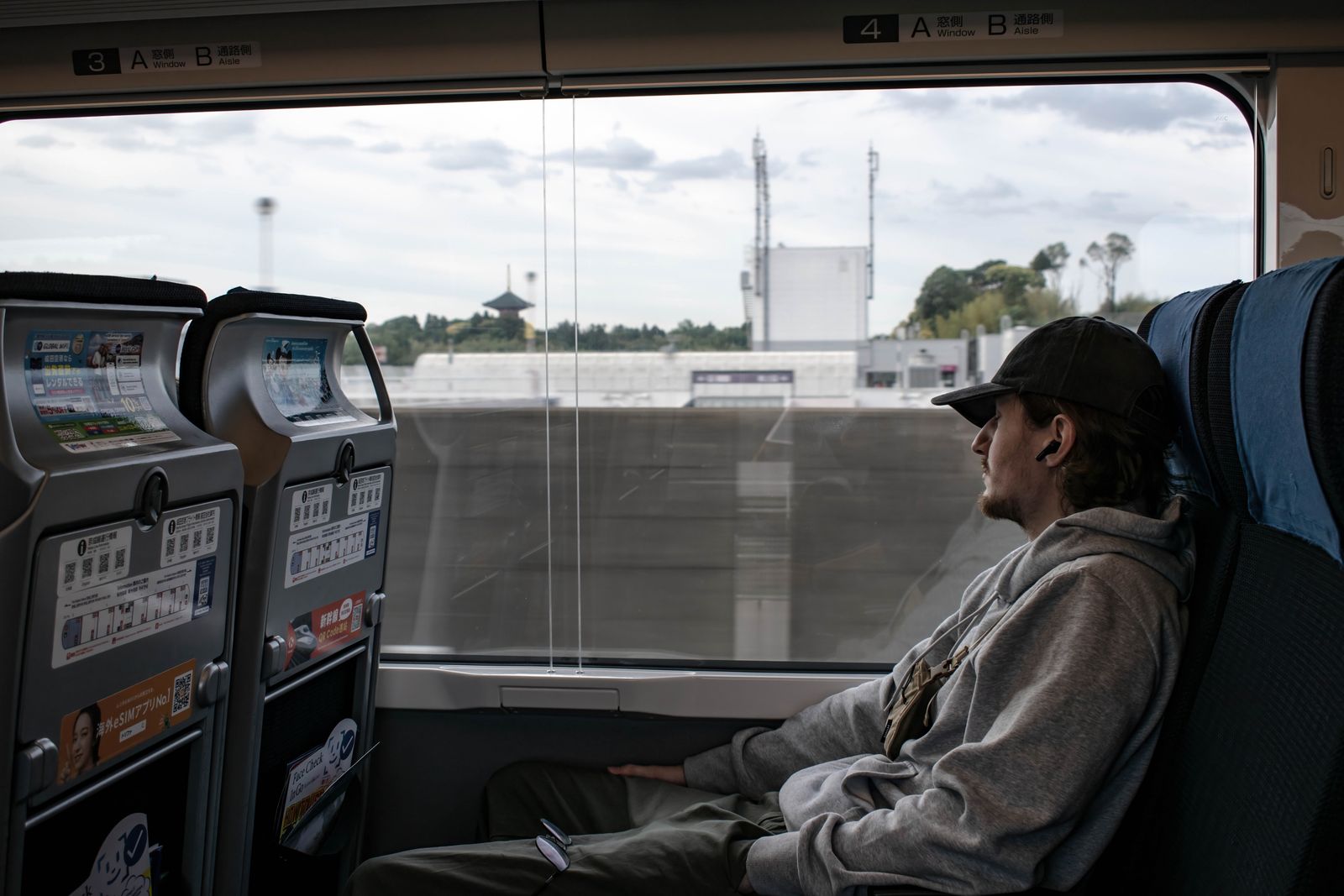
So a pass holder has two routes to Kyoto, and neither involves buying a normal ticket:
- Hikari or Kodama. Covered by the pass. Reserve a seat through the pass’s own reservation site, at a ticket office or at a reserved-seat machine.
- Nozomi, with the add-on. The pass issuer sells a NOZOMI MIZUHO ticket only to pass holders: ¥4,960 for Tokyo–Kyoto (the same for Tokyo–Shin-Osaka). It goes on sale one month before travel, at reserved-seat machines and JR ticket offices, and a reserved seat on it can be changed once.
That rules one purchase out: a pass holder buying a full Tokyo–Kyoto Nozomi ticket, from any seller, is paying ¥14,170 for a ride the pass plus ¥4,960 already gets them.
If you do not have a pass and are wondering whether to buy one for this trip, that arithmetic is its own page: Is the Japan Rail Pass worth it?. The rest of this page is for the traveler without one.
Second: how fixed your time is, and whether your date is all-reserved
Without a pass, these are the prices that matter, regular season:
| Ticket, Tokyo → Kyoto | Station price | smartEX price |
|---|---|---|
| Non-reserved seat (any train with non-reserved cars) | ¥13,320 | — |
| Reserved seat, Hikari or Kodama | ¥13,850 | ¥13,650 |
| Reserved seat, Nozomi | ¥14,170 | ¥13,970 |
Reserved prices move with the season: ¥200 less off-peak, ¥200 more at peak, ¥400 more at the busiest times, on smartEX’s own price sheet. Shinagawa costs the same as Tokyo.
If your time is flexible and your date is ordinary, the non-reserved ticket is the cheapest way to go. Buy it on the day, walk to the non-reserved cars (Nozomi cars 1–2, Hikari 1–5, Kodama 1–6 and 13–16, on JR Central’s current layout) and take the next train. A reserved seat buys a guaranteed seat and a chosen seat letter for ¥530 to ¥850 more.
If your time is fixed, book a reserved seat. Station sales open at 10:00 one month before the travel date. smartEX opens earlier, at 5:30 a year ahead, for some seats and fares; those bookings are confirmed by email one month before travel.
If your date is all-reserved, the non-reserved plan does not work on a Nozomi. On these dates every Nozomi seat is reserved, all the way from Tokyo to Hakata:
| All-reserved Nozomi period | Dates |
|---|---|
| Sports Day weekend | October 10–12, 2026 |
| Labor Thanksgiving weekend | November 21–23, 2026 |
| Year-end and New Year | December 25, 2026 – January 5, 2027 |
| Coming of Age Day weekend | January 9–11, 2027 |
| Vernal Equinox weekend | March 20–22, 2027 |
Earlier in the 2026 fiscal year the same rule covered Golden Week, Obon and the September holidays. The three-day weekends were added in May 2026, so check JR Central’s page if your date is further out.
On these dates a non-reserved ticket still lets you onto a Nozomi, but only standing in the deck area of an ordinary car. Hikari and Kodama keep their non-reserved cars, which JR Central warns may be crowded.
One more fare is out if your plans may move: smartEX’s Hayatoku fares need booking 1, 3, 7 or 21 days ahead and are tied to the train you booked.
Third: your bag, and the seat you want
A suitcase over 160 cm in total dimensions changes the booking. On the Tokaido Shinkansen, a bag whose height, width and depth add up to 161–250 cm needs a reserved seat with an oversized baggage area. That seat costs the same as any reserved seat. Board without that reservation and there is a ¥1,000 baggage fee. Over 250 cm cannot come on board at all. Non-reserved cars have no such seats, so this bag rules out the non-reserved plan.
You can book the baggage seat at a ticket office, at a reserved-seat machine, on smartEX, or on the Japan Rail Pass reservation site. Bags of 160 cm or less need no reservation. JR Central is also trialing a baggage compartment on some reserved cars, for one item up to 80 × 60 × 40 cm, with no reservation.
If the bag is the problem, the other answer is not to take it: where to leave a bag in Japan.
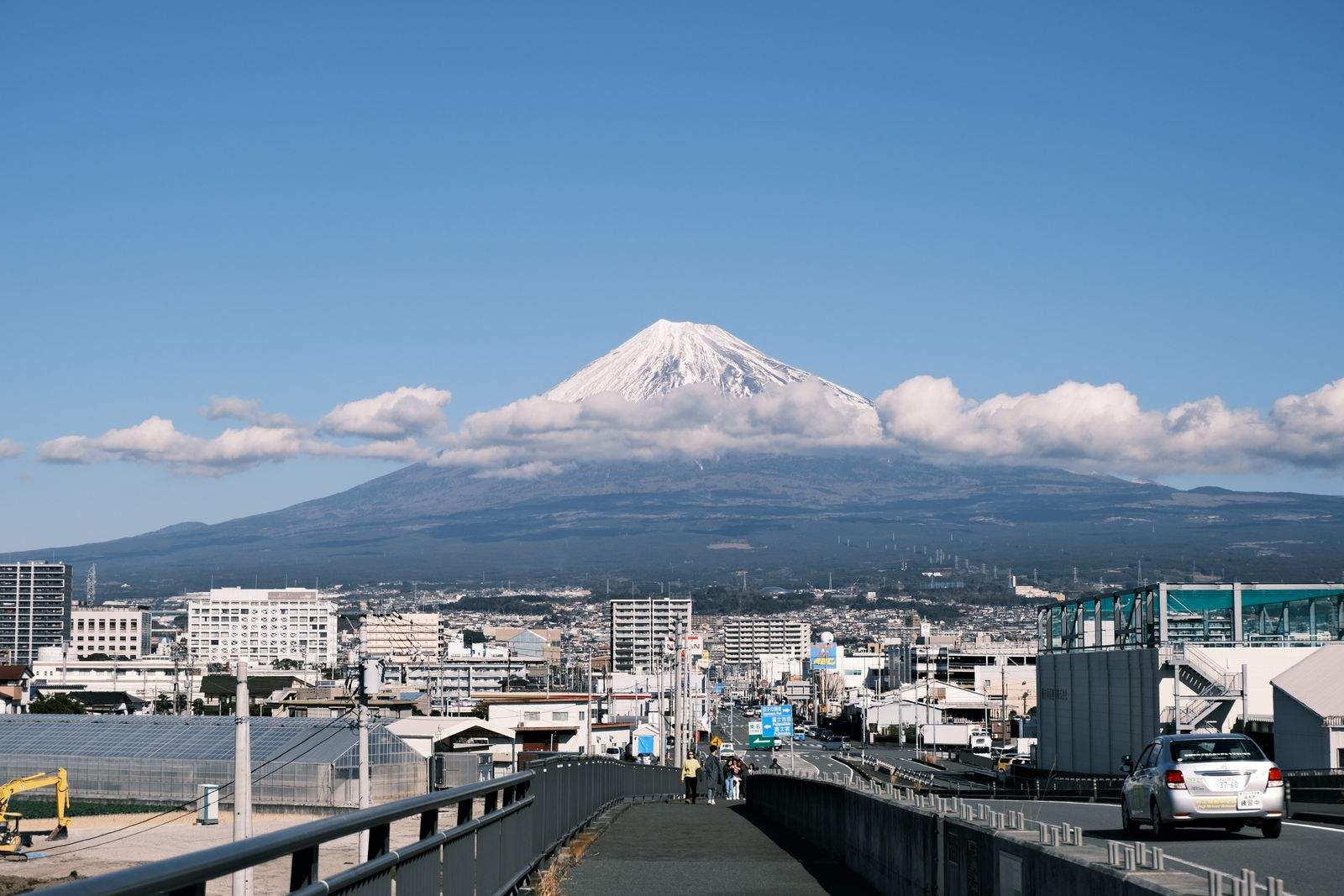
For Mt. Fuji, book seat E. JR Central’s own advice is seat E in an ordinary car, or seat D in the Green car. Going west from Tokyo, that is the right-hand window. Whether the mountain shows depends on the weather, not the ticket.
Between the two, the bag comes first. The baggage seats are in the last row of certain cars. If that leaves you a seat without the Fuji window, the ¥1,000 fee is for the bag, and the view is only a view.
Fourth: where you book it
Once you know the ticket, three channels sell it:
| Station (office or machine) | smartEX | Klook | |
|---|---|---|---|
| Who runs it | JR | the railways of the Tokaido, Sanyo and Kyushu Shinkansen | Klook, an online travel agency |
| Nozomi reserved, regular season | ¥14,170 | ¥13,970 | Klook’s total in your currency |
| Opens | 10:00, one month before | 5:30, a year before (some seats) | the listing’s terms |
| Changes | at the counter or machine | free, as often as you like, until departure | the listing’s terms |
| Refund | at the counter | ¥320 fee before departure | the listing’s terms |
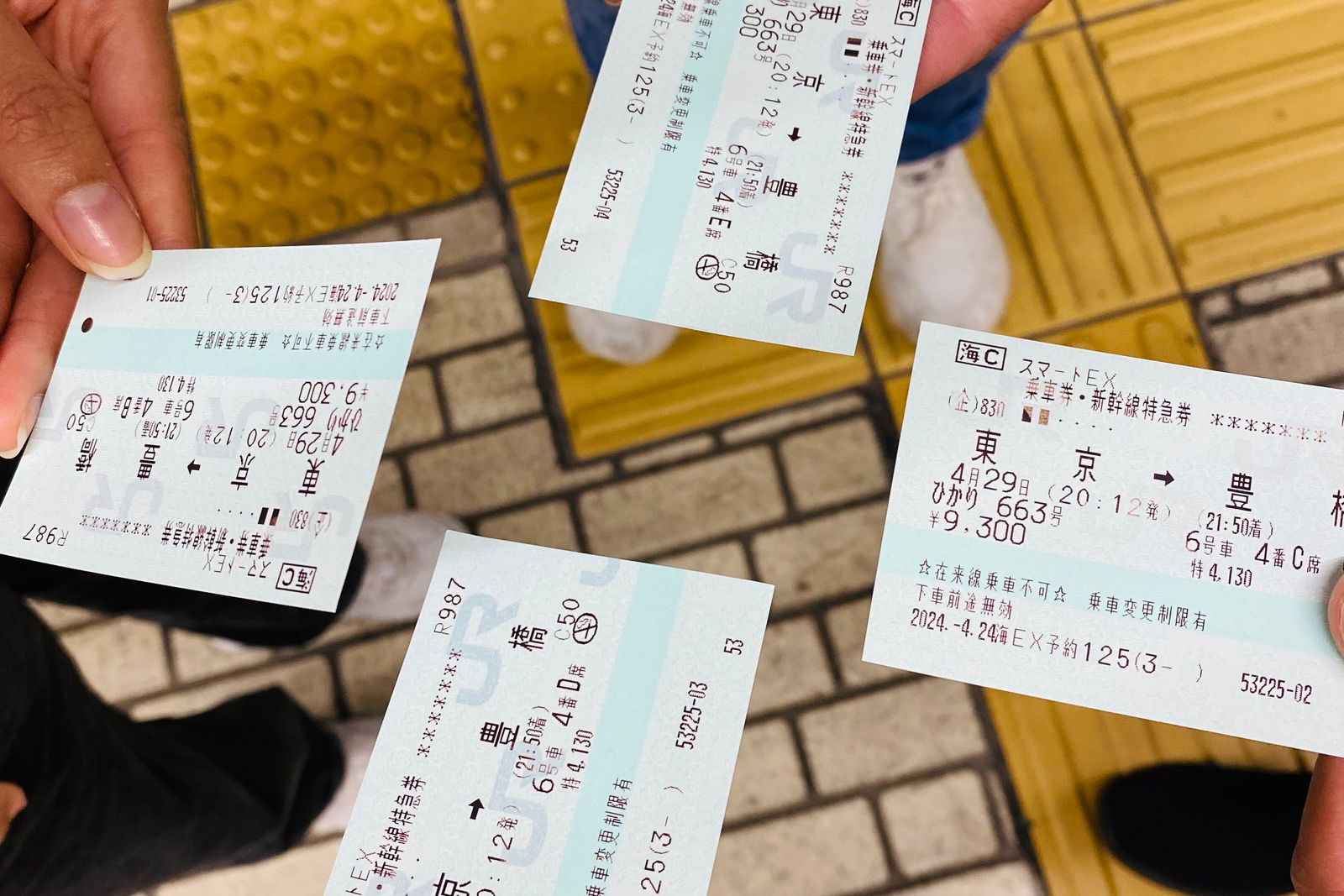
| Boarding | paper ticket | QR code or IC card | QR code |
| Baggage seats | yes | yes | yes, on the listing |
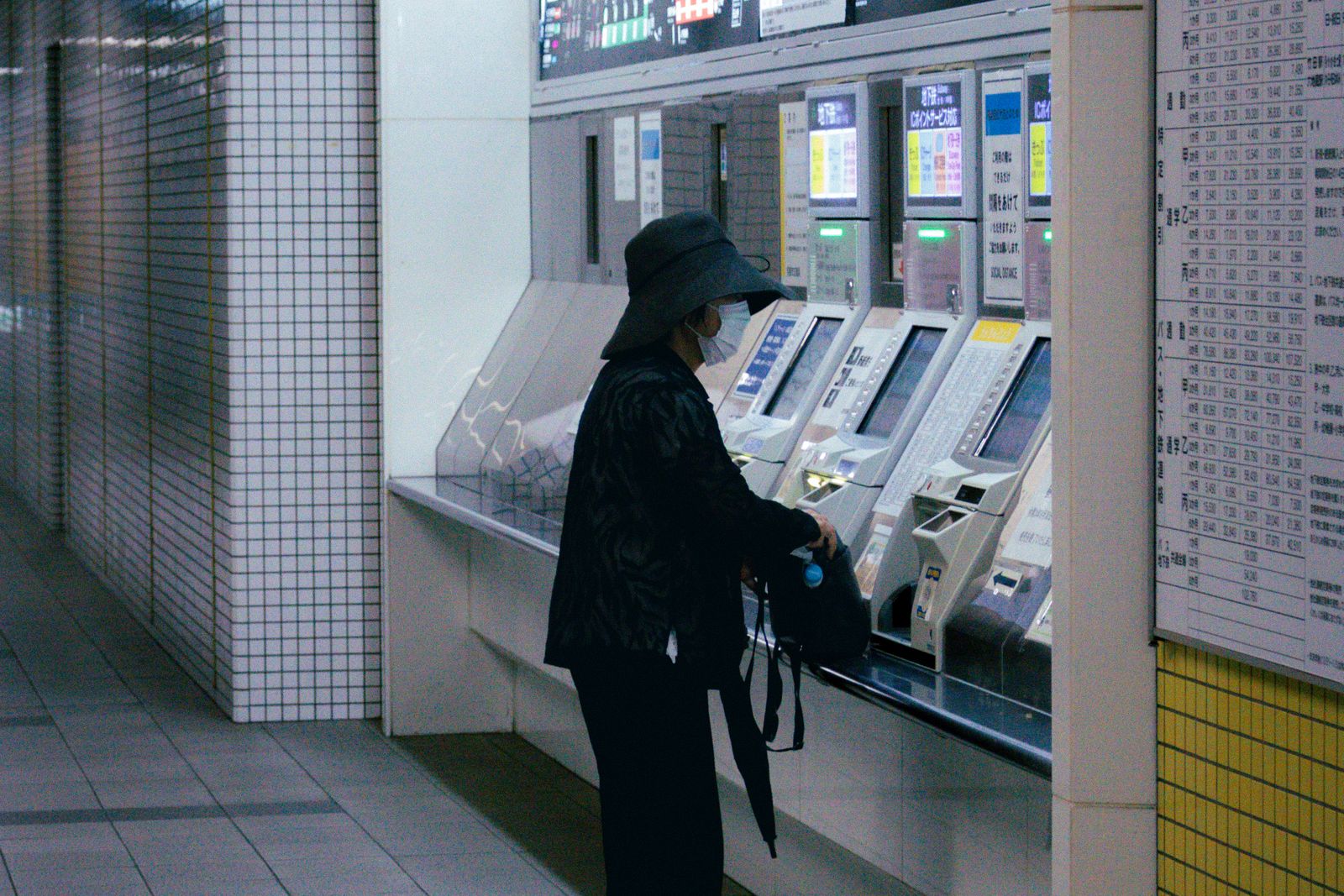
The station needs nothing in advance. Every JR Central ticket machine has an English menu, and at the staffed ticket office you can ask for a seat with an oversized baggage area. It suits a traveler who decides on the day or a month ahead with no app.
smartEX is the railways’ own online service: no annual fee, registration with a Visa, Mastercard, JCB, American Express or Diners card, cardholder 18 or over. It is the cheapest channel for a reserved seat and has the loosest change rule. smartEX recommends a regular credit card for registration and notes that foreign transaction fees may apply each time you change.
Klook sells the same trains with a QR code to scan at the gate, priced in your currency. Its price is its own, so compare it. It is worth it when the operators’ channels are the harder route for you: smartEX will not take your card, you would rather not register another account, or you already keep your trip’s bookings in Klook.
So the purchase decision is: flexible and ordinary date, the station on the day; fixed time and a card smartEX accepts, smartEX; fixed time and you prefer one app, Klook. Either way, compare Klook’s total with ¥13,970 before you pay. The difference is what the convenience costs.
Train fixed, and you would rather book in Klook?
Tokyo to Kyoto Shinkansen Tickets on Klook
Klook's Tokyo to Kyoto listing sells reserved seats on Nozomi, Hikari and Kodama, including seats with an oversized-luggage space. Compare its total with the smartEX Nozomi fare (¥13,970, regular season) and read the change terms first.
Check Tokyo–Kyoto Shinkansen tickets on Klook →Sold on Klook (Klook Travel Technology Limited), an online travel agency. The same trains are sold by the rail operators themselves at JR ticket offices and machines, and online through smartEX, where a regular-season Nozomi reserved seat from Tokyo to Kyoto is ¥13,970 (smartEX price sheet as of April 1, 2025, checked September 30, 2026). Before you pay, check on the listing: the train and seat, the total in your currency, how you receive the ticket, and the change and cancellation terms.
The day, worked through
Say you have no pass, one suitcase measuring 170 cm in total, and a weekday morning in early November when you must be in Kyoto by lunch.
- The date. Early November is not on the all-reserved list; November 21–23 is. A non-reserved seat would work, but the suitcase rules it out.
- The seat. Book a reserved Nozomi seat with an oversized baggage area. On smartEX that is ¥13,970 at regular season; at the station, ¥14,170. The bag seat costs no more.
- The window. If a baggage-area seat on the E side is free, take it. If not, take the baggage seat.
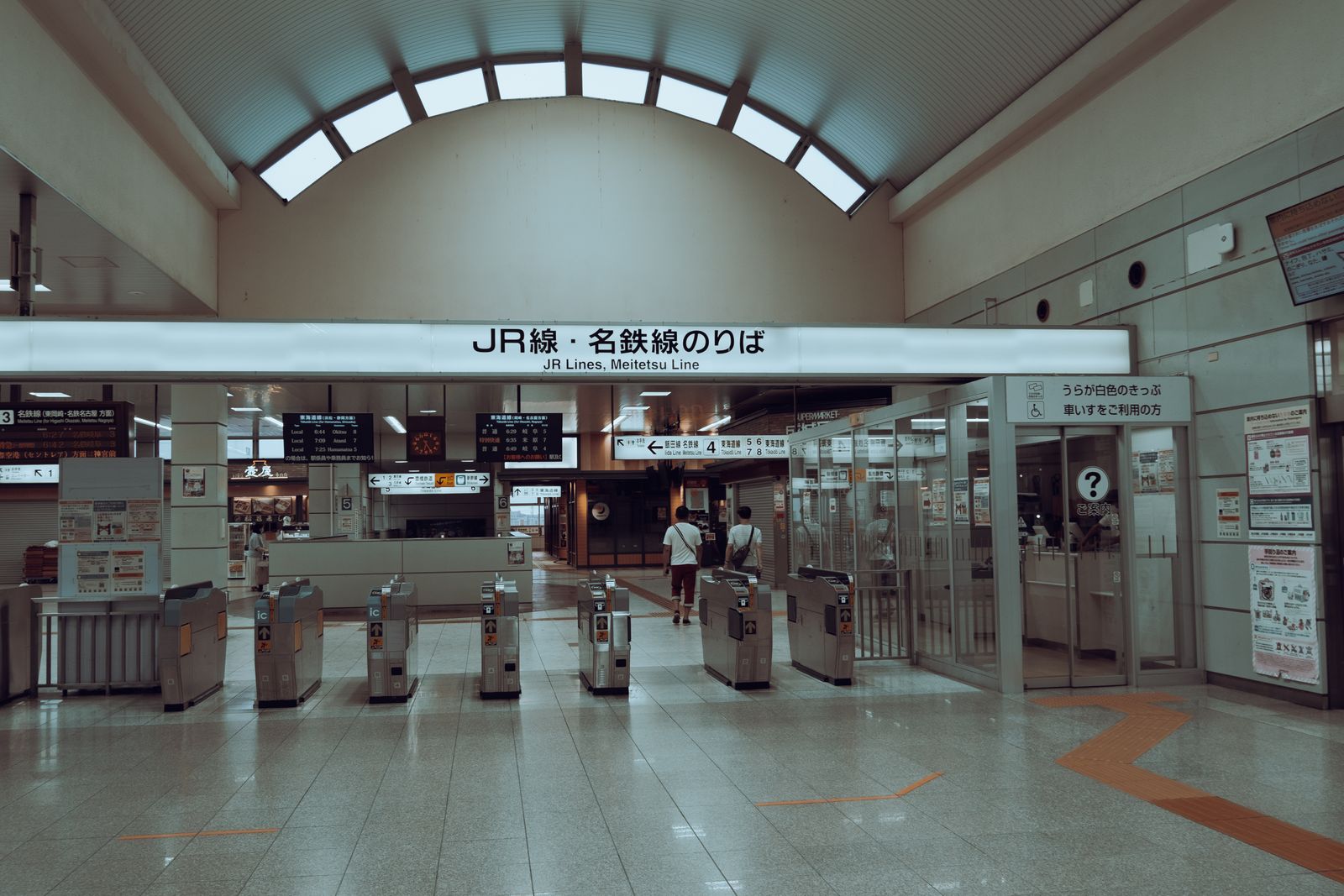
- The morning. Scan the QR code at the Shinkansen gate at Tokyo or Shinagawa, find your car on the platform signs and board.
- The stop. Kyoto is the stop before Shin-Osaka. If you are going on to Osaka, stay on one stop; the Shinkansen stops at Shin-Osaka, not Osaka Station. Tokyo to Shin-Osaka is ¥13,870 non-reserved.
Next
Check your date against the all-reserved list first. If it is on the list, or you carry a bag over 160 cm, or your time is fixed, book the reserved seat now, on smartEX or Klook, or at a JR ticket office once sales open a month ahead. If none of those applies, you can buy a non-reserved ticket on the morning.
Then the next decision is where the bag goes when you arrive: where to stay in Kyoto, and what this ride does to the trip’s total: what a Japan trip costs.