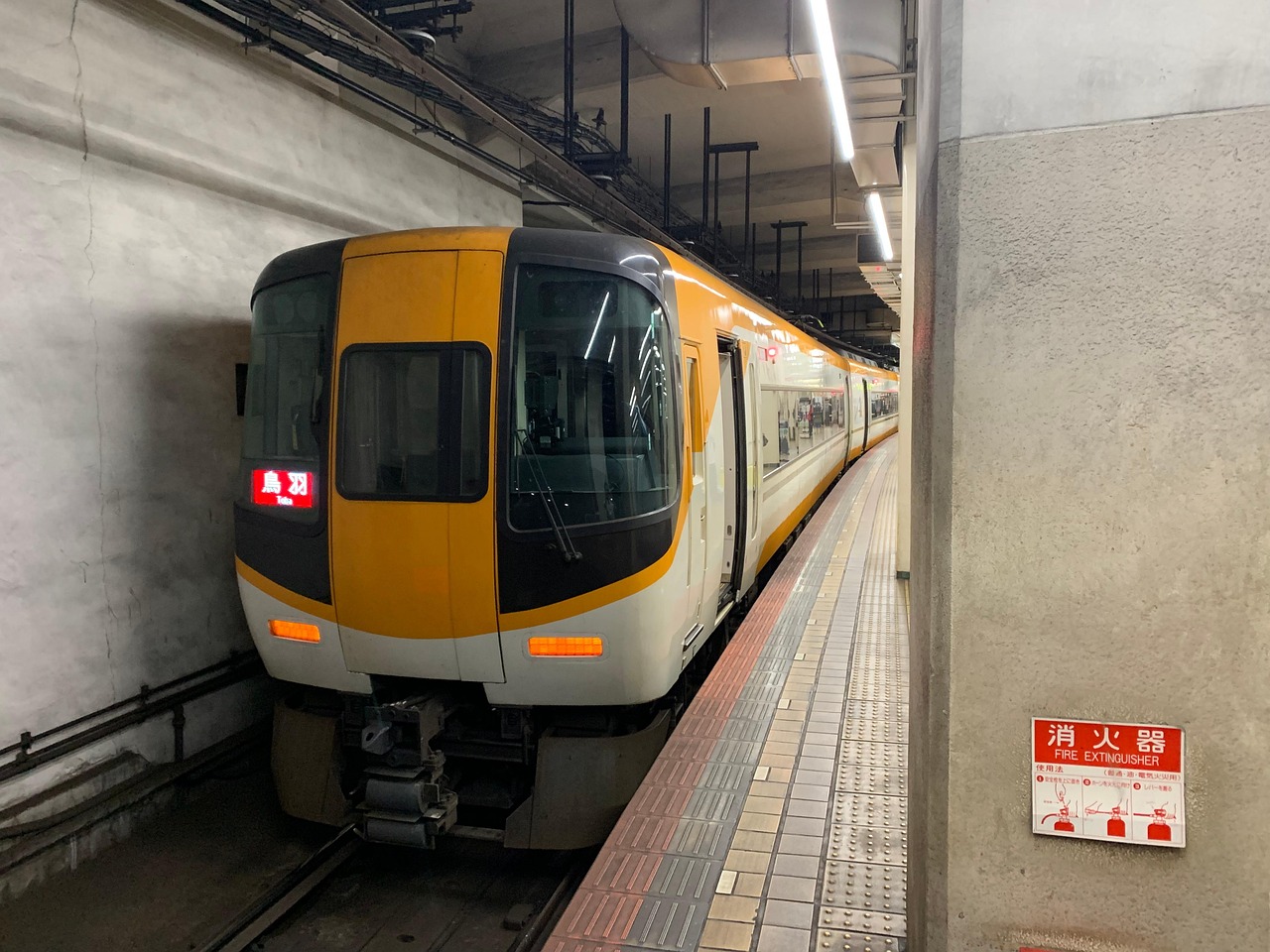
The Kintetsu Rail Pass is Kintetsu Railway’s unlimited-ride pass for foreign visitors, sold as a digital ticket. Adult prices: 1-day ¥1,900, 2-day ¥3,700, 5-day ¥4,900, 5-day plus ¥6,700 (children half). No version includes a limited express seat.
Four things decide it, in this order:
- How far your Kintetsu rides go. Nara only: pay per ride. Ise-Shima or Nagoya: the 5-day pass is in play.
- Base fares only. You buy the limited express ticket with or without the pass, so it never changes the answer.
- The buses. The 1-day and 2-day include Nara buses. The 5-day plus adds buses around Ise and Toba.
- The tie-break: your phone and your passport.
Prices are from Kintetsu’s pass pages; fares from Kintetsu’s route search for an October 2026 weekday. Checked October 7, 2026.
Going as far as Ise-Shima or Nagoya?
Kintetsu Rail Pass on Klook
That is where the 5-day pass can cover more than it costs. Klook lists the Kintetsu Rail Pass; check which version the listing sells and how its digital ticket is delivered.
Check the Kintetsu Rail Pass on Klook →Sold on Klook (Klook Travel Technology Limited), an online travel agency; the pass and the trains are Kintetsu Railway's, and the pass is for foreign visitors only. Before you pay, check on the listing which version you are buying (1-day, 2-day, 5-day or 5-day plus), how the digital ticket reaches you and is activated, and the cancellation terms.
First: is your trip Nara only?
Most first trips use Kintetsu for one thing: getting to Nara. From Osaka-Namba, Kintetsu-Nara is about 37 minutes without a limited express. From Kyoto it is under an hour.
| Kintetsu ride (adult, one way) | Base fare |
|---|---|
| Osaka-Namba to Kintetsu-Nara | ¥680 |
| Kyoto to Kintetsu-Nara | ¥760 |
| Kyoto to Osaka-Namba (via Yamato-Saidaiji) | ¥1,140 |
| Kyoto to Kashihara-jingu-mae | ¥1,070 |
Price the Nara day against the 1-day pass (¥1,900):
- From Osaka, there and back: ¥680 + ¥680 = ¥1,360. Single fares are ¥540 cheaper.
- From Kyoto, there and back: ¥760 + ¥760 = ¥1,520. Single fares are ¥380 cheaper.
- Moving from a Kyoto hotel to an Osaka hotel with Nara on the way: ¥760 + ¥680 = ¥1,440. Still under the pass.
So on the train alone, the 1-day pass does not pay for a Nara day. It pays only if that day you also ride more than the gap (¥540 from Osaka, ¥380 from Kyoto) of what else it covers: Nara Kotsu buses around Nara Park, Nishinokyo and Horyuji, the line up to Ikoma, and the Ikoma cable car. This page does not price those buses; check your own stops.
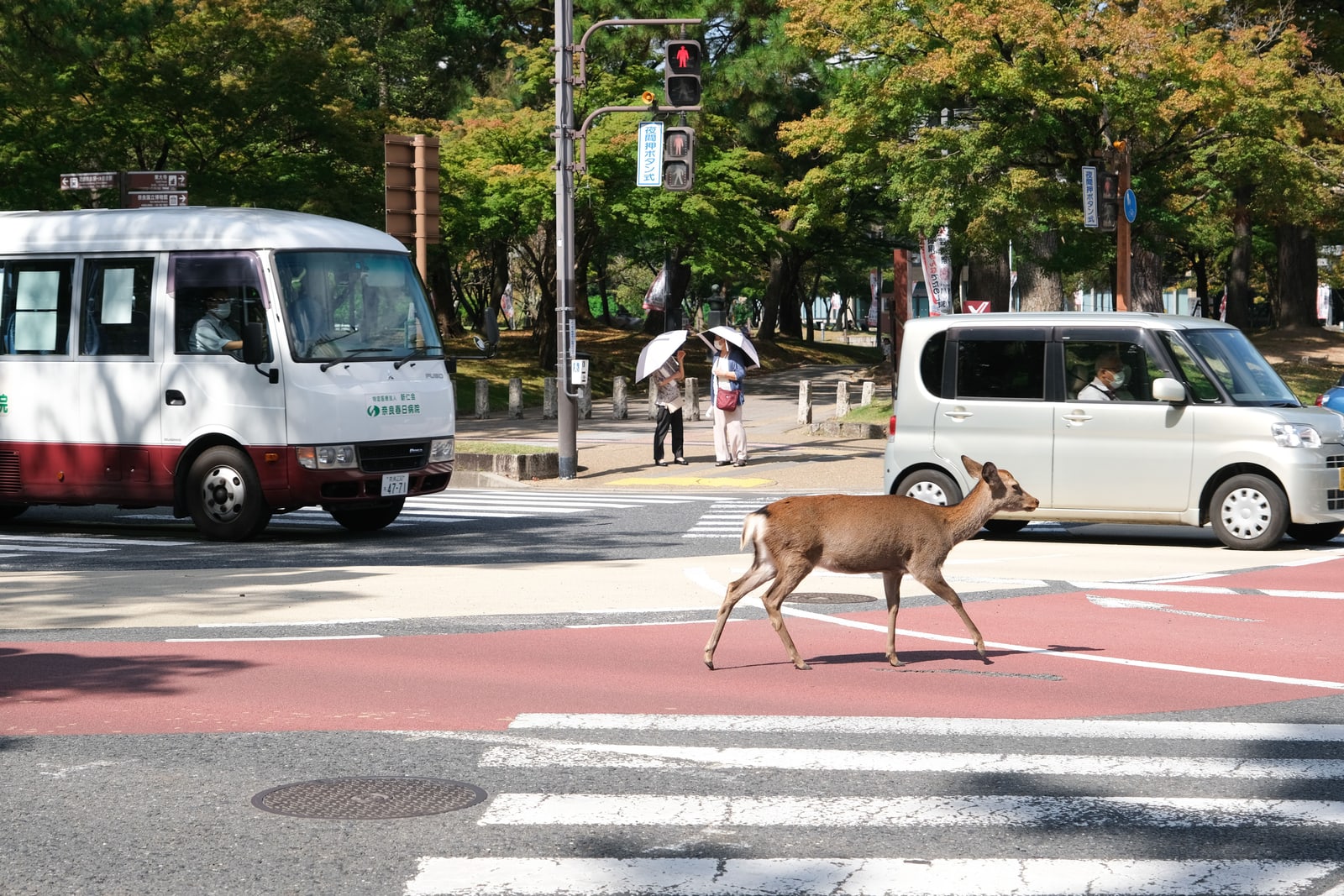
The 2-day pass works the same way at a larger scale. It covers every Kintetsu line in Osaka, Nara and Kyoto prefectures. Two Nara days from Osaka come to ¥2,720 in single fares, against ¥3,700. Even two long days from Kyoto, one to Nara (¥1,520) and one to Kashihara-jingu-mae and back (¥2,140), total ¥3,660, still just under. The 2-day pays when buses are added: its Nara Kotsu zones also include Asuka, Muro and the Yamanobe-no-Michi area.
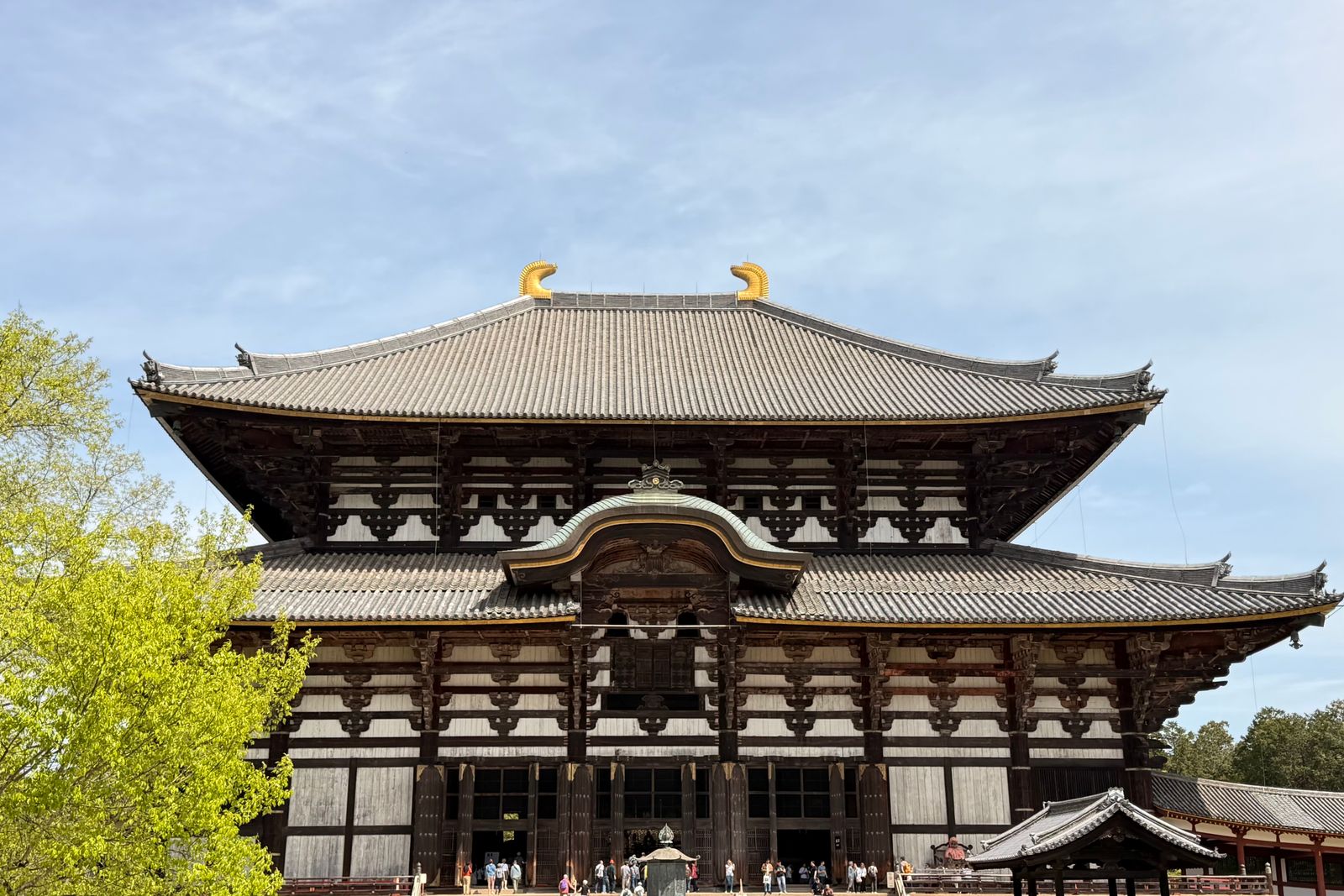
If your plan is Nara and nothing further, stop here: pay each ride as you go. For the Nara day itself, our page on Nara from Kyoto, day tour or on your own covers the rest.
Second: does it reach Ise-Shima or Nagoya?
The 5-day pass (¥4,900) covers every Kintetsu line, from Osaka, Nara and Kyoto out to Ise-Shima and Nagoya, plus the Iga Railway. The five days run consecutively from the day you activate it. These are the long legs:
| Kintetsu ride (adult, one way) | Base fare | Limited express ticket on top |
|---|---|---|
| Osaka-Namba to Ujiyamada (Ise) | ¥2,170 | ¥1,340 |
| Osaka-Namba to Kashikojima | ¥2,770 | ¥1,640 |
| Kyoto to Kashikojima | ¥3,060 | ¥1,930 |
| Kintetsu-Nara to Ujiyamada | ¥2,040 | ¥1,340 |
| Ujiyamada to Kashikojima | ¥790 | none needed |
| Ujiyamada to Kintetsu-Nagoya | ¥1,740 | ¥1,340 |
| Osaka-Namba to Kintetsu-Nagoya | ¥2,860 | ¥2,130 |
Limited express amounts are for the train the search returned on that date; a different train can be priced differently, so check yours.
Now price it against ¥4,900, base fares only:
- Osaka to Ise and back, nothing else: ¥2,170 + ¥2,170 = ¥4,340. Single fares are ¥560 cheaper. One Ise day alone does not pay.
- Osaka to Kashikojima and back: ¥2,770 + ¥2,770 = ¥5,540. The pass saves ¥640 on that one trip.
- Ise from Osaka, plus a Nara day: ¥4,340 + ¥1,360 = ¥5,700. The pass saves ¥800.
- Leaving Kansai one way, Osaka to Nara to Ise to Nagoya: ¥680 + ¥2,040 + ¥1,740 = ¥4,460. Single fares are ¥440 cheaper. Add a return run from Ujiyamada to Kashikojima (¥1,580) and it becomes ¥6,040; the pass then saves ¥1,140.
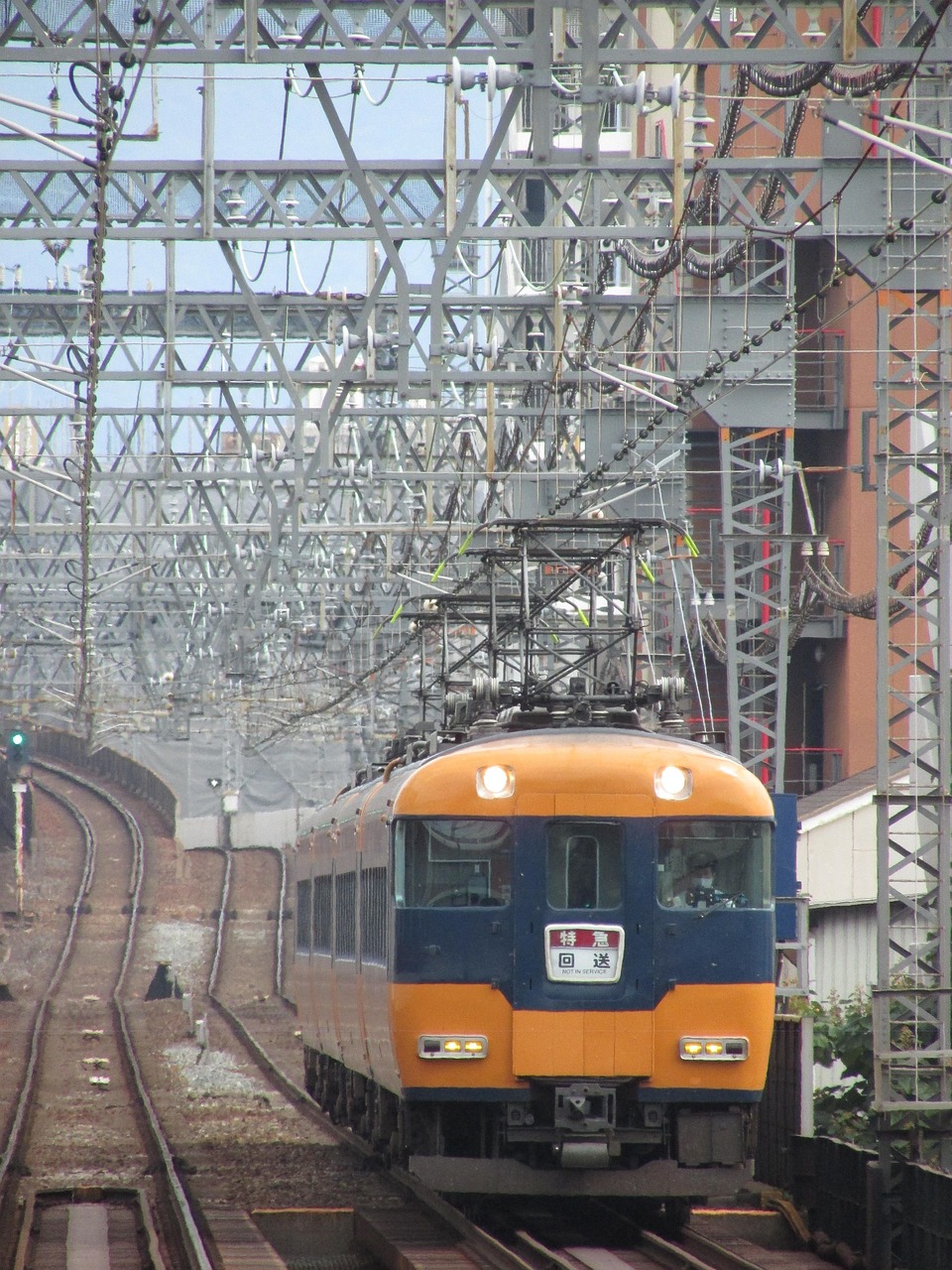
The pattern: one long leg by itself rarely beats the pass price. Ise-Shima plus one more Kintetsu day almost always does.
Third: the limited express is paid either way
Kintetsu says it plainly: the pass alone “does not allow you to board Limited Express trains.” Every limited express seat is reserved. You buy a limited express ticket on top of a base fare. The base fare can be the pass, an IC card, a contactless payment card or a ticket bought at the station. Limited express tickets are sold online and at stations, at counters or machines marked for limited express tickets.
That settles a common mistake in break-even math. The limited express ticket costs the same whether your base fare is the pass or a single ticket. It cancels out. Compare base fares only, as the lists above do.
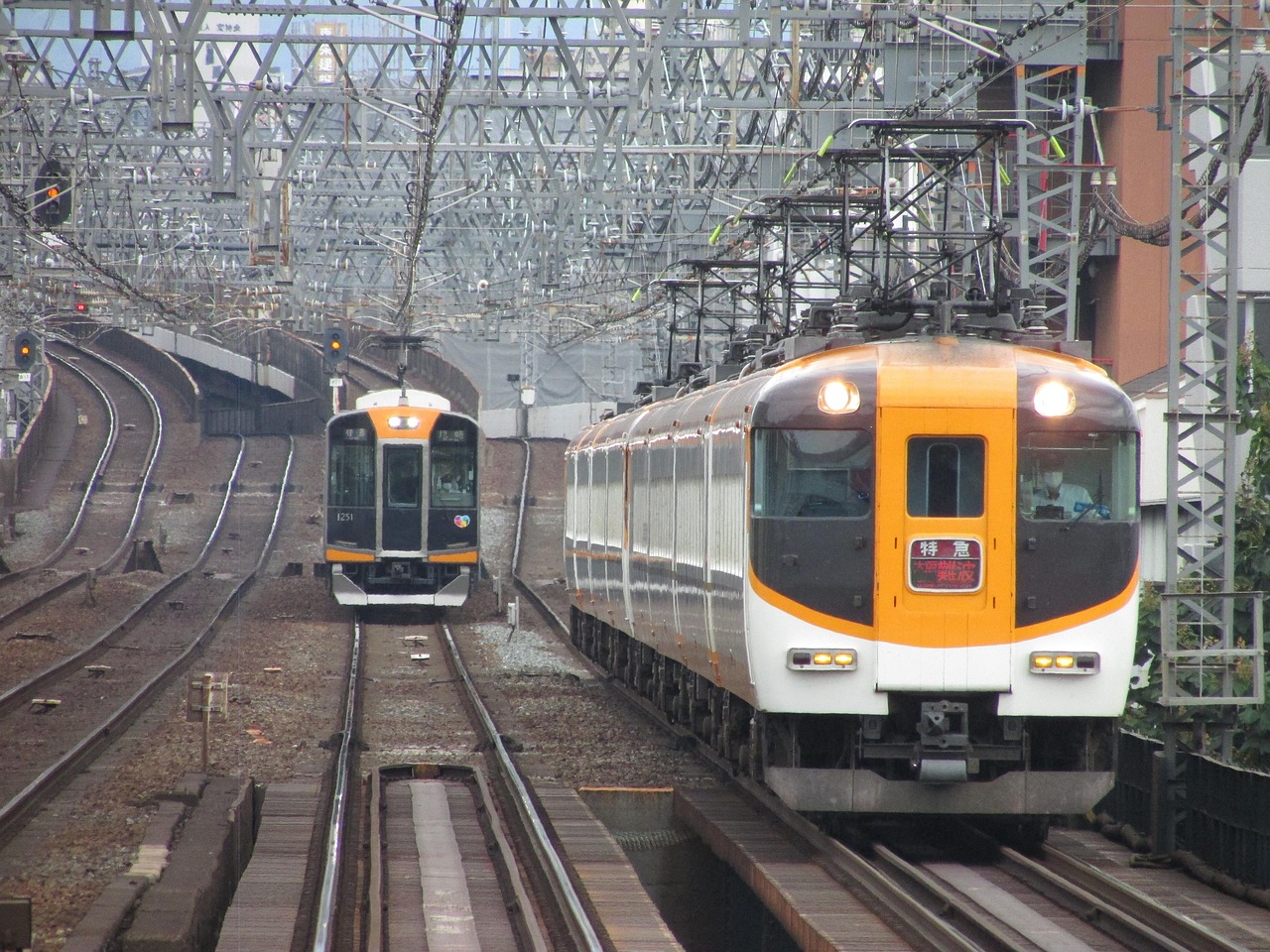
What the limited express does change is time. Osaka-Namba to Kashikojima took 2 hours 38 minutes with one in the search, and 3 hours 53 minutes without. Osaka-Namba to Ujiyamada: 1 hour 51 minutes against 2 hours 46. If you are going to Ise-Shima, plan on buying it.
Fourth: the buses
The four versions differ in buses as well as days:
| Version | Adult | Days | Trains | Buses included |
|---|---|---|---|---|
| 1-day | ¥1,900 | 1 calendar day | Osaka-Namba to Kintetsu-Nara, Kyoto to Tsutsui, up to Ikoma, Ikoma cable car | Nara Kotsu: Nara Park, Nishinokyo, Horyuji |
| 2-day | ¥3,700 | 2 in a row | All Kintetsu lines in Osaka, Nara, Kyoto prefectures | Nara Kotsu: the above plus Asuka, Muro, Yamanobe-no-Michi |
| 5-day | ¥4,900 | 5 in a row | All Kintetsu lines, Iga Railway | None |
| 5-day plus | ¥6,700 | 5 in a row | All Kintetsu lines, Iga Railway | Nara Kotsu (as 2-day), Mie Kotsu and Toba’s Kamome bus in the Matsusaka, Ise, Toba and Shima area, and a few more Mie routes |
The 5-day plus costs ¥1,800 more than the 5-day. It pays only if your bus rides in its zones, over the five days, come to more than ¥1,800. For most readers that means buses around Ise, Toba and Shima, the Mie Kotsu zone. Add up the bus fares for your actual stops first. If you cannot reach ¥1,800, buy the plain 5-day and pay for buses as you ride them.
No version covers ropeways. Kintetsu does not reach Kansai Airport either: Kintetsu’s own access page sends you on Nankai to Namba, then on foot underground to Osaka-Namba.
The tie-break: your phone and your passport
If the numbers come out close, these decide it.
- Foreign visitors only. Carry your passport when you use the pass; staff may ask to see it.
- It lives on your phone. You tap “Activate Tickets” on the first day. At the gate you hold a QR code over the reader. The code refreshes every 5 minutes and needs a data connection. Screenshots do not work.
- Once activated, there are no cancellations or refunds. A pass bought online or through an agent cannot be refunded at a Kintetsu station.
- Where to buy. Kintetsu links its own online sale page and also lists travel agencies outside Japan. Its pass pages describe no paper version to exchange at a station.
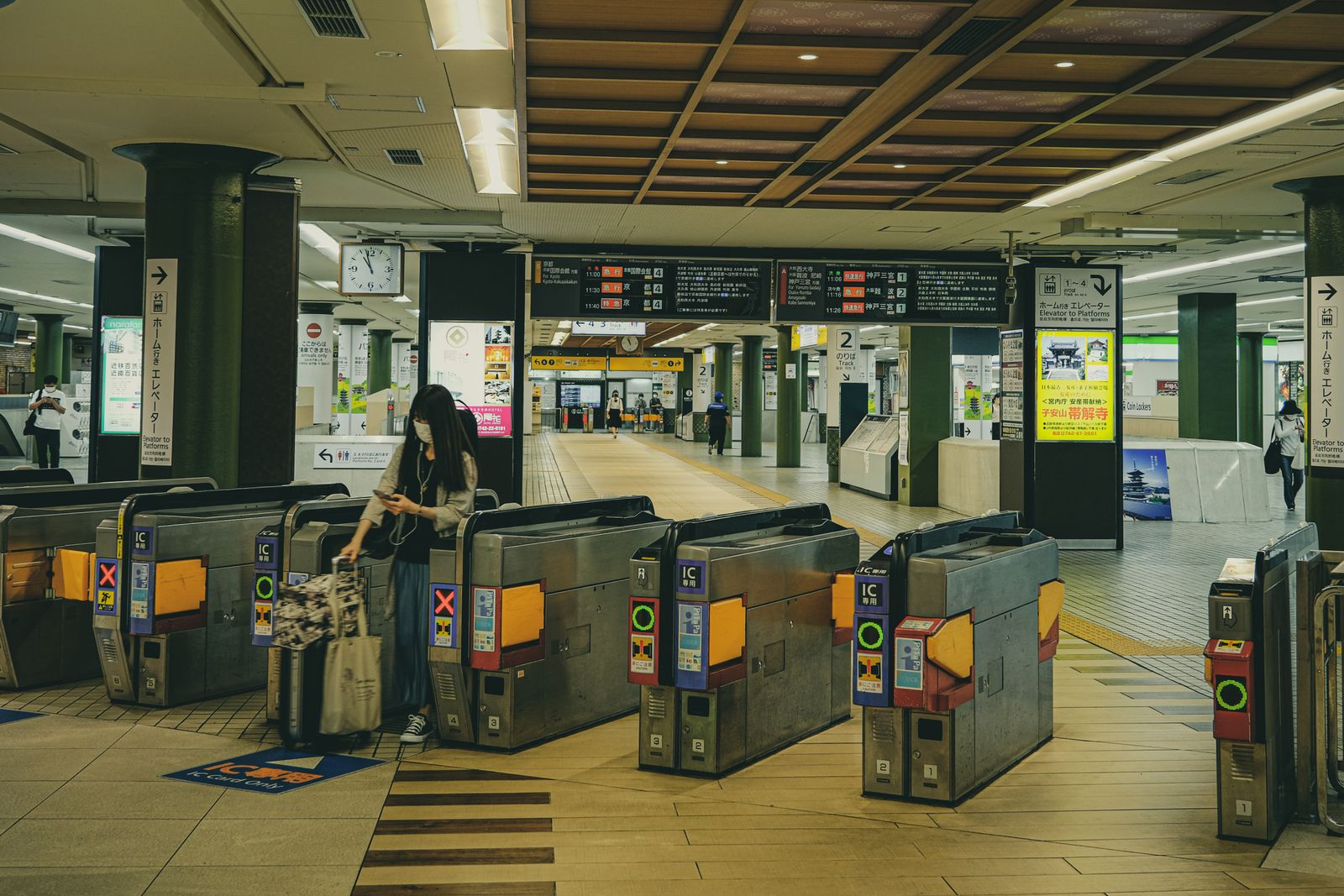
If you would rather not depend on a phone and data, an IC card does the same job ride by ride. For a Nara-only plan it costs less anyway.
If you were weighing this against JR: JR West stopped selling the JR Kansai Area Pass on September 30, 2026. Our page on what replaces the JR Kansai Area Pass covers the JR side, including JR’s own line to Nara.
Worked example: five days from an Osaka hotel
Say Day 1 is Nara and Day 3 is Ise-Shima: out to Kashikojima, back to Ujiyamada for the shrines, then to Osaka.
| Day | Kintetsu rides | Base fares |
|---|---|---|
| 1 | Osaka-Namba to Kintetsu-Nara and back | ¥1,360 |
| 3 | Osaka-Namba to Kashikojima | ¥2,770 |
| 3 | Kashikojima to Ujiyamada | ¥790 |
| 3 | Ujiyamada to Osaka-Namba | ¥2,170 |
| Total single fares | ¥5,730 + ¥1,360 = ¥7,090 |
Against the 5-day pass at ¥4,900, that week saves ¥2,190. Limited express tickets for the two long legs (¥1,640 out, ¥1,340 back on the trains the search returned) are added either way. The pass has to be activated on Day 1 so that Day 3 falls inside the five days.
The decision, then: add up the base fares of the Kintetsu rides you will take in five days in a row. If they come to more than ¥4,900, buy the 5-day pass. In practice that means an Ise-Shima day plus any other Kintetsu day, or Kashikojima on its own. Then buy limited express tickets separately for the long legs. If your trip is Nara only, skip every version and pay per ride with an IC card.
Five days with Ise-Shima in them?
Kintetsu Rail Pass on Klook
Kintetsu's 5-day pass is ¥4,900; a Namba to Kashikojima round trip alone is ¥5,540 in base fares. Limited express tickets are extra either way. Check the version and cancellation terms on the listing before you pay.
Check the Kintetsu Rail Pass on Klook →Sold on Klook (Klook Travel Technology Limited), an online travel agency; the pass and the trains are Kintetsu Railway's, and the pass is for foreign visitors only. Before you pay, check on the listing which version you are buying (1-day, 2-day, 5-day or 5-day plus), how the digital ticket reaches you and is activated, and the cancellation terms.
Next
Before you buy anything, list your Kintetsu legs and note which days they fall on. Then price them with Kintetsu’s route search, as this page did. If an Ise-Shima day is among them, the next step is the 5-day pass and a limited express ticket for the long leg out.