You have dates, and you want to know whether sumo fits inside them. That is the order this page works in: the calendar first, then the ticket, then the seat.
Professional sumo runs six fifteen-day tournaments a year, in four cities, and the gate on this whole page is whether your dates land inside one of them. So the schedule comes first, with the morning each tournament goes on sale — the sale date, not the tournament date, is the appointment you can miss. After that: how the ticket is actually bought and collected, when paying somebody else’s markup is the right call, and what the money buys on the floor and in the chairs.
One thing to know before you plan around any of it: through the official English channel, you cannot hold the ticket before you land in Japan.
Start with your dates: the six tournaments, and the morning each one goes on sale
Everything else here is downstream of one question — do your dates fall inside one of these windows? If you are still choosing when to come, choose around them.
| Tournament | Dates | City | Tickets on sale |
|---|---|---|---|
| September 2026 | 13–27 Sep | Tokyo | Sold out — all fifteen days, no same-day sales |
| November 2026 | 8–22 Nov | Fukuoka | Sat 19 Sep 2026, 10:00 Japan time |
| January 2027 | 10–24 Jan | Tokyo | Sat 5 Dec 2026 |
| March 2027 | 14–28 Mar | Osaka | Sat 8 Feb 2027 |
| May 2027 | 9–23 May | Tokyo | Sat 10 Apr 2027 |
| July 2027 | 11–25 Jul | Nagoya | Sat 15 May 2027 |
Two columns do the work. The dates say whether sumo is possible at all. The on-sale column says which morning you have to be at a screen: tickets appear a few weeks before the first day, and that morning is the one appointment on this page you can actually miss.
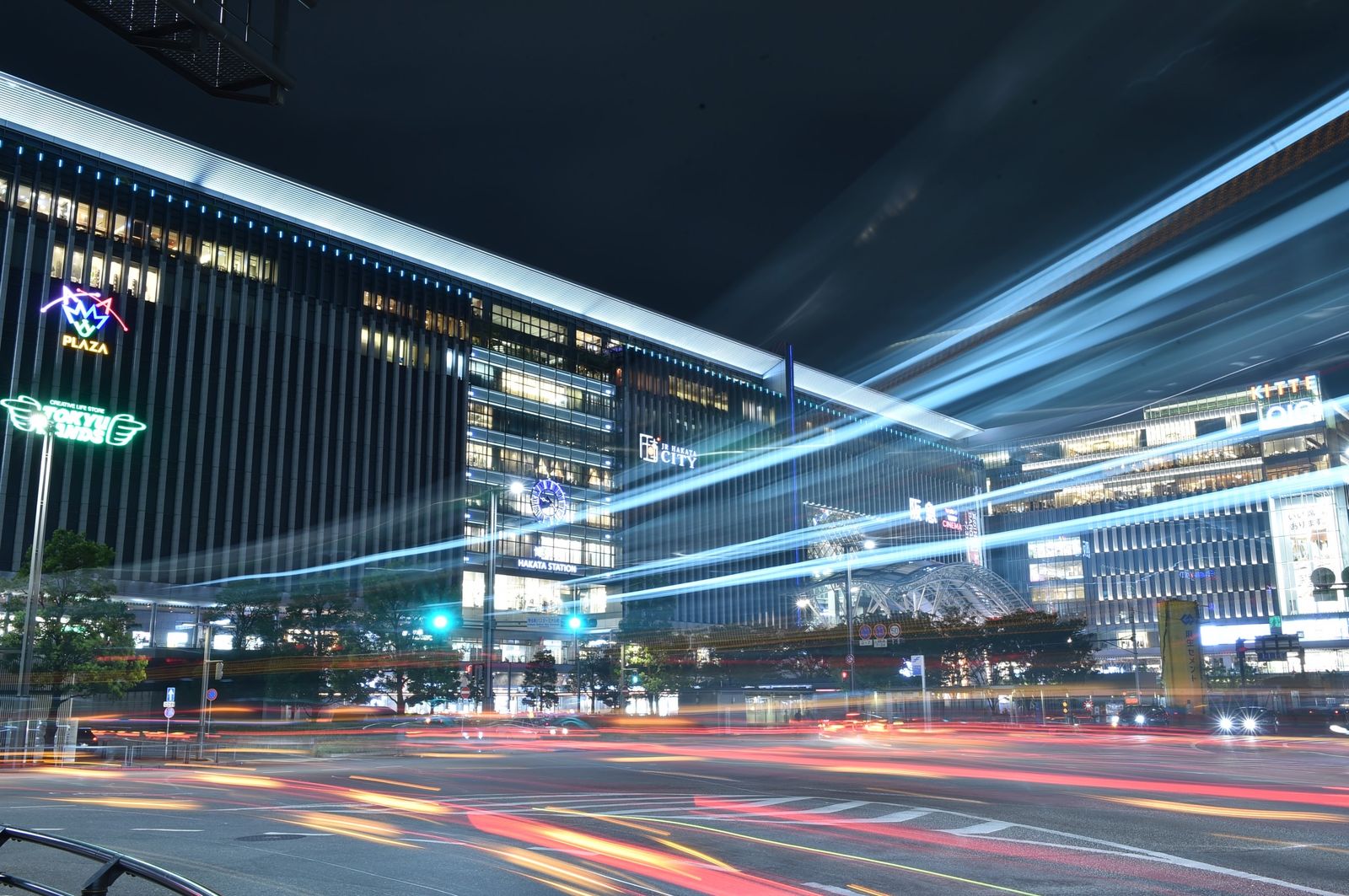
The city column is the third constraint and the one people skip. A tournament is in one city at a time, so November means being in Fukuoka in November — what to eat while you are there is its own page — and whether reaching a host city from wherever your trip already sits justifies a rail pass is a separate calculation.
September’s row is here because it is the nearest tournament and because it is already gone. The two 2027 Tokyo windows are the easiest of these to build a trip around, and where you sleep in Tokyo is the other half of that plan.
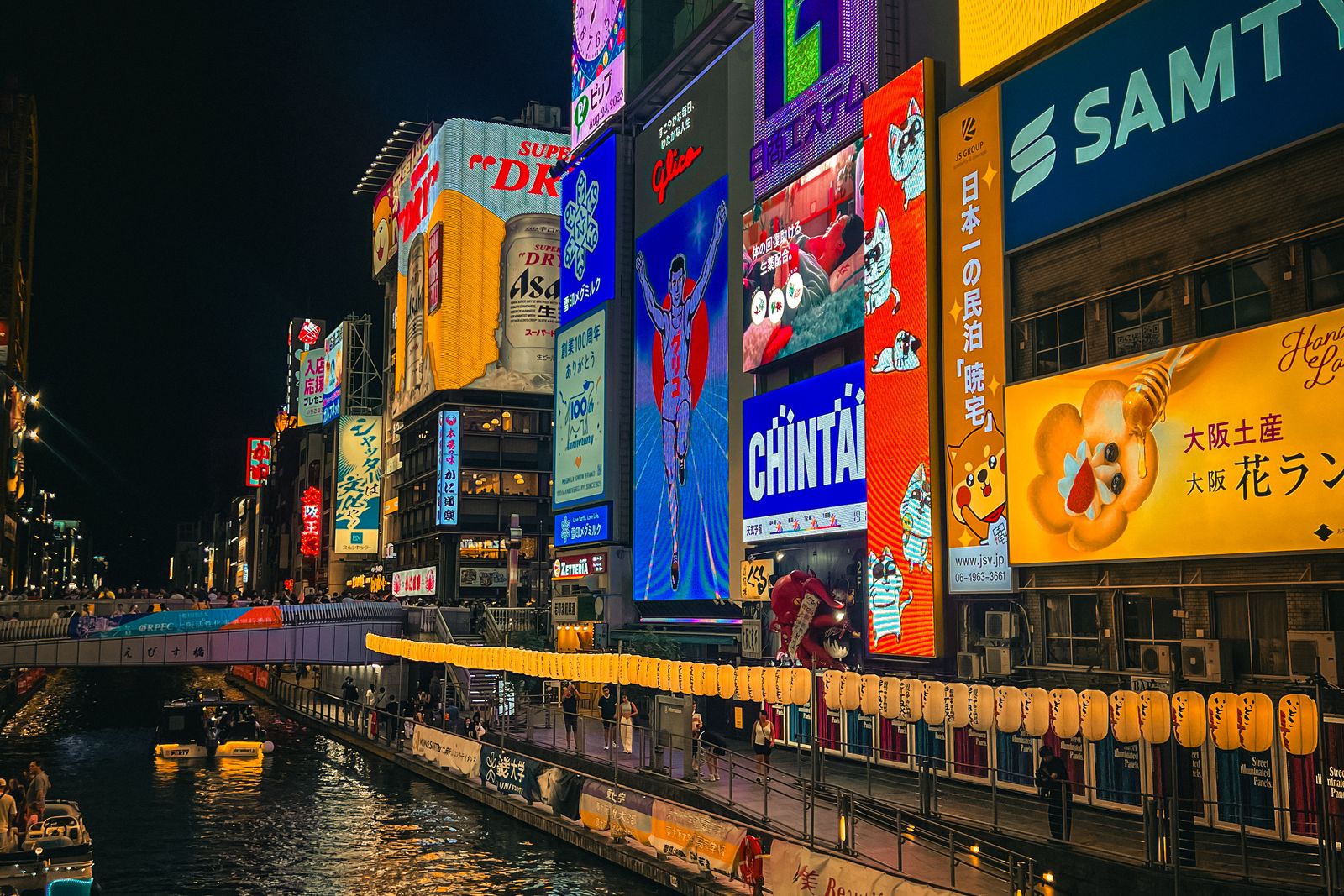
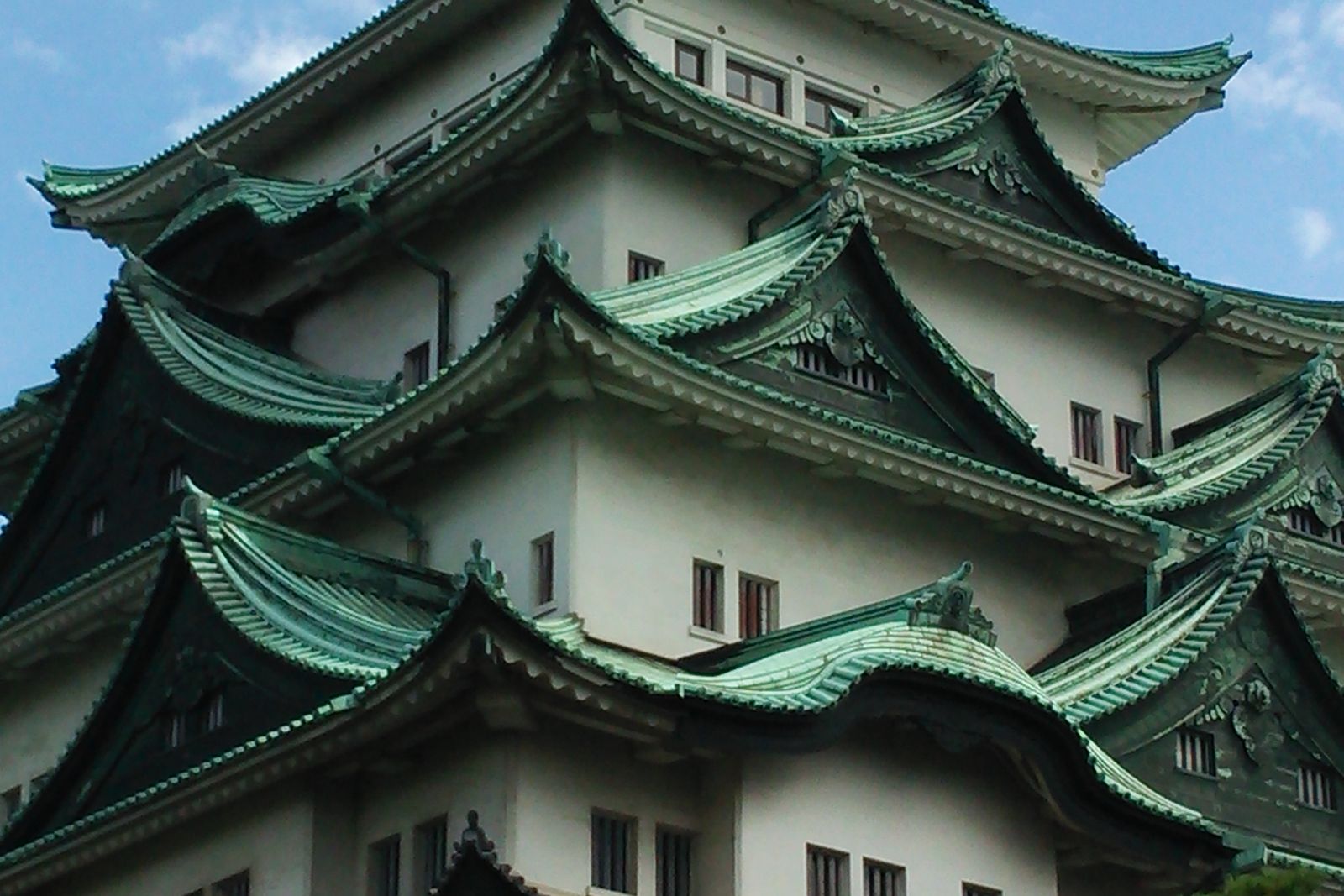
The four ways in, and which ones your dates leave open
Four different things get sold as seeing sumo, and they are not four equivalent doors.
A tournament day. The table above is the whole of it: fifteen days, six times a year, one city at a time. It is also the only one of the four with a published schedule, a published price and a named seller behind it, which is why the rest of this page is about this one.
Morning practice at a stable. The option every list carries. Read the block below before you build a morning around it.
JBJ'S TAKE
Almost every list names it. Nobody checks it.
Morning practice gets listed everywhere as a way to see sumo, and nowhere as a decision. JbJ went looking for the rule.
There isn't one we could reach. No association-wide policy. One stable's own site says no. Stable by stable, and that's where the evidence stops.
So don't hang a day on it. If somebody is selling you in, the access is theirs to prove.
A tour that takes you to either of those. A tour is a product, and what is inside it is whatever the seller says is inside it. That is a claim to check with the seller, not a schedule you can plan against.
The shows and the dinner experiences. They exist because somebody is selling them. None of them is a tournament, and none of them is on a calendar you can look up.
So of the four, exactly one is a fixture. That matters at the end of this page: if your dates miss the fifteen days, the answer is not that three other doors are standing open.
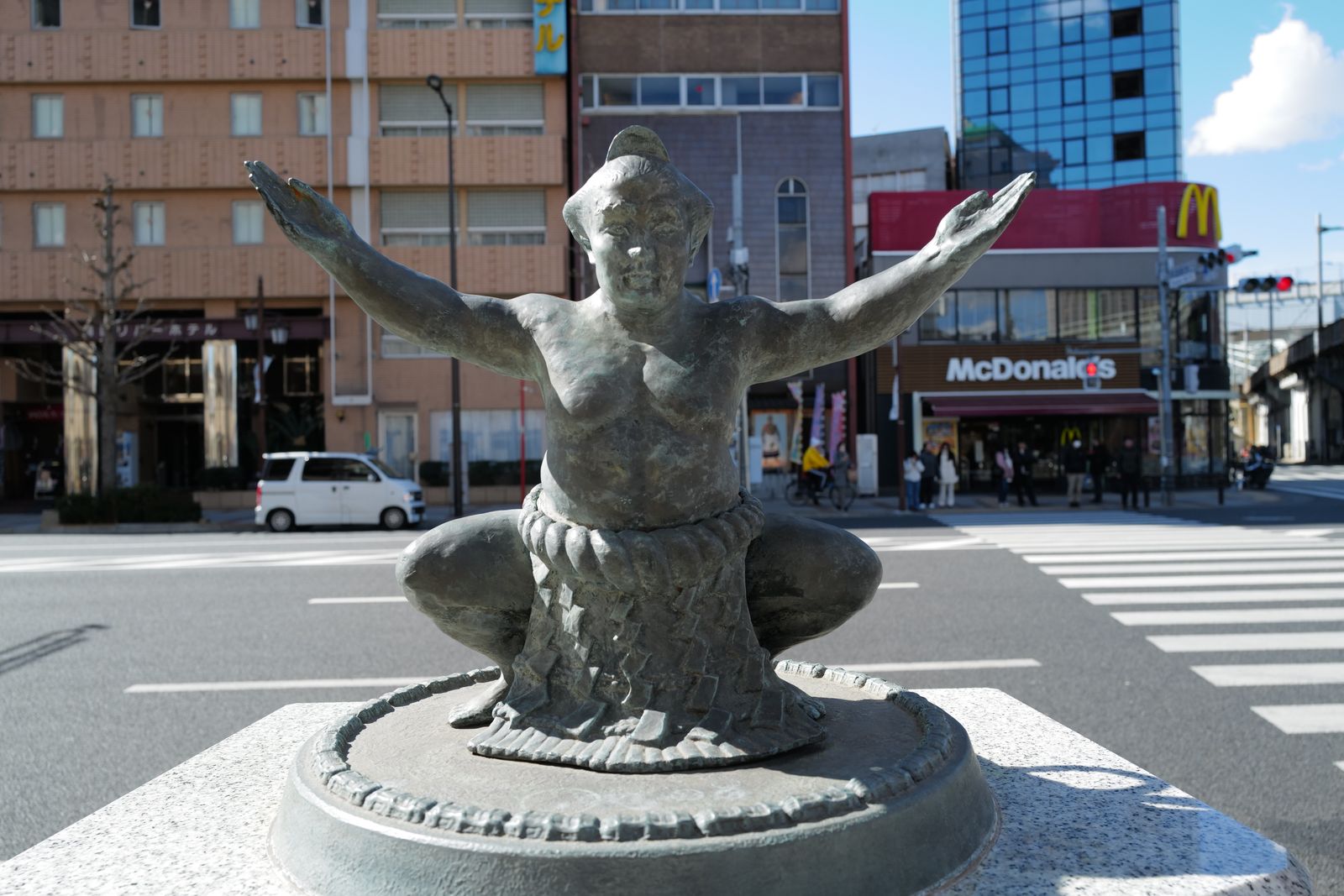
Buying it yourself, in the order it actually happens
There is one official English channel and it is the association’s own — Ticket Ōzumō, at sumo.pia.jp/en. That link earns this page nothing.
- The on-sale morning. The date is in the table, and it is the only part of this with a deadline on it.
- Payment. In English, the channel takes a credit card. That is the entire list. The same operator’s Japanese pages, for the same tournament, carry four ways to pay and two or three ways to receive the ticket. Same seller, same days, a smaller product.
- Collection. Below, and it is the part that decides your itinerary.
The fee is per ticket, not per person
¥2,000 per ticket in service fees, with a further ¥550 per ticket for the November 2026 Fukuoka tournament. Per ticket is the part to hold on to: a box sold as one four-person unit is one ticket, so it carries ¥2,000, not ¥8,000.
Which produces one figure worth seeing before you decide the cheap end is the safe end. The cheapest reserved chair at Fukuoka in November is ¥2,000 per person on a weekday. The fees on that ticket come to ¥2,550. There, on that tournament, the fee is larger than the seat.
And it does not bend afterwards. Under the association’s spectating terms there is no change, no cancellation, and resale is prohibited. You are buying a fixed date, weeks ahead, for a city you may not have booked yet.
You collect it inside Japan
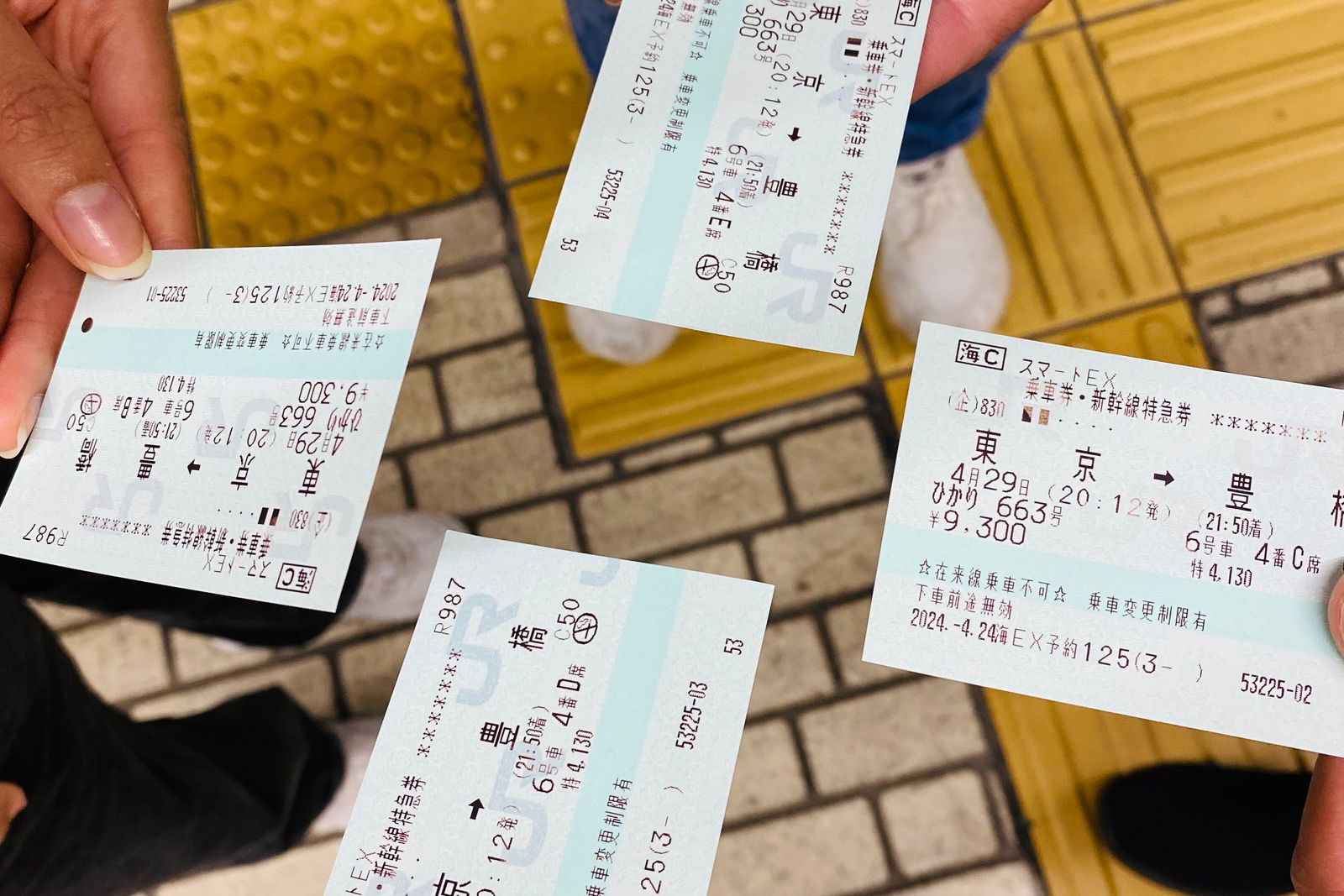
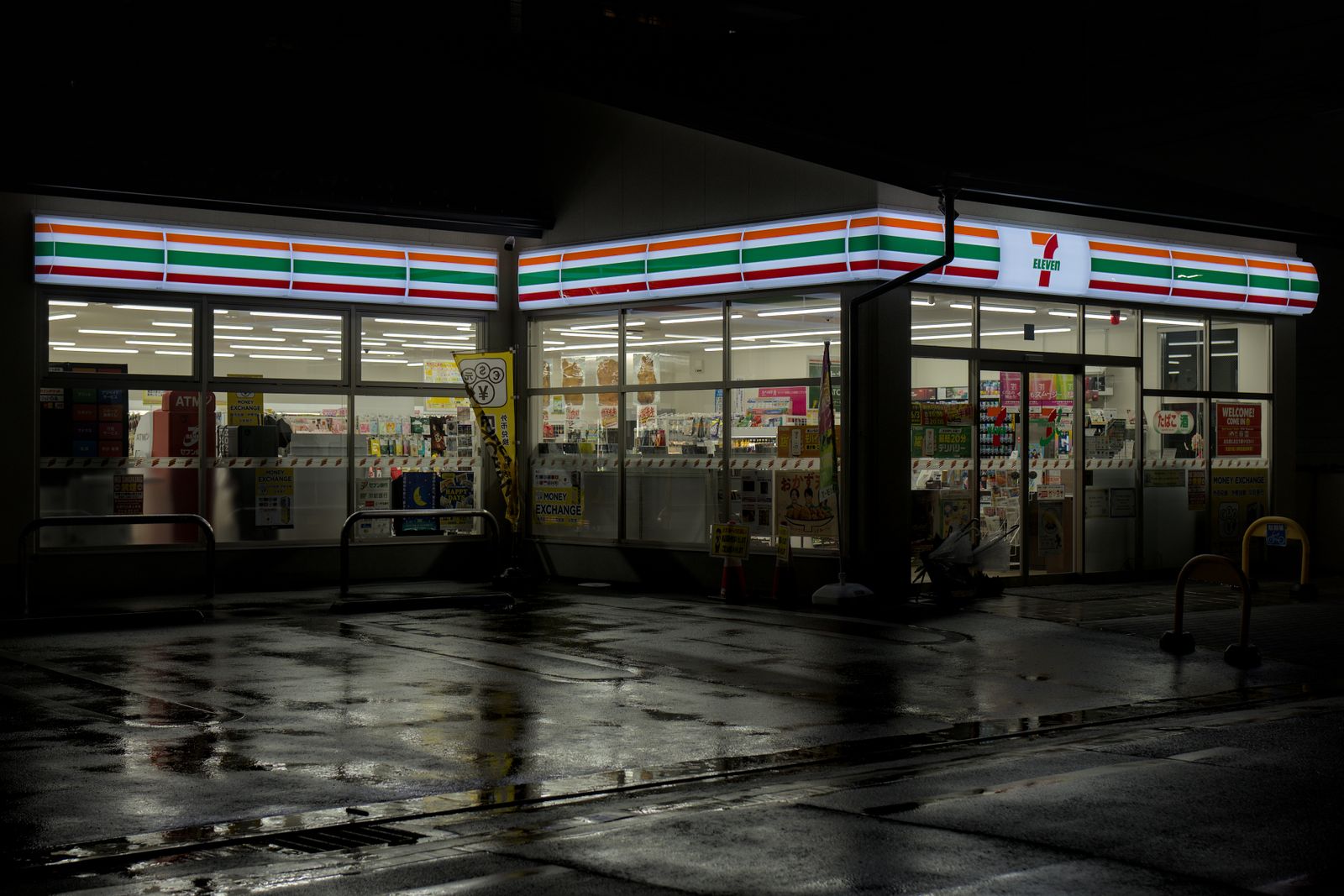
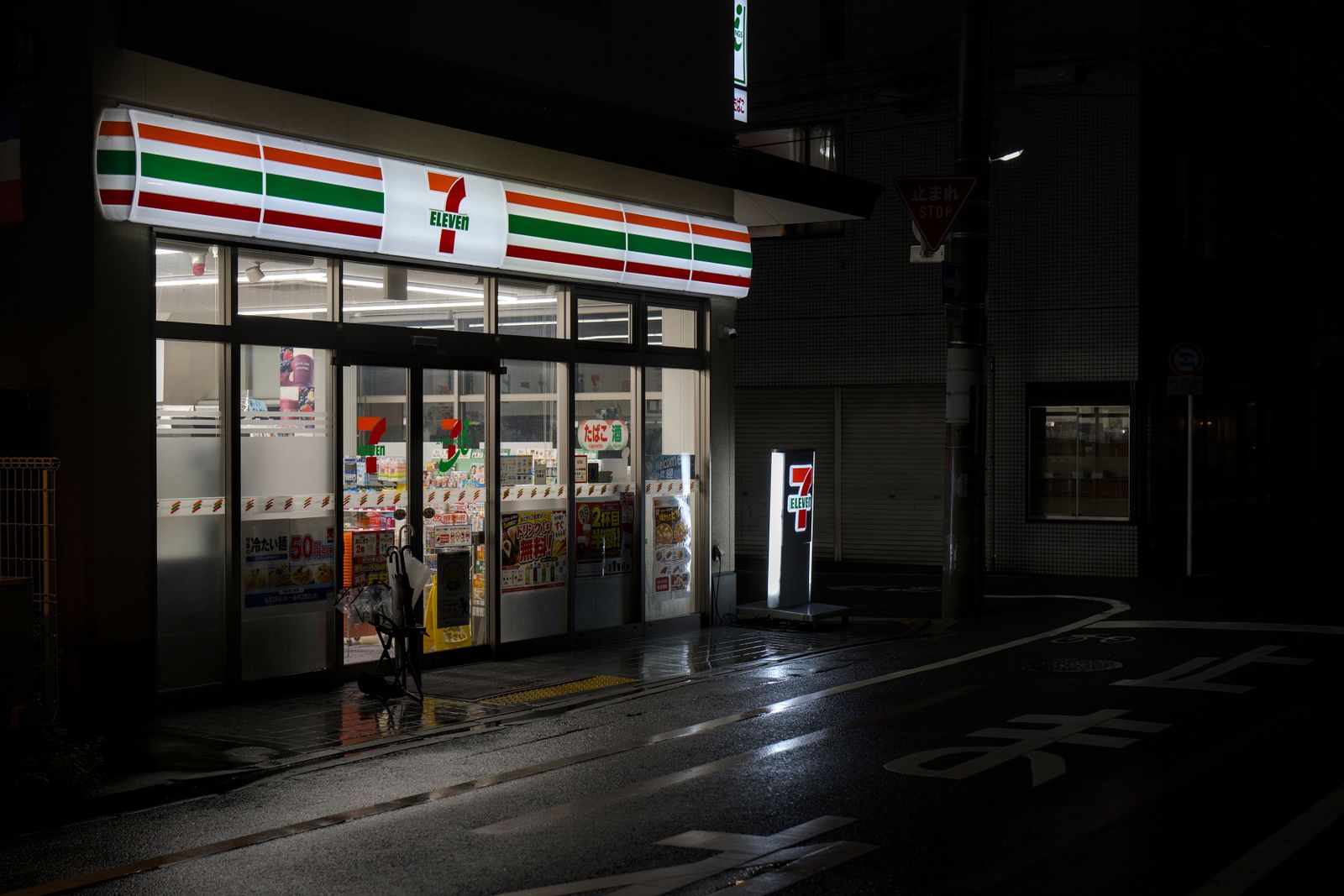
The English channel issues the ticket one way: a printout collected at a Seven-Eleven, inside Japan. No post, no PDF, nothing in your pocket at the departure gate. The same operator’s Japanese pages offer postal delivery, and a QR code for one tournament.
So the shape is fixed. Buy weeks ahead from home, land, then turn the booking into paper — an errand that goes faster if you already know what those shops are.
Same-day tickets exist conditionally, and the condition is that the tournament has not sold out in advance. September 2026 did sell out, and has no same-day sales at all.
When paying somebody else’s markup is the right call
Every condition in the section above is also a way the official route can fail to complete for you.
It needs a credit card the channel accepts. It needs you inside Japan, with time in hand, to turn a booking into a printout. It needs your itinerary fixed weeks out, because nothing about the ticket changes once it is bought.
Miss one of those and the official channel is not the cheaper option you decided against. It is not available to you — a different fact, and it produces a different decision.
If it is open, the arithmetic is not close. The association’s price is the association’s price, the fee is ¥2,000 a ticket and ¥550 more for November’s Fukuoka basho, and anything above that is margin you are paying for convenience you may not need.
If it is shut, the comparison is no longer between two prices. Get the day and the seat category in writing before you pay anybody, because those two things decide what you actually bought, and a single total in your trip budget will not tell you afterwards which of them you were charged for.
JBJ'S TAKE
In Japanese, four ways to pay. In English, one.
Same seller, same tournament. In English, credit card or nothing. That's not translation. It's a smaller product.
So the real question isn't whether the markup is worth it. It's whether the official channel is open to you at all.
If it's open, buy direct. If it's shut, and somebody can still get you in, that markup isn't a markup — it's the price of going.
A cushion on the floor or a chair upstairs: what the money actually buys
Two tiers, two units, and the unit is where the money moves.
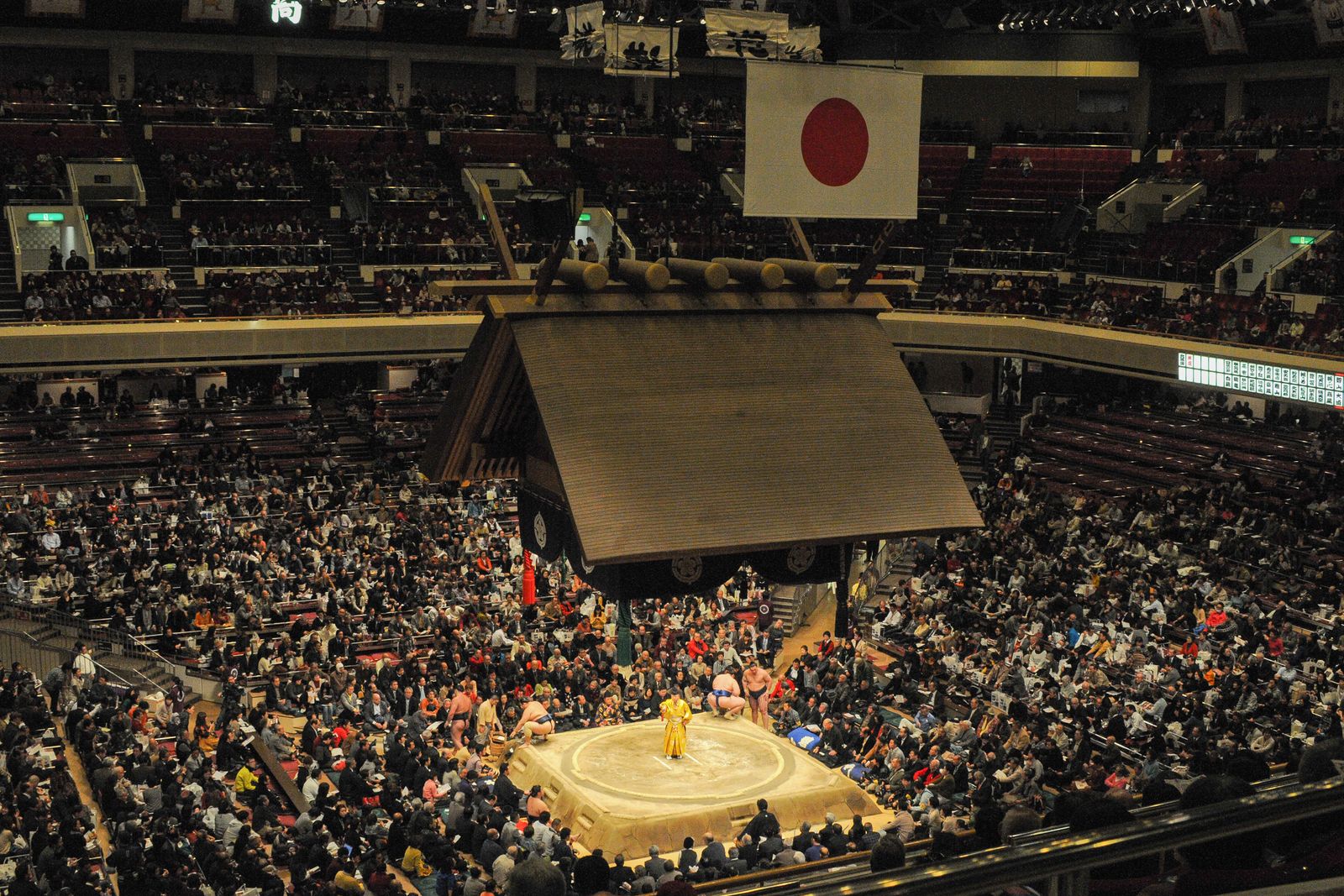
| Venue | Day type | Seat | Unit | Price |
|---|---|---|---|---|
| Tokyo | Weekday | Reserved chair, C | Per person | ¥3,500 |
| Fukuoka, Nov 2026 | Weekday | Reserved chair, C | Per person | ¥2,000 |
| Tokyo | Weekday to weekend | Box (masu), full ladder | Per box of four | ¥34,000–¥60,000 (¥8,500–¥15,000 per person) |
| Fukuoka, Nov 2026 | Weekday | Box (masu S), two-person | Per box of two | ¥26,000 (¥13,000 per person) |
| Fukuoka, Nov 2026 | Weekday | Box (masu S), four-person | Per box of four | ¥52,000 (¥13,000 per person) |
The four-cushion problem
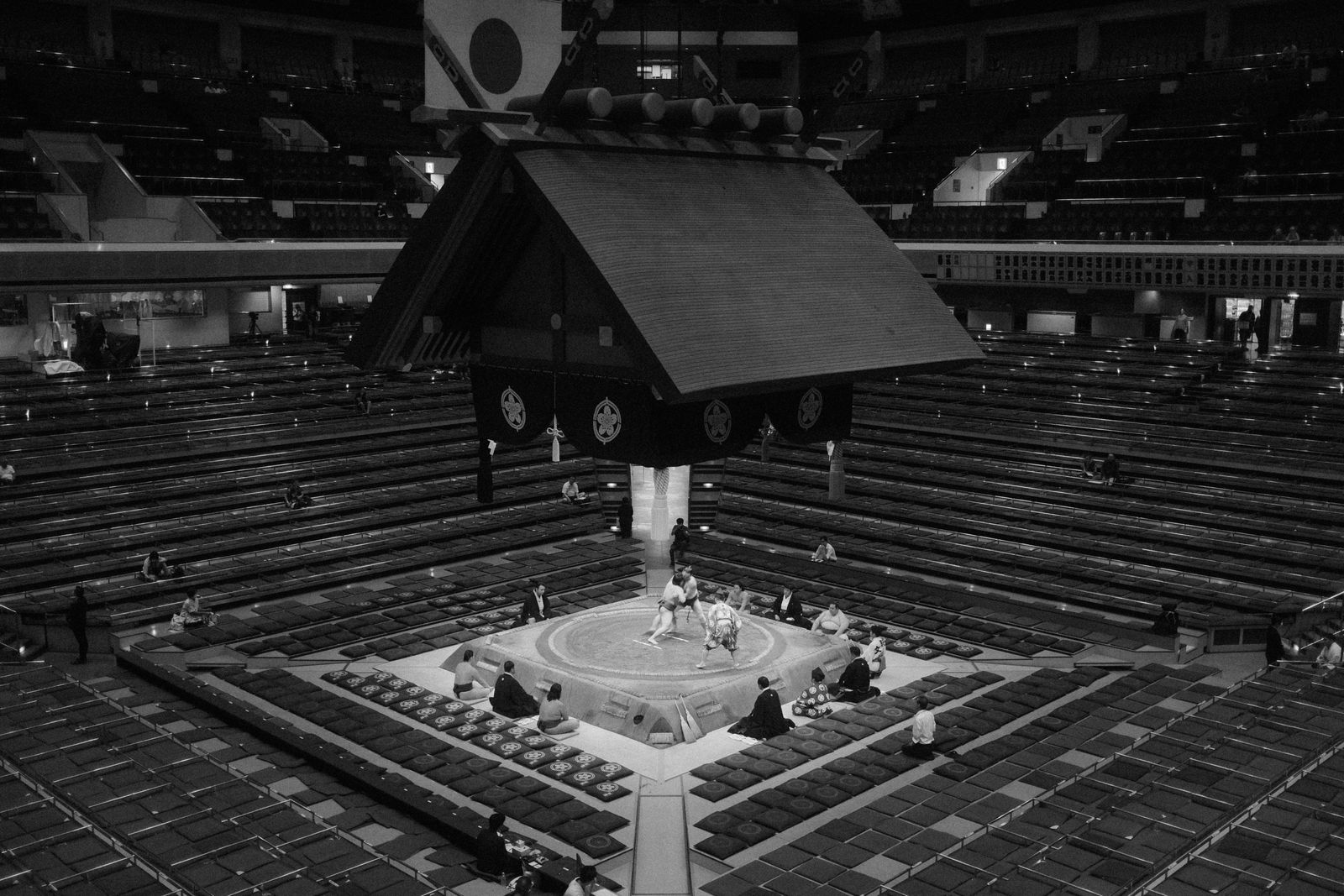
The box is the seat everyone pictures: a floor pen with cushions instead of chairs. It is priced as a pen, not per body, and that is where a couple loses money at one venue and not at another.
At Tokyo the box comes in one size, four. Two people who want the floor pay the four-person price and leave two cushions empty. Filled, a Tokyo box works out at ¥8,500 to ¥15,000 a head — roughly two and a half times a Tokyo weekday chair, rather than the ten times the box price looks like at first glance. With two people in it, double the per-head figure.
Fukuoka in November sells the same class of box as a two-person unit as well, and the smaller party pays no penalty for being smaller: ¥26,000 the box for two on a weekday, ¥52,000 the box for four, and both come out at ¥13,000 a head. That product is Fukuoka’s. It is not in Tokyo’s tariff, and Tokyo’s four-person figures are not Fukuoka’s.
The third tier is ringside, which is a different purchase from the one this page is sorting.
Inside the hall, and when the doors open
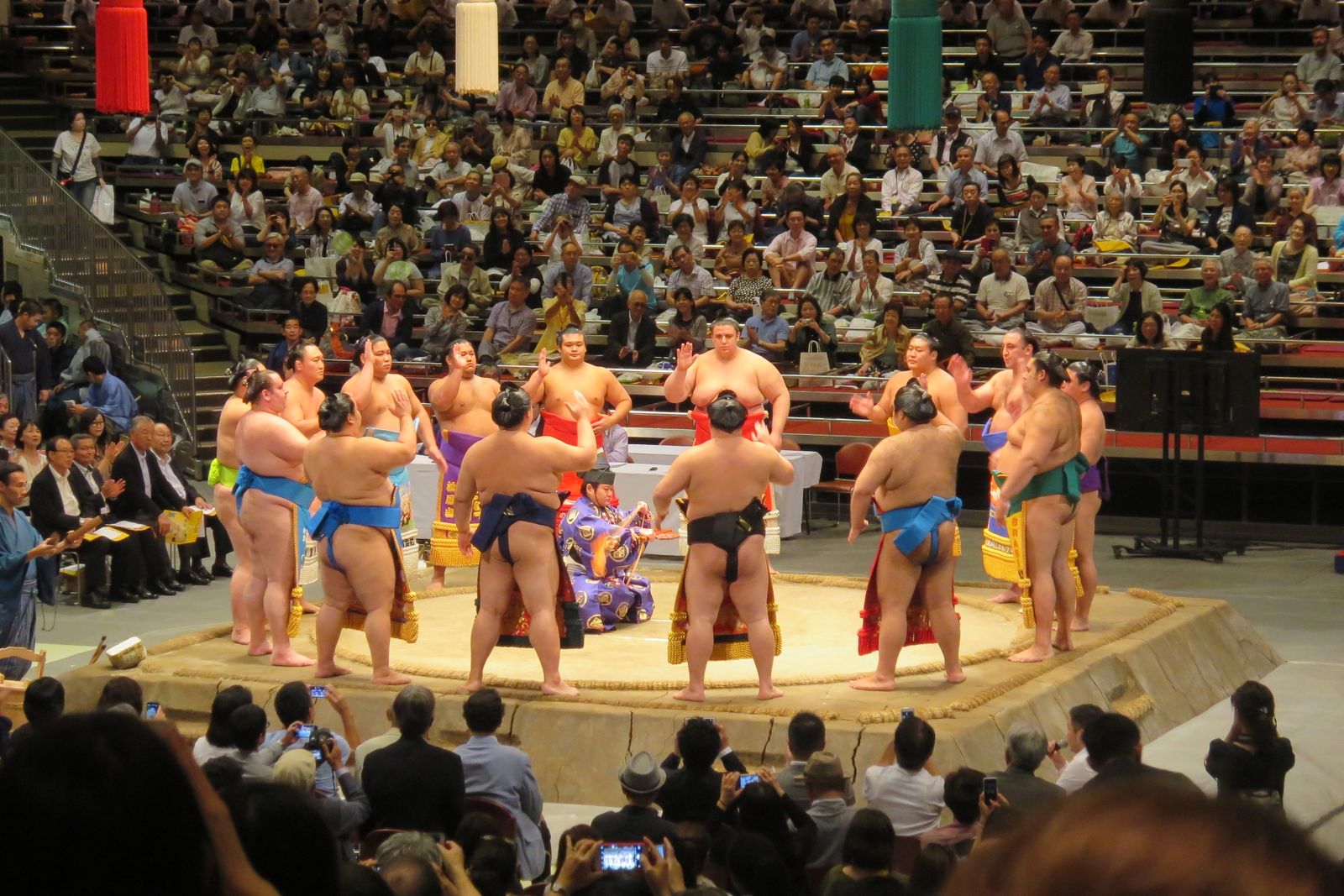
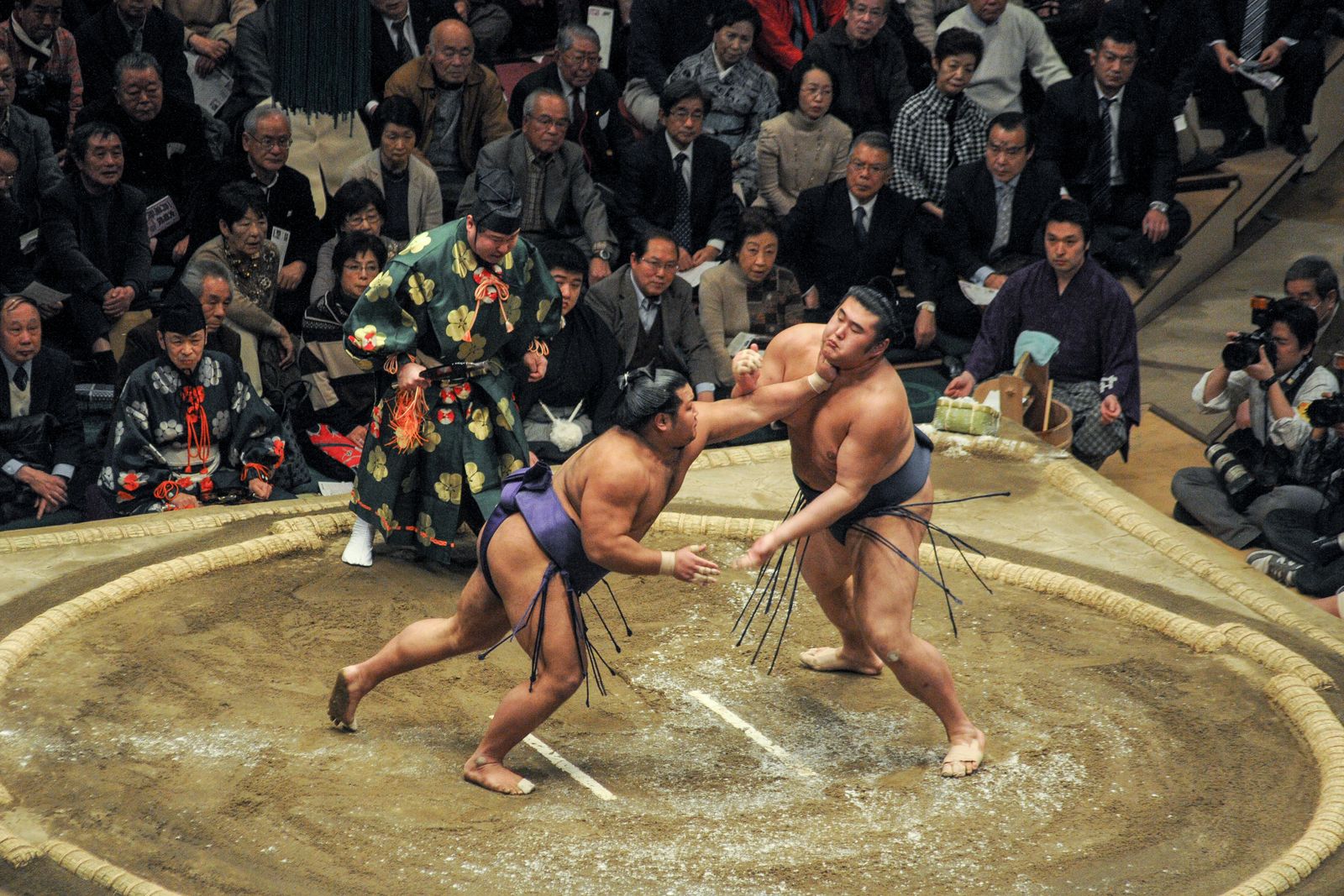
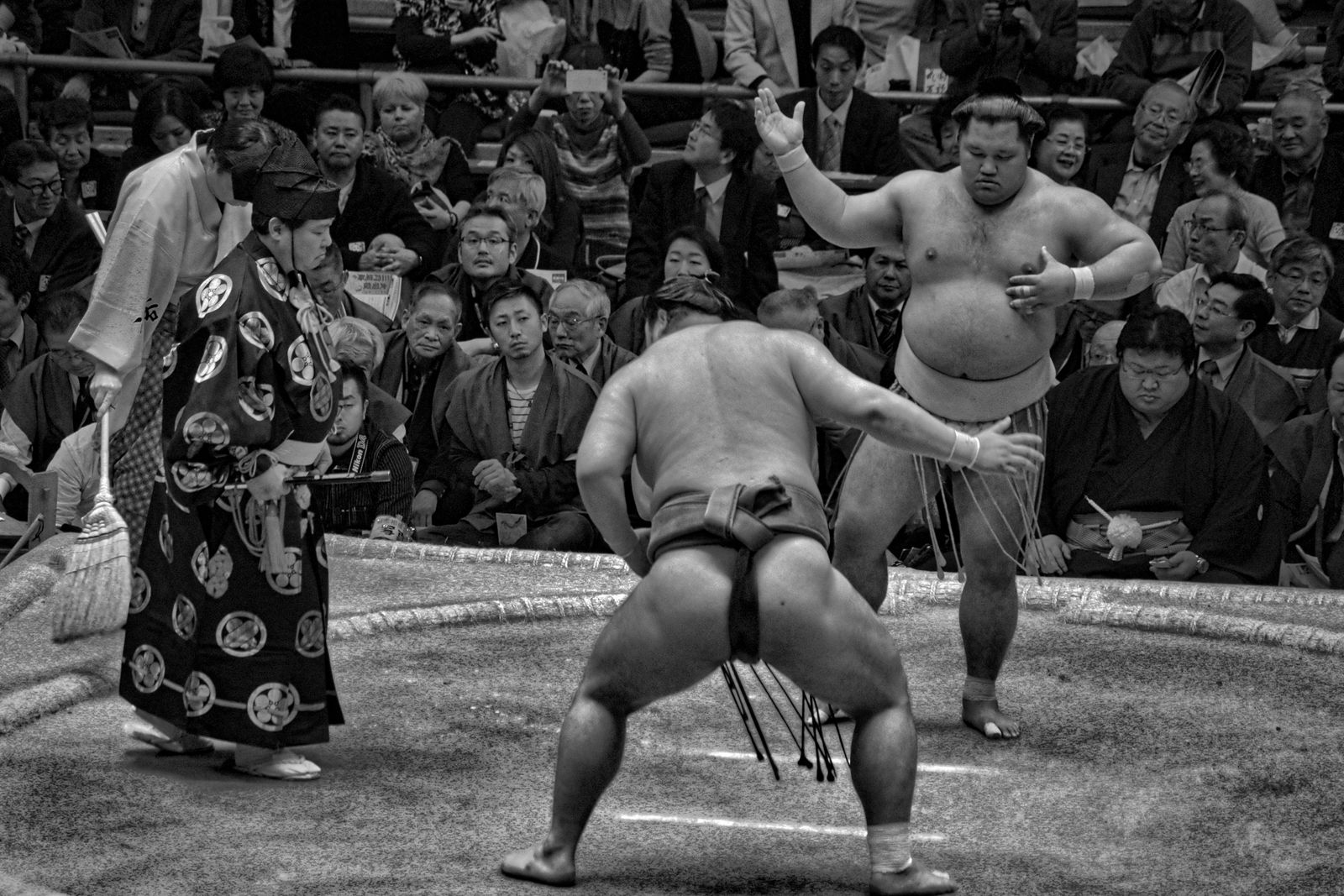
Doors open at 08:45 on days 1 to 12. Days 13 and 14 open at 10:30, and day 15 at 10:00 — three of the fifteen run to a different clock, and the final day is one of them.
The rest of it is in the three frames below.
The only date on this page you have to act on
One date, then. If your trip has November in Fukuoka in it, put Saturday 19 September 2026, 10:00 Japan time, into your phone with an alarm on it. Nothing else here can be done before that morning; card, booking, printout and convenience store all come after it.
JBJ'S TAKE
One question, and the calendar already answered it.
Your dates land inside one of these fifteen-day windows, or they don't. Everything else is downstream of that.
If they land: the November tournament in Fukuoka goes on sale Saturday 19 September 2026, 10:00 Japan time. Set an alarm.
If they don't: sumo is not on this trip. The table above runs to next July — pick a window and let it set the dates next time.
Attributions: the tournament dates, the on-sale mornings, the seat and box prices and the spectating terms are the Japan Sumo Association’s own, and the November 2026 Fukuoka box figures are that tournament’s own price page; the service fee, the card-only payment and the Seven-Eleven collection are Ticket Ōzumō’s, the association’s official English ticket service. Seller-published figures get revised. Checked 2026-09-09.