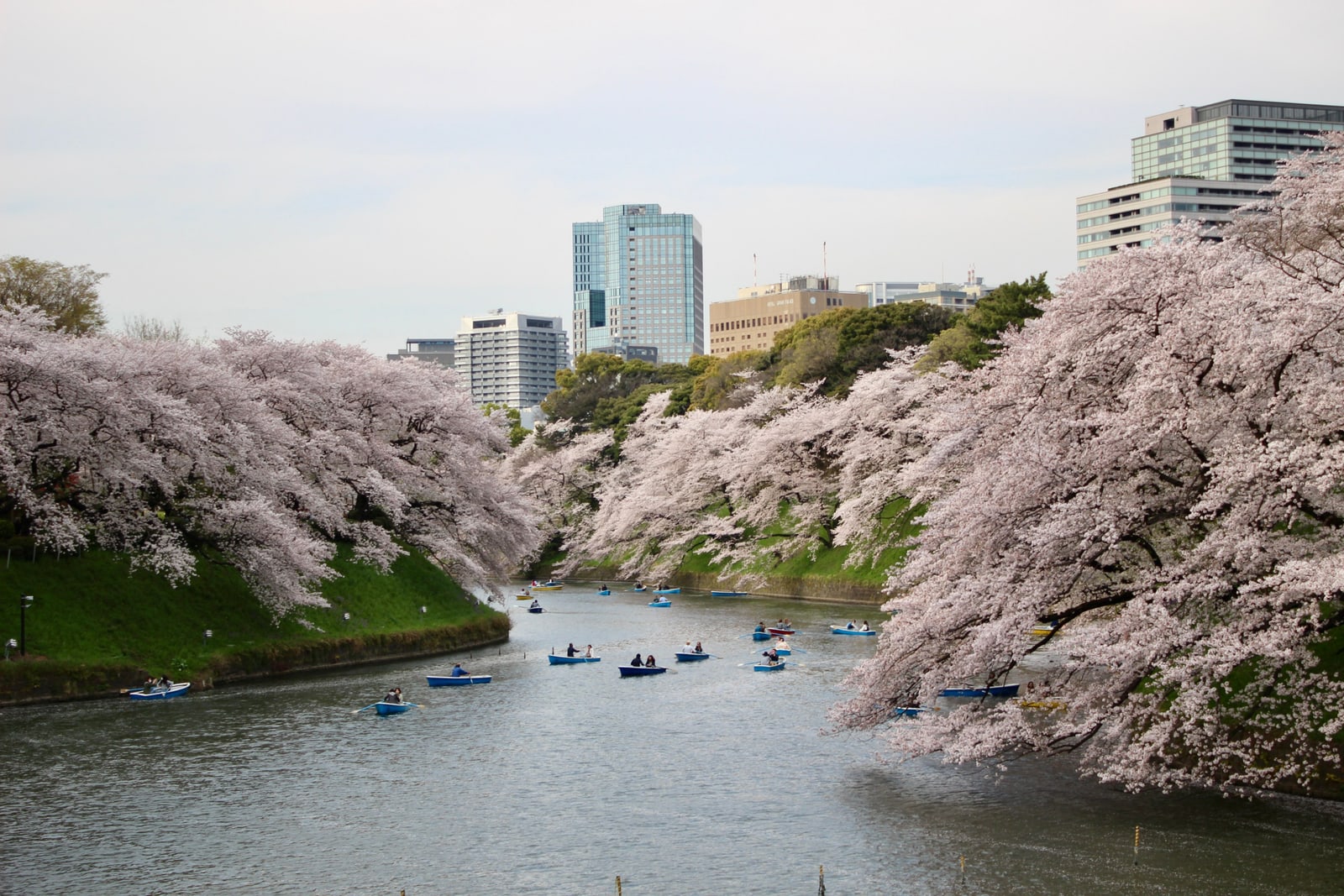
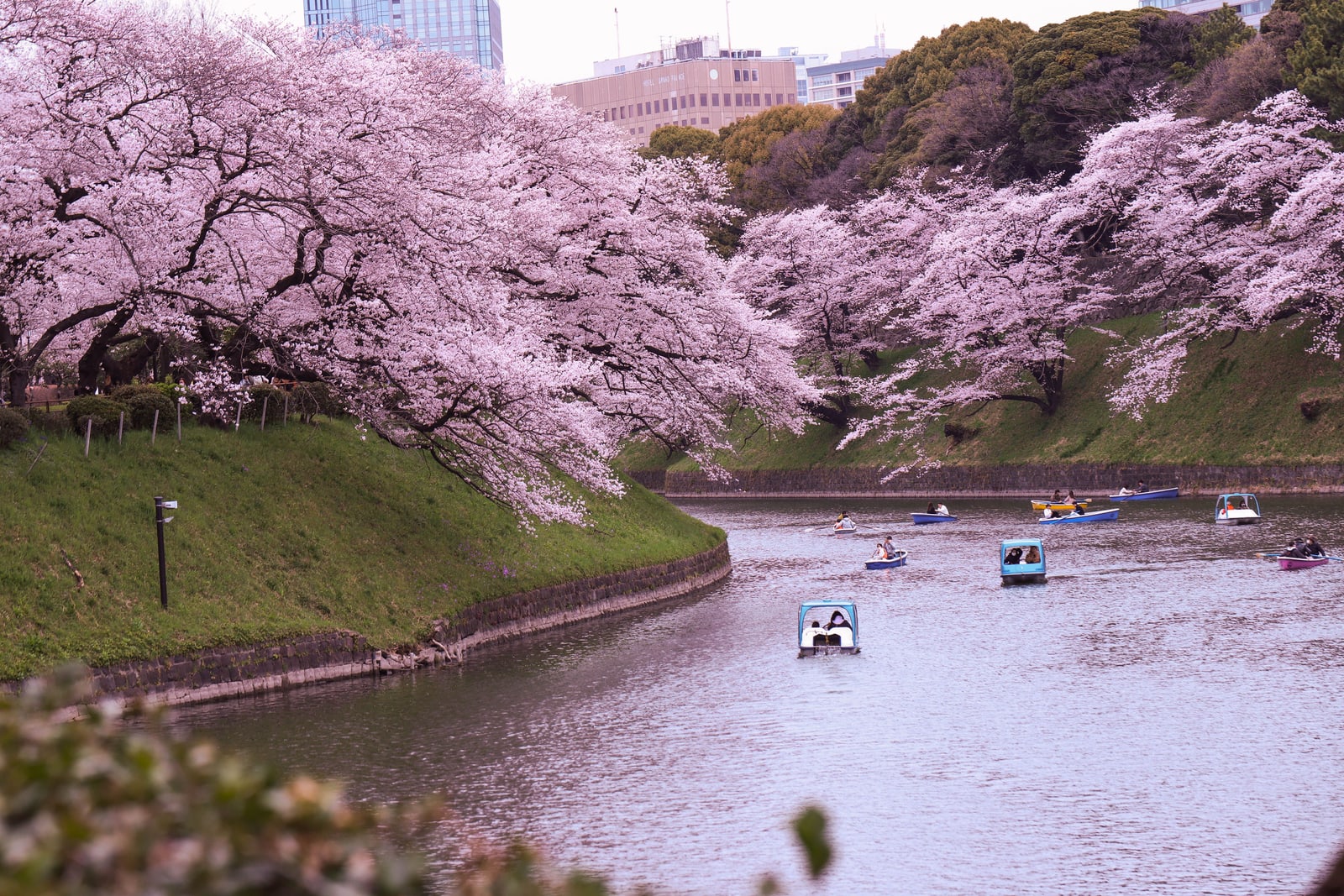
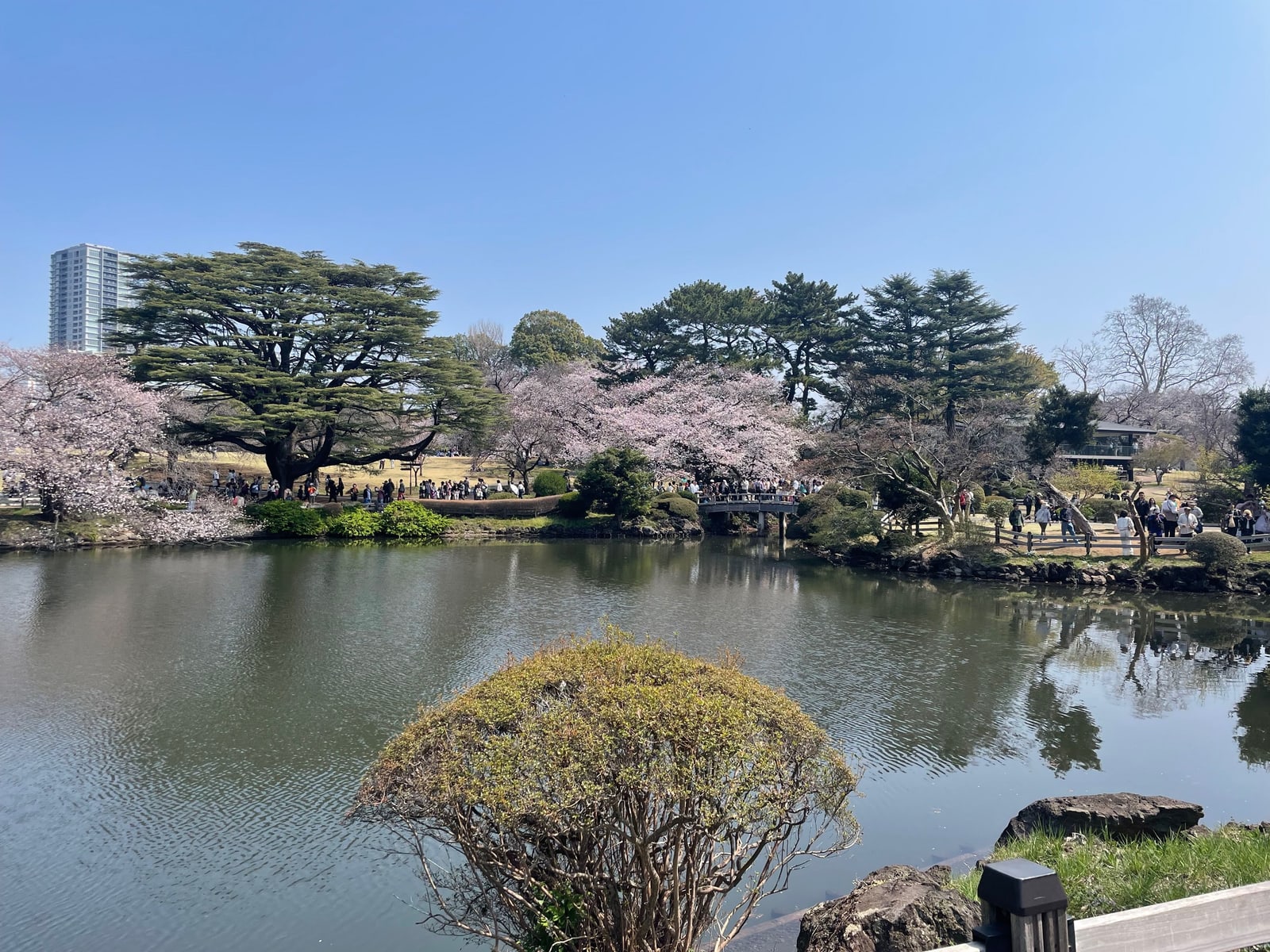
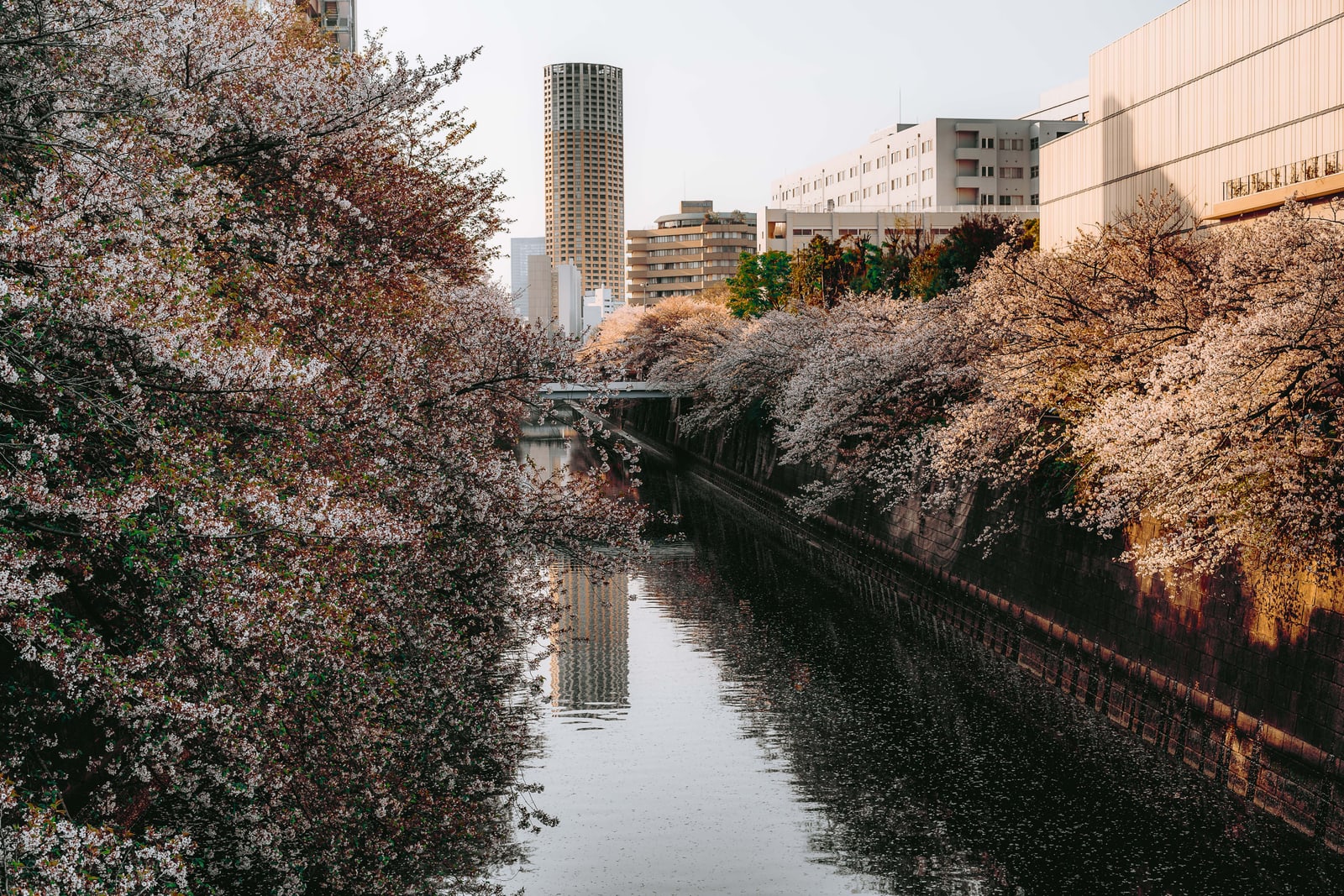
For about a week each spring, Tokyo’s old moats and rivers turn pale pink. Rowing boats drift under the branches at Chidorigafuchi. Skytree rises behind the trees in Sumida Park. On the Meguro River, the two banks’ branches meet over the water.
Which week, though, moves every year. The Japan Meteorological Agency (JMA) dates it by one tree at Yasukuni Shrine, and nobody has published a 2027 forecast yet. So here’s what that tree did in the last ten springs, with the rest in the order your conditions settle it.
The answer, in order
- Your dates decide most of it. Full bloom fell between March 22 and April 4 from 2017 to 2026. A stay covering March 20 to April 2 caught it in 9 of those 10 years.
- Your free hours pick the spot. Shinjuku Gyoen is a daytime garden. Chidorigafuchi is lit at night during the festival. Ueno and Sumida parks have no gate.
- All five make one long day by subway, from a 9:00 a.m. start.
- Tour or on your own comes last. A 10-hour bus tour covers the same five, only in peak bloom.
One free day in Tokyo, and it lands in peak bloom?
Tokyo Cherry Blossom Season Day Tour: Shinjuku Gyoen, Chidorigafuchi, Ueno Park, Sumida Park and Meguro River on Klook
A 10-hour join-in bus tour that runs only in peak bloom. It stops at the five spots on this page: Shinjuku Gyoen, Chidorigafuchi, Ueno Park, Sumida Park and the Meguro River.
Check the Tokyo cherry blossom day tour on Klook →Sold on Klook (Klook Travel Technology Limited), an online travel agency. Before you book, check on the listing: that your date is offered (the tour runs only in peak bloom), the meeting point and start time, whether Shinjuku Gyoen admission is included, the cancellation terms and the price in your currency.
First: your dates against one tree at Yasukuni Shrine
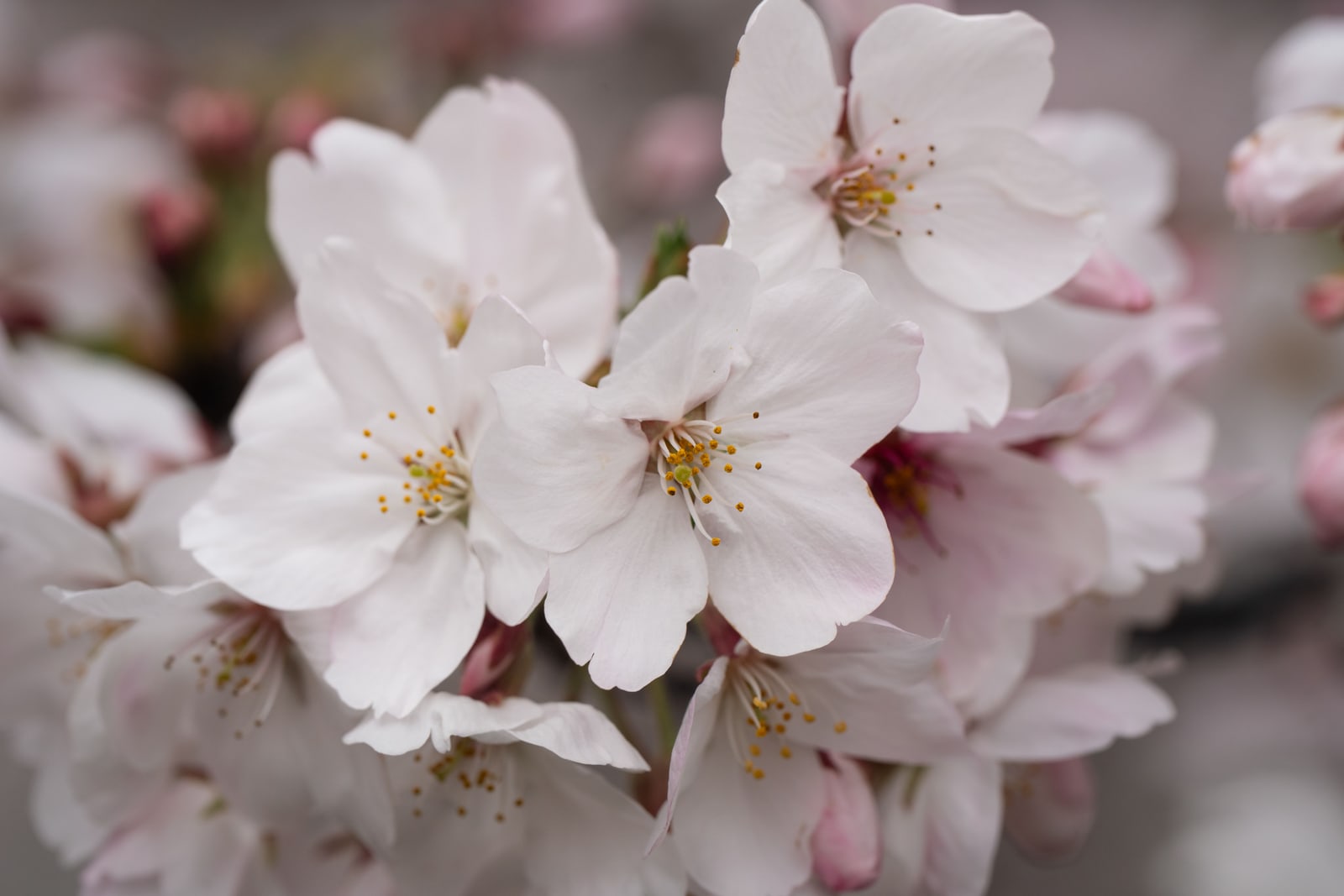
JMA records two dates on that tree. First bloom is the first day five or six flowers are open. Full bloom is the first day about 80 percent are. Plan around the second. In every year below, first bloom came 6 to 12 days ahead of it.
| Year | First bloom | Full bloom |
|---|---|---|
| 2017 | March 21 | April 2 |
| 2018 | March 17 | March 24 |
| 2019 | March 21 | March 27 |
| 2020 | March 14 | March 22 |
| 2021 | March 14 | March 22 |
| 2022 | March 20 | March 27 |
| 2023 | March 14 | March 22 |
| 2024 | March 29 | April 4 |
| 2025 | March 24 | March 30 |
| 2026 | March 19 | March 28 |
| Average (1991–2020) | March 24 | March 31 |
Source: JMA bloom records for Tokyo, checked November 12, 2026.
The average says March 31. The last ten years ran earlier: full bloom came before it in 8 of them.
Split into weeks, it reads like this. Full-bloom day landed in March 20–26 in 4 years and in March 27–April 2 in 5. April 3–9 got it once, in 2024. Late March is the strong bet.
In Tokyo in February, weeks ahead of all this? The early Kawazu-zakura start opening along a river on the Izu Peninsula in early February, and the Kawazu cherry blossom page times that day trip.
Flying in during April? Kyoto runs later. Its average full bloom is April 4, and over the same ten years it fell between March 24 and April 7. The Kyoto cherry blossom page sets your dates against that record the same way.
Second: the hour you have, spot by spot
Fees, hours and stations first. Then what each spot is good for.
| Spot | When it works | Fee | Nearest station |
|---|---|---|---|
| Shinjuku Gyoen | 9:00 a.m.–6:00 p.m., last entry 5:30 p.m. (March 15–September 30). Open on Mondays from March 25 to April 24 | ¥500; ¥250 for 65+ and students; free for junior high and under | Shinjuku-gyoemmae (Marunouchi Line), 5 min; Shinjuku Station south exit, 10 min |
| Chidorigafuchi | Day and evening; lit after dark during the festival (2026: March 26–April 6) | Free path; boats extra | Kudanshita-side and Hanzomon-side entrances |
| Ueno Park | No gate | Free | Ueno (JR, Ginza and Hibiya lines), 2 min |
| Sumida Park | No gate | Free | Asakusa (Ginza Line, Tobu Skytree Line), 5 min |
| Meguro River | A riverside walk | Free | Naka-meguro (Hibiya Line, Tokyu Toyoko Line) |
Sources: Ministry of the Environment, Chiyoda City Tourism Association, Tokyo Metropolitan Park Association, GO TOKYO, Meguro City; checked November 12, 2026.
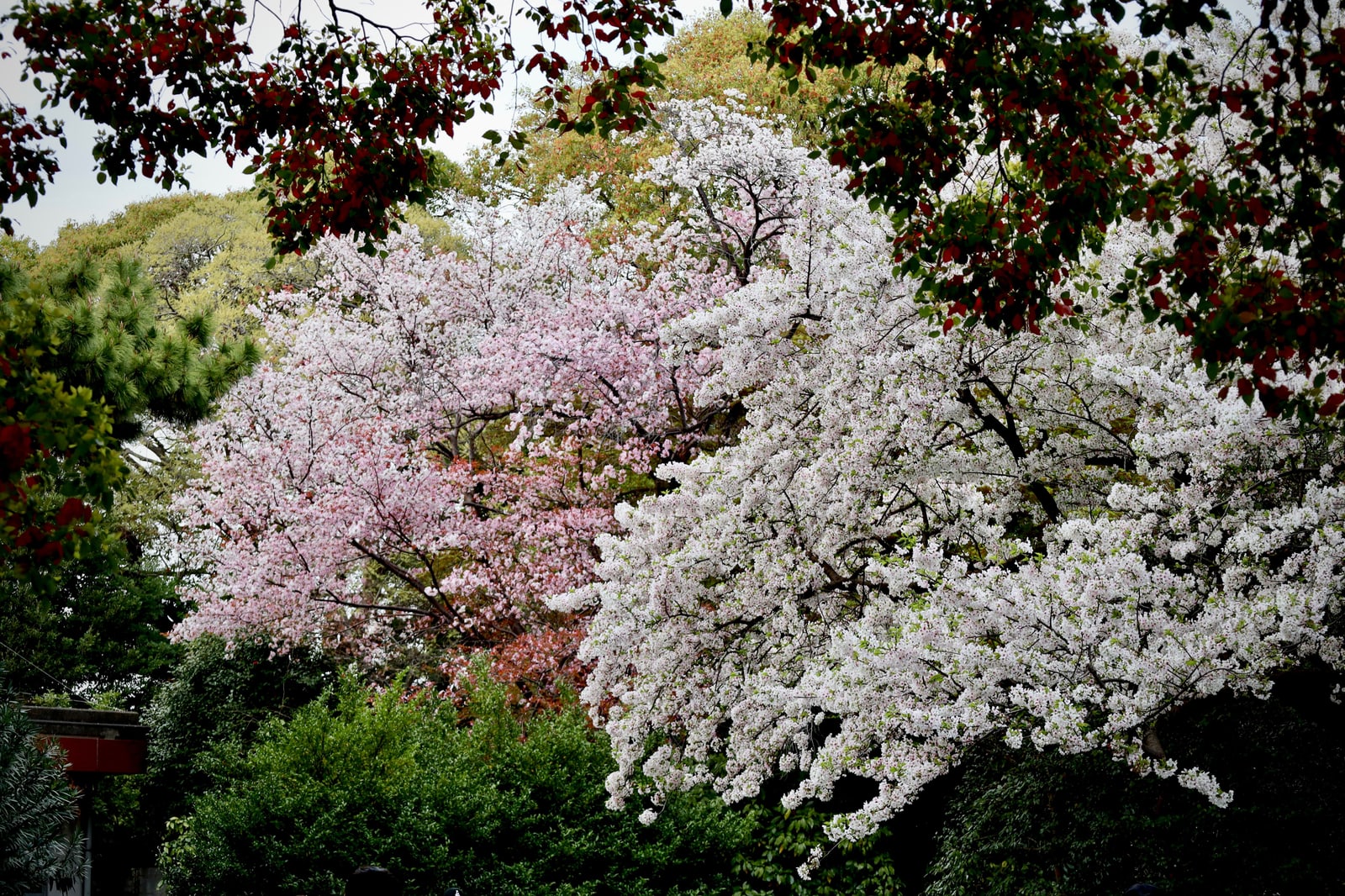
Shinjuku Gyoen is the daytime one. It’s a national garden with gates and hours. Tap a transit IC card at the gate, or buy a web ticket ahead. If your free hours start after 5:30 p.m., it drops out, and the evening belongs to Chidorigafuchi and the Meguro River. The garden may switch to advance booking on cherry-season weekends and holidays, so look at its site before a Saturday or Sunday.
Chidorigafuchi works in daylight and after dark. The path above the moat is about 700 meters, with an entrance at each end: Kudanshita and Hanzomon. In 2026, Chiyoda City’s festival ran from March 5 to April 22. The trees were lit from March 26 to April 6, and the boats kept running into the evening while the lights were on. The city asks visitors to stay on the path, off the roadway.
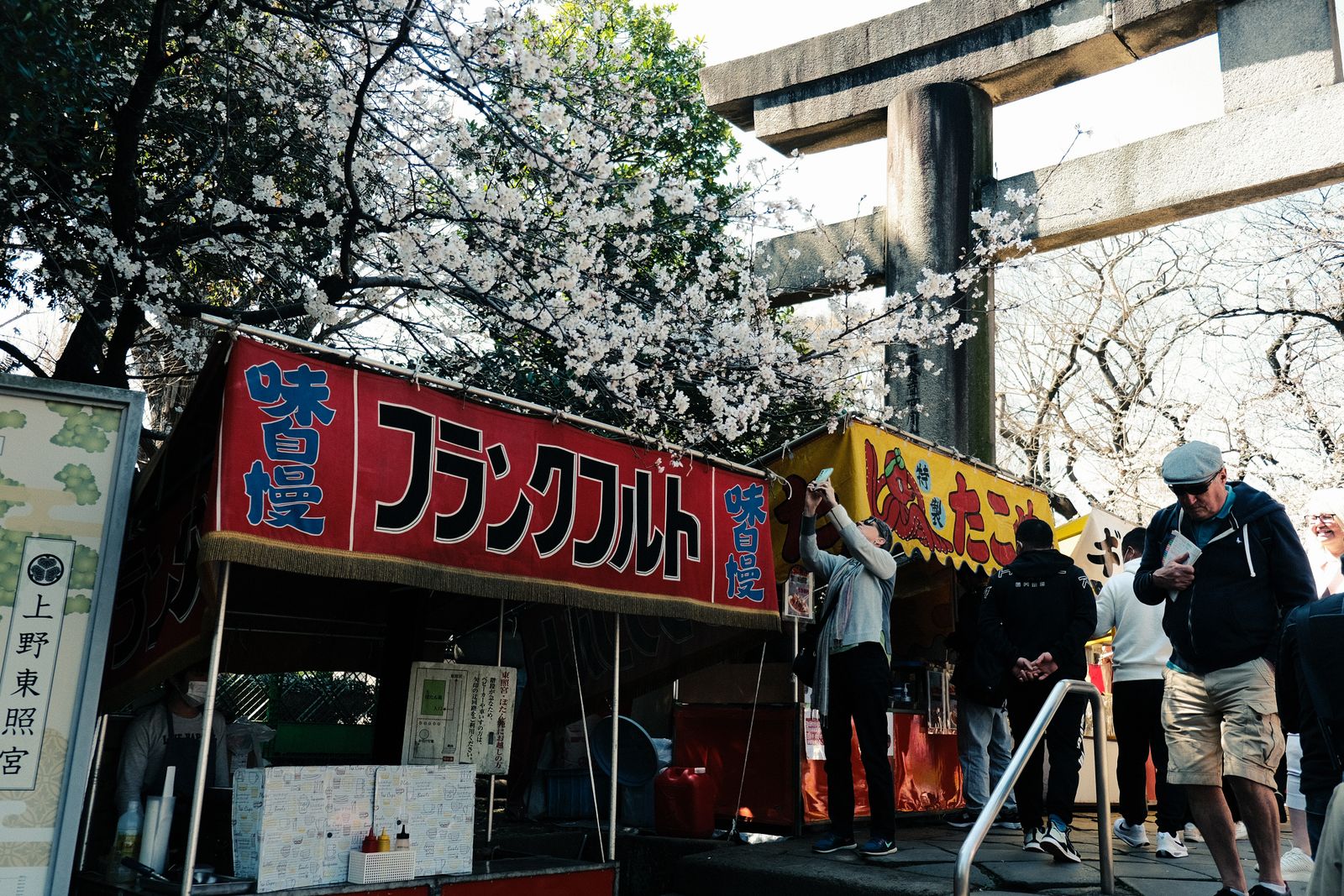
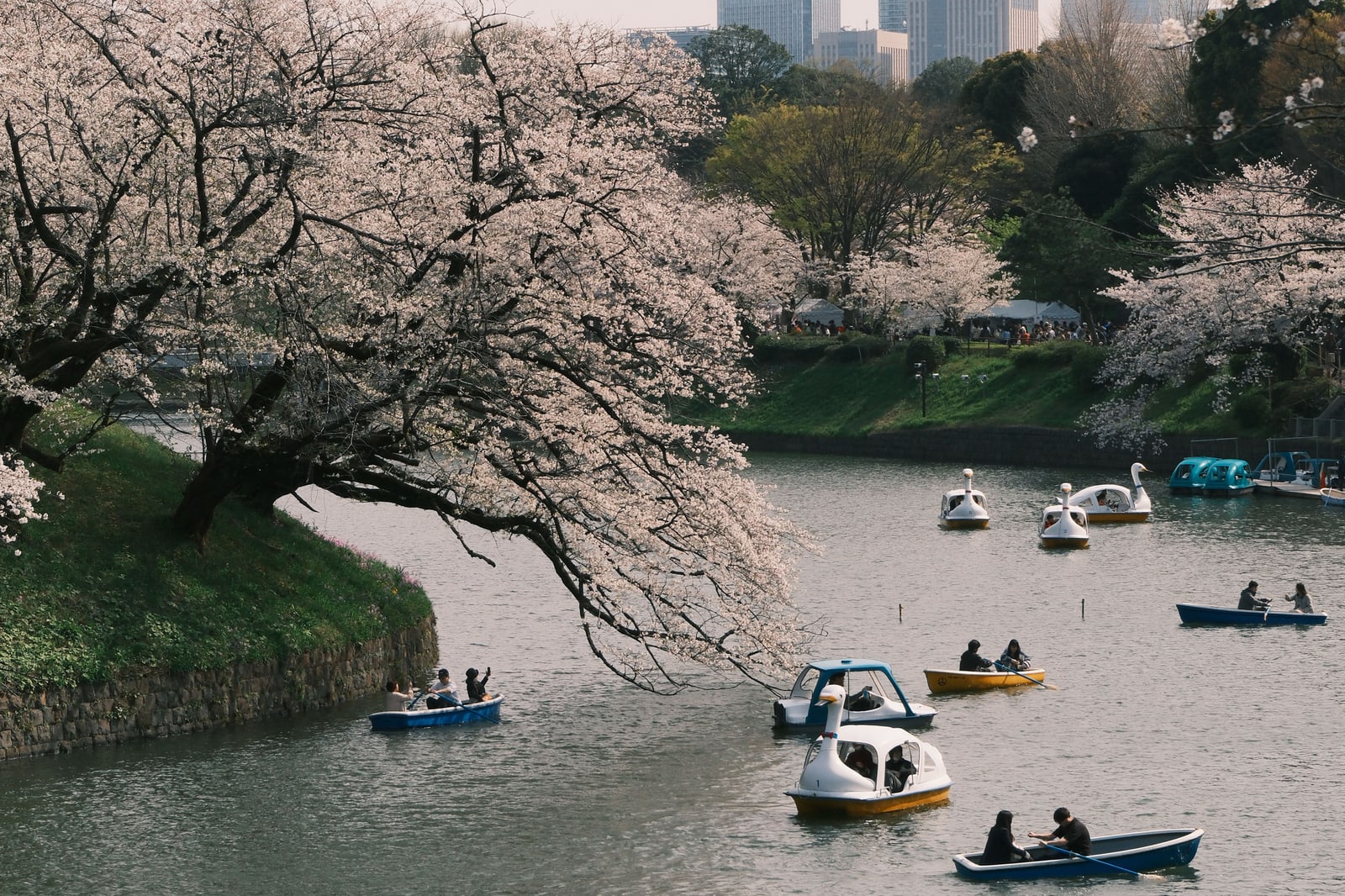
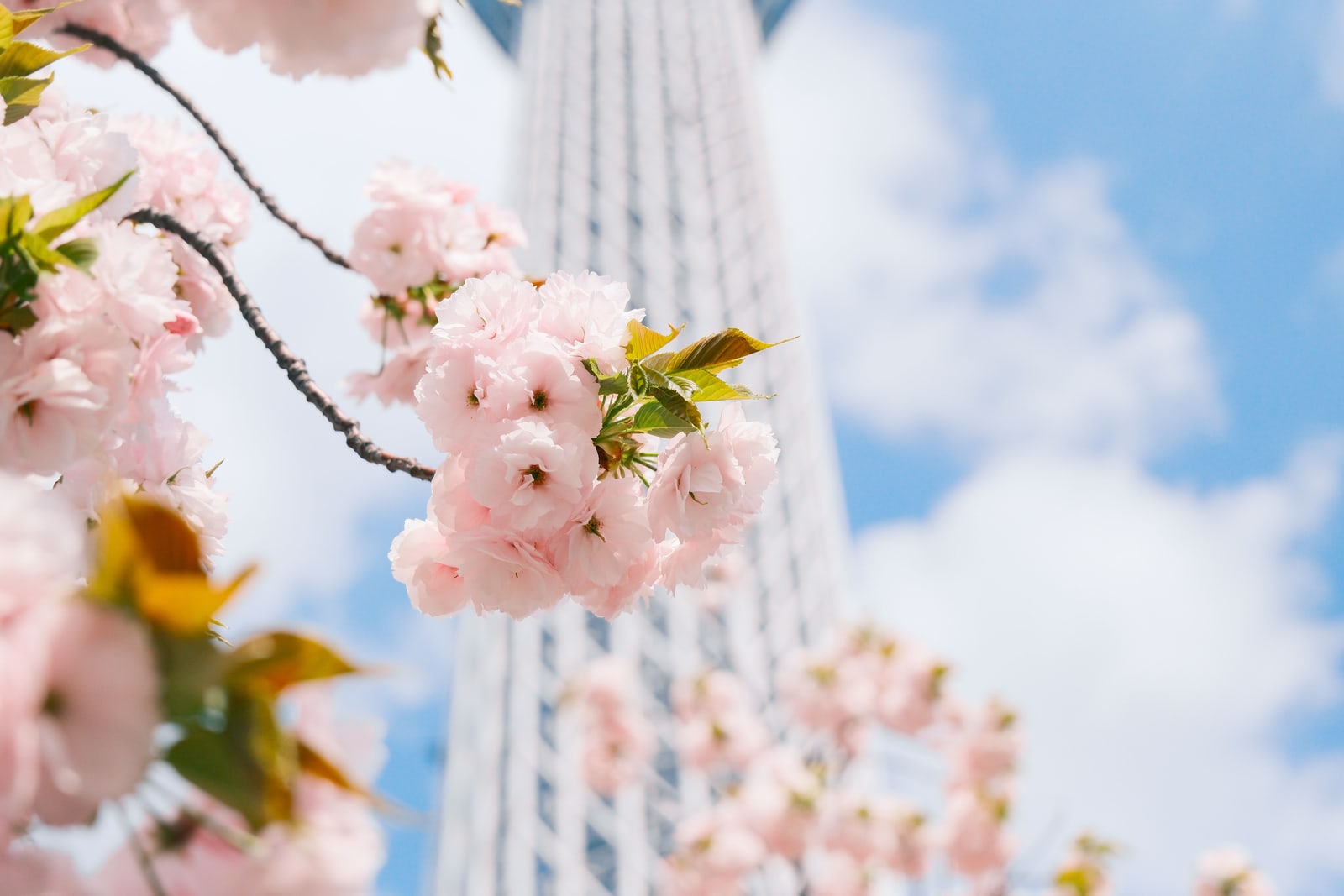
Ueno Park and Sumida Park fit any hour you have. Neither has a gate. Ueno is two minutes from Ueno Station, and in blossom week food stalls set up under the trees. Sumida Park lines the river five minutes on foot from Asakusa Station, with Skytree across the water.
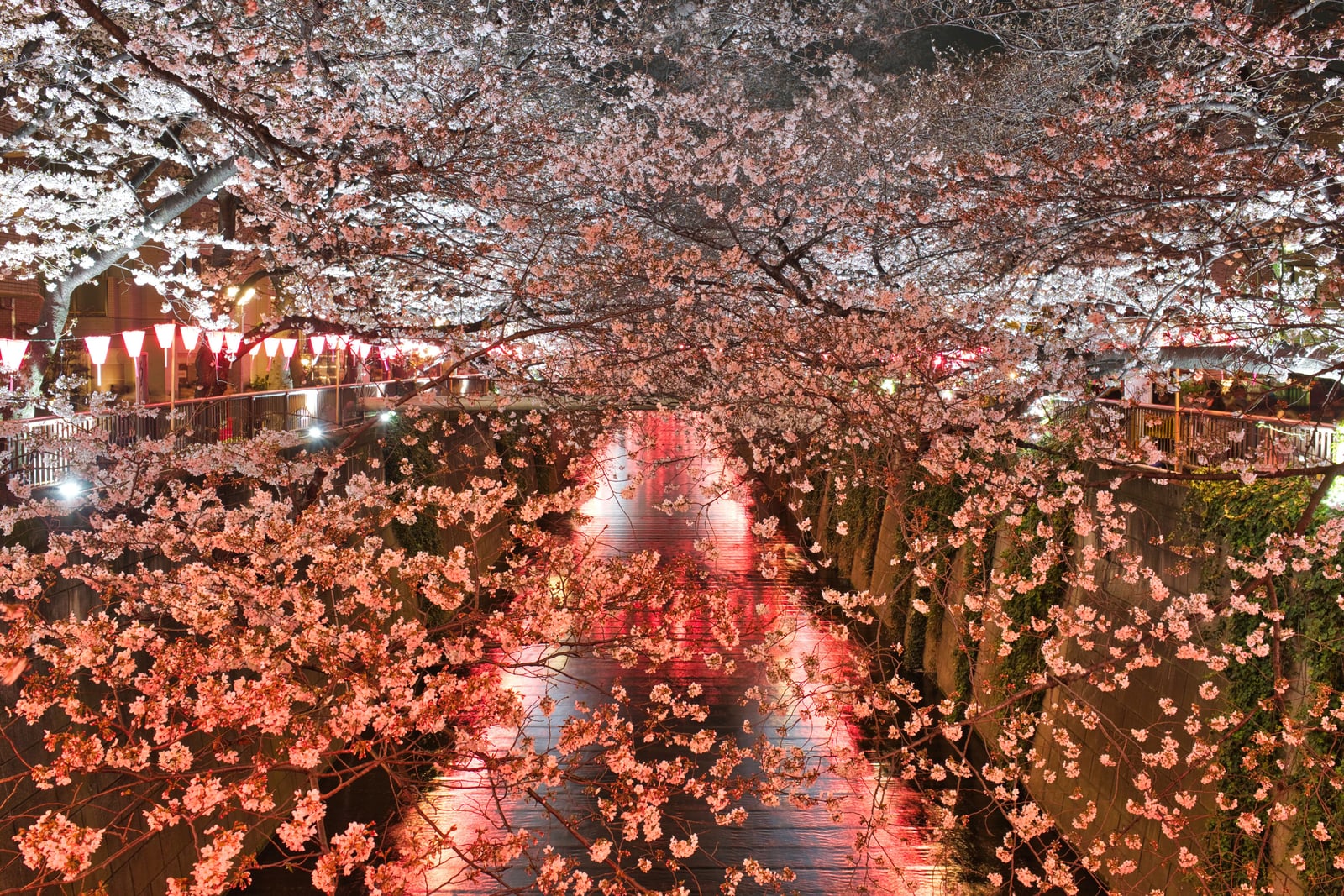
The Meguro River is a walk, not a picnic. Meguro City asks three things. Walk one way along the river and through the crossing at Naka-meguro Station, and don’t stop on the bridges. Keep it quiet, with no drinking on the street. Take your trash home, or use the stall vendors’ bins.
Third: how many fit in one day by subway
The tour does the five in 10 hours by bus. By subway, the same five make one long day if you start at 9:00 a.m. Two lines do most of the work. The Ginza Line runs from Ueno to Asakusa in three stops, and the Hibiya Line runs from Ueno to Naka-meguro without a change.
| Tokyo Metro distance | Adult fare, IC card |
|---|---|
| 1–6 km | ¥178 |
| 7–11 km | ¥209 |
| 12–19 km | ¥252 |
| 20–27 km | ¥293 |
| 28–40 km | ¥324 |
Source: Tokyo Metro fare table, checked November 12, 2026.
The five-spot day comes to four or five rides, plus ¥500 at Shinjuku Gyoen. At six short rides or more, the Tokyo subway ticket page shows where a 24-hour ticket starts to pay.
Fourth: a bus tour, or the same five on your own
This one only comes up if your free day lands in peak bloom. That’s the only time the tour runs. Inside that week, both plans cover the same five spots. What changes is who handles the route.
| Klook day tour | On your own by subway | |
|---|---|---|
| Spots | Shinjuku Gyoen, Chidorigafuchi, Ueno Park, Sumida Park, Meguro River | Any of them, in your order |
| Runs | Peak bloom only | Any day; Shinjuku Gyoen open Mondays March 25–April 24 |
| Length | 10 hours, join-in bus | Your hours, from 9:00 a.m. |
| Getting there | Meet at the listed point | Four or five rides; Tokyo Metro IC fares run ¥178–¥324 |
| Language | English, Chinese, Japanese | Your own |
| Bags | One free; extras ¥2,000 each, with notice | Yours to carry |
| Price | On the listing | ¥500 garden plus fares |
Sources: Klook listing, read November 12, 2026; Tokyo Metro; Ministry of the Environment.
One free day in peak week, and you’d rather not plan five stations? The tour carries the route and the timing for you. The bag allowance helps on the day you arrive or leave. The whole day hangs on the meeting time, though. The listing doesn’t refund a missed start, so a same-day morning arrival sits better with the subway plan. Traffic and weather can also change the tour’s order. And if you want to end the evening at Chidorigafuchi or on the Meguro River, the subway lets you.
Peak week, one free day, and you'd rather not plan the route
Tokyo Cherry Blossom Season Day Tour: Shinjuku Gyoen, Chidorigafuchi, Ueno Park, Sumida Park and Meguro River on Klook
The same five spots by bus in 10 hours, offered in English, Chinese and Japanese. Check on the listing that your date is offered, the meeting point and time, and what admission is included.
Check dates and price on Klook →Sold on Klook (Klook Travel Technology Limited), an online travel agency. Before you book, check on the listing: that your date is offered (the tour runs only in peak bloom), the meeting point and start time, whether Shinjuku Gyoen admission is included, the cancellation terms and the price in your currency.
So it works when you land
One free day, on your own. Be at Shinjuku Gyoen’s Shinjuku Gate for 9:00 a.m., five minutes from Shinjuku-gyoemmae. Take the subway to Kudanshita and walk the moat path toward Hanzomon. Ride to Ueno and walk the park. The Ginza Line takes you three stops to Asakusa for Sumida Park. Then go back to Ueno and ride the Hibiya Line to Naka-meguro for the river at night.
Two free days. Day one: the gated garden and Ueno. Day two: Asakusa, Chidorigafuchi and the Meguro River, with the lit moat and the river saved for after dark.
Before you fly. Forecasts start in the new year. Weathernews published its first 2026 forecast on January 8, 2026. Its spot pages say next season’s information is due in February 2027. Match your dates to the table now, and move a free day once the forecasts arrive.
Next
Your dates decide the rest, so set them against the ten-year table first. Then pick where you sleep. The Tokyo neighborhood guide ranks areas by train access. The area pages for Ueno, Asakusa, Shinjuku and Naka-meguro show what’s within a short walk. If your one free day lands in peak week, check the tour date on the listing once the January forecasts are out.