Short answer: four conditions, in order
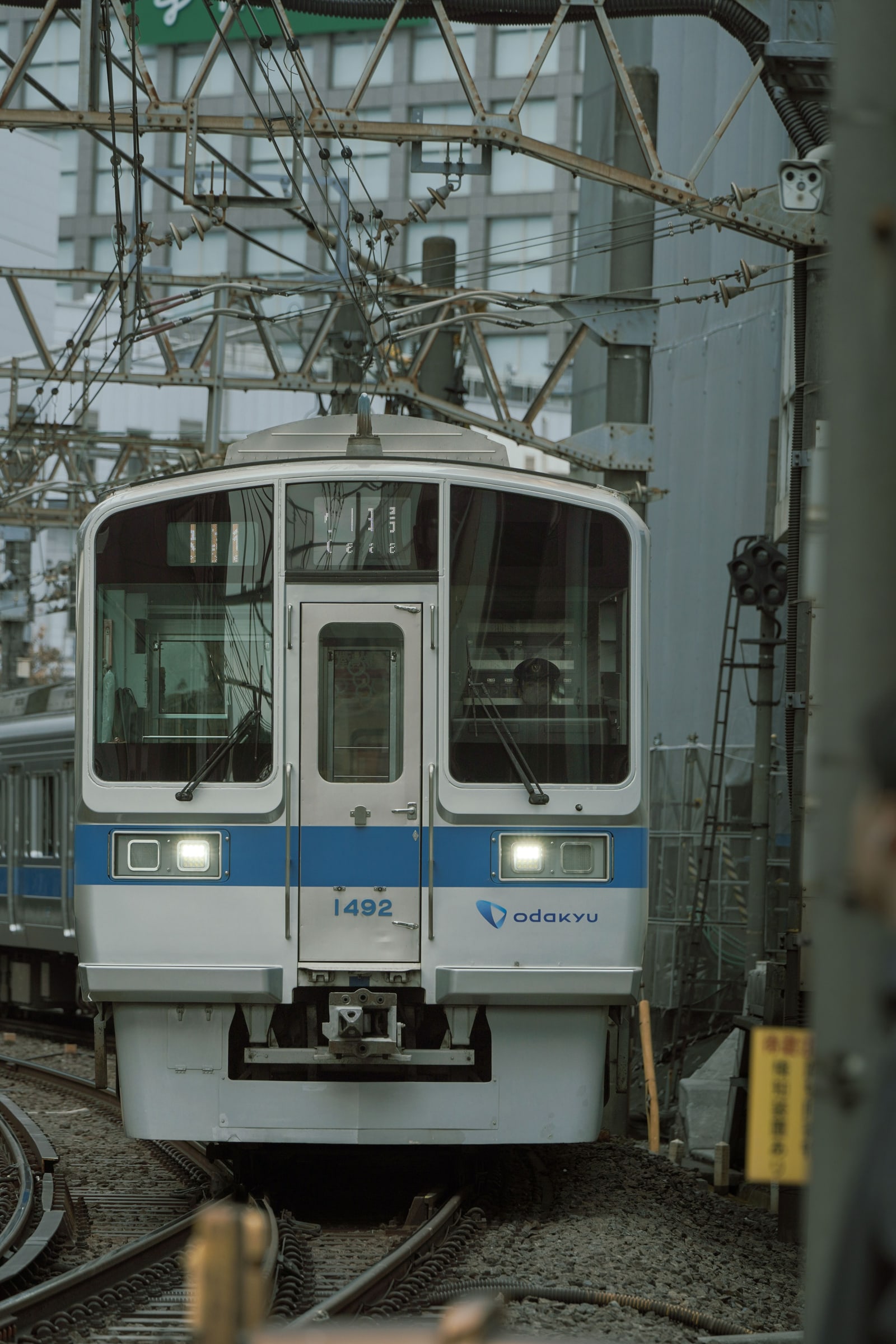
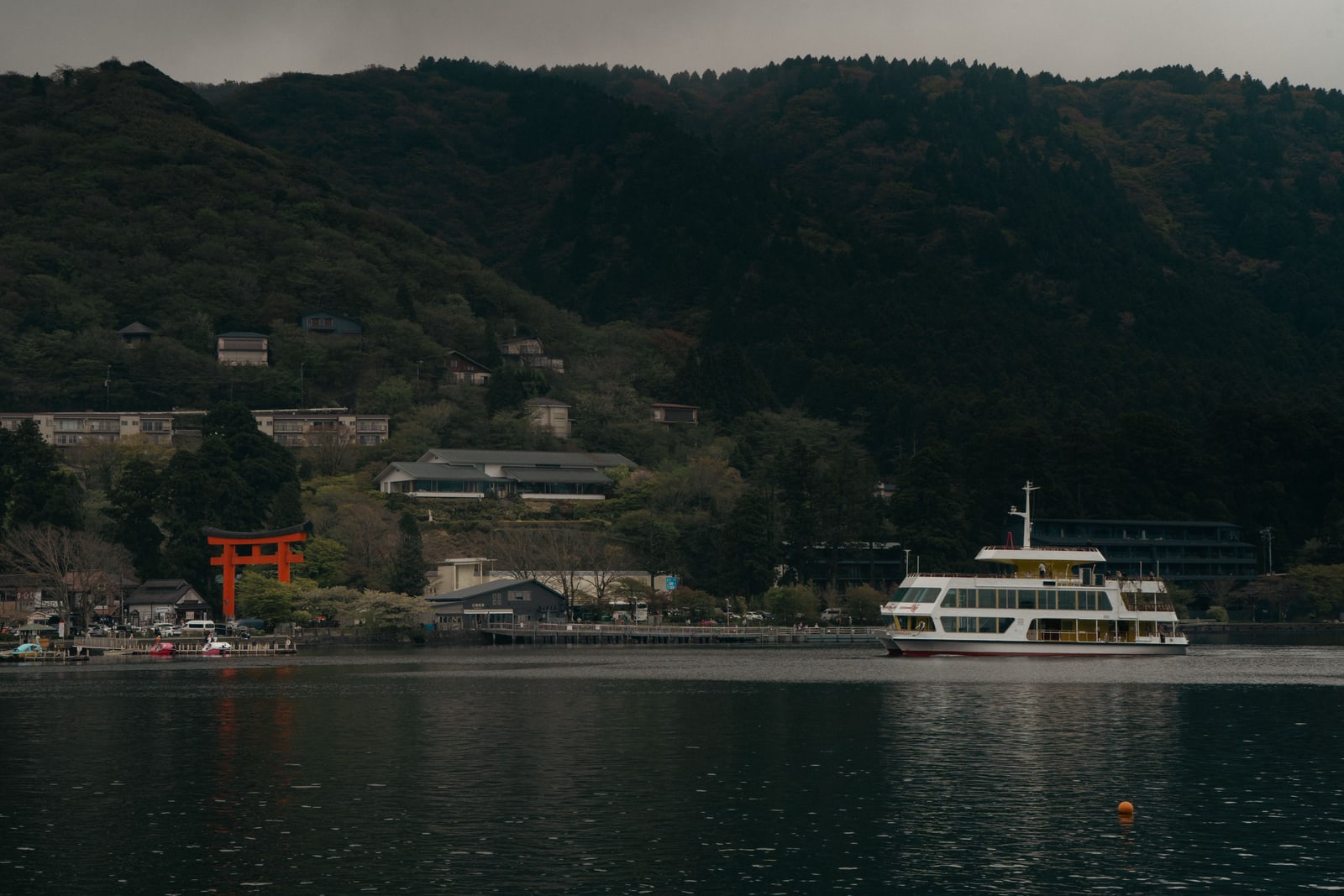
Hakone is a hot-spring and lake area about 80 minutes from Shinjuku by Odakyu’s Romancecar. Most first visits ride one loop: mountain train, cable car, a ropeway over the steam vents of Owakudani, a boat across Lake Ashi, a bus back. You can ride it yourself on the Hakone Freepass, or let a coach tour from Tokyo drive you to the same stops. Four conditions decide which, in this order:
- Your date, and the ropeway that morning. The Hakone Ropeway stops for wind, bad weather, volcanic gas and inspections. On your own, you change the plan that morning. On a tour, the operator decides.
- The clock. The Hakone tourist association frames a day trip as about 8:30 a.m. to 6:30 p.m. On your own, the ropeway’s last cars leave at 17:00 (16:15 in December and January) and the last Romancecar to Shinjuku at 19:50 on weekdays. A coach tour sets the clock for you.
- The cost per person. On your own from Shinjuku: ¥9,500 per adult with the Romancecar both ways, ¥7,100 on ordinary Odakyu trains. A tour’s price is on its listing; set it against those lines.
- Who is going (the tie-break). Small children, limited walking or a first time on Japanese trains point to the coach. A wish for an onsen points to your own day, or a night.
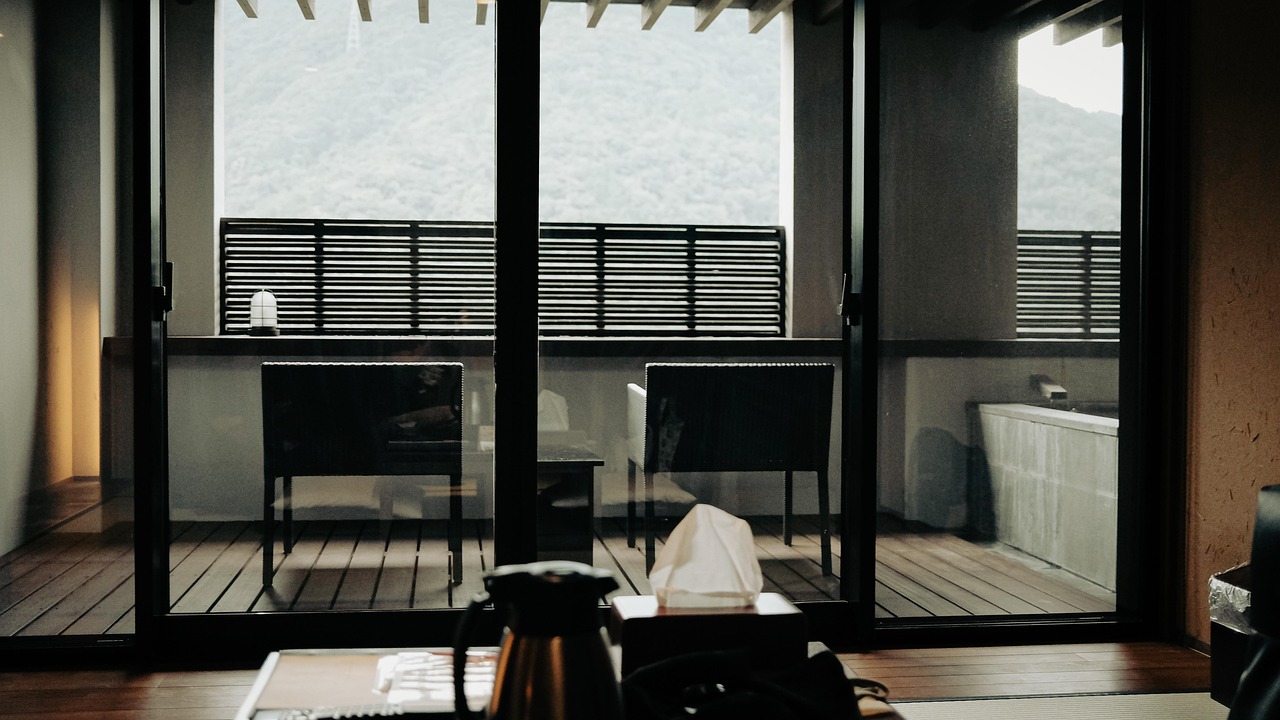
If you can give Hakone one night, the same pass covers it. The Freepass is sold as a two-day ticket, and the tourist association says Hakone is best experienced overnight.
Want the loop's stops without the changes of train, cable car and boat?
Hakone day tour from Tokyo on Klook
A Hakone day tour from Tokyo, sold on Klook. Check on the listing which stops and rides it includes, the pickup, the return time and the price.
Check the Hakone day tour on Klook →Sold on Klook (Klook Travel Technology Limited), an online travel agency. Before you pay, check on the listing for your date: the price, the pickup point and time, the return time, which stops and rides are included, what happens if the ropeway or Owakudani is closed, and the cancellation terms.
First: your date, and the ropeway that morning
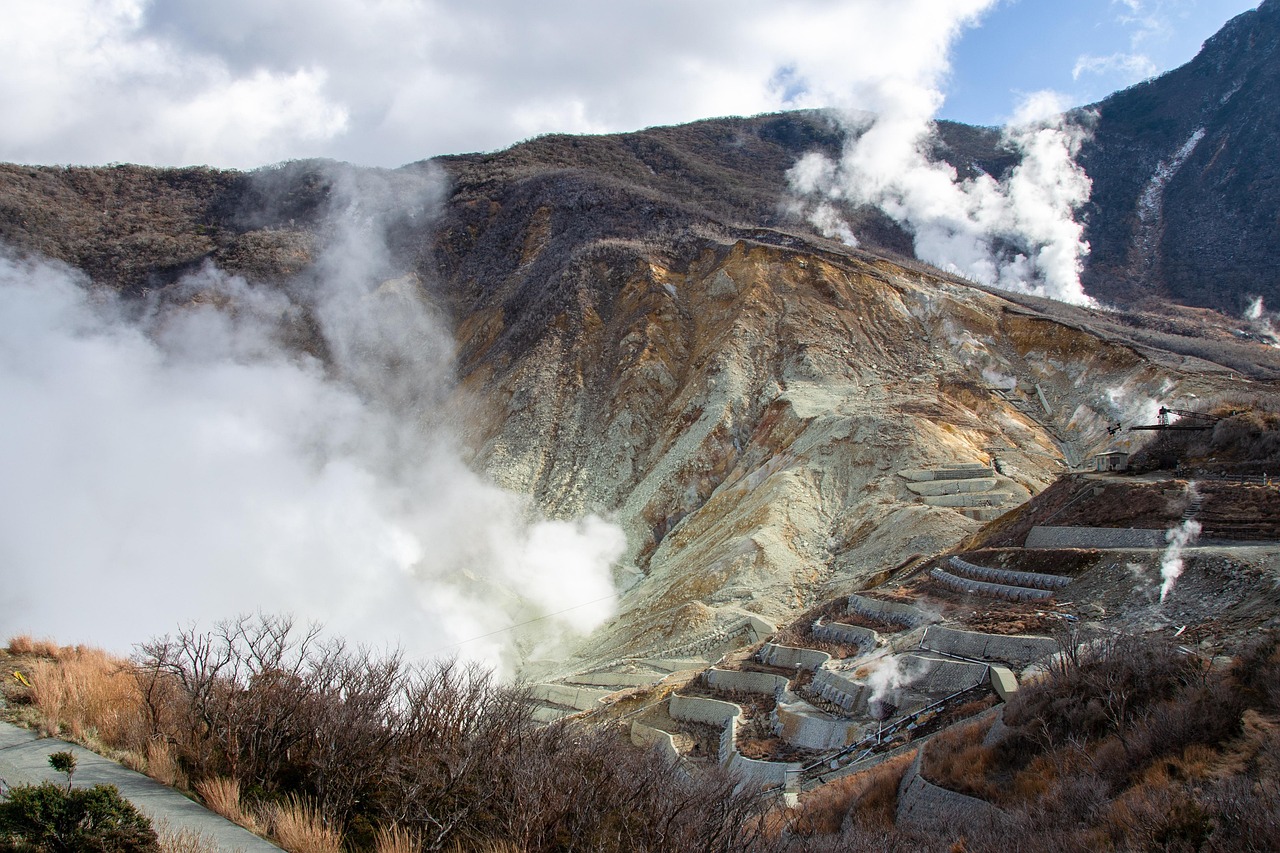
The loop has one weak link, in the middle. The Hakone Ropeway runs from Sounzan over Owakudani to Togendai on Lake Ashi. Its operator stops it when bad weather is expected (strong wind, lightning, an approaching typhoon), for scheduled inspections, and when the volcanic-gas readings it monitors around Owakudani rise. The boat on Lake Ashi can also be rerouted or suspended in heavy fog or strong wind. The Hakone Navi site posts the ropeway’s status each day.
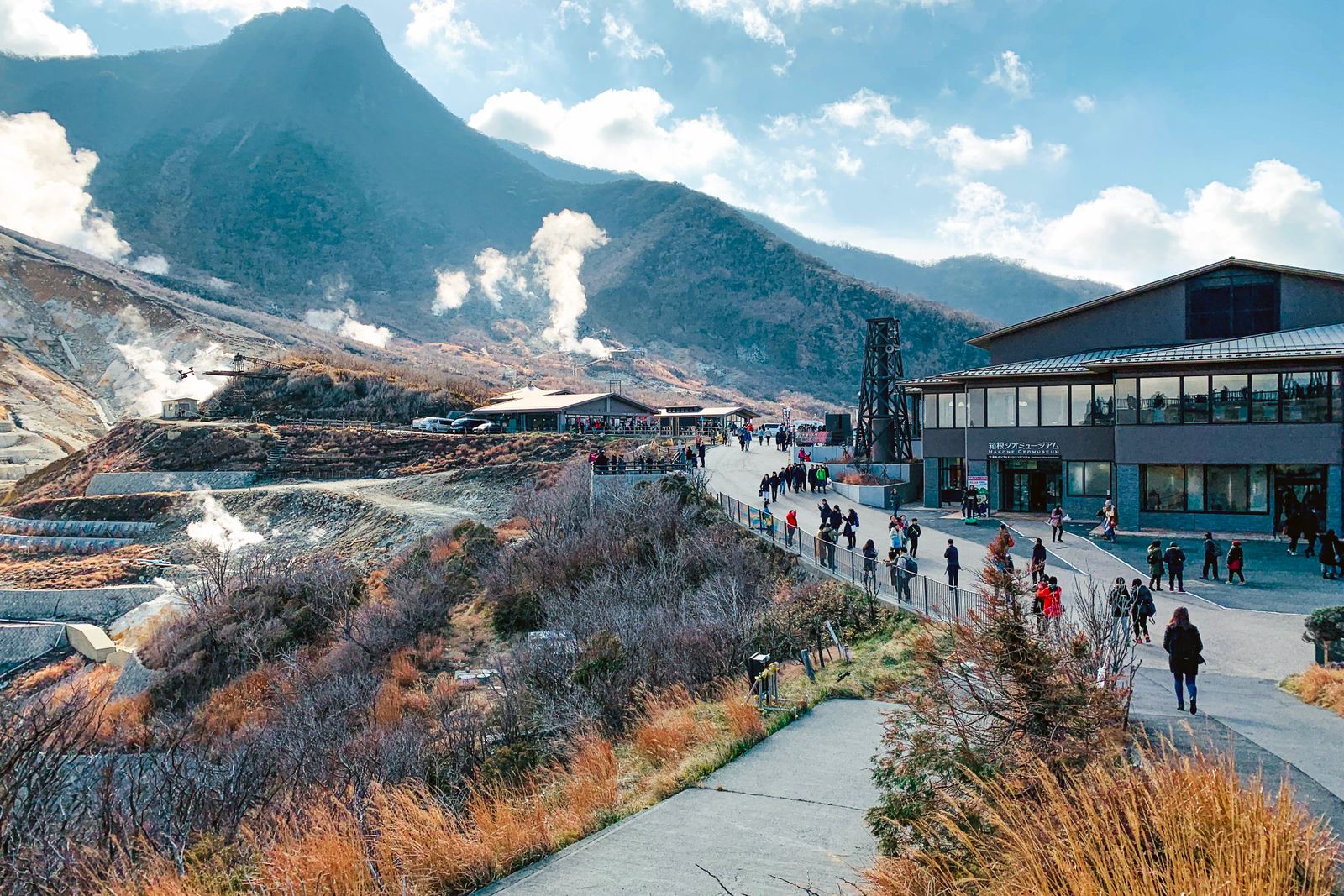
The volcano itself: the Japan Meteorological Agency’s latest bulletin for Hakoneyama, dated July 24, 2025, keeps it at alert Level 1, “note that this is an active volcano” (checked October 3, 2026). That level does not tell you whether the ropeway runs today. The gas readings and the weather do.
What that means for each option:
- On your own, you check the ropeway’s status before you leave Shinjuku. If it is down, the Freepass still covers the train and cable car up, the buses and the boat, so you can ride the half that runs and come back the way you came.
- On a tour, the operator decides what replaces a closed stop. One Hakone coach-tour listing we read (on Headout, October 3, 2026; not the Klook tour) says the ropeway section “may be changed due to weather conditions,” that Owakudani “may be inaccessible due to high sulfur concentration,” and that its tickets “can’t be cancelled or rescheduled.”
If your only date has a storm or typhoon in the forecast, rule out a tour you cannot cancel. Read the cancellation terms on any listing before you pay.
Autumn brings crowds as well as color. Odakyu’s foliage guide puts the peak at Lake Ashi from late October to mid-November, around Gora and Owakudani in early to mid-November, and in Hakone-Yumoto from late November to early December. Hakone Navi notes that ropeway journey times vary with congestion, and it publishes a reverse course, the bus to Lake Ashi first, as less crowded than the usual uphill direction.
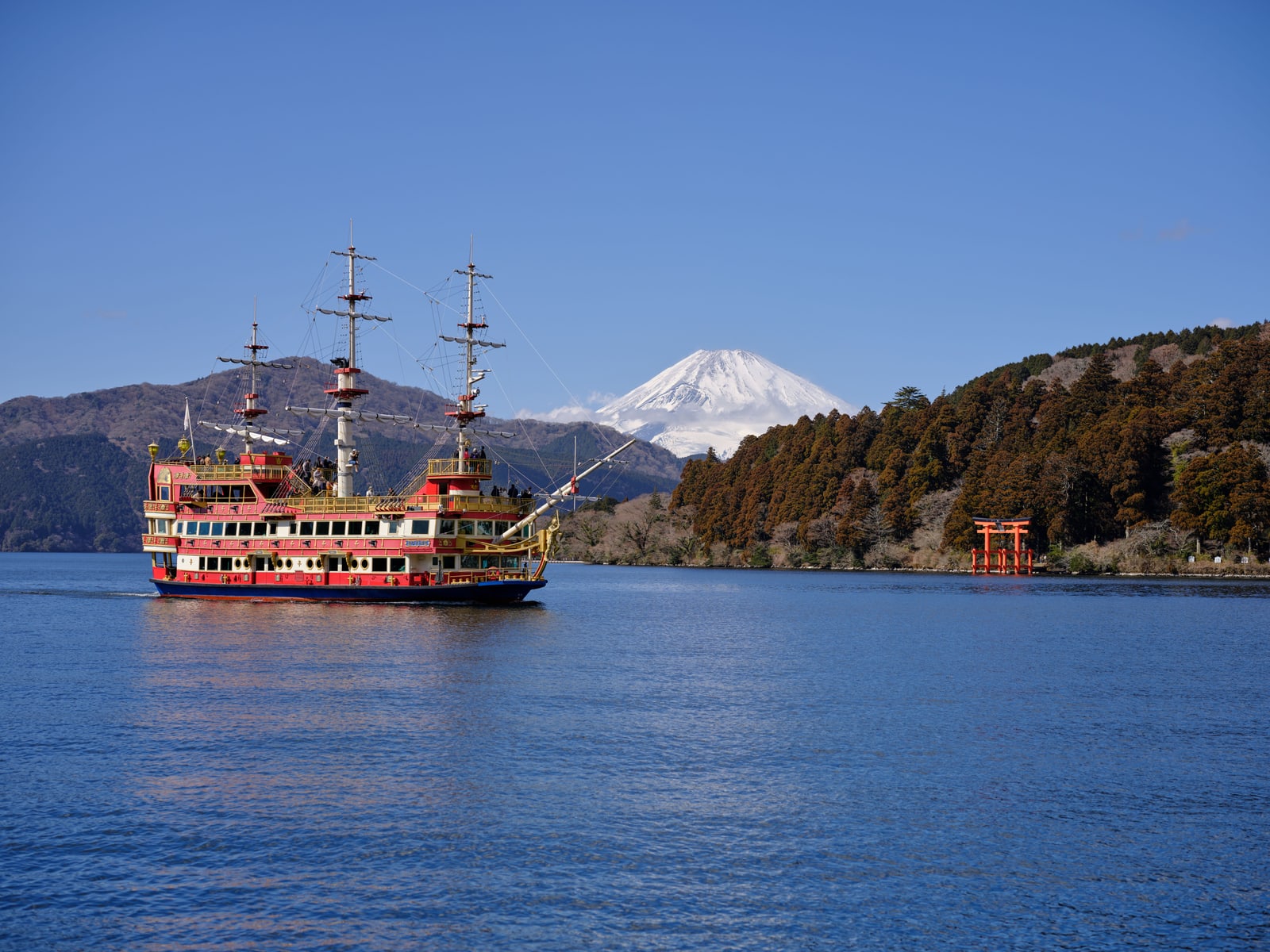
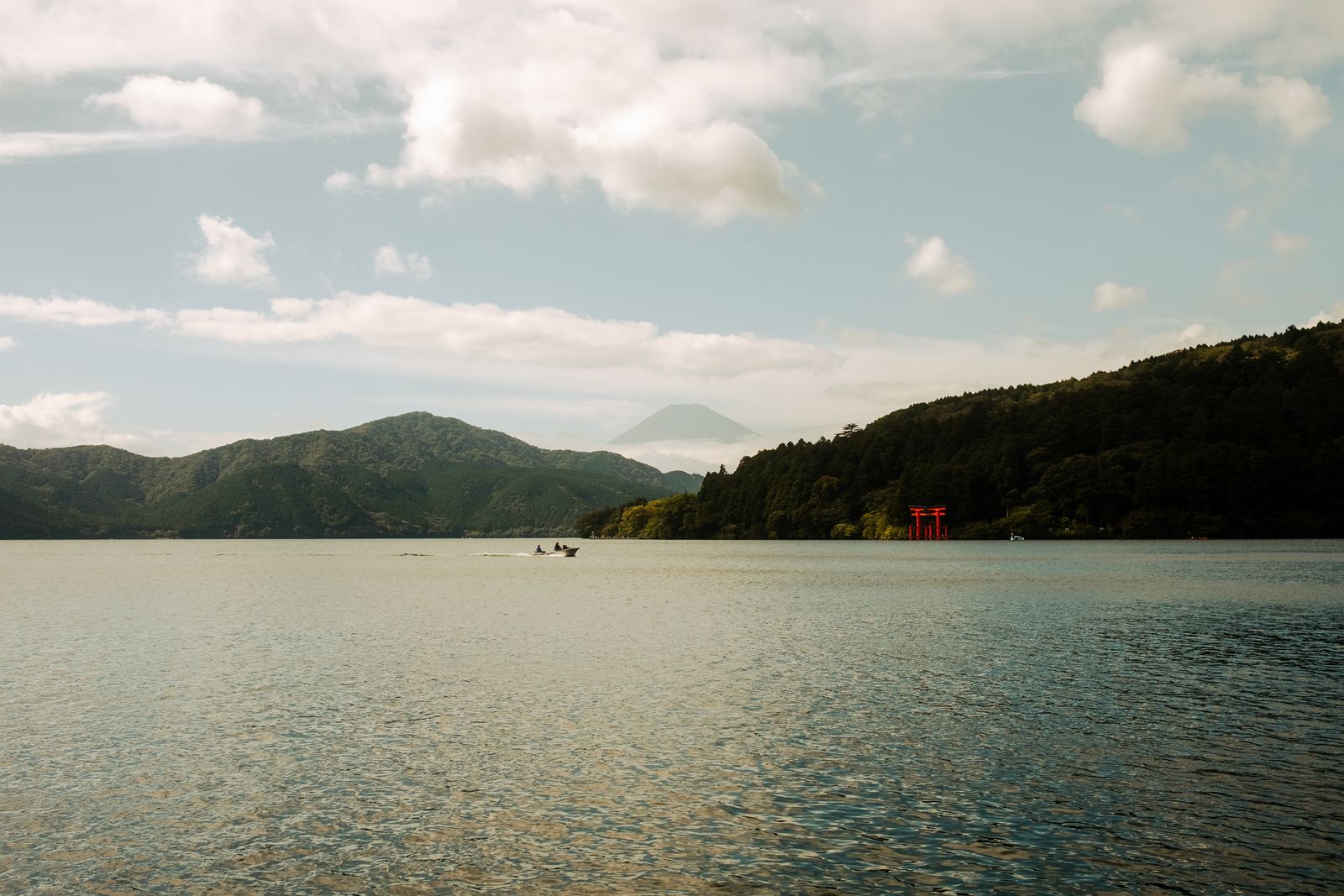
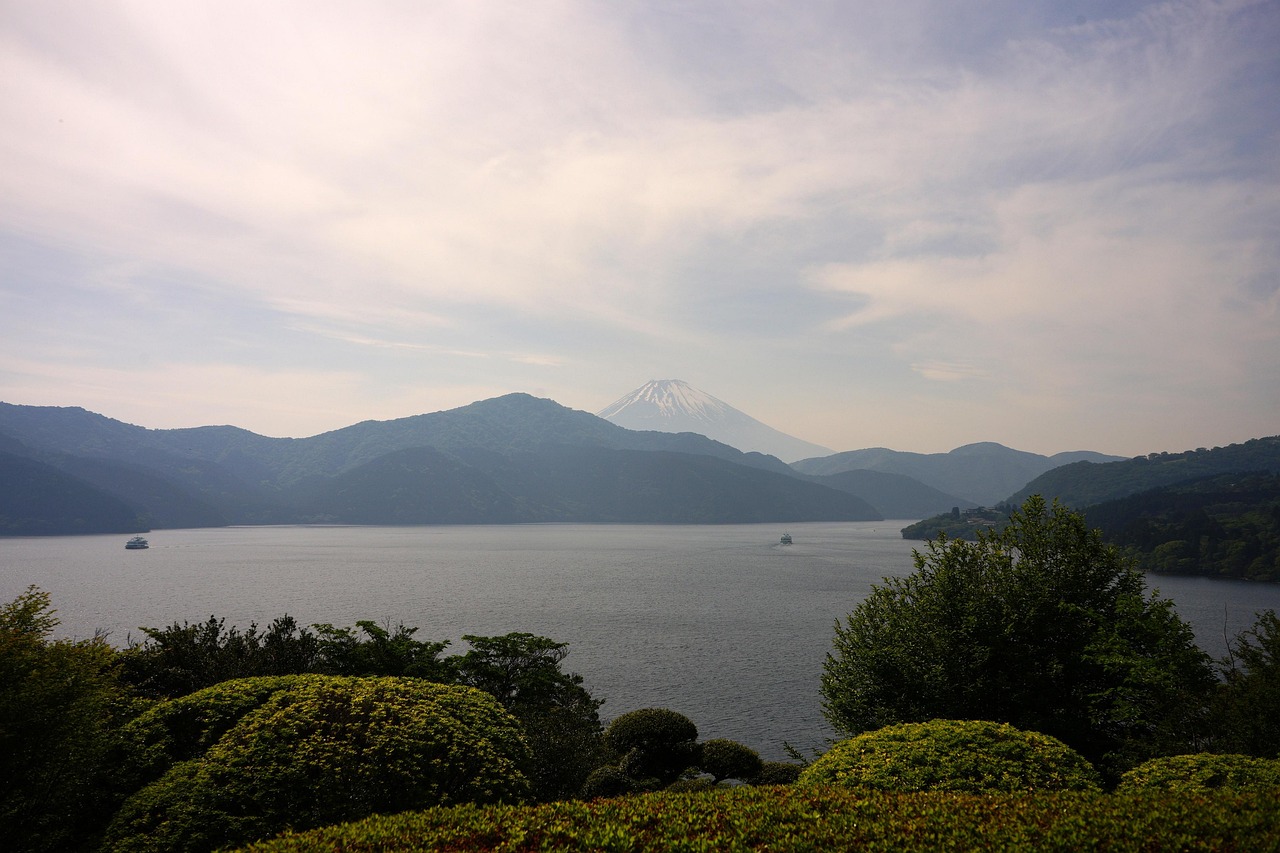
Mt. Fuji shows from Lake Ashi only on a clear day; neither a tour nor a pass changes that. If Fuji is the reason for your day, read Mt. Fuji Day Tour from Tokyo, or On Your Own? instead.
Second: the clock
The tour day. The coach-tour listing we read picks up at 7:45 a.m. in Shinjuku and 7:55 a.m. at the Tokyo Station Yaesu bus terminal, and drops off at about 6 p.m.: ten hours. Inside them it names 40 minutes on the boat, 40 on the ropeway, and two hours at either an outlet mall in Gotemba or an onsen. The rest is the road, Owakudani and the stops in between. You do not choose the order or the pace, and you go back when the coach does.
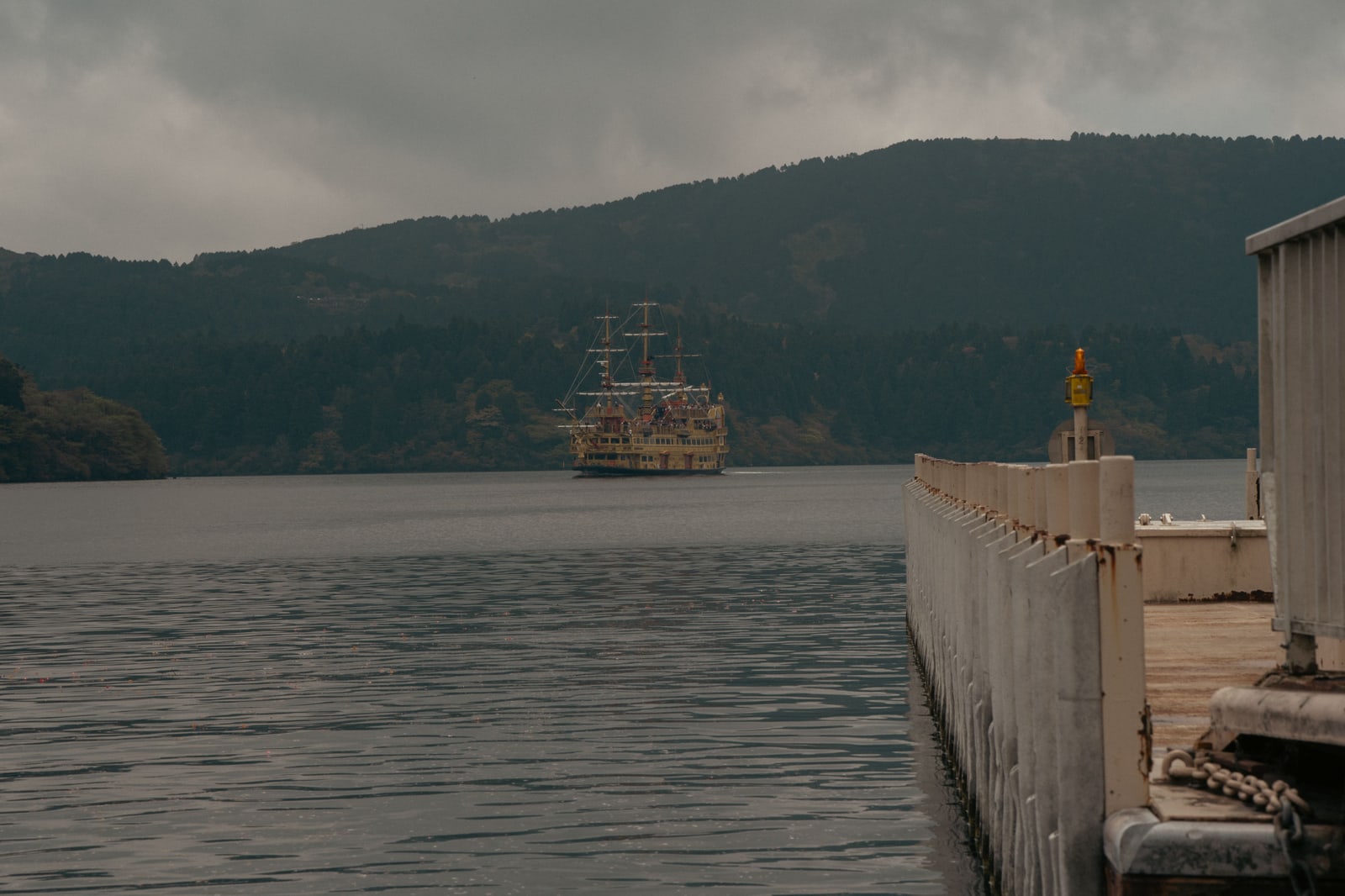
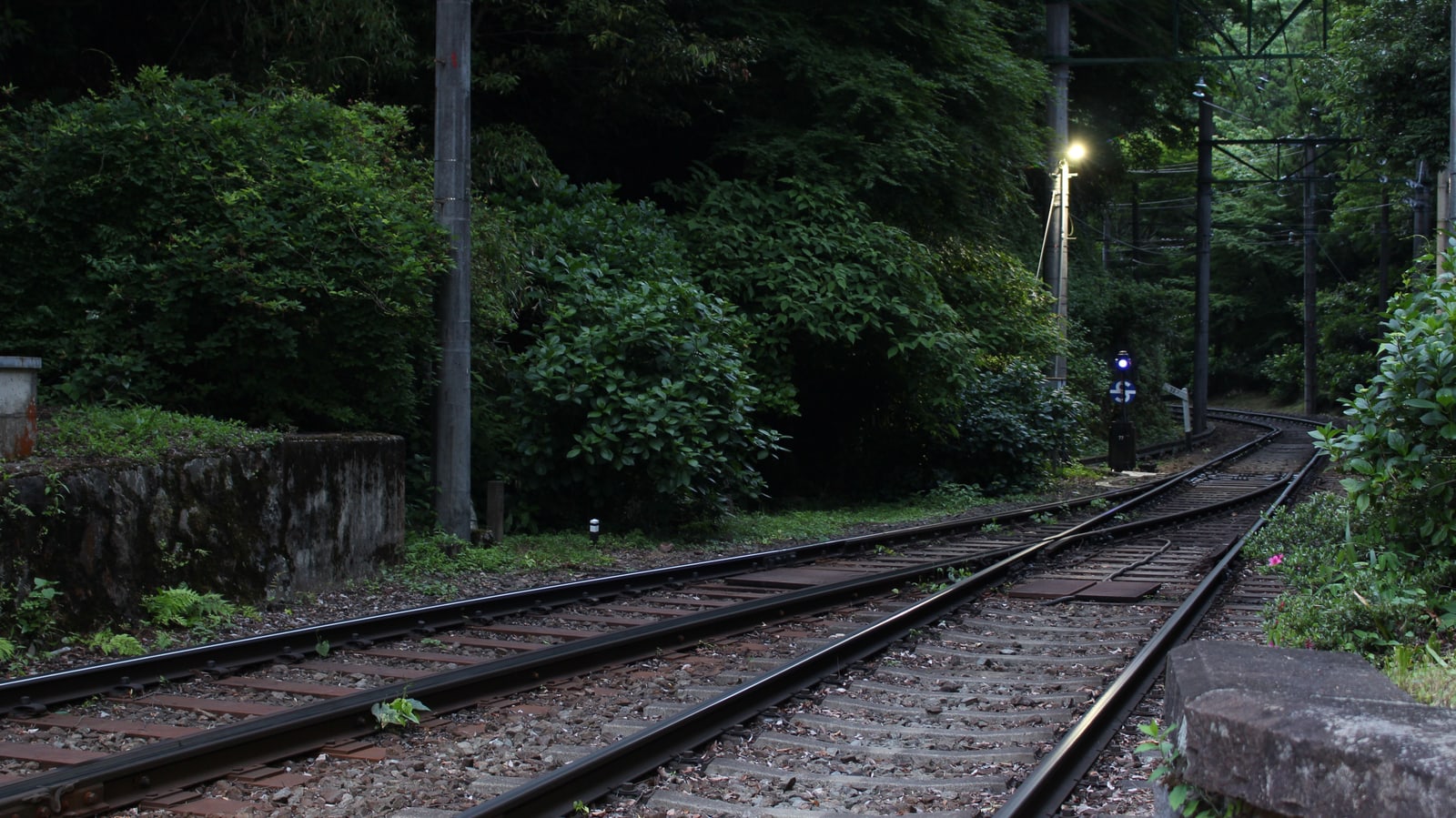
Your own day. About 80 minutes each way on the Romancecar, longer on ordinary trains. Hakone Navi puts each ropeway section at about 10 minutes and the boat at 25–35 minutes one way. The ropeway runs from 9:00 to 17:00 from February to November and to 16:15 in December and January, so the middle of the loop has to be done by mid-afternoon. After that, the evening is yours: the last Romancecar leaves Hakone-Yumoto for Shinjuku at 19:50 on weekdays (arriving 21:26) and 19:52 on weekends and holidays (21:25), on the timetable in force since March 14, 2026.
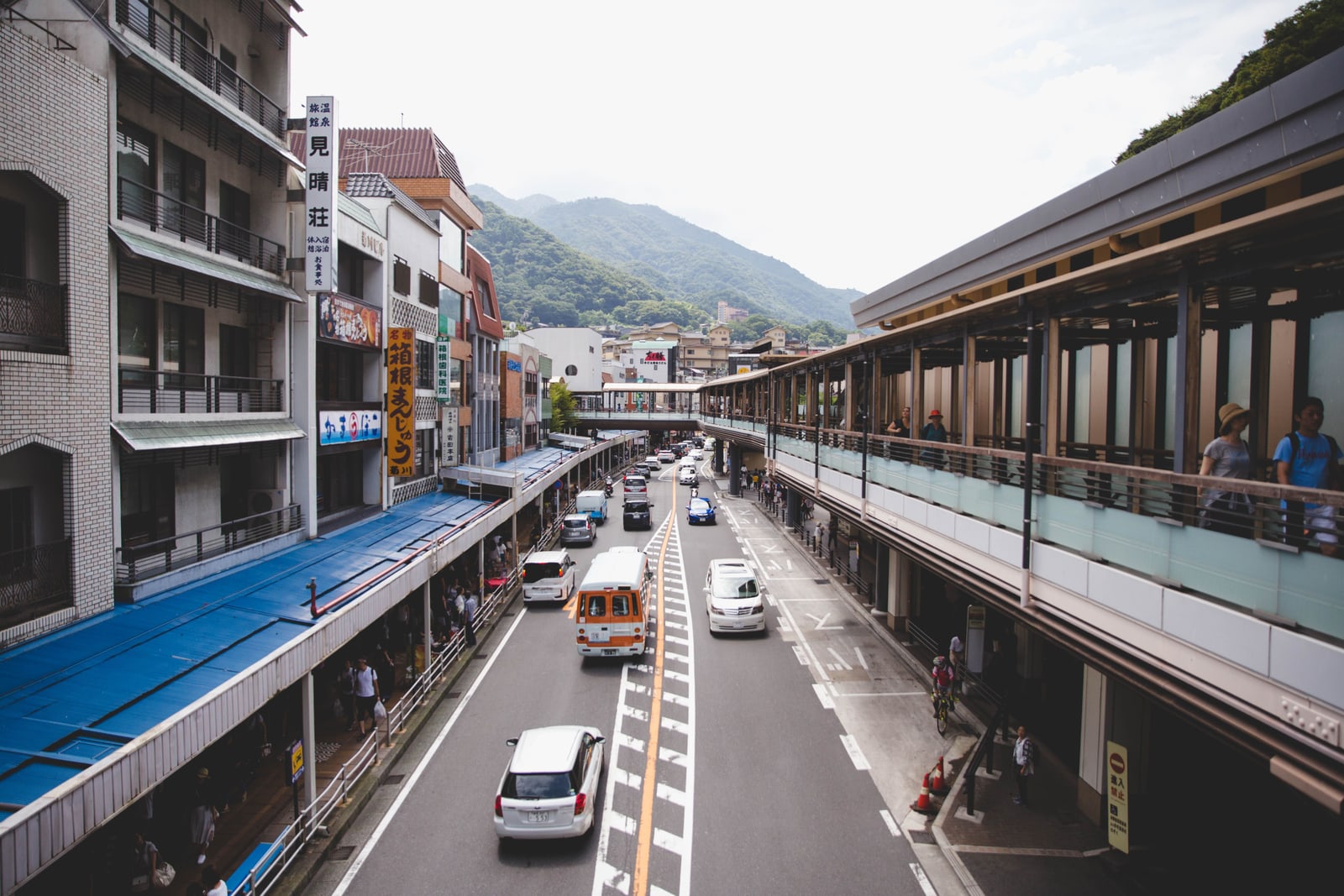
Where you sleep in Tokyo changes your own day more than the tour’s. The Romancecar starts at Shinjuku, so a hotel on the Odakyu line or near Shinjuku saves the first and last leg; from elsewhere, add the ride to Shinjuku at both ends. The tour listing we read picks up at two points too, Shinjuku and Tokyo Station. Where to Stay in Tokyo ranks areas on their lines and last trains.
Third: the cost per person
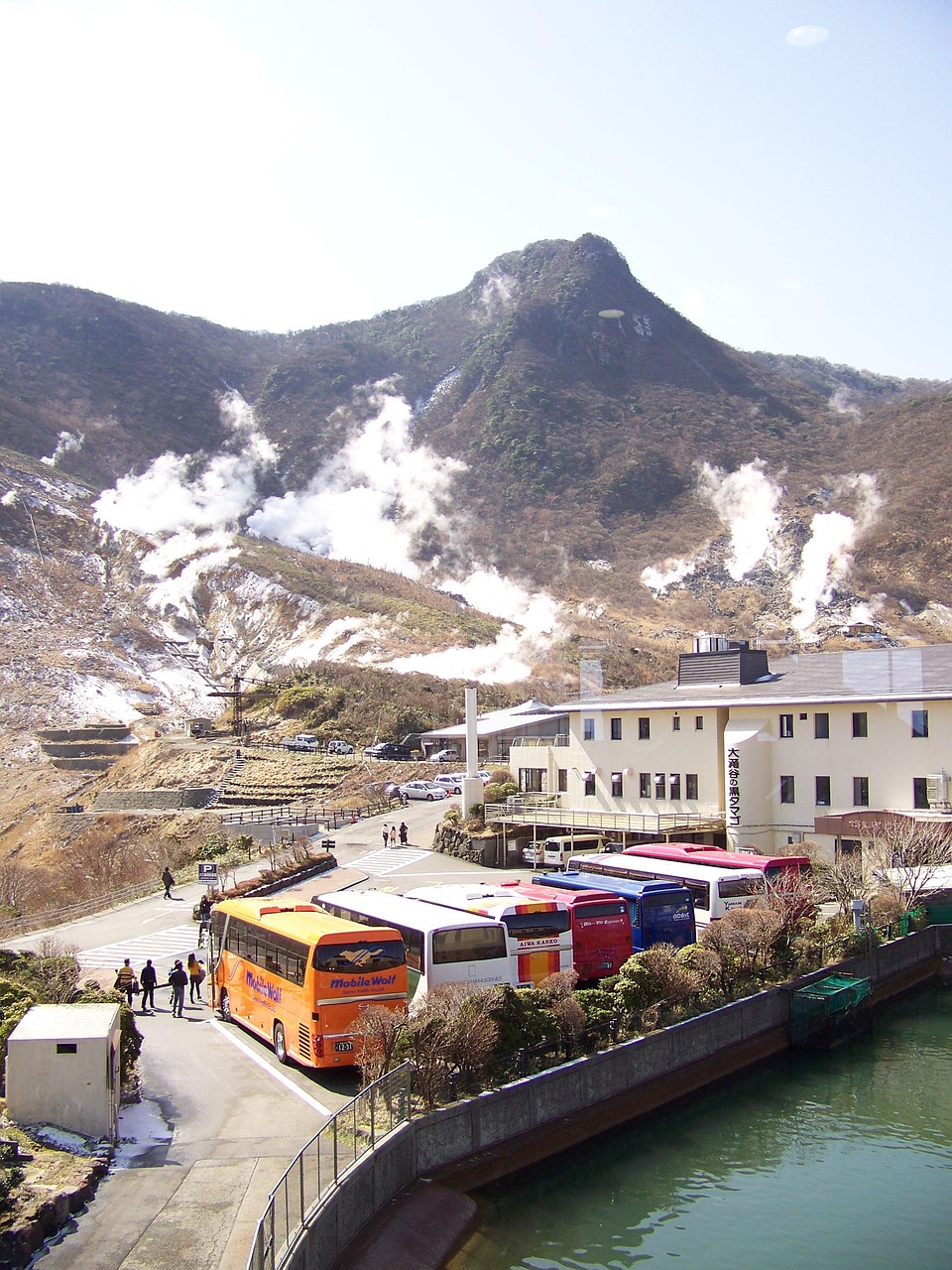
What your own day costs is fixed by Odakyu’s published fares. What a tour costs, and what it includes, is on its listing. Set one against the other line by line:
| Route | Per adult | Per child | Covers | Not covered |
|---|---|---|---|---|
| On your own, Romancecar both ways | ¥9,500 | ¥2,800 | Freepass (Odakyu from Shinjuku and back, mountain train, cable car, ropeway, boat, buses) + Romancecar seats | food, sights, baths |
| On your own, ordinary Odakyu trains | ¥7,100 | ¥1,600 | the same Freepass, slower trains | food, sights, baths |
| Coach day tour | on the listing | on the listing | what the listing says; the one we read included the ropeway and the boat | the one we read excluded lunch and onsen fees |
| One night in Hakone | ¥9,500 + your room | ¥2,800 + room | the same two-day Freepass covers both days | the room and meals |
Fares are Odakyu’s, adult and child, from Shinjuku, checked October 3, 2026. Whether the Freepass beats single tickets for your legs is worked out on Is the Hakone Freepass Worth It?; this page does not repeat it.
Two things to check when you compare. First, lunch is extra on both routes. Second, if a tour’s listing does not name a stop you care about (the ropeway, the boat, Owakudani), price it as missing.
Fourth, the tie-break: who is going
If the first three conditions came out even, the people decide.
- Small children. On your own, the loop is five changes of vehicle in one day: mountain train, cable car, ropeway, boat, bus. On a coach, it is one seat all day. A child’s Freepass from Shinjuku is ¥1,600.
- Limited walking. A coach drops you at each stop. The listing we read says it is not suitable for pregnant travelers or “those with special physical conditions,” so ask the operator before you book.
- A first time on Japanese trains. All Romancecar seats are reserved. Odakyu sells them, and the Freepass, through EMot Online Tickets on your phone and at station machines, so the ticket part can be done before the day.
- An onsen. The tour we read gives two hours for an onsen or an outlet, bath fee extra. On your own, the time is yours. With a night, the bath comes without a last train to catch.
Booking it: where the decision ends
Book the tour if all four point to it: your date has no storm in the forecast and you accept the listing’s terms for a closed ropeway; you are content to let the coach set the hours; the listing’s price, set against ¥9,500 per adult, covers the stops you want; and someone in your group is better off in one seat all day. Before you pay, check on the listing what is included, where it picks you up, when it returns, and its cancellation terms. If any condition pointed the other way, the Freepass is your ticket, and the Freepass page covers which version to buy.
All four point to the coach?
Hakone day tour from Tokyo on Klook
A Hakone day tour from Tokyo sold on Klook. Check the listing for your date: which stops and rides it includes, price, pickup, return time, what happens if the ropeway is closed, and cancellation.
Check the Hakone day tour on Klook →Sold on Klook (Klook Travel Technology Limited), an online travel agency. Before you pay, check on the listing for your date: the price, the pickup point and time, the return time, which stops and rides are included, what happens if the ropeway or Owakudani is closed, and the cancellation terms.
So it works on the day: one worked example
A weekday on your own, from Shinjuku:
- The night before: reserve Romancecar seats out and back; look at the forecast for wind and rain.
- Morning: check the ropeway’s status on Hakone Navi before you leave. Romancecar to Hakone-Yumoto, about 80 minutes.
- Uphill: the mountain train and the cable car, then the ropeway over Owakudani to Togendai. In the autumn-leaf weeks, consider the reverse course: the bus to the lake first.
- Afternoon: the boat across Lake Ashi (25–35 minutes), then the bus down to Hakone-Yumoto.
- Evening: dinner in Hakone-Yumoto, then the last Romancecar at 19:50.
- Cost per adult: ¥9,500 in transport, plus food and anything you enter.
Next
Your first condition decides your next step: look at the forecast for your date. If it is settled and the coach fits your group, open the tour listing and read what it includes and what happens if the ropeway closes. If you want to choose the order and the hours, go to Is the Hakone Freepass Worth It? for which version to buy, and reserve the Romancecar. If Hakone is still competing with Kamakura, Nikko or Fuji for your spare day, Day Trips from Tokyo, Ranked sets them side by side.