Yes, for a half day in Higashiyama that starts in the morning. What the photos are for picks the plan. The shop’s return time, not the hours on the plan, decides how much day you get.
- Phone photos while you walk: the basic plan. On one Kyoto shop’s own price list, that’s ¥5,280 per person.
- Photos you’ll print or frame: add the hair set. ¥8,800 on the same list.
- A professional shoot: with full makeup and an outdoor photographer, from ¥33,000.
- A day built around Fushimi Inari’s upper trail: climb it in your own shoes on another morning. Give the kimono the Gion and Kiyomizu-dera day.
Walking Gion and Kiyomizu-dera in a kimono?
Kyoto Kimono Rental Experience (Ookini, Yasaka Shrine Gion store) on Klook
Ookini's Yasaka Shrine Gion store is where the Higashiyama walk begins. Its Klook listing has hair, makeup and photos as options, and free return at another store, the next day or to your hotel.
Check the Gion kimono rental on Klook →Sold on Klook (Klook Travel Technology Limited), an online travel agency. The rental is run by Ookini Kimono Rental at its Yasaka Shrine Gion store; hair, Japanese makeup and photography are options on the listing. Before you book, check which package includes hair, the return time for your date, and how the free return at a different store, the next day or to your hotel works.
First: what the photos are for
Shops sell the kimono, then sell everything else line by line. Yumeyakata’s Gojo shop in Kyoto prints each line on its own price page, so it shows clearly how a day adds up. Its Standard Plan covers the kimono, a hanhaba obi belt, new tabi socks and zori sandals, a Japanese bag and the under-slip.
| Your day | Lines on Yumeyakata’s price page | Per person |
|---|---|---|
| Walk and take phone photos | Standard Plan | ¥5,280 |
| Hair done for the photos | Standard Plan with hairstyling & hair accessory | ¥8,800 |
| Hair, and return it tomorrow | ¥8,800 + next-day return ¥1,100 | ¥9,900 |
| Hair, full makeup, photographer outdoors | ¥8,800 + ¥4,400 + location photography from ¥19,800 | from ¥33,000 |
Hair is the line people add at the counter. On the Standard Plan, styling starts at ¥1,650 and an ornament at ¥770. That’s ¥7,700 before you’ve picked a style. The hair-set plan bundles eight styles and an ornament for ¥8,800. A taiko obi, the drum-shaped bow, adds ¥1,100.
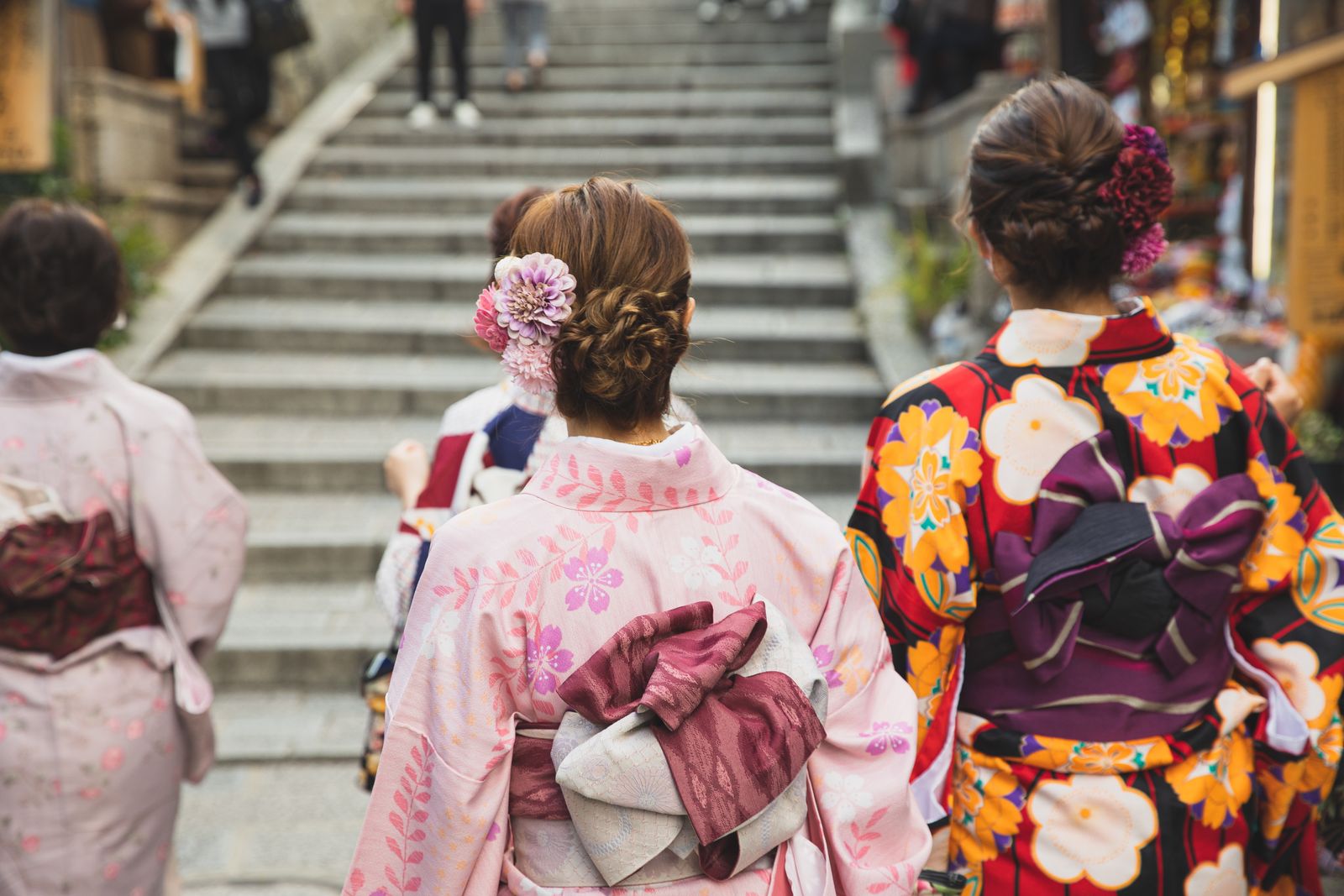
The same page shows lower struck-through prices, ¥4,180 and ¥6,600. It dates that campaign to August 31, 2026, for bookings between 9:00 and 16:00. Budget on the full line, and a lower price at booking is money back in your pocket.
The photos pick the line. If the camera is your phone, the Standard Plan does the job. If the pictures go on a wall, the hair set is the part they’ll show.
Second: the return time, not the hours
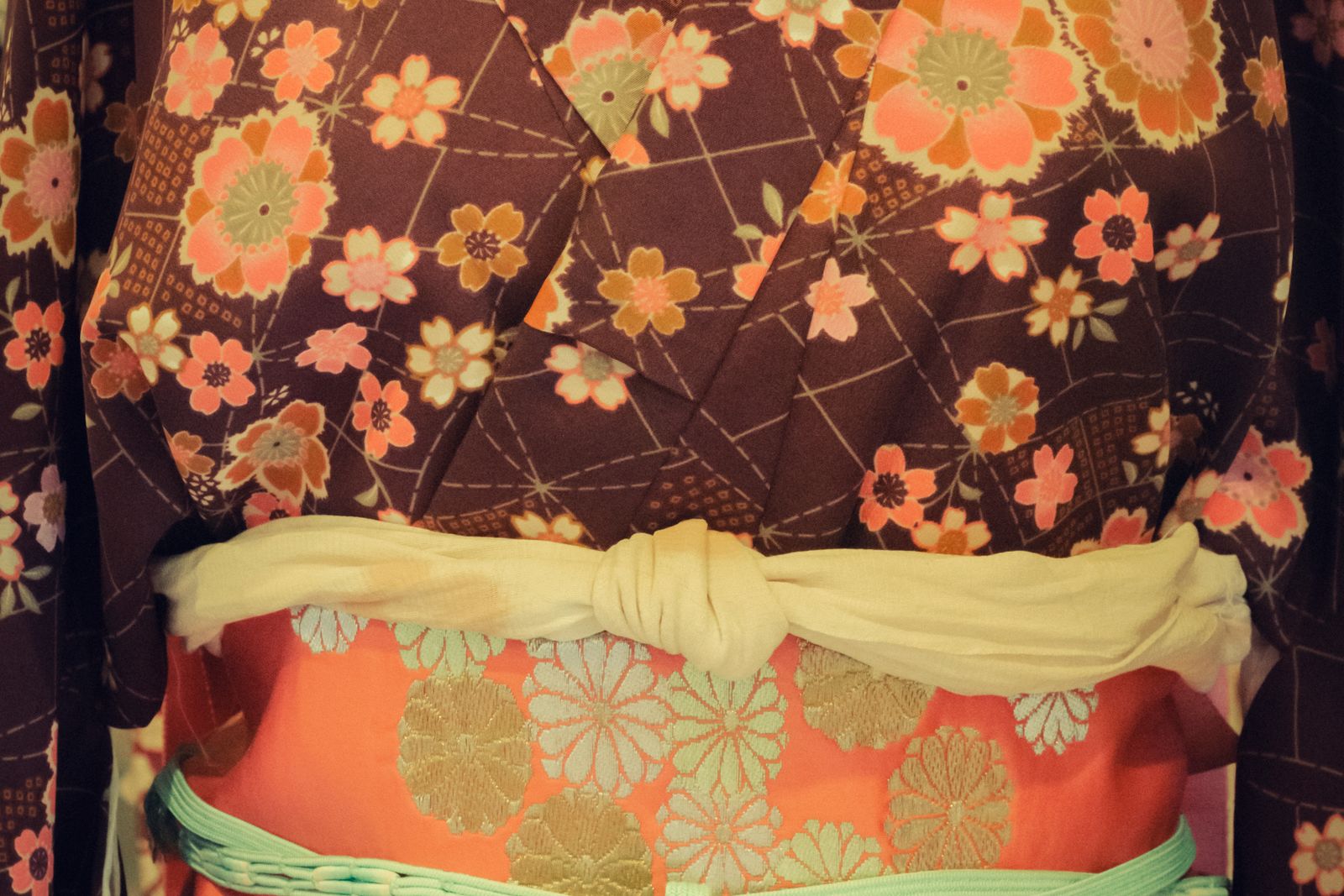
A plan doesn’t sell you hours. It sells you a deadline. Yumeyakata opens at 10:00, takes its last customers at 16:00 and wants the kimono back by 5:30 pm.
Its own FAQ puts arrival to departure at about an hour: twenty minutes to choose, twenty to dress, twenty for hair. It adds that you may wait when it’s crowded.
So the 10:00 slot puts you on the street around eleven, with about six and a half hours left. The walk back to the shop comes out of those hours, in zori. Arrive at the 16:00 cutoff and you’d have about half an hour. An earlier start is a line too: ¥1,100 for a 9:00 or 9:30 slot.
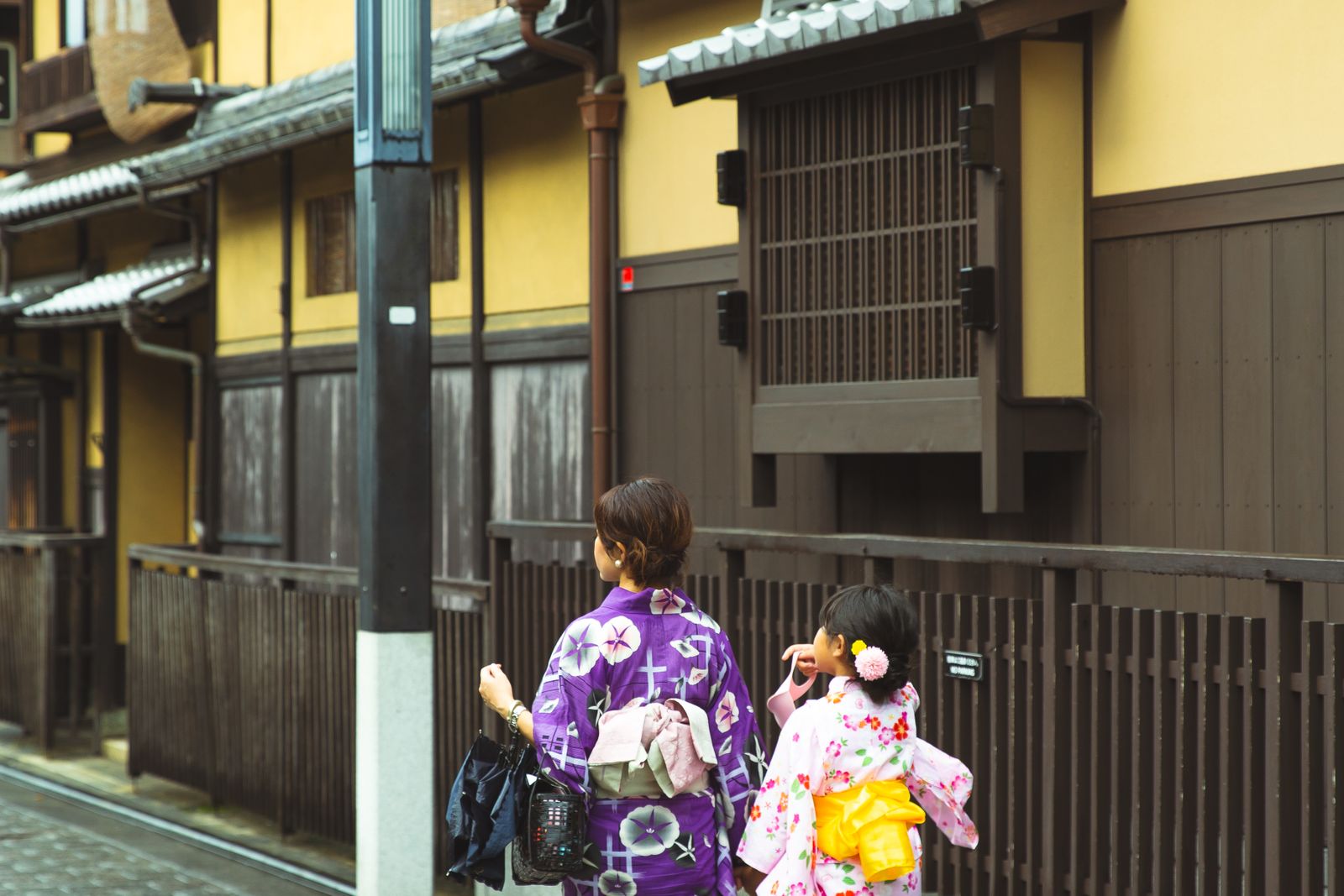
Next-day return changes the afternoon. At Yumeyakata it’s ¥1,100, and the kimono goes back between 9:00 and 5 pm the following day. Without it, plan the afternoon backward from the shop, as renting a kimono in Japan lays out. With it, dinner in Gion can happen in the kimono.
Ookini’s Klook listing for its Yasaka Shrine Gion store lists free return at a different store, the next day, or to your hotel.
Third: where you start walking
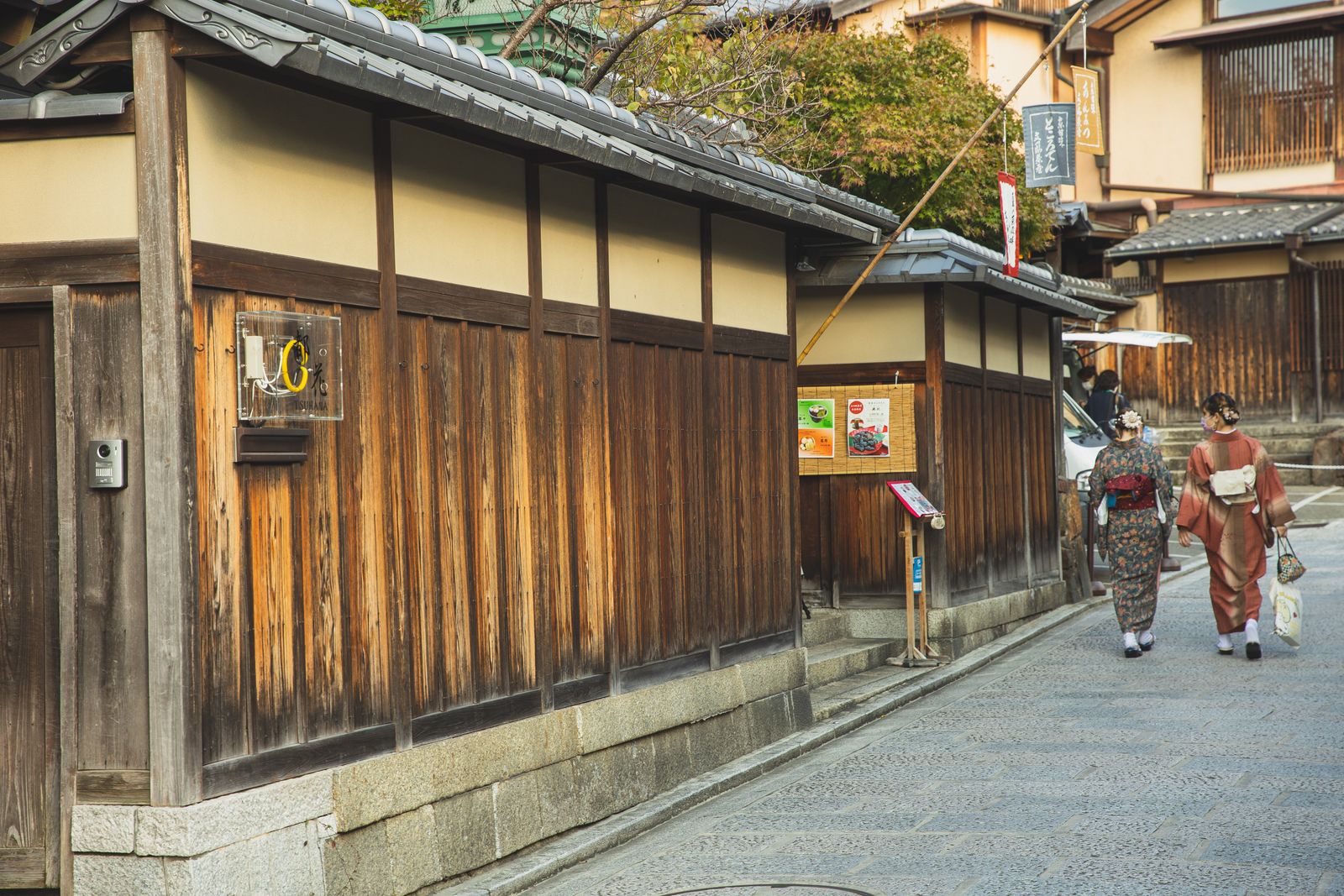
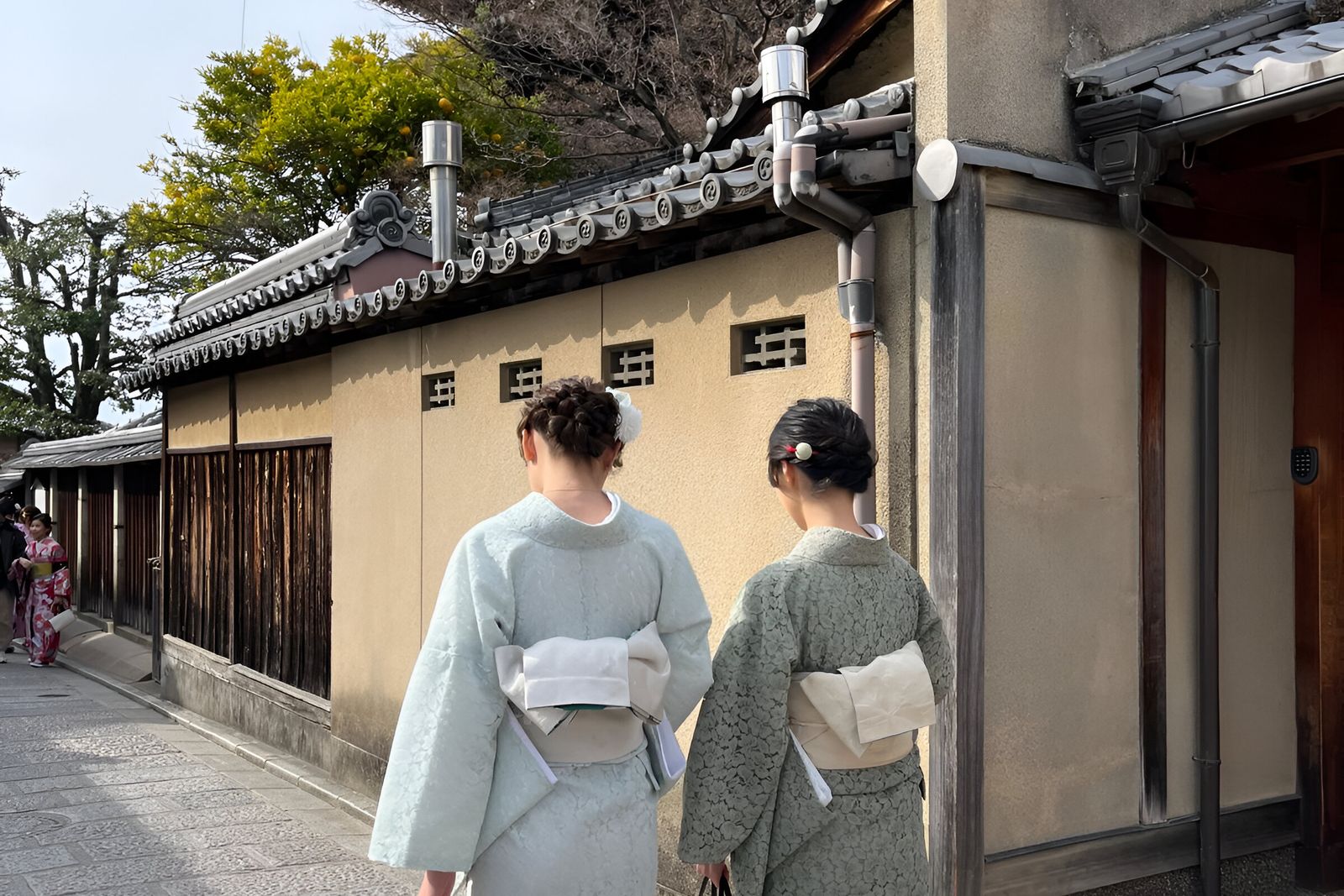
Rent in Gion or Higashiyama and the walk is the sightseeing. Kiyomizu-dera sits at the top of Ninenzaka and Sannenzaka. From the subway’s Higashiyama station, it’s about 35 minutes on foot to the temple, along Nene-no-michi and both slopes. The temple opens at 6:00, and its closing time moves with the season.
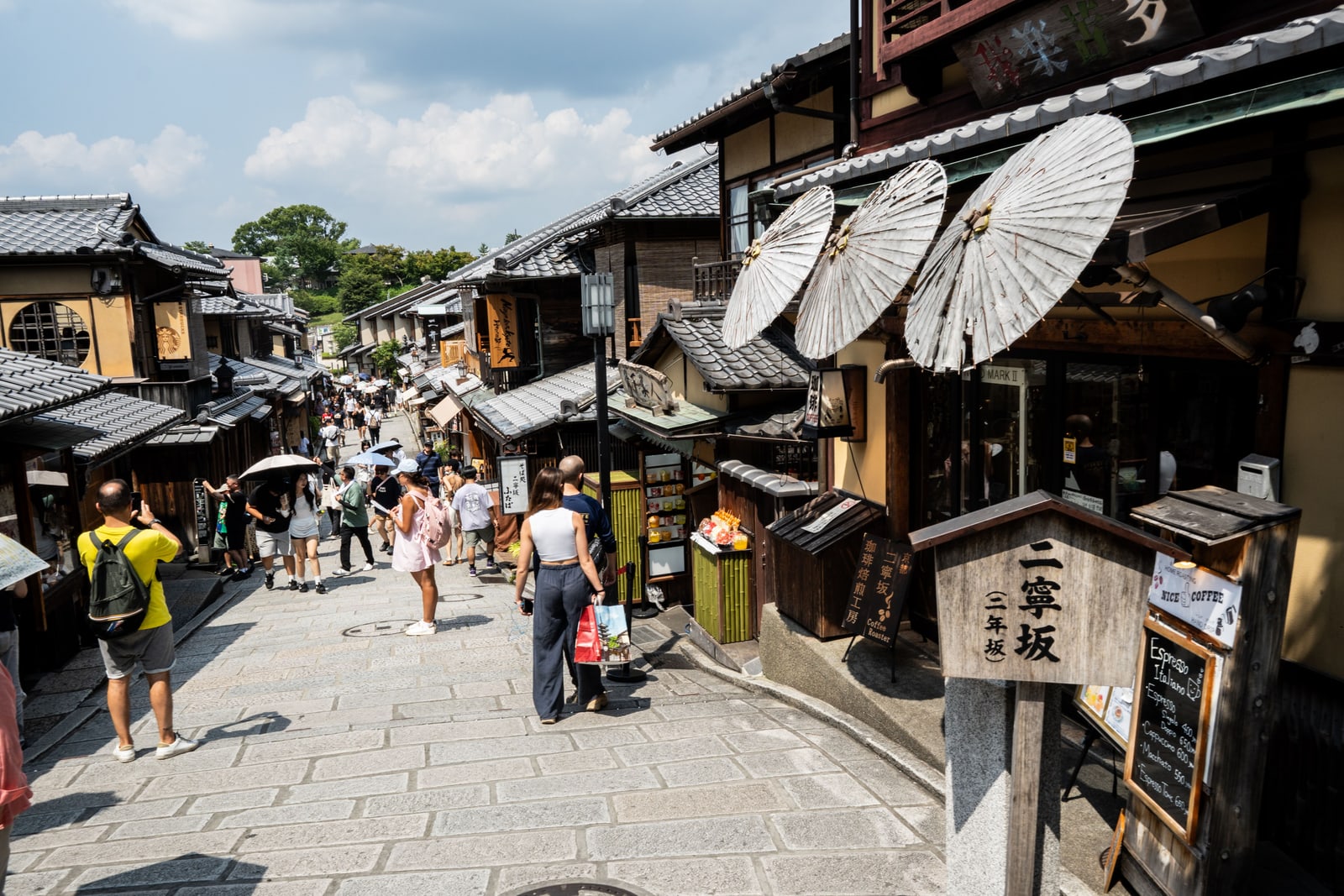
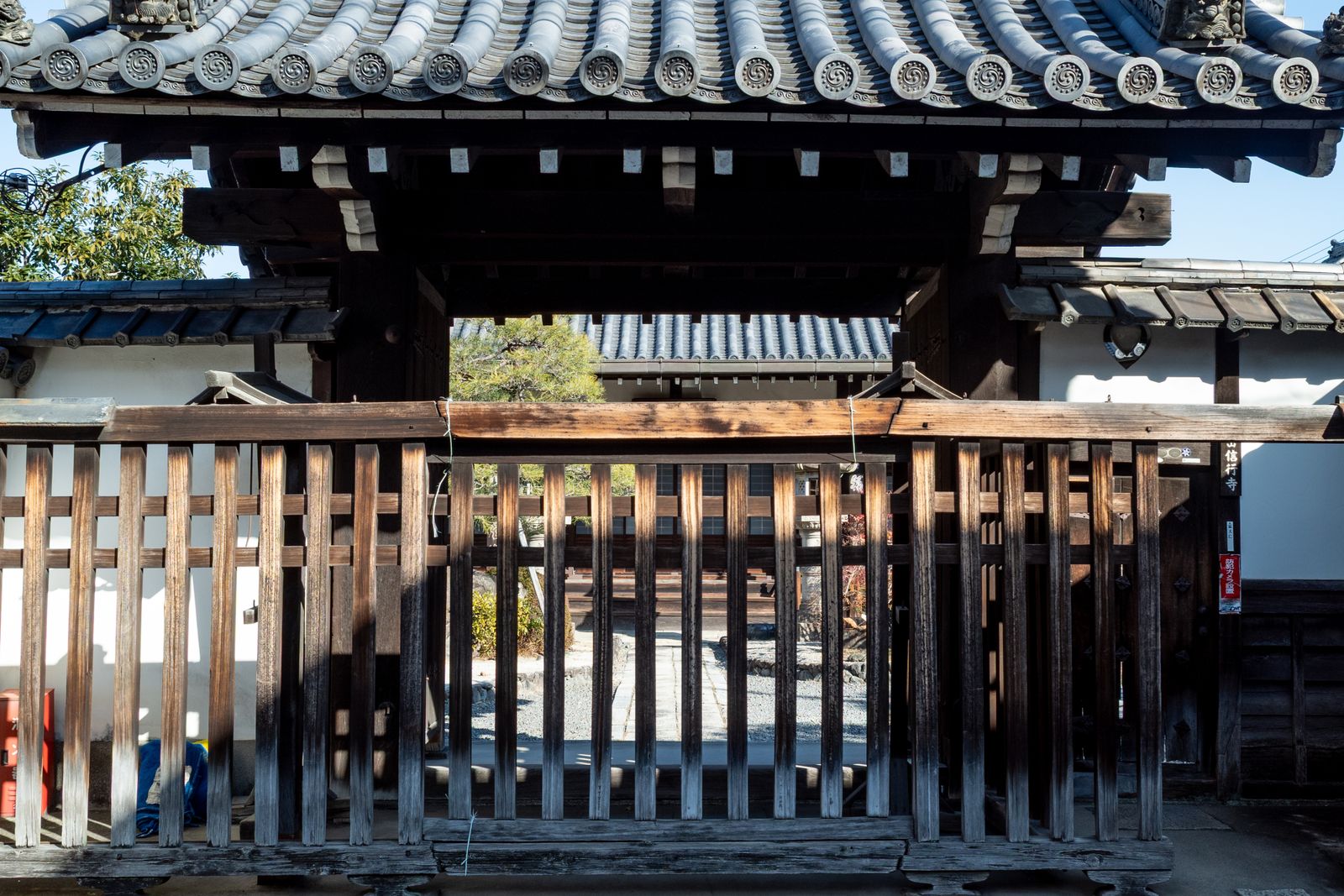
Two rules here are about the camera. Kenninji, the Zen temple in Gion, posted a notice on October 14, 2025 banning photos and video by visitors in costume, Japanese dress included. It says admission may be refused in some cases. Kenninji fits a day in your own clothes.
In Gion, Kyoto’s tourism association sets two more: keep to the public streets, off private property, and photograph geiko or maiko only with their permission.
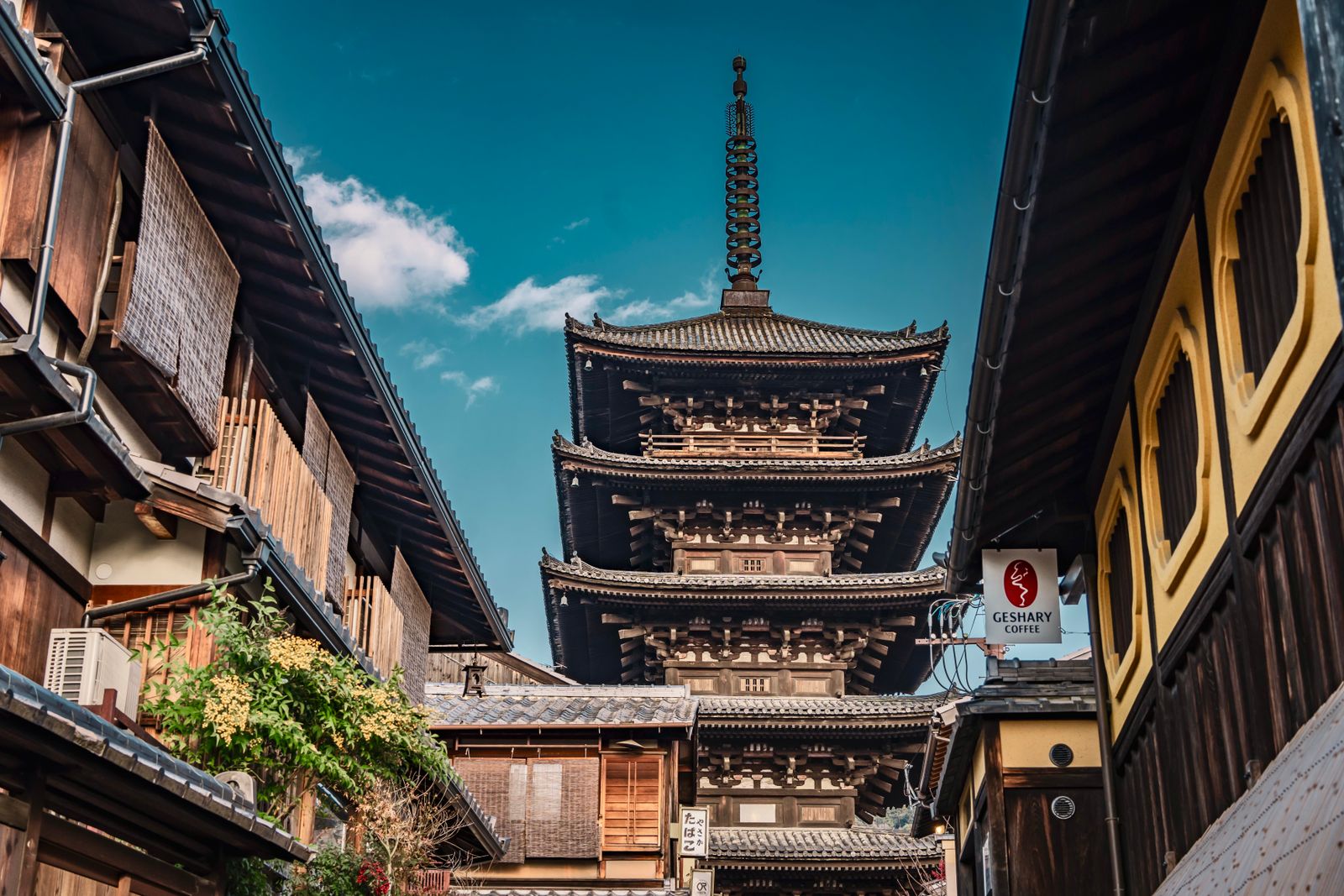
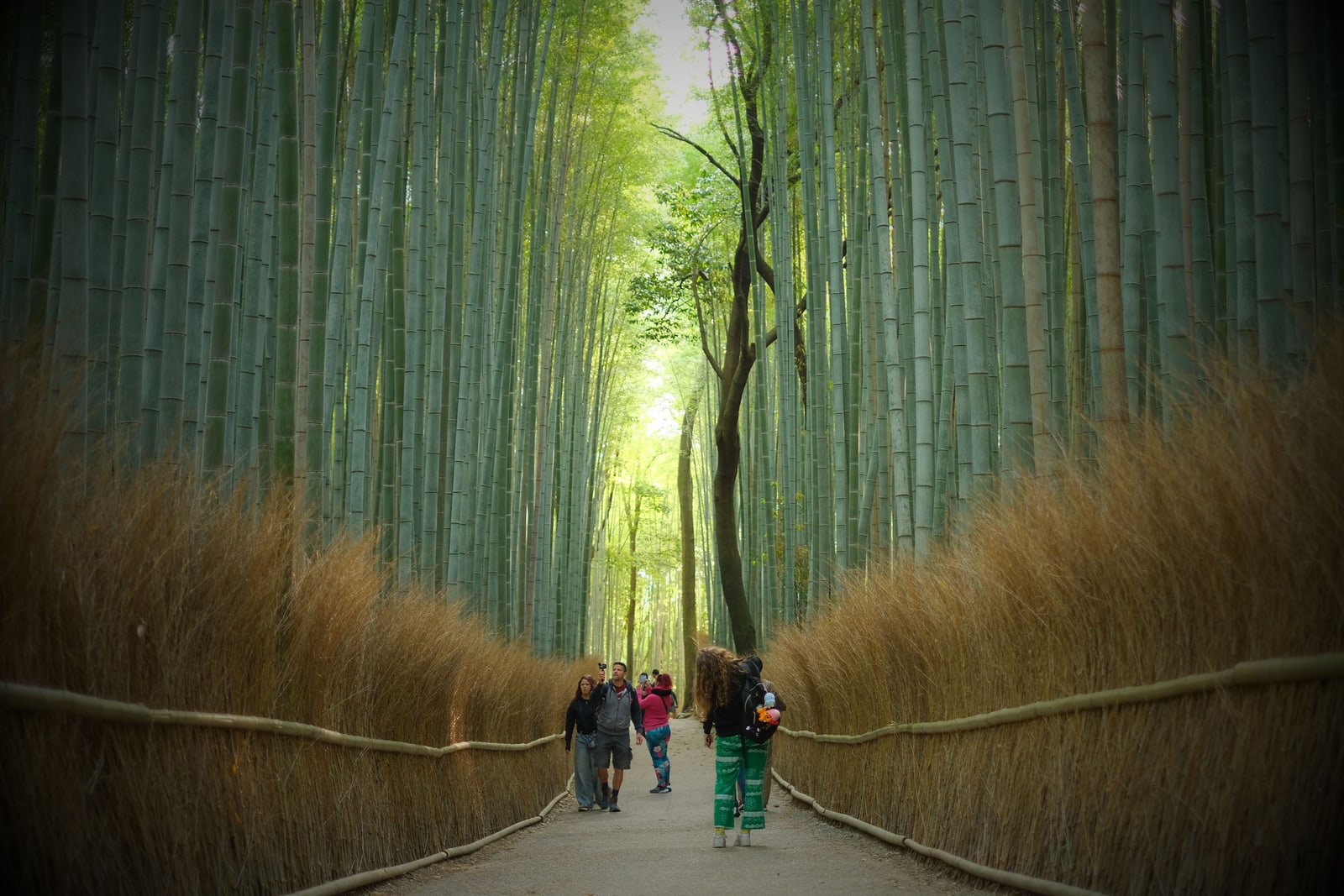
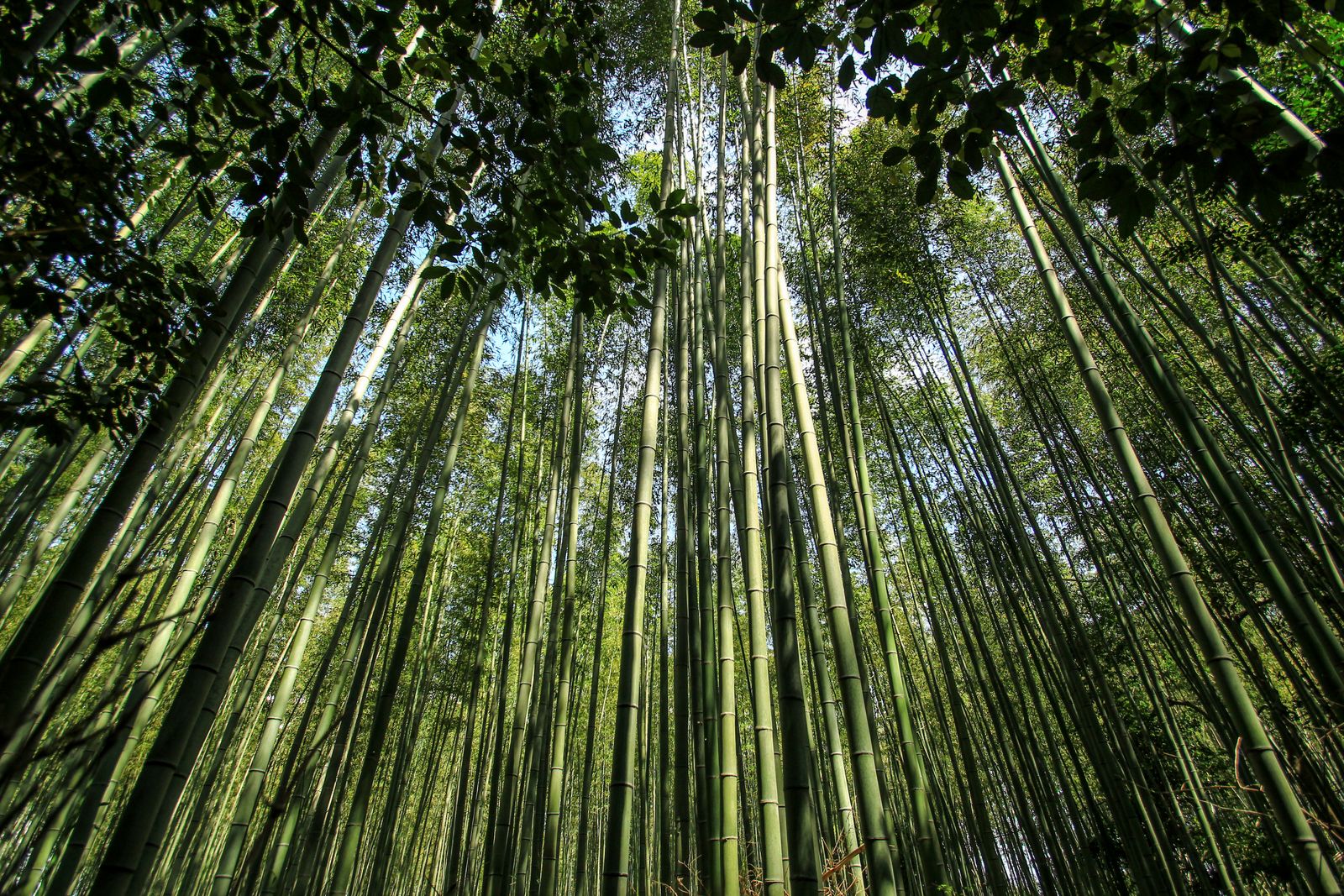
Arashiyama works when your half day is already out west. The bamboo grove is about 10 minutes’ walk from JR Saga-Arashiyama, and Arashiyama in half a day sets the route.
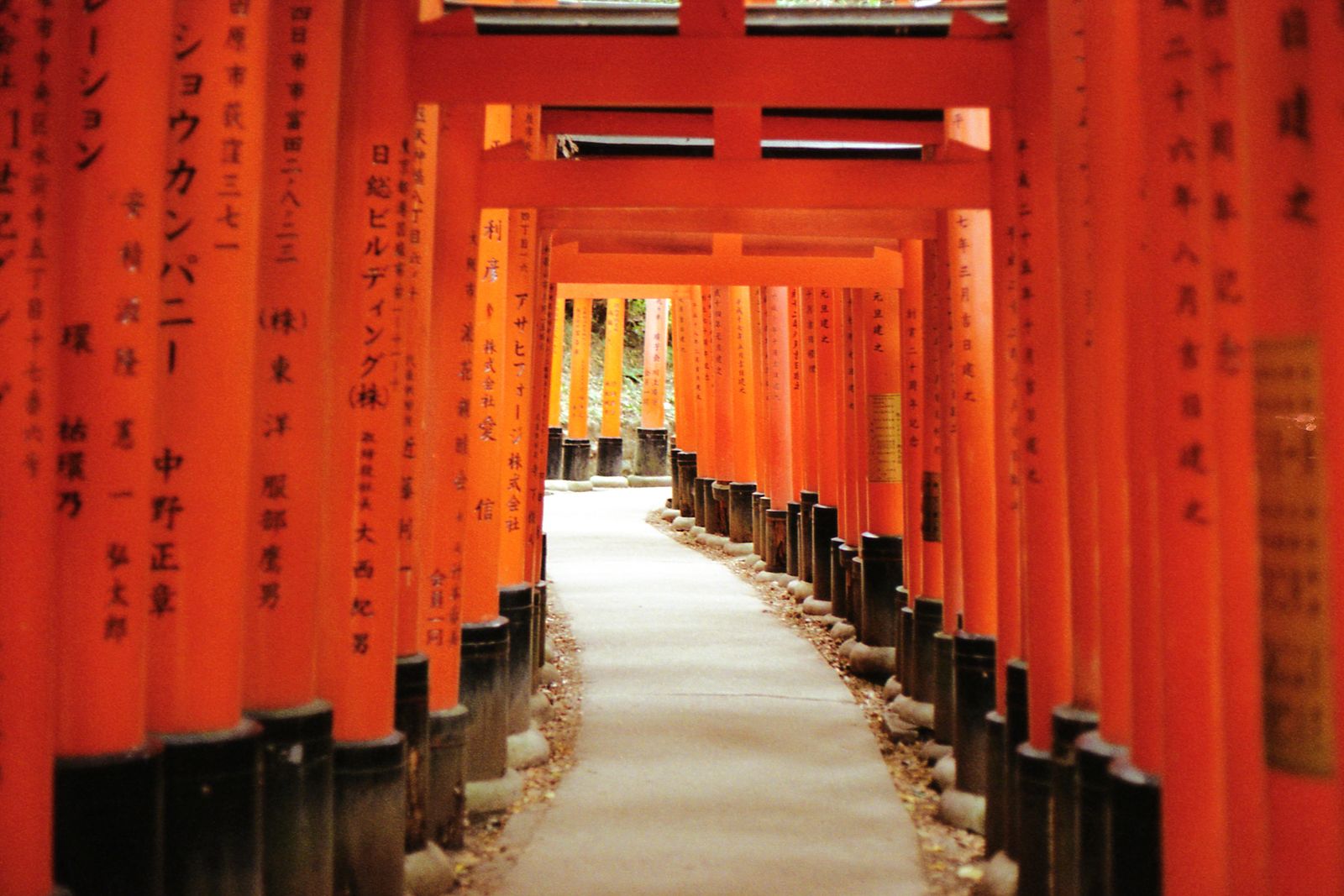
Fushimi Inari splits in two. Kyoto City puts the mountain loop at 4 km and about two hours. The shrine’s map puts the top, Ichinomine, at 233 m, and the city’s trail page calls the full loop a real workout. The Senbon Torii at the foot is the short option. For the upper trail, wear your own shoes, and see how far up to go.
Fourth: the weather and your feet
Kyoto’s average August high is 33.7°C. In January, it’s 9.1°C, with lows around 1.5°C (Japan Meteorological Agency normals, 1991–2020). The rainy season runs roughly June 7 to July 19. April, October and November average highs of 20.1°C, 23.4°C and 17.3°C. Those are the mild months for a long day outside.
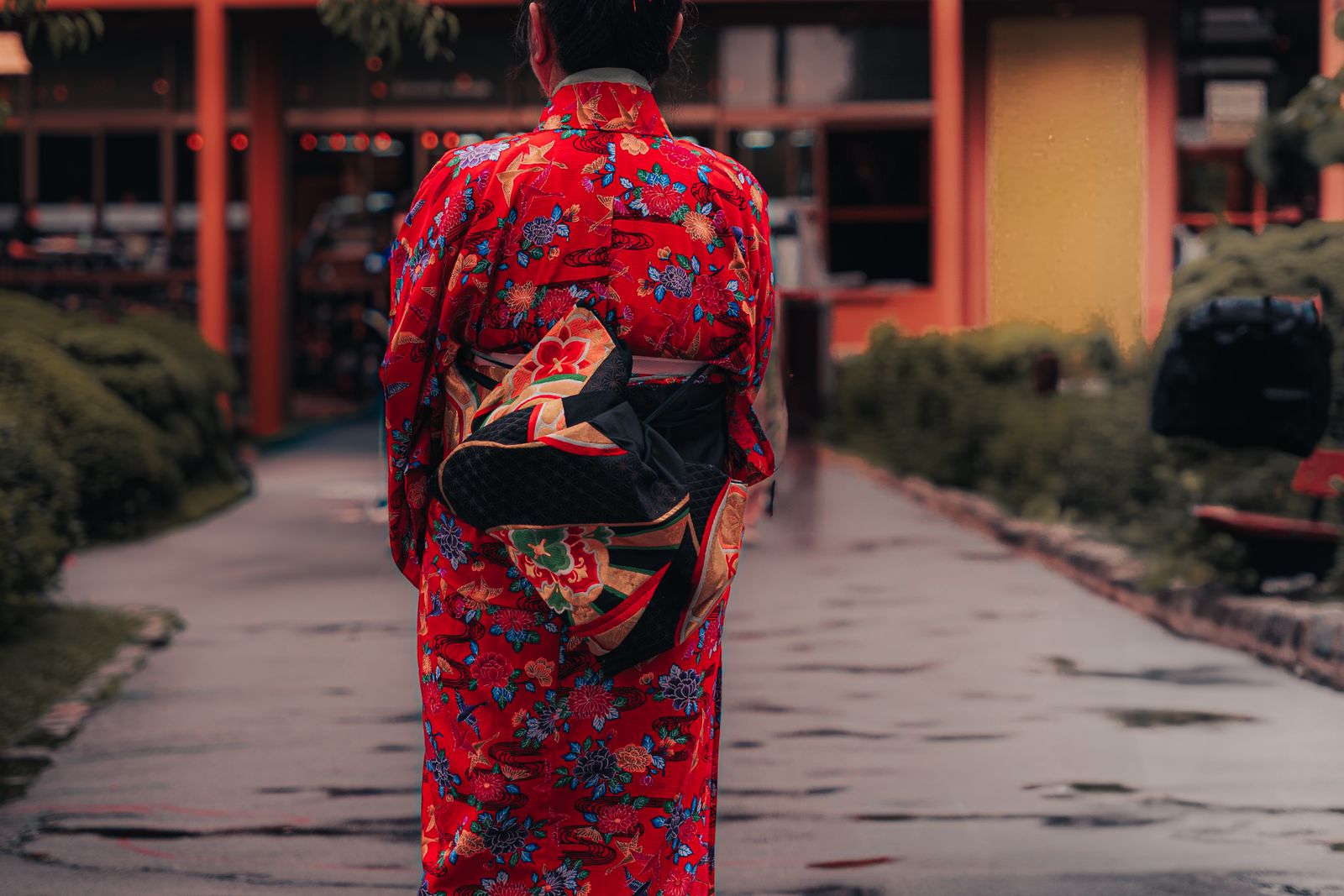
Rain is workable. Yumeyakata says light rain is fine because its kimono are washable fabric, and it accepts cancellations on stormy or typhoon days. It rents Japanese umbrellas for ¥1,100 and boots for ¥1,650, or ¥3,300 in March. Ookini’s Klook listing adds free mud-splash cover in the rainy season.
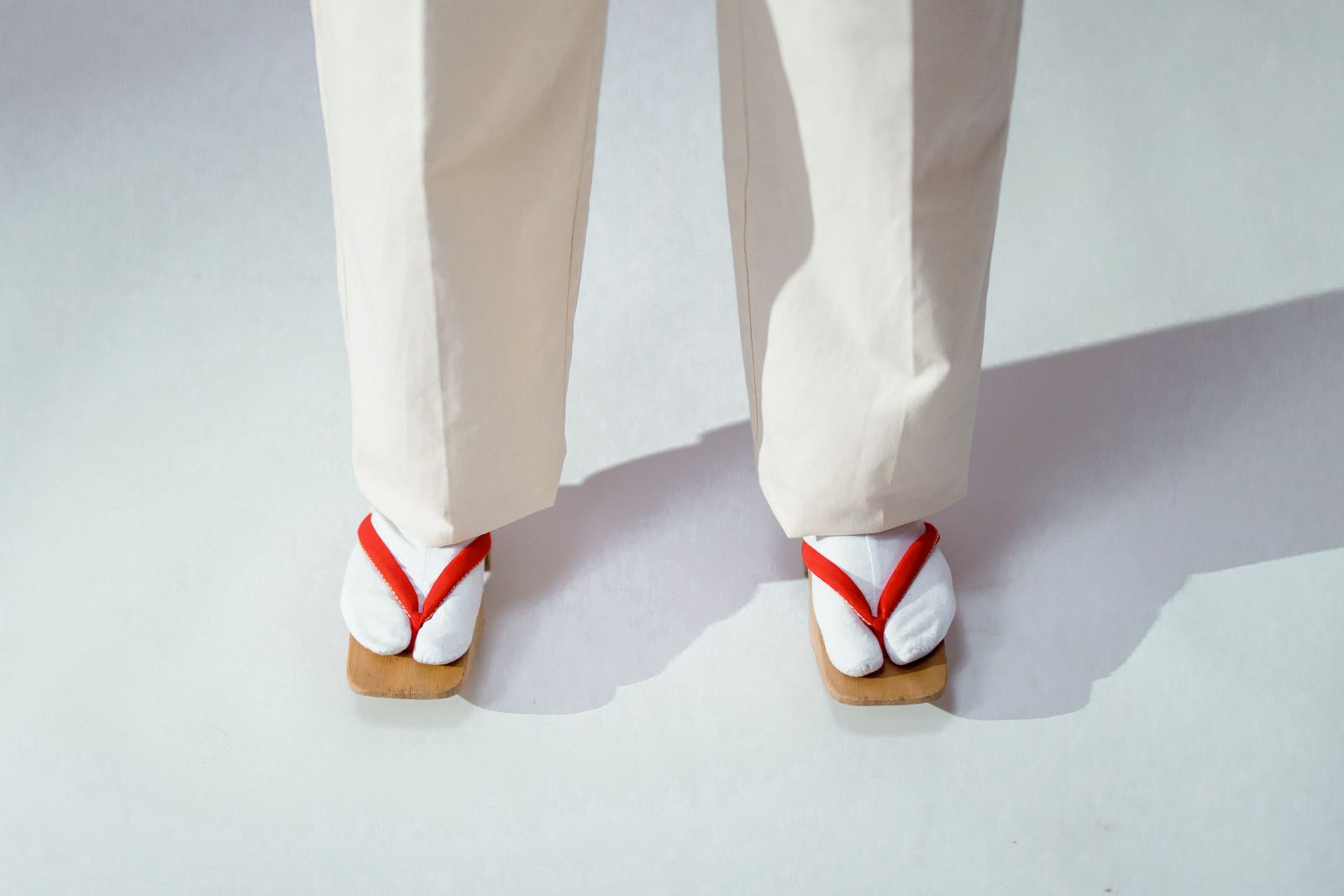
Then the feet. Yumeyakata says it’s normal for your feet to be a little bigger than the zori. Split-toe socks and thonged sandals on stone slopes are the real test of a long day. If the walk runs past a few hours, ask about the boots.
When the conditions split, the weather breaks the tie. On a 33°C August afternoon or a wet January day, a morning slot near the shop keeps the photos and drops the long walk.
A half day that works
Take a first trip with three days in Kyoto in mid-November, and photos worth printing. That’s the hair set.
- 10:00: at a shop by Yasaka Shrine. Out the door around eleven.
- Late morning: Yasaka Shrine, then Nene-no-michi and Ninenzaka.
- Around one: Sannenzaka and Kiyomizu-dera at the top.
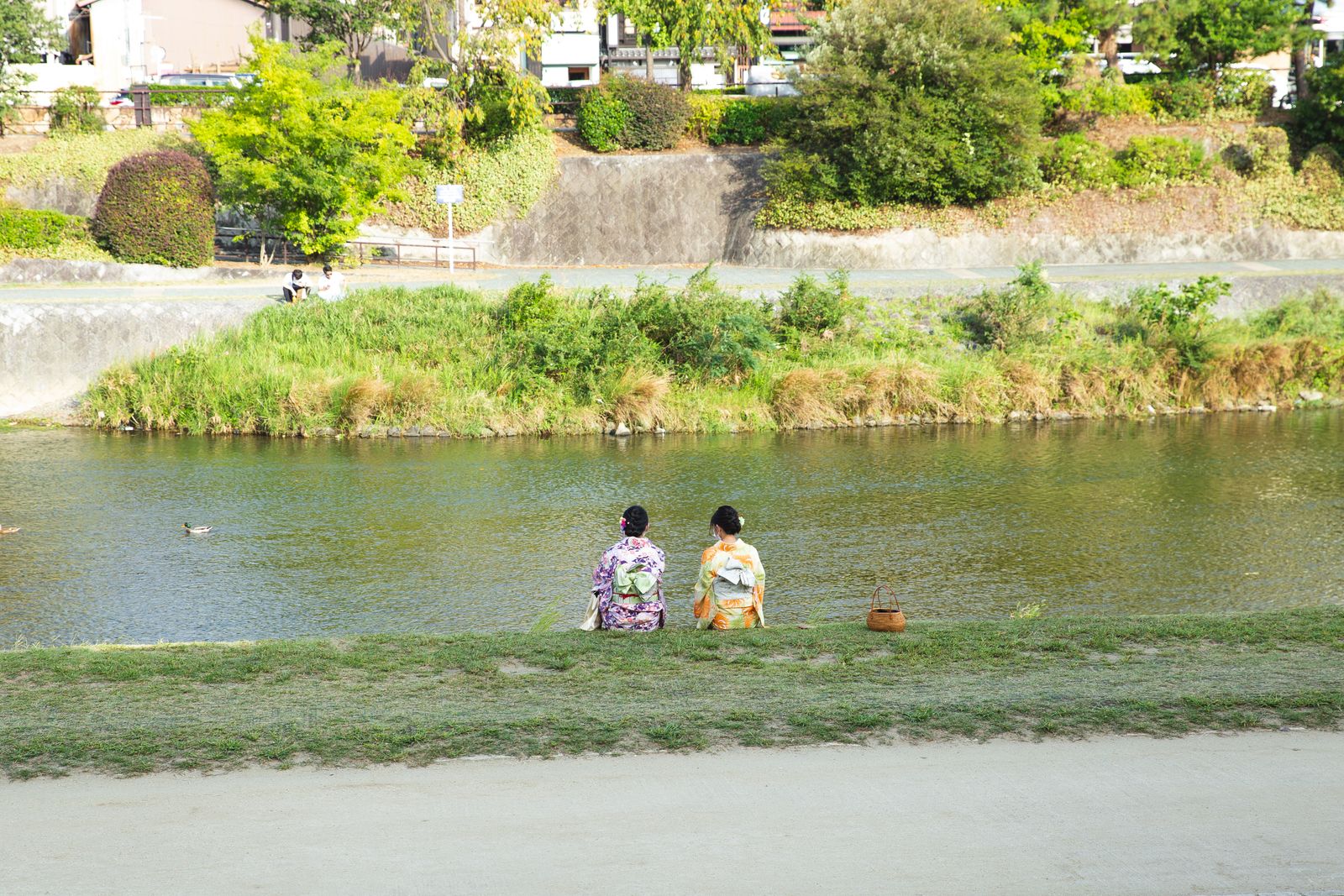
- Afternoon: down the slopes, with a stop for tea by the Kamo River.
- Evening: back to the shop by 5:30 pm, or straight to dinner with a next-day or hotel return.
At Yumeyakata’s list, that day is ¥8,800, or ¥9,900 with next-day return. Budget the rest of the trip around it.
Booking comes down to two lines: hair or no hair, and how the kimono goes back. Ookini’s Yasaka Shrine Gion store is at the start of that walk. Its Klook listing has hair, Japanese makeup and photography as options, and free return at a different store, the next day or to your hotel. Check the package for hair and the return terms before you choose a date.
Hair set, and a return that fits your evening?
Kyoto Kimono Rental Experience (Ookini, Yasaka Shrine Gion store) on Klook
Pick the package with hair if the photos are the point. The listing offers free return at a different store, the next day or to your hotel, so the walk back to the shop is up to you.
See the Ookini packages on Klook →Sold on Klook (Klook Travel Technology Limited), an online travel agency. The rental is run by Ookini Kimono Rental at its Yasaka Shrine Gion store; hair, Japanese makeup and photography are options on the listing. Before you book, check which package includes hair, the return time for your date, and how the free return at a different store, the next day or to your hotel works.
Next
Pick a mild date and a morning slot, then book the plan with the hair line you chose. Planning a tea ceremony the same week? Price the kimono separately from the tea. For where to wear it, see things to do in Kyoto.