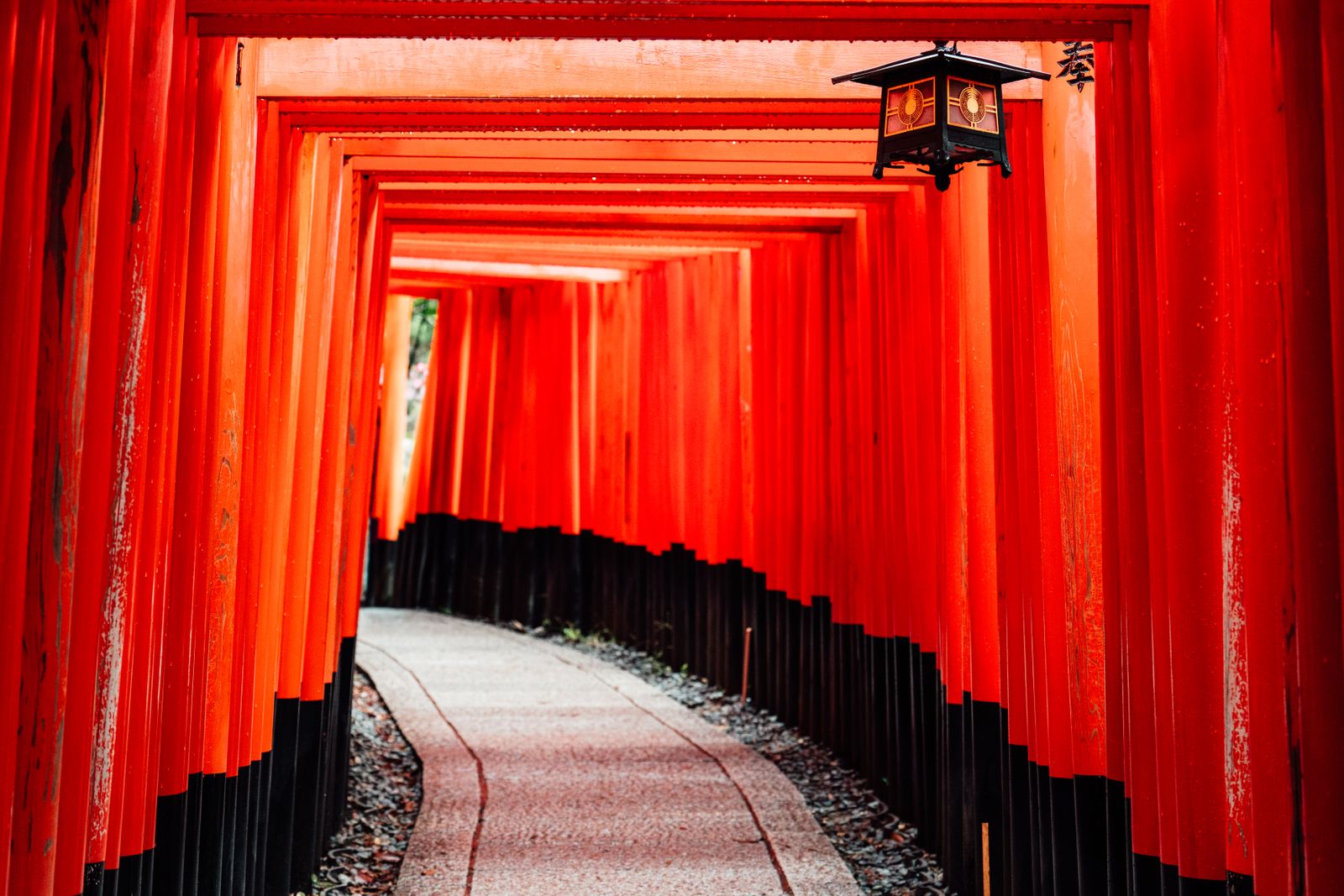
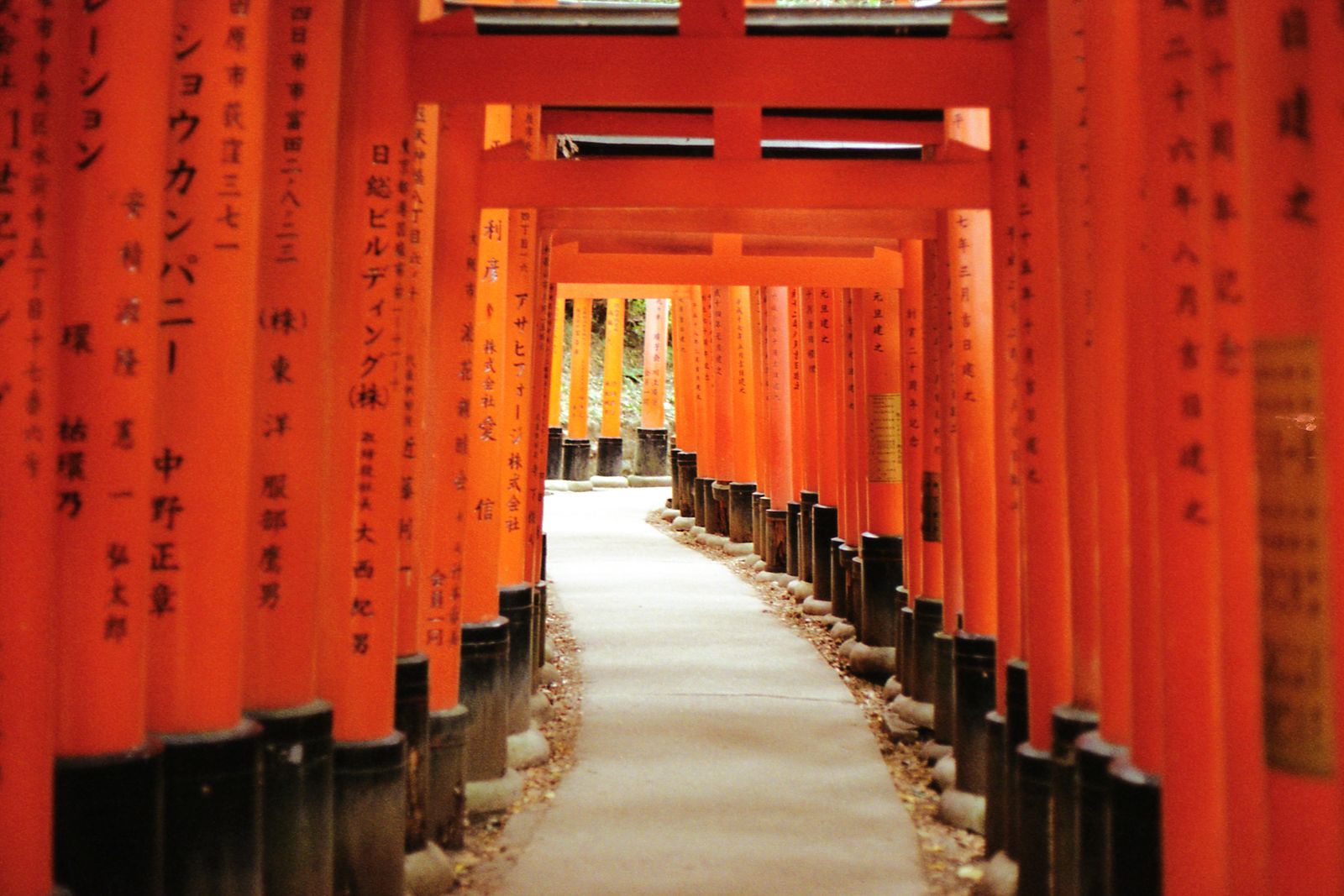
Three stops cover almost every visit to Fushimi Inari, and the hours you have pick which one. Under about two hours at the shrine, or a child, a bad knee or a wet day in the party: walk the Senbon Torii to the Okusha Hohaisho prayer hall at the end of them and turn around. Two to three hours and ordinary legs: go on to the Yotsutsuji crossing, about halfway up Mt. Inari, and come back. Three hours or more, dry weather and daylight to spare: the full loop around the mountain, which Kyoto City lists at 4 km and about 2 hours.
The grounds have no closing gate, so the other three conditions below (the hour you start, your legs, the rest of your Kyoto day) only move you up or down that ladder.
Would you rather have someone else set the pace?
Kyoto Fushimi Inari Half-Day Cultural Walking Tour on Klook
The listing is titled a half-day cultural walking tour at Fushimi Inari Taisha. How far up the mountain it goes is on the listing, not on this page, so read that line first.
Check the Fushimi Inari walking tour on Klook →Sold on Klook (Klook Travel Technology Limited), an online travel agency. Before you pay, check on the listing for your date: the price, the meeting point and time, how far up the mountain the walk goes, how long it lasts, the language, the group size, and the cancellation terms.
First: the hours you actually have
Start with the clock, because it is the one condition the trail does not negotiate.
Kyoto City’s tourism site gives the mountain loop as 4 km and about 2 hours, and a visit of about 120 minutes with the loop included. Japan’s national tourism organization (JNTO) says two to three hours to tour the mountain. The Kyoto Trail page, also from the city, lists Senbon Torii to the summit, Ichinomine, at about an hour and a half. The shrine’s own map gives the height: Ichinomine, the highest peak, is 233 m.
No shrine or government page found for this article gives a time to Yotsutsuji; the city’s trail page only places it about halfway up the approach path. Walking guides fill the gap: roughly 10 to 15 minutes to the Okusha Hohaisho, then 20 to 30 more to Yotsutsuji, and about 40 minutes in total in another guide. Those are estimates, not published figures.
| Stop | Time on foot | Source |
|---|---|---|
| Senbon Torii to Okusha Hohaisho | about 10 to 15 minutes up | one walking guide, estimate |
| Yotsutsuji (about halfway) | about 30 to 45 minutes up, so 1 to 1.5 hours there and back | walking guides, estimate |
| Summit, Ichinomine (233 m) | about 1.5 hours from Senbon Torii | Kyoto Trail page, Kyoto City |
| Whole mountain loop | 4 km, about 2 hours (JNTO: 2 to 3) | Kyoto City tourism site; JNTO |
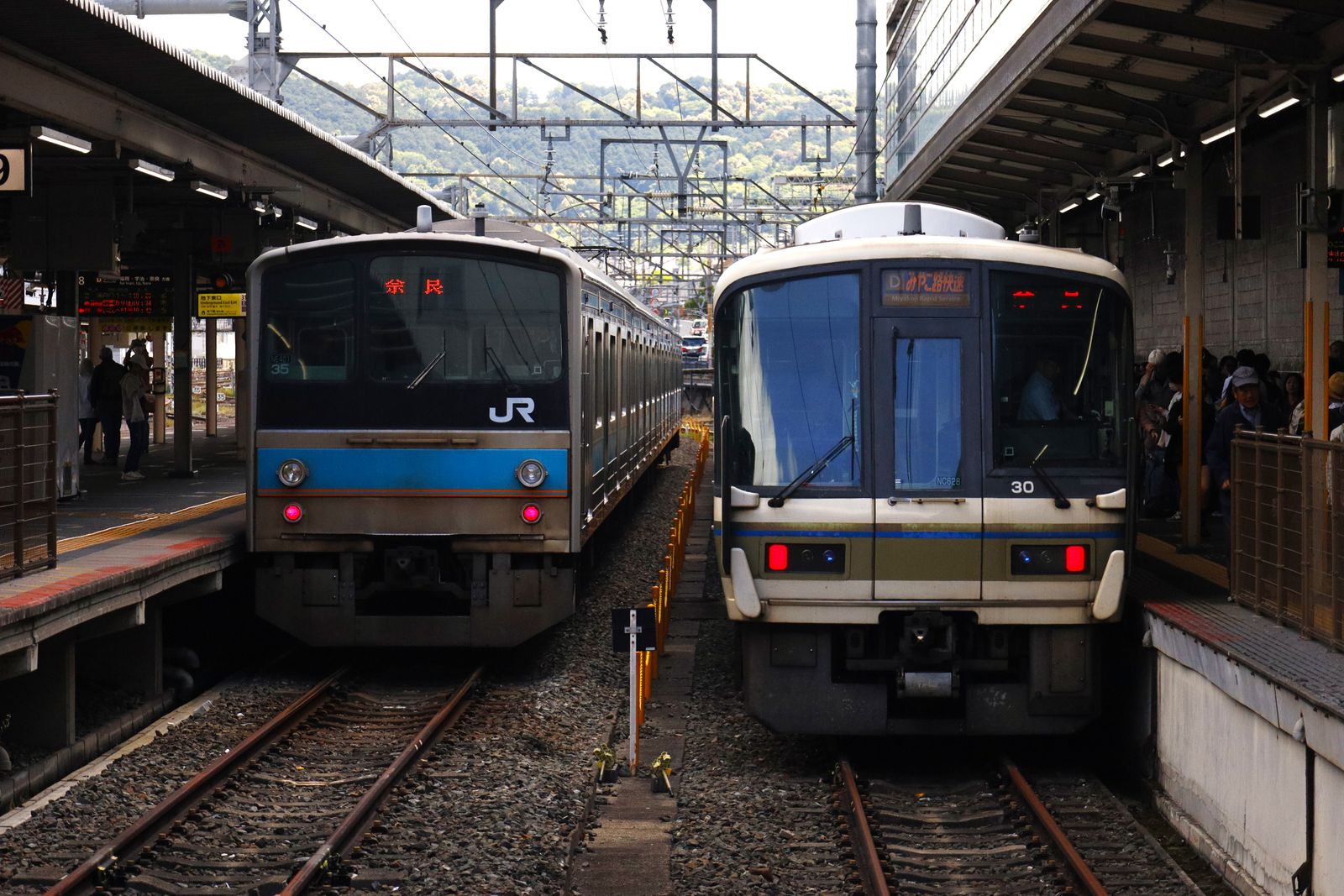
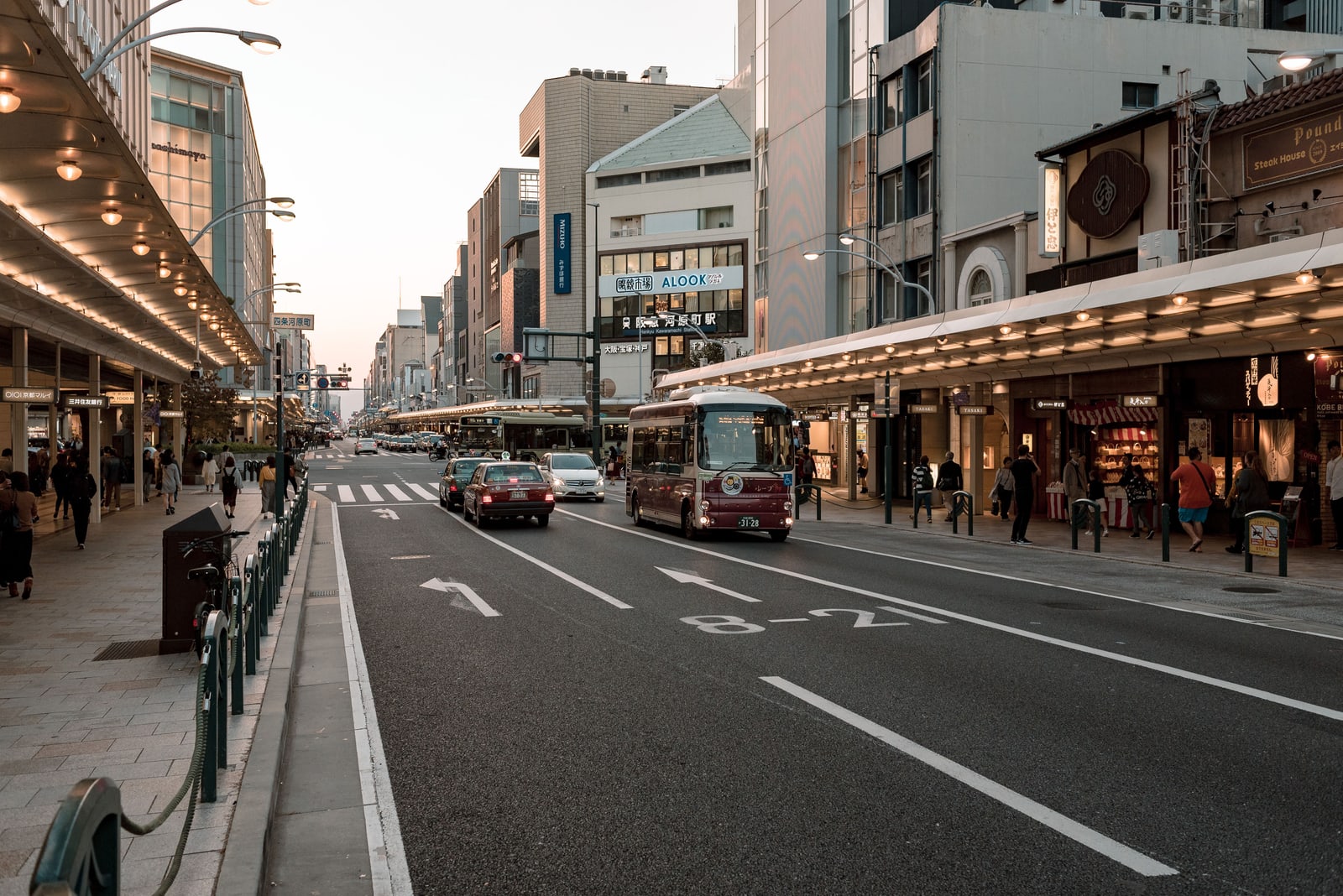
Add the train. JR Kyoto Station to Inari is 2 stops: the shrine’s access page says 5 minutes, Kyoto’s city guide says about 9. From Keihan Gion-Shijo it is about 22 minutes (limited express trains skip Fushimi-Inari), then about 5 minutes on foot. The city guide says to avoid City Bus Route South 5, whose time it expects to vary by more than 24 minutes.
With 2 hours door to door, the loop is out and Yotsutsuji is tight. With a whole morning, all three are open, and the next conditions decide.
Second: the hour you start
The grounds are open day and night: Kyoto City’s listing says worship is possible day and night, with no closing gate. That is not the same as everything being open. Prayer and reception hours are 8:30 to 16:30, and the amulet counter is open 8:00 to 18:00. No page found for this article says the mountain path is lit, so a late start cannot lean on the open gate.
Crowds are where the sources thin out. Kyoto City publishes an hourly forecast for Fushimi Inari from 6:00 to 23:00 on a five-level scale, and it posted a heavy-crowding notice for the shrine area on January 30, 2025. One walking guide found the lower trail packed at 9 to 10 a.m. on a sunny September day, with the crowd thinning after about 20 minutes of climbing and the upper trail much quieter; it names sunrise as the emptiest time. Another guide says neither sunrise nor a visit after 20:00 guarantees empty torii. JNTO suggests late morning to mid-afternoon with a light lunch on the way.
What follows:
- Sunrise or just after: the Senbon Torii are at their quietest, and the loop fits before lunch.
- Mid-morning: the first stretch is the busy part, and it thins once you are past the Okusha Hohaisho. A Senbon Torii only stop is the one that stays in the crowd.
- Afternoon: the amulet counter and prayer hours end before dusk, and the Kyoto Trail page says to leave a margin for sunset. Yotsutsuji fits an afternoon; the loop needs the sunset time for your date checked first.
Third: legs, children and weather
The Kyoto Trail page calls the path easy to climb but the full loop a real workout, and says to leave the course if you feel unwell. A Japanese-language guide adds that the stairs after Yotsutsuji are steeper.
- Small children or a stroller: stay at the Senbon Torii and the Okusha Hohaisho. The English tour listed on kyoto.travel (below) takes one child aged 0 to 12 free per paying adult, if its fixed times suit you.
- Bad knees: Yotsutsuji is a turnaround point with a descent about as long as the climb. Past it, one guide suggests coming down a different route from the one you went up.
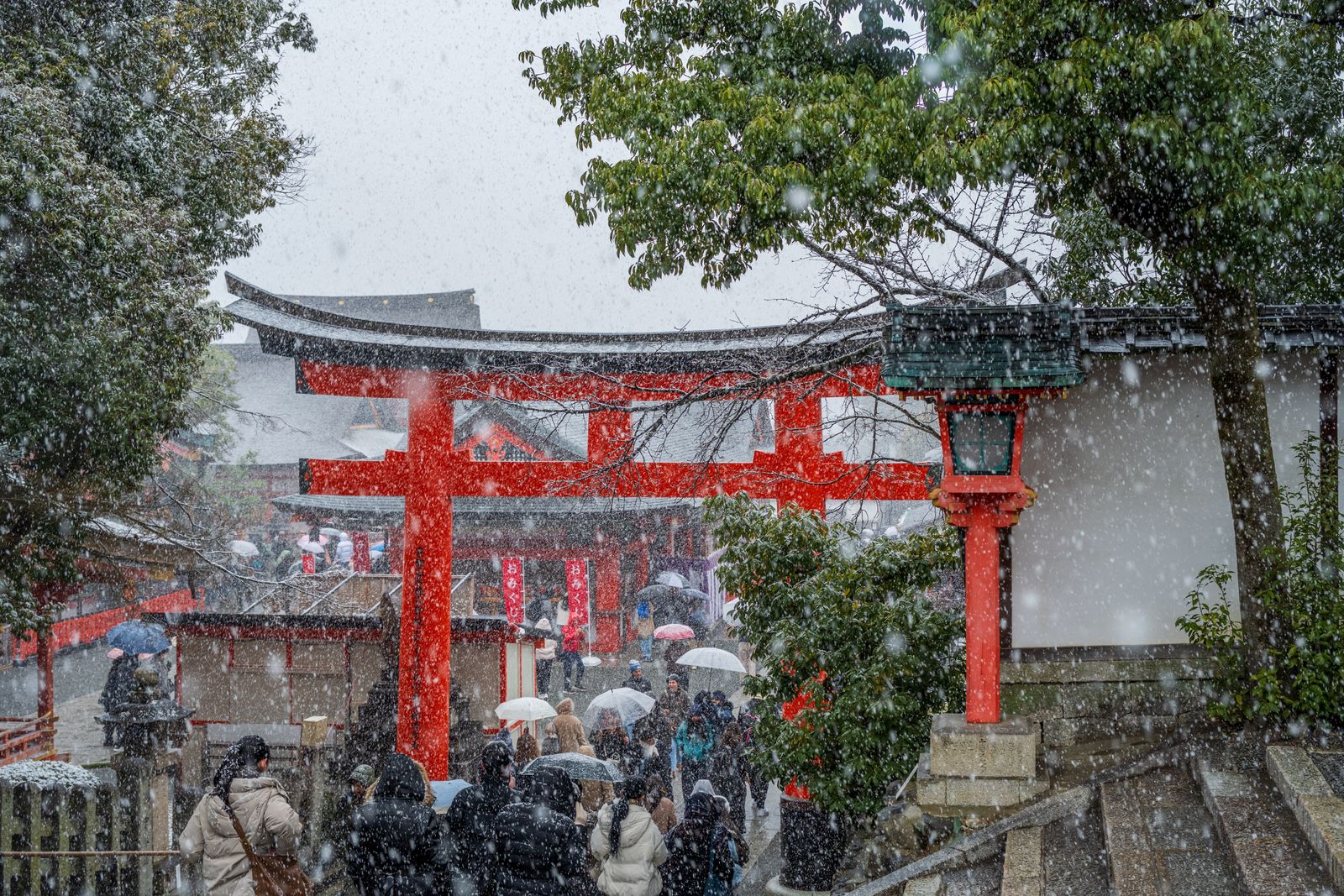
- Wet weather: Kyoto’s forecast has sunny, rainy and heavy-rain settings, so check the hour for the weather you expect. One guide advises shoes with grip for wet steps.
- Summer heat: the Kyoto Trail page says teahouses and purification basins sit at flat spots on the way, and JNTO places a shop and tea stall about halfway. A guide warns not to count on shops or vending machines being open on your day, so carry water for the loop.
Fourth: what else the Kyoto day holds
Inari is on the JR Nara Line and the Keihan main line, so it can open a day that continues in several directions.
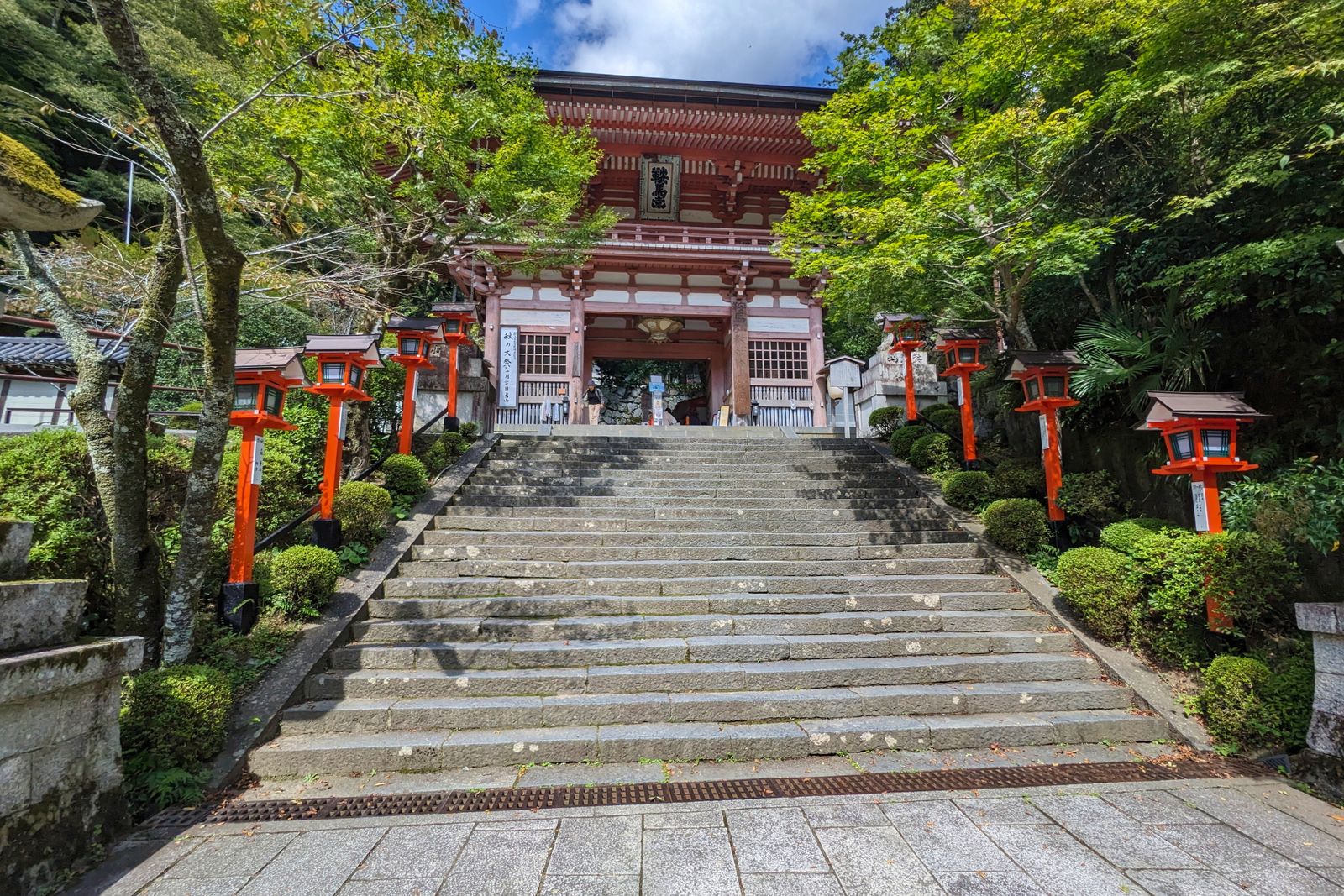
- Gion, Higashiyama or Kiyomizu-dera in the afternoon: Kiyomizu-dera is open 6:00 to 18:00 (18:30 in July and August), so a walk that ends around 13:00 leaves the afternoon. Its 2026 night openings (November 21 to 30) run to 21:30, last entry 21:00. Keihan runs from Fushimi-Inari to Gion-Shijo in about 22 minutes.
- Nara or Uji next: the JR Nara Line that stops at Inari is the line you would stay on. Day Trips from Kyoto, Ranked prices what such a day costs you in Kyoto.
- Passes: the city subway and bus one-day pass is ¥1,100 for adults and ¥550 for children, and covers the city’s subway and buses; the trains to Fushimi Inari are JR and Keihan. Kyoto Bus or Subway works through the rides.
When two conditions point opposite ways, the one that cannot move sets the stop. The clock and the sunset cannot move. Knees and rain bind only the people they affect, so if the party splits, the lower stop is the one everyone reaches.
On your own, or with a guide
On your own, you set the stop, the pace and the start. A guided walk fixes the time and may fix the stop.
- DMO KYOTO’s English tour, listed on kyoto.travel (checked October 17, 2026): 60 minutes, ¥4,000 per person, daily at 10:00 and 11:30 except event and festival days, English only, meeting at the shrine. It walks the Senbon Torii; the page does not say how far up it goes.
- Klook’s Kyoto Fushimi Inari Half-Day Cultural Walking Tour: its listing could not be read when this page was written, so its length, route and how far up it goes are not stated here. Read those lines on the listing before you pay.
A guide fits if you want the Senbon Torii explained and a fixed start suits your morning. It does not fit a dawn start or the loop at your own pace, because a fixed meeting time rules both out.
Fixed start, a guide, Fushimi Inari: check the one listing.
Kyoto Fushimi Inari Half-Day Cultural Walking Tour on Klook
A walking tour at Fushimi Inari Taisha, sold on Klook. The listing, not this page, gives the route, the length, the language and the price for your date.
See the Fushimi Inari walking tour on Klook →Sold on Klook (Klook Travel Technology Limited), an online travel agency. Before you pay, check on the listing for your date: the price, the meeting point and time, how far up the mountain the walk goes, how long it lasts, the language, the group size, and the cancellation terms.
So it works when you land
A worked example for a morning built around Yotsutsuji, using the numbers above. It is arithmetic, not a timetable.
You step out of JR Inari at about 9:30 (the train is 5 to 9 minutes from Kyoto Station). The Okusha Hohaisho is reached by about 9:45, Yotsutsuji by about 10:15, and after a short rest you are back down by about 11:30. Kyoto Station by noon leaves the afternoon free. Add the summit and the Kyoto Trail’s hour and a half from Senbon Torii moves your return to about 12:30; the full loop pushes it to 13:00 or later. Put anything with a closing time after the walk, and check the city’s hourly forecast for your date.
Same day with Uji or Nara: take Yotsutsuji, not the loop.
Next
Pick the farthest row of the table that your hours and daylight allow, then open the city’s hourly congestion forecast for Fushimi on your date. For the manners at the gate and the basin, the Shrine and Temple Etiquette page is short.