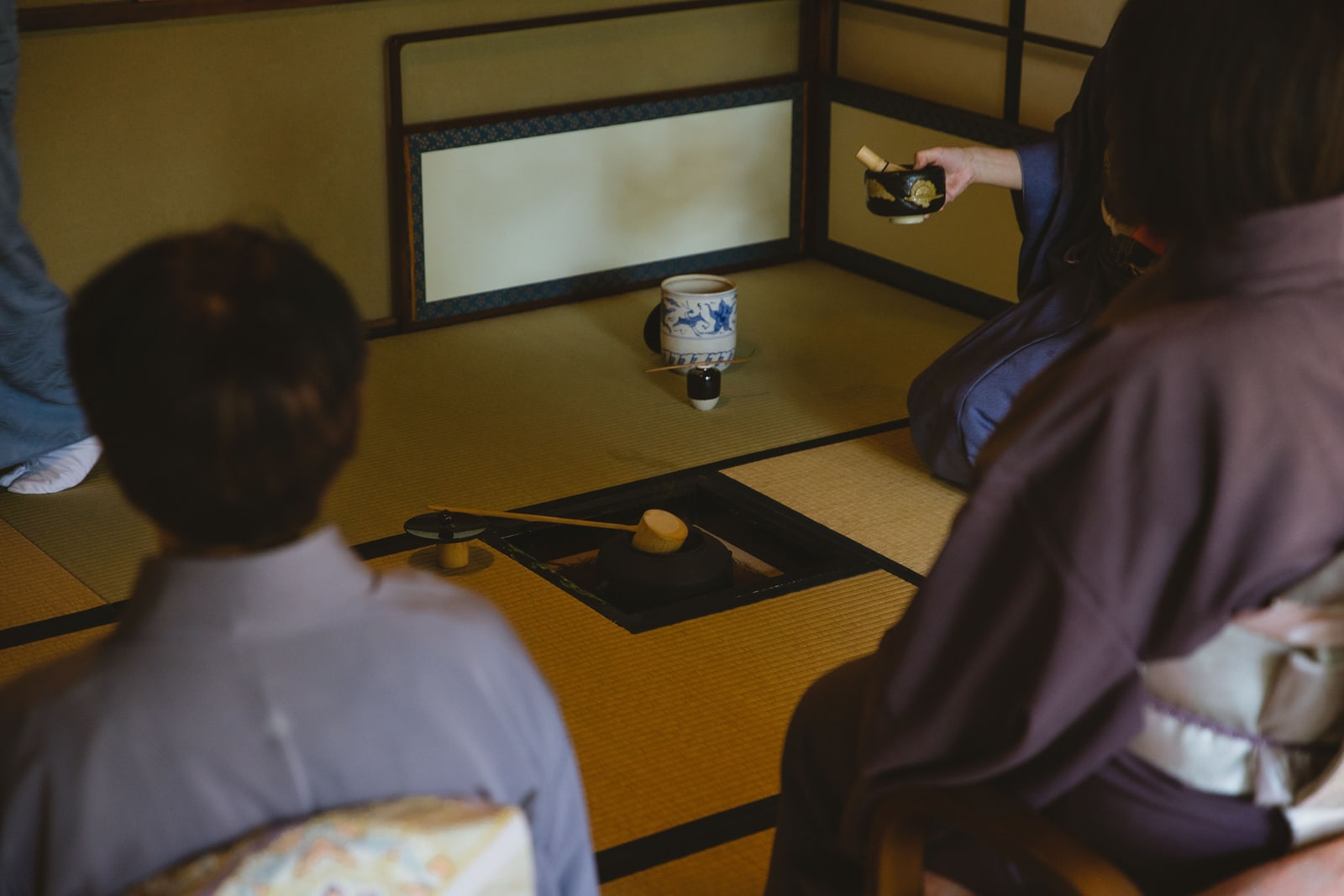
The listing says tea ceremony, gives a price per person, and shows someone in a kimono with a bowl. What it sells is a seat: one bowl of thin tea, one sweet, and a host who explains each move as they make it. That is a real form — the tea schools run seats exactly like it — but it is not the several-hour occasion the word makes you picture, and the price runs from ¥800 at a city event to ¥16,500 at a tea society’s class.
This page settles whether that seat is worth one of your Kyoto or Tokyo hours, what the number buys, what happens in the room from the door to the bowl, and what needs booking before you fly.
The rule this page runs on: you are paying for the host’s explanation, not for the word “ceremony”. Price every seat against that.
What you are buying, before anything else
The schools draw one line, and it is not “demonstration versus the real thing”. It runs between a seat of thin tea and a chaji.
A chaji is the formal occasion: a kaiseki meal, thick tea, then thin tea, guests kneeling throughout, several hours. A seat of thin tea — a chakai, or at its most open a large gathering where many guests each receive a bowl and a sweet — is the simplified form, and the one temples and shrines host for the public.
What every booking site sells a first-timer is the second kind with a host talking you through it. Urasenke, one of the three Sen schools, runs exactly that at its own Kyoto research center: a bowl of matcha, a seasonal sweet, a chair, about thirty minutes, and beginners shown how to hold the bowl.
| The seat with explanation | A chaji | |
|---|---|---|
| What arrives | One bowl of thin tea and one sweet. | A kaiseki meal, thick tea, thin tea. |
| Time | Urasenke’s seat about 30 minutes; a city-event seat 25; a listing states its own. | Several hours. |
| Seating | Kneeling is the form. Rooms with tables and chairs exist. | Kneeling. |
| Dress | No kimono needed. White socks or tabi; rings and watches off. | Beyond this page. |
| Who it is for | You. | Someone already inside the practice. |
The number, per person, and what is inside it
Every price is per person, for one bowl, one sweet and the host’s time. The two ends of the range come from pages that are not selling you anything.
- ¥800 for a tea seat at Tokyo’s Grand Tea Ceremony, the city’s own October event. 2026 dates are below.
- ¥1,000, plus the museum’s admission, for Urasenke’s public seat in Kyoto: bowl, seasonal sweet, chair, about thirty minutes, five seatings a day.
- ¥6,300 to ¥16,500 for the hotel and society programs listed on Tokyo’s official visitor guide: the Imperial Hotel’s tea-room program at ¥7,560 (¥6,300 from July to September) for about three hours, two and a half in summer, and a tea society’s experience class at ¥16,500.
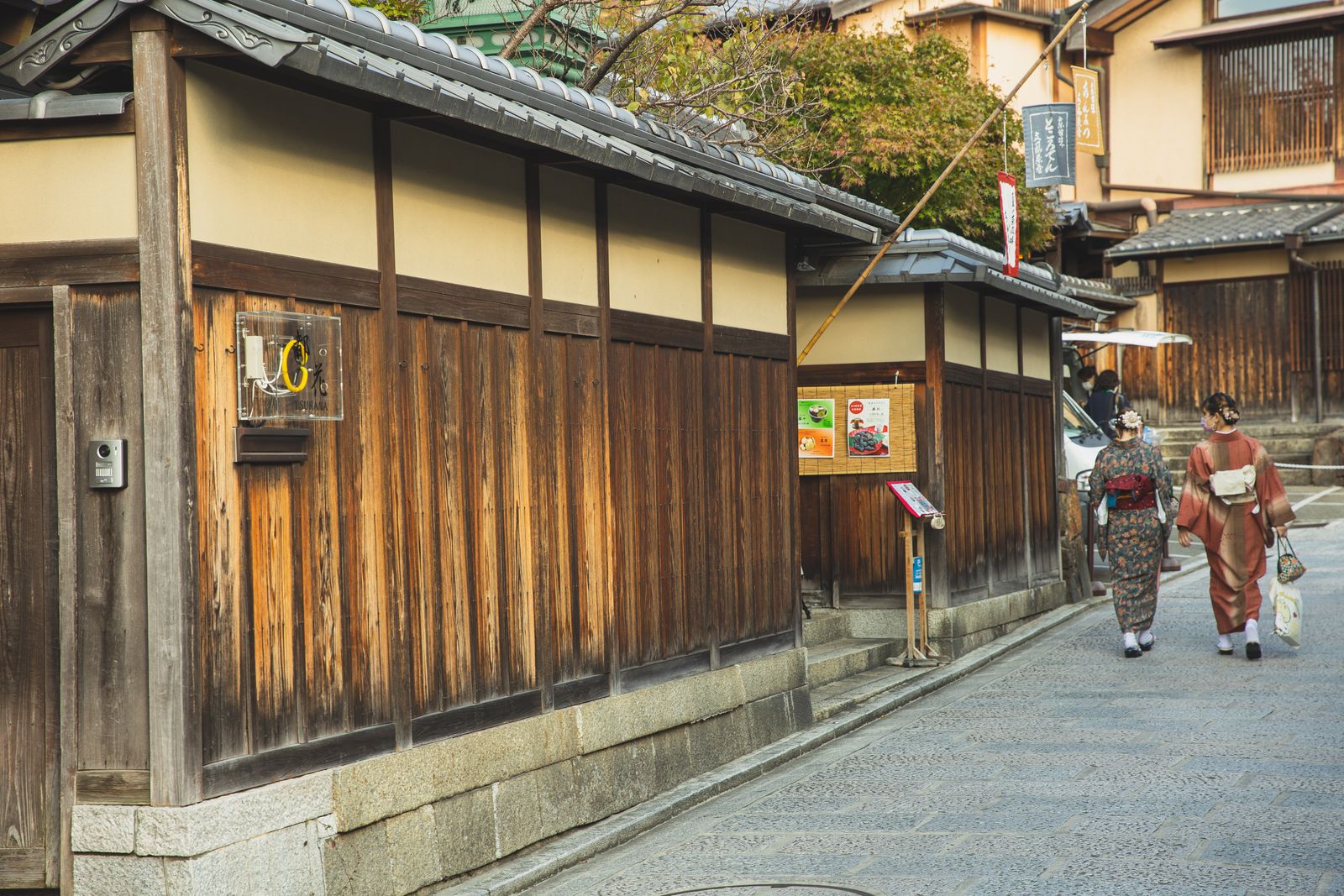
The kimono-and-matcha hour on the booking sites sits between those ends, at the operator’s own price. The kimono is a separate purchase from the tea; the kimono page prices it on its own.
Inside the number: the bowl, the sweet, the explanation, and at the paid programs the hours. Outside it: admission where the seat is inside a museum or a garden, the kimono even where a listing bundles it, and anything a listing calls a private upgrade.
JBJ'S TAKE
Same bowl at ¥1,000 as at ¥16,500.
The tea does not get better with the price. What changes is the room, the hours, and how much host you get.
Buying the explanation? The school's own seat gives it for about a thousand yen and the museum door. Buying three hours in a hotel tea room? Then pay for three hours, knowing that is what you bought.
The kimono is a separate hour. Price it separately.
Against the bowl you could just walk in for
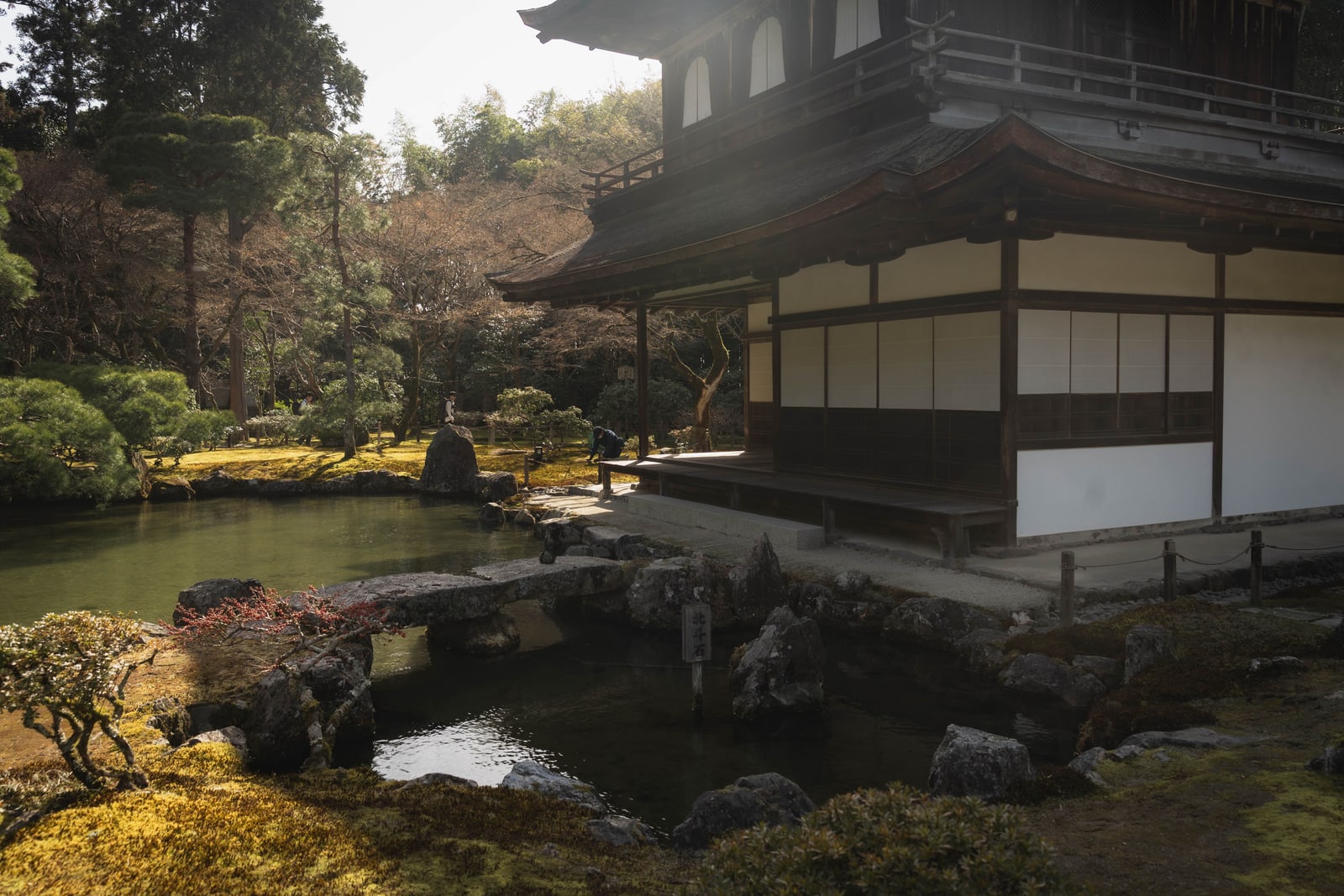
The alternative you already hold is a bowl of matcha with a sweet in a garden teahouse: no host, no sequence, no booking. In Tokyo that is Hama-rikyu: ¥300 at the gate, the teahouse on the pond serving matcha and a sweet all year, 9:00 to 16:45 with last orders at 16:30. The bowl is priced at the counter.
| The seat with explanation | The garden bowl | |
|---|---|---|
| What arrives | The same bowl and sweet, with a host naming each move. | The same bowl and sweet, with a view. |
| What you do | The guest’s sequence, shown to you. | Drink it. |
| Time | 25 to 30 minutes at the school and city seats. | As long as you sit. |
| Booking | The afternoon before, up to a month ahead. | None. |
Skip the seat if any of these is you. You already practice: a thirty-minute beginners’ seat has nothing in it for you. You want the several-hour chaji: the hour on a booking site is not one, and nothing on this page is. You cannot kneel and the listing does not say chairs: kneeling is the form, but chair rooms exist and Urasenke’s own Kyoto seat is one — book a seat that says chairs, or take the garden bowl.
The hour, in the order it happens
From the door to the empty bowl, as the schools and the city event describe it.
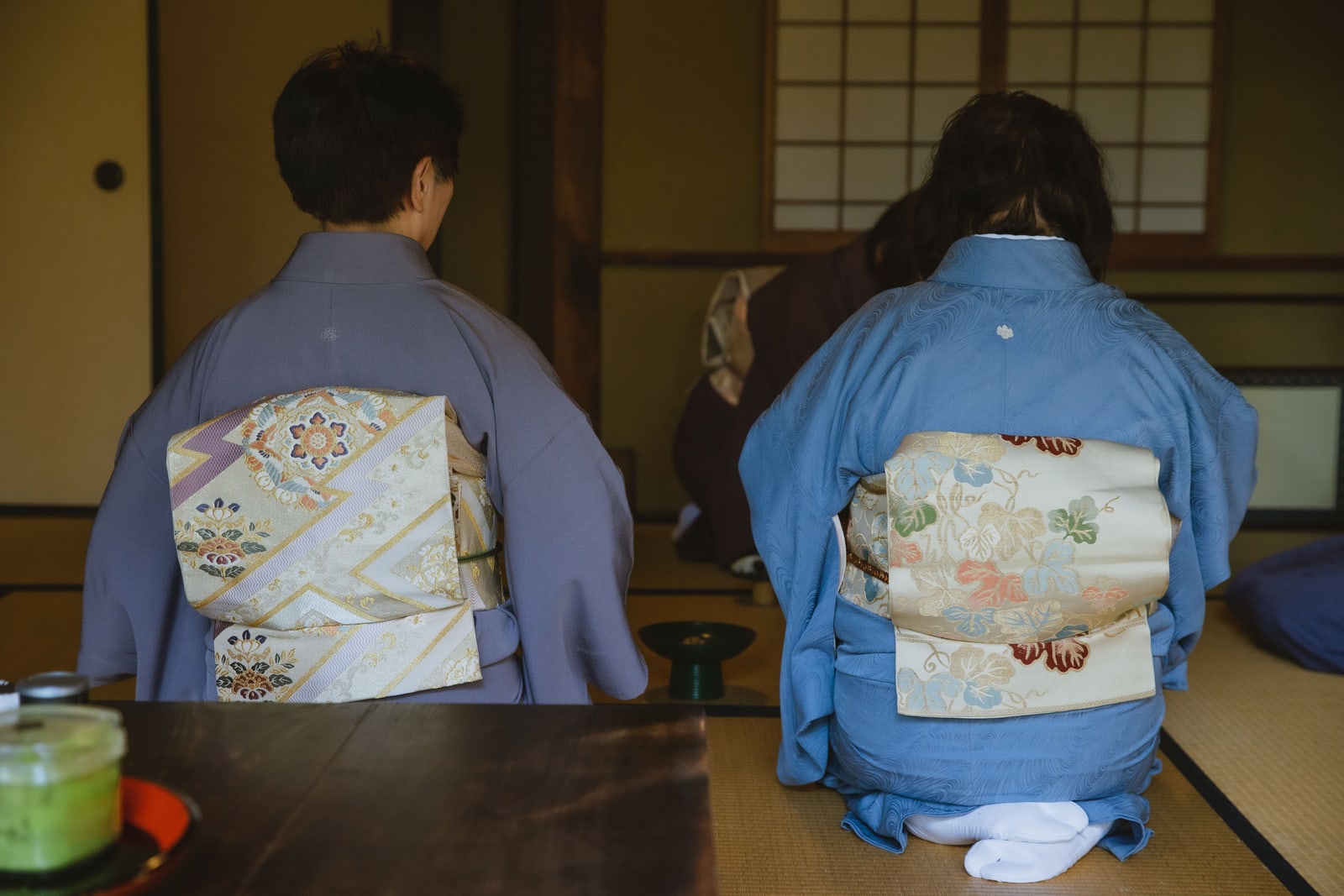
1. Before the door. White socks or tabi. Rings, watches and anything on your hands come off — they mark the utensils. No kimono is required; a demonstration seat does not ask for formal clothing.
2. The seat. Kneeling is the form. The version with tables and chairs was originated by Urasenke’s eleventh head, Gengensai, in the nineteenth century, and the school’s own Kyoto seat uses it. Where you will sit is a question for the booking, not the room.
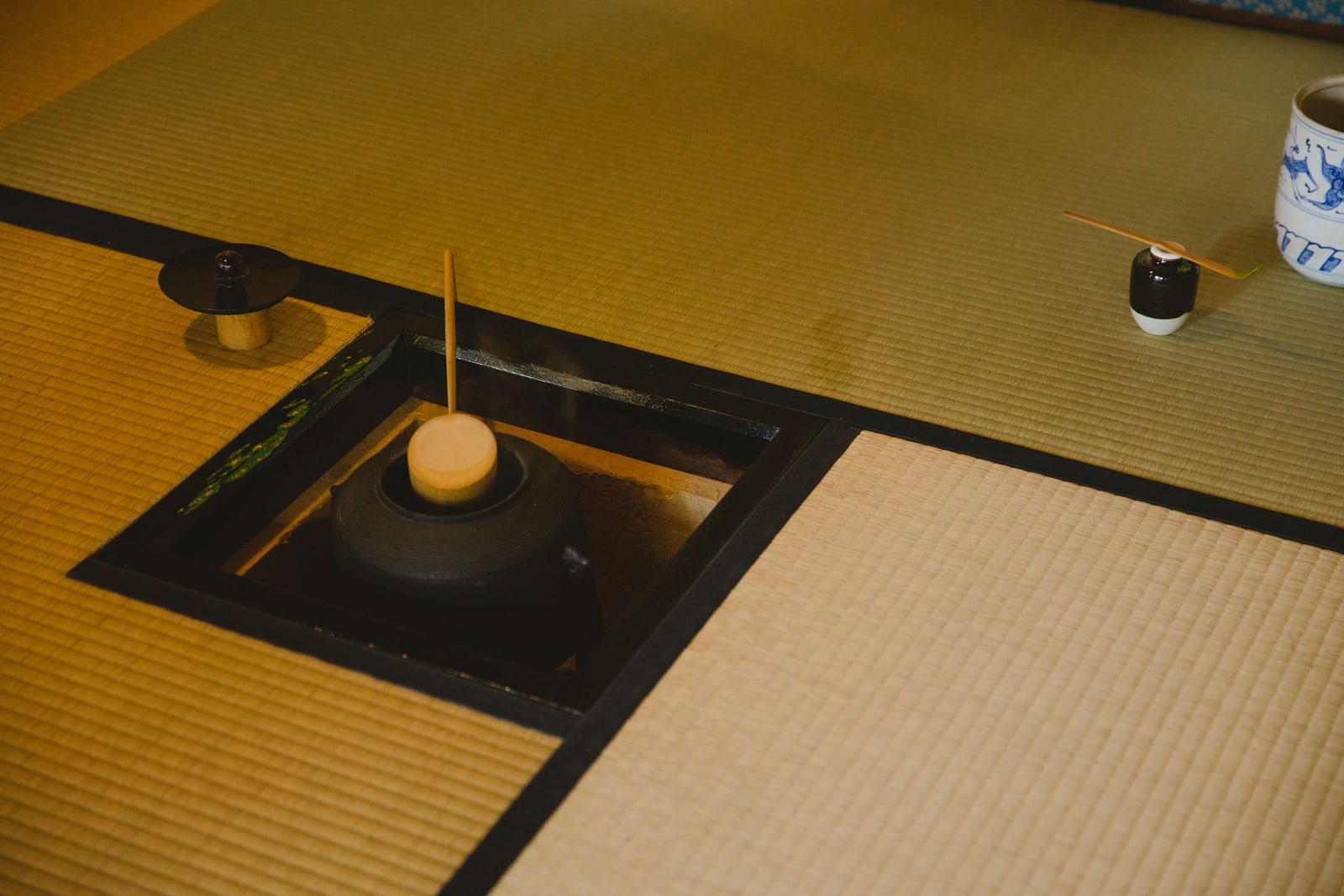
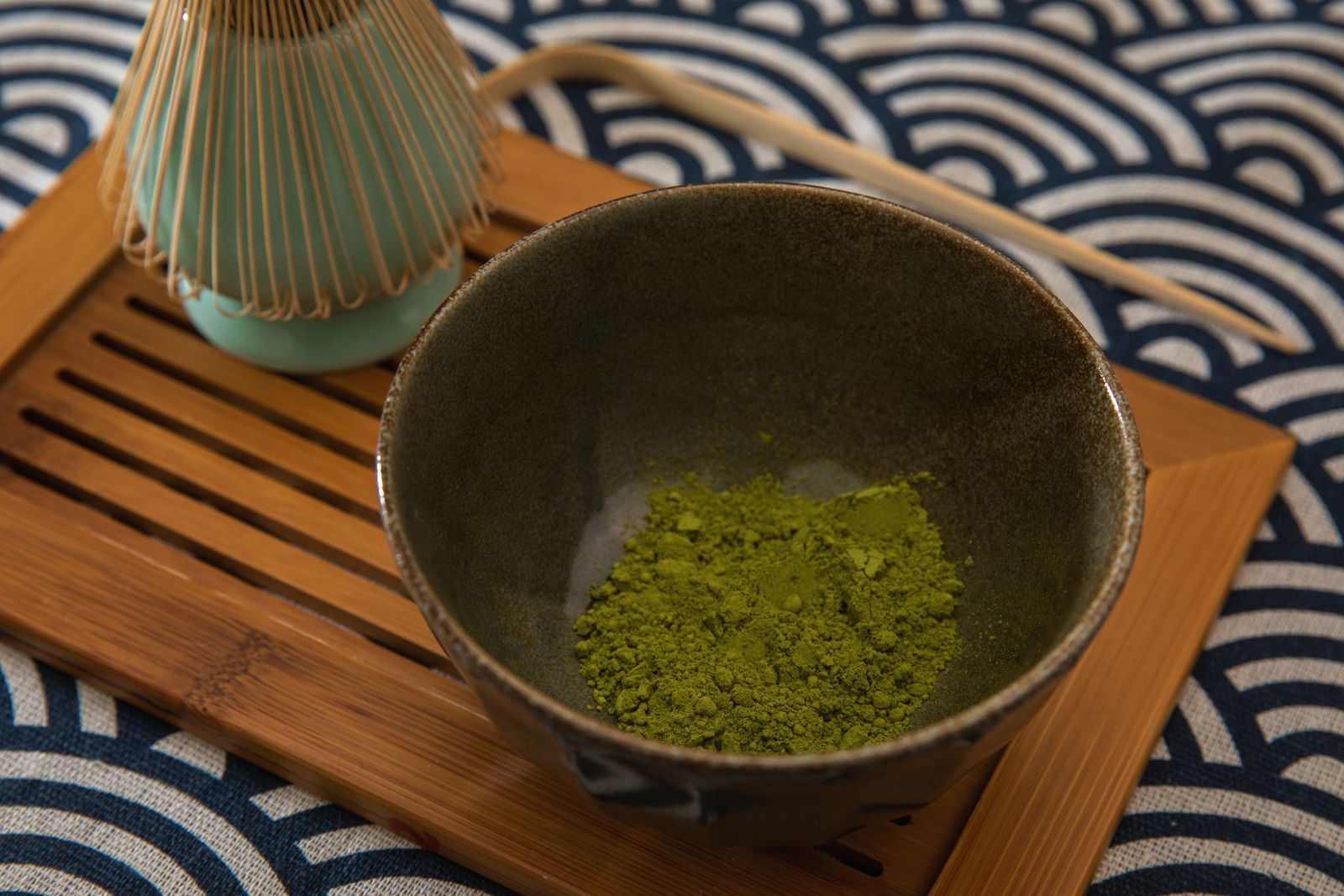
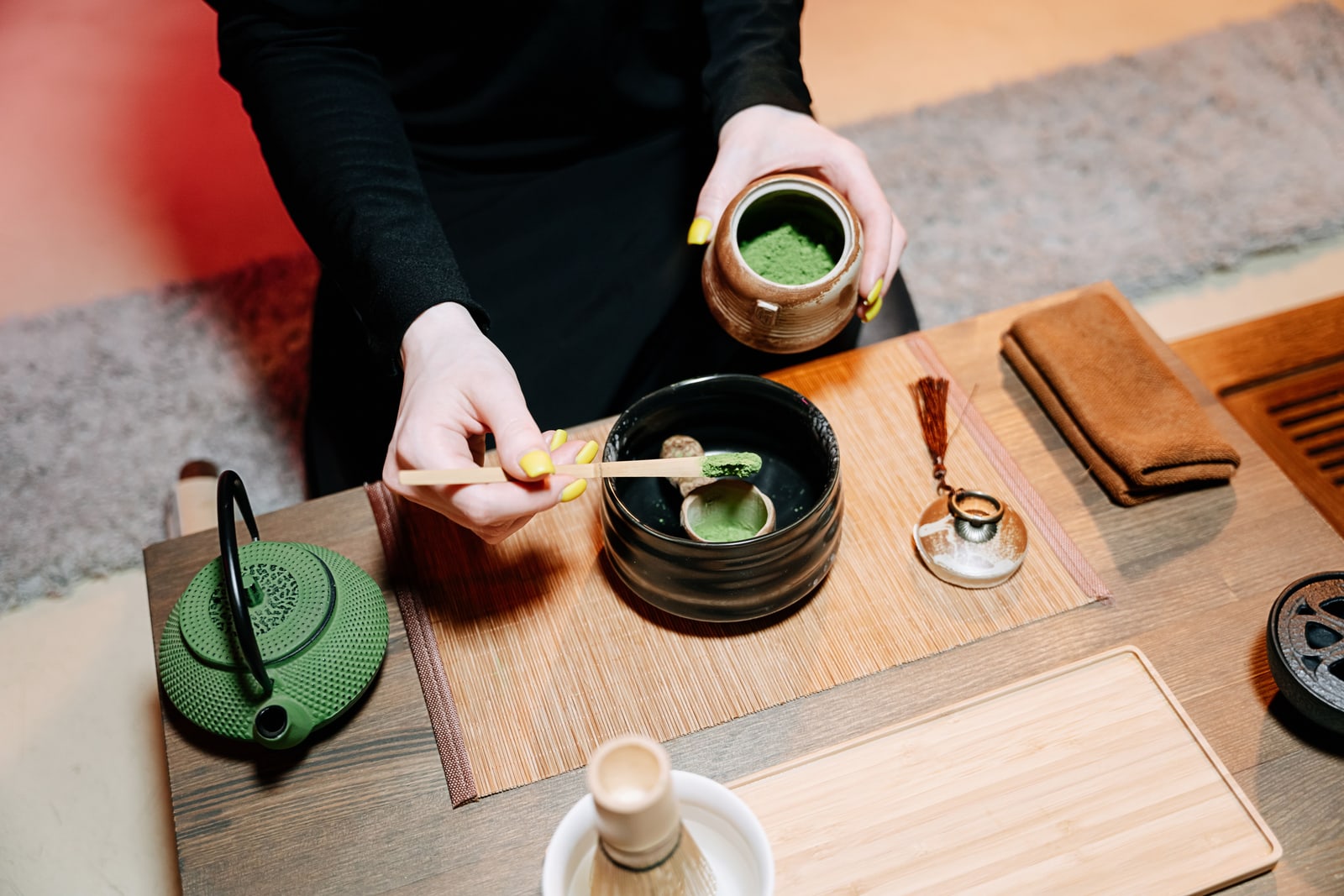
3. The host. Water at the hearth, the utensils laid out, the bowl whisked and brought to you. At a beginners’ seat the host shows you how to take the sweet and hold the bowl before you need to.
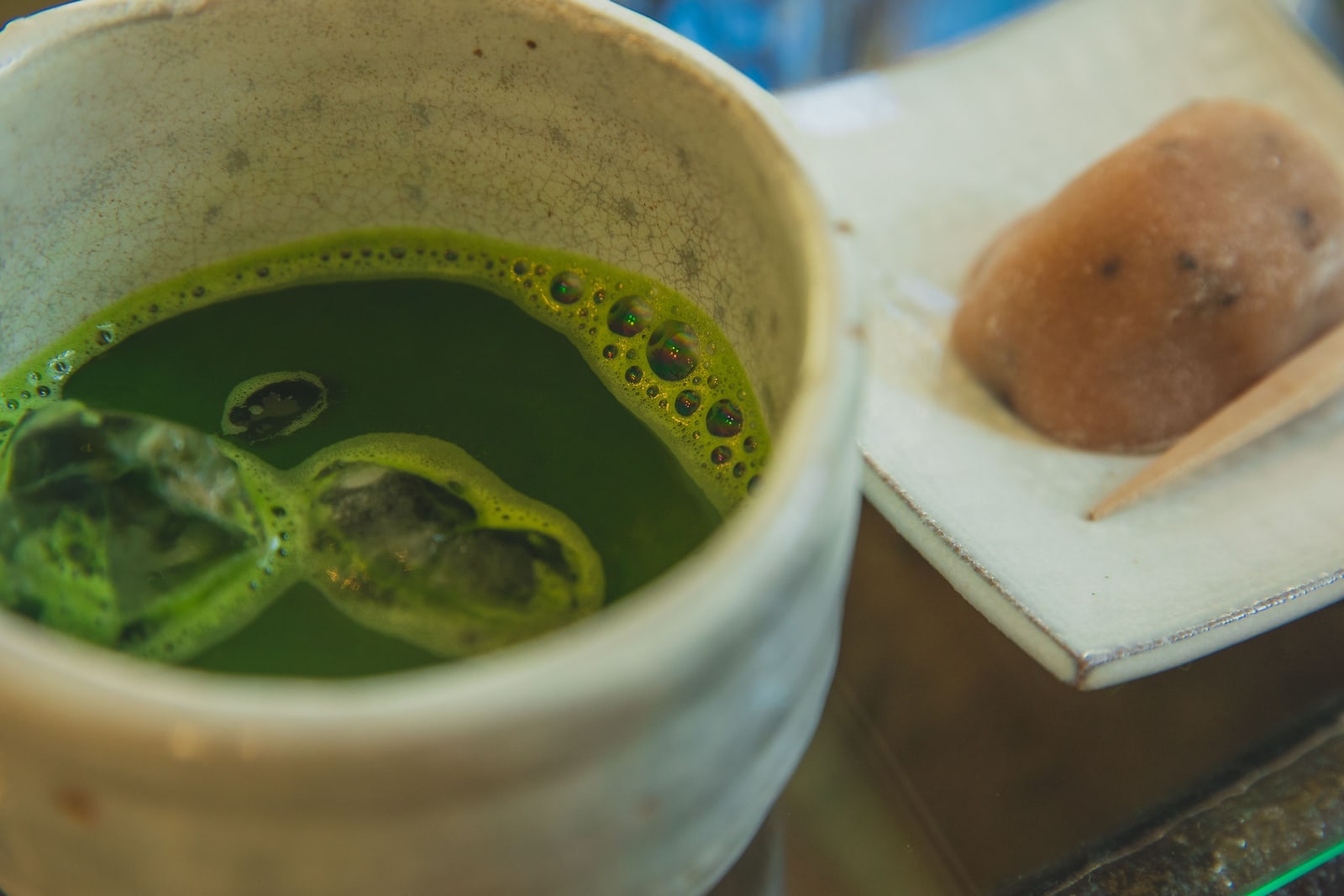
4. The sweet, first. It comes before the tea and is eaten before the tea. A moist sweet is taken with the pick; a dry sweet goes by hand onto your kaishi paper.
JBJ'S TAKE
Sweet first. Then stop worrying.
Every line in this list is a courtesy, not a test. Nobody in the room is grading the turn of your bowl; the host runs seats for beginners and will show you.
Two things to get right: the sweet goes before the tea, and the side you drink from is not the front. The rest is the host's job.
You came to be a guest. Be one.
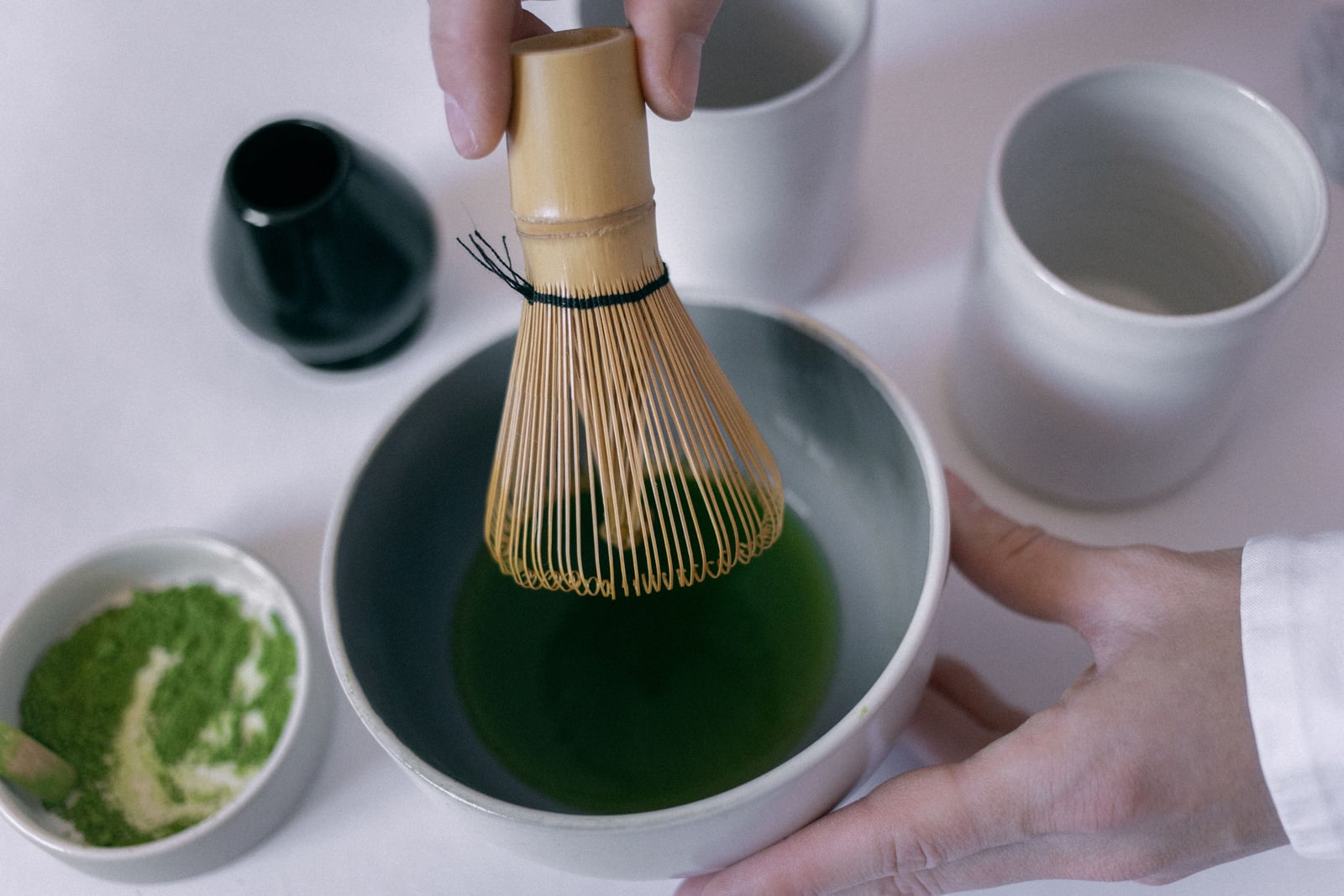
5. The bowl. A small bow to the guest beside you — “osaki ni”, excuse me for going ahead — and a bow to the host. Left palm under the bowl, right hand steadying it. Raise it slightly in thanks. Turn it twice toward you with the right hand, so you do not drink from the front. Drink quietly, in a few sips, and finish it.
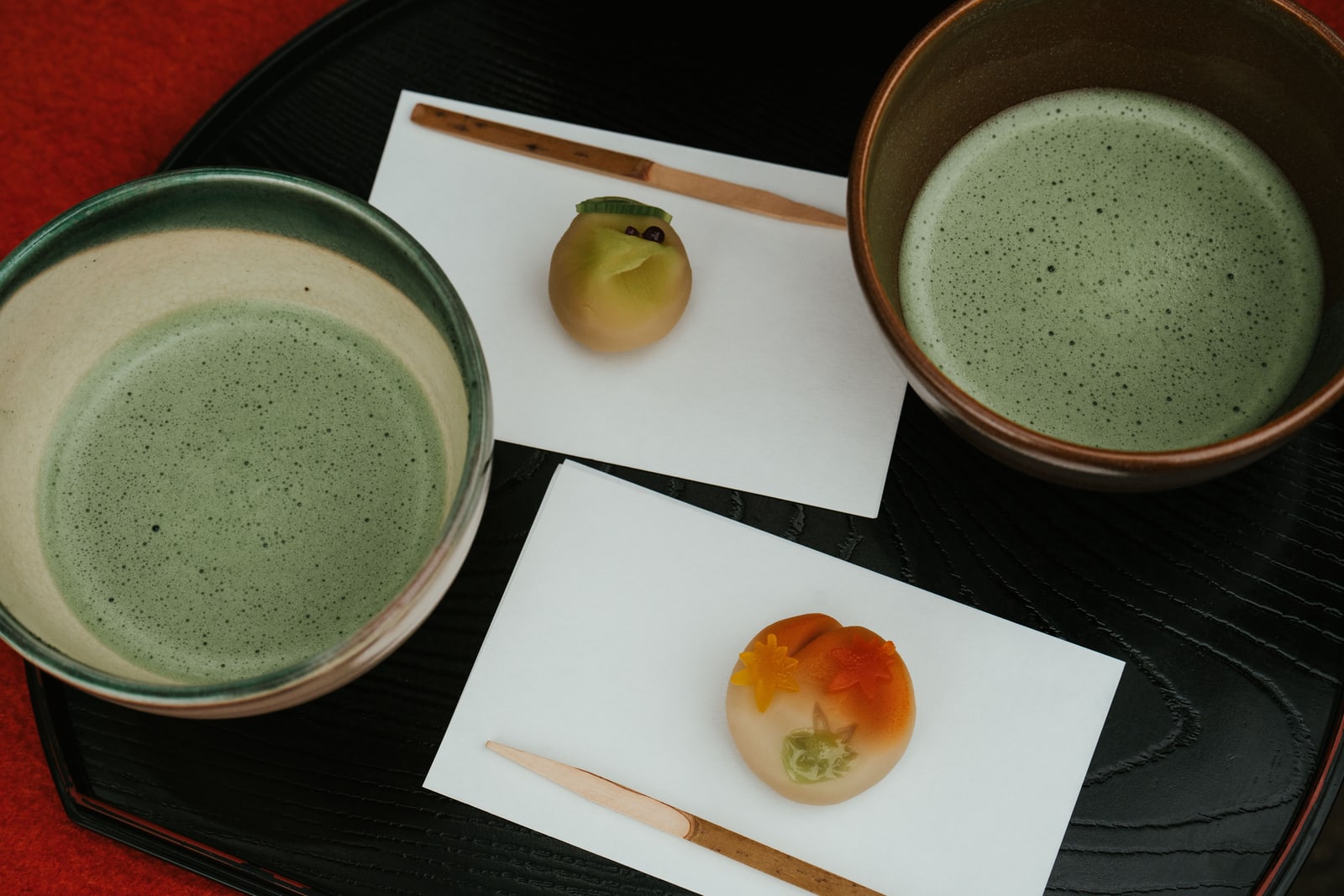
6. Back. Wipe the rim where you drank with thumb and index finger; wipe the fingers on your kaishi. Turn the bowl back twice. Look at it — the shape, the inside, the foot. Return it with its front toward the host. That is the seat.
Kyoto or Tokyo, and when
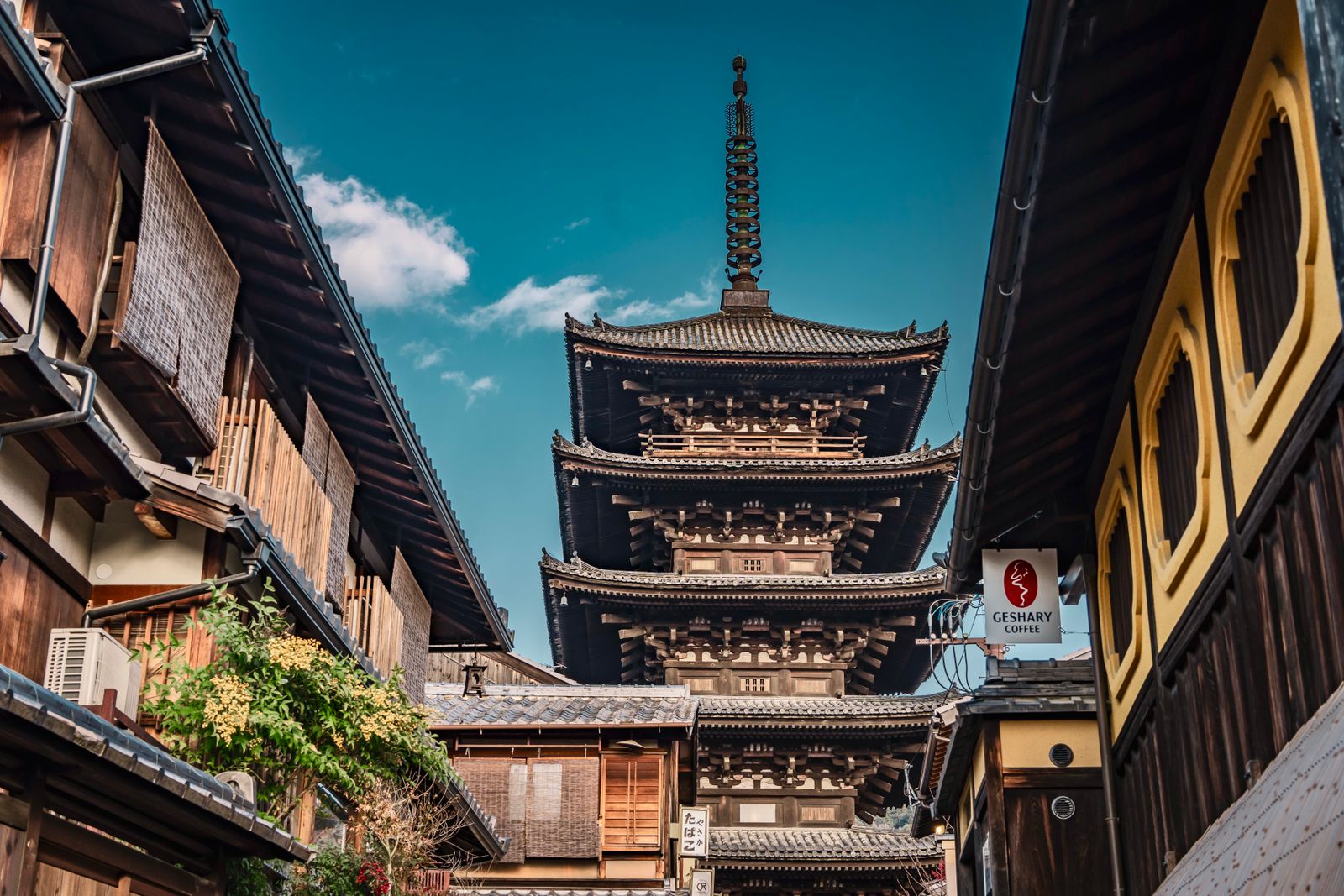
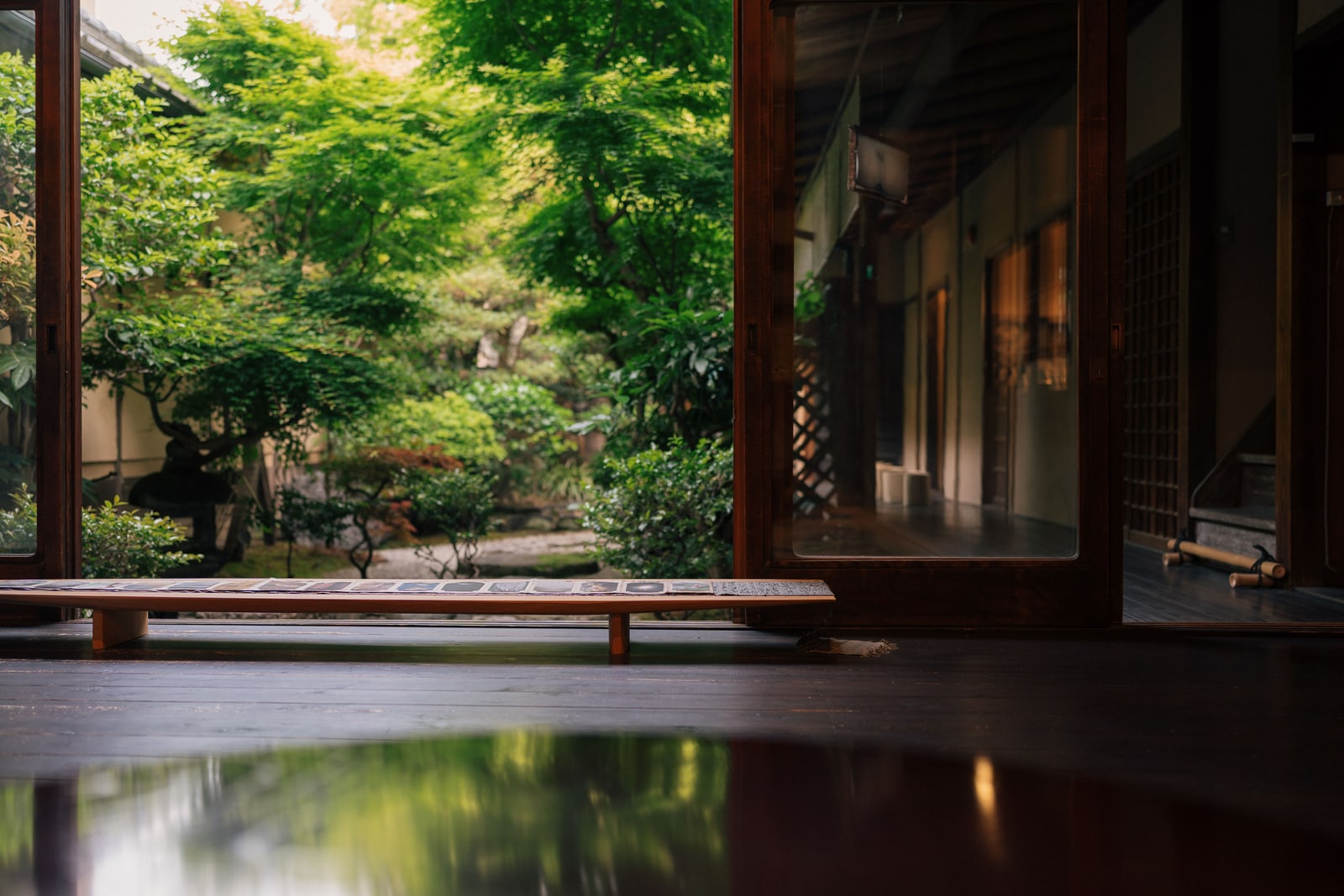
The seat is offered at temples, gardens, cultural facilities and hotels across the country, Kyoto above all. Urasenke’s public seat runs there on weekdays during its exhibition periods, some weekends and holidays too, at 10:00, 11:00, 13:00, 14:00 and 15:00. A Kyoto morning with the seat in it is a morning near Urasenke’s center; where to stay in Kyoto sorts the neighborhoods.
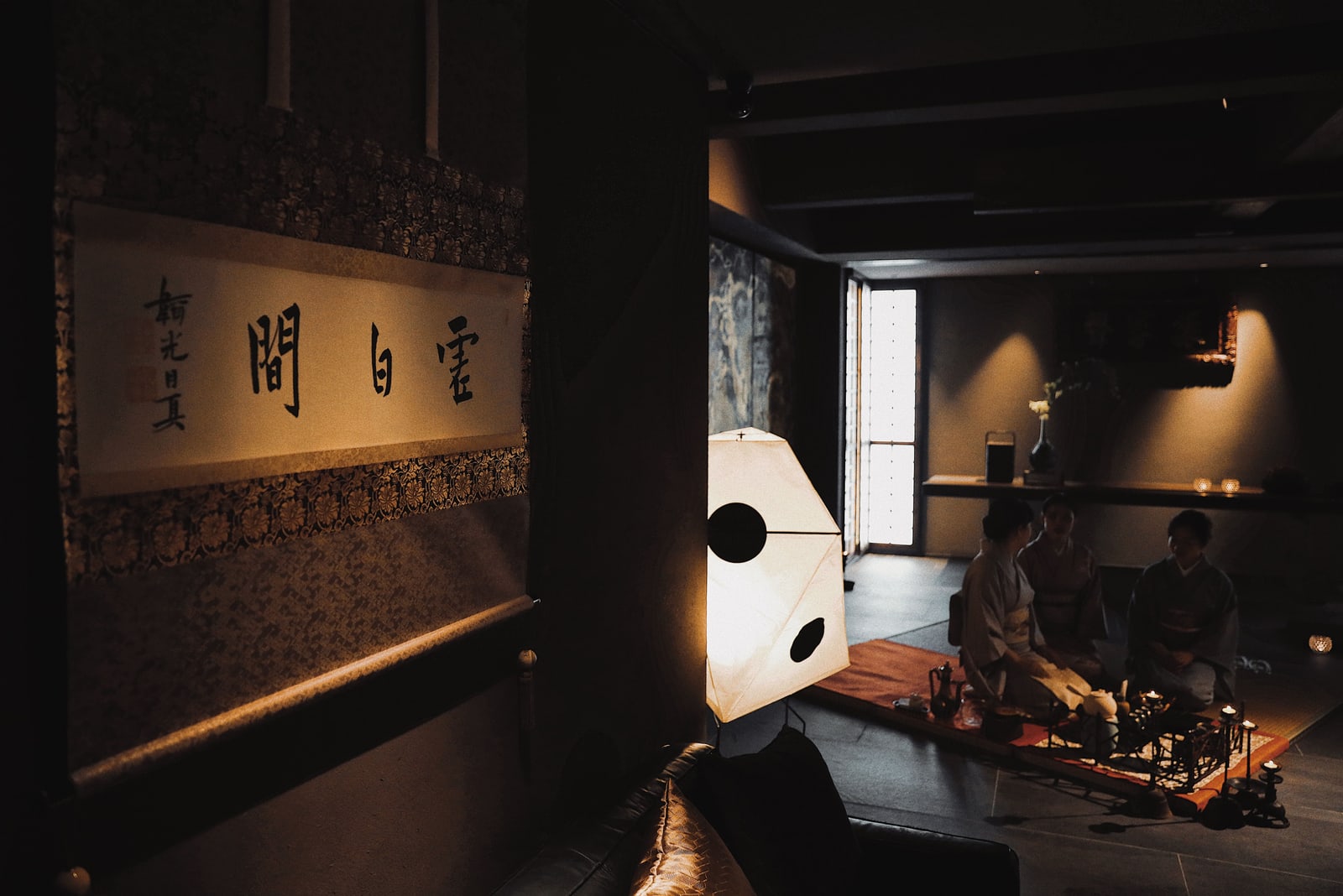
What Tokyo adds is a city-run event. The Tokyo Grand Tea Ceremony 2026 runs on 24–25 October at the Edo-Tokyo Open Air Architectural Museum in Koganei and on 31 October–1 November at Hama-rikyu Gardens, ¥800 a tea seat indoors or out, first-timers welcome. The rest of the year Tokyo is the garden bowl at Hama-rikyu, a booking-site hour at the operator’s price, or the hotel programs at hotel prices.
What to book now, and what cannot be yet
- Urasenke’s Kyoto seat: reserve by 15:00 the day before, on the center’s own page or by phone. It can go on the trip list rather than this week’s; check that your dates fall in an exhibition period.
- Tokyo Grand Tea Ceremony 2026: the dates are fixed. Seats and the day’s program are on the event’s own site, which also carries the guest guidance the sequence above follows.
- The Imperial Hotel program: one month to three days ahead.
- Hama-rikyu: nothing to book. Closed over year-end and New Year.
- A booking-site hour: the listing’s own window.
Book it if… skip it if…
Book it if the explanation is what you want, and a Kyoto morning in an exhibition period or a Tokyo late-October weekend is in the trip. Thirty minutes is the right length; you will not wish it longer.
Book a listing if you want the explanation and neither of those falls in your dates. That is the one case for the booking-site hour: take the plainest one, chairs if you need them, no kimono in the bundle, and know that the extra is the room, not better tea.
Skip it if the view matters more than the sequence — take the garden bowl — or if any line in the decline above is yours.
JBJ'S TAKE
Book the school's seat, not the hotel's hour.
One bowl, one sweet, thirty minutes, a chair, a host who shows beginners how — about a thousand yen and the museum door. That is the tea ceremony a first trip needs.
Three hotel hours? A private room? A kimono thrown in? Each is fine. None makes the tea more real.
Kyoto: reserve the afternoon before. Tokyo in late October: ¥800 at the city's own event. Anything else is buying the room.
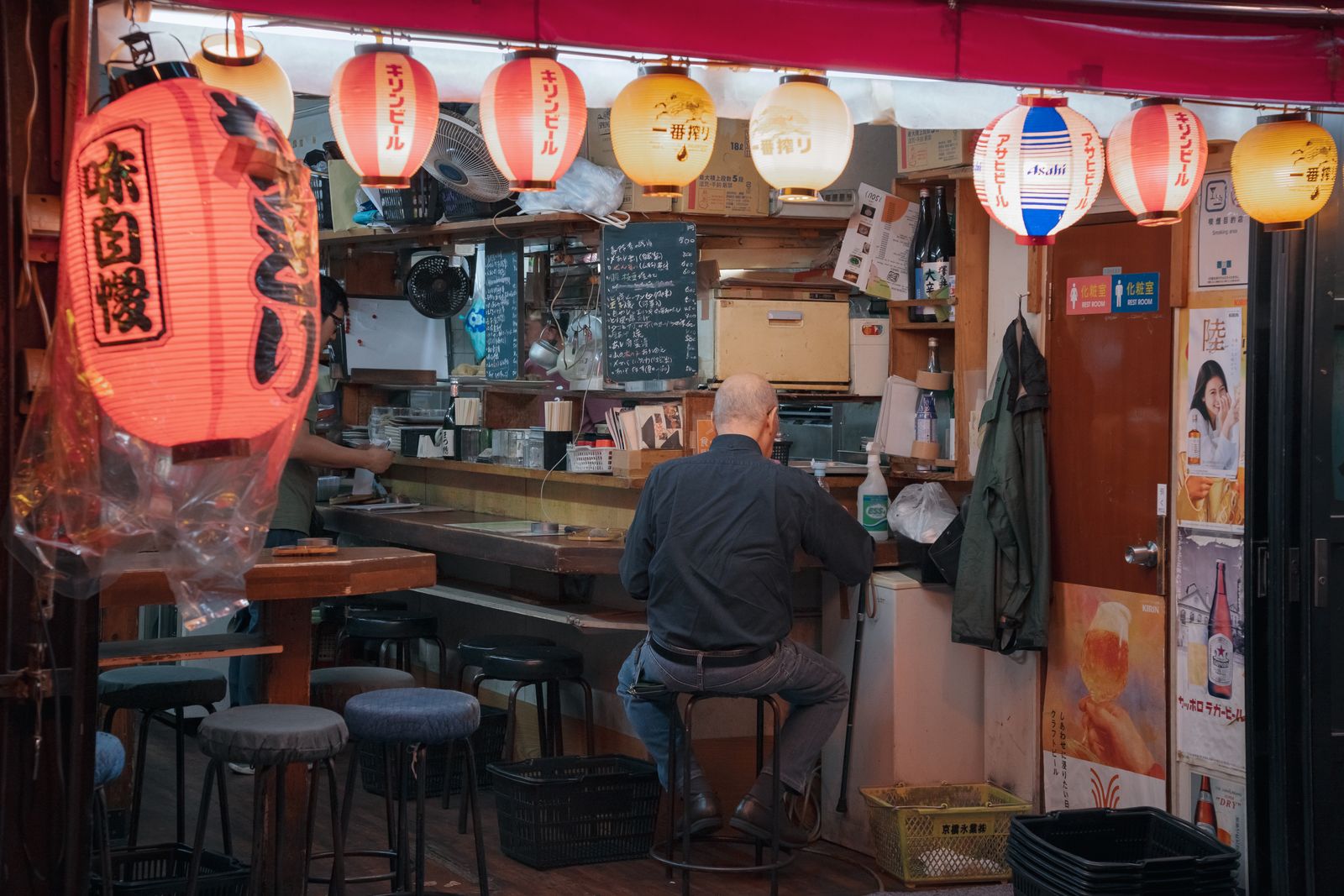
The evening after the seat is a first izakaya. If the bowl stayed with you, matcha at home is where it goes next.
Information checked September 2026. The guest’s sequence, the dress and the removal of rings and watches from Urasenke’s and Omotesenke’s own guest pages and the Tokyo Grand Tea Ceremony’s guest guidance; the seat-versus-chaji distinction, seating and the spread of venues from Omotesenke and JNTO; Urasenke’s Kyoto seat from the Chadō Research Center’s own page; the 2026 event dates and price, the hotel and society program prices and Hama-rikyu’s admission and hours from the Tokyo Metropolitan Government’s visitor guide, the event’s site and Tokyo Parks.