Three things catch people on a first izakaya night: a small plate arrives that nobody ordered, the ordering never seems to finish, and the bill comes out larger than the menu said. None of them is a mistake. All three are how the place works.
This page takes one evening in the order it happens — the door, the plate, the rounds, the clock, the bill — and stops at each of those three points long enough that when it comes, you already know what it is and what to do about it.
The evening in four moves
An izakaya is a place for drinks, with small dishes to go alongside — closer to a bar than a restaurant, though you will eat well. The whole night is four moves:
- At the door, say how many you are and get seated.
- The first drink comes first — and with it a small plate you didn’t order. It is charged per person: it is the table charge.
- Order in rounds, a few plates at a time, and share them.
- The bill comes as one total at the end. The menu prices already include tax, so anything above the menu sum is the plate, a seat fee, or a late-night surcharge — not tax.
Read nothing else and you still have the evening.
The door and the seat
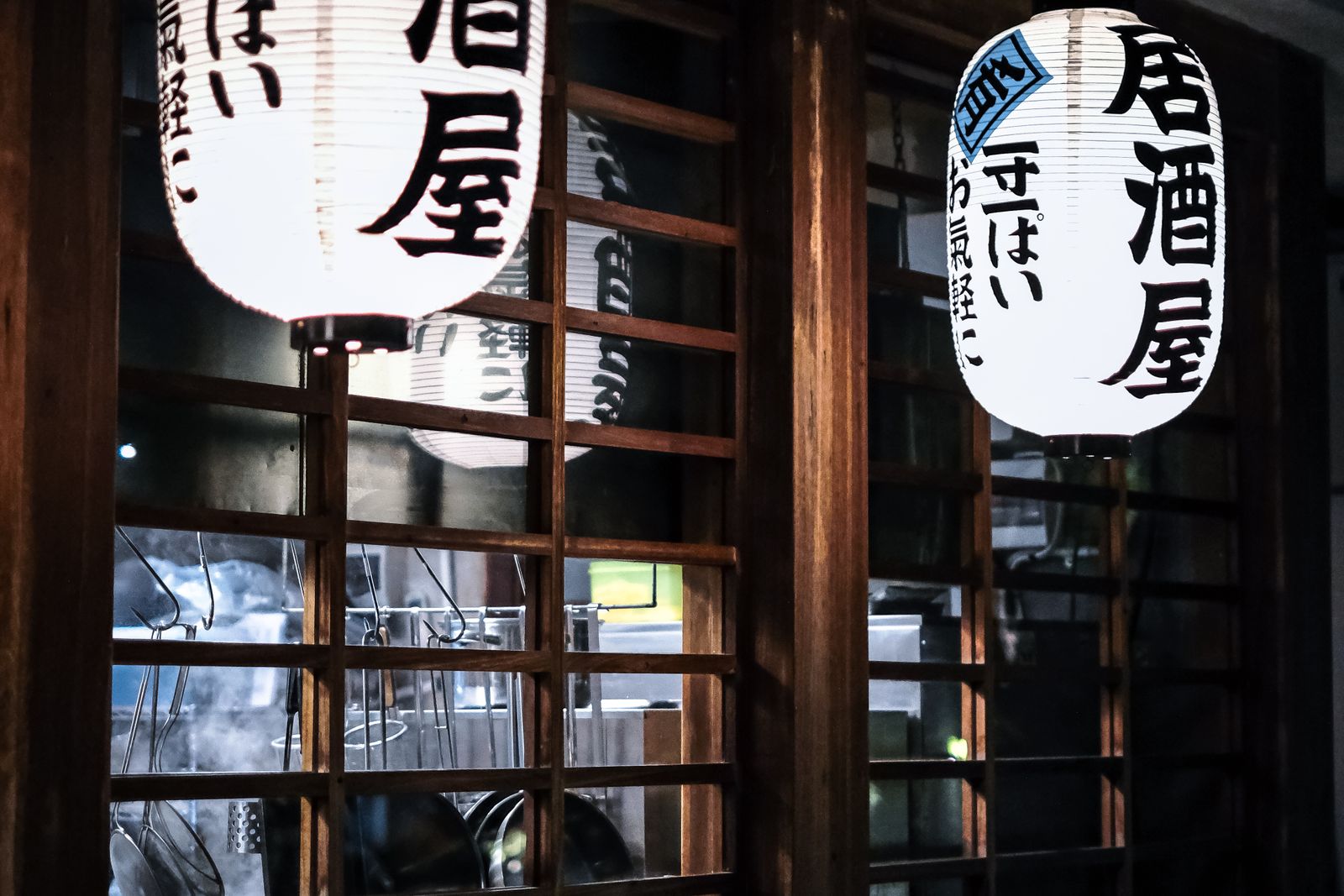
Most izakaya announce themselves with a lantern, a short curtain over the door, or both. Go through. Someone will call out a greeting; a nod is enough. What they need from you is a number — hold up fingers for how many — and they’ll seat you.
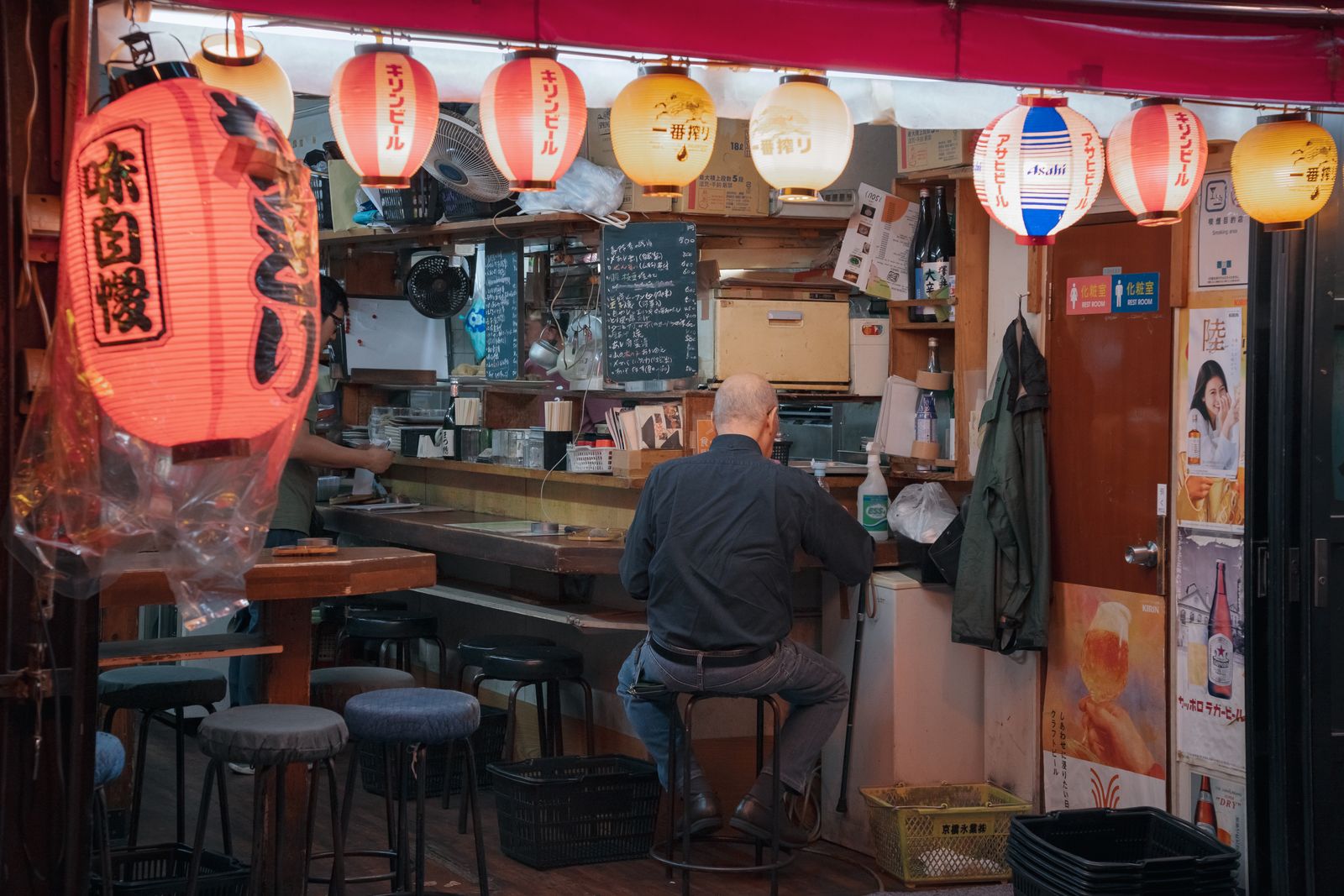
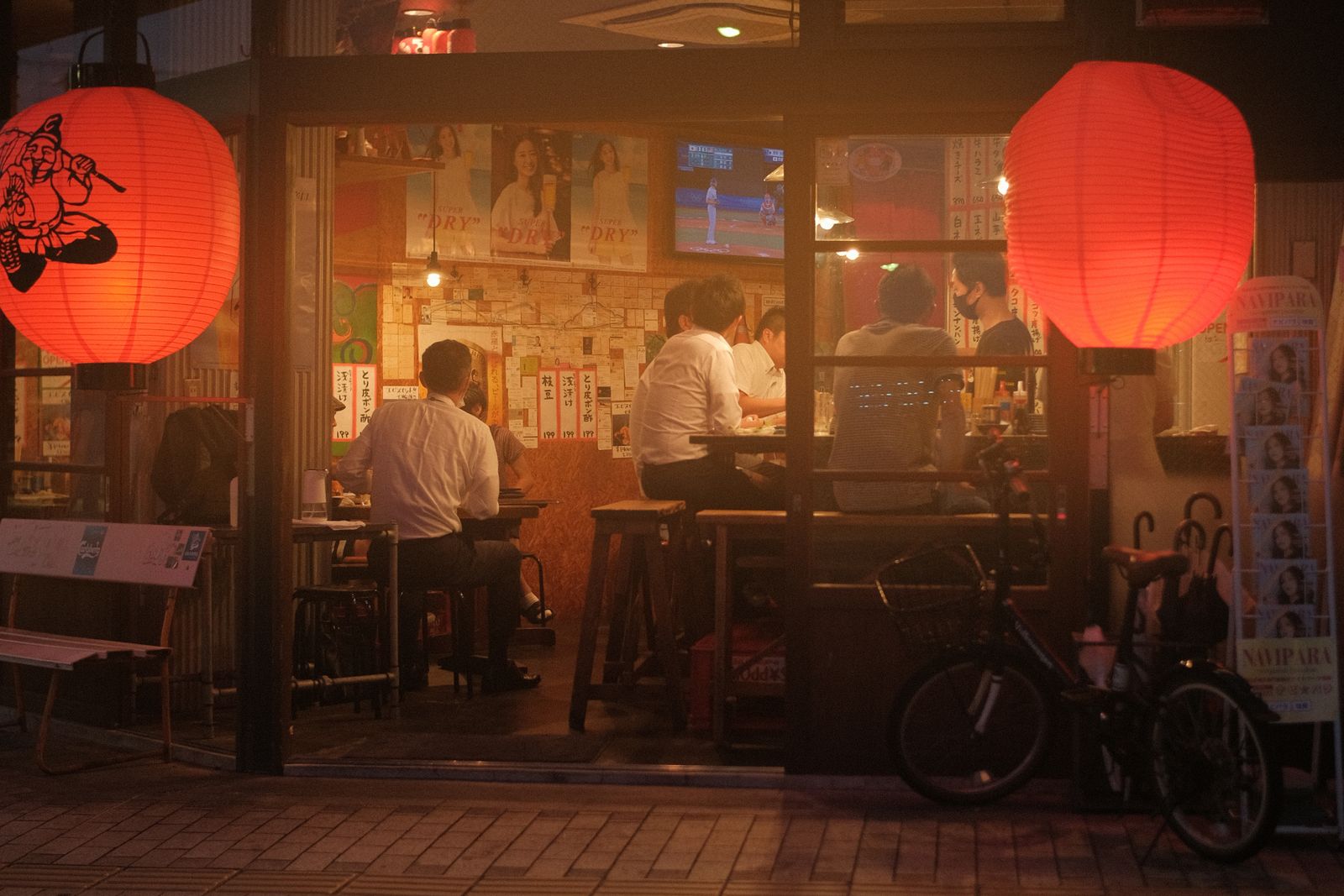
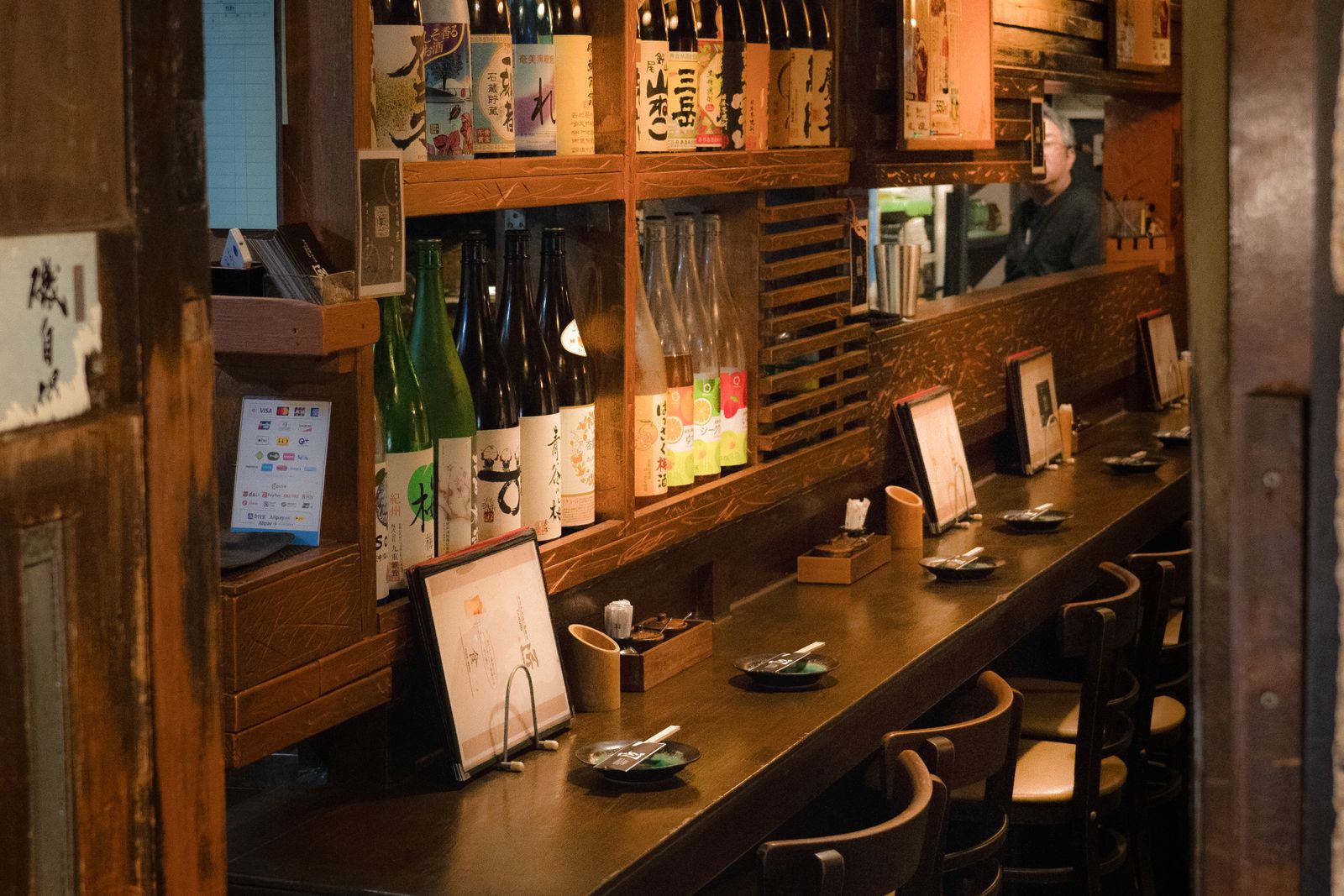
There are usually three kinds of seat: the counter, ordinary tables, and a raised tatami platform. Sit where you’re put. On the tatami, shoes come off at the step. Alone is fine; the counter is built for it, and the person at the top of this page is doing exactly that.
A small wet towel usually arrives once you’re seated. It’s for your hands.
The plate you didn’t order: otoshi
What it is, and why it’s charged
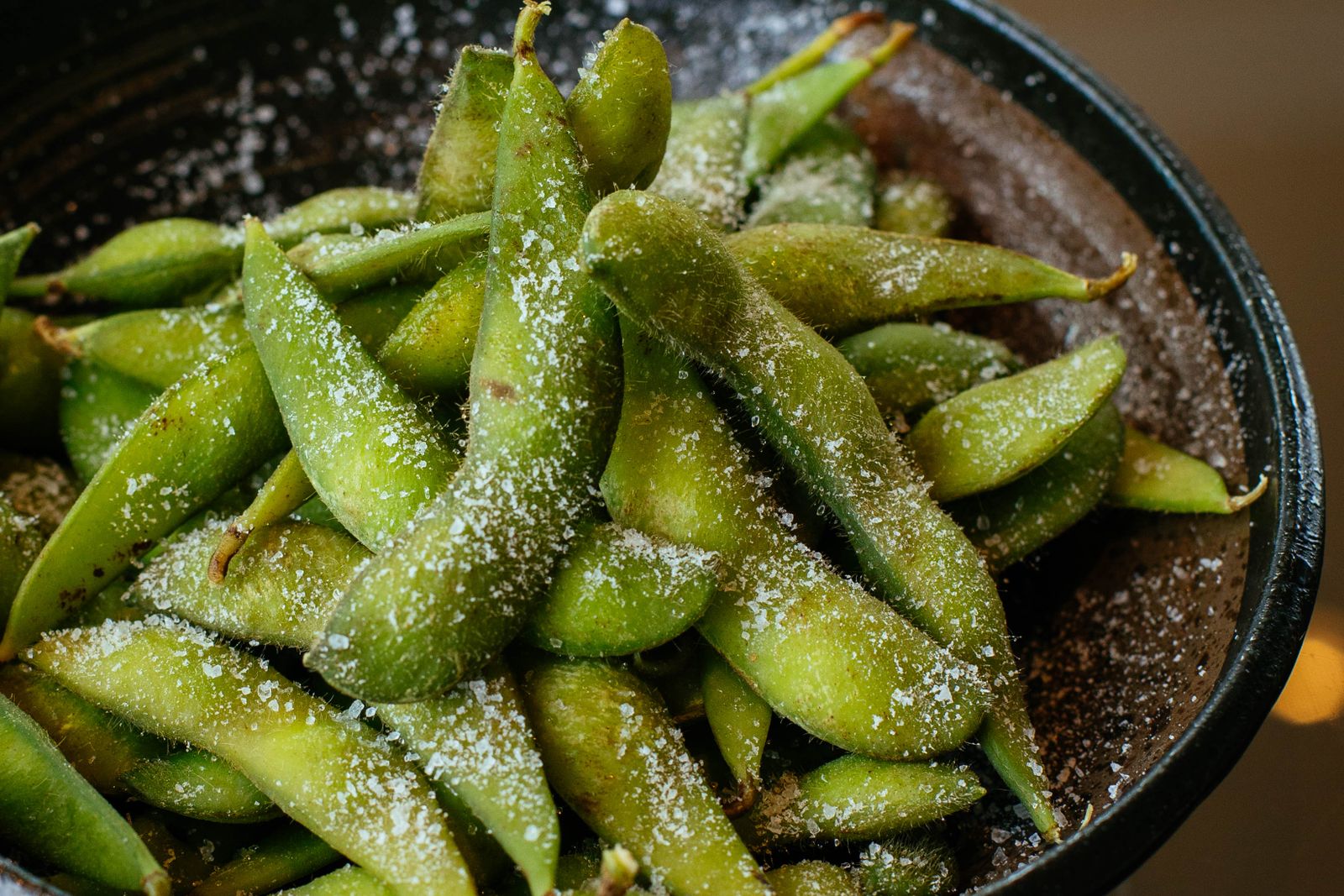
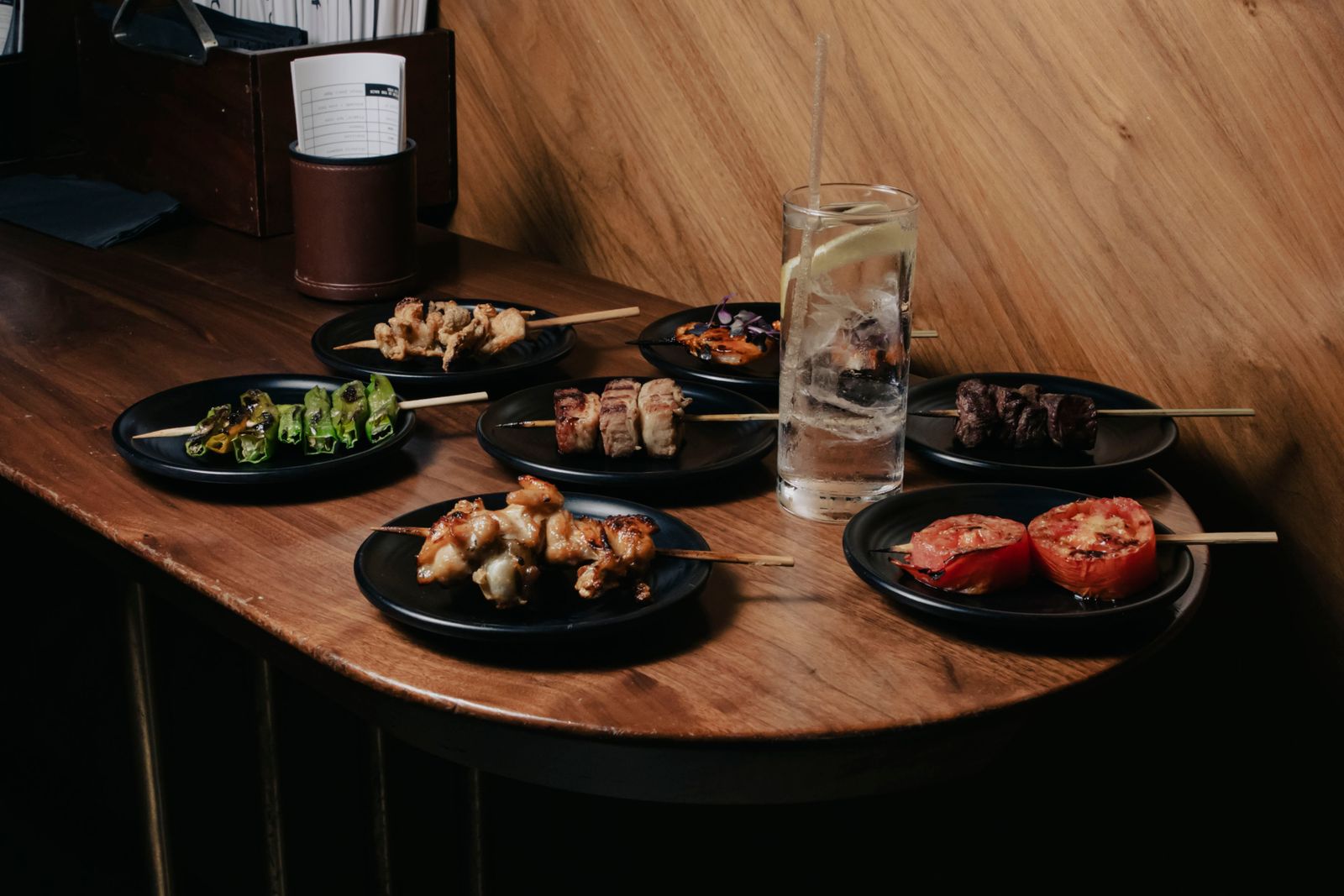
Soon after the first drink is ordered — often with it — a small dish lands in front of each person. Nobody chose it, and it is small: a few bites, not a course.
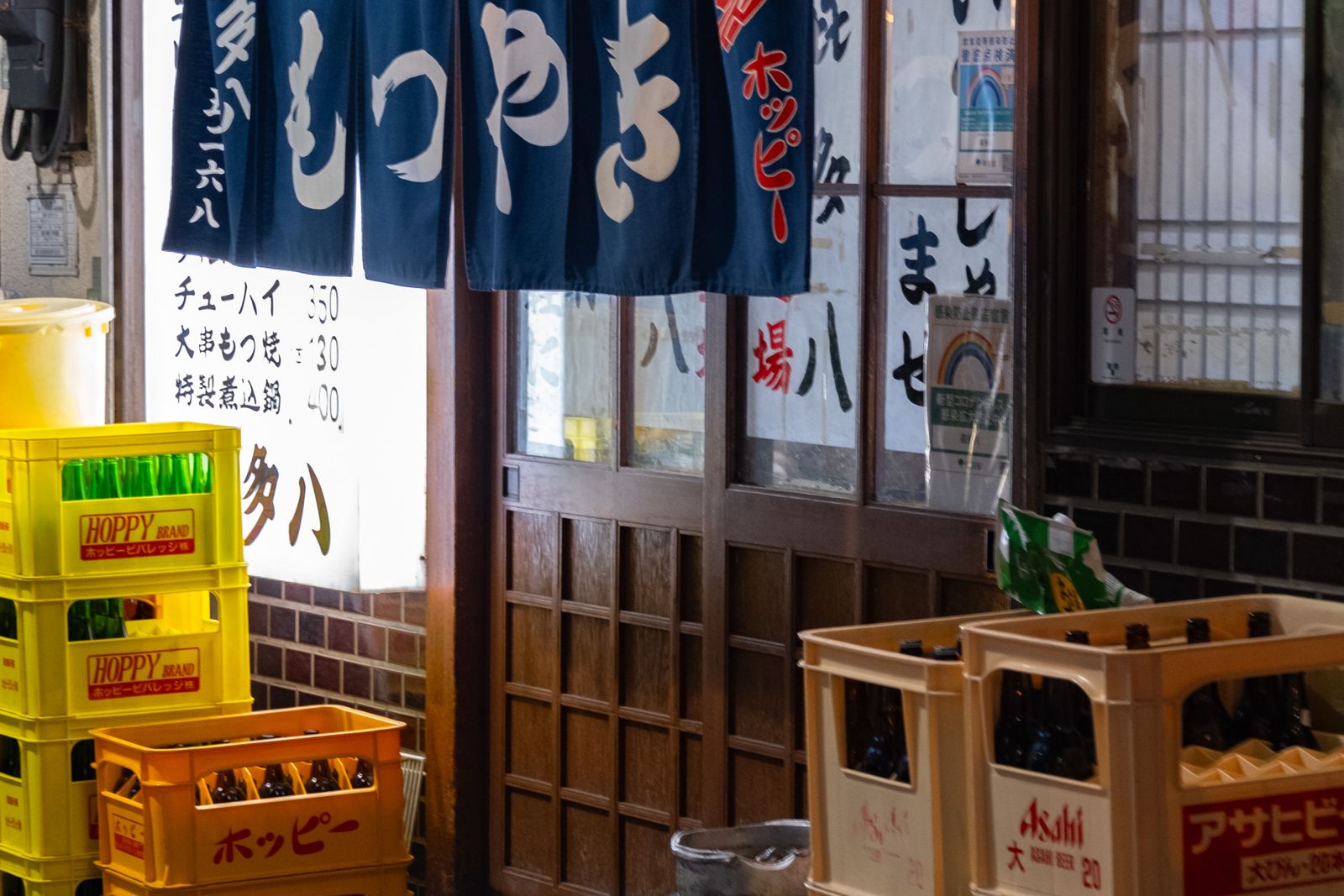
That is the otoshi (also called tsukidashi). It is served per person, before or with the first order, and it is charged to the bill at the end. Japan’s national consumer center, which runs the hotline for visitors, describes it as a table charge and as part of izakaya culture.
The same custom turns up at Fukuoka’s yatai — some stalls, not all.
What it costs
Per person, so a table of four pays four. The amount is each shop’s own.
Two published policies show how far apart shops can be. Miraizaka, a Watami-group chain, lists an otoshi charge of ¥330 including tax at its published plan terms, and states that the plate cannot be cut (checked 2026-09-15). Torikizoku states on its own site that it charges no otoshi, no seat charge, and no late-night charge (checked 2026-09-15).
Who tells you first: chain or independent
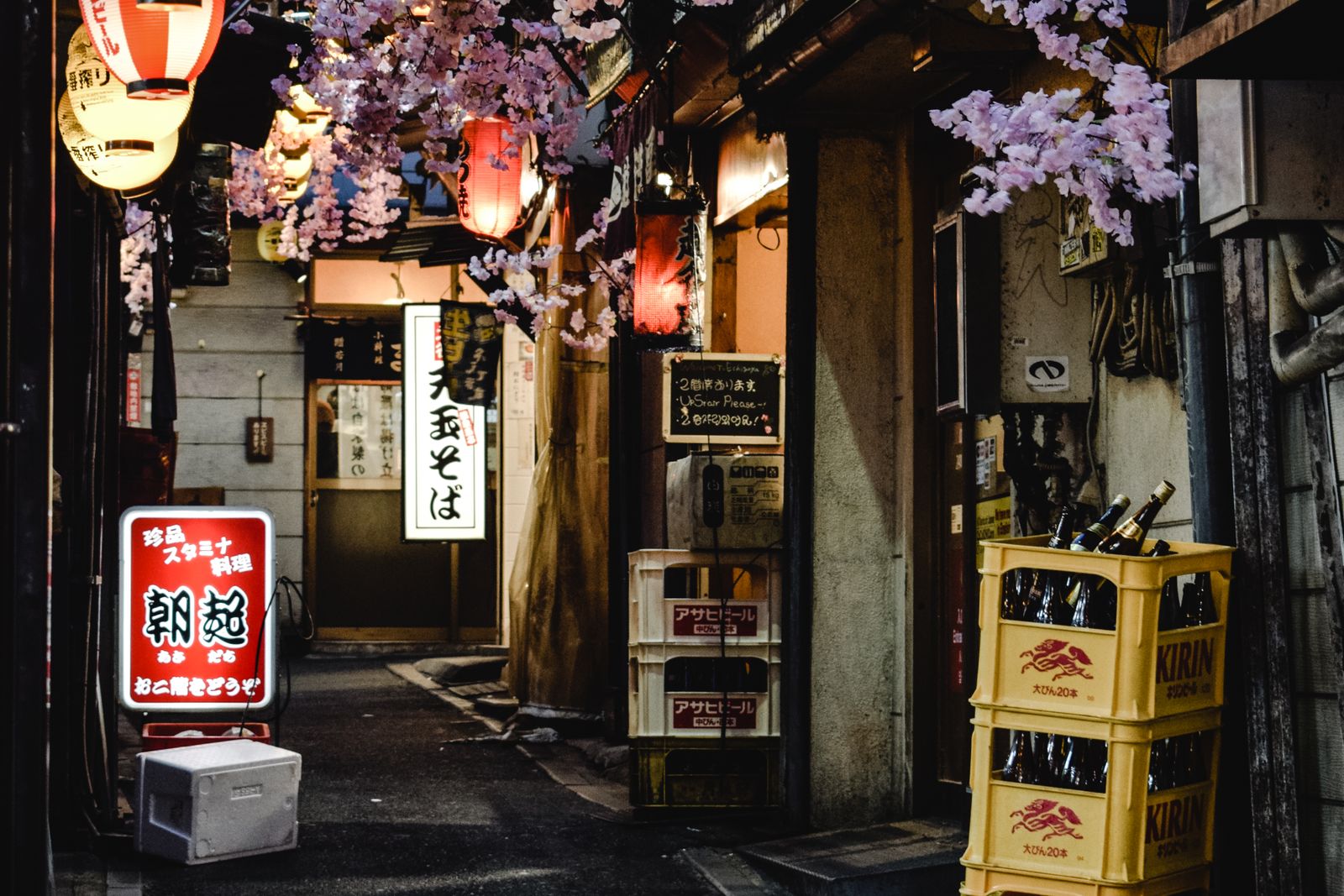
Chains tend to publish their otoshi policy on their own sites, as those two do. Independents mostly don’t: at a small counter bar, the plate simply arrives, and the plate is the charge for the seat.
The official advice, from the same consumer center, is short: when a dish you didn’t order arrives, confirm with the staff.
Timing does most of the work. The plate comes with the first drink, so if you have a question about it, the moment is then — before the first food order goes in, not at the register with the bill in front of you.
If you can’t eat it — no meat, no fish, an allergy — say so as it arrives. Where the fish is likely to be (the stock) and what to ask are on the vegetarian and vegan page.
JBJ'S TAKE
Settle the plate with the first drink, not the register.
Read the plate as Japan's consumer center does: a table charge you can eat. You pay to sit, not for what's on it.
Chains tend to post their policy — no surprise there. At an independent, the plate is the announcement. It lands with the first drink. That's your moment, if you have a question.
After that, eat it. Arguing at the register is arguing with the chair.
Drinks first, then order in rounds
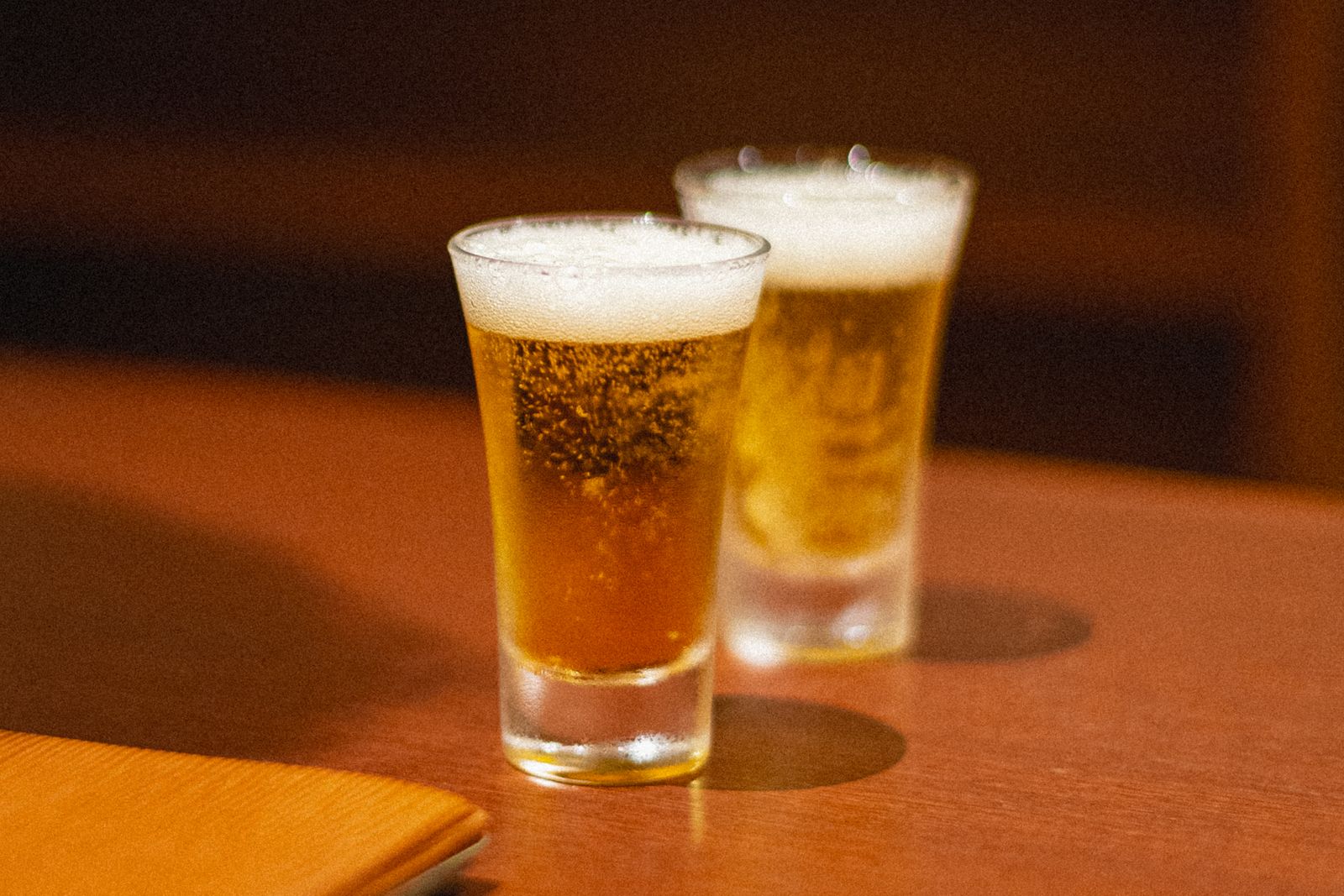
The first thing you order is a drink, before anyone opens the food menu. Staff will often come for it as soon as you sit down, and the table isn’t really open until it’s in. Beer is the usual first call, but anything works; what matters is that the drink goes first and the plate arrives with it.
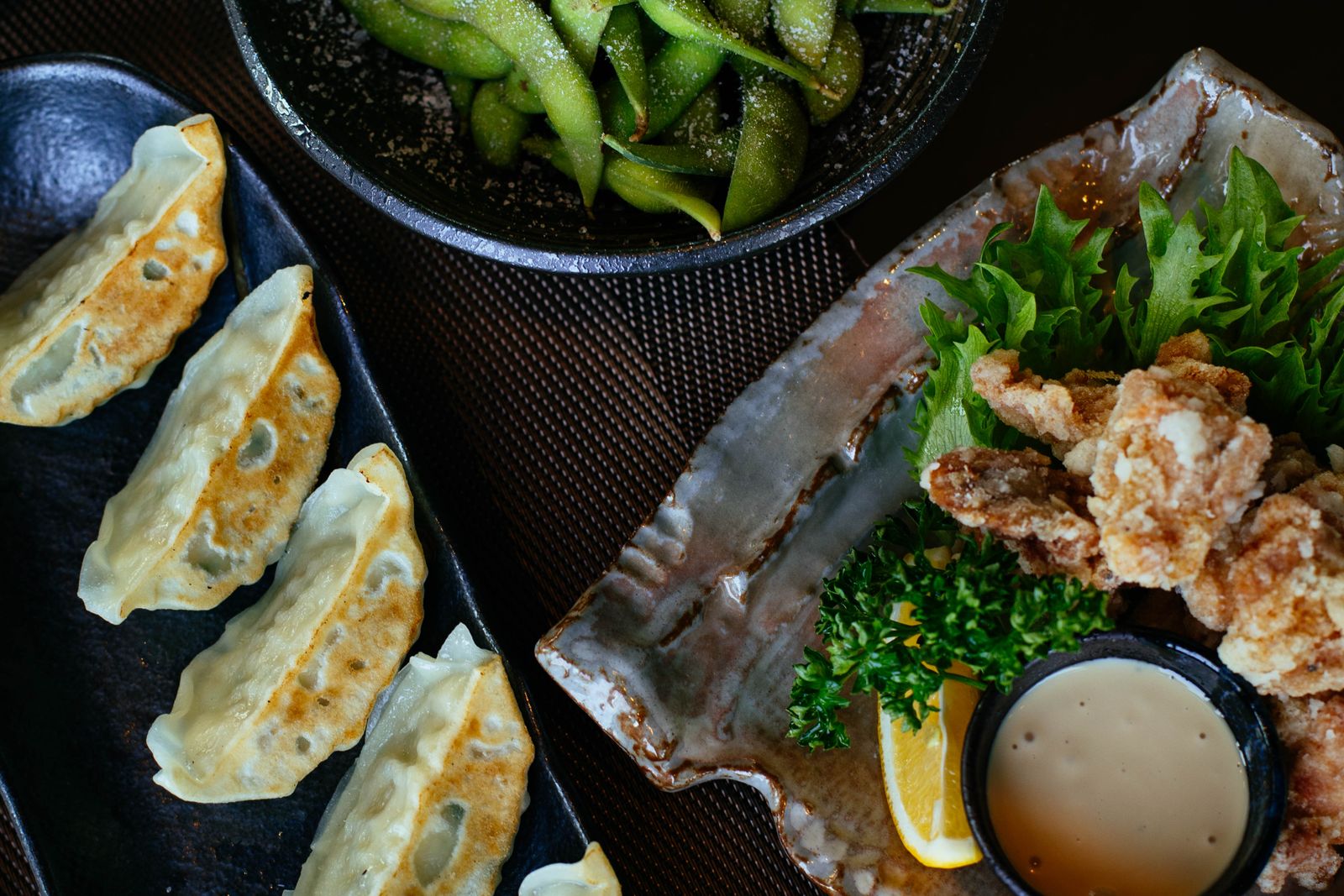
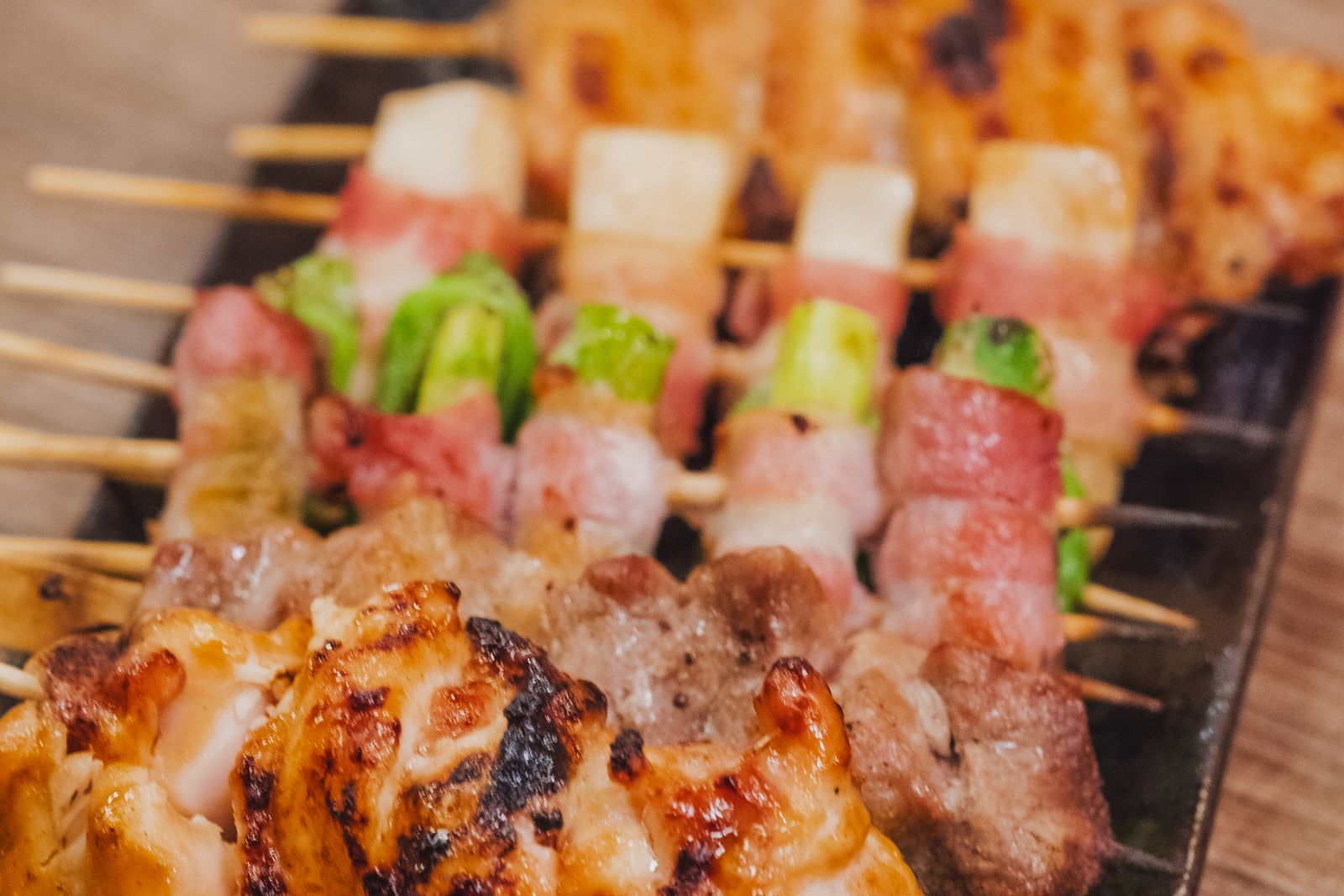
Then food, in rounds. Two or three plates for the table, shared, and when they’re gone, two or three more. Nobody orders a whole meal at once, and there’s no course order — dishes tend to come out as they’re ready. You keep ordering as long as you’re there, and near closing, staff come round for last orders.
To order, catch a server’s eye, press the call button if the table has one, or say “sumimasen” — excuse me — once, at normal volume.
JBJ'S TAKE
Order like you'll still be here in an hour.
The table that orders the whole menu at once isn't being efficient. It's turning a night into a meal: a crowded table, and nothing left to want.
Drinks first, two or three plates, then stop. Look at the table before the menu. Someone still hungry? That's the next round — and the next round is the evening.
You will not run out of menu.
The clock, and the other lines on the bill
Otoshi is the surprise everyone writes about. Three more can appear on the bill, and one on the door.
- All-you-can-drink (nomihodai). One price for a fixed block of time, and staff call last orders before the time is up. At Miraizaka’s published plan terms, the two-hour drink plan is ¥1,980 including tax, with last orders about 30 minutes before the end (checked 2026-09-15). You choose it at the start and feel it as a clock later.
- A seat fee. Some shops charge one instead of the plate, or as well as it. It’s a separate line, not another name for the otoshi.
- A late-night surcharge. At Miraizaka, customers arriving after 22:00 have 10% added to item prices, again at its published plan terms (checked 2026-09-15).
- Smoking. Indoors, no smoking is the national rule for restaurants. A shop where smoking is allowed at the table is using an exemption for small existing shops and must post a sign at the entrance, and anyone under 20 can’t enter that space. If it matters to you, the sign at the door is the check.
JBJ'S TAKE
A pair, first time? Skip the plan.
All-you-can-drink is a group product. One price, one clock, one long table. Fine for a group that already knows how the night ends.
For two on a first izakaya night it buys the wrong thing. You'll watch the last-order call instead of the table. Drinking to a deadline isn't the evening this page just described.
Pay by the glass. Leave when you're done, not when the clock is.
The bill
It comes as one total for the table. Read it from the menu up:
- The menu prices. Prices shown to customers in Japan must include consumption tax, so the number on the menu is the number you pay for that item. Nothing is added for tax at the register.
- The plate, once per person.
- A seat fee, if the shop runs one.
- A late-night surcharge, if the shop runs one and you arrived after its cut-off.
So if the total is larger than the menu prices add up to, the difference is one of those three — the plate, a seat fee, or a late-night surcharge. It is not tax. That one sentence lets a first-timer read any izakaya bill.
How it’s usually paid: orders go on a running slip kept at the table or counter, and at the end the table settles as one at the register, typically near the door. Splitting happens among yourselves afterward. Some small places are cash only, so carry enough for the night.
If something on the bill is actually wrong and the counter can’t sort it out, Japan’s national consumer center runs a hotline for visitors in English: 03-5449-0906, weekdays 10:00–12:00 and 13:00–16:00. It’s an advice line, not an enforcement one.
What a night like this does to a daily budget — the per-day food line for a whole trip — is on the Japan trip cost page.
Before you go
JBJ'S TAKE
You didn't book a meal. You rented a seat.
Every surprise on this page is the same mistake: expecting a restaurant. A restaurant charges for what you ordered. An izakaya sells the seat first, then the evening you spend in it.
So carry one thing to the door. Rent the seat, no fuss. Then take the evening — slowly, in rounds, as long as you want it.
Get that right. The rest is just a good night.
The rest of the rules worth knowing — tipping included — are on Japan’s rules that actually matter. If tonight is in Tokyo, what to eat in Tokyo is the next page.
FAQ
What is otoshi?
The small plate that arrives per person before or with your first order, without anyone ordering it. It’s charged on the bill. Japan’s national consumer center describes it as a table charge and part of izakaya culture.
What if I don’t want the plate?
It’s the table charge, so it comes with the seat rather than with the order. The official advice is to confirm with staff when an unordered dish arrives — and the moment for that is when it lands, with the first drink. JbJ’s position on the plate is in the otoshi section above.
How do I pay?
As one table, at the register, at the end. Menu prices already include tax, so the only additions are the plate, a seat fee, or a late-night surcharge where the shop runs them. Some small places are cash only.
Can I go alone?
Yes. The counter exists for it, and one person at it is an ordinary sight. Order a drink, then a plate or two at a time, the same as a table would.