You can eat in Japan without meat or fish. The problem is not the menu. It is the stock.
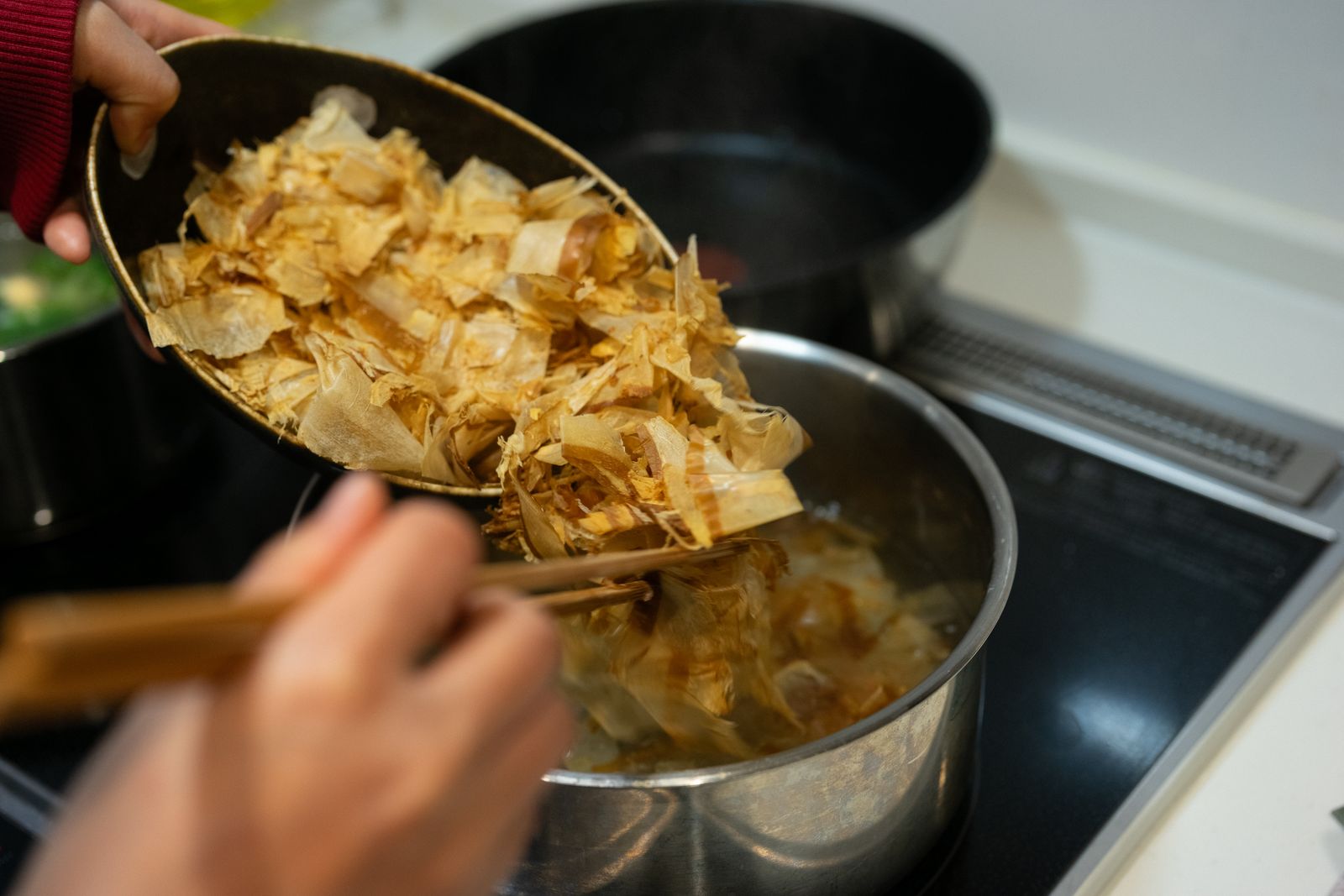
Dashi, the stock under Japanese soups, noodle broths and simmered dishes, is standardly kelp and dried bonito together, and of the other common types, all but two are fish as well. It does not look like fish, and on packaged food the allergen mark will not tell you: fish is not an item on it.
So this page runs on the stock, not the menu. Which of three lines is yours. What is fish by default and what never had it. Why. The question a kitchen can answer. What to pick up at 21:00 when the wrapper is the only source. And what JbJ does when it sits down.
Where your line is, and what it collides with
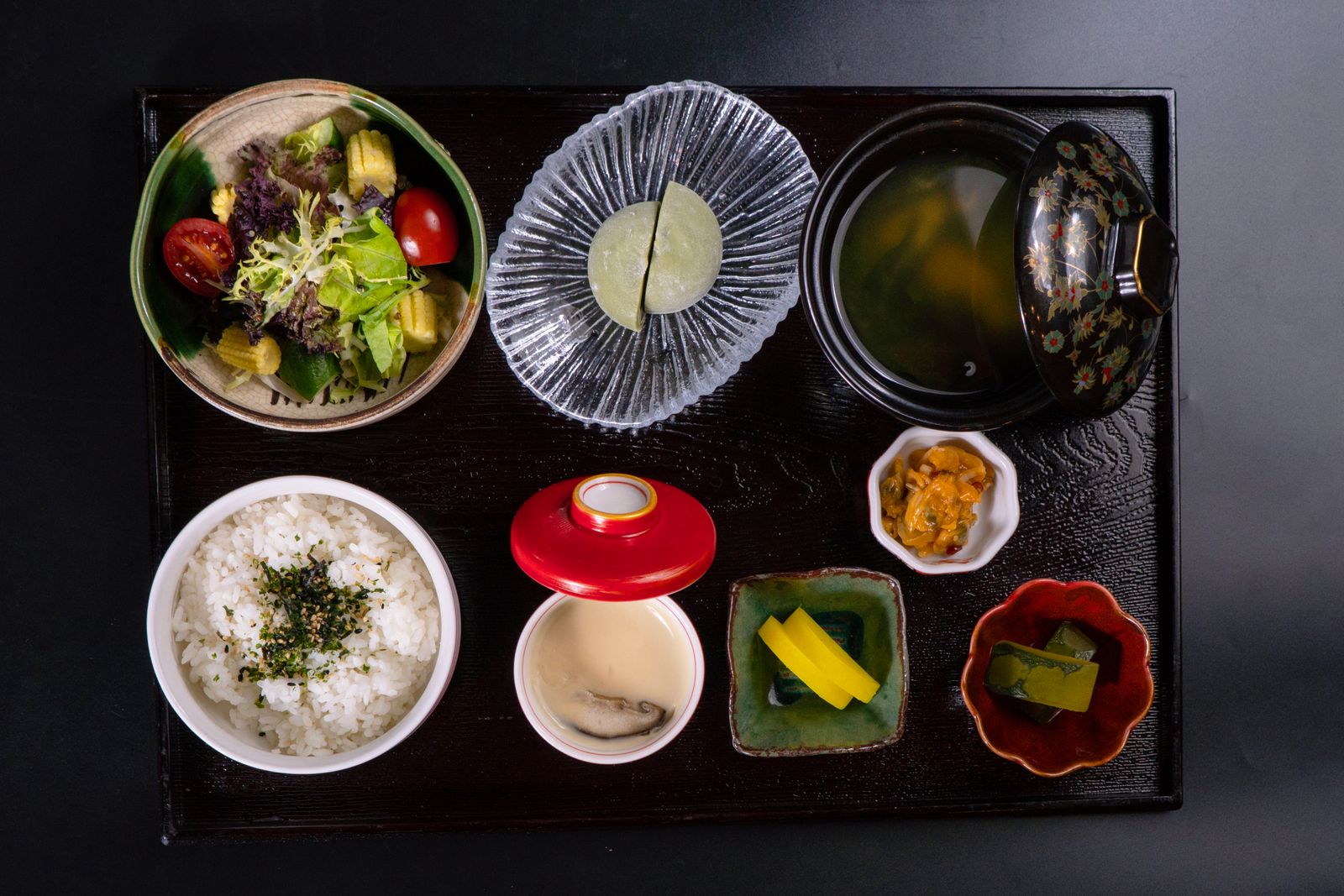
Three lines, and the page reads differently on each. Pick yours before the table.
- Vegetarian — no meat, no fish. In a Japanese kitchen that means the stock, because the stock is where the fish is.
- Vegan — no meat, no fish, no egg, no dairy. The stock again, plus the categories to watch: mayonnaise, egg dishes, anything dairy.
- No meat, fish stock accepted. A much shorter page.
Choosing for someone else? Ask them which of the three, not whether they are “vegetarian”.
One boundary. This page is about what you choose not to eat. If a food can make you ill, that is a medical question with a different rule set, and this is not the page for it.
JBJ'S TAKE
A real line. Draw it before you land.
No meat, fish stock accepted. JbJ counts that as a way to eat in Japan — not a vegetarian who gave up. Your line, nobody else's; the stricter eater beside you keeps theirs.
It changes plenty. The fish on this page lives in the stock; the hardest section below is mostly not yours.
One thing it doesn't change: decide once. Not at a counter with the bowl already steaming.
What is fish by default, and what never had it
Organized by stock rather than by dish, because the stock is what decides it. Every left-hand row rests on what a mainstream product prints on its own label; assume the same of the dish in front of you, unless the place says otherwise.
The word to look for is not “vegetarian”. It is だし, dashi. A named stock — 昆布だし, kombu dashi, or 椎茸だし, shiitake dashi — is the plant-based signal. The word 昆布 inside a product name is not: the onigiri and the ponzu below are both named kombu, and neither is kombu only.
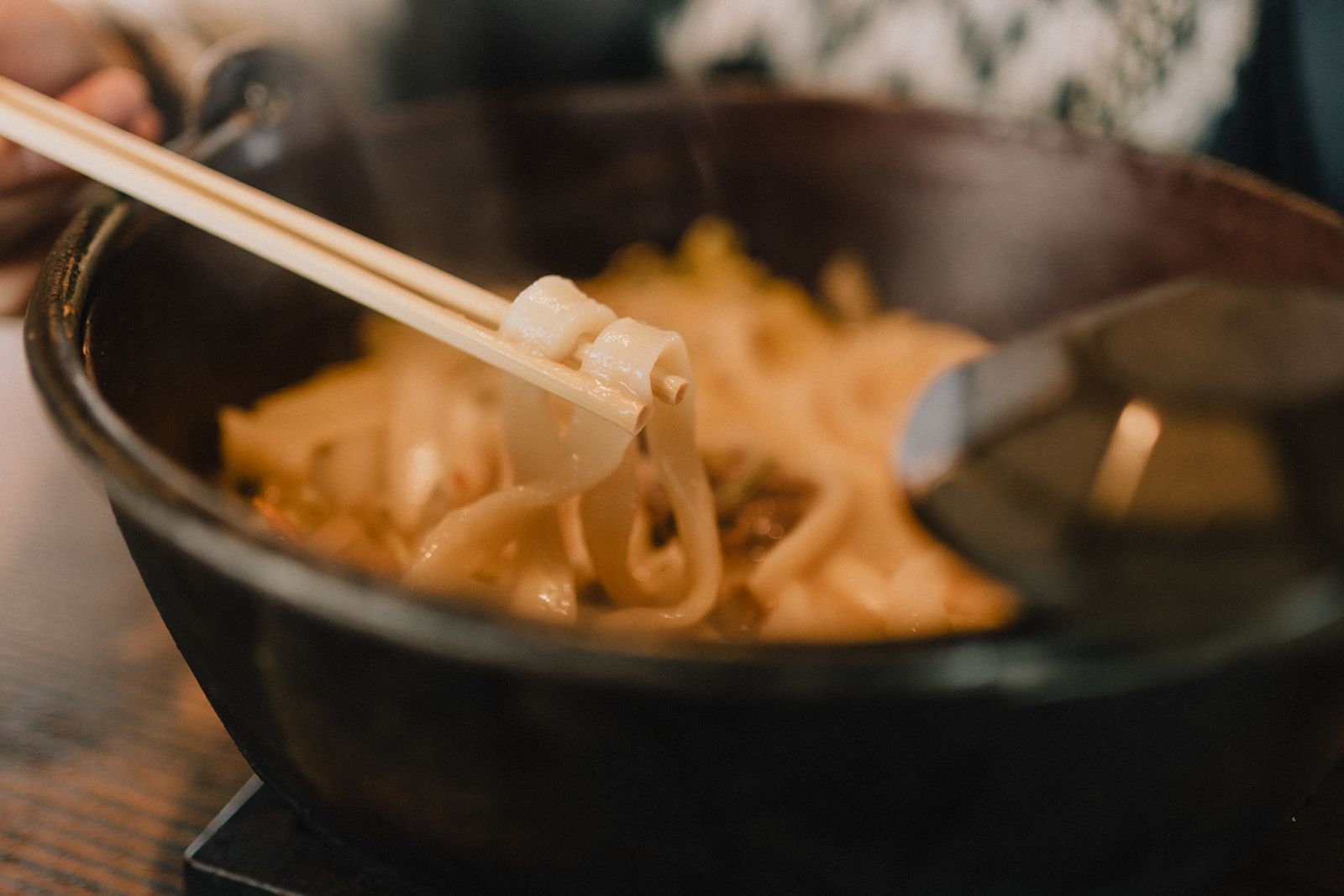
| Fish by default — assume it, unless told otherwise (and for oden, meat too) | Built on kombu, shiitake, or no stock at all |
|---|---|
| Miso soup as sold — the mainstream instant soup and dashi-in miso list bonito and sardine. | Shojin ryori — no meat or fish, down to the dashi. |
| Bottled noodle tsuyu — the mainstream bottle lists fish flakes and fish extract. | Kombu dashi, shiitake dashi — 昆布だし and 椎茸だし. Nothing animal in either; the kombu granules from the two biggest dashi makers list kelp, salt, sugar and additives. Read the label anyway. |
| Dashi granules — the leading brand is bonito-based. | Miso, the paste — soy, rice, salt. The same brand’s だし入り version adds bonito, and the allergen line reads 大豆 on both. |
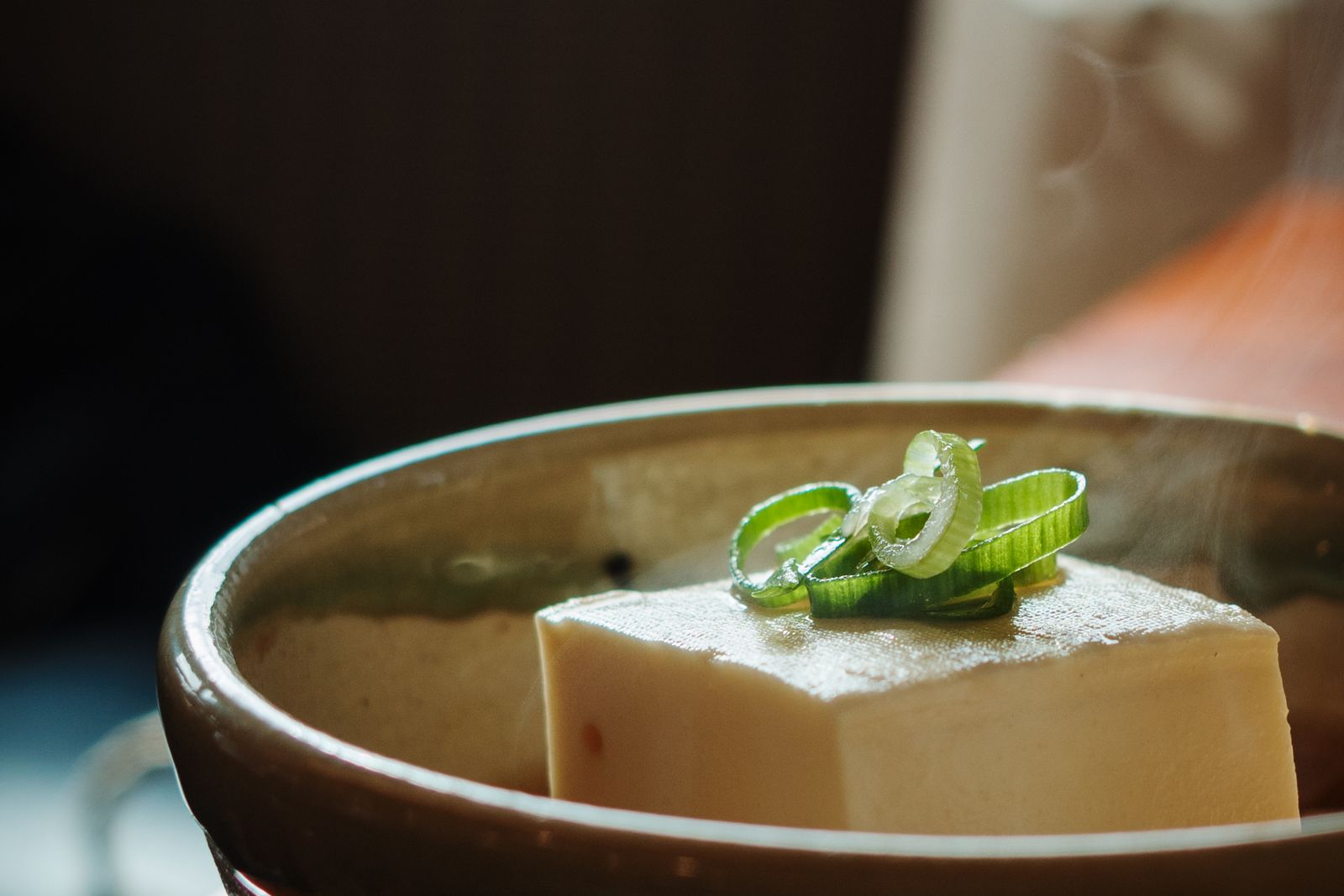
| Tempura dipping sauce — the mainstream bottles list bonito flakes and fish extract. | Hiyayakko, cold tofu — no stock. The standard topping a major tofu maker names is spring onion, bonito flakes and soy sauce; ask for it without the flakes. |
| Kake broth for soba and udon — Hanamaru, a national udon chain, describes its own kake broth as dried sardine (iriko) and kombu; the bottled tsuyu above is the retail version. | Inari — the leading maker’s retail seasoned pouch lists soy sauce, sugar, mirin and vinegar, no fish. A ready-made inari from a shop counter is another question. |
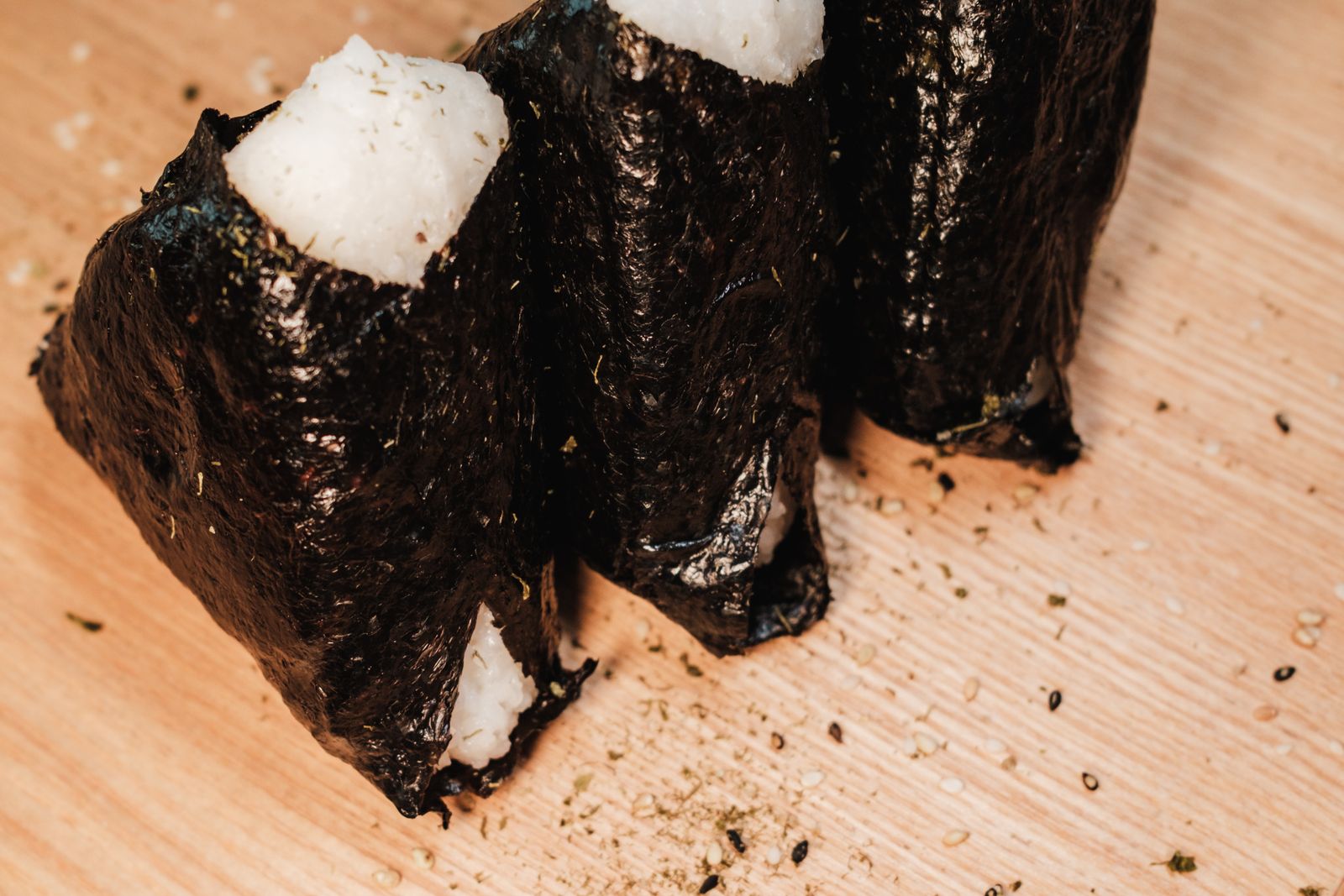
| Dashimaki tamagoyaki as sold — the major maker’s retail roll lists bonito dashi; “dashi” in a name means fish unless the label says otherwise. | Plain salt onigiri — the lowest-risk packaged bet, wrapper check attached. |
| Oden broth — retail oden base lists bonito; Seven-Eleven’s own allergen page lists beef and chicken in every regional broth, and pork or gelatin in some. | |
| Nimono, simmered vegetables — the household seasonings they are made with (mentsuyu, shiro-dashi, okazu-tsuyu) list bonito, from the major makers. | |
| A kombu onigiri — the filling is simmered tsukudani whose seasoning is not published. Kombu in the name is not kombu only. | |
| Pickles — some mainstream retail pickles list fish extract or fish sauce. | |
| 和風 dressings — some list bonito; one major one lists chicken and dairy, and only on the allergen line. |
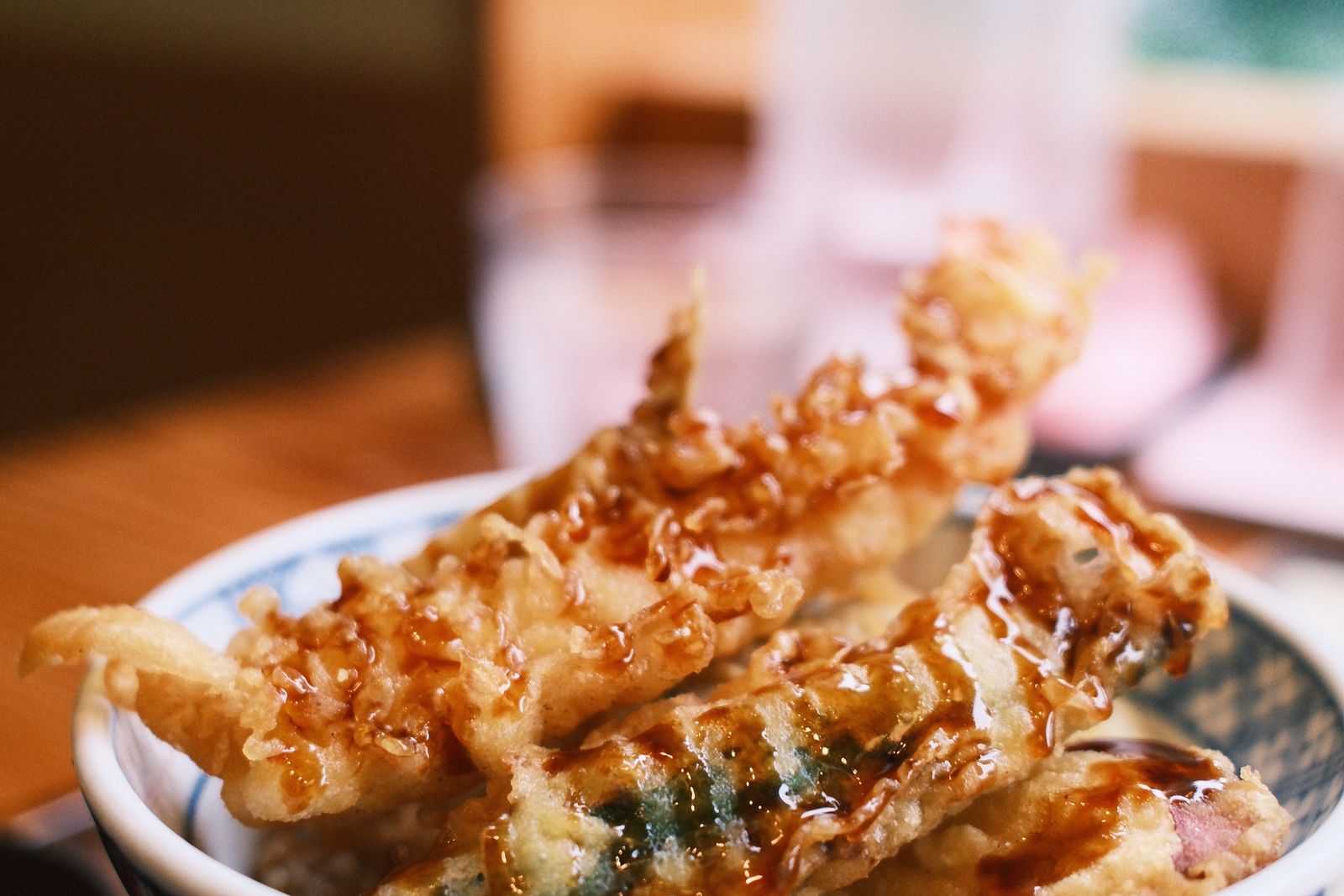
Ponzu fits neither column. The best-known brand lists no fish; a major “kombu ponzu” lists bonito flakes and extract. Read the bottle.
What dashi is, what it is not, and the exception
What is in it
The standard dashi is kelp and dried bonito together — awase-dashi, the combined type, and the one most recipes use. The named types run bonito, kombu-only, combined, dried sardine, mixed fish flakes, and shiitake; only kombu-only and shiitake have no fish in them. The leading commercial granule is bonito-based.
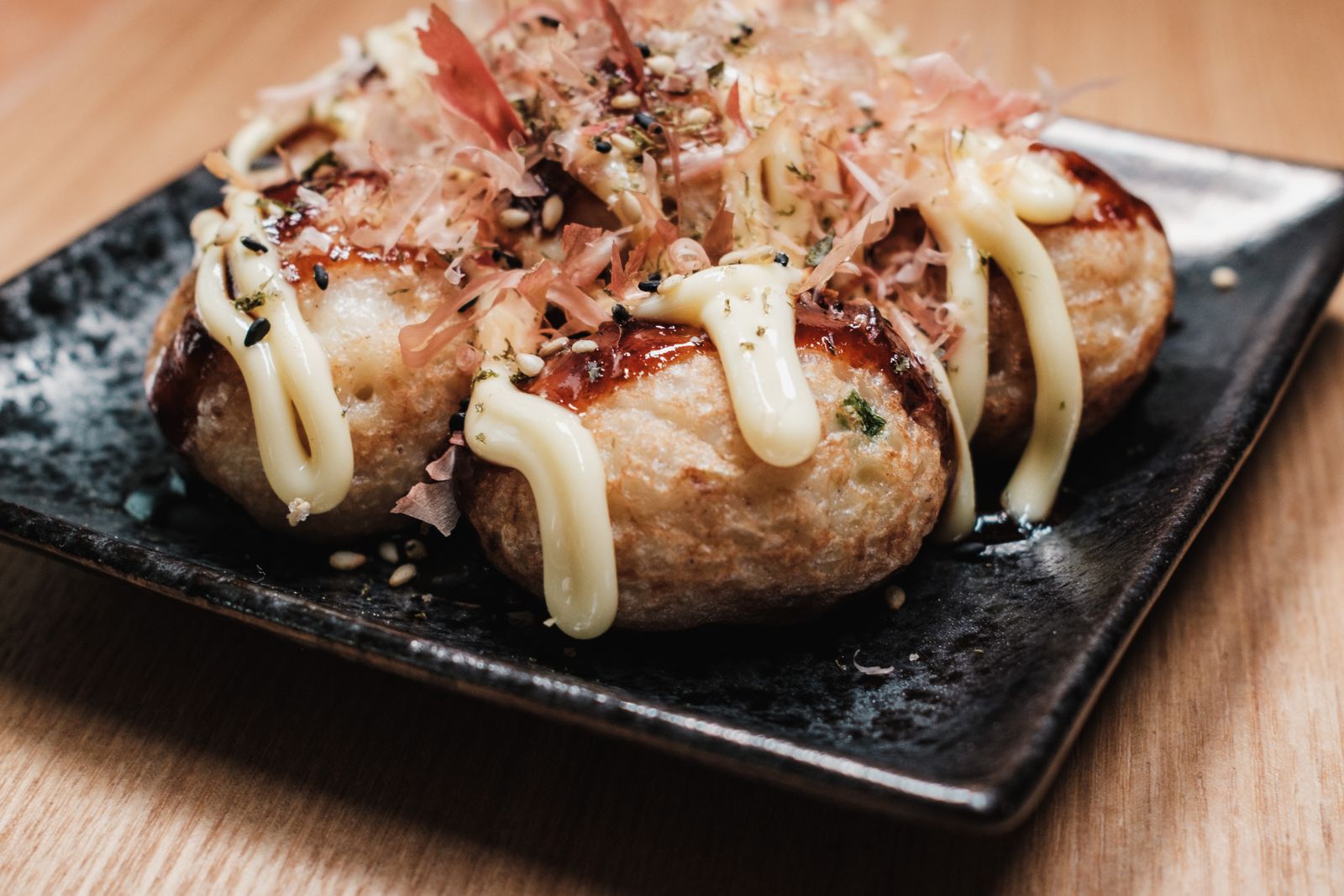
Dried bonito is katsuobushi: a fish, dried hard and shaved. Into the pot it goes as flakes; on a takoyaki it is the garnish.
Is the miso soup?
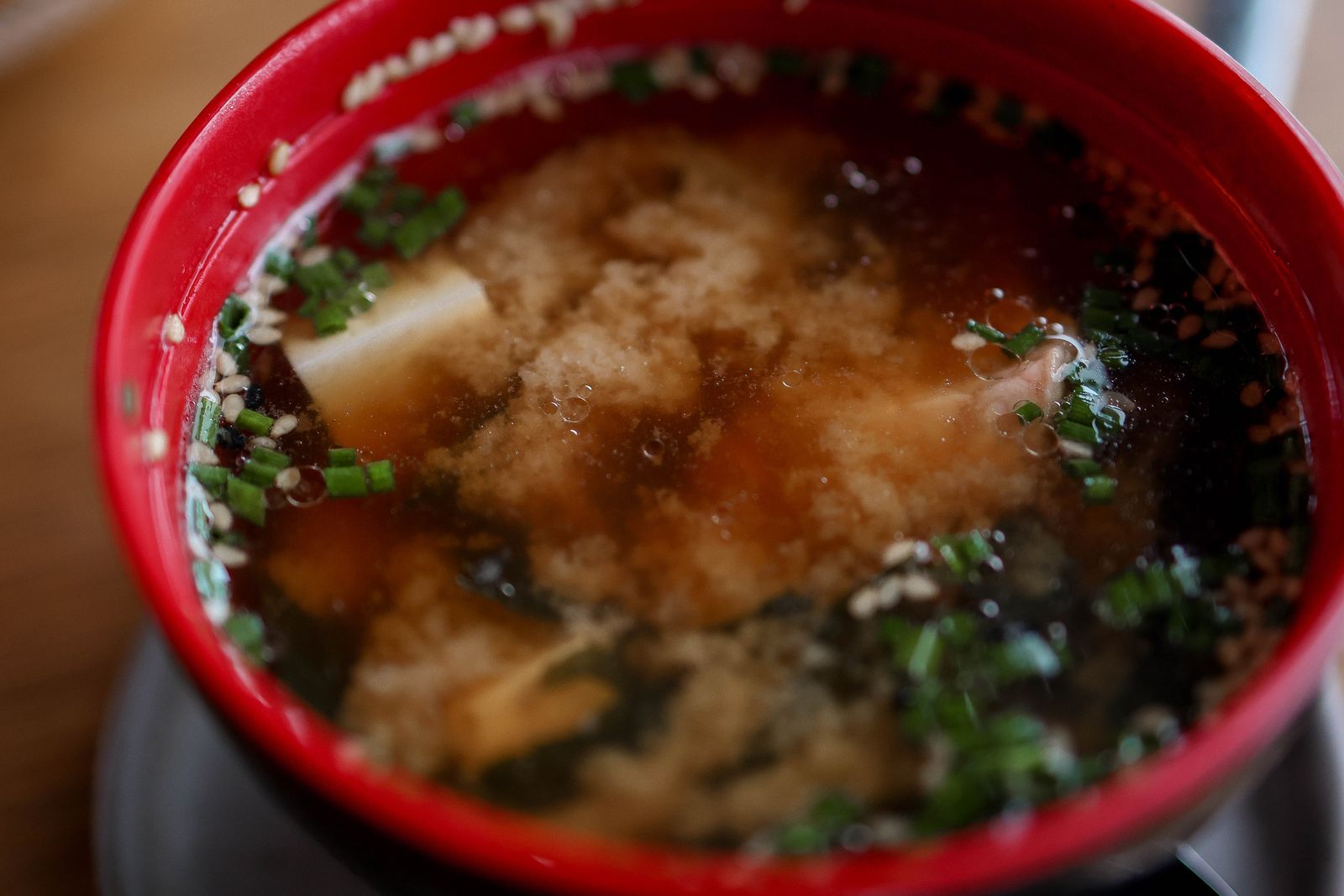
Miso itself is soy. The soup is miso dissolved in dashi, and the mainstream products on the shelf — the best-selling instant miso soup and the dashi-in miso — list bonito and sardine. Unless a place says otherwise, assume the miso soup is fish-based.
The exception: kombu, shiitake, and the temple kitchen
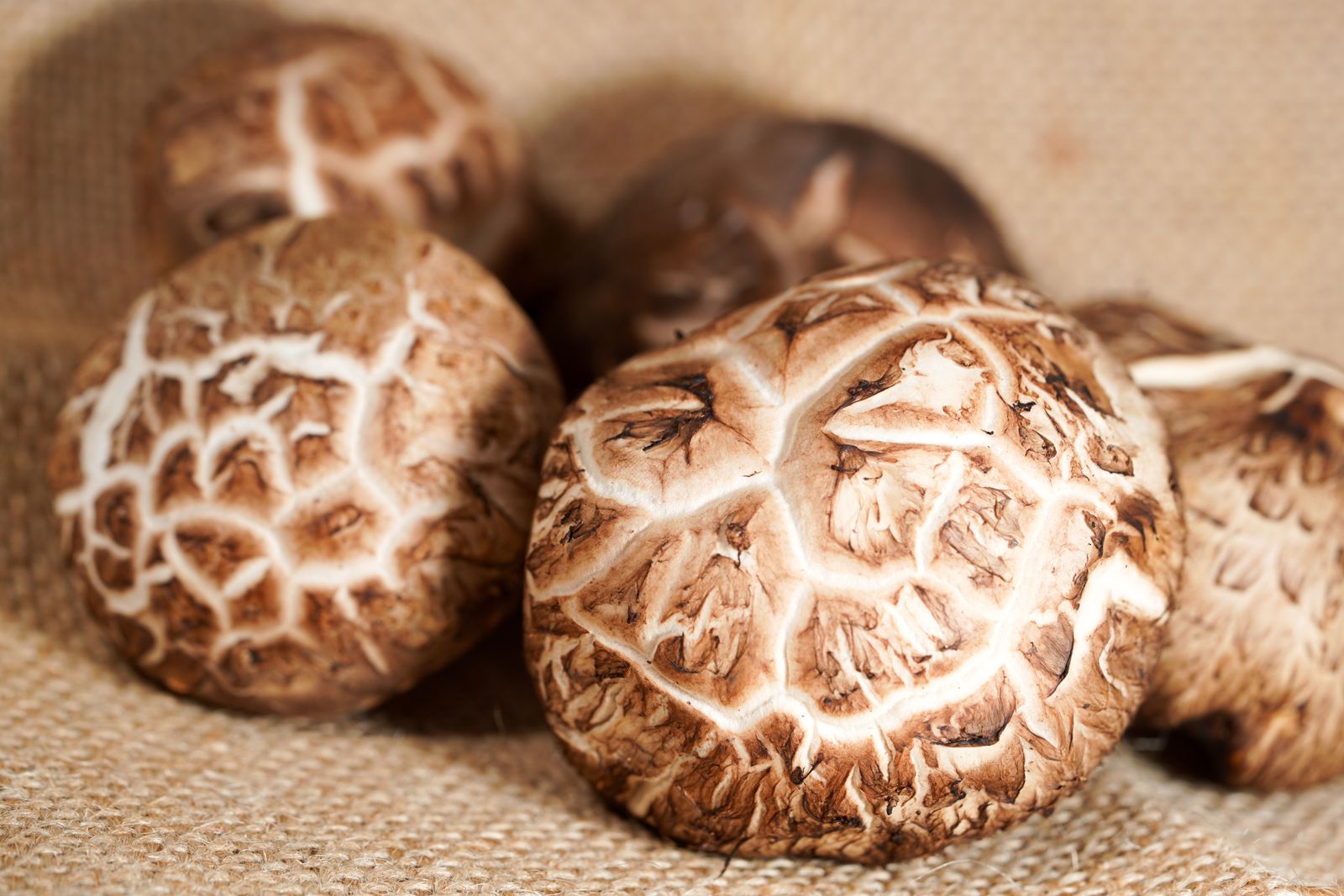
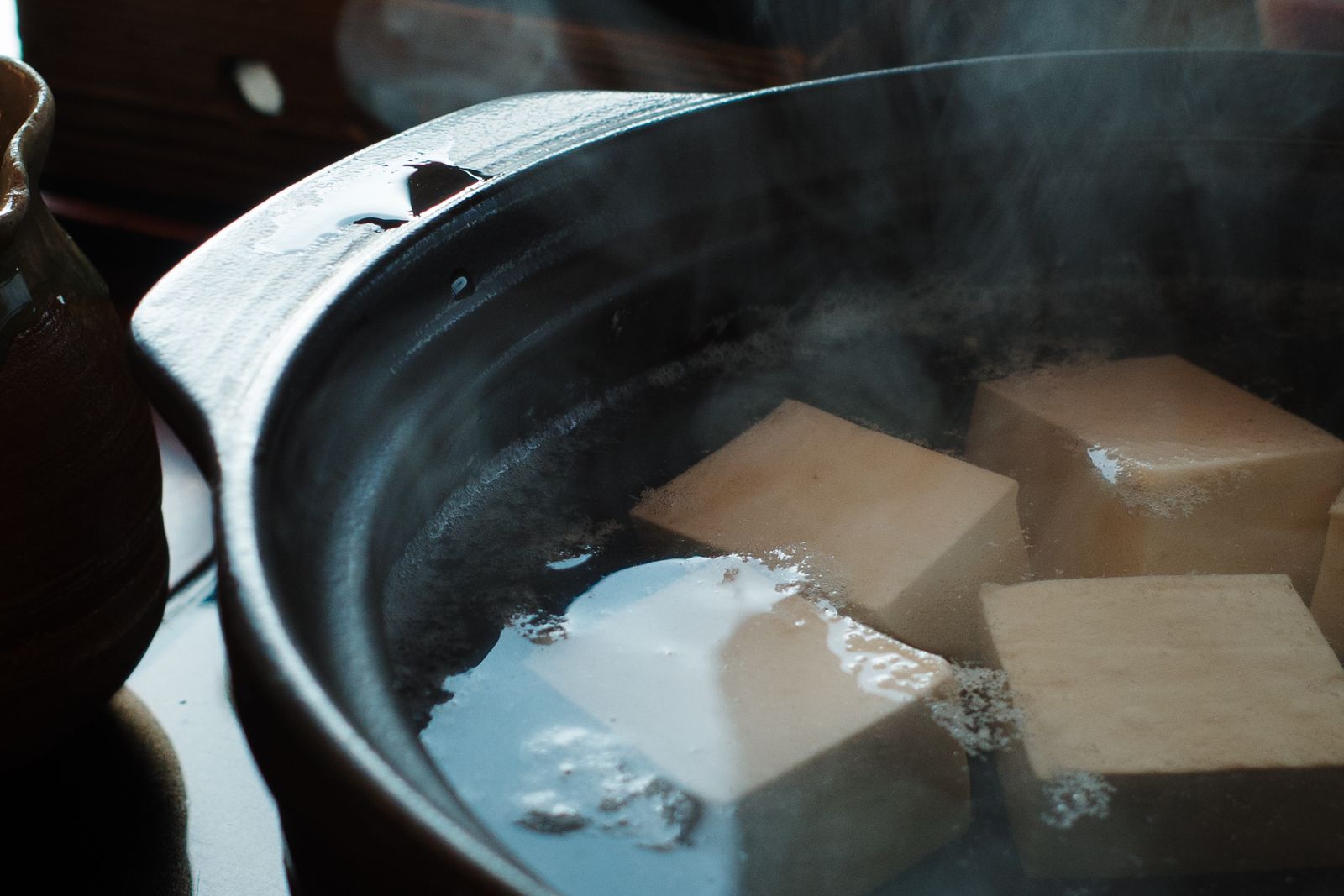
Kombu dashi is kelp. Shiitake dashi is dried mushroom. Neither contains anything animal, and mainstream makers sell retail products built on each. The catch is the packet: a product sold as “dashi” is not fish-free by name, so the ingredient line gets read even here.
There is a whole cuisine with no fish in the stock. Shojin ryori, the cooking of Buddhist temples, uses no meat and no fish, down to the dashi, on the precept against taking life. At Koyasan the temple kitchens also leave out the pungent vegetables — the onion family and, there, ginger.
The question a kitchen can answer
The phrases below name the ingredient — the same words you will read on a label — and ask for a dish, so what you say matches what you read.
| Japanese | Romaji | English |
|---|---|---|
| 私は肉と魚を食べません。 | Watashi wa niku to sakana o tabemasen. | I don’t eat meat or fish. |
| 卵と乳製品も食べません。 | Tamago to nyūseihin mo tabemasen. | No egg or dairy either. |
| これにかつおだしは入っていますか? | Kore ni katsuo-dashi wa haitte imasu ka? | Does this have bonito dashi in it? |
| 昆布だけのだしですか? | Kombu dake no dashi desu ka? | Is the dashi kombu only? |
| 魚のだしを使っていない料理はどれですか? | Sakana no dashi o tsukatte inai ryōri wa dore desu ka? | Which dish here is made without fish stock? |
| 魚介エキスは入っていますか? | Gyokai ekisu wa haitte imasu ka? | Does it contain fish extract? |
The third and fourth are for one dish in front of you. The fifth is for the moment you sit down. The sixth is for a packet.
The card does the fifth phrase’s job in writing. Copy it to your phone.
私は肉と魚を食べません。
卵と乳製品も食べません。
かつおだし、煮干だし、魚介エキスも避けています。
魚のだしを使っていない料理を教えてください。
昆布だしや椎茸だしは大丈夫です。
It says: I don’t eat meat or fish; no egg or dairy either; I also avoid bonito dashi, dried-sardine dashi and fish extract; please tell me which dishes are made without fish stock; kombu dashi and shiitake dashi are fine. Delete the second line if you eat egg and dairy. If your line is no meat with fish stock accepted, the card is one phrase: 私は肉を食べません, watashi wa niku o tabemasen — I don’t eat meat.
Twenty-one hundred, and the wrapper is the only source
The allergen mark cannot show fish. Japan’s labeling law names the allergens a packaged food must declare and a second set it recommends declaring; fish as a category is on neither. Salmon and mackerel appear, as recommended items only. Bonito, sardine and generic fish extract — the ingredients of most dashi — are not allergen-labeled at all. No allergen mark does not mean no fish.
The 原材料名 line, the ingredients, is where it shows. The words, kana first: かつお or かつお節, bonito; 煮干 or いわし, dried sardine; 魚介エキス, fish extract. エキス — extract — after any animal word is the tell. The kanji 魚, fish, and 肉, meat, are worth knowing as pieces of longer words rather than as words you will find alone. Read the allergen line as well, for meat, egg and dairy — those the scheme does cover, fish it does not. Ingredients run in descending order by weight, and a compound ingredient under five percent of the product may be listed by name only, without its parts — a real limit on what the line can tell you.
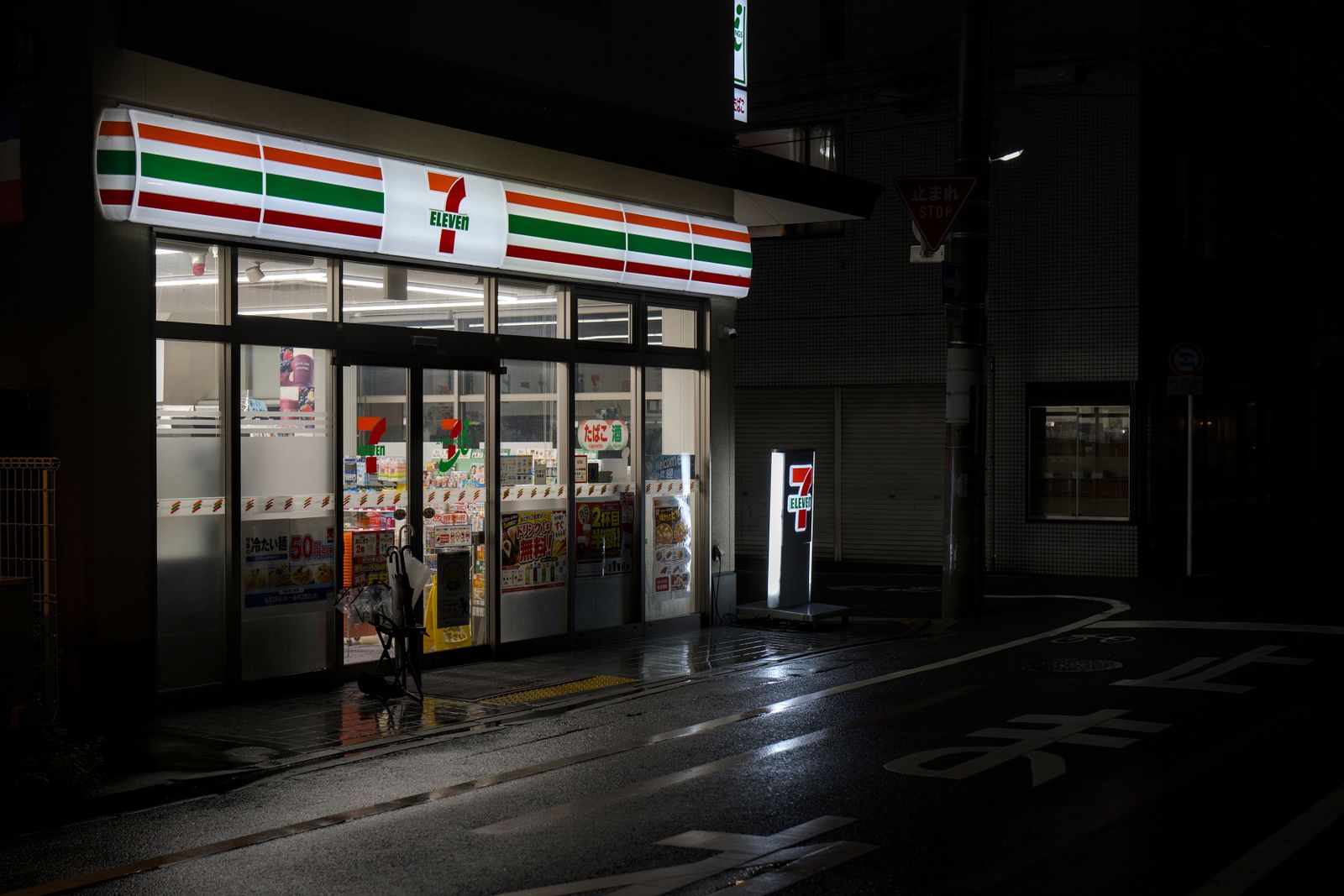
The major konbini chains’ websites will not do this for you. All three post allergens per item; none posts the ingredient line. It is on the wrapper and nowhere else.
A plain salt onigiri is the lowest-risk packaged bet, wrapper check attached. A kombu one is a simmered tsukudani filling whose seasoning is not published. An umeboshi one is not disclosed either way; the wrapper is all there is.
It is changing at the edges. FamilyMart’s nationwide Blue Green Project line and Natural Lawson’s Tokyo-area shelf both sell items their operators describe as free of animal ingredients — and Natural Lawson’s own definition of plant-based is “main ingredients replaced”, so the label gets read there too.
For everything else the konbini does, the convenience-store guide is the page.
JBJ'S TAKE
Salt. Read the line. Kombu goes back.
At 21:00 JbJ picks up the plainest thing on the shelf — the salt onigiri — and reads the ingredient line anyway. Lowest risk. Still a guess.
The kombu one sounds safe. It's a simmered filling — a compound ingredient a label may list without unpacking. Kombu on the front isn't kombu only. Back it goes.
Can't read kana? The front names the filling, not the stock. Salt, and only salt.
Order the dish that never had it
JBJ'S TAKE
Don't edit the dish. Change the dish.
'Leave out the dashi' isn't a request a bowl can grant. In a soup the stock isn't an ingredient — it's the dish. Take it away and nothing's left.
So JbJ doesn't ask for it gone. It asks which dish never had it. That question has an answer — even 'none' is one.
Kitchen plates to order? A topping can come off. A pot can't be un-made. Order around the pot.
Then the next moves. To find a place, HappyCow is the finder. Booking a ryokan with dinner included? Say so when you book, in the card’s words. If a packet of kombu or shiitake dashi is coming home with you, your border’s rule for packaged food is on the bring-home page, under “Your border, in its own words”.
Information checked September 2026. The allergen scheme comes from the Consumer Affairs Agency and the prefectural governments of Gunma and Yamanashi, and the ingredient-line rules from the Tokyo Metropolitan Government; the dashi definitions from the agriculture ministry and a katsuobushi maker; every product line from the maker’s own page; the convenience-store data from the three operators’ own sites; shojin ryori from the Soto Zen denomination’s official site, two Koyasan temples and Koya town.