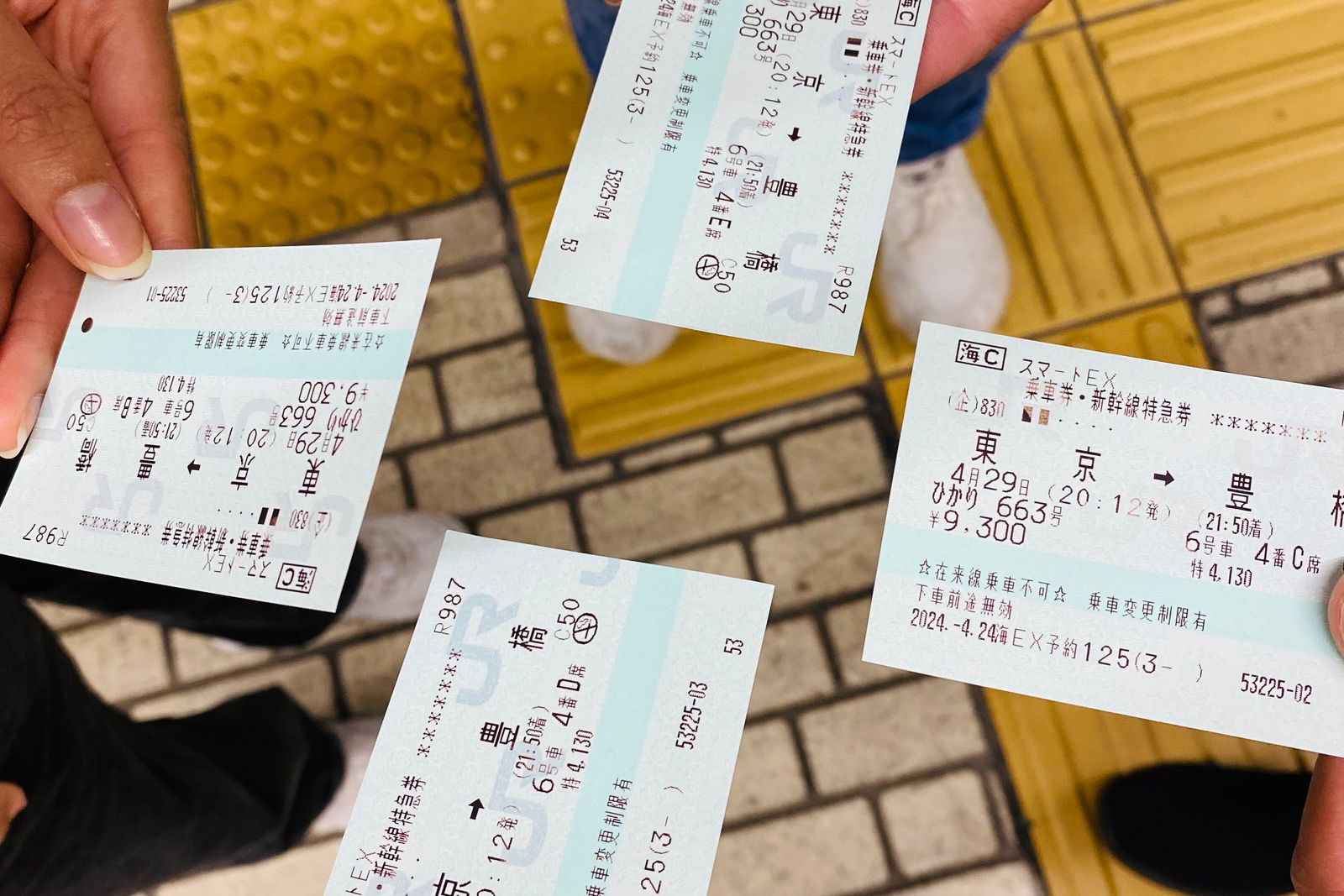
The plan in front of you shows a price per person, a label in Japanese, and a total that looks like a hotel room priced high. It is not a room. It is one person’s evening and next morning at the inn — the tatami room, dinner on the day you arrive, breakfast the morning after — and it fixes three points in your day. You arrive in the afternoon. The inn sets the dinner time with you. You leave late the next morning.
What follows is what that number is a number of, which lines land outside it, what the night is between those three points, and where the night makes sense. Then the question this page actually settles: not whether to book one, but which night of your own trip to give it.
What you are buying, before anything else
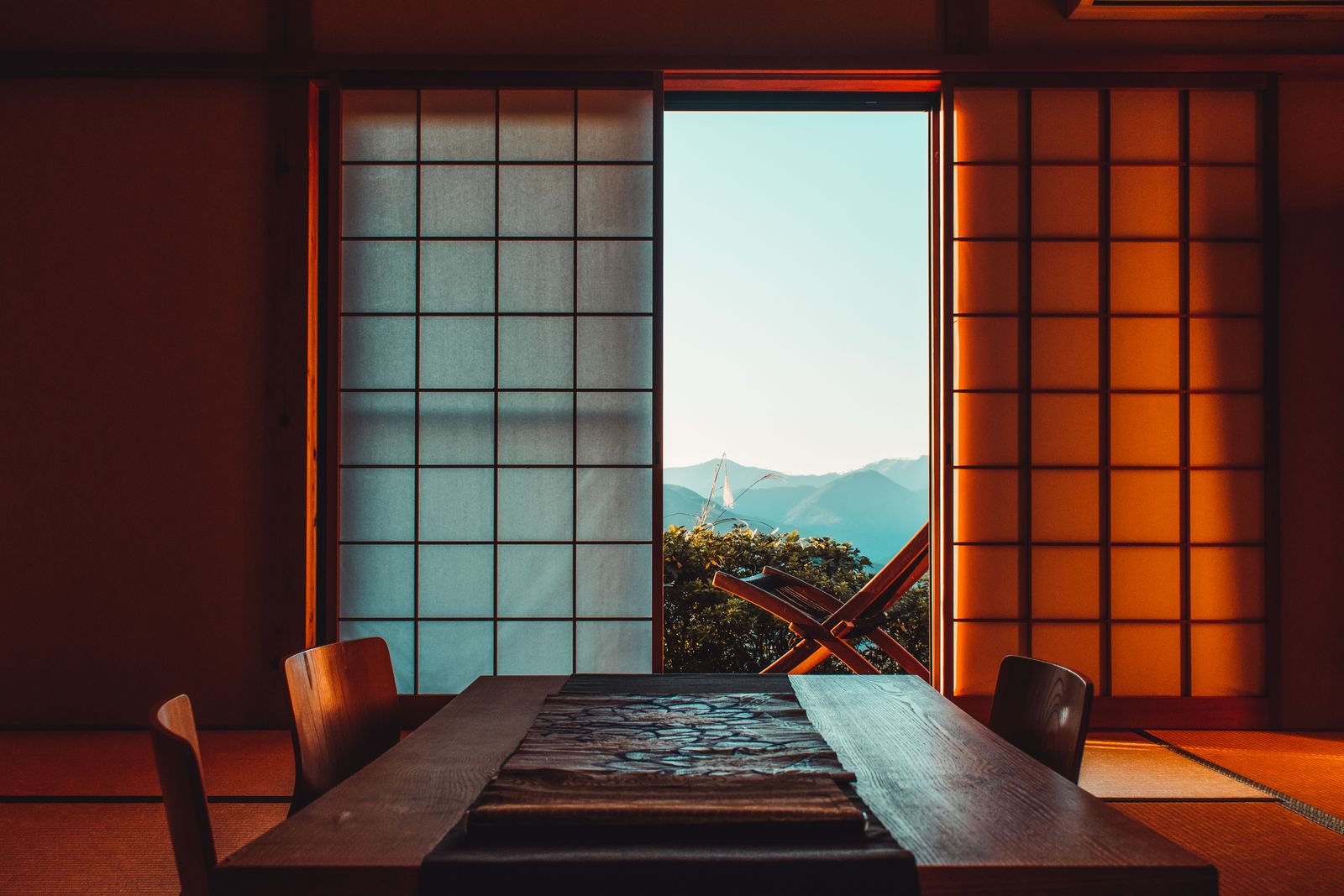
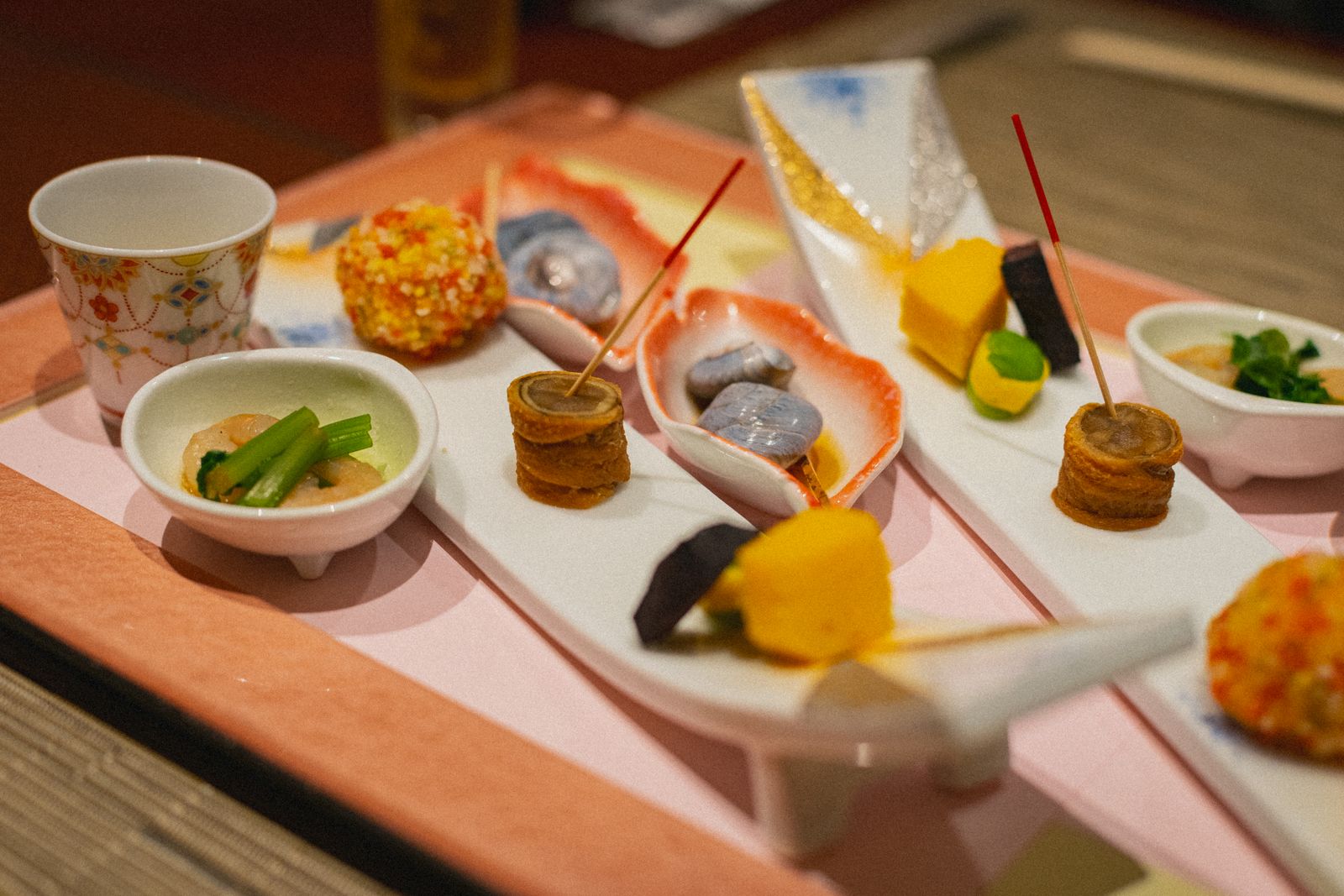
The product first, before the frame around it: a tatami room, a futon laid out by staff, an in-house bath, a yukata, dinner in the room or a dining room, a Japanese breakfast, and tea and sweets when you arrive.
- The price is per person, for the room. Not per room.
- The fee system is one night with two meals: dinner on the day you arrive, breakfast the next morning. Meals are usually included; some ryokan offer stays without them.
- Three points are fixed. Check-in most commonly around 3 pm, varying by inn. Dinner at a time the attendant confirms with you on arrival. Check-out at most inns 10 or 11 am.
- Outside the displayed number. A bathing tax where the bath is a hot spring — a national standard, with towns setting their own. And “tax-inclusive” on a listing means consumption tax; the bathing tax and a city’s accommodation tax are not consumption tax and may be separate lines.
- The decision this page settles is which night, not whether.
The number is per person, and dinner is inside it
Read the plan’s number as one person’s night rather than a room’s, and everything on the bill sorts into two columns.
Inside the number, and on a separate line
Inside the number
- The room, priced per person.
- Dinner on the day you arrive and breakfast the next morning — the two meals the fee system is named for.
- What the inn lists with the stay: the yukata set out for you, the in-house bath, the futon laid out by staff.
On a separate line
- 入湯税, the bathing tax, where the bath is a hot spring: ¥150 per person per night is the national standard, and towns set their own. The inn adds it to the bill. Children under 12 are typically exempt.
- A city accommodation tax. Kyoto, Tokyo and Osaka each read their per-person band on the rate with the meals stripped out first (Osaka counts a compulsory bath charge in that base, but not the bathing tax). The bands are on the trip-cost page.
- Consumption tax — already in. A price shown to you in advance has to include it. That is all “tax-inclusive” promises: the bathing tax and an accommodation tax are not consumption tax, and either may arrive as its own line.
The label on the plan: 1泊2食付 or 素泊まり
Two labels you will meet on plan pages. 1泊2食付 is one night, two meals: the arrival-day dinner and the next morning’s breakfast are in the number. 素泊まり is the stay alone, no meals — the meal-free plan some ryokan offer. A 朝食付 plan, breakfast only, also turns up.
Whichever label, the number beside it is per person, and it multiplies by the people in the room — that total, not the figure on the listing, is what the plan is asking for. Read the inn’s own cancellation terms before you commit.
JBJ'S TAKE
Per head, fed twice. A set menu, not a room.
Stop holding that number against the hotel line you already booked. It was never a per-room rate. It's one person's evening and next morning, both ends fed.
So do the sum the label asks for: heads times the plan. Then one question only — do you want that evening?
If not, fine. Book a plain bed and eat out. Just don't call this one overpriced.
Against the hotel nights you already hold
Row by row, against the bookings already in your itinerary.
| The ryokan night | Your hotel nights | |
|---|---|---|
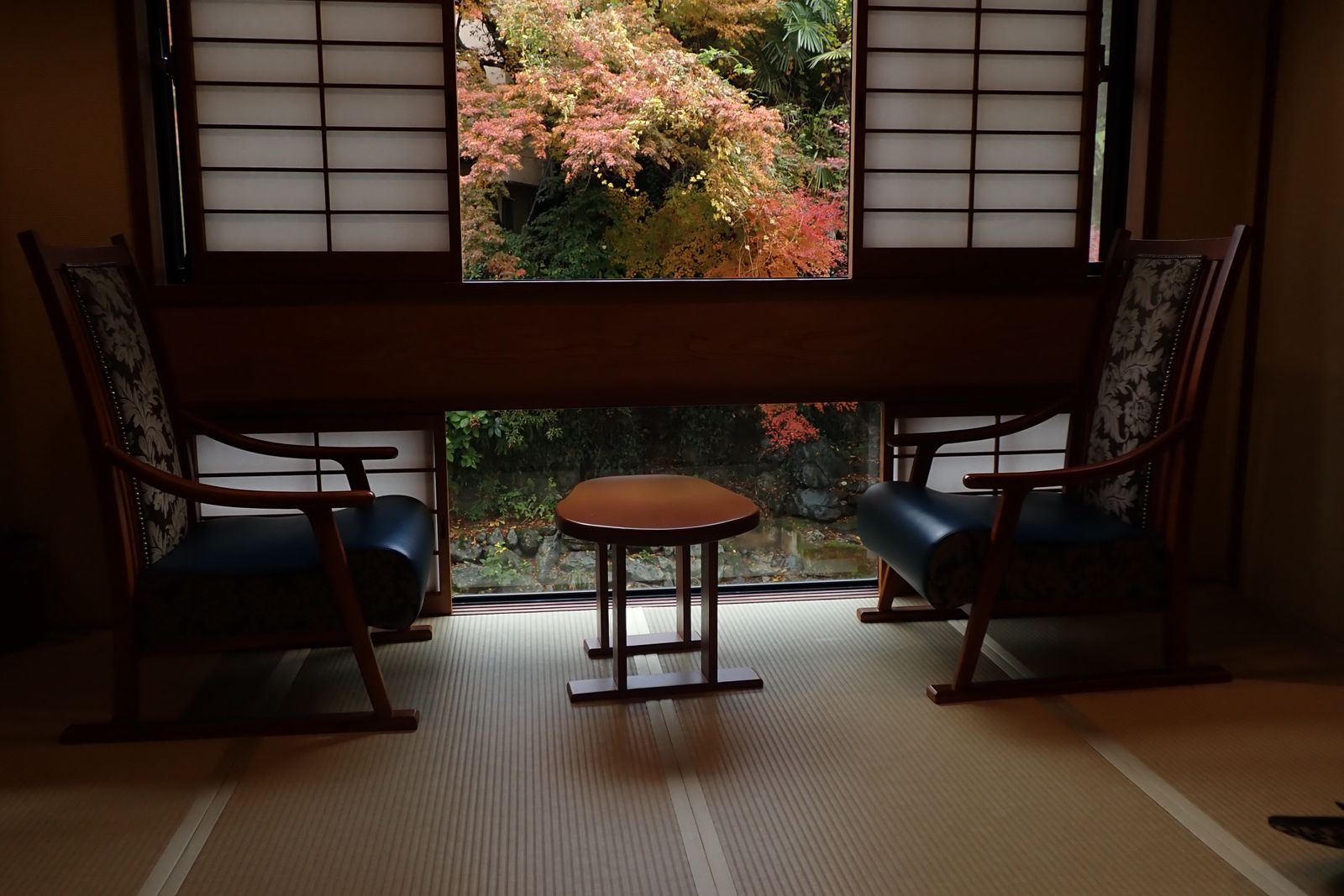
| Room | A tatami room. | The room on your booking. |
| Bedding | A futon, laid out on the tatami by staff; beds where the inn offers them. | The bed you booked. |
| Bath | The inn’s own. Using it is a page of its own. | Whatever your booking lists. |
| Meals | Two, inside the number: dinner the day you arrive, most commonly in your room, and breakfast the next morning. | Only what your rate says. |
| Schedule | Check-in most commonly around 3 pm; dinner at a time fixed with you on arrival; check-out at most inns 10 or 11 am. | The times on your booking, and an evening that is yours. |
| Price basis | Per person, for the room. | The number on the booking you already hold. |
The night, in the order it happens
In order, from the door to the bill.
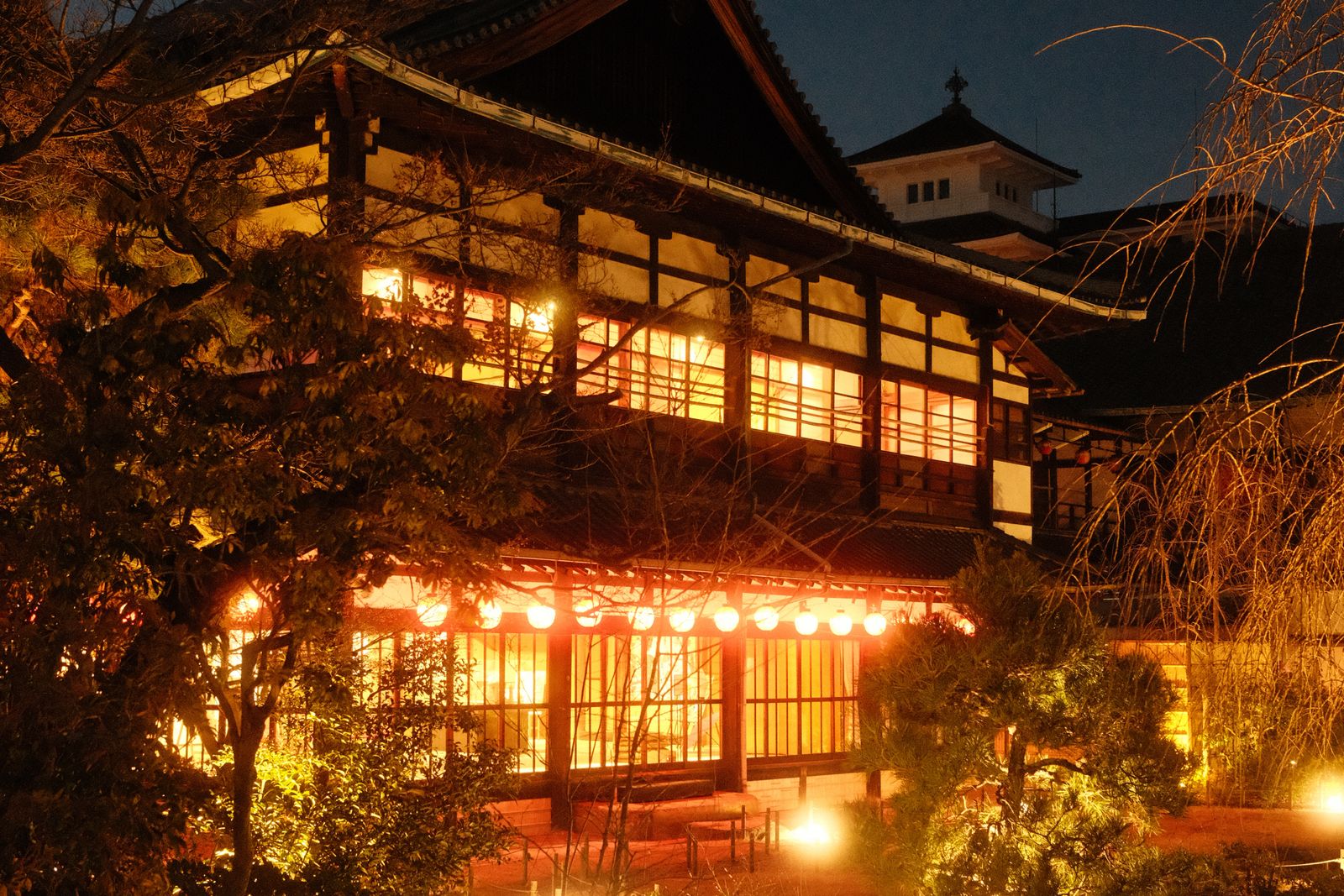
1. Arrival. Most commonly around 3 pm; it varies by inn. At the desk, a foreign guest with no address in Japan gives nationality and passport number for the register, which the inn keeps for three years — that is regulation. Being asked to show the passport and have it copied comes from a health-ministry notice to inns. A foreign resident with a Japanese address is outside both. Then the room: tea and sweets, and the attendant confirms your dinner time with you.
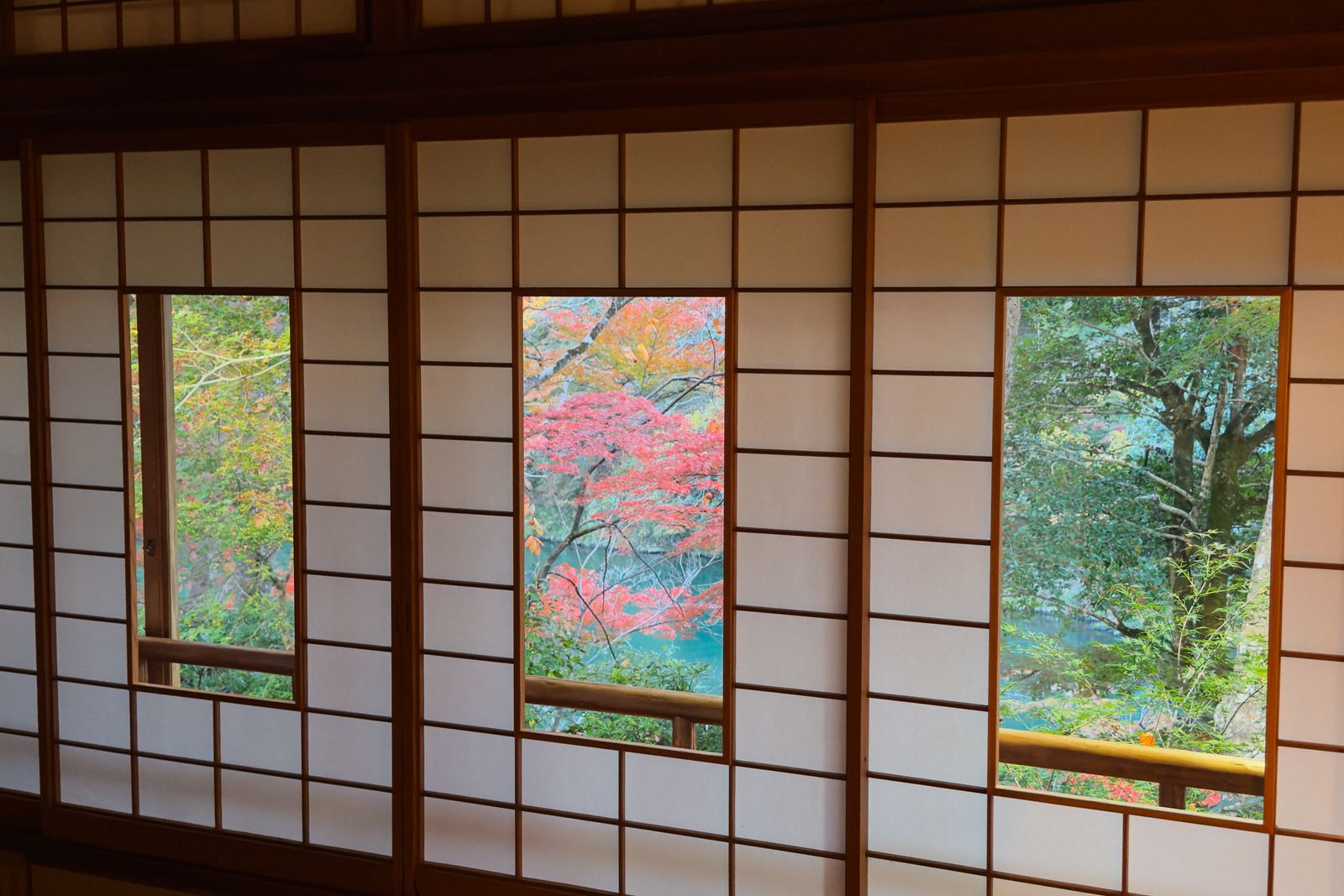
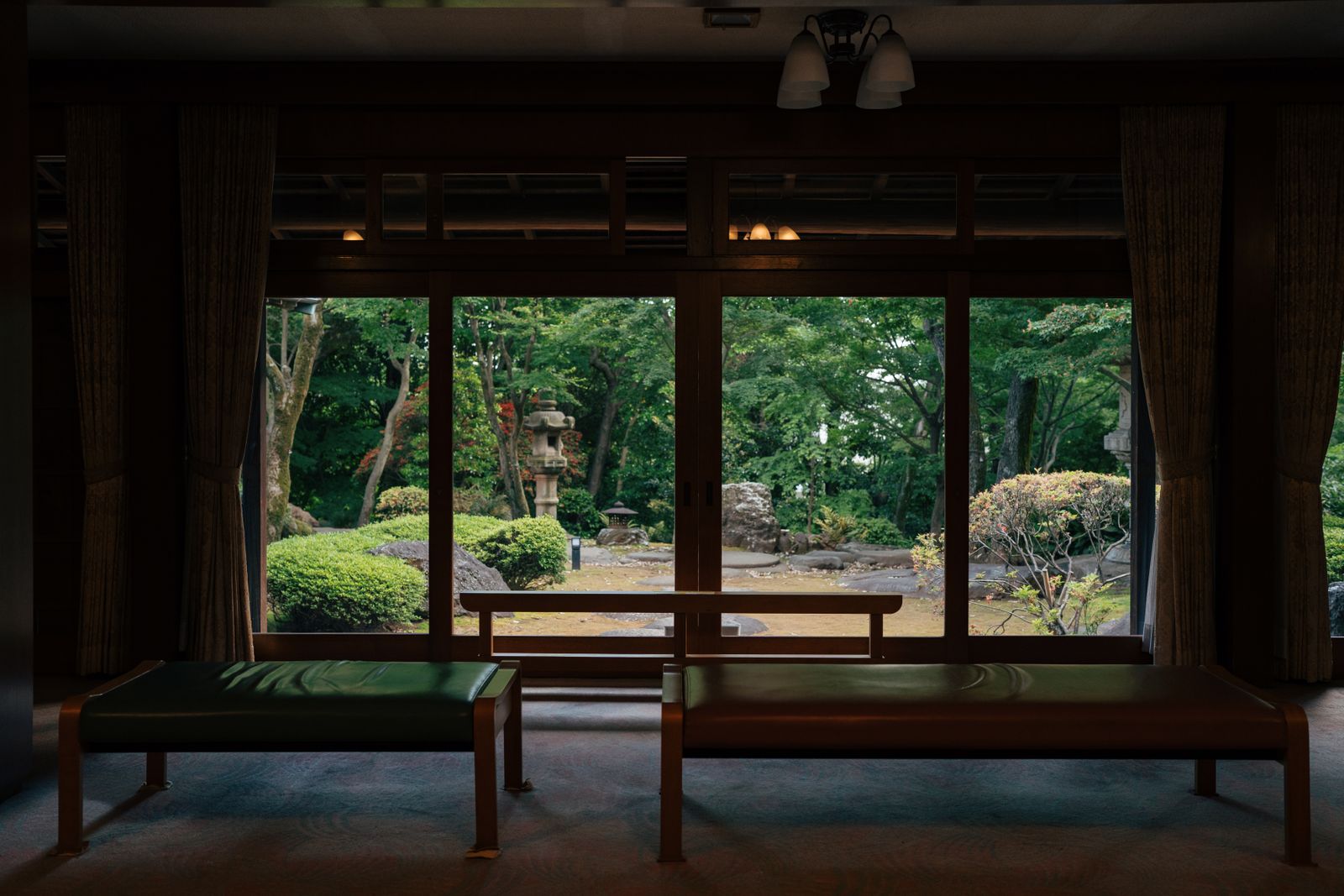
2. The room and the yukata. Tatami. A yukata for each person in the room, with an obi and, in the cold months, a tanzen to go over it.
3. The bath. The inn’s own. Where a description says “private baths,” read it as in-house, not as a bath held for you alone. How to use it is the onsen etiquette page’s whole subject.
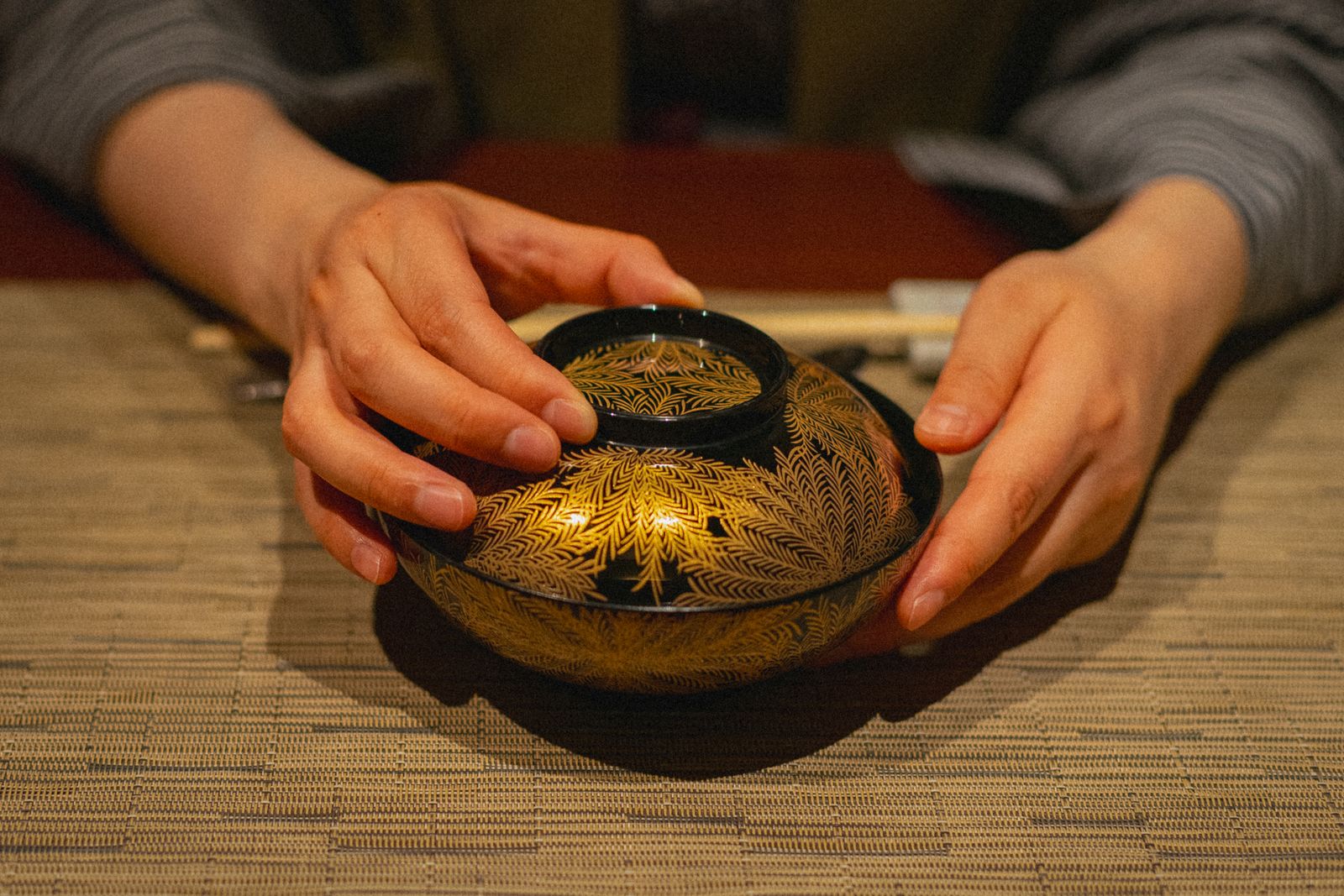
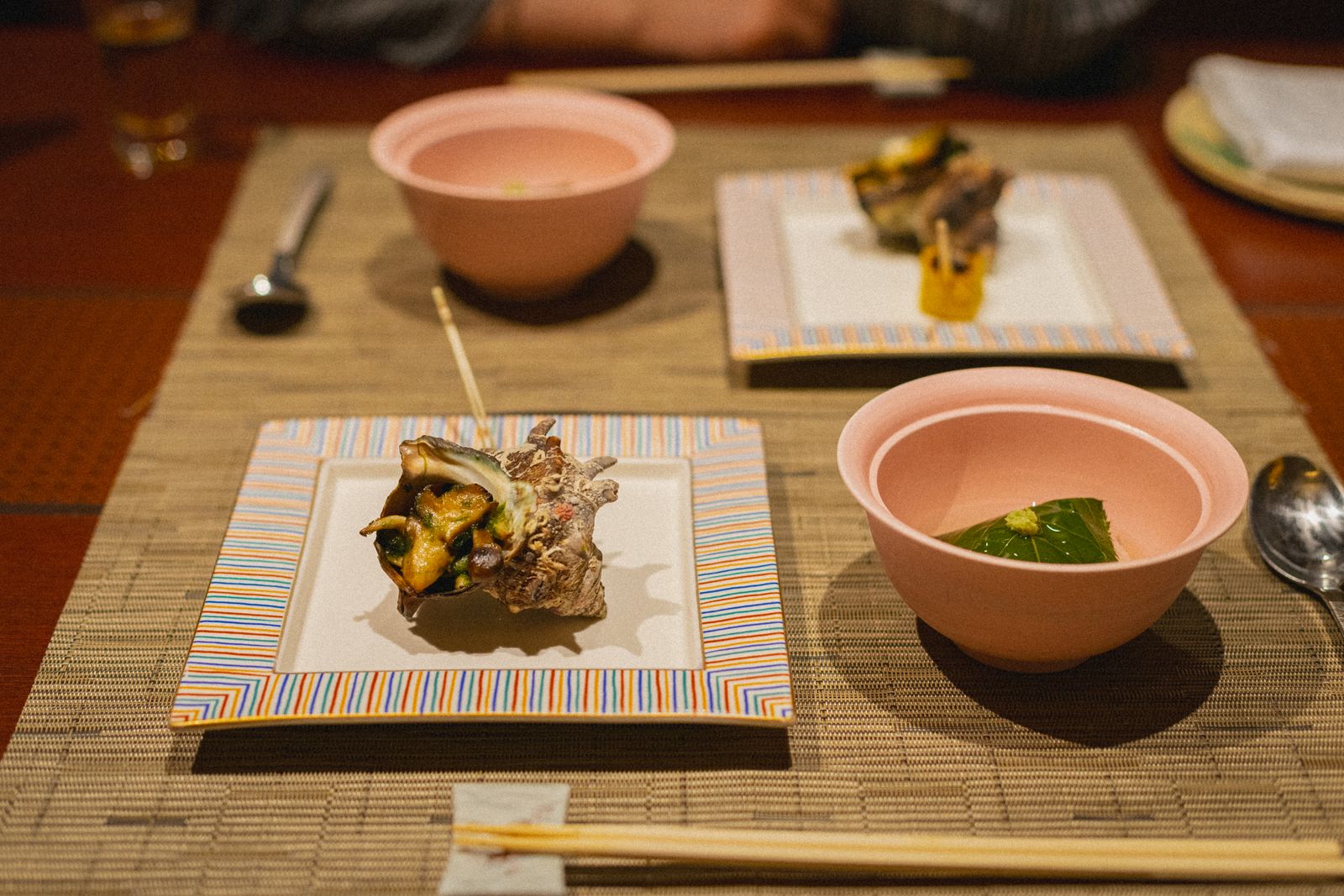
4. Dinner. At the time you agreed on arrival. A multi-course kaiseki dinner — in your room most commonly, in a dining room at some inns.
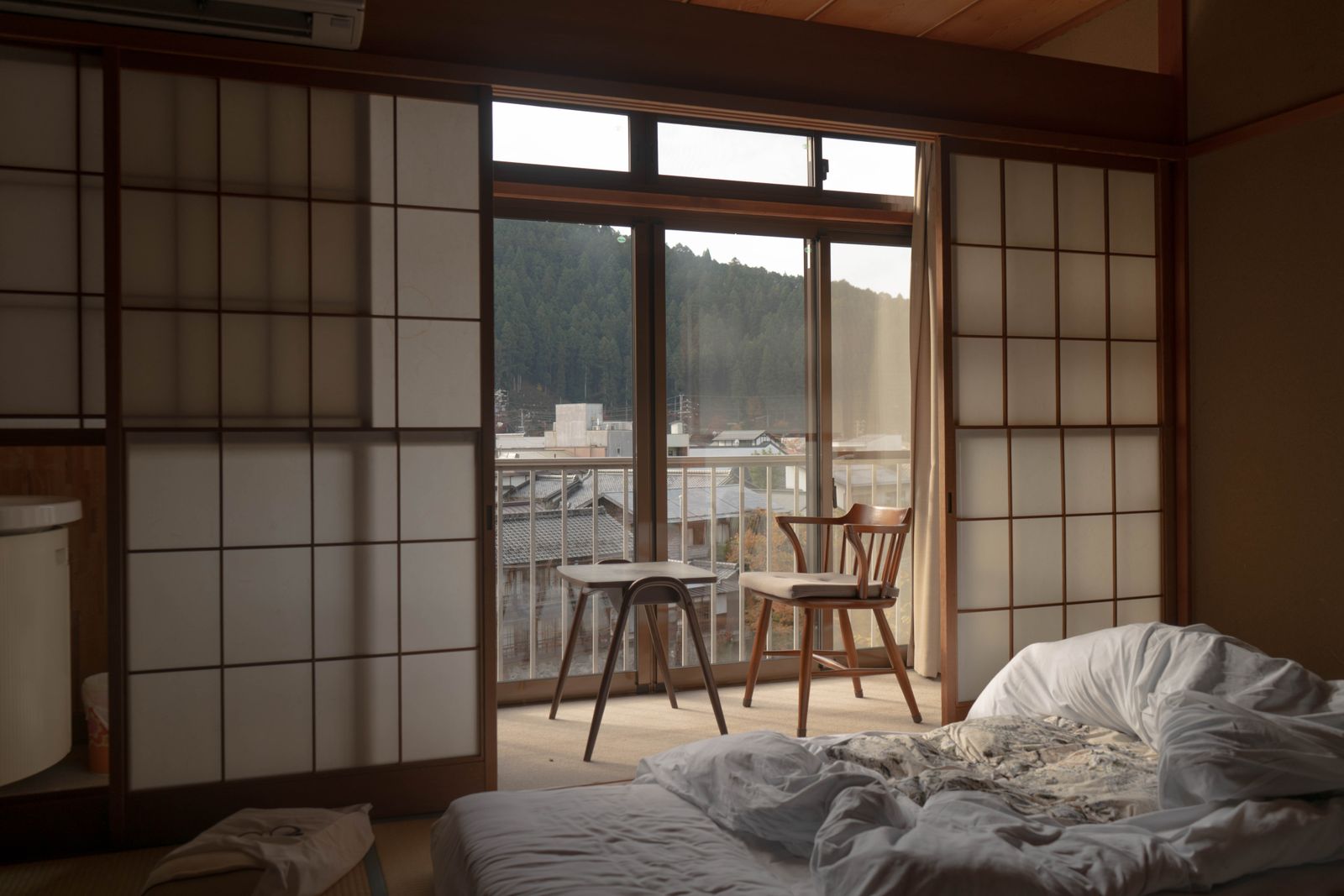
5. The futon. Laid out on the tatami by staff, not by you. If you sleep well on it, the futon buying guide starts from exactly this night.
6. Morning. A Japanese breakfast — rice, miso soup, grilled fish, tofu, an egg dish, nori, tsukudani — and check-out, at most inns 10 or 11 am.
Onsen town or city: where the night makes sense
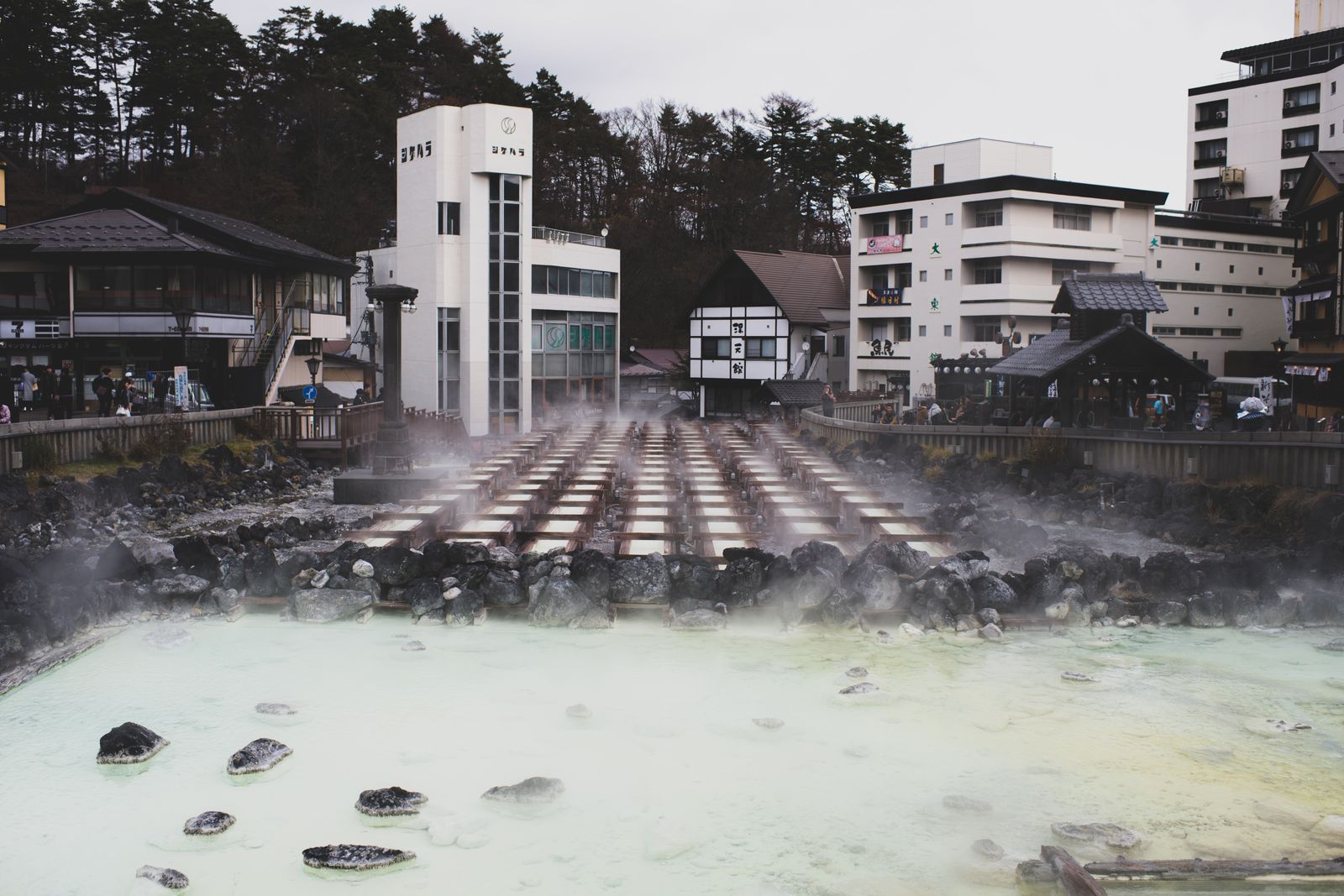
First, the word on the listing. Since June 15, 2018, when an amendment to the inns and hotels act merged ホテル営業 and 旅館営業 into one license class, 旅館・ホテル営業, the law has not told a ryokan from a hotel; the other two classes are 簡易宿所営業, for shared-room lodging, and 下宿営業, for stays by the month. So “ryokan” is the inn’s description of its product, not a license class. Two settings, then, and the same fee in each.
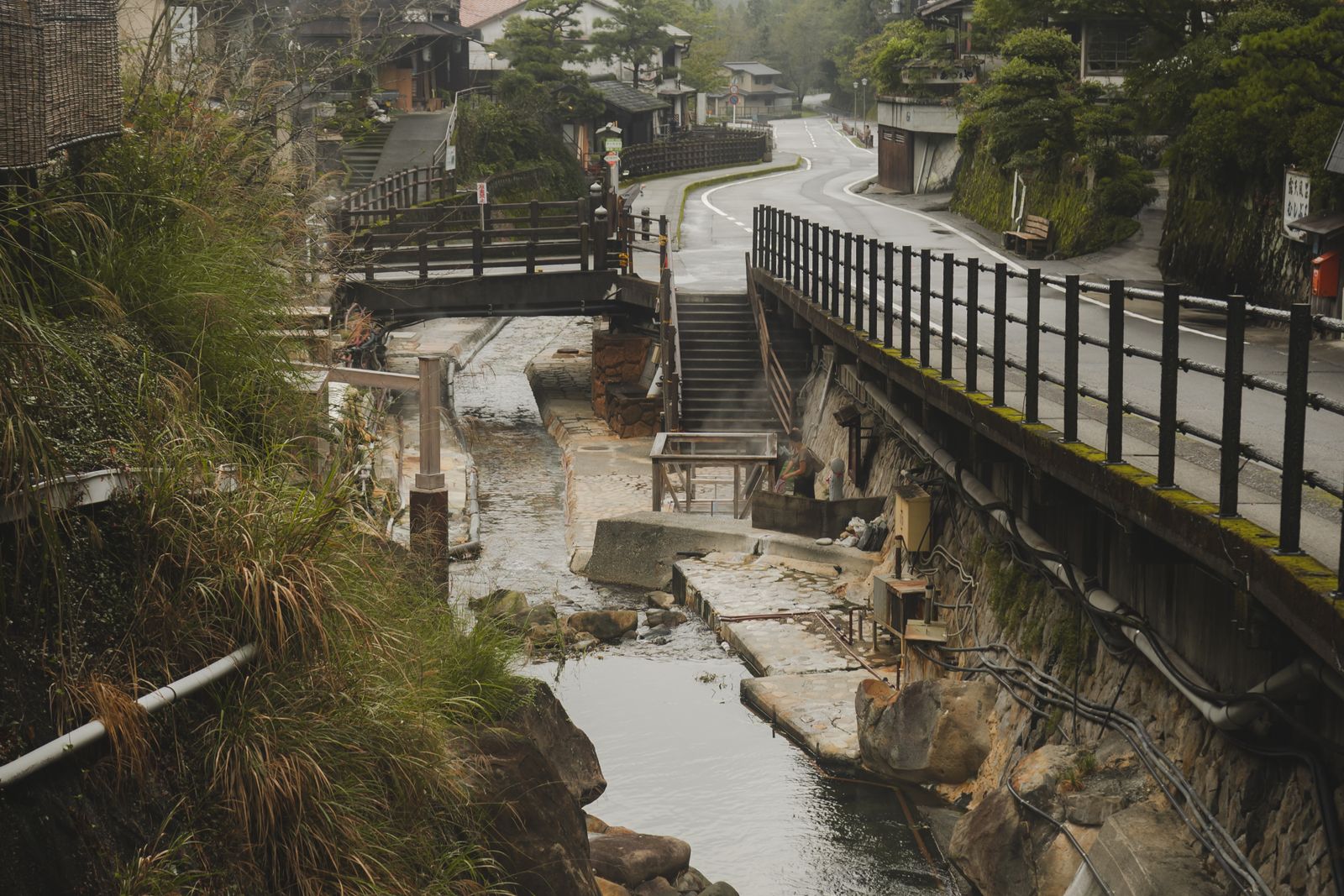
In an onsen town. The in-house bath is a hot-spring bath, and the in-house dinner is the evening’s fixed point — both inside the number, both in the building you sleep in, with the bathing tax on the bill.
In a city. The same two things, inside the same number: an in-house bath, and an in-house dinner at the time fixed when you arrive, in a building on a city street.
JBJ'S TAKE
Buy the evening, not the word.
One licence class covers both. So sort them by where the evening goes.
In a hot-spring town the bath and the dinner are the trip. Staying in is the point. In a city, that same evening is hours taken off the city you paid to reach.
First ryokan night: the onsen-town one. The city version is something else — tatami room, set dinner, downtown. Book it as that, or not at all.
One night or two — and which one
One night or two
Each night is one unit: a dinner on the day it begins and a breakfast the morning it ends, at the same inn. A second night is a second unit — a second dinner at the same inn. After a single night, the morning ends at check-out, late morning at most inns, with the rest of the day in front of you.
JBJ'S TAKE
One night. The second is a different purchase.
A second night doesn't deepen the first. It repeats the bill — and adds a day between with no arriving and no leaving in it.
That day is the real thing. It's also the day a first itinerary can least afford to hand one town.
So one, this trip. Already sulking about that middle day? Good. You've just found out what the next trip is for.
Which night of the trip
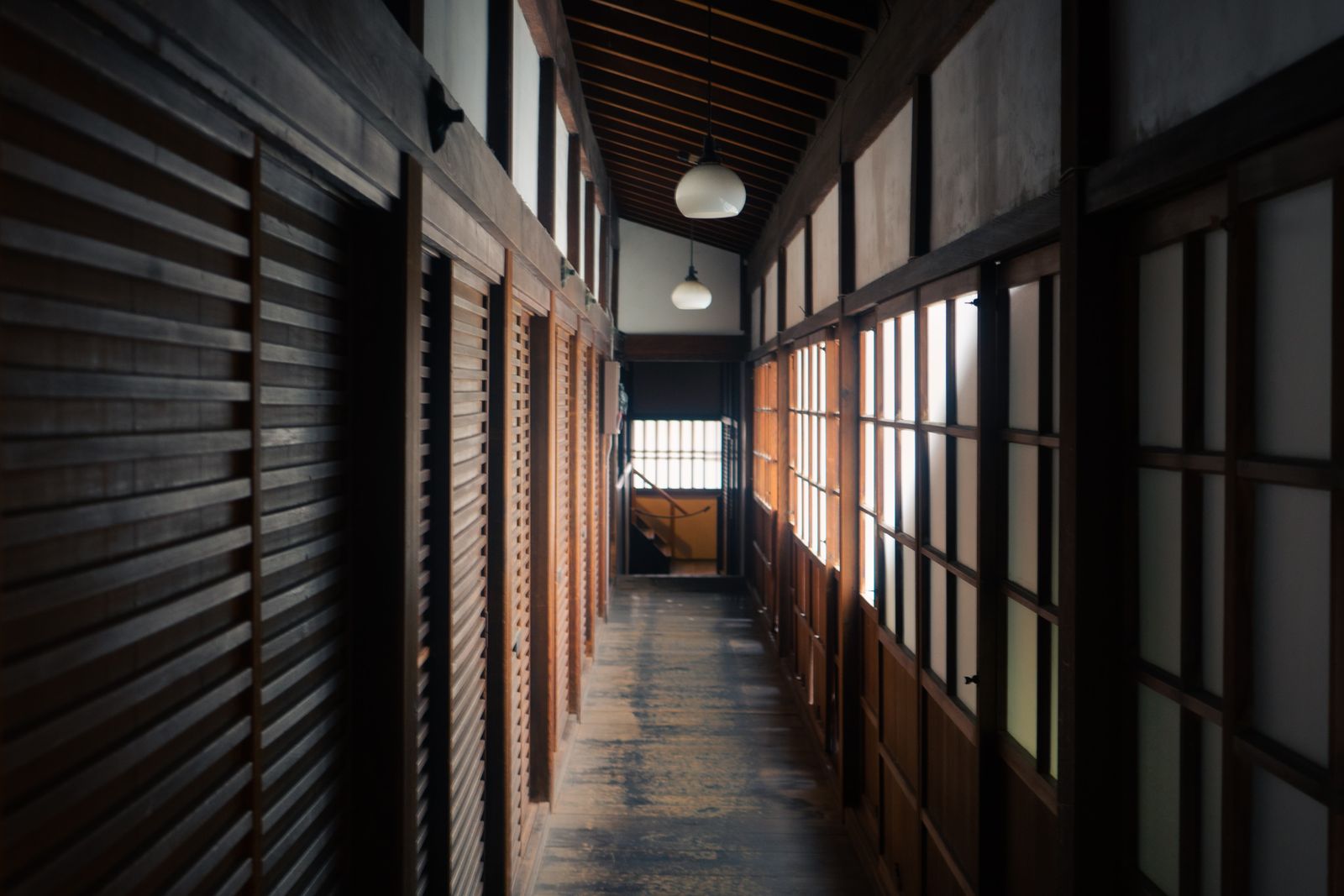
The conventional slot is mid-trip: in an onsen town, between two city blocks.
What the frame does to the days on either side, in facts. Check-in is most commonly mid-afternoon, so the travel leg lands in the afternoon. The dinner time is fixed with the attendant when you arrive, so the evening is the inn’s. Check-out comes late morning at most inns, so the next day is yours from late morning.
JBJ'S TAKE
Pick the day, not the night.
The inn will take an afternoon. Which one is yours to pick. Give it one a train was taking anyway.
That day has one job: getting there by mid-afternoon. Leave one city after breakfast, and the evening the inn wants is one with nothing else in it. Check-out feeds the next block.
A full city day, then the inn? That's a day cut in half. Not that one.
Where the night you just chose goes: the Tokyo day trips, ranked, Hakone among them, and the day trips from Kyoto. For the season, when to visit.
Information checked September 2026. The fee system, the meal convention, the check-in and check-out hours and what a stay includes come from the Japan Ryokan Association and JNTO; the license classes and the guest-register rule from the health ministry; the bathing tax from the finance ministry and five municipal tax pages; the accommodation-tax bases from the Kyoto, Tokyo and Osaka tax authorities’ own pages; the tax-inclusive display rule from the National Tax Agency.