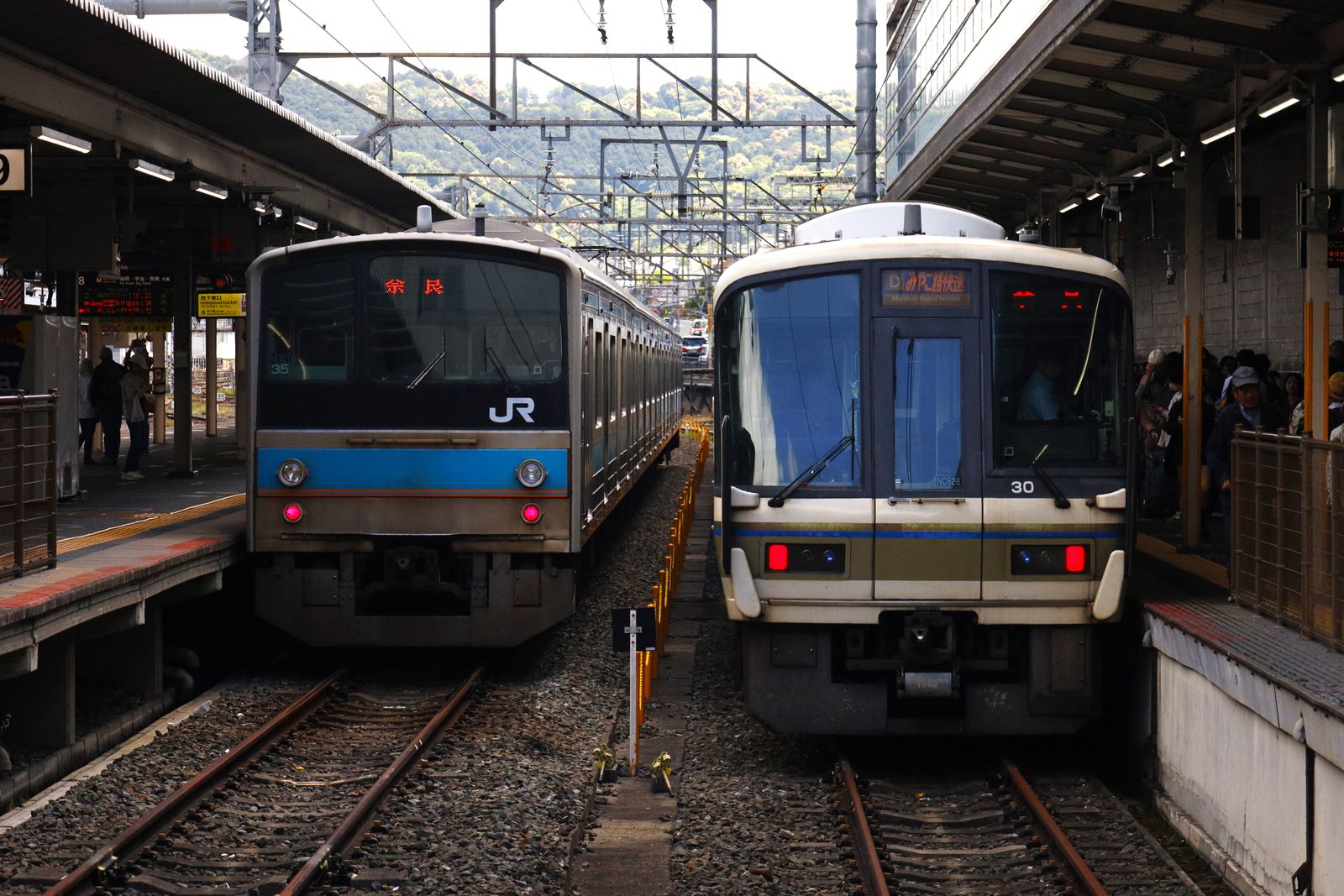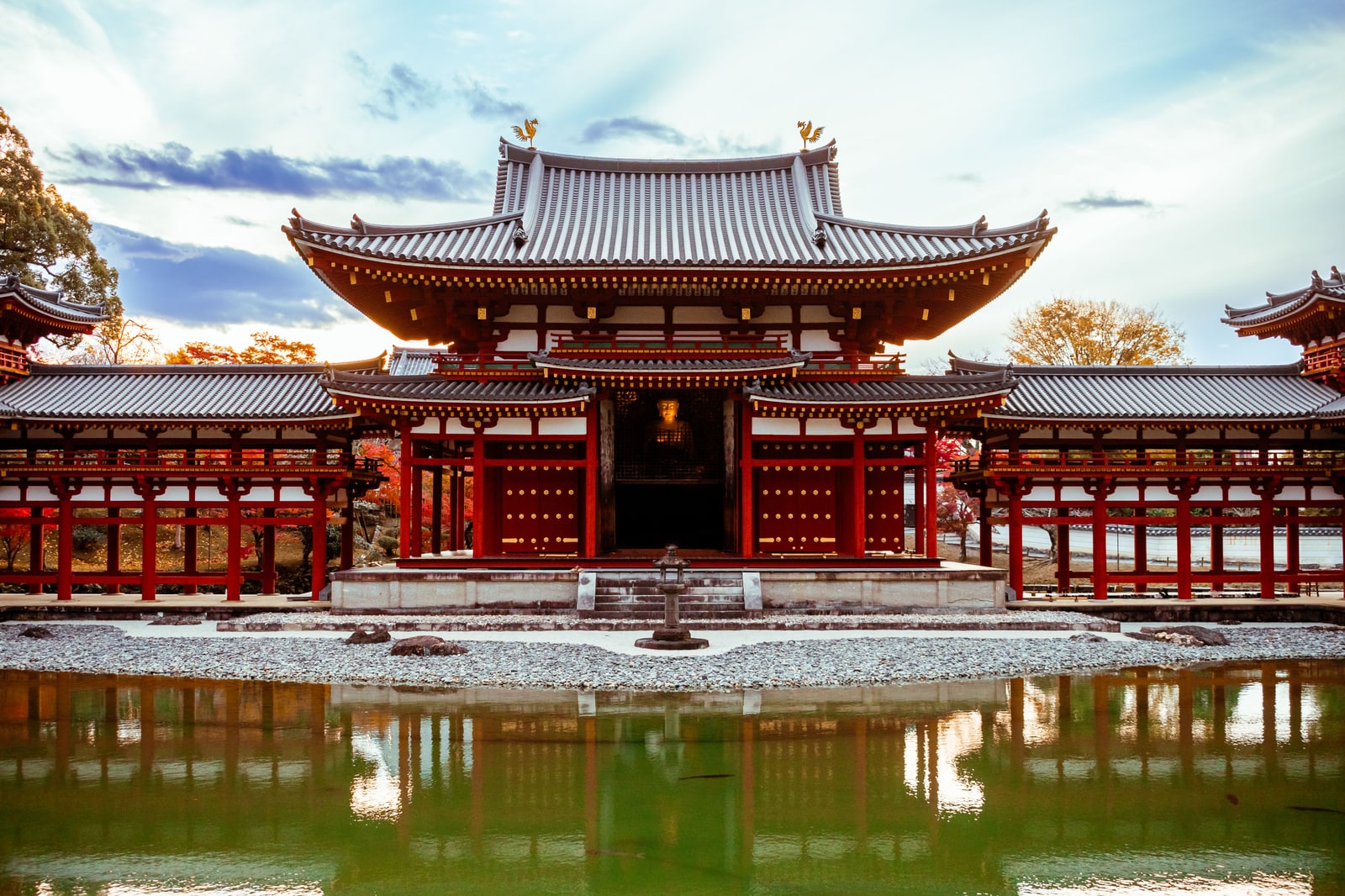
Yes, if one of three things brought you: the Phoenix Hall at Byodo-in, Uji tea where it’s made, or the world of The Tale of Genji. The JR Miyakoji Rapid gets you from Kyoto Station to Uji in 17 minutes. Go in the morning and you’re back in Kyoto with the afternoon still yours.
- The time that matters is 16:10. That’s when the Phoenix Hall interior stops admitting. The 17:30 you’ll see elsewhere is the garden.
- Staying near Kyoto Station? Take JR. Near Gion or Sanjo? Take Keihan and change at Chushojima.
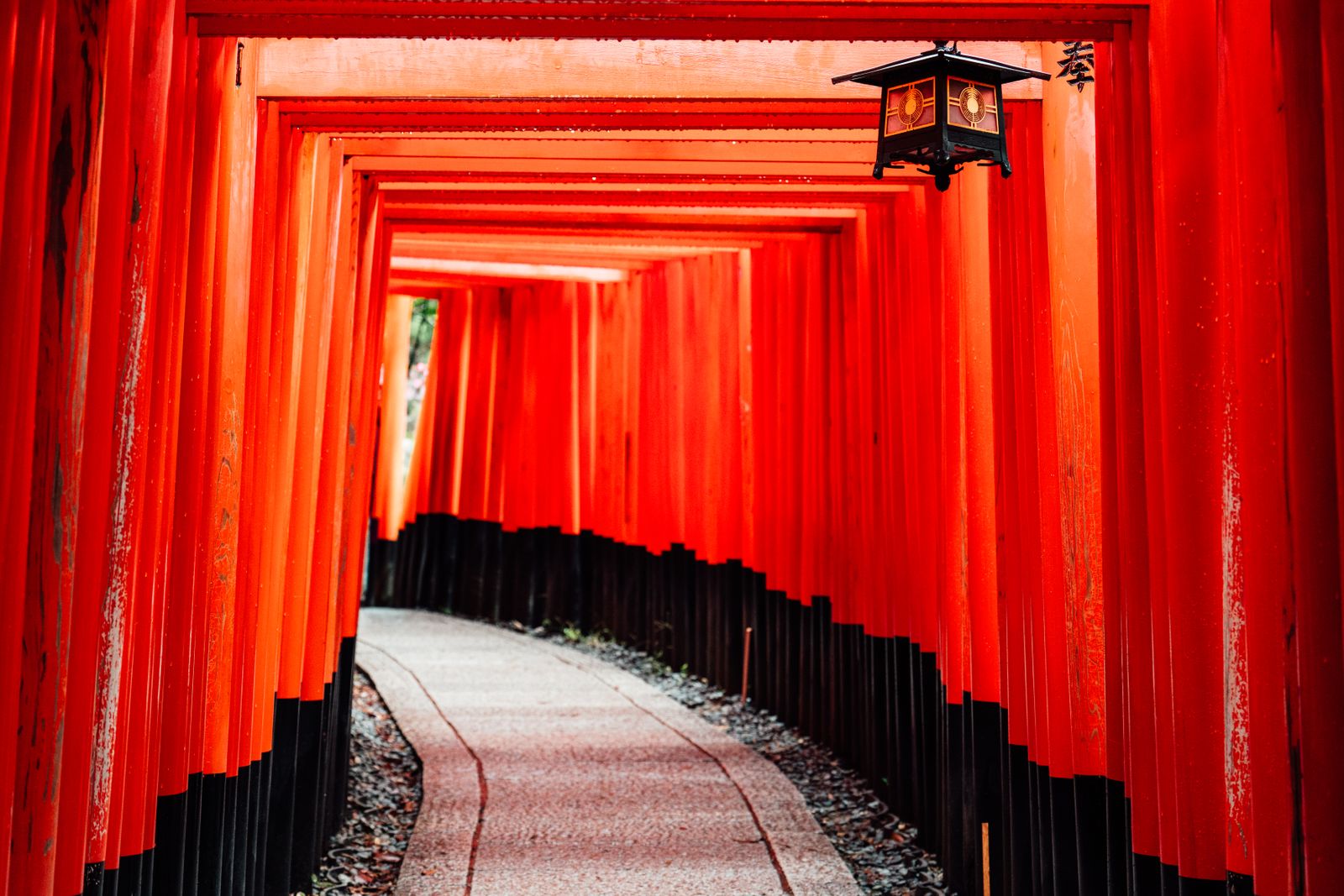
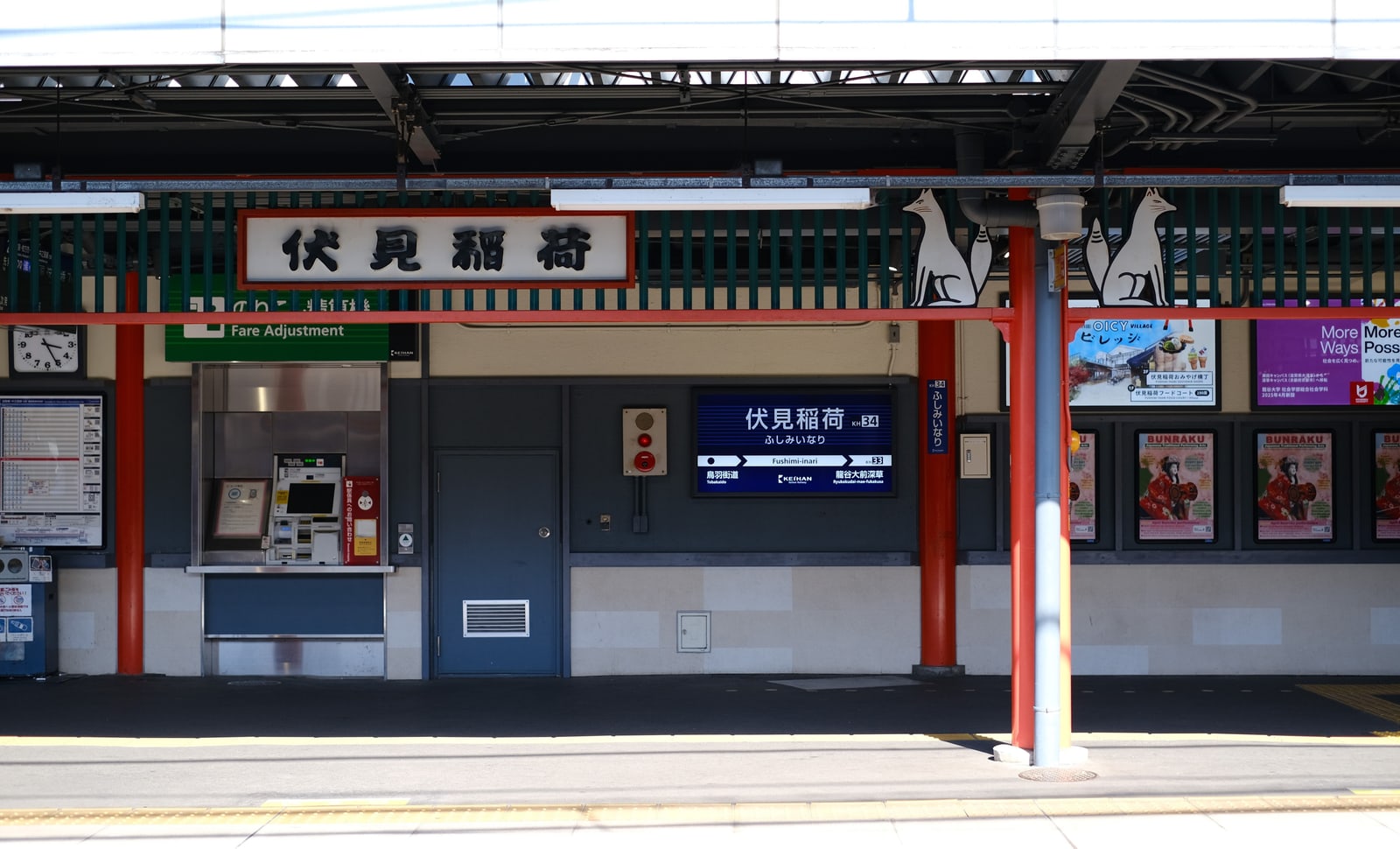
- Fushimi Inari fits on the same line. The Miyakoji Rapid stops at Inari on the way back.
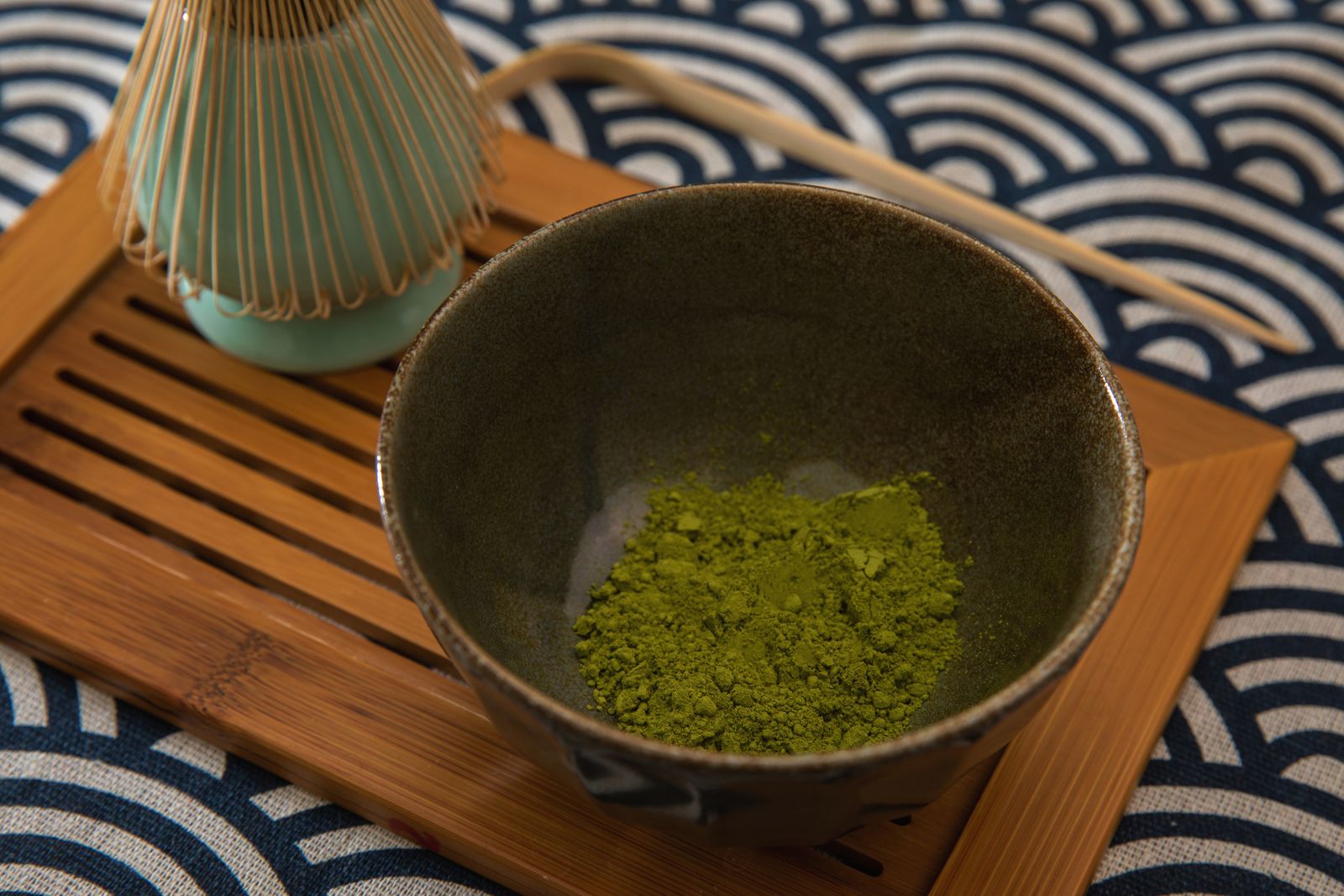
- A bowl of matcha needs no booking. A tea ceremony where you grind the leaf yourself does.
Matcha is the reason you're going?
Nakamura Tokichi: Tea Ceremony Experience and Matcha Dessert Tasting in Uji on Klook
This Klook listing is a stone-mill grinding and tea ceremony session at Nakamura Tokichi's main store, a minute's walk from JR Uji, finished with the store's raw tea jelly.
Check the Nakamura Tokichi tea ceremony on Klook →Sold on Klook (Klook Travel Technology Limited), an online travel agency. The listing places it at Nakamura Tokichi's main store, about a minute's walk from JR Uji. Before you book, check on the listing for your date: the start time, the package, and the cancellation terms. Confirmation can take up to 48 hours.
What you come for: the hall, the tea, or Genji
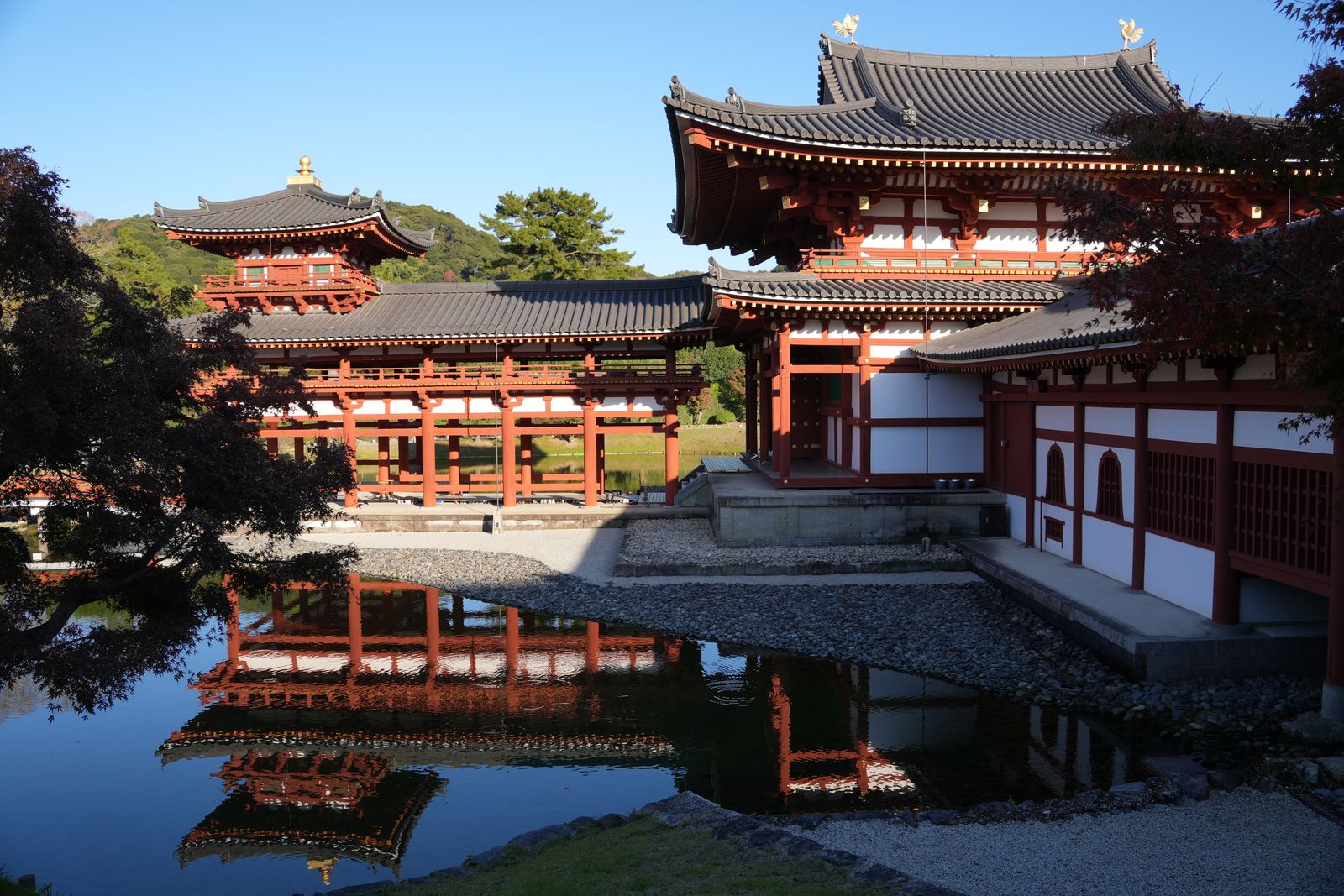
The Phoenix Hall is the building on the back of the 10-yen coin. Byodo-in is a UNESCO World Heritage Site, and this hall, its Amida Hall, is the one structure that survived the temple’s many fires. You can go inside it for ¥300 more.
The tea is a street’s worth of old shops. Nakamura Tokichi’s main store dates to 1854, Itoh Kyuemon to 1832. Chazuna, a park that opened in 2021, has a small museum on how tea is made.
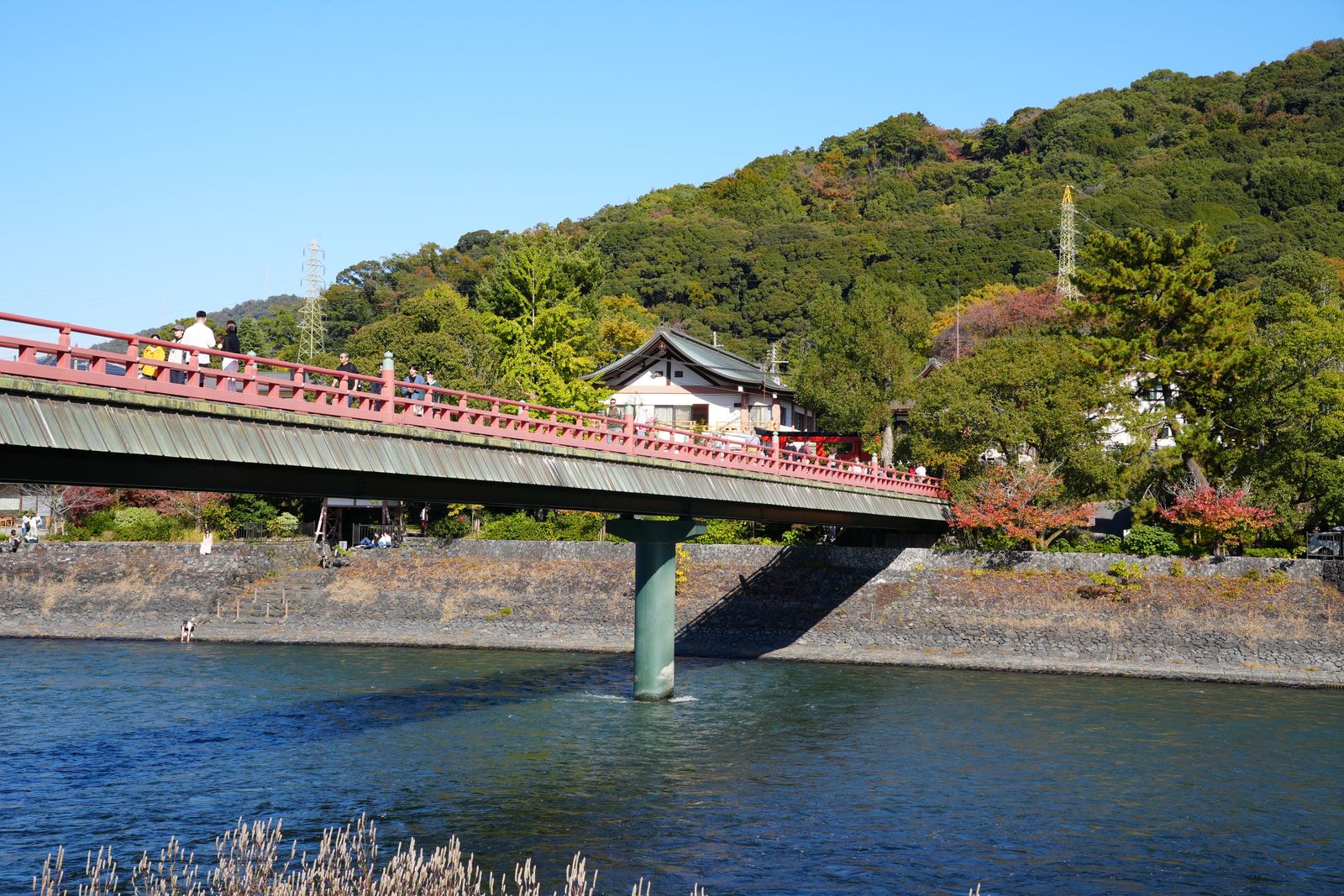
Genji is the quietest of the three. Uji Bridge appears in The Tale of Genji, and the city runs a museum devoted to the book (¥600, closed Mondays). Across the river sits Ujigami Shrine, also on the UNESCO list. Keihan calls it “the oldest shrine in Japan still standing.”
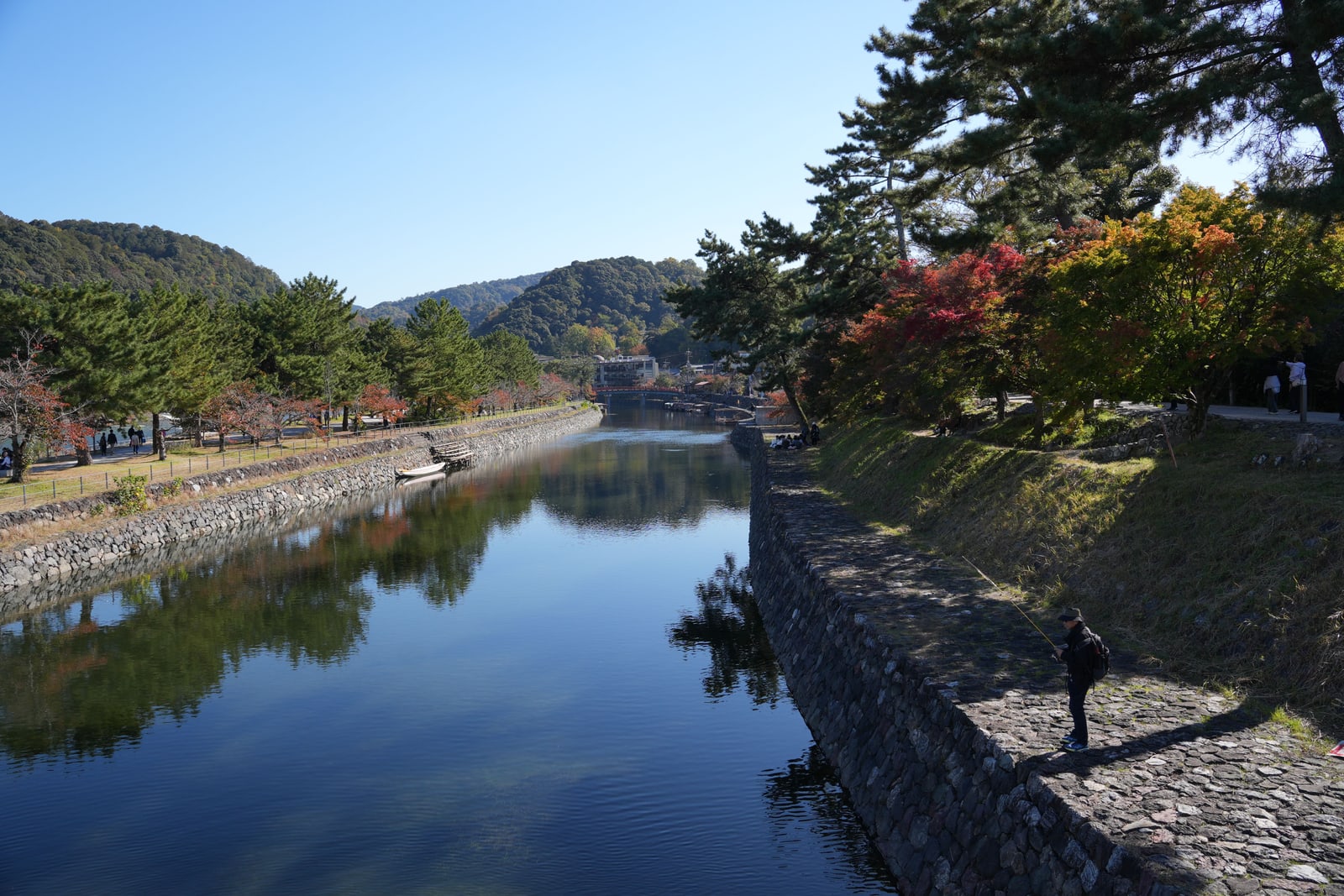
Matcha alone is the one reason Kyoto can meet without the trip. Nakamura Tokichi has shops in the city too, including one in JR Kyoto Isetan and one on Shijo. What Uji adds is the main store’s old tea room, the river, and Byodo-in a few minutes away. If none of the three pulls you, our day trips from Kyoto ranking has other ways to spend the day.
The clock: 16:10, not 17:30
Byodo-in runs on two clocks. The garden’s last entry is 17:15. The Phoenix Hall interior is shown from 9:30 to 16:10, in visits every 20 minutes of up to 35 people. Buy that ticket at the reception inside the garden.
The reception can stop selling early once the day’s visits are full. The temple also notes that the interior can close without notice for ceremonies. So the earlier you reach the garden, the more of the day’s visits are still open.
| What | Hours | Adult price |
|---|---|---|
| Byodo-in garden | 8:45–17:30, last entry 17:15 | ¥700 with the Hoshokan museum |
| Phoenix Hall interior | 9:30–16:10, every 20 min, up to 35 people | ¥300 more |
| Hoshokan museum | 9:00–17:00, last entry 16:45 | in the ¥700 |
| Taiho-an tea house | 10:00–16:00 | ¥1,500 a bowl |
| Nakamura Tokichi main store cafe | 10:00–17:30, last seating 16:00 | menu prices |
| Tale of Genji Museum | last entry 16:30, closed Mondays | ¥600 |
Prices and hours from each place’s own page, checked October 22 and November 9, 2026. Byodo-in with the hall comes to ¥1,000. Ujigami Shrine closes at 16:30. Through November 27, 2026, the Hoshokan’s Tobira-e Room is closed; the rest of the museum is open.
The train isn’t what ends the day. The last JR train from Uji to Kyoto leaves at 23:47. By 16:30 the shrine, the museum and the tea house have closed, and that’s your real limit.
The route: JR from Kyoto Station, Keihan from Gion
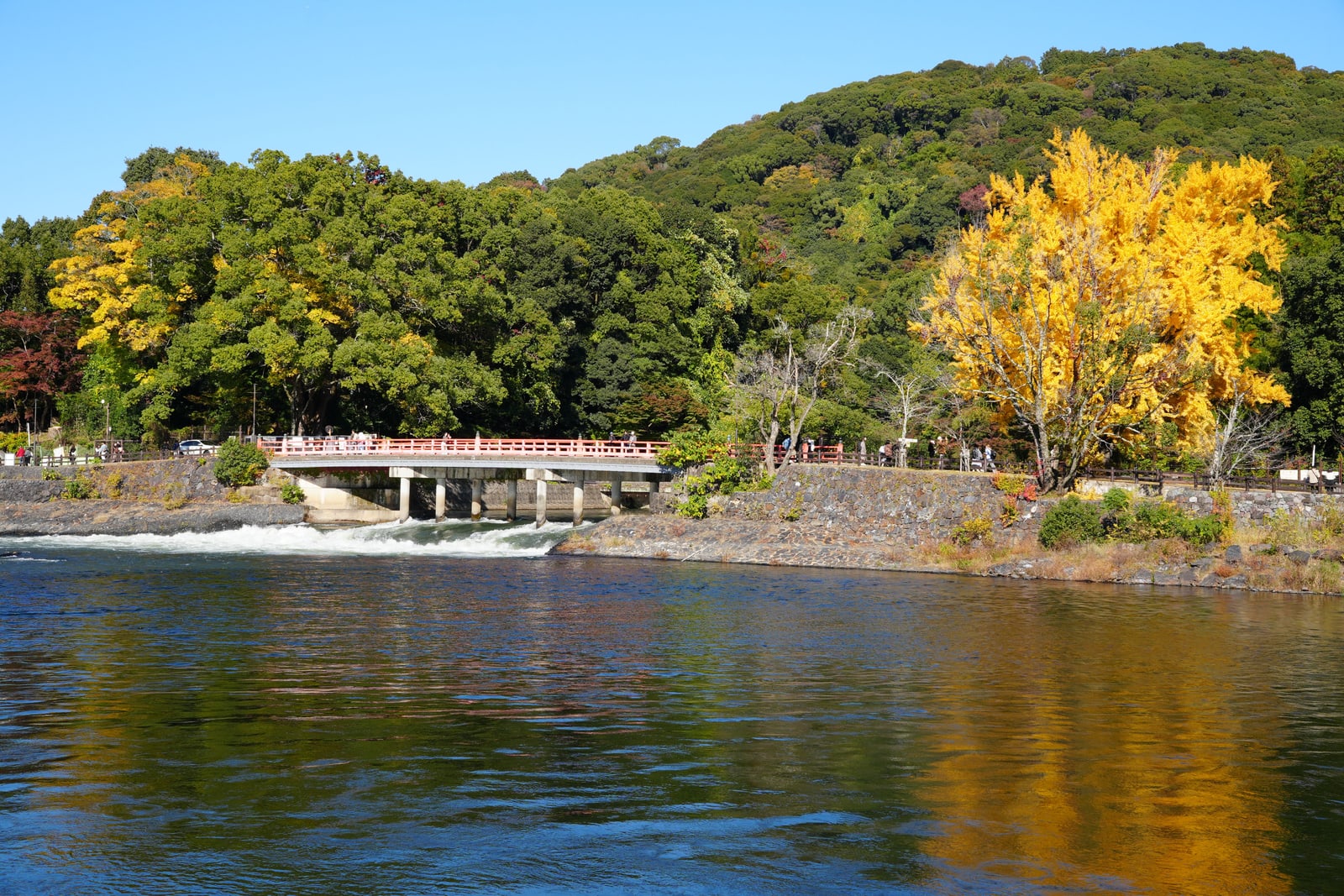
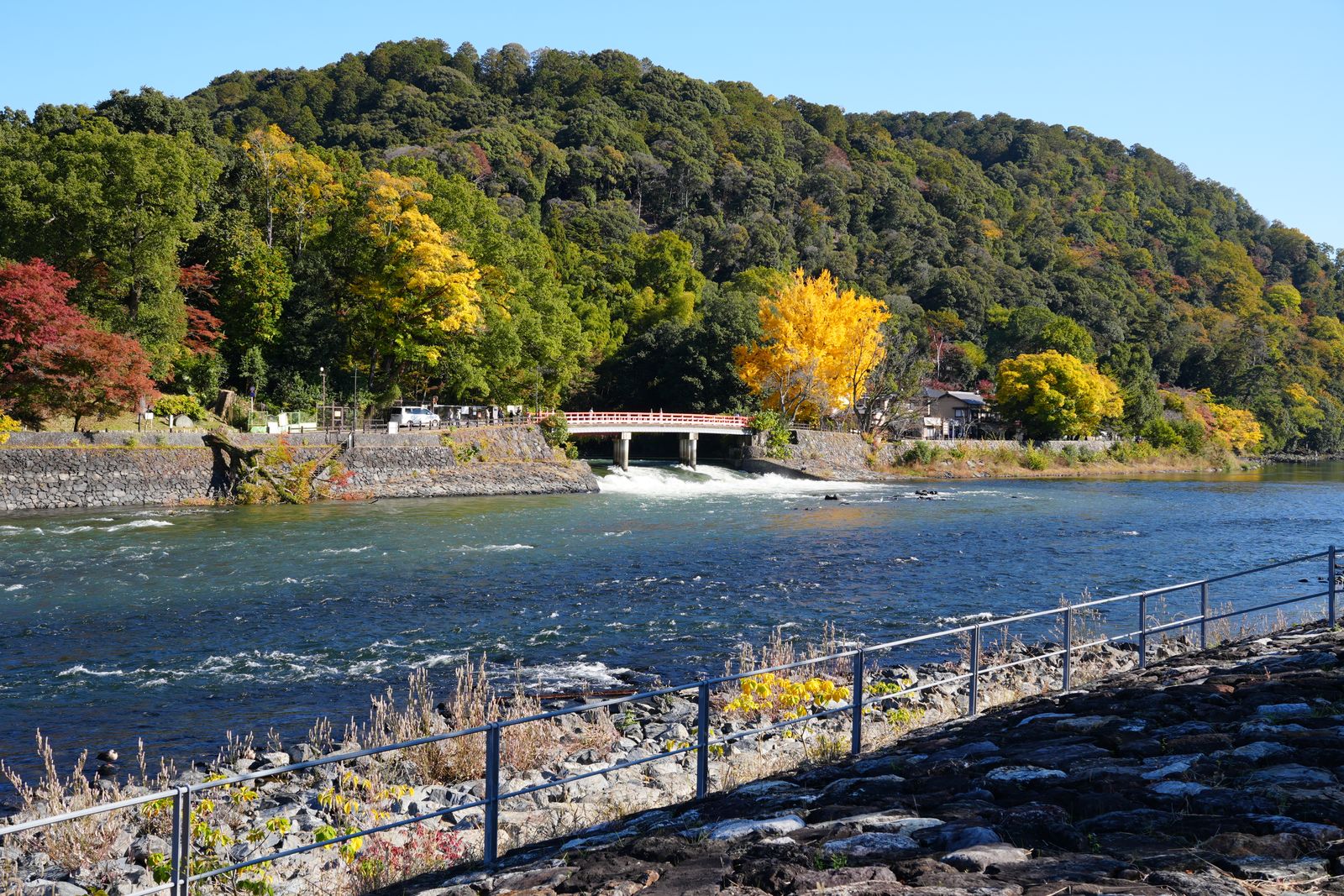
Uji has two stations on two railways. JR Uji is on the JR Nara Line from Kyoto Station. Keihan Uji is at the end of the Keihan Uji Line. Byodo-in sits between them, and Uji Bridge links the two banks.
| JR | Keihan | |
|---|---|---|
| Starts from | Kyoto Station | Gion-Shijo, Sanjo, Demachiyanagi |
| Change | none | at Chushojima |
| Time | 17 min by Miyakoji Rapid; locals 22–25 min | about 15 min from Chushojima |
| Fare | covered by the Japan Rail Pass | ¥360 each way from Gion-Shijo |
| Station to Nakamura Tokichi main store | about 1 min | about 10 min, across Uji Bridge |
| On the way | Inari (Fushimi Inari) | Fushimi-Inari |
JR timetable read November 9, 2026; Keihan fares checked October 8, 2026.
Weekday mornings, the Miyakoji Rapid leaves Kyoto Station at 9:34, 10:04 and 10:34. The 9:34 reaches Uji at 9:51. Locals run in between. Keihan has no stop at Kyoto Station, which is the usual mix-up. Its Kyoto Sightseeing Pass (¥1,100) covers the Uji Line too, so it starts to pay once you add rides beyond the Uji round trip. Is the Kyoto-Osaka Sightseeing Pass worth it? does that sum.
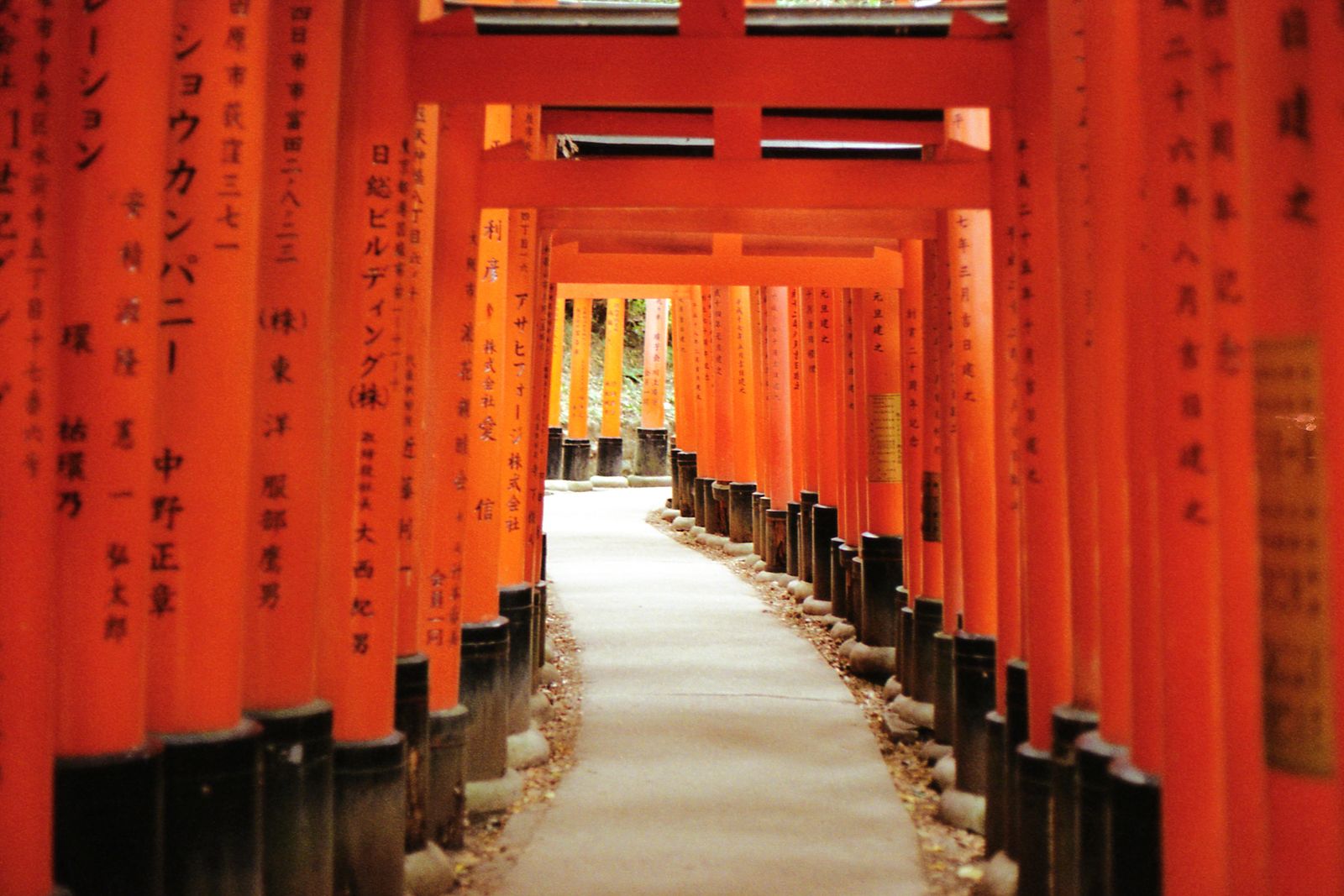
Fushimi Inari. JR Inari is five minutes and ¥150 from Kyoto Station, and the Miyakoji Rapid stops there. Do Uji first, while the Phoenix Hall visits have room, and get off at Inari on the way back. How far up Fushimi Inari? sets how long that stop takes. Keihan riders have their own Fushimi-Inari station on the main line, though limited expresses skip it.
Nara. Uji is on the JR line between Kyoto and Nara. The Miyakoji Rapid takes about 44 minutes from Nara to Kyoto and stops at Uji. Pairing them works when you reach the Byodo-in garden with time for a visit before 16:10. Nara has closing times of its own, and Nara: day trip or overnight? covers them.
The day and the hour
Byodo-in is open every day. The rest of Uji has its own days off, so check yours against this list:
- Monday: the Tale of Genji Museum is closed.
- Wednesday, Thursday, Saturday, Sunday: the days Nakamura Tokichi runs its own tea sessions.
- The last day of each month: Taiho-an closes for upkeep. If that day falls on a weekend or holiday, it’s the last weekday instead.
- December 21 to January 9: Taiho-an is shut for the season. Nakamura Tokichi’s main store closes on January 1.
Two things fill up. The Phoenix Hall visits have a daily cap. And the Nakamura Tokichi main store cafe takes no reservations, posting a live waiting list on its own website. It can stop seating before last orders when it’s full. A morning arrival handles both.
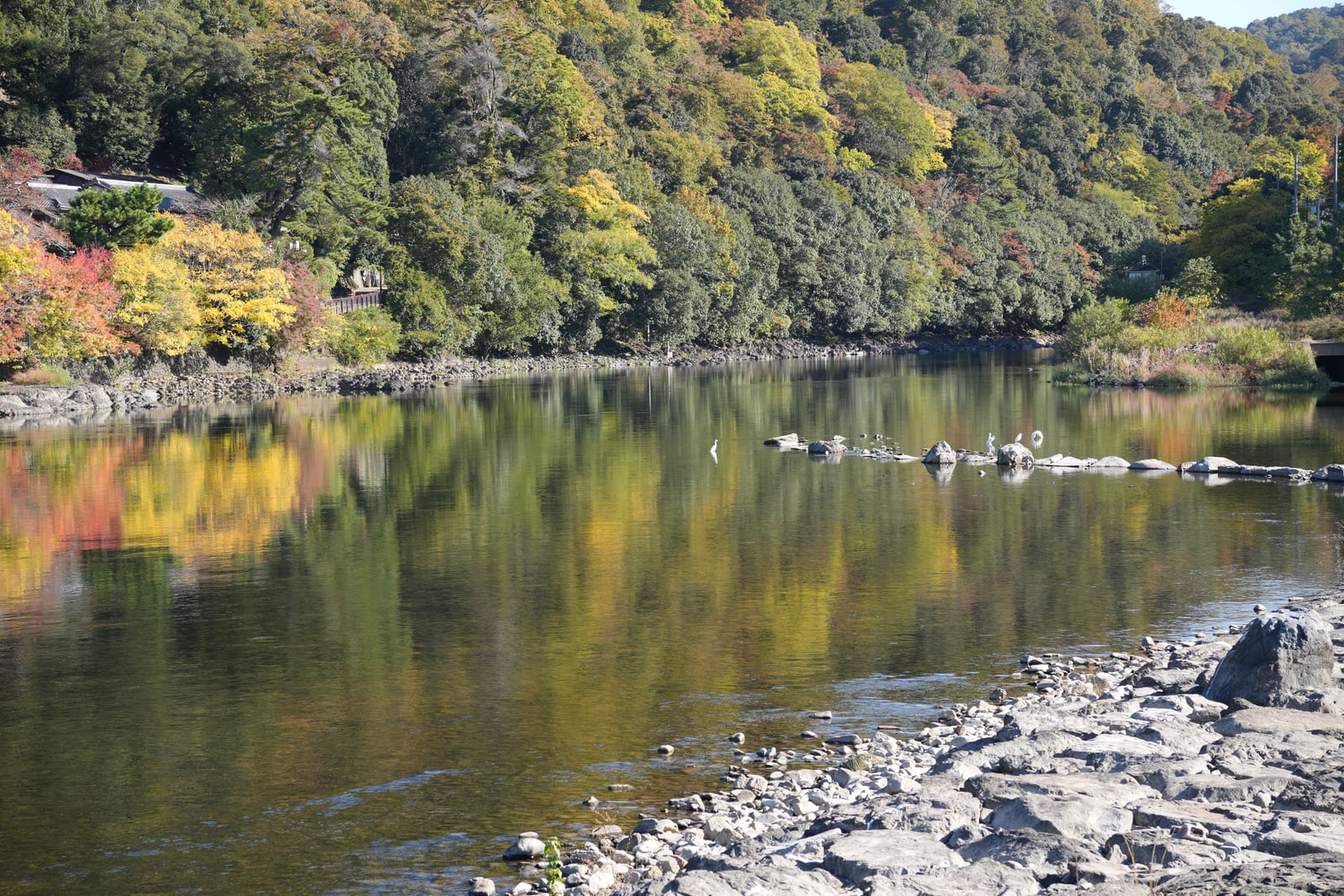
The summer cormorant fishing on the river ended for 2026 on September 30.
Tea: a cafe bowl, Taiho-an, or a stone-mill session
There are three levels, and they differ in what you do, not only in price.
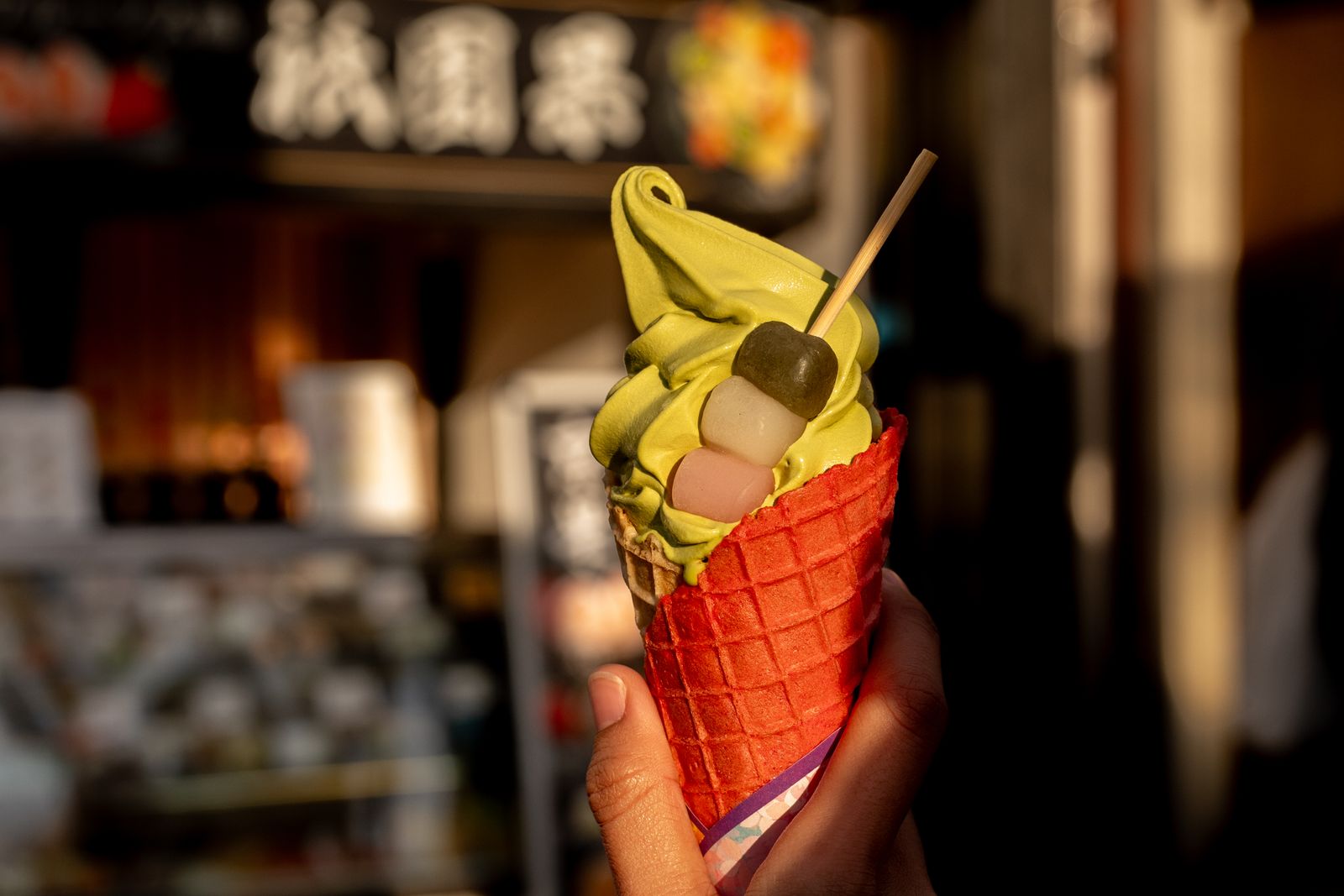
A cafe bowl. The main store’s cafe serves from 10:00, last seating at 16:00. You queue, you’re seated, you drink. No booking, and no ceremony.
Taiho-an. This is the city’s own tea house, named because it faces the Phoenix Hall. A bowl of thin matcha with a sweet is ¥1,500 and takes 20 to 30 minutes. Same-day tickets are fine, exchanged at the Uji City Tourist Center across from it. The ¥3,600 version has you make your own bowl, about 40 minutes, booked three days ahead.
A stone-mill session at Nakamura Tokichi. The main store’s tea room was built in the Genroku era. Its own listings start at ¥6,380 for stone-mill grinding and a bowl of thin tea, about an hour, four people at most. A 150-minute plan with thick tea, thin tea and the store’s raw tea jelly starts at ¥11,880.
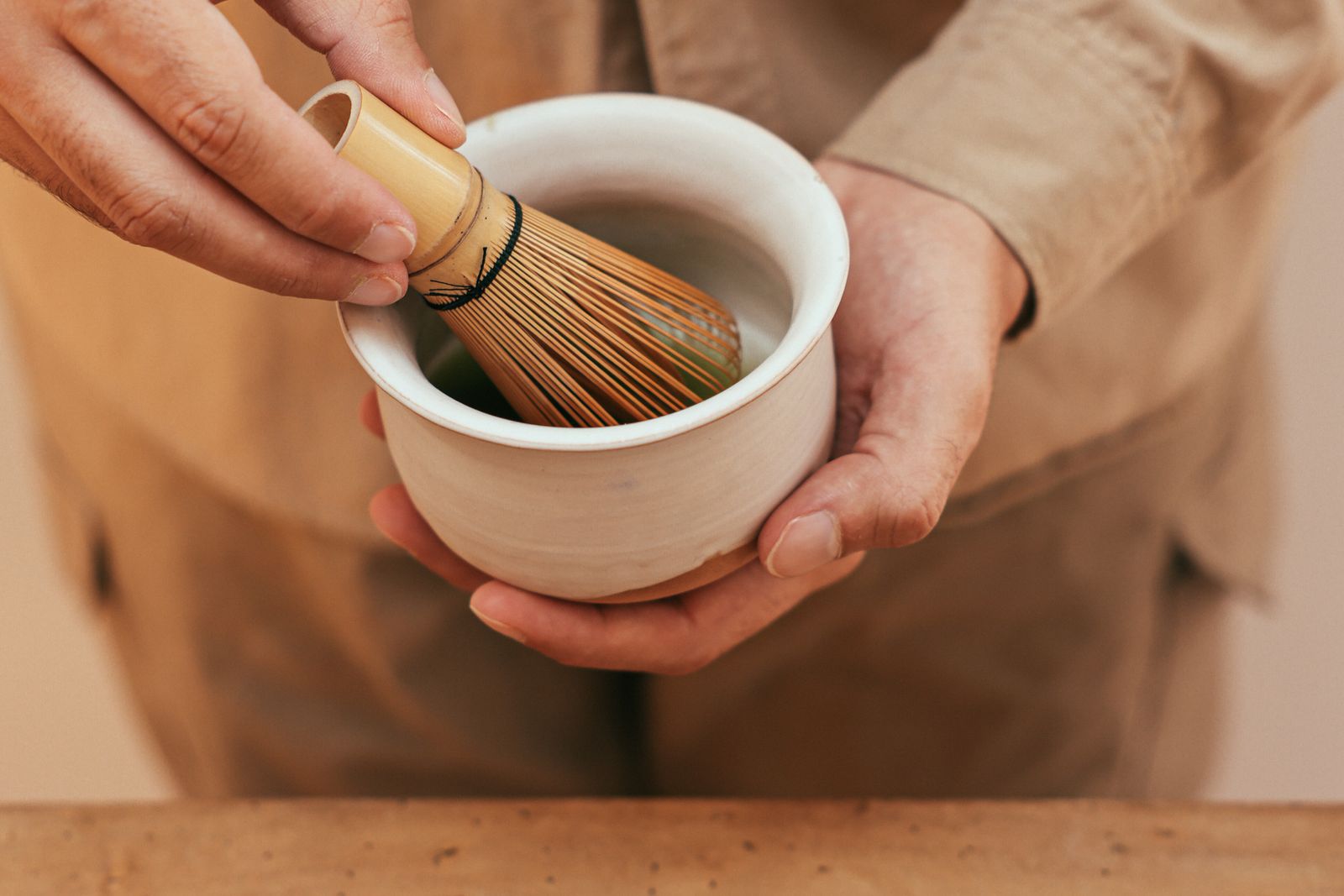
Klook sells a package at the same main store. You grind leaf on a stone mill and drink a bowl of matcha in the Genroku-style tea room. Then the store’s raw tea jelly is served in a tatami room. The “tea ceremony + raw tea jelly” package is US$76.35, with conditional cancellation and confirmation within 48 hours. It’s rated 4.5 out of 5 from eight reviews.
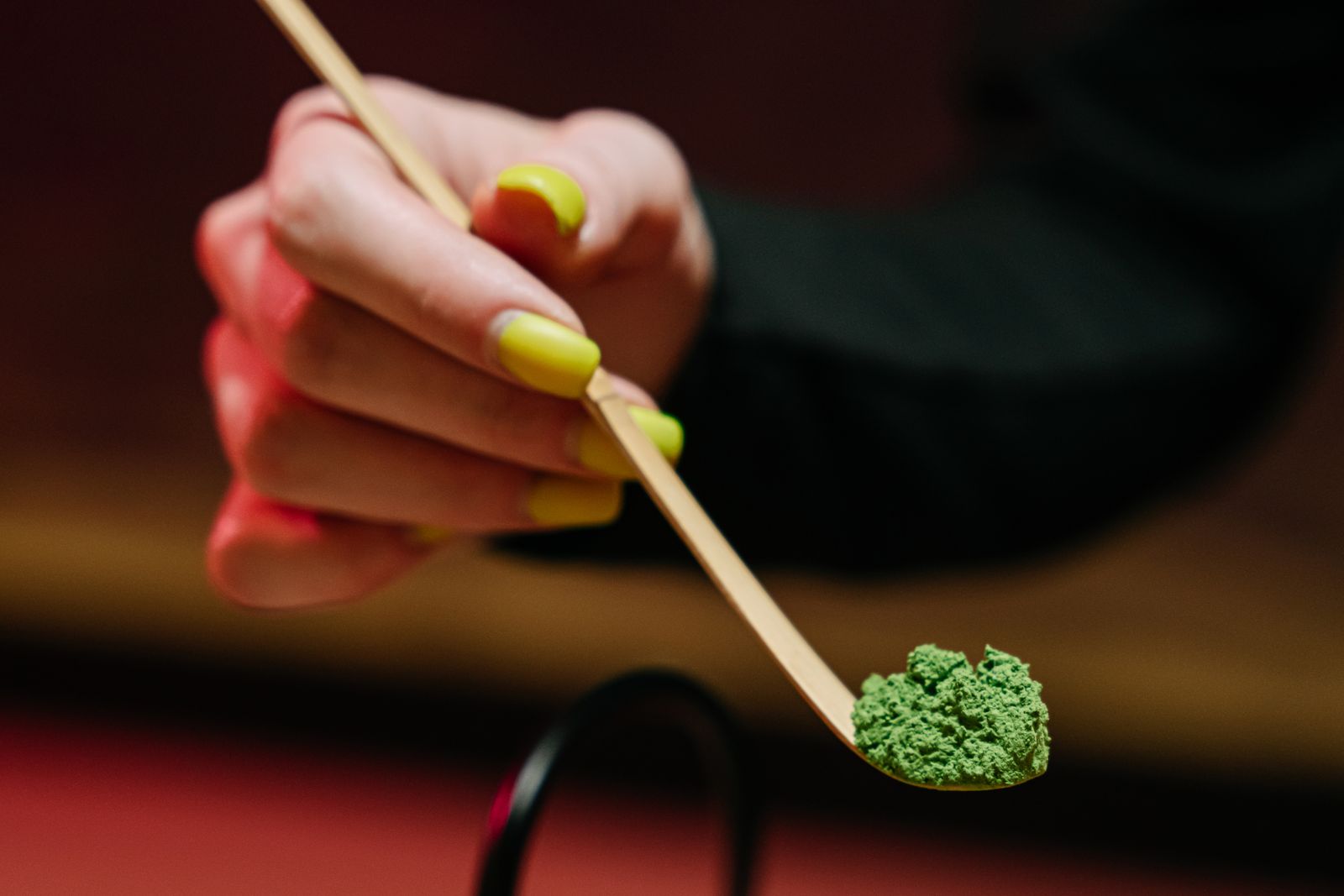
Want a bowl of matcha and a sweet? Taiho-an’s ¥1,500 seat covers it, and you can decide on the day. If grinding the leaf yourself in Tokichi’s old tea room is the point, book before you leave Kyoto. Klook’s confirmation can take up to 48 hours, and the store’s own sessions run four days a week.
Want to grind the tea yourself?
Nakamura Tokichi: Tea Ceremony Experience and Matcha Dessert Tasting in Uji on Klook
The Klook package is a stone-mill grinding session and a bowl of matcha in Nakamura Tokichi's Genroku-style tea room, then raw tea jelly. Check the start time and cancellation terms for your date before you book.
Check the Nakamura Tokichi tea ceremony on Klook →Sold on Klook (Klook Travel Technology Limited), an online travel agency. The listing places it at Nakamura Tokichi's main store, about a minute's walk from JR Uji. Before you book, check on the listing for your date: the start time, the package, and the cancellation terms. Confirmation can take up to 48 hours.
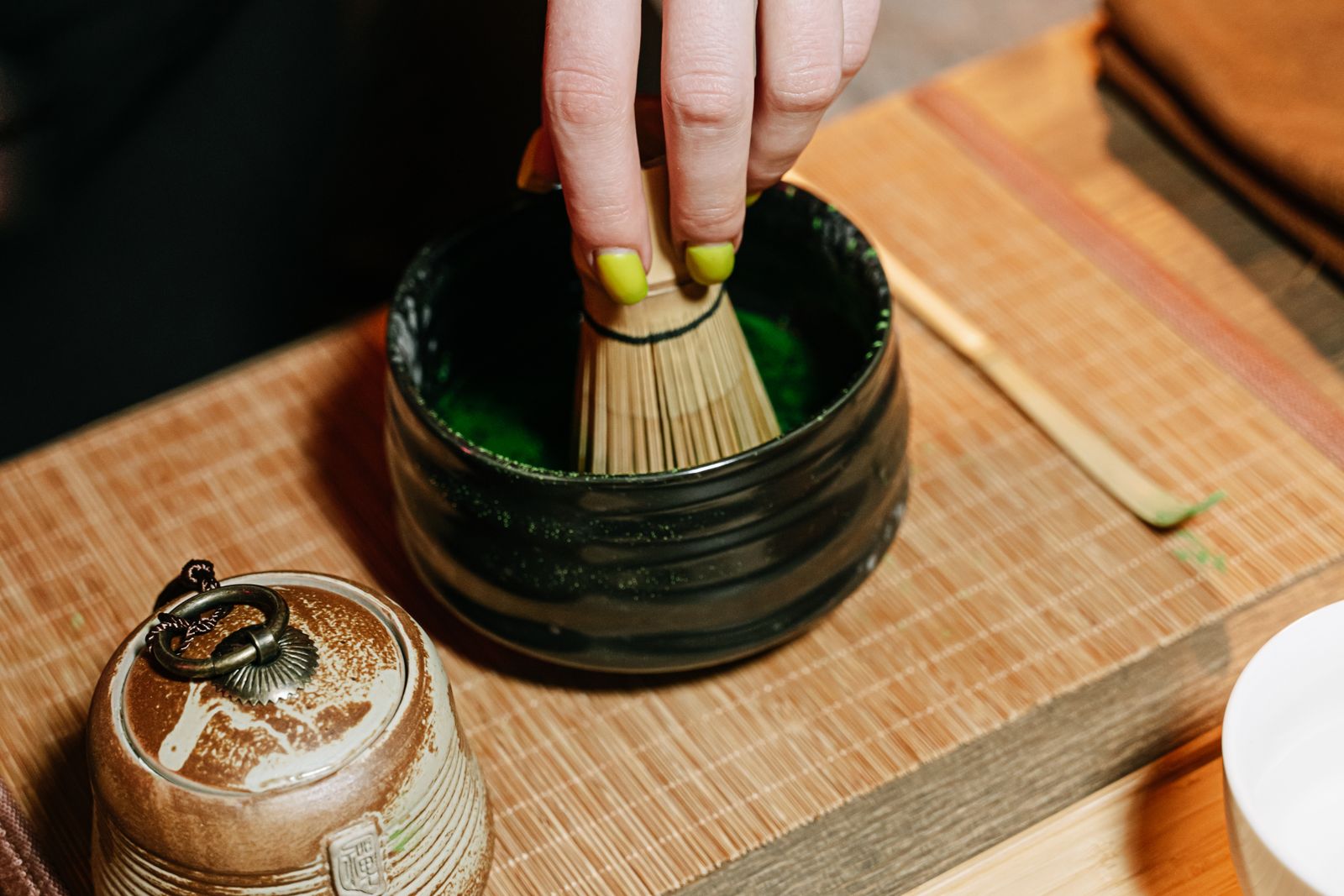
A half day, timed
A weekday that isn’t a Monday, staying near Kyoto Station, no tea session booked.
Take the 9:34 Miyakoji Rapid and you’re in Uji at 9:51. Walk down the approach to Byodo-in, and buy your Phoenix Hall ticket at the reception first thing. Take whichever visit time you’re given, and see the garden and the Hoshokan around it.
Taiho-an opens at 10:00, so a bowl there fits right after. Then cross Uji Bridge to Ujigami Shrine and, if you like, the Genji museum. Then take the train back from whichever station suits your hotel. On JR, get off at Inari for Fushimi Inari. You’ll be in Kyoto by mid-afternoon.
Entry fees for the morning: Byodo-in with the hall ¥1,000, Taiho-an ¥1,500, the Genji museum ¥600. That’s ¥3,100 a person, plus the train.
Next
Pick your train tonight: the 9:34 from Kyoto Station, or Keihan from Gion-Shijo with a change at Chushojima. If the stone mill is the reason you’re going, book the session before then. Weighing Uji against Nara or Himeji for a spare day? Day trips from Kyoto, ranked lines them up. For what to do in town, see things to do in Uji.