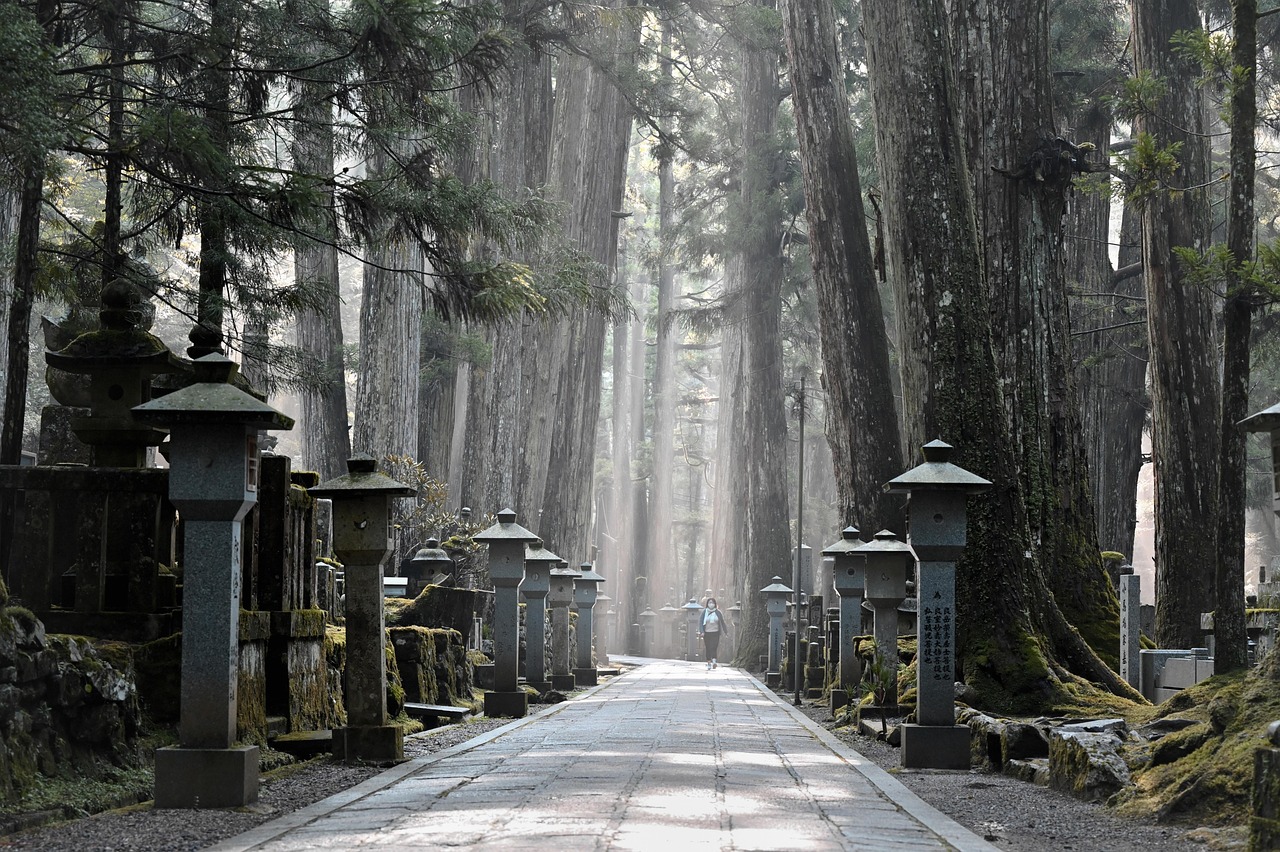
Koyasan works as a day trip from Osaka and as one night in a temple. Four conditions decide which, and the first does most of the work.
- Where you sleep tonight. From Namba or Shin-Imamiya the mountain is under two hours away on a direct train. From Kyoto it is about three, each way.
- What one day holds. The 9:02 from Namba puts you on Koyasan at 10:56; the paid halls take their last visitors at 16:30. Enough for Okunoin, Danjo Garan and Kongobuji.
- What a night adds. The evening after dinner, and a morning service that starts before the first train arrives. Check-in closes at 17:00.
- The ticket and the month. Rail costs the same either way; the room is ¥14,000 to ¥21,000 per adult with two meals. Book early for October, late July to August and Golden Week.
Going up from Namba or Shin-Imamiya?
Koyasan World Heritage Digital Ticket (Nankai round trip plus 2-day Koyasan bus pass) on Klook
Nankai's Koyasan World Heritage Digital Ticket covers the round trip to Koyasan Station, cable car included, and two days of buses on the mountain.
Check the Koyasan ticket on Klook →Sold on Klook (Klook Travel Technology Limited), an online travel agency. Nankai sells a ticket of the same name on its own site and lists it at ¥3,980 from Namba or Shin-Imamiya, or ¥4,910 with a reserved seat on the outward limited express. Before you pay, check on the listing for your date: which version and departure station it covers, how you receive the ticket, and the cancellation terms.
First: where you sleep tonight
Koyasan sits at the end of Nankai’s Koya Line. The train climbs to Gokurakubashi, a cable car takes five minutes to Koyasan Station, and a bus does the last stretch into town. Walking the road from the cable car station is not allowed, so count on the bus at least twice.
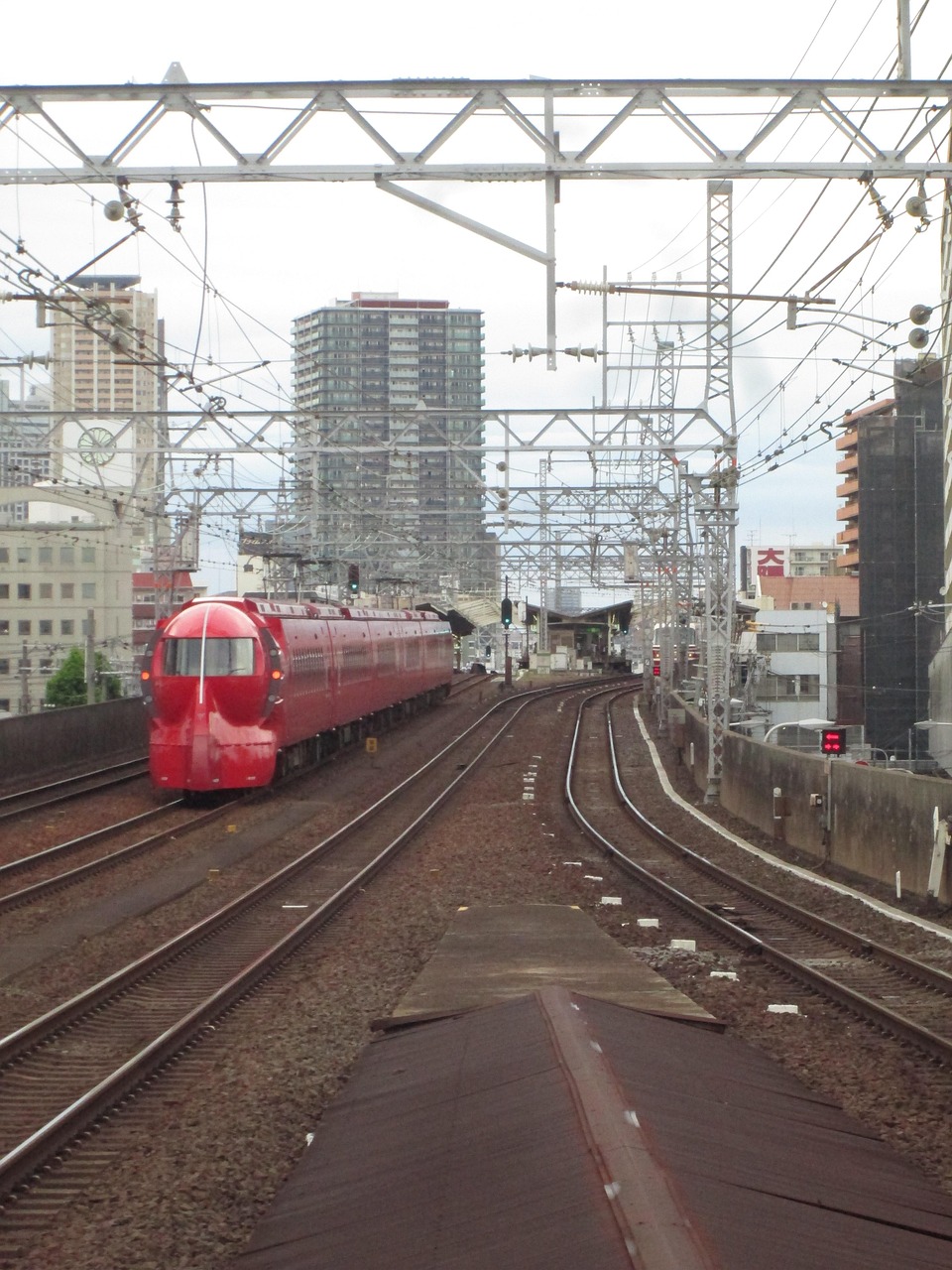
Namba or Shin-Imamiya. Nankai’s route search for a weekday in late October 2026 gives three trains that run through without a change:
- 6:00 express from Namba, Koyasan Station 7:43
- 9:02 rapid express, Koyasan Station 10:56
- 10:24 express, Koyasan Station 12:15
Most others change at Hashimoto and take about two hours. The fare is ¥1,430 each way.
The Limited Express Koya is all reserved seats and costs ¥1,100 on top of the fare (¥950 booked ticketless). On weekdays it leaves Shin-Imamiya at 10:02 and 13:32, so the 9:02 rapid express, with no surcharge, gets you up earlier. Saturdays and holidays add Koya trains from Shin-Imamiya at 7:02, 8:02 and 11:17, but those three do not run from December 1 to 29 or from January 4 to the end of February.
Kyoto. Add 30 to 48 minutes to Osaka (JR or Keihan), then the subway to Namba: about three hours each way, six hours of trains around a day whose halls close at 17:00. From April to November, Wakayama Prefecture lists a direct bus from Kyoto Station to Koyasan, about 2 hours 40 minutes; check the season’s timetable with the operator before you count on it.
Kansai Airport. The 8:20 airport express, changing at Tengachaya, reaches Koyasan Station at 10:56: 2 hours 36 minutes, ¥1,960.
What one day holds
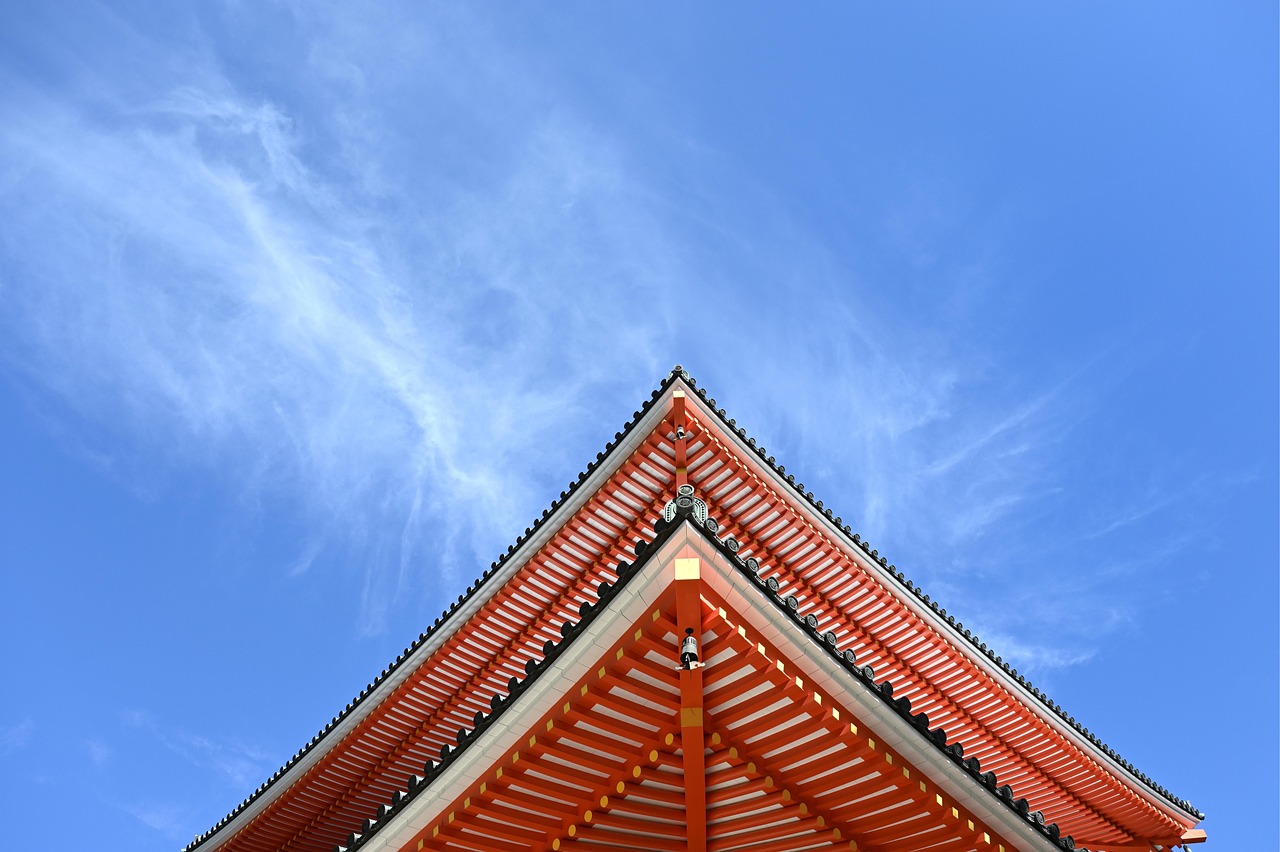
Count from the 9:02 out of Namba. Koyasan Station at 10:56, the town about ten minutes later by bus. Kongobuji, the Kondo and the Konpon Daito are open 8:30 to 17:00 and take their last visitors at 16:30. That is about five and a half hours for three places that are not next to each other.
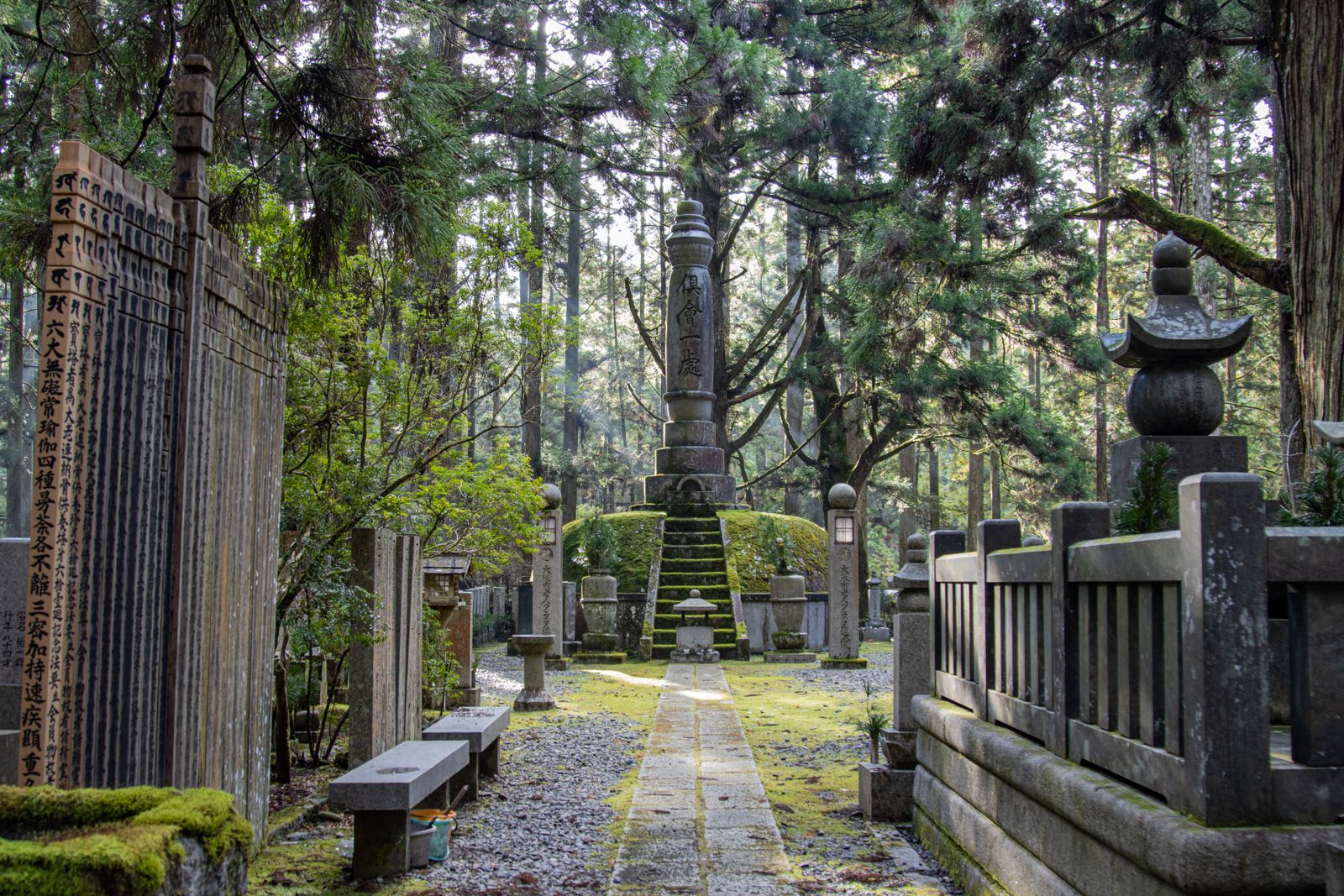
Okunoin is the cemetery and the approach to Kobo Daishi’s mausoleum, about two kilometers from Ichinohashi. Two bus stops serve it, Ichinohashi-guchi and Okunoin-mae, so you can walk one way and ride the other.
Danjo Garan and Kongobuji are in the middle of town, a few stops from Okunoin. They are the ones with entry desks, so they set the deadline.
Getting back is the easy part. On a weekday Nankai lists Koyasan Station at 16:24 (Namba 18:20), 17:43 (19:23) and 19:00 (20:49). The last cable car goes down at 21:40 and still gets you to Namba at 23:18. The one weekday Koya back leaves Gokurakubashi at 16:47, Shin-Imamiya 18:07, which means leaving the halls before they close. Buses run from town to the station; check the last one at the stop.
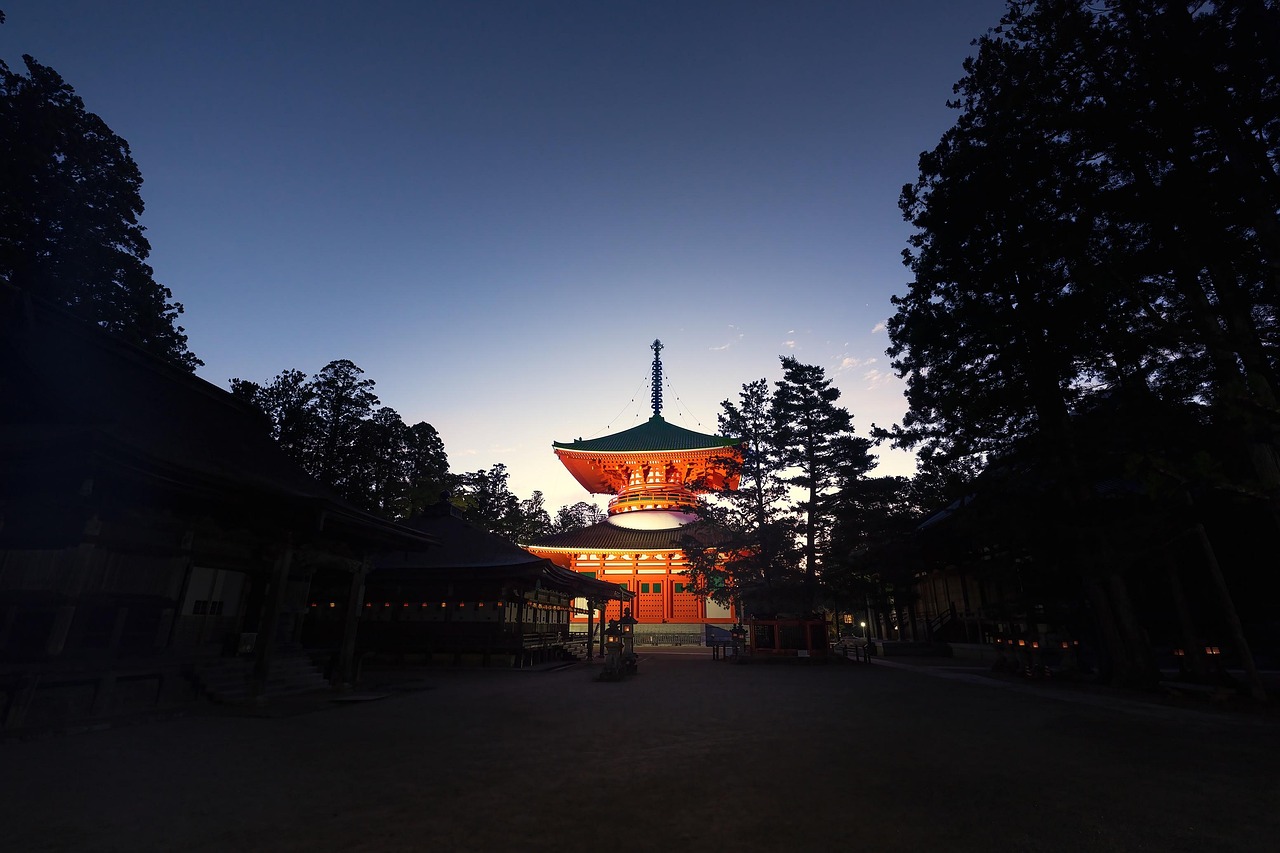
So, from Namba: leave by about 9:00 with those three places on the list, and one day holds them. Start after 10:30 and you have an afternoon. From Kyoto, the same day means leaving around 7:45 and getting back after 20:00; the conditions point to a night.
What a night adds, and what it asks of you
Of the 51 temples that take guests, 31 have a page on the Koyasan Shukubo Association’s English site. On the rules they read almost the same:
- Check-in closes at 17:00 at 29 of the 31 (one runs to 17:30, one to 19:00). That is half an hour after the halls’ last entry, so a one-night trip still does the halls in the afternoon, then goes in.
- A curfew, usually 21:00, anywhere from 20:00 to 22:00 where listed. The evening after dinner is yours for a walk.
- A morning service in the main hall, from 5:50 to 7:00 depending on the temple, free for guests.
- Shared baths, separate for men and women, at nearly every one.
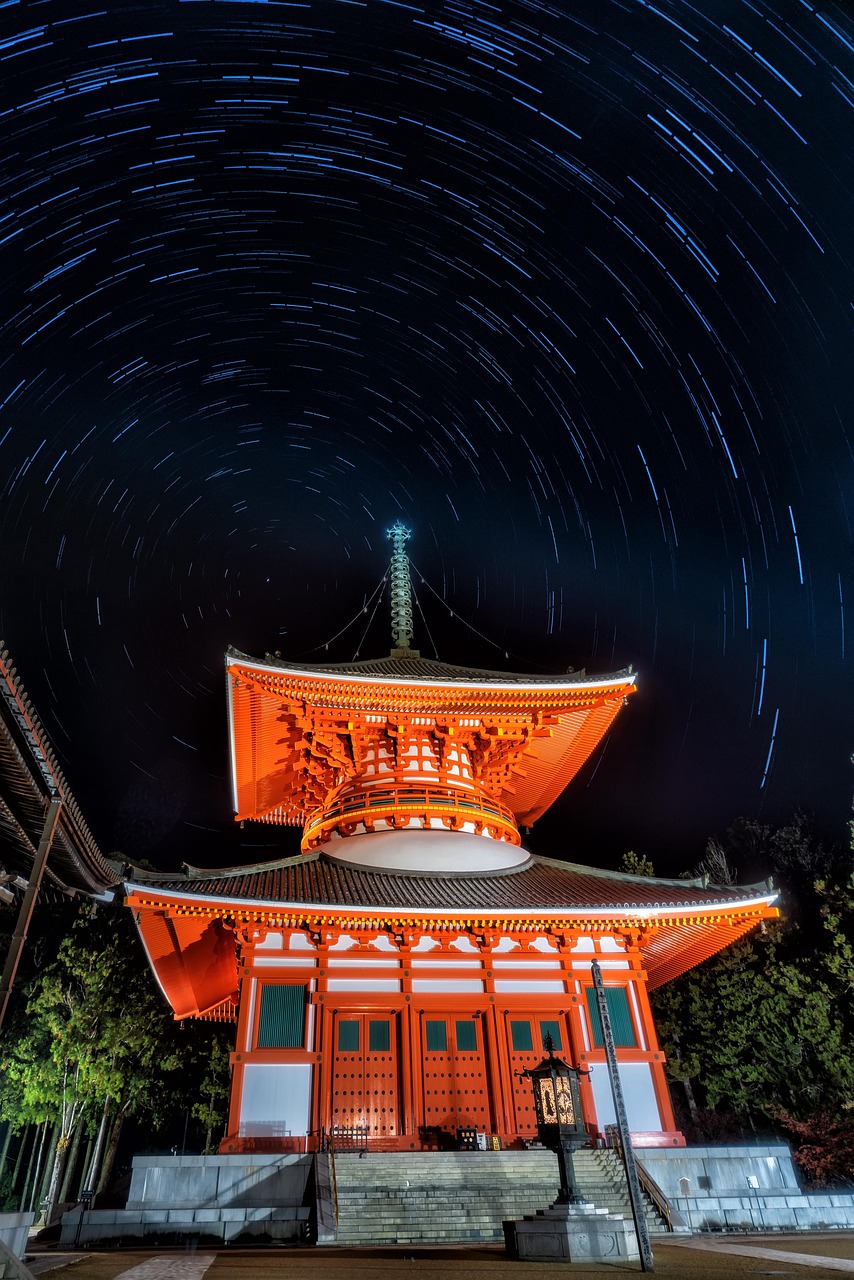
The fire ritual (goma) is temple by temple. Ten of the 31 list one; three hold it only on the 28th of the month, and two “not every day”. If it is the reason you are staying, choose the temple for it. Renge-in lists a night tour, and Rengejo-in an evening fire ceremony.
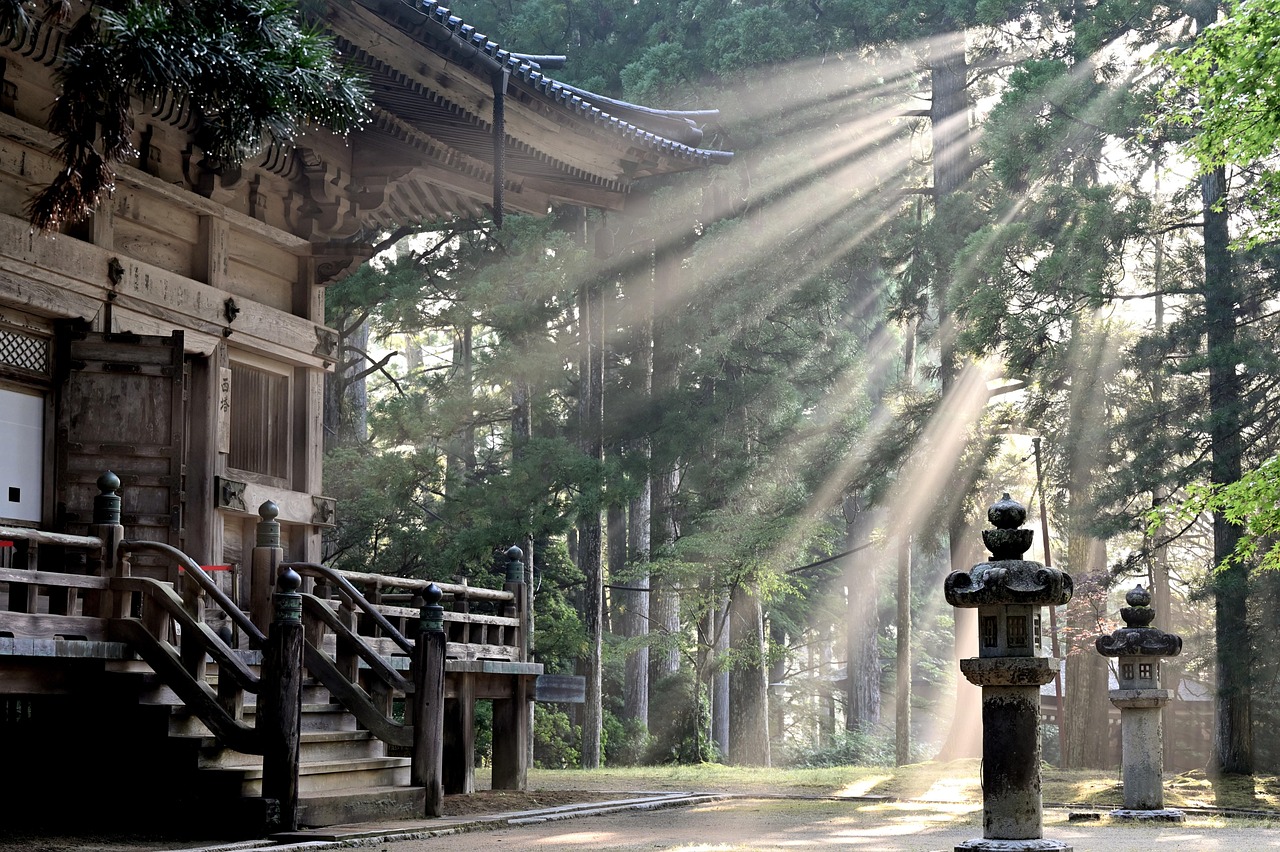
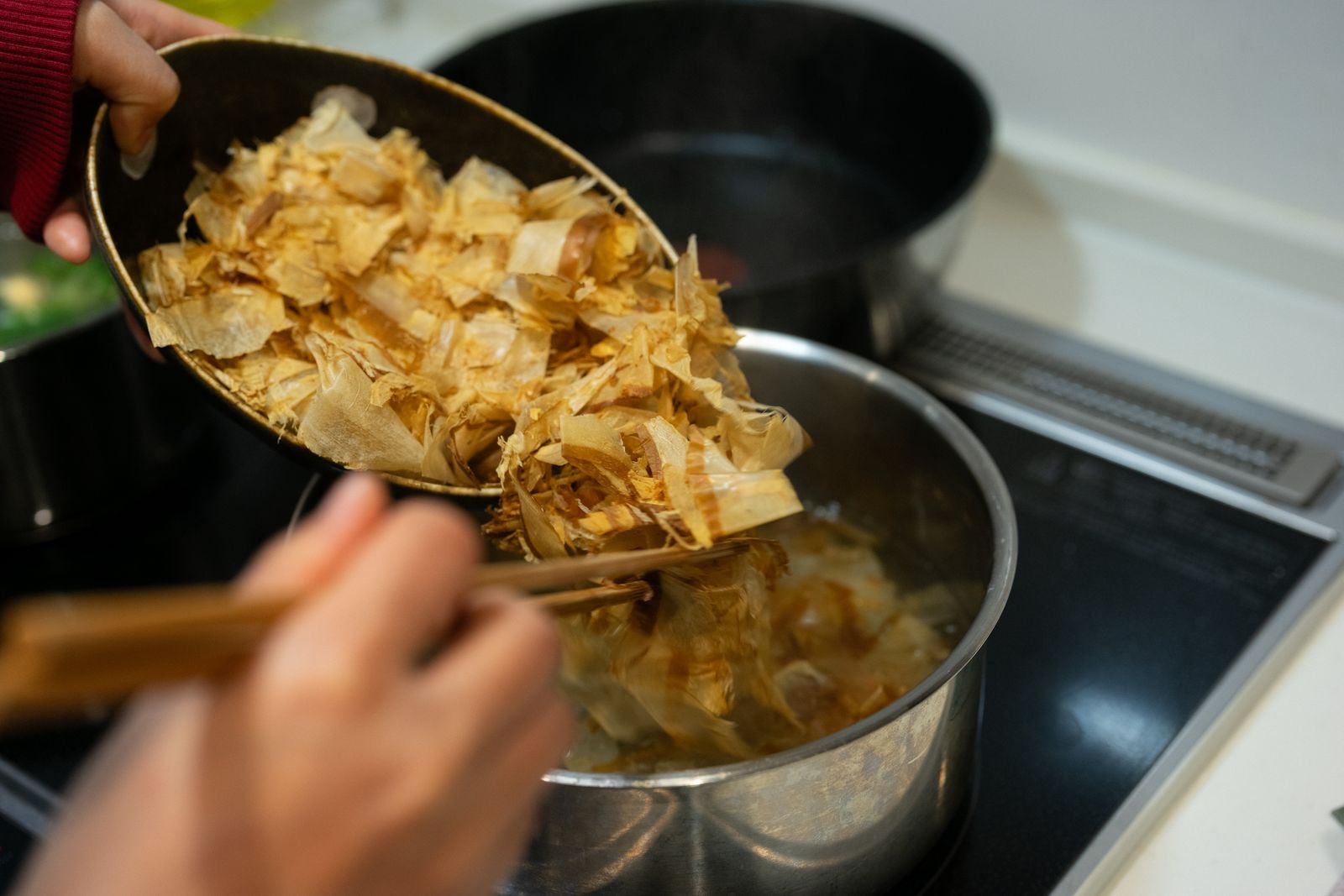
Dinner and breakfast are shojin ryori, the meatless cooking of the temples (what that means down to the stock). On the association’s booking site in October 2026, the cheapest plan with both meals at six temples ran from ¥14,000 (Fugen-in) to ¥21,000 (Eko-in) per adult, tax included. The association warns that most lodgings and shops on the mountain do not take cards; its booking site lets you pay by card when you reserve.
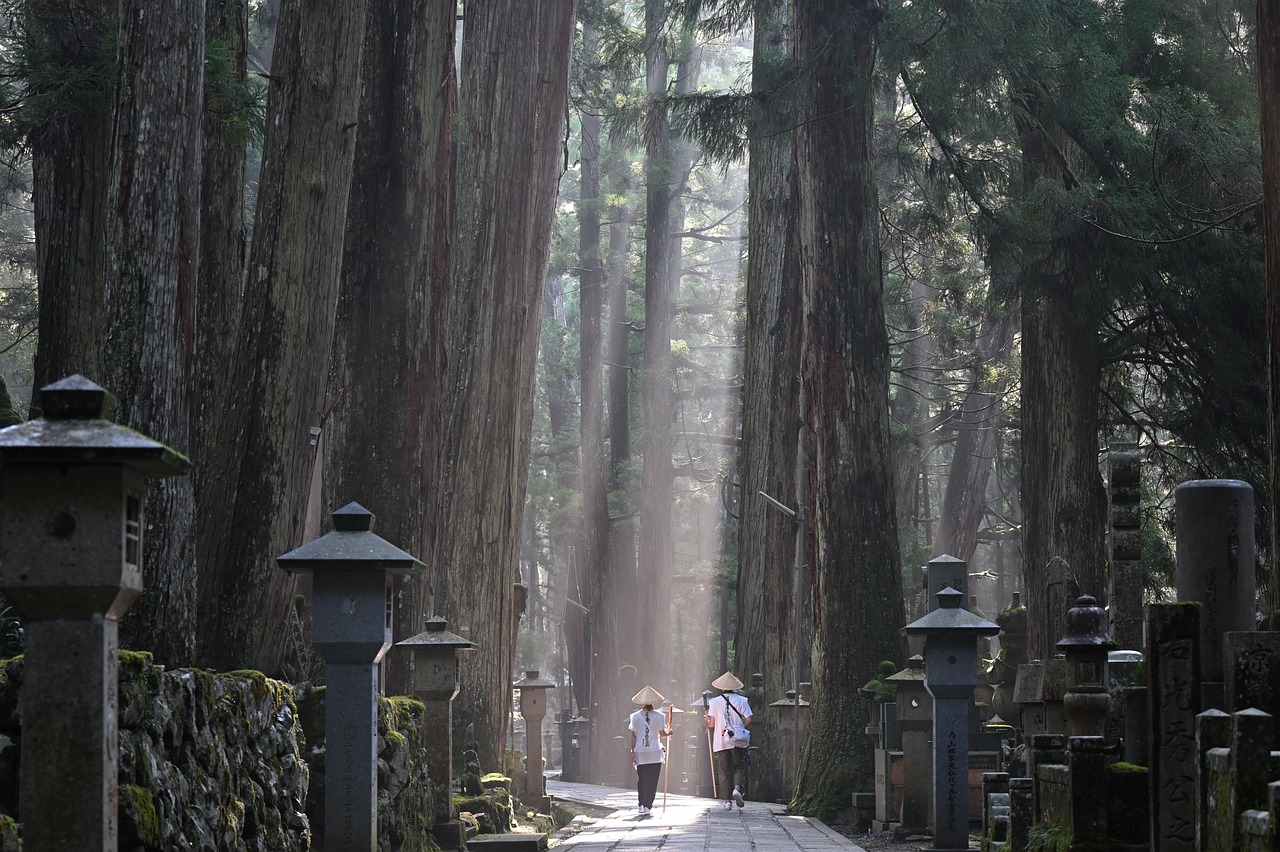
The shape of a night, then: halls in the afternoon, dinner, a walk, the morning service, Okunoin after breakfast, and down.
The tie-break: the ticket and the month
Nankai raised the Koya’s limited express charge to ¥1,100 on April 1, 2026, and the Koyasan World Heritage ticket is now ¥3,980 in its digital form from Namba or Shin-Imamiya. It covers the round trip to Koyasan Station and two days of Nankai Rinkan buses on the mountain.
| Day trip from Namba | One night | |
|---|---|---|
| Rail only, round trip | ¥2,860 | ¥2,860 |
| World Heritage digital ticket | ¥3,980 | ¥3,980, both days |
| Same, with outward Koya seat | ¥4,910 | ¥4,910 |
| Koyasan bus | ¥460 a ride to the center, or ¥1,500 a day | same |
| Room with dinner and breakfast, per adult | none | ¥14,000–¥21,000 |
| On the mountain | about 10:56 to 17:43 | afternoon, evening, morning |
The ticket costs ¥1,120 more than the plain round trip, and that difference comes back as bus rides. Station to town is ¥460, so two rides (¥920) leave it short; a third pays. Station to Okunoin, Okunoin to the Garan, and back to the station is three. A night spreads more rides over the two days the ticket covers. The version with the outward Koya seat is ¥4,910, against ¥4,930 for the ¥3,980 ticket plus a ¥950 ticketless seat. The paper ticket from Namba is ¥4,210 and adds discount coupons, Kongobuji among them.
Three bus rides or more? The ticket covers them
Koyasan World Heritage Digital Ticket (Nankai round trip plus 2-day Koyasan bus pass) on Klook
Nankai's digital ticket bundles the Namba round trip with a two-day Koyasan bus pass, valid for two days from the date you choose, so one ticket fits a day trip or a single night.
Check the Koyasan ticket on Klook →Sold on Klook (Klook Travel Technology Limited), an online travel agency. Nankai sells a ticket of the same name on its own site and lists it at ¥3,980 from Namba or Shin-Imamiya, or ¥4,910 with a reserved seat on the outward limited express. Before you pay, check on the listing for your date: which version and departure station it covers, how you receive the ticket, and the cancellation terms.
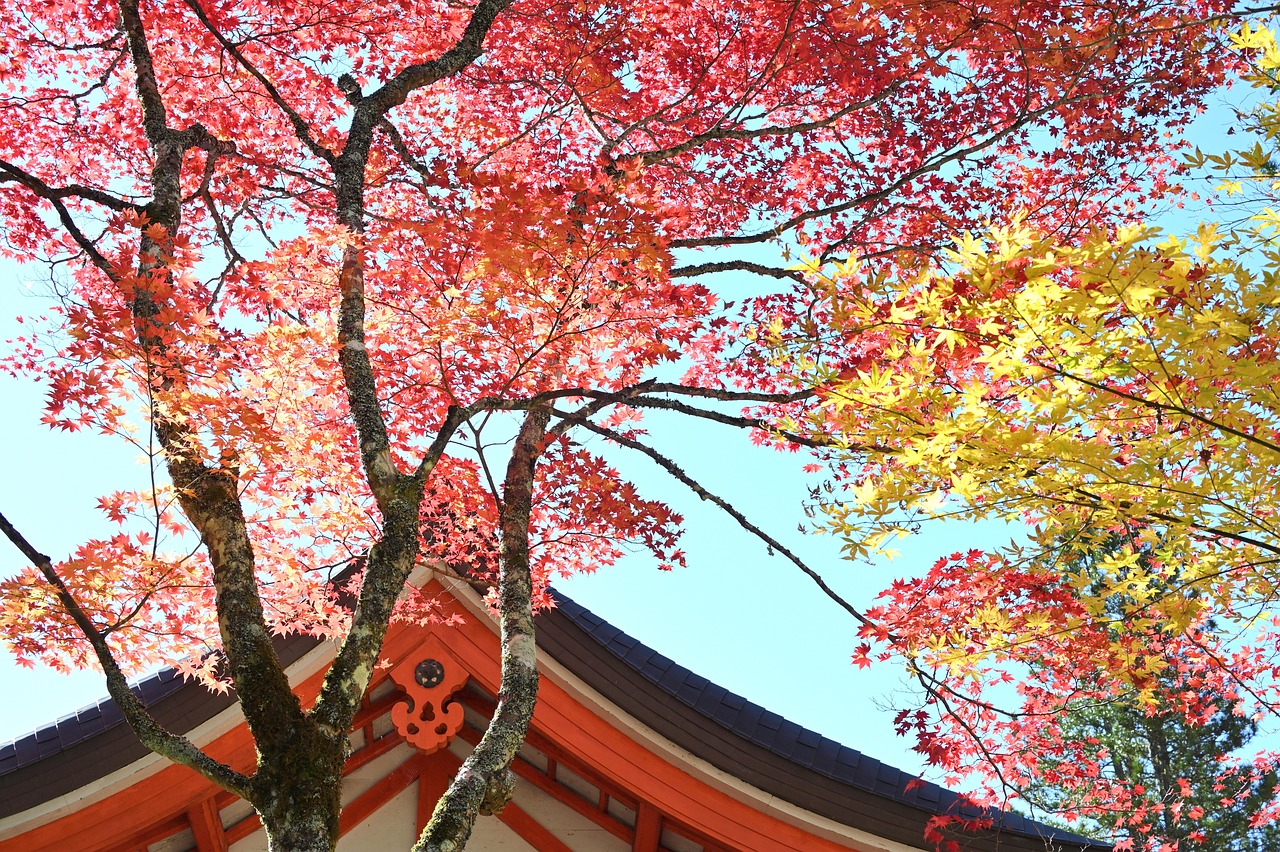
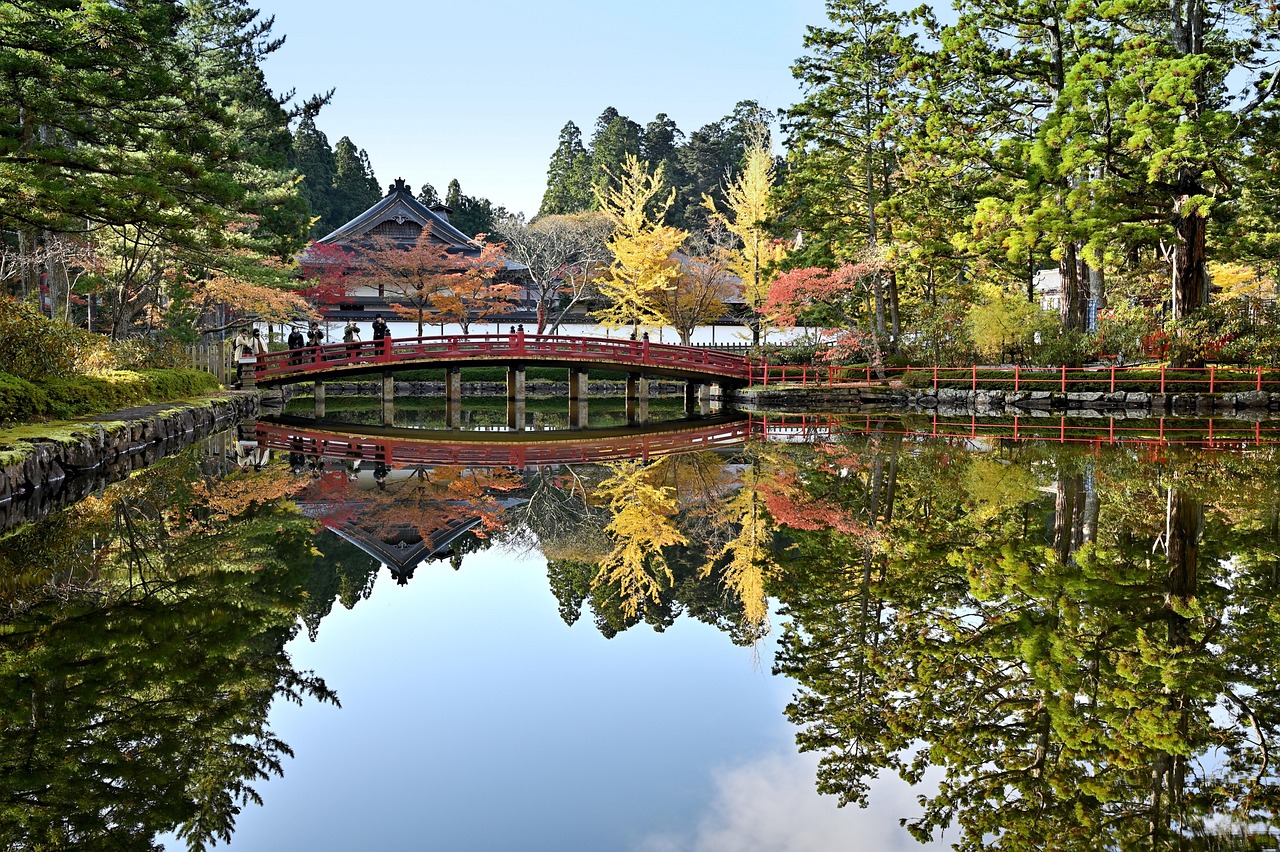
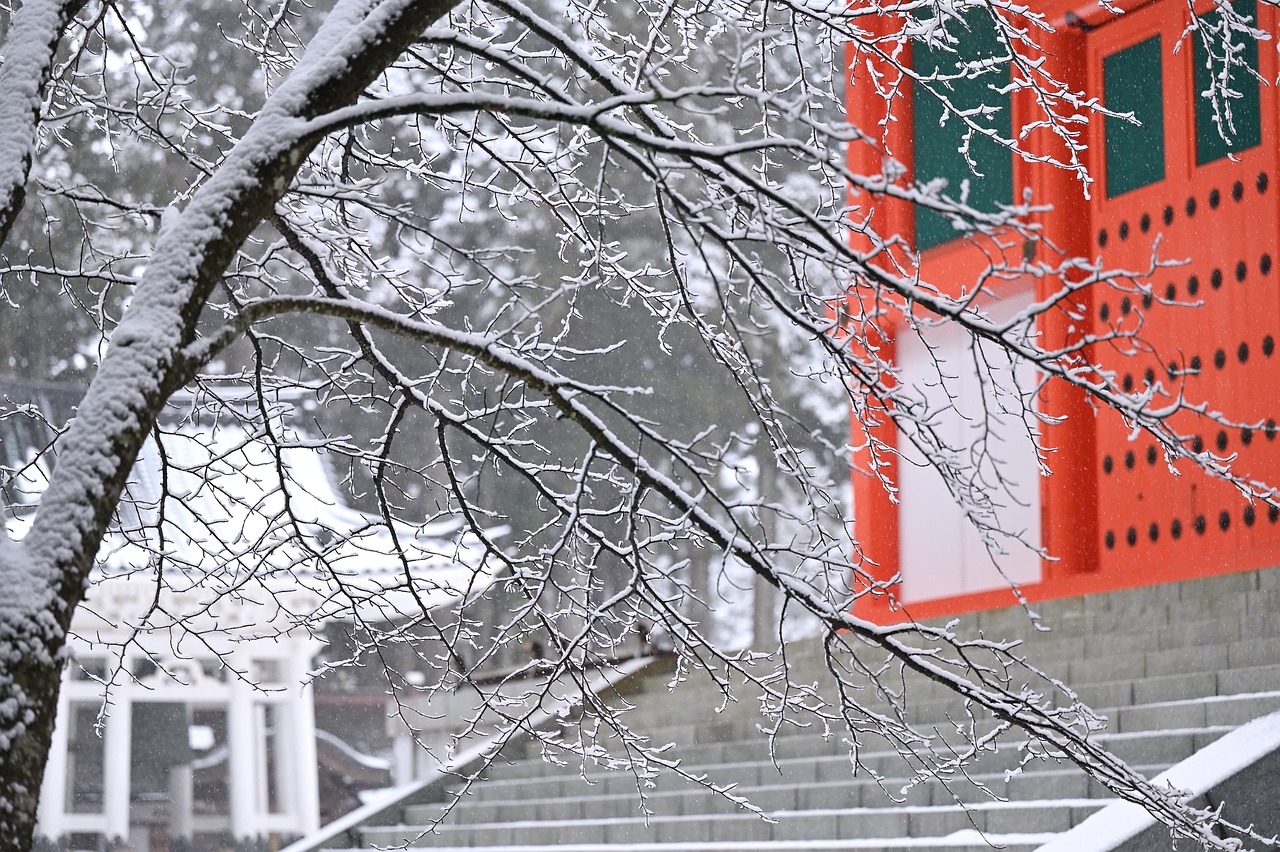
Then the month. The association puts the leaves in October and the first frosts by early November. Late July and August are the peak, with school groups up for the cooler air, and the candle festival on August 13 lines the Okunoin approach with candles from 19:00. Cherry blossoms on the mountain come at the end of April and into early May, the same days as Japan’s Golden Week holidays. Snow usually stays from mid-December into February, much the same months the Saturday morning Koya trains stop.
Rooms open up to about six months ahead on the association’s site. With a date in October, late July to August or Golden Week, and a night in mind, settle the room first; the train ticket can wait.
Two worked days
Day trip, weekday, from Namba. The 9:02 rapid express to Gokurakubashi, the cable car, Koyasan Station at 10:56. Bus to Okunoin, walk the approach to the mausoleum, bus to Kongobuji and the Garan before 16:30, bus back for the 17:43 cable car (Namba 19:23). With the ticket, three or four bus rides are covered.
One night, from Kyoto or a late start. Arrive around midday; a weekday 10:24 from Namba reaches the top at 12:15. The Garan and Kongobuji, check-in before 17:00, a walk after dinner, back by the curfew. The morning service, Okunoin after breakfast, an afternoon train down. The digital ticket covers both days.
Next
Sleeping in Osaka, on a date outside October, late July to August and Golden Week: the day trip is a train ticket and an early start. In Kyoto, or on one of those dates: book the temple first. For the Osaka night before an early train, where to stay in Osaka covers Namba.
Information checked October 25, 2026. Train times and fares are from Nankai’s route search, station timetables and ticket pages; bus fares and the day pass from Nankai Rinkan Bus. Hall hours are from Kongobuji’s published table, since its site was unreachable on the day of checking. Temple rules and prices are from the Koyasan Shukubo Association’s own sites, and the Kyoto bus from Wakayama Prefecture. Timetables change; check your date before you go.