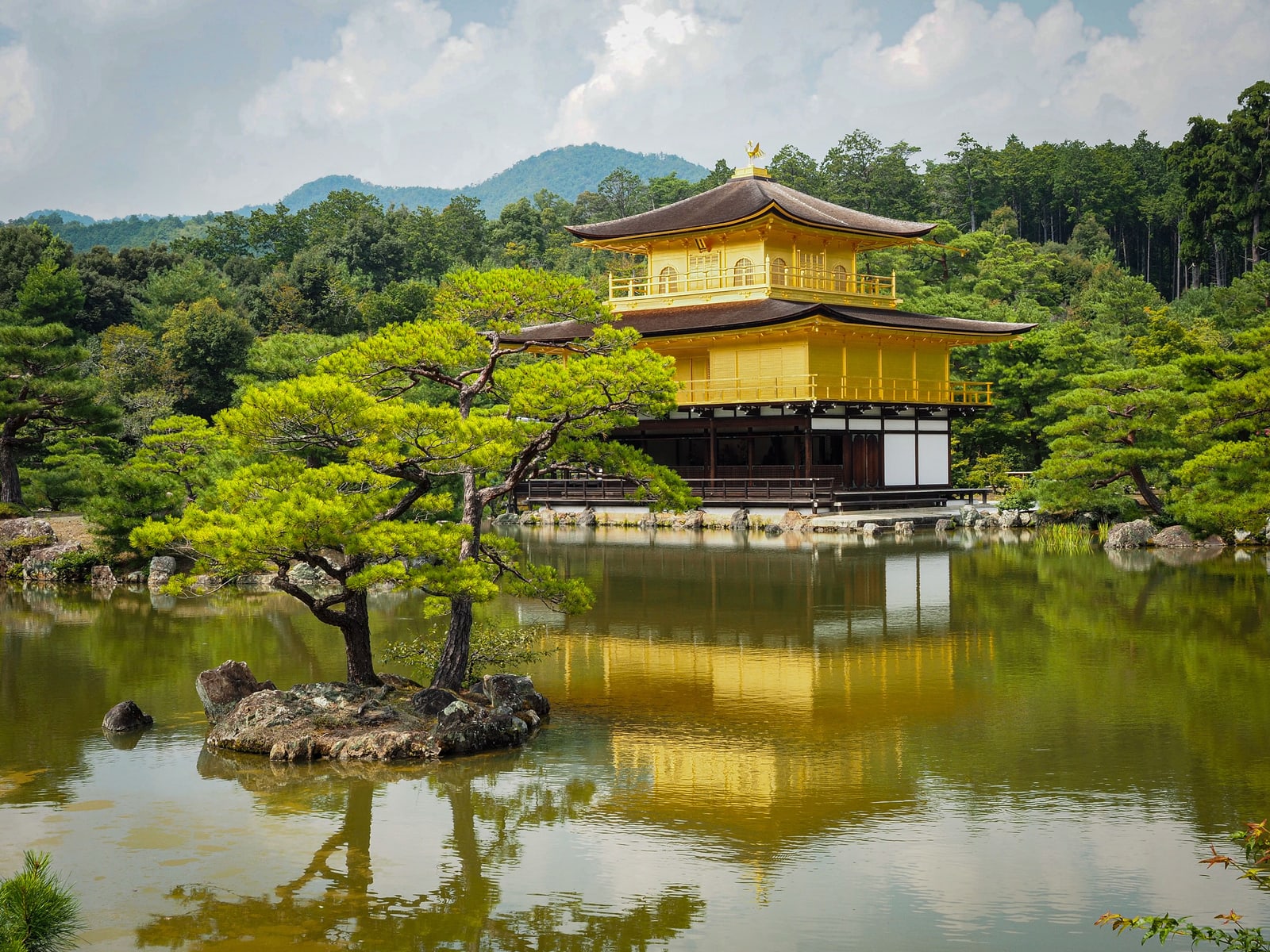
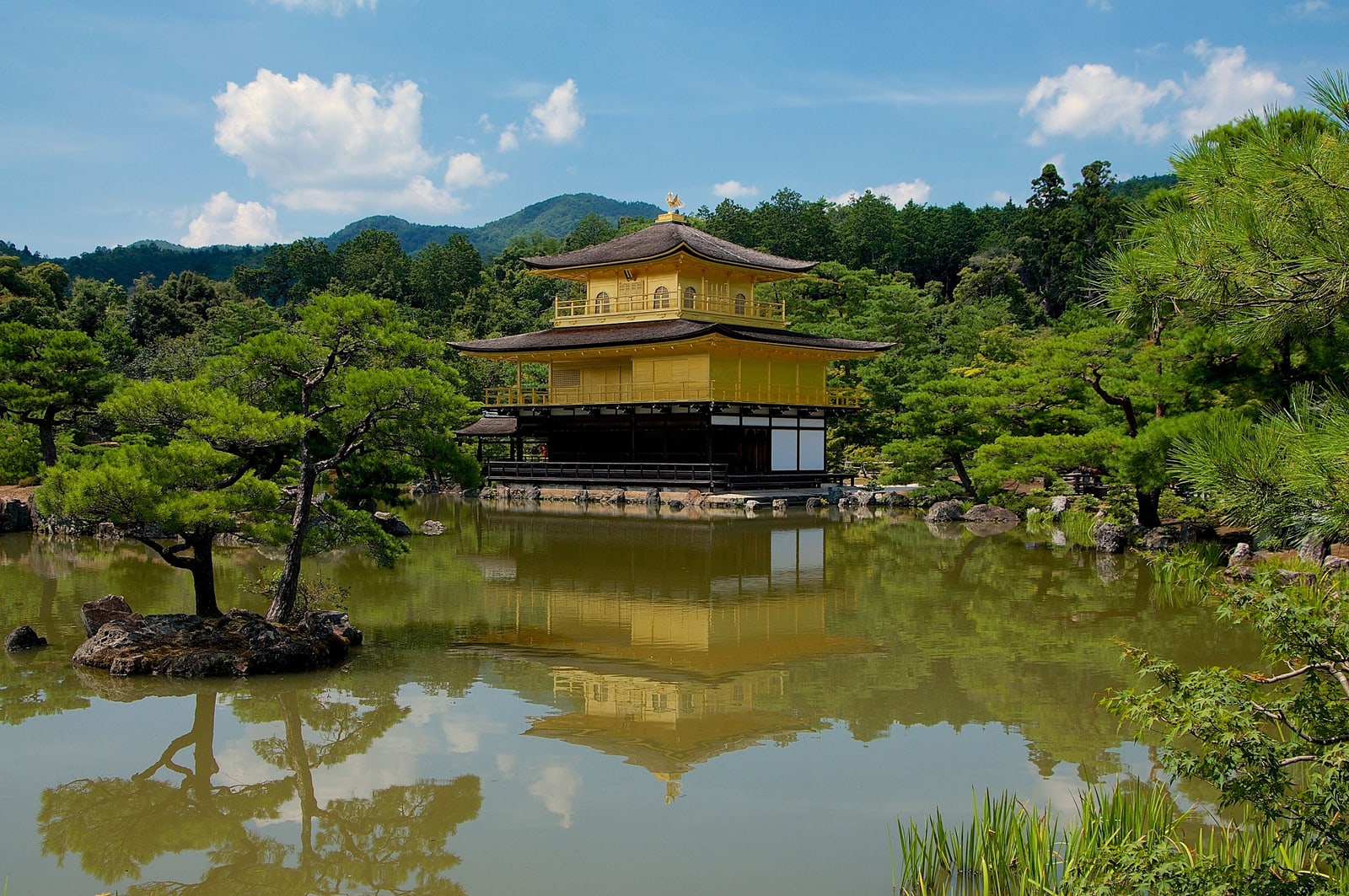
Across a still pond in northern Kyoto sits a pavilion covered in pure gold leaf, a phoenix on its roof. The pond hands you a second one, upside down. On the far side of the city, at the foot of the eastern hills, Ginkaku-ji goes the other way: a two-story hall, a garden of raked white sand, and a path up the slope behind it.
On a first trip with room for one, go to Kinkaku-ji. It’s the picture you came for, and it’s the cheaper ticket. Pick Ginkaku-ji when your day is already on the east side. With a full day, do both, since one city bus runs between them.
The fees, hours and bus routes for both are in one table further down, checked with the temples and the city.
What you see at Kinkaku-ji
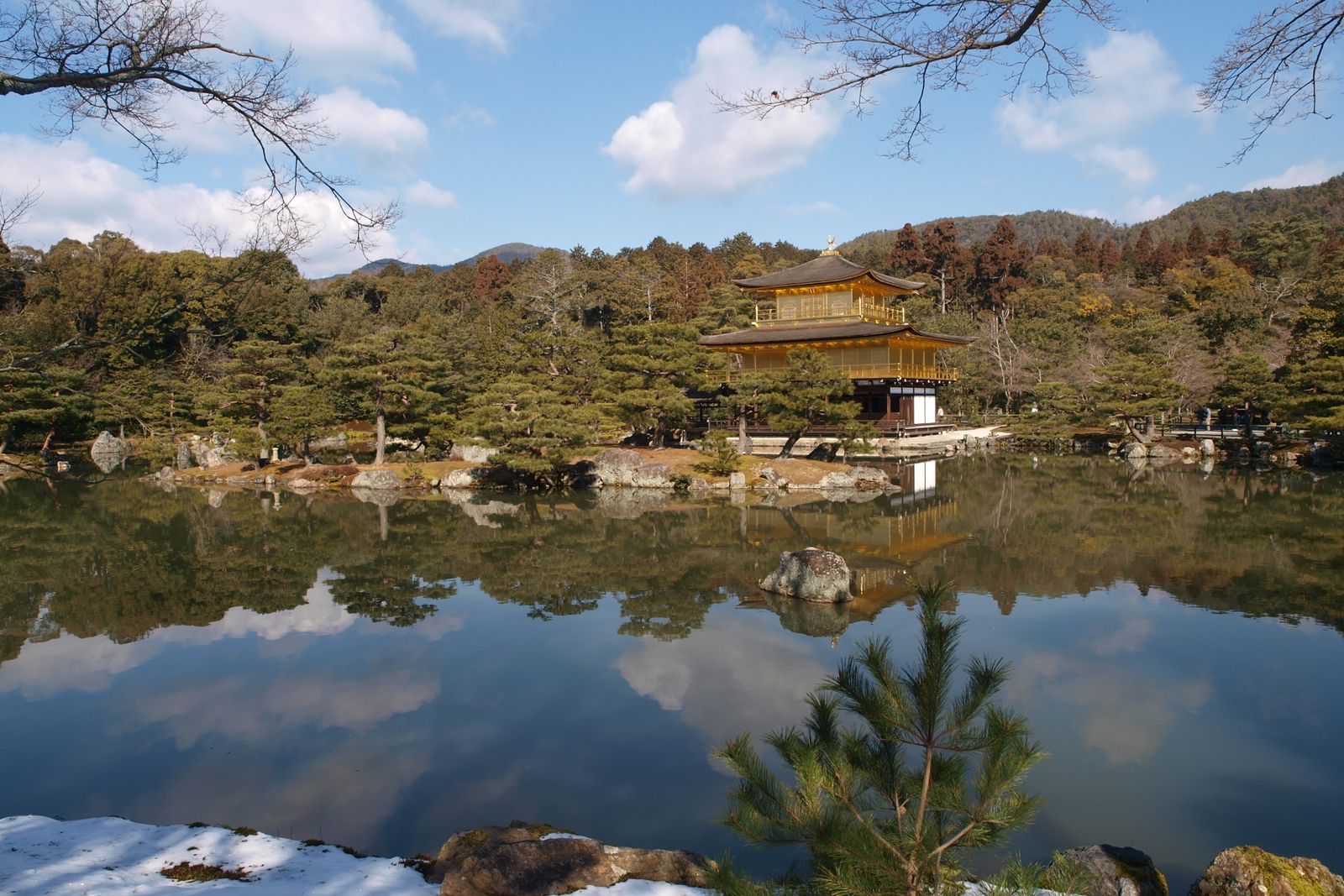
The Golden Pavilion is a relic hall, built by the third Ashikaga shogun, Yoshimitsu. Its real name is Rokuon-ji. Every floor has its own style. A Heian palace sits on the ground floor, a samurai house above it, and a Chinese Zen hall at the top. The lacquer and gold leaf were last reapplied in the autumn of 1987.
The pond in front, Kyoko-chi, is dotted with small islands, and the path keeps going after the famous view. It passes a small waterfall with a carp-shaped stone, from the legend of a carp that climbed a waterfall and became a dragon. Then comes an Edo-period teahouse, Sekkatei, named for the sunset over the pavilion. The temple’s own guide numbers 20 stops along the way.
What you see at Ginkaku-ji
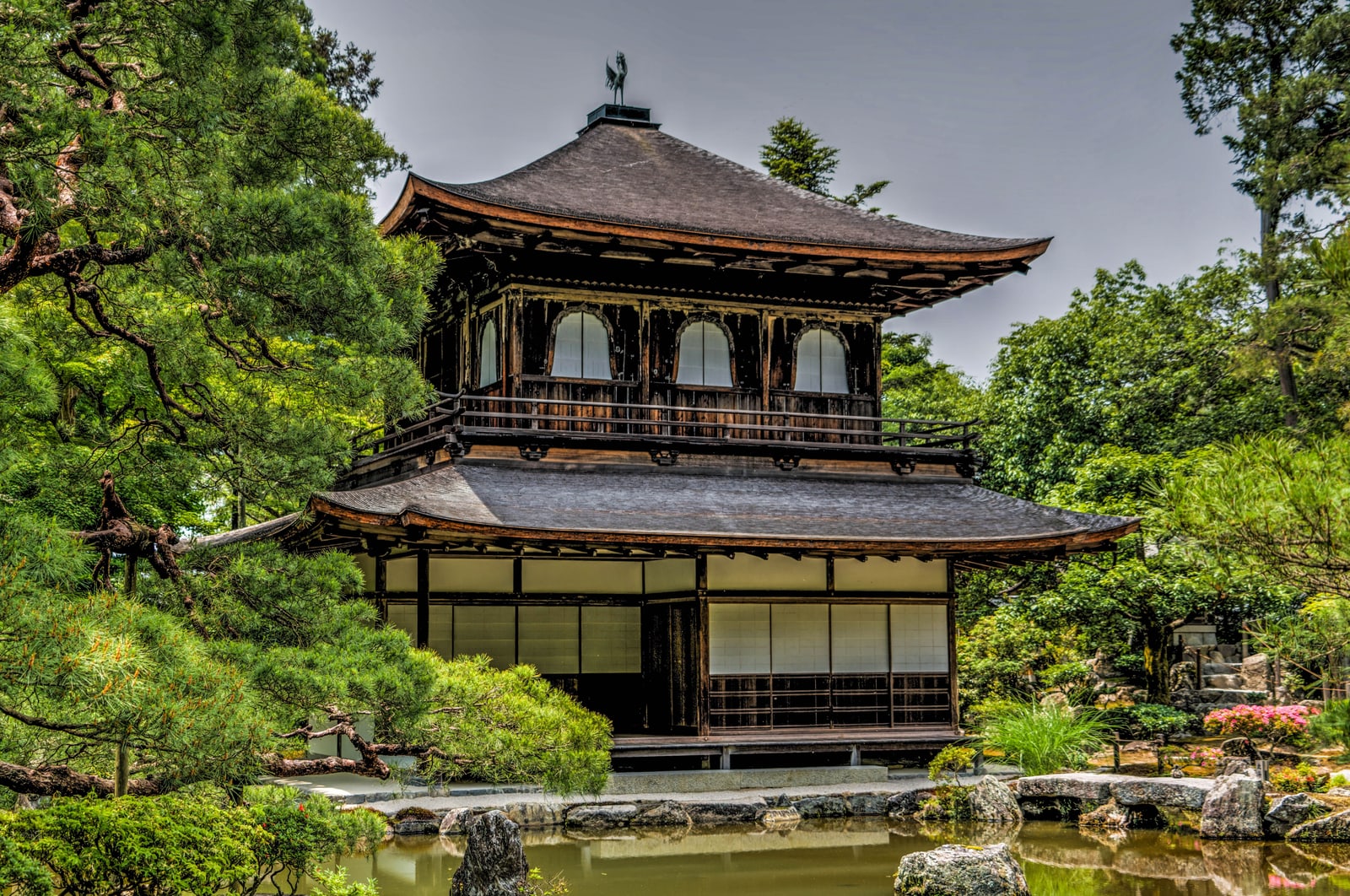
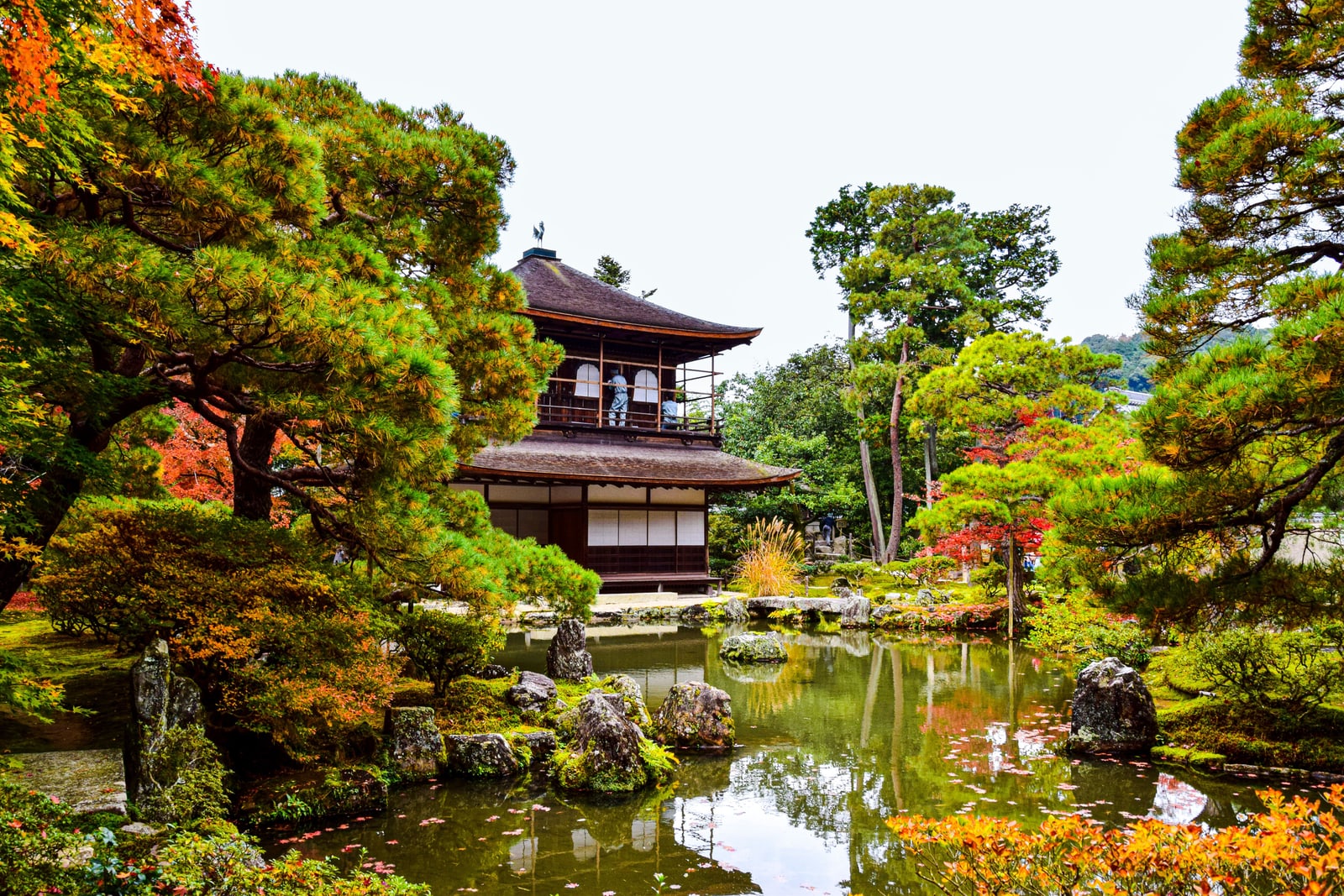
The “Silver Pavilion” name came later, in the Edo period, as a contrast with Kinkaku-ji. Officially it’s Jisho-ji, built by the shogun Yoshimasa, and its history page calls it the essence of Higashiyama culture: refined simplicity.
You walk in through a 50-meter lane lined with tall bamboo fences, which the temple calls the prologue. Then the garden opens up. A bed of white sand is raked into low steps, and next to it stands a flat-topped cone of sand. Folklore says the sand catches moonlight. The temple’s guide says, honestly, that there’s little evidence for that.
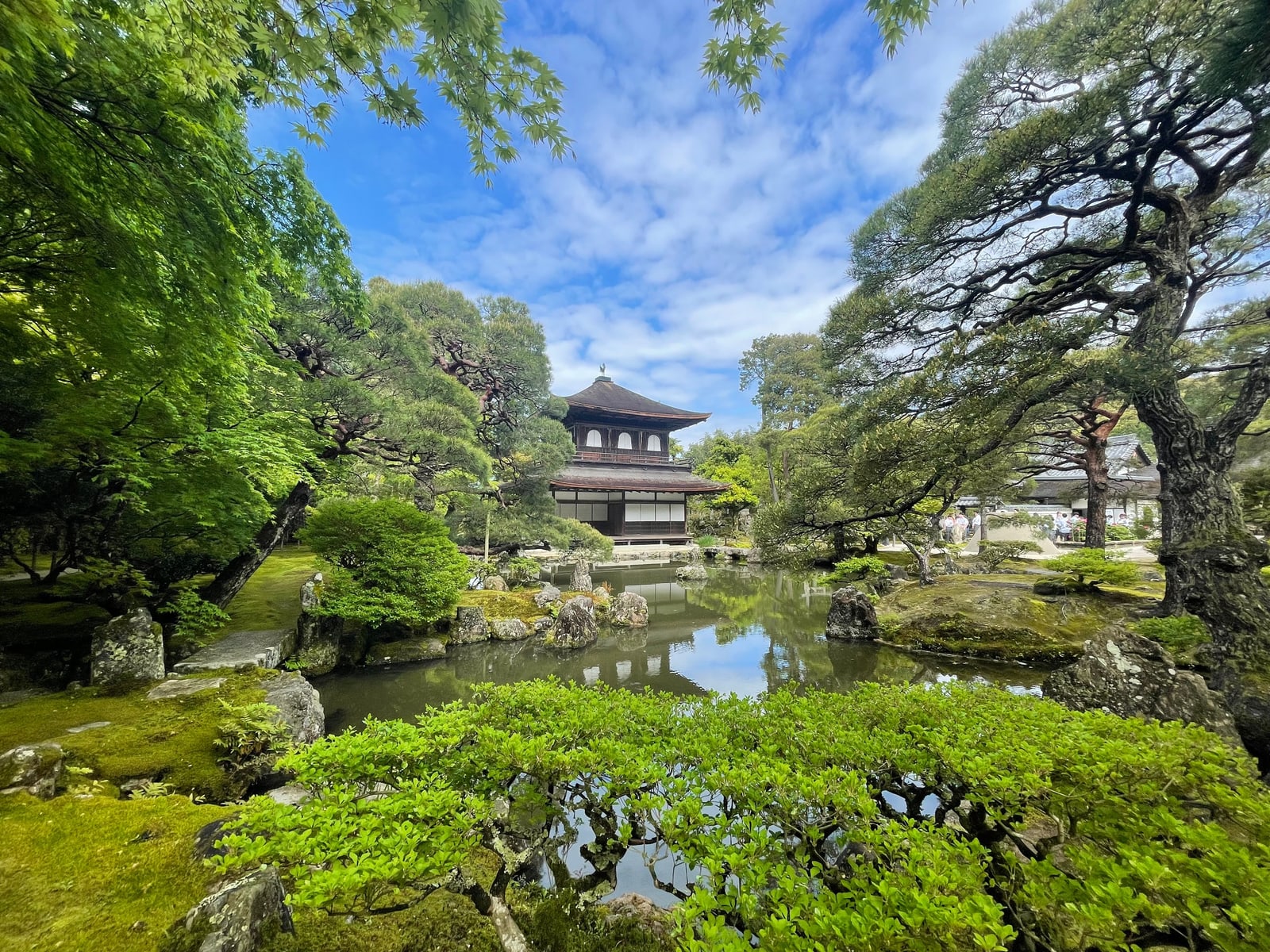
The Kannon-den and the Togudo, the shogun’s private Buddha hall, are both national treasures. From the lower garden, the path climbs the eastern hillside past a spring and a marked viewpoint.
First: which side of Kyoto your day is on
The two temples sit on opposite edges of the city. Kinkaku-ji is in the northwest. Ginkaku-ji is in the east, in the foothills of Daimonjiyama.
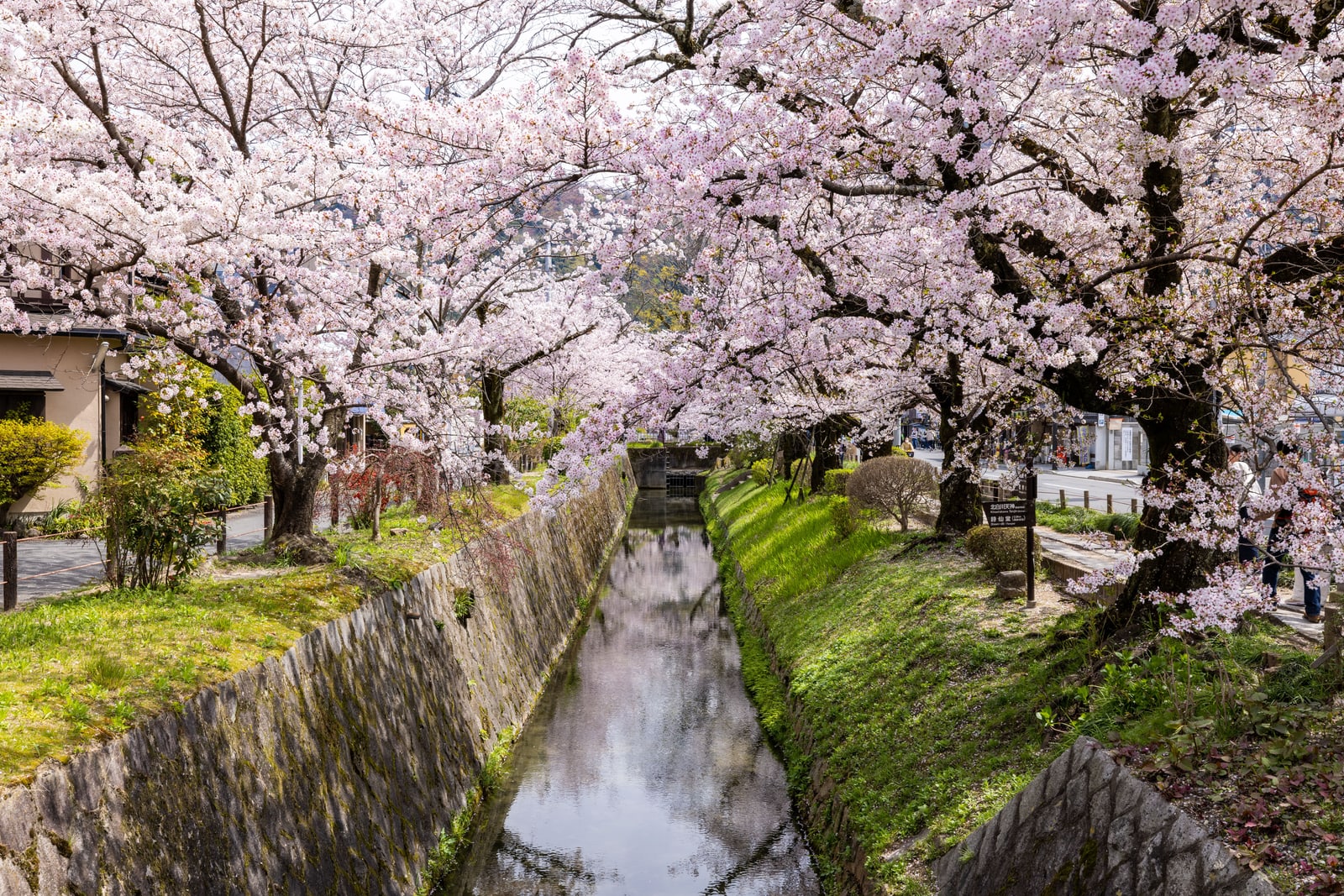
East-side day? Ginkaku-ji fits on the way. Kyoto’s tourism association suggests walking the Philosopher’s Path from Keage Station up to the temple. That way Ginkaku-ji is the end of a walk, not a separate trip.
If your day heads west to Arashiyama, Kinkaku-ji is the one that fits. In late April to early May and in the autumn peak, the city runs bus 109 between Kinkaku-ji and Arashiyama. On a west-side day, Ginkaku-ji is the one to leave for another trip. The half-day Arashiyama route picks up from there.
Then: the season and the hour
From March through November, Ginkaku-ji opens half an hour before Kinkaku-ji. That makes it the easy first stop on a two-temple day. From December through February, both open at the same time, but Ginkaku-ji closes half an hour earlier. It’s still the one to see first.
Kinkaku-ji keeps the same hours every day of the year. For when the maples turn across the city, see Kyoto’s autumn leaves.
Both in one day: one bus across town
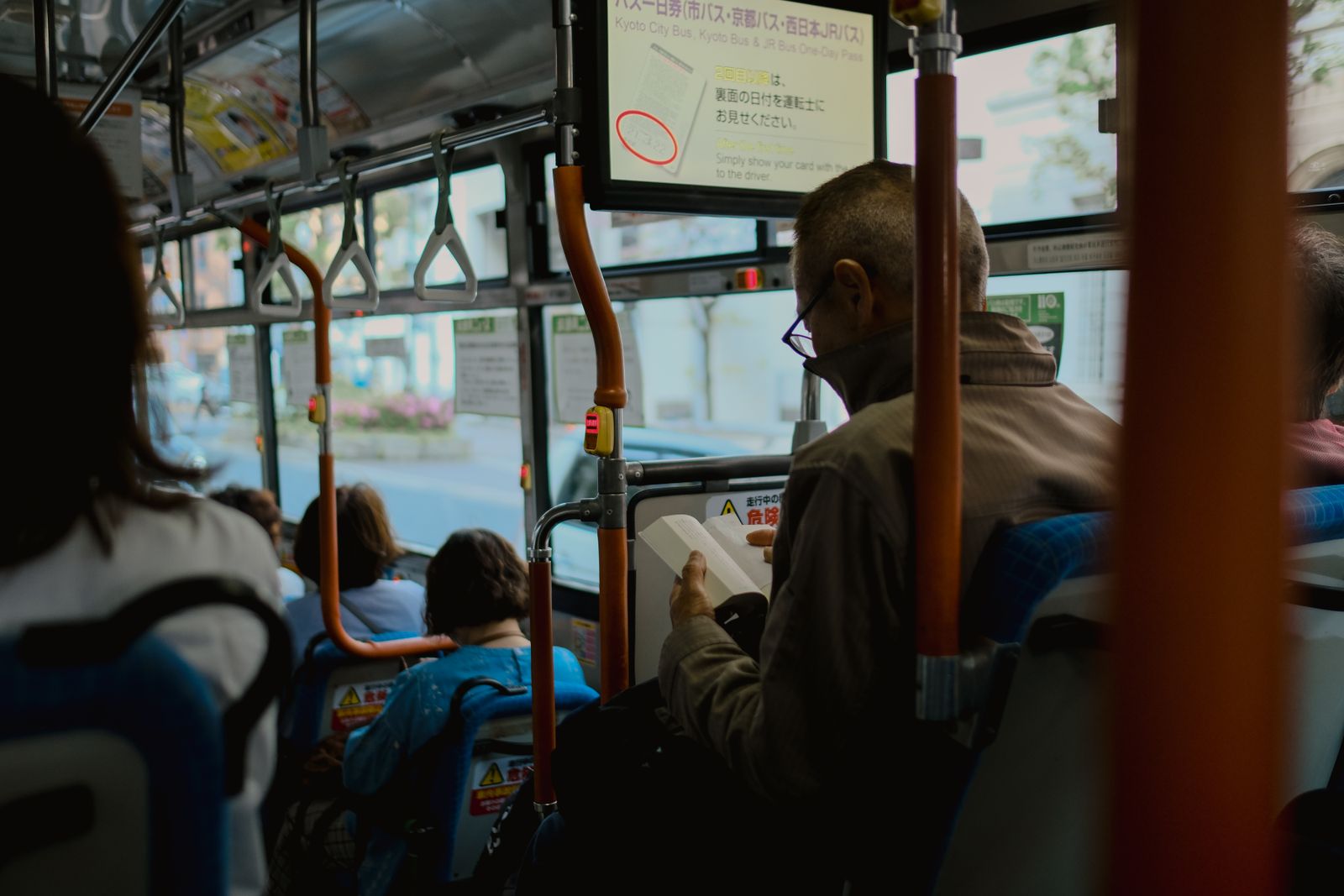
Both temples list the same link: bus 204 from Kinkakuji-michi to Ginkakuji-michi, every day, or bus 102 on weekends and holidays. It’s one ride at the city’s flat fare, with no change. Together, the two tickets cost ¥1,500 for an adult.
A day that works, March to November: take the Karasuma subway from Kyoto Station to Imadegawa and city bus 203 to Ginkakuji-michi. The tourism association puts that at about 43 minutes. Walk up to Ginkaku-ji for the 8:30 opening, then ride the 204 across town to Kinkaku-ji. Leave by bus 204 or 205 to Kitaoji and take the subway back.
That’s three bus rides and two subway rides. Add them up before buying the ¥1,100 day pass. Kyoto by bus or subway runs that count for a two-temple day.
Fees, hours and how to get there
| Kinkaku-ji (Golden Pavilion) | Ginkaku-ji (Silver Pavilion) | |
|---|---|---|
| Adult admission | ¥500 (high school and up) | ¥1,000 (high school and up) |
| Child admission | ¥300 (elementary and junior high) | ¥500 (elementary and junior high) |
| Hours | 9:00–17:00 | Mar 1–Nov 30: 8:30–17:00 · Dec 1–end of Feb: 9:00–16:30 |
| Open | Every day | Every day |
| Bus stop | Kinkakuji-michi | Ginkakuji-michi (or Ginkakuji-mae) |
| City buses to the gate | 12, 59, 205, M1 (204 from Ginkakuji-michi) | 5, 7, 32, 102, 203, 204; EX100 and 105 to Ginkakuji-mae |
| From Kyoto Station | Karasuma line to Kitaoji, bus 204 or 205 about 11 min, then about 5 min on foot | Karasuma line to Imadegawa, bus 203; about 43 min in all |
| Between the two | Bus 204 daily, 102 on weekends and holidays; ¥230 | Same buses, other direction; ¥230 |
Checked November 17, 2026. Fees, hours and buses: the temples’ access pages, Kinkaku-ji and Ginkaku-ji. Bus fare: Kyoto City Bus fares (adult ¥230, child ¥120 in the flat-fare zone). Routes from Kyoto Station: Kyoto City Tourism Association guides for Kinkaku-ji and Ginkaku-ji, whose times leave out transfers. Descriptions: the temples’ guide pages for Kinkaku-ji and Ginkaku-ji.
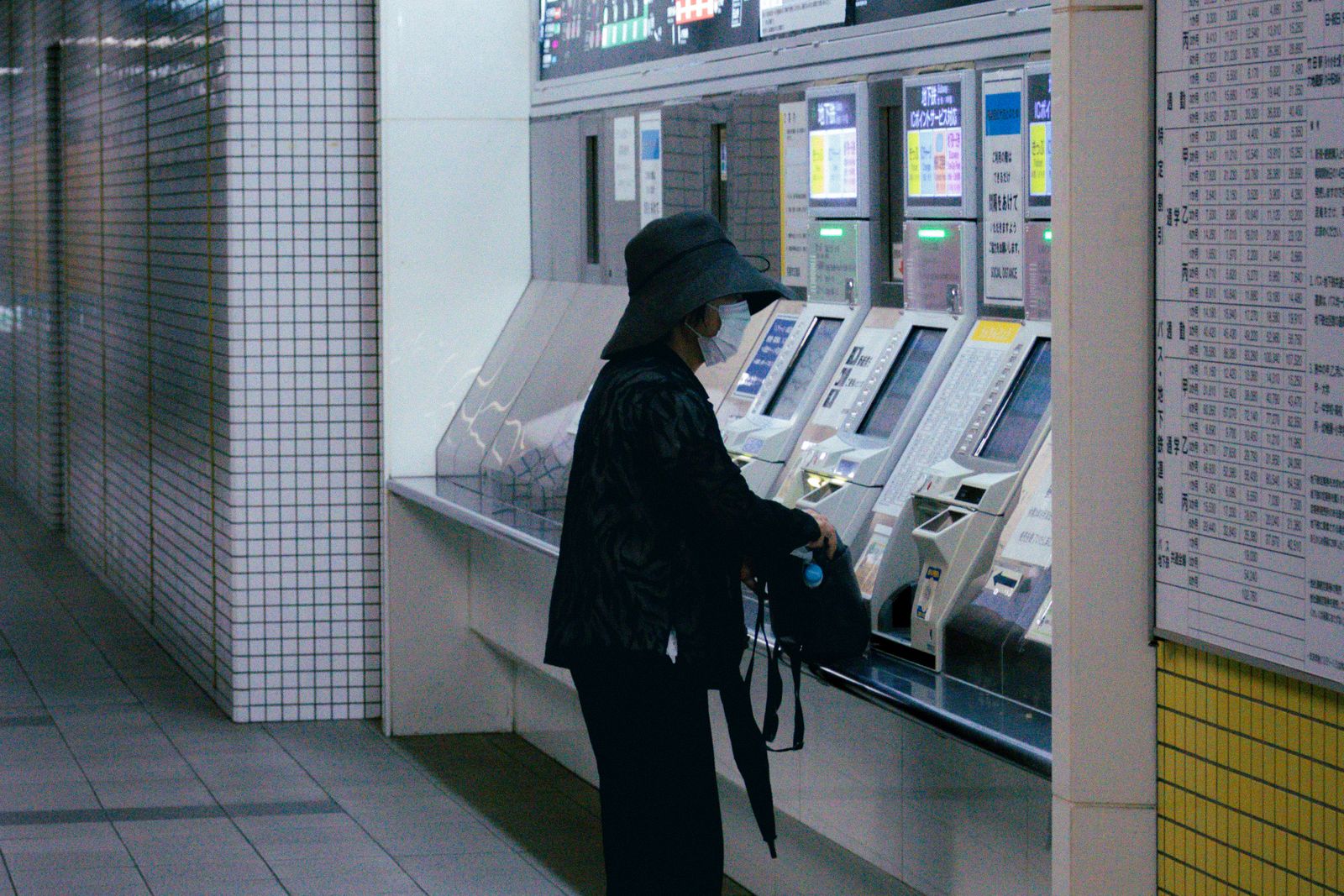
The Subway & Bus 1-Day Pass is ¥1,100 for adults and covers both subway lines and every city bus for one day. On bus rides alone, at ¥230 each, it comes out ahead from the fifth ride. Count the subway legs on top.
Kinkaku-ji has its own parking. Ginkaku-ji doesn’t, and the nearby city lot can turn cars away in busy seasons, so the bus is the simpler way in.
Questions
Kinkakuji or Ginkakuji: which is better for a first visit to Kyoto? With time for one, Kinkaku-ji: the gold-leafed pavilion on its pond, for ¥500. Choose Ginkaku-ji when the rest of the day is on the east side, near the Philosopher’s Path.
How much does Kinkakuji cost? ¥500 for adults and high school students, ¥300 for elementary and junior high students, checked November 17, 2026.
How much does Ginkakuji cost? ¥1,000 for adults and high school students, ¥500 for elementary and junior high students, checked November 17, 2026.
Is Ginkakuji actually silver? The temple’s history page says the “Silver Pavilion” name was given in the Edo period, as a contrast with Kinkaku-ji. What you see is a two-story hall over a white sand garden.
How do you get from Kinkakuji to Ginkakuji? Bus 204 from Kinkakuji-michi to Ginkakuji-michi runs every day, and bus 102 runs on weekends and holidays. It’s one ride at the ¥230 flat fare.
Can you visit Kinkakuji and Ginkakuji in one day? Yes. Both are open every day, and one bus links them. From March to November, start at Ginkaku-ji, which opens at 8:30, and cross to Kinkaku-ji, which opens at 9:00.
What are Ginkakuji’s winter hours? From December 1 to the end of February, 9:00–16:30. From March 1 to November 30, 8:30–17:00.
Is the Kyoto bus day pass worth it for both temples? Count the rides first. The ¥1,100 pass covers the subway and city buses for one day. A bus ride is ¥230, so on buses alone the pass comes out ahead from the fifth ride.
Next
Look at where the rest of your day goes. East side: start at Ginkaku-ji and walk on. West side: start at Kinkaku-ji. A full day: take both on the 204.
To fit it into a short trip, see Kyoto in 2 days. For the gate, the incense and the bow, read shrine and temple etiquette.