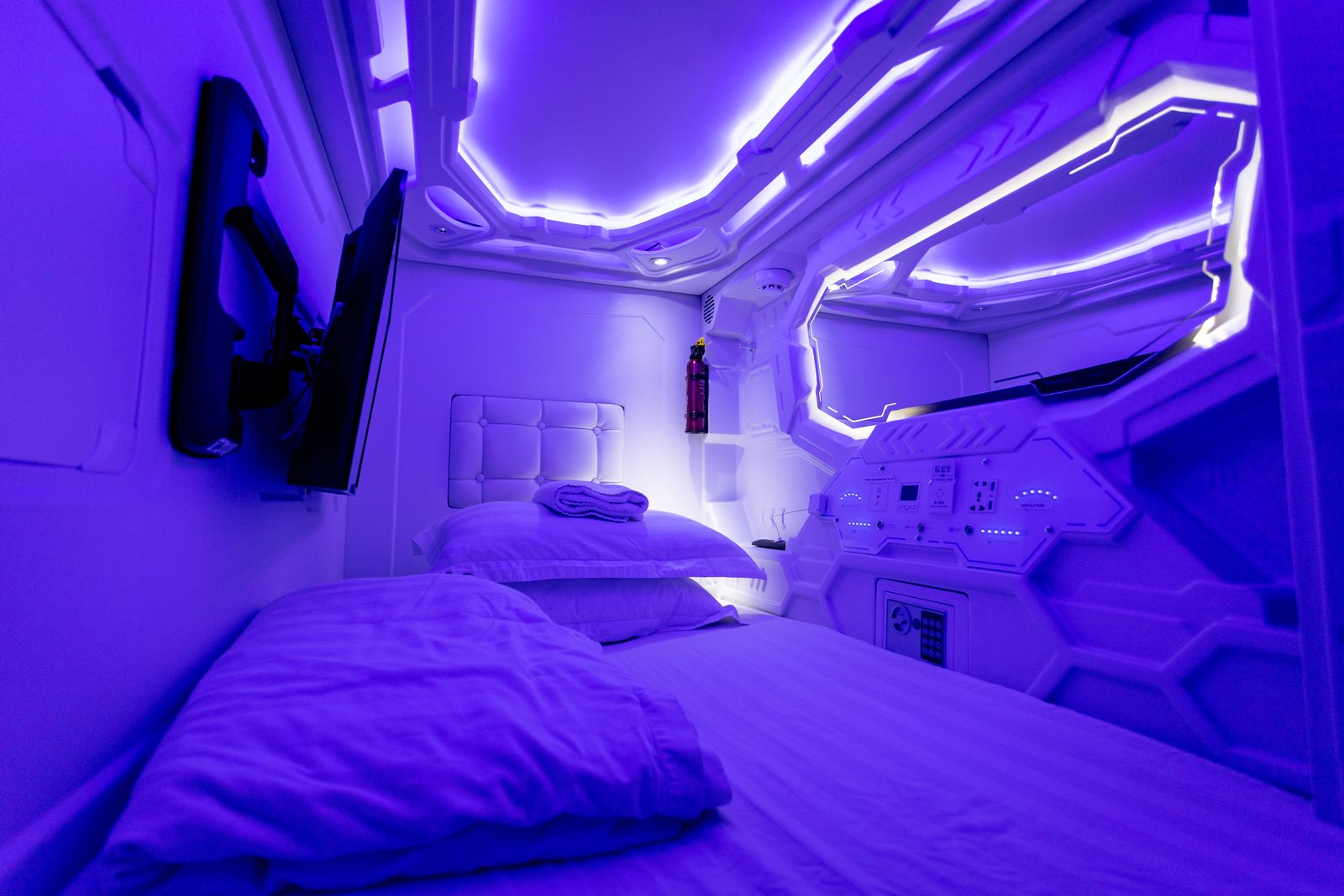
You have seen the pod photos and the price, and you are a party of one with a night or several to cover. The question is whether one of those nights should be a capsule — not which capsule.
The short version: a capsule hotel sells you a pod for one sleeper, a locker with a key, and a bath down the hall, for one night, and the pod does not lock. That last clause is the whole decision. If you can sleep behind a blind with your bag in a locker, the format works. If you cannot, no price makes it work.
What follows is what the night consists of, in the order it happens; what it sits beside; where the format was built to be used; and which of your nights, if any, to give it.
What you are buying, and what it sits beside
The product is a pod with one bed in it, closed by a curtain, a blind, a shutter or a door that does not lock. Beside it, a locker with a key for everything you would mind losing; a large suitcase normally stays at reception. Down the hall, a shared Japanese-style bath and showers, toilets, soap and shampoo typically there already. Pyjamas and amenities are often provided.
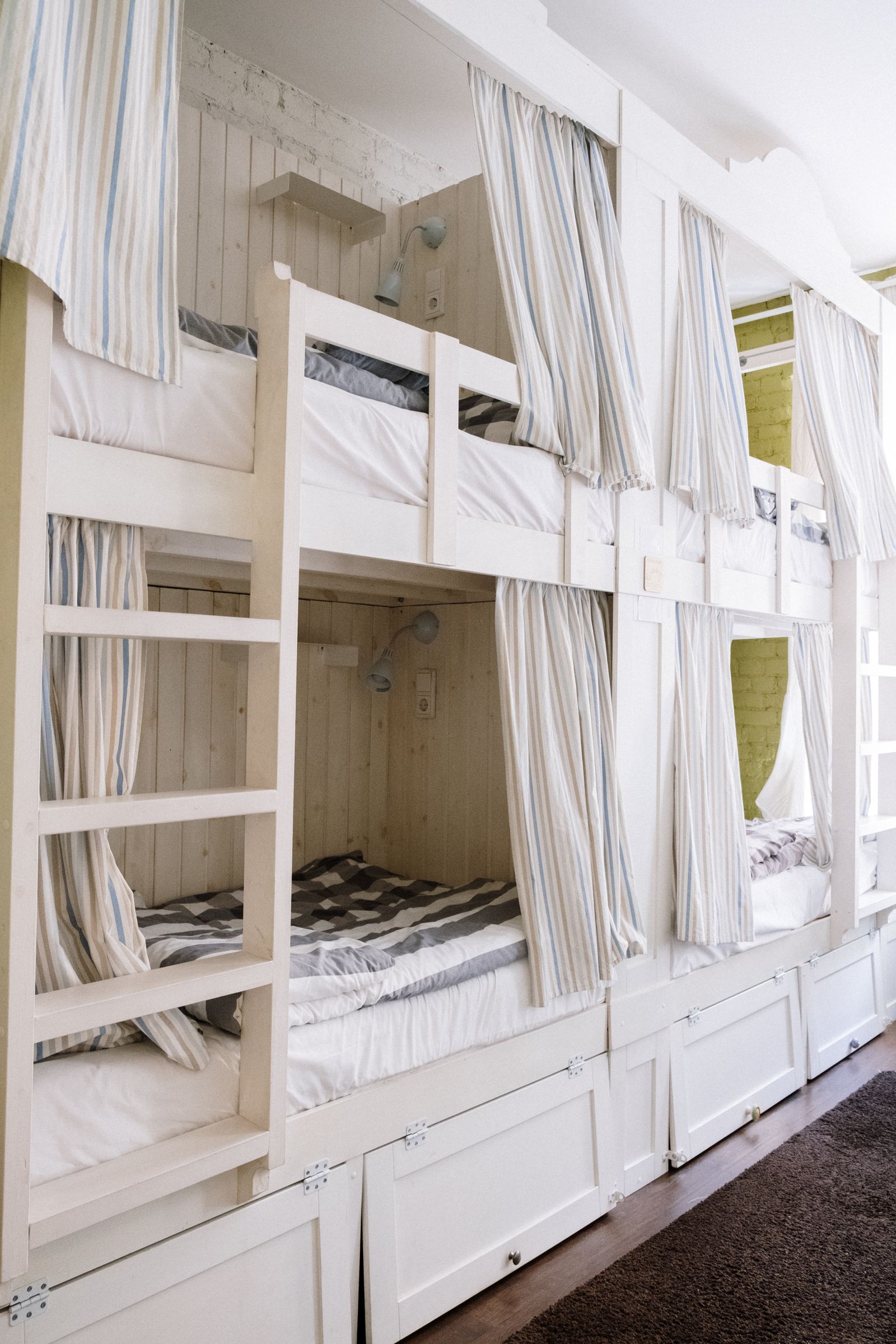
In the health ministry’s licence system a capsule hotel is a 簡易宿所 — the simple-lodging class, defined by sleeping space shared by many people. The pod does not lock, which the official Tokyo guide states as a matter of Japanese law. What it has is a way to close.
| The capsule | A hostel bunk | A business hotel room | |
|---|---|---|---|
| What you sleep in | A pod, one sleeper. | A bed in a shared room. | A room to yourself. |
| What closes it | A curtain, blind, shutter or door — none of them locks. | Whatever the hostel gives it. | A door with a key. |
| Your bag | A locker with a key. A big suitcase normally waits at reception. | Whatever the hostel gives you. | In the room, beside you. |
| The bath | Shared, down the hall. | Whatever your booking lists. | Whatever your booking lists. |
| Built for | Budget business travellers and the missed-last-train customer. | — | — |
One more line on who sleeps where. The format was traditionally male-only, and some hotels still are. Female-only ones exist. Where a hotel takes both, it usually separates the floors by gender; some run co-ed capsule rooms. The listing says which.
The number, and what is inside it
The official Tokyo tourism guide gave ¥2,000–5,000 a night as the range in 2025, higher in peak season. That is one person, one pod, one night.
Inside it: the pod; the locker; the bath, showers and toilets down the hall, soap and shampoo typically included; house wear, often. Not inside it, at any price: a door that locks. Your passport and your wallet go in the locker, and the pod holds you and a phone.
JBJ'S TAKE
Cheap is not the reason. The lock is.
Don't buy this on the yen. The product is a blind where a door would be. Pay for it when a bed in a box is all you need tonight — not when the room with the door looked expensive.
Can't sleep with your passport down the hall? Then the cheap night is a bad night, and a bad night costs more than any room.
Blind first. Price second.
Against the room you were going to book
The alternative most readers already hold is a business hotel room: a door, a key, the bag on the floor beside the bed, a bathroom of your own. A capsule takes every one of those away and gives you a pod, a locker and a corridor.
Against a hostel the trade runs the other way. A hostel bunk is a bed in a room shared with strangers. A capsule is a box in a row of boxes, closed on every side but one, in an area where the posted rule is quiet — headphones, no alarm sounding through the wall, no food. You give up the common room and get a wall.
Not for two people who want the same bed: it is one sleeper to a pod, and the listing will say so. Not for anyone who needs the door to lock to sleep — that is not a preference the format can meet. And not for the reader choosing a particular property; this page decides the format, and stops there.
Where in the city the pod should be is the area question, and it is Tokyo’s or Osaka’s, not this page’s.
The suitcase is the practical half of that comparison. In a capsule it normally waits at reception, not beside you; if it has to be somewhere else for the day, the luggage page covers the lockers and the forwarding counters.
The night, in the order it happens
This is the classic form — the sequence the original capsule hotel still describes in its own guest guide. Treat it as the shape of the night, not a rule every hotel follows step for step.
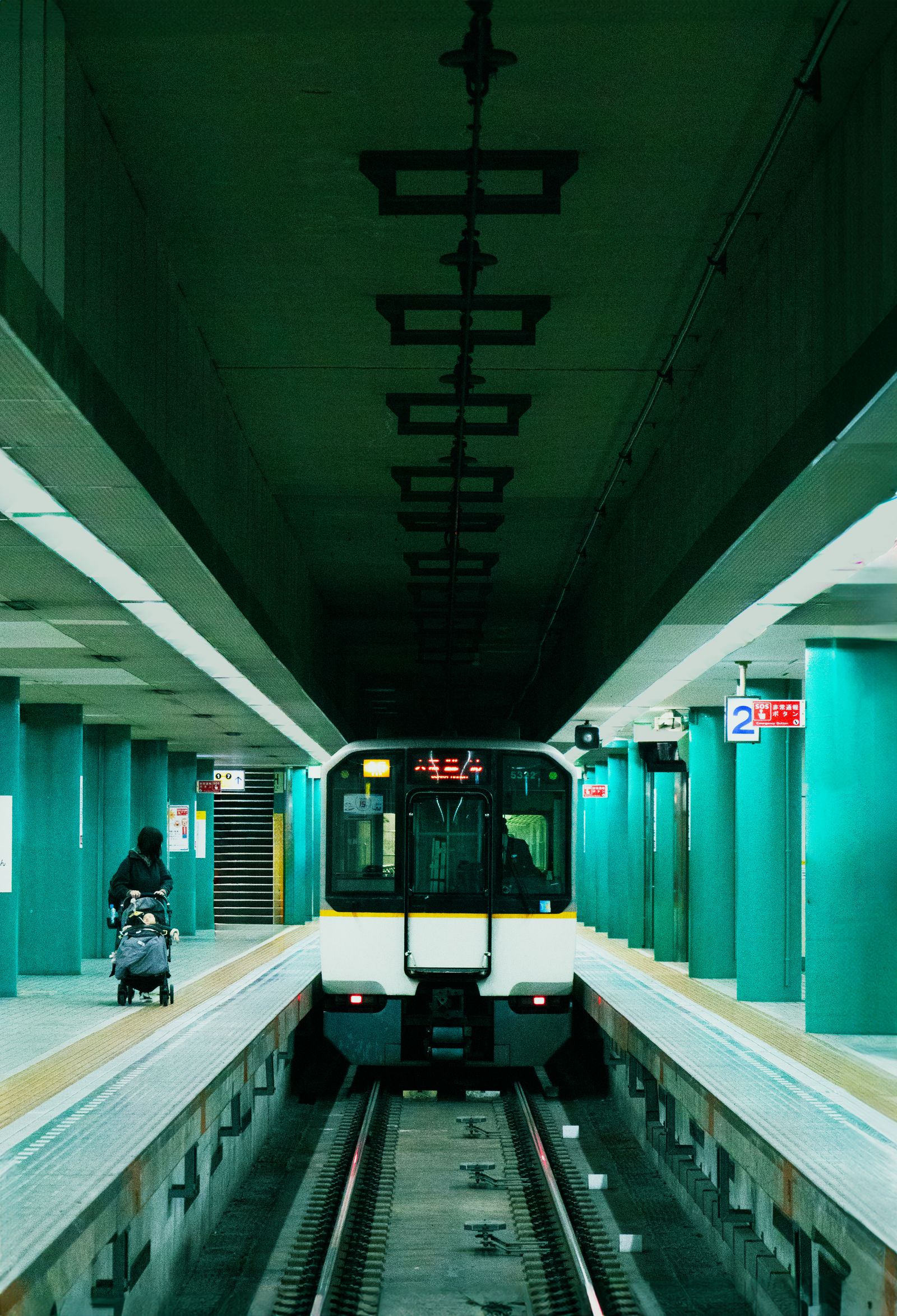
1. The desk. You check in. The large suitcase normally stays here, at reception; you go on with what fits in a locker.
2. Shoes. In the classic form, shoes come off at the entrance and go into a numbered shoe locker.
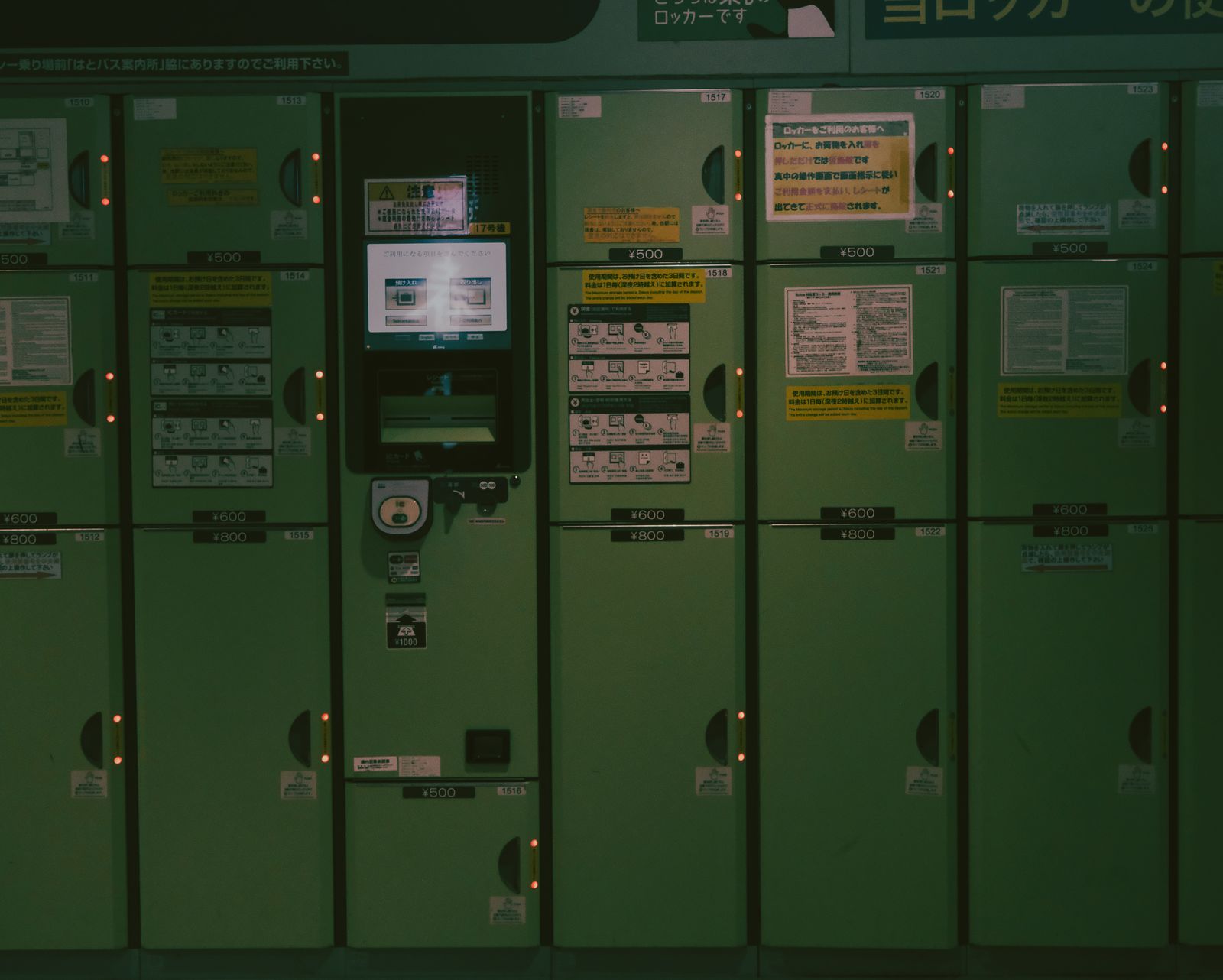
3. The locker and the key. A locker for your belongings, and the key goes on your wrist. Passport, wallet, anything of value — in here, not in the pod.
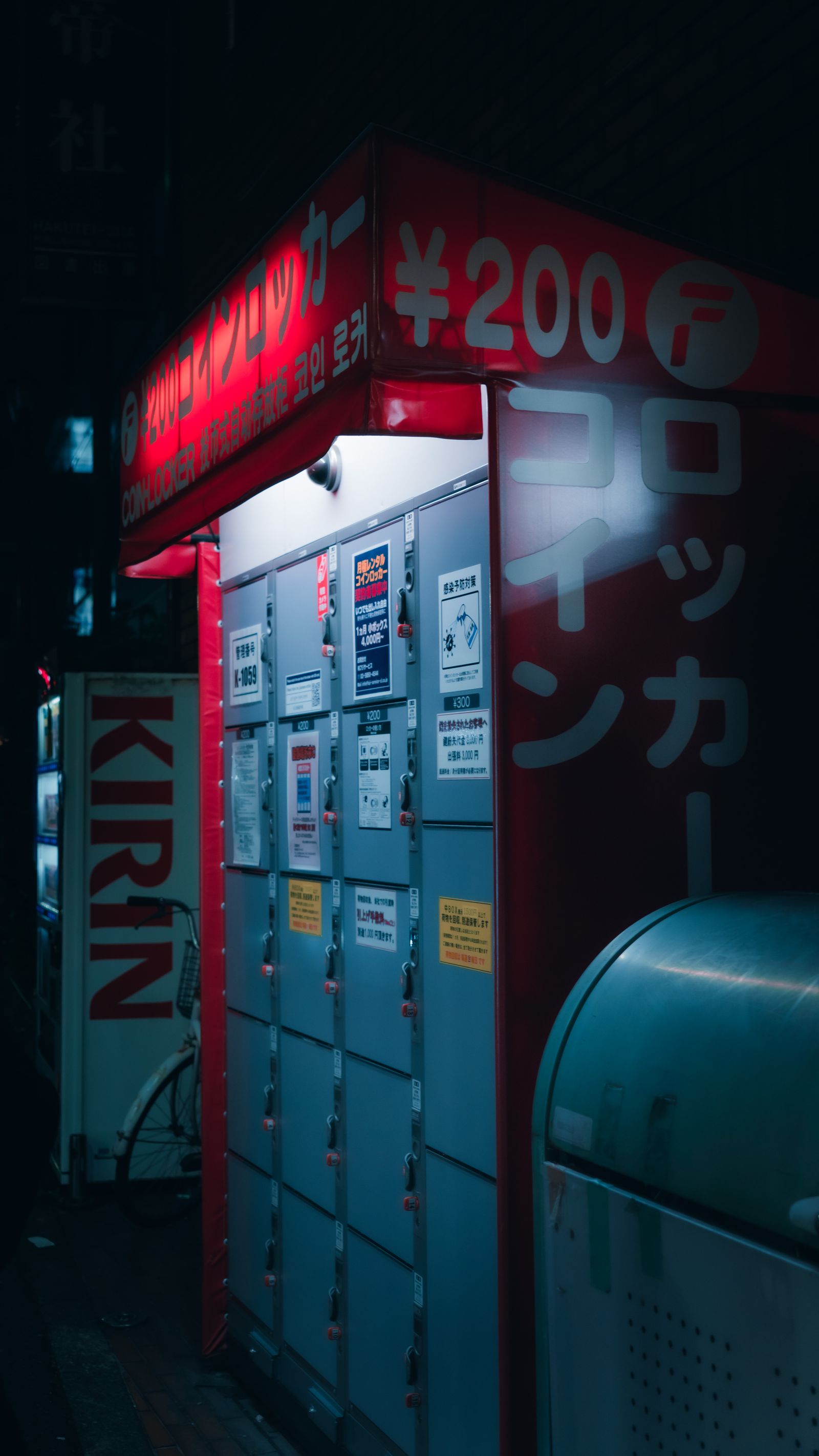
4. House wear. Pyjamas and amenities are often provided; in the classic form they are waiting in the locker, and you change.
5. The bath. Shared, Japanese-style, down the hall, with showers and toilets; soap and shampoo are typically there. How to use a shared bath is the onsen etiquette page’s whole subject, and it applies here word for word.
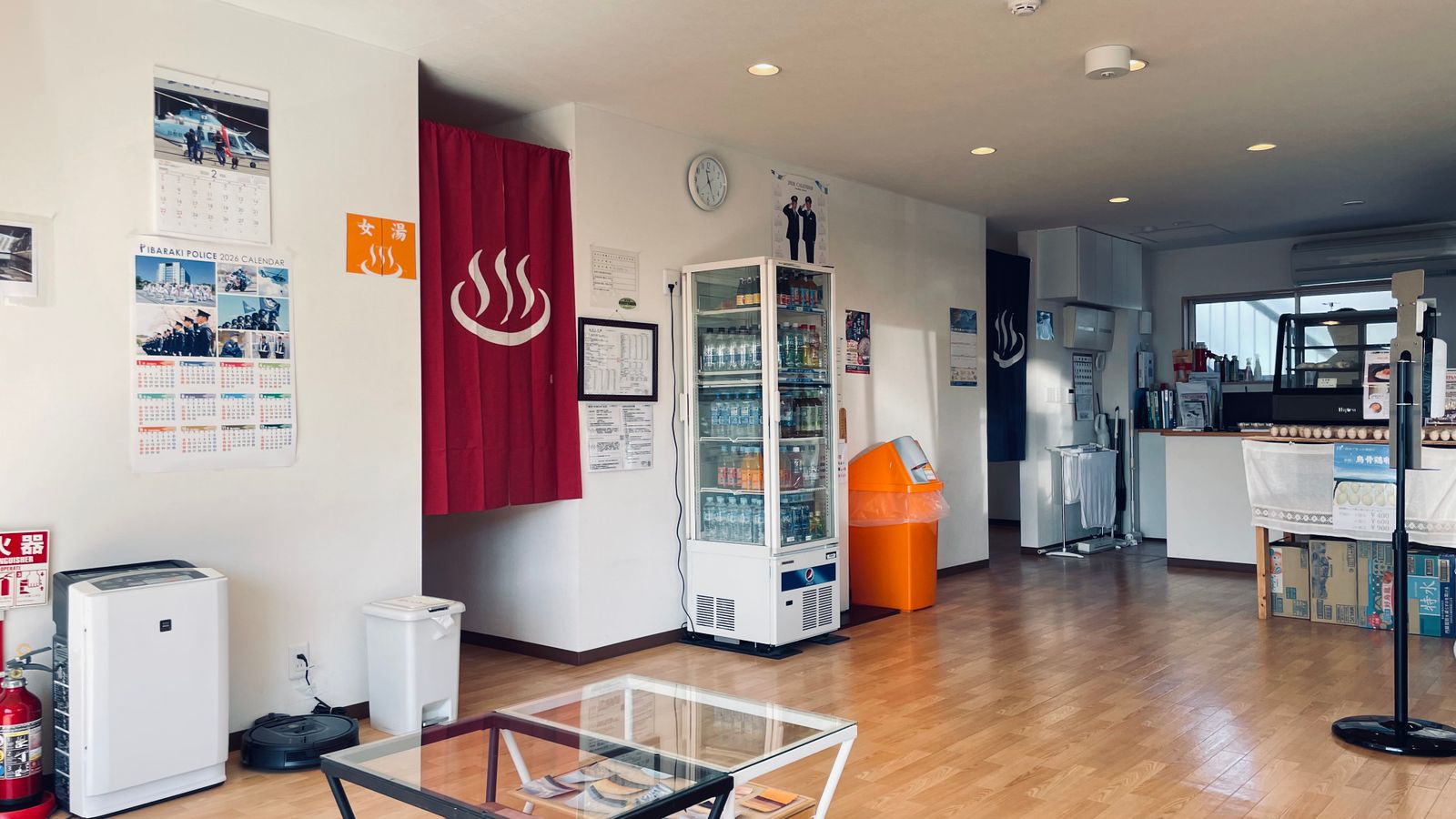
6. The pod. Get in, pull the blind, curtain or shutter. It does not lock; it closes. The rules on the floor are posted and short: keep quiet, headphones for anything with sound, mind the morning alarm, close the shutter gently, nothing strong-smelling, and no eating or drinking in the capsule area.
JBJ'S TAKE
The blind is the etiquette. Behave like it's a door.
The pod doesn't lock, so the floor runs on everyone acting as if it did. That's the whole deal — not a rule sheet, a bargain between strangers sleeping a wall apart.
Keep it and the row sleeps. Break it and you're the reason someone's next capsule is a hotel room.
Quiet in, quiet out.
7. Morning. Return the key at the desk and settle up. The suitcase comes back from reception, and you are on the street.
Where the night makes sense
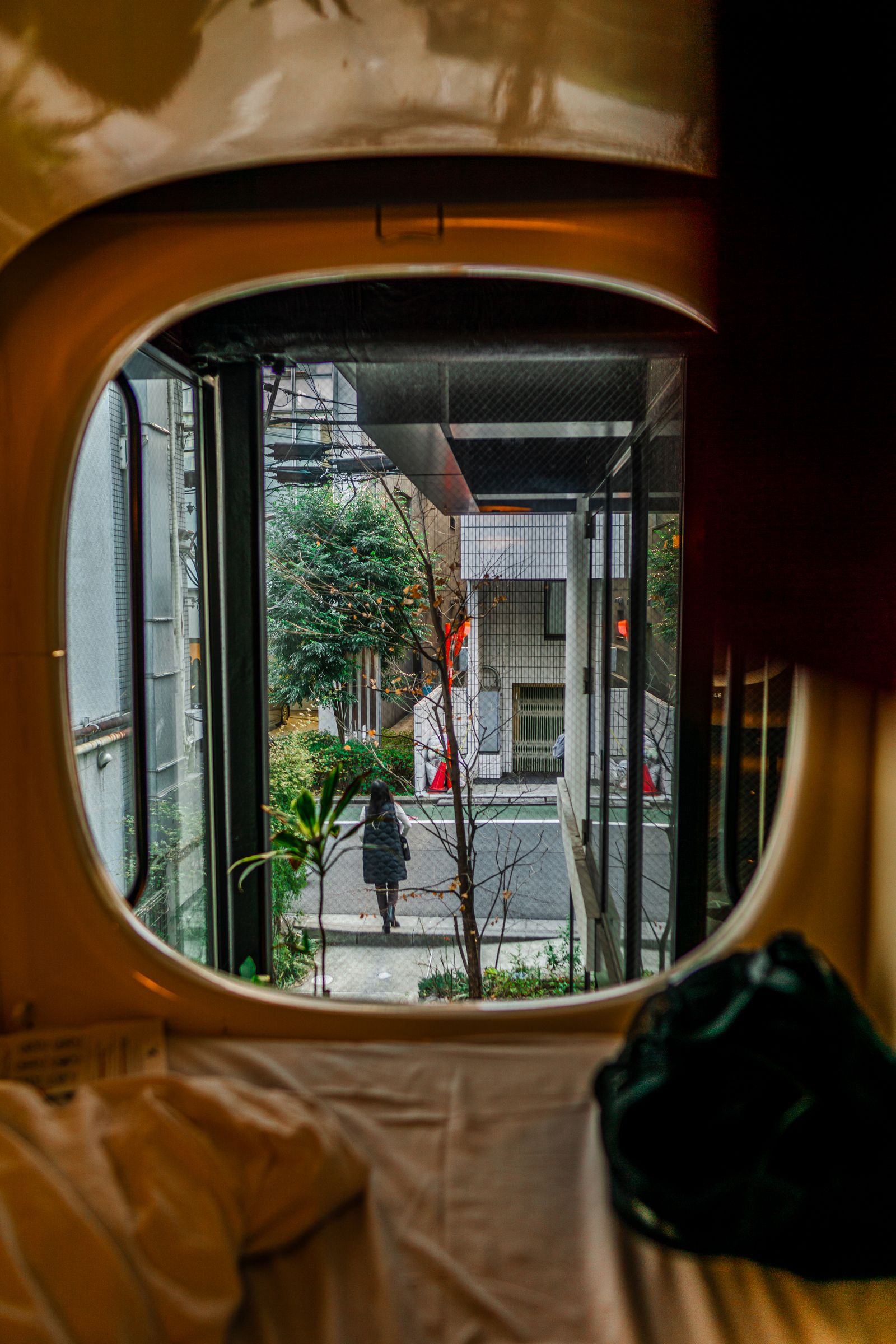
The format was built in 1979 in Osaka. Capsule Inn Osaka, in Umeda, was put up by New Japan, a sauna operator, to a design by the architect Kisho Kurokawa, and is counted as the world’s first. It was built for two customers, and both are still the customers: the business traveller on a budget, and the person who has missed the last train home. Both are already in the city when the night begins.
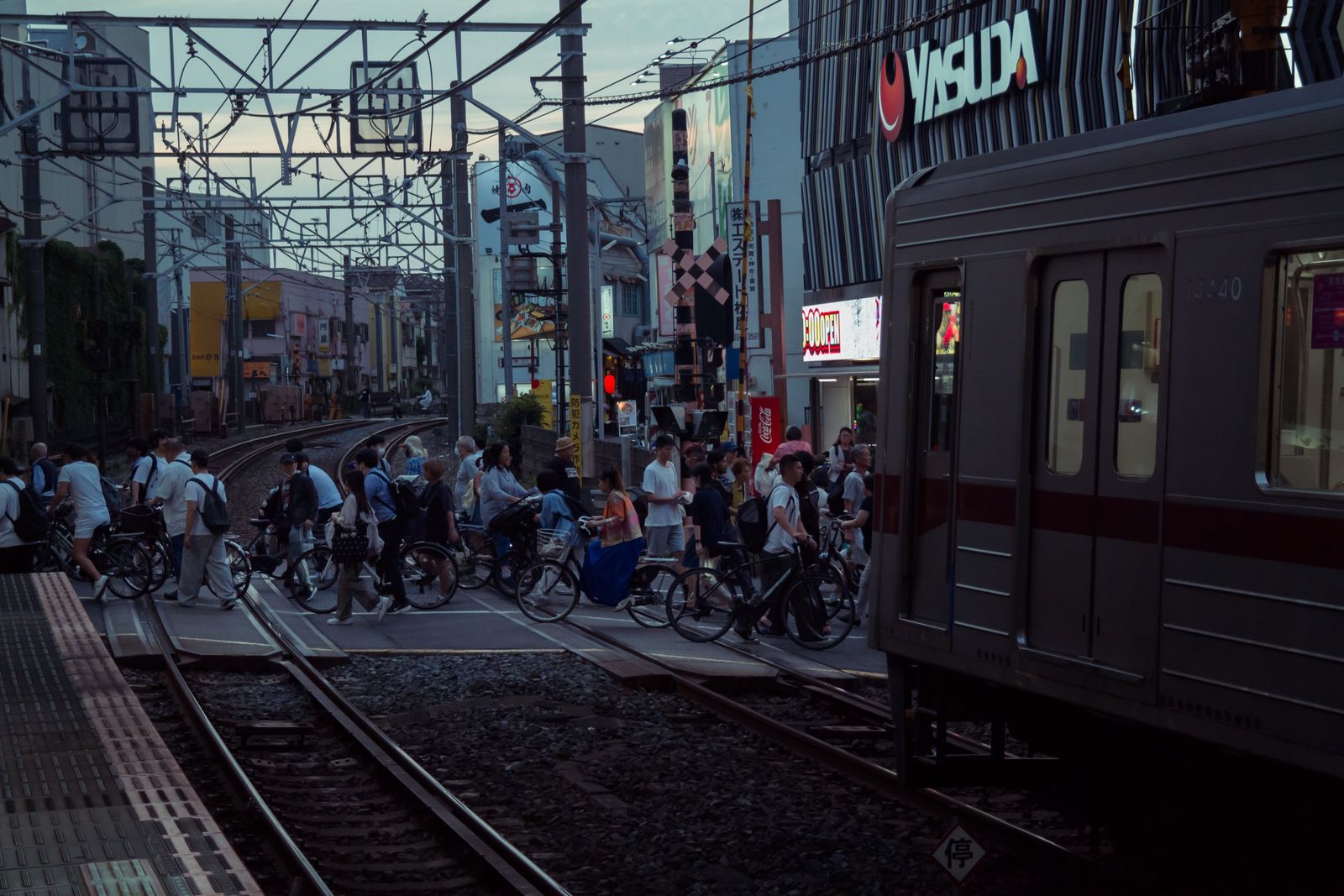
That is the use the format was shaped by, and it is the use to copy. Neither of those customers is in town for the pod. One is there on business; the other has missed the train home. The pod is where that night goes, and it was never meant to be where a trip lives. A capsule is a one-night product: the night that ends late in a city you are not otherwise sleeping in, or the night before an early train, when all a bed has to do is be near the station and be clean. It is not a base. The hotels that built the format did not build it for a week, and a week in one is a week of reception holding your suitcase.
Prices run higher in peak season, by the Tokyo guide’s own note; the same pod costs more when the city is full.
One night or two — and which one
One night is the format. The night that ends late in the city, or starts early at the station, with the suitcase at reception and everything else in a locker, the key on your wrist. A second night is the same pod, the same corridor, the same bath, and a suitcase that spends another day behind the desk.
A capsule if…
- You are one person, and one sleeper to a pod is fine.
- You can sleep behind a blind, with your passport in a locker down the hall.
- The night ends late in the city or starts early at the station — the night the format was built for.
- Everything you need overnight fits in a locker, and the suitcase can wait at reception.
The room with the door if…
- There are two of you and you want the same bed.
- The door has to lock for you to sleep.
- The bag has to be beside you, or you will be there several nights.
- The evening is the point of the stay, in which case the bed to buy is a ryokan night, at the other end of the scale.
JBJ'S TAKE
One night. The one that ends after the last train.
Don't book a run of these to save money. Book one, on the night it was built for — late in the city, up early, bag already at the station or in the locker.
Every other night, take the room with the door. The capsule isn't a cheaper hotel. It's a different night, and one is enough to know if it's yours.
Once. Then decide.
Where that one night’s pod should be in the city: where to stay in Tokyo, where to stay in Osaka. The bath, before you go in: onsen etiquette, first time.
Information checked September 2026. The licence class from the health ministry’s statute text and a Tokyo ward’s licensing page; the price range, the gender arrangements and the no-lock rule from the official Tokyo tourism guide; the night’s sequence, the bath and the pod-area rules from JNTO and the original capsule hotel’s own guest guide; the origin from the operator, JNTO and the capsule manufacturer.