Somewhere on the thing you are holding — the underside, the packaging, or the shop’s own listing — is a short line in Japanese that says where it was made. It changes from one item to the next in the same category, at the same price. Daiso, meanwhile, has stores in 25 countries and regions outside Japan (end of February 2026), so whether an item is a souvenir at all depends on where you live.
This page ranks seven things worth the suitcase, shows you where that line is and what it can and cannot settle, and names six things JbJ would leave on the shelf for the Daiso near your house. Read it once here; the rest happens in the aisle, basket in hand.
The list at a glance
| Rank | Item | In one line |
|---|---|---|
| 1 | Small dish — 豆皿 or 小皿 | The one ¥110 object whose line can read 日本. Read it. |
| 2 | Tenugui | A working cloth that also wraps #1 |
| 3 | Grater | A shape only a Japanese kitchen would have made |
| 4 | Rice bowl | One, not a set |
| 5 | Cooking chopsticks | The length is the tool |
| 6 | Bento box | Shaped for a Japanese lunch |
| 7 | Masking tape | The pattern is the purchase |
| Leave | Kitchen knives | JbJ’s position is published; the cheapest shelf is not it |
| Leave | Cables, earphones, chargers | A repair, not a souvenir |
| Leave | Peeler | Nothing about it needed Japan |
| Leave | Pens and notebooks | Generic functions |
| Leave | Onigiri and egg molds | Hands already do it |
| Leave | Folding fan | Bought to be looked at |
Two questions sort every row. Where was it made? Read the line on the item; the next section shows you where it is and what it means. Does the Daiso where you live already sell it? That is the leave-it section, and it is JbJ’s call, not a stock check.
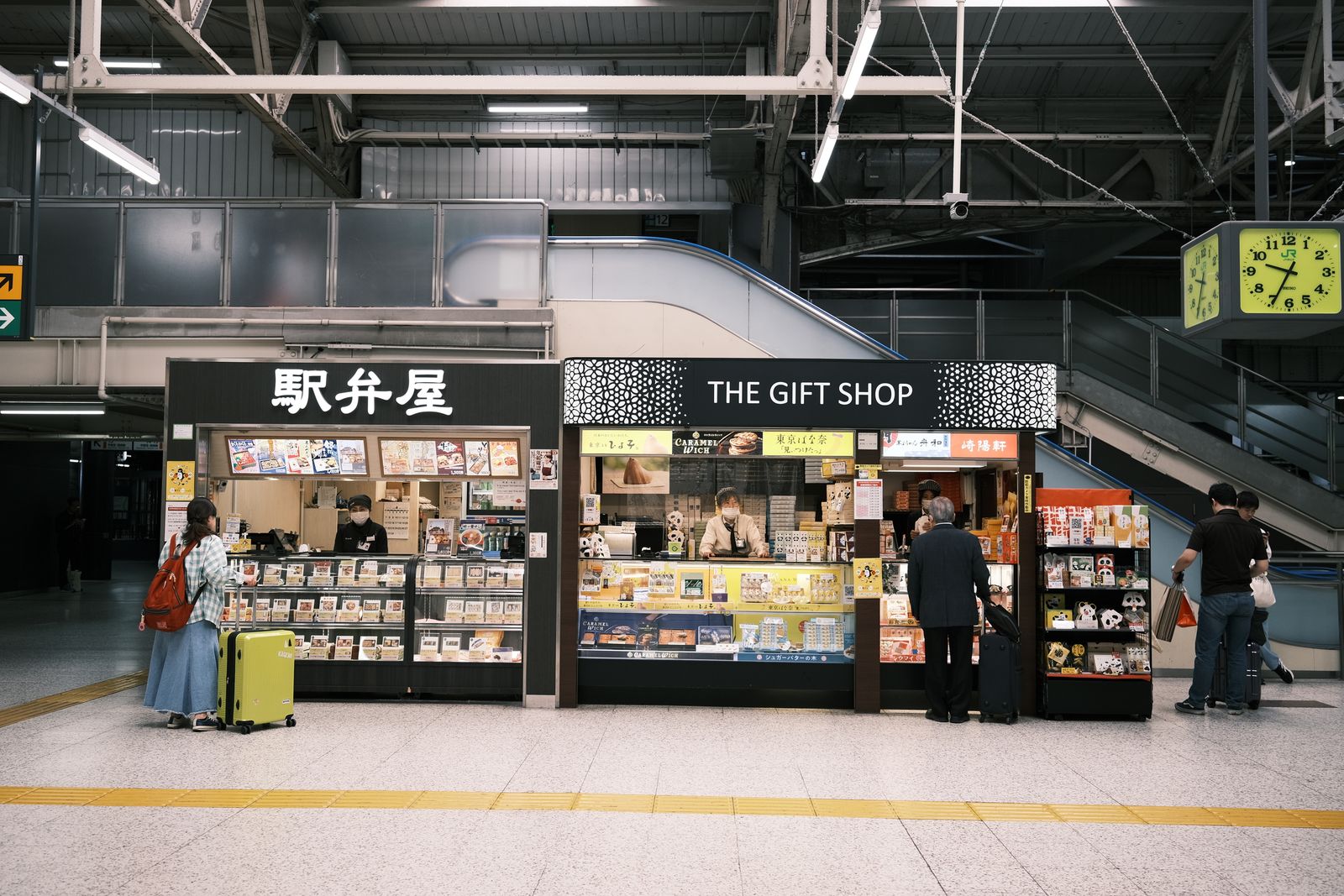
Three chains, if you want to know whose door you walked through: Daiso (3,955 DAISO-brand stores in Japan at the end of February 2026), Seria (2,134 stores at the end of March 2026) and Can★Do (1,355 stores at the end of February 2026; an Aeon group company). The price tag shows an ex-tax figure with the tax-inclusive figure beside it — you pay the larger — and the shelf is not all one price: on 14 September 2026, Daiso’s own online store had ¥165, ¥220, ¥330 and ¥550 items, and Can★Do’s ran up to ¥550.
The line on the item that says where it was made
Look for two words. On a Daiso item or its listing, the field is 原産国 — country of origin. At Can★Do it is 原産地 — place of origin. Both are in Japanese only, followed by a country name: 日本 for Japan, 中国 for China, and so on. Turn the piece over, check the packaging, or find the product on the chain’s own site.
Why the line is there at all: Japanese law does not make every item show where it was made. But a foreign-made item packaged in Japanese, or carrying a Japanese company’s name, must show its country of origin clearly, or the labeling counts as misleading. That is the rule that puts the line on the Japanese-packaged goods in your basket. (It is not the household-goods quality-labeling law doing this — that law says nothing about origin.) Daiso’s own product pages carry the line item by item, 日本 included.
Two kinds of goods follow their own rules. Food: imported processed food shows 原産国名, the country it came from; processed food made in Japan shows 原料原産地名 instead — where its heaviest ingredient came from — which is not the same thing as “made in Japan.” Cosmetics: the country of origin is required under the cosmetics industry’s fair-competition code, unless the product is obviously domestic.
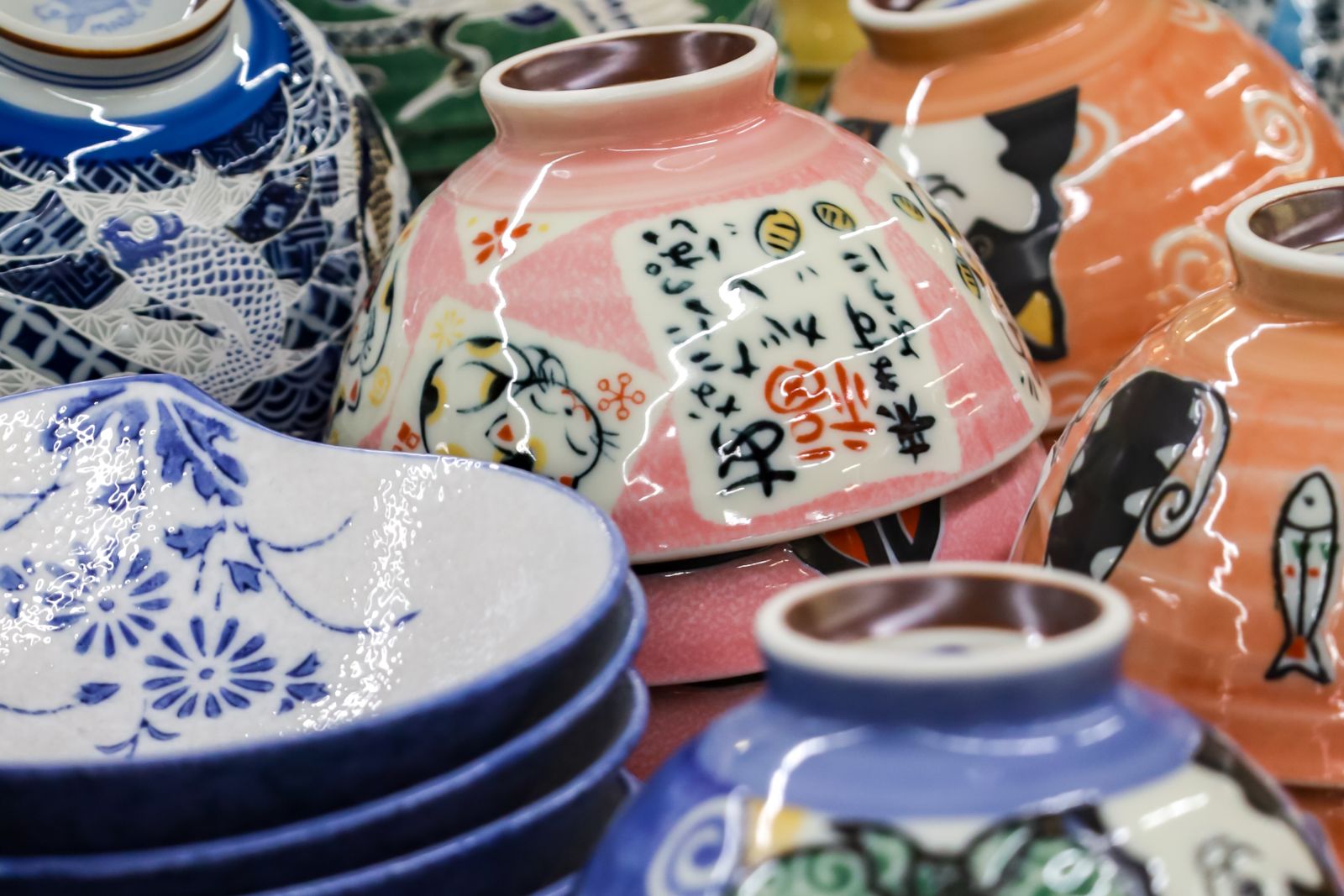
Now the example that makes the check worth running. On 14 September 2026, Daiso’s own online store listed porcelain titled 美濃焼 (Mino ware) at ¥110 — small plates and small bowls among them — with the line 原産国:日本. In the same online category, the line varies item by item. Same price, same category, different country. The line is per item, not per shelf.
And none of the three chains publishes what share of its goods is made where. There is no shortcut: the line on the item is the only answer you get, and you get it one item at a time.
JBJ'S TAKE
Buying a shape? Ignore the line. Buying Japan? The line is the purchase.
Does the factory matter at ¥110? For a grater, no. Buy the shape. Skip the label.
But a dish you picked up because it's Japanese — to give or to keep — is a different purchase. One says 日本. The one beside it may not. Your eye can't tell; the line can.
It settles where. Not whether it's any good. That part's still on you.
Kitchen and table
1. Small dish — 豆皿 or 小皿
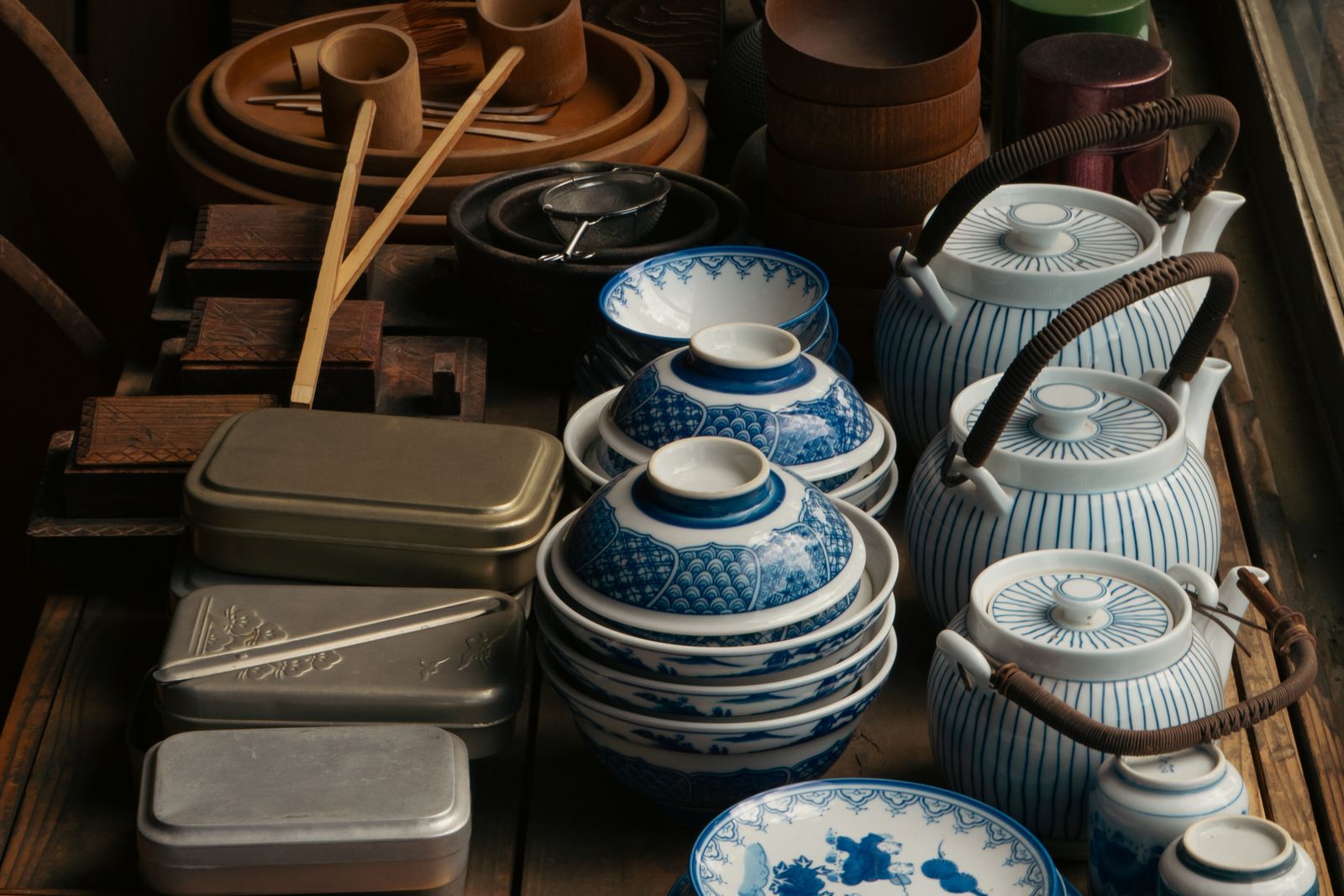
The smallest working piece of a Japanese table. A 豆皿 — “bean plate,” palm-sized — holds soy sauce, a few pickles, a wedge of something; a 小皿 is the size up. Both are used at a meal, not displayed, and both are flat and light enough to wrap inside #2 and forget about.
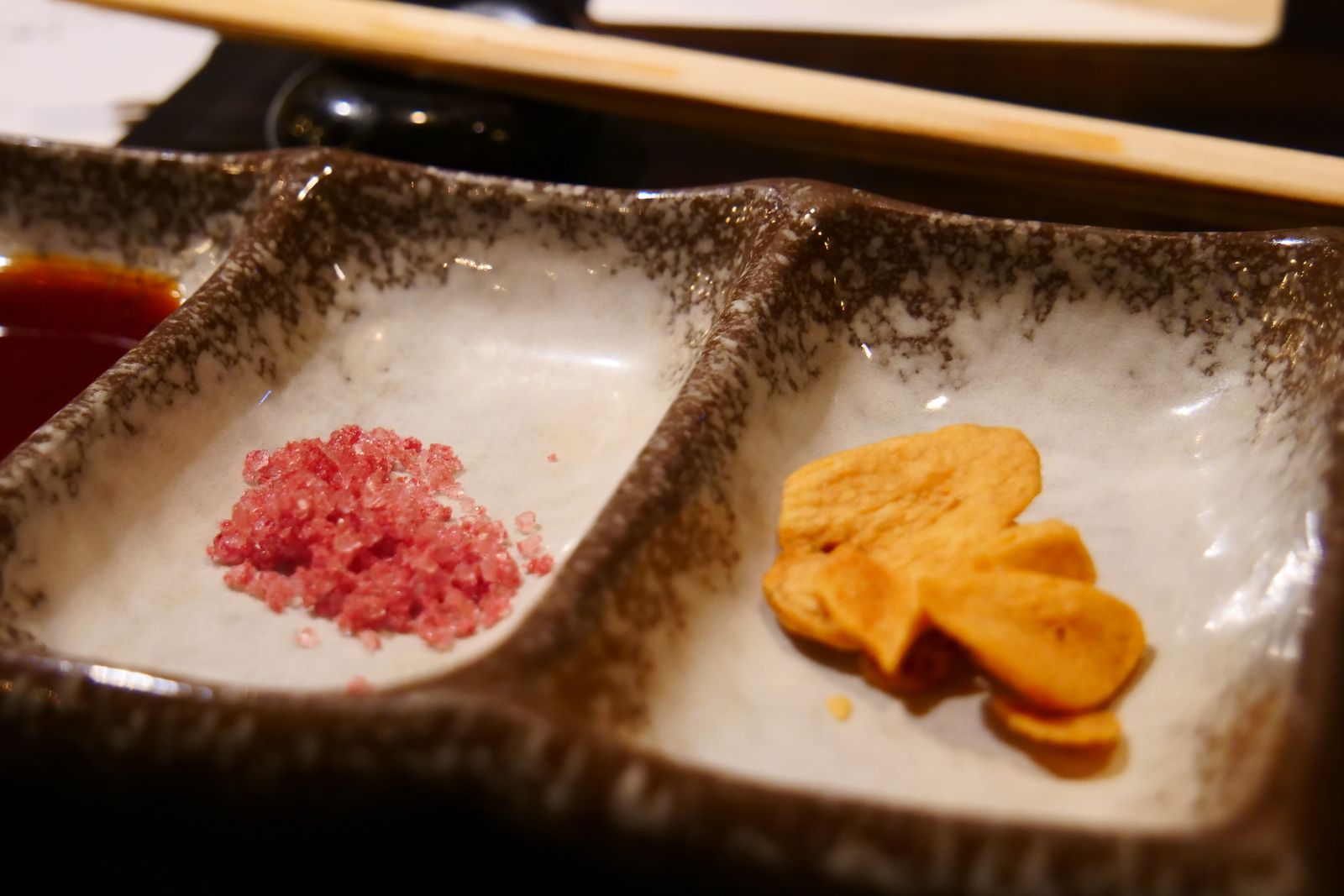
This is the one item on the page where the label check has a verified payoff. Daiso’s own online listings, checked 14 September 2026, show 美濃焼-titled 豆皿 and 小皿 at ¥110 carrying 原産国:日本. That is those listings — not every small dish, and not the shelf. The one in your hand has its own line. Turn it over.
Why it ranks first: it is where the two halves of this page meet — an object a Japanese table uses every day, and a ¥110 piece whose line can genuinely read 日本.
Keep: one or two, and only the ones whose line says 日本. If it says otherwise, or there is no line, it becomes a design purchase, and JbJ would put it back — with one exception, in the close.
3. Grater — おろし金
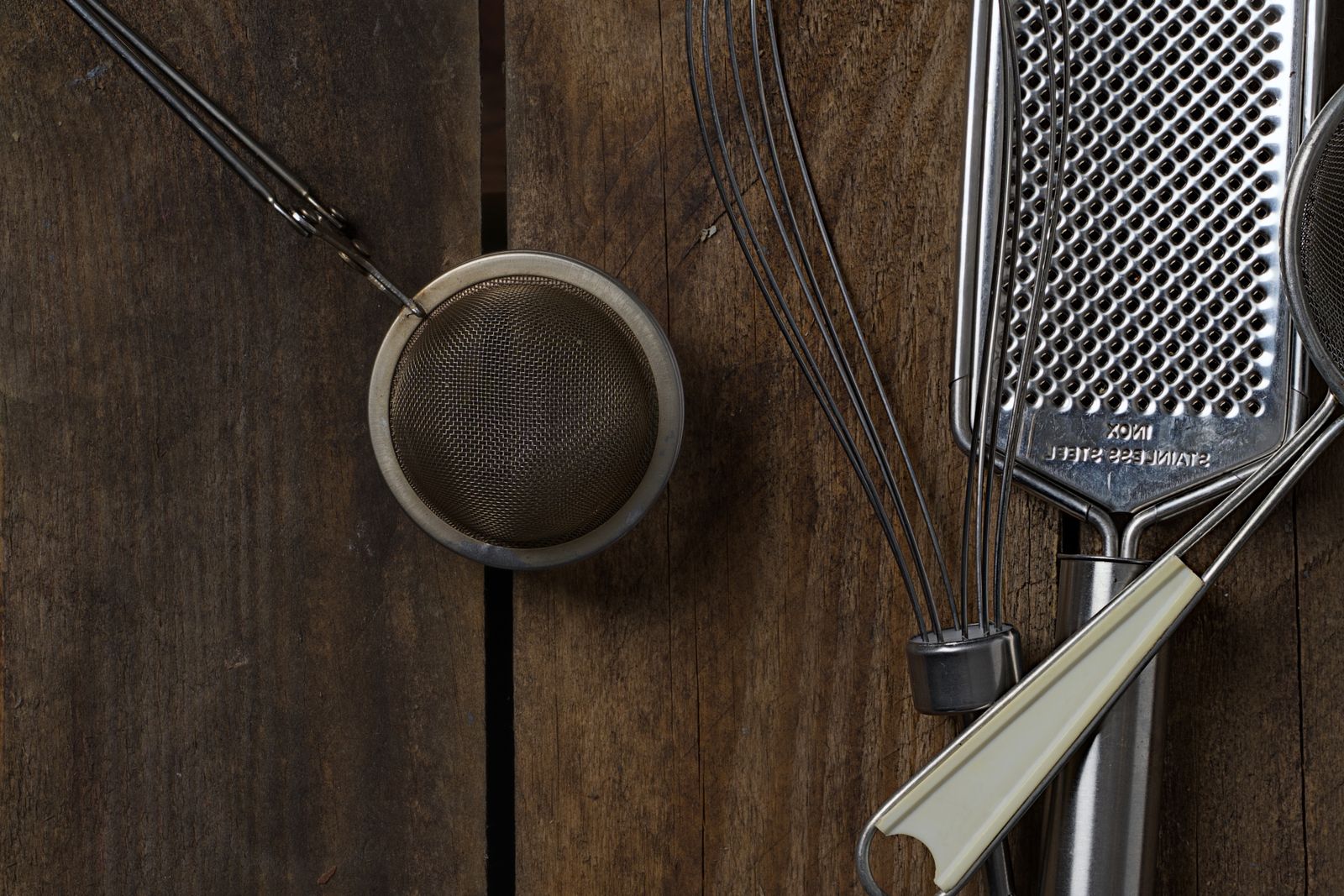
A flat grater whose surface turns ginger, daikon and garlic into paste rather than shreds. Flat, light, slides into a suitcase pocket.
The line: for a tool, it decides nothing. Check 原産国 or 原産地 if you are curious; it varies item by item, and the grater is the same grater either way.
Why here: the shape only makes sense in a Japanese kitchen. This is a function purchase — buy the shape.
Keep.
4. Rice bowl — 茶碗
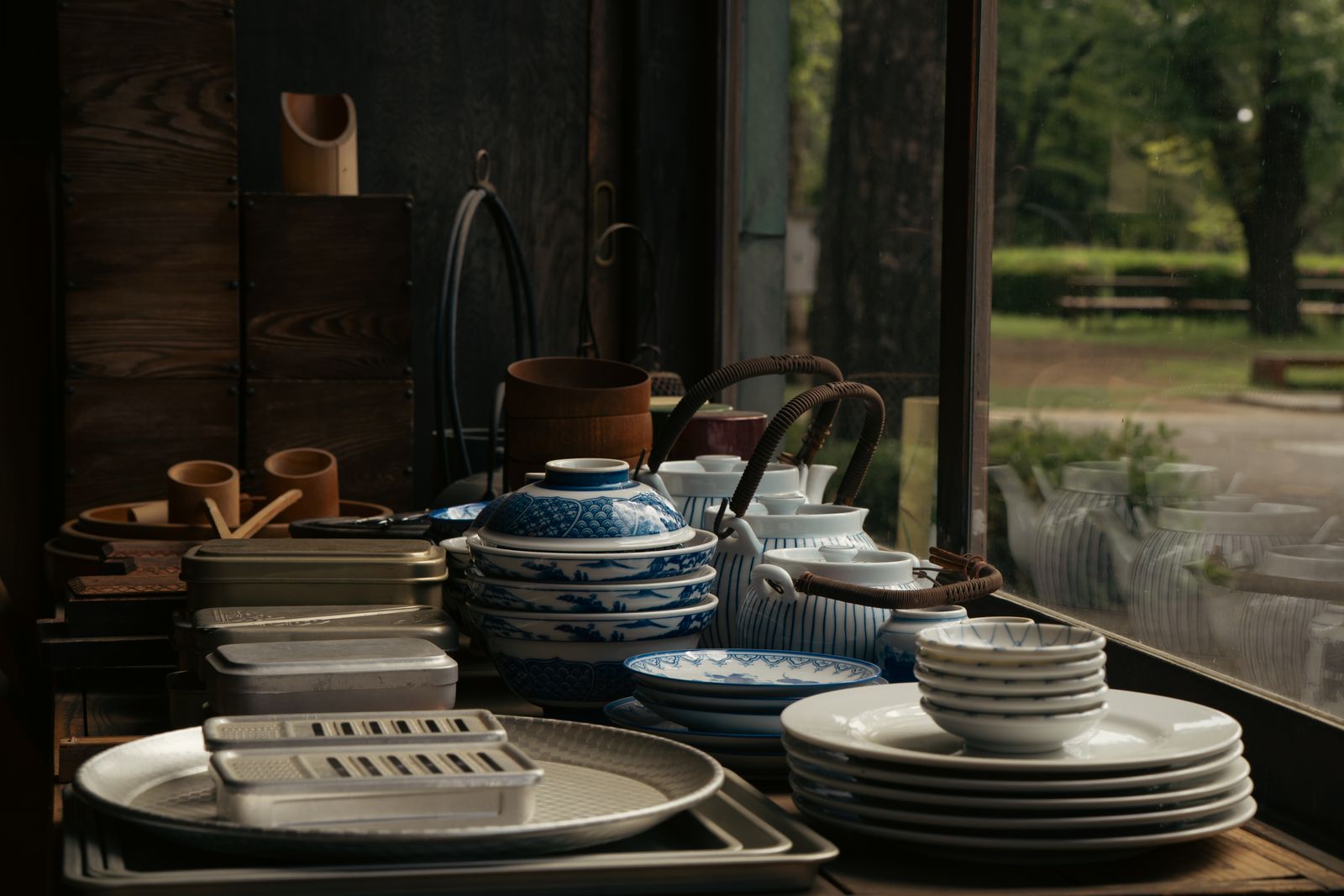
The bowl a Japanese meal is built around: one per person, held in the hand while you eat, which is why it is exactly the size and weight it is. It is also the heaviest thing on this list. One, not a set.
Daiso’s online store lists a 美濃焼-titled 茶碗 at ¥165 (14 September 2026) — a tier up from ¥110. If you are buying it as Japan, look for the line before you decide. As a bowl for rice, it is a shape purchase whichever country the line names.
Keep: one.
5. Cooking chopsticks — 菜箸
Long chopsticks for the stove, not the table. The length is the point: stirring, turning, lifting from a hot pan with your hand well clear of it. No tongs or spatula does quite the same job. They weigh nothing and slide down the side of any suitcase.
The line does not change this decision; it is a tool.
Keep: one pair.
Stationery
7. Masking tape — マスキングテープ
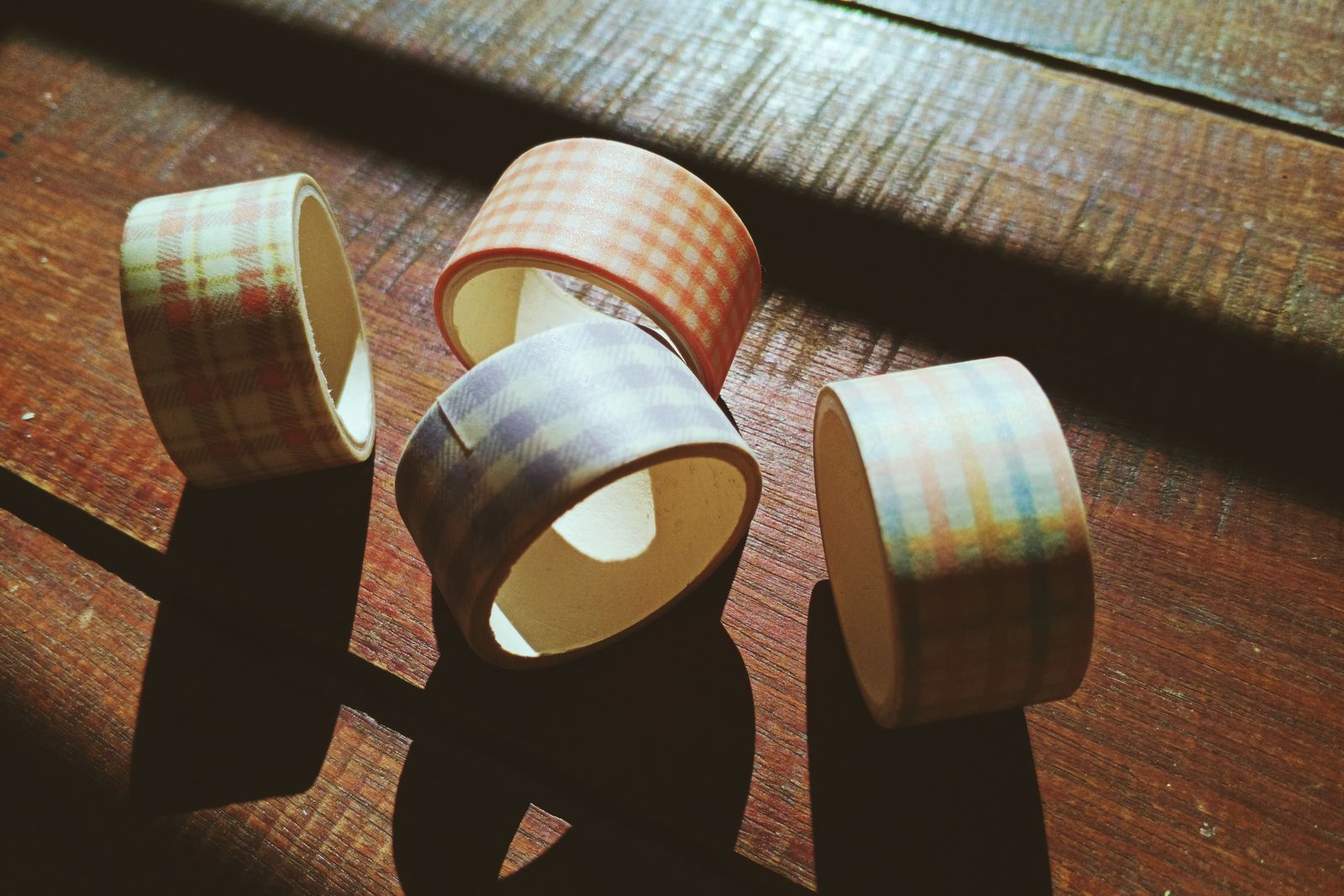
Thin paper tape in patterns, sold by the roll. It seals, labels, decorates. Weighs nothing.
This is the one stationery item on the list, and it is a design purchase, not a function one — which is exactly why it beats the pens and notebooks. The pattern is what you are buying, so it is bought as Japan: look for the line.
Keep: as many as you will use.
Traditional objects, and the rest
2. Tenugui — 手ぬぐい
A thin printed cotton cloth. A working cloth, not a wall hanging: it dries hands, wraps a dish, covers a head, ties around a bottle. The lightest, flattest thing on the list — and it is the packing material for #1.
Bought as Japan, so the rule from the label section applies: look for the line.
Keep: two or three.
6. Bento box
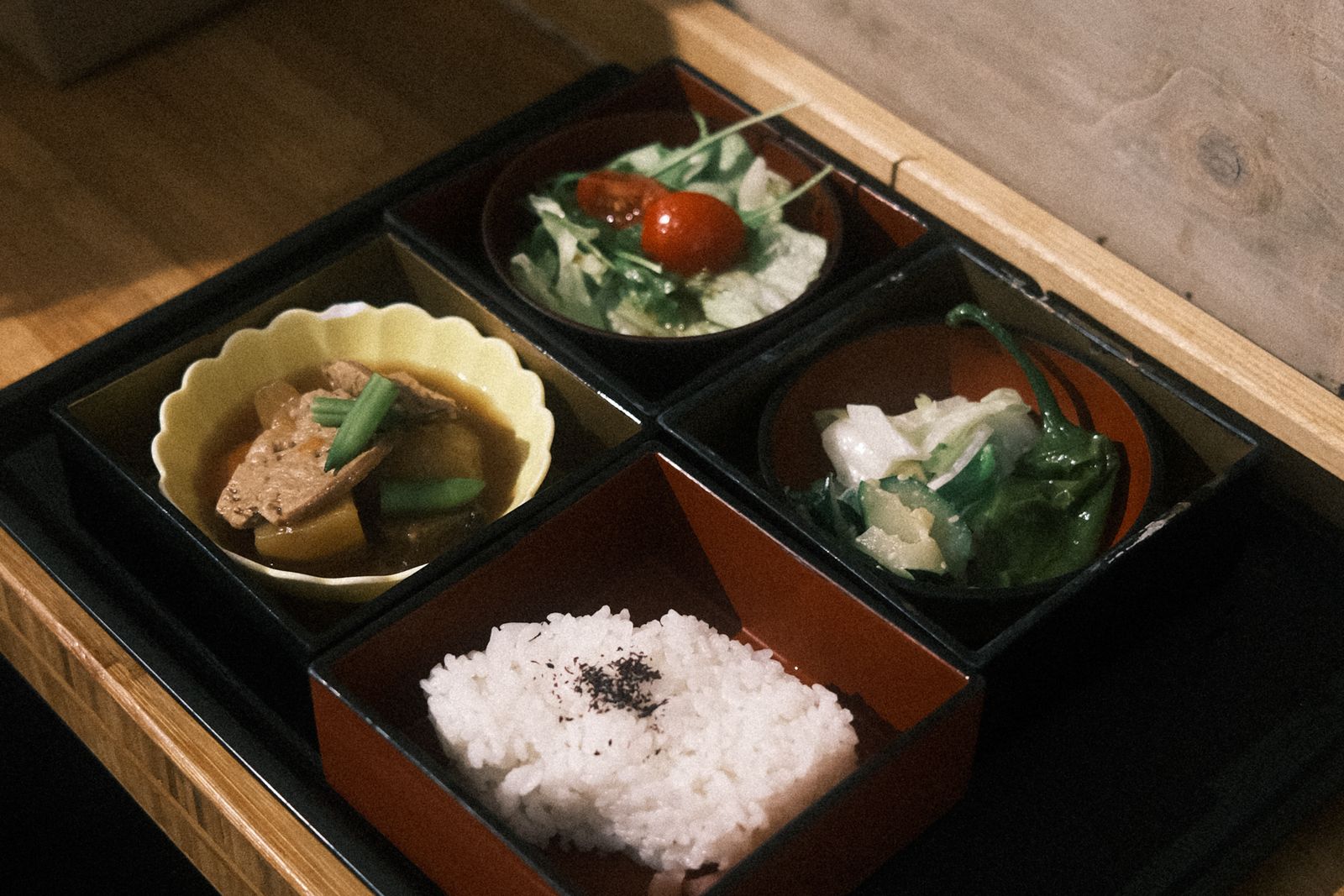
A lidded box sized and divided for a Japanese lunch — rice on one side, the dishes that go with it on the other. That division is the shape purchase. It is a working object for anyone who packs a lunch, not a display piece. Bulkier than everything above; it nests, so choose one you will actually fill.
Keep: one.
Leave it on the shelf
Daiso operates in 25 countries and regions outside Japan (end of February 2026) — the United States, Canada, Australia, New Zealand, Brazil, Singapore, Thailand and Taiwan among them. Its own US online store lists its base tier at $2.25 (online prices, 14 September 2026); the Japanese shelf says ¥110. Put those two numbers side by side and the question for each item below is not the price. It is whether anything about the object needed Japan. Six that did not — JbJ’s call, item by item.
Kitchen knives. This aisle is the cheapest shelf, and JbJ’s first-knife position is already published: one knife, middle tier, not the cheapest shelf. The one thing to add to it is a #1000 stone and a flattener. Nothing here changes that.
Cables, earphones, chargers. A cable is a mid-trip repair, not a souvenir. If yours broke, buy one and be glad. If it did not, this is the exact generic job JbJ’s rule sends back to the shelf.
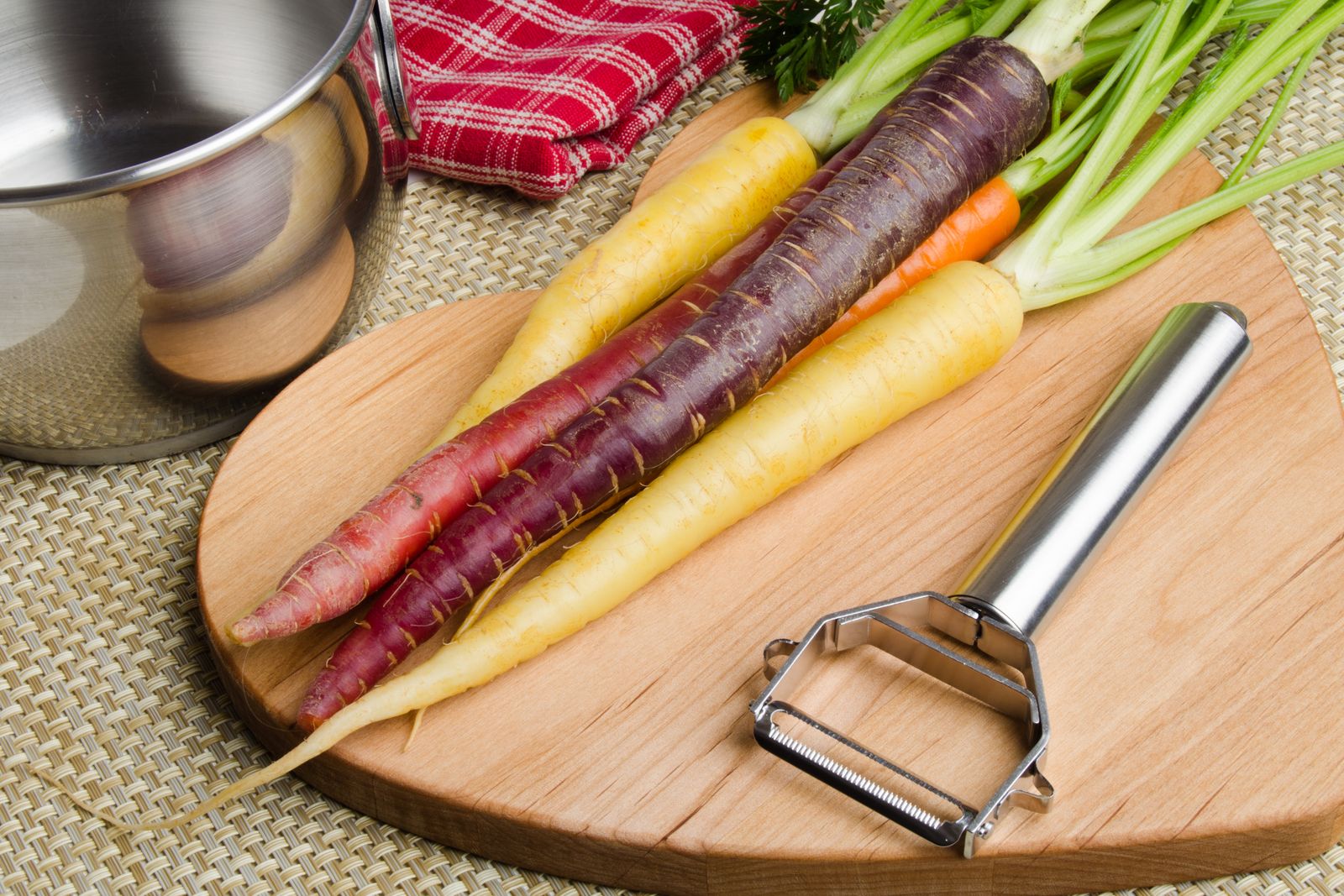
Peeler. It peels; that is the whole job, and nothing about the job needed Japan. JbJ would leave it.
Pens and notebooks. Functions, and generic ones. The design case in stationery belongs to the tape at #7.
Onigiri and egg molds. The mold’s only product is a shape, and wet hands with a pinch of salt already make that shape. A gadget for twice.
Folding fan — 扇子. The souvenir-shelf object: bought to say Japan, not to be used. Whatever tier it sits on, put it back.
JBJ'S TAKE
Put it back when the job is generic. Keep it when the shape is Japanese.
A peeler peels. Nothing about it needed Japan. JbJ's bet: it's on a shelf near your house already. Leave it.
A grater that turns ginger to paste? That shape came out of a Japanese kitchen. Take it.
No Daiso where you live? Then the rule flips to the suitcase: take what you'll use, and put back only what exists to be looked at.
What JbJ would actually carry home
JBJ'S TAKE
One small dish, if its line says 日本. If it doesn't, the tenugui.
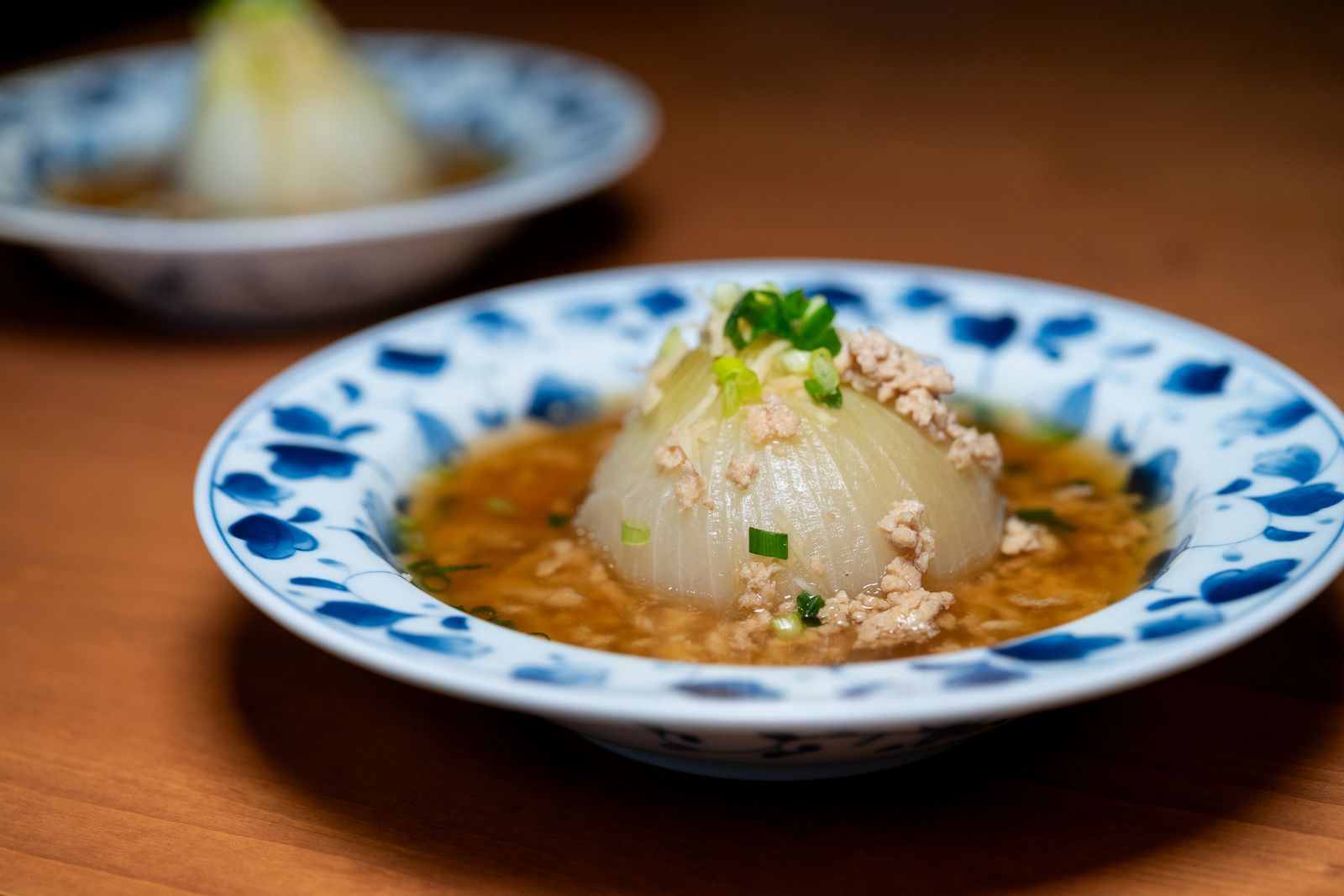
Not a haul. One palm-sized 豆皿. Read the line before the register: if it says 日本, that's the souvenir — a made-in-Japan dish you'll use.
If it doesn't? Still a fine dish — but a design now, and design doesn't get ceramic into a suitcase. Tenugui instead. Weighs nothing, dries, wraps.
Gift or keep — same answer. Never coming back? Then the dish too, line or no line.
If the basket grows past a handful anyway, how tax-free works in Japan this year is its own page.
Information checked 14 September 2026 against 消費者庁 (the Consumer Affairs Agency), 化粧品公正取引協議会 (the cosmetics fair-trade council), 観光庁 (the Japan Tourism Agency), and the chains’ own corporate and catalog pages. Store counts and listed prices are as those pages gave them on that date.