On November 1, 2026, Japan moves tax-free shopping from a discount at the register to a refund at the airport. The money is the same money. The moment is not — you carry the tax for the length of your trip, and you get it back only if you complete a step at departure that does not exist today.
This page assumes the trip is already taking shape; if it isn’t, the first-trip planning order comes first. What follows is the money question underneath the change: what actually comes back to you, and whether it is still worth the doing.
What changes, in one paragraph
Through October 31, 2026, a tax-free store simply does not charge you the consumption tax: you show a passport, clear the minimum spend, and pay the tax-exclusive price. From November 1, 2026, you pay the full tax-inclusive price like everyone else, and an amount equivalent to the consumption tax is refunded to you after customs confirms, at your departure port, that the goods are leaving Japan. That refund comes from the store, or from a refund operator the store has engaged — not from the customs desk.
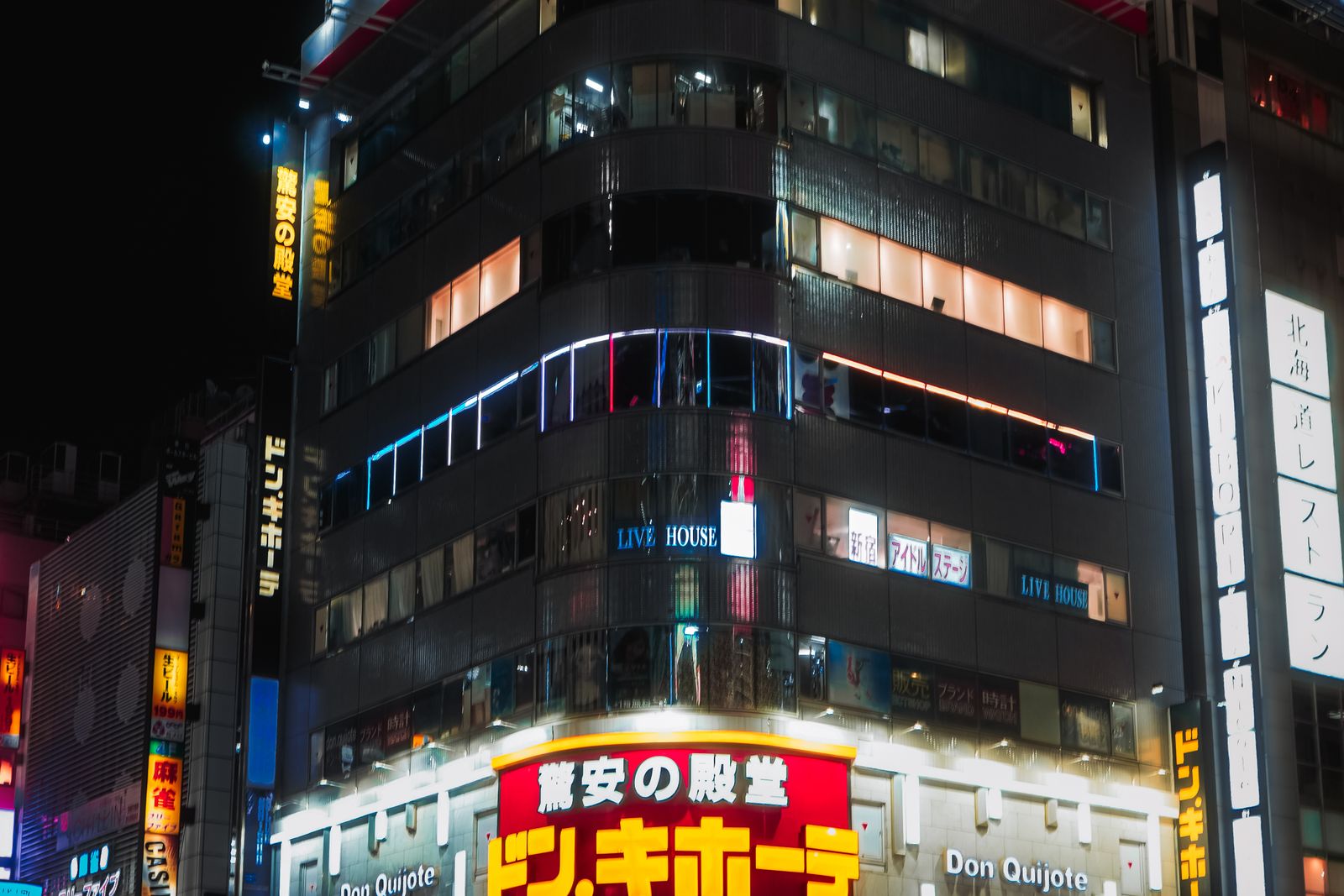
The date, and which side of it your trip falls on
The trigger is the date on the receipt, not the date on your boarding pass.
Buy through October 31, 2026 and that purchase runs on the current rules: tax off at the register, consumables handed over in designated packaging you are not meant to open in Japan, and a ¥500,000 per-store, per-day ceiling on consumables.
Buy on or after November 1, 2026 and that purchase runs on the refund rules described here.
Both systems are real, and a trip that straddles the date carries purchases under both. Flying home in November does not move an October purchase onto the new rules, and arriving in October does not keep a November purchase on the old ones.
What you have to do at the airport, from November 1
From November 1, 2026, the refund depends on one step you take yourself, in a particular place, in a particular order.
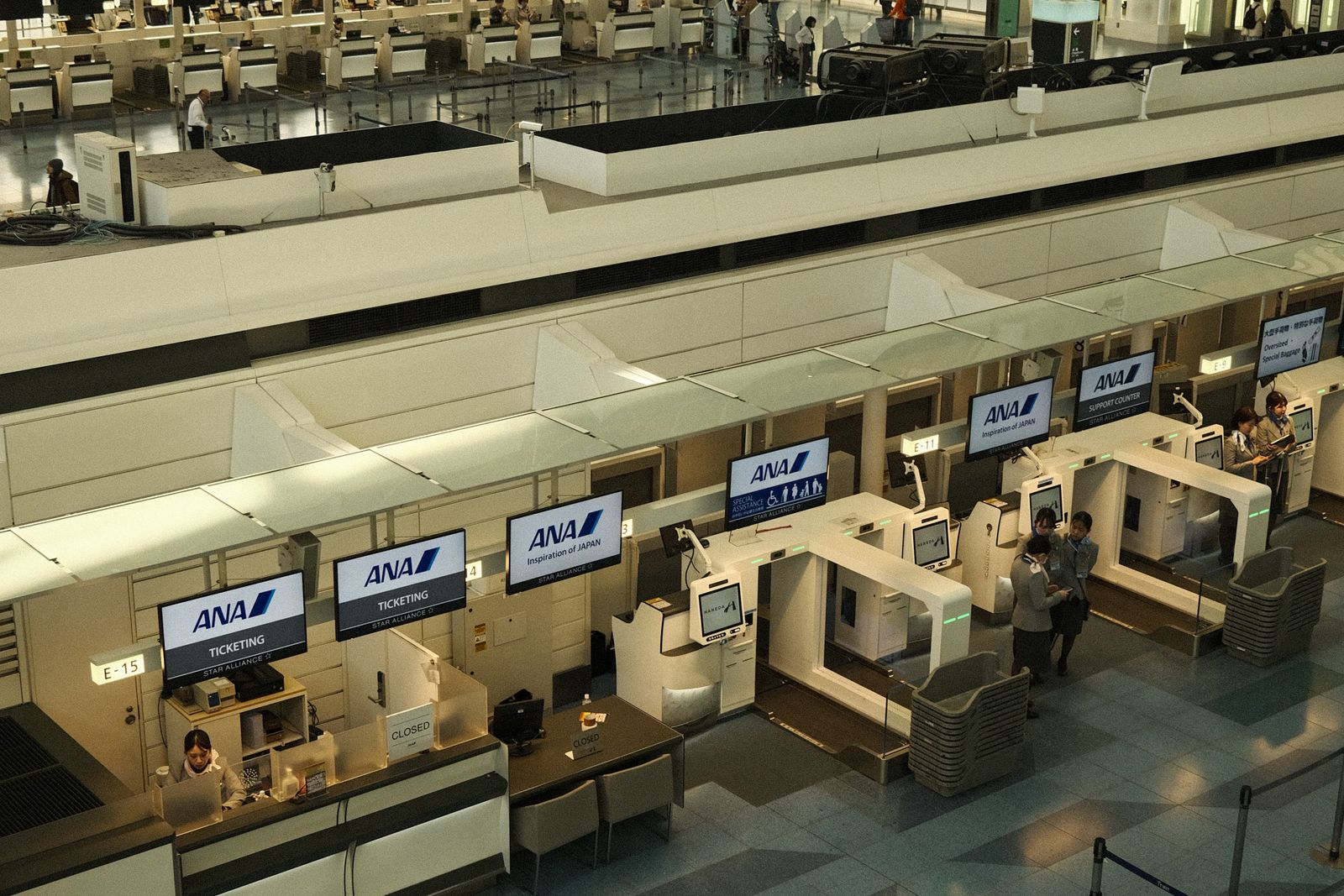
The terminals for the procedure sit in the international departure lobby, before baggage drop. You present your passport and the goods, and the screen returns a customs determination: green and you are finished, red and you carry the goods to the customs inspection point for a physical check. That confirmation has to happen within 90 days of the purchase date.
Read the order again, because it is where the money goes missing. Before baggage drop. You have to be holding everything you are claiming on, and bags already handed to the airline cannot be pulled back for the tax-free procedure.
The check also runs per receipt, not per item. If one thing on a receipt is not with you — used, given away, packed in the hold — the confirmation fails for every item on that receipt.
At Narita, Haneda, Kansai, Chubu, Fukuoka, New Chitose and Naha there is an online route through Visit Japan Web instead, done on the dedicated departure-lobby Wi-Fi before the security checkpoint.
Leave time for it. The official guidance is to arrive with time in hand, and it says plainly that if the tax-free procedure costs you your departure, neither the airline nor customs compensates you.
There is no photograph of that hall on this page. Photography is restricted where customs work.
What got better, and what got worse
Genuinely both, and the two are not the same size.
Better. The sealed packaging for consumables is abolished — no bag you are forbidden to open. The ¥500,000 per-store, per-day ceiling on consumables is abolished. So is the split between general goods and consumables, which leaves one combined threshold instead of two: ¥5,000 or more at a single store on a single day, counted across everything you bought there. And the window for getting the goods out is extended from 30 days to 90.
There is a catch inside the good news, and it is arithmetic. The ¥5,000 threshold is measured before tax, while from November 1, 2026 the price you hand over includes it. A ¥5,000 receipt does not qualify. At the standard rate you need about ¥5,500 on that receipt; at the 8% food rate, ¥5,400.
Worse. You front the money for the length of the trip. The refund follows the customs confirmation by whatever method the store uses — bank transfer, card, an app, or cash inside the departure port — so it may not reach you before you fly. And the sealed bag is replaced by something sharper: you may open a consumable, but consuming it in Japan forfeits the refund on the entire receipt, not only on that item.
JBJ'S TAKE
The bag is gone. The trap got wider.
The abolished sealed bag will lead every write-up of this change, and it is a real improvement. JbJ does not think it is the part that will cost readers money.
The old rule was at least visible. A sealed bag is a thing you can see and not open. From November 1, 2026 nothing is sealed, nothing looks any different, and one sunscreen opened in a hotel room takes the refund off everything else bought on that receipt.
So the unit to think in is the receipt, not the item. Keep what you intend to use in Japan away from what you are carrying home, and the mistake stops being expensive.
The number nobody will give you
So how much of the tax actually reaches you?
In law the answer is clean. The amount refunded is the amount equivalent to the consumption tax: no statutory deduction, no reduced refund rate, nothing netted off in the tax code.
But the tax code is not where the answer lives. The National Tax Agency says it flatly — consumption tax law lays down no rules whatsoever on how the refund procedure is carried out. From November 1, 2026 the refund is made by the tax-free store, or by a refund operator it has commissioned, and the method and the terms belong to them rather than to the government. Where that work is handed to a third party, what governs the third party is not tax law at all but funds-transfer, anti-money-laundering and foreign-exchange law, and the tax authority sends questions about it to other agencies entirely.
The Japan Tourism Agency’s instruction to travellers is the tell. Refund methods differ by store, so ask the shop.
That is why there is no percentage on this page. Figures circulate. None of them is fixed by the National Tax Agency, the Japan Tourism Agency or customs, and a term quoted for one operator is not a rule at another shop’s counter.
What is left is the shape, and the shape is enough to decide on. A basket that just clears the threshold carries ¥500 of consumption tax at the standard rate, and the 8% rate on food and non-alcoholic drink you take away makes a mixed basket two numbers rather than one. Whether that ¥500 reaches you depends on where you shopped, and there is no way to look it up in advance. The errand also costs you time in a departure lobby — and it costs that whether the deduction turns out to be large or nothing at all.
JBJ'S TAKE
Ask the shop. That is the answer.
JbJ will not print a refund percentage here, and that is not caution. There is no percentage to print.
The tax authority states in terms that tax law sets no rules for how the refund is carried out. That is not a hole in the research — it is the finding. What comes back is a commercial term set shop by shop, and a number lifted from one operator is worth nothing at the next counter.
Which hands you a question the old system never asked. Before November 1, 2026, tax-free is a price. After it, tax-free is a policy, and the only place to read that policy is the shop you are standing in.
Whether it is still worth doing
It now depends on the size of the basket and the shape of your departure day.
On a basket near the threshold the tax at stake is around ¥500, minus a deduction you cannot find out in advance, in exchange for a queue you have to join before you drop your bags. On one expensive item — a camera, a lens, a watch — the same errand is worth many times that.
Which shops that points at is not subtle. One expensive thing clears ¥5,000 before tax by itself; a day of small purchases has to add up to it at a single store before the question even arises. And on a drugstore run or a konbini stop, the more useful thing to read is what is on the box, not what is on the tax line.
What has genuinely changed is who carries the risk. Under the current system the discount is already yours at the register. From November 1, 2026 you have paid, and you get it back only if you hold everything, reach the terminal in time, and clear the check. Miss any of that and the money stays where it is.
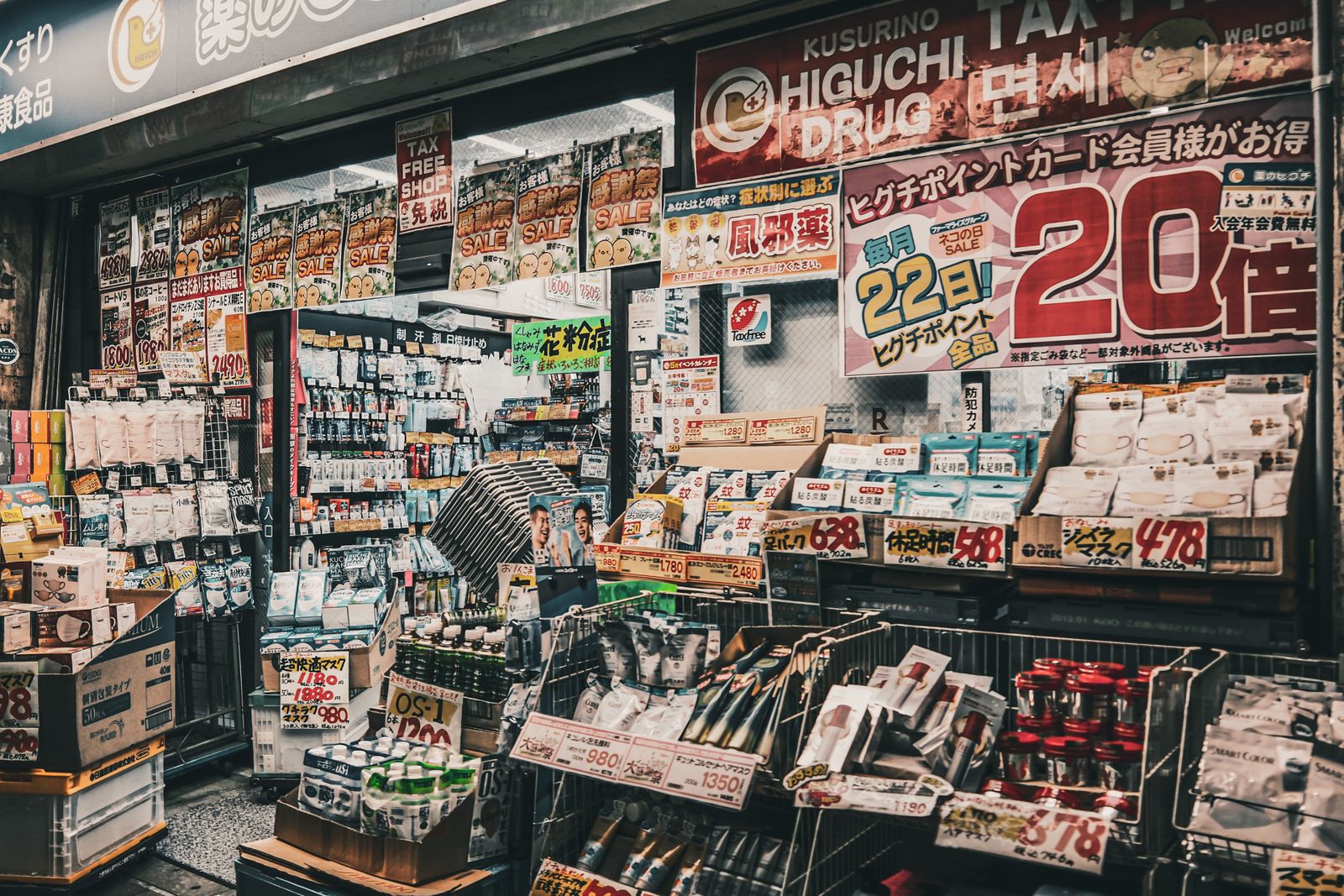
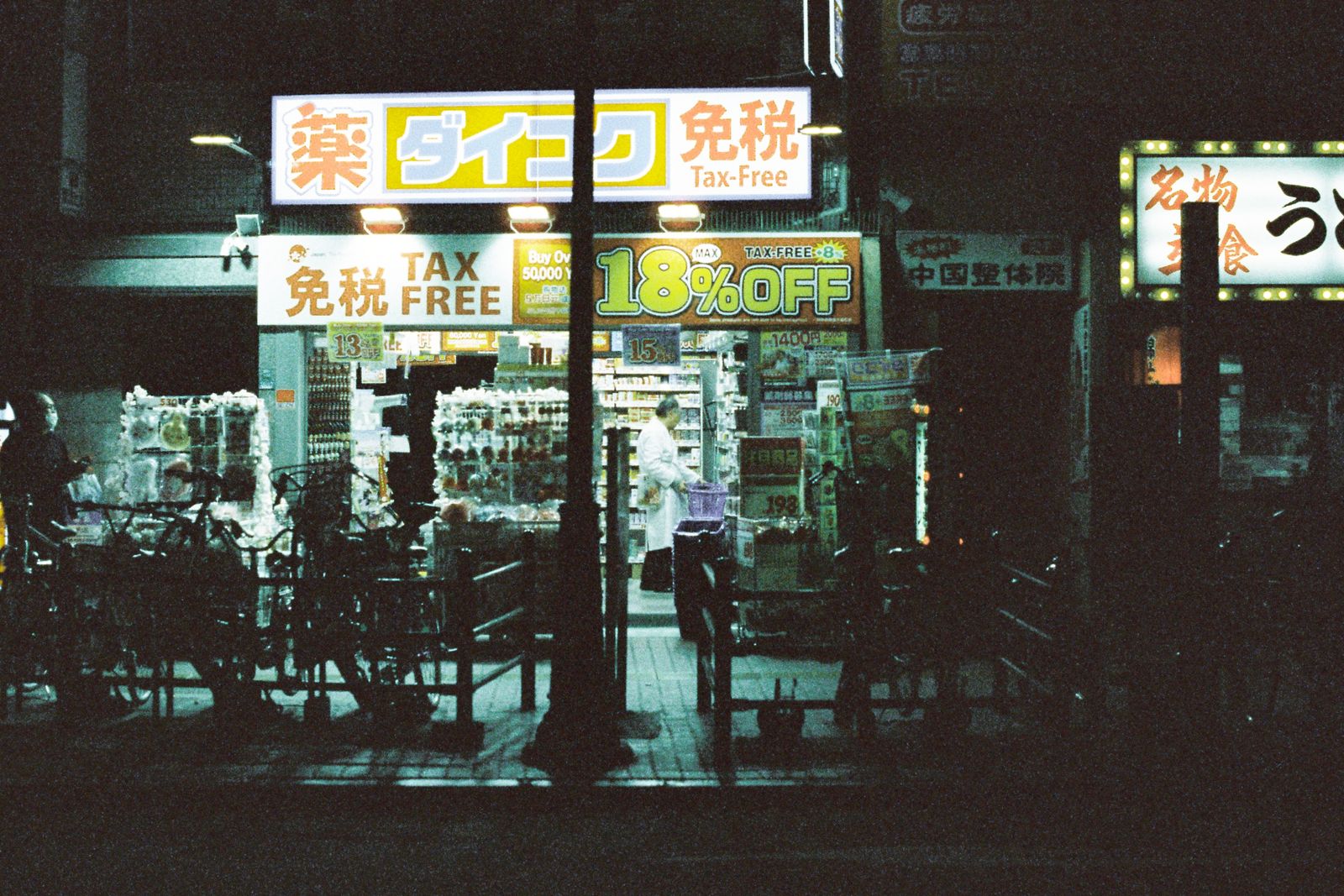
One thing that has not changed, and gets firmer: not every branch runs the scheme. Stores that are not electronically compliant by October 31, 2026 lose their tax-free permit that day.
JBJ'S TAKE
One big thing, yes. A bag of small ones, probably not.
JbJ's position: from November 1, 2026, tax-free stops being automatic and becomes a decision, and the decision is mostly about size.
For one expensive item you are certainly carrying home, do it — that is the case the new system pays for. For a bag of small things you will start using on day two, JbJ would let the tax go and buy what you actually want, without shaping the trip around a receipt.
This is not a complaint about the change. It is a transfer of work, and the work is yours now. Price it before you agree to do it.
Four things to settle at the till, not online
Your actual refund percentage. No official figure exists, because it is a shop-level term — the store sets what it hands back. Ask before you buy, not after. Two shops on the same street can differ, and on a large purchase that difference is worth more than the queue time.
How that store pays you. Bank transfer, card, app, or cash inside the departure port are all in use, and which one you get belongs to the store. If you need cash in hand before you fly, confirm it at the register.
What the rate will be if you come back. Standard 10%, reduced 8% on food and non-alcoholic drink you take away, and both hold through this change. A lower food rate from April 2027 has Cabinet agreement but is not yet law — do not plan a trip around it.
Whether your item is on the excluded list. Gold and platinum bullion are out, as is anything already exempt from consumption tax. The law also lets further high-fraud-risk goods be named later, so treat the list as open, and ask about anything expensive and unusual.
Information checked: 2026-08-31, sixty-two days before the change. Every statement about the refund method describes law that is enacted but not yet in force, and operational detail can be amended before launch. Sources are the Ministry of Finance, the National Tax Agency, the Japan Tourism Agency and JNTO.
FAQ
Do I still get the tax taken off at the register?
Through October 31, 2026, yes, at a store that runs the scheme. From November 1, 2026, no — you pay the tax-inclusive price, and the refund follows customs confirmation at departure. The date on the receipt decides which applies, not the date you fly.
What happens if I have already checked my bags?
From November 1, 2026 the tax-free terminals sit in the departure lobby before baggage drop, and bags handed to the airline cannot be retrieved for the procedure. Do it before you check in, holding everything — and remember that the check is per receipt, so one missing item voids everything bought with it.
How much will I actually get back?
Officially, an amount equivalent to the consumption tax — 10% on most goods, 8% on food and non-alcoholic drink taken away. What reaches you from November 1, 2026 depends on the store and the refund operator it uses, because tax law sets no rules for how the refund is made. The Japan Tourism Agency’s answer is to ask the shop, and so is this page’s.