Every guide to Japanese drugstores is a list of things to buy. Some of those lists are good.
None of them tells you what the characters on the medicine box mean, why a box you want is sometimes an empty display card, or which of two completely different customs rules applies to the bag you are carrying home.
So this page does those first, and the shopping list second.
The short version
- Look for 薬 or くすり on the sign. That is a drugstore. The chains differ less than the guides suggest.
- Every medicine box carries a risk class. It decides who is legally allowed to sell it to you.
- Most of what you’ll buy isn’t medicine at all — cosmetics and quasi-drugs carry no class.
- Tax-free needs a passport and a minimum spend, and the sealed bag is not decorative.
- Two customs questions, two different laws. Japan governs what comes in. Your country governs what goes home.
The characters on the box
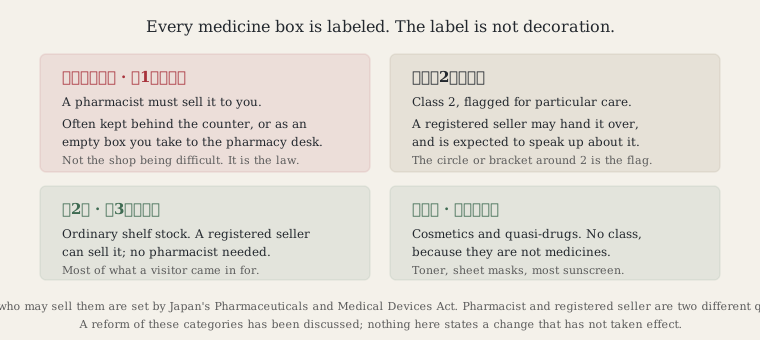
Japan sorts over-the-counter medicine by risk, and the class is printed on the outside of the box. It is not a marketing grade — it determines who may legally sell the thing.
要指導医薬品 and 第1類医薬品 require a pharmacist. If a box you want is behind the counter, or on the shelf as an empty card you carry to the dispensing desk, this is why. The shop is not being awkward and there is no queue-jumping around it.
指定第2類医薬品 — designated Class 2 — is Class 2 with ingredients that need particular care. You’ll see the 2 circled or bracketed.
第2類 and 第3類 are ordinary shelf stock, sellable by a registered seller — a real qualification, and a different one from pharmacist. Most of what you came in for lives here.
化粧品 (cosmetics) and 医薬部外品 (quasi-drugs) carry no class, because they are not medicines. Toner, sheet masks, most sunscreen.
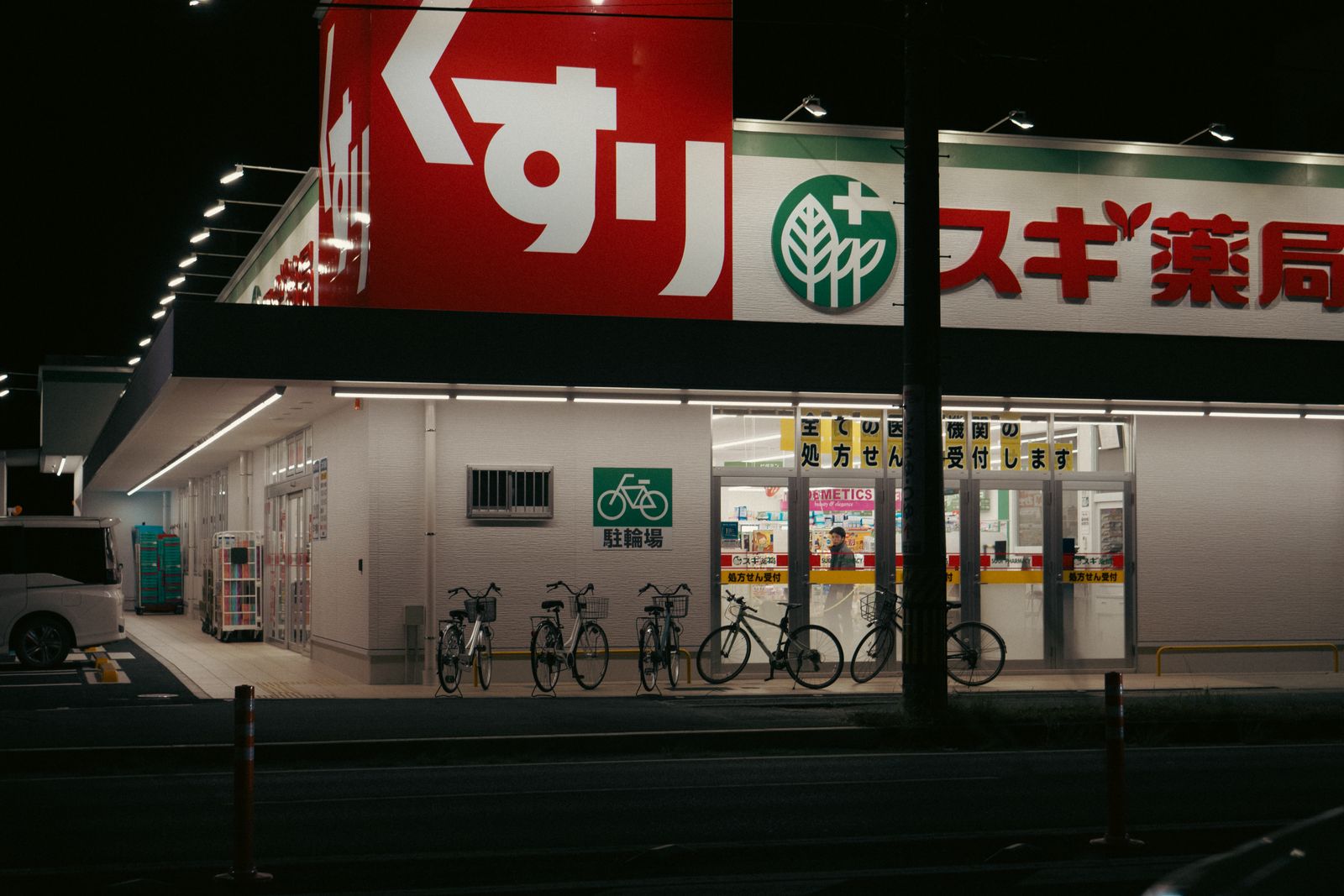
One consequence worth planning around: the pharmacist is not always on duty for the full opening hours of the shop. A 24-hour drugstore is not a 24-hour pharmacy counter.
JBJ'S TAKE
Photograph the box, not the recommendation.
The advice JbJ would give someone standing in that aisle for the first time is to stop trying to match products to a list they read on a plane, and instead photograph the box of anything they are unsure about.
The class is on it. The active ingredient is on it, usually in katakana that is closer to the English name than people expect. A translation app pointed at the actual packaging in front of you will beat any pre-made shopping list, because the list does not know what the shop has in stock or what your pharmacy at home already sells you.
The guides are ranked by what photographs well and what has an affiliate link behind it. The box is ranked by nothing. Read the box.
The chains, and how much the difference matters
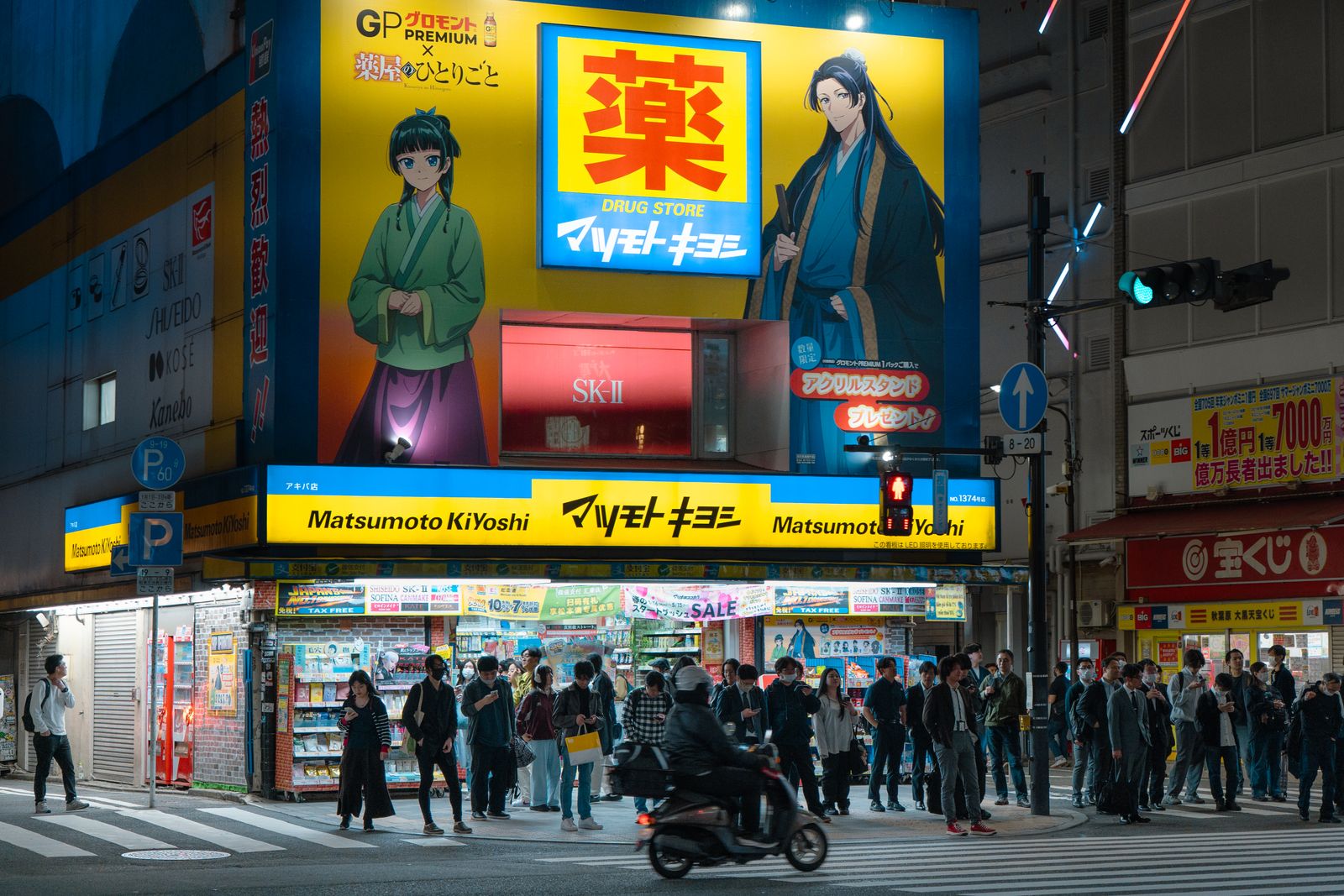
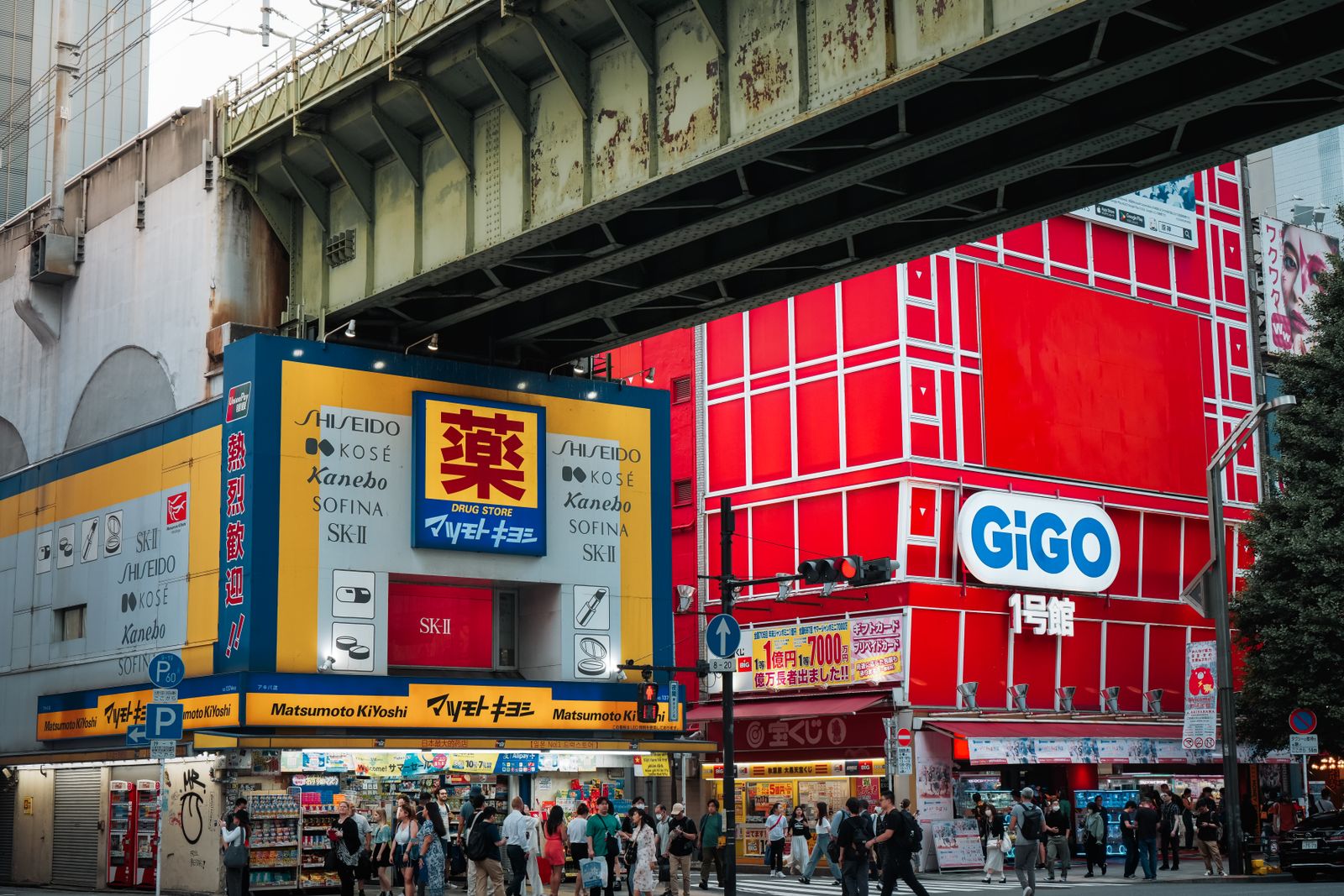
Matsumoto Kiyoshi is the one most visitors have heard of and the one most likely to have English signage. Tsuruha, Sugi, Welcia, Sundrug, Cosmos and a dozen regional names sell overwhelmingly the same things.
Prices do differ between chains, and they differ between branches of the same chain, and the difference on any single item is usually smaller than the walk between them.
Go into the one you are standing outside.
What’s actually worth buying
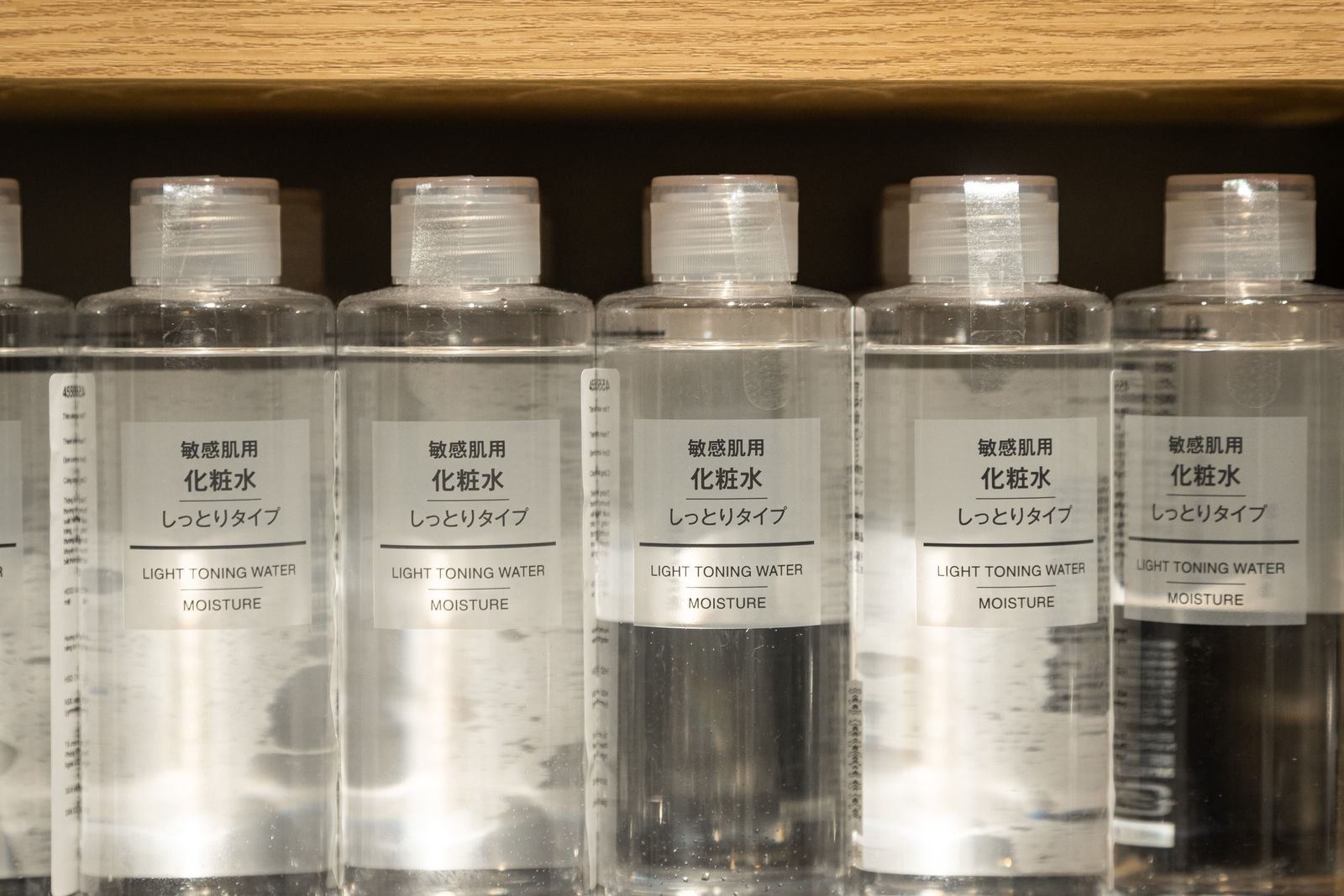
Skincare basics. Japanese keshōsui — toner, more or less — is the category with the widest gap between what you pay here and what the same tier costs abroad. Plain packaging, large bottles, unglamorous.
Sunscreen. The single most-recommended category, and for once the recommendation is sound. Japanese formulations are pleasant to wear, which is the only property that makes anyone actually reapply.
Sheet masks in bulk. Cheap, light, and they flatten into a suitcase.
Small useful things you will not think of until you need them: cooling sheets, blister pads, hand warmers in winter.
The hot-counter categories to be careful with are the medicines. Not because Japanese medicine is bad, but because “what your friend recommended” and “what your body is allowed” are two different lists, and only one of them is on the box.
Tax-free, honestly
Tax-free at a drugstore is real, and it comes with conditions worth knowing before you fill a basket: a passport, a minimum spend at that store on that day, and — for consumables like cosmetics and medicine — a sealed bag you are not supposed to open until you leave the country.
That last part catches people. The sunscreen you bought tax-free is, technically, sunscreen you are not meant to use in Japan.
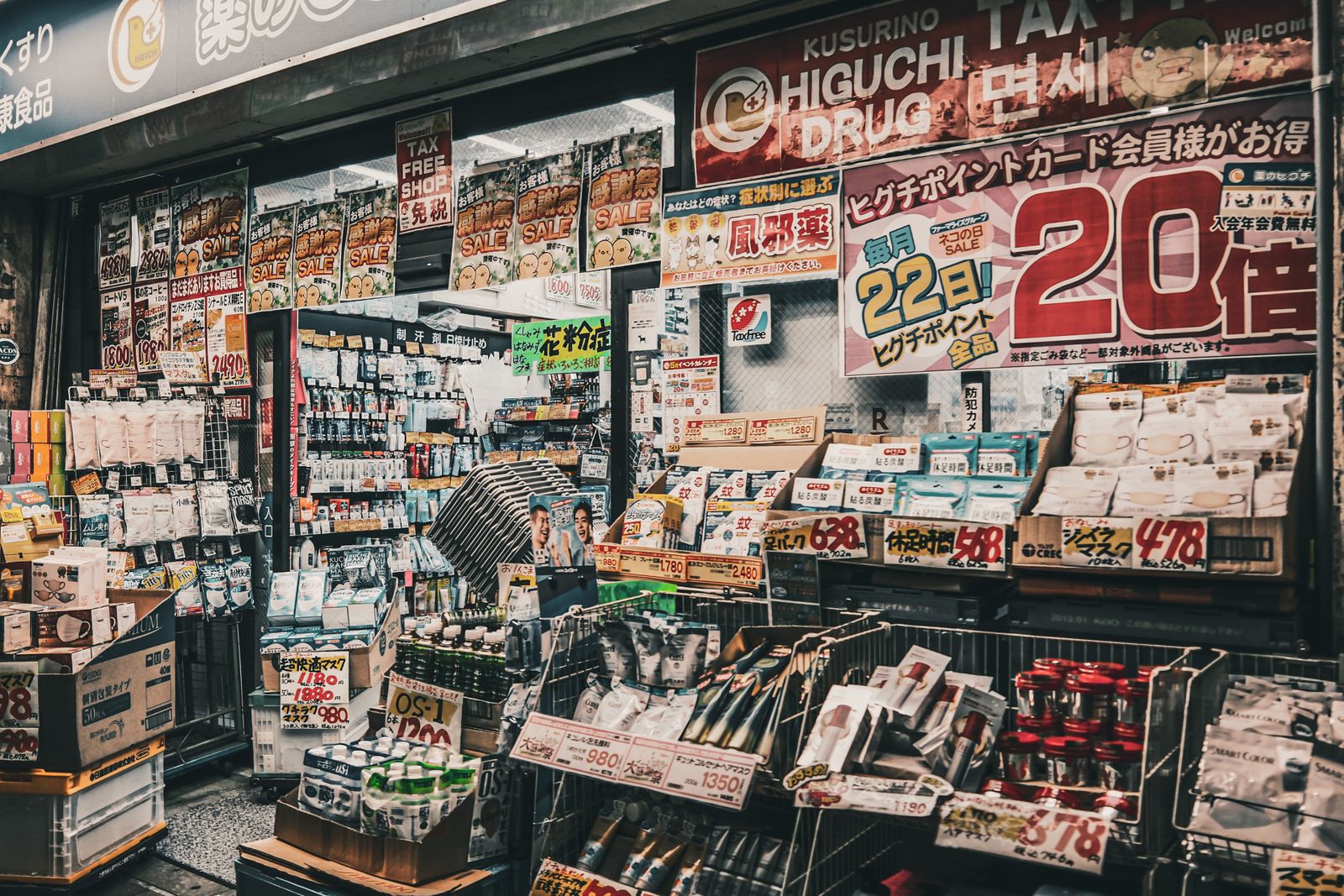
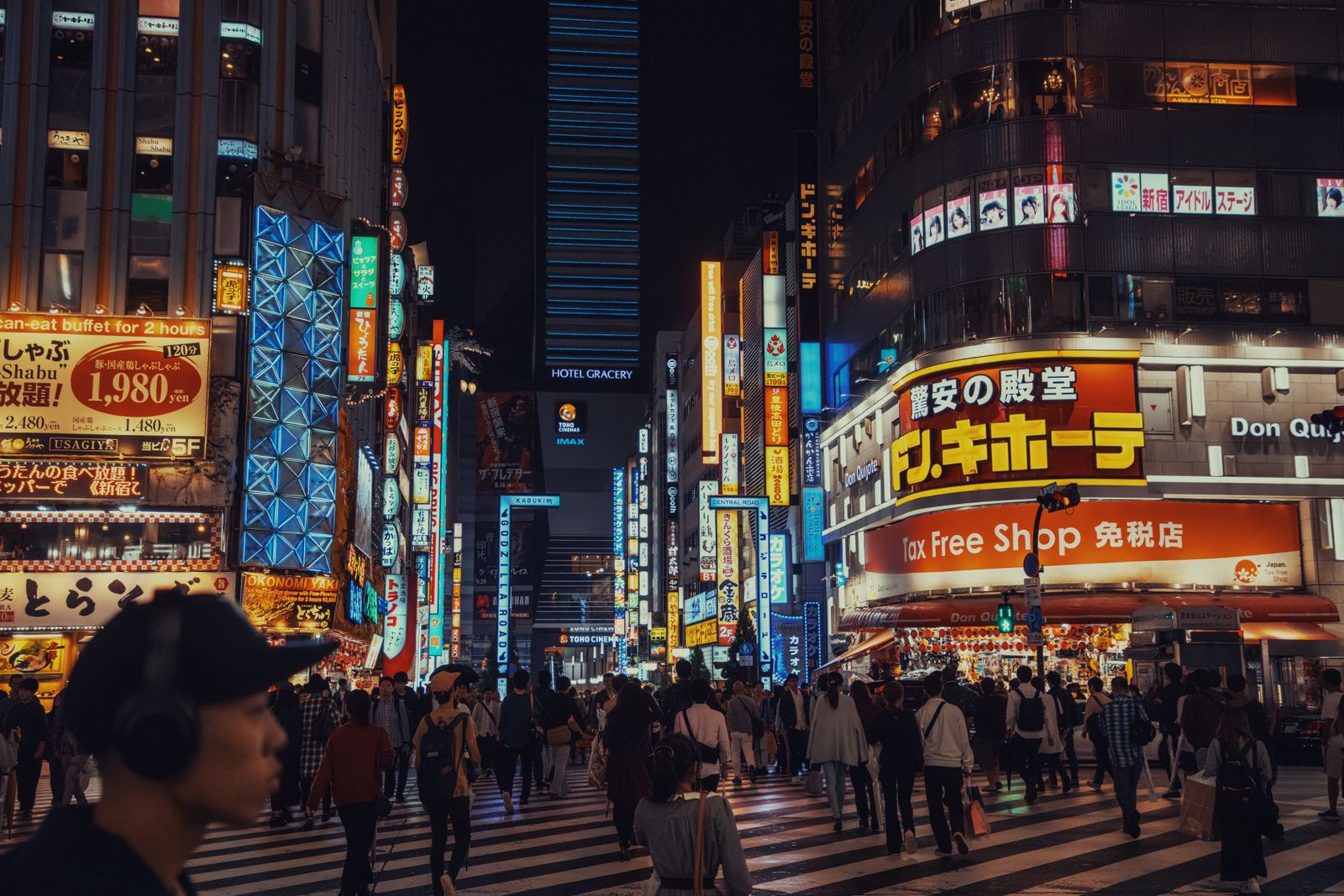
Not every branch runs the scheme. The 免税 / TAX FREE signage in the window is the tell.
The two customs questions
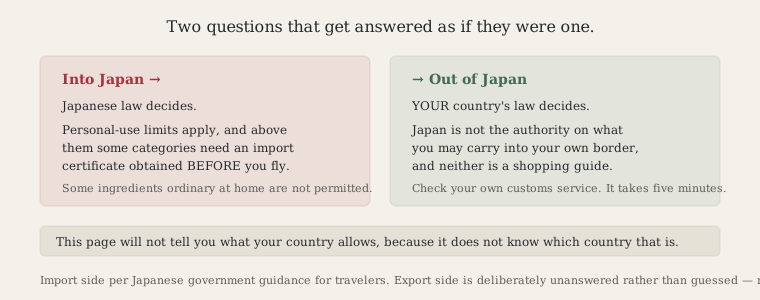
Into Japan is Japanese law. There are personal-use quantity limits, and above them some categories require an import certificate obtained before you fly. Some ingredients that are unremarkable in a home medicine cabinet are not permitted. If you take regular medication, this is worth checking against the Japanese government’s own guidance rather than a travel blog — including this one.
Out of Japan is not Japan’s decision at all. What you may carry across your own border is set by your own customs service, and it varies enormously.
JBJ'S TAKE
We won't tell you what your country allows.
JbJ is not going to give you a number for how much you can take home, and any page that does should worry you — it does not know which passport you are holding.
What we will say is that this is the one part of a drugstore run that is worth five minutes of your own research before you fly, and that almost no shopping guide mentions it at all. The lists are written to be enjoyable. Customs is not enjoyable, so it gets left out.
If you are buying cosmetics and sheet masks, none of this touches you. If you are buying medicine, check your own border, not ours.
Before you go
Walk into the nearest one. Read the boxes rather than a list. Buy the skincare, be deliberate about the medicine, and settle the customs question before you fly rather than at the airport.
If you are shopping your way around Japan more broadly, the konbini guide covers the shop you will actually use every day, and the first-knife guide covers the other purchase people fly home wanting to have got right.
Information checked: August 2026. Risk classes and who may sell them are set by Japan’s Pharmaceuticals and Medical Devices Act; tax-free conditions and customs limits change, and the figures for your own country are yours to check.
FAQ
What do the numbers on Japanese medicine boxes mean?
They are risk classes. 要指導医薬品 and 第1類 require a pharmacist to sell them. 指定第2類 is Class 2 flagged for particular care. 第2類 and 第3類 can be sold by a registered seller. Cosmetics and quasi-drugs carry no class at all.
Why is the medicine I want behind the counter?
Because it is Class 1 or guidance-required, and Japanese law says a pharmacist has to hand it over. Sometimes the shelf carries an empty display box you take to the dispensing desk. It is not a stock problem.
Which drugstore chain is best for tourists?
Matsumoto Kiyoshi is the most likely to have English signage. Beyond that the chains sell largely the same things and the price difference on any one item rarely justifies walking to another store.
Can I get tax-free at a Japanese drugstore?
At branches that run the scheme — look for 免税 or TAX FREE in the window. You will need your passport and a minimum spend at that store on that day, and consumables are sealed in a bag you should not open until you leave Japan.
Can I take Japanese medicine home with me?
That is your own country’s rule, not Japan’s, and it varies too much for any guide to answer. Check your own customs service before you fly. Separately, bringing medication into Japan has its own limits and may require an import certificate arranged in advance.