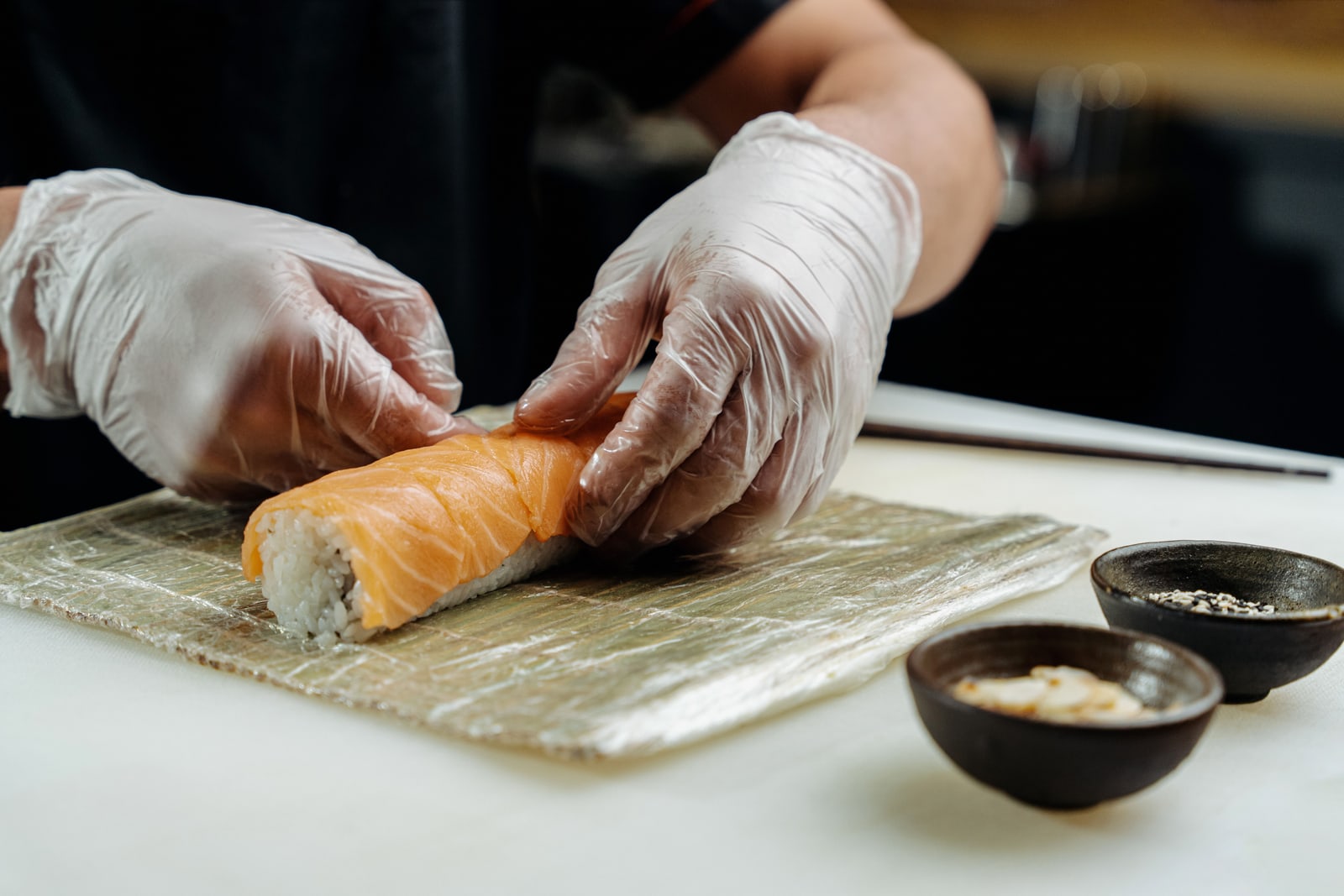
A sushi-making class is a late morning with an instructor, a bamboo mat and seasoned rice; what you make is your lunch. It is not a chef’s sushi. Four conditions decide it, in this order. Stop at the first one that rules the class out.
- What your group wants. This outweighs the rest. Making something with your hands: a class. The best sushi in Tokyo: not a class.
- The ages in the group. The class worked through below takes no one under 8.
- What someone won’t eat. No raw fish, gluten-free, vegetarian, halal: send requests before you book.
- What the class lets you make. Rolls, temari or nigiri; small group or private; with or without a market walk.
Want a hands-on morning more than the best sushi in Tokyo?
Tokyo Sushi Making Experience on Klook
Klook sells a 2.5-hour Tokyo sushi class in the Kita-Senju area: rolls, nigiri and gunkan, eaten as lunch. Raw-fish, allergy and vegetarian requests go in when you book.
Check the sushi class on Klook →Sold on Klook (Klook Travel Technology Limited), an online travel agency. Klook lists it as a 2.5-hour group class in Senju-Asahicho, Adachi (the Kita-Senju area), in English and Japanese, where you make two kinds of roll, three pieces of nigiri and two gunkan, and says raw-fish, allergy and vegetarian requests must be declared in advance. Before you pay, check on the listing: the minimum age, your date and start time, the price for each person, and the cancellation terms.
First: is the goal making sushi, or eating it?
This is the condition that decides most groups before the others matter.
A class is an activity. You spend a couple of hours learning to season rice, roll, shape and press, and the sushi you eat is the sushi you made. The class this page uses as its worked example, a small-group class in Kita-Senju, says on its own page that the amount you make is enough for a full adult appetite. So it replaces a lunch. It does not replace a dinner.
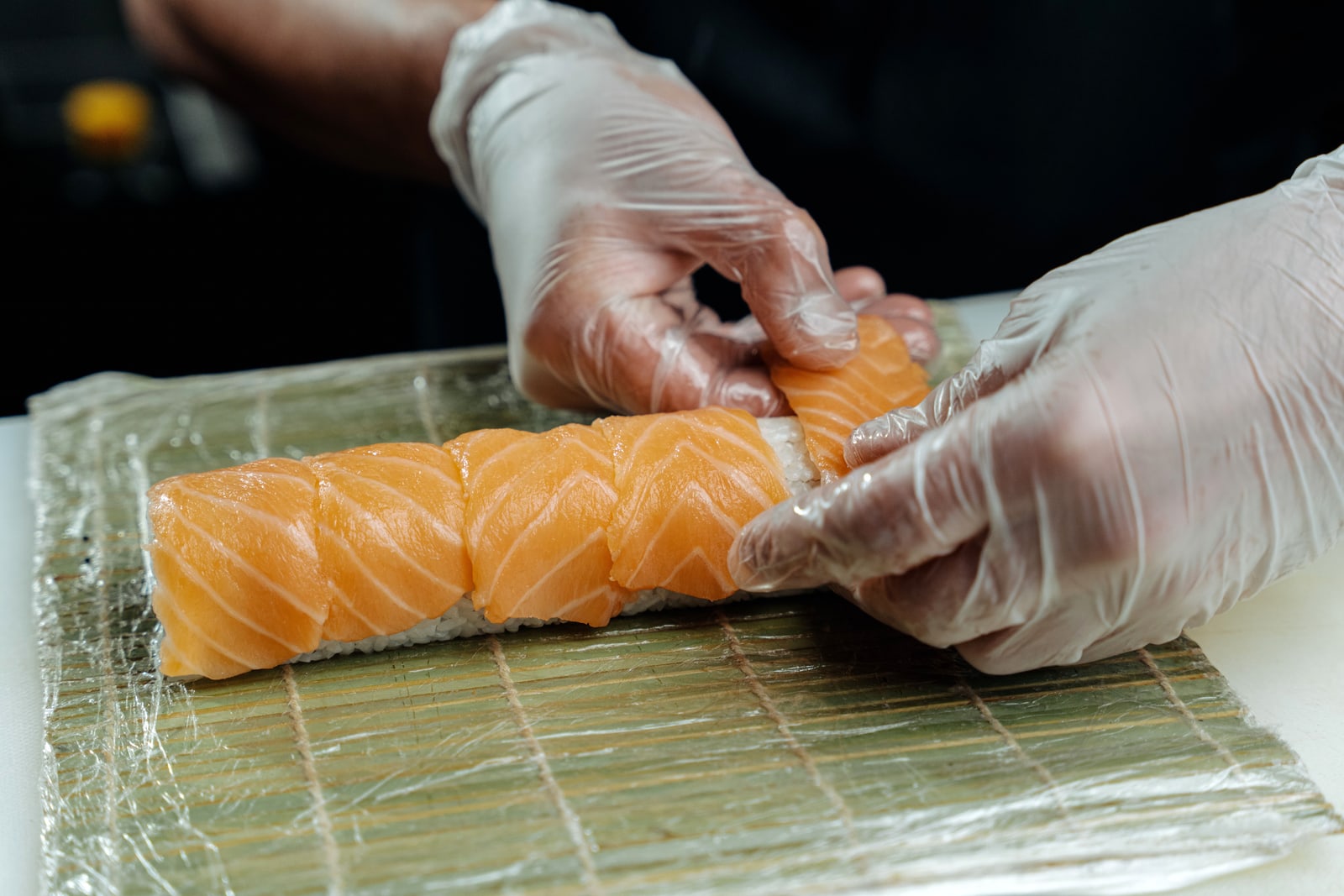
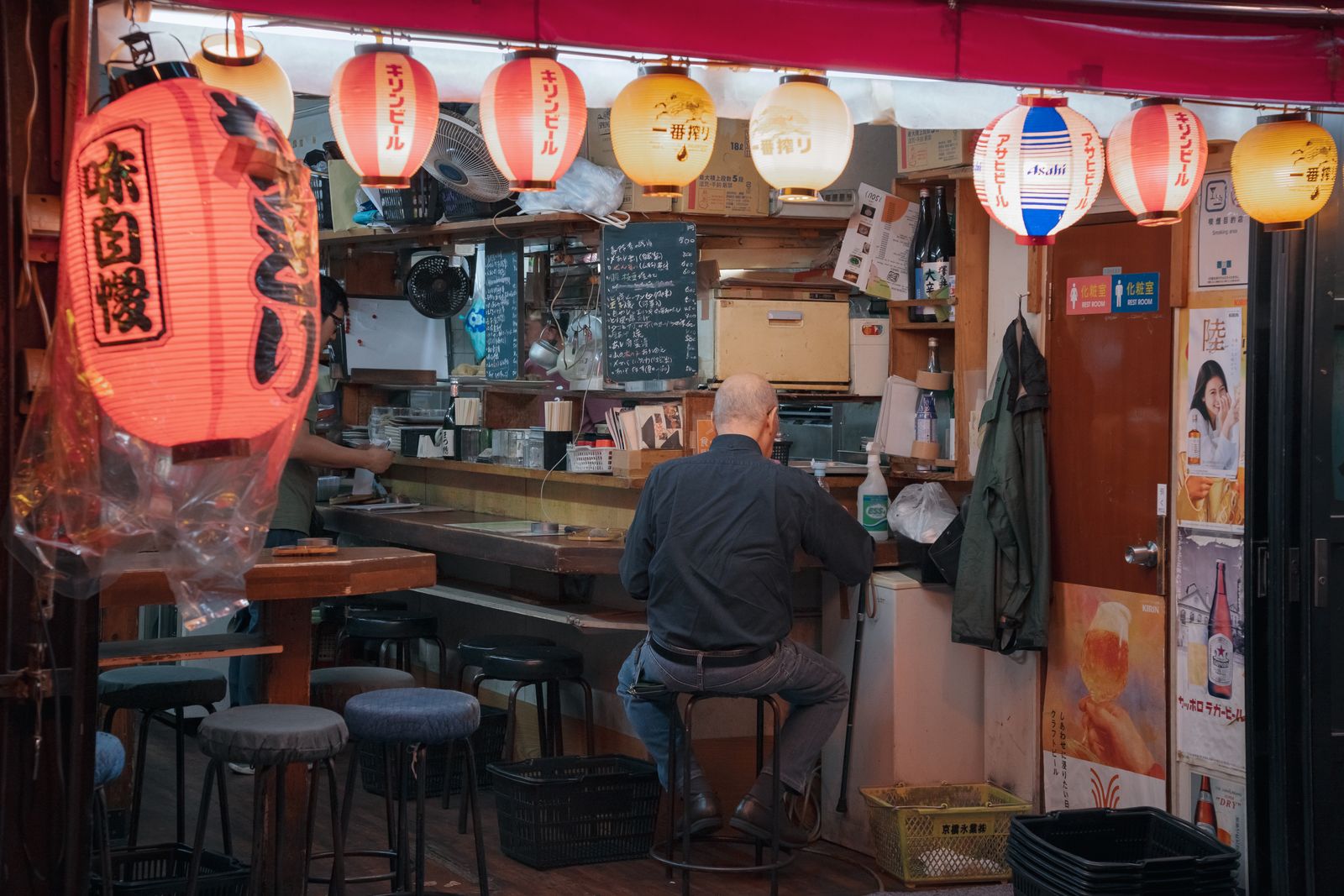
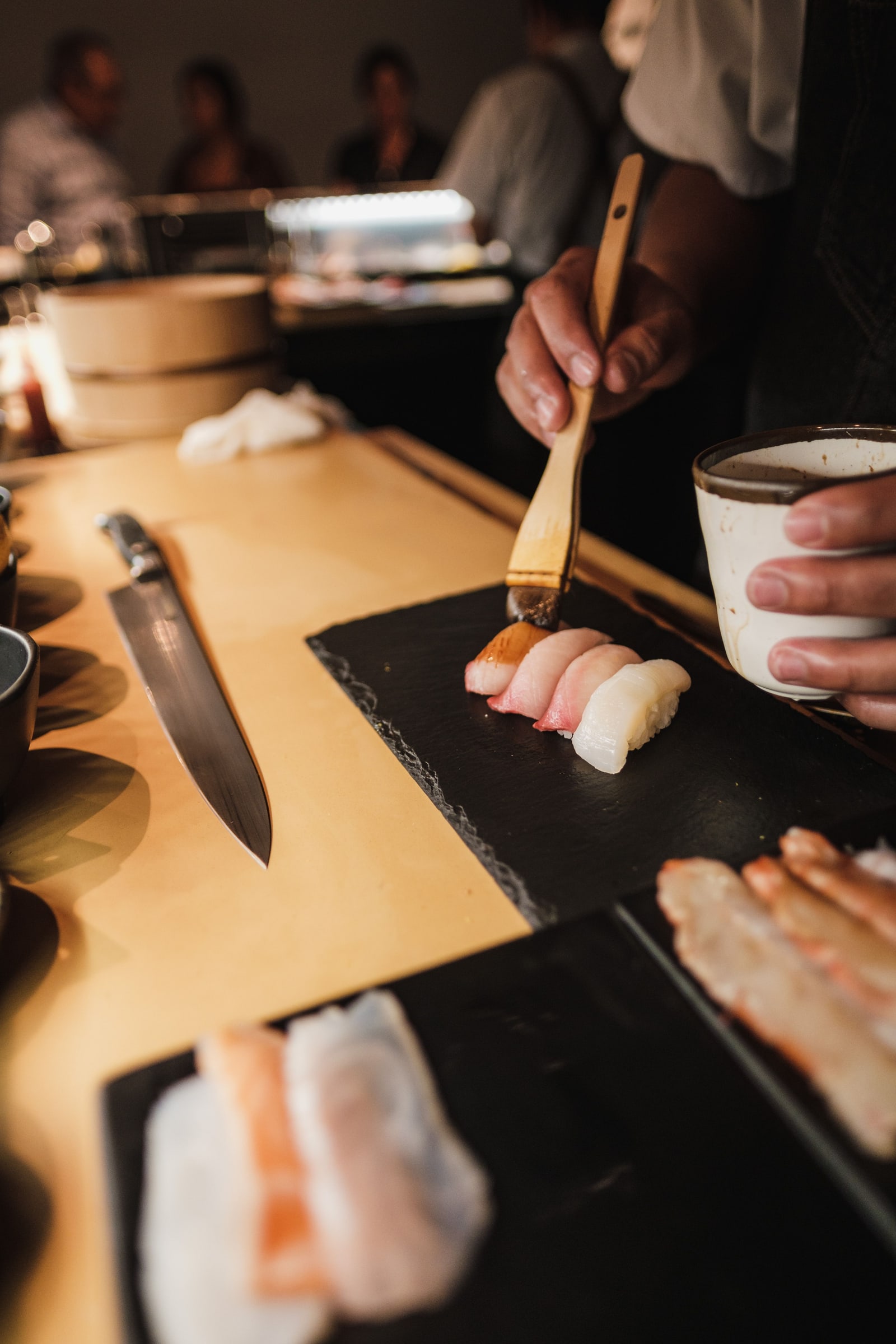
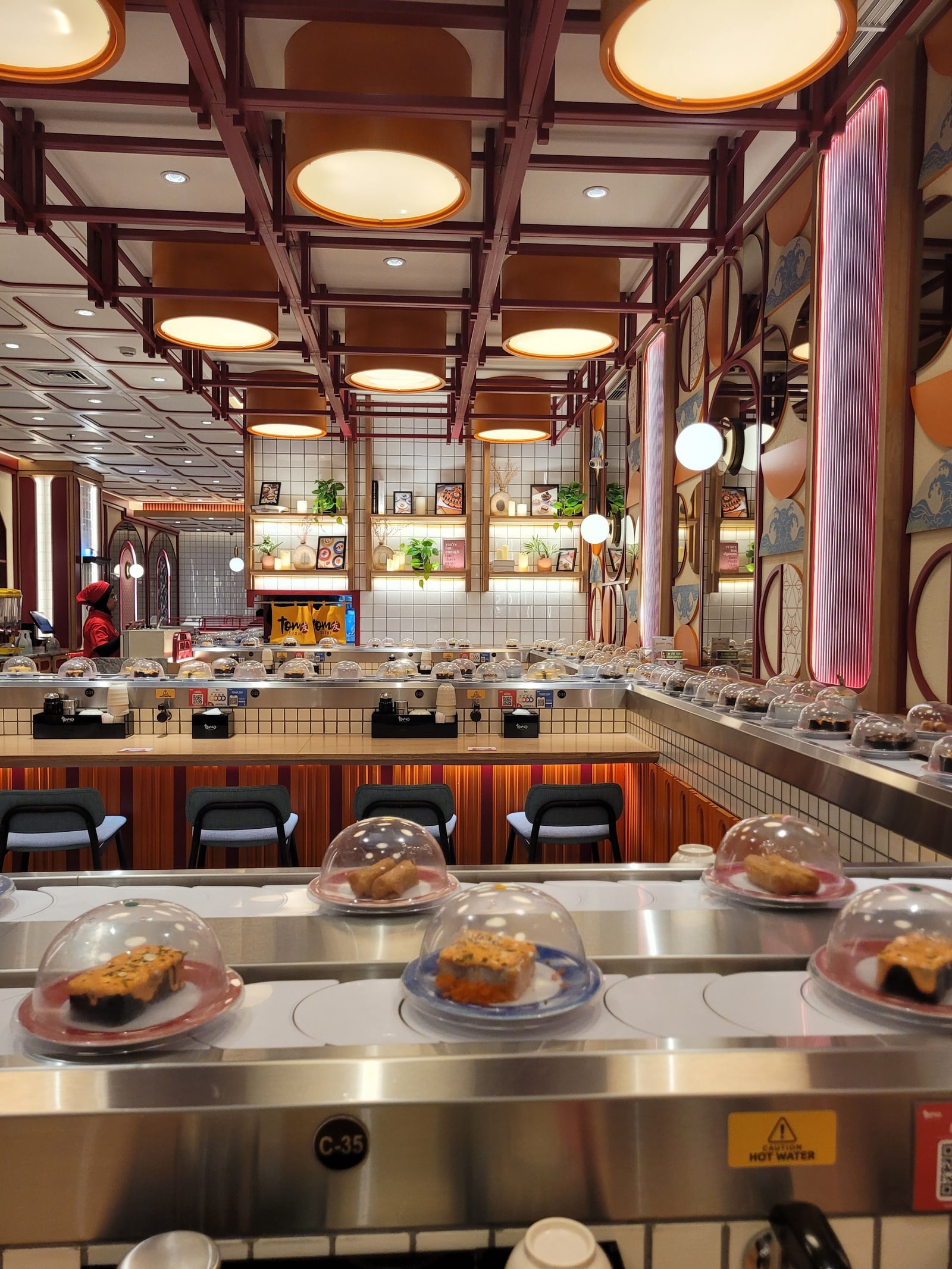
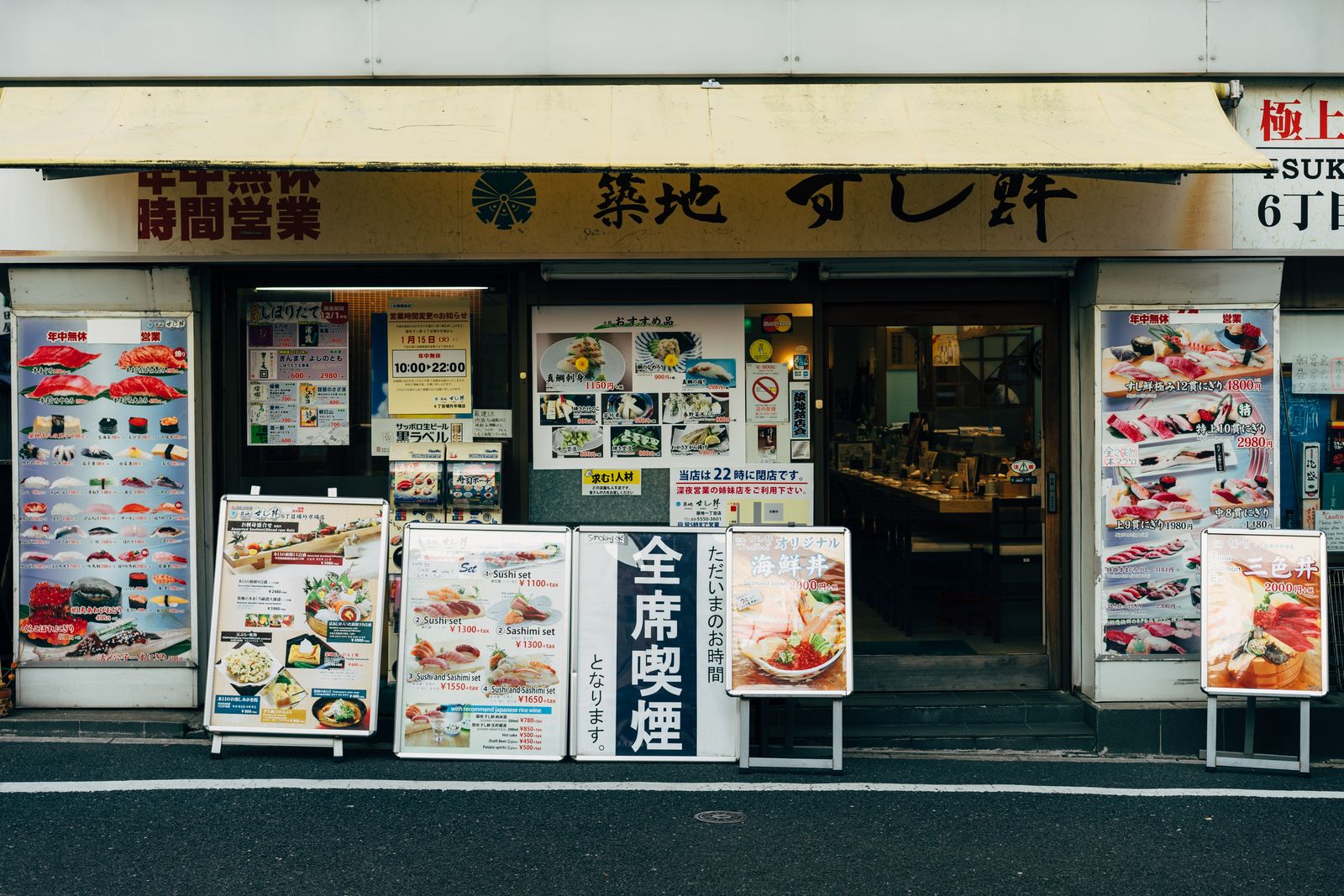
If the goal is the best sushi of the trip, skip the class. What you want then is a counter where a chef makes each piece in front of you, or a conveyor-belt shop if the goal is volume and choice. Either fits into a meal you were going to eat anyway, and neither takes a morning.
JbJ’s Tokyo food ranking already sets sushi against the other dinners on a short trip. A class sits in a different slot from those dinners: it takes a late morning and lunch.
Second: the ages in your group
Classes set their own age rules, and the rules differ from listing to listing. Read them before anything else if a child is coming.
The Kita-Senju class publishes its rules plainly. The minimum age is 8. Its page says groups with children under 8 cannot take part, so one younger sibling rules the whole group out. Children 8 to 11 pay the child price; 12 and over pay the adult price. The same operator describes its classes as kid-friendly.
If anyone in your group is under 8, this class is out. Look for a listing that states a lower minimum age, or take the family to a conveyor-belt shop for lunch instead.
Third: what someone in the group won’t eat
This is where a class can help: one that takes dietary requests plans around the person before the day.
The Kita-Senju class lists what it can plan for: guests who don’t eat raw fish, vegetarians, halal-friendly and kosher-friendly ingredients, and allergy-friendly options, with gluten-free given as its example. Klook’s listing for its Tokyo class says raw fish, allergies and vegetarian requests must be declared in advance. Either way, the request goes in when you book, not on the day.
Two things to ask about in that request:
- Soy sauce and gluten. Regular soy sauce is brewed with wheat. Kikkoman’s own product page says its regular soy sauce is made from wheat, soybeans, salt and water, and that its gluten-free version uses rice instead of wheat. If gluten matters, ask what goes in the dipping dish.
- Fish in things that aren’t fish. Japanese cooking puts fish stock in places a vegetarian wouldn’t look. JbJ’s vegetarian and vegan guide covers where it hides. Ask the class to say what is in each ingredient, not only what is on top.
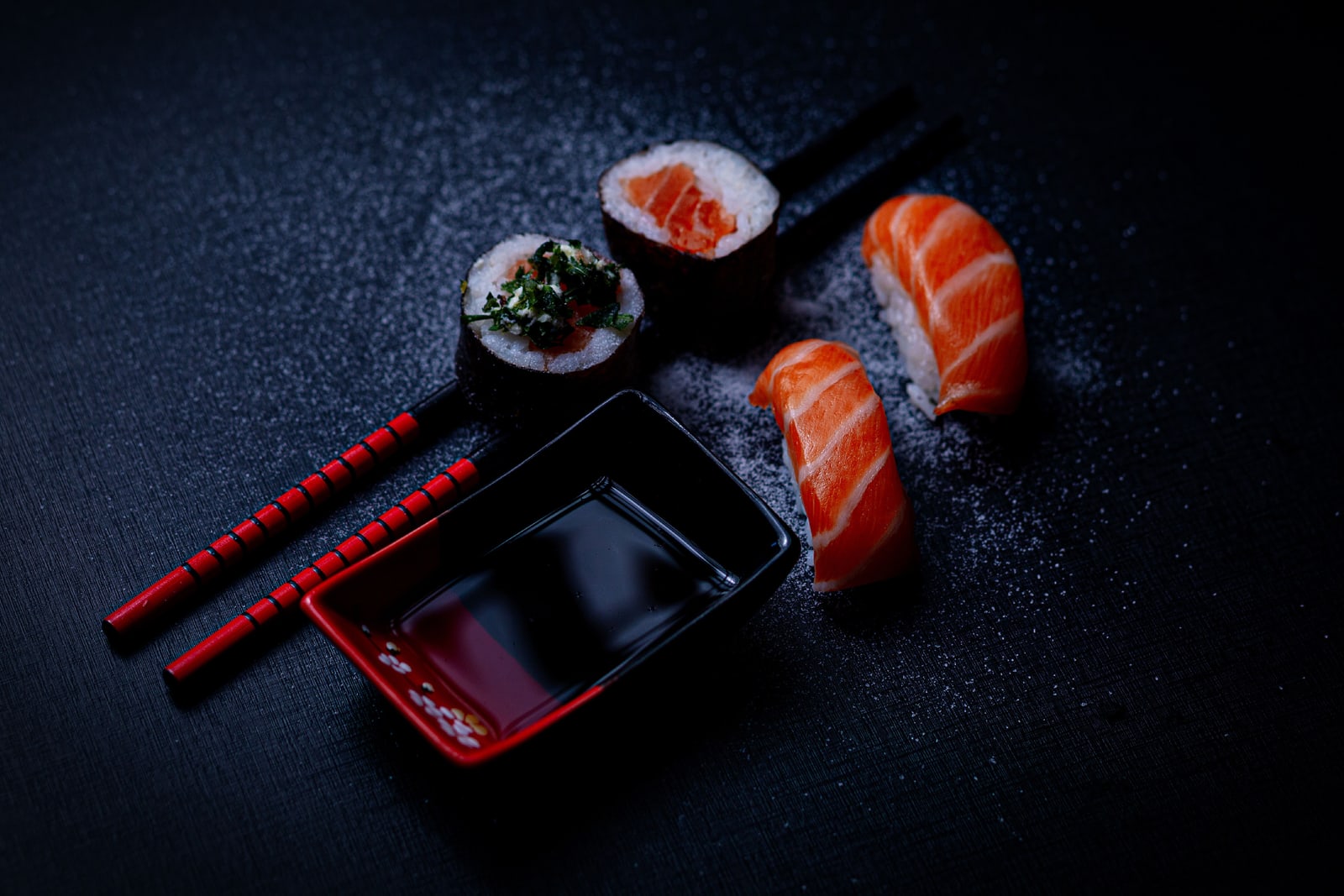
If a person in the group can’t eat raw fish, or eats vegetarian, halal or gluten-free, a class that accepts the request is an easier way to share sushi — on the condition that the request goes in before you pay.
Fourth: what the class actually lets you make
Once the first three conditions say yes, this one picks the listing. Three things differ between listings.
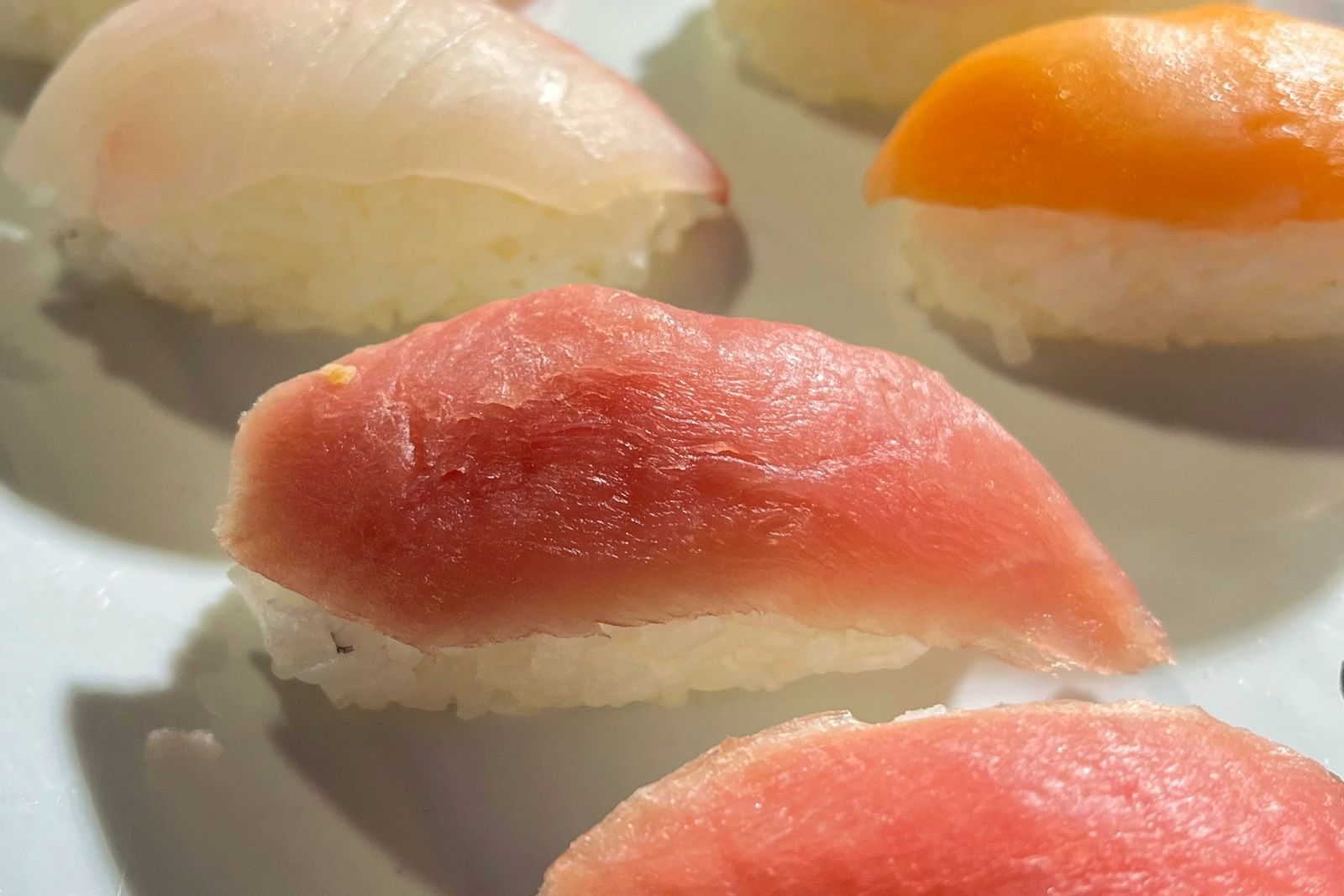
What you make. Some classes are rolls only. Some make temari, small round balls of rice with a topping. Some include nigiri, the pressed piece you see at a counter. The Kita-Senju class lists four: a California roll, a decorative roll, nigiri and a battleship roll (gunkan, rice wrapped in a strip of seaweed with a topping on it). If the person who asked for the class wants nigiri in particular, check that it is on the list.
Small group or private. In a small group you share the table with other visitors. The Kita-Senju small group takes up to eight guests; groups of nine or more book the operator’s large-group workshop. If you want the table to yourselves, look for a listing that says private.
A market walk, or not. Some listings add a walk through Tsukiji Outer Market before the class. Tokyo’s official tourism site says the market is closed on Wednesdays, Sundays and national holidays, so many shops are closed then too, and that it is liveliest between 9:00 and 13:00. On a closed day, a market walk passes many shut shops.
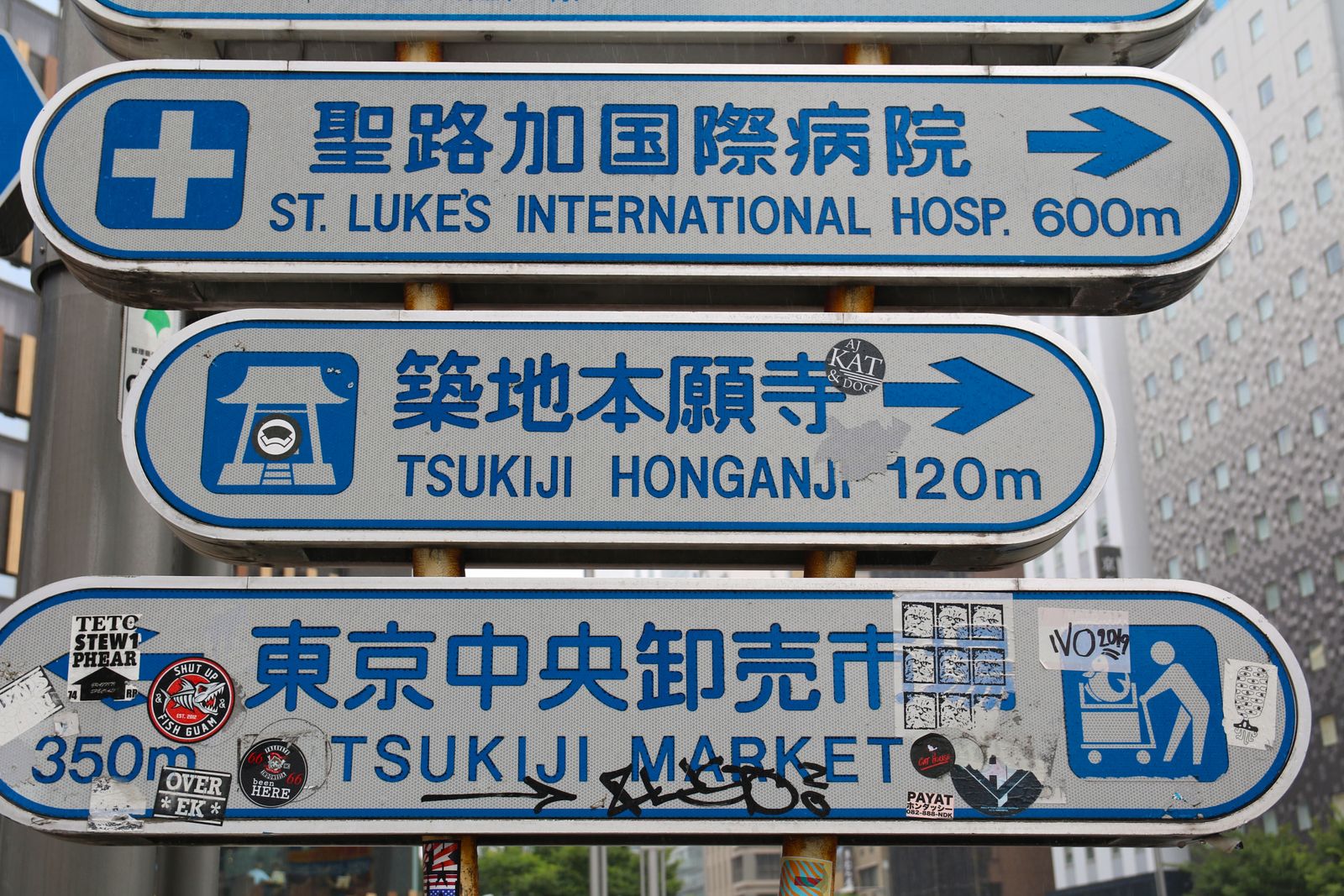
The tie-break, if two listings both pass: take the one that includes what the keenest person wants to make, then the one whose start time fits the morning you have free. The Kita-Senju class runs 10:30 to 13:00, inside the hours Tokyo’s tourism site gives as the outer market’s liveliest. If you also want a morning at the market, the class and the market need two different mornings.
One class, in numbers
The operator of the Kita-Senju small-group class publishes its terms on its own page (read September 30, 2026). Other listings set their own.
| Kita-Senju small-group class | |
|---|---|
| Days | Weekdays only; no classes on weekends or public holidays |
| Time | 10:30 to 13:00 (2.5 hours) |
| Meeting point | East Exit, Kita-Senju Station |
| Adult (12 and over) | ¥9,500, tax included |
| Child (8 to 11) | ¥5,000, tax included |
| Under 8 | Not accepted; a group with a child under 8 cannot take part |
| Group size | Up to 8 guests |
| What you make | California roll, decorative roll, nigiri, battleship roll |
| Food | Enough for a full adult appetite |
| Cancellation | 50% from 24 to 12 hours before; 100% within 12 hours |
For a family of two adults and two children aged 8 to 11, that comes to ¥29,000 at those prices, for a morning and lunch. Set that beside a sushi lunch at a counter or a conveyor-belt shop, which takes the time of a meal rather than a morning. JbJ’s trip cost guide puts daily food spending in context.
So is it worth it for you?
Put the four answers together. Book a class if the group wants to make something rather than eat the best version of it, everyone is old enough for the listing you pick, any dietary request has gone in before you pay, and the listing makes what the keenest person wants to make. Eat at a counter or a conveyor-belt shop instead if the goal is the sushi itself, a child is under the minimum age, or the weekday morning is already spoken for.
If the class wins, pick a weekday for the Kita-Senju class, and send your dietary requests with the booking. The operator takes bookings on its own website. Klook also sells a Tokyo class in the same Kita-Senju area.
Your group wants the hands-on morning, and every condition passed?
Tokyo Sushi Making Experience on Klook
Klook lists a 2.5-hour group class in the Kita-Senju area with rolls, nigiri and gunkan. Raw-fish, allergy and vegetarian requests must be declared in advance; check the age rule and cancellation terms on the listing.
Check the sushi class on Klook →Sold on Klook (Klook Travel Technology Limited), an online travel agency. Klook lists it as a 2.5-hour group class in Senju-Asahicho, Adachi (the Kita-Senju area), in English and Japanese, where you make two kinds of roll, three pieces of nigiri and two gunkan, and says raw-fish, allergy and vegetarian requests must be declared in advance. Before you pay, check on the listing: the minimum age, your date and start time, the price for each person, and the cancellation terms.
So it works on the morning
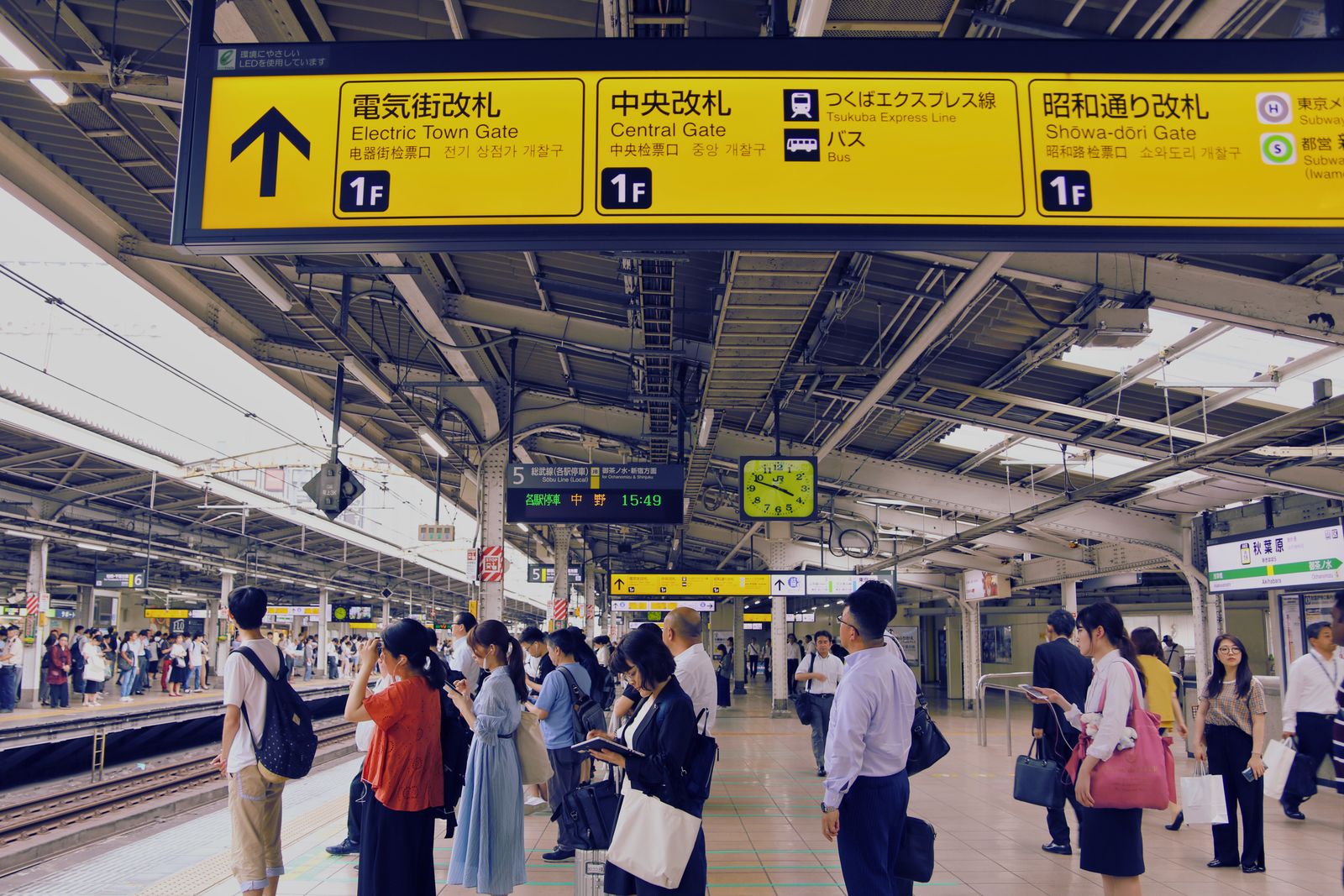
- The trip to the class. Kita-Senju is in Adachi, on the north side of the city. Check the route the night before and allow for a weekday-morning train. JbJ’s rules page covers what matters on a crowded platform.
- The request. If you sent a dietary request, have the confirmation on your phone.
- Lunch. Don’t eat a big breakfast. The class is lunch.

Next
If the answer is a class, the one thing to do now is pick a weekday morning that your market plans don’t already need, and send the booking with every dietary request in it. If the answer is a counter, the class slot is a free morning, and JbJ’s first-trip guide is the place to decide what goes in it.